THE GEOGRAPHY OF GROUNDWATER QUALITY AND CHILDHOOD DIARRHEAL DISEASE IN BANGLADESH
Veronica Escamilla
A dissertation submitted to the faculty of the University of North Carolina at Chapel Hill in partial fulfillment of the requirements for the degree of Doctor of Philosophy in the
Department of Geography.
Chapel Hill 2011
iii ABSTRACT
VERONICA ESCAMILLA: The Geography of Groundwater Quality and Childhood Diarrheal Disease in Bangladesh
(Under the direction of Michael Emch, Larry Band, John Florin, Melinda Meade, and Marc Serre)
Childhood diarrhea persists in Bangladesh despite efforts to shift from surface water to groundwater for drinking. It is unknown whether shallow aquifer groundwater extracted through tubewells is a significant source of disease or if other sources such as surface water and local sanitation are driving transmission. Using the disease ecology framework, this study explores the influence of poor sanitation on diarrheal disease transmission. Specific questions addressed in this study include: 1) Does poor sanitation influence shallow tubewell water quality? 2) Does fecal contamination of tubewells influence diarrheal disease? 3) Does the neighborhood water and sanitation infrastructure affect childhood diarrheal disease incidence above and beyond household factors? 4) Does poor sanitation influence diarrheal disease via bathing ponds? 5) Does obtaining drinking water from deep tubewells have a protective effect against childhood diarrhea incidence?
This study integrates groundwater microbial data, health and demographic
iv
neighborhood latrine metrics, and bathing pond latrine metrics. A deep tubewell arsenic mitigation intervention is also examined to determine whether children drinking from deep tubewells experience less diarrhea than children drinking from shallow wells.
Results suggest that poor sanitation is predictive of both groundwater contamination and diarrheal disease. Children living in neighborhoods with insufficient access to septic latrines experience higher diarrhea incidence. Additionally, children living near bathing ponds surrounded by latrines leaking effluent also have a higher incidence. While deep tubewells were installed for arsenic mitigation, they are also protective against diarrheal disease. These results shed light on the importance of integrating population and environment data to identify particular circumstances in which groundwater is compromised and children are at risk of contracting diarrheal diseases. These results suggest that poor sanitation
v
ACKNOWLEDGEMENTS
vi
TABLE OF CONTENTS
CHAPTER 1 ... 1
INTRODUCTION ... 1
Background ... 5
Research Framework ... 13
CHAPTER 2 ... 23
INFLUENCE OF LATRINE PROXIMITY AND TYPE ON TUBEWELL WATER QUALITY AND DIARRHEAL DISEASE IN BANGLADESH ... 23
Introduction ... 23
Research Design and Methods ... 25
Results ... 30
Discussion ... 37
CHAPTER 3 ... 42
CHAPTER 4 ... 43
INFLUENCES OF POOR SANITATION ON CHILDHOOD DIARRHEA IN RURAL BANGLADESH ... 43
Introduction ... 43
Background ... 44
Research Design and Methods ... 47
Results ... 56
Discussion ... 61
Conclusion ... 63
vii
CHAPTER 6 ... 67
IMPACT OF DEEP TUBEWELLS ON CHILDHOOD DIARRHEA IN BANGLADESH ... 67
Introduction ... 67
Methods... 69
Results ... 74
Discussion and implications ... 75
CHAPTER 7 ... 78
CONCLUSION ... 78
viii
LIST OF TABLES
Table 2.1. Sanitation Variables ...29
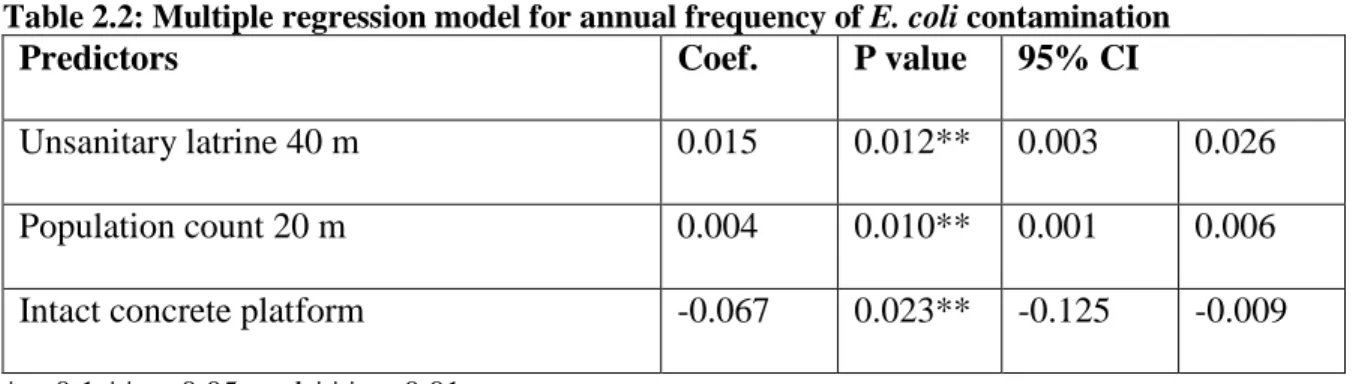
Table 2.2. Multiple regression model for annual frequency of E. coli contamination ...33
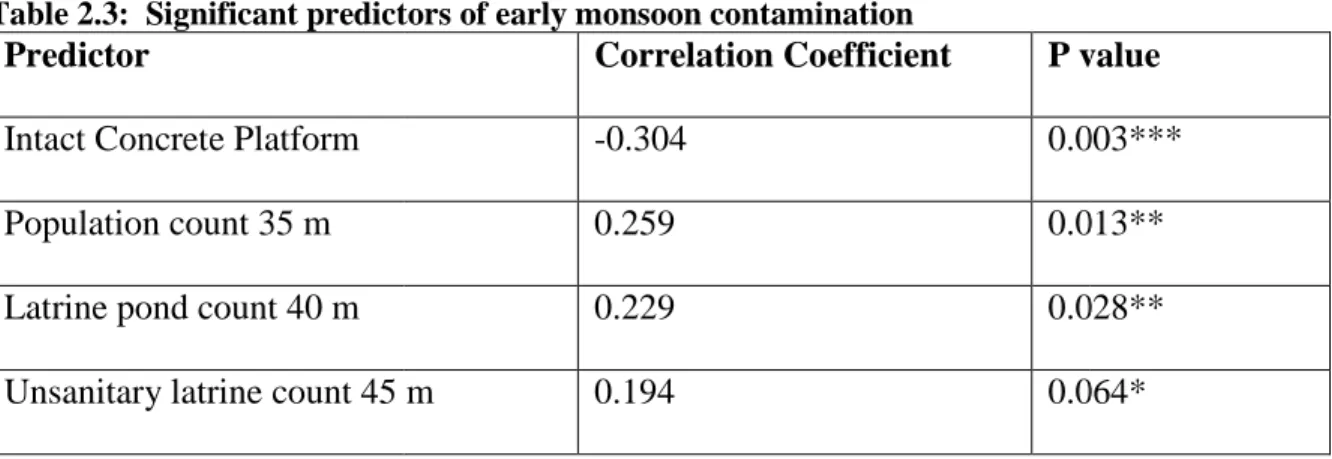
Table 2.3. Significant predictors of early monsoon contamination ...34
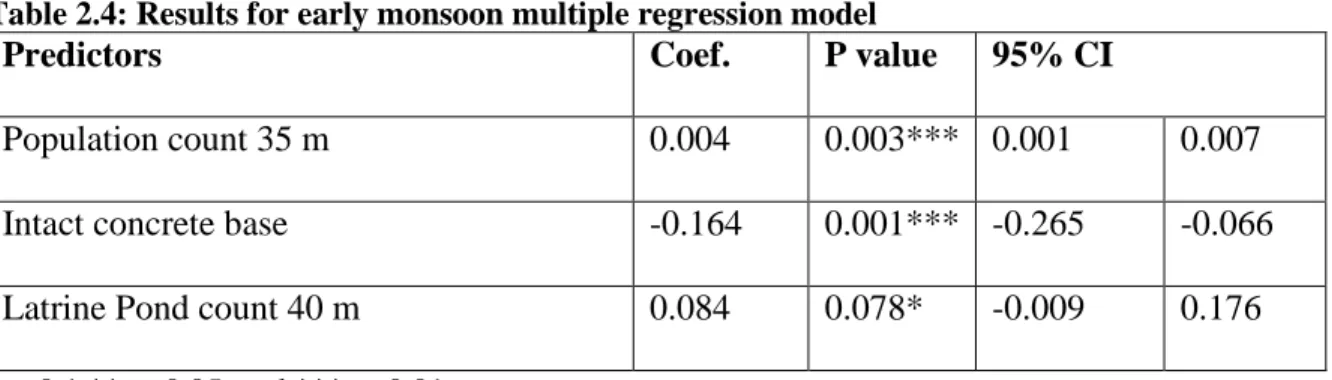
Table 2.4. Results for early monsoon multiple regression model...35
Table 2.5. Results for late monsoon population density multiple regression model ...36
Table 2.6. Results for late monsoon total latrine density multiple regression model ...37
Table 4.1. Adjusted odds ratios for neighborhood population per septic latrines, unsanitary latrines, sanitary latrines and total latrines ...58
Table 4.2. Neighborhood sanitation random effects logistic regression model ...59
Table 4.3. Random effects logistic regression for repeated measures ...61
ix
LIST OF FIGURES
Figure 1.1. Tubewell installation ...2
Figure 1.2. Shallow tubewell ... 3
Figure 1.3. Framework describing the disease ecology of childhood diarrheal disease transmission ... 16
Figure 2.1. Study area geographic database ...27
Figure 2.2. Tubewell depth distribution ...28
Figure 2.3. Frequency of E. coli detection by well counts per season ...31
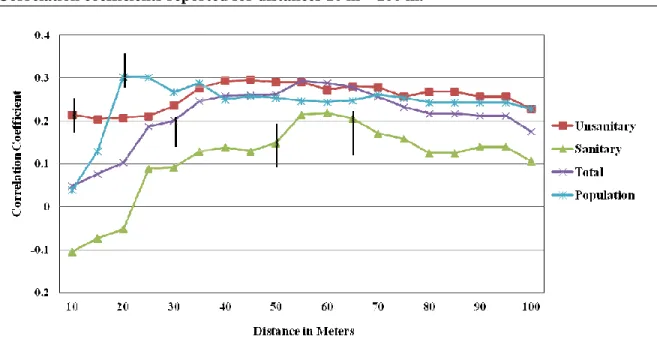
Figure 2.4. Annual E. coli frequency and latrine and population density correlation results. Correlation coefficients reported for distances 10 m – 100 m ...32
Figure 2.5. Early monsoon E. coli frequency and latrine, population, and latrine pond density correlation results. Correlation coefficients reported for distances 10 m – 100 m ...34
Figure 2.6. Late monsoon E. coli frequency and latrine, population, and latrine pond density correlation results. Correlation coefficients reported for distances 10 m – 100 m ...36
Figure 4.1. Study area water and sanitation infrastructure ...49
Figure 4.2. Euclidean distance based neighborhoods ...52
Figure 4.3. Bathing pond sanitation and connectivity ...54
Figure 6.1. (a) Map of ICDDR,B’S study of area of Matlab in Bangladesh. (b) Enlarged view of the six villages where surveys were conducted In 2008-09 to determine which households had switched to a deep tube well and which had not ...70
1 CHAPTER 1
INTRODUCTION
Diarrheal diseases are the second leading cause of death in children under 5 worldwide responsible for 1.5 million annual deaths (1). Children living in impoverished areas with inadequate nutrition and poor health are most susceptible to severe diarrhea and dehydration. Diarrheal diseases remain endemic where improved water and sanitation
2 Figure 1.1: Tubewell installation
3
obtains drinking water from improved sources, less than 40% have access to improved sanitation (5).
Figure 1.2 Shallow tubewell
Drinking water can be contaminated at the source or often becomes contaminated between collection and point-of-use (6). However, it is unknown whether shallow aquifer groundwater extracted through tubewells is a significant source of disease or if other sources such as surface water are driving transmission. Few studies have measured the simultaneous effects of the water and sanitation infrastructure on diarrheal disease incidence (7). This study considers the varied environmental circumstances surrounding surface and
4
The objective of my dissertation is to measure how characteristics of the water and sanitation environment affect diarrheal disease and determine when tubewells are a source of transmission and when they are protective. This study also seeks to understand the effect of the neighborhood water and sanitation infrastructure on household diarrheal morbidity. This research is guided by the following questions and hypotheses:
(1) Does poor sanitation influence shallow tubewell water quality? (2) Does fecal contamination of tubewells influence diarrheal disease? (3) Does the neighborhood water and sanitation infrastructure affect
childhood diarrheal disease incidence above and beyond household factors? (4) Does poor sanitation influence diarrheal disease via bathing ponds?
(5) Does obtaining drinking water from deep tubewells have a protective effect against childhood diarrhea incidence?
These research questions were selected to address gaps in the current literature by utilizing an ecological framework with detailed geographic data: 1) This research incorporates
groundwater microbial data, spatial data, and health data to explore the relationship between surface contamination from poor sanitation and drinking water quality. The novelty of this approach is the use of detailed data representing the quality and count of latrines at multiple spatial scales. It also remains unknown whether groundwater or surface water is more influential for diarrheal disease transmission, and this study explores these differences. 2) Existing research focuses predominantly on water quality interventions rather than simultaneously measuring the effects of improved or unimproved water and sanitation
5
sanitation by exploring potential neighborhood boundaries. 3) Finally, this study measures the potential protective effect of deep public tubewells installed in a rural region of
Bangladesh. While deep tubewells (>700ft) were installed in 2005 to mitigate the
consumption of arsenic contaminated water, before this dissertation, it was unknown if this intervention provides a protective effect against diarrheal morbidity.
Background
Diarrheal Disease: Transmission and Treatment
Diarrhea is caused by various pathogens including viruses, bacteria, and protozoa. Diarrhea is defined as “having loose or watery stools at least three times per day" (1). Transmission most commonly occurs through fecal-oral routes usually by drinking water contaminated with fecal material from an infected person. Other forms of transmission include person-to-person contact and ingestion of contaminated food (8). Children living in economically disadvantaged areas that are densely populated with poor sanitation are exposed to a variety of organisms that cause diarrheal disease (9). Rotavirus and
Enterotoxigenic Escherichia coli (ETEC) are the most common pathogens causing diarrhea in children under two years of age (10). Cases of childhood diarrhea are easily treated and often mild. However, acute cases can result in severe dehydration increasing the risk of malnutrition, stunted growth, and death (9, 11-14). The three main forms of acute diarrhea include acute watery, bloody, and persistent diarrhea. Infection from Vibrio cholerae or Escherichia coli (E. coli) bacteria, as well as rotavirus most often cause acute watery
6
most common cause of severe cases. Persistent diarrhea is defined as “an episode with or without blood that lasts at least 14 days" (1).
Escherichia coli, Rotavirus, and Vibrio cholerae agents cause watery diarrhea
through varying levels of infectious pathogenic doses and incubation periods (10, 15). Enterotoxigenic E. coli requires a large infective dose ranging from 100 million to 10 billion organisms with an incubation period lasting 1 to 3 days. Rotavirus has an incubation period of approximately 2 days. Feces contaminated with rotavirus can contain more than 10 trillion infectious particles per gram, while 10-100 particles are sufficient to transmit
infection (16, 17). The incubation period for cholera lasts from 2 hours to 5 days. Ingestion of a dose of 10,000 to one million V. cholerae bacteria can cause infection resulting in acute watery diarrhea that is often referred to as rice water diarrhea as flecks of mucus are
expunged in the process (8). Shigellosis is caused by bacteria in the Shigella genus and causes diarrhea containing blood or mucus (18). The incubation period varies from 12 hours to 7 days but typically lasts 2-4 days and is inversely proportional to the load of ingested bacteria. As few as ten bacterial cells can infect an individual, causing fever, nausea, vomiting, stomach cramps, and dysentery (19).
7 Diarrheal Disease in Bangladesh
Rotavirus, Enterotoxigenic Escherichia coli, Shigella sp., and Vibrio cholerae 01 are major pathogens of diarrheal disease in children under five in Bangladesh (20). Diarrheal disease incidence peaks at different times throughout the year. Bangladesh experiences two seasonal cholera outbreaks: pre-monsoon season between March and June, and
post-monsoon season between September and December. Rotavirus incidence is constant throughout the year with a sharp winter peak and a small monsoon peak. The winter peak is observed worldwide while the monsoon peak is specific to temperate climates. The monsoon peak is associated with high water levels causing rivers to rise and inundate surrounding areas, thus increasing the chance of fecal contamination of ground and surface water (21). E. coli incidence is most common during the hot months when food is most contaminated due to
higher bacterial growth caused by high temperatures (22, 23). Reported Shigella incidence is highest during the monsoon season with a smaller peak in winter months (24).
In all instances, contaminated fecal material from an infected person can contaminate water sources through various means. These include ground and surface water exposure to latrine effluent. If excreta disposal is absent, other measures of water treatment must be taken. Boiling water is a very effective method of killing microbial contaminants in water, but due to the cost of limited fuel resources this option is not currently practical in rural Bangladesh. Previous research identified a 25% reduction in diarrhea morbidity with improved water availability, a 22% reduction from improved excreta disposal, and a 16% reduction from water quality improvements, suggesting that water and sanitation
8
Bangladesh include population density, proximity to surface water, and living within a flood-controlled area (26, 27).
Groundwater Contamination
Access to safe water supply is conducive for the prevention of diarrheal disease transmission. In order to meet the World Health Organization (WHO) drinking water
guidelines, E. coli should not be detectable in a 100ml water sample as E. coli is exclusively fecal in origin. Groundwater is generally of good quality and suitable for drinking but can become contaminated. The slow movement of groundwater makes prevention of microbial contamination easier than prevention of surface water contamination (28). Common sources of microbial contamination include on-site sanitation, open wells, and open surface water sources such as ponds. The WHO recommends that contamination sources, including latrines, be installed downhill at a minimum of 10 meters from the tubewell (28).
Shallow tubewell groundwater contamination can occur through direct and indirect localized pathways. Contamination from direct localized pathways occurs when pathogens migrate through subsoil from the base of a latrine into the water table. Lateral migration carries the pathogens to the base of the tubewell where entry occurs through defective casing (29). On-site sanitation systems, including pit and septic latrines, store waste at the point of disposal.1 There is usually some degree of waste decomposition on site, but latrines require periodic emptying or construction of new facilities once full. Septic tanks typically hold solids in a sealed tank where matter decomposes anaerobically. Some septic tanks use a straight pipe to drain full tanks. Areas with pit latrines that are unsealed and leaking pose a
1
9
contamination threat to groundwater covered by only a few meters of permeable soil (30). In some instances, pit latrines can microbiologically impact groundwater quality up to a 25 m lateral distance (31). Another potential source of tubewell water contamination is through direct human contact with the spout (29).
Indirect localized pathways develop as a result of poor tubewell construction. This provides a mechanism for contaminated surface water intake around the wellhead. Surface water seeps behind the tubewell casing contaminating shallow groundwater. Poor tubewell construction removes the opportunity for natural attenuation of microbes on the subsurface through die-off and predation. Survival and breakthrough of microbes on the subsurface vary and are dependent on local and seasonal conditions. Increased breakthrough following rainfall is widely recorded (29).
High quality well construction is essential for preventing groundwater pollution. This includes constructing wells with a concrete base, and maximizing the distance between groundwater and contamination sources (28, 29). Rainwater and other running water can easily contaminate tubewells lacking platforms (32). When space is limited and population is dense, tubewell depths should be greater to prevent lateral transfer of contaminated
groundwater (29).
Groundwater and Diarrheal Disease in Bangladesh
10
encouraged people to revert to drinking surface water (e.g. ponds, canals) or very shallow groundwater without sufficient consideration of the increased likelihood of exposure to microbial pathogens (34).
Shallow groundwater and surface water can become contaminated in areas with poor sanitation (35, 36). Currently over 90% of households in Bangladesh obtain their drinking water from tubewells, but diarrheal disease incidence persists. Households often drink from tubewells that are adjacent to a latrine because it is nearest to the dwelling despite the
potential risk of ingesting contaminated groundwater. However it is possible that a threshold for ingesting microbial contamination exists, suggesting that the quality of groundwater, unless grossly contaminated, is not as important as other mechanisms of transmission (37).
In rural Bangladesh, people are aware that tubewell water is a safer source of drinking water, but continue to use surface water for non-drinking purposes including bathing,
washing, and oral rinsing (38). Therefore, in addition to quality, the quantity of water from an improved source (tubewell) is also important for disease prevention (39-43). Significant water quantity improves overall hygiene by enabling households to use groundwater for other daily needs rather than relying on surface water that receives human waste from surrounding latrines, exposing people to fecal pathogens (40, 44).
Sanitation and Diarrheal Disease
An understanding of the efficacy of comprehensive intervention strategies remains low because studies predominantly focus on water quality rather than sustainable
11
46). Previous studies have also noted that improvements in water quality and sanitation at the household level are not enough to reduce risk of diarrheal disease when the local
environment has a poor sanitation infrastructure (47, 48). Lack of affordability contributes to unsanitary environments where households share latrines and practice open defecation. Sanitary latrines are characterized by a lack of bad smell, lack of flies and rodents, private, and have zero evidence of excreta polluting the ground (47, 49). Unsanitary latrines include open or hanging latrines, a dug hole, and septic latrines leaking human effluent (50). Sanitary latrines effectively prevent human contact with excreta while unsanitary latrines expose people to human effluent.
A sanitation intervention study conducted in Lesotho (51) found that the promotion and construction of improved latrines resulted in fewer diarrhea episodes in children under five. Improved latrines were most influential when better hygiene was practiced and more water was used in daily functions. Studies throughout the world have found higher levels of diarrheal disease among individuals using unsanitary latrines and among individuals living in areas lacking sufficient latrines for all residents (40, 47, 50, 52, 53). These studies suggest that the role of sanitation is integral to understanding diarrheal disease transmission and prevention.
The installation of household latrines has been identified as a cost-effective measure for preventing diarrheal disease transmission (54), however latrines require periodic
12
afford soap, alternative hand-washing practices are used. These include rubbing hands on the ground and scrubbing hands with soil or ash after defecation (39). Concentration of fecal coliforms in soil varied based on location. Soil near the kitchen was less contaminated than soil near a latrine and wet soil near a latrine had the highest level of fecal coliforms (39). Latrines discharging effluent on the ground contaminate soil, potentially enhancing the risk for transmission as people use this soil to cleanse their hands. Unsanitary latrines further expose people to microbial contaminants through surface run-off washing human excrement into surface water sources used for hand-washing (39). Contaminants in surface water used for hand-washing and other household purposes highlight the importance of sealed latrines, located a safe distance from water sources.
Indicators of Socioeconomic Status and Diarrheal Disease
13
Bangladesh is between US$ 80-100 compared with the cost of wells deeper than 200 m between US$ 600-650 (58).
Maternal education status is a strong indicator of household SES. Higher levels of maternal education are also associated with improved hygiene, lower levels of childhood diarrheal morbidity, and greater likelihood of seeking medical attention when children experience acute illness (9, 52, 59). Households with higher SES are more likely to use soap and have relatively good hand-washing practices such as more vigorous hand scrubbing and an increased volume of rinsing water (39, 60, 61). Resource availability varies given
particular socioeconomic contexts. Some neighborhoods may lack resources while others do not. Therefore, it is important to measure neighborhood influences on individual health (62).
Research Framework
This dissertation project lies within the conceptual framework of disease ecology and analytical framework of neighborhoods and health. Both bodies of work are motivated by the idea that health is an interaction of characteristics that are not purely individually-based. Within the framework of disease ecology, interactions between biological, cultural, and environmental traits have both positive and negative effects on health. The framework of neighborhoods and health complements disease ecology by measuring interactions between
14 Theoretical Framework: Disease Ecology
This research project measures the relationship between the local social and built environment and childhood diarrheal disease using the principles of disease ecology within the sub-discipline of medical geography. Dr. Jacques May, author of Ecology of Disease (1958), was the first to approach medical geography within the context of disease ecology by uniting the fields of medicine and geography. Disease ecology is concerned with “the ways human behavior, in its cultural and socioeconomic context, interacts with environmental conditions to transmit or prevent disease among susceptible people” (63). Disease is not the result of a specific etiology but rather the result of various interactions between host,
environment, and culture (64, 65). For example, cholera transmission is not simply the result of ingesting water containing the bacteria, Vibrio cholerae, but rather the interaction of an individual’s behavior, population, and environment characteristics such as poor hand-washing practices and bathing in contaminated surface water. Human health is a dynamic system in which humans are capable of impacting their own environment, which can in turn affect health. Varying degrees and types of hazards exist in the environment and impact health at different magnitudes (66).
The triangle of human ecology provides a structure in which the ecology of a disease is organized within three vertices representing the interaction between habitat, population, and behavioral traits (Figure 1.3) (63). An individual’s habitat consists of the natural, social, and built environment. Habitat is the part of the environment that directly affects an
individual’s health including the home, workplace, schools, and transportation systems. The population vertex encompasses biological features including age, sex, and genetic
15
traits are comprised of cultural norms, mobility, roles in society, and technical interventions. Behaviors such as hand-washing or bathing in a pond can either protect or expose an
individual to pathogens. In this sense, culture has a significant influence on individual and community level disease transmission and resistance (63).
The triangle of human ecology is used to explore potential factors contributing to childhood diarrheal disease transmission (Figure 1.3). The population vertex includes age because children under five are most susceptible to diarrheal disease and are most commonly infected by Rotavirus, followed by Enterotoxigenic Escherichia coli (ETEC) (9, 20).
Nutritional status and previous diarrhea infections influence a child’s susceptibility.
Undernutrition is associated with diarrhea incidence and can also prolong the infection (67). In addition, cell-mediated immune deficiency is associated with increased diarrhea incidence as well as blood type(67) Diarrhea caused by ETEC is more common in children with blood types ‘AB’ or ‘A’ compared to children with blood type ‘O’ (13). Previous infections may serve as a protective buffer as children build immunity against subsequent infection and the severity of diarrhea is reduced with each new infection (68).
Several aspects of the built environment are hypothesized to influence diarrheal disease. Point source pollution sources such as unsanitary latrines and ponds directly expose individuals to contaminants. These point sources can also affect an individual’s health by contaminating the shallow aquifer that provides drinking water pumped from shallow tubewells. The local water infrastructure is an integral component of the built environment that influences diarrheal disease. Specifically, the quantity and quality of tubewells available to a household or neighborhood impact health. Deep tubewells are typically less
groundwater and can influence hygienic behavior.
level SES may negatively influence health outcomes. Low area
nutritional status of the neighborhood and may limit the quantity and quality of water and sanitation resources. In addition, high population de
resources and increases opportunities to interact with individuals that may practice poor hygiene.
Figure 1.3: Framework describing the disease ecology of childhood diarrheal disease transmission
An important aspect of the natural environment is flooding during monsoon season. At this time ponds may overflow and
the surface. Thus households located in areas with high pond and latrine density are expected to report higher incidence when flooding occurs.
to vary between households located
16
n influence hygienic behavior. Additionally, population density and area level SES may negatively influence health outcomes. Low area-level SES may
nutritional status of the neighborhood and may limit the quantity and quality of water and sanitation resources. In addition, high population density places strain on already scarce
and increases opportunities to interact with individuals that may practice poor
Figure 1.3: Framework describing the disease ecology of childhood diarrheal disease
of the natural environment is flooding during monsoon season. At this time ponds may overflow and spread water contaminated with human waste across
Thus households located in areas with high pond and latrine density are expected er incidence when flooding occurs. Nutritional impacts of flooding are expected
located inside and those located outside of the embankment. pulation density and area-level SES may affect the nutritional status of the neighborhood and may limit the quantity and quality of water and
nsity places strain on already scarce and increases opportunities to interact with individuals that may practice poor
Figure 1.3: Framework describing the disease ecology of childhood diarrheal disease
of the natural environment is flooding during monsoon season. spread water contaminated with human waste across Thus households located in areas with high pond and latrine density are expected
17
Households living within the embankment do not experience flooding during the monsoon, allowing an additional annual rice crop, potentially improving nutritional status.
Cultural norms and behaviors influence individual- and neighborhood-level resistance and susceptibility to disease transmission. Many households obtain drinking water from the nearest tubewell. Tubewells are often shallow and poorly constructed, located in close proximity to a pit latrine. However, some households leave their dwelling to obtain drinking water from deep public tubewells. It is possible that persons obtaining drinking water from deep tubewells experience less diarrheal disease. Deep tubewells are expected to have a protective effect as levels of E. coli and fecal coliforms decrease with depth. Another important behavior to note is the practice of open defecation. In Bangladesh, very young children do not use latrines but defecate near the dwelling. The waste is often disposed into shallow ponds used for trash or latrine discharge. The practice of open defecation and improper disposal of feces increases the risk of young children coming in direct contact with human waste and ingesting contaminated fecal material (40, 69).
18
ponds they are more likely to ingest microbial contaminated water compared with children bathing with tubewell water.
Two very important behaviors that are not captured in this study but have been noted in previous research are water storage and hand-washing practices. Water storage practices vary by household and can serve as buffers or exposures to transmission. Storing water in covered clay pots prevents individuals from placing hands in the container. Stored water can become contaminated if the utensil used is washed in pond water, however washing storage containers with soap and groundwater can prevent drinking water contamination. In some instances people use rain water storage bins for drinking water and other household needs. However, this practice is rarely used because it does not rain year round and people do not always clean the filter. If the filter is not cleaned properly this method of water collection and storage is no longer protective.
19
important for generating hypotheses based on potential cultural, biological, and environmental interactions.
Analytical Framework: Neighborhoods and Health
The importance of place and its impact on health has been acknowledged since at least the eighteenth century. However, the evidence, methods, and theories that capture these effects are relatively new. The neighborhoods and health framework lends itself to
interdisciplinary health research and has been adopted by various disciplines including medical geography, epidemiology, demography, and policy studies (70). The study of infectious disease within the context of neighborhoods allows us to measure human and ecological interactions that result in various transmission routes (71).
Neighborhood studies account for both contextual (area-level) and compositional (individual-level) effects when measuring individual health outcomes. Contextual factors include the socioeconomic status of a neighborhood, and the distribution of resources such as health and education facilities. Compositional characteristics include an individual’s income, age, and gender (62). Contextual and compositional interactions vary across space making contextual effects more influential in some neighborhoods than in others. People with similar characteristics tend to live in spatial clusters and certain group properties can affect health outcomes. For example, individuals with low socioeconomic status may be forced to live in a low-income neighborhood, lacking grocery stores, schools, clinics, or public transportation (72). Accounting for contextual traits provides a more comprehensive understanding of individual-level health.
20
context of a group, community, or neighborhood. Neighborhoods and health provides methodology that can be used to better understand diarrheal disease within the disease ecology framework. By studying health outcomes within both research frameworks, it is
possible to measure relationships at varying scales. Previous diarrheal disease studies in Bangladesh found that improvements in household sanitation are not enough to avert risk of diarrheal disease when community sanitation is very poor (52, 73). While these studies recognized the potential influence of community sanitation, the authors did not conduct further analyses accounting for neighborhood characteristics. Additionally, these studies did not account for the spatial distribution of households and resources among neighborhoods. This research project measures neighborhood effects on diarrheal disease incidence by defining varying neighborhood boundaries and using contextual models. Contextual models investigate neighborhood- and individual-level effects on health outcomes (70).
The defined neighborhood varies with each study and is dependent on the research question and study population (74). Neighborhoods are often defined by political boundaries that are not local enough to study social processes and ecological influences (75, 76).
Optimal neighborhood size may vary depending on the different ecological variables that are considered (75). In Matlab, households are nested within baris (patrilineal household
clusters) and may have similar characteristics and health outcomes compared with individuals in the bari. While the bari may represent the neighborhood, neighborhood boundaries could also be defined by Euclidean distance.
21
remains high. In other instances, neighbors may provide a protective buffer. A household with very low SES and poor hygienic practices surrounded by households with higher SES and improved sanitation may have limited exposure to fecal pathogens. Beyond cultural and behavioral practices, households within baris share resources. Shared resources include ground and surface water, and less frequently latrines. In some instances multiple families share a single dwelling. Neighborhood effects may exist at higher scales beyond the bari, such as groups based on shared bathing ponds, or neighborhood buffers defined by Euclidean distance.
Guided by the literature and the disease ecology framework, this research explores the effects of poor sanitation on shallow tubewell water and diarrheal disease. This research is presented in three empirical papers. The first empirical paper (Chapter 2), "Influence of latrine proximity and type on tubewell water quality and diarrheal disease in Bangladesh" measures the relationship between E. coli concentrations in shallow tubewell water and surface contamination caused by leaking latrines. The relationship between E. coli
22
23 CHAPTER 2
INFLUENCE OF LATRINE PROXIMITY AND TYPE ON TUBEWELL WATER
QUALITY AND DIARRHEAL DISEASE IN BANGLADESH
Introduction
Diarrheal disease remains the second leading cause of death among children under 5 worldwide causing 1.5 million deaths annually (1). Access to a safe water supply and improved sanitation helps prevent diarrheal disease transmission but in densely populated places with high poverty rates such as Bangladesh is limited. Over the last several decades, Bangladesh experienced a widespread shift from surface to ground water consumption in response to high rates of child mortality due to diarrhea. An estimated 9 million tubewells are installed throughout the country (77). The majority are domestic shallow wells installed using a hand percussion drilling method that is affordable for individual households or baris (patrilineal household clusters) (2).
24
While well switching effectively reduces As exposure it can also increase exposure to microbial pathogens (80). Shallow low As wells are more likely to be contaminated with human waste than shallow high As wells resulting in a potential tradeoff between As and fecal contamination (80, 81). Contamination of the shallow aquifer could contribute to the slow decline in diarrhea morbidity over the last decade (82-86). It is possible that slow improvements in sanitation throughout Bangladesh compromise the shallow aquifer, exposing residents to fecal pathogens. Currently less than 40% of the population of Bangladesh uses septic latrines (1).
25
This study explores the relationship between surface contamination and E. coli concentrations in shallow tubewell water. Potential contamination point sources of human fecal waste include unsanitary and sanitary latrines and latrine ponds. Sanitary latrines are those with no evidence of leaking effluent onto the surface while unsanitary latrines expose individuals to human waste. Latrine ponds are measured as possible secondary point sources because they collect human waste from surrounding latrines, especially during heavy rainfall in the early monsoon when rapid overland flow washes human latrine waste into depressions. During the late monsoon, latrine ponds overflow, spreading fecal matter across the surface. The primary aim of this study is to explore the relationship between shallow aquifer
contamination and surface contamination at varying scales accounting for differences in latrine quality.
A detailed spatial database, microbial data, and health data allowed us to explore these relationships. The influence of the sanitation infrastructure on tubewell microbial contamination measured at varying spatial scales and accounting for latrine quality, has to our knowledge not been systematically investigated. A secondary goal of this study is to explore the relationship between E. coli concentration in tubewell water and childhood diarrhea incidence. This study is guided by the following questions: 1) Does poor sanitation influence shallow tubewell water quality? 2) Does fecal contamination of tubewells influence diarrheal disease?
Research Design and Methods:
26
(ICDDR,B) which manages a hospital that provides free treatment for severe diarrhea to all residents. Hospital and community level records are maintained through a longitudinal Health and Demographic Surveillance System (HDSS). Community health workers visit households once per month and ask mothers if their child under 5 had diarrhea in the past 24 hours. Diarrhea is defined as a minimum of three loose or watery stools within a 24 hour period. Diarrheal events lasting several days are recorded as a single case.
An embankment, built for flood control runs through Matlab separating the six village study area with three villages on either side. The area outside of the embankment floods during the late monsoon however all villages are affected by heavy rain. Within the embankment, ponds can overflow and spread fecal contamination across the surface. Tubewell water Microbial Survey
A subset of six villages located in the southwest region of Matlab were selected to monitor monthly variation of tubewell water microbial contamination (80). Duplicate 100 mL tubewell water samples were collected monthly between May 2008 and November 2009 (Data not collected in December 2008). Culturable E. coli was measured using the most probable number (MPN) based Colilert test kit (IDEXX Laboratories, Inc.). The MPN value reported here assumes that organisms are randomly distributed in the well water so that replicate samples contain the same "true" number of bacteria (88).
Geographic Database
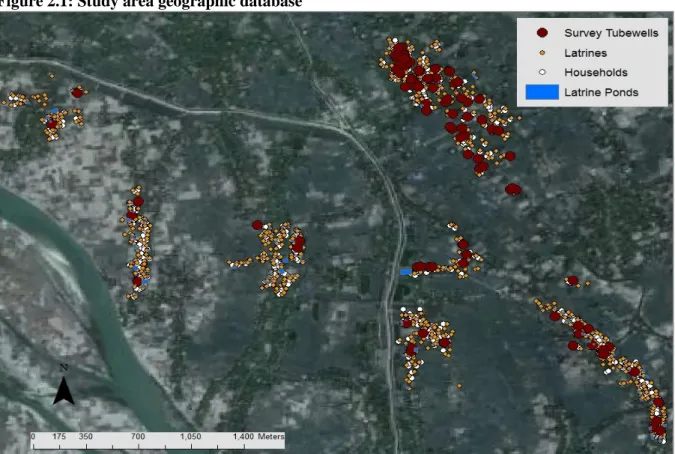
27
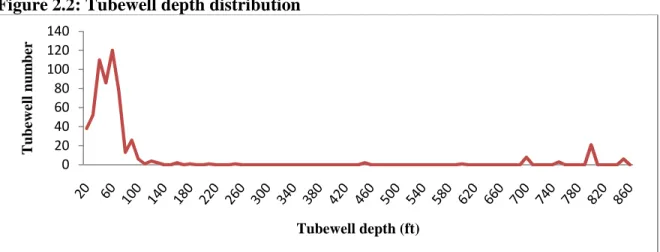
(Figure 2.1). The presence of a concrete platform and whether the base was cracked or intact was recorded for all wells. Information provided by residents includes well depth, year of installation, and the households obtaining drinking water from the sampled well. The majority of survey wells are less than 120 ft deep, representative of the depth distribution of tubewells in the six village study area (Figure 2.2).
Figure 2.1: Study area geographic database
28
The majority of latrines in the study area are septic, comprised of concrete foundation rings used to prevent human effluent from leaking on the ground or into surface water. A small percentage (7.0%) of latrines are open, usually located over a shallow pond or near a septic latrine. Latrines were classified as unsanitary or sanitary. An unsanitary latrine is any latrine with visible effluent including open latrines, septic latrines with a broken base, and septic latrines draining effluent onto the ground or into surface water through a drain pipe. Septic latrines with an intact base and zero evidence of leaking effluent were classified as sanitary. Tubewell and spatial data were incorporated into a Geographic Information System (GIS) to explore the relationship between tubewell water quality and surface contamination. Figure 2.2: Tubewell depth distribution
Variable Construction
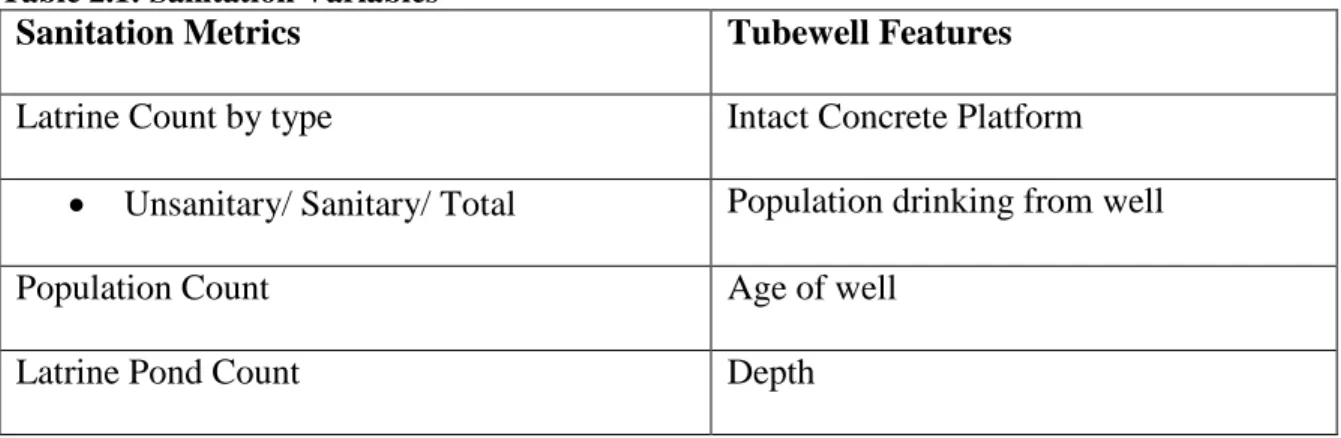
Sanitation metrics were constructed to examine the association between contamination point sources and tubewell water quality at varying scales (Table 2.1).
Circular windows were placed around individual tubewells to measure latrine and population counts between 10 m and 100 m in 5 m increments (89). Pond counts were measured
between 10 m and 100 m in 10 m increments to account for the larger area covered by ponds. 0 20 40 60 80 100 120 140 T u b ew el l n u m b er
29
In addition to surveying potential point sources of contamination, the information on the tubewells themselves were parameterized to evaluate the impact of well construction (intact concrete platform), age, and depth on microbial drinking water quality. Further, the population drinking from each tubewell was measured (Table 2.1). Testing these parameters helped to evaluate the possibility of rapid flow along unsealed tubewell annuli or through breaks in the casing as causing the observed contamination.
Table 2.1: Sanitation Variables
Sanitation Metrics Tubewell Features
Latrine Count by type Intact Concrete Platform
• Unsanitary/ Sanitary/ Total Population drinking from well
Population Count Age of well
Latrine Pond Count Depth
Statistical Analysis:
30
Seasons were defined as winter (Jan-Mar), early and late monsoon (Apr-Jun and Jul-Sep respectively), and post monsoon (Oct-Nov, December data unavailable) (90).
Concentrations of annual and seasonal E. coli were compared with sanitation
predictors using a correlation matrix. Pearson correlation coefficients |r| were reported for all predictors and sanitation metrics listed in Table 2.1. Significance was measured at p = 0.05. Multiple regression models were built using annual and seasonal E. coli outcomes.
Significant (p < 0.05) and marginally significant (p < 0.1) predictors were included in the model. Marginally significant variables were included in the model to avoid dismissing small effects that may have a stronger influence when controlling for other predictors. For
sanitation metrics, the distance with the strongest correlation coefficient was included in the regression model. The final model was selected using Akaike's Information Criterion (AIC). The test penalizes models with many variables that do not improve the fit much more than models with fewer variables. The model with the lowest AIC value is the most parsimonious. Diarrheal Disease Analysis
Households participating in the community diarrhea survey obtaining drinking water from survey wells were identified. A Pearson correlation coefficient was calculated to measure the relationship between tubewell water microbial contamination and childhood diarrhea. Significance was measured at p < 0.05. This was a preliminary analysis as the data collection for households using survey wells is ongoing.
Results:
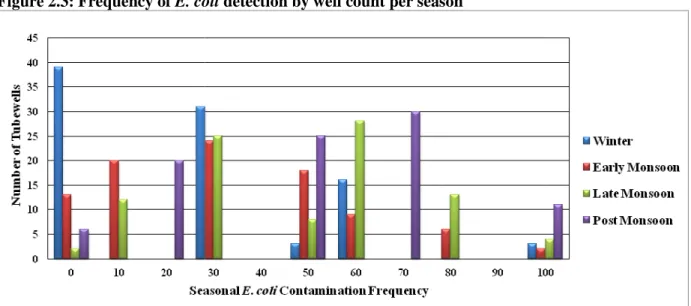
Contamination was most frequent during the post monsoon (Oct the early and late monsoon (Figure 2
Figure 2.3: Frequency of E. coli
Annual E. coli - Correlation and Regression Results:
Pearson correlation coefficients show the relationships between annual contamination and sanitation metrics at multiple distances (Figure
distance where the correlation becomes significant (p < 0.05).
that the correlation is significant for the remaining distances. Two black bars on a single line identify the range of distances where the count of a given variable is significantly correlated with E. coli. The correlation between populati
100 m distances and peaked between 20 m and 25 m. Unsanitary latrine significantly correlated with E. coli
strongest correlation at 45 m (0.30). San were significantly correlated with
platform was marginally significant (p < 0.1) with a correlation coefficient of
31
Contamination was most frequent during the post monsoon (Oct-Nov) and fluctuated during arly and late monsoon (Figure 2.3).
E. coli detection by well count per season
Correlation and Regression Results:
Pearson correlation coefficients show the relationships between annual contamination and sanitation metrics at multiple distances (Figure 2.4). The black bars demarcate the initial distance where the correlation becomes significant (p < 0.05). A single black bar indicates
correlation is significant for the remaining distances. Two black bars on a single line identify the range of distances where the count of a given variable is significantly correlated
correlation between population count and E. coli was significant at 20 m to peaked between 20 m and 25 m. Unsanitary latrine count
E. coli at distances ranging from 10 m to 100 m, with the
strongest correlation at 45 m (0.30). Sanitary latrine counts ranging from 50 m and 65 m correlated with E. coli (Figure 2.4). The presence of an intact concrete platform was marginally significant (p < 0.1) with a correlation coefficient of
Nov) and fluctuated during
Pearson correlation coefficients show the relationships between annual contamination ). The black bars demarcate the initial
ck bar indicates correlation is significant for the remaining distances. Two black bars on a single line identify the range of distances where the count of a given variable is significantly correlated
was significant at 20 m to count was
pond count, age of well, depth and number of persons drinking from the well were not significantly correlated with the annual frequency of detectable
Figure 2.4: Annual E. coli frequency and latrine and population count correlation results. Correlation coefficients reported for distances 10 m
*Black bar identifies distance where correlation between
becomes significant. Two bars on a single line mark the range of distances where are significantly correlated.
Multiple regression models were built to measure interactions between sanitation predictors that were significantly or marginally correlated with annual
correlation values for latrine and population
Inflation Factor (VIF) scores were measured to test for multicollinearity in the data. model with the lowest AIC includes 20 m population
and the presence of an intact platform (Table 2
positively correlated while the presence of an intact concrete platform is pro
32
, age of well, depth and number of persons drinking from the well were not significantly correlated with the annual frequency of detectable E. coli.
frequency and latrine and population count correlation results. fficients reported for distances 10 m – 100 m. 1
*Black bar identifies distance where correlation between E. coli and count of sanitation metric becomes significant. Two bars on a single line mark the range of distances where E. coli
Multiple regression models were built to measure interactions between sanitation that were significantly or marginally correlated with annual E. coli
correlation values for latrine and population count were included in the model. Variance Inflation Factor (VIF) scores were measured to test for multicollinearity in the data. model with the lowest AIC includes 20 m population count, 40 m unsanitary latrine and the presence of an intact platform (Table 2.2). Latrine and population count positively correlated while the presence of an intact concrete platform is protective.
, age of well, depth and number of persons drinking from the well were not
frequency and latrine and population count correlation results.
and count of sanitation metric
E. coli and predictor
Multiple regression models were built to measure interactions between sanitation E. coli. The peak
were included in the model. Variance Inflation Factor (VIF) scores were measured to test for multicollinearity in the data. The
, 40 m unsanitary latrine count, count are
33
Table 2.2: Multiple regression model for annual frequency of E. coli contamination
Predictors Coef. P value 95% CI
Unsanitary latrine 40 m 0.015 0.012** 0.003 0.026 Population count 20 m 0.004 0.010** 0.001 0.006 Intact concrete platform -0.067 0.023** -0.125 -0.009
*p<0.1 **p< 0.05, and ***p< 0.01 N=92
R-squared = 0.19
Adjusted R-square = 0.17
Seasonal correlation and regression results:
Correlation and multiple regression models were built using seasonal outcomes. Correlation coefficients were obtained for all sanitation metrics and predictors listed in Table 2.1. Multiple regression models were built including all significant (p < 0.05) and marginally significant predictors (p < 0.1) to explore interactions between predictors.
Significant correlations were not identified during winter months (Jan-Mar).
Unsanitary latrine count within 20 m of a tubewell was marginally significant (p < 0.1). This could be due to the large number of tubewells that were below detection levels in winter. Significant relationships were not identified during the post monsoon period (Oct-Nov). Tubewell depth and the presence of an intact concrete platform were marginally significant (p < 0.1) with a negative correlation coefficient of -0.20.
Early Monsoon
Table 2.3: Significant predictors of early monsoon contamination Predictor
Intact Concrete Platform Population count 35 m Latrine pond count 40 m Unsanitary latrine count 45 m
*p<0.1 **p< 0.05, and ***p< 0.01
Figure 2.5: Early monsoon E. coli
correlation results. Correlation coefficients reported for distances 10 m
*Black bar identifies distance where correlation between
becomes significant. Two bars on a single line mark the range of distances where are significantly correlated.
Predictors in Table 2.
regression model predicting the frequency of
monsoon. The most parsimonious model was selected using AIC (Table
population count increase risk of contamination, while the presence of a concrete platform
34
Table 2.3: Significant predictors of early monsoon contamination
Correlation Coefficient P value
-0.304 0.003
0.259 0.013
0.229 0.028
45 m 0.194 0.064
0.01
E. coli frequency and latrine, population, and latrine pond count correlation results. Correlation coefficients reported for distances 10 m - 100 m.
*Black bar identifies distance where correlation between E. coli and count of sanitation metric becomes significant. Two bars on a single line mark the range of distances where E. coli
2.4 were tested for multicollinearity and included in a multiple ession model predicting the frequency of E. coli contamination during the early monsoon. The most parsimonious model was selected using AIC (Table 2.4). Increases in
increase risk of contamination, while the presence of a concrete platform P value
0.003*** 0.013** 0.028** 0.064*
frequency and latrine, population, and latrine pond count 100 m.
and count of sanitation metric
E. coli and predictor
were tested for multicollinearity and included in a multiple contamination during the early
35
remains protective. Latrine pond count is positively associated with E. coli contamination but only marginally significant. Unsanitary latrine count at 35 m was highly correlated with population count at 40 m and was not included in the final model. The correlation between population and latrine count increases with distance suggesting that in this model, population count also captures the effect of latrine count.
Table 2.4: Results for early monsoon multiple regression model
Predictors Coef. P value 95% CI
Population count 35 m 0.004 0.003*** 0.001 0.007
Intact concrete base -0.164 0.001*** -0.265 -0.066
Latrine Pond count 40 m 0.084 0.078* -0.009 0.176
*p<0.1 **p< 0.05, and ***p< 0.01 N=92
R-squared = 0.21
Adjusted R-square = 0.19
Late Monsoon
Figure 2.6: Late monsoon E. coli
correlation results. Correlation coefficients reported for distances 10m
*Black bar identifies distance where correlation between
becomes significant. Two bars on a single line mark the range of distances where are significantly correlated.
This point was further supported by the high level of multicollinearity between all sanitation metrics at peak correlation distances. Two sets of multiple regression models were examined to account for the high collinearity between total latrine
population count at 70 m. Using AIC to select a model, total latrine
slightly better fit however the predictors were nearly interchangeable (Tables Table 2.5: Results for late monsoon population count multiple reg
Predictors
Population count 70 m Latrine pond count 60 m
*p<0.1 **p< 0.05, and ***p< 0.01 N=92
R-squared = 0.16
Adjusted R-square = 0.14 AIC = -4.202
36
E. coli frequency and latrine, population, and latrine pond count correlation results. Correlation coefficients reported for distances 10m – 100m.
*Black bar identifies distance where correlation between E. coli and count of sanitation metric becomes significant. Two bars on a single line mark the range of distances where E. coli
This point was further supported by the high level of multicollinearity between all metrics at peak correlation distances. Two sets of multiple regression models were examined to account for the high collinearity between total latrine count at 60 m and
at 70 m. Using AIC to select a model, total latrine count at 60 m was a slightly better fit however the predictors were nearly interchangeable (Tables
Table 2.5: Results for late monsoon population count multiple regression model Coef. P value 95% CI
0.002 0.001*** 0.001 0.050 0.080* -0.006
0.01
frequency and latrine, population, and latrine pond count 100m. 1
and count of sanitation metric
E. coli and predictor
This point was further supported by the high level of multicollinearity between all metrics at peak correlation distances. Two sets of multiple regression models were
0 m and at 60 m was a slightly better fit however the predictors were nearly interchangeable (Tables 2.5 and 2.6).
ression model 95% CI
37
Table 2.6: Results for late monsoon total latrine count multiple regression model
Predictors Coef. P value 95% CI
Latrine count 60 m 0.012 0.001*** 0.005 0.019
Latrine pond count 60 m 0.056 0.047** 0.001 0.112
*p<0.1 **p< 0.05, and ***p< 0.01 N=92
R-squared = 0.16
Adjusted R-square = 0.14 AIC = -4.271
Diarrheal Disease Analysis
Pearson correlation coefficients were calculated to measure the relationship between diarrheal disease and tubewell water microbial contamination. The sample consisted of 33 households obtaining drinking water from 13 survey wells. Childhood diarrhea data were not collected for the entire 18 month tubewell survey restricting the analysis from May 2008 -May 2009. Diarrhea data were aggregated over the 12 month period (December data unavailable) because of the small sample size. The outcome was whether a household reported diarrhea at least once during the study period. Tubewell water quality predictors included the frequency of E. coli detection over the study period, and the average level of E. coli contamination during the study period. The correlation between diarrhea and the
frequency of E. coli detected in a tubewell was not significant. However, the correlation coefficient (0.39) reported for diarrhea and average E. coli levels was significant at p < 0.05 suggesting that tubewell contamination may contribute to childhood morbidity.
Discussion
38
Increased population and unsanitary latrine count, latrine ponds, as well as the absence of an intact concrete platform around wellheads were predictive of E. coli contamination in tubewells during both the early and late monsoon seasons. The relationships varied by distance and unsanitary latrines were more highly correlated to fecal contamination in tubewells than sanitary latrines. This supports our hypothesis that surface contamination influences tubewell water quality via indirect pathways such as lateral transport to and leakage along unsealed annuli or infiltration from latrine ponds (87).
The stronger and yet further distance correlation between unsanitary latrines and E. coli contamination in tubewells in the late monsoon compared with E. coli detection during
39
during the late monsoon (84). Inundation was also shown to be a significant predictor of well water quality in Mozambique (91). This process provides an opportunity for surface
contamination from leaking unsanitary latrines and contaminated ponds to reach the water table through rapid transport down the side of the well (92).
Identifying tubewells contaminated with fecal coliforms suggests that groundwater treatment may be necessary (80, 81, 83-85). While the levels of contamination are often low, water collected from a contaminated source is more likely to become highly contaminated during storage (83). It has been suggested that a threshold of microbial contamination in drinking water exists, therefore, the quality of groundwater, unless grossly contaminated, is not as important as other mechanisms of transmission (37). However, even if such a
threshold exists this poses the question, “Is it acceptable to ignore the poor sanitation infrastructure and the fact that people are ingesting water with levels of contamination beyond what would be acceptable in other parts of the world?”
A preliminary analysis measuring the correlation between childhood diarrhea and E. coli contamination was included in this study. As behaviors such as open defecation and
continued use of broken septic latrines result in surface contamination, the risk of shallow aquifer contamination increases, and in turn influences health. The limited health data from households drinking water from survey wells was problematic for this analysis. However the significant correlation between diarrhea and E. coli contamination suggests that a relationship exists and warrants further investigation.
40
would enhance shallow tubewell water quality. It is unlikely that a universal shift to sanitary latrines will occur any time soon as poor sanitation is highly correlated with low
socioeconomic status. Affordable modes of treatment or alternative drinking water sources are needed.
41
42 CHAPTER 3
The previous chapter suggests that the quality of the sanitation infrastructure affects the microbial quality of drinking water obtained from shallow tubewells. Unsanitary latrines leaking effluent onto the surface are associated with groundwater contamination at varying spatial scales. The relationship between sanitation and groundwater contamination is much more prominent for unsanitary latrines compared to sanitary latrines. This suggests that improving the latrine infrastructure can reduce shallow tubewell contamination. The previous chapter also identifies a potential association between childhood diarrhea and increasing microbial contamination in tubewell water. This has important health implications because groundwater is generally considered safe for consumption in rural Bangladesh. However, shallow tubewell water is compromised in some environments, potentially resulting in diarrhea transmission. These findings highlight the importance of understanding behavioral and socioeconomic factors that result in poor latrine quality.
While findings from the previous chapter suggest that a relationship exists between groundwater quality and childhood diarrhea, it is unknown whether this mode of
transmission is more influential than exposure to contaminated surface water. The following chapter further explores the relationship between diarrheal disease and the built sanitation infrastructure by measuring the effect of neighborhood sanitation. In addition, the
43 CHAPTER 4
INFLUENCES OF POOR SANITATION ON CHILDHOOD DIARRHEA IN RURAL
BANGLADESH
Introduction:
Although diarrheal diseases are no longer a major cause of mortality in developed countries, it remains one of the main causes of childhood mortality in the developing world. Diarrhea remains the second leading cause of death in children under 5 worldwide, killing 1.5 million children annually (1). Childhood diarrhea is preventable when access to improved sanitation and drinking water are available; however an estimated 2 billion cases occur each year with Asia and southern Africa carrying more than half of the burden. Oral rehydration therapy has proven successful in treating diarrhea and preventing death from dehydration however today only 39% of children receive the recommended treatment (1, 94). While diarrhea mortality rates have declined over the past few decades, limited progress has been made in reducing morbidity (UNICEF, 2009).
44
Neighborhoods can serve as buffers or increase risk as education and socioeconomic (SES) levels vary. Neighborhoods with higher levels of maternal education and SES are more likely to have improved sanitation resources and better hand-washing practices (Macintyre et al., 2002; Hoque et al., 1996; Levine et al., 1976; Ferrer et al., 2008; Pokhrel et al., 2004).
Children living in neighborhoods with access to safe drinking water and sanitary latrines may have a lowered risk of diarrhea regardless of hygienic practices in their own household because the diarrhea pathogens are never introduced. Conversely, children in households with good hygienic practices may have a higher risk of diarrhea if overall neighborhood sanitation is poor. This study explores the relationship between childhood diarrhea and sanitation. This is explored by analyzing childhood diarrhea as it relates to the neighborhood water and sanitation infrastructure which is defined by the spatial arrangement of tubewells, latrines, and ponds. In another analysis childhood diarrhea is analyzed by the sanitation context around bathing ponds.
Background:
45
possible explanation is that slow improvements in sanitation reduce the effectiveness of improved drinking water sources. Simultaneous improvements in water and sanitation resources are often more effective in preventing diarrheal disease than improving water quality alone (25, 42, 46). An estimated 78% of the rural population in Bangladesh obtains drinking water from improved sources2, however less than 40% of the rural population has access to improved sanitation (1).
Ground water is generally safe to drink but may be compromised in areas with poor sanitation and high population density, placing people at risk of ingesting human pathogens (35). Fecal coliforms must be absent from drinking water in order to meet the World Health Organization (WHO) standard, however multiple studies conducted in Bangladesh have found Escherichia coli (E. coli) in shallow tubewell water (28, 80, 81). While it is unknown what proportion of diarrheal disease incidence is attributed to contaminated tubewell water, these findings shed light on the importance of improved sanitation resources and a need to better understand behaviors that expose people to contaminated feces.
Open defecation by children in the family compound and inattention to proper disposal of garbage and feces increase the opportunity for young children to place waste products in their mouth (40). The use of septic latrines comprised of concrete foundation rings prevents human contact with excreta and effectively reduces childhood diarrhea (47, 49, 51). Septic latrines fill up and require maintenance such as periodic emptying or construction of an additional tank once full. This is a concern for some residents that are unable to afford installing a second tank (Taha et al., 2000). When maintenance is absent septic latrines can overflow or the concrete rings can break and expose children to human
2
46
waste. In addition, improved sanitation is most effective when it occurs at a community level and all households have access to a sanitary septic latrine (1, 40, 47, 50, 53).
Children are further exposed to human feces when surface run-off washes excrement from unsanitary latrines into surface water (32, 34). Bangladesh has millions of ponds resulting from excavation practices used to build homes on raised land for flood protection (96). This makes surface water use convenient. Despite the shift from surface to ground water consumption, people are still exposed to contaminated surface water used for multiple daily practices including bathing, washing, hand-washing, and oral rinsing (38, 42).
Guided by the literature and framework of disease ecology, this study addresses the following questions:
1) Does the neighborhood water and sanitation infrastructure affect
childhood diarrheal disease incidence above and beyond household factors? 2) Does poor sanitation influence diarrheal disease via bathing ponds?
The research is carried out using three cumulative analyses. The first analysis identifies an optimal Euclidean distance based neighborhood to examine the ecological processes
influencing diarrheal disease transmission in the study area. Next, the optimal neighborhood size defines the boundary for measuring neighborhood water and sanitation resources. The third analysis uses the optimal neighborhood size as a boundary for household connectivity to bathing ponds. We hypothesize that people living in households located in neighborhoods with inadequate access to improved latrines will be more likely to contract diarrhea
47
Research Design and Methods:
Study Area and Community Level Survey:
Matlab is located approximately 50 km southeast of Dhaka and is the research site for the International Center for Diarroeal Disease Research, Bangladesh (ICDDR,B). The
ICDDR,B Matlab hospital provides treatment for severe diarrhea free of charge to all
residents. A longitudinal Health and Demographic Surveillance System (HDSS) of all Matlab residents maintained since 1966, includes a decennial population census and a socioeconomic census recording household assets and maternal education. Unique identifiers are assigned to individuals, households, and baris (partrilineally related household clusters). A
comprehensive community level survey of unspecified diarrhea in children under five was carried out from 2000-2006. Community health research workers (CHRW) conducted monthly household visits and asked mothers if their children had three or more loose stills within the last 24 hours.
Geographic Database:
48
comprised of intact concrete rings with zero evidence of leaking effluent. Open latrines and septic latrines leaking effluent via broken rings or a drain pipe were classified as unsanitary. A sub-inch laser rangefinder was used to measure proximity (in meters) between latrines and the nearest pond in order to determine the number of latrines draining into individual ponds.
The rangefinder was also used to measure the long and short axes of ponds.
Residents provided information regarding pond depth and use, and images were taken. Ponds were classified as bathing, no purpose and latrine ponds. A small number of ponds were classified as fishing or cooking/washing only. Ponds receiving direct latrine effluent were classified as latrine ponds unless otherwise designated as bathing or fishing ponds. All other ponds were classified as no purpose. All spatial, health and demographic data were
incorporated into a Geographic Information System (GIS) of the study area (Figure 4.1). Socioeconomic status and maternal education:
49
Figure 4.1: Study area water and sanitation infrastructure
Neighborhood Selection: