ScholarWorks
Walden Dissertations and Doctoral Studies Walden Dissertations and Doctoral StudiesCollection
2015
Diffusion of E-textbooks in K-12 Education: A
Delphi Study
Sheila Cartwright Walden University
Follow this and additional works at:https://scholarworks.waldenu.edu/dissertations
Part of theElementary and Middle and Secondary Education Administration Commons,
Elementary Education and Teaching Commons, and theInstructional Media Design Commons
This Dissertation is brought to you for free and open access by the Walden Dissertations and Doctoral Studies Collection at ScholarWorks. It has been accepted for inclusion in Walden Dissertations and Doctoral Studies by an authorized administrator of ScholarWorks. For more information, please [email protected].
Walden University
College of Education
This is to certify that the doctoral dissertation by
Sheila Cartwright
has been found to be complete and satisfactory in all respects, and that any and all revisions required by
the review committee have been made.
Review Committee
Dr. Abbie Brown, Committee Chairperson, Education Faculty Dr. Wellesley Foshay, Committee Member, Education Faculty Dr. Andrew Thomas, University Reviewer, Education Faculty
Chief Academic Officer Eric Riedel, Ph.D.
Walden University 2015
Abstract
Diffusion of E-textbooks in K-12 Education: A Delphi Study by
Sheila Cartwright
MS, University of West Georgia, 2002 BS, New York University, 1975
AAS, Borough of Manhattan Community College, 1973
Dissertation Submitted in Partial Fulfillment of the Requirements for the Degree of
Doctor of Philosophy Education
Walden University February 2015
Abstract
This basic interpretive qualitative study was conducted to discover why e-textbooks had not been adopted extensively in K-12 education as a replacement for printed textbooks. The objective was to determine the barriers and challenges being confronted by state educational technology directors when introducing this innovative technology in a formal learning environment that could greatly impact teaching, learning, and creative analysis. This research was based on diffusion of innovation theory using a Delphi method of inquiry. The Delphi panel consisted of 12 experts who had knowledge of digital text technologies and were the most influential when making purchasing decisions when introducing new technologies into a K-12 instructional setting. The Delphi questionnaire consisted of 2 initial rounds and the final consensus round (for a total of 3 rounds) that determined the panel’s reasoning for the late adoption of e-textbooks in K-12 classrooms. The results of this study clearly identified cost and equipment management in addition to the lack of supportable funding to sustain e-textbook technologies as the major reasons hindering their adoption. This study promotes positive social change by providing
decision-makers an opportunity to reflect on the challenges impacting their adoption of e-textbooks in K-12 education so they can work towards a solution. This can be
accomplished by appointing visionary leaders on the state and local levels who can develop a strategic plan to initiate the transition from printed materials to digital content that are relevant, flexible, and educational. Thus, new policies could be implemented that would provide funding flexibility to finance the acquisition of devices to support digital content and allocate funding that can help to sustain them.
Diffusion of E-textbooks in K-12 Education: A Delphi Study by
Sheila Cartwright
MS, University of West Georgia, 2002 BS, New York University, 1975
AAS, Borough of Manhattan Community College, 1973
Dissertation Submitted in Partial Fulfillment of the Requirements for the Degree of
Doctor of Philosophy Education
Walden University February 2015
Dedication
This dissertation is dedicated to Kenneth M. Reaves, who is my partner and best friend. Ken has provided me with a tremendously amount of support and encouragement throughout my entire doctoral program and dissertation. His support was consistent and steadfast.
Acknowledgments
I would like to extend by sincerest thanks to Dr. Abbie Brown, my mentor, and Dr. Robert Foshay, my methodologist, for their continuous support, assistance, and persistence as they guided me through this dissertation process. Your suggestions and feedback are immeasurable with the gratitude that I feel for the countless hours that you spent helping me bring this dissertation to fruition. I would also like to thank Dr. Andrew Thomas for his thorough and thoughtful comments, which helped me to move forward on this journey.
i Table of Contents
List of Tables ... vii
List of Figures ... ix
Chapter 1: Introduction to the Study ...1
Background ...1
Problem Statement ...10
Purpose of the Study ...11
Research Question ...11
Theoretical Framework ...11
Nature of the Study ...16
Construct Definitions ...21
Assumptions, Limitations, and Delimitations ...24
Assumptions ... 24
Limitations ... 25
Delimitations ... 26
Significance of the Study ...27
Social Change Implications ...27
Summary ...28
Chapter 2: Literature Review ...31
Background ...32
Definition of E-books ... 35
ii
Education ...40
Colleges and Universities ... 41
K-12 Education ... 44
Textbook Costs ... 55
Open Educational Resource (OER) ... 59
State Adoption Policies ...62
Advantages ...76
Challenges ...78
Technical Compatibility with Existing Technical Environments ... 78
Protection of Intellectual Property ... 79
Continuance of Use ... 81
Establishing Meaningful Relationships between Digital Content and Instructional Goals ... 81
Diffusion of Innovation Theory ...83
Research Method ...87
Basic Interpretive Qualitative Study ... 87
Delphi Method ... 90
Conclusion ...91
Current Trends ... 92
Chapter 3: Research Method ...94
Qualitative Research Model ...94
iii
Role of the Researcher ... 98
Access to Participants ... 100
Participants Selection Criteria... 100
Sampling ... 101
Data Collection ... 104
Questionnaire Design ... 108
Data Analysis ... 109
Ethical Protection of the Participants ... 113
Credibility, Transferability, Dependability, and Confirmability ... 114
Conclusion ...116
Chapter 4: Results ...118
Data Collection Process ...118
Delphi Round 1 ... 120
Delphi Round 2 ... 121
Final Consensus Round... 124
Data Tracking Procedures ...125
Online Questionnaire Archives ... 126
Summaries... 126
Data Analysis Process ...130
Summary of Findings ...134
Delphi Round 1 ... 134
iv
Final Consensus Round... 144
Opposing Opinions and Additional Comments ...152
Delphi Round 1 ... 153
Delphi Round 2 ... 153
Delphi Final Consensus Round ... 155
Evidence of Quality ...156
Credibility, Transferability, Dependability, and Confirmability ...157
Peer Debriefer ... 158
External Auditor... 160
Limitations of the Study... 162
Summary and Conclusion ...164
Chapter 5: Discussion, Conclusions, and Recommendations ...166
Purpose of the Study ...166
Nature of the Study ...167
Problem Statement ...167
Qualitative Research Model ...168
Research Design...169
Summary of Findings ...171
Interpretation of Findings ...173
Cost and Equipment Management and Supportable Funding for Devices ... 175
Internet Connectivity ... 176
v
State and Local Leadership Resistance to Digital Content ... 178
Other Themes and Responses ... 179
Theoretical Framework ... 182
Limitations of the Study...186
Implications for Social Change ...187
Reflection ...188
Recommendations ...190
Conclusion ...192
References ...196
Appendix A: Consent Form ...216
Appendix B: Delphi Round 1 Questionnaire ...218
Appendix C: Delphi Round 2 Questionnaire ...219
Appendix D: Delphi Final Consensus Questionnaire ...222
Appendix E: E-Mail Invitation to Participate in the Online Survey ...226
Appendix F: Round 1 Participants Responses ...228
Appendix G: Round 2 Participants Responses ...231
Appendix H: Final Consensus Participant Responses ...238
Appendix I: External Auditor’s Comments ...242
Appendix J: Round 1 Participant Summations ...243
Appendix K: Round 2 Participant Summations ...246
Appendix L: Participant Response Round 1 Coding Process ...250
vi
Appendix N: Final Consensus Round Coding Process ...272 Appendix O: Analysis Plan ...284 Curriculum Vitae ...285
vii List of Tables
Table 1 The Delphi Method ... 98
Table 2 Data Collection ... 106
Table 3 Analysis Plan ... 112
Table 4 Participants Job Title ... 120
Table 5 Round 2 Participant Responses ... 123
Table 6 Participants Number of Words per Question ... 123
Table 7 Thematic Summary Sample Coding Process 1 ... 128
Table 8 Thematic Summary Sample Coding Process 2 ... 129
Table 9 Participants Level of Agreement with Consensus Table ... 146
Table 10 Participants Ranking of Reasons for the Late Adoption of E-textbooks in K-12 Education ... 150
Table L1 Round 1 Participant Responses ... 250
Table L2 Round 1 Open Coding Process ... 252
Table L3 Round 1 Axial Coding Process ... 254
Table M1 Round 2 Participant Responses ... 258
Table M2 Round 2 Coding Process ... 264
Table M3 Responses Round 2 Coding Process Discrepant Remarks (DR)... 269
Table N1 Final Consensus Rating by Participant ... 272
Table N2 Ratings of the Summations for Late Adoption of E-textbooks... 274
Table N3 Participants Agreement with Consensus Sorted by Average Rating ... 276
viii
Table N5 Rankings of the Reasons for the Late Adoption of E-textbooks ... 279 Table N6 Ranking Reasons Sorted by Average Ranking ... 281 Table N7 Final Consensus Round Additional Remarks ... 283
ix List of Figures
Figure 1. The state K-12 e-textbook policy innovation map ...72
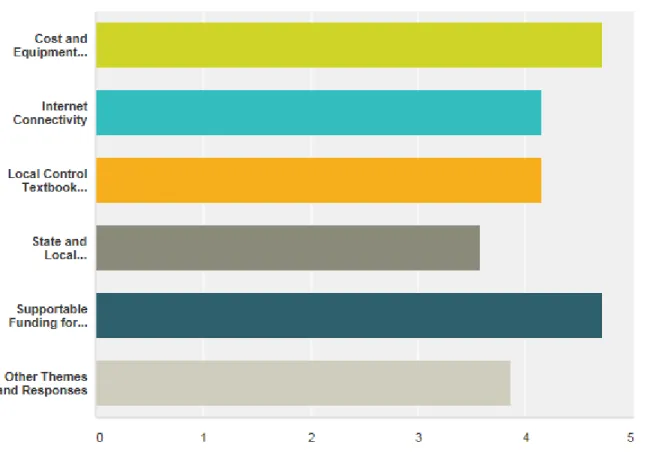
Figure 2. Results of participants level of agreement with consensus ...147
Figure 3. Results of participants ranking of reasons for the late adoption of e-textbooks in K-12 education ...151
Figure N1. Participants level of agreement with consensus table ...275
Figure N2. Level of agreement with consensus graph ...277
Figure N3. Ranking of reasons for the late adoption of e-textbooks ...280
Chapter 1: Introduction to the Study
This chapter introduces the purpose of the study, which determined why some states have been slow to adopt e-textbooks in their K-12 educational environments. In it, I present an overview of the study by defining the problem statement, the research
question, the theoretical framework, and the nature of the study. The assumptions, limitations, and delimitations on the study are also addressed. In addition, the significance of the study and the social change implications are discussed.
Background
Jonassen (2006) theorized that technology can effectively support the cognitive process of human development by assisting learners collect and analyze information from different perspectives, identify and solve problems, while developing critical thinking skills. Jonassen, Howland, Marra, and Crismond (2008), Jonassen (2006), and Papert (1993a, 1993b), proposed that cognitive processes that engage and support diverse learning behaviors can demonstrate how learners can use different technologies to develop critical thinking and problem solving skills. Their theory disclosed that
conditions for instruction must consist of complex and relevant learning environments, collaboration, and diverse perspectives that support various styles of learning. Jonassen et al. (2008) and Jonassen (2006) reasoned that learning objectives should involve
reasoning, critical thinking, comprehending and applying knowledge, self-instruction, and thoughtful reflection. Jonassen et al. (2008) argued that meaningful learning requires a learning environment that is active (manipulative/observant), constructive
(complex/contextualized), and cooperative. They believed that these frameworks would
establish learning communities where students shared common interests with each of them collaborating and supporting one another towards conventional learning goals. This classroom would be a knowledge community stocked with an assortment of resources to motivate and engage students in the learning process (Jonassen et al., 2008).
Jonassen (2006) developed the concept of mindtools—technology-based tools and
learning environments that have been modified to operate as intellectual links with the learner in order to connect and assist in developing critical thinking and higher-order learning. These concepts could be applied to e-textbooks, which can be used as a tool in the teaching and learning process and support the most significant concept of learning, conceptual change. Conceptual change occurs when learners modify their preconceived ideas based on newly acquired knowledge (Jonassen, 2006). The State Educational Technology Directors Association (SETDA; as cited in Fletcher, Schaffhauser, & Levin, 2012) proposed several interrelated advantages for increasing the use of digital content in today’s classrooms to improve student knowledge and engagement. They cited the ability to modify content to adjust to instructional goals, personalizing learning to adapt to special learning requirements, providing the ability to unleash exploration and discovery of diverse resources, and to assist educators with individualizing learning requirements to adapt to their students’ needs (Fletcher et al., 2012).
Studies conducted by Papert (1993a, 1993b), Jonassen (2006), Jonassen et al. (2008), and SETDA (2008) supported the use of innovative technologies in K-12 education. Their research implied that students can use technology to interpret and
organize their personal knowledge. Knowledge cannot be transmitted to another person by formal instruction, but must be constructed from within and fortified through
participation in related activities (Jonassen, 2006; Jonassen et al., 2008; Papert, 1993a, 1993b). Learning should have continuity, thus allowing an individual to consistently use foundation knowledge to enhance or engage in further discovery (Jonassen, 2006; Jonassen et al., 2008; Papert, 1993a, 1993b). These researchers proved that technology can be used as an academic tool that enables learners to construct significant individual explanations and images of the world through diverse perspectives (Jonassen, 2006; Jonassen et al., 2008; Papert, 1993a, 1993b; SETDA, 2008). Students can use e-textbooks to receive and process information, which they can in turn use to construct knowledge and develop problem-solving and critical thinking skills. Therefore, this analysis revealed that innovative technologies such as e-textbooks are tools that can be utilized to influence learners’ cognitive growth connected to reasoning, memory, problem solving, and critical thinking, thus fortifying the use of emerging technologies such as e-textbooks in the teaching and learning process.
The universal design for learning (UDL) framework advocates the use of digital books to provide adaptable ways of presenting knowledge and information. Digital resources can be made accessible through assistive technologies and provide learning opportunities for students who have physical and learning disabilities, in addition to students who are learning English as a second language (Center for Applied Special Technology [CAST], 2011). UDL principles are structured around multiple means of
information and knowledge; multiple means of action and expression, which offer
learners alternatives to demonstrate what they have learned; and multiple means of
engagement, which appeals to a learners' interests by recommending appropriate
challenges to enhance the learners motivation to acquire knowledge (CAST, 2011; National Center on Universal Design for Learning, 2011). The U.S. Department of Education, Office of Educational Technology (2010) advocated the integration of
innovative technologies that people use in their daily lives to be utilized in the classroom to enhance student learning, accelerate best practices, and to collect and use information that can aid student achievement. It is this belief presented in the National Education Technology Plan of 2010 that promotes the use of emerging technologies that will inspire and motivate learners to achieve success in school while supporting the UDL principles for learning and their ideas on the use of digital content in the classroom (U.S.
Department of Education, Office of Educational Technology, 2010). In addition, Secretary of Education, Arne Duncan, has announced that the nation should move as quickly as possible away from printed textbooks and towards digital ones (Lawrence, 2012; Lederman, 2012).
UDL provides a plan for developing instructional objectives, techniques, resources, and assessments for using digital content in the classroom (CAST, 2011; National Center on Universal Design for Learning, 2011). UDL demonstrates how using e-textbooks can change the way that learners receive and handle information (CAST, 2011; National Center on Universal Design for Learning, 2011). These principles show that digital content can be used to present knowledge and information so that students can
show what they know (CAST, 2011; National Center on Universal Design for Learning, 2011). This philosophy asserts that digital content can be used to tap into the various interests of students. UDL established that e-textbooks can be used productively and efficiently in a classroom setting to construct knowledge (CAST, 2011; National Center on Universal Design for Learning, 2011). Developments in digital technologies and the learning disciplines have made personalized instruction feasible in realistic, economical ways that are designed to assist and support the learner in acquiring knowledge (CAST, 2011; National Center on Universal Design for Learning, 2011). Applying well-organized digital technologies utilizing UDL principles can support simpler and more effective individualized courses for instruction (CAST, 2011; National Center on Universal Design for Learning, 2011). Digital content can provide tasks to assist learners comprehend, navigate, and participate in flexible learning environments. This poses a strong argument for the adoption of e-textbooks in K-12 education (CAST, 2011; National Center on Universal Design for Learning, 2011).
The 2011 Horizon Report produced as a collaborative effort between the EDUCAUSE Learning Initiative (ELI) and the New Media Consortium reported that e-books are one of six emerging technologies that will have a major impact on teaching, learning, and innovative analysis, which can change people’s perceptions on how they read and access information. The 2011 Horizon Report stated that in today’s society, people want perpetual access to information related to their occupations, interests, and research, which is one reason why e-books are expanding in the consumer market and are making a strong presence in colleges and universities (The New Media Consortium & the
EDUCAUSE Learning Initiative, 2011). According to studies conducted by Library Journal School Library Journal (2010a, 2010b, 2010c), electronic reference books are becoming popular with students and researchers because they can be easier to navigate and to search than printed resources. Also, e-books provide libraries with a diverse collection that can serve a range of requirements for their face-to-face patrons and distant learners enrolled in college and university online education programs (Library Journal School Library Journal, 2010a, 2010b, 2010c).
In this era of social networking environments, e-books have the capability to be used as a social networking tool and provide interactive learning environments in K-12 education (Library Journal School Library Journal, 2010a, 2010b, 2010c). In essence, digitized content is changing people’s perception of how they read, access information, and interact with colleagues because they can be retrieved in so many different formats and have the ability to be downloaded onto so many different types of devices (The New Media Consortium & the EDUCAUSE Learning Initiative, 2011). In addition, e-books can help to reduce costs regarding lost, damaged, and stolen books as well as eliminate physical storage requirements as they do not require shelf space (Library Journal School Library Journal, 2010a, 2010b, 2010c). Some other advantages offered by e-books are their large storage capacity, search capabilities, mobility, and immediate accessibility (Baker, 2010). Gonzalez (2010) stated that e-books can also assist struggling and at-risk students because of the various functionalities.
These studies indicated that the process of how people access and process information has been transformed by the entrance of e-books. They revealed that digital
content is being adopted by consumers, colleges, and universities at an escalating rate because mobile technologies provide convenient ways for individuals to conduct
business, research, and explore interests by providing perpetual access to information any time and any place at reduced costs. It also demonstrates that e-books are serving the needs of a tremendous audience, which poses reasons why the adoption of e-books is increasing in popularity in the consumer, college, and university marketplace at a steady pace. The implication is that e-books are an instructional tool that offers many advantages for the K-12 classroom. This research proposed that e-books could be effective as an instructional tool that could impact how teachers teach and students learn.
Considering this information regarding the benefits of using digitized content in K-12 educational environments, currently only 22 of the 50 states have taken major steps towards digital textbook implementation (Fletcher et al., 2012). These 22 states have introduced either definitional or funding flexibility, launched a digital textbook initiative, and/or launched an open educational resource (OER) initiative that was mandated by state legislature (Fletcher et al., 2012). The adopting states share common traits, which include a dedicated state leadership, a philosophy for innovation, a conviction to increase district flexibility in spending by offering content alternatives, and clear-cut
implementation strategies (Fletcher et al., 2012). The remaining 28 states have not transformed their classrooms to use e-textbooks instead of traditional printed materials. Even though e-textbooks are an innovative technology that can save school districts a significant amount of money (Greaves, Hayes, Wilson, Gielniak, & Peterson, 2012) and contribute to meaningful learning as an instructional tool (CAST, 2011; U.S. Department
of Education, Office of Educational Technology, 2010), they have not materialized as a decisive alternative to traditional printed textbooks and reference materials in K-12 classrooms; limited research has been conducted on why e-textbooks have not been adopted rapidly in K-12 learning environments.
Scholars and educators can speculate on many reasons for these barriers, but the outcome is that there are not enough schools using digital instructional materials. Is the late rate of adoption in K-12 sectors due to technological limitations such as the lack of e-reader devices, personal computers, and learning programs within school systems that has resulted from lack of funding or, possibly, are e-book publishers not addressing the needs of K-12 learning environments (Aptara Corporation, 2011)? Other considerations that should be examined are the variety of complex business models such as the following: (a) short-term loans, licensing agreements regarding simultaneous use and multiple users, unrestricted synchronized access, and subscription options (Buckley, & Tritt, 2011; Hoseth & McLure, 2012; Hurlbert, 2010; Polanka, 2011); (b) portability, network connectivity, navigation, ease of use, readability, cost effectiveness (Lamb & Johnson, 2011); (c) the different file formats being used, the issue with Digital Rights Management (DRM) restrictions, which limits sharing, printing, and copying e-books (Baker, 2010; Library Journal School Library Journal, 2010a, 2010b, 2010c); (d) concerns about content piracy (Baker, 2010); (e) and/or which publishing platforms or technology to use (Hurlbert, 2010). Romero (2011) stated that accessing e-books in the public domain and those made available through open access are viable alternatives that provide better continuing access at less cost; however, the selections may be limited. In addition,
e-books necessitate numerous transformations in nearly all phases of operation regarding the publishing industry, the consumer, and their reading practices, changing and defining a business model, converting the production chain, changing marketing strategies and pricing policies, in addition to the redistribution of authors’ proceeds and concerns associated with protecting the rights of all participants (Romero, 2011).
A survey conducted by Aptara Corporation (2011), a digital publishing company that has converted tens of millions of traditional pages to e-books, disclosed that K-12 education only represents 6% of the total market compared with the consumer market (30%) and the college market (25%). Publishers producing e-books for the K-12 market are notably lagging in e-book revenues compared to all other market sectors, especially the college division (Aptara Corporation, 2011). Thus far, these studies have shown that e-books are gaining in popularity in the consumer market and e-textbooks are being used in colleges and universities nationally and internationally, but there is a late adoption rate in K-12 education.
The prospect of e-textbooks offering extensive possibilities to support the classroom curriculum has not been adequately explored in the current research. The research has disclosed limited growth in usage in K-12 learning environments, but the “why” has not yet been answered as few studies have been conducted about the diffusion of e-textbook technology. A review of the literature published in the past 5 years did not reveal information that focused on diffusion studies involving e-textbook usage in K-12 learning environments, nor was there information available explaining e-textbooks’ slow rate of adoption. With 22 states currently initiating some form of adoption policies to
transfer from traditional printed text to e-textbook technology, this diffusion study aim was to discover what interrelated issues was preventing the late adopters from
introducing formal policies to make this transition to adopt digital content in their K-12 institutions. Currently, K-12 educational systems would be considered late adopters according to Rogers’s (2003) diffusion of innovation theory, as it appears that they are not adopting e-textbooks widely for classroom instruction.
Due to the lack of research regarding the adoption of e-textbooks in K-12 classrooms, there was a gap in the literature that this study addressed. According to Larson (2010), the concept of e-books has been available for nearly two decades; however, little research has been conducted on e-book integration into the K-12
classroom. In addition, the findings that have been presented were somewhat conflicting in nature (Larson, 2010). Shamir and Korat’s (2007) research relating to e-books stated that e-books are still in their formative phase, with inconsistent data available regarding their effectiveness.
Problem Statement
E-book technologies are changing people’s perception of how they read, retrieve information, and collaborate with colleagues. A variety of studies have proposed that e-books can be effective as instructional tools that can impact how information is retrieved and analyzed. Research revealed that consumers, colleges, and universities have been adopting digital content at an increasing rate because mobile technologies provide accessible methods of doing business, conducting research, and developing personal interests by providing continuous access to information. With decreasing budgets
(Greaves et al, 2012), increased acceptance of social media, and distance education programs (The New Media Consortium & the EDUCAUSE Learning Initiative, 2011), e-textbooks may be the solution to resolve issues regarding educational costs, information and communication technologies, and media literacy in the classroom. However, there is a gap in the literature regarding the diffusion of e-textbooks in formal educational
environments. Therefore, the goal of this investigation was to determine why e-textbooks have not been widely adopted in K-12 education.
Purpose of the Study
This research was conducted to discover why e-textbook usage in the classroom has not been extensively adopted in K-12 education. The objective was to determine the barriers and challenges decision makers have confronted when introducing this
innovative technology in a formal learning environment. Therefore, the purpose of this study was to examine the obstacles that are hindering the adoption of e-textbooks in K-12 education and to make recommendations for future diffusion studies on innovative
technologies in education.
Research Question
This study was driven by this single question: Why have a majority of state educational technology directors not adopted e-textbooks as a replacement for traditional printed textbooks?
Theoretical Framework
This research was based on diffusion of innovation theory. The diffusion of innovation theory was used to determine why e-textbooks have not been adopted
extensively in K-12 education as a classroom resource and a replacement for expensive textbooks. Rogers (2003) defined diffusion as a process that is communicated through a specific network over a period of time between members of a social system to bring about positive social change. The communication aspect of the process was to share information about a new idea or practice so that a decision could be made by the members of the group to adopt or reject the innovation (Rogers, 2003). This was established by the type of innovation decision required, the form of communication media that was used to diffuse the innovation, the characteristics of the social system, and the extent of change that the diffusion would affect (Rogers, 2003). Rogers’s diffusion theory disclosed that people must realize the comparative benefit for accepting an innovation as better than the beliefs that preceded it in order for it to be accepted. Norms and values are traditional behavior patterns designed for the members of a social system that describe a variety of acceptable behaviors and provides guidelines for the members to follow (Rogers, 2003). Adoption of any new innovation will be determined by its compatibility with those existing values, past experiences, and needs of the potential members (Rogers, 2003).
According to Rogers, in order for an innovative-decision process to take place, an individual must be exposed to an innovation, acquire information about the new idea or practice, develop an opinion about the innovation, make a decision whether to accept or discard it, apply the innovation, and finally endorse the decision to adopt or reject the idea. Surry (1997) stated three reasons why diffusion theory is important to the field of instructional technology. First, most instructional technologists do not understand why
their innovations are adopted or rejected (Surry, 1997). Second, instructional technology is essentially an innovation-based field and many of the innovations developed by
instructional technologists symbolize extreme innovations in their structure, method, and approach to instruction (Surry, 1997). Third, the study of diffusion theory could lead to the development of a methodical model of adoption and diffusion, which can result in the design and development of successful and academically reliable innovations (Surry, 1997).
Rogers’s (2003) diffusion of innovation theory classifies members in a social system into categories: innovators, early adopters, the early majority, the late majority,
and the laggards, based on their innovativeness in adopting new ideas or practices.
Rogers stated that adopters follow an S-curve that deals with the evolution of the
introduction of an innovative technology and the adoption process over time. Innovation theory describes the processes and phases involved in the rate of adoption among a social system’s members (Rogers, 2003). Salter (2005) stated that change follows a course and that the characteristics of these categorized individuals will determine when or if they will adopt an innovation.
Rogers’s (2003) model of the innovation decision process consisted of five stages:
knowledge, which takes place when a person is exposed to information about an
innovation and acquires an awareness of its purpose; persuasion, which happens when a
person forms an opinion about the innovation; decision, which occurs when a person
participates in actions that would lead to adoption or rejection of the innovation;
when a person decides to keep accepting or to reject the innovation after putting it into use.
Researchers have recognized that e-textbooks are a technological innovation that can apply the principles of diffusion theory to better understand its dissemination into a social system for several reasons. Yates (2001) stated that diffusion theory presents a structure that helps advocates understand why some innovations are adopted by some and not others. E-textbook advocates can use diffusion theory to clarify, calculate, and
explain issues that increase or hinder the diffusion of innovations. Second, it is essential to have a concrete understanding of how to introduce these new ideas into the social system, and diffusion theory helps promote an understanding of this process (Yates, 2001). This is especially true for e-textbook technologies because they are continually changing with new devices, functionality, and application components constantly being introduced. Third, diffusion research provides numerous successful prototypes that can be used to develop a successful diffusion movement for an innovations adoption (Yates, 2001). Diffusion theory helps identify characteristics such as (a) the relative advantage to
adopt an idea because it is perceived to be better than a previous practice, (b) its
compatibility with existing norms and values of the group, (c) its complexity, referring to
an innovations ease of use, (d) its trialability, which will determine if favorable results
were evident with an innovations use, and (e) observability, if the results are perceived as
beneficial to the group (Rogers, 2003). Also, the diffusion structure offers a means to view the communication channels used and the time it will take to diffuse the innovation (Rogers, 2003).
Rogers (2003) defined a change agent as “an individual who influences clients’ innovation-decisions in a direction deemed desirable by a change agency” (p. 366). According to Rogers, change agents typically hold a high level of proficiency concerning the innovations that are being diffused. He identified seven responsibilities for the change agent when introducing an innovation into a system:
1. change agent identifies a need for change,
2. establishes an information exchange relationship, 3. diagnoses problems,
4. creates a need for change, 5. translates intents into action,
6. stabilizes adoption and prevents discontinuance, and
7. achieves a terminal relationship with clients (Rogers, 2003, p. 400). State educational technology directors were solicited to participate in this study because they qualify as change agents who are knowledgeable about e-book technologies, can influence the decision-making process, and have the authority to make purchasing decisions (SETDA, n.d.). State educational technology directors participate in strategic planning regarding technology policies and infrastructures (SETDA, n.d.). These leaders have the authority to adopt or reject e-textbooks in their K-12 educational systems and would be better able to disclose the barriers that are hindering their adoption (National Association of State Technology Directors, 2010; SETDA, n.d.). This leadership could serve as change agents by adopting an innovative technology that could significantly transform teaching and learning practices.
Nature of the Study
This basic interpretative qualitative study employed diffusion of innovation theory. This study used a Delphi method of inquiry for data collection and analysis. The Delphi method works well with qualitative research because it allows the researcher to be flexible as well as sensitive to the social framework from where the data are being
collected (Skulmoski, Hartman, & Krahn, 2007). The Delphi method is appropriate as a research method when there is insufficient information available about a problem or trend (Skulmoski et al., 2007). Questions incorporated in a Delphi study may be of any type that involves an opinion, in addition topredictions on the frequency of potential improvements, attraction of selected upcoming circumstances, or the method for accomplishing or circumventing an approaching situation (Gordon, 1994). The Delphi method offers to the individuals concerned or employed in the research, assessment, or investigations what is really proven or not recognized about a particular issue (Gordon, 1994; Skulmoski et al., 2007). It is an adaptable instrument used to collect and evaluate the required information (Gordon, 1994; Skulmoski et al., 2007).
The purpose of this study was to examine the obstacles that have hindered the adoption of e-textbooks in K-12 education and to make recommendations for future diffusion studies on innovative technologies in education. The Delphi method of inquiry was selected to examine a complicated issue that had limited information available in the current literature (Skulmoski et al., 2007). By engaging a panel of experts who have decision making authority, major concerns could be identified that were not previously considered (Gordon, 1994; Skulmoski et al., 2007). This panel could identify complicated
underlying issues that could evolve over a specific period of time (Franklin & Hart, 2007). For this study, I defined an expert as an individual who has been recognized as a knowledgeable, practiced, or recognized specialist in the discipline being studied (Baker, Lovell, & Harris, 2006).
In this study, I used a questionnaire to collect the responses. The questionnaire was presented in the form of an online survey to 12 participants to keep the responses at a manageable level without the cumbersome task of extensive and complex data collection, analysis, reaching a consensus, and confirming results. This homogenous panel possessed experience and knowledge of e-book technologies, showed an eagerness to participant in the study, had the time to respond and complete each round, and had proficient
communication skills. This sample size enabled me to identify some reasons for the late adoption in using e-textbooks as a replacement for traditional printed textbooks in K-12 classroom settings. Skulmoski et al. (2007) recommended that a sample size of 10 to 15 homogeneous expert panelists is sufficient to reap satisfactory results.
The questionnaire was sent individually so that the panelists could remain anonymous to the other respondents. By using unidentified, organized, and controlled responses, intimidation from emphatic individuals was avoided so that a consensus could be obtained. Another implication was that by maintaining the confidentiality of the state educational technology director, their identities, the integrity, and dependability of this study would be upheld because the participants were open and honest with their responses.
Three rounds are generally sufficient when dealing with a homogenous group of experts (Gordon, 1994; Skulmoski et al., 2007). Summations of the previous round’s responses permitted member checking as the state educational technology directors from the non-adoptive states were asked to reply to the summaries after each round, which would confirm my interpretation of their remarks. This enabled me to report accurately the participants’ experiences concerning e-textbook technologies. The third and final round of the Delphi questionnaire provided an opportunity for the state educational technology directors from the non-adoptive states to evaluate their agreement with the final consensus. Thus, the categories resulting from the third and final round of the questionnaire formulated the final consensus, which resulted in a well thought out
explanation (Merriam, 2002; Trochim, 2001) for the late adoption of e-textbooks in K-12 education. The goal of this investigation was to come to a consensus regarding the benefits and challenges that would be encountered by introducing e-textbooks in K-12 educational environments and why their adoption has been so slow. This explanation was then transferred to conclusions about other future occurrences, which is the purpose of a Delphi study.
An open-ended question was presented to the panel because it allowed for a broader range of answers to the initial question (Skulmoski et al., 2007). Therefore, this panel of experts was initially asked to answer one question: Why has your state not adopted e-textbooks as a replacement for traditional printed textbooks? It was expected that a broad or open-ended question would result in a wider variety of answers because it would “focus [on] the collective intelligence of the research participants” (Skulmoski et
al., 2007, p. 10). However, more information was accumulated with a broad, open-ended question that involved additional time for me to analyze the collected data (Skulmoski et al., 2007).
State educational technology directors from the non-adoptive states were selected for this panel because they are the individuals who can influence the decision-making process, have substantial knowledge of digital text technologies, would be the most influential when it comes to making purchasing decisions when introducing new
technologies into the instructional setting (SETDA, n.d.), and would be the best qualified to answer the research question as to why their states have not adopted e-textbooks in their K-12 educational environments. Also, state educational technology directors have the influence to accept or reject this innovative technology. They represent the leadership of each state’s department of education who participates in strategic planning and the development of state government technology policies and infrastructures (National Association of State Technology Directors, 2010). These leaders were better able to reveal what reasons would hinder or cause the educational system in their state to adopt or reject the innovation (SETDA, n.d.). State educational technology directors are also in a position to serve as change agents to bring about positive social change in their school districts by adopting an innovative technology that could greatly impact the teaching and learning process. Because the state educational technology directors from the
non-adoptive states were considered experts in their field, their integrity enhanced the credibility of the study. In the 22 states that have formally adopted e-textbooks in their school districts, the decisions regarding their adoption were made at the state level and
then passed down to the district level (Fletcher et al., 2012). They accomplished this feat by introducing flexible funding initiatives, allowing for flexibility in design, acquisition, dissemination, and usage (Fletcher et al., 2012).
In order to answer the research question as to why a majority of state educational technology directors have not adopted e-textbooks as a replacement for traditional printed textbooks, a basic interpretive qualitative study was used as its primary objective was to uncover and explain how individuals interpret their experiences (Merriam, 2002). Qualitative research is unique when it comes to researching a complex issue (Trochim, 2001). This research method excels at constructing detailed data, which require
organization in order to produce a description to convey a consensus (Trochim, 2001) as to the reason for the late adoption of e-textbooks as a replacement for traditional printed textbooks in K-12 education. The goal was to present from the state educational
technology directors’ perspective their views on why their states had not adopted e-textbooks as a replacement for conventional printed e-textbooks in their K-12 school systems.
I used triangulation, 12 expert participants that served as diverse data sources, memoing that provided rich thick descriptions taken throughout the entire research process, bias clarification that explained my prior experiences, biases, and information that may influence the development of the study (Merriam, 2002). I analyzed negative or discrepant information and also scrutinized opposing opinions from the participants to achieve diverse viewpoints (Creswell, 2003) regarding the late adoption of e-textbooks in K-12 education. In addition, I used peer debriefing, an external auditor throughout the
research process, and spent a significant amount of time in the field (Creswell, 2003) examining the outcomes of each iteration of the Delphi questionnaire to avoid researcher bias in the analysis, interpretation, and reporting of the participants’ experiences.
Construct Definitions
Barriers to adoption: There are several obstacles that may hinder the adoption of
an innovation: unreliability, the innovation does not perform as expected, difficulty in learning to use an innovation, incompatible with existing norms and values of the group, and trialability (Rogers, 2003).
Compatibility: Compatible with existing norms and values of the group (Rogers,
2003).
Complexity: Refers to the innovation’s ease of use (Rogers, 2003).
Discontinuance: A decision to reject an innovation after it was formerly adopted.
There are two types of discontinuance: replacement discontinuance is the decision to
reject an innovation in order to adopt another innovation and disenchantment
discontinuance is a decision to reject an innovation because of dissatisfaction with its
operation (Rogers, 2003).
Early adopters: Members of a social group who are open to new ideas,
compassionate, rational, educated, and are more adaptable toward change than the lesser adoptive categories (Rogers, 2003). Their adoption rate is significantly longer than the innovators, but they tend to adopt an innovation after a specific period of time (Rogers, 2003).
Early majority: Members of a social group who have above average social
positions that communicates with early adopters, but rarely holds positions of opinion leadership; their tendency is to adopt an innovation at a slower rate (Rogers, 2003).
E-book: An electronic document that contains text and/or other content that
resulted from combining the familiar design characteristics of a book, which is presented in an electronic format (Armstrong, 2008; Gonzalez, 2010; Nelson, 2008; Zucker,
Moody, & McKenna, 2009). These elements are static because of the stability of e-books (Vassiliou & Rowley, 2008). E-books normally contain some or all of these
characteristics: a main theme with pages that turn, text-to-speech functionality,
annotations, hyperlinks, search capabilities, bookmarking, highlighting, interactive tools, narration, and multimedia capabilities such as text, music, sound, animations, and are read on a computer screen or other digital reader device (Vassiliou & Rowley, 2008; Zucker et al., 2009). These functionalities are dynamic because an e-book is constantly changing as new technologies are being developed (Vassiliou & Rowley, 2008).
E-textbook: Integrates the existing characteristics of a traditional printed textbook
including the content, reference materials, exercises, and dictionaries into an electronic format. It also uses various types of interactive activities that are organized into a multimedia learning environment that could include videos and virtual world
functionality (Education Bureau, 2009). Digital textbooks can be used as a customizable digital resource that can adjust to the teachers and students needs and provide flexibility in how the content can be used in a classroom setting (Vassiliou & Rowley, 2008). The most flexible type of digital content are OERs, which offer teaching and learning
resources licensed through Creative Commons (n.d.) so that the resources may be used, reused, and personalized to meet explicit needs and are frequently accessible at no cost (Duffey & Fox, 2012).
Expert: An individual, who has been recognized as a knowledgeable, practiced, or
recognized specialist in the discipline being studied (Baker et al., 2006).
Innovation diffusion theory: Proposes that the rate of adoption of an innovation
will be determined by the momentum by which the members of the group accepts or rejects the innovation (Rogers, 2003).
Innovators: Members of a social system, who come from a higher socioeconomic
group, have more formal education, serve as opinion leaders in their community, are more cultured, and are innovative towards new ideas and practices (Rogers, 2003).
Laggards: Members of a social system who are the last to adopt an innovation.
They are traditional thinkers with limited access to social networks and financial
resources (Rogers, 2003). These individuals must be certain that an innovation will work and meet expectations before they will adopt it (Rogers, 2003).
Late majority: Members of a social system who have limited financial resources
(Rogers, 2003). They approach an innovation with a high degree of uncertainty and will adopt an innovation only after the majority of the social system has accepted an
innovation (Rogers, 2003). Peer pressure is essential for these members to adopt an innovation (Rogers, 2003).
Observability: Members of a social system perceive the results of an innovation
Relative advantage: Members of a social system will adopt an idea because it is
perceived to be better than a previous practice (Rogers, 2003).
Trialability: Determines if favorable results will become evident with an
innovations use (Rogers, 2003).
Assumptions, Limitations, and Delimitations
The assumptions, limitations, and delimitations on the study will be addressed in the subsequent segments. These segments will discuss specifics presumed to be accurate, but which were not really confirmed. It presents possible threats to the validity of the study and the boundaries that shaped the study.
Assumptions
It was an assumption that the validity of a Delphi study was based on the expertise of the participants. It was also assumed that a dependable professional consensus was achieved because the method depended on anonymous, controlled
responses, and was structured to prevent the pressure of assertive individuals or coercion to reach a consensus. Another assumption was that maintaining the confidentiality of the identities of the participants preserved the integrity and validity of this study because the participants were free to answer the question honestly and without pressure. It was also an assumption that when the participant accepted the invitation to participate in this study that he or she was acknowledging that he or she was influential when making innovative technology purchases, had knowledge of e-textbook technologies, and had time to participate in all three rounds of the Delphi questionnaire, which was completed within a
5-week period. This could be considered a threat to validity because these participant selection criteria could not be verified.
Limitations
A Delphi study is intended to present practical forecasts about the future (Franklin & Hart, 2007; Gordon, 1994; Skulmoski et al., 2007). The outcome of this investigation was not an explanation of any existing experience, but was an account of the consensus of professional opinions that was arrived at during the progression of the Delphi
questionnaires (Franklin & Hart, 2007; Gordon, 1994; Skulmoski et al., 2007). This study formulated predictions about the potential issues related to the barriers that are hindering the adoption of e-textbooks in K-12 instructional environments. Predictions are not assurances of any specific outcome (Skulmoski et al., 2007). The definitive outcome of this review was the communication of an innovative theory on the barriers that have hindered the adoption of e-textbooks in K-12 education. There was no generalizability (aka external validity) in this study. It was the consensus opinion of 12 people who were not representative of the relevant population. This was a theory generating study and as
such it was fundamentally exploratory.
This study was limited by its simplification. I selected only 12 English-speaking participants who expressed an interest in participating in the study, had the time to respond in each round, and were capable communicators. Also, when the expert consented to participate in this study, he or she was divulging that he or she was influential when making innovative technology purchases and was extremely
knowledgeable of e-book technologies and their development. These were criteria that I could not confirm.
Another limitation that might have presented itself during the course of this study was researcher bias based on a single individual organizing and rating the participants’ responses. However, I used peer professionals to review my work as a form of member checking in an attempt to reduce the possibility of researcher bias. Self-reports of my interpretations of the state educational technology directors’ views concerning the late adoption of e-textbooks in their states could be considered a limitation of the study; however, the 12 expert panelists served as diverse data sources who commented on the summations after each round to add confirmability, validity, and credibility to the study by assisting me in the accurate reporting of their experiences.
Delimitations
This study was directed only at state educational technology directors from the non-adopting states who resided in the United States and it did not consider the opinions of other experts that were not located nationally, which only provided a one-sided view on e-textbook usage. Also, it did not take into account any legislative or budgetary limitations that may have been placed on these educational systems. As a result, there may have been some bias interjected based on these experts’ practices, experiences, education, and viewpoints regarding e-textbook technology; therefore, it cannot echo the opinions of other educators or society. This study concentrated explicitly on the self-reports of participants on perceived barriers that hindered the adoption of e-textbooks in formal K-12 educational environments. As proposed, this study did not consider teachers,
technological specialists, or local administrators who might have a different perspective on e-book technology or who did not have decision-making authority.
Significance of the Study
E-textbooks were used as an example of an innovative technology to disclose barriers and establish patterns that hindered the adoption of any innovative technology in K-12 formal education that can serve as a learning tool that can greatly impact teaching, learning, and creative analysis. The theory that resulted from this study was useful for testing not just what hindered e-textbook adoption, but also what could hinder the
adoption of other promising technologies in K-12 educational systems. This research also provided an opportunity for state educational technology directors who were selected to participate in this study to re-examine e-textbooks that could revolutionize how learners read, access information, and conduct research.
Social Change Implications
This study could lead to improved adoption of e-textbooks that can promote positive social change by providing flexible ways of presenting and receiving information (National Center on Universal Design for Learning, 2011) while reducing costs in an era of budget constraints in K-12 education (The Digital Textbook Collaborative, 2012; Greaves et al., 2012). With dwindling budgets (Greaves et al, 2012), increased popularity of social networking tools, distance education (The New Media Consortium & the
EDUCAUSE Learning Initiative, 2011), and major digitized projects anticipated by Google (Google Books, 2011), e-textbooks may be the answer to resolve issues relating
to cost, information and communication technologies, and media literacy in the classroom.
Aqili and Nasiri (2010) believed that the inclusion of diverse multimedia
technologies into global society is changing the way people obtain knowledge about the world and challenges the basic foundations of the educational system. De Abreu (2010) proposed that in this new technological society, educators are seeking new methods to empower their students with knowledge of digital frameworks. In actuality, digital education is an efficient way to provide students with a comprehensive way to construct ideas, media, and language (de Abreu. 2010).
Summary
Chapter 1 presented an introduction to the study with the reasoning for its
purpose. It included why e-textbooks were selected for this study, and why they are being used as an example to determine some reasons for the late adoption of any innovative technology in K-12 education. Sections also discussed the conceptual framework, the nature of the study that supported this investigation, the method of inquiry, the significance of the research being conducted, and the social change implications.
Chapter 2 will present a detailed account of the current research regarding e-book usage in education, including the benefits and challenges that surround this innovative technology and its impact on the teaching and learning process. The literature review will reveal the gap in the literature relating to the adoption of e-textbooks in K-12 formal education. It will also serve as a guide to help state educational technology directors
make decisions regarding e-book technology. An overview of diffusion of innovation theory will be examined as it pertains to the rate of adoption of innovative technologies.
Chapter 3 will provide a thorough discussion of the methodology used in this study. It will open with an explanation of the research design and the qualitative research model. This chapter will discuss what conceptual frameworks will be used as a
foundation for this research. It will also disclose the role of the researcher concerning data collection. In Chapter 3, further clarification will be stated to provide the reasoning of how the research question was developed, provide more information in the selection of the panel, provide detail information on best practices used during the study, and further elaborate on the criteria used to collect and analyze the data collection process. The selection of the participants in this study will also be discussed. I will elaborate on how the survey question was delivered individually via e-mail to each of the expert panelist so that they could remain anonymous. I will conclude with a discussion of the efforts taken to improve the validity, reliability, and accuracy of the study.
Chapter 4 will reveal the results of this study. The first section will begin with an explanation of the data collection process including my methods for recording the data, data tracking procedures, and the data analysis process. The development of the expert panelists’ opinions that arrived at the final consensus will be discussed. The process will be explained in the form of six thematic summations generated by the panelists.
Opposing views and supplementary commentaries will be conveyed. The last section will discuss the study’s value that includes its credibility, transferability, dependability, and
confirmability procedures comprising of my journal, an external auditor, and peer examination.
In Chapter 5 I interpret the research findings that explain the late rate of adoption of e-textbooks in K-12 education. The six thematic summaries generated from the participants’ responses are linked to the research questions and compared to what was previously reported in the literature review. The summations are analyzed within the context of the theoretical framework. A description of dissenting opinions and the participants’ added remarks conveying their influence on the final consensus are discussed. Recommendations for administrators responsible for technology-related, institutional policy, and purchasing including a recommendation for further research are stated. The chapter concludes with my reflections regarding my e-textbook experiences, an assessment of the final results, and a closing statement.
Chapter 2: Literature Review
Even though the concept of e-books has existed for several decades, the topic of e-books in K-12 education is still so new that a foundational literature of scholarly inquiries and public reporting is incomplete, and the conclusions that have been reported are to some extent conflicting (Larson, 2010). To a great degree, only articles that promoted e-book usage and reports without academic methods are available. Therefore, studies associated with student interaction with them and their attitudes and feelings regarding this innovative technology are in their infancy, and studies dealing with the diffusion of e-textbooks have not been adequately addressed in the literature. Research concerning e-books acknowledged that e-books are still evolving, with data lacking reliability regarding their effectiveness (Shamir & Korat, 2007).
This review will demonstrate that the current literature has limited information available focused on diffusion studies involving e-book usage in K-12 learning
environments or any information available explaining e-textbooks’ slow rate of adoption, which will expose a gap in the literature addressed by this study. This chapter will present the current research on the subject of books in general and, more specifically,
e-textbooks, disclosing the advantages and challenges that they face. It will also serve as a guide for decision makers who are interested in incorporating this technology into their educational systems.
In my quest to retrieve information for my e-book research topic, I searched the Walden University EBSCO databases including Education Research Complete, ERIC (Educational Resource Information Center), Academic Search Complete, and the Walden
dissertations; Google Scholar and Google Web Search; and the University of Georgia Library, which includes the GALILEO databases. The primary search words that I used for my research included e-books, electronic books, eBook, technology and education,
digital textbooks, e-texts, readers and technology, e-readers, electronic book readers,
media literacy, and reading and technology. These terms were also combined with
education and technology. Many of the articles collected as a result of this search were
commentaries or editorials and did not reflect disciplined research with logical
methodology; so I discarded those and selected only articles that demonstrated academic reporting, scientific methods, and/or were related to education, specifically K-12
education, even though they may have been limited in scope and structure. Background
In the traditional sense, the concept of electronic books (e-books) is not new. The evolution of e-books began in 1971 when Michael Hart birthed the first digitized
document when he typed and sent the United States’ Declaration of Independence on the computer after receiving $100,000 of computer time from the operators of the Xerox Sigma V mainframe at the Materials Research Lab at the University of Illinois (Project Gutenberg, 2013). This marked the beginnings of Project Gutenberg, which is an ongoing initiative with the sole purpose of making information, books, and other resources
accessible to the general public in formats that can be accessed on a limitless number of hardware devices that people can easily read, utilize, cite, and explore (Project
concept and dissemination of e-books (Project Gutenberg, 2013). The goal of Project Gutenberg is to digitize 1,000,000 books (Hart, 2004; Lebert, 2009).
The first e-book technology was the Dynabook that was developed in 1972 by Alan C. Kay. This device demonstrated the first concept of the tablet computer that incorporated the fundamentals of a graphical user interface (GUI), including screens, processors, storage memory, and a software component called Smalltalk (Kay, 1972).
Dynabook supported the first version of e-books. Kay (1972) wanted this device to be designed for children of all ages that embodied the constructivist learning theories of Jerome Bruner, Seymour Papert who was one of the inventors of the Logo programming language, and Jean Piaget, the developmental psychologist. However, the Dynabook was never marketed commercially.
Digitized text was also endorsed by the federal government. In 1980, the Paper Reduction Act promoted the reduction of paper for government agencies, businesses, and educational institutions to strengthen relationships between these entities, to maximize accountability, to ensure privacy and confidentiality, and to effectively utilize
information technology. This act promoted the use of information technology to digitize documents to reduce cost, to minimize maintenance, distribution, and disposition (The U.S. National Archives and Records Administration, n.d.).
With the creation of the protocol TCP/IP in 1990, by Vinton Cerf and Bob Kahn, the Internet was born (Lebert, 2009). The Internet expanded into a new media that spread worldwide by 1994 and it brought with it a new medium that made access to documents, newspapers, magazines, and an unlimited amount of information available to anyone who
had access to a computer with an Internet service provider (Lebert, 2009). The Internet started a craze for information on demand anytime and anywhere, it provided self-authoring opportunities for novice writers, and virtual libraries also made their
introduction (Lebert, 2009). According to the statistics, reported on the Internet World Stats (2011), as of March 11, 2011, 2,095,006,005 people use the Internet (Aud et al., 2011). Thus, the audience that utilizes digitized documents is growing at a substantial rate.
Currently, the Google Books Library Project, formerly known as Google Print, launched in 2004 (Google Books, n.d.a). It has currently partnered with Harvard
University, the University of Michigan, the New York Public Library, Oxford University, Stanford University, Austrian National Library, Bavarian State Library, Columbia
University, Committee on Institutional Cooperation (CIC), Cornell University Library, Ghent University Library, Keio University Library, Lyon Municipal Library, University of California, The National Library of Catalonia, University Complutense of Madrid, University Library of Lausanne, University of Virginia, University of Texas at Austin, and the University of Wisconsin–Madison. This consortium has been trying to catalog all available books into a virtual library that is stored in a digital cloud and can be accessed by anyone, anywhere (Google Books, n.d.b). The goal is to make information more available in different languages to the general public (Google Books, n.d.b). These books come in two formats: ePub and PDF format (Google Play, 2013). This effort makes books more shareable and more sociable.
In addition, the Association of American Publishers (AAP; 2011)—which is the United States’ national trade association of the book publishing industry that consists of 300 members including business, educational, specialized, smaller and non-profit
publishers, academia presses, and scholarly organizations—revealed in their March 2011 sales report that e-books continue to increase in popularity. Sales in March 2011 had increased by 145.7% to $69.0 million from $28.1 million in March 2010 (AAP, 2011). This showed that e-books are increasing in popularity in the consumer market since their inception and their popularity is continuing to grow.
Definition of E-books
For the purpose of this study, an e-book was defined as an electronic document that contains text and/or other content that resulted from combining the familiar design characteristics of a book, but is presented in an electronic format (Armstrong, 2008; Gonzalez, 2010; Nelson, 2008; Zucker et al., 2009). These elements are static because of the stability of e-books (Vassiliou & Rowley, 2008). E-books normally contain some or all of these characteristics: a main theme or topic with pages that turn, chapters, a table of contents, text-to-speech functionality, annotations, hyperlinks, search capabilities,
interactivity, bookmarking, highlighting, interactive tools, narration, and multimedia elements such as text, music, sound, special effects, and animations (Fedigan, 2011; Vassiliou & Rowley, 2008; Zucker et al., 2009). E-books can be read on a computer, laptop, smart phone, tablet, or other digital reader device (Fedigan, 2011; Vassiliou & Rowley, 2008; Zucker et al., 2009). These functionalities are dynamic because an e-book