MASTER THESIS
DEVELOPMENT OF A GOAL SETTING
MODULE FOR A HEART FAILURE
TELEMONITORING AND COACHING
TECHNOLOGY: A MIXED METHODS
STUDY WITH AN AGILE SCIENCE
APPROACH
Roberto R. Cruz Martínez
s1774328
Faculty of Behavioural, Management and Social Sciences (BMS)
MSc in Psychology | Specialization in Health Psychology and Technology Academic year | 2016 - 2017
First supervisor | Prof. Dr. Lisette van Gemert-Pijnen Second supervisor |MSc. Floor Sieverink
Abstract
Background: The ‘Twente TEACH’ consortium is a partnership between the University of
Twente, Thales, Menzis, Ziekenhuisgroep Twente (ZGT) and Vodafone. By conjoined efforts the consortium developed the iMediSense telemonitoring and coaching technology that aims to provide efficient and effective care for the growing population of chronic congestive heart failure (CHF) patients in the Netherlands. A pilot study showed that this technology was easy to use and that by further improvement it could be useful to increase self-management of CHF populations.
Objective: To improve the feedback and coaching support of the iMediSense technology by exploring and describing the implementation within existing technologies of Goal Setting Theory and goal setting as a behavioural change technique to effectively increase self-management of CHF populations.
Method: A mixed methods approach was employed guided by the CeHRes Roadmap, the Persuasive Systems Design model and the Agile Science Process, also supported by standardization tools like the Behaviour Change Technique Taxonomy (v1). A scoping literature review was conducted, which included a stakeholder consultation stage. Additionally, log data analyses were conducted to explore the use and usage of the iMediSense system. Finally, a concept of a goal setting module based on the agile science criteria was proposed, and its potential implementation was illustrated by the development of personas and use-case scenarios.
Results: The scoping search resulted in thirteen studies that addressed the main theme of technologies aiming to support CHF self-management and which included goal setting as an active component or theoretical basis. Five eHealth technologies were identified from these articles. The Goal Setting Theory constructs addressed by these technologies and their aim and operationalization of goal setting as a behavioural change technique were mapped and described.
Conclusion: To improve the feedback and coaching support of the iMediSense technology a concept for a goal setting module was proposed and described. This module focuses on increasing the patient’s confidence to perform self-care behaviours also by providing feedback on
Table of Contents
Dedication ... 5
Acknowledgement ... 5
1. Introduction ... 6
1.1. Background ... 6
1.2. Promoting Self-Management in Patients with Chronic Congestive Heart Failure ... 6
1.3. Coaching in Healthcare and eHealth Technologies ... 8
1.4. The Challenge of Sensemaking in New Technologies ... 9
1.5. Developing eHealth Using the CeHRes Roadmap and a Persuasive Systems Design ... 11
1.6. The Agile Science Process and Building of Behaviour Change Modules ... 13
1.7. Identifying Theories and Behaviour Change Techniques ... 15
1.8. Goal Setting Theory and Health Behaviour Change ... 17
1.9. Aim of this Research ... 18
2. Method ... 19
2.1. Identifying Relevant Studies ... 20
2.2. Study Selection ... 21
2.3. Charting the Data ... 22
2.4. Collating, Summarizing, and Reporting the Results ... 24
2.5. Log Data Analysis and Development of Personas and Use-Case Scenarios ... 25
2.6. Consultation of Key Stakeholders ... 29
3. Results ... 31
3.1. Scoping Review: Study Selection ... 31
3.2. Scoping Review: Description and Numerical Summaries ... 32
3.3. Log Data Analysis ... 40
3.4. Stakeholder Consultation: Thematic Analysis ... 44
3.6. Goal Setting Module: Personas, Use-Case Scenarios and Design for Lo-Fi Prototype ... 55
4. Discussion ... 61
4.1. Limitations... 70
4.2. Future Work ... 72
4.3. Conclusion ... 74
5. References ... 76
6. Appendices ... 84
6.1. Search Terms in Full and Search Strategy ... 84
6.2. Data Extraction Form ... 85
6.3. Coding Using the ATLAS.ti Software ... 86
6.4. Codebook: Goal Setting and PSD Model Principles ... 86
6.5. Trail of Evidence for the Development of Personas ... 91
6.6. Informed Consent Form ... 92
6.7. Consultation Scripts and Sample of Materials ... 93
6.8. Codebook: Stakeholder Consultation ... 97
List of Figures
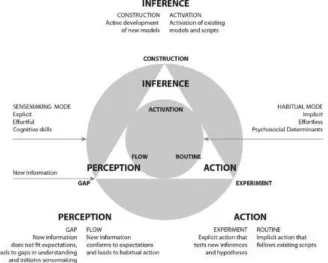
Figure 1. Sensemaking framework for chronic disease self-management (From © Mamykina et al.,
2015. Published by Elsevier Inc.) ... 10
Figure 2. Illustrative example of a goal setting module’s input-process-output structure for a fictional physical activity intervention (Based on Hekler, Klasnja et al., 2016) ... 14
Figure 3. Conceptual model of Goal Setting Theory based on Michie et al. (2014) and Locke and Latham (2013) ... 23
Figure 4. Sample of log data protocol implementation in Microsoft Excel ... 27
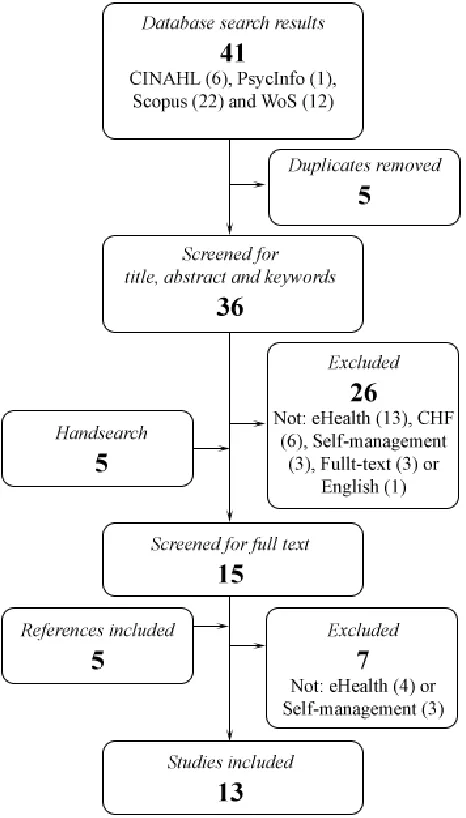
Figure 5. Flowchart of study selection ... 31
Figure 6. Case 1 – Low adherence ... 40
Figure 7. Case 2 – Adherence... 41
Figure 8. Case 3 – Adherence and high self-monitoring ... 42
Figure 9. Goal setting module to support self-care of CHF ... 53
Figure 10. Low adherent persona ... 57
Figure 11. Mock-ups of interface and educational provision in a coaching module ... 58
Figure 12. Adherent persona ... 58
Figure 13. Mock-ups of prompt for self-care assessment and feedback on progress ... 59
Figure 14. Adherent and high self-monitoring persona ... 60
Figure 15. Mock-up of goal recommendation from a HCP via the message function ... 61
List of Tables Table 1 Description of selected studies on chronological order ... 33
Table 2 Description of eHealth technologies ... 35
Table 3 Descriptive numerical summary of goal setting theoretical constructs ... 37
Table 4 Descriptive numerical summary of goal setting aim, operationalization, and outcomes ... 38
Table 5 Descriptive numerical summary of PSD principles identified in eHealth technologies ... 39
Table 6 Use and usage of content case comparison ... 43
Table 7 Summary of evidence ... 52
Dedication
For my father, who taught me by example how to be a hard worker and that knowledge is our most powerful tool.
Acknowledgement
1. Introduction 1.1. Background
The Twente TEACH consortium is a remarkable partnership where the University of Twente, Thales, Menzis, Ziekenhuisgroep Twente (ZGT) and Vodafone came together to take on the mission of providing efficient and effective care for the growing population of chronic congestive heart failure (CHF) patients in the Netherlands. The iMediSense telemonitoring technology was developed for this, and between September 2016 and January 2017, a pilot study was conducted to determine the use, usability and usefulness for practice of the technology and to identify areas of further improvement. A mixed design of qualitative and quantitative research was used to evaluate the telemonitoring functionalities from the perspective of the end-users and key stakeholders of the technology (those who affect or are affected by eHealth technologies). The end-users of iMediSense are patients suffering from CHF, as well as specialized heart failure nurse practitioners from the healthcare end. One of the most important findings of this study was that patients were able to use the technology and found it easy to do on a daily basis, even those with low technological skills. Moreover, caregivers advocated that the technology can be useful to increase self-management, so recommendations to accomplish this were given. In consequence, the next stage of development is to provide further support to decision making by incorporating a personalized coaching system that can enhance the self-management or self-care of patients. The general recommendations from the study are that coaching of patients should be aimed at: (1) education and training in the proper use of the technology, (2) personalized CHF education, (3) support for the interpretation of measurement values and (4) achieving personal goals.
1.2. Promoting Self-Management in Patients with Chronic Congestive Heart Failure
According to the proposed theory of Riegel et al., self-care is performed in both healthy and ill states, but it is relatively more salient to patients with a chronic illness. The key elements of self-care are maintenance, monitoring and management. First, according to Riegel et al. self-self-care maintenance is defined as those behaviours used by patients with a chronic illness to maintain physical and emotional stability. Second, they refer to self-care monitoring as the process of observing oneself for changes in signs and symptoms. Finally, self-care management is conceptualized as the response to signs and symptoms when they occur.
1.3. Coaching in Healthcare and eHealth Technologies
A popular strategy to promote behaviour change is coaching, generally defined as a human development process that involves structured, focused interaction and the use of appropriate strategies, tools and techniques to promote desirable and sustainable change for the benefit of the coachee and potentially for other stakeholders (Cox, Bachkirova, & Clutterbuck, 2014). When coaching became acceptable to business and individuals as a method to improve performance, manage stress, or achieve work and personal goals, researchers also began to explore its potential to facilitate the promotion of healthy behaviours and help individuals achieve health-related goals (Palmer, Tubbs, & Whybrow, 2003). Coaching applied in healthcare is often referred to as health coaching, consequently defined as the practice of health education and health promotion within a coaching context to improve the wellbeing of individuals and to facilitate the achievement of their health related goals (Huffman, 2007). Huffman proposed health coaching as a way of enhancing patient self-management, and added that using this approach in the patient’s place of residence could be the key factor in achieving significant health related outcomes. Recent reviews about health coaching summarize it as a goal-oriented, client-centered partnership that is health-focused and occurs through a process of client enlightenment and empowerment (Olsen, 2014).
The authors of this work suggested that the use of ‘active assistance technology’, which they refer to as involving automatic processing of health or behaviour data and delivery of automatic tailored messages, could keep patients motivated and informed and therefore be a way to raise the effectiveness of these type of interventions. Cases like this show that connecting monitoring of data and providing coaching is not a straightforward and simple process. Because of this, eHealth technologies are now incorporating more thoughtful monitoring and coaching designs, aiming to increase effectiveness but also the persuasiveness of interventions with this combination.
Nevertheless, bridging the gap between data monitoring and delivery of coaching through technology seems to really be a challenging task. To address this gap, Patel, Asch, and Volpp (2015) suggest that, to produce health benefits, the design of the engagement strategies is more important than the technical features of a technology. Because of this, research has been focused on identifying key components of eHealth interventions that combine self-tracking and coaching (Lentferink et al., 2017). Lentferink et al. refer to such combination as persuasive eCoaching, defined as “the use of technology during coaching to motivate and stimulate (groups of) people to change attitudes, behaviours, and rituals” (p. 2). Other terms such as virtual coach (van Wissen,
Vinkers, & van Halteren, 2016) or e-coach (Beun et al., 2016) have also been used in research. All in all, the implementation of coaching on eHealth still seems to be under early growth, new findings arise often and from different fronts.
1.4. The Challenge of Sensemaking in New Technologies
Figure 1. Sensemaking framework for chronic disease self-management (From © Mamykina et al., 2015. Published by Elsevier Inc.)
To support such process, it is stated by Mamykina et al. that new technologies, informed by this sensemaking perspective, could help individuals to not only set specific goals, but also track the impact of these goals on various indicators of health; an idea which pretty much refers to the optimization of feedback and its link to behavioural support in the design of eHealth interventions.
Additional findings support the sensemaking concept by reinforcing the idea that simply collecting patient generated data is only a first step in the sensemaking process (Miyamoto, Henderson, Young, Pande, & Han, 2016). Miyamoto et al. point out that technologies need to provide opportunities for both reflection and action on the information obtained. For example, they found that often help is required to synthesize data and create meaning from it, proposing that this could be built into the device ‘responses’ or also occur in partnership with a healthcare team. For this reason, they state that regular, timely, informed and personalized feedback could fill in the gap between the individual’s ability to provide meaning and understanding of data and the aim to produce behaviour change, thus helping them reach their goals. Finally, Miyamoto et al. also recognize that addressing the drivers and barriers to technology engagement is important to support and motivate the task of behaviour change. Altogether, these and previous findings seem to support that a thoughtful design of a technology, ideally built with a structure of evidence-based components, can be the best method to successfully support self-management with eHealth (Lentferink et al., 2017; Mamykina et al., 2015; Miyamoto et al., 2016; Patel et al., 2015).
1.5. Developing eHealth Using the CeHRes Roadmap and a Persuasive Systems Design
For this study, the first two phases of the roadmap are of special interest as they can categorize the current state of development of the iMediSense technology. The contextual inquiry is the first phase of the roadmap, for which the aim is to identify and describe the needs and problems of the stakeholders. Among other possibilities, the process of a contextual inquiry can be based on a literature review to examine critical factors for the uptake and impact in a given situation (van Gemert-Pijnen et al., 2013). It is also possible to address this through the use of workshops or focus groups where together with stakeholders the needs and goals of an eHealth project can be discussed via personas and scenarios that represent the goals, tasks, actions, or decisions that are relevant to support the technology (LeRouge, Sneha, & Tolle, 2013; van Gemert-Pijnen et al., 2011; van Velsen, Wentzel, & Van Gemert-Pijnen, 2013). Personas are conceptual models of target user group(s) that, among other things, can also inform the requirements, design and implementation decisions of a technology (LeRouge et al., 2013). Therefore, by using personas, scenarios and task demonstrations, stakeholders can gain insight into and reach consensus on the context, division of roles and scope of the technology (Van Velsen et al., 2013).
The value specification is the second phase of the roadmap, where the objective is to
provide information about the added values that key stakeholders attribute to the eHealth intervention. The outcome of the contextual inquiry and value specification together can provide
the functional requirements that reveal the content and persuasiveness of the system which sets
1.6. The Agile Science Process and Building of Behaviour Change Modules
Beyond creating a successful eHealth technologies, to effectively advance the field as a whole, optimizing the standardization and sharing of the knowledge and products being generated is now being promoted as a fundamental goal for scientific research (Hekler, Klasnja, et al., 2016; Hekler, Michie, et al., 2016). Indeed, given the importance of generating evidence-based practices in the field, and the need for a more iterative research process to conform to the complexity of behaviour change, the agile science process is a method that proposes to facilitate a more efficient knowledge accumulation for behaviour change interventions through an early-and-often sharing of all scientific products (Hekler, Klasnja, et al., 2016). Hekler, Klasnja et al. propose a first draft for such a framework in which three possible products play a role: (1) behaviour change modules, (2) computational behavioural models and (3) personalization algorithms. For a detailed description of the agile science process it is recommended to review the cited papers of this section, as only the most relevant aspects for this study will be described.
In the development of eHealth where support for behaviour change is demanded, such as for the iMediSense technology, the delivery of behaviour change modules proposed by agile science is of remarkable interest. Behaviour change modules are defined by Hekler, Klasnja et al. as ‘strategies designed to produce a specific and scoped behavioural outcome’, a similar concept
Figure 2. Illustrative example of a goal setting module’s input-process-output structure for a fictional physical activity intervention (Based on Hekler, Klasnja et al., 2016)
Hekler, Klasnja et al. (2016) describe that a good module should fulfill four adjectives as criteria: smallest, meaningful, self-contained and repurposable. Modules, when well validated, could then be used for the development and testing of more-robust computational models and personalization algorithms, to act as building blocks for personalized and perpetually adapting interventions (Patrick et al., 2016). Within the agile science process one of two complementary and iterative phases is the generate phase. One of the aims of the generate phase is to produce multiple contender operations to specify contender constructs of any of the three proposed products. Such phase can include: formative work, which targets the specification of the problem, goal, population, and setting ideation on plausible solutions to achieve targeted goals (e.g., review of previous accumulated knowledge); simulation studies, for the specification of computational models and also plausible personalization algorithms with limited or no data; and prototype testing, aimed at facilitating a further specification of operations and feasibility testing (e.g., lean start-up methods). The generate phase is characterized to be higly iterative and dynamic, so the three described elements can happen not just repeateadly but also simultaneously.
Output: e.g., system suggests a goal of 30 minutes of physical
activity per week
Assessment of psychological determinants User's
preferences
User's behavioural
history
Input
[image:15.612.150.550.73.327.2]All in all, although the agile science process is still in formative stage, the main proposal is that agile techniques can be used to iteratively improve system inputs and processes to achieve desired health outcomes for individuals and populations (Patrick et al., 2016). On a broader perspective, the agile science approach supports human-centered methods, and therefore can enhance the effectiveness of eHealth development in a larger scale, mainly by optimizing the accumulation of knowledge and products that frameworks such as the CeHRes Roadmap and the PSD model generate. Indeed, while behavioural modules are the first step, these can serve as a base for the creation and testing of computational models and personalization algorithms that can make possible successful data-driven behaviour change interventions just as it was proposed by Patel et al. (2015) and Mamykina et al. (2015). In cases such as CHF, a data-driven intervention also fits the patient-tailored approach suggested by Kessing et al. (2016). Finally, to additionally support all of this, multidisciplinary proposals, such as the one made by Moller et al. (2017), suggest that increasing precision in the specification and operationalization of theories and techniques also has the potential to accelerate the understanding and implementation of interventions in behavioural medicine.
1.7. Identifying Theories and Behaviour Change Techniques
Perhaps one of the most notable efforts to provide a solution to such problems is the work of Michie, West, Campbell, Brown, and Gainforth (2014), where they provide a research-based compendium of behaviour change theories, aiming to facilitate the task of reviewing and selecting theories to inform the design of behaviour change interventions. Michie et al. identified and described a total of 83 theories of behaviour change, providing for each of them a construct list, a summary, a full description, and a list of explicitly-mentioned contributing theories from those also included in their compendium. The authors propose that their work could be used in an instrumental way for intervention design, making it also a valuable tool for holistic frameworks in eHealth design such as the CeHRes Roadmap (Van Gemert-Pijnen, 2013).
In a related work, the Behaviour Change Technique Taxonomy (v1) (BCTTv1) was developed to provide a methodology for identifying content of complex behavioural change interventions, and for it to be a foundation for international cross-disciplinary collaboration for developing more effective interventions to improve health (Michie et al., 2015; Michie, Atkins, & West, 2014). The authors of the BCTTv1 define a BCT as an active component of an intervention designed to change behaviour. In order to fulfill such definition, this component must be observable, replicable, irreducible and postulated as an active ingredient within an intervention designed to change behaviour. Among other strategies, it is suggested by them that intervention designers should pilot, review and amend the strategies to be employed with input from key stakeholders before the implementation of their programs (Michie et al., 2014). For example, Lorencatto, West, Bruguera, Brose, & Michie (2016) used the BCTTv1 to assess the quality of goal setting and its association with outcomes in smoking cessation behavioural support interventions. They found that goal setting is associated with greater likelihood of initiating quit attempts, and that the application of a goal setting rating scale can contribute to quality improvement efforts in clinical practice.
Finally, by using these complementary approaches, there is a potential for ground-breaking developments, such as the creation of ontologies (information structures used in information science to define abstract classes and the relations between those classes), which could facilitate new methods for hypothesis generation and a more effective knowledge discovery and accumulation in behavioural science (Larsen et al., 2016). For instance, Social Cognitive Theory (SCT) has been adapted and tested using a dynamical systems computational model (Riley et al., 2016). However, self-management mechanisms are not only explained by SCT but also other theories, so exploring these could outstandingly advance the behaviour change capabilities of eHealth interventions.
1.8. Goal Setting Theory and Health Behaviour Change
Another theory that heavily influences and describes self-management science is Goal Setting Theory. This theory has been built with an inductive approach and is viewed by its authors as an open theory, thus it integrates the findings of many studies across a wide range of disciplines (Locke & Latham, 2013). As summarized by Michie et al. (2014), Goal Setting Theory explains the mechanisms by which goals affect the level of task performance and how performance can be moderated by a number of factors. Furthermore, the body of research included in the work of Locke and Latham shows that “the act of goal setting motivates the development and use of self-management skills that increase the likelihood of goal attainment” (p. 431). Goal Setting Theory is characterized by Michie et al. (2014) as having 12 main constructs, such as persistence, commitment, or feedback, which also contain 7 sub-constructs such as goal difficulty or goal specificity. Furthermore, they identified that the only theory contributing to the development of Goal Setting Theory, of those included in their analysis, is Social Cognitive Theory.
The BCTTv1 distincts between goal setting focused on behaviour and goal setting focused on the outcome. The first one means to set or agree on a goal defined in terms of the behaviour to be achieved (e.g., agree a daily walking goal). Alternatively, goal setting focused on an outcome means to set or agree a goal defined in terms of a positive outcome of a wanted behaviour (e.g., set a weight loss goal). In summary, Goal Setting Theory and goal setting as a BCT have been properly identified, specified, and proven to have a significant potential for behaviour change in the healthcare domain, including support for the development of self-management skills. Despite all of this, there is not sufficient research yet to methodologically lead an evidence-based development and implementation of goal setting into a coaching-supportive technology.
1.9. Aim of this Research
This study aimed to guide and describe the development of a coaching function for the iMediSense technology by applying the CeHRes Roadmap and the agile science process as main elements of its framework. Specifically, the objective was to propose an evidence-based goal setting module that can function as a fundamental component to enhance the self-management of CHF populations through the aforementioned technology. It was also intended that, by complying with the agile science process, the module can be furtherly shared, tested and adapted to other health conditions and populations in the future. Therefore, the first objective of this research was to explore and map the current use of Goal Setting Theory and goal setting as a BCT in eHealth technologies that aimed to support or enhance the self-management of CHF populations. A second purpose, relevant to the overarching project, was to better understand the areas of improvement of the iMediSense technology in providing feedback and coaching to its users. Finally, based on such findings, the proposed outcome was to approach an identification of functional requirements for a goal setting module that could be appropriately incorporated in a coaching system for the technology in question. Thus, the research questions were:
a) Which constructs of Goal Setting Theory are addressed in eHealth technologies aimed for the self-management of CHF patients?
c) What are the reported outcomes in questions a) and b)?
d) How can the iMediSense technology improve its feedback and coaching to support behaviour change through the implementation of a goal setting module?
e) What are the functional requirements of a ‘smallest, meaningful, self-contained, repurposable and interoperable’ goal setting module that can be incorporated in a coaching
system in the iMediSense technology?
2. Method
By applying the generate phase of the agile science process a mixed methods design was proposed to be effective to answer the research questions. First, a scoping review of the literature was conducted to explore the implementation of goal setting as both a theory and as a BCT in existing eHealth technologies aimed at the self-management of CHF patients. This was expected to provide an answer to research questions a), b) and c). Second, to answer questions d) and e) an analysis of log data collected during the ‘Twente TEACH’-pilot was performed together with a stakeholder consultation (also as follow-up of the scoping process). The consultation was meant to specifically identify potential areas of improvement in the feedback and coaching currently provided by the iMediSense system, by assessing and reviewing the preliminary results of the literature review. It’s worth noting that a stakeholder consultation is not only an important iterative task within the CeHRes Roadmap but also a final recommended stage for scoping studies in order to validate the findings and enhance applicability of the results (Arksey & O’Malley, 2005; Levac, Colquhoun, & O’Brien, 2010). To summarize, the generate phase for the
The framework for conducting a scoping study includes the following steps: 1) identifying the research question, 2) identifying relevant studies, 3) study selection, 4) charting the data, 5) collating, summarizing, and reporting the results and 6) consultation (Arksey & O’Malley, 2005). In this matter, for each stage in Arksey and O’Malley’s framework, Levac et al. (2010) outlined several recommendations to maximize the usefulness and rigor of this method, these include: clarifying and linking the purpose and research question; balancing feasibility with breadth and comprehensiveness of the scoping process; using an iterative team approach to selecting studies and extracting data; incorporating a numerical summary and qualitative thematic analysis; identifying the implications of the study findings for policy, practice, or research; and adopting consultation as a required component of a scoping study. Given that the research questions have been previously established, below the consequent stages of the scoping process applied in this study are orderly described.
2.1. Identifying Relevant Studies
On the 8th of May 2017, the next databases were searched to collect publications: Cumulative Index of Nursing and Allied Health Literature (CINAHL), PsycInfo, Scopus and Web of Science. Databases were selected according to their coverage of medical, social and technological disciplines and considering possible overlapping. CINAHL was specifically added given the relevance for the research topic. The amount of databases selected was expected to be enough to answer the respective research questions, although it is important to point out that potentially relevant papers could have been missed due to various circumstances (e.g., discrepancy in terminology used in the search and the targeted papers).
For heart failure, self-management and eHealth, all of these concepts were searched in the MeSH (Medical Subject Headings) and Emtree (EMBASE Subject Headings) databases and then extra terms were selected from the entry terms, synonyms and keywords displayed in the query results. Additionally, in the case of eHealth more terms were added derived from the discussion on the evolution of the concept by Van Gemert-Pijnen et al. (2013) (e.g., consumer health informatics). Some self-determined terms were also added to include related concepts that were connected to the objectives and research questions of the study. For example, ‘coaching’, ‘health coaching’ and ‘persuasive coaching’ were added to the self-management set given that by definition all of them imply or in some cases explicitly include self-management tasks.
As previously mentioned, the first set of key terms was the most important one, as it would restrict the search to studies that included goal setting or its theory in their publication. In this matter, although in the BCTTv1 other BCTs are ‘coded’ together with goal setting or grouped within the same category, such as ‘behavioural contract’ or ‘ action planning’, for simplicity and to comply with the agile science’s criteria for a BCT module, terms like this were not included in the search. The search strategy was customized to each database according to their possibilities (e.g., use of limiters or combined search queries). A complete list of the terms considered, the search strings implemented, and the search strategy for each database can be found in the appendices (6.1). In general, limiters or filters were used when possible (e.g., title, abstract, keywords, period of publication).
2.2. Study Selection
The study selection was done by uploading the citations from the search results to the Mendeley Desktop software (version 1.17.9). The results went through the following procedure to select relevant studies: 1) eliminate duplicates, 2) review for the title, abstract and keywords and 3) full text review. The inclusion criteria considered for each step were as follows:
1. The paper refers to the development, implementation, or evaluation of an eHealth technology.
2. The eHealth technology is aimed for / or includes CHF patients.
3. The eHealth technology is aimed at / or includes support for self-management. 4. The article is available in English language, full text and published between
Studies were excluded when they didn’t meet any of the inclusion criteria, although
exceptions were considered when, for instance, the target population belonged to a CHF related condition (e.g., cardiac rehabilitation, coronary heart disease) and at the same time the publication showed high relevance for the aims of this research by fulfilling the rest of the criteria. Any type of publication was of interest: conference papers, manuscripts, literature reviews, etc. Furthermore, to identify additional relevant publications before the full text review, a hand search was conducted using the main terms as input via standard Google Search, Google Scholar, and in the database of the Journal of Medical Internet Research. In these cases besides reviewing for title, abstract and keywords, a quick text search scan was performed to look for any mention of the terms in the ‘goal setting’ set. Finally, during the full text review if a relevant referenced paper was identified then it was consequently included for this stage.
2.3. Charting the Data
In order to map the information of the selected studies, a data extraction form (Appendix 6.2)was designed to:
1. Describe the characteristics of the studies, specifically by: year of publication, study location, study design, study participants and eHealth technology referred to in the publication.
2. Identify constructs of goal setting theory addressed by the study. 3. Identify the aim and operationalization of goal setting as a BCT.
4. Identify the reported outcomes of goal setting, both theory and technique.
This combination was necessary because the theory characterization study was conducted previous to the publication of the latest work by the original authors. Informed by such literature and to facilitate consistency during the extraction of the constructs, a conceptual model to outline the theory was created, which can be seen in Figure 3. The conceptual model was used together with the data extraction form to guide the following stages. Briefly, the model illustrates a sequence of elements covering possible external stimuli, goal-related characteristics, mechanisms (hypothesized process), moderators (mediators of goal performance), and outcomes.
Ext. Incentives Goals Mechanisms Moderators Outcomes
considering the source, can be:
Feedback
(no goal provided) Personal / Self-set goals Directive function
Feedback
(on progress towards a goal)
Task performance - Behaviour
- Outcome
Assigned goals Energizing function Task complexity Satisfaction
Others
(e.g., monetary)
Participatory /
Collaborative goals Persistence
Commitment - Importance - Self-efficacy
Satisfaction paradox
Guided goals
Task-relevant knowledge and
strategies
to influence performance what should be considered is:
[image:24.612.67.550.223.419.2]Goal difficulty Goal specificity Proximal or Distal goals
Figure 3. Conceptual model of Goal Setting Theory based on Michie et al. (2014) and Locke and Latham (2013)
In accordance to the BCTTv1, the aim of goal setting as a BCT was identified either as focused on behaviour or focused on outcome by extracting the specific target (e.g., walking as behaviour or losing weight as outcome). Furthermore, the operationalization was defined as a broader categorization of the aim, first of all in terms of which self-care element it belongs to and subsequently by the self-care affecting factor(s) that goal setting could be identified to be aimed at, both according to the summary provided by Howlett et al. (2016) (e.g., self-care maintenance with a teaching approach). Although the reported outcomes of goal setting or the underlying theory, when included, were also of interest in the selected studies, this research did not aim to present a methodological quality assessment or ‘weight’ of the evidence found, as this is not the
2.4. Collating, Summarizing, and Reporting the Results
Each data component from the data extraction form was coded and analyzed using the qualitative software package ATLAS.ti version 8.0.37., an illustrative example of the use of this software can be found in the appendices (6.3). The use of this type of qualitative research tool is recommended by Levac et al. (2010) as it facilitates this process. The coding stage was performed using a codebook derived from the data extraction form, which can also be found in the appendices (6.4). The coding stages described by Fereday & Muir-Cochrane (2006) were considered for the complete process. In general, each code was only applied when the content was referring to goal setting either exclusively or as an ‘active component’ in a self-management
intervention. Due to the diversity in the type of publications, codes were more thoroughly applied when the link between goal setting, self-management, technology and / or any of the topics relevant for the research questions and aim of this study were sufficiently addressed. For example, a section describing goal setting in the workplace setting was reviewed but mostly omitted from coding to focus instead on the section referring to goal setting in the technology-assisted healthcare context.
2.5. Log Data Analysis and Development of Personas and Use-Case Scenarios
Log data was collected and analyzed during the ‘Twente TEACH’-pilot to assess the adherence of the users to the main goal of the system (to facilitate daily self-monitoring of health parameters) as well as the use and navigation of iMediSense’s present features (e.g., history charts and contact menu). An automatic log data file was generated every day that contained information such as the actions performed within the system, date and time they occurred, and accompanied with anonymized user IDs. Given such background, the aim of a new log data analysis for this research was to enhance the understanding of individual usage, and by this mean to identify gaps in the system’s feedback and coaching functionalities where a goal setting module could be of value. Moreover, the descriptive log data analysis was meant to provide insights that could serve as a base for the creation of personas and use-case scenarios, to showcase the potential improvements in the effectiveness of the technology acquired via coaching focused on goal setting support. Hence, the use-case scenarios were defined as representations of the actions that would be performed by a persona in a hypothetical goal setting module of the iMediSense technology.
Case 1 – Low adherence: A user that wished to stop participation in the pilot but,
through an intervention of a nurse practitioner, was motivated to continue. The interaction between patient and nurse was known to be based on the self-care goals, as the indication to perform measurements was since then tailored to this individual, from daily measurements to one every two or three days. The user fully complied with the new recommendations from that point on until the end of the study, therefore, the user later became adherent through coaching.
Case 2 – Adherence: A user that complied with the recommendations almost
perfectly, missing sending a measurement in only one day during the full study. A representative case of the majority of participants from the pilot.
Case 3 – Adherence and high self-monitoring: A user that did not only show perfect
adherence but also exceeded the recommendations. The user performed measurements two or three times a day for around forty days. In interview during the pilot the user recognized well-established habits of staying informed about the disease (e.g., looking up information on the internet) and frequently monitoring the medical status through several devices (e.g., traditional weight scale).
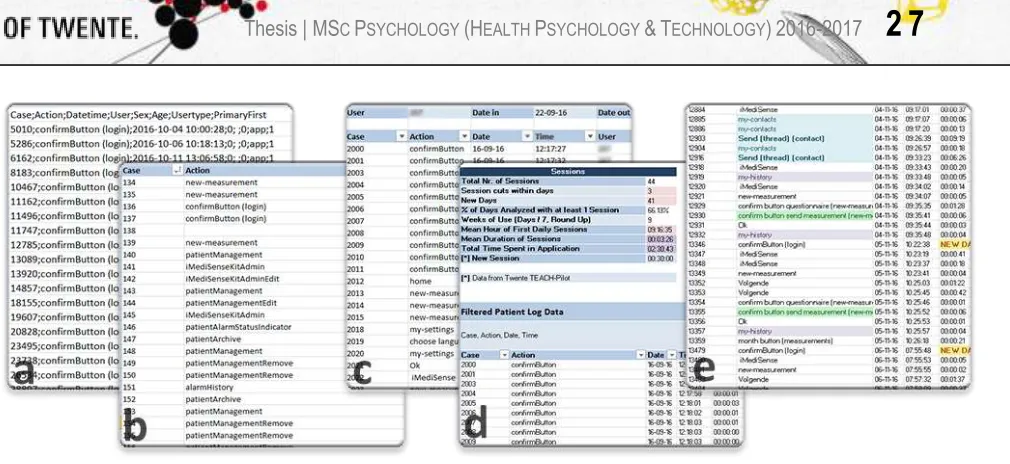
The log files of these three cases were extracted, charted and analyzed using Microsoft Excel 2010, following the protocol recommendations by Sieverink et al. (2017). Several functionalities of the software were used to perform a descriptive analysis (e.g., formulas to create new variables) but also to allow a clear visualization of the log files (e.g., through conditional formatting). The analysis on the use and usage focused on the sessions, measurements, history
and contact menu (messages) features of the iMediSense technology. A sample illustration of
Figure 4. Sample of log data protocol implementation in Microsoft Excel Note. a) raw data; b) and c) data preparation; d) and e) data transformation and analysis
In Figure 4, a) the log files in CSV format (comma-separated values) represent the ‘data collection’ phase as it resulted from the ‘Twente TEACH’-pilot. b) Then, at the beginning of the ‘data preparation’ phase the values are split into different cells and filters are added. c) At that
point it was possible to filter the data by each selected case. d) Next, the filtered user log files were moved to a new sheet where several steps of ‘data transformation’ were conducted to
Additionally, the findings from the consultation phase were also considered as they provided context-specific evidence of characteristics and needs of the target group from the perspective of other stakeholders. So, the first step to develop the personas was to establish a distinction between the full set of participants from the pilot, in order to identify additional cases similar to the ones that were selected as representative during the descriptive log data analysis. To do this, a second and more general log data analysis was performed, calculating the number of measurements each user conducted in relation to the total number of days of their participation during the pilot (e.g., 60 measurements in 60 days = 100%). This way, users were grouped in three categories according to this measure of their adherence. Group one was designated as the ‘low adherents’, those with the lowest percentage of adherence calculated. Those who fulfilled
Again following the example of Le Rouge et al., a trail of evidence that illustrates the process of adding the content can be found in the appendices (6.5). Use-case scenarios were then developed and presented taking into consideration the structure of each persona. Although the initial plan of the study was to use the personas as a main input during the consultation stage, due to adjustments in such phase, personas and use-case scenarios were developed as a final step, thus summarizing and providing meaning to the complete body of evidence from this study.
2.6. Consultation of Key Stakeholders
The consultation stage was aimed at individuals identified as stakeholders of the technology, such as the potential end-users, or also members of the ‘Twente TEACH’ consortium, part of the development team. The selection was based considering the guidelines for stakeholder involvement and co-creation by van Woezik, Braakman-Jansen, Kulyk, Siemons, and van Gemert-Pijnen (2016). First of all, a list of stakeholders of the iMediSense technology that was created during the pilot was reviewed and adjusted according to their relevance to support the aims of the present study. Again, a selection criterion for participation was that the participants had fluency in English language, so the recruiting of participants was done considering this requirement. Another important aspect was that the consultation occurred at different moments and times guided by convenience of the availability of each stakeholder.
In general, the aim of this step was to gather additional sources of information, perspectives, and to enhance the meaning and applicability of the preliminary results (Arksey & O’Malley, 2005). Although in the end no focus group was conducted, the work of Morgan (1996)
regarding this method formed the rationale behind the preparation of the complete consultation stage. For instance, given that the main topic of discussion was the incorporation of goal setting into a coaching functionality of the iMediSense technology, which is a complex and multidisciplinary subject, a focus group design, according to Morgan, would allow the researcher to achieve new insights even considering budget and time constraints. Therefore, his guidelines on moderator involvement, the preparation of a guide (script) and materials and the techniques to moderate a discussion were actively used by the researcher during the consultation stage.
3. Results
The findings of this study are introduced in the order outlined by the scoping process, with the log data analysis anteceding the consultation stage, as the former was a planned input for the latter. Afterwards, the main outcomes of this research are presented and described.
3.1. Scoping Review: Study Selection
[image:32.612.207.440.268.677.2]From an initial set of forty-one publications, thirteen were selected for full text review. Figure 5 shows the flowchart of the study selection process.
3.2. Scoping Review: Description and Numerical Summaries
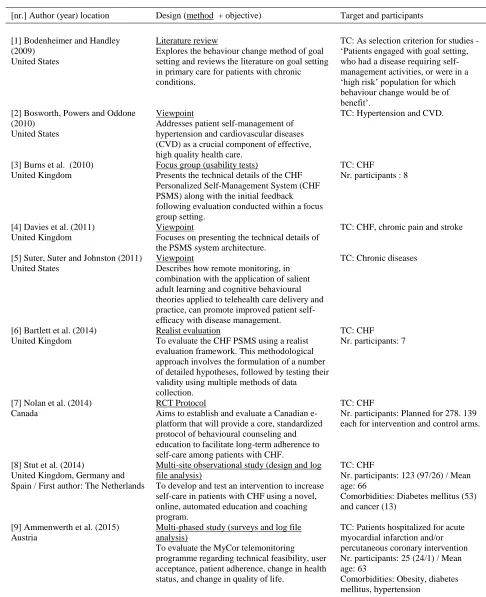
Articles selected cover a range of eight years, from 2009 to 2017. Three of them address goal setting in healthcare with a lesser (but still relevant) focus on technology (Bodenheimer & Handley, 2009; Bosworth, Powers, & Oddone, 2010; Suter, Suter, & Johnston, 2011). The rest are entirely aimed at describing or evaluating at least one eHealth technology (Ammenwerth et al., 2015; Bartlett et al., 2014; Burns et al., 2010; Davies et al., 2011; Jacelon, Gibbs, & Ridgway, 2016; Nolan et al., 2014; Nooitgedagt, Beun, & Dignum, 2017; Payne et al., 2015; Stut et al., 2014; Stut, Deighan, Cleland, & Jaarsma, 2015). Four are viewpoint papers (Bosworth et al., 2010; Davies et al., 2011; Nooitgedagt et al., 2017; Suter et al., 2011), two are literature reviews (Bodenheimer & Handley, 2009; Jacelon et al., 2016).
Table 1
Description of selected studies on chronological order
[nr.] Author (year) location Design (method + objective) Target and participants
[1] Bodenheimer and Handley (2009)
United States
Literature review
Explores the behaviour change method of goal setting and reviews the literature on goal setting in primary care for patients with chronic conditions.
TC: As selection criterion for studies - ‘Patients engaged with goal setting, who had a disease requiring self-management activities, or were in a ‘high risk’ population for which behaviour change would be of benefit’.
[2] Bosworth, Powers and Oddone (2010)
United States
Viewpoint
Addresses patient self-management of hypertension and cardiovascular diseases (CVD) as a crucial component of effective, high quality health care.
TC: Hypertension and CVD.
[3] Burns et al. (2010) United Kingdom
Focus group (usability tests)
Presents the technical details of the CHF Personalized Self-Management System (CHF PSMS) along with the initial feedback following evaluation conducted within a focus group setting.
TC: CHF
Nr. participants : 8
[4] Davies et al. (2011) United Kingdom
Viewpoint
Focuses on presenting the technical details of the PSMS system architecture.
TC: CHF, chronic pain and stroke
[5] Suter, Suter and Johnston (2011) United States
Viewpoint
Describes how remote monitoring, in combination with the application of salient adult learning and cognitive behavioural theories applied to telehealth care delivery and practice, can promote improved patient self-efficacy with disease management.
TC: Chronic diseases
[6] Bartlett et al. (2014) United Kingdom
Realist evaluation
To evaluate the CHF PSMS using a realist evaluation framework. This methodological approach involves the formulation of a number of detailed hypotheses, followed by testing their validity using multiple methods of data collection.
TC: CHF Nr. participants: 7
[7] Nolan et al. (2014) Canada
RCT Protocol
Aims to establish and evaluate a Canadian e-platform that will provide a core, standardized protocol of behavioural counseling and education to facilitate long-term adherence to self-care among patients with CHF.
TC: CHF
Nr. participants: Planned for 278. 139 each for intervention and control arms.
[8] Stut et al. (2014)
United Kingdom, Germany and Spain / First author: The Netherlands
Multi-site observational study (design and log file analysis)
To develop and test an intervention to increase self-care in patients with CHF using a novel, online, automated education and coaching program.
TC: CHF
Nr. participants: 123 (97/26) / Mean age: 66
Comorbidities: Diabetes mellitus (53) and cancer (13)
[9] Ammenwerth et al. (2015) Austria
Multi-phased study (surveys and log file analysis)
To evaluate the MyCor telemonitoring programme regarding technical feasibility, user acceptance, patient adherence, change in health status, and change in quality of life.
TC: Patients hospitalized for acute myocardial infarction and/or percutaneous coronary intervention Nr. participants: 25 (24/1) / Mean age: 63
[10] Payne et al. (2015) Canada
Qualitative (semi-structured interviews and usability tests)
To assess the usability of the CHF-CePPORT e-Counseling platform in terms of navigation, content, and layout.
TC: CHF patients recently admitted or outpatients with NYHA III /IV symptoms.
Nr. participants: 7 (5/2) / Mean age: 57
[11] Stut et al. (2015)
United Kingdom, Germany and Spain / First author: The Netherlands
Multi-site observational study (self-reports and log file analysis)
To evaluate a novel online education and coaching program (HeartCycle) to promote self-care among patients with heart failure.
TC: CHF, (66% in NYHA III) Nr. participants: 123 (97/26) / Mean age: 66
Comorbidities: Diabetes mellitus (53) and cancer (13)
[12] Jacelon, Gibbs and Ridgway (2016)
United States
Scoping review
To explore the types of computer-based systems used for self-management of chronic disease, the goals and success of these systems, the value added by technology integration and the target audience for these systems.
TC: Chronic diseases
[13] Nooitgedagt, Beun and Dignum (2017)
The Netherlands
Viewpoint
To present the rationale and requirements for an e-coaching system in the domain of intensive cardiac rehabilitation.
TC: Intensive cardiac rehabilitation
Note. TC = Targeted medical condition(s)
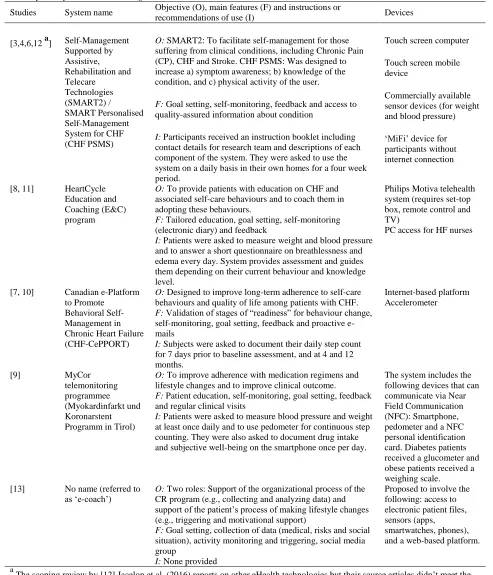
From the selected studies, five different eHealth technologies were identified to have objectives, features and / or technical devices that made them relevant to the aims of this research. Table 2 gives an overview of these technologies. The SMART2/CHF PSMS system was addressed by four studies (Bartlett et al., 2014; Burns et al., 2010; Davies et al., 2011; Jacelon et al., 2016). The HeartCycle E&C program was covered by a couple of papers (Stut et al., 2014, 2015), same with the CHF-CePPORT platform (Nolan et al., 2014; Payne et al., 2015). MyCor (Ammenwerth et al., 2015) and a conceptual ‘e-coach’ (Nooitgedagt et al., 2017) were described by one article each. Four of these technologies are already in a stage of testing or implementation (SMART2/CHF PSMS, Heart Cycle E&C, CHF-CePPORT and MyCor) while one is a concept derived from a requirement analysis (Nooitgedagt et al., 2017). Three of them are specifically aimed at CHF populations (HeartCycle E&C, CHF-CePPORT, and SMART2 which also has functionalities to support other diseases), one to coronary heart disease (MyCor, but also applied for diabetes and obesity) and the conceptual e-coach is aimed at ‘intensive cardiac rehabilitation’ (Nooitgedagt et al., 2017). Together with goal setting all of the
Table 2
Description of eHealth technologies
Studies System name Objective (O), main features (F) and instructions or
recommendations of use (I) Devices
[3,4,6,12 a] Self-Management Supported by Assistive, Rehabilitation and Telecare Technologies (SMART2) / SMART Personalised Self-Management System for CHF (CHF PSMS)
O: SMART2: To facilitate self-management for those suffering from clinical conditions, including Chronic Pain (CP), CHF and Stroke. CHF PSMS: Was designed to increase a) symptom awareness; b) knowledge of the condition, and c) physical activity of the user.
F: Goal setting, self-monitoring, feedback and access to quality-assured information about condition
I: Participants received an instruction booklet including contact details for research team and descriptions of each component of the system. They were asked to use the system on a daily basis in their own homes for a four week period.
Touch screen computer
Touch screen mobile device
Commercially available sensor devices (for weight and blood pressure)
‘MiFi’ device for participants without internet connection
[8, 11] HeartCycle Education and Coaching (E&C) program
O: To provide patients with education on CHF and associated self-care behaviours and to coach them in adopting these behaviours.
F: Tailored education, goal setting, self-monitoring (electronic diary) and feedback
I: Patients were asked to measure weight and blood pressure and to answer a short questionnaire on breathlessness and edema every day. System provides assessment and guides them depending on their current behaviour and knowledge level.
Philips Motiva telehealth system (requires set-top box, remote control and TV)
PC access for HF nurses
[7, 10] Canadian e-Platform to Promote
Behavioral Self-Management in Chronic Heart Failure (CHF-CePPORT)
O: Designed to improve long-term adherence to self-care behaviours and quality of life among patients with CHF.
F: Validation of stages of “readiness” for behaviour change, self-monitoring, goal setting, feedback and proactive e-mails
I: Subjects were asked to document their daily step count for 7 days prior to baseline assessment, and at 4 and 12 months.
Internet-based platform Accelerometer
[9] MyCor
telemonitoring programmee (Myokardinfarkt und Koronarstent Programm in Tirol)
O: To improve adherence with medication regimens and lifestyle changes and to improve clinical outcome.
F: Patient education, self-monitoring, goal setting, feedback and regular clinical visits
I: Patients were asked to measure blood pressure and weight at least once daily and to use pedometer for continuous step counting. They were also asked to document drug intake and subjective well-being on the smartphone once per day.
The system includes the following devices that can communicate via Near Field Communication (NFC): Smartphone, pedometer and a NFC personal identification card. Diabetes patients received a glucometer and obese patients received a weighing scale.
[13] No name (referred to as ‘e-coach’)
O: Two roles: Support of the organizational process of the CR program (e.g., collecting and analyzing data) and support of the patient’s process of making lifestyle changes (e.g., triggering and motivational support)
F: Goal setting, collection of data (medical, risks and social situation), activity monitoring and triggering, social media group
I: None provided
Proposed to involve the following: access to electronic patient files, sensors (apps,
smartwatches, phones), and a web-based platform.
a
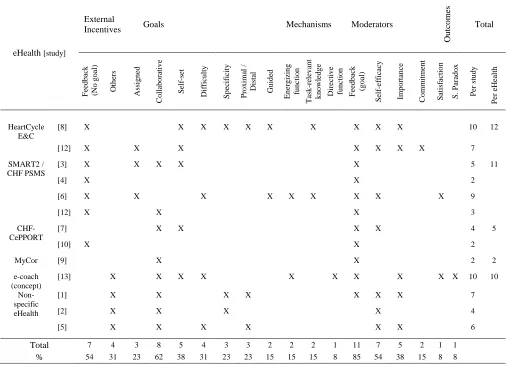
Table 3
Descriptive numerical summary of goal setting theoretical constructs
eHealth [study]
External
Incentives Goals Mechanisms Moderators
Ou tco m es Total F ee d b ac k ( N o g o al ) O th er s A ssi g n ed C o ll ab o ra ti v e S el f-set D if fi cu lt y S p ec if ic it y P ro x ima l / D ist al G u id ed En er g iz in g fu n ct io n Ta sk -r el ev an t k n o w le d g e D ir ec ti v e fu n ct io n F ee d b ac k (g o al ) S el f-ef fi ca cy Imp o rt an ce C o mm it me n t S at isf ac ti o n S. P ar ad o x P er s tu d y P er e H ea lt h HeartCycle E&C
[8] X 0 0 0 X X X X X 0 X 0 X X X 0 0 0 10 12
[12] X 0 X 0 X 0 0 0 0 0 0 0 X X X X 0 0 7
SMART2 / CHF PSMS
[3] X 0 X X X 0 0 0 0 0 0 0 X 0 0 0 0 0 5 11
[4] X 0 0 0 0 0 0 0 0 0 0 0 X 0 0 0 0 0 2
[6] X 0 X 0 0 X 0 0 X X X 0 X X 0 0 X 0 9
[12] X 0 0 X 0 0 0 0 0 0 0 0 X 0 0 0 0 0 3
CHF-CePPORT
[7] 0 0 0 X X 0 0 0 0 0 0 0 X X 0 0 0 0 4 5
[10] X 0 0 0 0 0 0 0 0 0 0 0 X 0 0 0 0 0 2
MyCor [9] 0 0 0 X 0 0 0 0 0 0 0 0 X 0 0 0 0 0 2 2
e-coach (concept)
[13] 0 X 0 X X X 0 0 0 X 0 X X 0 X 0 X X 10 10
Non-specific eHealth
[1] 0 X 0 X 0 0 X X 0 0 0 0 X X X 0 0 0 7
[2] 0 X 0 X 0 0 X 0 0 0 0 0 0 X 0 0 0 0 4
[5] 0 X 0 X 0 X 0 X 0 0 0 0 0 X X 0 0 0 6
Total 7 4 3 8 5 4 3 3 2 2 2 1 11 7 5 2 1 1
% 54 31 23 62 38 31 23 23 15 15 15 8 85 54 38 15 8 8
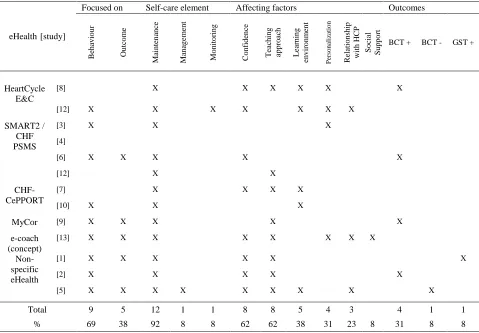
Self-care monitoring and self-care management were only identified in one article each. The two most commonly identified affecting factors to operationalize goal setting were the confidence of the patient and providing a teaching approach, both being addressed in eight articles (62%). Provision of learning environment was a factor identified in a third of the articles (38%). The cognitive and emotional statuses of the patients were the only two factors that were not identified in any of the articles. Outcomes of goal setting as a BCT were only reported in five articles (Ammenwerth et al., 2015; Bartlett et al., 2014; Bosworth et al., 2010; Stut et al., 2014; Suter et al., 2011), mostly positive except for one case (Suter et al., 2011). The reported outcomes, or in other words, the value(s) of implementing Goal Setting Theory was only discussed in one paper, which was actually the earliest one published from all of the selected studies (Bodenheimer & Handley, 2009), and didn’t particularly address a technology.
Table 4
Descriptive numerical summary of goal setting aim, operationalization, and outcomes
eHealth[study]
Focused on Self-care element Affecting factors Outcomes
B eh av io u r O u tc o m e M ai n te n an ce M an ag em en t M o n it o ri n g C o n fi d en ce T ea ch in g ap p ro ac h Le ar n in g en v ir o n m en t P er sona li za ti o n R el at io n sh ip w it h H C P S o ci al S u p p o rt
BCT + BCT - GST +
HeartCycle E&C
[8] 0 0 X 0 0 X X X X 0 0 X 0 0
[12] X 0 X 0 X X 0 X X X 0 0 0 0
SMART2 / CHF PSMS
[3] X 0 X 0 0 0 0 0 X 0 0 0 0 0
[4] 0 0 0 0 0 0 0 0 0 0 0 0 0 0
[6] X X X 0 0 X 0 0 0 0 0 X 0 0
[12] 0 0 X 0 0 0 X 0 0 0 0 0 0 0
CHF-CePPORT
[7] 0 0 X 0 0 X X X 0 0 0 0 0 0
[10] X 0 X 0 0 0 0 X 0 0 0 0 0 0
MyCor [9] X X X 0 0 0 X 0 0 0 0 X 0 0
e-coach (concept)
[13] X X X 0 0 X X 0 X X X 0 0 0
Non-specific eHealth
[1] X X X 0 0 X X 0 0 0 0 0 0 X
[2] X 0 X 0 0 X X 0 0 0 0 X 0 0
[5] X X X X 0 X X X 0 X 0 0 X 0
Total 9 5 12 1 1 8 8 5 4 3 4 1 1
% 69 38 92 8 8 62 62 38 31 23 8 31 8 8
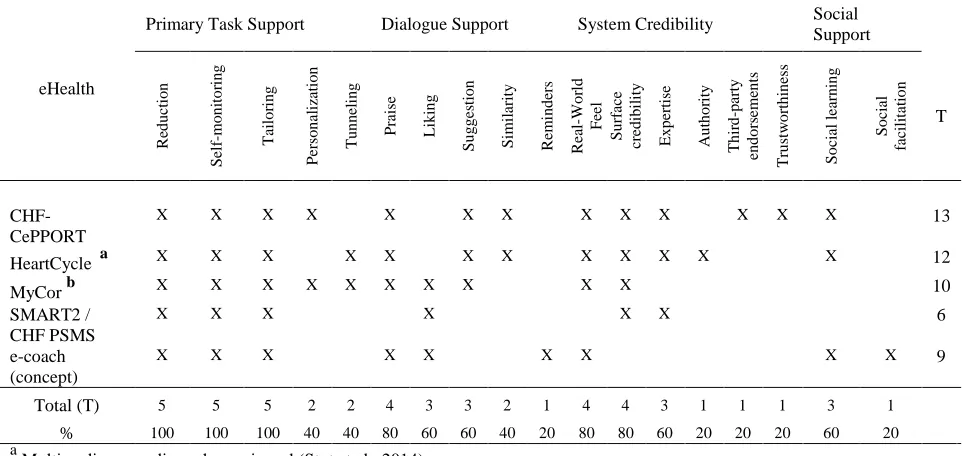
The final layer in the description of the selected articles puts the focus back on the technology itself. Eighteen persuasive principles were identified at least once in the articles describing an eHealth technology. Rewards, social role, verifiability, competition, cooperation,
normative influence, recognition, social comparison, rehearsal and simulation were not
identifiable from the content of the papers. On the contrary, five principles for ‘primary task support’ were recognized (reduction, self-monitoring, tailoring, personalization and tunneling), five also for ‘dialogue support’ (praise, liking, suggestion and similarity), six for ‘system credibility’ (real world-feel, surface credibility, expertise, authority, third-party endorsements
and trustworthiness), and two for ‘social support’ (social learning and social facilitation).
Reduction, self-monitoring and tailoring were distinguished in all of the technologies, while
praise, real-world feel and surface credibility in four of them. Liking, suggestion, expertise and
[image:40.612.66.547.449.677.2]social learning were addressed by three technologies. The CHF-CePPORT was the system with the highest number of recognized persuasive principles (13), followed by the HeartCycle E&C program (12) and the MyCor telemonitoring technology next (10). Table 5 presents the complete numerical summary for the PSD principles.
Table 5
Descriptive numerical summary of PSD principles identified in eHealth technologies
eHealth
Primary Task Support Dialogue Support System Credibility Social Support R ed u ct io n S el f-mo n it o ri n g Ta il o ri n g P er so n al iz at io n Tu n n el in g P ra ise Li k in g S u g g es ti o n S imi la ri ty R em in d er s R ea l-W o rl d F ee l S u rf ac e cr ed ib il it y Ex p er ti se A u th o ri ty Th ir d -p ar ty en d o rs eme n ts Tr u st w o rt h in ess S o ci al l ea rn in g S o ci al fa ci li ta ti o n T CHF-CePPORT
X X X X X X X X X X X X X 13
HeartCycle a X X X X X X X X X X X X 12
MyCor b X X X X X X X X X X 10
SMART2 / CHF PSMS
X X X X X X 6
e-coach (concept)
X X X 0 0 X X 0 0 X X 0 0 0 0 0 X X 9
Total (T) 5 5 5 2 2 4 3 3 2 1 4 4 3 1 1 1 3 1
% 100 100 100 40 40 80 60 60 40 20 80 80 60 20 20 20 60 20 a
Multimedia appendices also reviewed (Stut et al., 2014)
b
3.3. Log Data Analysis
[image:41.612.72.573.160.499.2]The results from the log file analysis for each case are presented next, a larger size of the charts can be found in the appendices (6.9).
Figure 6. Case 1 – Low adherence
Note. At the lower graph the left Y axis measures the duration and mean duration of sessions. The right Y axis measures the frequency of measurements completed, history opened and messages sent (highlighted in blue).
Figure 6 shows the results for case 1. In the upper graph each blue dot equals a measurement and its position in the Y axis refers to the time of the day it was sent. The X axis in all of the charts is divided by the log file ‘cases’ and the beginning of every week is marked by a
Furthermore, completed measurements can be identified as green diamonds and their position in reference to the right Y axis equals the number of measurements performed at that session, naturally most of the sessions consisted of only one measurement being sent. The number of times the history feature was opened is marked with an ‘X’ and a dotted line, although it is worth noting that this was calculated as a simple sum of ‘open history’ cases within a session and without any rules based on time. Messages sent are marked as a red circle, its frequency can also be distinguished based on the right Y axis.
Figure 7. Case 2 – Adherence
Note. At the lower graph the left Y axis measures the duration and mean duration of sessions. The right Y axis measures the frequency of measurements completed, history opened and messages sent (highlighted in blue).
The number of measurements completed can be better appreciated when compared to the previous case. This case also showed a high frequency in the interaction with the history function. The number of messages sent didn’t vary much between the pilot participants, this case shows four of them (two in a session, twice), notoriously matching a high duration of those sessions.
Figure 8. Case 3 – Adherence and high self-monitoring
Figure 8 shows the results for case 3. In the upper graph the consistency in the measurements is similar to the previous case. However, an extra chart (middle) is presented with an adjusted time span for the Y axis to better describe the multiple points during the day where this user conducted a measurement, some of them around midnight. In the overview shown at the
lower graph, the activity is somewhat similar to the previous case but with a higher number of
[image:44.612.75.539.324.648.2]sessions under the five minute mark, as well as higher spikes in activity both in the duration of the sessions and the interaction with the history feature. Also note that the interaction with the technology (seen via the X axis) in the first week is way higher than the previous cases. The data on messages sent was similar to the previous case (two messages at two different sessions).
Table 6
Use and usage of content case comparison
Low adherence Adherence + High self-monitoring
Sessions
Total nr. of sessions 44 70 151
Nr. of days with at least 1 Session 41 60 62
% of days with iMediSense with at least 1 Session 66.13% 100% 100% Mean hour of first daily sessions 09:16:35 09:32:35 07:23:23 Mean duration of sessions 00:03:26 00:06:11 00:04:54 Total time spent in application 02:30:43 07:13:25 12:20:02
Measurements
Total measurements completed 42 60 136
Nr. of sessions with measurements completed 40 60 135 % of sessions with measurements completed 90.91% 85.71% 89.40% Mean duration of sessions with measurements
only a 00:02:49 00:03:03 00:03:39
Adherence b 62.90% 98.33% 100%
Mean hour of measurements 09:26:19 09:39:00 12:35:15 c
History
Nr. of sessions with history opened 5 62 38
% of sessions with history opened 11.36% 88.57% 25.17% Mean duration of sessions with history opened 00:05:41 00:06:36 00:08:11
Messages
Nr. of sessions with contact menu opened 7 6 16 % sessions with contact menu opened 15.91% 8.57% 10.60%
Messages sent 1 4 2
Mean duration of sessions with messages Sent 00:06:28 00:32:50 00:19:34
a
Sessions with ‘measurements completed’ but no ‘history opened’ and / or ‘message sent’
b
Adherence defined as compliance by the instructions given during the pilot to conduct ‘daily measurements’
c