i
ASSOCIATION OF FUNCTIONALITY AND NUTRITIONAL STATUS OF ELDERLY PERSONS: A COMPARISON BETWEEN INSTITUTIONALIZED AND NON –
INSTITUTIONALIZED ELDERLY IN NAIROBI COUNTY, IN KENYA
MUGO WAIRIMU JUDY (MPHE)
Reg. no: P97/11064/2008
A THESIS SUBMITTED IN FULFILMENT OF THE REQUIREMENT FOR AWARD OF THE DEGREE OF DOCTOR OF PHILOSOPHY IN THE SCHOOL OF PUBLIC
HEALTH, KENYATTA UNIVERSITY
iii DEDICATION
I dedicate this thesis to my family; my dear husband Eddie Mungami, daughters Audrey and
Trudyrose, my parents James Mugo and Rosemary Wairimu as well as my siblings and most of
iv ACKNOWLEDGEMENTS
I would like to acknowledge my supervisors, Dr. Otieno George Ochieng, Prof. Judith N. Waudo
and Dr. Vincent O.Onywera for their guidance, patience and unending support throughout my
studies. May the Lord bless you. I acknowledge Dr. Peterson Warutere for all the support and
encouragement that he gave during my studies and for being a true servant of the Lord. I also
acknowledge the important role and assistance accorded to me by my research assistants, the
elderly who participated in the study and their care-givers as well as the management of Mji wa
Huruma home for the elderly, Kariobangi Cheshire, Nyumba ya Wazee and Mother Teresa
homes of the elderly. May the Lord bless you all.
v TABLE OF CONTENTS
Declaration---ii
Dedication---iii
Acknowledgements---iv
Table of Contents---v
List of Tables---xii
List of Figures---xv
List of Plates---xvii
List of Abbreviations---xviii
Definition of Operational terms---xix
Abstract---xxiii
Chapter 1: Introduction ---1
Background to the study ---1
Problem Statement ---3
Justification---4
Research Questions ---7
Main Objective---8
Specific Objectives---8
Conceptual Framework ---9
Malnutrition among the elderly ---10
Activities of Daily living among the elderly---11
Chapter 2: Literature Review---12
vi
Nutritional care of the elderly---14
Dietary habits of the elderly population ---16
Functional Dependency and Independency of the elderly---17
Physical Inactivity and Ageing---18
Interaction between Nutrition, Physical activity and Ageing---19
Institutional and Non-institutional Characteristics related to Nutritional Status and Functionality of the elderly---20
Diet---21
Care-giving---21
Physical Activity---22
Social Factor---23
Economic Factor---23
Potential Support Ratio---25
Studies on Nutritional status and Functionality of the elderly---26
Analytical studies on Ageing---27
Summary of the Reviewed Literature---29
Chapter 3: Materials and Methods---30
Research Design---30
Research Variables---30
Location of the Study---31
Study Population---31
Sampling Techniques---32
vii
Pre-testing the instruments---34
Data Collection techniques---35
Mini Nutritional Assessment---36
Measuring Functionality---37
Data Collection Procedures---39
Weight measurements---40
Height measurements---41
BMI measurements---42
MUAC---43
CC measurements---44
Data analysis---44
Logistical and Ethical Considerations---45
Chapter 4: Results---47
Anthropometric measurements by age---49
Socio-demographic characteristics of care-givers---50
BMI by gender of the elderly---51
BMI by residence of the elderly---52
MUAC by residence of the elderly---53
MUAC by gender of the elderly---54
CC by gender of the elderly---55
CC by MUAC of the elderly---56
CC by residence of the elderly---57
viii
Number of meals by residence of the elderly---59
Consumption of fruits and vegetables by the elderly---60
Consumption of fruits and vegetables by the gender of the elderly ---61
Fluid intake by residence of the elderly---62
Fluid intake by mobility---63
Protein intake by age of the elderly---64
Protein intake by gender of the elderly---65
Protein intake by residence of the elderly---66
Mode of feeding and age of the elderly---67
Mode of feeding and gender of the elderly---68
BMI and mode of feeding---69
BMI and gender of the elderly---70
Self-view of nutritional status and gender of the elderly---71
Self-view of nutritional status and residence of the elderly---72
Self-view of health status and gender of the elderly---73
Self-view of health status and residence of the elderly---74
Self-view of health status and BMI of the elderly---75
Self-view of nutritional status and BMI among non-institutionalized elderly-76 Consumption of prescription drugs and residence of the elderly---77
Decline in food intake and loss of appetite---78
Decline in food intake in the last three months---79
Weight loss of the elderly---80
ix
Functionality of the elderly---82
Dependency by gender of the elderly---83
Mobility and age of the elderly---84
Mobility and gender of the elderly---85
Mobility and residence of the elderly---86
Ability to live independently by gender of the elderly---87
Ability to live independently by residence of the elderly---88
Pressure sores and residence of the elderly---89
Indicators of functionality among the elderly---90
Gender differences in performing ADLs---91
Impact of functionality on nutritional status of the elderly---92
Dependency level by MUAC---93
Dependency level by MUAC in non-institutions---94
Dependency level by MUAC in institutions---95
Dependency level by BMI in non-institutions---96
Dependency level by BMI in institutions---97
Dependency level by CC in non-institutions---98
Dependency level by CC in institutions---99
Dependency level by pressure sores in institutions---100
Dependency level by pressure sores in non-institutions---101
Dependency level and consumption of proteins ---102
Protein intake and ability to live independently---103
x
Neuropsychological stress and residence of the elderly---105
Psychological stress or acute diseases among the elderly---106
Psychological stress or acute disease and residence of the elderly---107
Characteristics that relate with nutrition and Functionality of the elderly---108
Activities of the elderly---109
Ability of the elderly to move freely---111
How to improve ability of the elderly to move---112
Ratings of meals in non-institutions---113
How to improve the food given---114
Opinion on institutionalization of the elderly---115
Characteristics that relate with Nutrition and functionality of the elderly----116
Immediate characteristics that relate with nutrition and functionality---117
Underlying characteristics that relate with nutrition and functionality---119
Basic characteristics that relate with nutrition and functionality---120
Chapter 5: Discussion, Conclusion and Recommendations----122
Discussion---122
Socio-demographic characteristics of the elderly and their care-givers---122
Nutritional status of the elderly---123
Activities carried out by the elderly---138
Impact of functionality on nutrition of the elderly---144
Institutional and Non-institutional characteristics of care-givers impacting on Nutrition and functionality of the elderly---150
xi
Nutrition and functionality of the elderly---155
Conclusions---164
Recommendations---169
Practice Recommendations---180
Interventional Recommendations---181
Recommendations for further research---181
References---183
Kenyatta University Ethical Review Approval letter---198
NACOSTI Research Authorization---199
Kenyatta University Graduate School Research Authorization letter---200
Kenyatta University Graduate School Research Proposal Approval letter---201
Map of the Study Area---202
MNA Consent Form---203
MNA data collection tool---205
MBI Consent Form---206
MBI data collection tool---207
MBI Scores interpretation Matrix---208
Interview for the care-givers Consent form---209
Interview for care-givers in the institution Consent form---216
KII guide ---224
Informed consent for the MNA, MBI and the care-giver questionnaire---227
Informed Consent for KII---230
xii LIST OF TABLES
Table 3.1 Names of institutions of the elderly---33
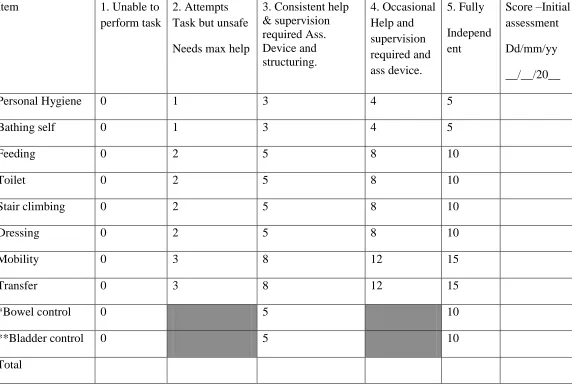
Table 3.2 Modified Barthel index---38
Table 3.3 Categorization of the levels of functionality---39
Table 3.4 BMI cut off points for classification of nutritional status---43
Table 4.1 Demographic characteristics of the respondents---47
Table 4.2 Anthropometric measurements by age of the elderly---48
Table 4.3 Body Mass Index by age of the elderly---49
Table 4.4 Socio-demographic characteristics of care-givers in non-institutions---50
Table 4.5 Body Mass Index by residence of the elderly---52
Table 4.6 Mid Upper Arm Circumference by gender of the elderly---54
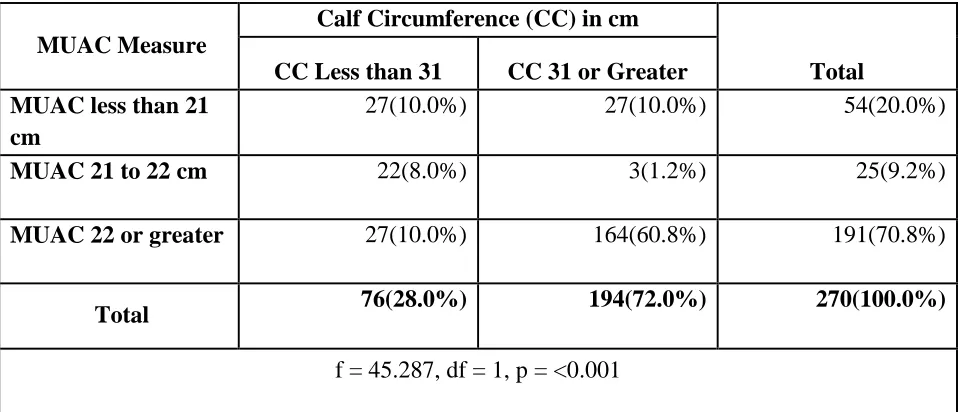
Table 4.7 Calf Circumference by mid Upper Arm Circumference of the elderly---56
Table 4.8 Number of full meals by gender of the elderly---58
Table 4.9 Fluid Intake by gender of the elderly---61
Table 4.10 Fluid Intake by mobility of the elderly ---63
Table 4.11 Protein Intake by age of the elderly---64
Table 4.12 Protein Intake by gender of the elderly---65
Table 4.13 Protein Intake by residence of the elderly---66
Table 4.14 Mode of feeding by age of the elderly---67
Table 4.15 Mode of feeding by gender of the elderly ---68
Table 4.16 Mode of feeding by residence of the elderly---68
Table 4.17 Body Mass Index by Mode of Feeding among the elderly---69
xiii
Table 4.19 Self-view of health status by residence of the elderly---74
Table 4.20. Self-view of health status by Body Mass Index in institutions ---75
Table 4.21 Self-view of health status by BMI in non-institutions ---76
Table 4.22 Dependency level by residence of the elderly---82
Table 4.23 Dependency level by gender of the elderly---83
Table 4.24 Mobility by age of the elderly---84
Table 4.25 Mobility by residence of the elderly---86
Table 4.26 Pressure Sores by gender of the elderly---88
Table 4.27 Pressure Sores by BMI of the elderly---89
Table 4.28 Indicators of functionality among the elderly---90
Table 4.29 Gender differences in carrying out ADLs---91
Table 4.30 Dependency Level by MUAC of the elderly---93
Table 4.31 Dependency level by BMI in non-institutions---96
Table 4.32 Dependency level by BMI in institutions---97
Table 4.33 Dependency Level by protein Intake among the elderly---102
Table 4.34 Protein Intake by ability to live independently---103
Table 4.35 Neuropsychological problems by residence of the elderly---105
Table 4.36 psychological stress by gender---106
Table 4.37 Activities of the elderly---109
Table 4.38 Immediate characteristics relating to Nutrition and Functionality of the Elderly---117
xiv
Table 4.38 Basic characteristics relating to Nutrition and Functionality of the
xv LIST OF FIGURES
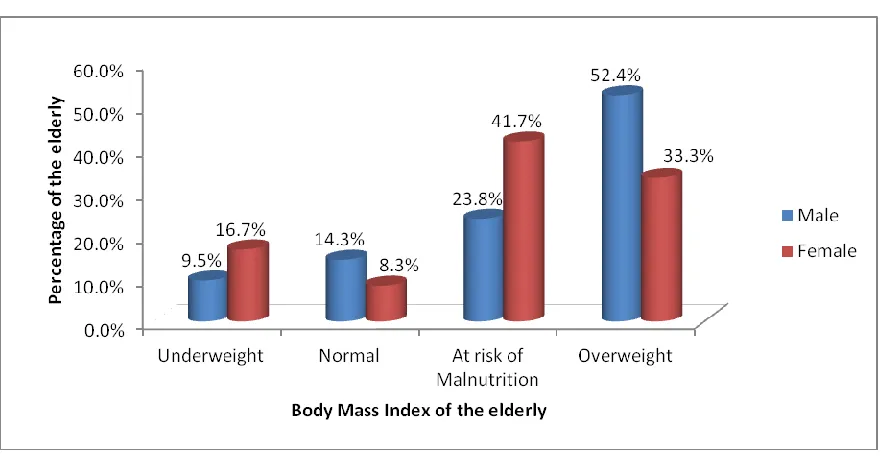
Fig 4.1 Body Mass Index of the elderly by gender---51
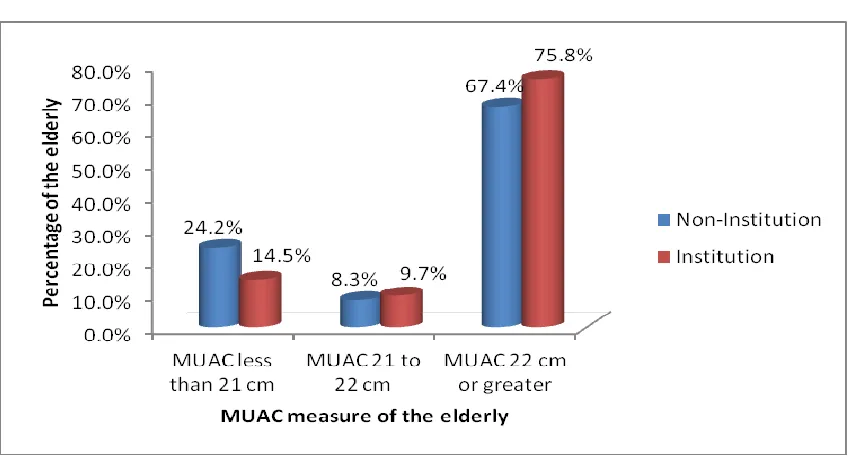
Fig 4.2 Mid Upper Arm Circumference by residence of the elderly---53
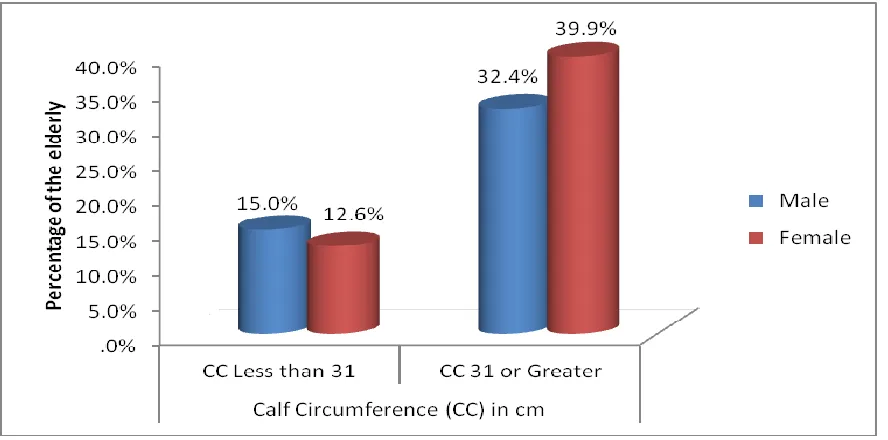
Fig 4.3 Calf Circumference by gender of the elderly---55
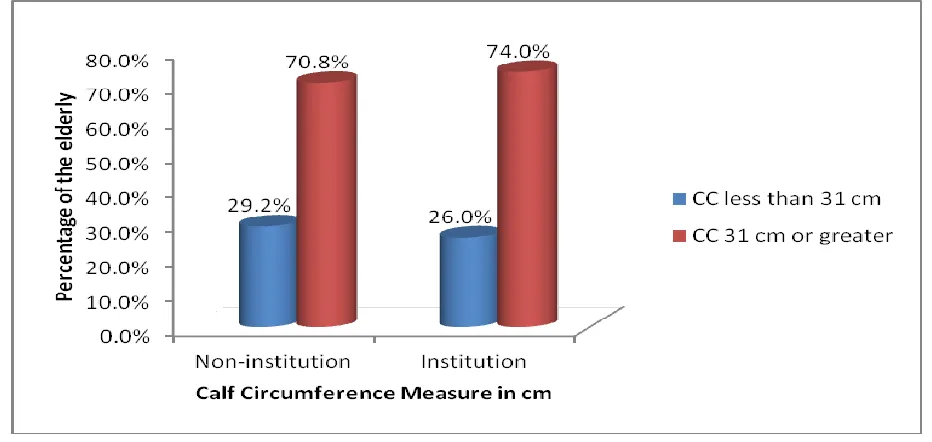
Fig 4.4 Calf Circumference by residence of the elderly---57
Fig 4.5 Number of meals consumed by residence of the elderly---59
Fig 4.6 Consumption of fruits and vegetables by the elderly---60
Fig 4.7 Fluid Intake by residence of the elderly---62
Fig 4.8 Body Mass Index and mode of feeding in Institutions---70
Fig 4.9 Self-view of Nutritional status by gender of the elderly---71
Fig 4.10 Self-view of health status by gender of the elderly---73
Fig 4.11 Consumption of more than 3 prescription drugs by residence---77
Fig 4.12 Decline in food intake by gender of the elderly---78
Fig 4.13 Appetite loss in the last 3 months by residence of the elderly---79
Fig 4.14 Weight loss by gender of the elderly---80
Fig 4.15 Weight loss by residence of the elderly---81
Fig 4.16 Mobility by gender of the elderly---85
Fig 4.17 Ability to live independently and gender of the elderly---87
Fig 4.18 Dependency Level by MUAC of non-institutionalized elderly---94
Fig 4.19 Dependency Level by MUAC of the institutionalized elderly---95
Fig 4.20 Dependency Level by CC of non-institutionalized elderly---98
Fig 4.21 Dependency Level by BMI of institutionalized elderly ---99
xvi
Fig 4.23 Dependency Level by Pressure Sores in non-institutionalized elderly ---101
Fig 4.24 Neuropsychological Stress by Gender of the elderly---104
Fig 4.25 Reasons for taking care of the elderly ---108
Fig 4.26 Ability of the elderly to move freely---111
Fig 4.27 How to improve ability of the elderly to move freely---112
Fig 4.28 Ratings of the meals provided in non-institutions---113
Fig 4.29 How to improve the food given in non-institutions---114
xvii LIST OF PLATES
Plate 1 Weight measurement of the elderly persons---40
Plate 2 Height measurements of the elderly persons---42
xviii LIST OF ABBREVIATIONS
ADL Activity of Daily Living
BMI Body Mass Index
BMR Basal Metabolic Rate
BW Body Weight
CC Calf Circumference
CMMS Centers for Medicare and Medicaid Services
ER Energy Requirement
FFM Fat Free Mass
FM Fat Mass
FMI Fat Mass Index
HAI Help Age International
Kcal Kilocalories
KNCHR Kenya National Commission on Human Rights
KSSR Kenya Security Sector Reform
MCH Mean Corpuscular Hemoglobin
MCHC Mean Corpuscular Hemoglobin Concentration
MNA Mini Nutritional Assessment
MUAC Mid Upper Arm Circumference
NHAHES National Health and Nutrition Examination Survey
PAL Physical Activity Level
PSR Potential Support Ratio
RDA Recommended Dietary Allowance
SPSS Statistical Package for the Social Sciences
SRH Self-reported Health Status
TSF Triceps Skin Fold
EPUAP European Pressure Ulcer Advisory Panel
xix DEFINITION OF OPERATIONAL TERMS
Activities of Daily Living: Daily self-care activities within an individual’s place of residence
Arm Span: Measurement of outstretched arms from the tip of the middle finger of one hand to the other
Body Mass Index: A measure of body weight relative to height used to determine whether people are underweight, at a healthy weight, overweight or obese.
Calf Circumference: An average of three measurements taken at a maximum horizontal distance around the left calf as the subject stands, with the weight distributed evenly on both
feet
Elderly: Persons aged 60 years and above
Enteral tube feeding: Nutrition support directly into the gut via a tube
Exercise: Planned, structured and repetitive bodily movement for enhancing and maintaining one or more components of physical fitness engaged in by the elderly.
Dependency: Level of assistance needed by the elderly in carrying out any part of ADLs
Fluids: Plain water, milk, porridge, fruit juices and other beverages
Functional capacity: Maintaining the ability to perform activities of daily living (ADL).
Geriatric nutrition: A study that applies nutrition principles to delay effects of aging and disease, to aid the management of the physical, psychological and psychosocial changes
xx
Halfspan: Measurement of one outstretched arm, from the tip of the hand to the neck
Hunger: A strong craving or urgent need for food or a specific nutrient
Independence: Without supervision, direction or active personal assistance
Institutionalized elderly: An adult aged 60 and above, officially placed in or committed to a specialized Institution
Kyphosis: Curvature of the vertebral column due to aging that causes stooping
Non-Institutionalized elderly: An adult aged 60 and above who is not committed to an Institution
Malnutrition: Any disorder of nutritional status, including disorders resulting from a deficiency of nutrient intake, impaired nutrient metabolism, or over-nutrition.
Mid Upper Arm Circumference: A measure of circumference of the arm at midpoint between the tip of the acromial process of the scapula and the olecranon process of the ulna
Mini Nutritional Assessment: An assessment tool that can be used to identify older adults who are at risk of malnutrition, with the components of screening and assessment
Mode of Feeding: A mechanism by which the elderly obtains and utilizes food materials
Moderate Loss of Appetite: Moderate decrease in food intake
xxi
Perceptions: The conscious recognition and interpretation of sensory stimuli that serves as a basis for understanding, learning and knowing or for motivating a particular action or reaction
Physical Activity: Any bodily movement involved in by the elderly and produced by skeletal muscles that result in energy expenditure as well as maintaining physical fitness and overall
health, whether it is incidental, occupational, leisure, structured or supervised.
Physical Exercise: Any bodily activity undertaken by the elderly to enhance or maintain their physical fitness and overall health and wellness
Population Ageing: Refers to a decline in the proportion of children and young people and an increase in the proportion of people aged 60 and above years
Pressure Sores: a chronic ulcer of the skin caused by prolonged pressure on it (as in bedridden patients). Pressure ulcers, also sometimes known as bedsores or pressure sores, are a type of
injury that affects areas of the skin and underlying tissue.
Protein-energy under-nutrition: The presence of clinical (i.e., physical signs such as wasting, low body mass index [BMI]) and biochemical (i.e., albumin or other serum protein) evidence of
insufficient intake. B. Etiology and/or Epidemiology. Older adults are at risk for under-nutrition
due to dietary, economic, psychosocial, and physiological factors.
Residence of the elderly: The place where the respondent lives, either in the institution or non-institution
xxii
Self View: A persons self image or view of one’s self specifically, carefulness or regard for
one’s own interest
Self Esteem: Confidence in one’s own worth or abilities; self-respect
Skin Ulcers: A skin ulcer is a type of wound that develops on the skin. A skin ulcer happens when an area of skin breaks down to reveal the underlying flesh.
Severe Loss of Appetite: Severe decrease in food intake
Social Workers: Professionals whose activity involves helping individuals, groups or communities enhance or restore their capacity for social functioning and creating societal
conditions favorable to this goal
xxiii ABSTRACT
1
CHAPTER ONE: INTRODUCTION
1.1 Introduction
This chapter gives a background to the the nutritional status and functionality of both the
institutionalized and the non-institutionalized elderly, the objectives of the study as well as the
theoretical framework used in these study
1.2Background to the Study
The population of older persons is increasing at a very rapid rate, all over in the world. It was
about 200 million in 1950, rose to 606 million in the year 2000 and is projected to reach 1.2 and
2.0 billion in 2025 and 2050 respectively. In Africa, the population of older persons, 60 years
and above is currently estimated to be 42 million and is projected to reach between 205 to 212
million by the year 2050. One of the biggest increases in population ageing in Africa is expected
to occur in Kenya where it is projected that by 2050, there will be a 470% increase in the number
of older persons who will represent approximately 10% of the Kenyan population (KNCHR,
2009).
Malnutrition poses a huge economic cost to society. The malnourished elderly are more likely to
require health and social services, have more hospitalizations, and cause a burden on caregivers.
Without comprehensive and coherent frameworks guiding nutrition and functional independence,
of the old in Kenya, substantial resources and efforts continue to be wasted (GOK, 2009 b)
As people get older, degenerative conditions and diseases like diabetes, high blood pressure,
2
mobility, degeneration and deterioration of the human systems especially the musco-skeletal
system (Abernethy et al., 2005). According to the WHO (1998), a high number of older people
in most parts of the world live sedentary lives. Sedentary living leads to loss of muscle function
and physical impairment.
In Africa, as elsewhere in the world, food intake and food patterns of older people are influenced
by financial status (Howarth, 1991). Lack of social contact, loneliness, bereavement and feelings
of worthlessness or rejection can lead to a loss of interest in food and eating. The Kenya poverty
data showed that out of the total old persons in Kenya (1.3M), 78.6% are poor with 53.2%
absolute poor and 25.4% hardcore poor. Kenya‘s economic survey of 2011, found that of the
38.6M population, about 17 Million make up the labour force with approximately 10 Million
employed and about 8.8 Million in the informal labour sector. According to World Bank (2011),
Age dependency ratio in Kenya was reported at 82%, Mozambique-90%, Zimbabwe -74%,
Zambia-98%, Singapore -36%, USA-50%, South Africa-53% (IESE, 2012).
A study conducted in Mathare slums in Kenya found out that 90% of the elderly reported that
physiological factors that affected food choices were loneliness and chronic diseases and 90% of
them reported weight loss. The nutritional status of the elderly in Mathare slum was generally
fair though 31% were underweight using BMI whereas 21% were malnourished using MUAC
standards (Makori, 2003).
In a study conducted in Dagoretti Nairobi, Kenya 43.7% of the study population had no
independent source of livelihoods. However, 80% of them were independent in performing
activities of daily living (Waweru, 2002). The study found that there was a significant
3 1.3. Problem Statement
Despite significant medical advances, under nutrition among the elderly remains a significant
and highly prevalent public health problem of developing countries. The overall prevalence is
22.6%. Nearly 40% of hospitalized elderly and 50% of those in rehabilitation facilities are
malnourished, and 86% are either malnourished or at risk for malnutrition. Up to 67% of elderly
in nursing homes are malnourished or at risk for malnutrition. Of elderly living the community
38% are malnourished or at risk of malnutrition (NNI, 2009).
Malnutrition significantly increases morbidity and mortality and compromises the outcomes of
other underlying conditions and diseases. Malnutrition may delay recovery and prolong
hospitalization, lead to increased susceptibility to infection, impede individuals‘ independence
and quality of life, and even increase the risk of death in many patients (WHO, 2011). The
physiological and pathological change experienced by the elderly culminates to the growing
dependence on caregivers, which translates into an indispensable need for help in performing
activities of daily living (Ferreira et al., 2010).
The unprecedented rise in number of older persons presents a major challenge to the sustenance
of their well being in the society. This is particularly due to the unfavorable environments
characterized by social conflicts, globalization, socio-economic difficulties, deterioration of
cultural values and morals and the HIV and AIDS pandemic (GOK, 2009a).
Few countries in Africa offer social and welfare assistance programmes for older adults. In terms
of formal economic support, only three countries—South Africa, Namibia and Mauritius—
4
implementing a similar pilot programme, but unfortunately, the money received is not used to
purchase food (GOK, 2009b). Furthermore, the elderly are not currently viewed as a priority
group for nutrition services. Nutrition interventions in African countries, when available, are
directed primarily toward infants, young children, and pregnant and lactating women (GOK,
2006).
The traditional normative patterns where the elderly of the family were regarded as treasures of
knowledge, respected and cared for are changing. Joint families are giving way to nuclear
families where the problem of housing and caring for the elderly is worsening and a new form of
living and care (institutionalization) is taking shape (GOK, 2011).
1.4. Justification
The elderly are an important component of Kenya‘s demographic strata and deserve social
protection. The population of the elderly is increasing rapidly worldwide, despite the Globe
experiencing hard economic times, which cause difficulties in protecting the elderly. As a result,
the elderly are slowly being isolated in desperation and becoming more vulnerable in all aspects,
among them nutritional status and level of functionality. The situation is further complicated by
the rapid urbanization, with increased rural urban migration (KSSR, 2012).
Kenya is a signatory to a range of International human rights Declarations and treaties which
advocate for the rights to social security in old age such as the Livingstone Declaration of 2006
by the African Union on aging and the UN proclamation on Aging, 1992. The Kenyan
Constitution 2010 under the bill of rights and fundamental freedoms, Articles 21, 43 and 57
5
2010). Article 21 states that the State shall enact and implement legislation to fulfill its
International obligations in respect of human rights and fundamental freedoms. Article 43
gurantees all Kenyans their economic, Social and Cultural Rights (ESC), while the state will
provide appropriate social security to persons unable to support themselves and their dependents.
Article 57 ensures that older persons participate in the Society and personal development while
living in dignity with support of state and Family (GOK, 2010).
Kenya is experiencing rapid urbanization as the youth seek employment in the urban areas leving
the elderly to fend for themselves. This has resulted to changes in the social structure of the
community and created a more individualistic society. The study established the association
between functionality of the elderly and their nutritional status prompted by the need to have
elderly persons with full ability to perform ADLs and who are of good nutritional status. The
bulk of nutritional problems among the elderly can be attributed to dietary inadequacies and
increasingly problems of overnutrion associated with the nutrition transition being experienced
in the country.
When aging is not associated with the word active, it is represented by the words losses and
disabilities. Despite the existence of losses during the process, active aging should be encouraged
among the elderly as it means living a quality, plentiful life. This is the first step to achieving
active aging and thus improving their quality of life. The expanding and strengthening evidence
on the relationship between physical activity and health necessitates the important public health
challenge to increase physical activity levels throughout the elderly population for functional
6
public health concerns such as nutrition status, functional capacity and independence (Ferreira et
al., 2010).
Promoting the nutritional status and functionality of the elderly will lighten the social protection
burden of the elderly, a move in tandem with African modern socialization from Socialistic to
Individualistic societies, fueled by migration and Urbanization by young employable persons in
economic pursuit (GOK, 2011).
The Nairobi County is cosmopolitan and an example of what is to become of the other 46
counties in new County government in Kenya and therefore ideal for this study. The findings of
this study will be replicated in the 46 new counties. The findings of this study will inform the
government of Kenya in its plan to train personnel able to respond to the health needs of older
persons, while encouraging and supporting applied research in geriatric nutrition, for policy
making and training of health workers in geriatric nutrition, in line with the National policy on
older persons and Ageing. They will also contribute to the social protection of the elderly
contributing to the attainment of Millenium Development Goals 1, 3 and 6 as contained in the
Millenium Declaration. These are: Eradicate extreme poverty and hunger, Promote gender
equality and empower women, Combat HIV/Aids, Malaria and other diseases respectively
(KSSR, 2012).
The study will reference for further studies on the elderly in Kenya and other parts of the world.
It will also prompt tertiary institutions of learning to design new training programs and review
existing programs to address the needs in the community on the relevance and importance of
regular physical activities and exercise, equipping trainees with skills on designing exercise and
7 1.5. Research Questions
1. What are the Socio-demographic characteristics of the institutionalized and
non-institutionalized elderly in Nairobi County, Kenya
2. What is the nutritional status of institutionalized and non-institutionalized elderly in Nairobi
County, Kenya?
3. What is the functionality of the institutionalized and non-institutionalized elderly in Nairobi
County in Kenya?
4. To what extent does functionality impact on the nutritional status of the institutionalized and
non-institutionalized elderly living in Nairobi County, Kenya?
5. What institutional and non-instituutional characteristics relate with nutritional status and
functionality of the elderly in Nairobi County, Kenya?
1.6. Null Hypotheses
1. There is no difference between the nutritional status of the institutionalized and the
non-institutionalized elderly in Kenya
2. There is no difference between the functionality of the institutionalized and the
non-institutionalized elderly in Kenya
3. The functionality of the elderly does not impact on the nutritional status of the
8 1.7.1 Main objective
The main objective of this study was to establish the association between functionality and
nutritional status of the elderly living in institutions of the elderly and compare them with the
non-institutionalised elderly in Nairobi County in Kenya.
1.7.2 Specific Objectives
1. To identify the Socio-demographic characteristics of the institutionalized and
non-institutionalized elderly
2. To assess the nutritional status of the institutionalized and the non-institutionalized elderly in
Nairobi County, Kenya
3. To determine the Functionality of the institutionalized and the non-institutionalized elderly in
Nairobi County, Kenya
4. To establish the extent to which functionality impacts on nutritional status of the
institutionalized and non-institutionalized elderly living in Nairobi County, Kenya
5. To determine institutional and non-institution characteristics relate with nutritional status and
9 1.8. Conceptual Framework
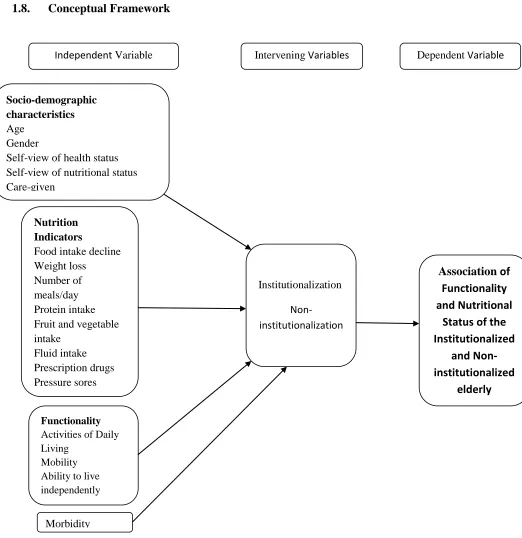
Fig 1: Conceptual Framework on factors impacting on Nutritional status of the institutionalized and Non-institutionalized elderly
Association of Functionality and Nutritional
Status of the Institutionalized and Non-institutionalized elderly Institutionalization Non-institutionalization Morbidity Functionality
Activities of Daily Living
Mobility Ability to live independently
Nutrition Indicators
Food intake decline Weight loss
Number of meals/day Protein intake Fruit and vegetable intake Fluid intake Prescription drugs Pressure sores Socio-demographic characteristics Age Gender
Self-view of health status Self-view of nutritional status Care-given
10 1.8.1 Malnutrition among the Elderly
Malnutrition is any disorder of nutritional status, including disorders resulting from a deficiency
of nutrient intake, impaired nutrient metabolism, or over-nutrition. Older adults are at risk for
under-nutrition due to dietary, economic, psychosocial, and physiological factors. Their dietary
intake could be influenced by little or no appetite, problems with eating or swallowing, eating
inadequate servings of nutrients and eating fewer than two meals a day. Limited income may
cause restriction in the number of meals eaten per day or dietary quality of meals eaten (Kaiser et
al., 2010).
Older adults who live alone may lose desire to cook because of loneliness while the appetite of
those widowed may decrease. Some elderly men and women may have difficulties in cooking
due to disabilities, inability to buy food, chronic illnesses and chronic conditions that can affect
food intake. Disabilities could also hinder their ability to ingest food, thereby requiring
assistance from care-givers. Depression on the other hand could cause decreased appetite same
as poor oral health would (Jeffries et al., 2011).
Medications given to the elderly in the management of chronic conditions and diseases such as
antidepressants, antihypertensives and bronchodilators can contribute to xerostomia (dry mouth),
thereby impairing the ability to lubricate, masticate and swallow food. Drug–nutrient
interactions: Drugs can modify the nutrient needs and metabolism of older people. Restrictive
diets, malnutrition, changes in eating patterns, alcoholism, and chronic disease with long-term
drug treatment are some of the risk factors in older adults that place them at risk for drug–
11
Physiological changes among the elderly result in lean body mass and redistribution of fat
around internal organs leading to decreased caloric requirements. Change in taste (from
medications, nutrient deficiencies, or taste bud atrophy) can also alter nutritional status of the
elderly (Guigoz et al., 2006).
1.8.2 Activities of Daily Living Among the Elderly
The "activities of daily living" or ADLs are the basic tasks of everyday life. They include
personal hygiene, bathing self, feeding, toileting, stair climbing, dressing, bowel control, bladder
control, ambulation and chair-bed transfers (i.e., getting in and out of a bed or chair). Although
persons of all ages may have problems performing the ADLs, disability prevalence rates are
much higher for the elderly than for the nonelderly. Within the elderly population, disability rates
rise steeply with advancing age and are especially high for persons aged 85 and over (Balzi et
al., 2010). Measurement of the activities of daily living is critical because they have been found
to be significant predictors of admission to institutions of the elderly, use of home care, use of
hospital services, change in living arrangements and overall Medicare expenditures. For research
on the elderly, the ability to perform the ADLs has become a standard variable to include in
12
CHAPTER TWO: LITERATURE REVIEW
2.1 Introduction
This Chapter presents literature that was reviewed in relation to the study. It gives literature on
aging and the aging process, the nutritional status of Institutionalized and Non-Institutionalized
elderly, the functionality of Institutionalized and non-institutionalized elderly, the extent to
which functionality impacts on nutritional status and the Institutional and Non-institutional
characteristics that relate to the nutritional status and functionality of the elderly in Nairobi
County.
2.2 Ageing and the Ageing Process
In conformity with the African Union and United Nations (UN) definitions, older persons in
Kenya have been defined as those of age 60 years and above (GOK, 2009). Senior adulthood can
be divided into two stages: early seniors (60-74 years) and seniors (≥ 75 years). This population
group has an increasing number of whom remain healthy and active for many years due to
improved medical care, nutrition and fitness (Fahey et al., 2003). The ageing process is a change
in which the physical, nervous and mental capacities of the human body gradually break down
(HAI, 2007). Ageing affects the body in many ways, decreasing the person‘s physical fitness
levels. After the age of 30, muscle mass decreases, joints become less mobile, hormone levels
are lowered and the immune system becomes less effective (Buttler et al., 1998). The brain mass
also decreases as a person gets older because once the cells of the central nervous system die,
they do not get replaced. The function of the cardiovascular system becomes impaired as the
13
results to coronary heart diseases which account for 70% of deaths in those over the age of 65.
As muscle mass decreases with age, a person‘s energy requirements will also decrease (Stafford
et al., 2003).
2.2.1 The Impact of Population Ageing
Population ageing is one of the global challenges in the 21st Century, due to the fact that life
expectancy has risen sharply thus the number of people reaching old age is increasing (WHO,
1999). Life expectancy is expected to go on rising as long as innovations and improvement in
various aspects of life like medical, nutrition and sanitation continue advancing which leads to
reduced premature mortality rates. Additionally, there is a decline in the number of children
being born to each family because of controlled fertility rates (WHO, 1999). This means that
with time, there is going to be a bigger number of older adults compared to the children and
youth. The implications are that the retirement age may be elevated to allow the older adults to
continue serving their countries and, or communities. In some countries like Kenya in Africa and
Australia, the retirement age has already been reviewed to 60 and 70 years respectively. It is
widely agreed that older adults possess a wide experience of knowledge and contribution that
should not just be lost (WHO, 2002).
Nutritional status and functionality of older persons is mandatory if they are to remain productive
and active citizens in their families and society as a whole. The quality of life is affected by
14 2.2.2. Nutritional Care of the elderly
Pender‘s health promotion model attributes malnutrition among the elderly to a number of
factors which include cognitive decline, changes in biological cum physiological functions and
decreased appetite. Psychological and social challenges like depression, life events and
loneliness may also lead to malnutrition (Saeidlou et al. 2011). These factors can be grouped into
the following subheadings; psychological, social challenges, normal ageing and functional
impairements, Incompetence among care professionals and faulty policy, medication and
hospitalization.
Holmes (2008) identified increased drug and or medication usage, dental problems and
gastrointestinal track disorders as factors that may lead to malnutrition. Many drugs commonly
used by the elderly may have major effects on appetite, taste, and smell. Drugs can have an
adverse effect on both consumption and digestion of food. Drug-nutrient interactions can lead to
increased or reduced nutrient requirements and to side effects such as nausea and diarrhea.
The causes of decreased appetite, insufficient food intake and malnutrition among the elderly are
multi factorial since the elderly people are very heterogeneous (Morley, 2002). An
individualized care plan should be developed for every elderly individual at risk of malnutrition,
based on the individuals‘ desires, needs and resources. (Kondrup, 2003). Studies designed to
improve the nutritional status of the elderly focus on standardized actions, such as oral
supplementations in addition to regular meals.
Milne (2005) in a Cochrane database systematic review of of randomized controlled trials
15
outcomes included 49 trials revolving around 4790 randomised elderly people, where extra
protein and energy were provided, usually in the form of commercial ‗sip-feeds‘. Oral
supplementation was shown to produce a small but consistent weight gain in the elderly people.
Majority of the trials showed a reduction in mortality rates which was observed in the
supplemented group, as compared with the control group. There was however no evidence of
improved functionality or reduction in length of hospital stays.
Ordinary food for the elderly in Non-institutions and in Institutions was shown in a study by
Lengyel et al., 2005 to be important. One third of elderly residents in long-term care expressed
concern over food variety, quality, taste and appearance as well as with the menus. It was found
out that the residents were less satisfied with areas related to their autonomy, such as food choice
and snack availability. Evans et al., 2005carried out a study in 20 nursing home residents which
showed that food which was reflecting the family background of the elderly individual is a
source of comfort in nursing home residents. Food was found to play an important role in
recovery from illness or adaptation to institutions of the elderly. That study also found that
individualized nutritional care based on food can promote nutritional status and quality of life in
nursing home residents.
Staff education is suggested to be a basic prerequisite for giving residents appropriate nutritional
care. In two Swedish studies (Christensson et al., 2001; Faxén-Irving et al., 2005), education was
given to staff in resident homes, in order to improve the nutritional status of the residents
malnutrition and fulfill individual nutritional requirements.
A lot of countries have developed standard intakes (allowances) of nutrients that are set high
16
adults are based mainly on studies made on young adults, many of the allowances for older
adults are largely estimated by extrapolation. In the Dutch Recommended Dietary Allowances,
adults are classified into three age groups: age 22 to 50, age 50 to 65, and 65 years and over.
Since the latter categories cover an extensive period of continuous bodily changes, which
individually take place at very different rates, the single allowance for each nutrient can only be
a gross approximation. In addition, many older people have some chronic disorder for which the
Recommended Dietary Allowances make no provision.
2.3. Dietary habits of the elderly population
In a nutritional survey of older people conducted by Maccabi Health services in Tel Aviv (2002),
over 40% of the elderly population were found to consume less than the Recommended Dietary
Allowances (RDA) for energy, protein and calcium. Dror (1996) confirmed these findings in
what are widely considered well established institutions for the aged in Israel. This is further
confirmed by in the large national surveys including the United States Department of Agriculture
(USDA) food consumption surveys, national health and Nutrition Examination Survey
(NHAHES) I, II, III (USDA, 1995, 1996 and 1999) that found inadequate intake of many
17
2.4 Functional Dependency and Independency of Institutionalized and Non-Institutionalized elderly
In Bond et al., (1993), Wilkin defines dependency as a state in which an individual is reliant
upon other(s) for assistance in meeting recognized needs. The ability to cope with everyday tasks
in the Non-institution is critical to the maintenance of an independent existence (Occupational
Therapy Practice Framework, 2003). Loss of mobility with age is traumatic because it places the
person concerned in a dependent, restricted and functioning situation (McPhillips et al., 1989).
Independence has been viewed as an ideal state in which the elderly are not reliant on staff for
conducting broad categories of customary activity – the clusters of daily activities that sorrround
sleeping, grooming, toileting and bathing (Cox, 1999). According to the US vital and Health
Statistics survey cited by Scwartz and Peterson (1979), some 37% of persons 65 and older
experience some kind of limiting chronic disability, more than 62% of all older people are able
to carry on most kinds of activities of Daily living. Only 64% according to the same survey are
judged unable to carry on primary ADLs. This is in sharp contrast to the popular view of old
people as generally ‗sick‘ and ‗disabled‘.
A study carried out by Help Age International in 2007 shows that old people in developing
countries including Kenya, identified mobility in terms of incapacity and disability as one of the
Key issues lacking in Public awareness and information. This is because independence and
self-care principles of old people are usually taken for granted or too often unknown, ignored or
violated by most people (HAI, 2007). As individuals age, the accompanying deterioration in
function and the restriction in performance of ADLs serve to reduce their sense of control
18 2.5. Physical Inactivity and Ageing
Physical inactivity is a key risk factor for mortality, morbidity and reduced functional ability
among older persons (Astrand, 2003). Among the problems affecting older adults is the problem
of being inactive which often affects their quality of life and functional independence. According
to Wilmore and Costill (2004), prolonged physical inactivity leads to bone fragility, which is due
to demineralization in the skeletal bone structure through accelerated urinary excretion of
calcium. Loss of calcium can lead to osteoporosis, the risk of which increases with age
particularly in women at post-menopause.
Lack of physical activity and poor diet are the major causes of an epidemic of obesity that is
affecting the elderly as well as middle-aged and younger populations. Based on the available
evidence, the impact of lack of physical activity on medical care costs are likely to grow as a
result of an ageing population, unless trends in physical inactivity change. This may cause
inflation in the economy especially of developing countries like Kenya.
2.6. Health Benefits of regular physical activity
There is substantial scientific evidence that regular physical activity is helpful in combating
health problems and diseases (Bird et al., 2002). Specifically in older adults, physical activity has
been found helpful in lowering the risk of developing health-related conditions like high blood
pressure and improving the ability to function and stay independent even with condititions like
arthritis (DiPietro, 2001). It is important to note that regular physical activity sustains the ability
19
In a study done in Bakateyamba home for the elderly in Kampala by Kasoma, 2012, a eight week
PAP caused significant effect on the lower body strength p=0.001, the gait quality, p=0.013, the
diastolic blood pressure p=0.016 and the heart rate p=0.010 of the elderly. Changes were also
noted in the activity patterns of the elderly. Significant improvements were noted in the sleep
patterns p=0.006 and the nutritional problems were significantly improved p=0.025.
Additionally, the frequency of chronic illness attacks reduced significantly p=0.012. The study
concluded that the 8 week PAP was safe and effective in improving the functional independence
and health of the elderly. A recommendation was made to encourage the elderly to involve in
adequate and regular forms of physical activity and exercise at least three days a week for 30-50
minutes each day (Kasoma, 2012).
2.7. The interaction of Nutrition, Physical activity and Ageing
As delineated above, physical activity has an impact on nutrition by modulating the requirements
of mainly energy. Energy intake and energy expenditure must be strongly regulated to prevent
weight loss or weight gain. With the generally observed decrease in energy expenditure with
ageing, less energy will have to be provided by the food (WHO, 2011).
However, as requirements for most other nutrients are not basically influenced by the ageing
process, the nutrient density of the foods consumed in relatively small quantities by old people
must be consistently high. Two main pathways of undesirable regulation are about to take place.
One possibility is that the adjustment of energy intake to reduced energy expenditure takes place,
but is not accompanied by an increase in nutrient density. Nutrient deficiencies may develop,
20
listlessness. A second, unfavorable possibility is a lack of adjustment of energy intake to reduced
energy expenditure level, which could lead to a positive energy balance, resulting in a gain in
body weight or fat mass. This again could lead to a further decrease of physical activity due to
overweight. Both pathways result in a vicious circle leading to less physical activity and
impairments (Michael, 2009).
The maintenance or the obtaining of a higher physical activity level with ageing could overcome
the depicted unfavorable pathways. A higher energy expenditure allows a higher energy
consumption that facilitates the meeting of micronutrient requirements without the need to
increase nutrient density. On the other hand, increased energy expenditure allows ahigher energy
consumption without risk of weight gain and development of obesity and associated
impairments. Although it has been described that middle-aged runners develop an energy intake
that is 40 to 60% greater than sedentary men and women of the same age, there is not much
information available in the change in food intake produced by an active life-style or an exercise
program in elderly subjects. Debry et al., 2009 showed that elderly living in rural areas had
higher energy intakes than elderly in urban settings, due to greater physical demands. Very low
energy intakes were found less among elderly people who are physically active. This illustrates
the potential beneficial effect of physical activity on energy and nutrient supply.
2.8 Institutional and Non-institutional Characteristics related to Nutritional Status and Functionality of the elderly
There are a number of factors that influence the quality of life and well being of the elderly.
21 2.8.1 Diet
Diet and the lifestyle of the eldery are factors that influence morbidity and mortality of the
elderly. The adverse diet and lifestyle related factors accumulate overtime and it is therefore
important for the elderly to adopt healthy diets and lifestyle habits which minimize the risk of
morbidity, thereby contributing to healthy aging (WHO, 2002). The food habits of the elderly are
influenced by among other factors loneliness, economic situation of the elderly and disabilities.
The older the elderly, the poorer their diet (Wakimoto et al., 2005). The elderly have a
decreased energy and macronutrient intake, compared to other age groups due to variation in
meal patterns and dietary intake. The diet of the elderly is also characterized by changes in diet
composition and a reduction in the variety of foods consumed in the elderly population. (Roberts
et al., 2006).
2.8.2 Care-giving
The human society has different resources for older people who lose the ability to live
independently. They get individual care either in the Institutions or the Non-institutions of the
elderly in carrying out domestic tasks among other tasks. Loneliness is however a factor that
impedes care-giving. It affects societal life of the elderly such as the ability of the elderly to keep
and maintain a social network. This would be due to poor health status, vision, functional status
and loss of hearing which increases the prevalence of loneliness (Savikko et al., 2005). These
changed conditions e.g. disability as a result of old age or restricted money may make the elderly
move from one location to another, requiring them to adjust to new sorroundings. These
adjustments can or may be painful and could result to trauma, therefore a decline in physical
22
also sometimes fail to remember to eat and how to eat or even take medication, which is a great
risk factor for malnutrition and poor health (Kagansky et al., 2005).
2.8.3 Physical Activity
Physical activity comprises all forms of being active including exercise, sport and the activities
that are part of day to day life such as gardening, washing the car manually and walking. While
aging almost inevitably brings with it decline in functional capacity due to the physiological
changes that occur in the ageing body (Burbank & Riebe, 2002), participation in physical activity
on a regular basis is associated with improved health. The physiological changes affect the speed
at which certain movements are made and the range of movement at the joints.
Regular physical activity has been found to delay the onset of degenerative conditions and
chronic diseases such as diabetes, obesity, cancers, cardiac related diseases, osteoporosis, and
arthritis and to reduce the risk of falls (Cerny & Burton, 2000; Nieman, 1999). Moderate and
vigorous intensity physical activities have health benefits, especially in reduction of several
chronic diseases.
Regular physical activity should be promoted for the general health and well being of older
adults. This will promote their functional ability and independent living (Brukner, Khan &Kron,
2004). Research indicates that the elderly involved in a physical activity training or exercise
23 2.8.4 Social Factor
The muscoskeletal system degenerates and deteriorates as one advances in age and thus affects
mobility (Abernerthy et al., 2005). Since muscle mass, joint miblity and stability, vision and
hearing decline with age, physical activities and exercises are required to rejuvenate the strength,
flexibility and balance that are needed for movement. Impaired mobility decreases ones ability to
keep in contact with other people (WHO, 1998), therefore a certain level of physical and health
fitness is required for one to keep in contact with others and to be involved in social activities.
Architectural plans of many buildings and out door spaces in Kenya are not age friendly, thus
hindering the older adults from accessing venues for social gatherings. This also discourages the
elderly from leaving their homes to enjoy their social rights.
2.8.5 Economic factor
The health status of an individual and their fitness dictates the capacity of involvement in
economic ventures. The older persons usually suffers from chronic illnesses like high blood
pressure, diabetes and respiratory diseases among others, which may render them unhealthy and
unfit to engage in economic generating activities. In addition they experience disabilities
resulting from falls and impairments such as vision impairment, hearing impairment; memory
loss, due to the physiological changes that occur in their bodies. If these are not controlled and or
treated, they weaken the elderly and disable them from participating in the economic and social
24
According to WHO (2000), older people require skills and confidence in order to live
productively. This is more important now more than ever before because the numbers of older
adults are increasing and the older adults will therefore be needed to support the economy
In Mozambique, females are referred to as aged when they reach 55 and the men at 60 years.
According to Velkof & Kowal (2007) and Kanyoni & Phillips (2009), 60 years is not appropriate
to characterize one as aged for Sub-Saharan Africa; instead 55 years was adopted to qualify one
as elderly. This is due to the fact that in this region, most countries have a life expectancy at birth
of less than 55 years. Diseases such as HIV and AIDS have taken a stall on many families thus
older persons have no choice but to take grand children left behind by their children after death
(NanKwanga & Phillips, 2009). This means the older persons must have an income in order to
take on this role ably.
According to the WHO 2002, in countries like South Africa and Namibia where they have a
national old age pension, the benefits are a major source of income for survival to many people
and poor families. In more developed countries, there is old age security and gradual retirement.
This old age pension promotes active living, functionality and participation in family and social
functions. This is because one is able to pay for the exercise program or for a specialist to
prescribe relevant exercises and activities in addition to accessing medical care.
According to Nayiga (2002), developing nations in Africa and Kenya in particular need to
institute mechanisms and support systems to care for the aged. This is because the family that
has the fundamental responsibility of providing social, moral and financial support to their
family members has been weakened by the social-economic changes that have taken place
25
unemployment, many older adults fail to have regular support from their children (Chronicles,
2009). The Older adults are also vulnerable to diseases (Chronicles, 2010). According to
Chronicles (2010), issues related to old age get very little attention and few older adults have a
voice.
2.8.6 Potential Support Ratio (PSR)
The PSR is the number of persons aged 15 to 64 years per one older person aged ≥ 65 years. The
ration indicates the dependency burden on potential workers. The impact of demographic aging
is visible in the PSR, which has fallen and will continue to fall. Between 1950 and 2002, the PSR
fell from 12 to 9 people in the working ages per each person aged 65 years or older. A decrease
of the potential support ratio, which implies a rise in the old-age dependency ratio, indicates in
most societies that an increasing number of beneficiaries of health and pension systems (that is,
persons aged 65 years or over) have to be supported by a relatively smaller number of
contributors (that is, persons of working age, usually between the ages of 15 and 64). Such a
change is likely to pose heavier demands on the working-age population, whether in the form of
higher taxes or other contributions, so as to maintain a stable flow of benefits to the older
population. Even though there may also be a sharp decline in the youth dependency ratio, this
reduction may not be sufficient to offset the increased costs related to an ageing population
because the costs involved in supporting older persons are, in general, higher than those involved
in supporting children and adolescents (United Nations, 1988, 2007; Baldacci and Lugaresi,
26
2.8.7 Earlier Studies on Nutritional Status and Functionality of the Elderly
In a study conducted in Bangoua, Cameroon, men had an average BMI which was significantly
lower than that of women (22.8 and 25.0, respectively). Similar results were observed using
MUAC (27.0 cm and 29.1 cm for men and women respectively). Men were taller than women
(165.9 vs 155.5 cm respectively) and heavier (63.9 kg and 60.7 kg, respectively). The prevalence
of underweight (BMI<18.5) was 5.5% (7.7% among men and 4.2% for women). Older adults
over 70 years had a higher prevalence of underweight (7.0%) than those younger than 70 (4.5%).
Using MUAC, 6.7% of men were classified as being malnourished, compared to 1.5% of the
women. On the contrary, 23.3% of men and 16.5% women were obese with
BMI >30 kg/m² (Sibetcheu, 2002).
In another study by Ethangatta et al., 1998, low income women in Nairobi, slum dwellers were
compared with the poor urban area inhabitants. Dietary intakes were assessed quantitatively by
four 24-hour dietary recalls, anthropometric and biochemical data was also obtained. The PEM
group was older (Chi=68 years) had lost more teeth, had more subnormal values than the slum
dwellers and the poor urban for serum albumin, hemoglobin, hematocrit, MCHC, MCH, Serum,
Transferrin and Serum iron. Inferior diets were found to be a contributing factor.
The major problem was insufficient dietary intakes taking into consideration that the foods
regularly consumed by the elderly are short of variety of rich-nutrient food groups. The foods
available in the home are short of a variety of rich-nutrient foods. Although the institutions for
the elderly serve meals at appropriate times, the elderly decide when they would eat this food.
Poor timing, poor preparation and poor choices of foods are some of the caution given on
27
Remig, 2002). Additionally, Osler et al. (2001) shows that frequent intake of whole-grain, fibre,
fruits and vegetables is associated with low cardiovascular mortality risks.
2.9. Analytical Studies done on aging
In a study done by Lin, Wu Hsiung and Kuo, (2004) compared the Functional Independence
Measure between urban and Rural residents living in Long-term Care facilities in Taiwan. The
subjects were interviewed to obtain the basic data, and the Functional Independent measure
score. Most of the subjects in urban and Long Term Care facilities were males, less than 80 years
old, single or widowed, having multiple diseases, using more than one support device, and
having social welfare financial support. The results showed that motor ability and cognition in
rural Long term care Facilities subjects were significantly higher than those in urban areas as
shown in the Functional Independent Measure assessment. It was concluded that some of the
functional performance of subjects in rural Long Term care facilities was better than those in
urban areas. This was a comparative study between the resident in a rural home and those in
urban areas. The study does not however explain why those in the rural home had significantly
higher motor and cognition abilities as compared to those in an urban home.
In a study carried out in the urban areas of the Lake Victoria Basin, to determine the prevalence
of malnutrition and to investigate factors affecting nutritional status of older persons living in
urban areas of the Lake Victoria basin, Inadequate food access, poor health, living arrangements
and poor eating patterns were the main nutritional risk factors. The prevalence of underweight
was 16.5% with men (24.1%) being significantly more likely to be underweight (P<0.05) than