Scholarship@Western
Scholarship@Western
Electronic Thesis and Dissertation Repository
12-11-2018 2:15 PM
A 10-Minute Single-Bout of Moderate to Very-Heavy Intensity
A 10-Minute Single-Bout of Moderate to Very-Heavy Intensity
Aerobic Exercise Improves Executive Function in Older Adults
Aerobic Exercise Improves Executive Function in Older Adults
Andrea F.M. Petrella
The University of Western Ontario Supervisor
Heath, M.
The University of Western Ontario Graduate Program in Kinesiology
A thesis submitted in partial fulfillment of the requirements for the degree in Master of Science © Andrea F.M. Petrella 2018
Follow this and additional works at: https://ir.lib.uwo.ca/etd
Recommended Citation Recommended Citation
Petrella, Andrea F.M., "A 10-Minute Single-Bout of Moderate to Very-Heavy Intensity Aerobic Exercise Improves Executive Function in Older Adults" (2018). Electronic Thesis and Dissertation Repository. 5890. https://ir.lib.uwo.ca/etd/5890
This Dissertation/Thesis is brought to you for free and open access by Scholarship@Western. It has been accepted for inclusion in Electronic Thesis and Dissertation Repository by an authorized administrator of
A 10-minute single-bout of moderate to very-heavy intensity aerobic exercise provides a
boost to executive-related oculomotor control in young adults. Furthermore, some evidence
shows that older adults (>65 years) can receive similar executive benefits post-exercise. It is,
however, unclear if a specific exercise intensity can optimize executive function within this
population. This represents an important question given that the population of older adults
with executive dysfunction is expected to grow. To that end, this thesis had
community-dwelling older adults perform a VO2peak test to determine 10-minute participant-specific
moderate, heavy, and very-heavy exercise intensities. Pre- and post- exercise executive
control was measured via the antisaccade task (i.e., goal-directed eye movement mirror
symmetrical to visual stimulus). Results showed a 23 ms reduction in post-exercise
antisaccade RTs – a finding that was intensity-independent. Accordingly, older adults accrue
an executive benefit following 10 minutes of exercise across a continuum of moderate to
very-heavy intensities.
Keywords
Executive Function
Aerobic Exercise
Older Adults
Antisaccades
Oculomotor
Co-Authorship
The author, under the supervision and mentorship of Dr. Matthew Heath, conducted this
Master’s thesis. With the guidance of Dr. Matthew Heath, I designed the experiment,
Acknowledgments
Two wiser men once wrote that this section was the most difficult section to write. As usual,
they were onto something. Nothing is as easy as “1, 2, 3, 4… cinque”. The past two (and a
little) years have provided me with many valuable learning opportunities. I am fortunate to
have many special people to both challenge and support me during my graduate degree.
To my supervisor, Dr. Matthew Heath, thank you for taking me on as a student, first as a
Canadian Frailty Network Summer Student Awardee, and subsequently for my Masters. I
appreciate the patience, constructive feedback, and encouragement you have given me to
pursue a project I am passionate about. Your feedback and advice have been invaluable.
In addition to the financial support I received from Dr. Matthew Heath and UWO, I would
like to acknowledge the financial support I received via my CGSM-NSERC scholarship.
To my participants, thank you for your patience, positivity, and trust. Your generosity allows
me to write these words. Also, I would like to give a special thank-you to The Centre for
Public Health and Family Medicine, who provided the workspace for my study. Thanks to
Dawn, Maurizio, and Marnie for your kindness.
I consider myself lucky to have had a great group of people who have helped me learn and
persevere throughout the last two years. To my NB lab mates (past and present), it has been a
pleasure. Thanks to Lorenzo, James, and David for teaching me about “oxygen uptake”. As
well, a special shout-out to Hugh, Narlon, Taniya, Joyla, and Michelle for the unfailing belief
and constant support each of you have given me.
To my parents, Rob and Sharon, thanks for helping me write my own story. I could begin by
thanking you for giving me opportunities to see the world since I was young, however that
doesn’t do much justice. I guess nothing will, so I will try my best here. I am so privileged to
have two parents as role models who reassure me when things go wrong or when I am
overwhelmed. When I look back on the last two years, I appreciate how you have helped me
to keep things in perspective. Thanks for always being in my corner.
Table of Contents
Abstract ... i
Co-Authorship Statement... ii
Acknowledgments... iii
Table of Contents ... iv
List of Tables ... v
List of Figures ... vi
List of Terms and Abbreviations ... viii
List of Appendices ... ix
Introduction ... 1
Methods... 6
Results ... 12
Discussion ... 21
References ... 27
Appendices ... 35
List of Tables
Table 1. Baseline demographics and clinical characteristics. ... 7
Table 2. specific results for the ramp incremental treadmill tests.
Participant-specific absolute and relative VO2peak, weight, ventilation threshold, peak aerobic power
List of Figures
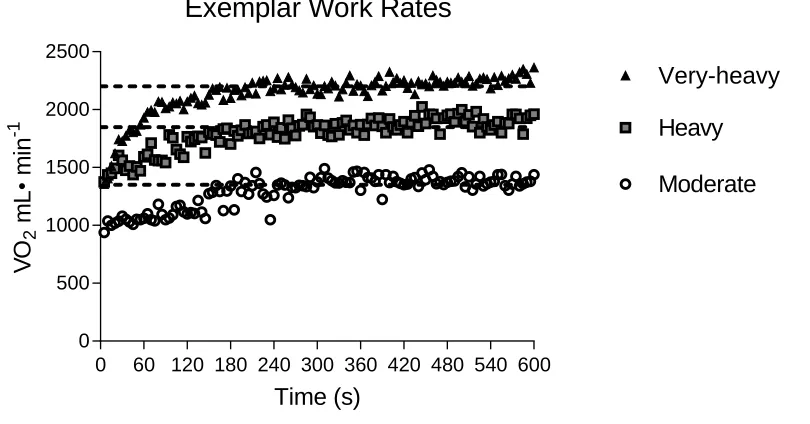
Figure 1. An exemplar participant’s oxygen uptake (VO2mL·min-1) at 5 s intervals during
moderate, heavy, and very-heavy exercise intensities. The figure shows that for each
intensity the participant attained different – and eventual steady state – levels of oxygen
consumption across each exercise intensity. The moderate intensity was a work rate at 80%
of the participant’s estimated lactate threshold (i.e., 5 METs). The heavy intensity was 15%
of the difference between estimated LT and VO2peak (i.e., 7 METs). The very-heavy intensity
was 50% of the difference between estimated LT and VO2peak (i.e., 8 METs)... 13
Figure 2. The large main panels show pro- and antisaccade reaction times (RT: ms) for pre-
and post-exercise assessments at moderate, heavy, and very-heavy exercise intensities. Error
bars represent 95% within-participant confidence intervals. The smaller offset panels show
mean pro- and antisaccade RT difference scores (pre-exercise minus post-exercise) and
associated 95% between-participant confidence intervals computed separately for each
exercise intensity. In the offset panel, the absence of overlap between an error bar and zero
(i.e., horizontal line) is inclusive to a test of the null hypothesis (Cumming, 2013) ... 16
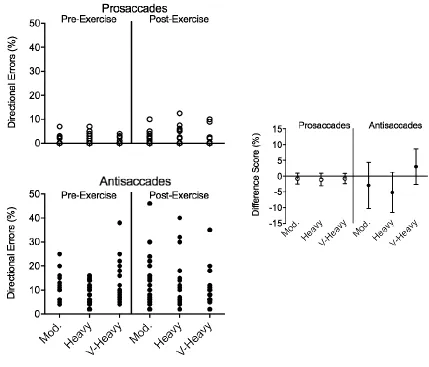
Figure 3. The large main panels show the percentage of pro- (top panel) and antisaccade
(bottom panel) directional errors for individual participants as a function of exercise
intensity. The smaller offset panels show mean pro- and antisaccade directional errors and
95% between-participant confidence intervals as a function of exercise intensity. The absence
of overlap between an error bar and zero (i.e., horizontal line) can be interpreted inclusive to
a test of the null hypothesis (Cumming, 2013) ... 18
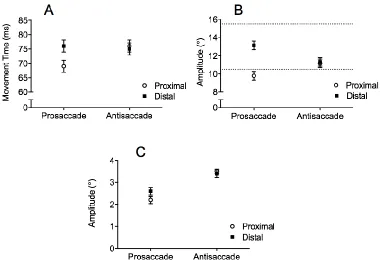
Figure 4. The top left (A), right (B), and bottom (C) panels show mean pro- and antisaccade
MTs (ms), amplitudes (°), and amplitude variability, respectively, at pre- and post-exercise
assessments for moderate, heavy, and very-heavy exercise intensities to the proximal and
distal target eccentricities. Error bars represent 95% within-participant confidence intervals.
In panel B, the horizontal dotted lines shows veridical target amplitudes for the proximal
Figure 5. Regression of participant-specific cardiovascular fitness as determined via VO2peak
and antisaccade RT difference scores (pre-exercise minus post-exercise RTs) for moderate,
List of Terms and Abbreviations
BDNF—Brain-derived neurotrophic factor
CV of RT – Coefficient of variation of reaction time
fMRI – Functional magnetic resonance imaging
ECG – Electrocardiogram
HRR – Heart rate reserve
IADL – Lawton-Brody-Instrumental activities of daily living
K4B2—COSMED breath-by-breath analyzer
LT – Estimated lactate threshold
METs – Metabolic equivalents
MMSE—Mini-Mental state examination
MoCA—Montreal Cognitive Assessment
MT – Movement time
RER – Respiratory exchange ratio
RPE – Rating of perceived exertion
RT – Reaction time
SC—Superior colliculus
List of Appendices
Appendix A: Approval notice from the Office of Research Ethics, The University of Western
Introduction
By the year 2036, older adults (>65 years) are expected to represent 24-25% of the
Canadian population (Statistics Canada, 2011). Therefore, the problems associated with
longevity and the higher proportion of adults over 65 represent a pressing public health issue
(Prince et al., 2015). For example, cognitive decline has been identified as one of the highest
costs related to an aging society (Deary et al., 2009). As such, finding effective and efficient
ways to promote and improve cognitive function in older adults is a burgeoning health care
concern (Jackson et al., 2016). A mounting body of research has shown that aerobic and/or
resistance exercise programs improve cognition in older adults (Kramer et al., 1999;
Liu-Ambrose, Nagamatsu, Voss, Khan, & Handy, 2012; Hwang et al., 2016). More specifically,
exercise has been shown to provide the greatest cognitive benefit to executive function
(Colcombe & Kramer, 2003; Hall, Smith, & Keele, 2001). Executive function relates to an
individual’s ability to update and monitor working memory, attend to and process multiple
stimuli, and inhibit responses to irrelevant stimuli (Norman & Shallice, 1986) – functions that are
essential to activities of daily living. The neurobiological mechanisms linked the post-exercise
benefit include: (1) increased concentration of brain-derived neurotrophic factor (BDNF) to
support the development and survival of neurons (Knaepen, Goekint, Heyman, & Meeusen,
2010), (2) cell-proliferation and neurogenesis (van Praag, Kempermann, & Gage, 1999), and (3)
increased synaptic connectivity and density in the frontoparietal regions supporting executive
function (Colcombe & Kramer, 2003; Voss et al., 2010; Weinstein et al., 2012). Hence, the
identification of exercise interventions that ameliorate or circumvent executive decline represents
a current – and important – area of inquiry.
Chronic exercise programs have been shown to improve executive function. For example,
Kramer et al. (1999) divided non-demented older adults (60-70 years) into two groups; a
stretching (i.e., control) group and a brisk-walking intervention group (i.e., 3 times a week for
6-months). Executive function was – in part – examined by the Ericksen flanker1 task and results
1
demonstrated that the exercise group—but not the control group—showed a reduction in reaction
time (RT) for incongruent flanker trials. Furthermore, Colcombe and Kramer (2004) used
functional magnetic resonance imaging (fMRI) to contrast executive changes between
non-demented, sedentary older adults that completed a 24-week aerobic exercise program (i.e.,
progressing from walking for 10 to 45 minutes, at an intensity of 40 to 70% heart rate reserve
[HRR], 3 times a week) and those that completed a 24-week stretching program. The walking –
but not stretching – group showed improved post-exercise executive function and modulation of
task-related cortical activity. Similarly, Hall and colleagues’ (2001) literature review reported
that older adults had exercise improvements on a choice RT task, but exhibited no
post-exercise change in a simple RT task – a finding proposing that post-exercise elicits a specific
improvement to tasks involving high-level executive function. Moreover, Colcombe and
Kramer’s (2003) meta-analysis reported that executive function shows the largest and most
reliable post-exercise improvement, whereas tasks assessing post-exercise memory, attention and
perceptual-motor processing yield equivocal findings. Taken together, these findings indicate
that aerobic exercise selectively improves the high-level cortical mechanisms supporting
executive function.
In addition to chronic exercise, a growing body of literature has reported that a
single-bout of exercise provides a reliable post-exercise executive benefit in healthy young and older
adults (Chang et al., 2014; Johnson et al., 2016; Lambourne & Tomporowski, 2010). Lambourne
and Tomporowski’s (2010) and Chang, Labban, Gapin, & Etnier’s (2012) meta-analyses
concluded that a single-bout of exercise (i.e., aerobic, resistance, or multiple-modality) can
produce a small – yet reliable – post-exercise benefit to cognition. In fact, Lambourne and
Tomporowski (2010) and Chang et al. (2012) concluded that a primary moderator of the
single-bout exercise benefit involves the use of a task that addresses executive function. For example,
Chang et al. (2014) had participants (aged 58.1 years) complete the Stroop task2 pre- and post a
single-bout of resistance exercise (i.e., biceps and leg curls at 70% of their 10-repetition
maximum) for 20-25 minutes (i.e., exercise condition). Additionally, on a separate day
participants completed the Stroop task pre- and post a 30-minute rest interval (i.e., non-exercise
2 The Stroop Task is a RT task where a series of coloured words are printed in ink that is either congruent (i.e.,
condition). Results showed that post-exercise and control condition RTs were less than their
pre-test counterparts (i.e., 22% and 6% for exercise and control conditions, respectively); however,
the magnitude of the improvement was significantly greater for exercisers. Thus, Chang et al.
(2014) concluded that a single-bout of exercise provides a “more beneficial effect on cognition
that involves executive control” (p. 51).
In addition to task-specificity, Lambourne and Tomporowski’s (2010) and Chang et al.’s
(2012) meta-analyses identified that exercise duration and intensity serve as moderators of the
single-bout exercise effect. In particular, Chang et al. (2012) reported that exercise durations
longer than 20 minutes provide the greatest benefit to executive function, with reduced and null
benefits observed for durations between 11-20 minutes and less than 10 minutes, respectively.
More recent research, however, has shown that a positive post-exercise benefit can occur for
durations of 10 minutes. For example, Johnson et al. (2016) had older adults (mean age: 72
years) complete 10- or 30-minutes of aerobic (i.e., cycle ergometer: Rating of Perceived Exertion
(RPE) of 13-14 [i.e., “somewhat hard”]) or resistance (i.e., 60% 1 rep maximum for 2 minutes
with 30 seconds of rest between sets: RPE of 13-14) training. Results showed a reliable
post-exercise improvement in Stroop RTs for both modalities, and the magnitude of the improvement
was consistent across the 10- and 30-minute exercise sessions. Similarly, work by our group
(Samani & Heath, 2018) reported that younger adults who completed a 10-minute single-bout
exercise session (i.e., cycle ergometer at 60-85% of participant’s heart rate maximum [i.e.,
Karvonen formula: [220-age]) showed a post-exercise improvement specific to executive-related
oculomotor control. Thus, these studies demonstrate that a brief, 10-minute bout of exercise
improves executive function. It may be that the majority of previous work reporting a null
exercise effect for durations less than 20 minutes employed ‘executive’ tasks (e.g., Tower of
London, flanker, visual and acoustic oddball tasks) that require not only high-level executive
control, but also non-executive functions such as sequential memory (i.e., Tower of London) and
the top-down identification of perceptual novelty (i.e., oddball tasks). Accordingly, tasks
involving conjoint executive and non-executive components may not provide sufficient
resolution to detect subtle exercise-related executive changes following short-duration exercise.
Further, Johnson et al. (2016) reported that the reduced level of physical fitness in their older
adult population coupled with the deployment of a cognitive reserve might account for reduced
As mentioned earlier, another moderator of the single-bout exercise effect is exercise
intensity. Some research has reported that moderate intensity exercise provides the largest
benefit to cognition due to an optimization of physiological and psychological arousal (Dietrich
& Audiffren, 2011; McMorris, Sproule, Turner, & Hale, 2011; McMorris & Hale, 2012).
However, replicating previous work has been difficult, as many studies have focused on absolute
measures of exercise intensity (i.e., Karvonen formula, percentage of VO2) (Chang et al., 2014;
Johnson et al., 2016; Samani & Heath, 2018)). As noted by Lambourne and Tomporowski (2010)
the drawback of using an absolute measure is that it does not provide for between-participant
equivalence in intensity. Furthermore, absolute measures often allow for an extreme range in
intensity among different participants. As such, the majority of current work has not provided the
opportunity to determine whether distinct relative measures of exercise intensity differentially
influence the single-bout post-exercise executive benefit.
My thesis examined whether exercise intensity influences the magnitude by which a
10-minute single-bout of aerobic exercise elicits a short-term ‘boost’ to executive function in older
adults. As mentioned above, older adults were selected based on evidence reporting that a
“cognitive reserve” deployed in this population may result in differential exercise benefits
relative to younger adults. In particular, cognitive reserve in older adults is defined as “...the
adaptability of cognitive processes to explain differential susceptibility of cognitive abilities and
day-to-day function” (Stern et al., 2018) and it is thought that exercise interventions – and
possibly different exercise intensities – can positively affect cognitive reserve. To address this
question, pre- and post-exercise executive function was examined via the antisaccade task.
Antisaccades require that an individual complete a goal-directed eye movement (i.e., a saccade)
mirror-symmetrical to the location of a visual stimulus (Hallett, 1978). Extensive behavioural
and neuroimaging work in humans as well as electrophysiology from non-human primates has
shown that antisaccades require the suppression of a stimulus-driven response (i.e., response
suppression) and the visual remapping of a target’s coordinates (i.e., vector inversion) (for
review see: Munoz & Everling, 2004) – constituent elements attributed to executive control.
Moreover, the performance of directionally correct antisaccades has been linked to increased
activation of executive-related frontoparietal networks (Ford, Goltz, Brown, & Everling, 2005;
Weiler, Hassall, Krigolson, & Heath, 2015; Zhang & Barash, 2000; for review see: Munoz &
& Fujimoto, 2010; Seifert & Secher, 2011) and long-term (Colcombe et al., 2004; Voss et al.,
2010) exercise. The known neuroanatomical and behavioural components of antisaccades,
coupled with the temporal resolution of eye-tracking, and the hands- and language-free nature of
the task makes it an ideal tool for identifying subtle exercise-based changes to executive
function. In addition, the present study employed a prosaccade task (i.e., saccade to a veridical
target location) because such actions are controlled largely independent of top-down executive
control (Pierrot-Deseilligny, Müri, Nyffeler, & Milea, 2005). As such, prosaccades serve as a
natural control to antisaccades in determining whether a post-exercise change in saccade
performance is specific to executive function.
To quantify exercise intensity, each participant performed a maximal test to volitional
exhaustion to determine participant-specific peak oxygen consumption (VO2peak) and estimated
lactate threshold (LT). The aforementioned values were used to determine participant-specific
and sustainable moderate, heavy, and very-heavy exercise intensities. The moderate intensity
was defined as 80% of participant-specific LT. In turn, the heavy intensity was 15% of the
difference between LT and VO2peak, whereas the very-heavy intensity was 50% of the difference
between LT and VO2peak. The moderate intensity session represents exercise below LT wherein
oxygen uptake and blood lactate reach a steady state (Whipp & Wasserman, 1972). In contrast,
the heavy and very-heavy intensities involve work rates above LT, wherein oxygen uptake and
blood lactate increase and are in the proximity of maximal lactate steady state (Keir et al., 2015).
The manipulation used here therefore equated exercise intensity for individual fitness levels and
served as a continuum of sustainable – and metabolically distinct – power outputs.
The majority of work involving older adults has proposed that the largest post-exercise
executive benefit is associated with moderate intensity exercise (Chang et al., 2012). As a result,
an intensity-dependent prediction asserts that the largest magnitude reduction in post-exercise
antisaccade RTs (and possibly directional errors) should be observed at the moderate intensity,
with smaller and possibly null benefits observed at the heavy and very-heavy intensities,
respectively. In turn, an intensity-independent explanation contends that the magnitude of the
post-exercise antisaccade benefit is comparable across each exercise intensity. Importantly, I
intensity that older adults who may be unable to commit to chronic exercise programs and/or are
physically limited to short duration exercise sessions may accrue an executive benefit.
Methods
Participants were recruited from London, Ontario via presentations to local seniors’
exercise groups and recruitment posters. All participants were required to have no diagnosed
neurological disorder or eye conditions (e.g., diplopia, glaucoma, cataracts), be in good health,
and have normal or corrected-to-normal vision. As well, all participants had scores of greater
than 26 and 24 on the Mini-Mental State Examination (MMSE) (Kurlowicz & Wallace, 1999),
and Montreal Cognitive Assessment (MoCA) (Nasreddine et al., 2005) tools, respectively, and
achieved full scores (8/8) on the Lawton-Brody-Independent Activity of Daily Living
Questionnaire (IADL) (Lawton & Brody, 1969).
Participants were excluded from this study based on the following criteria: previous eye
injury; diagnosis of mild cognitive impairment or dementia by a clinician or an MMSE score of
< 24; neurological or psychiatric disorders; severe sensory impairment (i.e., blindness or low
vision); a medical history of severe heart or orthopaedic conditions (i.e., myocardial infarction or
osteoarthritis in the last year); or a resting blood pressure considered unsafe for exercise
(>180/100mmHg or <100/60mmHg) (Pescatello et al., 2004). A total of 20 participants
expressed interest in this study and 17 participants (9 female: age range: 66 – 85 years, mean=73,
SD=6) met the study requirements and were included in the data analyses presented in the
Results. Three participants were excluded from this study; one due to a self-reported eye
condition (i.e., diplopia), and the other two because their gaze position (see details below) could
not be reliably tracked or calibrated. A physician independently reviewed each participants’
electrocardiogram prior to study admission to ensure that they could safely exercise. All
participants were Caucasian, well-educated (>12 years of education) and demonstrated preserved
cognitive function with scores of 29 (range: 27-30, SD: 2) and 28 (range: 26-30, SD: 2) on the
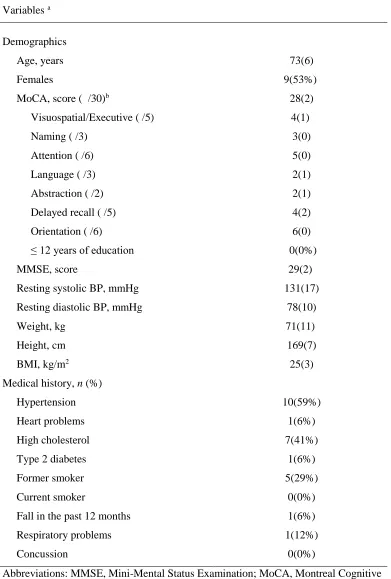
MMSE and MoCA, respectively. Clinical characteristics of participants included that 59% had
hypertension, 41% reported they had high cholesterol, and 29% were former smokers. Table 1
Table 1. Baseline demographics and clinical characteristics.
Variables a
Demographics
Age, years 73(6)
Females 9(53%)
MoCA, score ( /30)b 28(2)
Visuospatial/Executive ( /5) 4(1)
Naming ( /3) 3(0)
Attention ( /6) 5(0)
Language ( /3) 2(1)
Abstraction ( /2) 2(1) Delayed recall ( /5) 4(2) Orientation ( /6) 6(0) ≤ 12 years of education 0(0%)
MMSE, score 29(2)
Resting systolic BP, mmHg 131(17) Resting diastolic BP, mmHg 78(10)
Weight, kg 71(11)
Height, cm 169(7)
BMI, kg/m2 25(3)
Medical history, n (%)
Hypertension 10(59%)
Heart problems 1(6%)
High cholesterol 7(41%) Type 2 diabetes 1(6%)
Former smoker 5(29%)
Current smoker 0(0%)
Fall in the past 12 months 1(6%) Respiratory problems 1(12%)
Concussion 0(0%)
a Data presented either as mean (standard deviation: SD) or no. (%).
b Domain-specific MoCA scores presented as median and interquartile range.
For every study visit, participants were asked to take their usual medications (if
applicable), refrain from participating in strenuous exercise for 24 hours prior to a study visit,
and to not consume caffeine or alcohol at least 12 hours before all visits. As well, participants
were instructed to get seven or eight hours of sleep before each exercise session. Testing sessions
were completed between 12:00pm and 3:00pm and were scheduled at the same time for each
subject. Prior to data collection, participants read a letter of information and signed a consent
form approved by the Health Sciences Research Ethics Board, University of Western Ontario,
and this work was conducted according to the Declaration of Helsinki.
Exercise intervention
Eligible participants were scheduled for four experimental sessions, each 1 to 1.5 hours in
length. During Session 1, participants provided informed consent, completed global cognitive
assessments (i.e., MoCA and MMSE), a brief medical history, and the IADL. In addition,
demographic information was collected (Table 1). For all visits, participants had their resting blood pressure measured using an automatic cuff (BPM-100, BPTru Medical Devices,
Coquitlam, BC, Canada). Three resting measurements were recorded, two minutes apart and the
last two measures were averaged. Following this, participants were to complete an exercise test
to volitional exhaustion (i.e., VO2peak) on a treadmill (Quinton Q-Stress TM55, Milwaukee, WI,
USA). All participants completed their test to volitional exhaustion via a protocol specially
developed for older adults (Paterson, Cunningham, Koval, & St. Croix, 1999; Stathokostas,
Jacob-Johnson, Petrella, & Paterson, 2004). In particular, participants were instructed about the
ramp-incremental protocol, the location of the treadmill hand grips, and familiarized with the
modified Borg RPE scale of 1-10 (Chodzko-Zajko et al., 2009). The RPE was used to
self-monitor effort, and RPE was reported to the experimenter every 1.5 minutes during an exercise
session. Further, participants were instructed that if they felt faint, had chest or joint pain, or
trouble breathing, they were to notify the experimenter (via hand wave) and the exercise session
For each exercise session heart rate was continuously recorded via a 12-lead
electrocardiogram (ECG). All exercise sessions began with a 2.5-minute warm-up, wherein the
participant walked at 1.5 miles per hour. For Session 1 (i.e., the test of volitional exhaustion),
participants were instructed that the speed and slope of the treadmill would increase to 1.7 mph
at a 0% grade for the first 4 minutes of exercise. Subsequently, a grade or velocity increase (or a
combination of the two) in specific small increments were used to mimic a ramp incremental
protocol until volitional exhaustion. The ramp incremental test was designed to increase VO2
demands each minute by 1-3mLO2·min-1 so that volitional exhaustion was achieved in 8- to
12-minutes (see Stathokostas, Jacob-Johnson, Petrella, & Paterson, 2004). Verbal encouragement
was provided and breathing parameters were measured during exercise by the COSMED K4B2 (COSMED, USA Inc., Chicago, IL).
The COSMED K4B2 is a real-time (i.e., 2 second delay) portable, lightweight breath-by-breath analyzer, which was placed on participants’ chest along with a breath-by-breathing mask, turbine
flowmeter, and battery-pack placed on the participant’s back during exercise (see Figure 1). The COSMED K4B2 was used to measure oxygen uptake, carbon dioxide production, and respiratory exchange ratio (RER). An hour before each testing session, the COSMED K4B2 was calibrated using a three litre calibration syringe (COSMED K4B2). The calibration process involved four
procedures: room air calibration, reference gas calibration, turbine calibration, and
breath-by-breath calibration. The composition of the reference gas (Praxair, Mississauga, Canada) was 16%
O2 and 5% CO2. Breath by breath analysis of inspired and expired gases was collected
continuously and analyzed for O2 and CO2 specific concentrations. Real-time gas exchange data
was collected by the COSMED K4B2 unit every 2 seconds and the system collated the breathing parameters. Heart rate was displayed via ECG (Quinton Q-Stress TM55) in real time.
The ramp incremental test provided breathing data to quantify peak oxygen uptake
(VO2peak) and estimated lactate threshold (LT) to determine the participant-specific moderate,
heavy, and very-heavy exercise intensities for Sessions 2-4. VO2peak was defined as the highest
oxygen uptake level achieved during the ramp incremental protocol. Estimated LT was
determined when blood lactate accumulated quicker than it could be removed and was quantified
via the Simplified V-Slope Method (i.e., when the slope of carbon dioxide output plotted against
inspected using data from the COSMED K4B2 by two researchers familiar with the procedure.
VO2peak and estimated LT were used to determine the three participant-specific exercise
intensities: (1) 80% of estimated LT (i.e., moderate intensity), (2) 15% of the difference between
estimated LT and VO2peak (i.e., heavy intensity), and (3) 50% of the difference between estimated
LT and VO2peak (i.e., very-heavy intensity). The moderate work rate simulates steady state
oxygen uptake and blood lactate levels, since the exercise occurs below LT (Whipp &
Wasserman, 1972). The heavy and very-heavy exercise intensities represent work rates above
LTs wherein oxygen uptake and blood lactate increase and are in the proximity of the maximal
lactate steady state (Whipp & Wasserman, 1972; Keir et al., 2015). The order that the different
exercise intensities were performed was randomized and all testing sessions were separated by at
least 24 hours.
For Sessions 2-4, participants completed a 2.5 minute warm-up at 1.5 mph (0% grade),
followed by a square-wave transition to a 10-minute bout of aerobic exercise at
participant-specific moderate, heavy, or very-heavy intensities. Following an exercise session, blood
pressure was measured at 2 minute intervals for 10 minutes to ensure a safe return to resting
blood pressure. Only one participant was unable to exercise for the full 10-minutes, due to
shortness of breath; this individual instead exercised for 9 minutes and 30 seconds for the
very-heavy exercise intensity. Furthermore, one participant did not wear the COSMED K4B2 during
one testing session (i.e., 80% of estimated LT), as they reported claustrophobia when wearing the
mask that day.
Oculomotor assessment
On Sessions 2-4, participants completed oculomotor assessment pre- and post-exercise.
Participants sat in front of a tabletop (height: 775mm) with their head placed in a head/chin rest
in a quiet and dimly lit room. The experimenter adjusted the head/chin rest to comfortably suit
each participants’ morphological characteristics. A 30-inch LCD monitor (60Hz, 8ms response
rate, 1,280 x 960 pixels; Dell 3007WFP, Round Rock, TX, USA) located 550 mm from the
head/chin rest presented visual stimuli to participants. The gaze position of participants’ left eye
was collected via a video-based eye-tracking system (Eye-Trac6: Applied Sciences Laboratories,
experimenter provided real-time point of gaze information, trial-by-trial saccade kinematics (i.e.,
displacement and velocity), and the accuracy of the eye-tracking system (i.e., to perform a
recalibration when necessary). Computer events and visual stimuli were controlled via
MATLAB (7.6: The MathWorks, Natick, MA, USA) and the Psychophysics Toolbox extensions
(ver. 3.0; Brainard, 1997).
Visual stimuli included a central white fixation cross (1°: 135 cd/m2) and target stimuli (i.e., yellow crosses 127cd/m2, 2.7° in diameter) presented 10.5° (i.e., proximal target) and 15.5° (i.e., distal target) to the left and right of the fixation and in the same horizontal meridian. Two
different target eccentricities were used to prevent participants from adopting a stereotyped
response. A trial began with onset of the fixation cross. After a stable gaze was recorded (+/-
1.5° for 420ms), a randomized foreperiod between 1,000 to 2,000 ms was initiated after which
time a target stimulus was briefly presented (i.e., 50 ms). The target stimuli were presented for a
brief duration (50 ms) to equate pro- and antisaccades for the absence of extraretinal feedback
(Weiler, Holmes, Mulla, & Heath, 2011). The onset of the target stimulus cued participants to
pro- (i.e., saccade to veridical target location) or antisaccade (i.e., saccade to the
mirror-symmetrical of the target stimulus location) as quickly and accurately as possible.
Pro- and antisaccades were completed at pre- and post-exercise sessions in separate and
randomly ordered blocks and within each block, 20 trials were completed to each target location
(i.e., left and right of fixation) and eccentricity (i.e., proximal and distal) combination. Target
location and eccentricity were ordered randomly. After the pre-exercise oculomotor assessment,
participants had their resting blood pressure assessed and then immediately started their
single-bout of exercise for 10-minutes. Following a cool-down period, participants completed their
post-exercise oculomotor assessment. Depending on the exercise intensity a participant engaged
in, the time between the completion of the exercise intervention and post-exercise oculomotor
assessment was between one to four minutes after cool-down – an interval used to allow the
participants’ heart rate to return to baseline. Pre- and post-exercise oculomotor assessments
required between 15 and 25 minutes. This time range reflects that some participants requested a
brief break during the oculomotor assessment.
Oculomotor data were filtered offline via a dual-pass Butterworth filter, with a low-pass
cut-off frequency of 15 Hz. Acceleration and velocity data were computed via a five-point
central-finite difference algorithm. Saccade onset was determined by velocity and acceleration
values of greater than 30°/s and 8,000°/s2, respectively. Saccade offset occurred when velocity values were less than 30°/s for 15 consecutive samples (i.e., 42 ms). Trials with missing data,
signal noise (i.e., blinking), or anticipatory saccades (i.e., RT <85ms) were excluded from the
analyses (Munoz, Broughton, Goldring, & Armstrong, 1998). Trials with directional errors were
not included in the analysis for RT and MT since trials involving antisaccade directional errors
were mediated by planning mechanisms that are distinct from their directionally correct
counterparts (DeSimone, Weiler, Aber, & Heath, 2014).
Dependent variables were: RT (time from stimulus onset to saccade onset), coefficient of
variation (CV) of RT (i.e., standard deviation/mean x 100%), percentage of directional errors
(i.e., a prosaccade instead of an instructed antisaccade or vice versa), movement time (MT: time
from movement onset to movement offset), saccade amplitude and amplitude variability in the
primary (i.e., horizontal) movement direction. Dependent variables were examined via 2 (task:
prosaccade, antisaccade), by 2 (time of assessment: pre-exercise, post exercise), by 3 (exercise
intensity: moderate, heavy, very-heavy), by 2 (target eccentricity: proximal, distal) repeated
measures ANOVAs. An alpha level of .05 was used for statistical significance and simple-effects
were employed to decompose main effects and interactions.
Results
Exercise intensity: peak oxygen uptake & rating of perceived exertion
Figure 1 demonstrates an exemplar participant’s oxygen uptake as a function of time for the moderate, heavy, and very-heavy intensities and demonstrates that each intensity was
associated with different—and eventual steady-state—oxygen consumption. For MET and RPE
values, one-way ANOVAs demonstrated reliable effects of exercise intensity, all F(2,32)=133.75
and 78.82 for METs and RPEs, respectively, ps<.001, p2=.89 and .83, such that values
heavy to very-heavy intensity, all t(16)= 5.89 and 6.46, ps<.001. Results therefore demonstrate
that exercise intensities were associated with distinct physiological and psychological costs.
Figure 1. An exemplar participant’s oxygen uptake (VO2mL·min-1) at 5 s intervals during
moderate, heavy, and very-heavy exercise intensities. The figure shows that for each intensity the
participant attained different – and eventual steady state – levels of oxygen consumption across
each exercise intensity. The moderate intensity was a work rate at 80% of the participant’s
estimated lactate threshold (i.e., 5 METs). The heavy intensity was 15% of the difference
between estimated LT and VO2peak (i.e., 7 METs). The very-heavy intensity was 50% of the
difference between estimated LT and VO2peak (i.e., 8 METs).
Table 2. Participant-specific results for the ramp incremental treadmill tests. Participant-specific absolute and relative VO2peak, weight, ventilation threshold, peak aerobic power (converted into
METs; VO2peak/3.5), and RPEs are reported.
Intensities (METs)b
Sex VO2peak
(mLO2)
Weight (kg)
VO2peak
(mLO2/kg
·min)a
Ventilation Threshold (mLO2)
Peak Aerobic
Moderate Heavy Very Heavy
0 60 120 180 240 300 360 420 480 540 600 0 500 1000 1500 2000 2500
Exemplar Work Rates
Power (METs)
METs RPE METs RPE METs RPE
F 2200 71 31 1600 9 5 4 7 5 8 6
F 1550 62 25 1450 7 5 3 7 5.5 7 7
F 1950 50 39 1400 11 6 3 8 5 10 7
F 1800 72 25 1500 7 5 5 6 7 7 8.5
F 1750 59 30 1200 9 5 4 6 5 7 8
F 1750 64 27 1250 8 4 3 6 4 7 5.5
F 1600 60 27 1500 8 6 2 7 5 7 8
F 1800 74 24 1400 7 4 1 6 4.5 6 9
F 2400 80 32 1600 9 5 4 6 7 7 7
M 2600 92 28 1900 8 5 3 6 5 7 6.5
M 2700 76 36 2100 10 6 4.5 8 6 9 9
M 2200 83 27 1800 8 5 5 6 7 7 8
M 3000 76 39 1900 11 6 3 8 6 9 7
M 2350 85 28 1700 8 5 1 6 7 7 8
M 1900 69 28 1250 8 4 3.5 6 5 7 6
M 2600 73 36 1750 10 5 2 7 4.5 9 6
M 2600 69 38 2200 11 7 4 9 5 10 9
Mean SD 2224 477 72 12 31 5 1637 313 9 1 5 1 3 1 7 1 5 1 8 1 8 1
a VO
b Intensities defined as: moderate (power output: 80% of LT), heavy (power output:15% of the difference between
LT and VO2peak), and very-heavy intensity (power output: 50% of the difference between LT and VO2peak).
Oculomotor data: reaction time, directional errors and amplitude
Results for RT indicated main effects for task F(1,16)=75.37, p<.001, p2=0.82, time of
assessment F(1,16)=33.92, p<.001, p2=0.70, and target eccentricity F(1,16)=73.21, p<.001,
p2=0.82. For target eccentricity, RTs for the proximal target (274 ms, SD=40) were less than the
distal target (297 ms, SD=42). In addition, Figure 2 shows an interaction between task and time F(1,16)=6.15, p=.025, p2=0.28: prosaccade RTs did not reliably vary with time of assessment
(t(16)=1.34, p=.19), whereas antisaccade RTs decreased from pre- to post-exercise assessment
(t(16)=4.75, p<.001). In light of the primary objective of this study, I also would like to note that
there was not a main effect or higher-order interaction involving exercise intensity, all F(2,
Figure 2. The large main panels show pro- and antisaccade reaction times (RT: ms) for pre- and post-exercise assessments at moderate, heavy, and very-heavy exercise intensities. Error bars
represent 95% within-participant confidence intervals. The smaller offset panels show mean pro-
and antisaccade RT difference scores (pre-exercise minus post-exercise) and associated 95%
between-participant confidence intervals computed separately for each exercise intensity. In the
offset panel, the absence of overlap between an error bar and zero (i.e., horizontal line) is
inclusive to a test of the null hypothesis (Cumming, 2013).
The CV of RT yielded main effects for task F(1,16)=20.19, p<.001, p2= 0.56, and target
eccentricity, F(1,16)=11.24, p<.01, p2=0.41. Values were larger for prosaccades (35, SD=12)
than antisaccade (24, SD=6), and were larger for the proximal (31, SD=12) rather than the distal
target (28, SD=10). As well, results indicated that exercise intensity did not produce a main
effect or any higher-order interactions, all F(2,32)<1, ps>.39, all p2<0.03.
The main panels of Figure 3 show the percentage of pro- and antisaccade directional errors for each participant as a function of pre- and post-exercise assessments and exercise
intensity. The figure demonstrates that many participants did not commit prosaccade errors. In
particular, the percentage of prosaccades collapsed as a function of exercise intensity, time of
antisaccades (13%, SD=10) (t(16)=3.54, p<.01). Given the low number of prosaccade directional
errors I limited my ANOVA model to only examine antisaccades. Results showed that neither
exercise intensity, F(2,32)=1.56, p=.22, , p2=0.09, time of assessment, F(1,16)=1.22, p=.28,
p2=.05, nor their interaction, F(2,32)=0.75, p=.46, p2=.04, reliably influenced the percentage of
antisaccade directional errors. In addition, the offset panel of Figure 3 presents time of assessment difference scores (pre-exercise minus post-exercise) – and associated 95%
confidence intervals – for pro- and antisaccades across each exercise assessment. The figure
demonstrates that pre- and post-exercise pro- and antisaccade directional errors did not vary with
Figure 3. The large main panels show the percentage of pro- (top panel) and antisaccade (bottom panel) directional errors for individual participants as a function of exercise intensity. The
smaller offset panels show mean pro- and antisaccade directional errors and 95%
between-participant confidence intervals as a function of exercise intensity. The absence of overlap
between an error bar and zero (i.e., horizontal line) can be interpreted inclusive to a test of the
null hypothesis (Cumming, 2013).
MT and amplitude produced main effects of target eccentricity, all F(1,16)=32.48 and
190.12, for MT and saccade amplitude, respectively, ps<.001, p2=.67 and .92, and task by target
eccentricity interactions, all F(1,16)=63.37 and 201.31, ps<.001, p2=.80 and .92. The top panels
MTs and amplitudes (all t(16)=-1.13, 1.33, ps=0.27 and 0.20) did not reliably vary with target
eccentricity.
Amplitude variability produced main effects of task, F(1,16)=73.26, p<.001, p2=.82,
target eccentricity, F(1,16)=6.24, p=.024, p2=.28, and their interaction, F(1,16)=18.97, p<.001,
p2=.54. The bottom panel of Figure 4 (see C) shows that amplitude variability was less for
prosaccades (2.4°, SD=0.6) than antisaccades (3.4°, SD=0.7), and the former showed an increase
in variability from the proximal to the distal target (t(16)=3.66, p=.002), whereas the latter did
not vary with target eccentricity (t(16)=-2.04, p=.058).
Figure 4. The top left (A), right (B), and bottom (C) panels show mean pro- and antisaccade MTs (ms), amplitudes (°), and amplitude variability, respectively, at pre- and post-exercise
assessments for moderate, heavy, and very-heavy exercise intensities to the proximal and distal
the horizontal dotted lines shows veridical target amplitudes for the proximal (10.5°) and distal
(15.5°) targets.
The influence of cardiovascular fitness on executive function
Some work has shown that high-fit individuals produce a larger post-exercise executive
benefit following a single-bout of exercise (Chang et al., 2012); however, a recent meta-analysis
has reported that low- and high-fit individuals demonstrate an equivalent post-exercise benefit.
In the present work, I addressed this issue by examining the relationship between participants’
measure of cardiorespiratory fitness (i.e., VO2peak) and their antisaccade RT difference scores
(pre-exercise minus post-exercise) for each exercise intensity. Figure 5 demonstrates that
cardiorespiratory fitness values did not reliably relate to difference scores for moderate (r2= 0.02, p= 0.6), heavy (r2= -0.001, p= 1.0), or very-heavy (r2= 0.09, p= 0.2) intensities.
-60
-40
-20
0
20
40
60
20
25
30
35
40
D
if
fe
re
n
c
e
S
c
o
re
(m
s
)
Moderate: y=69.54-1.5x: R
2= 0.02
Heavy: y=12.97-0.007x: R
2<0.001
Very-Heavy: y=34.52+2.2x: R
2= 0.09
Figure 5. Regression of participant-specific cardiovascular fitness as determined via VO2peak and
antisaccade RT difference scores (pre-exercise minus post-exercise RTs) for moderate, heavy,
and very-heavy exercise intensities.
Discussion
The present investigation sought to determine whether a 10-minute single-bout of
participant-specific moderate, heavy, and very-heavy exercise intensities differentially influence
the magnitude of a post-exercise executive benefit in older adults. To begin, I will first discuss
the general differences between pro- and antisaccades, and then discuss how exercise intensity
and cardiorespiratory fitness influenced post-exercise pro- and antisaccade performance.
Pro- and antisaccades exhibit distinct planning times and endpoint properties
Prosaccades had shorter RTs and produced fewer directional errors than antisaccades.
Moreover, prosaccade amplitudes were less variable than antisaccades and showed amplitude
scaling to target eccentricity. These results are entirely in line with previous work (Hallet, 1978;
Fischer & Weber, 1992; Dafoe, Armstrong & Munoz, 2007; Gillen & Health, 2014) and are
taken to reflect that pro- and antisaccades are mediated via distinct mechanisms. In particular, the
shorter RTs associated with prosaccades are thought to reflect that the direct stimulus-response
relations associated with such actions renders motor output supported via the direct retinotopic
projections of the superior colliculus (SC) – a visuomotor network that operates largely
independent of top-down cortical control (Pierrot-Deseilligny et al., 2005). In turn, the longer
RTs of antisaccades are interpreted to reflect the time-consuming and executive demands of
response suppression and vector inversion and their mediation via an extensive frontoparietal
network (for review see Munoz & Everling, 2004). As well, the increased number of directional
errors for antisaccades have been shown to reflect a failure to deploy the frontal-based executive
networks necessary for suppressing a response (Ford, Gati, Menon, & Everling, 2009; Hallett,
1978). Furthermore, that prosaccades produced less variable amplitudes and more accurate
scaling to target eccentricity is consistent with evidence that such actions are mediated via the
direct and absolute retinotopic maps of the SC. In turn, the amplitude findings for antisaccades
information (i.e., relative) that is functionally distinct from prosaccades (Gillen & Heath, 2014).
Accordingly, the observed differences between pro- and antisaccades demonstrates a framework
for comparing how non-executive and executive-based oculomotor tasks are influenced by a
single-bout of aerobic exercise.
A single-bout of aerobic exercise selectively influences antisaccade planning times
In terms of prosaccades, pre- and post-exercise performance did not reliably differ across
any performance metric (i.e., RT, directional errors, movement time, saccade amplitude, and
amplitude variability). This result is in accord with previous work demonstrating that single-bout
(Samani & Heath, 2018) and chronic exercise (Heath, Weiler, Gregory, Gill, & Petrella, 2016;
Shellington, Heath, Gill, & Petrella, 2017) training does not influence prosaccades. Indeed, and
although single-bout (Hillman, Kamijo, & Scudder, 2011) and chronic training studies
(Colcombe et al., 2004) have shown exercise-based functional and structural changes to cortical
and subcortical regions (i.e., the hippocampus), to my knowledge no previous work has reported
an exercise-related change to the midbrain structure (i.e., SC) governing prosaccades.
Accordingly, the present study demonstrates that the single-bout effect did not influence
prosaccade planning or execution.
Antisaccades showed a 23 ms reduction in post exercise RTs. This finding is similar to
previous work by our group (Samani & Heath, 2018) showing that young adults who complete a
10 minute single-bout of exercise (via cycle ergometer at 60-85% of heart rate maximum)
produced a 27 ms reduction in antisaccade RTs, whereas non-exercise controls did not exhibit
such changes (i.e., participants read a magazine for an equivalent period of time). The
post-exercise change in antisaccade RTs are not likely attributed to a practice-related improvement in
a non-standard task-set for at least two reasons. First, Klein and Berg (2001) showed that the
deliberate practice of an antisaccade task across a four-week time period does not influence
planning times (see also: Roy-Byrne, Radant, Wingerson, & Cowley, 1995). Second, and as
previously reported, work by our group (Samani & Heath, 2018) showed that antisaccade RTs
completed prior to and following a 10-minute rest-interval do not reliably differ. In other words,
the decrease in antisaccade RTs was specific to the exercise condition. As well, I note that the
that directional errors and amplitudes (and amplitude variability) did not vary from pre- to
post-exercise assessments. In other words, participants did not decrease their post-post-exercise
antisaccade RTs at the cost of increased directional errors and less accurate endpoints. Instead,
the present findings support the contention that 10-minutes of exercise improves performance on
an executive-related oculomotor task.
Exercise intensity did not influence the magnitude of the antisaccade benefit
The primary objective of this experiment was to determine whether exercise intensity
differentially influenced the magnitude of the post-exercise improvement in executive function
in older adults. To accomplish that objective I determined moderate, heavy, and very-heavy
exercise intensities via participant-specific measures of LT and VO2peak. The basis for this
inquiry stems from some research in younger and older adults showing that moderate intensity
provides the largest boost to cognitive performance (Arent & Landers, 2003; Chang et al., 2015;
Chang, Etnier, & Barella, 2009; Kamijo et al., 2009; McMorris & Hale, 2012; Peiffer, Darby,
Fullenkamp, & Morgan, 2015), whereas other research has shown that heavy to very-heavy
intensities produce the greatest benefit (Hwang et al., 2016; Tsukamoto et al., 2016). Figure 1
shows an exemplar participant’s oxygen consumption for the moderate, heavy, and very-heavy
intensities used here. The figure demonstrates that the participant reached a steady-state of
oxygen consumption and maintained it for the duration of the exercise session. Accordingly, my
results show that each exercise intensity was associated with metabolically distinct work rates. In
spite of the different intensities, the post-exercise reduction in antisaccade RTs did not vary with
intensities. In fact, the RT reduction was 22, 19, and 27 ms for the moderate, heavy, and
very-heavy intensities, respectively. Thus, results suggest that an exercise intensity across the
continuum of moderate to very-heavy did not influence the magnitude of the post-exercise
executive benefit. Furthermore, the F-ratio for the main effect of exercise intensity and all
higher-order interactions involving this variable (all F<1) indicated that the absence of a reliable
effect cannot be attributed to an inadequate replication sample size (Keppel, 1991). Instead, these
results indicate that a continuum of exercise intensities positively impacts post-exercise
Hyodo et al’s. (2012) study showed that light-intensity exercise (i.e., 40-59% VO2max) on
a stationary bike improved older adults’ Stroop task performance after 10-minutes exercise. This
finding compliments my work and suggests that older adults accrue a post-exercise benefit
across the continuum of light to very-heavy intensities. Of course, what is unclear from when
comparing my work to Hyodo et al. is whether the magnitude of the post-exercise benefit at a
light intensity is comparable to those associated with moderate to very-heavy intensities.
Cardiovascular fitness was not related to executive benefits
Some work has reported that individuals with higher levels of fitness demonstrate larger
benefits to post-exercise executive function than those of lower fitness (for meta-analysis see:
Chang et al., 2012). Accordingly, I sought to determine whether cardiorespiratory fitness (as
measured via VO2peak) was related to the post-exercise antisaccade benefit. To accomplish that
goal, I computed antisaccade difference scores (i.e., pre-exercise minus post exercise) separately
for each participant and for each exercise intensity and correlated those values to
participant-specific measures of VO2peak. Results showed that antisaccade differences scores were not
reliably related to cardiorespiratory fitness – a result that was consistent across each exercise
intensity. In accounting for this result, I note that a most recent meta-analysis by Ludyga et al.
(2016) concluded that both high- and low-fit individuals can expect a similar post-exercise
benefit to executive function. Indeed, it is important to recognize that Chang et al.’s (2012)
meta-analysis accounted for physical fitness as a moderator of executive tasks “only when the task was
administered during exercise” (p.1622), and did not include studies on older adults. In contrast,
Ludyga and colleagues (2016) examined post-exercise executive function across the lifespan and
when executive function was assessed post-exercise. Thus, convergent evidence suggests that a
post-exercise executive benefit can be expected across low- and high-fit individuals.
As mentioned above, I sought to examine whether cardiovascular fitness (via VO2peak)
and executive function influence the single-bout post-exercise benefit in older adults. In
addressing this issue it is important to recognize that older adults have more variable VO2peak
values than young adults due to genetic and age-related factors and that such variability is
exacerbated by health conditions such as cardiac, pulmonary, and peripheral arterial diseases
al., 2012). Notably, however, the older adults that participated in this experiment had average to
high aerobic fitness for their age groups (males: mean = 38 mLO2/kg·min, range = 25-49;
females: mean = 36 mLO2/kg·min, range = 24-46). Therefore, in older adults the inclusion of
participants along a more extreme continuum of cardiovascular fitness might be required to
establish a relationship between fitness and the magnitude of a single-bout post-exercise
improvement in executive function.
Age does not influence post-exercise executive control
Ludyga et al.’s (2016) meta-analysis concluded that age is not a moderator of the
post-exercise executive benefit. For example, the magnitude of post-post-exercise RT improvements in
Samani & Heath (2018) was 27 ms and my study demonstrated an average post-exercise
antisaccade RT reduction of 23 ms. These results are in accordance with work demonstrating that
following a 6-month multi-modality exercise program older adults with a subjective cognitive
complaint elicit a 23 ms reduction in their antisaccade RTs (Heath et al., 2017). What is more,
Ludyga and colleagues (2016) reported that older adults “had the greatest improvements in
response time” for tasks requiring executive control (i.e., Stroop, modified flanker task) after a
single aerobic exercise session (p.1621). Most recently, our group examined (Heath et al., 2018)
the same moderate, heavy, and very-heavy intensities used here in younger adults (i.e., 19 – 27
years) and found that 10-minutes of exercise across all intensities produced reliable post-exercise
antisaccade RT reduction of 21 ms. Thus, it would appear that the magnitude of an
exercise-related antisaccade performance benefit is consistent across young and older adults and when
assessed following single-bout and chronic exercise interventions.
Study limitations and future directions
The participants involved in this research were Caucasian, highly-fit, had preserved global
cognition, and had >12 years of education. Thus, in order to extend our findings to a broader
category of older adults, future research should include a more ethnically diverse population,
across a range of educational and fitness levels as well as persons with objective or subjective
cognitive impairment. For example, our group’s previous work has recruited a wide range of
participants with varying levels of cognitive decline (i.e., cognitive-impairment-not-dementia,
exercise training programs can improve oculomotor executive function in these populations
(Heath et al., 2016; 2017). Accordingly, those with more advanced cognitive decline might
receive a larger post-exercise executive benefit (due to cognitive reserve) following a specific
intensity of single-bout exercise (see review: Stern, 2009). In addition, it is still unclear whether
the magnitude of intensity (i.e., very-light to maximal exercise) provides a differential executive
benefit from 10 minutes of aerobic exercise. This is particularly important to discern, as older
populations can have difficulty committing to long-term exercise programs or may have physical
limitations or frailty issues that prevent them from exercising for longer than 10-minutes, or at
intensities greater than light to moderate levels. As well, the present study examined the
post-exercise executive benefit at one time point, and it is thus unknown for how long the benefit
might persist. Subsequent work should determine whether the benefit persists for vary intervals
(i.e., from 20 minutes to 2 hours) following exercise.
Conclusions
A 10-minute single-bout of participant-specific aerobic exercise at moderate, heavy, and
very-heavy exercise intensities improves antisaccade – but not prosaccade – RTs, and the
magnitude of the RT benefit did not reliably vary as a function of exercise intensity. Moreover,
the antisaccade RT benefit occurred without concomitant changes in directional errors or
endpoint accuracy. Therefore, the antisaccade task demonstrates that exercise durations as brief
as 10 minutes provide a reliable ‘boost’ to executive function in older adults and this benefit is
References
Arent, S. M., & Landers, D. M. (2003). Arousal, anxiety, and performance: a reexamination of
the Inverted-U hypothesis. Research Quarterly For Exercise And Sport, 74(4), 436–444.
Brainard, D. H. (1997). The Psychophysics Toolbox. Spatial Vision, 10, 433–436.
Chang, Y. K., Chi, L., Etnier, J. L., Wang, C. C., Chu, C. H., & Zhou, C. (2014). Effect of acute
aerobic exercise on cognitive performance: Role of cardiovascular fitness. Psychology of
Sport and Exercise, 15(5), 464–470.
Chang, Y. K., Chu, C. H., Wang, C. C., Wang, Y. C., Song, T. F., Tsai, C. L., & Etnier, J. L.
(2015). Dose-response relation between exercise duration and cognition. Medicine and
Science in Sports and Exercise, 47(1), 159–165.
Chang, Y. K., Etnier, J. L., & Barella, L. A. (2009). Exploring the relationship between
exercise-induced arousal and cognition using fractionated response time. Research Quarterly for
Exercise and Sport, 80(1), 78–86.
Chang, Y. K., Labban, J. D., Gapin, J. I., & Etnier, J. L. (2012). The effects of acute exercise on
cognitive performance: A meta-analysis. Brain Research, 1453, 87–101.
Chodzko-Zajko, W. J., Proctor, D. N., Fiatarone Singh, M. A., Minson, C. T., Nigg, C. R.,
Salem, G. J., & Skinner, J. S. (2009). Exercise and physical activity for older adults.
Medicine and Science in Sports and Exercise, 41(7), 150-1530.
Colcombe, S. J., Kramer, A. F., Erickson, K. I., Scalf, P., McAuley, E., Cohen, N. J., … Elavsky,
S. (2004). Cardiovascular fitness, cortical plasticity, and aging. Proceedings of the National
Academy of Sciences, 101(9), 3316–3321.
Colcombe, S., & Kramer, A. F. (2003). Fitness effects on the cognitive function of older adults: a
meta-analytic study, Psychological Science, 14(2), 125-130.
Cumming, G. (2013). Understanding the New Statistics: Effect Sizes, Confidence Intervals, and
Dafoe, J., Armstrong, I., & Munoz, D. (2007). The influence of stimulus direction and
eccentricity on pro- and anti-saccades in humans. Experimental Brain Research, 179(4),
563-570.
Deary, I. J., Corley, J., Gow, A. J., Harris, S. E., Houlihan, L. M., Marioni, R. E., … Starr, J. M.
(2009). Age-associated cognitive decline. British Medical Bulletin, 92(1), 135–152.
DeSimone, J. C., Weiler, J., Aber, G. S., & Heath, M. (2014). The unidirectional prosaccade
switch-cost: Correct and error antisaccades differentially influence the planning times for
subsequent prosaccades. Vision Research, 96, 17–24.
Dietrich, A., & Audiffren, M. (2011). The reticular-activating hypofrontality (RAH) model of
acute exercise. Neuroscience and Biobehavioral Reviews, 35(6), 1305–1325.
Fischer, B., & Weber, H. (1992). Characteristics of “anti” saccades in man. Experimental Brain
Research, 89(2), 415–424.
Ford, K. A., Gati, J. S., Menon, R. S., & Everling, S. (2009). BOLD fMRI activation for
anti-saccades in nonhuman primates. NeuroImage, 45(2), 470–476.
Ford, K. A., Goltz, H. C., Brown, M. R., & Everling, S. (2005). Neural processes associated with
antisaccade task performance investigated with even-related fMRI. Journal
Neurophysiology, 94, 429–440.
Gillen, C., & Heath, M. (2014). Target frequency influences antisaccade endpoint bias: Evidence
for perceptual averaging. Vision Research, 105, 151–158.
Hall, C. D., Smith, A. L., & Keele, S. W. (2001). The impact of aerobic activity on cognitive
function in older adults: a new synthesis based on the concept of executive control.
European Journal of Cognitive Psychology, 13, 279–300.
Hallett, P. E. (1978). Primary and secondary saccades to goals defined by instructions. Vision
Research, 18, 1279–1296.
post-exercise facilitation of executive function is independent of aerobically supported metabolic
costs. Neuropsychologica, 120, 65-74.
Heath, M., Shellington, E., Titheridge, S., Gill, D.P., & Petrella, R.J. (2017). A 24-week
multi-modality exercise program improves executive control in older adults with a self-reported
cognitive complain: Evidence from the antisaccade task. Journal of Alzheimer's Disease,
56, 167-183.
Heath, M., Weiler, J., Gregory, M. A., Gill, D. P., & Petrella, R.J. (2016). A six-month
cognitive-motor and aerobic exercise program improves executive function in persons with
an objective cognitive impairment: a pilot investigation using the antisaccade task. Journal
of Alzheimer’s Disease, 54(3), 923–931.
Hillman, C. H., Kamijo, K., & Scudder, M. (2011). A review of chronic and acute physical
activity participation on neuroelectric measures of brain health and cognition during
childhood. Preventive Medicine, 52, S21–S28.
Hiura, M., Mizuno, T., & Fujimoto, T. (2010). Cerebral oxygenation in the frontal lobe cortex
during incremental exercise tests: the regional changes influenced by volitional exhaustion.
Advances in Experimental Medicine and Biology, 662, 257–263.
Hwang, J., Brothers, R. M., Castelli, D. M., Glowacki, E. M., Chen, Y. T., Salinas, M. M., …
Calvert, H. (2016). Acute high-intensity exercise-induced cognitive enhancement and
brain-derived neurotrophic factor in young, healthy adults. Neuroscience Letters, 630, 247–253.
Hyodo, K., Dan, I., Suwabe, K., Kyutoku, Y., Yamada, Y., Akahori, M., … Soya, H. (2012).
Acute moderate exercise enhances compensatory brain activation in older adults.
Neurobiology of Aging, 33(11), 2621–2632.
Jackson, P. A., Pialoux, V., Corbett, D., Drogos, L., Erickson, K. I., Eskes, G. A., & Poulin, M.
J. (2016). Promoting brain health through exercise and diet in older adults: a physiological
perspective. Journal of Physiology, 594(16), 4485–4498.
Johnson, L., Addamo, P. K., Raj, I. S., Borkoles, E., Wyckelsma, V., Cyarto, E., & Polman, R.
Journal of Aging and Physical Activity, 24(4), 591–598.
Kamijo, K., Hayashi, Y., Sakai, T., Yahiro, T., Tanaka, K., & Nishihira, Y. (2009). Acute effects
of aerobic exercise on cognitive function in older adults. The Journals of Gerontology
Series B: Psychological Sciences and Social Sciences, 64B(3), 356–363.
Keir, D. A., Fontana, F. Y., Robertson, T. C., Murias, J. M., Paterson, D. H., Kowalchuk, J. M.,
& Pogliaghi, S. (2015). Exercise intensity thresholds: identifying the boundaries of
sustainable performance. Medicine and Science in Sports and Exercise, 47(9), 1932–1940.
Kenney, W. L., Wilmore, J. H., & Costill, D. L. (2015). Physiology of sport and exercise (Sixth).
Champaign, IL: Human Kinetics.
Keppel, G. (1991). Design and Analysis: A Researcher’s Handbook. Englewood Cliffs (NJ):
Prentice Hall.
Klein, C. & Berg, P. (2001). Four-week test-retest stability of individual differences in the
saccadic CNV, two saccadic task parameters, and selected neuropsychological tests.
Psychophysiology, 38(4), 704-711.
Knaepen, K., Goekint, M., Heyman, E. M., & Meeusen, R. (2010). Neuroplasticity -
exercise-induced response of peripheral brain-derived neurotrophic factor: a systematic review of
experimental studies in human subjects. Sports Medicine (Auckland, N.Z.), 40(9), 765–801.
Kramer, A. F., Hanh, S., Cohen, N. J., Banich, M. T., McAuley, E., Harrison, C. R., …
Colcombe, A. (1999). Ageing, fitness and neurocognitive function. Nature, 400, 418–419.
Kurlowicz, L., & Wallace, M. (1999). The Mini-Mental State Examination (MMSE). Journal of
Gerontological Nursing, 25(5), 8–9.
Lambourne, K., & Tomporowski, P. (2010). The effect of exercise-induced arousal on cognitive
task performance: A meta-regression analysis. Brain Research, 1341, 12–24.
Lawton, M. P., & Brody, E. M. (1969). Assessment of older people: self-maintaining and