ACCEPTABILITY OF PHARMACIES SERVING AS PRIMARY DISPENSERS OF ANTIVIRAL DRUGS DURING AN INFLUENZA PANDEMIC: PERSPECTIVES OF
PHARMACY EXECUTIVES
Lisa M. Koonin
A dissertation submitted to the faculty of the University of North Carolina at Chapel Hill in partial fulfillment of the requirements for the degree of Doctor of Public Health in the Gillings School of Global Public Health, Department of Health Policy and Management.
Chapel Hill 2013
Approved by:
Dr. Sandra B. Greene
Dr. Leah Devlin
Dr. John Grabenstein
Dr. Andy Stergachis
ii
ABSTRACT
LISA M. KOONIN: Acceptability of Pharmacies Serving as Primary Dispensers of Antiviral Drugs During an Influenza Pandemic: Perspectives of Pharmacy Executives
(Under the direction of Dr. Sandra Greene)
During a future severe influenza pandemic, as much as 30% of the United
States (U.S.) population could become ill and may need prompt treatment with
antiviral medicines. Because antivirals are infrequently used for seasonal influenza
and are not available in large amounts in supply chains, the federal government has
stockpiled caches of antivirals in the Centers for Disease Control and Prevention’s
(CDC) Strategic National Stockpile for use during a pandemic.
During the 2009 H1N1 pandemic, numerous antiviral distribution and
dispensing challenges arose for state and local public health officials. In May 2011,
the CDC launched an effort to explore a new method of antiviral distribution and
dispensing during a future pandemic, based on U.S. pharmacies serving as primary
dispensers of antiviral drugs. Key informant interviews with pharmacy executives
from traditional chain stores, independent pharmacies, as well as pharmacies
located in mass merchants and grocery stores were conducted, and the resulting
transcripts were analyzed. The purpose of the study was to understand the
executives’ opinions and views about their pharmacies serving as primary
iii
about their insights on the relative advantages, risks, compatibility with usual
pharmacy processes, and support that might be needed to execute this function
successfully.
Overall, every interviewed executive expressed support for this new antiviral
distribution method, and most considered their pharmacies as key community
stakeholders. Collectively, these executives proposed that if a new way of
dispensing antivirals approximates existing pharmacy processes and procedures, it
will meet patients’ needs and add minimal complexity to pharmacy operations. The
informants also identified a number of potential risks but mentioned few
“showstoppers” that would cause their pharmacies to not participate with this new
method of antiviral distribution and dispensing. Findings from this study can help
CDC design a new way of distributing and dispensing antivirals (and potentially other
medical countermeasures) in the United States for a future influenza pandemic. By
leveraging the skills, systems, and willingness of pharmacies to collaborate in a
pandemic response effort, public health officials may realize improved emergency
iv
To my husband, Sam:
For always believing in me --- and for your unconditional love,
unwavering support, many sacrifices, encouragement, and patience.
To my children – Sarah, Mark, and Jay:
You are my best teachers.
To my parents:
v
ACKNOWLEDGEMENTS
I wish to acknowledge and thank the following faculty, friends, and colleagues: Dr. Sandra Greene, for your guidance, sagacity, generosity, and leadership; Dr. Leah Devlin, for your insights and public health expertise;
Dr. John Grabenstein, for your leap of faith in joining my efforts, your keen observations, and reality checks;
Dr. Andy Stergachis, for your wisdom and experience;
Dr. Rebecca Wells, for challenging and inspiring me and providing multiple “ah-ha” learning moments;
The exceptional faculty and staff of the Gillings School of Global Public Health, Health Policy and Management Program, particularly Dr. Sue Hobbs and Dr. Ned Brooks for your vision and leadership and Ms. Mona Kilany for your invaluable support and technical wizardry;
My amazing classmates of Cohort 6 for teaching me so much and for your support; Dr. Toby Merlin, for your encouragement and generous support that enabled this
dream to come true;
Dr. Carter Mecher, for always believing in me; Dr. Scott Higgins, for your inspiration over the years;
Dr. Anita Patel, for your multiple contributions to this effort; and
vi
PREFACE
“Perseverance Furthers”
1
vii
TABLE OF CONTENTS
LIST OF TABLES ...xi
LIST OF FIGURES ... xii
LIST OF ABBREVIATIONS ... xiii
CHAPTER 1: INTRODUCTION ... 1
Background and Context: 2009 H1N1 Influenza Pandemic—A Real-Life Case Study in Distribution of the Stockpile ... 5
Overarching and Concomitant Efforts That Will Inform Approach / Research Design and Methods ... 11
CHAPTER 2: LITERATURE REVIEW ... 17
Selection of Literature ... 18
Sources ... 19
Inclusion/Exclusion Criteria Including Quality Assessment ... 21
Design for Literature Review ... 24
Types of Participants ... 24
Quality Criteria ... 24
Process for Reviewing Literature ... 25
Literature Review Results ... 25
Quality of Studies Included in This Review ... 27
Successes With Antiviral Dispensing ... 30
Challenges With Antiviral Dispensing ... 33
viii
Gaps in the Literature and Considerations for Future Research ... 44
CHAPTER 3: METHODS ... 46
Background and Context to Support Methods ... 46
Dissertation Research Question ... 52
Data Collection: Planning ... 53
Conceptual Model ... 55
Using a Qualitative Approach ... 60
Institutional Review Board Approval and Protection of Human Subjects ... 61
Selection of Study Participants ... 62
Delimitations: Defining Eligible Pharmacy Executive Participants ... 62
Interview Methods ... 64
Data Analysis ... 68
CHAPTER 4: RESULTS ... 70
Key Findings and Major Themes ... 70
Overall Reaction ... 71
Major Themes Identified from Interviews of Pharmacy Executives ... 73
THEME 1: Compatibility With Existing Practices ... 74
THEME 2: Pharmacies as Critical Community Stakeholders ... 78
THEME 3: Meeting Patient Needs ... 79
THEME 4: Potential Risks ... 83
THEME 5: Information, Training, and Planning ... 95
Connected and Interrelated Themes ... 96
Additional Results ... 97
CHAPTER 5: DISCUSSION AND CONCLUSIONS ... 100
ix
Pharmacies as Key Community Stakeholders ... 102
Alternative Method of Antiviral Distribution and Dispensing Likely to Meet Patient Needs: Expanding Roles of Pharmacists and Pharmacies ... 103
Risks Identified by Pharmacy Executives Must be Addressed ... 106
Research Findings Indicate That Some Challenges Experienced During the 2009 H1N1 Pandemic Could be Reduced ... 110
Limitations of Methods and Findings ... 113
CHAPTER 6: IMPLICATIONS OF FINDINGS AND PLAN FOR CHANGE ... 118
Potential Impact of Research Findings ... 120
Next Steps: Plan for Change ... 121
Filling Information Gaps ... 122
Exploring Options for a New Method of Antiviral Dispensing and Distribution ... 123
Potential Implications for Policy Change ... 128
Plan for Change: Developing an Operational Plan ... 129
Leadership Principles ... 129
Stakeholder Engagement ... 132
Principles of Change ... 133
Resources Needed ... 139
Evaluation of the Plan for Change ... 139
Final Thoughts ... 140
APPENDIX A: CDC Antiviral Distribution and Dispensing Project ... 141
APPENDIX B: Harvard School of Public Health Pharmacists Poll Results ... 142
APPENDIX C: Literature Search Strategy ... 145
APPENDIX D: Conceptual Model Adapted From Greenhalgh et al., With Relevant Section Highlighted ... 146
x
APPENDIX F: Confirmation of CITI Training ... 149
APPENDIX G: Participant Recruitment Letter and E-mail ... 150
APPENDIX H: Fact Sheet for Adult Participants in a Research Study and
Consent to Participate in a Research Study ... 152
APPENDIX I: Key Informant Interview Guide – Questions for Pharmacy
Executives ... 157
xi
LIST OF TABLES
Table 1. Definitions Used for Literature Search ... 23
Table 2. Quality Scores of Published Studies Included in Literature
Review ... 28
Table 3. Summary of Successes With Antiviral Dispensing During the
2009 H1N1 Pandemic From Literature Review ... 31
Table 4. Summary of Challenges With Antiviral Dispensing During the
2009 H1N1 Pandemic From Literature Review ... 35
Table 5. Top Pharmacy Companies by Type of Pharmacy, Number of Pharmacies, Percentage of All Community Pharmacy
Locations, Percentage of Prescription Share, and Pharmacy
Sales, United States, 2010 ... 51
Table 6. Pharmacy Executive Participants in Key Informant Interviews ... 63
Table 7. Major Themes Identified From Key Informant Interviews of Pharmacy Executives if Pharmacies are to Serve as the Primary Dispensers of Antiviral Drugs During an Influenza
Pandemic ... 74
Table 8. Key Informants’ Views of Potential Risks, Adverse Consequences, or Disadvantages of New Antiviral
Distribution and Dispensing Method ... 84
Table 9. Potential for New Method of Antiviral (AV) Distribution and Dispensing to Solve or Reduce Key Antiviral Distribution and Dispensing Problems Encountered During the 2009 H1N1
Pandemic ... 111
Table 10. Developing a New Method of Antiviral Distribution and Dispensing During an Influenza Pandemic: Plan for Change and Action Steps Informed by Selected Leadership
xii
LIST OF FIGURES
Figure 1. Distribution and dispensing of antiviral drugs by the SNS to
state health departments during the 2009 H1N1 pandemic. ... 6
Figure 2. Proposed method of pandemic antiviral distribution and
dispensing under investigation by CDC. ... 13
Figure 3. Literature search results for antiviral dispensing successes
and challenges during the 2009 H1N1 influenza pandemic. ... 26
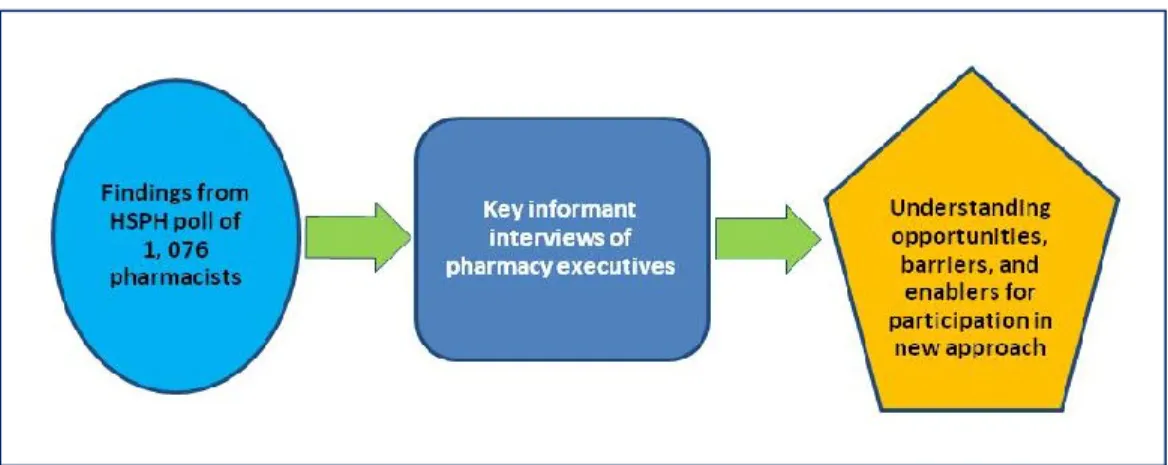
Figure 4. Pharmacist’s poll results informed key informant interviews. ... 54
Figure 5. Conceptual model of issues that may influence acceptability for pharmacy executives of a new method of antiviral
distribution and dispensing during an influenza pandemic. ... 60
Figure 6. Connecting and interrelated themes ... 97
Figure 7. Change in pandemic antiviral distribution and dispensing operations will be dependent on acceptability and feasibility
of this new approach. ... 120
Figure 8. Strategic Petroleum Reserve concept applied to
SNS-stockpiled antivirals for a new method of antiviral distribution
xiii
LIST OF ABBREVIATIONS
APHA American Public Health Association
ASTHO Association of State and Territorial Officials
CDC Centers for Disease Control and Prevention
CIDRAP Center for Infectious Disease Research and Policy
DHHS Department of Health and Human Services
DOD Department of Defense
FEMA Federal Emergency Management Agency
FOUO “For Official Use Only”
HSEEP Homeland Security Exercise and Evaluation Programs
HHS Department of Health and Human Services
LHDs Local health departments
LLIS Lessons learned information sharing
NACCHO National Association of County and City Health Officials
NACDS National Association of Chain Drug Stores
NCPA National Community Pharmacists Association
PPE Personal protective equipment
RPCs Retail pharmacy chains
RSS Receipt, store, and stage
Rx Prescription
SNS Strategic National Stockpile
xiv
U.S. United States
VA Department of Veterans Affairs
CHAPTER 1: INTRODUCTION
During a future severe influenza pandemic, as much as 30% of the United
States (U.S.) population could become ill and will need prompt treatment (Reed et
al., 2013). With current technologies, it will take about four to six months, after a
pandemic is recognized, to produce a well-matched vaccine to protect the
population. In the meantime, (and even after pandemic vaccine is available) public
health officials will rely on antiviral influenza medicines to treat ill persons. The
Centers for Disease Control and Prevention (CDC) recommends two neuraminidase
inhibitor antiviral drugs (oseltamivir and zanamivir) for use during an influenza
pandemic (CDC, 2009a). Oseltamivir is the most commonly used influenza antiviral
drug used in the United States (Borders-Hemphill & Mosholder, 2012). When used
as indicated for treatment during typical influenza seasons, these antiviral drugs can
reduce the severity of influenza symptoms and shorten the time of illness by
approximately one or two days. Also, although questioned by one set of
researchers, others have found that treatment of hospitalized patients with antiviral
drugs may reduce the time spent in the hospital, intensive care unit (ICU)
admissions, and the development of pneumonia and, in high-risk populations, death
(Jefferson et al., 2012; Muthuri, Myles, Venkatesan, Leonardi-Bee, &
Nguyen-Van-Tam, 2013). For treatment, influenza antiviral drugs work best when started within
2
effectiveness when used after this time period (Louie et al., 2012; CDC, 2011d).
Antiviral drugs can also be effective in reducing transmission of disease from ill to
well persons and can be used for prophylaxis (Pebody et al., 2011).
Because these antiviral medicines are seldom used during the regular
influenza season, large quantities of these drugs are not routinely available in
pharmaceutical supply chains or in pharmacies (approximately 1 to 2 million five-day
regimens are prescribed for treatment of seasonal influenza each year in the United
States; IMS Health, 2013). Therefore, since about 2006, the federal government,
many state health departments, and some local health departments have stockpiled
caches of antivirals to use during a pandemic, when it is expected that the
commercial supply chain will be quickly exhausted and will not have sufficient stocks
to meet the demand for a large number of ill persons.
The Strategic National Stockpile (SNS) was created in 1999 by the U.S.
Congress to store caches of medications, antidotes, supplies, and equipment that
can be deployed quickly to state health departments in response to a biological or
chemical attack, or some other public health emergency, once the Secretary of
Health and Human Services authorizes release of these items. The SNS is housed
at the CDC, part of the Department of Health and Human Services (DHHS).
Although the primary function of the SNS is to “shore up” state responses to terrorist
attacks, starting in 2006, the SNS is responsible for procuring, storing, and
distributing millions of antivirals for use during a pandemic. State health
departments have also stockpiled additional supplies of these medicines (largely
3
to “administer antiviral drugs for treatment to priority groups when treatment of
illness is indicated” (U.S. Government, 2008).
In 2005, a national goal was set by the HHS Pandemic Influenza Plan (U.S.
Department of Health and Human Services, 2005) to ensure sufficient antiviral
medication to treat 25% of the U.S. population by establishing a national stockpile of
81 million regimens of antiviral drugs for use during an influenza pandemic—6
million for containment of initial cases and 75 million for treatment of symptomatic
patients (U.S. Homeland Security Council, 2006). Of the total 81 million regimens,
31 million were targeted for procurement by the Public Health Emergency
Preparedness Project Areas (PHER grantees)—which include 50 states, 4 major
metropolitan areas,2 and 8 U.S. territories and jurisdictions3— through
DHHS-subsidized contracts, and 50 million were procured and managed by the CDC’s
SNS. As of February 2013, the SNS contained over 68 million regimens of
oseltamivir and zanamivir in both adult and pediatric formulations. HHS, in
collaboration with CDC/SNS is currently evaluating the amount of antivirals that may
be needed for future procurement. Separately, state and local health departments
collectively hold approximately 26.5 million usable regimens.4 Although the expiry
dates have been extended for some of these state-held antivirals, it is highly unlikely
that additional federal funding will be made available to states for purchase of
antivirals to replenish these stockpiles.
2Washington, D.C.; Chicago; Los Angeles County; and New York City
4
Currently, the federal plan for antiviral distribution and dispensing relies on
the SNS to send these drugs to state health departments5 after a pandemic emerges
and the need for these drugs arises. Federal planning envisions that state and local
health departments would serve as primary distributors and, at times, dispensers of
antivirals during a pandemic. Each state is responsible for distribution and
dispensing plans and protocols to ensure that stockpiled antiviral drugs reach its
population. Deployment of SNS stockpiles of antiviral drugs is meant to supplement
commercial availability of these medicines once commercial supplies are dwindling
or exhausted. The SNS endeavors to ensure that these materials reach state public
health officials rapidly, so the medicines can reach the public as quickly as possible.
State health departments, in turn, have plans to distribute these drugs to local health
departments, hospitals, pharmacies, and other entities in the state according to their
pandemic plan. The current federal scheme relies heavily on health departments to
distribute these medicines and also set up and staff clinics and sites to dispense
antivirals to the public as specified by the National Strategy for Pandemic Influenza
Implementation:
HHS, in coordination with DOD [Department of Defense], VA [Department of Veterans Affairs], and in collaboration with State, local, and tribal
governments and private sector partners, shall assist in the development of distribution plans for medical countermeasure stockpiles to ensure that delivery and distribution algorithms have been planned for each locality for antiviral distribution. Goal is to be able to distribute antiviral medications to infected patients within 48 hours of the onset of symptoms. Measure of performance: distribution plans developed. (U.S. Homeland Security Council, 2006, p. 122, item 6.1.13.4)
5
Additionally, CDC has set as one of its key public health emergency
capabilities that state health departments must have “the ability to provide medical
countermeasures (including vaccines, antiviral drugs, antibiotics, antitoxin, etc.) in
support of treatment or prophylaxis … to the identified population in accordance with
public health guidelines and/or recommendations” (CDC, 2011c, p. 12).
Background and Context: 2009 H1N1 Influenza Pandemic—A Real-Life Case Study in Distribution of the Stockpile
On April 25, 2009, the World Health Organization (WHO) recognized the
potential threat of the emerging and novel H1N1 influenza virus and declared a
public health emergency of international concern. The next day, HHS issued a
nationwide public health emergency to mobilize against an influenza pandemic. On
that same day, the SNS began releasing 25% of the stockpiled antiviral supplies
(~12 million regimens) to state health departments for further redistribution to local
health departments and health care facilities in each state (Figure 1; CDC, 2010b).
Local health departments were then tasked with sending antivirals to key health care
facilities (and pharmacies in some states). Because of the relatively
mild-to-moderate nature of the 2009 H1N1 influenza outbreak (Shrestha et al., 2011), and
CDC guidance that recommended antiviral use primarily for those at high risk for
complications (CDC, 2009a), few public health entities actually opened clinics and
directly dispensed antivirals to ill persons (ASTHO & NACCHO, 2013).
In addition, pharmaceutical distributors and pharmacies had some
(unspecified) amount of antivirals in their supply chains and in pharmacies, and most
6
Figure 1. Distribution and dispensing of antiviral drugs by the SNS to state health departments during the 2009 H1N1 pandemic. SHD = state health department; LHD = local health department.
CDC recommended prompt antiviral treatment for patients who had confirmed
or suspected 2009 H1N1 influenza and who were at increased risk for serious
morbidity and mortality; had severe, complicated, or progressive illness; or were
hospitalized (CDC, 2009a). Rapid treatment was especially important for pregnant
women and young children who had become ill, and persons who were hospitalized
with complications of influenza. Treatment has been shown to be most effective
when started in the first 48 hours of illness. The effectiveness of timely treatment
has been extensively studied, and a body of published literature from the 2009 H1N1
pandemic showed significant decreases in morbidity and mortality for ill persons who
were promptly treated (Bogie, Grant, Hallford, & Anderson, 2011; Falagas et al.,
2010; Jain et al., 2009; Lee et al., 2010; Louie et al., 2009; Louie et al., 2012; Siston
7
Although it is impossible to predict when the next influenza pandemic will
arise, maintaining readiness to respond to a pandemic is a national priority. The
National Strategy for Pandemic Influenza Implementation issued in 2006 called for
detailed antiviral distribution and dispensing plans for all local areas; the 2009 H1N1
influenza pandemic was the first time that state and local health departments had to
implement those plans for an actual public health emergency. There were anecdotal
reports shared with CDC of difficulties in distributing and dispensing these
medications in some communities, and spot shortages occurred, delaying treatment
of some persons. Given the relatively mild-to-moderate morbidity and mortality
associated with the 2009 pandemic, these problems, for the most part, did not have
severe consequences (Shrestha et al., 2011). However, if the severity and the
communicability of the influenza virus is greater in a future pandemic, a much larger
number of people would become ill and need rapid access to these potentially
life-saving drugs. In addition, delayed treatment may lead to an increased number of
hospitalizations and deaths.
There were two waves of pandemic activity during 2009 (the spring wave was
April – May, 2009, and the fall wave was August 2009 – March 2010), with
significant heterogeneity in the timing and impact of disease occurrence by
community. Some communities had profound outbreaks affecting thousands of
people at the same time, while other communities had a milder event. Some
localities were hardly affected by the disease during the spring wave, while other
communities were particularly hard-hit. In areas with marked outbreaks of 2009
8
(and perhaps, state-stockpiled) antivirals to hospitals, pharmacies, and other
medical facilities for dispensing. Some of these jurisdictions could not keep up with
the demand for antivirals during the peak of community outbreaks. In contrast,
because a commercial supply of antivirals (specifically adult formulations) was
already available in many pharmacies and in pharmaceutical supply chains, some
health departments did not have to distribute and dispense antivirals from their
stockpiles or from antivirals received from the SNS.
Three important realities have changed since 2006 when the SNS began
stockpiling antivirals and state and local health departments began planning for their
distribution. First, when the National Strategy for Pandemic Influenza
Implementation Plan was released in 2006, there was limited antiviral production
capacity worldwide (there were and are only two U.S.-approved antiviral
manufacturers), and all of the manufacturing facilities were located outside of the
United States (U.S. Homeland Security Council, 2006). However, by 2009, one of
the major antiviral manufacturers had built a domestic facility and started to produce
larger amounts of the drug. Therefore, the supply uncertainty related to offshore
production was reduced.
Second, marked budget cuts in federal, state, and local public health
programs since 2009 have reduced staffing levels and have further deepened the
ongoing nationwide shortage of public health workers (Willard, 2010). The Trust for
America’s Health (TFAH), in their 2010 report, Ready or Not? Protecting the Public’s
Health From Diseases, Disasters, and Bioterrorism, found that “the H1N1 pandemic
9
health preparedness” (p. 37) and more specifically, “the public health workforce is in
crisis. There are not enough professionals, particularly trained experts, to
adequately protect Americans during health emergencies.” (TFAH, 2010, p. 38). In
the 2011 report from this same organization, the authors warned that although
significant progress in emergency preparedness had been realized over the past 10
years, "…local, state and federal cuts to public health budgets and staff are starting
to erode a decade’s worth of progress. Health departments are increasingly spread
thin and programs and core capabilities are being cut” (TFAH, 2011b, p. 3). The
executive director of TFAH warned
We're seeing a decade's worth of progress eroding in front of our eyes… Preparedness had been on an upward trajectory, but now some of the most elementary capabilities—including the ability to identify and contain
outbreaks, provide vaccines and medications during emergencies, and treat people during mass traumas—are experiencing cuts in every state across the country (TFAH, 2011a, para. 3).
This organization’s most recent report adds more bad news about cuts in state-level
resources for preparedness as twenty-nine states have cut funding for public health
from fiscal years (FY) 2010–11 to 2011–12, with 23 of these states cutting funds for
a second year in a row and 14 for three consecutive years (TFAH, 2012).
Third, the 2009 H1N1 pandemic has given an opportunity, for the first time, to
execute pandemic plans and evaluate the current system of antiviral distribution and
dispensing (ASTHO & NACCHO, 2013). Anecdotal descriptions of problems arising
with dispensing of antiviral medicines during the 2009 H1N1 pandemic were
reported to CDC. Looking forward and in light of this limited experience during the
10
medicines through state and local health departments in time of a severe pandemic
may not be adequate to ensure timely access to these medicines.
Several researchers have examined antiviral distribution strategies to suggest
ways to optimize and speed up this process, especially given that different
communities were impacted differently. Dimitrov, Goll, Hupert, Pourbohloul, and
Meyers (2011) conducted mathematical modeling to examine the number of
stockpiled antivirals that should be released from the SNS and whether antivirals
should be distributed on the basis of population (“pro rata,” which is the current
method) or by using epidemiologic information to target the most affected areas.
These authors concluded that for an influenza pandemic that is more transmissible
than the 2009 H1N1 pandemic, “outcomes of antiviral use are more heavily
impacted by choice of distribution intervals, quantities per shipment, and timing of
shipments in relation to pandemic spread” (p. e16094). However, these
investigators did not suggest how additional staff could be identified and trained, nor
did they examine other alternatives for dispensing if staffing was not adequate as
one of their parameters for optimizing this process. Because of anecdotal reports of
challenges with antiviral dispensing during the 2009 H1N1 pandemic, and a need to
improve emergency response efforts, a careful analysis is needed of what worked
well and the challenges faced during the 2009 H1N1 pandemic. Based on findings
from that exploration, new solutions can be formulated to improve antiviral
11
Overarching and Concomitant Efforts That Will Inform Approach / Research Design and Methods
This dissertation research is linked to a larger CDC exploration that was
launched in May 2011 to develop new methods of antiviral distribution and
dispensing for the United States, based on the inherent strengths and capabilities of
existing systems (Appendix A). A literature review of the 2009 H1N1 pandemic
experience was conducted (see Chapter 2), and the findings were used to initiate
and inform the CDC project. This CDC exploration is being conducted in close
collaboration with key public health partners, the Association of State and Territorial
Health Officials (ASTHO), and the National Association of County and City Health
Officials (NACCHO). The goal of the project is to explore the acceptability and
feasibility of pharmaceutical distributors and pharmacies serving as the key
distributors and dispensers of antivirals during a future pandemic. The researcher of
this dissertation is directing this work as part of her day-to-day responsibilities as
CDC’s lead for the Pandemic Medical Care and Countermeasures Task Force.
Specifically, the CDC project is exploring whether a large proportion of SNS
stockpiles could be sent to pharmaceutical distributors (and/or other commercial
entities) rather than to state and local health departments, as called for in the current
plan. The distributors would, in turn, send the antivirals to their existing customers
who are chain, supermarket, mass-merchant, and independent pharmacies, as well
as hospitals, clinics, and other medical facilities. Because these entities are already
established customers of pharmaceutical distributors, the new method would
leverage a fully functioning system during the time of a pandemic emergency (see
12
ill persons could obtain the drug with a valid prescription. (CDC assumes that
antivirals would remain a prescription drug in the United States during a future
pandemic, although other countries have reclassified oseltamivir “off-prescription”;
Gauld, Jennings, Frampton, & Huang, 2012.) In the concept under exploration, state
health departments would still receive an allotment of antivirals for use in public
health clinics and for distribution to certain entities, but largely the public health role
would be one of assuring that underserved and vulnerable populations have access
to antivirals as well as monitoring and evaluation, with hopes that this shift could
reduce a burden on public health during a pandemic emergency.
Because this medicine has already been purchased by the federal
government, the concept assumes that there will be no charge for the product to
pharmaceutical distributors and pharmacies, and contractually, they will not be able
to charge patients for it. However, pharmacies could charge a dispensing fee (that
will be capped at a benchmark rate). If patients have insurance or other third party
coverage, then the dispensing fee will be billed to that entity. Although it is
anticipated that the implementation of the Affordable Care Act in 2014 will reduce
the number of people that do not have insurance, it is unknown at this time how
much of the population will remain without coverage for medications (Congressional
Budget Office, 2012). Therefore, ongoing work by CDC is exploring how to cover
dispensing fee costs for those who are uninsured (or do not have pharmacy
coverage) so the dispensing fee does not serve as a barrier to accessing antivirals.
13
hospitals, and nursing homes will be explored in a separate CDC effort and were not
included in this dissertation research.
Figure 2. Proposed method of pandemic antiviral distribution and dispensing under investigation by CDC.
For this new method of antiviral distribution and dispensing to be considered,
it must be judged as feasible and acceptable. During 2011–2012, CDC conducted
feasibility assessments through (a) mathematical modeling of potential supply and
demand factors, (b) two full-day simulations conducted at two pharmacies (one was
an urban location of a chain pharmacy and the other was an independent pharmacy
in a semi-rural location) to measure throughput and capabilities when faced with a
surge of patients, and (c) exploration of system capabilities in pharmaceutical
14
Acceptability is also a key component for evaluation. First, distributors must
be willing to perform this function during a pandemic emergency. CDC has explored
their initial willingness to receive SNS-stockpiled antivirals and distribute them during
a pandemic through their networks, and will engage them again in the future.
Acceptability to public health officials is a high priority in this project and is being
explored in depth with project collaborators ASTHO and NACCHO. If the new
methods are adopted, there will be a major shift in specific planning parameters and
response duties expected by CDC of state and local public health entities during a
pandemic. Although state (and therefore local) health departments will still receive
some antiviral drugs for distribution to entities that the distributor cannot reach (e.g.,
public health clinics, tribal health clinics/hospitals, prisons, and homeless clinics), the
need for public health authorities to further distribute and dispense antivirals will be
markedly reduced (Hunter, Rodriguez, & Aragon, 2012).
Pharmacies and pharmacists will also play a central role in this new method
of antiviral distribution and dispensing and must be willing to perform this function.
The acceptability of frontline pharmacists as primary antiviral dispensers was
assessed by a nationally representative poll of over 1,000 pharmacists that was
conducted from February to April, 2012, by researchers from the Harvard School of
Public Health (HSPH), who are collaborating with CDC on this effort (Appendix B). It
is critical to understand what frontline pharmacists think of this new approach, and
also to understand what they think may be hurdles or challenges to their
15
Whereas pharmacists did dispense some antivirals during the 2009 H1N1
pandemic, few of them had to fill a large number of prescriptions within a short
interval, because the H1N1 pandemic was mild to moderate in severity and antivirals
were recommended only for those at highest risk for complications from the illness.
During seasonal influenza, individual pharmacists typically dispense only a small
number of prescriptions for antivirals, as this medicine is not commonly prescribed.
Most pharmacies keep only a few packages of antivirals on their shelves at a given
time. In contrast, during a severe future pandemic, approximately one third of the
population could become ill, and CDC would likely recommend that almost all ill
persons be treated, leading to a potentially much higher burden on pharmacists to
maintain their usual pharmacy functions and dispense antivirals to a large number of
patients at the same time. In addition, CDC would likely recommend empiric
treatment (as it did in 2009), meaning that persons ill with ILI would be treated
without a confirmatory laboratory test (Greene et al., 2012), which could lead to a
large number of symptomatic persons seeking this medicine. The results from this
HSPH poll informed the development of the key informant instrument used in this
research.
The decision-makers at retail pharmacy companies (traditional chain
pharmacies, independent pharmacies, as well as mass-merchant and supermarket
pharmacies) will also have to deem this new method of antiviral distribution and
dispensing as acceptable, as their pharmacies will serve in a primary role for
dispensing antivirals. This dissertation research focused on how pharmacy
16
method of antiviral distribution and dispensing might be acceptable and feasible.
Pharmacy executives will decide ultimately if their pharmacies will participate, and
their staff pharmacists will be the final link to patients who need antiviral medications
CHAPTER 2: LITERATURE REVIEW
A comprehensive and systematic review of the literature for studies and
reports that examine federal, state, and local public health antiviral drug (oseltamivir
and zanamivir) distribution and dispensing activities during the 2009 H1N1 influenza
pandemic (April 2009 through April 2010; CDC, 2010b) was conducted to identify
strengths and weaknesses of methods used by public health entities:
What were the strengths and weaknesses of federal, state, and local public health antiviral distribution and dispensing programs during the 2009 H1N1 influenza pandemic in the United States?
The literature review objectives were (a) determine the strengths and
successes in antiviral distribution and dispensing by federal, state, and local public
health during the 2009 H1N1 pandemic, and (b) determine the difficulties and
challenges of federal, state, and local public health antiviral distribution and
dispensing efforts during the 2009 H1N1 pandemic.
In particular, the literature was searched to identify the key challenges and
barriers that state and local health departments faced in dispensing antivirals.
Staffing, structural, funding, policy, and procedural barriers were examined to see if
18
Selection of Literature
This literature review aimed to comprehensively compile and analyze reports
and articles published from April 1, 2009, through January 31, 2013, to assess the
performance of federal, state, and local public health entities regarding antiviral
distribution and dispensing during the 2009 H1N1 influenza pandemic. Because it
was unlikely that clinical trials or controlled studies were conducted to evaluate
antiviral dispensing efforts during the 2009 H1N1 pandemic, this literature review
included published descriptive analyses, performance evaluation reports, and
“after-action” reports describing federal, state, and local dispensing efforts from credible
governmental, nongovernmental, and academic sources.
First, studies were identified from the peer-reviewed literature that described
antiviral shortages and/or addressed public health dispensing activities for antivirals
during the 2009 H1N1 pandemic for the treatment of ill persons. A search was
made for studies (both controlled and descriptive) that assessed or described
antiviral dispensing activities by federal, state, and local public health entities.
Second, the same inclusion/exclusion criteria were applied for screening
governmental, government-advisory committee, nongovernmental, and academic
reports of performance evaluation, as well as state-published after-action reports
about antiviral dispensing activities by public health entities during the 2009 H1N1
pandemic. These reports were available through governmental and
19
Sources
A systematic search was performed using PubMed (which accesses
MEDLINE) and two other databases: ISI Web of Knowledge, and Google Scholar
(using the same search terms for all). Because relevant key words are sometimes
not included in key articles, and because there is often a time lag in posting the
latest month’s journal issue to PubMed, the table of contents of four journals—
Emerging Infectious Diseases, Journal of Public Health Management & Practice,
Clinical Infectious Diseases, and Disaster Medicine and Public Health
Preparedness—were hand searched for each month from October 2012 to January
2013 to ensure abstracts from the latest months’ journal issues were included.
Bibliographies of relevant articles and reports were also searched to identify
additional applicable studies.
In addition to the databases and hand-searching methods listed above,
selected governmental, nongovernmental, and academic websites were also
searched for reports of “promising practices“ performance evaluations, and for
after-action reports of federal, state, and local public health antiviral-dispensing activities.
In particular, searches were conducted on the Department of Homeland Security’s
Federal Emergency Management Agency’s (FEMA) Lessons Learned Information
Sharing (LLIS) website (FEMA, n.d.-b), where state and local public health are
encouraged, as part of the Homeland Security Exercise and Evaluation Program
(HSEEP), to post after-action reports and synopses of “best practices” using a
standard format (FEMA, n.d.-a). Additional state after-action reports that were not
20
All after-action and other reports that were published by state health departments
and that addressed strengths and weaknesses in their antiviral distribution and
dispensing activities during the 2009 H1N1 pandemic were carefully reviewed for
relevant content. Relevant reports or studies on the following government websites
were examined: HHS www.flu.gov, CDC www.cdc.gov, and the U.S. Government Accountability Office (GAO) http://www.gao.gov/. Finally, nongovernmental websites were reviewed for relevant articles or reports: Association of State and Territorial
Health Officials (ASTHO) http://www.astho.org/Programs/Preparedness/, National Association of County and City Health Officials (NACCHO)
http://www.naccho.org/topics/emergency/, and the American Public Health
Association (APHA) http://www.getreadyforflu.org/preparedness/influenza_main.htm; and academic websites that focus on emergency preparedness were searched,
including
Columbia University http://www.ncdp.mailman.columbia.edu/, Johns Hopkins University http://www.jhsph.edu/preparedness/, Harvard School of Public Health
http://www.hsph.harvard.edu/policy- translation-leadership/emergency-preparedness-and-response/h-perlc-preparedness-and-emergency-response-learning-center/,
University of Pittsburgh http://www.prepare.pitt.edu/,
University of North Carolina (Chapel Hill) http://cphp.sph.unc.edu/, and Center for Infectious Disease Research & Policy (CIDRAP; University
21
Only articles and reports for which a full-text version could be obtained were
included in the review. A summary of the literature search strategy used in this
analysis is included in Appendix C.
Inclusion/Exclusion Criteria Including Quality Assessment
Seven inclusion criteria were used for this review. First, the article or report
must be published in the English language. Second, the article must describe the
use of antivirals used for humans (not animals). Third, the antiviral dispensing
activities in the article should be those conducted during the 2009 H1N1 influenza
pandemic (spanning April 2009 through April 2010). Fourth, the article or report
should be published between April 2009 and January 2013. Fifth, the report or study
must describe only antiviral dispensing activities that occurred in the United States
and not in any other country. Sixth, the report or study must focus on antivirals used
for treatment (not prophylaxis) of 2009 H1N1 influenza. Finally, seventh, the report
or study must focus on antivirals used to treat influenza and not any other disease.
See Table 1 for definitions used in this literature search.
Studies that focused only on federal distribution of antivirals from the SNS
(and did not address state and local dispensing activities) were excluded from the
search. Also excluded were reports that addressed pandemic planning activities
rather than actual response during the 2009 H1N1 pandemic, those that were
mathematical modeling or simulation studies, and studies and reports that only
described antiviral policies but did not include an evaluation of how they were
22
The title and abstract of each paper identified through the electronic, web,
and hand searches were first screened for relevance to inclusion/exclusion criteria.
If the article was in electronic format, an electronic search for the words antiviral or
oseltamivir or Tamiflu or zanamivir or Relenza, as well as any mention of antiviral
shortage or dispensing was used to screen further. Finally, if the abstract and article
met the screening criteria, then the full text of the article was examined.
To ensure a consistent approach, definitions for search terms were developed
23
Table 1. Definitions Used for Literature Search
Term Definition
2009 H1N1 Influenza Pandemic
A worldwide epidemic caused by the emergence of a new influenza strain (2009 H1N1) to which humans had little or no immunity and which developed the ability to infect and be transmitted efficiently and between humans for a sustained period of time in the community. This virus was recognized as having pandemic potential in April 2009. On April 25, 2009, the World Health Organization (WHO) declared a public health emergency of international concern, and on April 26, the U.S. Department of Health and Human Services issued a nationwide public health emergency to mobilize against an influenza pandemic. The WHO announced the beginning of a pandemic on June 11, 2009. WHO Director-General Margaret Chan announced that the H1N1 influenza virus moved into the postpandemic period on August 10, 2010 (U.S. Government, 2008).
Influenza antivirals Prescription medications used to treat influenza. The two types of influenza antiviral medications used during the 2009 H1N1 pandemic were oseltamivir (Tamiflu) and zanamivir (Relenza).
Distributing/distribution The activity associated with the delivery of federal SNS assets from their original location to the state receiving, staging, and storing (RSS) warehouses, as well as from the RSS warehouses to local health departments, dispensing sites, alternate care facilities, and regional distribution sites/nodes.
Public health Governmental agencies that routinely provide population health services at federal, state, or local levels.
Shortage Lack of availability of antivirals when needed for treatment of ill persons during the 2009 H1N1 pandemic; may also include temporary or “spot” shortages of these medications.
Timely receipt of antivirals
Antiviral treatment started within the first 48 hours (2 days) of illness.
24
Design for Literature Review
Descriptive and observational studies as well as program evaluations,
descriptive analyses, governmental committee reports, and after-action reports
about public health activities conducted in the United States, written in English, and
published between April 2009 and January 2013 were included.
Types of Participants
Federal, state, or local public health personnel or agencies that distributed and
dispensed antivirals in any setting for treatment of ill persons during the 2009 H1N1
pandemic were included.
Quality Criteria
Studies were analyzed and assessed for quality on the basis of the following two
criteria (maximum score could be 10):
1. Published in peer-reviewed journal or by a credible source
5: Yes
3: No, but credible government report or other source
1: No, only a single person’s opinion or editorial or not published by a
credible source
0: score was not assigned
2. Objective evaluation of dispensing of antivirals during H1N1
5: Yes, evidence of objective review
3: Difficult to assess objectivity
1: No, not objective analysis, opinion or conjecture
25
Process for Reviewing Literature
Descriptions of the strengths, key challenges, and barriers that state and local
health departments faced in distributing and dispensing antivirals during the 2009
H1N1 pandemic were identified. The researcher searched for mentions of antiviral
shortages to see if shortages correlated with public health dispensing activities.
Descriptions of staffing, structural, funding, policy, and procedural barriers were also
sought to see if the current system seemed adequate, or if improvement was
needed. Themes summarized below were derived directly from this review. All
relevant articles and reports were noted on a summary sheet.
Literature Review Results
Initially, 568 articles and reports from PubMed were identified for review. An
additional two studies were identified from ISI Web of Science, and 15 from Google
Scholar. Hand searches of specific journals yielded two more articles. A query of
the FEMA, Department of Homeland Security’s registered website (LLIS; FEMA,
n.d.-b) produced 30 after-action reports that met the search criteria. Further, 54
after-action reports submitted directly to CDC (for other programmatic purposes) but
not posted on LLIS were identified that met the search criteria. Two additional
after-action reports were found through Internet searches, but were later found to be
duplicates of two submitted to CDC. From all sources, after-action reports were
found for all 50 states and the District of Columbia; 30 states had published more
than one 2009 H1N1 after-action report, usually from differing time periods during
the pandemic. Finally, scans of six other governmental and nongovernmental
26
Figure 3. Literature search results for antiviral dispensing successes and challenges during the 2009 H1N1 influenza pandemic.
After applying the inclusion criteria, full copies of 230 articles, reports, and
after-action reports were reviewed in detail and determined eligible for analysis (see
flowchart in Figure 3). After review, 19 of the state after-action reports (out of 86
posted on LLIS or available through CDC) did not meet the inclusion criteria.
Overall, 82 articles, reports, and after-action reports met the inclusion criteria for this
27
Quality of Studies Included in This Review
All studies and reports were examined for quality using the previously
described criteria. The majority of the information used in this comprehensive
review was from state after-action reports filed on the Department of Homeland
Security’s FEMA secure website Lessons Learned Information Sharing (LLIS)
(FEMA, n.d.-b) or submitted directly to CDC. LLIS is a national website that posts
reports and summaries of disaster responses, exercises, and other efforts for public
health, emergency response, and homeland security use. A limited number of
peer-reviewed published reports were also used for this review. A ranking of quality
assessment was performed for included studies and reports. Only studies that were
from a credible source with objective findings were included (minimum score of 3/5).
The state-published after-action reports were hard to rank for quality. Although they
were produced by reliable state governments, objectivity in the findings was hard to
assess. Therefore, quality scores were assigned only to the published studies.
Characteristics of each published article or report (not including after-action reports)
28
Table 2. Quality Scores of Published Studies Included in Literature Review
Author Type of article, journal source/objective evaluation) Quality score (credible
CDC (2010c) Article: CDC’s Morbidity and
Mortality Weekly Report 5/5
GAO Report (2009) Report 5/3
GAO Report (2011) Report 5/3
Hanfling (2009) Commentary: Disaster Medicine
and Public Health Preparedness 5/1
Horton (Beyond
readiness, 2009) Congressional Testimony 3/1
Hunter (2012) Article: BMC Public Health 5/5
Jain (2009) Article: Journal of the American
Medical Association 5/5
Kumar (2009) Article: Viruses 5/3
Lautenbach (2010) Article: Clinical Infectious
Diseases 5/5
Lee (2010) Article: Clinical Infectious
Diseases 5/5
Louie (2009) Article: Journal of the American
Medical Association 5/5
NACCHO Think Tank
Report (2010) Report 3/3
National Biodefense
Science Board (2010) Report 3/3
Siston (2010) Article: Journal of the American
Medical Association 5/5
Skarbinski (2011) Article: Clinical Infectious
Diseases 5/5
Sugerman (2011) Article: Clinical Infectious
29
After reviewing all of the published articles, no studies that were randomized
controlled trials or that employed any other experimental design were identified.
However, six peer-reviewed journal articles described hospitalized patients ill with
2009 H1N1 influenza and mentioned delays in antiviral treatment (but with no reason
given for the delay). The most relevant data for this review were obtained from state
2009 H1N1 pandemic after-action reports; they were the only source that included a
description of antiviral successes and challenges during 2009 H1N1. About 35%
(n=30/86) of the after-action reports were filed on the FEMA secure website (LLIS;
FEMA, n.d.-b).This website is open for viewing only by government staff. The
remainder of the after-action reports were submitted by states directly to CDC for
program review purposes (n=54), and two after-action reports submitted to CDC
were also posted on the Internet. Of the 86 after-action reports identified, 19 did not
mention any success, challenge, or description of their antiviral distribution and/or
dispensing activities. Therefore, 67 after-action reports were included in the
analysis.
Almost all of the after-action reports submitted to CDC or found on LLIS
(83%, n=71) were listed as “classified as For Official Use Only (FOUO).”6 Although
the researcher is authorized to access this website because of the investigator’s
official CDC duties, the FOUO designation prevents her from citing individual reports
in a way that the key themes could be linked to a specific state’s after-action report.
Therefore, a summary of the successes and challenges that emerged following a
30
review of all of the journal articles and reports, as well as an aggregated summary of
findings from the after-action reports, is presented in Tables 3 and 4.
Successes With Antiviral Dispensing
This comprehensive literature review revealed three areas where state and
local health departments reported successes with antiviral distribution and
dispensing during the 2009 H1N1 pandemic (Table 3).
Thirty-seven percent of the states’ after-action reports (n=25) noted that
antiviral distribution and dispensing “worked well” in regard to timely distribution from
the state to local health departments. However, this reference was almost always
related to the warehouse (RSS) functions, and to transportation and distribution of
antivirals to other entities (such as hospitals and clinics); very few states reported
that they directly dispensed the antivirals to ill persons in public health settings. The
following two excerpts are representative of the reports in this category:
Distribution worked overall, solid A-.
31
Table 3. Summary of Successes With Antiviral Dispensing During the 2009 H1N1 Pandemic From Literature Review
No. Successes
Number of articles or reports that
cited this issue (n=15)
Number of state AARs that cited this issue (n=67) 1 Antiviral distribution and dispensing
processes “worked well.” 0 (0%) 25 (37%)
2 Collaboration with pharmacies for antiviral distribution and dispensing worked well
and was “successful.” 2 (13%) 18 (27%)
3 Pre-pandemic investments made by the federal government for state and local pandemic planning, staffing and exercises
enabled a successful response. 1 (6%) 14 (21%)
Fourteen after-action reports (21%) mentioned that pre-pandemic
investments made by the federal government for state and local pandemic planning
enabled a successful response. In particular, some states commented that receiving
previous CDC funding allowed them to focus on pandemic planning, train staff, and
have a plan available to use during the response. A large number of states
mentioned that previous efforts to exercise their plans proved to be beneficial in the
2009 H1N1 response, as it enabled them to have “worked the plan” before the
pandemic arrived:
Strategic National Stockpile (SNS) and Cities Readiness Initiative planning paid off as the RSS Warehouse performed extremely well. Recent training facilitated the building of partnerships with community stakeholders and with LHDs [local health departments] throughout the state.
32
from as the response began, the initial response would have likely been less organized and less effective.
It was obvious that routine training and exercises and previous activation of the RSS to support major coastal hurricanes had allowed the staff to
understand their roles and to implement mission requirements in a professional manner. Additionally, the warehouse and RSS contractor cooperated to facilitate a very successful operation.
Multiple-year investments by the federal government in federal and state
antiviral stockpiling, as well as federal funding and guidance to state and local health
departments for pandemic planning, had created infrastructure that facilitated the
response. CDC has provided significant funding to states to support pandemic
planning. A total of $325 million in cooperative agreement emergency supplemental
funds was given prior to the 2009 H1N1 pandemic to enable state and local health
departments to hire personnel, and to bolster the development of state and local
pandemic influenza preparedness plans (U.S. Department of Health and Human
Services, n.d.).
Eighteen after-action reports (27%) reported that pharmacies assisted the
state health department in managing antiviral stocks and provided the public with
access to antivirals. These states mentioned that they had developed partnerships
and memoranda of understanding (MOUs) that enabled them to send antivirals to
pharmacies for dispensing during the pandemic. To ensure access to antivirals for
uninsured patients, some state and local health departments distributed cached
antivirals to pharmacies and made special efforts to communicate to the public and
providers that patients could receive antiviral medications at local pharmacies at no
cost (Santa Clara Public Health Department, 2009, October 5; State of Louisiana
33
collaborations with pharmacies and pharmacy boards worked well for antiviral
distribution and dispensing and were “successful.” Specifically, states mentioned
the inherent capabilities that pharmacies had for dispensing antivirals:
A big hats off to State Bureau of Pharmacy in pushing out the Tamiflu® in an
orderly fashion.
The retail pharmacy chains are new partners to Public Health and have the existing infrastructure in place in [state name redacted] to order, distribute, administer and report required data to the state in an efficient, timely, and consumer-oriented manner. Overall, the RPCs experiences were positive.
[The state health department] collaborated with the [state] Pharmacy Association to effectively distribute antiviral medications to locations throughout the state. … This strong partnership allowed for total state coverage of all counties in [state] and completely alleviated the burden of providing antivirals through the local health departments.
[The state reported] doses of antiviral medications [were] delivered to retail pharmacies and Federally Qualified Health Centers (FQHCs) … The program represented a very unique partnership between public health and private industry, and clearly identified a valuable resource for emergency response. This model could be duplicated for response to a variety of public health emergencies.
During the pandemic, the Association of State and Territorial Health Officials
(ASTHO) also actively sought to include pharmacies as a venue for administering
the 2009 H1N1 vaccine (ASTHO, 2009).
Challenges With Antiviral Dispensing
During an influenza pandemic, immediate access to antivirals for treatment of
ill persons is critical to minimize morbidity and mortality, particularly if the pandemic
is severe. However, even during a mild- to moderate-level severity pandemic like
the 2009 H1N1 outbreak, almost all state after-action reports, some of the journal
articles, and one report, mentioned that problems arose with distribution and
34
geographic locations, at some time during the pandemic (Table 4). No correlation
between difficulty in distributing antivirals and community size were noted.
There were three sources of antivirals during the 2009 H1N1 pandemic:
commercially available antivirals that were already in pharmacies or supply chains
when the pandemic started; stockpiled antivirals that the federal government (SNS)
released to state health departments (on a pro rata basis) during the early weeks of
the pandemic; and antivirals that some states (and other jurisdictions) had
purchased and stockpiled themselves, before the pandemic. Pre-pandemic planning
parameters had never included scenarios that envisioned any available commercial
supplies during a pandemic; thus the concomitant availability of commercial supplies
of antivirals made the distribution and dispensing efforts confusing to state and local
35
Table 4. Summary of Challenges With Antiviral Dispensing During the 2009 H1N1 Pandemic From Literature Review
No. Challenges
Number of articles or reports that
cited this issue (n=15)
Number of state AARs that cited
this issue (n=67)
1 Problems with tracking of antivirals (both stockpiled antivirals and commercial supplies)
2 (13%) 38 (57%)
2 Problems with ability to store and dispense antivirals at the state or local level (includes staffing issues)
2 (13%) 35 (52%)
3 Previous pandemic planning scenarios did not match the needs during the H1N1 response
2 (13%) 28 (42%)
4 Lack of clear communication between local and state HDs and some dispensing partners
1 (6%) 18 (27%)
5 Unclear or changing federal guidance about use of antivirals
3 (20%) 18 (27%)
6 Shortage of some types of antivirals and shortages in some locations
8 (53%) 9 (13%)
7 Communications between state and local health departments about delivery of stockpiles and use of medication
2 (13%) 6 (9%)
8 Delays in treatment of ill persons (treatment given more than 48 hours after symptoms arise)
6 (40%) 4 (6%)
9 Lack of visibility of commercial supply chain 2 (13%) 3 (4%) 10 Other (e.g., four states that required local
health departments to get distributor licenses to transport antivirals, two states that had concerns / legal issues that slowed distribution to pharmacies)
36
Over one half of the state after-action reports (57%) mentioned problems with
tracking and “visibility” of both state and SNS antivirals during the 2009 H1N1
response. Although a robust federal tracking system was used for H1N1 vaccine
distribution during the response (Tropper et al., 2009), a uniform federal tracking
system was never developed for antiviral distribution and dispensing, and most state
health departments had also not developed any tracking system as part of pandemic
planning. As one state commented in their after-action report,
… an efficient and automated system to track antiviral medication utilization was not available.
Because no standardized way existed for states to track antivirals, this placed
an extra burden on health department staff to develop their own methods. Several
state health departments created their own tracking systems during the response,
but reported issues with these improvised systems:
Due to the increased workload on providers and hospitals, many who had access to [state developed electronic tracking system] preferred to fill out the paper form regarding administration and inventory of antiviral and vaccines rather than taking the time to enter the data into [the state’s electronic
system]. Those who weren’t registered and trained on the [system] sent in the paper forms as well. This created a tremendous backlog of work at the [state health department] in order to clarify ambiguities on forms and enter all of the data into [the electronic system]. The [state health department] hired
temporary employees using H1N1 funds received from CDC but still could not keep up with workload.
The arrival of the State Cache Antivirals presented a novel problem for the [state] … [the state] was forced to quickly devise an in-house strategy for tracking these antivirals. As such, although a protocol for reporting usage and a database for tracking were developed in a timely fashion; such systems only provide a week-old snapshot of antiviral usage in those who actually faxed in usage reports.
There were other problems associated with lack of tracking of antivirals during
37
visibility on the available commercial supply chain in their jurisdiction and thus could
not judiciously deploy stockpiles to fill shortages or gaps (ASTHO, 2010). Also there
was no way to track and monitor antivirals (Ringel, Moore, Zambrano, & Lurie, 2009)
after they were distributed to local public health, hospitals, clinics, providers, etc.:
Although a protocol for reporting antiviral usage at the sites and a database for tracking usage were developed, such systems lacked the ability to provide situational awareness and relied upon the sites to fax usage [to the state health department]. As such, problems with sites misreporting and/or not reporting were prevalent and compiling the reports that were received was time-consuming.
Because many state and local health departments did not have information
on the number of antivirals dispensed, some could not substantiate shortages, as
they did not have data to support sending more antivirals to locations around the
state or further SNS requests for a resupply of antivirals:
During the spring 2009 event, the [state health department] did not have an accurate procedure to evaluate antiviral and PPE stockpile levels at hospitals, clinics and public health offices. It therefore was required to estimate these levels when evaluating where to push the SNS supplies from the RSS Site to dispensing sites.
There was insufficient data to support resupply requests from the SNS based on current Centers for Disease Control and Prevention (CDC) criteria.
Importantly, most state and local health departments did not have information
on utilization of distributed antivirals in their state/locality and could not assess
uptake and use, nor account for their disposition. Little information was available to
ensure that vulnerable or high risk populations received antivirals. Additionally, the
absence of antiviral tracking precluded timely efforts to resupply communities that