VOLUME 18 ISSUE 46 JULY 2014 ISSN 1366-5278
Interventions for adult Eustachian tube dysfunction:
a systematic review
Alexis Llewellyn, Gill Norman, Melissa Harden, Andrew Coatesworth,
Daniel Kimberling, Anne Schilder and Catriona McDaid
dysfunction: a systematic review
Alexis Llewellyn,
1
Gill Norman,
1
Melissa Harden,
1
Andrew Coatesworth,
2
Daniel Kimberling,
3
Anne Schilder
4
and Catriona McDaid
1
*
1
Centre for Reviews and Dissemination, University of York, York, UK
2
Ear, Nose and Throat Department, York Hospital, York, UK
3
Gale Farm Surgery, York, UK
4
evidENT University College London Ear Institute, Royal National Throat,
Nose and Ear Hospital University College London, London, UK
*Corresponding author
Declared competing interests of authors:none
Published July 2014
DOI: 10.3310/hta18460This report should be referenced as follows:
Llewellyn A, Norman G, Harden M, Coatesworth A, Kimberling D, Schilder A,et al. Interventions for adult Eustachian tube dysfunction: a systematic review.Health Technol Assess2014;18(46). Health Technology Assessmentis indexed and abstracted inIndex Medicus/MEDLINE,Excerpta Medica/EMBASE,Science Citation Index Expanded(SciSearch®) andCurrent Contents®/
ISSN 1366-5278 (Print) ISSN 2046-4924 (Online) Five-year impact factor: 5.804
Health Technology Assessmentis indexed in MEDLINE, CINAHL, EMBASE, The Cochrane Library and the ISI Science Citation Index and is assessed for inclusion in the Database of Abstracts of Reviews of Effects.
This journal is a member of and subscribes to the principles of the Committee on Publication Ethics (COPE) (www.publicationethics.org/). Editorial contact: [email protected]
The full HTA archive is freely available to view online at www.journalslibrary.nihr.ac.uk/hta. Print-on-demand copies can be purchased from the report pages of the NIHR Journals Library website: www.journalslibrary.nihr.ac.uk
Criteria for inclusion in theHealth Technology Assessmentjournal
Reports are published inHealth Technology Assessment(HTA) if (1) they have resulted from work for the HTA programme, and (2) they are of a sufficiently high scientific quality as assessed by the reviewers and editors.
Reviews inHealth Technology Assessmentare termed 'systematic' when the account of the search appraisal and synthesis methods (to minimise biases and random errors) would, in theory, permit the replication of the review by others.
HTA programme
The HTA programme, part of the National Institute for Health Research (NIHR), was set up in 1993. It produces high-quality research information on the effectiveness, costs and broader impact of health technologies for those who use, manage and provide care in the NHS.
‘Health technologies’are broadly defined as all interventions used to promote health, prevent and treat disease, and improve rehabilitation and long-term care.
The journal is indexed in NHS Evidence via its abstracts included in MEDLINE and its Technology Assessment Reports inform National Institute for Health and Care Excellence (NICE) guidance. HTA research is also an important source of evidence for National Screening Committee (NSC) policy decisions.
For more information about the HTA programme please visit the website: www.hta.ac.uk/
This report
The research reported in this issue of the journal was commissioned and funded by the HTA programme on behalf of NICE as project number 12/43/01. The protocol was agreed in October 2012. The assessment report began editorial review in February 2013 and was accepted for publication in May 2013. The authors have been wholly responsible for all data collection, analysis and interpretation, and for writing up their work. The HTA editors and publisher have tried to ensure the accuracy of the authors’report and would like to thank the reviewers for their constructive comments on the draft document. However, they do not accept liability for damages or losses arising from material published in this report.
This report presents independent research funded by the National Institute for Health Research (NIHR). The views and opinions expressed by authors in this publication are those of the authors and do not necessarily reflect those of the NHS, the NIHR, NETSCC, the HTA programme or the Department of Health. If there are verbatim quotations included in this publication the views and opinions expressed by the
interviewees are those of the interviewees and do not necessarily reflect those of the authors, those of the NHS, the NIHR, NETSCC, the HTA programme or the Department of Health.
© Queen’s Printer and Controller of HMSO 2014. This work was produced by Llewellynet al.under the terms of a commissioning
contract issued by the Secretary of State for Health. This issue may be freely reproduced for the purposes of private research and study and extracts (or indeed, the full report) may be included in professional journals provided that suitable acknowledgement is made and the reproduction is not associated with any form of advertising. Applications for commercial reproduction should be addressed to: NIHR Journals Library, National Institute for Health Research, Evaluation, Trials and Studies Coordinating Centre, Alpha House, University of Southampton Science Park, Southampton SO16 7NS, UK.
Published by the NIHR Journals Library (www.journalslibrary.nihr.ac.uk), produced by Prepress Projects Ltd, Perth, Scotland (www.prepress-projects.co.uk).
Professor Tom Walley Director, NIHR Evaluation, Trials and Studies and Director of the HTA Programme, UK
NIHR Journals Library Editors
Professor Ken Stein Chair of HTA Editorial Board and Professor of Public Health, University of Exeter Medical School, UK
Professor Andree Le May Chair of NIHR Journals Library Editorial Group (EME, HS&DR, PGfAR, PHR journals)
Dr Martin Ashton-Key Consultant in Public Health Medicine/Consultant Advisor, NETSCC, UK
Professor Matthias Beck Chair in Public Sector Management and Subject Leader (Management Group), Queen’s University Management School, Queen’s University Belfast, UK
Professor Aileen Clarke Professor of Public Health and Health Services Research, Warwick Medical School, University of Warwick, UK
Dr Tessa Crilly Director, Crystal Blue Consulting Ltd, UK
Dr Peter Davidson Director of NETSCC, HTA, UK
Ms Tara Lamont Scientific Advisor, NETSCC, UK
Professor Elaine McColl Director, Newcastle Clinical Trials Unit, Institute of Health and Society, Newcastle University, UK
Professor William McGuire Professor of Child Health, Hull York Medical School, University of York, UK
Professor Geoffrey Meads Professor of Health Sciences Research, Faculty of Education, University of Winchester, UK
Professor Jane Norman Professor of Maternal and Fetal Health, University of Edinburgh, UK
Professor John Powell Consultant Clinical Adviser, National Institute for Health and Care Excellence (NICE), UK
Professor James Raftery Professor of Health Technology Assessment, Wessex Institute, Faculty of Medicine, University of Southampton, UK
Dr Rob Riemsma Reviews Manager, Kleijnen Systematic Reviews Ltd, UK
Professor Helen Roberts Professor of Child Health Research, University College London, UK
Professor Helen Snooks Professor of Health Services Research, Institute of Life Science, College of Medicine, Swansea University, UK
Please visit the website for a list of members of the NIHR Journals Library Board: www.journalslibrary.nihr.ac.uk/about/editors
Abstract
Interventions for adult Eustachian tube dysfunction:
a systematic review
Alexis Llewellyn,
1Gill Norman,
1Melissa Harden,
1Andrew Coatesworth,
2Daniel Kimberling,
3Anne Schilder
4and Catriona McDaid
1*1Centre for Reviews and Dissemination, University of York, York, UK
2Ear, Nose and Throat Department, York Hospital, York, UK
3Gale Farm Surgery, York, UK
4evidENT University College London Ear Institute, Royal National Throat, Nose and Ear Hospital
University College London, London, UK *Corresponding author
Background:Eustachian tube dysfunction (ETD) is the inability of the Eustachian tube (ET) to adequately perform at least one of its functions: to protect the middle ear from sources of disease, to ventilate the middle ear, and to help drain secretions away from the middle ear. There are a number of treatment options for ETD, but there is little consensus about management.
Objectives:To determine the clinical effectiveness of interventions for adult ETD and to identify gaps in the evidence to inform future research.
Data sources:Twelve databases were searched up to October 2012 for published and unpublished studies in English (e.g. MEDLINE from 1946, EMBASE from 1974, Biosis Previews from 1969 and
Cumulative Index to Nursing and Allied Health Literature from inception). References of included studies, relevant systematic reviews and regulatory agency websites were checked.
Review methods:A systematic review was undertaken. Controlled studies evaluating prespecified treatments for adult patients diagnosed with ETD were eligible. Uncontrolled studies with at least 10 participants were included for interventions where no controlled studies were found. Outcomes included change in symptoms severity/frequency (primary outcome), quality of life, middle ear function, hearing, clearance of middle ear effusion, early ventilation tube extrusion, additional treatment, adverse events and complications. All aspects of the review process were performed using methods to reduce reviewer error and bias. Owing to heterogeneous data, a quantitative synthesis could not be performed, and results were reported in a narrative synthesis.
Results:Nineteen studies were included: three randomised controlled trials (RCTs) and two non-RCTs evaluating pharmacological interventions or mechanical devices for middle ear pressure equalisation; and 13 case series and one retrospective controlled before-and-after study evaluating surgical interventions. None was conducted in the UK. All studies were small (11 to 108 participants). Most non-surgical studies reported including mixed populations of adults and children. All except two studies were at high risk of bias, and subject to multiple limitations. Based on a single RCT, nasal steroids showed no improvement in symptoms or middle ear function for patients with otitis media with effusion and/or negative middle ear pressure. Very short-term improvements in middle ear function were observed in patients receiving directly applied topical decongestants or a combination of antihistamine and ephedrine. Single trials found two pressure equalisation devices were each associated with significant short-term improvements in symptoms,
middle ear function and/or hearing. Eustachian tuboplasty (seven case series) and balloon dilatation (three case series) were associated with improved outcomes. Positive results were also reported for
myringotomy (two case series), directly applied topical steroids (one case series) and laser point coagulation (one controlled before-and-after study). High rates of co-interventions were documented. Minor
complications of surgery and pharmacological treatments but no serious adverse effects were reported. Limitations:The evidence was limited in quantity and overall was of poor quality. No data were identified on several interventions despite extensive searches.
Conclusions:It is not possible to draw conclusions regarding the effectiveness of any of the interventions for the treatment of adults with an ETD diagnosis, and there is insufficient evidence to recommend a trial of any particular intervention. Further research is needed to address lack of consensus on several issues, including the definition of ETD in adults, its relation to broader middle ear ventilation problems and clear diagnostic criteria.
Study registration:This study is registered as PROSPERO CRD42012003035.
Contents
List of tables ix
List of figures xi
Glossary xiii
List of abbreviations xv
Scientific summary xvii
Chapter 1Background 1
The condition 1
Aetiology and prevalence 1
Diagnosis 2
Current research and guidance 2
Management 3 Non-surgical 3 Surgical 3 Decision problem 4 Chapter 2Methods 5 Search strategy 5
Inclusion and exclusion criteria 6
Population 6 Intervention 6 Comparator 6 Outcomes 6 Study design 6 Data extraction 7 Study quality 8
Methods for synthesis 8
Chapter 3Results 9
Study selection 9
Overview of study characteristics 9
Patient characteristics 16
Interventions 17
Outcomes 17
Quality of included studies 20
Quality of non-surgical studies 20
Quality of surgical studies 21
Non-surgical studies 25 Study characteristics 25 Results 28 Surgical studies 33 Study characteristics 33 Results 39
Chapter 4Discussion 51
Principal findings 51
Non-surgical interventions 51
Surgical interventions 52
Gaps in the clinical effectiveness evidence 53
Strengths and limitations of the evidence base 53
Differences in patient characteristics 53
Outcome assessment 54
Follow-up 54
Interventions and cointerventions 55
Strengths and limitations of the review 55
Chapter 5Conclusions 57
Implications for service provision 57
Implications for research 57
Acknowledgements 59
References 61
Appendix 1Search strategy 67
Appendix 2Quality assessment criteria 115
Appendix 3Excluded references at full-text screening stage 117
Appendix 4Ongoing studies 129
List of tables
TABLE 1 Eligible treatments 7
TABLE 2 Overview of interventions assessed in the review 11
TABLE 3 Overview of gaps in the evidence identified 18
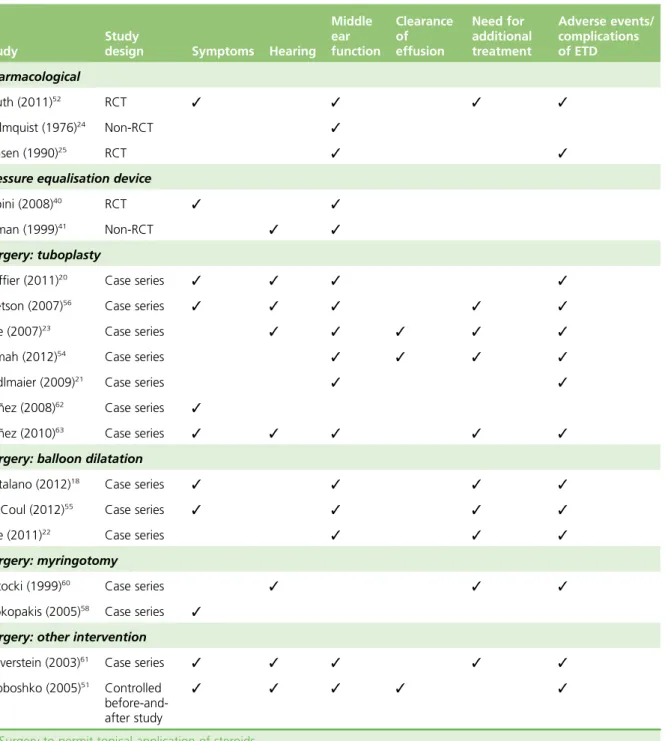
TABLE 4 Reporting of key outcomes 19
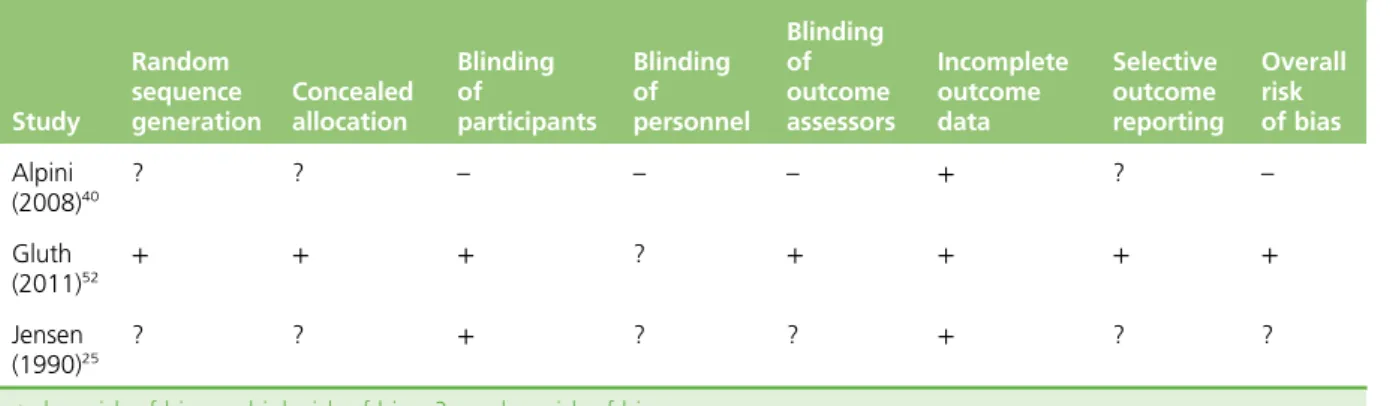
TABLE 5 Quality assessment of RCTs (non-surgical studies): risk of bias summary 21 TABLE 6 Quality assessment of non-randomised controlled studies
(non-surgical studies) 22
TABLE 7 Quality assessment of controlled before-and-after study (surgical study) 22 TABLE 8 Quality assessment of case series (surgical studies) 23 TABLE 9 Patient inclusion criteria and baseline characteristics
(non-surgical studies) 26
TABLE 10 Change in symptoms (non-surgical studies) 29
TABLE 11 Hearing outcomes (non-surgical studies) 29
TABLE 12 Patient inclusion criteria and baseline characteristics (surgical studies) 34
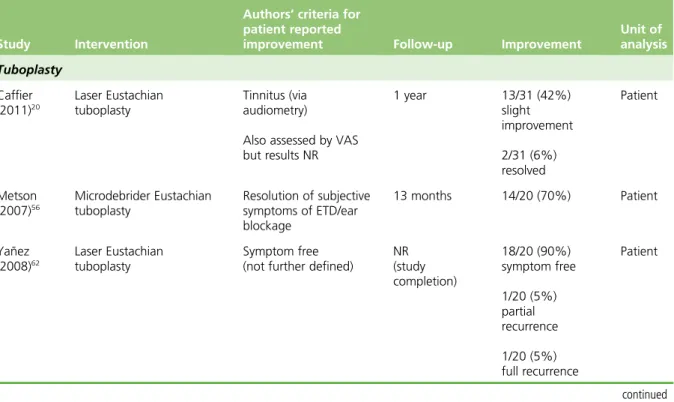
TABLE 13 Change in symptoms (surgical studies) 39
TABLE 14 Hearing outcomes (surgical studies) 42
List of figures
Glossary
Case series A study design where observations are made on a series of individuals, usually all receiving the same intervention, before and after an intervention but with no control group.
Chronic otitis media An infected middle ear with eardrum perforation.
Controlled before-and-after study A study in which observations are made before and after the implementation of an intervention, both in a group that receives the intervention and in a control group that does not.
Intention-to-treat analysis Analysis that compares participants in the groups to which they were originally assigned.
Middle ear atelectasis Retraction of the tympanic membrane. A condition in which a part of the eardrum lies deeper within the ear than its normal position. The retracted segment of eardrum is often known as a retraction pocket.
Non-randomised controlled trial A clinical trial with a control group in which patients are not put in the study or control group by chance (randomisation). Instead, they are sorted using other methods.
Otitis media Infection of the middle ear.
Otitis media with effusion A collection of fluid that occurs within the middle ear space. Over weeks and months, middle ear fluid can become very thick and glue-like. Also called serous or secretory otitis media or glue ear.
PROSPERO An international database of prospectively registered systematic reviews in health and social care. Key features from the review protocol are recorded and maintained as a permanent record. This provides a comprehensive listing of systematic reviews registered at inception, and enables comparison of reported review findings with what was planned in the protocol. PROSPERO is managed by Centre for Reviews and Dissemination and funded by the UK National Institute for Health Research.
Randomised controlled trial A trial in which the participants are randomly allocated to the control or treatment groups.
Retrospective study A study that looks backwards and examines exposures to suspected risk or protection factors in relation to an outcome that is established at the start of the study. It differs from a prospective study, which watches for outcomes, such as the development of a disease, during the study period and relates this to other factors such as suspected risk or protection factor(s).
Tinnitus The perception of sound within the human ear in the absence of corresponding external sound.
Tympanic membrane (or eardrum) A thin, cone-shaped membrane that separates the external ear from the middle ear. Its function is to transmit sound from the air to the ossicles inside the middle ear, and then to the oval window in the fluid-filled cochlea. It converts and amplifies vibration in air to vibration in fluid.
List of abbreviations
BIOSIS Bioscience Information Service CENTRAL Cochrane Central Register of
Controlled Trials
CI confidence interval
CINAHL Cumulative Index to Nursing and Allied Health Literature
CPCI-S Conference Proceedings Citation Index–Science
ETD Eustachian tube dysfunction ETDQ-7 7-item Eustachian Tube
Dysfunction Questionnaire
FDA US Food and Drug Administration
GP general practitioner
HTA Health Technology Assessment
LILACS Latin American and Carribean Health Sciences Literature
LTRA leukotriene receptor antagonist
MD mean difference
MeSH medical subject heading
NICE National Institute for Health and Care Excellence
NSAID non-steroidal anti-inflammatory drug
RCT randomised controlled trial
RR risk ratio
SD standard deviation
SNOT-22 22-item Sinonasal Outcome Test
VAS visual analogue scale
VEMP vestibular evoked myogenic potential
Scientific summary
Background
The Eustachian tube is a narrow tube which links the back of the nose to the middle ear. It is normally closed but opens when we swallow, yawn or chew. It has three main functions: to protect the middle ear from sources of disease, to ventilate the middle ear, and to help drain secretions away from the middle ear. Eustachian tube dysfunction (ETD) is the inability of the Eustachian tube to adequately perform these functions.
Eustachian tube dysfunction may occur when the mucosal lining of the tube is swollen, or does not open or close properly. It can occur after the start of a cold and other nose, sinus, ear and throat infections. If the tube is dysfunctional, symptoms such as muffled hearing, pain, tinnitus, reduced hearing, a feeling of fullness in the ear or problems with balance may occur. Long-term ETD has been associated with damage to the middle ear and the eardrum. Complications include otitis media with effusion (glue ear), middle ear atelectasis (retraction of the eardrum) and chronic otitis media. The precise function and mechanisms of the Eustachian tube, the underlying causes of dysfunction and the broader problems associated with middle ear ventilation are complex and not fully understood. From a diagnostic perspective, ETD is also poorly defined. There are a number of treatment options aimed at improving Eustachian tube function, but there is limited consensus about management.
Objectives
To determine the clinical effectiveness of interventions for adult ETD and to identify gaps in the evidence in order to inform future research.
Methods
A systematic review was undertaken. Twelve databases, including MEDLINE, EMBASE and the Cochrane Central Register of Controlled Trials (CENTRAL), were searched from inception up to October 2012 for published and unpublished studies. In addition, information on studies in progress, unpublished research or research reported in the grey literature was sought by searching a range of resources, including several trial registries and websites of regulatory agencies. The reference lists of all included studies and systematic reviews were also checked to identify studies. Only English-language studies were included.
Studies evaluating interventions to treat ETD in primary, secondary and tertiary care settings were eligible for inclusion: active observation, supportive care, auto-inflation, nasal douching, topical nasal decongestants, antihistamines, intranasal corticosteroids, oral corticosteroids, leukotriene receptor
antagonists, antibiotics, simethicone, or surgery. Patients with a diagnosis of ETD were included. Given the current lack of consensus on diagnostic criteria for ETD, a strict definition of ETD was not applied and a pragmatic approach was adopted: primary study definitions of ETD were accepted, provided that they were based on symptomatology, and/or relevant clinical tests such as tympanometry. Patients with patulous Eustachian tube or nasopharyngeal tumours were excluded. Placebo, no intervention or another eligible treatment were relevant comparators. In the first instance, only studies of adults or studies of mixed populations of adults and children where adult data were reported separately were eligible for inclusion. Owing to a paucity of adult studies for non-surgical interventions, the protocol was amended to include comparative studies with mixed populations of adults and children.
The primary outcome was change in severity and/or frequency of symptoms. Other outcomes of interest included quality of life, improvement in middle ear function, improvement in hearing, tympanic membrane mobility, clearance of middle ear effusion, need for additional treatment, early tube extrusion (for pressure equalising tubes), adverse events of interventions, and complications related to ETD.
Randomised controlled trials (RCTs), non-RCTs and observational studies with a control group were included. Studies without a control group (e.g. case series) with at least 10 participants were also included for interventions where no controlled studies were found.
Two researchers independently screened studies for relevance based on the inclusion criteria.
Disagreements were resolved by consensus or with a third researcher as needed. One reviewer extracted data; these were checked by a second reviewer. Quality assessment was performed independently by two reviewers. Disagreements were resolved by consensus and, if necessary, a third researcher was consulted. A narrative and tabular summary of key study characteristics and quality assessment was undertaken. Outcomes were reported as risk ratios (RRs) and mean differences with 95% confidence intervals (CIs). Owing to heterogeneous interventions, outcome measurements and study designs, a quantitative synthesis could not be performed, and results were reported in a narrative synthesis. Studies were grouped by type of intervention (non-surgical and surgical) and then by outcome. Results were interpreted in the context of the quality of the individual studies and clinical heterogeneity.
Results
The searches yielded 3022 records. Nineteen studies were included: three RCTs and two non-RCTs
evaluating pharmacological interventions and mechanical devices for middle ear pressure equalisation; and 13 case series and one retrospective controlled before-and-after study evaluating surgical interventions. None of the studies was conducted in the UK.
The included studies were small and the sample size ranged from 11 to 108. All of the surgical studies and three of the five non-surgical studies were at high risk of bias. One study had a low risk of bias, and one an unclear risk. All non-surgical studies except one explicitly reported including a minority of children or adolescents. Surgical studies only included adults. The results in several studies were poorly reported, limiting the outcome data that could be extracted.
The included studies rarely specified how they defined ETD or reported standardised procedures for assessment of symptoms. The presence of related conditions at baseline also varied between studies. Many of the surgical studies reported the use of co-interventions, which often included additional surgery for many or all of the patients. Outcome assessment and duration of follow-up were also sources of substantial heterogeneity.
Studies of several relevant surgical and non-surgical interventions were not identified despite extensive searches. In particular, no studies were found of active observation (monitoring to determine whether or not the condition resolves naturally) or supportive care (advice on self-management strategies, such as advice to swallow, yawn or chew).
Non-surgical interventions
None of the non-surgical interventions was evaluated by more than one study. There were single studies of nasal steroids, topical decongestant, antihistamine and two different types of mechanical
equalisation devices.
There was no evidence from one RCT (n=91) that a 6-week course of nasal steroids was effective at improving the severity and frequency of ETD symptoms among patients with otitis media with effusion
and/or negative middle ear pressure by the end of the treatment. This was the only study identified as having a low risk of bias, although the trial was underpowered and there were limitations in how the outcome data were reported. There were some data suggesting improvement in middle ear function for patients after receiving direct application of a topical decongestant on the pharyngeal opening of the Eustachian tube in a single RCT (n=36) (RR 0.47; 95% CI 0.28 to 0.80). However, treatment only improved middle ear function when patients were subject to unphysiologically high pressure changes. The internal and external validity of this study are both unclear, notably due to multiple gaps in reporting of design characteristics and very short-term follow-up. One non-RCT (n=32) found a significant
improvement in middle ear function for patients receiving a single dose of antihistamine and ephedrine compared with placebo (RR 0.47; 95% CI 0.27 to 0.81). However, the reliability of these findings is uncertain, notably due to a high risk of selection bias and very short follow-up duration (3 hours). Two of the pharmacological studies reported measuring adverse events. Minor adverse events were reported in one study, and no events in the second.
Both studies of mechanical pressure equalisation devices were subject to a high risk of bias. One RCT (n=20) found that self-administration of a manual device applying mild negative pressure to the external ear canal three times a day for 1 week was associated with a significant reduction in severity of fullness in the ear and middle ear function at 1 week compared with no treatment. A non-RCT (n=28) found a statistically significant improvement in middle ear function (RR 0.36; 95% CI 0.15 to 0.87) and in hearing at 9 to 10 weeks’follow-up after receiving twice-weekly modified politzerisation for 6 weeks compared with no treatment. However, the difference in hearing reflected an unexplained deterioration in the control group rather than an improvement in those who received the intervention. Neither study reported data on adverse events of the interventions, making the safety of these interventions uncertain.
Surgical interventions
A variety of surgical interventions were evaluated. Eustachian tuboplasty, balloon dilatation and
myringotomy were evaluated in multiple studies. The other surgical interventions, laser coagulation and myringotomy for direct application of topical steroids through a MicroWick tube (Silverstein MicroWick™, Anthony Products, Indianapolis, IN, USA), were each evaluated by a single study. All studies had a high risk of bias. Any interpretation of data from case series is limited by the uncontrolled study design; it is impossible to determine how much improvement in symptoms and other measures would have occurred in the absence of the intervention, especially in the case of a condition which may resolve naturally. Extensive use of co-interventions contributed to uncertainty.
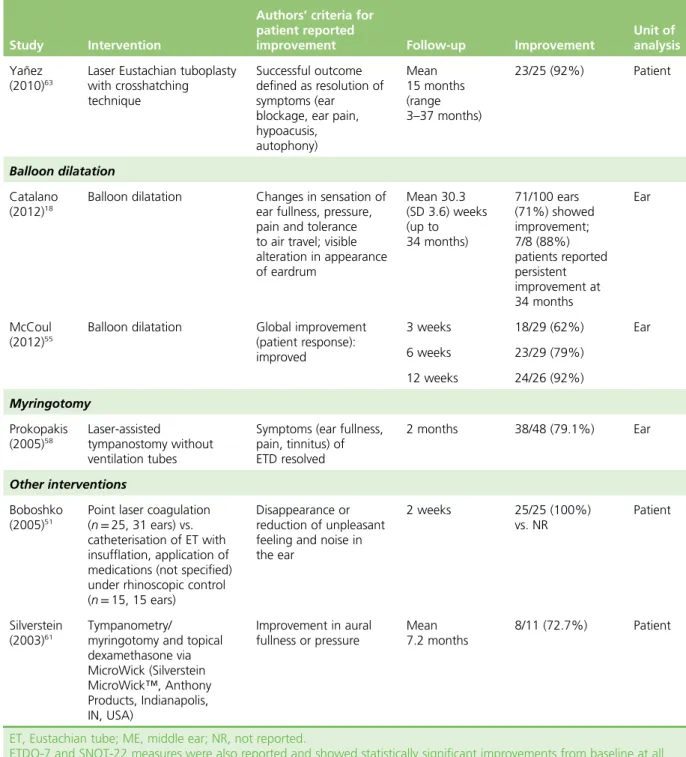
Eustachian tuboplasty was the most commonly evaluated surgery (seven studies,n=182). Where reported, a significant number of patients had an improvement in symptoms (from 36% to 92%) at follow-up ranging from 2 to 37 months, though improvement was defined in a variety of ways. Four studies reported an improvement in hearing, although improvements were generally small with limited clinical significance (pure tone averages improvements between–6 decibels (dB) and–10 dB, three studies; decrease in the air–bone gap of–12.3 dB, one study). Measures of middle ear function indicated low rates of conversion to type A tympanogram in the three studies that reported this outcome (from 13% to 36% of patients). As well as differences in the techniques used, there were wide variations among the patients in these studies, as well as differences in the outcomes reported and the measures used to assess outcomes. There was insufficient evidence to demonstrate the effectiveness of tuboplasty, or to determine either the details of the surgical technique which should be employed or the patients for whom it should be considered. Three studies of balloon dilatation were identified (n=107). Two reported on symptoms at follow-up (12 weeks and mean 30 weeks); both showed high levels of improvement in symptoms (92% and 71% of patients). Tympanometric measurement of middle ear function was reported in all three studies, and all reported conversion to type A tracings (from 36% to 96% of patients), although follow-up duration varied significantly between the studies (from 6 weeks to 1 year). None of the studies reported data on hearing. Two of the studies reported that all or a majority of patients had additional surgery and a minority of patients in the third also had additional treatment.
Two studies assessing procedures for myringotomy were identified. One small study (n=13) reported efficacy in permitting patients to undergo hyperbaric oxygen therapy, while the other (n=108) reported symptom alleviation in the subgroup of patients with an ETD diagnosis. The evidence base for topical application of steroids to the Eustachian tube and laser point coagulation each rested on a single study. None of the interventions appeared to be associated with serious adverse effects, although minor complications of surgery were reported in a minority of patients in several studies. However, it was not clear that adverse events were systematically documented, and three surgical studies did not report any safety data. None of the studies reported follow-up beyond a maximum of 30 months; therefore, the long-term safety profile of the interventions is unknown.
Conclusions
Implications for health care
The evidence for treatments for adult ETD was limited in quantity and overall was of poor quality. Multiple sources of potential bias were identified in nearly all of the included studies. Additional confounding factors were present in many of the evaluations of surgical interventions, while clinical relevance was limited in two of the three pharmacological studies. Given the limitations of the evidence, it is not possible to make conclusions regarding the effectiveness of any of the interventions for the treatment of patients with a diagnosis of ETD.
Recommendations for research
Owing to the extent of the gaps in the evidence and poor quality of available evidence, the studies identified by this review do not provide a clear evidence base to recommend a trial of any particular intervention. One of the principal findings of the review was the variability in inclusion criteria and unclear and variable definitions of ETD used across the included studies. This indicated a lack of consensus as to what the population of interest is and how people should be evaluated for inclusion in any further studies. A research priority setting exercise is required to identify the most appropriate avenues for further research. In the first instance, this should focus on developing an explicit definition of the population of interest and the diagnostic inclusion criteria that should be used to identify them. The specification of the population of interest should take into consideration the increasing recognition that the signs and symptoms previously attributed to ETD may also be related to other middle ear problems; for instance, gaseous exchanges within the middle ear mucosa may play a role in the development of middle ear ventilation problems. It should also address the question of criteria for consideration of surgical treatment in a patient diagnosed with ETD. The exercise will also need to address the lack of consensus as to what the important clinical outcomes are following treatment, and how these should be measured. This should include agreement on the duration of follow-up required for an intervention to be adequately assessed for both efficacy and safety. Only when a consensus on these key elements has been arrived at should the question of commissioning further primary research intervention studies be considered.
Study registration
This study is registered as PROSPERO CRD42012003035.
Funding
Funding for this study was provided by the Health Technology Assessment programme of the National Institute for Health Research.
Chapter 1
Background
The condition
The Eustachian tube is a narrow tube which links the back of the nose to the middle ear. It is normally closed but opens when we swallow, yawn or chew. The Eustachian tube has three main functions: to protect the middle ear from pathogens; to ventilate the middle ear, which can help to keep the air pressure equal on either side of the eardrum, enabling the eardrum to work and vibrate properly; and to help drain secretions from the middle ear cleft.
Eustachian tube dysfunction (ETD) is the inability of the Eustachian tube to adequately perform these functions. However, the precise function and mechanisms of the Eustachian tube and the underlying causes of dysfunction are complex and not fully understood.1From a diagnostic perspective, ETD is also
poorly defined.
Eustachian tube dysfunction may occur when the mucosal lining of the tube is swollen, or does not open or close properly.2If the tube is dysfunctional, symptoms such as muffled hearing, pain, tinnitus, reduced
hearing, a feeling of fullness in the ear or problems with balance may occur. Long-term ETD has been associated with damage to the middle ear and the eardrum.3Complications include otitis media with
effusion (glue ear), middle ear atelectasis (retraction of the eardrum), and chronic otitis media.1,3However,
the role of the Eustachian tube in the development of other middle ear conditions is not fully understood.1
Middle ear ventilation is increasingly seen as being associated with other mechanisms, such as those relating to gaseous exchange through the middle ear mucosa.4,5Therefore, it may be that problems with
middle ear ventilation (and therefore symptoms and signs previously attributed to ETD) may not all be associated with problems with or dysfunction of the Eustachian tube. Abnormal patency (patulous
Eustachian tube) is a separate condition, in which the Eustachian tube remains intermittently open, causing an echoing sound of the person’s own heartbeat, breathing, and speech.
Aetiology and prevalence
The lining of the Eustachian tube can become swollen and the Eustachian tube can become dysfunctional following the onset of an infectious or inflammatory condition such as an upper respiratory tract infection, allergic rhinitis or rhinosinusitis, leading to difficulties in pressure equalisation, discomfort and other symptoms.6,7Nasal septal deviation has also been associated with symptoms of ETD; this is based on some
studies which suggested that, in patients who were unable to equalise pressure during scuba training or submarine service, submucous resection of the nasal septum resolved apparent ETD symptoms.8–11
Dysfunction of the Eustachian tube may also be related to failure of the muscles associated with
Eustachian tube opening.1Extrinsic compression of the Eustachian tube potentially due to inflammation or
enlargement of the adenoids, tumour or trauma may also result in ETD,2,12although these conditions and
their management are beyond the scope of this review. The incidence of ETD is disproportionately high in patients with cleft palate who may be considered a discrete clinical population.12Other potential risk
factors include tobacco smoke, reflux and radiation exposure.13–15There appears to be no association with
sex,1although it has been suggested that ethnicity and geographical factors (such as proximity to the
poles) are associated with increased incidence and prevalence.1,16
There are limited data on ETD prevalence and incidence, which may reflect the lack of consensus regarding how ETD is defined. A UK national study of hearing17reported that 0.9% of the 2708 adults assessed
audiological assessment. However, this may be an underestimate; a recent study stated that most otolaryngologists encounter a much higher incidence of the condition in their practices.18
Diagnosis
There are no comprehensive guidelines on diagnosis of ETD.19Diagnosis is generally based on medical
history and clinical examination to identify potential underlying causes.19The UK national survey defined
ETD as the presence of a normal or abnormal but intact tympanic membrane with a middle ear pressure of<–100 mmH2O and an air–bone gap of≥15 decibels (dB).17The criteria were used for a presumptive
diagnosis of ETD. The authors noted that it was a relatively non-specific category, which may include patients in the early or late stages of an episode of otitis media with effusion. However, the presence of either of these signs is not usually considered to be either necessary or sufficient for the diagnosis of ETD in clinical practice; while negative middle ear pressure often indicates ETD, patients with ETD may have normal middle ear pressure and those with negative middle ear pressure may be asymptomatic. Moreover, while an intact eardrum was a requirement of the survey criteria, several investigators include patients with perforated eardrums.20–25
Although not used in the survey, symptoms of dysfunction are usually a necessary condition for diagnosis in clinical practice. Common diagnostic factors include the inability to‘clear’or‘pop’the ear with changes in barometric pressure, together with other patient-reported symptoms (e.g. aural fullness, pain, muffled hearing).19There are a number of tests that are used to inform diagnosis: otoscopy, tympanometry and
nasal endoscopy are initial options in a secondary care setting. Evidence on the predictive value of Eustachian tube function tests is limited, and several tests may be needed for a more reliable and comprehensive assessment of Eustachian tube function.1Currently, there is no commonly used
patient-reported outcome measure. A scale for the assessment of ETD [the 7-item Eustachian Tube Dysfunction Questionnaire (ETDQ-7)] was tested for validity; this is a questionnaire addressing a range of symptoms associated with ETD, which is completed by the patient. The data available on reliability were based on a relatively small number of patients (n=50) and controls (n=25), but the test discriminated patients and controls and exhibited good test–retest reliability.26However, this represents a recent
development and it is not yet widely used. Another relevant scale which is also completed by patients, the 22-item Sinonasal Outcome Test (SNOT-22), has been used to assess symptoms of the related condition of rhinosinusitis.27
The lack of clearly defined diagnostic criteria, together with the uncertainty relating to the aetiology of ETD, presents a key challenge in undertaking a review of interventions for its treatment. Lack of consensus on the necessary features for diagnosis, including clinical history, requires additional awareness of the risk of error and bias in the selection of studies, as well as increasing the probability of clinical heterogeneity in the included studies.
Current research and guidance
Research on treatments for ETD as a distinct condition in adults is limited. A single systematic review was identified in the scoping searches for the current review (see the review protocol).28Published in 2002, the
previous review had a limited search (MEDLINE and PubMed only) and included a range of interventions and preclinical studies as well as those in both children and adults. It has been recommended that this review be updated.29The only guidance relating to ETD treatment which was identified by the scoping
searches was issued by the National Institute for Health and Care Excellence (NICE) on balloon dilatation of the Eustachian tube in November 2011.30Based on a rapid review of literature,31three case series were
identified,32–34of which two were published only as conference abstracts.32,34The guidance concluded that
current evidence on the efficacy and safety of the procedure is inadequate in quantity and quality. NICE recommended that the intervention should only be used in the context of research; future research should
address the efficacy of the procedure in the short and longer term, report data on safety outcomes, clearly describe which parts of the Eustachian tube are treated and report subjective measurements of symptom improvement as well as objective measurements of Eustachian tube function.
Other systematic reviews of existing research which were identified assessed treatments for related conditions such as childhood glue ear and otitis media with effusion.35–37NICE guidance has also been
issued on the treatment of these conditions.38There have also been Cochrane reviews in conditions such
as tympanic membrane retraction pockets in adults and children.39
Management
Although ETD symptoms are common, they are often mild and generally resolve after a few days. Simple actions such as swallowing, yawning, chewing or forced exhalation against a closed mouth and nose can help to equalise pressure in the middle ear and resolve symptoms. However, symptoms sometimes persist, in which case treatment may be desirable. There are a number of non-surgical and surgical treatment options aimed at improving Eustachian tube function, but there is limited consensus about management. Non-surgical
Non-surgical management strategies include:
l Active observation, which involves monitoring the symptoms to determine whether or not they naturally resolve.
l Supportive care, which includes advice about self-management such as to swallow, yawn, or chew to help equalise the pressure in the middle ear.
l Pressure equalisation methods, which is a technique whereby the Eustachian tube is reopened by raising the pressure in the nose. This can be achieved in several ways, including forced exhalation against a closed mouth and nose (Valsalva manoeuvre). Other methods include blowing up a balloon through each nostril, using an anaesthetic mask36or the use of mechanical devices.40,41The aim is to introduce
air into the middle ear, via the Eustachian tube, equalising the pressures and allowing better fluid drainage.
l Nasal douching, in which the nasal cavity is washed with a saline solution to flush out excess mucus and debris from the nose and sinuses.42
l Decongestants, antihistamines, nasal or oral corticosteroids which are aimed at reducing nasal congestion and/or inflammation of the lining of the Eustachian tube.
l Antibiotics, for the treatment of rhinosinusitis.
l Simethicone, which is currently being investigated in adults to assess whether or not it can help to break up bubbles that may block the opening of the Eustachian tube in the back of the nose during a cold, allowing air to pass between the nose and middle ear.43This is not currently a management
option used in the UK. Surgical
We understand that, currently, the main surgical treatment in the UK is a pressure equalising tube (also known as tympanostomy tube, ventilation tube or grommet) which is inserted into the eardrum through a small incision. Pressure equalising tubes typically extrude after 6–9 months. Long-acting tubes are occasionally used, although these may be prone to crusting, infection, obstruction and permanent tympanic membrane perforation. This may be performed under either general or local anaesthesia. Newer surgical methods which are mainly used in the context of research include:
l Balloon dilatation (dilatation) of the Eustachian tube, a procedure which aims to dilate the Eustachian tube and improve its function. It consists of introducing a balloon catheter into the Eustachian tube through the nose, under transnasal endoscopic vision. The balloon is filled with saline. Pressure is
maintained for approximately 2 minutes, following which the balloon is emptied and removed. The procedure has been performed experimentally under local and general anaesthesia.
l Transtubal application of fluids, an emerging approach for the application of fluids to the middle ear via the Eustachian tube. The transtubal application approach involves placing a nasal microendoscope within the Eustachian tube under local anaesthesia via its nasopharyngeal opening. Subsequently, fluids are applied through an additional working channel after microendoscopic evaluation.44
l Eustachian tuboplasty, an emerging treatment in which a laser or rotary cutting tool is used to strip away enlarged mucous membranes and cartilage to clear obstruction to the Eustachian tube. Tuboplasty has been used in patients with chronic ETD as an alternative to pressure equalising tubes which may have extruded on numerous occasions.23,32The intervention has also been used for middle
ear atelectasis or serous effusion.45
There is no consensus on indications for treatment, or on the optimal timing of the interventions. Surgical interventions are generally (though not exclusively) used where ETD is resistant to other interventions. A step-up approach is usually adopted, from primary to secondary and tertiary care settings. Treatment choice is based on aetiology, severity and persistence of symptoms, as well as the degree of invasiveness of the treatment and surgical preference.
Decision problem
Although diagnostic and treatment suggestions exist, for example websites such as BMJ (British Medical Journal) Best Practice, there is a lack of comprehensive diagnostic and treatment guidelines and no recent systematic review assessing the effectiveness of interventions for ETD in adults. The National Institute for Health Research (NIHR) Health Technology Assessment (HTA) commissioning brief requested a wide systematic review including best available evidence in order to provide primary and secondary care practitioners with evidence about the value of referral, advise surgeons on the effectiveness of surgical interventions and inform recommendations for future research.
As outlined above, key challenges in undertaking a systematic review of treatments for ETD are that ETD is an ill-defined condition and there is a lack of consensus about its diagnostic criteria. In order to provide an informative overview of the evidence, a pragmatic approach was taken regarding how the condition was defined.
The aim of the systematic review was to determine the clinical effectiveness of treatments for adult ETD, and to identify gaps in the evidence in order to inform future research.
Chapter 2
Methods
A
systematic review of the evidence on treatments for adult ETD was undertaken following the general principles recommended by the Centre for Reviews and Dissemination (CRD) guidance for systematic reviews.46A protocol was produced and registered on PROSPERO (CRD42012003035).47Search strategy
Literature searches were undertaken during September and October 2012. The searches aimed to
systematically identify studies of interventions for adults with ETD. The interventions included in the search strategy were steroids, nasal decongestants, antihistamines, simethicone, nasal douching, leukotriene receptor antagonists, xylitol, antibiotics, surgical interventions, active observation or supportive care. A search strategy was initially developed on MEDLINE (Ovid SP) using terms for the two main concepts: Eustachian tube and the named interventions as listed above. A range of text words, synonyms and subject headings were identified by scanning key papers identified at the beginning of the project, through discussion with the review team, and the use of database thesauri.
Otitis media with effusion can also be a complication of ETD. Therefore, terms such as‘glue ear’,‘otitis media with effusion’and‘serous otitis media’were added to the search strategy. This led to a significant increase in the number of retrieved records (from 1196 to 2995 records in MEDLINE). However, screening of a sample of these additional records yielded no new relevant studies, and therefore it was agreed that the initial focus in the search strategy on interventions and the Eustachian tube was the most appropriate balance between sensitivity and specificity.
No language restrictions, date limits or study design filters were applied to the search strategy. The MEDLINE search strategy was adapted for use in each database. The full search strategies and results for each database can be found inAppendix 1.
The following databases were searched: MEDLINE, MEDLINE In-Process & Other Non-Indexed Citations, Cumulative Index to Nursing and Allied Health (CINAHL), EMBASE, Science Citation Index, Bioscience Information Service (BIOSIS), Cochrane Database of Systematic Reviews (CDSR), Database of Abstracts of Reviews of Effects (DARE), HTA database, Cochrane Central Register of Controlled Trials (CENTRAL), PASCAL, and Latin American and Caribbean Health Sciences (LILACS).
In addition, information on studies in progress, unpublished research or research reported in the grey literature was sought by searching a range of resources: Conference Proceedings Citation Index: Science, Inside Conferences, Dissertation Abstracts, ClinicalTrials.gov, Controlled Clinical Trials, World Health Organization International Clinical Trials Registry Platform portal, EU Clinical Trials Register, National Research Register Archive, US Food and Drug Administration (FDA), UK Medicines and Healthcare products Regulatory Agency and the European Medicines Agency.
Records were managed within an EndNote library (EndNote version X3, Thomson Reuters, CA, USA). The bibliographies of all included studies and relevant literature reviews were checked for further potentially relevant studies. EPPI-Reviewer 4 was used from the full-text screening stage of the review (Evidence for Policy and Practice Information and Co-ordinating Centre, University of London, London, UK).
Inclusion and exclusion criteria
Abstracts of studies identified by the searches were assessed for inclusion using the criteria outlined below. For abstracts and titles of potential relevance, full papers were also assessed. Both processes were
undertaken independently by two reviewers, with disagreements resolved through discussion and, where necessary, by consultation with a third reviewer. Studies were included in the review if they met the following criteria.
Population
Adults (≥18 years) with a clinical diagnosis of ETD were included. Given the current lack of consensus on diagnostic criteria for ETD, a strict definition of ETD was not applied and primary study definitions of ETD were accepted, provided that they were based on symptomatology and/or tests such as tympanometry or otoscopy. Studies of patients with known patulous Eustachian tube or nasopharyngeal tumours were excluded as these populations are distinct and are likely to require different management options. Studies with mixed populations of patients with and without ETD were included if separate outcome data were available for the population of interest. The intention was to include only studies of adults or where separate adult data were available.
At the study selection stage, only a single controlled study in adults with ETD was identified. Therefore, to allow a fuller mapping of the literature, the protocol was amended to include controlled studies including adults and children with no separate adult data, as well as controlled studies that did not explicitly state whether or not the whole study population were adults. For all such studies, the authors were contacted to clarify whether or not the population was indeed adults and/or to seek separate data on the adult population. Following this amendment, five additional comparative studies were included. This protocol amendment was not extended to uncontrolled studies of mixed populations, as this would have increased the risk of further uncertainty in the evidence.
Intervention
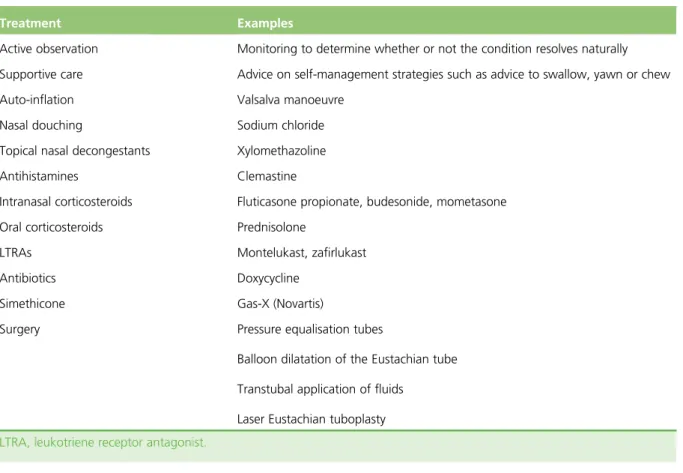
Interventions explicitly aimed at treating ETD in primary, secondary and tertiary care settings were eligible for inclusion. A list of eligible interventions and examples of specific treatments is provided inTable 1. Comparator
Any comparator (placebo, no intervention or another eligible treatment) was considered for inclusion. Outcomes
There is currently no consensus regarding the most appropriate measure of treatment success. Change in severity and/or frequency of symptoms was classified as the primary outcome because of its relevance to patients. Other outcomes of interest included quality of life; improvement in middle ear function based on measurement tools such as tympanometry (reported as a categorical or continuous outcome); improvement in hearing based on audiometry (reported as a categorical or continuous outcome); tympanic membrane mobility; clearance of middle ear effusion; need for additional treatment, for example
requirement for surgical procedure (including reintervention); early tube extrusion (for pressure equalising tubes); adverse events of interventions; and complications related to ETD (e.g. atelectasis).
Study design
Experimental trials (randomised and quasirandomised) as well as observational studies with a control group were included. Uncontrolled observational studies (e.g. case series) including at least 10 patients were also considered for interventions where no controlled studies were found.
Data extraction
Data relating to study design, population characteristics, inclusion criteria (including method of diagnosing ETD), intervention and comparator, details of outcome measures used and results were extracted by one reviewer and checked by a second, with disagreements resolved through consensus. Where possible, dichotomous outcomes were extracted and calculated as relative risks (RRs) (risk of negative event or risk of no improvement, with values<1 favouring the intervention) and continuous outcomes as mean differences (MDs) (between-groups difference in change from baseline); 95% confidence intervals (CIs) were calculated. All calculations were made on an intention-to-treat basis, except for middle ear function data, where only participants with abnormal measurements at baseline were included, as the aim was to evaluate change from abnormal to normal middle ear function. Where possible, conversions from normal to abnormal middle ear function were also extracted or calculated. Comparisons were described as statistically significant (at the 5% level) when the CI did not cross 1 for RRs and 0 for the MDs. Where possible, middle ear function data were extracted as normalisation (e.g. change from abnormal tympanogram to type A). It was noted whether outcomes had been measured by participant or by ear. Follow-up duration was reported as time from treatment start.
Authors were contacted for clarification and missing data as necessary. Data from studies with multiple publications were extracted and reported as a single study, with the publication with the largest number of participants treated as the main study.
TABLE 1 Eligible treatments
Treatment Examples
Active observation Monitoring to determine whether or not the condition resolves naturally
Supportive care Advice on self-management strategies such as advice to swallow, yawn or chew Auto-inflation Valsalva manoeuvre
Nasal douching Sodium chloride Topical nasal decongestants Xylomethazoline
Antihistamines Clemastine
Intranasal corticosteroids Fluticasone propionate, budesonide, mometasone
Oral corticosteroids Prednisolone
LTRAs Montelukast, zafirlukast
Antibiotics Doxycycline Simethicone Gas-X (Novartis)
Surgery Pressure equalisation tubes
Balloon dilatation of the Eustachian tube
Transtubal application of fluids
Laser Eustachian tuboplasty
Study quality
Randomised controlled trials were assessed using the Cochrane Risk of Bias Tool.46,48Tools used by
the Technology Assessment Review group in previous reviews were adapted and employed for the assessment of internal and external validity of comparative non-randomised studies49,50and case series.49
The assessment was performed independently and in duplicate by two reviewers. Disagreements were resolved through consensus. Items assessed by the quality assessment tools are outlined inAppendix 2.
Methods for synthesis
A narrative and tabular summary of key study characteristics, quality assessment and results was undertaken. Owing to heterogeneous interventions, outcome measurements and study designs, a quantitative synthesis was not considered feasible or appropriate, and results were reported in a narrative synthesis. Studies were grouped by type of intervention (surgical and non-surgical) and then by outcome. Results were interpreted in the context of the quality of the individual studies and clinical heterogeneity. The intention was to undertake subgroup analyses. Key characteristics of interest that were identified at the protocol stage were the definition of ETD used by the primary study, duration of ETD, associated conditions and severity of ETD symptoms at baseline. Such analyses were limited by the paucity of data available, but, where possible, these aspects were described in the synthesis.
Chapter 3
Results
Study selection
A total of 3022 records were identified from the searches of databases and other sources including trial registers. There were 196 records identified as potentially relevant and ordered as full papers. Reference checking identified a further 17 records, bringing the total number of ordered papers to 213 (Figure 1). These included seven studies which were reported in languages other than English. Consultation with readers of these languages indicated that they were, at best, small uncontrolled studies. A list of papers excluded is provided inAppendix 3.
Twenty-three records representing 19 studies met the inclusion criteria (seeFigure 1). This included seven records related to six comparative studies (three RCTs, two non-RCTs and one retrospective controlled before-and-after study)24,25,40,41,51–53and 13 case series (reported across 16 records).18,20–23,34,54–63
Fourteen of the studies were of adults only: all 13 of the case series and one comparative study. Four comparative studies were identified in the searches that included mixed populations of adults and
children,24,25,41,52and one did not specify whether or not the whole population were adults.40In each case,
it appeared from the information in the publication that a majority of the patients were adults. These were included following a protocol amendment (seeStudy selectionandChapter 2, Inclusion and exclusion criteria). Attempts to contact the study authors for clarification of whether or not studies were conducted in adults and/or to obtain separate data for adults in a mixed adult/paediatric population were
unsuccessful in all except the one surgical comparative study and two of the case series, where author contact established that all patients were adults.18,51,62
There were a further 19 records representing 15 uncontrolled observational studies (seeAppendix 3) that met all of the inclusion criteria except that the study was of a mixed adult/child population or a mixed population of patients with ETD and other middle ear problems, but data on adults with ETD were not reported separately.45,57,64–80We attempted to contact the authors but were unsuccessful in obtaining
separate adult data and/or data on patients identified as having ETD. These studies were, therefore, excluded; a list and further details are provided inAppendix 3.
Two ongoing RCTs and one ongoing uncontrolled trial were identified; no outcome data were available for these.43,81,82Details of the study characteristics of these trials are provided inAppendix 4.
InPatient characteristicswe provide an overview of the characteristics of the included studies. Further details about the included studies, their results and quality assessment of the included studies are reported inChapter 4(seeQuality of included studies), subgrouped by type of intervention (non-surgical and surgical interventions).
Overview of study characteristics
The included studies were very diverse. The interventions evaluated in the primary studies, the range of outcomes assessed and the measures used varied considerably across the studies. Variation in diagnostic and other inclusion criteria also contributed to substantial heterogeneity in the patient populations (seePatient characteristics).
The interventions evaluated by the comparative studies were, with one exception, pharmacological treatments or mechanical devices (Table 2). Only three RCTs were identified and these were of
non-surgical interventions: there were no RCTs of surgical interventions (seeTable 2). Two of the RCTs assessed different pharmacological interventions25,52and one evaluated a mechanical device.40This was a
small study and was reported only as a letter to an editor.40All of these studies used a control of either
placebo or no active treatment. A single retrospective controlled before-and-after study evaluating a surgical intervention was identified.51All other studies assessing surgical treatments were case series.
None of the studies was conducted in the UK. Studies of pharmacological agents were carried out in the USA, Denmark and Sweden, studies of mechanical devices in the USA and Italy. Where reported, studies of surgical interventions were conducted in the USA, Germany, Denmark, Finland, Russia and Mexico (seeTable 2). Publication dates ranged from 1976 to 2011 for studies of pharmacological interventions, were 1999 and 2008 for mechanical devices and ranged from 2005 to 2012 for studies of
surgical interventions.
Records identified through database
searching
(n = 7510)
Additional records identified through other sources
(e.g. regulatory agencies, trials registers)
(n = 315)
Records after duplicates removed
(n = 3261)
Studies included in the review
(n = 19) (23 records)
Full-text articles excluded
(n = 190)
Reason for exclusion
• Population, n = 118 • Intervention, n = 6 • Outcome, n = 4 • Study design, n = 30 • Foreign language, n = 7 • No separate data on relevant population, n = 19 • Ongoing with no
outcome data available, n = 3
• Duplicate, n = 3
Full-text articles assessed for eligibility
(n = 213) Records excluded (n = 3048) Records screened (n = 3261) • Controlled studies, n = 6 • Uncontrolled studies, n = 13
TABLE 2 Overview of interventions assessed in the review Study Study design n Country Setting Population Intervention Comparator Concomitant treatment Follow-up (from treatment initiation) Pharmacological interventions Gluth (2011) 52 RCT 91 USA NR (recruited in hospital) Mixed Intervention: nasal steroid spray Triamcinolone 55 μ g, two sprays per nostril s.i.d. for 6 weeks Comparator: placebo spray Antibiotics and/or oral decongestants (15%) 6 weeks
Holmquist and Larsson (1976)
24 Non-RCT 32 Sweden NR Mixed Intervention: antihistamine + ephedrine N-hydroxiaethylpromethazin chloride 15 mg, ephedrine sulphate 10 mg (tablets), single dose Comparator: placebo (tablet) NR 3 hours Jensen (1990) 25 RCT 36 Denmark NR Mixed Intervention: nasal decongestant, sprayed directly towards pharyngeal opening of the ET Xylomethazoline chloride 0.1%, 0.4 ml, sprayed directly towards pharyngeal opening of the ET, single dose Comparator: placebo spray (saline) NR 30 minutes continued
TABLE 2 Overview of interventions assessed in the review ( continued ) Study Study design n Country Setting Population Intervention Comparator Concomitant treatment Follow-up (from treatment initiation) Mechanical devices Alpini (2008) 40 RCT 20 Italy NR Unclear Intervention: N-300 device applying mild negative pressure to sealed external ear canal Manual device applying mild negative pressure (up to 350 – 400 mmH 2 O) to sealed external ear canal. Five minutes t.i.d. for 1 week Comparator: no treatment NR 1 week Silman (1999) 41 Non-RCT 28 USA Private otology practice Mixed Intervention: politseration using an automated device twice weekly for 6 weeks Automated manual device delivering continuous air flow through the nose twice weekly for 6 weeks Comparator: no treatment NR 9 – 10 weeks
TABLE 2 Overview of interventions assessed in the review ( continued ) Study Study design n Country Setting Population Intervention Comparator Concomitant treatment Follow-up (from treatment initiation) Surgical interventions (tuboplasty) Caffier (2011) 20 Case series 31 Germany Outpatient Adult Laser Eustachian tuboplasty; LA Tympanoplasty type I and myringoplasty for COM patients 10 weeks after laser surgery 1 year Jumah (2012) 54 Case series 30 Germany University hospital outpatient clinic Adult Unilateral minimally invasive laser Eustachian tuboplasty under endoscopic control; GA NR 6 weeks Metson (2007) 56 Case series 20 USA NR Adult Microdebrider Eustachian tuboplasty; GA Endoscopic sinus surgery following tuboplasty Postoperative; 13 months Poe (2007) 23 Case series 13 USA Tertiary medical centre Adult Unilateral laser Eustachian tuboplasty; GA and LA Omeprazole 20 mg/d for 6 weeks postoperatively (where laryngopharyngeal reflux) 6 months 1 year 2 years Sedlmaier (2009) 21 Case series 38 Germany NR Adult Laser ablation of epipharyngeal ET; LA Nasal decongestant (tetracaine 3% and naphazoline 0.1%) Tympanoplasty 8 – 10 weeks after (COM group) 8 weeks bYanez (2008) 62 Case series 25 NR NR Adult Laser tuboplasty; anaesthesia: NR NR NR (study completion) Yañez (2010) 63 Case series 25 Mexico NR Adult Laser Eustachian tuboplasty with cross-hatching technique; GA NR Mean 15 months (range 3 – 37 months) continued
TABLE 2 Overview of interventions assessed in the review ( continued ) Study Study design n Country Setting Population Intervention Comparator Concomitant treatment Follow-up (from treatment initiation) Surgical interventions (balloon dilatation) Catalano (2012) 18 Case series 70 USA Clinic (operating theatre used if additional procedures) Adult Balloon dilatation; LA unless concomitant procedure required GA Otologic (five patients/ears) or sinonasal procedure (39 patients, 54 ears) as required. 44 patients (63%) and 59 ears (59%) had a concomitant procedure Mean 30.3 (SD 3.6) weeks (up to 34 months) McCoul (2012) 55 Case series 22 USA Tertiary referral centre (single surgeon otolaryngological practice) Adult Balloon dilatation Eustachian tuboplasty; GA Partial inferior turbinectomy: all patients Range of other procedures including submucous resection of nasal septum; sphenoethmoidectomy with maxillary sinusotomy; revision ethmoidectomy; revision sphenoidotomy; removal of occluded tympanostomy tube myringoplasty 3 weeks 6 weeks 12 weeks Poe (2011) 22 Case series 11 Finland Teaching hospital Adult Unilateral balloon dilatation at 8 – 12 atmospheres, reinsertion/repeat dilatation where necessary; GA Tympanostomy tubes placed/removed 6 – 14 (median 7) months Myringotomy Potocki (1999) 60 Case series 13 USA NR Adult Bilateral thermal myringotomy; LA NR 4 months Prokopakis (2005) 58 Case series 108 Greece Academic tertiary referral medical centre Adult Laser-assisted tympanostomy without ventilation tubes; LA NR 2 months
TABLE 2 Overview of interventions assessed in the review ( continued ) Study Study design n Country Setting Population Intervention Comparator Concomitant treatment Follow-up (from treatment initiation) Surgical interventions (others) a Boboshko (2005) 51
Retrospective controlled before-and-after
40 Russia NR Adult Intervention: point laser coagulation (superior and posterior margin of ET nasopharyngeal opening) unilateral and bilateral; LA Comparator: catheterisation of ET with insufflation, application of medications (not specified) under rhinoscopic control NR 2 weeks; 1 year b Silverstein (2003) 61 Case series 11 USA Tertiary otologic referral centre Adult Laser tympanostomy or vertical myringotomy; insertion of ventilation tube and MicroWick (Silverstein MicroWick ™ , Anthony Products, Indianapolis, IN, USA) through the tube then administration of dexamethasone 4 mg/ml through wick t.i.d. for 4 weeks; LA Antibiotic solution concurrent with dexamethasone treatment once daily (two drops) Mean 7.2 months; mean 8 months COM, chronic otitis media; ET, Eustachian tube; GA, general anaesthesia; LA, local anaesthesia; NR, not reported; SD, standard deviation; s.i.d, on ce a day; t.i.d, three times a day. a Author contacted and confirmed adult population and different population from Yañez (2010): 63 Professor Maria Boboshko, St. Petersburg Pavlov State Medical University, 2012, personal communication. b Surgery to permit topical application of steroids.