
The effect of an experiential learning strategy on nursing students' knowledge and attitudes toward older people in Taiwan
320
0
0
Full text
(2) KEY WORDS Older people Attitudes Knowledge Undergraduate nursing students Gerontological nursing Experiential learning Lecture. ii.
(3) RELATED PRESENTATIONS Conference paper abstract The 3rd Pan-Pacific Nursing Conference & The 5th Hong Kong Nursing Symposium on Cancer Care 11-12 November 2005 The abstract of presentation as below: Title: Factors influencing the development of an experiential gerontological course. Authors: I-Ju Pan, Helen Edwards, Anne Chang Institution: Queensland University of Technology (QUT). In Taiwan the percentage of the population aged 65 years and over has increased to 9% and as in other countries is predicted to continue to increase. While this growth is reflected in the increasing number of positions for nurses, gerontological nursing is often not a preferred career option. Inadequate knowledge and negative beliefs about older people have been linked to the reluctance to choose gerontological nursing as a career. A survey was conducted for the purpose of gaining greater understanding of nursing students’ attitudes and knowledge about older people. This material would provide a baseline for developing a gerontological nursing course. Questionnaire data on attitudes and knowledge were collected from 302 nursing students in baccalaureate nursing programs in Southern Taiwan. Nurses’ attitudes towards older people were positive (mean=130, SD=14.59) and their level of knowledge was moderate at 50.4%. Multiple regression analysis indicates that work experience, intention to work with older people and type of nursing program are significant factors influencing students’ attitudes toward older people. The findings of this study indicate the need to maintain and further improve nursing students’ attitudes and to enhance their knowledge about ageing. The provision of experiential gerontological nursing courses placing more emphasis on attitudes as well as knowledge about ageing and that take account of students’ working experience and their career intention will lead to a higher quality of care for older patients. Further research is needed to compare the effects of experiential and existing gerontologic courses on students’ attitudes, knowledge and career intention.. iii.
(4) ABSTRACT The aim of the research was to improve Taiwanese undergraduate nursing students’ attitudes toward and knowledge about older people in order to encourage them to work with older people. People aged 65 and over currently make up 9.7% of the Taiwanese population (Department of Statistics 2006). With the increasing population of older people, health care professionals will have more experiences of caring for older people. However, an increasingly large body of literature suggests that most health care professionals have negative attitudes toward older people and. little. knowledge about older people. Studies from Western countries have indicated that attitudes toward and knowledge about older people can be improved through a variety of educational efforts .. Two studies were conducted to examine these issues. Study 1 involved a cross sectional survey of 302 nursing students from four-year and two-year programs in a university in southern Taiwan. Overall, the results showed that nursing students held positive attitudes toward older people but had poor knowledge about older people. Moreover, the findings suggested that nursing students’ intention to work with older people and gender were important factors influencing their attitudes toward older people. Age, nursing program, and living with older people were the variables which made independent contributions to knowledge about older people.. Study 2 was a quasi-experimental design using pre-post tests with an intervention (experiental based learning) and control group (usual lecture based learning) (n = 60) to test the impact of a gerontological educational subject. Focus group data were also collected to examine students’ reactions to the gerontological nursing subject and the experiential learning strategies used in an experiential-based learning group. The sample was students in the second semester of their second year from the same university used for Study 1. All 60 students were randomly assigned into either experiential-based learning or lecture-based learning groups for their gerontological nursing subject. The data were collected across three time points (pre-test, week 16 and week 20) using 2 validated instruments from Study 1. Qualitative data were also collected from the experimental group after students’ clinical practice at week 20. In order to test for the effect of the intervention over time, repeated measures analysis of iv.
(5) variance was used to determine the effectiveness of the experiential learning approach and clinical practice on each of the dependent variables of attitudes and knowledge.. The results of Study 2 indicated that students’ attitudes toward and knowledge about older people did not differ between the two groups In addition, there was no change in attitudes following the completion of the gerontological nursing subject. Students in both groups had improved their level of knowledge at the end of the gerontological subject. Therefore, the study hypotheses were not supported. Several factors such as lack of linkage between theoretical concepts and experience, the dominant ‘exam culture’, students’ usual learning style and the structure of the program may explain the results.. This was the first study which had introduced experiential learning into the selected university. It was necessary to conduct this initial study to understand the students’ reaction to it. Therefore, based on the research findings from both the quantitative and qualitative results, the study indicates that additional studies are needed to continue exploring how experiential learning strategies may be used to improve students’ attitudes toward and knowledge about older people.. v.
(6) TABLE OF CONTENTS KEY WORDS ........................................................................................................... ii RELATED PRESENTATIONS................................................................................. iii ABSTRACT............................................................................................................. iv TABLE OF CONTENTS.......................................................................................... vi LIST OF TABLES.................................................................................................... xi LIST OF FIGURES................................................................................................. xii STATEMENT OF ORIGINAL AUTHORSHIP ...................................................... xiii DECLARATION OF ENROLMENT ......................................................................xiv ACKNOWLEDGEMENTS......................................................................................xv CHAPTER ONE ....................................................................................................... 1 Introduction........................................................................................................... 1 Background and Significance............................................................................. 1 Purpose and Objectives...................................................................................... 6 Research Questions............................................................................................ 9 Definition of Terms...........................................................................................11 Structure of the Thesis ......................................................................................12 CHAPTER TWO......................................................................................................14 Literature Review: Attitudes toward and Knowledge about Older People..............14 Attitudes toward Older People ..........................................................................16 Negative Attitudes towards Older People ......................................................16 Positive Attitudes toward Older People.........................................................18 Knowledge about Ageing..................................................................................22 Factors Influencing Attitudes toward Older People ...........................................25 Demographic Characteristics .......................................................................25 Gender ......................................................................................................26 Age ...........................................................................................................27 Intention to work with older people...........................................................29 Knowledge about Ageing ..............................................................................30 Previous Experience with Older People ........................................................31 Factors Influencing Knowledge about Older People..........................................33 Limitations of Studies.......................................................................................34 Instruments Used to Measure Attitudes and Knowledge Related to Ageing .......36 Summary ..........................................................................................................39 CHAPTER THREE..................................................................................................41 Literature Review: Gerontological Nursing Education ..........................................41 Overview of Educational Programs...................................................................42 Findings of Studies........................................................................................43 Attitudes toward older people....................................................................43 Knowledge about older people ..................................................................46 Limitations of the studies ..........................................................................49 Types of Educational Programs.....................................................................50 Traditional lecture-based learning .............................................................50 Intergenerational service-learning .............................................................51 Experiential learning .................................................................................52 Conclusion....................................................................................................53 Experiential Learning Model ............................................................................55 Concrete experience......................................................................................57 Reflective observation...................................................................................57. vi.
(7) Abstract conceptualisation............................................................................58 Active experimentation..................................................................................58 Factors Influencing Experiential Learning Outcomes........................................60 Experience with Well Older People ...............................................................60 Relationship with Older People.....................................................................64 Experience in Clinical Settings .....................................................................66 Summary ..........................................................................................................71 CHAPTER FOUR ....................................................................................................72 Study 1: Survey ....................................................................................................72 Introduction ......................................................................................................72 Method .............................................................................................................73 Research Design ...........................................................................................73 Research Questions.......................................................................................74 Sample..........................................................................................................74 Instruments ...................................................................................................76 Attitudes ...................................................................................................76 Knowledge................................................................................................78 Demographic data .....................................................................................81 Translation of instruments.........................................................................81 Procedure .....................................................................................................82 Ethical Considerations..................................................................................83 Data Analysis................................................................................................84 Results..............................................................................................................85 Sample Characteristics .................................................................................86 Level of education ....................................................................................87 Work experience in nursing.......................................................................87 Contact with older people .........................................................................87 Gerontological course ...............................................................................88 Clinical practice ........................................................................................90 Intention to work with older people...........................................................91 Summary ..................................................................................................91 Validity of Instruments ..................................................................................91 Perceptions of Working with Older People (PWOP)..................................91 Knowledge of the Situation of Older People (KSOP) ................................95 Reliability of Instruments ..............................................................................98 Kogan’s Attitude toward Old People Scale (KOP) .....................................98 Perceptions of Working with Older People (PWOP)..................................98 Palmore’s Facts on Ageing Quiz: Part 1 (FAQ1)........................................98 Knowledge of the Situation of Older People (KSOP) ................................99 Attitudes toward Older People ......................................................................99 Kogan’s Attitudes toward Old People (KOP) scale ....................................99 Perceptions of Working with Older People (PWOP)................................100 Knowledge about Older People...................................................................100 Palmore’s Facts on Aging Quiz: Part 1 ....................................................100 Knowledge of the Situation of Older People (KSOP) ..............................101 Correlations among Measures of Attitudes and Knowledge .........................101 Correlations among Attitudes, Knowledge and Demographic Variables ......103 Attitudes toward older people..................................................................104 Knowledge about older people ................................................................106 Factors Influencing Nursing Students’ Attitudes and Knowledge .................107. vii.
(8) Discussion ......................................................................................................113 Validity and Reliability of Instruments.........................................................114 Attitudes .....................................................................................................114 Knowledge..................................................................................................116 Factors Influencing Nursing Students’ Attitudes toward and Knowledge about Older People...............................................................................................117 Limitations of the Study..................................................................................120 CHAPTER FIVE....................................................................................................122 Gerontological Nursing Education Program........................................................122 Introduction ....................................................................................................122 Overview of Gerontological Nursing Subject in Lecture-Based Learning Group .........................................................................................................126 Aim and objectives .................................................................................126 Classroom situation.................................................................................127 Content ...................................................................................................128 Teaching approach ..................................................................................129 Assessment .............................................................................................131 Overview of Educational Intervention Program in Experiential-Based Learning Group ..........................................................................................131 Aim and objectives .................................................................................132 Classroom situation.................................................................................132 Content ...................................................................................................133 Teaching approach ..................................................................................134 Experience in a Senior Apartment .......................................................135 Group discussion.................................................................................136 Journal writing ...................................................................................137 Debriefing...........................................................................................137 Lecture. ...............................................................................................138 Textbook reading.................................................................................138 Simulation game..................................................................................138 Role play.............................................................................................139 Skills practice in the laboratory...........................................................140 Assessment .............................................................................................145 Summary ........................................................................................................145 CHAPTER SIX ......................................................................................................147 Study 2: Evaluation of Educational Intervention .................................................147 Method ...........................................................................................................147 Research Design .........................................................................................147 Variables.....................................................................................................148 Research Questions and Hypotheses ...........................................................149 Sample........................................................................................................151 Sample size.............................................................................................153 Instruments .................................................................................................154 Attitudes .................................................................................................154 Knowledge..............................................................................................155 Demographic data ...................................................................................156 Procedure ...................................................................................................156 Ethical Considerations................................................................................159 Educational Intervention.............................................................................162 Control group..........................................................................................162. viii.
(9) Experimental group.................................................................................163 Data Analysis..............................................................................................164 Quantitative Results........................................................................................169 Attitudes .....................................................................................................172 Knowledge..................................................................................................176 Summary of Quantitative Results ................................................................181 Qualitative Results..........................................................................................181 Benefits of the gerontological nursing subject .............................................183 Improving communication ......................................................................183 Ability to assess older people ..................................................................183 Improving knowledge about older people................................................184 Practice in a real experience ....................................................................184 Views on Experiential Learning ..................................................................185 Bridging theory and practice ...................................................................185 ‘Feel the feeling’ of older people.............................................................186 Practice in Senior Apartment...................................................................187 Perceptions of older people .....................................................................189 Benefits of discussion .............................................................................190 Factors Influencing Experiential Learning..................................................191 Learning preference ................................................................................191 Attitudes to reading and examination ......................................................192 ‘Doing differently’ in experiential learning..............................................194 Discussion ......................................................................................................195 CHAPTER SEVEN................................................................................................208 Conclusion .........................................................................................................208 Summary of Findings .....................................................................................208 Discussion of Findings....................................................................................215 Strengths and Limitations of the Research ......................................................221 Implications for Nursing Education ................................................................223 Recommendations for Research......................................................................225 Summary ........................................................................................................226 REFERENCES.......................................................................................................228 APPENDIXces.......................................................................................................242 Appendix 1—Review of Educational Program....................................................243 Appendix 2—KOP (Study 1) (English Version) ..................................................250 Appendix 2—KOP (Study 1) (Chinese Version)..................................................253 Appendix 3—PWOP (Study 1) (English Version) ...............................................256 Students’ perceptions of the consequences of ......................................257 Appendix 3—PWOP (Study 1) (Chinese Version)...............................................258 Appendix 4—FAQ 1 (Study 1) (English Version) ...............................................259 Appendix 4—FAQ 1 (Study 1) (Chinese Version)...............................................261 Appendix 5—KSOP (Study 1) (Original English Version) ..................................263 Appendix 5—KSOP (Study 1) (Taiwanese English Version)...............................265 Appendix 5—KSOP (Study 1) (Chinese Version) ...............................................267 Appendix 6— Consent for the use of the four established research instruments ..269 Appendix 7—Demographic data sheet (English Version)....................................270 Appendix 7—Demographic data sheet (Chinese Version) ...................................274 Appendix 8—Ethical Approval from QUT..........................................................277 Appendix 9—Ethical Approval from study university.........................................278 Appendix 10—Participant information sheet (Study 1) (English Version) ...........279. ix.
(10) Appendix 10—Participant information sheet (Study 1) (Chinese Version)...........282 Appendix 11—Consent form (Study 1) (English Version)...................................284 Appendix 11—Consent form (Study 1) (Chinese Version) ..................................285 Appendix 12—PWOP (English Version).............................................................286 Appendix 12—PWOP (Chinese Version)............................................................287 Appendix 13—KSOP (Taiwanese English Version) ............................................288 Appendix 13—KSOP (Chinese Version).............................................................289 Appendix 14— Five highest and lowest statements of KOP................................290 Appendix 15— Five highest and lowest statements of KSOP .............................291 Appendix 16— Five highest and lowest statements of FAQ1 ..............................292 Appendix 17— Five highest and lowest statements of KSOP .............................293 Appendix 18—Questions for focus group interview............................................294 Appendix 19—Participant information sheet (Study 2) (English Version) ...........295 Appendix 19—Participant information sheet (Study 2) (Chinese Version)...........297 Appendix 20—Consent form (Study 2) (English Version)...................................299 Appendix 20—Consent form (Study 2) (Chinese Version) ..................................300 Appendix 21—Gerontological Nursing Education Program................................301. x.
(11) LIST OF TABLES Table 3.1 Advantages and disadvantages of three teaching/learning strategies ..........54 Table 4.1 Comparison of contact with older people according to type of nursing program ....................................................................................................89 Table 4.2 Comparison of gerontological nursing courses undertaken by students, according to type of nursing program ........................................................90 Table 4.3 Varimax Rotated Factor Loadings for the Students’ Perceptions of Working with Older People (PWOP) .......................................................................94 Table 4.4 Varimax Rotated Factor Loadings for the Knowledge of the Situation of Older People (KSOP)................................................................................97 Table 4.5 Pearson correlation coefficients for attitude and knowledge scales ..........103 Table 4.6 Pearson Correlations among demographics, KOP, PWOP, FAQ1, and KSOP ...............................................................................................................104 Table 4.7 Biserial Correlations among Demographics, KOP, PWOP, FAQ1, and KSOP ...............................................................................................................106 Table 4.8 Standard Multiple Regression on Kogan Attitudes toward the Older People (KOP) .....................................................................................................109 Table 4.9 Standard Multiple Regression on Perceptions of Working with Older People (PWOP) ..................................................................................................109 Table 4.10 Standard Multiple Regression with subscale of PWOP in intentions to work with older people............................................................................110 Table 4.11 Standard Multiple Regression with Nolan’s Knowledge of the Situation of Older People (KSOP).............................................................................. 111 Table 4.12 Standard Multiple Regression with subscale of KSOP in daily activities of older people ............................................................................................112 Table 5.1 Content of gerontological nursing in lecture-based learning group...........130 Table 5.2 Overview of gerontological nursing program in experiential-based learning group ......................................................................................................141 Table 6.1 Quasi-experimental design for the study..................................................148 Table 6.2 Stage of thematic content analysis (Burnard, 1991) .................................165 Table 6.3 The transcript extract: an example of open data coding of a focus group interview.................................................................................................168 Table 6.4 Comparison of contact with older people according to learning strategy..170 Table 6.5 Mean PWOP scores for experiential-based learning group and lecture-based learning group.........................................................................................173 Table 6.6 Mean intention to work with older people scores for experiential-based learning group and lecture-based learning group .....................................174 Table 6.7 Mean career prospects of working with older people scores for experientialbased learning group and lecture-based learning group............................176 Table 6.8 Mean KSOP scores over time for experiential-based learning group and lecture-based learning group ...................................................................177 Table 6.9 Mean daily activities of older people scores for experiential-based learning group and lecture-based learning group...................................................178 Table 6.10 Mean Demography of older people scores for experiential-based learning group and lecture-based learning group...................................................179 Table 6.11 Mean Vulnerability of older people scores for experiential-based learning group and lecture-based learning group...................................................180 Table 6.12 Theme development from open coding of focus group interview...........182. xi.
(12) LIST OF FIGURES Figure 3.1 Kolb’s Experiential Learning Cycle .........................................................56 Figure 5.1 Learning activities based on the experiential learning model..................134 Figure 6.1 Graph of interaction of intention to work with older people ...................174 Figure 3.1 Kolb’s Experiential Learning Cycle .........................................................56 Figure 5.1 Learning activities based on the experiential learning model..................134 Figure 6.1 Graph of interaction of intention to work with older people ...................174. xii.
(13) xiii.
(14) xiv.
(15) ACKNOWLEDGEMENTS I express my appreciation to my Principal Supervisor, Professor Helen Edwards for her guidance, support and patience. Her invaluable input into the design, implementation and analysis of this research project, together with her ongoing encouragement, attention to detail and ability to challenge and inspire more ideas, was instrumental to the successful completion of my study.. I would also like to express my gratitude to my Associate Supervisor, Professor Anne Chang. Her ability provides a realistic perspective on the ability to deliver the research outcomes. Anne’s enthusiasm and support were essential, and greatly appreciated throughout this process.. I wish to thank Ray Duplock for his technical and statistical support. I am also indebted to the teachers and students who volunteered for this study and all workers and older people in the “Senior Apartment”. Without them and their willingness to support, this study would not have been possible.. Special thanks to my colleagues in QUT and I-Shou University and others who made this experience such a pleasure.. Finally, I would like to express my sincere gratitude to my family for their understanding, patience and enduring support during the difficult time of studying.. xv.
(16) CHAPTER ONE Introduction Background and Significance Gerontological education is currently one of the most important aspects of nursing education. As the steady advance of medical treatment and technology allows people to live longer, there is an increasing need for those who can work with and help this ageing population. Nurses, as the largest group of health care providers, will carry on delivering health care to older people, however, a number of research studies suggest that fewer health professionals are making the career choice to work with them (Happell and Brooker 2001; Soderhamn, Lindencrona et al. 2001; Herdman 2002). Concerns have been raised about the competency and willingness of health care providers to care for this age group (Kane 1999; Mehta, Tan et al. 2000; Paton, Sar et al. 2001; McKinlay & Cowan 2003). It is questionable whether nursing students and health care providers hold negative attitudes toward older people (Happell 1999; Kearney, Miller et al. 2000; Knapp & Stubblefield 2000; Paton, Sar et al. 2001; Gellis, Sherman et al. 2003) or positive ones (Lookinland, Linton et al. 2002; Fitzgerald, Wray et al. 2003; McKinlay and Cowan 2003; Tan, Zhang et al. 2004; Hweidi & AlObeisat 2006). According to Jacelon (2002), the quality of care provided for older people is directly related to the attitudes and knowledge of health care professionals. Consequently, since the student nurse of today is the health care provider of tomorrow, and with the burgeoning need for care for older people, it is important for nursing educators to identify those students who have an interest in ageing and to encourage them. Furthermore, it is necessary to be aware of the attitudes held by current undergraduate nursing students toward older people and their knowledge about them, and to understand the implications of these attitudes and knowledge. Ageing, the process of growing older, is an inevitable part of life. In many countries, such as Australia, USA and Taiwan, reaching the age of 65 has been the marker for compulsory retirement; in this study, the term “older people” refers to people 65 years and over. In the developed world the size and proportion of this population is increasing; ageing of the population involves greater numbers of older people as well as consequent changes in the demographic structure of the population. 1.
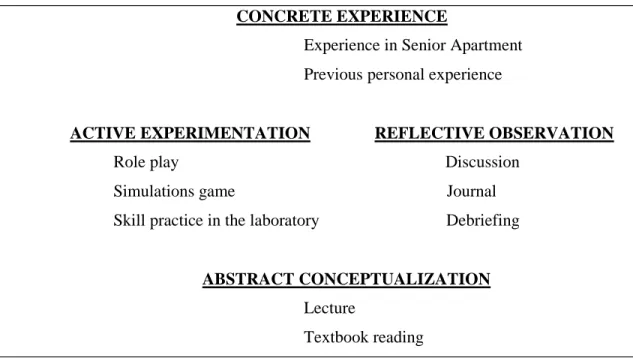
(17) as a whole (Mathur 1996); this presents a challenge for the community through the loss of their potential social-economic contribution. Furthermore, the proportion of people aged 75 and over will increase during this century and this group is the most intensive user of health and aged care services (Fagerberg, Winblad et al. 2000). Thus the structure of the aged population is an important indicator of the potential need for health care services. Advanced technology and medical treatments have resulted in people living longer. In Australia, the proportion of the population aged 65 years and over increased from 10.3% to 13.1% between 30 June 1985 and 30 June 2005 (Australian Bureau of Statistics 2005). It is projected to rise from around 12% today to 18% by the year 2021, and to 25% by the year 2051 (Commonwealth Department of Health and Aged Care 2000). In the United States of America, persons 65 years and older currently make up 12.4% of the population and by 2030 they will constitute 20% (U.S. Bureau of the Census 2000). As in western industrial countries, there is a major demographic transformation in Taiwan, resulting in the growth of what is termed an “aged population”. Currently, people aged 65 and over make up 9.7% of the Taiwanese population (Department of Statistics 2006). It is estimated that by 2030 and 2040, the proportion of older people in Taiwan will rise to 19.5% and 25% of the population, respectively (Social Affairs 2002). Within this growing aged population, levels of disability are markedly higher for those 65 and over. Functional disabilities with psychological, socioeconomic, and environmental factors can have a profound impact on the health care system; this increased aged population with its associated health care needs will represent the most common care group for nursing (Sheffler 1998; Happell and Brooker 2001; Paton, Sar et al. 2001; Hweidi and Al-Obeisat 2006). Health care providers will play an important role in meeting the various needs of older people. Some studies suggest that generally people believe that growing old is associated with frailty and an inevitable decline in function, such as fading memory, reduced learning skills, and being slower in general (Treharne 1990; Hawkins 1996; Gellis, Sherman et al. 2003). Older people have also been viewed as burdensome throughout western society (Woolf 1998) and it has been suggested that society has negative attitudes toward older people (Laditka, Fischer et al. 2004). Nurses, as. 2.
(18) members of society, are not immune from holding negative, pessimistic views that can influence professionals’ understanding of the needs of older people (Reed and Clarke 1999). Negative attitudes toward older people have been investigated in nurses (Kearney, Miller et al. 2000), undergraduate nursing students (Happell 1999; Knapp and Stubblefield 2000; Happell and Brooker 2001), and social work students (Gellis, Sherman et al. 2003). On the other hand, a number of studies in Taiwan have found that students hold positive attitudes toward older people (Lin 1993; Liou and Hsu 1994; Wei 1995). In Taiwan, 63% of older people aged 65 years and over live with their children (Department of Statisics 2000). Strong and often close relationships with grandparents could explain why students’ attitudes toward older people are positive in Taiwanese studies. With the increasing population of older people, health care professionals will gain more experience in caring for older people; however, an increasingly large body of literature suggests that most health care professionals have little knowledge about older people, such as their demographic characteristics and physical status, (Nolan, Davies et al. 2001; Kaempfer, Wellman et al. 2002; Fitzgerald, Wray et al. 2003; Fajemilehin 2004). The issue of low levels of knowledge about older people is relevant to nursing education programs; to increase students’ knowledge about older people, gerontological education needs to be included in general professional nursing education courses. A number of studies support the notion that nurses and nursing students have been influenced by pessimistic views and hold negative attitudes toward older people (Happell 1999; Kearney, Miller et al. 2000; Knapp and Stubblefield 2000; Paton, Sar et al. 2001; Gellis, Sherman et al. 2003) and have little knowledge about them (Nolan, Davies et al. 2001; Kaempfer, Wellman et al. 2002; Fitzgerald, Wray et al. 2003; Fajemilehin 2004). From a pedagogical perspective, in order to address these issues, many universities and colleges have offered gerontological education programs to prepare students to work with older people (Wei 1995; Gorelik, Damron-Rodriguez et al. 2000; Fajemilehin 2004). Exposure to gerontological content has been shown to modify stereotypical attitudes toward older people, instil knowledge, and develop skills (Shoemake, Bowman et al. 1998; Knapp and Stubblefield 1999; Langer 1999; 3.
(19) Weaver 1999; Berenbaum 2000; Alford, Miles et al. 2001; Wilkes and LeMiere 2001). Gerontological courses can assist nursing students to gain knowledge about older people, to increase students’ commitment to anticipating the needs of older people, and to use their knowledge in new situations (Knapp and Stubblefield 2000; Ragan and Bowen 2001; Wilkes and LeMiere 2001; Gallagher, Dobrosielski-Vergona et al. 2005; Moriello, Smey et al. 2005). However in Taiwan there are concerns with currently existing gerontological nursing courses. Firstly, the subject is optional in nursing programs, leading to student perceptions that it is not as important as other compulsory units. Secondly, in the four-year nursing program, students start clinical practice in acute hospitals in their second year, when they experience and learn how to care for ill patients, including older patients. During such nursing education programs and clinical training, students receive few positive messages about caring for older people. The main messages they get consist of information that focuses more on caring for ill older people and less on positive aspects of the ageing process (Liou and Hsu 1994). Thirdly, in Taiwan, traditional didactic lecture-based learning is the most common teaching method used to deliver nursing courses, including gerontological subjects. It is usual for teachers to transmit their knowledge, and for students to be passive information receivers; students memorise the information which the teacher gives during the lecture in order to pass examinations. During the class, there is no active interaction between students and teachers, no real experience or interaction with older people during the gerontological nursing subject, and no opportunity for reflection on students’ experiences with older people. These factors highlight some important issues in gerontological nursing courses in Taiwan. A number of researchers have reported that nursing students’ attitudes toward and knowledge about older people can be improved by a variety of educational means (Brown and Roodin 2001; Ragan and Bowen 2001; Wilkes and LeMiere 2001; O'Hanlon and Brookover 2002; Dorfman, Murty et al. 2004; Moriello, Smey et al. 2005). For example, courses that have been shown to promote nursing students’ attitudes toward and knowledge about older people have included the use of an intergenerational service-learning approach (Knapp and Stubblefield 2000; Blieszner and Artale 2001; Nichols and Monard 2001; Weinreich 2003; Dorfman, Murty et al. 2004; O'Quin, Bulot et al. 2005) and an experiential learning approach (Bullard, Fleischer et al. 1996; Karner, Rheinheimer et al. 1998; Anderson-Hanley 1999;. 4.
(20) O'Hanlon and Brookover 2002; Moriello, Smey et al. 2005). Intergenerational servicelearning is an innovative approach to teaching and learning that integrates community service activities that focus on the interactions between younger and older adults into academic curricula (Newman and Smith 1997; McCrea, Nichols et al. 2000). Although participating in service activities with older people is one way to deliver gerontological education, two issues that need consideration are time commitment and implementation of service-learning (Bringle and Kremer 1993; Blieszner and Artale 2001). For example, in terms of time commitment, students need to spend more time in community service to achieve the requirements of the course; but when placing students in the community, practical considerations such as travel and effective monitoring need to be taken into account so as to promote the most effective learning experience. According to earlier studies, an alternative method is the experiential learning approach, which has been used in gerontological nursing courses to promote positive attitudes and increase nursing students’ knowledge about older people. In this approach, the teacher interacts with students about a particular concept using a variety of activities; for gerontological courses these activities might include exercises such as experience with older people, group discussion, journal writing, lecture, role play, simulation games, and skills practice in the laboratory (Potgieter and Phil 1999; Wood 2002). A few studies have documented evidence on the effectiveness of experiential learning approaches in improving attitudes toward and enhancing knowledge about older people in gerontological nursing (Karner, Rheinheimer et al. 1998; Kropf 2002; O'Hanlon and Brookover 2002; Wood 2002). Although experiential teaching approaches have been introduced as a teaching method for gerontological education in earlier studies, it is interesting to note that no published studies have reported on this area in Taiwan. Thus research is required in this area. Kolb’s (1984) experiential learning model provides a conceptual framework for guiding the design of a gerontological nursing course and was used in the study reported in this thesis. Kolb’s experiential learning model is a four-stage cycle. The stages are: concrete experience (CE), reflective observation (RO), abstract conceptualization (AC), and active experimentation (AE). The first stage in Kolb’s model is concrete experience, which enables individuals to become immersed in. 5.
(21) actual situations (Kolb 1984). By having contact with healthy older people, students can gain positive feedback and experience. Reflective observation of ideas and situations by carefully observing them from different perspectives, and impartially describing them, can facilitate students’ understanding of their meaning (Kolb 1984). Group discussion, journal writing, and debriefing could also be used to engage students at this stage. Abstract conceptualisation is used to develop explanations of what has been experienced; lecture and textbook readings might be used as teaching strategies at this stage. The last stage is active experimentation, active doing; simulation games, role play, and practice in the laboratory might be used as teaching strategies at this stage. The overall model emphasises learning rather than teaching; the learner is prepared for learning outcomes through activities that promote active involvement rather than by being a passive receiver of information. Moreover, experiential learning denotes learning activities that engage the learner directly in experiencing real situations. Application of the experiential learning approach to an educational program, with a variety of teaching strategies, provides students with opportunities to see the more positive aspects of older people and to receive positive feedback from them (O'Hanlon and Brookover 2002). It also provides a real-world model to reinforce their gerontological concepts and knowledge about older people (O'Hanlon and Brookover 2002); students’ self-confidence in their interactions with older people could consequently be increased, improving their attitudes toward them. Purpose and Objectives The overall purpose of the research reported in this thesis was to improve undergraduate nursing students’ attitudes toward and knowledge about older people in order to encourage them to work with older people in Taiwan. To achieve this purpose, a three-phase process was used (Figure 1.1).. 6.
(22) Phase 1: Study 1—Survey. Students’ characteristics Age Gender Nursing program Table 0:1 Work experience Living with older people Contact with older people Previous studies related to older people Clinical practice Intention to work with older people. Phase 2: Development of gerontological nursing education program. Phase 3: Study 2—Evaluation of Educational Intervention. Development of gerontological nursing program with experiential learning approach . Attitudes toward older people Knowledge about older people. Changes in: Experiential education intervention. Attitudes toward older people Knowledge about older people. (Kolb 1984). Figure1.1 Framework for the proposed studies. 7.
(23) Phase 1: Study 1 focused on establishing current Taiwanese nursing students’ attitudes toward and knowledge about older people. It was an exploratory study on the relationships between students’ demographic variables and attitudes toward older people and knowledge about them.. Phase 2: Informed by the results of Study 1, this phase was the planning and development of a nursing education program including gerontological content and activities for teaching and learning.. Phase 3: Study 2 examined changes in knowledge and attitudes regarding older people among undergraduate nursing students following their participation in the planned educational gerontological course. The specific objectives of Study 1 were to: 1. Validate two instruments: Perception of Working with Older People (PWOP) and Knowledge of the Situation of Older people (KSOP); 2. Examine the reliability of four instruments: Kogan’s (1961) Attitudes toward Old People Scale (KOP), Nolan et al.’s (2001) Perception of Working with Older People (PWOP), Palmore’s (1988) Facts on Ageing Quiz 1 (FAQ 1), and Nolan et al.’s (2001) Knowledge of the Situation of Older people (KSOP); 3. Gain a greater understanding of Taiwanese nursing students’ attitudes toward and knowledge about older people; 4. Understand the relationships between two different instruments measuring attitudes toward older people and two different instruments assessing knowledge about older people; 5. Examine the correlations among two knowledge and two attitude instruments and 8.
(24) demographic data; 6. Determine the factors influencing Taiwanese nursing students’ attitudes toward and knowledge about older people. The specific objectives of Study 2 were to: 1. Evaluate the effect of an experiential-based learning strategy on nursing students’ attitudes toward and knowledge about older people compared to lecture-based learning in Taiwan; 2. Examine students’ reactions to the gerontological nursing subject and the experiential learning strategies used in the experiential-based learning group.. Research Questions In order to achieve the objectives of Study 1, the following research questions were pursued: 1. What are current Taiwanese nursing students’ attitudes toward and knowledge about older people? 2. What are the relationships between two attitudinal measures, Kogan’s (1961) Attitudes Toward Older People Scale (KOP) and Nolan’s Students’ Perceptions of Work with Older people (2001), and between two knowledge measures, Nolan’s Student Nurses’ Knowledge of the Situation of Older People (2001) and Palmore’s (1988) Facts on Ageing Quiz (FAQ 1)? 3. What factors are likely to influence Taiwanese nursing students’ attitudes toward and knowledge about older people?. In order to achieve the objectives of Study 2, the following research questions were pursued:. 9.
(25) 4. Does the use of an experiential learning approach in a selected gerontological nursing course improve Taiwanese nursing students’ attitudes toward older people when compared to a usual lecture based approach? 5. Does the use of an experiential learning approach in a selected gerontological nursing course improve Taiwanese nursing students’ knowledge about older people when compared to a usual lecture based approach? 6. What were students’ perceptions of the experiential learning strategies after the gerontological nursing educational program (experiential-based learning group only)?. The following research hypotheses were formulated to examine research questions 4 and 5: Research question 4. Students studying a gerontological course who received an experiential-based learning strategy would have more positive attitudes toward older people than students who received the usual lecture-based learning strategy. It was specifically expected that: . Students studying a gerontological course who received an experiential-based learning strategy would report greater intention to work with older people than students who received the usual lecture-based learning strategy.. . Students studying a gerontological course who received an experiential-based learning strategy would rate their career prospects of working with older people higher than students who received the usual lecture-based learning strategy.. Research question 5. Students studying a gerontological course who received an experiential-based learning strategy would have a higher level of gerontological knowledge than students who received the usual lecture-based learning strategy.. 10.
(26) It was specifically expected that: . Students studying a gerontological course who received an experiential-based learning strategy would have more knowledge about older people’s daily activities than students who received the usual lecture-based learning strategy. . Students studying a gerontological course who received an experiential-based learning strategy would have more knowledge about the demography of older people than students who received the usual lecture-based learning strategy. . Students studying a gerontological course who received an experiential-based learning strategy would have more knowledge about the vulnerability of older people than students who received the usual lecture-based learning strategy. Definition of Terms In order to clearly understand the study, key terms need to be explained. The following terms are defined in the context in which they are used in the studies reported in this thesis. . Older people refers to individuals who are 65 years of age and older.. . Ageing is a gradual process of individual physical, psychological and social change over the course of time. (Polizzi and Millikin 2002).. . Ageism has been defined by Butler (1975) as a “process of systematic stereotyping of and discrimination against people because they are old, just as racism and sexism accomplish this with skin colour and gender. Older people are categorised as senile, rigid in thought and manner, old-fashioned in morality and skills… ageism allows the younger generations to see older people as different from themselves; thus they subtly cease to identify with their elders as human beings” (p.12).. . Stereotypes refer to sets of cognitive beliefs which describe typical members of a 11.
(27) category of people, objects, or ideas (Bowd 2003). . Attitudes toward older people refers to mental views based on cumulative experience and directed toward individuals; in this case, attitude refers to student’s thoughts and feelings about older people (Kogan 1961).. . Knowledge refers to useful information that can be acted upon in the course of decision making, problem solving and critical thinking; in this case, knowledge refers to information about older people (Palmore 1998).. . Gerontology refers to the study of ageing.. . Experiential learning refers to “the process whereby knowledge is created through the transformation of experience” (Kolb, 1984, p.38). . Gerontological nursing educational intervention is defined as a nursing course consisting of 32 hours in a 16 week semester. It includes didactic presentations which address the biopsychosocial needs of older people, simulation game experiences which focus on sensitivity training, contact with healthy older people in a community setting, and clinical practice in a hospital setting.. . Students are defined as those male and female students enrolled in an undergraduate program of nursing in a particular university in Taiwan.. Structure of the Thesis The thesis is presented in seven chapters. . Chapter 1 provides the background to the research study, the purpose,. objectives, research questions, and definition of terms. . Chapter 2 presents a review of the literature, including attitudes toward and. knowledge about older people, factors influencing attitudes and knowledge, and instruments used to examine attitudes and knowledge. . Chapter 3 presents a review of the literature regarding the impact of 12.
(28) gerontological educational interventions and experiential learning. The experiential learning model to be used in the study is also outlined in this chapter. . Chapter 4 describes the method used to conduct Study 1, including research. design, research questions, hypotheses, outcome and explanatory variables, data collection procedure, instruments, data analysis and ethical considerations.. The. discussion of Study 1 findings, as well as the limitations of the research and recommendations for future research and education is also outlined in Chapter 4. . Chapter 5 presents the gerontological nursing educational program that was. developed and evaluated in Study 2. The chapter includes an overview of the gerontological nursing subject and of teaching and learning activities in the usual lecture-based learning group, followed by a description of the educational intervention program and teaching and learning activities in the experiential-based learning group. . Chapter 6 outlines the method used to conduct Study 2, sample characteristics,. quantitative results of attitudes towards and knowledge about older people, qualitative results of focus group interviews and discussion of findings. . Chapter 7 concludes the thesis by reviewing the findings reported in Chapters. Four and Six. The limitations of the current studies, implication of their findings for nursing education, and recommendations for further research are discussed.. 13.
(29) CHAPTER TWO Literature Review: Attitudes toward and Knowledge about Older People This chapter will firstly examine the literature dealing with current health care professionals’ and students’ attitudes toward older people and their knowledge about them. Then it will examine the factors influencing these attitudes and knowledge, and the limitations of previous studies that have been identified. Finally, the chapter will conclude with an overview of instruments used to measure attitudes and knowledge related to ageing.. Ageing is a natural process; society, however, is generally seen to be youth oriented. In a society where older people are not highly valued, everybody prefers being young rather than ageing or old; many people fear growing old and try to cover up their ageing. The negative perceptions of ageing and older people are apparent in our media, language, and humour (Moody, 2000). For example, the word “old” is associated with a decline in physical characteristics, such as impotence, reduced function, and withered appearance. The term “old” often indicates a negative bias against older people, which is common to many cultures and is true of the Chinese language.. Negative attitudes toward older people are reinforced by myths and misinformation about the ageing process and the state of being old (Cowan, Fitzpatrick, Roberts, & While, 2004; Harris & Dollinger, 2001). Myths about ageing include the belief that all older people are alike (Fajemilehin, 2004). Older people are often described in society as disagreeable, dependent, inactive, economically 14.
(30) burdensome, dull and generally ill and frail (Thornton, 2002). In the 19th century, the medical community began to preface physical conditions with the term “senile” to link diseases to older individuals (Lookinland & Anson, 1995). In many countries, reaching the age of 65 and over has been a reason for compulsory retirement and categorisation into the “old” age group. The medical labelling of “senile” combined with categorisation as “old” led to acceptance of the concept of “old” into society (Moody, 2000). Moody (2000) has argued that societal institutionalisation provided the structure to form stereotypes about older people in society, encouraging prejudicial behaviour. These negative beliefs can be held by society in general, as well as by health care providers. Research has illustrated that negative and stereotypical attitudes toward older people are held by both nurses (Gething et al., 2002; Kearney, Miller, Paul, & Smith, 2000) and social work and nursing students (Gellis, Sherman, & Lawrance, 2003; Happell & Brooker, 2001).. In order to review attitudes toward and knowledge about older people, a search of data bases such as CINAHL, ERIC, MEDLINE, and PsysINFO was undertaken. The terms used to limit the search were students, nursing students, nurses, attitudes, knowledge, and older people. The researcher found 25 quantitative studies published between 2000 and 2006. Fourteen of these studies had examined nursing students’ and nurses’ attitudes toward older people; four had examined knowledge about older people related to nursing students and nurses, and the remaining studies had examined attitudes toward and knowledge about older people in relation to students from social work, medicine, podiatry, dietetics, psychology, and general university courses. However, the researcher could not locate studies over the same period through the above databases related to attitudes and knowledge about older people in Taiwan. Threrfore, the search was extended to the period from 1990 to 2006. 15.
(31) Three Taiwanese studies were found including two studies related to nursing students and nurses and one related to general university students. Hence this study has reviewed a total of 28 studies including 25 studies from 2000 to 2006 and three Taiwanese studies from 1990 to 2006.. Attitudes toward Older People In the studies reviewed, 14 out of 28 studies related to nursing students’ and nurses’ attitudes toward older people. Out of these 14 studies, four did not directly identify whether nursing students’ or nurses’ attitudes toward older people were positive or negative, so only the remaining 10 studies are reviewed in this section. This section will firstly examine studies that have reported negative attitudes toward older people held by nurses and nursing students; studies from Taiwan will be reported first, followed by studies from other countries. This will be followed by a similar section on positive attitudes; again, studies on other countries will follow those on Taiwan.. Negative Attitudes towards Older People In similar ways to western countries, Taiwan has reported negative beliefs toward older people. In Taiwan, Liou and Hsu (1994) surveyed 333 nurses and 189 fourth year college nursing students to evaluate their attitudes and stereotypes toward older people. The results revealed that generally both groups stereotyped them, but nurses’ attitudes were more negative and stereotypical than those of nursing students. The reasons cited for this were that, in clinical settings, nurses have to face real situations such as shortages of staff, lack of self-care ability of older people, lack of care facilities, and lack of self-preparation in caring for older people (Liou & Hsu, 16.
(32) 1994). However, in the study by Liou and Hsu’s (1994), the sample of nurses was derived from one veterans’ hospital, where, because the older patients are disabled and without family to help them, the nurses’ workload was increased, a factor which may have contributed to the negative attitudes toward the older patients.. Persistently negative attitudes toward older people were found in the study by Kearney et al. (2000) which measured attitudes toward older people in the United Kingdom (UK) held by 119 registered nurses working within a cancer centre. Using Kogan’s Attitudes toward Old People Scale (KOP), the results of the study revealed that attitudes were more negative than neutral. However, the older people in a cancer centre would be those suffering different stages of physical or psychological illnesses. Caring for these older patients was likely to affect the healthcare professionals’ attitudes toward them, so the results should not be generalised beyond this type of setting. Also, the KOP scale was not designed to examine attitudes toward older people in a specific health care context.. In Australia, Happell and Brooker (2001) surveyed the attitudes of 793 year one undergraduate nursing students in Victoria toward their future career options. The study indicated that they did not have a favourable attitude toward employment in the care of older people because of their overwhelmingly negative views and misconceptions. However, in this study, the sample was limited to nursing students in Victoria, so results cannot be generalised to students in other locations.. In a study of 143 Australian and 213 British nurses currently working in nursing, particularly in gerontology, Gething et al.(2002) explored the question of attitudes about older people among nurses across these two countries. The results 17.
(33) revealed that, overall, negative stereotyping among nurses in regard to ageing and older people occurred across both countries, and suggested that nurses in the sample devalued and underestimated the capabilities of older people (Gething et al., 2002). However, the majority of these nurses worked in aged care. The characteristics of the older people in the aged care settings were not reported but the context of the care setting could be a factor affecting the nurses’ attitudes toward older people.. A Swedish study by Soderhamn, Lindencrona, and Gustavsson (2001), using Kogan’s Attitudes toward Older People (KOP) Scale, explored the attitudes toward older people among 151 first, third and final year nursing students, and 41 experienced registered nurses in post-graduate courses. The study found that the attitudes among nursing students and registered nurses were quite negative. However, demographic characteristics, such as work experience with older people or amount of contact with older people, were not reported in the study. These aspects of experience with older people could have been an important factor influencing the students’ and nurses’ attitudes toward older people.. Positive Attitudes toward Older People In Taiwan, Wei (1995) examined attitudes toward older people in 911 senior nursing students with clinical practice experience, including those studying at universities, 2-year and 5-year junior college courses, and 3-year vocational high school courses. Wei (1995) found that the attitudes of nursing students were positive in contrast to studies in other countries (Gething et al., 2002; Happell & Brooker, 2001; Kearney et al., 2000; Liou & Hsu, 1994; Soderhamn et al., 2001). However, in Taiwan, the family often stay with patients in the hospitals and students often only. 18.
(34) take care of one patient during their clinical practice. The students often view older patients as similar to their grandparents (Wei, 1995) and so having positive attitudes toward older patients is not unexpected.. Several studies in other countries have reported positive attitudes held by students and nurses. Using the Perceptions of Working with Older People (PWOP) instrument, Nolan et al. (2001) explored the perceptions of UK students and qualified nurses toward older people. They found both students and nurses were quite favourably disposed toward working with older people. For example, the majority of students and nurses disagreed that working with older people was a dead-end job. The vast majority of respondents disagreed with the sentiment that it was difficult to gain satisfaction from working with older people. However, in the student group, most students had contact with older people, such as caring for a family member, voluntary work or school experience; this prior experience might have influenced students’ attitudes toward older people in the study. Moreover, in the nurse group, the majority were registered nurses, which might have influenced the degree to which they liked to work with older people. But nurses’ work experience with older people was not mentioned in the study and may have influenced their perception of older people or attitudes toward older people.. Lookinland, Linton, and Lavender (2002) collected data using Kogan’s Attitude Toward Older People (KOP) Scale with a group of 385 African-American nurses to explore their attitudes towards older clients. The results indicated that African-American nurses expressed overall positive attitudes. However, this study was focused only on African-American nurses; although controlling for ethnicity can be viewed as a strength, cultural differences could be a factor and it may be 19.
(35) inappropriate to generalise its results to other ethnicities.. McKinlay and Cowan (2003) examined attitudes toward older patients among 172 student nurses undertaking pre-registration nursing courses in Scotland. They found that student nurses displayed positive attitudes and intentions toward working with older patients; however, this study explored attitudes and intentions toward working with older patients, rather than with older people in general. As student nurses, they may not have been fully aware of the reality of working with older patients in a clinical setting and this may explain their positive attitudes.. Similarly, a study by Hweidi and Al-Obeisat (2006), using Kogan’s Attitudes toward Older People (KOP) Scale, surveyed the attitudes of 243 Jordanian nursing students at one government university. The students were selected from four different classes: two were first and second year classes and the other two were third and fourth year classes. The study noted that these Jordanian nursing students reported slightly positive attitudes. However, more than half of the students had no previous experience in working with older people either in acute care or long-tern care settings. Also, half of the students had lived with one or more older people. The study did not investigate the relationship between attitudes and demographic factors such as students’ prior experience with older people and living with older people. Such demographic characteristics could be factors influencing students’ attitudes toward older people.. To summarise, several studies have investigated attitudes among students and nurses. The results of the studies are inconsistent or contradictory. Five studies have indicated the presence of ageist stereotypes and negative attitudes toward older people (Gething et al., 2002; Happell & Brooker, 2001; Kearney et al., 2000; Liou & Hsu, 20.
(36) 1994; Soderhamn et al., 2001) in nurses and nursing students. However, five other studies have found positive attitudes (Hweidi & Al-Obeisat, 2006; Lookinland et al., 2002; McKinlay & Cowan, 2003; Nolan et al., 2001; Wei, 1995). The negative attitudes toward older people held by nurses and nursing students may have arisen because, by the time they were studied, they had had increased exposure to older individuals with physical problem in acute clinical settings. According to Fishbein and Ajzen (1975), what we believe about a person influences our attitude toward that person, which in turn affects our intention to behave and then how we actually behave toward that person. Therefore, it can be assumed that the attitudes and stereotypical beliefs of nurses and nursing students toward the ageing process and older people can be influenced by their experience with them in acute institutional settings, where the older people are more likely to present with negative than with positive aspects of ageing.. Interestingly, two studies were conducted on Taiwanese nursing students’ and nurses’ attitudes toward older people: one study revealed positive attitudes and the other revealed negative attitudes, so they are contradictory. Because little research has been done in the area of nursing students’ attitudes toward older people in Taiwan, a need for further research in the Taiwanese setting is indicated. Presumably, the further research could be expected to reveal more positive attitudes held by nursing students because of the Chinese culture. In the Chinese culture, old people prefer to live with their children, to keep the family as the primary focus of their social interaction, and find much of the meaning of their lives and their hope for the future in their close relationships with children and grandchildren (Sokolovsky, 1997; Tan, Zhang & Fan, 2004). In Taiwan, 63% of people 65 years and over live with their children (Department of Statistics, 2000). Also, older people are respected and honoured for 21.
(37) their wisdom and experience; the Confucian ideals of respect for older people and their high status generally apply to the family in Chinese cultures (Tan et al., 2004). Older people in the family act as the role model for younger generations, while the younger generation have respect for the wisdom of older people. Therefore, the close relationship between grandparents and students as well as the role model of older people in the family is reflected in the students’ positive attitudes toward older people as reported in Taiwanese studies.. Knowledge about Ageing With the growing population of older people, health care professionals will have more experiences of caring for older people. However, an increasing body of literature suggests that most health care professionals have little knowledge about older people, such as the demographics of older people or the ageing process. In a search of the literature, only four out of the 28 reviewed studies mentioned nurses’ and nursing students’ knowledge about older people. Because of the limited number of studies, this section also included three studies that involved students of other health professions. The following section will first examine four studies that have reported on levels of knowledge about older people by nurses and nursing students, and then three studies from other professional areas. As before, the discussion will address studies from Taiwan first and then focus specifically on studies from other countries.. In Taiwan, Wei’s (1995) survey of 911 nursing students’ knowledge demonstrated low levels of knowledge of ageing and older people. However, the instrument used mainly focused on physical changes, without examining the gerontological content that participants had learnt; a specific focus that limits the 22.
Figure
Outline
Literature Review: Gerontological Nursing Education
This figure is not available online Please consult the hardcopy thesis
Factors Influencing Experiential Learning Outcomes
CHAPTER FOUR
ABSTRACT CONCEPTUALIZATION Lecture
Evaluation of Educational Intervention
Quantitative Results Sample characteristics
Qualitative Results
Related documents
After various CDM projects were initiated, numerous Parties to the Protocol expressed their fears that the incineration of HFC-23 under the CDM generates such high income that
ABSTRACT: The present study has used soil samples from Nigeria, contaminated with Brass crude-oil, to determine its biodegradation through enhanced biostimulation with cow
At moderate work rates (50 to 70 % of maximum oxy- gen uptake, or maximum exercise capacity), respirators impede the loss of heat from the face and can result in hyperthermia
Total number of inputs (colourants / textiles auxiliaries) listed on this letter of approval: 54 This Letter of Approval is valid until a new GOTS version is implemented.
By asking each person how they intend to obey each week, and following up the next week by asking how they applied what they learned, you are reinforcing the importance of doing what
dynamic request routing in the indirect bottom level coopera- tion at C i. The assignment is in a distributed fashion while both asym- metric link capacities and heterogeneous
The empirical result of regression analysis of market price per share with debt equity disclosed a positive and statistically significant relationship in majority of the selected
