MAS-ML
����������������������������������������������������������������� ��������������������������������������������������������������������
�����������������������������������������������������������������
������������������������������������
Abstract. Agent Unified Modeling Language (AUML) and Multi-Agent System Modeling Language (MAS-ML) are modeling languages that extend Unified Modeling Language (UML) for modeling Multiagent Systems (MAS). This paper presents a comparison between these two languages achieved through a case study: a MAS that schedules lectures in conferences. The aim of this case study was to exemplify the usage of these languages, identify difficulties in modeling and carry out a comparison between the two extensions.
Keywords: AUML; MAS-ML; Multiagent Systems; modeling comparison.
(Received March 04, 2010 / Accepted July 02, 2010)
1 Introduction
During the process of software development, models are built with the goal of representing the relevant aspects of the system to be developed. The models should be simple and specify the system’s desired characteristics, facilitating the communication of design decisions to all persons involved in the process. The most used modeling language today is UML (Unified Modeling Language).
The development of agent-based systems are increasingly being used as a paradigm for design and development of complex systems [19]. This type of approach is particularly suited to situations that require distributed decision making with multiple competing interests. To model such a system, the representation languages must have some special features. The use of an object-oriented (OO) modeling language to model multiagent systems (MAS) is controversial, since agents have characteristics that lead to the need to develop an appropriate language. Some authors believe it is possible to model a MAS using an OO approach, but this approach does not handle some modeling issues involved in MAS [2, 16,17]. [4] demonstrate that the UML 2.0 brought many improvements to agent modeling, but there are still some untouched aspects. As mentioned [4] (p. 120): “UML has no “off-the-shelf” constructs to express: goals, agent, groups, multi-casting, generative functions such as cloning, birthing,
reproduction, parasitism and symbiosis, emergent phenomena, and many other nature-based constructs that are helpful for representing agent structures.” To overcome these limitations, several modeling languages have been proposed for MAS using UML as their base [8, 11, 12, 16,17,18].
This article aims to exemplify the use of the AUML and MAS-ML modeling languages, seeking to identify problems and compare the two languages. The text is structured as follows: sections 2 and 3 describe the AUML and MAS-ML languages. The section 4 presents the case study. In section 5, a comparison is carried out between the languages and, in section 6, the conclusions are presented.
2 AUML
emphasize the behavior of agents and the interactions between them.
The class diagrams were extended to represent agents, but some authors disagree about the description of the classes and relations [3, 9]. The main difference is that one of them proposes to insert only the name of the agent interaction protocols in the class diagram [9], while the other proposes the insertion of the protocols along with their messages of input, actions and output [3]. The present work will consider the Huget proposal [9], because of its simple approach and easier reading. Besides, the protocol is presented in a specific diagram. In addition to the compartments for attributes and operations, such as those in the UML class diagram, in the AUML class diagram, it is possible to include compartments for: roles represented by agents; name of the state diagrams that represent the internal processing of the agents; services provided; capacities, perceptions and agent interaction protocols; and organizations in which the agent participates. The sequence diagrams were extended to represent agent interaction protocols – AIP [11,12]. AIP is a communication standard which describes the sequence of messages exchanged between the agents and the restrictions related to the content of these messages.
The sequence and collaboration diagrams are semantically equivalent. The first one emphasizes the chronological sequence of communication, while the second emphasizes the association among the agents, but the main difference is the possibility to express constraints of time in the sequence diagrams, which is very useful in the MAS. In the collaboration diagram, the sequence of the exchanged messages is represented by numbering. The main change in this AUML diagram is that the same agent can appear representing multiples roles.
The AUML activity diagram is used to represent the flow of activities, similarly to the UML. However, it represents the activities associated with an AIP or to the activities of a role represented by an agent. The representation of the execution lines of control flows in an explicit manner is particularly useful for complex interaction protocols that involve concurrent processing [12].
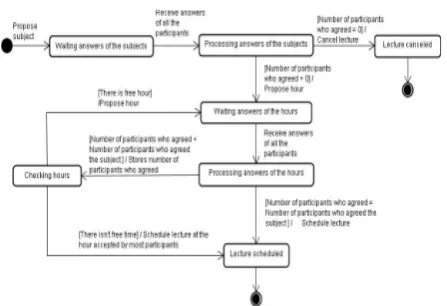
The AUML state diagram represents the states and the transitions of an AIP or a role. It is used to represent known constraints and indicates which agent executes the action that causes the change from one state to another.
3 MAS-ML (Multi-Agent System Modeling
Language)
MAS-ML (Multi-Agent System Modeling Language) [15,16,17] is a modeling language which extends the UML metamodel, describing new metaclasses and stereotypes to represent MAS elements and their properties. It extends the UML class and sequence diagrams and proposes two new diagrams: organization and role diagrams [16]. MAS-ML is particularly adequate to model cognitive agents, according to the BDI approach (Belief Desire and Intentions) [14], since it allows the modeler to express the beliefs, desires and intentions related to the objects and organizations.
MAS-ML is a UML extension based on the conceptual framework (metamodel) Taming Agents and Objects (TAO). This framework defines static and dynamic aspects of the MAS, clustering abstractions frequently described. The static aspects capture elements of the system, their properties and relations. The elements defined in TAO are [15]: objects – passive or reactive element which has state and behavior, but does not have control over it; agents – autonomous, adaptive and interactive element; organization – groups agents that execute roles and have common goals; environments – where objects, agents and organizations reside; and role – guides and limits the behavior of an agent or object in the organization. The relations that link these elements are:
• Inhabit: an element resides in a habitat and can leave and enter it respecting the permissions;
• Ownership: an element is defined in the scope of another element;
• Play: an element plays a role;
• Dependency: an element may depend on another to perform its work;
• Specialization/Generalization: the sub-element that specializes the super element inherits all the properties and relations defined in the super element;
• Association: an element can interact with another element to which it is associated;
• Aggregation: an element can be an aggregator of parts;
The extended class diagram and the role and organization diagrams proposed in the MAS-ML describe static aspects. The class diagram was extended to represent structural relations among agents, agents and classes, organizations, organizations and classes, environments and environments and classes. The main change proposed in this diagram was the use of other relations among the classes, besides those defined for the UML class diagram. The relations association, aggregation, specialization and inhabit can be used.
The role diagram is responsible for modeling the roles defined in the organizations. It defines the relations between agent roles and object roles and between these roles and classes. The control, dependency, association, aggregation and specialization [17] relations can be used.
The organization diagrams aim at modeling the organizations of the system and the relations between environments and agents and between environments and organizations. The following relations are used: ownership, play and inhabit. There must be an organization diagram for each organization in the system, exhibiting the environment where it inhabits, the roles, objects, agents and sub-organizations that play those roles.
The UML sequence diagram was extended to describe the dynamic aspects of the MAS, representing the interaction among agents, organizations, environments and objects. Besides extending the definition of the UML <<create>> and <<destroy>> stereotypes to create and destroy agents, organizations and environments, MAS-ML also introduces new stereotypes [17]: <<role_commitment>> – designates an element (agent, organization or object), registering a new role without canceling its previous role; <<role_cancel>> – plays an element canceling a role ; <<role_deactivate>> – plays an element deactivating a role – <<role_activate>>: plays an element activating a role; and <<role_change>> – plays an element changing its role.
4 Case study: MAS to Schedule Lectures in
Conferences
To exemplify and evaluate the use of the AUML and MAS-ML languages, a MAS case study was carried out to achieve the best possible schedule for lectures in a conference. Each agent has a list of subjects of interest
and a timetable with sessions of one hour, from 8 a.m. to 6 p.m. Each hour in the timetable may be free or busy with some other activity. A lecture about a subject of interest can be scheduled at the free hours. Both the list of interest and the initial state of the timetables are started at random. The agents can play two roles: organizer or participant. The organizer tries to schedule a lecture about a certain subject (one of the subjects of the list of interests) and achieves the highest possible number of participants. The participant tries to attend the highest possible number of available lectures in his list of subjects of interest. The organizer must attend the lecture he organizes, in other words, he plays the role of organizer and participant in the system.
The organizing agent announces a subject and waits for the feedback from the interested agents. After receiving the message from those interested, he proposes a free hour from his timetable for the lecture. The interested agents respond if they agree with the hour proposed or propose another hour. The negotiations must continue until an hour is found that can meet the highest number of interested agents.
Several diagrams were modeled before the implementation of the MAS, but not all of them are presented in the following sections. The goal is to briefly present the relevant considerations about modeling using each one of the languages.
4.1 MAS Modeling Using AUML
�����1�������������������������������������
�����2����������������������������������������������
������������������������������������������������������� ���������������������������������������������������� ��� � ��� � ����������� � ��� � ���������� � ����� � ����� � �� �������������������������������������������������������� ��������������������������������������������������������� ����������������������������������������������������������� �������������������������������������������������������� ��� � ���������� � ���� � ������ � ��� � ��������� � ������ � ���� ������������������������������������������������������ ��������������������������������������������������������� ���� � ���� � � � ������� � ���������� � �� � ��������� � ���� ��������
��� � ������������� � ��� � �������� � �������� � ���� � ����� ���� � �� � ��������� � ��� � ������������ � ����� � ��� � �������� ���������������������������������������������������������� ��� � ������������� � ������� � ����� � �� � ��� � ��������� � ��� ������������������������������������������������������������ ��������������������������������������
Fig. 3. Collaboration diagram for MAS in study.
�����4��������������������������������������������
����������������������������������������������������� ����������������������������������������������������������� �� � �� � �� � �������� � �� � ������� � ���� � ��� � ��������� � ����� �������� � �� � ���� � ����� � ��������� � ��� � ������� � �� � ���� ������������������������������������������������������������ �������������������������������������������������������� ������������������������������������������������������� ����������������������������������������������������������� �������������������������������������������
4.2 MAS Modeling Using MAS-ML
������������������������������������������������ �� � ������� � ���� � ��� � �������� � �� � ��� � ������������� ������� � ����� � ��� � �� � �� � �� � ������� � �� � ��� � ���������� ���������������������������������������������������������� �������������������������������������������������������� ����������������������������������������������������������� �������������������������������������������������������� ������� � �� � ��� � ��������� � �� � ��� � ������� � ������ � �� � ����� ��������������������������������������������������������� ���� � ���� � ��� � ���� � �� � ��� � ������������ � ������� � ���� ���������������
����������������������������������������������������������� �� � ���� � �� � ��� � �������� � �� � ������ � �� � ������ � ��� � ����� ����������������
�����5������������������������������������������
�����6��������������������������
�����7����������������
�����8�� �������������������������������������������������� ��������������������
A role diagram was built to illustrate the relations between the roles of the agents and the roles of the objects. Organizers and participants have different visions about the lectures that they negotiate. The diagram of the Fig. 7 shows that a lecture is a desire for the participants and an offer for the organizers.
To finish modeling, the dynamic aspects of the system were described, using the MAS-ML sequence diagram. The diagram describes all the actions and messages sent and received related to the “schedule lecture” protocol, defined in the organizer and participant classes. A part of this diagram that shows the change of roles of the agent is exemplified in the Fig. 8. When an agent playing the organizer role receives the answer of a participant agent accepting the subject proposed, he starts to play the participant role to negotiate the timetable. This role is canceled when the hour proposed is accepted.
5 Comparative Analysis Between the AUML and MAS-ML
such as environments and organizations. It also makes a distinction between the representations of the agents and those of the objects, which does not occur in the AUML. Therefore, in the modeling of the static characteristics, the MAS-ML allowed a more comprehensive specification of the classes, roles and organizations and the relations between these entities.
In modeling dynamic characteristics, the AUML language extends four diagrams, while the MAS-ML extends only the sequence diagram. These AUML diagrams were essential for the understanding of the communications and behaviors of the agents. On the other hand, some users may feel confused with so many diagrams when they try to select the best one to represent a requirement. It is necessary to be attentive to the characteristics of each diagram in order to make the best choice. For example, the collaboration and sequence diagrams are equivalent, but to emphasize the multiple roles represented by the agents, the collaboration diagram must be used.
Table 1. Diagrams of the AUML and MAS-ML languages.
���� ������
������������ ����������� �������
���������������� ���������������� ��������������� ��������������� ��������
������������ ������������ ��������
������������������� ���������������� �������� ���������������� �������������������
����������� ��������
�������������������������������������������������� ���������������������������������������������������������� �������������������������������������������������������������� ������������������������������������������������������ ������������������������������������������������������������ ��������������������������������������������������������
���������������������������������������������������� ����������������������������������������������������� ��������������������������������������������������������� �������������������������������������������������� ������������������������������������������������������ ������������������������������������������������������ ����������������������������������������������������������� ������������������������������������������������
������������������������������������������������������� ����� � ��������� � ��������������� � �� � ��� � ��� � ��������� �������������������������������������������������� �����������
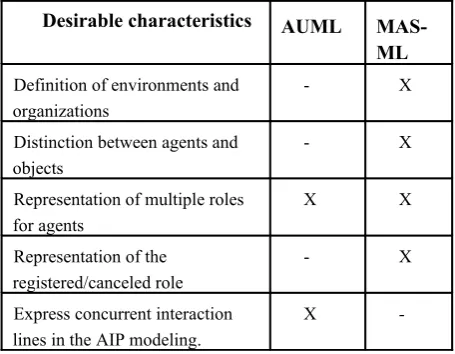
Table 2. Comparative chart of the AUML and MAS-ML languages.
������������������������� ���� ����
��
������������������������������� �������������
� �
������������������������������� �������
� �
��������������������������������� ����������
� �
���������������������� ������������������������
� �
������������������������������� ��������������������������
� �
�� � ��� � ��� � �������� � ������ � ��� � ���� � �� � ��� � ����� ����������������������������������������������������� ���������������������������������������������������� �������� � ���� � ������� � ��������� � ���� � ����� � ���� � ��� ������������������������������������������������������� ������
6
�����������
works investigated presented a detailed comparison between the AUML and MAS-ML languages.
During the modeling of the case study, it was possible to observe how the characteristics of the agents are treated in the diagrams, the differences between the languages and the advantages and disadvantages of each one. Modeling the same system in the two languages allowed more understanding of the MAS, compared to modeling in just one of them, since the AUML models the dynamic characteristics in a more comprehensive way, while the MAS-ML does the same to the static characteristics of the system. An advantage of the AUML is that it does not change the UML metamodel, allowing modeling in the existing CASE tools, in opposition to the MAS-ML, which demands its own modeling tool, but has the advantage of expressing better the static aspects, providing a more detailed model of the system that is being modeled.
Since they extend the UML, both languages present as an advantage the fast learning curve for software programmers who know the UML and how to use it. These people will have no difficulties to understand and use AUML and MAS-ML.
It can be concluded that, in environments where there are plenty of roles that agents may undertake, the MAS-ML would be a better choice as a modeling language, as it best reflected the adoption of roles by agents.
The software engineering based on agents is a new area, in which the modeling tools have not been stabilized yet. Other languages and methodologies are being proposed, such as the AORML (Agent-Object Relationship Modeling Language) [18] and the TROPOS methodology [5]. While there is not a “prevailing” language, such as the case of the UML for the OO project area, comparative analyses, similar to that carried out in this article, will be useful to guide modelers of MAS.
References
1. ����� � ����� � ������� � �������� � ����������
��������� � �� � ���� � ���� �������������������� ������ ���������������������������
�� ������� � �� � �� � � �� � ������������ � �� � �������� � ��� �������������������������������������������������� ����������������������������������������������� �� ������ � �� � ��� � ����� � �������� � ��������� � �� � ����
������� � �� � ����������� � �������� � ��� � �������
�������� � �������� � ����������� � ��� � ������� �������������������������������������������������� ������������������������������������������������� �� ������ � ��� � ������ � �� � ��� � ��� � ��� � ������� � ��� � ���
����� � ����������� � ������� � ���� � ��� � ��� � ���� ��������� � ������� � �� � ����������� � ������������ � ��� ���������� � ������������ � ������� ��� � ����� � � � �� ������ ���������������������������
�� ���������� � ��� � ��������� � � ��� � ������������ � ���� ����������� � ��� � ������� � �� � ������� � �� � ������ �������� � �������� � ����������� � ������������ � ��� ������� � �� � ���������� � ������ � ��� � ������������ ������������������������������������������� �� ��������� � �� � ��� � �������� � ����� � ��������� � ���
����������������������������������������������� �������� � ��� � ����������� � �� � ��� � ��� � �������������� �������� � �� � �������� � ����������� � ��� � ������ ����������������������������������������������� �� ����� � ���������� � ��� � ����������� � �������� � ��������
��������� � �� � ���� � ��� �������������� � ���� � �������� ������������������
�� ������������������������������������������������� ��������������������������������������������������� ��������������������������������������������������� ���������������������������������������������������� �� �������������������������������������������������
������������������������������������������������������ ������ � ����������� � �� � ����� � ���������� � ���� �������� � ����������� � ������� � ������� � ���������� ������
��� ���������������������������������������������� �������� � �������� � ��������� � ��� � ������������ �������� � ������� ��� � ����������� � �� � ��� � ������ � ������������������������������������������������� � ������������������������������������������������� ��������������������������������������������������������
��� � ��� � ������� � ��� � ����������� � �� � ��� � ������ �������� ������������ ����������������� ��� � ���� ����� �������� � ���������� � �� � ���������� � ������������� � ������ ������
��� �������������������� ���� ���� ������������������ ������������ � ����� � ����������� � ��������� � �� � � �����
���������������������������������������������������� � ��������������������������������������������������� �� � �������� � �������� � ���� � ����� � ����������������� �����������������������������
��� ����������������������������������������������� ���������������������������������������������������� ��� � ��� � ������������� � ���������� � �� � ���������� � ��� ��������� � �������������� � ��� � ���������� � ������ ���������������
��� ������������������������������������������������ ������� � �� � ��� � �������� � �� � ������ � ������ � ���� ������� � �� � �������� � ������������ � ��� � ������� � ���� ������� � ��� � ���������� � ��� � �������� � ��� � ������� � �� �������������������������������������������������� ������������������������������������������������� ��� ����������������������������������������������
�������� � ��� � �������� � ��� � ������������ � ������ ����� � ������� � ��� � ������� � �� � ���������� � ������� ��� � ����������� � ������� � ��� � ������������ �����������������
��� ������ � ���� � ��� � ������� � ������ � ���� � �� ���������� � ��������� � ��� � ������ � ��� � ������� � �� � �� ����������� � ������ � �������� � ��������� � ��� � �������� ������������������������������������������������ ����������
���������� � �� � ��� � �������������������������� ���������� � ������� � � � ������� � ���� � ��� ����� � ���� ����������������������������������������������������� �������������