• No results found

Paprocki_unc_0153D_15686.pdf

N/A
N/A
Protected

Academic year: 2020

Share "Paprocki_unc_0153D_15686.pdf"

Copied!
118
0
0

Loading.... (view fulltext now)

Full text

(1)

RELATIONSHIP-BASED ANXIETY:

USING A COGNITIVE-BEHAVIORAL PERSPECTIVE TO DEVELOP AND

EVALUATE A COUPLES’ INTERVENTION

Christine Paprocki

A dissertation submitted to the faculty of the University of North Carolina at Chapel Hill in

partial fulfillment of the requirements for the degree of Doctor of Philosophy in the

Department of Psychology.

Chapel Hill

2014

Approved by:

Donald Baucom

Jennifer Kirby

Jonathan Abramowitz

Sara Algoe

(2)
(3)

ABSTRACT

CHRISTINE PAPROCKI: Relationship-Based Anxiety: Using a Cognitive-behavioral

Perspective to Develop and Evaluate a Couples’ Intervention

(Under the direction of Don Baucom)

Whereas romantic relationships are commonly a source of pleasure and comfort, for

some individuals they can be a source of persistent anxiety. The aim of the present

investigations was to explore the construct of relationship-based anxiety using a

cognitive-behavioral framework. Common cognitive-behavioral patterns and cognitive tendencies seen among

individuals with relationship-based anxiety were examined, including excessive

reassurance-seeking, self-silencing, partner accommodation, and intolerance of uncertainty. These

patterns of behaving and thinking were considered within a dyadic context, as partners’

behaviors influence and are influenced by the actions of individuals with relationship-based

anxiety. This investigation involved two studies—in the first, relationship-based anxiety and

its behavioral correlates were assessed in a sample of 97 couples using online surveys. In the

second study, 21 couples from the UNC campus community participated in a brief,

couple-based feedback intervention for relationship-couple-based anxiety. This intervention was found to

significantly decrease levels of reassurance-seeking and self-silencing among individuals

with relationship anxiety, and to significantly decrease levels of maladaptive accommodation

(4)

ACKNOWLEDGEMENTS

I am immensely appreciative of the mentorship of my advisor, Donald Baucom—his

(5)

TABLE OF CONTENTS

LIST OF TABLES...vi

LIST OF FIGURES...vii

CHAPTER 1: BACKGROUND...1

Introduction...1

Intrapersonal Processes Associated with Relationship-Based Anxiety...3

Interpersonal Processes Associated with Relationship-Based Anxiety...19

Clinical Implications...25

CHAPTER 2: CURRENT INVESTIGATION...30

Introduction...30

Study 1...32

Hypotheses... 32

Methods...35

Results...43

Study 2...51

Hypotheses...51

Methods...52

Results...59

Discussion...69

(6)

LIST OF TABLES

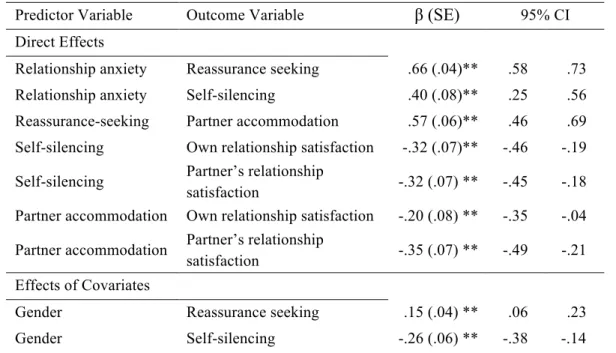
Table 1 - Study 1 descriptive statistics by gender...86

Table 2 - Study 1 correlations for women...87

Table 3 - Study 1 correlations for men...88

Table 4 - Study 1 cross-partner correlations...89

Table 5 - Study 1 direct effects from path analysis model...90

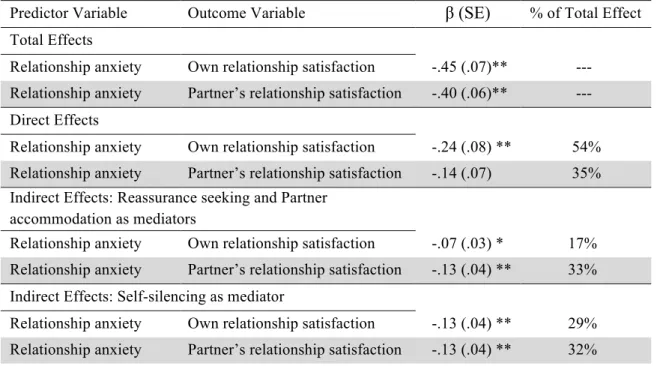
Table 6 - Study 1 comparing direct and indirect effects...91

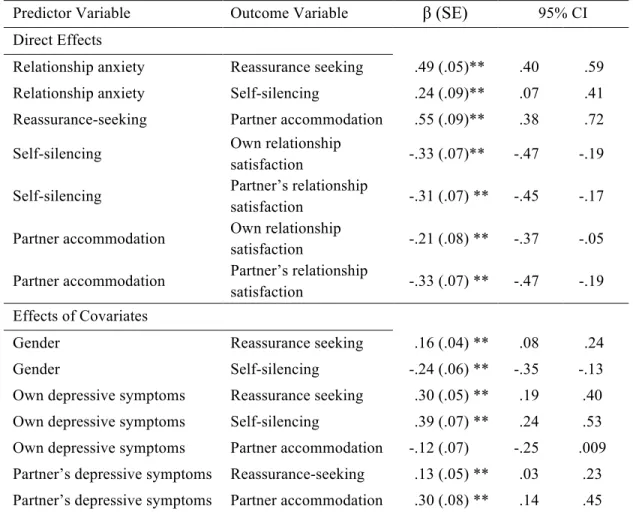
Table 7 - Study 1 direct effects with depressive symptoms included...92

Table 8 - Study 2 comparing baseline means of patients and partners...93

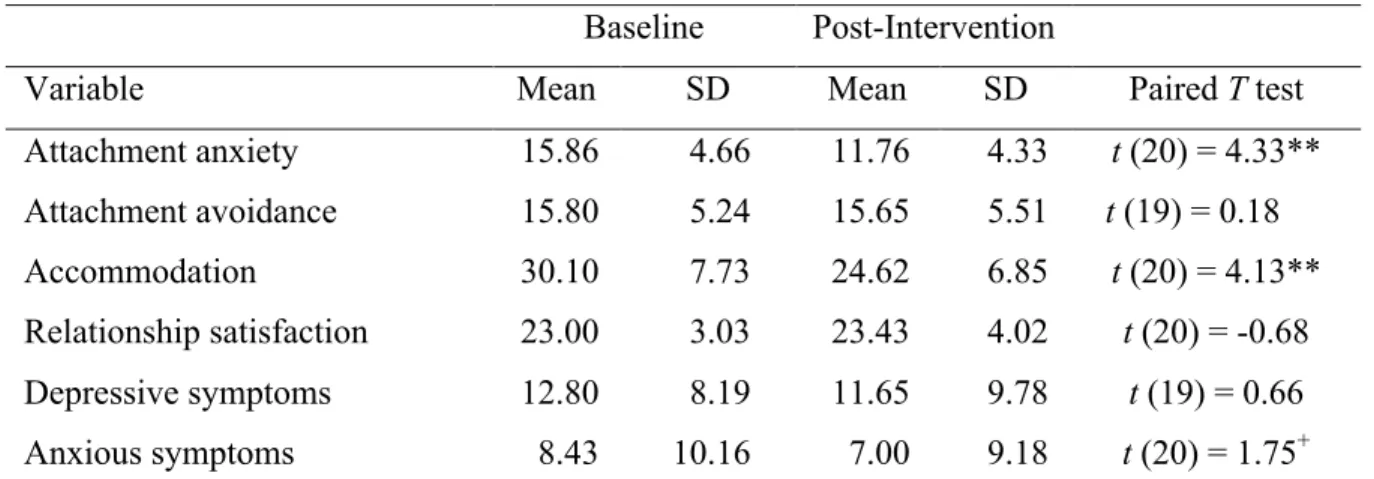
Table 9 - Study 2 comparing means pre- and post-intervention for patients...94

Table 10 - Study 2 comparing means pre- and post-intervention for partners...95

Table 11 - Study 2 clinically significant and reliable change for patients...96

Table 12 - Study 2 clinically significant and reliable change for partners...97

(7)

LIST OF FIGURES

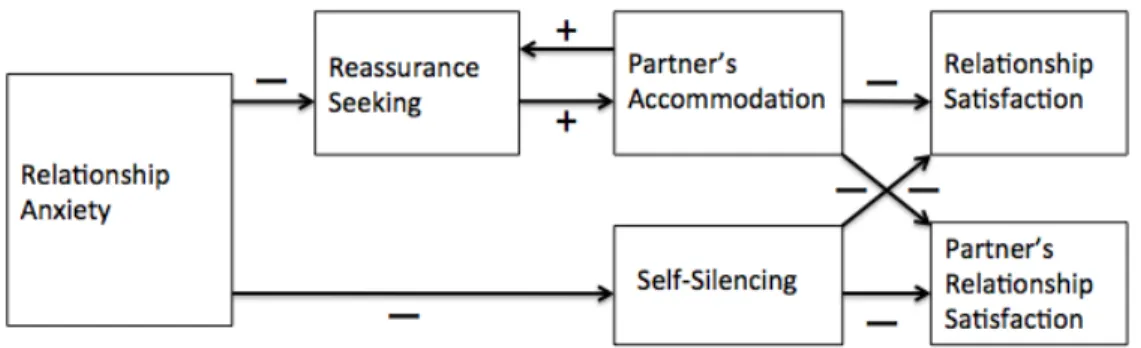
Figure 1 - Study 1 proposed conceptual model...99

Figure 2 - Study 1 mutual influence portion of model...100

Figure 3 - Study 1 actor-partner portion of model...101

Figure 4 - Study 1 simplified model without feedback loop...102

(8)

CHAPTER 1: BACKGROUND

Introduction

For many individuals, relationships with romantic partners are a source of comfort

during times of stress. For couples who communicate effectively, a partner can serve as a

primary supporter and closest ally. However, for some individuals, relationship-based

anxiety compromises this sense of closeness and security. Relationship-based anxiety is a

broad term encompassing a wide range of behaviors and thought processes, but we will

define it as a pervasive and enduring fear that the relationship with a partner is in danger of

ending despite little evidence for this possibility, or that the partner is losing interest in the

relationship, again, despite little evidence for this possibility.

When discussing relationship-based anxiety, the theoretical framework that might

come to mind most readily is attachment theory. Within this framework, originally

formulated by Bowlby in the late 1950s, early childhood experiences with parental

responsiveness and separations plays a formative role in how individuals interact with close

others in their lives, throughout their lives (Bowlby, 1977). Attachment theory has generated

a large and growing body of research. Much of this research has demonstrated that those with

insecure attachments

—i.e., those with early difficulty with the child-caregiver relationship

who show several distinct patterns of maladaptive relationship behaviors—have trouble with

their

adult

romantic relationships as well. For example, individuals with insecure attachment

(9)

individuals who exhibit

anxious

insecure attachment and fears of abandonment are more

likely to report relationship distress (Collins & Read, 1990). Furthermore, those with

attachment insecurity are more likely to experience individual psychopathology, with rates of

all psychiatric diagnoses other than schizophrenia positively associated with insecure

attachment in a nationally representative sample (Mickelson, Kessler, & Shaver, 1997).

While attachment theory has been highly generative and has helped to inform and

shape the field of relationships research, the current investigation will explore

relationship-based anxiety from a different framework. Attachment theory primarily takes an etiological

approach, but here we will not be focusing on questions of origins of relationship-based

anxiety; rather, we examine commonly recurring behaviors and thought processes in adults

with relationship-based anxiety that likely help to maintain the anxiety and, in some cases,

contribute towards making it worse. First, the types of behaviors these individuals engage in

are examined. Often these behaviors are enacted with the goal of reducing relationship-based

anxiety in the short-term, but many of these actions (e.g., excessive reassurance-seeking)

ultimately prove to be self-defeating. Next, common thought processes and biases seen in

relationship-based anxiety are explored. We then describe how these patterns impact a

relationship and take a closer look at these processes from the perspective of

partners

of

individuals with relationship-based anxiety. Finally, we introduce the details of the proposed

investigation, which further explores behavioral correlates of relationship-based anxiety and

will also evaluate a brief couple-based intervention which specifically targets the

communication difficulties that often arise for couples in which one partner experiences

(10)

Intrapersonal Processes Associated with Relationship-Based Anxiety

When individuals feel anxious, regardless of what it is they are feeling anxious about,

they are likely to engage in behaviors aimed at reducing their anxiety. In many instances, this

will involve a heightened state of vigilance and checking with other people to ensure safety

when one feels threatened. In the case of relationship-based anxiety, unfortunately the person

who is most often available to “check in” with is also the person whom the anxiety is

directed towards—the relationship partner. Therefore, this behavioral pattern of excessive

reassurance-seeking regarding the relationship (e.g., “Do you still love me?”, “Are you mad

at me right now?”) deserves careful exploration within this context. Another broad pattern

that occurs in anxiety is avoidance. People attempt to avoid what makes them anxious, which

can reduce their anxiety in the short-term, but creates problems for them in the long-term as

they avoid situations that they need to face. With relationship-based anxiety, what tends to be

avoided is any potential “rocking the boat” in the relationship, which can mean avoiding

discussion of relationship concerns, bringing up opinions that might be counter to those of

one’s partner, and generally only behaving in ways that one surmises would be pleasing to

one’s partner. In this paper, we categorize this class of behaviors as “self-silencing” (Jack,

1991). In considering excessive reassurance-seeking and self-silencing, one might initially

think these two groups of behaviors are incompatible with one another, as one involves

repeatedly questioning one’s partner to reduce anxiety, and the other involves keeping quiet

about concerns in an attempt to please one’s partner. However, we will discuss how these

behaviors can serve to play off and reinforce one another in a sequential manner.

Before discussing excessive reassurance-seeking and self-silencing in turn below, we

(11)

of interaction can be thought of as

self-defeating

behaviors, because, as we will see in the

following review, while these behaviors might be a helpful strategy to reduce anxiety

short-term, in the long-term they ultimately contribute to relationship distress, instability, and

dissolution, the very outcomes individuals with relationship-based anxiety are attempting to

avoid. In an article reviewing self-defeating behaviors, Baumeister and Scher (1988) describe

three categories: (a) primary self-destruction, in which people foresee and desire to harm

themselves; (b) tradeoffs, in which people foresee harm but do not desire it; and (c)

counterproductive strategies, in which people neither foresee nor desire the harm that results

from their behavior. In the current paper, we will be primarily focusing on the latter two

categories of self-defeating behavior—often, when people engage in excessive

reassurance-seeking or self-silencing, they realize that these behaviors create problems in their

relationships, but they find themselves unable to prevent themselves from engaging in the

behaviors due to a perceived lack of alternative options to reduce their anxiety. However, at

other points people might not even be aware of the destructive nature of these actions and are

surprised when interpersonal difficulties result. Throughout our discussion below, we will

refer back to this framework to explain further why people might engage in these actions

despite associations with negative outcomes.

Within the context of relationship-based anxiety, excessive reassurance-seeking

involves repeated questioning of the romantic partner regarding the status of their

relationship and the partner’s regard for the reassurance-seeker. This reassurance-seeking can

take the form of direct questioning (e.g., “Do you still care about me?”, “Are you upset with

me?”) or can be more indirect in nature (e.g., carefully monitoring one’s partner’s moods and

(12)

phenomenon of reassurance-seeking beyond the context of relationship-based anxiety is seen

in an array of psychological disorders and is probably most prominently observed and

studied in obsessive compulsive disorder (OCD) and major depressive disorder (MDD). The

literature on excessive reassurance-seeking is, therefore, often associated with research on

these two disorders (for review of research on reassurance-seeking and depression, see Starr

& Davila, 2008); however, there is also research from the field of social psychology that

examines this behavioral pattern in non-clinical populations. Below we will explore two

central questions—(a) why do people engage in relationship-based excessive

reassurance-seeking, and (b) are there certain personality characteristics or environmental factors that

make it more likely for people to engage in this behavioral pattern?

When engaging in reassurance-seeking, many individuals realize that this behavior is

frustrating for one’s partner and potentially harmful for their relationship; yet, they engage in

it anyway (Lavy, Mikulincer, & Shaver, 2010). This indicates that this behavioral pattern

may often fall into the

tradeoffs

category of Baumeister’s framework—individuals foresee

that the behavior is self-destructive, and yet they do not desire this harm. It can be looked at

as a short-term benefit (anxiety reduction) exchanged for a long-term cost (strain on the

relationship). This pattern is common in reassurance-seeking among patients with OCD, who

ask partners, therapists, or others around them for reassurance that they are not in danger, not

at risk of contaminating themselves, not at risk of harming someone, etc. The behavior has

been conceptualized in the field, specific to OCD patients, as precisely a tradeoff—a quick

relief and reduction in anxiety when told by someone else that they are safe, but a

short-lasting relief that dissipates as the doubt and uncertainty about safety resurfaces until it

(13)

Read, Lounes, & Wong, 2012; Parrish & Radomsky, 2010). What is unique to this behavioral

cycle in the realm of relationship-based anxiety, however, is that the content of the questions

and the target to whom they are directed serve to directly place strain on the very relationship

the individual is concerned about. Repeatedly asking a partner “Are you unhappy with me?”

is likely to contribute to a partner feeling displeased with the reassurance-seeker, at least at

the time of the questioning. So why do individuals with this type of anxiety find themselves

unable to stop these questions, and in particular, the repetitive nature of these questions?

One of the primary reasons that individuals with relationship-based anxiety might

continue to engage in reassurance-seeking despite the knowledge that it could be frustrating

to partners is that the alternative, sitting with a sense of uncertainty about the status of the

relationship, is so uncomfortable and distressing that it feels intolerable. In the literature on

reassurance-seeking, the question of

causal uncertainty

has arisen—do people who engage in

excessive reassurance-seeking have difficulty understanding cause-and-effect relationships in

their social world? For example, do they have difficulty understanding that their partners’

negative moods might not be in response to something that they (the reassurance seekers) did

or did not do? There is research showing that those who engage in excessive reassurance

seeking also score high on a scale measuring causal uncertainty in the social world (J.

Jacobson & Weary, 1999). The idea of causal uncertainty also would help to explain the

repetitive

nature of the questioning, given that when people feel uncertain about information,

they often feel the need to “double-check” their understanding.

It is likely that there are many interconnected reasons why people engage in

reassurance-seeking, but at its core, it appears to relate to an intense discomfort with feeling

(14)

uncertainty about the relationship, some of which are explored in the sections below.

However, regardless of how this feeling of uncertainty initially arose, when the primary goal

is to reduce current discomfort, individuals engage in reassurance-seeking to eliminate the

uncertainty of the moment, even though such actions may serve to increase tension in the

relationship in the long-term. Even for those who are aware that these types of questions

might be harmful to their relationship, the answer they receive from their partner in that

moment (even a snappish “No, I’m not upset with you”) likely feels like a momentary release

from the building tension of feeling unsure about where they stand with their partner.

Whether or not this behavioral pattern stems from some deficit in understanding causal

relationships in the social world, or from certain entrenched patterns of thinking is an issue

we will further explore in a subsequent section on common cognitive processes in individuals

prone to relationship-based anxiety.

A great many personality factors and environmental factors—in short, individual

differences in person and/or context—likely play into whether someone repeatedly engages

in reassurance-seeking with a romantic partner. One such factor that has received attention by

researchers is

sociotropy

, the degree to which an individual is concerned with maintaining

interpersonal relationships and caring for the needs of others. As one might expect,

sociotropy is associated with excessive reassurance seeking, such that those with higher

degrees of sociotropy are more likely to engage in this behavior (R. Beck, Robbins, Taylor,

& Baker, 2001; Birgenheir, Pepper, & Johns, 2010). Another variable that has been

considered is the degree to which individuals are able to regulate their emotions during times

of stress. For those with low self-regulatory capacity, who are more prone to act impulsively

(15)

common coping strategy (Anestis, Selby, & Joiner, 2007). Finally, there are some personality

measures that assess the degree to which an individual is able to comfortably exist in the

world separately from a relationship partner. One such construct, termed

differentiation of

self,

is central to Bowen family systems theory (Bowen, 1978). Low levels of

self-differentiation (i.e., having a great deal of difficulty making decisions without the input of a

partner, or trouble expressing opinions without knowing whether one’s partner would agree)

have been found to be associated with relationship distress (Skowron, 2000) and chronic

anxiety (Miller, Anderson, & Keala, 2004). Those with low self-differentiation are likely to

engage in more reassurance-seeking to stem their relationship-based anxiety.

While it is clear that there are likely certain personality traits that leave people more

vulnerable to engaging in excessive reassurance-seeking, it is important to account for

situational factors that contribute to this pattern as well. Primarily, it is vital to remember that

this behavior is not occurring in a vacuum, but rather within an interactional context with a

partner. Unfortunately, it can become easy for researchers to equate this behavior as a

trait

of

a person, which could be an oversimplification. This has occurred at times in research based

on attachment theory, with participants assumed to maintain life-long tendencies based upon

their answers to questionnaires given at a single point in time. Certain relationships or certain

partners may behave in a way that is more conducive to this behavioral pattern occurring, in

a sense increasing the likelihood of excessive reassurance-seeking. One way this can occur is

through the partner engaging in distancing or avoidance behaviors, leading to a

demand-withdraw pattern (Sullaway & Christensen, 1983)—the more one partner distances him or

herself, the more the other partner increases the intensity and repetitiveness of his or her

(16)

reinforcement in general (for whatever reason), an individual might respond with repeated

bids for attention, affection, or reassurance in order to attempt to resolve unmet emotional

needs. We will return later to the partner’s role in greater detail, as the thoughts and

behaviors of individuals with relationship-based anxiety are both in response to, and

influential towards, the

partners’

thoughts and behaviors.

The environmental context is broader than the relationship itself, however—there are

other situational factors that might contribute to a person engaging in excessive

relationship-based reassurance-seeking. For example, for individuals who have more sparse social

networks and find themselves frequently isolated, their partners can take on more powerful

roles in their lives, as a great deal of social energy is invested in the partner. Therefore,

individuals in this more isolated state might find themselves worrying about their

relationships more and engaging in more reassurance-seeking, as they have “all their eggs in

one basket.” Another broad environmental factor could be an increase in overall life

stressors—if one’s work or family life is stressful, that might lead to an increase in anxiety

about one’s relationship, as everything else seems unstable as well. However, this is likely an

interactive effect with other variables. For some individuals, experiencing more general life

stressors might make them feel closer and more secure with their partner, whereas others

might experience an increase in relationship-based anxiety if they are already vulnerable to

such experiences in other ways (e.g., if they have some of the personality traits described

above as well). Overall, these vulnerability factors, whether based in personality traits,

partner behaviors, or the broader environmental context, likely interact with each other to

(17)

Although reassurance-seeking is one strategy for reducing anxiety in the short-term,

another common strategy for individuals with relationship-based anxiety is a form of

interpersonal avoidance called

self-silencing

. This construct was first described by Jack

(1991) in the context of exploring how women with depression interact with close others.

The construct was broadened and explored in non-clinical populations with the development

of a scale to measure its characteristics (Jack & Dill, 1992). Those who self-silence tend to

keep their opinions to themselves and agree readily with those around them, even if this

agreement is in conflict with their actual views. The goal is to avoid rejection by behaving in

a manner that one anticipates one’s partner would find acceptable. However, rather than

contributing towards relationship functioning and individual well-being, self-silencing is

associated with depression and relationship distress, and even with physical health conditions

(Jack & Dill, 1992; Jack & Ali, 2010).

Self-silencing has received less attention in the research literature than excessive

reassurance-seeking, although previous investigations demonstrate that one partner’s

self-silencing is associated with decreased relationship satisfaction not only for individuals

engaging in the self-silencing, but for their

partners

as well (Thompson, 1995). A

longitudinal study focused upon individuals making the transition to college life has shown

that this type of emotional suppression can impair social functioning and lead to decreased

closeness with others over time (Srivastava, Tamir, McGonigal, John, & Gross, 2009). Here

again, evidence suggests that this behavioral pattern is self-defeating—although the

individual hopes to appease his or her partner by engaging in self-silencing, in fact, it is

(18)

of counterproductive strategies in Baumeister’s framework, as the harm from the behavior is

likely neither desired nor foreseen.

When examining these two broad categories of behaviors for coping with

relationship-based anxiety, excessive reassurance-seeking and self-silencing, one might

initially surmise that those who engage in excessive reassurance-seeking are not engaging in

self-silencing, and vice versa. However, there is some evidence to suggest that after engaging

in repeated reassurance-seeking, individuals tend to feel negatively about themselves, as they

sense their intrusiveness and experience regret as a result (Lavy et al., 2010). Although there

is not much literature examining the sequential nature of these coping strategies over time,

one possibility is that following a period of excessive reassurance-seeking, individuals might

engage in self-silencing in an attempt to avoid being intrusive and causing frustration for

their partners, and sustain this strategy until their anxiety has reached a threshold where they

feel they cannot contain their urge to seek reassurance any longer. However, other

individuals might use self-silencing as a primary and sustained mode of interaction, in an

attempt to avoid the possibility of causing tension with their partners or displeasing them.

This type of sustained suppression of thoughts and emotions is likely not only ineffective

(and actually counterproductive) for keeping relationship partners happy, but also likely

contributes to an internal state of tension—research has shown that the more people try to

suppress certain thoughts, paradoxically the more likely they are to think those very thoughts

(Abramowitz, Tolin, & Street, 2001; Wenzlaff & Wegner, 2000). In this context, the content

of those thoughts is likely to be related to fears that the partner has lost regard for the

(19)

Contributing to this fear of rejection, individuals engaging in self-silencing often

experience a pervasive sense of inauthenticity, and a sense that their partners do not really

know them. In a study of relationship styles, Neff and Harter (2002) found that those who

tend to put their partner’s needs above their own feel that they have a “false self,” which was

associated with psychological distress. More specific to relationship-based anxiety, research

has shown that when individuals are primed to feel more secure and that their relationships

are stable and their partners highly committed, their feelings of self-authenticity increased,

and they told fewer “white lies” to protect their partners’ feelings (Gilliath, Sesko, Shaver, &

Chun, 2010). In other words, honesty and directness were increased when individuals were

primed to feel more secure in their relationships.

On the surface, it might seem surprising that a self-silencing strategy is received

negatively by the other partner—having someone who almost always agrees with you and

keeps their negative emotions to themselves could seem beneficial. It is important, however,

that self-silencing strategies be considered within an interactional context. In the couples and

relationships literature, a recurrent finding is that sharing emotions—both positive

and

negative—with a partner in an appropriate, reciprocal fashion is vital for relationship

satisfaction. When one partner routinely initiates addressing concerns, and the other partner

does not respond with a similar level of intimate disclosure, the relationship can suffer. The

importance of the reciprocal and responsive nature of these disclosures for relationship

intimacy has been demonstrated empirically, with daily diary studies showing that both

self-disclosure and subsequent partner self-disclosure contribute towards the experience of intimacy in

couples (Laurenceau, Feldman Barrett, & Pietromonaco, 1998). There is also research

(20)

more likely to avoid discussion of difficult topics, and the more avoidance occurs, the more

negative attributions are made by both partners towards each other regarding minor relational

irritations (e.g., “He left the cap off of the toothpaste just to spite me”) (Theiss & Solomon,

2006). Therefore, avoiding a discussion of relationship concerns through self-silencing can

contribute to building resentment and frustration for both partners.

Having explored some of the common behavioral patterns among individuals with

relationship-based anxiety, it is important also to consider internal thought processes that

may motivate or be related to some of these behaviors. The influence is likely bi-directional,

however, with certain thought processes setting the stage for behavioral patterns, while

enacting the behaviors and partner responses are also likely to influence reciprocally how an

individual thinks about him or herself. At the core, the cognitive processes associated with

relationship-based anxiety are no different from the cognitive processes at the core of almost

any maladaptive anxiety disorder—an overestimation of the probability and the severity of a

perceived threat. For relationship-based anxiety specifically, the perceived threat is the

dissolution or devaluing of the relationship. Individuals with these concerns remain in a

hypervigilant state, continually monitoring for cues that a partner is losing interest or

displeased. This state can be seen as a form of attentional bias, a concept which has been

increasingly explored in recent years. We will discuss attentional biases towards social threat

in a section below, both more broadly and then focusing on biases within romantic

relationships. In terms of overestimating the

severity

of the threat, it is clear that individuals

with relationship-based anxiety are also more likely to be sensitive to rejection and can

(21)

concept of sensitivity to rejection below and discuss how this cognitive style can turn into a

self-fulfilling prophecy.

Individuals with relationship-based anxiety are continually monitoring for threat and

exist in a state of hypervigilance. For example, a series of studies showed that those with

tendencies towards anxious attachment were able to detect threats more quickly and better

able to remember threat-relevant information in an experimental task in which they watched

videos of a woman describing a threatening versus a neutral situation (Ein-Dor, Mikulincer,

& Shaver, 2011). The authors described this state as a “sentinel” cognitive schema, in which

individuals (a) remain vigilant, (b) react quickly and strongly to perceived threats, and (c)

seek support from others at increasing levels if the initial support received does not

ameliorate anxiety. Their description of this sentinel schema fits well with the idea of

excessive reassurance-seeking. However, while such studies provide a framework for

thinking about attentional bias in the context of relationship-based anxiety, because these

individuals are not randomly assigned to be in high or low groups of relationship-based

anxiety, it is unclear what types of causal processes may be at play. For example, there could

be some factor other than their relationship-based anxiety that contributes towards them both

feeling more anxious in their relationships and more vigilant towards threat in general.

However, there has been recent research that seeks to disentangle this issue by using priming

procedures.

Recently, psychologists in both the clinical and cognitive fields have become

interested in exploring attentional biases and developing interventions for modifying these

biases. In a seminal series of studies which led to a growth of research in this area, it was

(22)

towards threat can actually

cause

increases in anxiety and emotional dysregulation

(MacLeod, Rutherford, Campbell, Ebsworthy, & Holker, 2002; Wilson, MacLeod, Mathews,

& Rutherford, 2006). Prior to this type of research, it was unclear whether anxiety created the

attentional bias, or whether the bias contributed towards creating the anxiety. Although the

relationship is likely still bi-directional, the knowledge that priming a bias towards social

threat can increase symptoms of anxiety has led researchers to investigate whether reducing

the bias towards threat can serve to reduce subsequent anxiety in a treatment context. For

example, a randomized controlled trial showed promising effects of an attention re-training

task in which socially anxious participants were taught over repeated trials to preferentially

seek out the friendly face in an array of photographs of disgusted faces. 72% of individuals

who received this intervention no longer met DSM-IV criteria for social anxiety, compared to

11% of those in a control condition, and these differences were maintained over a four month

follow-up period (Schmidt, Richey, Buckner, & Timpano, 2009). These results were

replicated by another research group using a double-blind randomized controlled trial using

the same attention re-training task, with 50% of individuals in the intervention condition no

longer meeting DSM-IV criteria for social anxiety, compared to 14% in their placebo control

condition. These differences were also maintained over a four month follow-up period (Amir

et al., 2009).

While these results require further exploration to determine the full extent of the

efficacy of these interventions, the idea that attentional bias plays a role in the development

and maintenance of social anxiety in general can help to inform researchers investigating

relationship-based anxiety. Integrating findings from the field of relationships research, we

(23)

partner—and this is especially the case when the perceived threat is not external but is

focused on the relationship itself. For example, a recent study investigating individuals with

relationship-based anxiety found that they are more likely than individuals without these

concerns to attend selectively to and actively seek out negative information about their

relationships and about their partners (Rholes, Simpson, Tran, Martin, & Friedman, 2007). In

addition to attending selectively to negative information about their partners, individuals with

relationship-based anxiety are more likely to interpret ambiguous information from their

partners in a negative light. For example, in a study in which individuals underwent a

stressful task and received supportive messages from their partners, those who were high on

attachment anxiety were more likely to interpret ambiguous messages as hurtful and

unsupportive (Collins & Feeney, 2004). Again, we must be careful when interpreting these

types of results not to equate anxious attachment or relationship-based anxiety as a lifelong

trait, but rather as a feature influenced by personality and situational factors, especially by the

interactional context with the partner. However, getting a sense of cognitive processes that

are associated with relationship-based anxiety can help us to better understand what types of

intervention might be helpful.

As more findings on attentional biases emerge, the field of relationships research has

arrived at new ways of measuring what is often termed the “criticality bias” between

partners. For example, one method is to have partners complete a videotaped discussion task,

which is then rated by independent coders and by both members of the couples for perceived

critical comments and nonverbal behavior. The degree to which there is a discrepancy

between the independent coder and the member of the couple is their degree of bias (either

(24)

incremental predictive power for later relationship behaviors beyond that of self-reported

perceived criticism and other common indices of relationship satisfaction (Peterson, Smith,

& Windle, 2009). Higher levels of this criticality bias predict marital distress and individual

depressive symptoms (Smith & Peterson, 2008). When people make negative attributions

about their partner’s verbal statements and behaviors, they often are not able to contain their

responses to these perceived slights. One study investigating individuals who demonstrated

the criticality bias based on a videotaped interaction task also showed that these same

individuals were more likely to exhibit negative emotions and escalate conflicts with their

partners (Campbell, Simpson, Boldry, & Kashy, 2005).

Some researchers, rather than hypothesizing that there is a criticality bias among

those with relationship-based anxiety, speculate that these individuals

lack the positive bias

that many satisfied and secure partners seem to maintain about one another and their

relationships. Such research demonstrates that, in fact, individuals with relationship anxiety

are sometimes

more

accurate in detecting the emotions and judgments of their partners

during observational tasks. However, this “empathic accuracy”, was associated with a greater

degree of distress and eventual relationship dissolution in a longitudinal study of individuals

with relationship-based anxiety (Simpson, Ickes, & Grich, 1999).

Whereas the discussion above focused on vigilance for threat and overestimating the

probability

of the relationship being in danger, here we discuss the overestimation of the

severity

of the perceived threat. For individuals with relationship-based anxiety, any form of

rejection, however subtle, can feel like a catastrophic harbinger of abandonment. Sometimes,

this rejection can be ambiguous, such as a dating partner saying that he or she is too busy to

(25)

expressing displeasure with some aspect of the relationship. Individuals can also perceive

rejection that may not have been the intent of the partner, such as attributing a partner’s bad

mood to some aspect of the relationship, when in fact the partner was concerned about

something work-related. Whatever the level of directness or clarity of rejection, some

individuals are oversensitive to any of these cues and respond with intense distress. A scale

has been developed to measure rejection sensitivity, and there is a growing body of research

associated with its importance in close relationships. This research indicates that those who

are highly sensitive to rejection tend to expect to be rejected and overreact to perceived

slights from close others (Downey & Feldman, 1996). Furthermore, this set of linked

cognitive and behavioral tendencies is associated with relationship distress both for

individuals who have this sensitivity and for their partners (Downey & Feldman, 1996;

Downey, Freitas, Michaelis, & Khouri, 1998). Individuals who demonstrate this sensitivity

tend to engage in a strategy of behaving in a withholding manner towards their partners when

they perceive that rejection is imminent.

Another construct that is closely associated with both rejection sensitivity and

relationship-based anxiety, and perhaps moderates their association with each other, is

self-esteem. Living with relationship-based anxiety for an extended period of time can serve to

lower one’s sense of self-worth—it is also likely that those with low self-worth are more

likely to ruminate about their relationships. One study examined the differences between

individuals with low and high self-esteem when they were led to believe that their partner

perceived a problem in the relationship. The individuals with low self-esteem were more

likely to experience this information as rejection and to generalize this comment from their

(26)

Holmes, & Kusche, 2002). Other researchers have developed a construct called

relationship-contingent self-esteem

in which individuals value themselves based primarily upon how well

their relationship is functioning. For individuals high in this construct, self-esteem appears to

fluctuate based on daily events in their relationships (Knee, Canevello, Bush, & Cook, 2008).

Overall, we see that individuals with relationship-based anxiety tend to possess

common cognitive patterns and strategies that can ultimately serve to deepen and generalize

their anxiety. They are likely to be hypervigilant for signs of threat, and when they detect

such a threat, they react to it as catastrophic. This reaction may or may not be witnessed by

the partner, depending on the chosen strategy of the individual with anxiety—some may try

to suppress their distress from outside view, while others may find themselves engaging in

repeated reassurance-seeking or even engaging in hostile interactions with their partners

based on their perceived rejection. As we have discussed throughout this review, the thoughts

and behaviors of the individuals with relationship-based anxiety are intimately linked to and

influenced by the thoughts and behaviors of their partners. We next turn to the partners’

perspective, by examining common partner reactions to relationship-based anxiety, and how

partner behaviors and attitudes may serve to contribute to, and, reinforce some of the

behavioral patterns we have discussed thus far.

Interpersonal Processes Associated with Relationship-Based Anxiety

Relationship-based anxiety occurs within an interactional context. Another person is

intimately involved with the process. There are certain behaviors a partner can enact that

influence both the initiation and the maintenance of relationship-based anxiety in the other

person. As we have seen, the types of behavioral strategies that those with relationship-based

(27)

someone is being asked the same question repeatedly, their response will not be simply to

provide the information every time in the same way. With repetition, a negative emotional

response is likely to be heightened. Some researchers have even looked at this process of

sensitization to repeated irritating relationship-partner behaviors as a sort of “social allergy,”

with the allergic response being the heightened frustration with each repetition of the

behavior (Cunningham, Shamblen, Barbee, & Ault, 2005). In response, many partners

attempt to avoid the questions altogether, or behave in a way to pre-empt them. Below we

discuss two categories of common partner responses—withdrawal and accommodation.

These behavioral responses are accompanied by a range of partner emotions, such as anger

(sometimes overt, sometimes suppressed) directed at the reassurance-seeker. At times, this

anger might be openly displayed (e.g., snapping at the reassurance-seeking partner, being

verbally aggressive, or more passively demonstrating irritation through eye-rolling or sighing

upon receiving a bid for reassurance). At other times, the partner may hide his/her emotional

response to avoid conflict with the reassurance-seeker.

The behavioral responses themselves are enacted by partners for a variety of reasons.

For example, a partner may openly display frustration when being asked for reassurance in

order to punish the reassurance-seeker for asking the question. Or, if avoidance of conflict is

a more prominent goal for the partner in the interaction, he/she may accommodate to the

reassurance-seeker by providing reassurance or even attempting to pre-empt it by hiding

information from the reassurance-seeker that might provoke an anxious response (e.g.,

pretending to be in a good mood for the reassurance-seeking partner’s benefit). Finally, the

partner may withdraw emotionally or physically from the reassurance-seeker with the goal of

(28)

behavioral response partners will engage in when responding to an individual’s

relationship-based anxiety, but these categories (withdrawal and accommodation) cover a wide range of

partner coping strategies, many of which are well-intentioned but have the unfortunate

outcome of contributing to maintaining a cycle of maladaptive behaviors.

A partner’s behavior can serve both to elicit relationship-based anxiety initially, or

contribute towards its maintenance. For example, if at the beginning of a relationship a

partner is highly attentive and affectionate, and then abruptly “cools off” and becomes more

emotionally distant, this can lead to a variety of responses in the other partner, including

relationship-based anxiety and reassurance-seeking. There can be many reasons for this type

of “cooling off.” For many couples, this is a natural progression in a relationship, as the

initial excitement of the courtship phase decreases and partners become more comfortable

with each other and, perhaps, less passionate. While for many individuals this evolution does

not cause significant distress, for some individuals (perhaps especially those prone to

relationship-based anxiety, looking for threat cues) this can cause alarm. Outside of this

normative progression, there are some couples who experience a mismatch in the amount of

emotional support and closeness that each partner needs and desires (Epstein & D. Baucom,

2003). For these couples, the partner who desires more closeness but does not receive it

might fall into a pattern of reassurance-seeking. How the other partner responds to this

reassurance-seeking is another key factor to consider—some individuals may adjust their

behavior accordingly to meet their partners’ needs (e.g., spending more time together than

they might naturally be inclined to do), while others might respond to bids for attention and

reassurance with avoidance and distancing if they feel threatened or frustrated by these

(29)

demand-withdraw

(Sullaway & Christensen, 1983) and is associated with increased

relationship distress (Heavey, Christensen, & Malamuth, 1995).

In the typical demand-withdraw interaction, one partner approaches the other with a

bid for attention, a complaint, or an emotional request, and the other partner responds by

withdrawing from the interaction. As this pattern continues, both partners’ roles intensify—

the partner making the demands will repeat his or her requests more frequently and urgently,

and the partner withdrawing will isolate him or herself further in an attempt to escape these

questions. In this way, each partner’s behavior can be seen as both an antecedent and a

consequence to the other partner’s behavior (B. Baucom, McFarland, & Christensen, 2010).

This can lead to a situation in which the partner only responds to bids for attention when they

are made in an extreme way (e.g., accompanied by yelling or threats), which unfortunately

serves to reinforce the notion that to get attention from one’s partner, one must raise the

intensity level to the point where one cannot be ignored. This pattern may be especially

powerful for couples dealing with excessive reassurance-seeking, as the types of questions

that are repeatedly asked can be particularly aversive for partners. Recently, researchers have

found that individuals in the demand role tend to make more “hard-line” requests, leaving

little room for negotiation (B. Baucom et al., 2011). It is unclear whether this would hold for

individuals with relationship-based anxiety, who might be more inclined to use passive or

softer influence strategies when engaging with their partners. While there is little empirical

research focusing specifically on relationship-based anxiety within the context of

demand-withdraw patterns in couples, this could be a fruitful avenue for future investigation.

For individuals with relationship-based anxiety and their partners, demand-withdraw

(30)

mechanism, partners might attempt to create an environment for the anxious individual in

which threatening experiences are avoided or removed, a process termed

accommodation

.

Partners often demonstrate love and concern for one another by trying to make life

easier—for partners of anxious individuals, that might mean taking on tasks or managing the

environment in a way that will reduce anxiety for that individual. For example, for

individuals with a driving phobia who are in relationships, partners often become the primary

drivers for the couple. For individuals with OCD, especially for those who have

contamination obsessions, partners often help out with cleaning rituals and agree to avoid

“contaminated” locations (Boeding et al., 2012). Unfortunately, this sort of accommodation

can help to maintain symptoms in the long-term, although it might help to stem anxiety in the

short-term. Within the context of relationship-based anxiety, partner accommodation can

have especially detrimental effects, because nonanxious partners will begin to avoid

discussing important relationship concerns in order to prevent the anxious individual from

experiencing any distress. Open communication about both negative and positive topics is

vital for any close relationship; therefore, this type of accommodation can ultimately lead to

tension and relationship distress.

Partner accommodation within the context of relationship-based anxiety has been

explored empirically. In a series of studies examining chronically insecure individuals and

their partners, nonanxious partners reported a high level of vigilance to avoid upsetting the

insecure individuals, often by concealing negative emotions and exaggerating positive

emotions. These accommodation behaviors were associated with higher levels of relationship

distress among the nonanxious partners (Lemay & Dudley, 2011). Nonanxious partners begin

(31)

mind without filtering it for the reassurance-seeker’s benefit. Furthermore, nonanxious

partners who hide their own emotions can begin to feel as though their partners do not really

know them and can develop a pervasive lack of authenticity that is associated with individual

as well as relationship distress. This sense of not being known is reinforced by the insecure

individual’s repeated requests for reassurance that the other partner is still engaged in the

relationship—the repetitive nature of these questions can lead the nonanxious partner to think

that the insecure individual does not view him or her as a credible source of information or

even see him or her as a trustworthy person, which can be highly distressing (Swann &

Bosson, 1999).

Overall, the accommodation behaviors that nonanxious partners engage in are

typically ineffective, as these behaviors are associated with greater relationship distress for

both partners. The individual with relationship-based anxiety is not given the type of

feedback they would need to alter behaviors such as excessive reassurance-seeking because

nonanxious partners hide their frustration. Swann, Stein-Seroussi, and McNulty (1992) found

that individuals are unlikely to provide corrective feedback when speaking with someone

with low self-worth; instead, they tend to mask irritation that they feel with increased

statements of approval. Furthermore, the targets of this accommodation behavior are often

able to detect the masked irritation, which can paradoxically lead to increases in their level of

relationship-based anxiety, the opposite of the partners’ intention. Several investigations have

found that individuals with relationship-based anxiety detect their partners’ attempts at

accommodation and reassurance-provision, which leads anxious individuals to suspect their

partners of inauthenticity even when their partners are

not

engaging in accommodation

(32)

good intentions when attempting to hide their negative emotions from the anxious

individuals, this accommodation ultimately serves to create relationship distress and

individual distress for both partners.

Overall, it is important to consider the partner’s role in the development and

maintenance of relationship-based anxiety, as this process necessarily exists within a dyadic

context. When one partner increases the frequency of his or her reassurance-seeking, the

other partner can respond in a number of ways that may contribute towards intensifying this

pattern, or towards decreasing it. Unfortunately, as we have seen described above, a number

of common partner responses can ultimately serve to maintain or intensify relationship-based

anxiety, which can contribute to the deterioration of the relationship. If an intervention were

to be developed for relationship-based anxiety, it would be vital to include both partners in

the process, as they are both intimately involved in the cycle of reassurance-seeking and

accommodation, or bids for closeness preceded and followed by partner distancing.

Clinical Implications

Overall, whereas relationship-based anxiety is a broad concept which can arise in a

variety of disorders, we have seen that there are some common behaviors and thought

processes that are likely to occur for individuals with this type of anxiety, as well as common

partner responses to these behavioral patterns. We have seen that well-intentioned patterns

such as (a) excessive reassurance-seeking and self-silencing on the part of individuals with

relationship-based anxiety and (b) withdrawal and accommodation on the part of their

partners often do not serve to ameliorate the anxiety in the long-term and are associated with

relationship and individual distress for both members of the couple. In discussing the concept

(33)

demonstrate that this anxiety does not necessarily have to become a life-long “destiny” but is

something that might be altered with appropriate intervention.

An intervention developed specifically to address these patterns in couples in which

one member has relationship-based anxiety could prove to be valuable. More general

therapeutic strategies might not be able to capture the unique difficulties encountered by

these couples. Furthermore, individual therapy for the person with relationship-based anxiety

would not be able to directly address the accommodation behaviors commonly enacted by

partners. Including both partners in the process could allow the couple to see the patterns in

their communication as reinforcing and building off of each other’s contributions to their

difficulties. Many times, it is intuitive for partners to engage in accommodation behavior

(e.g., providing reassurance), without realizing that it could actually serve to increase the

cycle of reassurance-seeking. Even if both partners do realize that their communication

patterns may be maladaptive, often neither partner has alternative strategies for managing the

problem, leading to both partners feeling “stuck” in the cycle. Therefore, the development of

a specialized intervention for couples experiencing these patterns might be helpful and a

worthwhile endeavor, as many couples struggle with relationship-based anxiety.

An important initial step in any intervention addressing relationship-based anxiety

will be providing feedback to the patient and his or her partner about the common behavioral

patterns associated with it, and how these can impact the couple’s relationship. Following

such feedback, couples could be provided with basic communication skills training based on

the core principles of cognitive-behavioral couple therapy (Epstein & D. Baucom, 2003)

presented as an adaptive alternative to the reassurance-seeking/providing cycle or

(34)

with a safe, structured set of guidelines for sharing their own emotions and thoughts with

their partner, during which the partner’s role is simply to listen and reflect. These

communication roles also can be reversed, so the partner is given an opportunity to express

both negative and positive emotions honestly, rather than engaging in accommodation

behaviors.

In addition to providing feedback and teaching well-established couples

communication skills, another key empirically-informed intervention would be providing

exposure-and-response-prevention treatment. This might be most relevant for those engaging

in excessive reassurance-seeking; however, those engaging in self-silencing might also

benefit from an exposure-based approach. In either case, the images, thoughts, and situations

to expose the patient to could be targeted towards their specific relationship-based concerns,

but will likely include foci such as: thoughts of a partner leaving or cheating, images of being

alone, suspicions that a partner’s bad mood might be relationship-related, etc. Patients would

purposely call to mind these thoughts or approach anxiety-provoking situations, in order to

sit with their doubt and uncertainty until anxiety dissipates, rather than attempting to escape

or avoid this discomfort. Such techniques already have been found to be effective in a

couples’ context—for example, a recently developed couple-based intervention for OCD

using exposure-and-response prevention strategies was found to be highly effective in

treating OCD and in increasing relationship satisfaction for both partners (Abramowitz et al.,

in press).

Finally, there have been a series of recent investigations demonstrating the powerful

effects of attention-retraining and priming procedures in reducing attentional biases towards

(35)

Sakellaropoulo, & Pruessner, 2007; MacLeod et al., 2002; Schmidt et al., 2009; Yiend,

Mackintosh, & Mathews, 2005). It is possible that such procedures could be beneficial to

those with relationship-based anxiety, in terms of altering biases towards perceived relational

threats. This has already been attempted in a series of experiments using priming procedures

with individuals identified as having insecure attachment styles. These studies have

demonstrated that it is possible to shift these attachment styles over time using priming

procedures that repeatedly call to mind times in individuals’ lives where they felt secure in

their relationships and their partners’ regard for them (Carnelley & Rowe, 2010; Gilliath,

Selcuk, & Shaver, 2008; Mikulincer & Shaver, 2007). Other researchers have targeted

pessimistic misinterpretations that individuals with relationship-based anxiety or low

self-worth tend to make when presented with ambiguous messages from their partners. In one

study, individuals were taught to reframe such messages from their partners in a more

abstract way in order to perceive the message as it was intended, rather than as a slight

(Marigold, Holmes, & Ross, 2007).

Integrating couples communication training and exposure-and-response prevention

could prove to be a powerful suite of interventions for treating relationship-based anxiety. If

both partners are included and made aware of maladaptive patterns, that would set the

groundwork for making a collaborative change through shifting their communication to be

more in line with long-term symptom improvement, as opposed to short-term relief and

avoidance. Furthermore, if the individual with relationship-based anxiety is provided with

strategies for sitting with uncertainty in a structured way, such couple-based interventions in

(36)

reassurance-seeking, self-silencing, and partner accommodation, and, therefore, potentially help to relieve

(37)

CHAPTER 2: CURRENT INVESTIGATION

Introduction

The present investigation had two primary aims. The first was to gain a better

understanding of the strategies that individuals with relationship-based anxiety use to

mitigate their anxiety (such as excessive reassurance-seeking and self-silencing), and to

examine how these strategies are associated with partner behaviors and with both partners’

relationship satisfaction. To explore this first aim, a sample of couples recruited from the

UNC community completed online questionnaires assessing their level of relationship

anxiety, reassurance-seeking and self-silencing behaviors, and the degree to which

individuals accommodate to their partners’ concerns.

The second aim of the present investigation was to pilot-test a brief, couple-based

intervention designed to offer couples information about common maladaptive

communication patterns associated with relationship-based anxiety and to provide them with

alternative strategies for communicating with each other about such concerns. The

intervention incorporated elements of broad couple communication interventions along with

exposure-based treatment techniques in order to target specific maladaptive interaction

patterns seen in couples with a partner experiencing relationship-based anxiety. As discussed

in the above review, when individuals engage in excessive reassurance-seeking to reduce

their relationship-based anxiety or silence their own concerns to appease their partners, it can

(38)

and individual well-being for both partners, through reducing the frequency of maladaptive

behaviors such as reassurance-seeking, self-silencing, and accommodation. The rationale and

an outline of the intervention is provided below.

There has been intervention research demonstrating that providing even brief

feedback to couples about specific maladaptive behavioral and communication patterns can

be associated with an increase in relationship satisfaction—this was most notably

demonstrated with the “marriage check-up” program, a two-session intervention providing

couples with assessment feedback and suggestions for behaviors to attend to in their

relationships (Cordova, Scott, Mirgain, Yaeger, & Groot, 2005). One primary goal of such an

approach is to reach larger numbers of couples who might otherwise not seek treatment—the

intervention serves in part as a precursor to more intensive therapy, should the couple require

it (Morrill et al., 2011). It might be particularly difficult for individuals with

relationship-based anxiety to suggest couple therapy to their partners, given their proclivity to “not rock

the boat” in their close relationships; therefore, this type of brief feedback format might be

particularly suited to this population.

The current study is a unique contribution to the literature in several respects. First,

many studies exploring reassurance-seeking or relationship-based anxiety collect data from

one partner without full consideration of the dyadic context in which these interactions occur.

The current study collected data from both members of a couple. Furthermore, there are no

prior studies examining how several behavioral strategies (both from the individual with

relationship-based anxiety and from his/her partner) are associated with outcomes such as

relationship satisfaction and individual functioning, which is one aim of the current

Figure

Table 5.  Study 1 direct effects from path analysis model
Table 6.  Study 1 comparing direct and indirect effects
Table 7.  Study 1 direct effects with depressive symptoms included
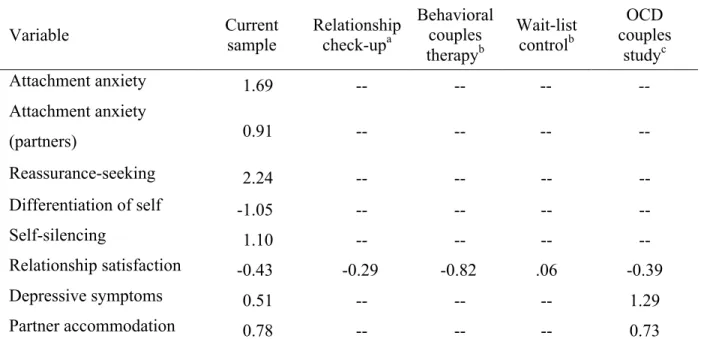
Table 8.  Study 2 comparing baseline means of patients and partners
+7

References

Related documents

a) Lenders will receive an automated e-mail response usually within 24 hours. Most cases typically taking about 30 minutes. b) If the lender receives a response from the

Siminoff By buying the inexpensive price and obtain finished downloading, you have actually completed to the initial stage to obtain this The Luthier's Handbook: A Guide To

The ATA is an ISDN terminal adaptor that provides a network access for EFTPOS terminals to communicate with the Financial Host Service Providers via Telstra OnRamp® 2 D-Channel

> Uses data from STARS and student transcripts in determining if a student is on track to meet requirements for certain diploma types. 2) ATS Discharge Safeguard.. > In order

A significant deficiency in internal control was disclosed by the audit of financial statements of the Duluth Transit Authority and is reported in the “Report on Internal Control

This paper examines whether output fluctuations are better characterized as shocks with measurable and persistent effects or transitory deviations from

For this purpose, we selected measures from a recent project, sponsored by the National Cancer Institute, to develop a set of measures for assessing patients’ experiences of

Optical Spectroscopy to Determine Intermediate Combustion Optical Spectroscopy to Determine Intermediate Combustion Product Radicals in a Hydrocarbon Fueled Rocket Engine Exhaust