The burden of rare diseases: A systemaic review of the specific problems and
needs unique to patients with rare diseases and their families
Abstract
Purpose: The true challenges faced by patients with rare diseases (RDs) in their daily lives
remain relatively unknown. This review aims to systematically investigate and describe what is known about the problems and needs of patients with RDs and the impacts of these issues in their daily lives.
Methods: A systematic review was undertaken using an electronic data base and research
articles published after 2005. Eligible studies included those containing information relating to patients with RD and problems, needs, and/or impacts they faced in daily life. In all, a total of 27 studies were selected.
Results: Patients with RDs and their families face multiple challenges in their daily lives. They
have problems concerning difficulty obtaining accurate and timely diagnoses, the detrimental effects of lack of physician knowledge, patient-physician role discrepancies, increased needs and use of health services, lack of adequate social services supports, and lack of treatment options and medications. They also have information needs, peer-support needs, and the need of patient support groups because of both the information and social support they can provide. In daily live they are impacted in a number of ways such as decreased quality of life (QoL), adverse impacts on daily life, negative effects on psychosocial health, and an overall significant impact on the family as a unit.
Conclusion: Patients with RDs face a tremendous amount of struggles and challenges in daily
Introduction
Navigating life with a rare disease (RD) presents a special host of challenges that go above and beyond that of life with a more common chronic disease. The severity of symptoms of these diseases ranges from mild to severe and they are commonly chronic, genetic disorders. Rare diseases (RDs) often affect life expectancy, impair physical and mental abilities, and may be severely disabling (Scieppati, Henter, Daina, & Aperia, 2008). The complexity of living with a RD includes many more facets than obtaining medical care alone and patients with RDs
struggle daily with issues that include physical, psychological, social, financial, informational, and organizational domains, among others. The impacts of RDs have been studied in a number of countries, but the implications of living with a RD are still often misunderstood and the problems and needs of patients and their families under-recognized (Landfeldt, Lindgren, Bell, Schmitt, Guglieri, Straub, et al., 2014). Many of these obstacles patients with RDs face are critical determinants of health, putting them at risk of health disparities, thus they are important topics of study (Dwyer, Quinton, Morin, & Pitteloud, 2014).
Because of their rarity, there exists a dearth of knowledge, understanding, and
recognition about the true implications of a rare diagnosis and the resulting problems and needs it presents for patients and their families (Landfeldt, et al., 2014; Wallenius, Möller, & Berglund, 2009). In order to provide adequate and appropriate healthcare with a holistic focus for these patients, the problems and needs specific to patients with RDs needs to be further investigated and addressed. The purpose of this study is to describe what is known about the challenges patients with RDs experience and explore the various problems and needs they encounter, and resultant impacts in their daily life.
Literature Search Methods
A systematic search of the literature was performed to find articles relevant to the problems, needs, and impacts of RD on patients and their families. CINAHL and PubMed databases were used. Five Boolean searches were performed using the terms ["rare disease*" and (patient*) and (impact* or need* or problem*)], [rare and (disorder OR disease) and (support or advoca*)], [internet and rare and (disease or disorder)], [(rare or orphan) (disease* or
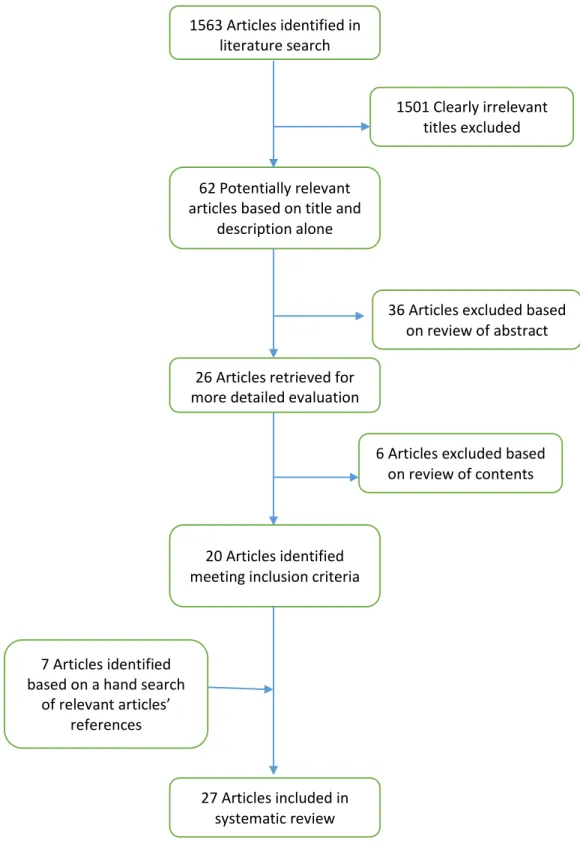
potentially relevant based on the title and description alone. Following a review of the papers’ abstracts, 36 articles were excluded, and following further evaluation of the articles’ contents 6 more articles were excluded. A hand search of the articles’ references was performed for supplemental publications which produced an additional 7 articles for a total of 27 relevant articles. The flow of selection of literature is depicted in Figure 1.
Results
1563 Articles identified in literature search
1501 Clearly irrelevant titles excluded
36 Articles excluded based on review of abstract
6 Articles excluded based on review of contents 62 Potentially relevant
articles based on title and description alone
26 Articles retrieved for more detailed evaluation
20 Articles identified meeting inclusion criteria
7 Articles identified based on a hand search
of relevant articles’ references
27 Articles included in systematic review
Problems Experienced by Patients with RDs
Difficulty Obtaining Timely, Accurate Diagnoses
The delay in diagnosis and multiple misdiagnoses that patients with RD experience was the most common problem expressed in this set of publications. Eleven of the 27 papers
discussed this issue, its prevalence, and its implications. In the Australian study of children with genetic metabolic disorders, 17% had received a wrong, initial diagnosis, 38% of children had seen 3-5 doctors, and 14% had seen 6-10 before receiving the correct diagnosis. Almost half (43%) of these parents believed that diagnosis could be made earlier (Anderson, Elliott, & Zurynski, 2013). On average, adult patients with Hereditary Angioedema (HAE) reported seeing 4 different physicians over 8 years before receiving an accurate diagnosis and their rate of misdiagnosis was found to be a high 65%. Other sequelae such as unnecessary treatments, surgical procedures, and even premature death had resulted from this due to HAE’s under
recognition and the misdiagnoses (Banerji, et al., 2013). Pediatric patients with HAE had similar rates of misdiagnoses with 8 of 16 UK centers that treated it reporting their patients had been previously misdiagnosed. Different from adult HAE patients however, the pediatric patients, generally had a shorter average time to diagnosis as patients with a family history were routinely tested at 12 months of age (Read, Lim, Tarzi, Hildick-Smith, Burns, & Fidler,, 2014). At least one misdiagnosis was reported by 44% of Familial Cold Autoinflammatory Syndrome (FCAS) patients (Stych, & Dobrovolny, 2008) and a prominent theme with Neuroendocrine Tumor (NET) patients in the qualitative study by Feinberg, Law, Singh, & Wright was the difficulty in obtaining a diagnosis (2013).
(Zurynski, Frith, Leonard, & Elliott, 2008) and in Europe 25% of patients had to wait between 5 and 30 years from the start of early symptoms until receiving a diagnosis of their RD
(EURORDIS, 2007). In Norway, 50% of parents of children with RDs waited 1-3 years for a diagnosis (Gundersen, 2011) and in Sweden 17% of patients with RD reported at least one misdiagnosis (Wallenius et al., 2009). Furthermore, in Europe, 40% of RD patients received a misdiagnosis the first time, while others received no diagnosis, and some of these misdiagnoses resulted in erroneous medical interventions and surgeries based upon them. 25% of European patients with RDs had to travel to a different region to receive a proper diagnosis and 2% had to travel to a different country. The way in which European patients with RDs’ diagnoses were announced was found to unsatisfactory by 33% and unacceptable by 12.5% (EURORDIS, 2007). However the findings from the Australian study showed 77% of parents being satisfied with the way in which they were informed of diagnosis, even with feelings of ‘shock,’ ‘confusion,’ and ‘heartbrokenness,’ and no psychological support or counseling offered at diagnosis (Anderson, et al., 2013). In Europe, despite the genetic origin of RDs, 25% of European patients felt that this was not communicated with only 50% of these patients receiving genetic counseling
(EURORDIS, 2007).
The importance and need of having a diagnosis was another relevant theme expressed by parents in Gundersen’s findings. Parents felt that not having a diagnosis caused them to
peace of mind, reducing concerns, and planning for the future. The most common sentiment expressed by these parents to the diagnosis was ‘relief’ (Pelentsov, O'Shaughnessy, 'Kevin', Laws, & Esterman, 2014). Overall, as found to be a theme in Limb, Nutt, and Sen’s study, a large number of patients and families wait far too long to receive a diagnosis for their RD and this wait has far reaching implications (2010).
Lack of Physician Knowledge & Expertise
As noted in a study examining children with Rare Intellectual Disorders (RIDs) where mothers felt the lack of physician expertise contributed to delays in the diagnosis and treatment of their children (Griffith, Hastings, Nash, Petalas, Oliver, & Howlin, 2011). Lack of knowledge by physicians with regards to RDs was another prominent issue raised by 10 articles in the series. The level of awareness and knowledge of RDs among health care professionals is a considerable worry for these patients and families (Limb, et al., 2010) and results in inadequate care.
Anderson, et al., found that 43% of parents in their study believed this is what delayed their child’s diagnosis (2013). For 1660 RD patients in Sweden, the lack of knowledge regarding their diagnoses resulted in maltreatment for 32% and negative treatment or not being
acknowledge for 26% of patients (Wallenius, et al., 2009). NET patients had difficulty finding appropriate information about NETs from physicians (Feinberg, et al., 2013) and 67% of Congenital Hypogonadotropic hypogonadism (CHH) patients perceived that their health care provider understood the medical aspects of their condition while only 38% perceived they understood the emotional aspects (Dwyer, et al, 2014).
patients and families have to inform their doctors of them (2010). A problem with RDs is that they often do not have standardized diagnostic criteria and it results in multiple, often
unavoidable, inquiries. In Australia, only 19% of pediatricians knew the diagnostic criteria for Fetal Alcohol Syndrome (FAS), complicated by the notion that 70% of them had concerns that making the diagnosis would stigmatize the child. After a diagnosis, the lack of management guidelines, referral pathways, and services are other challenges for physicians treating patients with RDs (Zurynski, et al., 2008).
For patients with HAE, Banerji found that lack of awareness of HAE to the broader medical community was a barrier to early diagnosis (2013). Primary care, family physicians, GI doctors, dermatologists and emergency department physicians were all considered participants in the care of HAE patients who would benefit from increased physician education (re: HAE) and the development and dissemination of HAE treatment guidelines. Also brought to light was the fact that the HAE management guidelines had not been updated by the American Academy of Emergency Physicians since 2006 (emergency department physicians commonly see these patients during exacerbations) despite newer, more effective, treatments being available in the US as recently as 2008 and 2009, and that only 1.2% of the total articles on HAE that came back in Banerji’s literature search were published in emergency medicine journals (2013).
echoed in the theme of the chat room content of an online Alpha-1 patient support group (Holtzclaw-Williams, Finn, & Strange, 2013).
Patient-Physician Role Discrepancies
With RDs, role discrepancies occur as a result of the patient becoming the ‘expert’ on the RD, when traditionally the healthcare provider is considered the expert on health disorders. The typical physician-patient relationship is often disrupted which has a major impact on
communication processes as in this context, communication is affected by the role behavior of both the patient and provider. The patient however is forced to assume the role of the expert because of the lack of knowledge of physicians on RDs and the limited therapeutic options available for treatment (Budych, et al., 2012). In Pelentsov, et al.’s 2014 study of ED patients, although 53% were satisfied with the level of support they received from specialists, 75% reported they would have liked even more support and oftentimes patients take it upon themselves to search for information not available from doctors. Thus, a patient-directed physician interaction is a widely experienced pattern of communication for patients with RDs (Budych, et al., 2012). Because the vast majority of patients with RDs actively seek information about their disease, it is more effective for healthcare providers to help promote the patient’s awareness of their illness and for policy makers to support their need of seeking information and accessing specialists. Budych et al.’s study showed relevance to a provider’s ability to
mind-set considering the traditional roles in health care, but the need is clearly evident (Budych, et al., 2012)
Increased Health Services Needs
Like many chronic diseases, patients with RDs have a high usage of medical services and five of the articles explored this need for health services. In the Australian study of children with metabolic disorders, 53% reported between 1 and 3 hospital admissions in the last year with 13% having 4 or more. There was an average of 7 visits per child per year to the general practitioner 8 visits per child per year to specialists, and 11 visits per child per year to allied health specialists such as physical therapy, occupational therapy, or speech therapy (Anderson, et al., 2013). Systemic Sclerosis (SS) patients had an average of 14 medical tests, 44 medical visits (mostly physical therapy), and 1.6 hospitalizations with a 5-day length of stay per year (Chevreul, Brigham, Gandre, & Mouthon,2014). Adults with Hemophilia (HM) averaged 3.89 specialist visits over 6 months, while children with the same condition averaged 2.04 (Kodra, Cavazza, Schieppati, De Santis, Armeni, & Arcieri, 2014). Those with Rett syndrome averaged 9 medical appointments per year, 33% of patients in the study required hospitalization and 66% attended regular therapy sessions in the past year (Zurynski, et al., 2008). In comparison with control individuals with more common diagnoses, Marfan Syndrome (MFS) patients had 39% more physician contacts, a 153% longer length of hospital stay, 119% more inpatient stays, 33% more prescriptions, and 236% more medical imaging (Achelrod, Blankart, Linder, von Kodolitsch, & Stargardt, 2014).
Barriers to Accessing Health Services
articles explored these issues. 50% of the patients with RDs in Wallenius et al.’s study reported problems with primary care, 25% being considerable problems, and 33% reporting minor to very big problems with specialist care (2009). The mothers of children with RIDs had largely
negative experiences with health care professionals. Half of these mothers reported a form of prejudice against their child’s intellectual disability and attributed the lack of physician
knowledge to difficulties in obtaining health care because they could not give specific medical advice (Griffith, et al., 2011). Overall, patients with RDs from Kodra, Morosini, Petrigliano, Agazio, Salerno, & Taruscio’s 2007 study felt that health care accessibility was worse than quality.
Issues with travel distances, care coordination, medication/treatment access, and
availability of treatment centers were other problems. Limb et al.’s study found that there was a lack of health services support for patients with RDs, that the majority of care is poorly
(2014). For those with CHH, only 51% had been seen at a specialized or academic medical center (Dwyer, et al., 2014). In the literature review by Zurynski et al., almost half of patients with RDs in the US had to travel over 50 miles to access appropriate medical services with 26% finding it difficult or all together impossible to access medical services and that the transition from pediatric to adult health services was reported to be a significant problem (2008). Anderson et al.’s 2013 study also found that distance to travel (43% of patients reported this) was a significant impediment to accessing health services, as was the need for sibling care, cost of services, lack of available services, lost time from work, lack of referrals, and long waits to see the specialists or other doctors. These same parents had ideas about ways to improve health services reporting at a rate of 93% that an electronic health record would improve their
experience of accessing health care. 73% also believed that the role of the General Practitioner (GP) should be to coordinate services and 77% thought that accessing health services through a specialized center housing multidisciplinary services improved or would improve their
experience of accessing health care (Anderson, et al., 2013).
Lack of Adequate Social Services Support & Accessibility
resulted in mistrust of these workers by the mothers. Two of eight mothers (25%) reported physical abuse of their child from care workers and only one was completely satisfied with her offspring’s residential placement which was at a center with a low turnover rate (Griffith, et al., 2011). ‘Mothers as advocates’ was a central theme expressed in dealing with social services, with mothers often referring to interactions as ‘fights’ with a sense of ‘us vs. them.’ Mothers had to be persistent and did not feel they could rely on anyone else to obtain acceptable services for the children. Seven of eight mothers had to obtain the help of higher authorities within the system in order to secure suitable services. The negative psychological impact of these frustrations dealing with social services on physical and mental health was apparent in the interviews conducted in Griffith et al.’s study. Mothers reported the stress of advocating for their offspring with social services attributed to high blood pressure and/or nervous breakdowns as a result of the additional burden of always making sure their offspring was being cared for appropriately (Griffith, et al., 2011).
Increased Cost of Care and Supports
typically provided by family, friends, or neighbors who are unpaid yet take on a deficit in terms of indirect costs in order to perform these tasks. Lastly, indirect costs are comprised of the cost of absence from work, of premature death, of reduced work productivity, and of early retirement.
Annually, the average patient with MFS generates an excess cost of €2,496 in
comparison to a control group of more common disorders. The strongest drivers of cost were related to inpatient treatment and care by non-physicians with ages 0-16 and 25-41 being the most expensive for this group. Patients with MFS were also found to have 20% higher prescription costs than control individuals (Achelrod, et al., 2014). Patients with Systemic Sclerosis (SS) had an average annual cost of €22,459 per patient with 47% coming from indirect costs and 38% from direct medical costs. Direct medical costs were €8,452 of which
had 20% of total costs resulting from direct medical costs, 3% from direct non-medical, and 77% from indirect costs. Medications were the most important category of direct medical costs, and the 84 hours per week of primary caregiver services as well as 33 hours per week of secondary caregiver services required by the high severity group made up the bulk of the associated direct non-medical costs for this group (Lopez-Bastida, Perestelo-Perez, Monton-Alvarez, & Serrano-Aguilar, 2008). Patients with Amyotrophic Lateral Sclerosis (ALS) had similar cost partitioning as patients with SCA, however their mean annual cost per patient was higher at €36,194.
Similarly to patients with SCA, the most important categories of costs came from informal care, early retirement (from permanent disability), medications, and orthopedic devices. Patients in the high severity group had 21% of total costs from direct medical costs, 60% from direct non-medical costs, and 19% from indirect costs, while patients in the lower severity group had 38% of total costs from direct medical costs, 1% from direct non-medical costs, and 61% from indirect costs. The most import costs of the higher severity group came from the average 130 hours per week of primary caregiver and 67 hours per week of secondary caregiver services required to care for patients with ALS (Lopez-Bastida, Perestelo-Perez, Monton-Alvarez, Serrano-Aguilar, & Alfonso-Sanchez, 2009). Patients with HAE accrue an average annual cost of about $42,000 with 67% of this coming from hospital costs (Read, et al., 2014) and the
annual, per patient, direct cost of illness for patients with Duchenne Muscular Dystrophy (DMD) in 2012 was found to be between $23,920 and $54,270 international dollars which is 7-16 times higher than the mean per-capita health expenditures in these countries (Landfeldt, et al., 2014).
considerations brought up this study were that the costs of educating the average student with disabilities is double the amount required to educate a child without special needs and that the costs of raising a child with a RD are significantly higher than that of a healthy child. The costs accrued in raising such a child come from specialized medical care, allied health services, educational services, specialized equipment, travel, and partial or total loss of income for the primary caregiver. Higher costs of care are a result of patients with RDs needing to see multiple health professionals, specialized services, diagnostic investigations, equipment, therapies and orphan drugs (Zurynski, et al., 2008). In Sweden, where the Social Insurance of Sweden covers most of health care costs, Wallenius et al. found that the extra costs attributable to RDs was €100/month for 15% of study participants, €20-€100 for 36%, and less than €20 for the remaining 49% of study participants (2009).
Because many patients with RDs require caregivers and/or experience disabilities, indirect costs were found to be a substantial portion of expenses related to RDs in the literature, while household burden and the need for financial assistance were other relevant topics. In the study by Kodra, et al., 34% of patients with HM felt their labor productivity had decreased in the past 6 months, with patients also reporting an average of 38 days of sick leave and an average of 2 hours less work per day. 58% of retired patients with HM had retired earlier than expected. Caregivers of these patients lost an average of 78 working days in the previous 6 months and 4 hours daily, which equated to the average loss of productivity being around €2,740. Lost
their child’s DMD diagnosis. The caregivers who did work had a reported lost productivity of 1 day out of 5 in a week. Furthermore, the household burden of DMD was estimated to be
$58,440-$71,900 and included income loss, monetary value of lost leisure time and reduced QoL, and the out of pocket costs of care (Landfeldt, et al., 2014). 78% of patients with FCAS reported a loss of productivity at work that included being late, having to leave early, working from home, and missed opportunities for job advancement, and 37% of these patients reported having to quit a job as a result of their disease (Stych, et al., 2008). Parents of patients with ED reported that 29% of them had experienced an impact on their or their partner’s employment status as a result of having a child with ED (Pelentsov, et al., 2014). In relation to financial assistance for patients with RDs, the Australian article found that despite 77% of parents receiving financial support for their child’s rare metabolic disorder, 52% thought that the assistance was inadequate to cover needs, and 73% reported additional income was needed to cover medical expenses.
Lack of Treatment Options & Medications
For patients with RDs, treatment options and medications are often severely lacking. Three studies addressed accessibility issues and one the risks that patients with RDs are willing to accept for treatment. Anderson et al., found that Australian parents of children with RDs perceived a lack of access to important drugs that were currently being used overseas and not available for their own child’s benefit (2013). US patients with HAE had to wait until 2008 and 2009 for FDA approval of 2 very effective treatment options that had been available in European countries since 1979. Although the costs of these two medications are expensive, presenting a financial issue, they are remedied by the positive impact they have in terms of reducing
hospitalization costs, and missed time from work (Banerji 2013). Another interesting
characteristic seen in patients with RDs is the fact that they are willing to accept greater risks in their care, in hopes of finding an effective treatment, than patients of more common disorders. The same study also found that patients with RDs were frustrated with the costs of their
treatments and care, as well as the lack of scientific data regarding treatments. Notable concerns were mentioned about the development and testing of new treatments that could possibly be effective in treating their diseases and patients wanted these to occur as quickly as possibly in order to advance their QoL (Kesselheim., McGraw, Thompson, O'Keefe, & Gagne, 2014).
Needs Experienced by Patients with RDs
Information Needs
The need of information is an important topic for patients of RDs because of the lack of it and the internet has become a critical porthole for these patients due to the spread of its
and had internet access and of those </= to 65 years, 95% had web access (Bager, Meyer, & Brandt, 2009). Holtzclaw-Williams, et al., also found a high proportion (86.9%) of internet usage among U.S. patients with Alpha-1 antitrypsin (A1) (2013) and in the literature review by Zurynski, et al., the internet was found to be used by the majority of families for a variety of purposes related to RDs. Because families need accurate and relevant information and advocation, as well as opportunities to interact with other families in similar situations, web-portals have become a venue to provide families access to support groups and websites that have information on a variety of topics critical to patients with RDs (Zurynski, et al., 2008).
idea of it, with a majority (55%) actively searching webpages for NET information and wanting a Danish NET homepage (69%) (Bager, et al., 2009). The study by Bager, et al., also found that there was a lack of written information for patients with NET in Denmark, with less than 50% being given sufficient written information by healthcare professionals, and only 2/3 of patients expressing they had received sufficient verbal information which came primarily from hospital doctors (2009). Written information was also lacking for patients with HAE in that 13 of 16 UK medical centers treating HAE had patient leaflets about HAE, but only 4 had written patient information specifically for children and their carers, and only 5 were proactive about adding their patients to the European registry for HAE (Read, et al., 2014). In terms of information needs changing, Gundersen, found that as parents move past getting a diagnosis for their child, and amassing information related to their child’s diagnosis, they tend to search for information regarding treatments, medications, and other aspects relevant to caring for a child with a RD. Parents noted that learning these facts helped them to shift expectations and accept their child’s challenges, and eventually, most of the parents significantly reduced their information-seeking activities (Gundersen, 2011).
into the RD, and patients and families in this study were also generally appreciative of the importance of research and were willing to be involved in it (2010).
Patient Support Groups as Information and Support Sources
As patient support and advocacy groups are frequently the only or main source of
information for RD patients, they play an important role in the diagnosis, information-gathering, and social support aspects of the diseases (Limb, et al., 2010). The majority of parents of
children with RDs in Gundersen’s study felt that they benefitted from using online support groups to find information, while all of the parents in the study regarded social support from other parents in similar situations as essential for helping them cope with feelings of loneliness and uncertainty (2011). Support groups and meeting other patients through them, were
technology and that feelings of isolation and powerlessness were suggested as reasons for
motivation and involvement in the chat room. 67.7% of patients with A1 valued interaction with each other, stating that talking to other ‘Alphas’ was important and 76.4% believed they could help a newly diagnosied ‘Alpha.’ All chat room postings received responses indicating support or with referrals to knowledgeable leaders within organizations. In terms of information gleaned from patient support organizations, 8.4% heard about A1 through a national organization or support group and 45.2% used these organizations for explanations, questions, and concerns about diagnosis, however 22.4% of family members did not want to be involved in support groups (Holtzclaw- Williams, et al., 2013).
Need for Peer Support
Another theme touched on by couple of studies was the need of patients with RDs and their families for peer support. In the study by Dellve, Samuelsson, Tallborn, Fasth, & Hallberg although most mothers and fathers (60% and 70%) of children with RDs perceived themselves as having good or fairly good overall support to cope with their life situation, more mothers than fathers perceived a poor social network in problems with their children and fathers reported higher support levels from their spouses than mothers did (2006). Isolation from family and friends was a theme expressed by patients with A1 as a result of frustration that family and friends are unfamiliar with their RD (Holtzclaw-Williams, et al., 2013). Lastly, parents of children with RDs reported a greater need of meeting others with the diagnosis, than the patient with the diagnosis did, however both expressed this need to meet others like them (Wallenius, et al., 2009).
Impact on Patient with RD and Family
Decreased Quality of Life
QoL for these patients and was also significantly associated with the degree of severity of ALS (with QoL decreasing as the disease severity increased) (Lopez-Bastida, et al., 2009). Using different measures, in which 100 is the best imaginable health status and 0 is the worst, Chevreul et al. found that patients with SS had an average score of 59, their caregivers 76, and that this was significantly lower than the general population as well as other diseases such as HIV or Type II Diabetes Mellitus (2014). All patients with FCAS reported burdensome symptoms by the time they reached school age and 30% had symptoms that were limiting as infants or toddlers (Stych, et al., 2008). In Cohen, & Biesecker’s systematic review of 58 QoL studies, the severity of the RD was correlated in some studies with a lower QoL, however this was found to be typically only with the physical dimensions of QoL. Other studies in that series suggested that clinical severity was not correlated with QoL and that patients with milder severity had poorer QoL or that patients with more severe health issues had a higher QoL. The central theme was that although genetic conditions have the potential to have significant negative consequences for the patients experiencing them, other factors besides physical manifestations, more psychological in nature, contributed to the overall QoL (2010).
Impact on Daily Life
average QoL was found to be worse than for children with HM or HM patient caregivers, 75% were found to have physical problems with mobility, 40% had problems with self-care, 63.3% had problems with usual activities, and 76.7% had problems with pain and discomfort (Kodra, et al., 2014). For FCAS patients, 90% experienced symptoms as newborns and 100% had
symptoms before the age of 10. Furthermore, the majority of patients with FCAS had symptoms in the severe range (5-7) for rash, joint pain, chills, and fever and 95% of them avoided outdoor activities as it aggravates their symptoms (Stych, et al., 2008). In the study by Wallenius et al., the respondents with RDs reported needing to change their standard of living, needing travel services, personal assistants, home services, and 28% reported spending over 21 hours per month on personal care related to their rare diagnosis (2009). In patients with HAE who go untreated, an average of one attack every 1-2 weeks is experienced, which lasts 2-5 days and varies in severity. Pain associated with these attacks averages an 8.4 out of a 10 point scale, however 69% of patients report a pain level of 10. These patients also have rates of mortality by asphyxiation as high as 40%. Moderate symptoms that impacted ADLs were reported by 56%, while 28% reported severe symptoms that rendered them unable to perform ADLs (Banerji, 2013).
‘impossible’ schooling as over half of RDs are diagnosed in childhood (Zurynski, et al., 2008). In the Australian study, 70% of parents reported their child’s illness meant they saw friends and family less often (Anderson, et al., 2013). Patients with HAE estimated they lose 20-100 days of social activities per year; 83% of patients with FCAS experienced disease-related issues with social activities including personal relationships; and 40% of patients with RDs reported minor to very big problems in contacts with the community (Banerji, 2013; Stych, et al., 2008; Wallenius, et al., 2009)
Negative Impact on Psychosocial Health
The impact of psychosocial sequelae on the daily lives of patients with RDs is another important and often missed issue that is important to address for patients with RDs. Adult patients with HAE experienced depression at a rate of 42.5%, while pediatric patients with HAE had anxiety about the impact of HAE in daily life and functioning. Because HAE attacks are unpredictable and impair a person’s ability to do work or perform ADLs, patients have
minds (Wallenius, et al., 2009). In Cohen et al.’s systematic review of patients with RDs, the individuals with higher levels of depression, anxiety, and psychological stress had poorer QoL, while a higher QoL was associated with factors such as psychological well-being, coping, illness perceptions, and family functioning. The strongest predictors of QoL were found to be self-esteem and illness perceptions which supports the idea that feelings and beliefs determined QoL even more than the rare disorders did. Also reported by Cohen et al. was that individuals with more ‘negative’ attitudes tended to have poorer QoL while those who were more accepting, optimistic, hopeful, accepting of their disability and had a sense of coherence had a higher QoL (2010).
Family Impact
negatively, and 44% chose not to have any more children following the birth and diagnosis of their child (Pelentsov, et al., 2014).
A breadth of information exists regarding the psychosocial sequelae that occurs within families as a result of a child being diagnosed with a RD, with issues arising from information needs of parents reported in a portion of studies. Griffith et al., reports that mothers feel unprepared and unsure about the future for their children because of the lack of information available to them on their child’s RD (2011). The study by Gundersen illustrates the important role that information and knowledge play in the emotional well-being of parents who have a child with a RD because it allows them to manage and comprehend a stressful situation that at first seems unmanageable. The study shows that becoming knowledgeable regarding a child’s condition is essential to this task and that parents use the internet as a way of ‘acting’ in order to cope with their emotions. They report that ‘knowing’ (gaining information) was the basis on which parents could begin the emotional work of grieving and acceptance such that they could move on with their lives (Gundersen, 2011).
unemployment, diagnostic delays, uncertainty about the future, lack of information, and
difficulty with accessing appropriate health care (Zurynski, et al., 2008). For parents of children with HAE fears and anxiety are related to long term funding of medications, availability of home therapy, and lack of awareness of HAE in schools and EDs (Read, et al., 2014). A major stressor for parents in the Gundersen study are worries about their child and not knowing what the
disorder might mean for the child’s prospects and prognosis, i.e. the stress of being confronted with an unknown destiny (2011).
As for factors that influence positive family outcomes, a number of studies examined this. In the systematic review by Cohen, et al., family functioning was found to significantly influence QoL, and that families with greater cohesion and a lower level of conflict had
Discussion
The road to diagnosis for patients with RDs is exceedingly difficult and the results of this systematic review reiterate this point. Delays in diagnoses in terms of years, multiple
misdiagnoses, and having to see multiple physicians before receiving a correct diagnosis were found to be more common than not for patients with RDs. Problems arising from misdiagnoses include unnecessary treatments, surgical procedures, and even death for some patients, which not only cause unnecessary pain and suffering for patients but unnecessary cost accrual for both patients and society. In patients with a family history of RD, some of this burden of diagnosis was lifted, as parents and doctors were aware enough to know to test children, however this was not the case for most. Another problem facing patients of RDs in trying to obtain a proper diagnosis is the need for travel to more knowledgeable specialists that takes patients to other regions, and sometimes other countries. Communication issues complicated the delivery of the diagnosis with patients not being told about the genetic origin of their disease, about genetic counseling, or support groups which can be vital to coping with a RD. Mixed results were seen in the satisfaction patients felt about how they were informed of their diagnosis with one study showing a majority being satisfied, while another showing close to a majority were not. This inconsistency may be due to the differing countries and healthcare systems in which the studies were performed. Furthermore, the importance with which patients placed on having a diagnosis for their RD was quite high as it has implications on management and provision of appropriate care of the RD, treatment, peace of mind, planning for the future, and reducing stress and anxiety for patients and parents of patients with RDs.
insufficient expertise of physicians contributes to inconsistencies in specialized treatments for patients, with some doctors being aware of medications or other options while others are not, and at times patients must even inform their physicians about available options. It is also a factor in patients undergoing multiple, unnecessary tests in order to reach a diagnosis, as is the fact that many RDs do not have treatment or diagnostic guidelines, or they are not updated in a timely manner. Many times a lack of trust in physicians is a result of this knowledge shortfall. It is heartening that physicians and other healthcare professionals are aware of this lack of awareness and knowledge related to RDs, however with the vast number of RDs it is impossible for any doctor to be proficient in diagnosing and/or treating them all. To be able to get the right information to the right physicians (the ones treating patients of RDs), or a network that would allow better referrals to more knowledgeable physicians would be a key step in addressing this issue. Although RDs remain to be under researched, this gap in information is becoming increasingly addressed with the development of research networks and patient registries (Zurynski, et. al, 2008)
physician side, it requires a change of mindset away from traditional health care roles in order to remedy it.
In all of the studies in this review that touched on the topic of health services use, high levels were reported. Patients with RDs had multiple hospital admissions, visits to physicians, specialists, and various therapists, and in comparison to a control group with more common diagnoses, longer lengths of hospital stays, more prescriptions, and medical imaging. All of this extra medical care comes at a cost, both psychologically and financially as the patient is
operating in ‘survival mode’ and it takes time and energy away from more fulfilling aspects of life. It is hard to fully ascertain the implications of the lost sense of normalcy the patient experiences as a result of such frequent medical care.
In the studies that investigated the provisions of social services for patients with RDs, more problems were found. Even basic support services were lacking in some areas and
combined with the complexity of using the system, if parents were unable to be strong advocates for their children they risked losing services or receiving inadequate ones. Mothers were often left feeling like interactions with social services were ‘fights’’ and that they suffered physical and psychological impacts to their health as a result of them. Pervasive problems such as abuse (25% of cases in one study) with day, respite, and residential services for patients with RDs also surfaced and caused limited trust in a service that is supposed to support people and families in need, and offer them respite.
In the studies examining costs associated with RDs, all found costs that were burdensome to patients. Because of the nationalized healthcare systems in some of the countries, some costs for patients with RDs were alleviated, however there remained to be significant costs attributable to direct non-medical, and indirect needs of patients with RDs. Medical costs related to
evident and needs to be evaluated and remedied in a broader scope than the consideration of health services needs alone.
For patients with RDs, treatment options and medications are yet another problematic issue to be dealt with. There is a known lack of accessibility to certain drugs because of
regulations imposed by differing countries (i.e. an effective drug may be available in Europe, but not in the U.S. or Australia). There is also an issue of lack of scientific data regarding treatments which presents a frustration to patients with RDs. In lieu of this, an interesting finding was that patients with RDs were willing to take greater risks in their health care in hopes of finding effective treatments. This is likely related to the fact that many RDs have high levels of
morbidity and there are few if any treatment options for many of them. All in all there is a great need for more research and better treatment options and medications for use in patients with RDs.
tool in the quest for knowledge for many patients of RDs, however its continued growth in connecting patients to each other, health professionals and RD patients to better, more accurate information regarding RDs, and researchers to RD study participants would benefit even more patients with RDs as well as the health professionals involved in treating them.
Even though the internet was found to be a helpful information source for some patients of RDs, the literature showed that patients were equally accepting of information from a variety of sources to include internet sites, specialists, online communities (which support RDs) and in both written and verbal forms. Too often, patients with RDs reported not receiving satisfactory written or verbal information from their physicians, a sentiment that steered them to search the internet. Of note, is the notion that as parents of RD patients move past seeking information related to getting a proper diagnosis and amass a greater understanding of their disease, their information needs change to seeking out treatment options, therapies, and medications that may be beneficial for their child. Ultimately and foremost however, the biggest issue was and continues to be, the lack of information available regarding RDs and that patients of RDs are satisfied to receive it from any reliable source.
gap could possibly be reduced by better information sharing and networking among support groups, researchers, and patient registries.
In the findings, the role of patient support and advocacy groups was that of a critical resource for patients with RDs. These groups were implicated as essential for many patients in the diagnosing, information-gathering, and supportive aspects of their diseases. These support groups allowed patients to cope with negative feelings and were even one of the biggest reasons for positive feelings related to the RD for some patients. Next to family, many patients felt online support communities were one of the most important sources of support. Patients also valued their connections with others with the same condition and sought to provide mentorship to younger patients and their families. Some patients had concerns about the social and
emotional risks associated with putting health information in a public format and while others hoped they were not negative examples of the future for younger patients because of the progression of certain diseases. Despite the overall positive feedback from patients regarding RD support and advocacy groups, support groups for a number of diseases and in certain countries didn’t exist. Of the patients without access to support groups surveyed, there was a high interest in them as well as a high desire for involvement. This is an area of intervention where a significant impact could be made simply by patients helping other patients.
The overall QoL of patients with RDs was examined by multiple studies in this series. In all of them, except for the systematic review by Cohen, et al., QoL suffered as a result of living with the diagnosis of a RD. In two of the studies (SCA & ALS patients), QoL was directly correlated with severity of the disease and as the disease progressed, the QoL became poorer. In light of this finding, it is critical to acknowledge that not all RDs have severe symptoms or progression to severe disability. In Cohen’s systematic review specifically investigating the QoL for patients with RDs, clinical severity of a RD was not always associated with reduced QoL and in fact there were other, psychological, factors besides the physical manifestations that
contributed to the perception of QoL. This, in and of itself, presents a possible area of
intervention, usurping physical ailments, through which Qol could be improved for patients with RDs.
The impact on daily life experienced by patients with RDs is another unavoidable burden for them to cope with. Depending on the RD, these problems range from mild to severe,
however many of the diseases captured in this review had notable daily problems. These problems ranged from some to severe difficulty in daily functioning, even unable to function in nearly all areas and includes chronic paint that limited activities; impaired hearing, speech, and/or communication; physical mobility problems; and problems with self-care and usual activities. In addition to problems experienced on a daily basis, patients with RDs had greater daily needs such as travel services, personal assistants, home services, changing their standard of living, and the increased time devoted to personal care related to their RD. Employment,
escape, turning each day into a struggle merely to get through, and thus it is understandable that psychosocial problems such as depression and anxiety are not uncommon in patients with RDs.
In the studies examining psychosocial issues related to RDs, negative as well as positive results were identified. High levels of depression and anxiety were reported by a large
percentage of patients, with a majority of patients in one study reporting emotional and social effects of their RD. Other patients reported positive aspects of the RD such that it had changed their view of life and broadened their minds. In the systematic review by Cohen et al., the patients with these higher levels of depression, anxiety, and psychological stress (i.e. more negative attitudes) had poorer QoL, while those who possessed psychological well-being, coping skills, and more positive illness perceptions and family functioning (i.e. more positive attitudes) were associated with higher QoL. The implications of this are that the psychosocial sequelae so often experienced in patients with RDs can play a critical role in determining QoL.
The impact felt by a family when one of its members has a RD is undeniable. Even when the symptoms of the RD are relatively mild, the family is unquestionably affected. Parents tend to have high stress and anxiety levels that can affect their physical health as well as their
potential to introduce situations for conflict. Some families were brought closer as a result of the shared experiences of living with a child with a RD, while a majority of parents in another felt it create positive experiences with relatives and were optimistic about the future.
Limitations
Combined, this review contains a wealth of information regarding the problems, needs, and impacts that patients with RDs and their families must deal with on a continual basis as well as a number of obvious limitations. Although this review touches on long list of topics highly relevant to patients with RDs, the heterogeneity of the studies makes it difficult to draw succinct conclusions. The studies included in this review come from a variety of countries that are not only culturally different, but have different health care systems, social systems and resources available to patients. It is difficult to quantify costs across countries and disorders. Another limitation is the fact that a variety of RDs are included and that these different diseases have a wide range of symptomologies and severities, which results in variance in the problems and needs expressed by the patients. It is also difficult with RDs to compile a large enough data set and a number of the included studies have small sample sizes, leaving a greater risk of error. Exploratory studies were used as were surveys, which are based on patient recall, and have the potential to be inaccurate. Considering the breadth of this review, the actual numbers of articles touching on specific topics was limited for many topics, but it gives a long list of very relevant topics which could then be studied individually.
Conclusion
diseases. Because of their rarity, little is known about these diseases and resources to support them are often scarce. One of the most critical problems patients with RDs experience is the difficulty and delays surrounding their diagnosis. Optimal management of rare disorders begins with a timely and accurate diagnosis and this is the apex from which other issues snowball such as prompt and effective treatments to manage their dieases, and the ability to gain knowledge and plan for the future which has been shown to reduce fears and anxiety related to the experience of having a RD. A diagnosis also gives patients the opportunity to join patient support groups geared towards their specific disease, where a wealth of information not available elsewhere can be found, as well as the peer and social support so critical to many of these patients.
Appendix 1
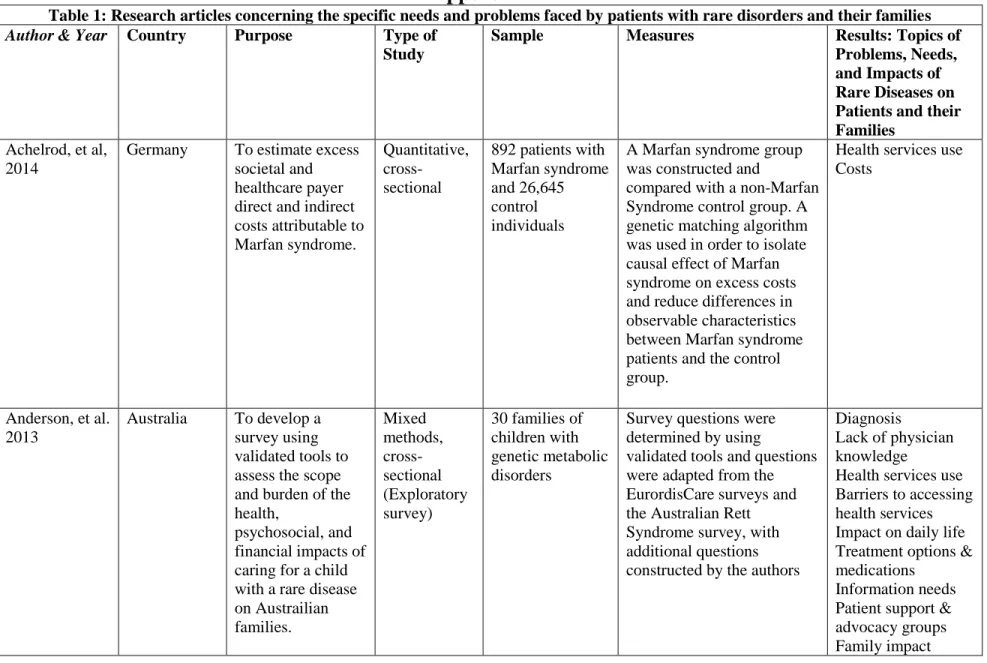
Table 1: Research articles concerning the specific needs and problems faced by patients with rare disorders and their families Author & Year Country Purpose Type of
Study
Sample Measures Results: Topics of Problems, Needs, and Impacts of Rare Diseases on Patients and their Families
Achelrod, et al, 2014
Germany To estimate excess societal and healthcare payer direct and indirect costs attributable to Marfan syndrome.
Quantitative, cross-sectional
892 patients with Marfan syndrome and 26,645 control individuals
A Marfan syndrome group was constructed and
compared with a non-Marfan Syndrome control group. A genetic matching algorithm was used in order to isolate causal effect of Marfan syndrome on excess costs and reduce differences in observable characteristics between Marfan syndrome patients and the control group.
Health services use Costs
Anderson, et al. 2013
Australia To develop a survey using validated tools to assess the scope and burden of the health,
psychosocial, and financial impacts of caring for a child with a rare disease on Austrailian families. Mixed methods, cross-sectional (Exploratory survey)
30 families of children with genetic metabolic disorders
Survey questions were determined by using
validated tools and questions were adapted from the EurordisCare surveys and the Australian Rett Syndrome survey, with additional questions constructed by the authors
Diagnosis
Lack of physician knowledge
Health services use Barriers to accessing health services Impact on daily life Treatment options & medications
Bager et al., 2009
Denmark To identify NET patients' information needs Quantitative, cross-sectional (Pilot Survey)
39 NET patients treated at Aarhus University Hospital. These patients were considered representative of the total
population of 146 NET patients treated at this hospital.
Patients completed a 36 item questionnaire regarding: socio-demographic data, diagnosis, NET-information, medication, web-based information, and the
estimated need for an NPA. Simple proportion analyses were used for all statistical analyses.
Information needs Patient support & advocacy groups
Banerji, 2013 USA To review the literature on the burden of Illness for patients with hereditary angioedema Qualitative, cross-sectional, Review
11 articles Articles whose topics included diagnosis,
symptoms, treatment, quality of life, and costs were included.
Diagnosis
Lack of physician knowledge Quality of Life Impact on daily life Psychosocial factors Treatment options & medications
Budych, et al., 2012
Germany To study the experiences of patient-physician interactions for patients with rare diseases and to explore these interactions and their causal factors.
Qualitative, cross-sectional, survey study
107 interviews with patients with ALS, DMD, EB, Marfan
syndrome, neurodegeneratio n with brain iron accumulation (NBIA), and Wilson's disease.
A series of
semi-standardized interviews with patients suffering from 6 specific rare disorders that were recorded, transcribed, and analyzed thematically according to the grounded theory tradition.
Chevreul, et al., 2014
France To provide and analyze data on the economic burden and health-related quality of life (HRQoL) of patients with systemic sclerosis in France. To raise awareness of systemic sclerosis, it's burden for patients and caregivers and on the health and social care system.
Quantitative, cross-sectional survey 147 systemic sclerosis patients recruited through the French scleroderma patients association (ASF). There was complete anonymity, no age-based
exclusion criteria, and for patients with an informal caregiver, the caregiver was asked to complete a separate questionnaire.
Data on patients' use of resources were obtained from an online questionnaire retrospectively with costs estimated from a bottom-up approach. HRQoL for patients and caregivers was assessed with a 5-level EURQoL-5 Dimension health questionnaire.
Health services use Quality of Life Costs
Cohen, et al., 2010
USA To summarize and integrate research findings regarding quality of life (QoL) in in patients with rare genetic disorders to examine how healthcare providers can enhance the QoL of patients with these disorders. Qualitative, cross-sectional, systematic review
58 Quality of Life Studies
Articles were chose via inclusion/exclusion criteria and those in question were discussed among the authors.
Dellve, et al., 2006
Sweden To assess stress, well-being, and supportive resources experienced by mothers and fathers of children with rare disabilities, and how these variables may be affected by an intensive family competence intervention Mixed methods, longitudinal (prospective design with baseline data and 2 follow-ups)
136 mothers and 108 fathers of children with rare disabilities
Instruments of parental stress, social support, self-rated health, optimism, life-satisfaction, and perceived physical or psychological strain were used with stratified analysis carried out for mothers and fathers and related to parental demands.
Peer support Family impact
Doyle, 2015 USA To explore the interaction of patients and identify their needs within disease-specific support and advocacy groups. Qualitative, cross-sectional 49 individuals consisting of adults with cystinosis and their parents (21 families total)
Grounded theory approach Patient support & advocacy groups
Dwyer, et al., 2014
Switzerland To determine if internet-based platforms were effective tools to conduct an online needs assessment survey; to identify unmet health and informational needs of CHH patients.
Mixed methods, longitudinal
105 male patients with congenital hypogonadotropi c hypogonadism
Data was obtained using an online survey and patient focus groups and examined by descriptive statistics and thematic qualitative analysis.
Lack of physician knowledge
EURORDIS, 2007
Europe To provide evidence on the delay in diagnosis in rare disorders and to identify it's main cause
Quantitative, cross-sectional
6,000 rare disease patients
Quantitative analysis Diagnosis
Feinberg, et al., 2013
Canada To use interview to better understand the patient
experience of NET from the
perspective of having a rare disease. Qualitative, cross-sectional (exploratory survey) 18 telephone interviews of patients with Neuroendocrine Tumors. Semi-structured qualitative interviews with a qualitative approach to quide sampling, data collection, data
analysis, and data synthesis
Diagnosis
Lack of physician knowledge
Griffith, et al., 2011
UK To explore the mother's experiences of social care support and medical services for their adult offspring with one of three rare syndromes (Angelman
syndrome, Cornelia de Lange
syndrome, and Cri du Chat syndrome)
Qualitative, cross-sectional (exploratory survey)
8 mothers of children with Angelman, Cornelia de Lange, or Cri du Chat syndromes - all have
intellectual disabilities
Thematic content analsysis of a semi-structured interview
Lack of physician knowledge
Gundersen, 2011
Norway To explore and analyze the experience of 10 Norwegian parents whose children have different rare genetic disorders and how the internet can be a coping resources. Qualitative, cross-sectional 10 Norwegian parents of children with differing rare genetic disorders.
Qualitative interviews with an 'open approach' to explore the parents' reasons for using the internet
Diagnosis
Information needs Patient support & advocacy groups Family impact
Holtzclaw-Willams, et al., 2013
USA To support individuals impacted by a rare genetic disorder and to assess collective identity and capacity for community engagement approaches to intervention development. Mixed methods, cross-sectional (Case study methodology )
Set of 6 data sources that consisted of organizational communications; survey item responses (n=694); 3 reports from 2 Alpha-1 organizational websites, and 2 separate online chat rooms for A1 patients
Each data source was independently analyzed and then data and analyses were triangulated for
completeness, convergence, and to confirm depth.
Lack of physician knowledge Information needs Patient support & advocacy groups Peer support
Kesselheim, et al., 2014
USA To investigate the perspective of rare disease patients on the development and usage of possible treatments for their conditions.
Qualitative, cross-sectional
Three in-person focus groups with a total of 26 rare disease patients
Software was used to analyze the transcripts of the focus groups for common themes
Kodra, et al., 2014
Italy To investigate social burden, quality of life, and cost from a societal perspective of patients with hemophilia. Quantitative, cross-sectional survey (web-based)
89 patients and 17 caregivers of patients with Hemophilia A or B
A questionnaire to gather information on
demographics, healthcare and social services consumption, formal and informal care utilization, productivity, and quality of life (assessed through the EuroQoL).
Health services use Impact on daily life Psychosocial factors Costs
Family impact
Kodra, et al., 2007
Europe To evaluate patients and caregivers opinions about the quality and accessibility of health and social services
Qualitative, cross-sectional, pilot study
302 patients of various rare diseases
Questionnaire analyzed with descriptive and comparative analysis
Barriers to accessing health services Social services
Landfeldt, et al., 2014
International To obtain the total cost of illness and economic burden of Duchenne Muscular Dystrophy (DMD) Mixed methods, cross-sectional survey (web based) 770 DMD patients, 5 years and older and their caregivers (parents), from Germany, Italy, UK, and US
Data on health care, quality of life, work status, informal care, and household
expenses was collected from patients and caregivers to estimate DMD costs from the perspective of society and caregiver households and analyzed for each country (Germany, Italy, UK, and US).
Quality of Life Costs
Limb, et al., 2010
UK To examine the struggles of daily life with a rare genetic conditions and to find out more about the experiences of living with a rare disease in the UK
Mixed methods, cross-sectional
600 patients and families with rare diseases
Quantitative and qualitative analysis
Diagnosis
Lack of physician knowledge
and to identify common issues and problems they face
Lopez-Bastida, et al., 2008
Spain To determine the economic burden and health related quality of life (QoL) in patients diagnosed with Spinocerebellar ataxia (SCA) Quantitative, cross-sectional study
84 SCA patients A retrospective assessment of resources obtained through questionnaires filled out by patients and/or the patient’s caregivers. The approach used was the cost-of-illness study based on a societal perspective, and the EQ-5D generic
questionnaire (QoL).
Quality of Life Costs
Lopez-Bastida, et al., 2009
Spain To determine the economic burden and health related quality of life (QoL) in patients diagnosed with Amyotrophic Lateral Sclerosis (ALS) Quantitative, cross-sectional study
63 ALS patients A retrospective assessment of resources obtained through questionnaires filled out by patients and/or the patient’s caregivers. The approach used was the cost-of-illness study based on a societal perspective, and the EQ-5D generic
questionnaire (QoL).
Quality of Life Costs
Pelentsov, et al., 2014
International To provide an in-depth account of the experiences and supportive care needs of parents caring for a child with ectodermal dysplasia (ED) Mixed methods, cross-sectional
126 parents from 14 countries
Focus group data was used to assist in the development of an internationally
distributed internet study
Diagnosis Patient-physician role discrepancies Costs
Read, et al., 2014
UK To determine pediatric hereditary angioedema patient numbers, symptoms, diagnostic difficulties, management, and available services. Qualitative, cross-sectional (exploratory survey)
111 HAE patients and their
parents/carers from 16 UK health centers with HAE patients; 10 out of 12 patients at one HAE center.
QA questionnaire was sent to each center as well as a 2-page questionnaire sent to 12 patients at one center
exploring the diagnosis, treatment, and impact on quality of life (QoL).
Diagnosis
Barriers to accessing health services Psychosocial factors Information needs Family impact
Stych, et al., 2008
USA To get a better understanding from the patient's
perspective of the disease and it's impact on their daily lives. Mixed methods, cross-sectional, market-based survey
30 patients with a diagnosis of FCAS
Patients from a FCAS data base were interviewed. Both open-ended and response format questions and structured response format questions were asked. Symptom severity was rated on a scale of 1-7 with 7 being the most severe and 1 being the least.
Diagnosis Quality of Life Impact on daily life Costs
Wallenius, et al., 2009
Sweden To study the physical, psychosocial, emotional and financial impact of having a rare diagnosis Mixed methods, cross-sectional (questionnair e) 1660 patients with rare diagnoses from 30 organizations representing rare diagnoses
Quantitative analysis with descriptive statistics
Diagnosis
Lack of physician knowledge
Barriers to accessing health services Impact on daily life Psychosocial factors Costs
Zurynski, et al., 2008
International To address the impacts of rare diseases on patients, families, caregivers, and the community; the impacts of rare disease on clinicians and health services; and how governments responded to the need for health services, research and policies related to rare diseases.
Mixed methods, cross-sectional (review of literature)
36 articles Search of databases (Medline, The Cochrane Library, and Google) for articles containing
information on the impacts of rare diseases on families, clinicians, health services and policies.
Diagnosis
Lack of physician knowledge
Health services use Barriers to accessing health services Impact on daily life Costs
References
Achelrod, D., Blankart, C. R., Linder, R., von Kodolitsch, Y., & Stargardt, T. (2014). The economic impact of marfan syndrome: A non-experimental, retrospective, population-based matched cohort study Orphanet Journal of Rare Diseases, 9, 90-1172-9-90.
Anderson, M., Elliott, E. J., & Zurynski, Y. A. (2013). Australian families living with rare disease: Experiences of diagnosis, health services use and needs for psychosocial support Orphanet Journal of Rare Diseases, 8, 22-1172-8-22.
Bager, P., Meyer, B., & Brandt, G. (2009). Assessment of the need for information among patients with neuroendocrine tumors. A pilot study. Nordic Journal of Nursing Research & Clinical Studies / Vård i Norden, 29(2), 53-55.
Banerji, A. (2013). The burden of illness in patients with hereditary angioedema. Annals of Allergy, Asthma & Immunology, 111(5), 329-336.
Budych, K., Helms, T. M., & Schultz, C. (2012). How do patients with rare diseases experience the medical encounter? exploring role behavior and its impact on patient-physician interaction. Health Policy, 105(2-3), 154-164.
Chevreul, K., Brigham, K. B., Gandre, C., Mouthon, L., & The Burqol-Rd Research, N. (2014). The economic burden and health-related quality of life associated with systemic sclerosis in france Scandinavian Journal of Rheumatology, , 1-9
Cohen, J. S., & Biesecker, B. B. (2010). Quality of life in rare genetic conditions: A systematic review of the literature American Journal of Medical Genetics.Part A, 152A(5), 1136-1156
Doyle, M. (2015). Peer support and mentorship in a US rare disease community: Findings from the cystinosis in emerging adulthood study The Patient, 8(1), 65-73.
Dwyer, A. A., Quinton, R., Morin, D., & Pitteloud, N. (2014). Identifying the unmet health needs of patients with congenital hypogonadotropic hypogonadism using a web-based needs assessment: Implications for online interventions and peer-to-peer support Orphanet Journal of Rare
Diseases, 9, 83-1172-9-83.
EURORDIS: Rare Diseases Europe. (2015). About rare diseases. Retrieved from: http://www.eurordis.org/about-rare-diseases
EURORDIS: Rare Diseases Europe. (2007) Survey of the delay in diagnosis for 8 rare diseases in Europe ('EURORDISCARE 2') [PDF Document]. Retrieved from:
http://www.eurordis.org/sites/default/files/publications/Fact_Sheet_Eurordiscare2.pdf Feinberg, Y., Law, C., Singh, S., & Wright, F. C. (2013). Patient experiences of having a
neuroendocrine tumour: A qualitative study. European Journal of Oncology Nursing, 17(5), 541-545.
Griffith, G. M., Hastings, R. P., Nash, S., Petalas, M., Oliver, C., Howlin, P. (2011). "You have to sit and explain it all, and explain yourself." mothers' experiences of support services for their offspring with a rare genetic intellectual disability syndrome Journal of Genetic Counseling, 20(2), 165-177.