S T A T E O F T H E A R T
Open Access
Non invasive ventilation as an additional tool for
exercise training
Nicolino Ambrosino
*and Paolo Cigni
Abstract
Recently, there has been increasing interest in the use of non invasive ventilation (NIV) to increase exercise capacity.
In individuals with COPD, NIV during exercise reduces dyspnoea and increases exercise tolerance.
Different modalities of mechanical ventilation have been used non-invasively as a tool to increase exercise tolerance
in COPD, heart failure and lung and thoracic restrictive diseases. Inspiratory support provides symptomatic benefit
by unloading the ventilatory muscles, whereas Continuous Positive Airway Pressure (CPAP) counterbalances the
intrinsic positive end-expiratory pressure in COPD patients.
Severe stable COPD patients undergoing home nocturnal NIV and daytime exercise training showed some benefits.
Furthermore, it has been reported that in chronic hypercapnic COPD under long-term ventilatory support, NIV can
also be administered during walking.
Despite these results, the role of NIV as a routine component of pulmonary rehabilitation is still to be defined.
Keywords:
Chronic heart failure, COPD, Dyspnoea, Pulmonary rehabilitation
Background
During exercise in people with chronic obstructive
pul-monary disease (COPD), expiratory flow limitation and
increased respiratory frequency may reduce the
expira-tory time, resulting in increase in end-expiraexpira-tory lung
volume, a condition also known as dynamic
hyper-inflation (DH). In such condition, tidal breathing takes
place at lung volumes closer to total lung capacity [1].
An unavoidable physiological consequence of DH is an
increase in the intrinsic positive end-expiratory pressure
(PEEPi) and in the elastic work of breathing (WOB): the
final result is severe dyspnoea during effort reducing the
exercise tolerance [2,3].
Pulmonary rehabilitation is a recognised core
compo-nent of the comprehensive management of COPD
pa-tients, mainly based on exercise training [4]. In patients
with chronic heart failure (CHF), exercise training has
beneficial direct and reflex sympatho-inhibitory effects
and favorable effects on normalisation of neurohumoral
excitation. These physiological benefits apply to all
COPD and CHF patients independently of the degree of
disease severity and are associated with improved
exer-cise tolerance, functional capacity, and quality of life [5].
Recently, there has been an increasing interest in the
use of non invasive ventilation (NIV) to improve
exer-cise capacity [6-8], based on the evidence that assisted
ventilation, by unloading respiratory muscles, might
allow patients to train at higher levels of exercise
inten-sity. This review describes the present state of the art on
the use of NIV as a tool to increase the benefits of
pulmonary rehabilitation.
Rationale
In a study on healthy trained cyclists it was shown that
the WOB required to sustain high-intensity exercise
sig-nificantly inversely correlated with leg blood flow [9,10].
In other words, during leg exercise, in conditions like
COPD where WOB increases, there may be a switch of
blood flow from limb to respiratory muscles, thus
indu-cing earlier limb muscle fatigue, a well known cause of
exercise interruption. This competition may be
mini-mised by adding assisted ventilation during exercise.
Confirming this hypothesis, in other studies assisted
ventilation prevented exercise-induced diaphragmatic
fa-tigue [11,12]. Because PEEPi and less effective
inspira-tory muscles in COPD contribute to dyspnoea, assisted
* Correspondence:[email protected]Pulmonary Rehabilitation and Weaning Center, Auxilium Vitae, Borgo S. Lazzaro 5, Volterra, PI, Italy
ventilation should provide a symptomatic benefit by
unloading and assisting the overburdened inspiratory
muscles and reducing WOB. Unloading of the
inspira-tory muscles in turn may reduce their blood
require-ment allowing a switch of blood flow from respiratory to
limb muscles.
Another aspect may be important. Systemic
inflamma-tion has been related to the development of comorbidities
in COPD. The level of systemic inflammatory mediators is
increased in response to exercise in these patients [13].
Non invasive ventilation may prevent the interleukin-6
re-sponse to exercise in muscle-wasted COPD patients [14].
Furthermore, sympathetic and parasympathetic neural
control of heart rate is deranged in COPD patients and
NIV acutely increases sympathetic response and decreases
vagal tonus: the increase in ventilation induced by NIV is
associated with reduced cardiac vagal activity in stable
moderate-to-severe COPD patients [15]. As a matter of
fact, it has been claimed that NIV may be useful to
im-prove exercise tolerance also in CHF [16].
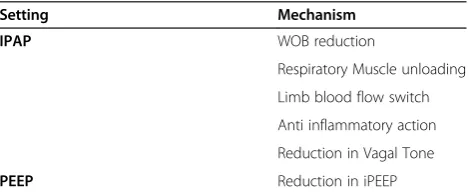
Table 1 shows the suggested pathophysiological
mech-anisms of NIV effect during exercise.
Physiological studies
Different modalities of mechanical ventilation have been
delivered non-invasively by nasal, facial Masks or
mouth-piece during exercise [17].
Continuous positive airway pressure
Theoretically, CPAP should reduce the inspiratory
thresh-old load on the inspiratory muscles of hyperinflated
COPD patients and optimise neuromuscular coupling,
thus improving dyspnoea and exercise tolerance [18-20].
CPAP counterbalances, at least in part, PEEPi (ie, the
inspiratory threshold load) [21,22], reduces the WOB
and increases exercise tolerance also in people with cystic
fibrosis [23].
It has been suggested that the level of CPAP should be
titrated on an individual basis to optimise benefit and
comfort. Nevertheless, this implies the measurement of
PEEPi, which is difficult if not impossible to perform on
a routine basis [21]. CPAP seems also to be a useful
strategy to improve functional capacity in patients with
CHF, without any significant change in heart rate
vari-ability during physical exercises [24,25].
Inspiratory pressure support
Inspiratory Pressure Support (IPS) is a pressure-targeted
mode in which each breath is triggered and supported
by the patient [26]. This modality of mechanical
ventila-tion is able to assist ventilaventila-tion effectively when applied
non-invasively in acute and chronic respiratory failure.
Pressure support can improve dyspnoea and exercise
capacity by reducing the high WOB of exercising COPD
patients [27-33]. Patients with severe COPD can sustain
exercise-induced lactatemia longer if assisted by means
of IPS [34]. Using near-infrared spectroscopy and
im-pedance cardiography to assess changes in cerebral
oxy-genation and cardiac output, it has been found that non
invasive IPS plus positive end expiratory pressure (PEEP)
added benefit to hyperoxia during exercise in improving
central haemodynamics and cerebral oxygenation in
COPD patients with exercise induced desaturations [35].
It has been also reported that during the walking test on
treadmill of cystic fibrosis patients, non invasive IPS
may change thoraco-abdominal kinematics and lung
function, improving exercise capacity suggesting that
NIV may be an effective tool to increase functional
cap-acity also in children and adolescents with cystic fibrosis
[36]. Non invasive IPS has been used also to improve
exercise tolerance in patients with restrictive ventilatory
pattern [37,38].
Proportional assist ventilation
Proportional Assist Ventilation (PAV) is a mode of
par-tial ventilatory assistance endowed with characteristics
of proportionality and adaptability to the intensity and
timing of spontaneous ventilatory pattern by providing
inspiratory flow and pressure in proportion to patient
’
s
effort [39]. PAV was proposed as a modality of
mechan-ical ventilation to improve the patient-ventilator
inter-action by bringing one of the two oscillatory pumps, the
mechanical ventilator, under the control of the other,
the patient
’
s central control of breathing [39]. Despite
the positive characteristics, this modality of mechanical
ventilation is still not used routinely in ICU. Several
laboratory studies show that also non invasive PAV can
increase exercise capacity of COPD patients without any
relevant haemodynamic effect [40-44] in idiopathic
pul-monary fibrosis (IPF) and obesity [45,46].
In a comparison study [45] submaximal test was
in-creased in IPF patients with PAV compared with CPAP
and without any ventilatory support. IPF patients
perform-ing submaximal exercise with PAV presented a lower
heart rate during exercise, although systolic and diastolic
Table 1 Suggested pathophysiological mechanisms for
the effect of NIV during exercise
Setting Mechanism
IPAP WOB reduction
Respiratory Muscle unloading
Limb blood flow switch
Anti inflammatory action
Reduction in Vagal Tone
PEEP Reduction in iPEEP
pressures were not different among submaximal tests.
PAV applied during exercise led to increase in exercise
en-durance and reduction in dyspnoea also in obese patients
[46]. In these patients there was a large spectrum of
re-sponse to PAV, with more than 50% of patients increasing
their exercise endurance by a mean of 31%, thus
suggest-ing that PAV might be a novel treatment option to
en-hance exercise capacity in a subgroup of obese patients in
rehabilitation programs.
Controlled mechanical ventilation
Assist-control ventilation is a combination mode of
venti-lation in which the ventilator delivers a positive pressure
breath at a preset tidal volume in response to a patient
’
s
inspiratory effort. The ventilator also delivers breaths at a
preset rate if no patient effort occurs within the
prese-lected time period [47]. This modality of assisted
ventila-tion was delivered through nasal masks during exercise
in patients with pulmonary tuberculosis sequelae and
kyphoscoliosis, resulting in a significant improvement in
breathlessness and increase in exercise endurance [48,49].
Its use was not studied in COPD patients.
Non invasive ventilation in pulmonary rehabilitation programs
The message of these physiologic studies can be
sum-marised as follows: acute NIV, either as CPAP, IPS, or
PAV, during exercise reduces WOB and dyspnoea
in-creasing exercise tolerance in COPD patients and with
less level of evidence in restrictive disease patients [6].
The next step is to evaluate whether NIV can be used as
an aid during exercise training sessions. This is an
im-portant issue, because most patients with moderate to
severe COPD are candidates for pulmonary
rehabilita-tion programs (PRP) [4], and PRP are component of
the comprehensive management of majority of patients
facing lung transplantation or lung volume reduction
surgery [50,51].
One randomised controlled study [52] found no
add-itional benefit from providing NIV (in PAV modality)
during exercise training on bicycle, on exercise
toler-ance, dyspnoea, or health status when compared with
training alone. At difference, another similar study [53]
found that after a period of PAV-assisted training, mean
training intensity, and peak work rate were higher than
after unassisted training. Iso-workload lactataemia after
training was reduced to a greater extent in the assisted
than in unassisted patients. Moreover, a significant
inverse relationship was found between reduction in
iso-workload lactatemia after training during the constant
work rate test and peak work rate achieved during the
last week of training. This was considered as a marker of
true physiologic training effect.
In another study COPD patients were randomised into
three groups for an intervention of 12 weeks: exercise
training alone, NIV alone and combined treatment. All
exercise capacity parameters improved after training and
the combined treatment. In addition, peripheral muscle
strength and six-minute walk distance (6MWD) increased
after NIV. Levels of interleukin 8 and tumour necrosis
factor
α
decreased after ventilation, and interleukin 8,
C-reactive protein and surfactant protein D decreased
after training, while all four of these inflammatory markers
fell after the combined treatment [54].
Other investigators have confirmed benefits of
per-forming NIV during exercise training as a part of PRP
[55-57].
There are some potential problems with the use of
NIV in PRP:
1.
Interface
. During high-intensity exercise, some
patients may breathe through their mouth rather
than (or together with) their nose, therefore they
may require a full-face mask or a mouthpiece.
Full-face masks may be more uncomfortable than
nasal masks, potentially reducing the patient
’
s
compliance to the procedure.
2.
Comorbidities
. Most of COPD patients have
significant comorbidities, including a high
prevalence of ischaemic cardiac disease [
58
]. The
relief of exercise dyspnoea induced by with this kind
of
“
mechanical doping
”
[
59
] might allow patients to
exercise at a higher intensity and, as such, expose
unaware ischaemic COPD patients to a load greater
than their coronary ischemic threshold.
3.
Practicalities
. In the study [
52
], there was a high
rate of drop-outs resulting from lack of compliance
in the group under NIV. Furthermore, a mean
17-minute time spent to set the ventilator and supervise
the training sessions with NIV was another practical
drawback to the use of NIV during a high-intensity
training program. It might not be practical or
worthwhile to submit patients to unpleasant
equipment (e.g., mask and related troubles), to
the need for constant supervision of an individual
operator to check for leaks and to reset the ventilator
when needed and to a substantial risk for lack of
patient compliance. The one-to-one patient therapist
ratio increases the costs of the PRP. In these days of
resource constraints this is a particularly important
concern, especially comparing with the recognised
benefits of well-conducted standard exercise training
programs not requiring complex and sophisticated
machinery or a personalised physiotherapist [
4
,
6
,
59
].
Night time NIV and day time exercise
quality of life compared with patients undergoing exercise
training alone [60-62].
Furthermore, it has been reported that, in chronic
hypercapnic COPD under long-term ventilatory support,
NIV can also be administered during walking, resulting
in improved oxygenation, decreased dyspnoea and
in-creased walking distance. Therefore, NIV during walking
could prevent hypoxia-induced complications [63,64].
Non invasive ventilation improves exercise tolerance
in patients with acute exacerbations of chronic
respira-tory diseases, but the applicability of this approach in
routine clinical practice may be limited [65,66]. In
pa-tients with restrictive disorders exercise training
includ-ing NIV was shown to be feasible at home, whatever the
modalities [67]. NIV alone is better than supplemental
oxygen alone in promoting beneficial physiologic
adapta-tions to physical exercise in patients with severe COPD
[68]. Recently, wearable devices have been introduced to
improve exercise tolerance of COPD patients [69].
Conclusions
Two recent meta-analyses concluded that, given the
small number of available studies, the small sample sizes,
and the complete absence of power calculation, there is
the need of randomised clinical trials with larger sample
sizes based on statistical power calculations and
de-signed to investigate the effect of training duration and
intensity on rehabilitation [70,71].
As application of NIV in rehabilitation programs is a
demanding tool in terms of heath resources, there is the
need to identify the best indications. Several questions
remain open:
1. Who is the ideal candidate ? Differences in results
of different studies may be explained on the basis
of different case mix, and apparently no study has
directly addressed the topic of the best indication.
Further studies are needed to identify the pathology
(obstructive vs restrictive; hypoxaemic vs
normoxaemic; hypercapnic vs normocapnic), the
patient type, (naive to NIV vs acclimated to NIV;
more vs less severely compromised patients).
2. Which are the most effective protocols? (e.g. training
alone, vs nocturnal NIV, vs NIV under exercise).
3. Which are the most appropriate outcome indices
to evaluate results? (e.g. tolerance to settings and
equipments; incremental vs endurance test vs field
test; Health Related Quality of Life vs dyspnoea vs
daily life activities).
Despite promising results, for the above reasons and
until the above questions are not answered, the authors
of this review believe that the use of NIV during exercise
training programs is unlikely to have a role in routine
pulmonary rehabilitation settings. The use of NIV during
exercise training as a component of PRP should be
reserved to individual cases.
Competing interests
The authors declare that they have no competing interests.
Authors’contributions
Both authors read and approved the final manuscript.
Acknowledgements
None
Received: 16 January 2015 Accepted: 23 February 2015
References
1. O’Donnell DE, Revill SM, Webb KA. Dynamic hyperinflation and exercise intolerance in chronic obstructive pulmonary disease. Am J Respir Crit Care Med. 2001;164:770–7.
2. Babb TG, Viggiano R, Hurley B, Staats B, Rodarte JR. Effect of mild-to-moderate airflow limitation on exercise capacity. J Appl Physiol. 1991;70:223–30. 3. Marin JM, Carrizo SJ, Gascon M, Sanchez A, Gallego B, Celli BR. Inspiratory
capacity, dynamic hyperinflation, breathlessness, and exercise performance during the 6-minute-walk test in chronic obstructive pulmonary disease. Am J Respir Crit Care Med. 2001;163:1395–9.
4. Spruit MA, Singh SJ, Garvey C, ZuWallack R, Nici L, Rochester C, et al. An official American Thoracic Society/European Respiratory Society statement: key concepts and advances in pulmonary rehabilitation. Am J Respir Crit Care Med. 2013;188:e13–64.
5. Vogiatzis I, Zakynthinos S. The physiological basis of rehabilitation in chronic heart and lung disease. J Appl Physiol. 2013;115:16–21.
6. Ambrosino N, Strambi S. New strategies to improve exercise tolerance in chronic obstructive pulmonary disease. Eur Respir J. 2004;24:313–22. 7. Ambrosino N, Guarracino F. Unusual applications of non-invasive ventilation.
Eur Respir J. 2011;38:440–9.
8. Hill K, Holland AE. Strategies to enhance the benefits of exercise training in the respiratory patient. Clin Chest Med. 2014;35:323–36.
9. Harms CA, Babcock MA, McClaran SR, Pegelow DF, Nickele GA, Nelson WB, et al. Respiratory muscle work compromises leg blood flow during maximal exercise. J Appl Physiol. 1997;82:1573–83.
10. Harms CA, Wetter TJ, St Croix CM, Pegelow DF, Dempsey JA. Effects of respiratory muscle work on exercise performance. J Appl Physiol. 2000;89:131–8.
11. Babcock MA, Pegelow DF, Harms CA, Dempsey JA. Effects of respiratory muscle unloading on exercise induced diaphragm fatigue. J Appl Physiol. 2002;93:201–6.
12. Borghi-Silva A, Oliveira CC, Carrascosa C, Maia J, Berton DC, Queiroga Jr F, et al. Respiratory muscle unloading improves leg muscle oxygenation during exercise in patients with COPD. Thorax. 2008;63:910–5. 13. Franssen FME, Rochester CL. Comorbidities in patients with COPD and
pulmonary rehabilitation: do they matter? Eur Respir Rev. 2014;23:131–41. 14. Hannink JD, van Hees HW, Dekhuijzen PN, van Helvoort HA, Heijdra YF.
Non-invasive ventilation abolishes the IL-6 response to exercise in muscle-wasted COPD patients: a pilot study. Scand J Med Sci Sports. 2014;24:136–43.
15. Borghi-Silva A, Silva Reis M, Goncalves Mendes R, Falasco Pantoni CB, Polaquini Simoes R, Barreto Martins LE, et al. Noninvasive ventilation acutely modifies heart rate variability in chronic obstructive pulmonary disease patients. Respir Med. 2008;102:1117–23.
16. Bündchen DC, Gonzáles AI, Noronha MD, Brüggemann AK, Sties SW, Carvalho TD. Noninvasive ventilation and exercise tolerance in heart failure: A systematic review and meta-analysis. Braz J Phys Ther. 2014;18:385–94. 17. Ambrosino N, Palmiero G, Strambi S. New approaches in pulmonary
rehabilitation. Clin Chest Med. 2007;28:629–38.
18. O’Donnell DE, Sanii R, Younes M. Improvement in exercise endurance in patients with chronic airflow limitation using continuous positive airway pressure. Am Rev Respir Dis. 1988;138:1510–4.
pulmonary disease during submaximal exercise. Am Rev Respir Dis. 1988;138:1185–91.
20. Petrof BJ, Calderini E, Gottfried SB. Effect of CPAP on respiratory effort and dyspnoea during exercise in severe COPD. J Appl Physiol. 1990;69:179–88. 21. Rossi A, Polese G, Brandi G, Conti G. Intrinsic positive end-expiratory
pressure (PEEPi). Intensive Care Med. 1995;21:522–36.
22. Lougheed MD, Webb KA, O’Donnell DE. Breathlessness during induced hyperinflation in asthma: role of the inspiratory threshold load. Am J Respir Crit Care Med. 1995;152:911–20.
23. Henke KG, Regnis JA, Bye PTP. Benefits of continuous positive airway pressure during exercise in cystic fibrosis and relationship to disease severity. Am Rev Respir Dis. 1993;148:1272–6.
24. Reis MS, Sampaio LM, Lacerda D, De Oliveira LV, Pereira GB, Pantoni CB, et al. Acute effects of different levels of contiuous positive airway pressure on cardiac autonomic modulation in chronic heart failure and chronic obstructive pulmonary disease. Arch Med Sci. 2010;6:719–27. 25. Reis HV, Borghi-Silva A, Catai AM, Reis MS. Impact of CPAP on physical
exercise tolerance and sympathetic-vagal balance in patients with chronic heart failure. Braz J Phys Ther. 2014;18:218–27.
26. Brochard L. Pressure support ventilation. In: Tobin MJ, editor. Principles and practice of mechanical ventilation. 2nd ed. New York: McGraw-Hill inc; 2006. p. 221–50. 27. Keilty SE, Ponte J, Fleming TA, Moxham J. Effect of inspiratory pressure
support on exercise tolerance and breathlessness in patients with severe stable chronic obstructive pulmonary disease. Thorax. 1994;49:990–6. 28. Wysocki M, Meshaka P, Richard JC, Similowsky T. Proportional-assist ventilation
compared with pressure support ventilation during exercise in volunteers with external thoracic restriction. Crit Care Med. 2004;32:409–14.
29. Kyroussis D, Polkey MI, Keilty SE, Mills GH, Hamnegard CH, Moxham J, et al. Exhaustive exercise slows inspiratory muscle relaxation rate in chronic obstructive pulmonary disease. Am J Respir Crit Care Med. 1996;153:787–93. 30. Polkey MI, Kyroussis D, Mills GH, Hamnegard CH, Keilty SE, Green M, et al.
Inspiratory pressure support reduces slowing of inspiratory muscle relaxation rate during exhaustive treadmill walking in severe COPD. Am J Respir Crit Care Med. 1996;154:1146–50.
31. Maltais F, Reissmann H, Gottfried SB. Pressure support reduces inspiratory effort and dyspnea during exercise in chronic airflow obstruction. Am J Respir Crit Care Med. 1995;151:1027–33.
32. Kyroussis D, Polkey MI, Hamnegard CH, Mills GH, Green M, Moxham J. Respiratory muscle activity in patients with COPD walking to exhaustion with and without pressure support. Eur Respir J. 2000;15:649–55. 33. van’t Hul A, Gosselink R, Hollander P, Postmus P, Kwakkel G. Acute effects
of inspiratory pressure support during exercise in patients with COPD. Eur Respir J. 2004;23:34–40.
34. Polkey MI, Hawkins P, Kyroussis D, Ellum SG, Sherwood R, Moxham J. Inspiratory pressure support prolongs exercise induced lactataemia in severe COPD. Thorax. 2000;55:547–9.
35. Rodrigues MK, Oliveira MF, Soares A, Treptow E, Neder JA. Additive effects of non-invasive ventilation to hyperoxia on cerebral oxygenation in COPD patients with exercise-related O2 desaturation. Clin Physiol Funct Imaging. 2013;33:274–81.
36. Lima CA, de Andrade AD, Campos SL, Brandão DC, Fregonezi G, Mourato IP, et al. Effects of noninvasive ventilation on treadmill 6-min walk distance and regional chest wall volumes in cystic fibrosis: Randomized controlled trial. Respir Med. 2014;108:1460–8.
37. Vila B, Servera E, Marín J, Díaz J, Giménez M, Komaroff E, et al. Noninvasive ventilatory assistance during exercise for patients with kyphoscoliosis: a pilot study. Am J Phys Med Rehabil. 2007;86:672–7.
38. Borel JC, Wuyam B, Chouri-Pontarollo N, Deschaux C, Levy P, Pépin JL. During exercise non-invasive ventilation in chronic restrictive respiratory failure. Respir Med. 2008;102:711–9.
39. Younes M. Proportional assist ventilation. In: Tobin MJ, editor. Principles and practice of mechanical ventilation. 2nd ed. New York: McGraw-Hill inc; 2006. p. 335–64.
40. Bianchi L, Foglio K, Pagani M, Vitacca M, Rossi A, Ambrosino N. Effects of proportional assist ventilation on exercise tolerance in COPD patients with chronic hypercapnia. Eur Respir J. 1998;11:422–7.
41. Dolmage TE, Goldstein RS. Proportional assist ventilation and exercise tolerance in subjects with COPD. Chest. 1997;111:948–54.
42. Hernandez P, Maltais F, Gursahaney A, Leblanc P, Gottfried SB. Proportional assist ventilation may improve exercise performance in severe chronic obstructive pulmonary disease. J Cardiopulm Rehabil. 2001;21:135–42.
43. Poggi R, Appendini L, Polese G, Colombo R, Donner CF, Rossi A. Noninvasive proportional assist ventilation and pressure support ventilation during arm elevation in patients with chronic respiratory failure. A preliminary, physiologic study. Respir Med. 2006;100:972–9.
44. Carrascossa CR, Oliveira CC, Borghi-Silva A, Ferreira EM, Maya J, Queiroga Jr F, et al. Haemodynamic effects of proportional assist ventilation during high intensity exercise in patients with chronic obstructive pulmonary disease. Respirology. 2010;15:1185–91.
45. Moderno EV, Yamaguti WP, Schettino GP, Kairalla RA, Martins MA, Carvalho CR, et al. Effects of proportional assisted ventilation on exercise performance in idiopathic pulmonary fibrosis patients. Respir Med. 2010;104:134–41.
46. Dreher M, Kabitz HJ, Burgardt V, Walterspacher S, Windisch W. Proportional assist ventilation improves exercise capacity in patients with obesity. Respiration. 2010;80:106–11.
47. Mancebo J. Assist-control ventilation. In: Tobin MJ, editor. Principles and practice of mechanical ventilation. 2nd ed. New York: McGraw-Hill inc; 2006. p. 183–200.
48. Tsuboi T, Ohi M, Cjin K, Hirata H, Otsuka N, Kita H, et al. Ventilatory support during exercise in patients with pulmonary tuberculosis sequelae. Chest. 1997;112:1000–7.
49. Highcock MP, Smith IE, Shneerson JM. The effect of noninvasive intermittent positive-pressure ventilation during exercise in severe scoliosis. Chest. 2002;121:1555–60.
50. Make B. Pulmonary rehabilitation and lung volume reduction surgery. In: Donner CF, Ambrosino N, Goldstein RS, editors. Pulmonary Rehabilitation. London: Arnold Pub; 2005. p. 297–303.
51. Gay SE, Martinez FJ. Pulmonary rehabilitation and transplantation. In: Donner CF, Ambrosino N, Goldstein RS, editors. Pulmonary Rehabilitation. London: Arnold Pub; 2005. p. 304–11.
52. Bianchi L, Foglio K, Porta R, Baiardi R, Vitacca M, Ambrosino N. Lack of additional effect of adjunct of assisted ventilation to pulmonary rehabilitation in mild COPD patients. Respir Med. 2002;96:359–67. 53. Hawkins P, Johnson LC, Nikoletou D, Hamnegård CH, Sherwood R, Polkey MI,
et al. Proportional assist ventilation as an aid to exercise training in severe chronic obstructive pulmonary disease. Thorax. 2002;57:853–9.
54. Márquez-Martín E, Ruiz FO, Ramos PC, López-Campos JL, Azcona BV, Cortés EB. Randomized trial of non-invasive ventilation combined with exercise training in patients with chronic hypercapnic failure due to chronic
obstructive pulmonary disease. Respir Med. 2014;108:1741–51.
55. Van t’Hul A, Gosselink R, Hollander P, Postmus P, Kwakkel G. Training with inspiratory pressure support in patients with severe COPD. Eur Respir J. 2006;27:65–72.
56. Johnson JE, Gavin DJ, Adams-Dramiga S. Effects of training with heliox and noninvasive positive pressure ventilation on exercise ability in patients with severe COPD. Chest. 2002;122:464–72.
57. Costes F, Agresti A, Court-Fortune I, Roche F, Vergnon JM, Barthélémy JC. Noninvasive ventilation during exercise training improves exercise tolerance in patients with chronic obstructive pulmonary disease. J Cardiopulm Rehabil. 2003;23:307–13.
58. Divo M, Cote C, de Torres JP, Casanova C, Marin JM, Pinto-Plata V, et al. Comorbidities and risk of mortality in patients with chronic obstructive pulmonary disease. Am J Respir Crit Care Med. 2012;186:155–61. 59. Ambrosino N. Assisted ventilation as an aid to exercise training:
a mechanical doping? Eur Respir J. 2006;27:3–5.
60. Garrod R, Mikelsons C, Paul EA, Wedzicha JA. Randomized controlled trial of domiciliary non-invasive positive pressure ventilation and physical training in severe chronic obstructive pulmonary disease. Am J Respir Crit Care Med. 2000;162:1335–41.
61. Duiverman ML, Wempe JB, Bladder G, Jansen DF, Kerstjens HA, Zijlstra JG, et al. Nocturnal noninvasive ventilation in addition to rehabilitation in hypercapnic patients with COPD. Thorax. 2008;63:1052–7.
62. Duiverman ML, Wempe JB, Bladder G, Vonk JM, Zijlstra JG, HAM Kerstjens HAM, et al. Two-year home-based nocturnal noninvasive ventilation added to rehabilitation in chronic obstructive pulmonary disease patients: A randomized controlled trial. Respir Res. 2011;12:112.
63. Dreher M, Storre JH, Windisch W. Noninvasive ventilation during walking in patients with severe COPD: a randomised cross-over trial. Eur Respir J. 2007;29:930–6. 64. Menadue C, Alison JA, Piper AJ, Flunt D, Ellis ER. Non-invasive ventilation
65. Menadue C, Alison JA, Piper AJ, Flunt D, Ellis ER. Bilevel ventilation during exercise in acute on chronic respiratory failure: a preliminary study. Respir Med. 2010;104:219–27.
66. Dyer F, Flude L, Bazari F, Jolley C, Englebretsen C, Lai D, et al. Non-invasive ventilation (NIV) as an aid to rehabilitation in acute respiratory disease. BMC Pulm Med. 2011;11:58.
67. Borel JC, Verges S, Pepin JL, Vivodtzev I, Levy P, Wuyam B. Home exercise training with non-invasive ventilation in thoracic restrictive respiratory disorders: a randomised study. Respir Physiol Neurobiol. 2009;167:168–73. 68. Borghi-Silva A, Goncalves Mendes R, Toledo AC, Malosá Sampaio LM,
da Silva TP, Kunikushita LN, et al. Adjuncts to physical training of patients with severe COPD: oxygen or noninvasive ventilation? Respir Care. 2010;55:885–94.
69. Porszasz J, Cao R, Morishige R, van Eykern LA, Stenzler A, Casaburi R. Physiologic effects of an ambulatory ventilation system in chronic obstructive pulmonary disease. Am J Respir Crit Care Med. 2013;188:334–42. 70. Ricci C, Terzoni S, Gaeta M, Sorgente A, Destrebecq A, Gigliotti F. Physical
training and noninvasive ventilation in COPD patients: a meta-analysis. Respir Care. 2014;59:709–17.
71. Menadue C, Piper AJ, van’t Hul AJ, Wong KK. Non-invasive ventilation during exercise training for people with chronic obstructive pulmonary disease. Cochrane Database Syst Rev. 2014;5:CD007714.
Submit your next manuscript to BioMed Central
and take full advantage of:
• Convenient online submission
• Thorough peer review
• No space constraints or color figure charges
• Immediate publication on acceptance
• Inclusion in PubMed, CAS, Scopus and Google Scholar
• Research which is freely available for redistribution