NUTREASE POWDER- Nature’s blend of Protein, Fiber & Antioxidant Support to
Counteract Harmful Effects of Air Pollution
Govind Shukla, D. Sruthi Rao & C.J. Sampath Kumar
Lactonova Nutripharm (P) Ltd, Makers of NUTREASE Powder, 81/3, IDA Mallapur, Hyderabad, Telangana, India-500 076.
Article Received: 27 May 2018 Article Accepted: 30 August 2018 Article Published: 14 November 2018
INTRODUCTION
It is estimated that around 80 percent of the world population lives in environments that exceed the air quality
guideline (AQG) established by World Health Organisation. The fine particulate matter (i.e. PM2.5) in traffic and
industrial pollution constitutes a distinct environmental risk to human health and wellbeing. Exposure to high
concentrations of PM2.5 and other pollutants has been associated with increased rates of cardiovascular and
respiratory morbidity and mortality.
Clinical studies have suggested that health impacts of some air pollutants (i.e., PM2.5) may be counteract by
individual intake of essential micronutrients (such as vitamins B, C, D and E) and marine-derived long-chain
polyunsaturated fatty acids (PUFAs, e.g., the Omega-3 fatty acids eicosapentaenoic acid, EPA, and
docosahexaenoic acid, DHA) owing to their antioxidative and anti-inflammatory activities. Such micronutrients
have been shown to reduce the PM2.5-induced reduction in heart rate variability and combat oxidative stress.
The synergistic combination of the Omega-3 fatty acids and vitamin E has been cited in treatment of air-pollution
diseases. Moreover, some clinical studies have indicated the intake of antioxidants reduces inflammation, lung
function and asthma symptoms.
A B S T R A C T
Air pollution is a very complex mixture of primary and secondary gases and particles, and its potential to cause harm can depend on multiple factors, including physical and chemical characteristics of pollutants, which varies with proximity to local emission sources, weather, geography and population susceptibility. It is estimated that around 80 percent of the world population lives in environments that exceed the air quality guideline (AQG) established by World Health Organisation. The fine particulate matter (i.e. PM2.5) in traffic and industrial pollution constitutes a distinct environmental risk to human health and wellbeing. Exposure to high concentrations of PM2.5 and other pollutants has been associated with increased rates of cardiovascular and respiratory morbidity and mortality. Clinical studies have suggested that health impacts of some air pollutants (i.e., PM2.5) may be counteract by individual intake of essential micronutrients (such as vitamins B, C, D and E) and marine-derived long-chain polyunsaturated fatty acids (PUFAs, e.g., the Omega-3 fatty acids eicosapentaenoic acid, EPA, and docosahexaenoic acid, DHA) owing to their antioxidative and anti-inflammatory activities. Such micronutrients have been shown to reduce the PM2.5-induced reduction in heart rate variability and combat oxidative stress. The synergistic combination of the Omega-3 fatty acids and vitamin E has been cited in treatment of air-pollution diseases. Moreover, some clinical studies have indicated the intake of antioxidants reduces inflammation, lung function and asthma symptoms. In an air-polluted environment, a healthy diet with adequate intake of essential micronutrients may be critical to prevent the development of chronic diseases, particularly cardiovascular and pulmonary diseases. Increased intake of antioxidants, as well as other anti-inflammatory nutrients, may reduce air-pollution induced oxidative stress. Phytonutrients are the plant nutrients with specific biological activities that support human health. Some of the important bioactive phytonutrients in nutrease powder include polyphenols, terpenoids, resveratrol, flavonoids, isoflavonoids, carotenoids, limonoids, glucosinolates, phytoestrogens, phytosterols, anthocyanins, and probiotics to counteract harmful effects of air pollution.
In an air-polluted environment, a healthy diet with adequate intake of essential micronutrients may be critical to
prevent the development of chronic diseases, particularly cardiovascular and pulmonary diseases. Increased intake
of antioxidants, as well as other anti-inflammatory nutrients, may reduce air-pollution induced oxidative stress.
Antioxidants are a class of molecules that are capable of inhibiting the oxidation of another molecule. Our body
naturally circulates various nutrients in our body due to their antioxidant properties. It also manufactures
antioxidant enzymes in order to control free radical chain reactions. Some antioxidants are produced by our body,
but some are not. In addition, our body's natural antioxidant production can decline with age. Antioxidants play a
significant role in our health, as they can control age by fighting free radicals.1
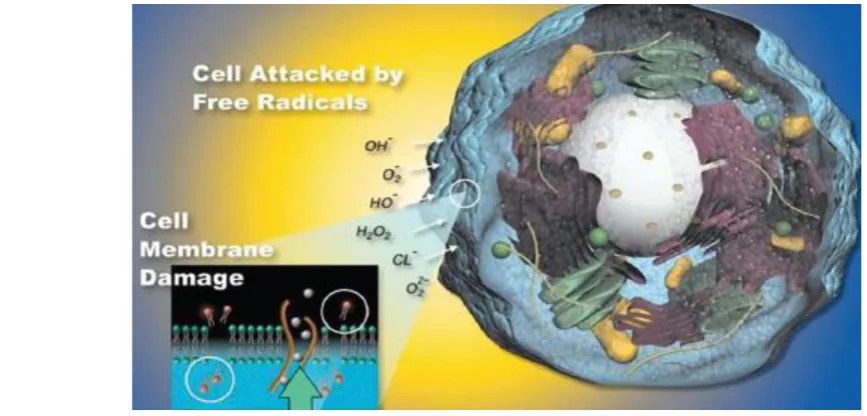
Fig. 1- Cell membrane damage by free radicals
The Health Benefits of Antioxidants: How Do They Prevent Free Radical Damage to counteract harmful
effects of air pollution?2
Biogerontologist Denham Harman was the first to discover the concept of free radicals in 1954, while researching
an explanation for aging.Free radicals are a type of a highly reactive metabolite that is naturally produced by our
body as a result of normal metabolism and energy production. They are our natural biological response to
environmental toxins like cigarette smoke, pollution, sunlight, chemicals, cosmic and manmade radiation, and are
even a key feature of pharmaceutical drugs.
Free radical molecules are missing one or more electrons, and this missing electron is responsible for biological
oxidation. The incomplete molecules aggressively attack other molecules in order to replace their missing parts.
These reactions are called "oxidation" reactions. Oxidation is called "biological rusting," an effect caused by too
much oxygen in our tissues. Free radicals steal electrons from the proteins in our body, which badly damages our
DNA and other cell structures. They can create a "snowballing effect" – as molecules steal from one another, each
(lipid peroxidation), which makes the cell lipids prone to oxidative damage. When this happens, the cell membrane
becomes brittle and leaky, causing the cell to eventually fall apart and die. Free radicals can severely affect our
DNA by disrupting the duplication of DNA, interfering with DNA maintenance and breaking open or altering its
structure by reacting with the DNA bases. Free radicals are linked to over 60 different diseases, including:
Cancer Parkinson's disease Alzheimer's disease
Cataracts Atherosclerosis Diabetes
If our body does not get adequate protection, free radicals can become rampant, causing our cells to perform poorly.
This can lead to tissue degradation and risk of diseases.
Where antioxidants come in to counteract harmful effects of air pollution.
Antioxidants are electron donors. They can break the free radical chain reaction by sacrificing their own electrons
to feed free radicals, but without turning into free radicals themselves. Antioxidants are nature's way of providing
our cells with adequate defense against attack by reactive oxygen species (ROS).
As long as we have these important micronutrients, our body will be able to resist aging caused by our everyday
exposure to pollutants. If we don't have an adequate supply of antioxidants to help squelch free radicals, then we
can be at risk of oxidative stress, which leads to accelerated tissue and organ damage. Numerous studies have
confirmed the benefits of antioxidants in Nutrease powder and the role they play in maintaining good health and
reducing our risk of Diabetes, heart disease, Parkinson's, Alzheimer's, and cancer& many more. Antioxidants also
help slow down the aging process, which can have immense effects on our skin health. Important benefits of
antioxidants include:
Repairing damaged molecules – Some unique types of antioxidants can repair damaged molecules by
donating a hydrogen atom. This is very important when the molecule is a critical one, like our DNA.
Blocking metal radical production – Some antioxidants have a chelating effect – they can grab toxic
metals like mercury and arsenic, which can cause free radical formation, and "hug" them so strongly
to prevent any chemical reaction from taking place. Water-soluble chelating agents can also escort
toxic metals out of our body through urine.
Stimulating gene expression and endogenous antioxidant production – Some antioxidants can
stimulate our body's genes and increase our natural defenses.
Providing a "shield effect" – Natural Antioxidants, such as flavonoids, can act as a virtual shield by
attaching to our DNA to protect it from free radicals attacks.
Promoting cancer cells to "commit suicide" – Some antioxidants can provide anti-cancer chemicals
that halt cancer growth and force some cancer cells to self-destruct (apoptosis).
Different Types of Antioxidants3
When classified according to their solubility, antioxidants can be categorized as either soluble in lipids/fat
(hydrophobic) or water (hydrophilic). Both of these are required by our body in order to protect our cells, since the
interior of our cells and the fluid between them are composed of water, while the cell membranes themselves are
mostly made of fat.
Since free radicals can strike either the watery cell contents or the fatty cellular membrane, we need both types of
antioxidants to ensure full protection from oxidative damage.
Lipid-soluble antioxidants are the ones that protect our cell membranes from lipid peroxidation. They are mostly
located in our cell membranes. Some examples of lipid-soluble antioxidants are vitamins A and E, carotenoids, and
lipoic acid.
Water-soluble antioxidants are found in aqueous fluids, like our blood and the fluids within and around our cells
(cytosol or cytoplasmic matrix). Some examples of water-soluble antioxidants are vitamin C, polyphenols, and
glutathione. However, solubility is not the only way to categorize antioxidants. They can also be categorized as
Enzymatic antioxidants
Benefit us by breaking down and removing free radicals. They can flush out dangerous oxidative
products by converting them into hydrogen peroxide, then into water. This is done through a
multi-step process that requires a number of trace metal cofactors, such as zinc, copper, manganese,
and iron.
The main enzymatic antioxidants in our body are:
o Superoxide dismutase (SOD) can break down superoxide into hydrogen peroxide and oxygen,
with the help of copper, zinc, manganese, and iron. It is found in almost all aerobic cells and
extracellular fluids.
o Catalase (CAT) works by converting hydrogen peroxide into water and oxygen, using iron and
manganese cofactors. It finishes up the detoxification process started by SOD.
o Glutathione peroxidase (GSHpx) and glutathione reductase are selenium-containing enzymes
that help break down hydrogen peroxide and organic peroxides into alcohols. They are most abundant
in our liver.
Non-enzymatic antioxidants benefit by interrupting free radical chain reactions. Some examples
are carotenoids, vitamin C, vitamin E, plant polyphenols, and glutathione (GSH). Most antioxidants
found in supplements and foods are non-enzymatic, and they provide support to enzymatic
antioxidants by doing a "first sweep" and disarming the free radicals. This helps prevent our enzymatic
antioxidants from being depleted.
Antioxidants can also be classified in terms of their molecular size:
Small-molecule antioxidants work by mopping up or "scavenging" the reactive oxygen species and
carrying them away through chemical neutralization. The main players in this category are vitamins C
and E, glutathione, lipoic acid, carotenoids, and CoQ10.
Large-protein antioxidants tend to be the enzymatic enzymes outlined above, as well as "sacrificial
proteins," that absorb ROS and stop them from attacking our essential proteins. One example of these
sacrificial proteins is albumin, which "take the bullet" for crucial enzymes and DNA.
NUTREASE POWDER- Nature’s blend of Antioxidants to counteract harmful effects of air pollution.
Nutrease Powder, A blend of natural Antioxidant &Phytonutrients to help prevent & cure diseases. Antioxidant
phytochemicals found in Nutrease powder plays an important role in the prevention and treatment of chronic
diseases caused by oxidative stress.
Role of Vitamins, Minerals and Botanicals in Nutrease Powder as Antioxidant to counteract harmful effects
A dietary antioxidant is a substance (commonly found in foods) that significantly decreases the harmful effects of
"reactive species", such as reactive oxygen and nitrogen molecules, that disrupt normal physiological function on a
cellular level in humans. Examples include the antioxidant nutrients vitamin C, vitamin E, selenium, and the
carotenoids. A multitude of other nutrients, including minerals such as copper, manganese, and zinc, flavonoids
also possess antioxidant properties.
The primary function of vitamin C (ascorbic acid) is the production of collagen, which forms the basis for
connective tissue in bones, teeth, and cartilage. It also plays an important role in wound healing, immunity, and the
nervous system, and acts as a water-soluble antioxidant. Because vitamin C is water soluble, its antioxidant
functions take place in aqueous body compartments. It also helps protect low-density lipoprotein cholesterol
(LDL-C) against free radical damage. As an antioxidant, it helps protect against cancer, cardiovascular disease, and
certain effects of aging.
Vitamin E is the name given to a group of eight fat-soluble compounds. Unlike other vitamins, which are involved
in metabolic reactions, it appears that the primary role of vitamin E is to act as an antioxidant. Vitamin E is
incorporated into the lipid portion of cell membranes and other molecules, protecting these structures from
oxidative damage and preventing the propagation of lipid peroxidation. Vitamin E appears to have protective
effects against cancer, heart disease, and complications of diabetes. As an antioxidant, vitamin E plays a protective
role in many organs and systems. Vitamin E is necessary for maintaining a healthy immune system, and it protects
the thymus and circulating white blood cells from oxidative damage. Also, it may work synergistically with vitamin
C in enhancing immune function. Recent research evidence indicates that the combined use of high doses of
vitamin C and vitamin E helps prevent Alzheimer's disease. In the eyes, vitamin E is needed for the development of
the retina and protects against cataracts and macular degeneration.
Vitamin E deficiency is rare, and occurs mostly in people with chronic liver disease and fat malabsorption
syndromes, such as celiac disease and cystic fibrosis. It can lead to nerve damage, lethargy, apathy, inability to
concentrate, staggering gait, low thyroid hormone levels, decreased immune response, and anemia. Marginal
vitamin E deficiency may be much more common and has been linked to an increased risk of cardiovascular disease
and cancer.
The only specific effect of carotenoids in humans is to act as a source of vitamin A in the diet, but they also have
important antioxidant actions. The latter are based on the caretenoids' ability to quench singlet oxygen and trap
peroxyl radicals, thereby preventing lipid peroxidation. As a result, carotenoids protect against the development of
cancer, cardiovascular disease, and ocular disorders. Carotenoids also affect cell growth regulation and gene
Copper is necessary for the growth, development, and maintenance of bone, connective tissue, brain, heart, and
many other body organs. It is involved in the formation of red blood cells, the absorption and utilization of iron, and
the synthesis and release of life-sustaining proteins and enzymes. Copper stimulates the immune system to fight
infections, repair injured tissues, and promote healing. Copper also helps to neutralize "free-radicals" which can
cause severe damage to cells.
New research shows calcium needs phosphorus to maximize its bone-strengthening benefits, and taking a lot of
calcium supplements without enough phosphorus could be a waste of money. Phosphorus deficiency results in
bone loss just as calcium deficiency does, so if you are taking calcium supplements, you should also check and see
if you are getting enough phosphorus.
Potassium is an essential mineral and electrolyte. Research shows that increasing potassium intake can lower your
blood pressure. Individuals with existing hypertension, as well as those just looking to keep their blood pressure in
check, can benefit from potassium.
In recent years, laboratory experiments, clinical trials and epidemiological data have established the role of
selenium in the prevention of a number of degenerative conditions including cancer, inflammatory diseases,
cardiovascular disease, neurological diseases, aging, and infections. Most of these effects are related to the function
of selenium in the antioxidant enzyme systems.
Sodium works with chloride and bicarbonate to maintain the body's balance of positive and negative ions in our
body fluids and tissues. Without this balance of ions, our bodies electrical systems would not communicate.
Sodium holds water in body tissues.
Zinc is an essential mineral that is found in every cell in our body. It stimulates the activity of about 100 enzymes,
substances that promote biochemical reactions in your body. Among its many functions, zinc maintains a healthy
immune system, is needed for wound healing, helps maintain your sense of taste and smell, and is needed for DNA
synthesis
Phytonutrients, also called phytochemicals, are chemicals produced by plants. Plants use phytonutrients to stay
healthy. For example, some phytonutrients protect plants from insect attacks, while others protect against radiation
from UV rays.
Phytonutrients can also provide significant benefits for humans who eat plant foods. Phytonutrient-rich foods
include colorful fruits and vegetables, legumes, nuts, tea, whole grains and many spices. They affect human health
Among the benefits of phytonutrients are antioxidant and anti-inflammatory activities. Phytonutrients may also
enhance immunity and intercellular communication, repair DNA damage from exposure to toxins, detoxify
carcinogens and alter estrogen metabolism. The U.S. Department of Agriculture (USDA) notes that consuming a
phytonutrient-rich diet seems to be an “effective strategy” for reducing cancer and heart disease risks.
Phytonutrient groups include:
Carotenoids
Curcuminoids
Flavonoids
Glucosinolates
Hydroxycinnamic acids
Lignans
Lipids
Stilbenes
Sulfides
Tocopherol
PHARMACOLOGICAL ACTION OF EACHINGREDIENTS OF NUTREASE POWDER
MECHANISM OF ACTION OF NUTREASE POWDER
Nutrease contains standardized plant-based vitamins and minerals which include a diverse mixture of substances
including dozens of closely related vitamers and phytonutrients to help potentiate insulin action and thus influence
carbohydrate, lipid and protein metabolism. Targeted botanicals and antioxidants like curcuminoids,
sulforaphaneglucosinolate from Broccoli Extract and Ginger Extract to help regulate metabolism, stimulate
digestion and to provide long-lasting cell protection from free radical damage. Probiotics and prebiotics like
Lactobacillus gasseri and Inulin to help balance intestinal flora, reduce waist circumference and reduce adipocyte
size through inhibition ofleptinlevels. Good fats like omega 3,6& 9 from Flaxseed and Medium Chain
Triglycerides (MCT), help to maintains healthy levels of blood sugar and triglycerides, enhance metabolism to
burn more calories. Optimum fibers like alpha cyclodextrins, partially hydrolyzed guar gum, and oat fiber to help
promote intestinal regularity, to increase the satiety and improve glycemic effect of meal. Plant enzymes like
protein isolate to meet the daily protein requirements and to maintain lean muscle mass. Added with natural
SUPPLEMENT FACTS
Presentation: POWDER
Usage: As a food supplement. It is a combination of Natural vitamins and minerals Natural Antioxidant
Contra-indications: Product is contra-indicated in persons with Known hypersensitivity to any component of the
product hypersensitivity to any component of the product.
Recommended usage: Once or twice a day along with portion controlled nutritious meals and exercise.
One Serving (30g- 1 Scoop) provides 104 Calories, 11.61g of proteins, 6.64g of Fiber and 1.82g of Sugar per day.
“Do not exceed the recommended daily dose”.
Directions for Use: Take one level scoop (30g) with skimmed milk or water to make a cup of 200ml. Gently shake
well in shaker or stir well until the powder is evenly dispersed and drink immediately.
Administration: Taken by oral route at any time with food.
Precautions: Food Supplements must not be used as a substitute for a varied and balanced diet and a healthy
lifestyle. This Product is not intended to diagnose, treat, cure or prevent any diseases. Do not exceed the
recommended daily dose.
Warnings: If you are taking any prescribed medication or has any medical conditions always consults doctor or
healthcare practitioner before taking this supplement.
Side Effects: Mild side effects like nausea, headache and vomiting in some individuals have been reported.
Storage: Store in a cool, dry and dark place.
SUMMARY & CONCLUSION
Air pollution is a very complex mixture of primary and secondary gases and particles, and its potential to cause
harm can depend on multiple factors, including physical and chemical characteristics of pollutants, which varies
with proximity to local emission sources, weather, geography and population susceptibility. In an air-polluted
environment, a healthy diet with adequate intake of essential micronutrients may be critical to prevent the
development of chronic diseases. Increased intake of antioxidants, as well as other anti-inflammatory nutrients,
may reduce air-pollution induced oxidative stress.
Nutrease Powder, A blend of natural Antioxidant Phytonutrients to prevent & cure diseases. Antioxidant
phytochemicals found in Nutrease powder plays an important role in the prevention and treatment of chronic
diseases caused by oxidative stress. They often possess strong antioxidant and free radical scavenging abilities,
which are also the basis of other bioactivities and health benefits. Phytonutrients in Nutrease powder play a positive
role by maintaining and modulating immune function to prevent specific diseases. Being natural products, they
hold a great promise in clinical therapy to counteract harmful effects of air pollution.
REFERENCES
1. B. Halliwell and J. M. C. Gutteridge, “The Definition and Measurement of Antioxidants in Biological
Systems,” Free Radical Biology and Medicine, Vol. 18, No. 1, 1995, pp. 125-126.
doi:10.1016/0891-5849(95)91457-3
2. B. Halliwell, “Biochemistry of Oxidative Stress,” Bioche- mical Society Transactions, Vol. 35, No. 5, 2007,
3. M. Carocho and I. C. F. R. Ferreira, “A Review on Anti- oxidants, Prooxidants and Related Controversy:
Natural and synthetic compounds. Screening and Analysis Metho- dologies and Future Perspectives,”
Food and Chemical Toxicology, Vol. 51, 2013, pp. 15-25. doi:10.1016/j.fct.2012.09.021
4. K. Rahman, “Studies on Free Radicals, Antioxidants, and Co-Factors,” Clinical Interventions in Aging, Vol.
2, No. 2, 2007, pp. 219-236.
5. D. V. Ratnam, D. D. Ankola, V. Bhardwaj, D. K. Sahana and M. N. V. R. Kumar, “Role of Antioxidants in
Prophy- laxis and Therapy: A Pharmaceutical Perspective,” Jour- nal of Controlled Release, Vol. 113, No.
3, 2006, pp. 189- 207. doi:10.1016/j.jconrel.2006.04.015
6. M. Valko, D. Leibfritz, J. Moncol, M. T. D. Cronin, M. Mazur and J. Telser, “Free Radicals and
Antioxidants in Normal Physiological Functions and Human Disease,” In- ternational Journal of
Biochemistry & Cell Biology, Vol. 39, No. 1, 2007, pp. 44-84. doi:10.1016/j.biocel.2006.07.001
7. EFSA, “Scientific Opinion on the Reevaluation of Buty- latedHydroxytoluene BHT (E 321) as a Food
Additive. EFSA Panel on Food Additives and Nutrient Sources Ad- ded to Food (ANS),” European Food
Safety Authority Journal, Vol. 10, No. 3, 2012, p. 2588.
http://www.efsa.europa.eu/en/efsajournal/doc/2588.pdf
8. C. H. Foyer and G. Noctor, “Redox Sensing and Signal- ling Associated with Reactive Oxygen in
Chloroplasts, Pe- roxisomes and Mitochondria,” PhysiologiaPlantarum, Vol. 119, No. 3, 2003, pp.
355-364. doi:10.1034/j.1399-3054.2003.00223.x
9. C. H. Foyer and S. Shigeoka, “Understanding Oxidative Stress and Antioxidant Functions to Enhance
Photosyn- thesis,” Plant Physiology, Vol. 155, No. 1, 2011, pp. 93- 100. doi:10.1104/pp.110.166181
10. J. Bailey-Serres and R. Mittler, “The Roles of Reactive Oxygen Species in Plant Cells (Editorial),” Plant