Scholarship & Creative Works
Loma Linda University Electronic Theses, Dissertations & Projects
12-1-2012
Exploring Healthcare Simulation as a Platform for
Interprofessional Education
Janice Christine Palaganas Loma Linda University
Follow this and additional works at:http://scholarsrepository.llu.edu/etd Part of theNursing Commons
This Dissertation is brought to you for free and open access by TheScholarsRepository@LLU: Digital Archive of Research, Scholarship & Creative Recommended Citation
Palaganas, Janice Christine, "Exploring Healthcare Simulation as a Platform for Interprofessional Education" (2012).Loma Linda University Electronic Theses, Dissertations & Projects. 91.
LOMA LINDA UNIVERSITY School of Nursing in conjunction with the Faculty of Graduate Studies
____________________
Exploring Healthcare Simulation as a Platform for Interprofessional Education by
Janice Christine Palaganas
____________________
A Dissertation submitted in partial satisfaction of the requirements for the degree
Doctor of Philosophy in Nursing
____________________
© 2012 Janice C. Palaganas
Each person whose signature appears below certifies that this dissertation in his/her opinion is adequate, in scope and quality, as a dissertation for the degree Doctor of Philosophy.
, Chairperson Betty J. Winslow, Professor of Nursing
Mark G. Haviland, Professor of Psychiatry and Nursing
ACKNOWLEDGEMENTS
I am delighted to thank my committee, Loma Linda University, family, and friends who offered extraordinary encouragement and support that was instrumental to the completion of my degree and dissertation. A special thank you to Danielle D’Amour who suggested I focus on healthcare simulation as a platform for interprofessional education.
I wish to thank my dissertation committee, particularly my Chair, Betty Winslow. Betty, you were the backbone through this process. You have found amazing ways to reign in my focus toward completion, encouraging me to fight the many distractions in this ever-evolving field. Pat, it has been so refreshing seeing the world through your eyes. While Betty kept me grounded, you allowed me to fly and see exactly where my efforts go from a bird’s eye view. Mark, you have been my rock—keeping all things tangible and concrete, sifting through streams of nonsense, and separating the gold from the copper. This committee worked and fit so amazingly well together. And Khaled Bahjri, my consultant and a great teacher, thank you for your tremendous explanatory power. I could not have completed this degree without each of you.
Thank you to my family and friends. Grumma Anita, your words are etched in my soul; you taught me to work hard to reach my goals. To my parents, Gerry and Cora Palaganas, you have consistently modeled hard work and integrity, shaped and supported my work ethic, continue to grow me, and have put up with my overachieving nature since I was born. To the most supportive person in my life, my husband and life partner, Alex, you have tolerated my every sigh and would magically carve out writing time for me. To my children, Jayden and Jianna, you became my compass toward completion of this
degree and many life decisions. To my brother, Gerr, you raised me to be creative, innovative, and always found ways to keep things real. To my sisters and best friends, Aimee and Steph, my brother-in-law, Mark, and my sister-in-law, Belle, you gave me the emotional strength to keep going.
Thank you to the superheroes at the Center for Medical Simulation—my new work family—a sincere and swollen thank you for your mentorship and the motivation you consistently gave me on a daily basis for the last two years to complete my
dissertation work. Thank you for believing in me. Thank you Robert Simon, Jenny Rudolph, Dan Raemer, and Jeff Cooper for re-inspiring me. Your influence has allowed me to create a tapestry that refines and strengthens my thoughts presented in this
dissertation.
Thank you to my good friends at the Society for Simulation in Healthcare, specifically, Beth Mancini, Mary Anne Rizzolo, Pam Jeffries, Suzie Kardong-Edgren, Tom LeMaster, Juli Maxworthy, Kathy Gallo, and Vinay Nadkarni; thank you for inspiring me and for your strong encouragement in all of our communications. It
continues to be a privilege to be an invited passenger on this bus to simulation-based IPE. To anyone reading this dissertation: Your needs keep me going and your interests make my hours of study worthwhile. I hope you will join me and many others on this journey to improving the field.
CONTENT
Approval Page ... iii
Acknowledgements ... iv
List of Figures ... xii
List of Tables ... xiii
Terms of Reference ... xiv
List of Abbreviations ... xxvii
Abstract ... xxxi
Chapter 1. Introduction to Interprofessional Education ...1
Introduction to Healthcare Simulation ...2
Introduction to the Study ...4
The Research Problem ...4
Purpose and Aims of the Study ...6
Assumptions ...7
Significance of the Study ...9
Significance for Nursing ...10
Significance at the Macro-level ...11
Significance at the Meso-level ...12
Significance at the Micro-level ...13
Significance for Theory ...14
Overview of Remaining Chapters ...15
2. Review of Relevant Literature ...16
Background of the Study ...18
Pre-licensure IPE and Methods ...18
Pre-licensure Students’ Perceptions and Attitudes in IPE ...18
The Benefits of HCS ...21
Historical Perspective ...22
Publishable Paper: A Review of the Research Literature* ...26
Abstract ...27 Introduction ...28 Purpose ...28 Background ...29 Methods...30 Results ...43 Demographics ...43 Sample ...44 Research Methods ...44
Theories and Frameworks ...46
Simulation Modalities ...47
Low-technology or High-technology Modalities ...48
Simulation Objectives ...49
SimBIE or IPsim ...49
Outcome Measures ...50
Characteristics That Influence Outcomes ...51
Challenges Found in Studies ...52
Discussion ...53
Conclusion ...55
Acknowledgements ...57
References ...58
Conceptual and Theoretical Background ...62
Situated Learning Theory ...63
Conclusion ...66
3. Data, Design and Methodology ...68
2009-2010: Team-based Activities Group ...73
2010-2012: High-technology Simulations ...75
Reflecting Team Group ...75
Active Learner Groups ...76
Simulation Interventions ...76
Pre-simulation Huddle Technology-enhanced Standardized Patient ...76
Immersed Technology-enhanced Standardized Patients ...77
Immersed Actor-enhanced Mannequin-based ...77
Post-simulation Intervention ...78 Philosophical Assumptions ...79 Research Questions ...80 Sample...84 Ethical Considerations ...87 Measures ...87 Independent Variables ...87
Demographic Independent Variables ...87
Non-demographic Independent Variables ...88
Treatment Variables ...88 Technology ...88 Low-technology Method ...88 Participatory Role ...90 Huddle ...90 High-technology Simulation ...91
Pre-test Teamwork and Collaboration Subscale ...91
The Dependent Variable: Post-Test Teamwork and Collaboration Subscale ...91
Data Management and Preliminary Analysis ...92
Preanalysis Phase ...93
Data Collection ...93
Data Entry ...93
Preliminary Assessments and Actions ...96
Missing Data ...96
Data Quality and Bias ...97
Subscale Internal Consistency ...97
Bias ...97
Screening for Assumptions ...98
Normal Distribution ...99
Homogeneity of Variance ...99
Independence ...99
Analysis...100
Demographic and Non-demographic Independent Variables ...100
Research Question Analysis ...100
Limitations ...100
Causation and Experimentation ...100
Validity and Reliability ...101
4. Results ...103
Aim 1: Low-technology versus High-Technology ...103
Aim 2: Multiprofessional versus Team-based Learning ...104
Aim 3: Observing versus Active Participants ...107
Aim 4: Enhanced SPs versus Enhanced Mannequin-based Simulations ...108
5. Discussion ...109
A Conversation in the Philosophy of Science...109
Discussion of Results from the Comparative Study ...110
Aim 1: Low versus High-technology ...110
Aim 2: Multiprofessional versus Team-based Learning ...112
Aim 3: Observational versus Active Participation ...113
Aim 4: Enhanced Standardized Patient versus Mannequin-based Simulation ...113
Strengths of the Study ...114
Evaluation Instrument ...116
Unaccounted Differences Between Modalities ...116
Time Bias ...117
Debriefing ...117
Characteristics that Influence Outcomes ...118
General Applications of Simulation ...118
Faculty...118
Students ...119
Familiarity and Ad Hoc Teams ...119
Multiprofessional Methods ...120
Team-based Methods ...120
Simulation Methods ...121
Psychological Safety ...121
Observing Participants ...121
Technology-enhanced Standardized Persons ...122
Embedded Simulated Person-enhanced Mannequin-based Simulations ...122
Challenges ...123
Theoretical Implications and Recommendations ...124
SimBIE RVA Framework ...126
Preventing Adverse Learning ...128
Areas for Future Study ...129
Measuring Interprofessional Education ...130
The Use of Debriefing ...130
The Effect of SimBIE or IPsim ...130
Areas of Future Study from Aims ...131
Lab and Evaluation Design ...132
Conclusion ...133
References ...134
Appendices A. Sources for Terms of Reference ...144
B. Outcomes-based Matrix for Interprofessional Lab ...146
C. Interprofessional Education and Healthcare Simulation Symposium Organizations ...152
D. Literature Database Fields ...153
E. Interprofessional Lab Teaching Materials ...155
F. Questionnaires and Survey Instruments ...179
G. Permission for Use of RIPLS Instrument ...183
H. Institutional Review Board Document...185
FIGURES
Figures Page
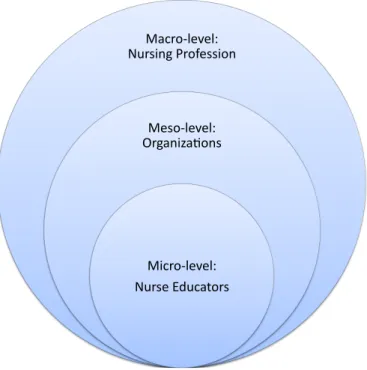
1. The micro-, meso-, and macro- levels of nursing. ...11
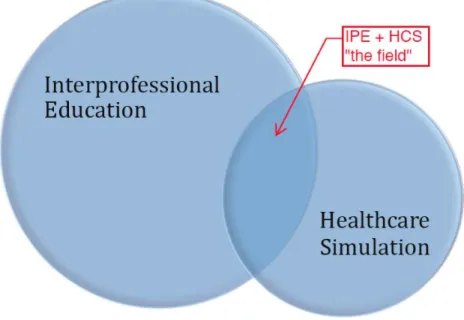
2. Interprofessional Education and Healthcare Simulation ...17
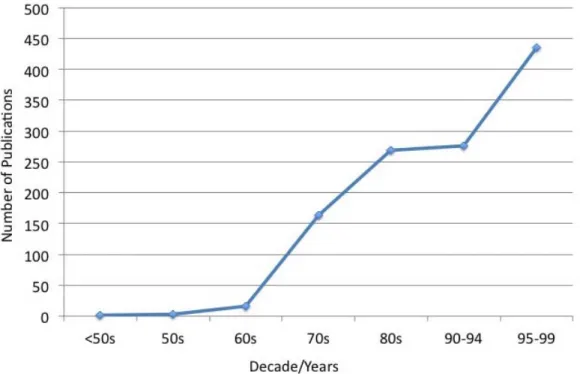
3. Interprofessional simulations 1947-1999 ...24
4. Literature inclusion and exclusion criteria ...31
5. Kirkpatrick levels of studies ...46
6. Situated learning theory application to study ...65
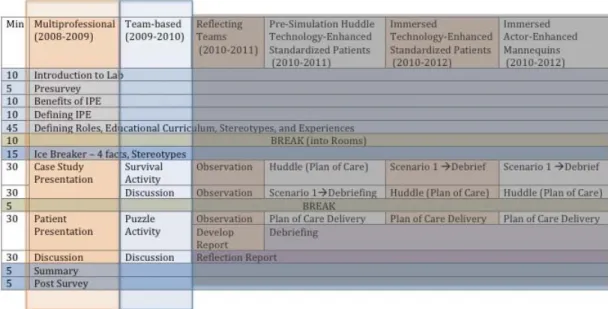
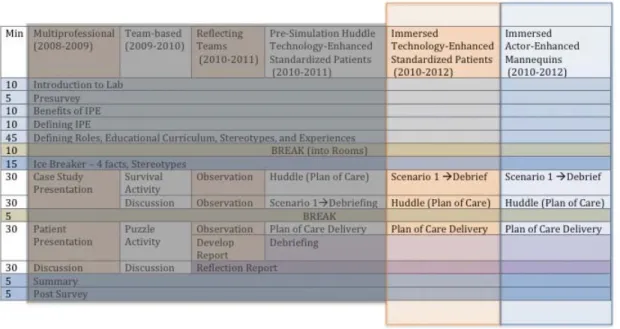
7. Interprofessional Lab Agenda ...71
8. High-technology IPL environment ...74
9. Comparing low-technology with high-technology interprofessional education ...81
10.Comparing multiprofessional and team-based interprofessional education ...82
11.Comparing observational participation and active participation in interprofessional education ...83
12.Comparing enhanced SPs with enhanced mannequin simulation ...84
13.Study design with flow of participants through each stage of analysis. ...86
14. Line plots of the estimated marginal means of comparisons. ...107
15.Conceptual model of interprofessionalism ...126
TABLES
Tables Page
1. Table of pre-licensure interprofessional education and healthcare
simulation published research studies ...32
2. Checklist of suggested reporting points for IPE and HCS research ...56
3. Description of interventions ...72
4. Description of variables ...89
5. Data point discrepancies ...94
6. Breakdown of variables for samples ...98
7. Estimated marginal means (least square means) for each teaching modality analysis ...105
8. ANOVA summary table comparing test scores for each teaching modality comparison ...106
TERMS OF REFERENCE
PLEASE NOTE: Although there are clear concepts in interprofessional education (IPE) and healthcare simulation (HCS), terminology often varies across professions,
geographical boundaries, and institutions. The following constructs are threaded within
this study, and a standardized language is essential. These terms of reference and abbreviations were not created to define these words and concepts, but rather to create working definitions for the purposes of this dissertation. This reference guide is meant to be used as a starting point to develop the terms used in the fields so frequently and fluidly and to facilitate discussions with reduced miscommunications. Further concept analyses and studies beyond this dissertation specifically designed to explore and define these terms are encouraged and it is accepted that the definitions listed here will likely change as the fields mature.
A Clinical Scenario is the plan of an expected and potential course of events for a simulated clinical experience. The clinical scenario provides the context for the simulation and can vary in length and complexity, depending on the objectives. Designing the clinical scenario may include the following:
Participant preparation.
Prebriefing: objectives, questions, and/or material.
Patient information describing the situation to be managed. Student learning objectives.
Environmental conditions, including mannequin or standardized patient preparation.
simulated experience to increase the realism.
Roles, expectations, and/or limitations of each role to be played by participants. A progression outline including a beginning and an ending.
Debriefing process.
Evaluation criteria (Jeffries, 2007; Lyon & Lyon, 1980).
Collaboration is “an active and continuing partnership based on sharing, cooperation and coordination in order to solve problems and provide a service, often between people from diverse backgrounds” (Howkins & Bray, 2008, p. xviii).
Confederate—see Simulated Actor
Crisis Resource Management (CRM) is an approach to managing critical situations in a healthcare setting. CRM training develops communication skills. Originally developed in aviation and, as a result, also called crew resource management, CRM emphasizes the role of "human factors"-the effects of fatigue, expected or predictable perceptual errors, as well as the effects of different management styles and organizational cultures in high-stress, high-risk environments (Helreich, Merritt, & Willhelm, 1999; Gaba, Howard, Fish, Smith, & Sowb, 2001).
Debriefing is a formal, reflective stage in the simulation learning process. Debriefing is a process whereby educators and learners review or re-examine a real or simulation event and fosters the development of clinical judgment and critical thinking skills (Johnson-Russell & Bailey, 2010). It is designed to guide learners through a reflective process about their learning, where participants explain, analyze, and synthesize information and emotional states to improve performance in similar situations and assist in processing any
for Nursing Simulation Innovation Resource Center [NLNSIRC], 2010). “Participant reflective thinking is encouraged, and feedback is provided regarding the participants’ performance while various aspects of the completed simulation are discussed.
Participants are encouraged to explore emotions, question, reflect, and provide feedback to each other. The purpose of debriefing is to move toward assimilation and
accommodation in order to transfer learning to future situations” (International Nursing Association for Clinical Simulation and Learning [INACSL], 2011, p. S4).
Embedded Simulated Person (or Simulated Person) is when a person portrays a patient (simulated patient), family member (simulated family), or healthcare provider (simulation healthcare provider) in order to meet the objectives of the simulation. Also referred to as “Embedded Actor” (INACSL, 2011, p. S5). A simulated person may also be called a Standardized Patient/Family/Healthcare Provider if they “have been trained to act as a real patient to simulate a set of symptoms or problems used for healthcare education, evaluation, and research” (INACSL, 2011, p. S6). There is
continuing debate around the use of the word “actor” because standardized patients often engage in assessment by providing feedback to the learner.
Experiential Learning posits a cyclical model of learning: Do (concrete experience), Observe (reflective observation), Think (abstract conceptualization), and Plan (active experimentation). Experiential Learning is learning through the development of meaning from direct experiences (Kolb, 1984).
For the purposes of this study, the “Field” refers to the overlapping combined science of the fields of Interprofessional Education and Healthcare Simulation.
Haptic “relates to or is based on the sense of touch” (Merriam-Webster, 2012). “A haptic simulation uses haptic devices that provides tactile feedback technology and that interacts with a user’s motions or applications during a simulation” (Robles-De la Torre, 2011, “What is a haptic?” para. 1).
Healthcare Simulation is “a technique that uses a situation or environment created to allow persons to experience a representation of a real healthcare event for the purpose of practice, learning, evaluation, testing, or to gain understanding of systems or human actions. Simulation is the application of a simulator to training, assessment, research, or systems integration toward patient safety” (Council for the Accreditation of Healthcare Simulation Programs [CAHSP], 2012, p. 45).
High-fidelity healthcare simulation is the use of simulation modalities or mechanisms to create a realistic patient model or healthcare situation. See realism or high-technology healthcare simulation or mannequin-based simulation. High-fidelity simulation has been used synonymously in the literature for mannequin-based simulation; however, recent discussions have argued that low-technology modalities may have more fidelity than a mannequin, depending on learning objectives.
High-technology healthcare simulation, also referred to as high-technology simulation, is the use ofcomputerized simulation modalities that are controlled or programmed by a person external to the learner. These functions may be altered by a simulation facilitator/technician/educator as an interactive result of learner actions. High-Stakes Assessment “is one that:
has direct consequences for passing or failing (something "at stake")” (Gaba et al., 2001).
Hybrid Simulation Methodologies “integrates multiple modalities of simulation (e.g., simulators and standardized patients to achieve learning objectives in a simulation)” (CAHSP, 2012, p. 44).
A huddle is a technique encouraged by TeamSTEPPS. According to TeamSTEPPS, a huddle is “when a team is brought together to gain situational awareness of the patient by discussing critical issues and emerging events, anticipate outcomes and likely
contingencies, assign resources, and express concerns” (Agency for Healthcare Research and Quality [AHRQ], 2006, p. 112).
Interdisciplinary learning (IL) “involves integrating the perspective of professionals from two or more professions, by organizing the education around a specific discipline, where each discipline examines the basis of their knowledge” (Howkins & Bray, 2008, p. xviii).
Interprofessional education/training (IPE) “describes those occasions when two or more professions learn with, from and about each other to improve collaboration and the quality of care” (CAIPE, 2005, “What is Interprofessional Education?” para. 1). “It is an initiative to secure interprofessional learning and promote gains through
interprofessional collaboration in professional practice” (Freeth, Hammick, Reeves, Koppel, & Barr, 2005, p. xv). “Formal interprofessional education aims to promote collaboration and enhance the quality of care; therefore it is an educational or practice development initiative that brings people from different professions together to engage in activities that promote interprofessional learning. The intention for formal
interprofessional education is for curricula to achieve this aim” (Freeth et al., 2005, p. xiv). “Informal” (or “serendipitous”) interprofessional education is unplanned learning between professional practitioners, or between students on uniprofessional or
multi-professional programs, which improves interprofessional practice. At its inception,
it lacks the intention of interprofessional education. At any point in time after that it may be acknowledged that learning with, from and about each other is happening between participants. However, in many such initiatives, this remains unacknowledged or is only recognized on reflection in and on the learning practice” (Freeth et al., 2005, p.xiv). Interprofessional learning (IPL) is “learning arising from interaction between members (or students) of two or more professions. This may be a product of
interprofessional education or happen spontaneously in the workplace or in education
settings (e.g., from serendipitous interprofessional education)” (Freeth et al., 2005, p. xv).
Interprofessionality is the development of a cohesive and integrated healthcare practice among professionals in response to clients’ needs through (a) the development of a cohesive practice between professionals from different disciplines, (b) the process of self-reflection and development of practice methods that provides an integrated and cohesive answer to the needs of their patient(s), (c) a derivation from the preoccupation of
professionals to reconcile their differences and their sometimes opposing views, and (d) continuous interaction and knowledge sharing between professionals organized to solve and compare patient care issues (D’Amour & Oandasan, 2005).
Interprofessionalism is “the effective integration of professionals through mutual respect, trust, and support, from various professions who share a common purpose to mold their separate skills and knowledge into collective responsibility and awareness that can be achieved through learned processes for communication, problem solving, conflict resolution, and conducting evaluation” (Palaganas & Jones, 2012).
Intraprofessional involves activity between or among individuals within the same profession with similar or different specialties or levels of practice (e.g. Surgeon and Emergency Physician; Clinical Nurse and Nurse Practitioner, Resident and Physician). Low-technology healthcare simulation, also referred to as low-technology simulation, is the use ofsimulation modalities that are not computerized or electronic and may not be controlled or programmed by a person external to the learner.
Mannequin vs. Manikin. A mannequin(French origin) is “a form representing the human figure, whereas a manikin (Dutch origin) is a life-sized anatomical human model used in education” (Merriam-Webster, 2012, “Definition,” para. 1). Both terms have been used interchangeably for human-like simulators with a majority of simulation literature using “mannequin” and a majority of resuscitation literature using “manikin.” After much debate and research, in the summer of 2006, “mannequin” was the term recommended by Simulation in Healthcare (Gaba, 2006). Some authors have also used the term human patient simulator; however, Human Patient Simulator is the trade name of a METI (CAE) product and appending “human” to patient is thought to be a pleonasm (Gaba, 2006).
Mannequin-based simulation or manikin-based simulation is the use of human-like mannequins to create a patient case/scenario/situation via heart and lung sounds, palpable pulses, voice interaction, vital signs monitor, movement (e.g. seizures, eye blinking), bleeding, blood flashback with intravenous insertion, and other human capabilities that may be controlled by a simulation specialist using computers and paralleled software. Moulage is “the art of applying mock injuries or manifestations to a person or simulator for the purposes of training, education, and assessment” (CAHSP, 2012, p. 45).
Multidisciplinary (MD) involves bringing professionals with different perspectives together to provide a wider understanding of a particular problem (Howkins & Bray, 2008, p. xviii).
Multiprofessional education (MPE) is “when members (or students) of two or more professions learn alongside one another: in other words, parallel rather than interactive learning. Also referred to as common or shared learning”(Freeth et al., 2005, p .xv). In HCS, there are frequently Observing and Active Participants due to limited resources and because a typical clinical event has fewer providers than the number of students. Observing participants learn by observing the simulation with active
participants actively undergoing the scenario. The debriefings included both observing and active participants.
Prebriefing is “an information session held prior to the start of a simulation activity and in which instructions or preparatory information is given to participants. The
purpose of the prebriefing is to set the stage for a scenario and assist participants in achieving scenario objectives. Suggested activities in a prebriefing include an
and patient situation” (INACSL, 2011, p. S5).
Primary Simulation Research describes research that studies simulation as a method for an educational aim, whereas Secondary Simulation Research describes research that studies an educational research aim by using simulation as an intervention or evaluation instrument.
Realism is the quality of the simulation perceived by the participants that enables them to engage “as if” the situation or problem were real. External factors that influence realism include simulation equipment, environment, simulated patient, and activities of the educators, assessors, and/or facilitators (CAHSP, 2012; INACSL, 2011). Simulation Fidelity is the physical, semantic(Dieckmann, 2009) or conceptual(Rudolph et al., 2007), and phenomenal(Dieckmann, 2009) or emotional and experiential(Rudolph et al., 2007) accuracy that allows persons to experience a simulation as if they were operating in an actual activity (CAHSP, 2012; Dieckmann, 2009). It is the believability, or the degree to which a simulatedexperience approaches reality; as fidelity increases, realism
increases. The level of fidelity is determined by theenvironment, the tools and resources used, and manyfactors associated with the participants. Fidelity can involvea variety of dimensions, including (a) physical factorssuch as environment, equipment, and related tools;(b) psychological factors such as emotions, beliefs,and self-awareness of
participants; (c) social factorssuch as participant and instructor motivation and goals;(d) culture of the group; and (e) degree of opennessand trust, as well as participants’ modes of thinking (Dieckman, Gaba, & Rall, 2007; Rudolph, Simon, & Raemer, 2007;
Dieckmann, 2009; Kolb, 1984). Simulation Validity is the quality of a simulation or simulation program that demonstrates that the relationship between the process and its
intended purpose is specific, sensitive, reliable, and reproducible (Dieckmann, 2009; CAHSP, 2012).
Simulation-enhanced Interprofessional Education is the use of healthcare simulation modalities for interprofessional education. Simulation-based Interprofessional
Education (SimBIE) describes simulations that were created using interprofessional learning objectives and students from two or more professions learn with, from, and about each other during the simulation; whereas Interprofessional simulations (IPsim) describe simulations that were created using clinical, diagnosis-centered, or task-focused learning objectives and students from two or more professions participate in the
simulation.
Simulator is “any object or representation used during training or assessment that behaves or operates like a given system and responds to the user’s actions” (CAHSP, 2012, p. 46).
Simulation is “a technique that uses a situation or environment created to allow persons to experience a representation of a real event for the purpose of practice, learning, evaluation, testing, or to gain understanding of systems or human actions. Simulation is the application of a simulator to training and/or assessment” (CAHSP, 2012, p. 46). Simulation Program in Healthcare is “an organization or group with dedicated resources whose mission is specifically targeted towards improving patient safety and outcomes through assessment, research, advocacy, and/or education using simulation technologies and methodologies including formal workshops, courses, classes, or other activity that uses a substantial component of simulation as a technique. A Simulation
are conducted. A center may support several Simulation Programs” (CAHSP, 2012, p. 46).
A simulationist is a person “who is involved, full-time or part-time, with at least one of the following activities:
• collects and/or specifies data to be used for/by simulation models (in analysis problems, by designing experiments, by performing instrumentation,
calibration… In design problems, by providing explicit assumptions, by allowing implicit assumptions, and by formulating and certifying specifications);
• develops models to be used for simulation purposes;
• engages in validation, verification, and accreditation studies;
• performs simulation studies, [that is], specifies simulation problems, causes generation of model behavior and performs analysis/interpretation of the generated model behavior;
• formulates (specific or policy) solutions to problems based on simulation; • develops simulation software, simulation software generators, or simulation
tools;
• manages simulation projects (engineering or administrative management); • advertises and/or markets simulation products and/or services;
• maintains simulation products and/or services; • advises other simulationists;
• promotes simulation-based solutions to important problems; • advances simulation technology; and
• advances simulation methodology and/or theory” (Ören, 2000, p.167). Standardized (Human) Patient Simulation is a simulation using a person or persons trained to portray a patient scenario or actual patient(s) for healthcare education in both skills and communication and healthcare assessment. Also see “simulated actor” (CAHSP, 2012).
In the theory of Situated Learning, Lave and Wenger (2008) posit that learning is situated. This is in contrast to most classroom learning activities that involve abstract knowledge not within the context of the activity. Lave and Wenger argue that learning occurs as it normally occurs and is embedded within activity, context and culture. Systems Engineering is “an interdisciplinary engineering dealing with how complex projects should be designed and managed. Because issues such as logistics, coordination of different teams, modeling, automatic control of machinery, and human factors become more difficult when dealing with large, complex organizations (and components therein), this field deals with work-processes and tools (including simulation) to handle such projects, and overlaps with both technical and human-centered disciplines, such as control engineering, mechatronics engineering, industrial engineering, organizational studies, and project management” (CAHSP, 2012, p. 47).
Task-Trainer or skills trainer is “a training model utilized to teach or practice a specific skill. Examples include intravenous line arms, intra-osseous line legs, intubation heads, and central venous line chests” (CAHSP, 2012, p. 47).
Team-based learning refers to “small groups of students with diverse skill sets learning together after preliminary individual accountability. This approach provides incentive to
work together through an activity and experiential exercises” (Michaelsen, Parmelee, McMahon, Levine, 2008).
Teamwork is “the process whereby a group of people, with a common goal, work together to achieve that goal” (Freeth et al., 2005, p. xvi).
Transdisciplinary is astrategy that crosses many disciplinary boundaries to create a holistic approach to development and attempts to overcome the confines of individual disciplines to form a team that crosses and recrosses disciplinary boundaries and thereby maximizes communication, interaction, and cooperation among team members (Freeth et al., 2005).
Uniprofessional education is members (or students) of a single profession learning together (Freeth et al., 2005; Howkins & Bray, 2008).
Virtual simulations are recreations of reality depicted on a computer screen (McGovern, 1994). Virtual simulations may be virtual environment simulations where a participant may engage via avatars. Virtual simulations may also include surgical simulators that are used for on-screen procedural training and are usually integrated with haptic device(s) (McGovern, 1994; Robles-De La Torre, 2011).
ABBREVIATIONS
ESP Embedded Simulation Person (Provider, Family, Patient)
HC Healthcare
HCP Healthcare Provider
HCS Healthcare Simulation
IPE Interprofessional Education IPL Interprofessional Learning IPP Interprofessional Practice IPsim Interprofessional Simulation
qual Qualitative Methods (see Terms of Reference) quant Quantitative Methods (see Terms of Reference)
R/V Reliability/Validity
Sim Healthcare Simulation
SimBIE Simulation-based Interprofessional Education
SP Standardized Patient
TeamSTEPPS Team Strategies and Tools to Enhance Performance and Patient Safety (AHRQ and DoD)
Th Theory
CREDENTIALS
BA Bachelor of Arts
BS Bachelor of Science
BSN Bachelor of Science in Nursing DNP Doctor of Nursing Practice DNS Doctor of Nursing Science DPT Doctor of Physical Therapy EdD Doctor of Education
EMS Emergency Medical Service [Personnel: Technicians or Paramedics]
MA Master of Arts
MD Medical Doctor
MSc Master of Science
MSN (MN) Master of Science in Nursing MSW Master of Social Work
NP Nurse Practitioner
OT Occupational Therapist
PharmD Doctor of Pharmacy
PhD Doctor of Philosophy
PT Physical Therapist
RN Registered Nurse
ORGANIZATIONS
AACN American Association of Colleges of Nursing AACP American Association of Colleges of Pharmacy AAMC Association of American Medical Colleges ACGME Accreditation Committee on Graduate Medical
Education
AHRQ Agency for Healthcare Research and Quality ANCC American Nurses Credentialing Center AONE American Organization of Nurse Executives ASPE Association of Standardized Patient Educators BEME Best Evidence in Medical Education Collaborative CAIPE Centre for the Advancement of Interprofessional
Education
CAHSP Council for Accreditation of Healthcare Simulation Programs
CCNE Commission on Collegiate Nursing Education
IOM Institute of Medicine
IPEC Interprofessional Education Collaborative
JC Joint Commission
NLNAC National League for Nursing Accrediting Commission QSEN Quality and Safety Education for Nurses
SSH Society for Simulation in Healthcare
JOURNALS
Am J Pharm Edu American Journal of Pharmaceutical Education Clin Sim in Nurs Clinical Simulation in Nursing
Inter J Ev Based HC International Journal of Evidence Based Healthcare J Adv Nurs Journal of Advanced Nursing
J Allied Health Journal of Allied Health
JIC Journal of Interprofessional Care
Med Edu Medical Education
Med Teacher Medical Teacher
Nurs Edu Persp Nursing Education Perspectives Nurs Ed Res Nursing Education Research Nurs Edu Today Nurse Education Today
ABSTRACT OF THE DISSERTATION
Exploring Healthcare Simulation as a Platform for Interprofessional Education by
Janice Christine Palaganas
Doctor of Philosophy, Graduate Program in Nursing Loma Linda University, December 2012
Dr. Betty J. Winslow, Chairperson
Interprofessional education (IPE) is gradually recognized as essential to patient safety and implemented as a standard for healthcare education through professional organization recommendations and accrediting bodies. Given the increasing adoption of experiential and team-based learning, healthcare simulation (HCS) has become a
preferred vehicle for IPE. As healthcare professional educators explore simulation as a platform for IPE, a need to better understand the state of the science has become apparent.
This descriptive comparative study examines how the most commonly used simulation modalities and IPE teaching methods (low-technology versus
high-technology; multiprofessional versus collaborative team-based activities; observational versus active methods; standardized patients versus mannequins) affect participants’ post-test scores in perceived teamwork and collaboration in pre-licensure students while controlling for factors shown previously to affect these perceptions. A total of 716 medical, nursing, pharmacy, and physician assistant students completed a survey on teamwork and collaboration perceived before and after a HCS enhanced IPE lab.
from an evaluation of an interprofessional lab was used in this exploration of HCS as a platform for IPE.
Using mixed between-within repeated measures ANOVA, perceptions of teamwork and collaboration did not improve significantly for high-technology methods (p > .05) over low-technology methods, however, the difference in means between post-test surveys differed significantly, suggesting that there was an intervention effect. There was no significant difference in perceptions of teamwork and collaboration in team-based methods and multiprofessional methods (p > .05), as well as active and observing
participants. Enhanced mannequin-based simulation significantly increased (p < .05) students’ perceptions of teamwork and collaboration compared to enhanced standardized-patient based simulation.
From the findings for initiatives in simulation-enhanced IPE, a framework has been proposed for the development of simulation-enhanced IPE and a format for the reporting of research. Deficiencies were identified both in the existing literature (e.g. gaps in knowledge and reporting, low rigor in research design, variability between studies, multiple confounding variables) and in the study (e.g. retrospective analysis, organization of lab, limitations of equipment and simulators, time and ceiling bias). Acknowledgement of these issues may strengthen future research. By exploring a number of proposed modalities for simulation-enhanced IPE and students’ perceptions of teamwork, the findings of this study support a better understanding of IPE using HCS, inform recommendations for use, and identify areas to further join the HCS and IPE fields.
CHAPTER ONE
INTRODUCTION TO INTERPROFESSIONAL EDUCATION A single professional does not have the expertise to adequately and effectively meet the complexity of patients’ and patient’s families’ healthcare needs (Centre for the Advancement of Interprofessional Education [CAIPE], 2007; Interprofessional Education Conference Expert Panel [IPECEP], 2011a, 2011b; Barr, Koppel, Reeves, Hammick, & Freeth, 2005; MacDonald, Stodel, & Chambers, 2008). Despite the knowledge that 80% of medical errors are attributed to poor communication among healthcare providers (Joint Commission, 2008), professional education continues to occur in silos (Benner, 2010), expecting graduates to know and understand how to communicate effectively with other professionals to provide safe patient care. Interprofessional education (IPE) is one way to overcome the issues present in healthcare as a result of poor teamwork and
communication. IPE describes those occasions when “two or more professions learn about, from, and with each other to improve collaboration and the quality of care” (World Health Organization [WHO], 2010, p. 13). IPE is “an initiative to secure
interprofessional learning (IPL) and promote gains through interprofessional
collaboration in professional practice” (Freeth, Hammick, Reeves, Koppel, & Barr, 2005, p. xv). Formal IPE aims to promote such collaboration and enhance the quality of care; thus, it is an educational or practice development initiative that brings people from different professions together to engage in activities that promote interprofessional learning. IPE recognizes the need for continuous, coordinated care by teams of healthcare providers working collaboratively to ensure that care is safe, seamless, and
2005; Clark, 2009). By introducing shared concepts, skills, language, and perspectives, IPE establishes a common ground for interprofessional practice (Morey et al., 2002). The interactive nature of IPE may provide a foundation for practice and reflection on issues of accountability, responsibility, respect for roles (e.g., skills, knowledge, duties, scopes of practice, value systems, codes of conduct), communication, and teamwork. IPE
participants use their distinctive experiences and expertise to contribute to patient care (WHO, 2010). IPE allows each profession to gain a deeper understanding of its own practice and how it can complement and reinforce that of others (IPECEP, 2011a, 2011b). These skills may be taught, learned, and practiced by healthcare professionals prior to hospital employment or patient care (Interprofessional Education and Healthcare Simulation Collaborative [IPEHCS-C], 2012).
Introduction to Healthcare Simulation
Healthcare Simulation (HCS) is a technique that uses a situation or environment engineered to allow persons to experience a representation of a real healthcare event for the purpose of practice, learning, evaluation, testing, or to gain understanding of systems or human actions. HCS is the application of a simulator to training, assessment, research, or systems integration toward patient safety (Council for the Accreditation of Healthcare Simulation Programs [CAHSP], 2012). HCS takes multiple forms including embedded simulated persons, low-technology or high-technology simulation, or a hybrid of embedded simulated persons, and low- and high-technology simulations.
Embedded Simulated Person (ESP; also referred to as “Simulated Actor,” “Embedded Actor,” or “Confederate”) is when a person portrays a patient (simulated patient), family member (simulated family), or healthcare provider (simulated healthcare
provider) to meet the objectives of the simulation. Simulated persons may also be called “Standardized Patient,” “Standardized Family,” or “Standardized Healthcare Provider” if they have been trained to act as a real patient to simulate a set of symptoms or problems used for healthcare education, evaluation, and research (International Nursing
Association for Clinical Simulation and Learning [INACSL], 2011). Standardized Patients often engage in assessment by providing feedback to the learner. Examples of embedded simulated persons include a patient with a psychiatric disorder, a distraught family member, a team member that makes a medical error, or an angry team member. When technology (equipment or a live clinical environment) is used to enhance the ESP simulation, it may be considered a high-technology hybrid simulation.
Low-technology simulation is the use of simulation modalities that are not computerized or electronic and may not be controlled or programmed by a person
external to the learner. Common uses of low-technology simulation include standardized patients, case studies, team-based activities, non-computerized task trainers (e.g., a suturing skin model for suture training), and role play (students playing patients or other healthcare providers). Depending on the course objectives, low-technology simulation may be more appropriate than high-technology simulation and may require more time, resources, and planning than high-technology simulation.
High-technology simulation is the use of computerized simulation modalities that are controlled or programmed by a person external to the learner. These high-technology functions may be altered by a simulation facilitator as an interactive result of learner actions. Common uses of high-technology simulation include mannequin-based
simulation, computerized task trainers (e.g., surgical laparoscopy simulator), and virtual worlds (e.g., SecondLife™).
Mannequin-based simulation is the use of human mannequins to create a patient event via human capabilities (e.g., heart and lung sounds, palpable pulses, voice
interaction, vital signs monitor, movement, bleeding, blood flashback with intravenous insertion) that are controlled by a technical specialist or simulationist (Ören, 2000) using computers and paralleled software. The specialist may interact with learner actions using these functions. Like the clinical environment, a scenario may be predictable or
unpredictable; however, unlike the clinical environment, it can be set to specific common, procedure-oriented, or rare scenarios and repeated with multiple groups of students. Learners are typically immersed in a real or simulated clinical environment as an active participant followed by a debriefing for guided reflections.
Simulation may integrate the use of multiple modalities. Common hybrid simulations include the use of a standardized patient supplemented with a computerized task model or the use of a mannequin with an ESP at the bedside portraying a family member or healthcare provider. Hybrid simulations are created to overcome the limitations of simulated persons, low, or high technologies.
Introduction to the Study The Research Problem
Amid the flourishing adoption of IPE and HCS, there is a need to study the simulation mechanisms that underpin positive and negative learning outcomes. Excerpted from his Keynote Address at the 2012 Interprofessional Education and Healthcare Simulation Symposium (2012, January), “Interprofessional Education: The
need is great; the time is ripe,” Dr. Stephen C. Schoenbaum, Special Advisor to the President for the Josiah Macy Jr. Foundation, stated:
Interprofessional education is a tool for achieving a set of competencies needed for collaboration, excellent care, and ultimately better outcomes. Simulation is a tool for structuring and standardizing the educational process. It also helps learners acquire essential skills and competencies without imposing that learning process on patients … the challenge is to use these tools as effectively and efficiently as possible (Schoenbaum, 2012, January).
Interprofessional education is gradually being recognized as essential to patient safety and is becoming a standard for healthcare education through professional
organization recommendations and accrediting bodies. Given the increasing adoption of experiential and team-based learning, healthcare simulation has become a preferred vehicle for IPE. Healthcare professionals are not guaranteed exposure to relevant interprofessional practice opportunities that are needed to prepare them for the transition from individual provider to team member. These encounters may be engineered through simulation-enhanced IPE through which healthcare students and practicing providers have the opportunity to experience team issues, interactions, communication, and an opportunity to learn and practice team skills. The efforts to further the field of IPE toward improving patient safety are moving toward a focus on enhancing the science of HCS. As healthcare professional educators explore simulation as a platform for IPE, there is an apparent need to better understand the state of the science (IPEHCS-C, 2012). Although current activities in both the HCS and IPE fields attempt to demonstrate that HCS can be an effective platform for IPE, existing literature lacks the research evidence needed to guide educators on how to best structure simulation-enhanced IPE. The simulation mechanisms that underpin positive and negative outcomes in IPE have not yet
assist in determining the needs of students, faculty, and organizations, as well as inform recommendations for ways to achieve desired learning outcomes that may be advocated for and carried out by professional organizations.
Purpose and Aims of the Study
The purpose of the study was to examine how the most commonly used simulation modalities affect participants’ post-test scores in perceived teamwork and collaboration in pre-licensure medical, nursing, pharmacy, and physician assistant students while controlling for factors believed to affect these perceptions. The specific aims and hypotheses of the study were:
Aim 1. To compare teamwork and collaboration after high or low-technology simulations while adjusting for potential confounders.
From this first aim, the following research hypothesis was tested:
H1: Pre-licensure students receiving high-technology simulation-enhanced IPE will report higher teamwork and collaboration on completion of the lab than will students who receive low-technology IPE.
Aim 2. To compare teamwork and collaboration after multi-professional and team-based methods used for low-technology simulation-enhanced IPE through self-reported perceptions of teamwork and collaboration while adjusting for potential confounders. These two methods compared were low-technology methods.
From this second aim, the following research hypothesis was tested: H2: On completion of the lab, perceptions of teamwork and collaboration scores will be higher in students who participated in a team-based lab than in
students who participated in a multiprofessional lab.
Aim 3. To compare teamwork and collaboration after observational and active participation methods used for high-technology simulation-enhanced IPE through self-reported perceptions of teamwork and collaboration while adjusting for potential confounders. The active participation group was composed of three active groups: huddle, immersed, and mannequin-based. From this third aim, the following research hypothesis was tested:
H3: Upon completion of the lab, there will be no difference in perceived teamwork and collaboration between students who actively engaged in simulation and debriefing versus students who observed the simulation and engaged in the debriefing.
Aim 4. To compare teamwork and collaboration after methods using mannequins and standardized patients in high-technology simulations through
self-reported perceptions of teamwork and collaboration while adjusting for potential confounders. Both of these groups were high-technology, active participation simulations with no team planning prior to the simulation. From this fourth aim, the following research hypothesis was tested: H4: Upon completion of the lab, there will be no difference in perceived teamwork and collaboration between students who actively engaged in simulation using mannequins versus standardized patients.
Assumptions
been identified by the researcher:
1. Safe quality healthcare begins with a thorough assessment of health needs and depends heavily on the ability of the healthcare team to cooperate and
communicate. Good teamwork requires education on working as a team and the opportunity to practice the learned concepts. Health professions education currently offers only limited opportunities for practiced interaction with students of other disciplines.
2. IPE is necessary to improve patient safety and healthcare. 3. IPE promotes personal and professional growth.
4. HCS is a valuable and best practice method used to educate healthcare students and providers. It is growing in use and development to meet educational needs in healthcare.
5. HCS provides a vehicle for achieving the requirements for effective IPP.
6. Realism is a critical feature of HCS that meaningfully contributes to the quality of learning.
7. Many established learning theories, including Adult Learning Theory (Knowles, 1980), Experiential Learning (Kolb, 1984), and Situational Learning (Lave & Wenger, 2008), can be applied effectively through HCS (Billings & Halstead, 2009).
8. Findings from the literature are an effective framework for exploring the current state, opportunities, barriers/challenges, and strategies of simulation-enhanced IPE.
9. Studying specific simulation modalities in IPE is an effective way to inform and initiate simulation-enhanced IPE endeavors.
10.Healthcare education is in need of guidelines for creating simulation-enhanced IPE.
11.Guidelines created for simulation-enhanced IPE require rigorous research, evaluation, and reporting.
12.HCS, when used appropriately, promotes the development of team skills and collaboration.
Significance of the Study
Simulation is increasingly recognized as an effective and advanced method that transcends limitations identified in traditional education (Billings & Halstead, 2009) and allows healthcare students to acquire skills needed for interprofessional practice. This recognition has created proponents within academic and healthcare professional and accrediting bodies, promoting and requiring the use of HCS and the integration of IPE (see Appendix C). Educational institutions and programs desire to provide best-quality healthcare education, graduate competent healthcare providers, and maintain patient safety, while meeting the standards of professional and accrediting bodies. This desire provokes a pressing need for understanding factors in the use of this technology that contribute to positive and negative outcomes.
IPE can occur using a wide selection of methods, including simulation.
Furthermore, simulation activities can occur in a wide array of settings (e.g., simulation centers, in situ, virtual worlds) using varied modalities including mannequin-based
based games and serious games. This study compares multiple commonly used simulation modalities. These modalities have shown positive outcomes in single-profession use and, in this study, were examined in a multiple-single-profession team context. The findings from this study may inform other educational organizations given the growth in HCS utilization, the increasing adoption of IPE initiatives, and the continual restructuring of health education and hospitals with patient safety as a major concern. This study has potential significance for nursing, as the largest group of healthcare professionals. It also has a potential significance for theory. Situated as a bridge from learning to practice, HCS in IPE is fertile ground for exploration of the relationship between theory and practice.
Significance for Nursing
The popularity of IPE and HCS has prompted new aspirations in the field of nursing. Standards that have been set and the ambitions to reach these standards can be viewed at the macro-, meso-, and micro- levels of nursing. For the purposes of this dissertation, the macro-level refers to the entire profession. Individual organizations (schools of nursing or hospitals) compose the mesa-level. The micro-level refers to those educators intimately involved in either HCS or IPE and who are attempting to use HCS for IPE (see Figure 1).
Macro&level:+ Nursing+Profession+ Meso&level:+ Organiza6ons+ Micro&level:++ Nurse+Educators+
Figure 1. The micro-, meso-, and macro- levels of simulation in nursing.
Significance at the Macro-level
As a result of increasing recognition of IPE and HCS by educators, organizations, societies, and accreditors, many driving forces exist in nursing that impose IPE and HCS activities or elicit discussions regarding the adoption of such activities. The IOM reports on patient safety and health professions education (1999, 2001, 2003, 2006) and the future of nursing report (2010) identified the need for the integration of IPP into
education and called for health professionals to develop interprofessional curricula. The National League for Nursing Education Competency Model describes “teamwork” as an integrating concept necessary for interprofessional practice (National League for Nursing [NLN], 2010). The American Association of Colleges of Nursing (AACN) identifies
(2011) and doctoral preparation (2006). Both accrediting bodies for nursing education programs, National League for Nursing Accrediting Commission (NLNAC) and Commission on Collegiate Nursing Education (CCNE), seek evidence of
interprofessional education (NLNAC, 2011; CCNE, 2009). The Quality and Safety Education for Nurses (QSEN) initiative supported by Robert Woods Johnson Foundation (RWJF) also lists teamwork and collaboration as one of its six core competencies for both pre-licensure and graduate knowledge, skills, and attitudes necessary for continuous improvement of quality and safety in the healthcare system (Cronenwett, Sherwood, Barnsteiner, Mitchell, & Sullivan, 2007). Joint Commission (2008) also recognizes and recommends HCS and IPE as accepted educational tools toward patient safety and quality hospital environments. Hence, the findings of this study may suggest or support ways in which organizations can meet current and future standards.
Significance at the Meso-level
Organizations struggle to meet the standards set by professional and accrediting bodies, often “reinventing the wheel” when using innovative solutions uninformed of external, and often internal, activities and findings. Dissemination of the details of this study and its findings may provide a framework for organizations that can be used to meet these standards. The findings from this study can inform the development of simulation-enhanced IPE toolkits that can be shared beyond the meso-level.
In a recent Think Tank summit held by the National League for Nursing (2012), six organizations representing a diverse group of nurses in practice, education and administration (the National League for Nursing [NLN], American Association of Colleges of Nursing [AACN], American Nurses Association [ANA], American
Organization of Nurse Executives [AONE], International Nurses Association for Clinical Simulation and Learning [INACSL] and the Quality and Safety in Nursing [QSEN]) collaborated to share their perspective and experience of simulation-enhanced IPE in nursing. Attendees felt that there are too few IPE learning activities and that simulated learning environments are uniquely positioned to provide interactive IPE and IPP both prior to and following graduation.
Think tank participants believed that opportunities for interprofessional interactions can uncover new dimensions of communication among health professions students. This is particularly true for scenario-based IPE experiences. Although each profession must educate students in
preparation for their expected roles, it was considered essential that team members understand the roles of the others on the team. Simulated healthcare practice allows students to question the perceptions about these roles brought from culture and environment (NLN, 2012).
The findings from this dissertation may provide tangible solutions for these organizations.
Significance at the Micro-level
Nursing educators strive to understand how to identify approaches that assist in establishing effective education. To achieve quality patient care, educators seek to find methods that are reflective of nursing practice in teams. As Bradshaw and Lowenstein (2007, p. 5) highlight, “Rapid changes in technology require that teachers recognize the valuable principles behind the use of specific technologies, rather than focusing on the technology itself.” Findings that inform the use of HCS in IPE may help nurse educators more fully understand the relationships between education, learning, and practice in hopes of discovering approaches to support nurses and all other professionals in effective communication and collaboration. Nursing educators can learn if interprofessional
providing best patient care. This study sought to increase the awareness of HC educators in the technology, methods, and benefits of HCS, including the benefit of bridging IPE curriculum, theory, and practice.
Significance for Theory
Many funders, organizational leaders, and educators looking to invest time, human resources, and money into either healthcare simulation or interprofessional education often pursue “proof of concept” in the use of either or both. While there are occasional studies with strong findings (McGaghie, Issenberg, Petrusa, & Scalese, 2010; Thistlethwaite, 2012), there are many studies that support the positive benefits of IPE or HCS that need to be treated with caution because of a lack in rigor or attention to
evaluation. Collectively, the existing gray and peer-reviewed literature provide good foundational research that indicates that IPE or HCS are sound, if not best practice, educational methods. This existing foundation of knowledge needs further study, development, and refinement. Research quality, evaluation, reporting, and a
standardization of language and knowledge has increased as the HCS and IPE fields advance and the “proof” is slowly strengthening; meanwhile, still with many
“unknowns,” the fields continue to progress under many theoretical assumptions (see Chapter Two: Conceptual and Theoretical Background). Combining the fields and their individual assumptions creates a heavier reliance on theory and a vital need for theory-based research and curricula. Simulation modalities are often chosen because of theoretical perspectives and less because of strong evidence. By exploring a number of proposed modalities and students’ perceptions of teamwork, the findings of this study
promote better theoretical understanding of IPE using HCS and identify areas and venues to further join the fields of IPE and HCS.
Overview of Remaining Chapters
This dissertation is structured into five chapters: Chapter One: Introduction, Chapter Two: Review of the Literature and Major Concepts, Chapter Three:
Methodology, Chapter Four: Methods, Analysis, and Findings, and Chapter Five: Discussion and Conclusion. In Chapter One, the stage was set for the research undertaken in this dissertation. A review of the historical, theoretical, and current research literature is presented in Chapter Two, which synthesizes the state of the science. Details regarding the philosophical underpinnings and methods of the
dissertation study, as well as the measures used and identified limitations are discussed in Chapter Three. A discussion of the findings of the study forms Chapter Four. The concepts and explorations presented are woven together in Chapter Five. Additionally, there is one circumscribed and embedded manuscript within this dissertation. The manuscript entitled, “Healthcare Simulation and Interprofessional Education: A Review of the Research Literature” is found in Chapter Two. Methods related to this embedded manuscript are included within the manuscript.
CHAPTER TWO
REVIEW OF RELEVANT LITERATURE
As the need for interprofessional education (IPE) becomes increasingly evident, educators are looking toward healthcare simulation (HCS) as a platform for IPE. Healthcare professionals are not guaranteed exposure to relevant interprofessional practice (IPP) opportunities that are needed to prepare them for the transition from individual provider to team member. These encounters may be engineered through simulation-enhanced IPE where healthcare students and practicing providers have the opportunity to experience team scenarios, interactions, communication and to learn and practice team skills. Although current activities in both the HCS and IPE fields attempt to demonstrate that HCS can be an effective method that serves as a vehicle (or
“platform”) for IPE, existing literature lacks the research evidence needed to guide educators on how to best structure simulation-enhanced IPE.
Although both fields (IPE and HCS) have been in existence for over 40 years, research in the separate fields is relatively new, with publications increasing over the last decade. It is not a surprise that authors of literature reviews in both fields have also identified the need for enhancing the evaluation process and scientific rigor of the studies (Reeves, Abramovich, Rice, & Goldman, 2012; Zhang, Thompson, & Miller, 2011; McGaghie et al., 2010; Hammick, Freeth, Koppel, Reeves, & Barr, 2008; Issenberg, McGaghie, Petrusa, Gordon, & Scalese, 2004; Cooper, Carlisle, Gibbs & Watkins, 2001). A comprehensive approach to reviewing the literature is needed to capture a more
This review of literature is organized into five sections: background of the study, a historical review of the literature, a review of the research literature, conceptual and theoretical background, and a conclusion of the current state of the combined fields (IPE and HCS are herein referred to as “the field”) (see Figure 2). As an expansion of Chapter One, section one (Background) of this chapter introduces the sciences (IPE and HCS) separately. The successive sections of this chapter: two (A Historical Perspective), three (A Review of Research Literature), four (Conceptual and Theoretical Background), and five (Conclusion) primarily cover the field (see Figure 2).
Background of the Study Pre-licensure IPE and Methods
IPE is not a standard requirement in the curriculum of pre-licensure or graduate healthcare students (Benner et al., 2010) but is increasingly recommended by accreditors and educational experts (IPECEP, 2011a, 2011b). Interprofessional learning may be limited by the educational methods used in an IPE program (Greenfield, Nugus,
Travaglia, & Braithwaite, 2010). As researchers continue to find supportive and effective forms of IPE, some forms have been found to produce negative rather than positive outcomes in pre-licensure students usually due to poor planning or poor matching to course level or objectives (Freeth et al., 2005). Depending on the method used, IPE can be more beneficial for some professions than others. IPE may also be more beneficial for females (Curran, Sharpe, Forristall, & Flynn, 2008), which may affect the data of gender-centric professions (Freshman, Rubino, & Chassiakos, 2010; Benner et al., 2010). As IPE increases in pre-licensure healthcare education to meet the recommendations of accreditors and experts, it is imperative that appropriate IPE be developed to meet the needs of pre-licensure students.
Pre-licensure Students’ Perceptions and Attitudes in IPE
Effective interprofessional learning is achieved through effective IPE (Hean, Craddock, & Hammick, 2012) and has been measured by perceived overall effectiveness of the education (Freeth et al., 2005). Individual learning is affected by the attitudes of the other team members (Curran, Sharpe, Flynn, & Button, 2010). Negative attitudes may be the most difficult to change (Pollard, Miers, & Gilchrist, 2005). For an IPE
program to be effective, perception of overall effectiveness should be positive regardless of professional group or gender (Barr et al., 2005).
Systematic literature reviews on IPE studies of pre-licensure students have found that most studies measured student reactions, changes in attitudes, and changes in knowledge and skills (Reeves, Abramovich, Rice, & Goldman, 2012; Hammick, Freeth, Koppel, Reeves, & Barr, 2008). Student reactions were typically positive and indicated appreciation of interaction with the students from other professions (Thistlethwaite, 2012). Whereas courses allowed individuals to gain skills necessary for collaboration, they tended to have no effect on attitudes (Hammick, Freeth, Koppel, Reeves, & Barr, 2008). Pirrie, Wilson, Harden, and Elsegood (1999) challenge the value of IPE in pre-licensure students who do not yet fully understand their own professional role.
Takahashi, Brissette, and Thorstad (2010) challenged Pirrie et al.’s position with findings from their studies in pre-licensure students which showed enhanced uniprofessional understanding of their role, as well as the understanding of the roles of other professions as a result of IPE. Takahashi et al. (2010) found that the acquisition of team skills increased within their sample. A common perspective in the literature is that IPE should be introduced early in pre-licensure curriculum (Horsburgh, Lamdin, & Williamson, 2001).
Individual learning during IPE has been found to be affected by the attitudes of the other team members, with negative attitudes the most difficult to change (Horsburgh et al., 2001). Cooper, Carlisle, Gibbs, and Watkins (2001) found that IPE was most effective when the students were at similar academic levels; however, similar academic
levels continued to be difficult to achieve for IPE. Other difficulties included: sample size difference, need for faculty champions, and scheduling (Freeth et al., 2005).
Interprofessional Competencies
To create a coordinated effort across health professions and provide strategies toward collaborative learning, interprofessional competencies have been developed by the Institute of Medicine, Canadian Interprofessional Health Collaborative, and
individual universities (Institute of Medicine [IOM], 2003; Canadian Interprofessional Health Collaborative [CIHC], 2010; IPECEP, 2011a, 2011b). In 2011, efforts in the United States brought together an Interprofessional Educational Collaborative Expert Panel (IPECEP, 2011a) that developed interprofessional competency domains. The group came to consensus on four domains:
1. Values/Ethics for Interprofessional Practice 2. Roles/Responsibilities
3. Interprofessional Communication 4. Teams and Teamwork
The IPECEP met again to develop specific competencies under these domains (IPECEP, 2011b). The purpose, aims, and methodology of this dissertation have been attuned to these competencies regarding teams and teamwork and were addressed throughout the study (see Appendix B).
The Benefits of IPE
Healthcare organizations including the World Health Organization (2010), the Institute of Medicine (1999, 2001, 2003, 2006), and the Agency for Healthcare Research and Quality ([AHRQ] 2008) established the need