An Electronic Daily Diary Study of Sleep Quality, Pain, and Emotion Regulation in Children with Juvenile Idiopathic Arthritis
Maggie Hood Bromberg, M.A.
A dissertation submitted to the faculty of the University of North Carolina at Chapel Hill in partial fulfillment of the requirements for the degree of Doctor of Philosophy in the Department of Psychology (Clinical Psychology).
Chapel Hill 2013
Approved by: Karen M. Gil, Ph.D.
Daniel Bauer, Ph.D.
Andrea Hussong, Ph.D.
Deborah Jones, Ph.D.
© 2013
ABSTRACT
MAGGIE HOOD BROMBERG: An Electronic Daily Diary Study of Sleep Quality, Pain, and Emotion Regulation in Children with Juvenile Idiopathic Arthritis
(Under the direction of Karen Gil)
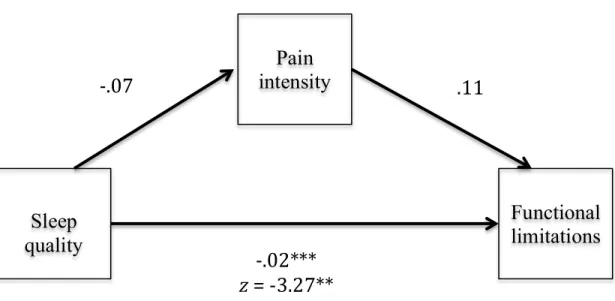
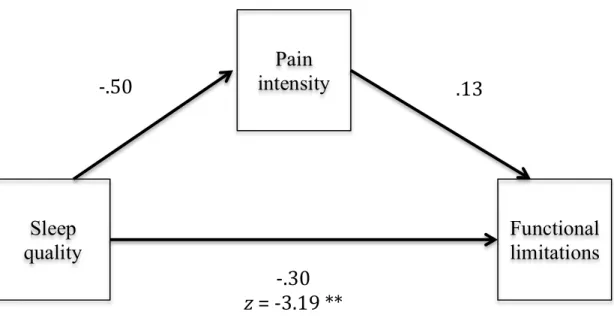
Children with juvenile idiopathic arthritis (JIA) experience frequent, fluctuating pain, not fully explained by medical factors. Previous research identifies sleep as an important predictor of pain and daytime functioning. This study extended inquiry on the role of sleep in daily pain by employing electronic daily diaries (e-diaries) that allowed children to report symptoms and behavior in the natural environment 3 times each day. In addition to replicating previous findings that daily and typical sleep quality predict pain intensity (t(2456) = -3.20, p =.001; t(51) = -3.64, p < .001), this study built on research on emotions in the pain-sleep association by testing the role of emotion recovery. The momentary association between sleep quality and pain intensity was moderated by positive emotion recovery. Consistent with current pediatric pain models, sleep and pain were also examined as predictors of functional outcomes (i.e., across aspects of physical, social, and school functioning). Pain intensity mediated the
ACKNOWLEDGEMENTS
TABLE OF CONTENTS
LIST OF TABLES.………vii
LIST OF FIGURES.………...viii
ABBREVIATIONS………xi
Chapter I. INTRODUCTION………...1
Juvenile Idiopathic Arthritis………2
Biobehavioral model of pediatric pain………4
Sleep……….8
Emotion regulation……….13
Ecological momentary assessment and electronic daily diaries…………25
Specific aims and hypotheses………28
II. METHOD………..31
Overview………31
Participants……….31
Procedure………...32
Equipment………..33
Measures………34
III. RESULTS………..42
Descriptive statistics and completion rates………42
Hypothesis testing using multilevel hierarchical modeling building………..…43
Exploratory model testing random slopes for sleep quality………...47
Exploratory multilevel model building controlling for previous pain…...48
Alternative hierarchical multilevel models testing the effects of pain intensity on sleep quality………...49
Exploratory model probing the effects of age………49
Multilevel models testing the effects of sleep quality and pain intensity on functional limitations……….50
ER construct validation……….51
Final model diagnostics….………52
IV. DISCUSSION………53
Study strengths………..57
Weaknesses and limitations………...60
Clinical implications and future directions………67
LIST OF TABLES
1. Quantifying ER: Steps for identifying instances of emotion
activation and coding instances of adaptive emotion recovery………...……....74 2. Sample demographic descriptive information………..…...75 3. Electronic daily diary reports descriptive information………...….76 4. Results of hierarchical multilevel random effects analysis
LIST OF FIGURES
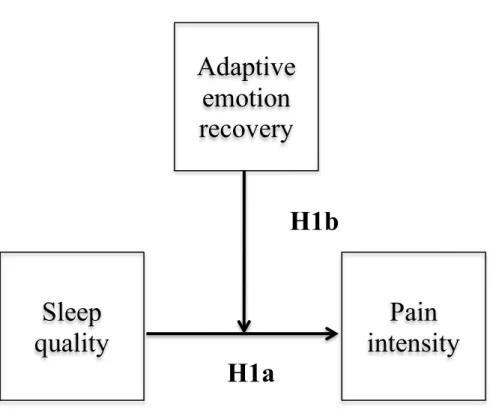
1. Model for hypothesis 1………70
2. T-Mobile ® Dash smartphone used for e-diaries………71
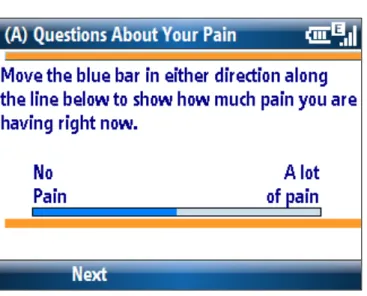
3. E-diary electronic visual analog scale (e-VAS)………..72
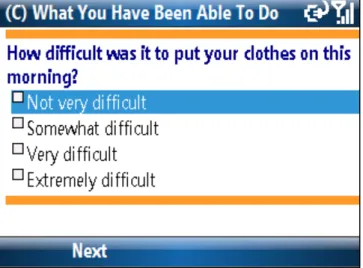
4. E-diary multiple choice item………73
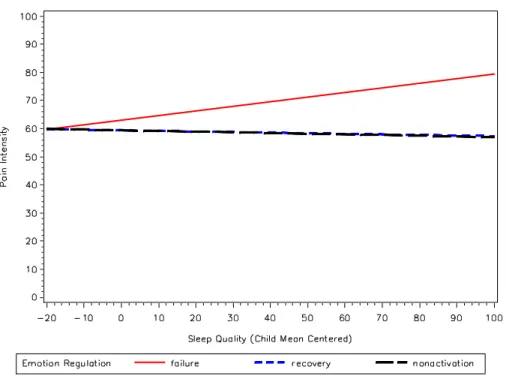
5. Interaction between sleep quality and alternate ER construct for positive affect regulation predicting pain intensity………...……….78
6. Graph of relationship between sleep quality and pain intensity at times when children experienced no positive emotion activation………….…….79
7. Graph of relationship between sleep quality and pain intensity at times when children experienced recovery from drops in positive emotion…..….80
8. Graph of relationship between sleep quality and pain intensity at times when children failed to recover from drops in positive emotions……...…...81
9. Level 1 within-child mediation model……….82
10. Level 2 between-child mediation model………..……83
11. Distribution of Level 1 residuals………..84
ABBREVIATIONS
e-diary Electronic diary
ER Emotion regulation
JIA Juvenile idiopathic arthritis
CHAPTER I
An Electronic Daily Diary Study of Sleep Quality, Pain, and Emotion Regulation in Children with Juvenile Idiopathic Arthritis
Juvenile idiopathic arthritis (JIA) is a common childhood illness, affecting approximately 300,000 children in the United States (Sacks, Helmick, Luo, Ilowite, & Bowyer, 2007). Children with JIA experience frequent pain, stiffness, and joint
inflammation. JIA is diagnosed before the age of 16, with arthritis in the same joint for at least 6 weeks, and encompasses heterogeneous disease types distinguished by active arthritis on physical exam at onset, biological disease markers, and a constellation of accompanying symptoms (Petty et al., 2004). Over time, JIA can result in joint contractures, growth abnormalities, and osteoporosis, in addition to daily incidences of recurrent pain, functional impairment, and stress. There is no known cure for juvenile arthritis; however,
approximately 50% of children achieve remission and do not require ongoing treatments as adults (Minden et al., 2000). JIA treatments are typically multimodal, incorporating physical, occupational, and psychosocial interventions along with the use of disease
quality of life, physical functioning, and psychosocial functioning, pain reduction is recognized as an important JIA treatment outcome (Giannini et al., 1997).
Juvenile Idiopathic Arthritis
Pain in JIA. Children with arthritis experience frequent pain (Sherry, Bohnsack,
Salmonson, Wallace, & Mellins, 1990) often reaching severe levels (Schanberg, Anthony, Gil, & Maurin, 2003; Schanberg, Gil, Anthony, Yow, & Rochon, 2005). Indeed, children with JIA reported pain on 70% of days in a paper diary study (Schanberg et al., 2003) with a significant number of children (31%) reporting severe pain during the two-month study period. Despite a better understanding of the fluctuating nature of JIA pain, factors that predict the onset and maintenance of pain are still not well understood and biomedical factors do not entirely explain variation in JIA pain. Schanberg and colleagues (1997) found that medical variables accounted for only 30% of the variance in pain. Malleson et al. (2004) found that disease activity accounted for only 6.5% of pain variance and a combination of demographic (e.g., age, gender, race) and disease-related variables (e.g., disease duration, joint count, morning stiffness) accounted for only 22% of pain intensity variance. Children with minimal disease activity reported pain on the majority of days (58%) on a paper diary, suggesting that nonmedical factors may drive day-to-day variability in JIA pain (Schanberg et al., 2003).
Functioning in JIA. In addition to pain, children with JIA experience functional
limitations appear to have persistent functional difficulties (Hyrich et al., 2010) and functional limitations fluctuate over time (Magni-Manzoni et al., 2008), similar to
fluctuations in JIA pain (Schanberg et al, 2003, 2005). Based on results of questionnaires administered at a clinic visit, Sawyer and colleagues (2004) found that higher pain intensity was significantly associated with more difficulties in self-care, completing physical tasks (e.g., walking up stairs), and participating in activities in children with arthritis aged 8-18 years. Fluctuations in JIA pain also predict changes in day-to-day functioning. In a previous paper diary study (Schanberg et al., 2003), daily stress and mood predicted higher pain, which was associated with more reductions in activities. However, these findings are somewhat limited by the use of end-of day reporting practices, which may be affected by retrospective bias and could be influenced by current symptom levels.
In order to address this limitation, our research group has moved to using in-the-moment reports of pain, symptoms, and functioning. In our pilot study of electronic diary (e-diary) assessment of daily symptoms and functioning of children with arthritis (Connelly et al., 2010), average pain intensity was highly correlated with overall reductions in school, social, and physical activities (r = .78), suggesting that pain and functioning are highly associated and that this relationship warrants ongoing prospective research. A better
understanding of the ways in which pain and functioning are related has implications for pain management and psychosocial interventions. For example, if a third variable is identified which relates to both pain and functioning, this would suggest new approaches for
interventions to promote decreased pain and improved functioning.
Emotional adjustment in JIA. In addition to physical and social functioning,
(2003) conducted a meta-analysis of 21 studies of emotional adjustment in children with JIA, which employed retrospective psychological measures that resulted in overall psychological adjustment scores, internalizing symptoms scores, and externalizing symptoms scores. The majority of the studies used the Achenbach Child Behavior Checklist (Achenbach &
Edelbrock, 1983); specific measures of depression or anxiety were not included in the analysis. When reports from parents of children with JIA were compared to those from parents of healthy children, children with JIA were at increased risk for internalizing symptoms (LeBovidge et al., 2003).
Building on this finding, LeBovidge and colleagues (2005) examined correlates of anxiety and depressive symptoms in children with JIA aged 8-17 years. Results indicated that higher illness-related stress reported in semi-structured interviews (e.g., problems with school, peers, or family) was associated with higher symptom scores on the Beck Depression Inventory for Youth (Beck, Beck, & Jolly, 2001) and the Revised Children’s Manifest
Anxiety Scale (Reynolds & Richmond, 1985). Additionally, a more positive attitude towards illness, as measured by the Child Attitude Toward Illness Scale (Austin & Huberty, 1993) buffered the effects of higher stress on depressive symptoms. Based on these studies,
children with arthritis face pain and accompanying physical and psychosocial challenges. As such, there is an ongoing need to identify predictors of pain in JIA beyond medical indices.
Biobehavioral Model of Pediatric Pain
indices affecting pain and functional outcomes. Consistent with a biopsychosocial approach, the Biobehavioral Model of Pediatric Pain is a dynamic model that encompasses reciprocal influences between pain precipitants. Aspects of the model have been tested in a variety of pediatric populations, including JIA (e.g., Sawyer et al., 2004). The Biobehavioral model suggests that precipitants, such as disease and stress, predict pain and functioning. These associations may be mediated or moderated by intervening variables, which include cognitive appraisals and coping strategies. Functional outcomes in the model include activities of daily living, school attendance, and behavioral and adjustment problems. Of importance, pain and functioning are conceptualized as sharing bidirectional influences. Broadly speaking, the variables in this study mapped on to the Biobehavioral model. Poor sleep quality can be conceptualized as a daily stressor, thus serving as a pain antecedent. Emotion regulation is similar to emotion-focused coping, which is included in the model as an intervening variable. Finally, consistent with the model, the key outcomes of the study are pain and functioning. An overall functional limitations score was used in this study, which included items related to physical, school, and social functioning.
Evidence supporting the Biobehavioral Model of Pediatric Pain. Several
Aspects of the Biobehavioral Model have been supported in pediatric chronic pain populations. A series of studies (Gil et al., 2003; Gil et al., 2000) examined predictors of pain and functioning in children and adolescents with sickle cell disease (SCD) using paper-and-pencil diaries. Parents of children aged 6-17 years completed daily diaries of child symptoms and behaviors for 14 days. Results indicated that children reduced participation in activities when experiencing pain, but disease severity did not predict pain or activity
reductions (Gil et al., 2000). In the second study, in which adolescents completed daily diaries for up to 6 months (Gil et al., 2003), stress and positive mood predicted same-day pain, but did not predict pain on the next day. In contrast, pain predicted stress and mood in subsequent days. Increased pain, stress, and negative mood predicted more cutbacks in activities and increased positive mood was associated with fewer limitations in functioning. Findings from these studies suggest a complex temporal association between pain,
functioning, stress, and mood, indicating that a biobehavioral approach is necessary for understanding pediatric chronic pain.
An important feature of the Biobehavioral Model is the focus on functional outcomes; many studies highlight the importance of functioning in children with chronic illnesses and pain. Children with chronic pain consistently endorse high levels of physical disability, with estimates ranging from 75-91% of children reporting moderate to high physical impairment across studies using the Functional Disability Index (Gauntlett-Gilbert & Eccleston, 2007; Susmita Kashikar-Zuck et al., 2008; Walker & Greene, 1991). Similarly, children with chronic pain reported moderate difficulties in social functioning and activity participation (L. L. Cohen, Vowles, & Eccleston, 2010; Palermo, Witherspoon, Valenzuela, & Drotar, 2004). Based on academic records, Logan and colleagues (2008) found that 44% of adolescents with chronic pain missed greater than a quarter of school days, with similar rates of late arrivals and early dismissals. Via daily diaries, children with chronic pain reported more difficulty completing activities (e.g., walking, socializing, or participating in afterschool activities) on days they experienced higher pain intensity (Lewandowski, Palermo, Kirchner, & Drotar, 2009). These studies provide ample evidence that children with chronic pain experience significant functional limitations; improved understanding of mechanisms contributing to poor functioning is still needed.
Recently, sleep has been identified as a significant problem for children with chronic pain (Chambers, Corkum, & Rusak, 2008). There is evidence that sleep may relate to both pain and functioning (Dahl, 1996; Dahl & Lewin, 2002; Lewin & Dahl, 1999; Sadeh, Gruber, & Raviv, 2002). As such, sleep quality served as the primary predictor of pain and
functioning in this study.
Sleep
Evidence for studying sleep in pediatric chronic pain. Sleep problems have been
identified across pediatric chronic pain groups. In a study using parent-reports of sleep problems, children with headache had more difficulty initiating sleep, shorter sleep duration, and poorer sleep quality in comparison to healthy peers (Bruni, 1997). Similarly, based on parent- and self-reports of sleep problems, children aged 8-15 years with functional
from describing sleep disturbances to understanding the influence of sleep problems on outcomes such as pain and daytime functioning in children with chronic pain.
Sleep and JIA. In one of the first studies of sleep in JIA, Zamir and colleagues
(1998) found children with JIA experienced more sleep problems than healthy controls on polysomnography (PSG), thus laying a foundation for additional sleep research in this population. A few studies have examined the association between sleep, pain, and functioning in children with JIA, but the results are somewhat inconsistent across studies, due to methodological differences. Using a standardized sleep questionnaire, Bloom et al. (2002) found that parents of children with JIA reported higher total sleep problems scores and endorsed more night awakenings, parasomnias, sleep anxiety, sleep disordered breathing, and early morning waking/daytime sleepiness than parents of healthy controls. Children’s pain ratings and overall sleep reports were strongly correlated (Bloom et al., 2002), but indices of disease severity and functioning were not associated with subjective sleep reports. Using a 2-night PSG protocol in 9- to 17-year-olds with and without JIA, Passarelli et al. (2006) found significant between-group differences in sleep efficiency, arousals, and leg movements, but parent-reported sleep problems were not different. Within the JIA group, those with higher functional limitations experienced more frequent arousals and decreased sleep efficiency on PSG during the night. Higher pain was correlated with more alpha-delta activity, which they interpreted to indicate decreased arousal thresholds.
Recently, Ward and colleagues conducted a series of studies examining sleep
those with inactive disease, but did not differ on motor speed, reaction time, and sustained visual attention (Ward et al., 2010). Children with JIA did not perform differently from controls on neurobehavioral tasks, despite higher self-reported sleep disruption scores (Ward et al., 2011). Taken together, children with JIA appear to have abnormal PSG findings, but these sleep architectural differences do not predict impairment in neurocognitive functions typically affected by sleep deprivation or disruption.
Ward and colleagues’ studies (2010, 2011) examined the association between sleep and specific aspects of daytime neurocognitive functioning that sleep is known to affect (e.g., response speed), but it remains to be seen how sleep affects functioning across the domains most salient to children with JIA (e.g., social, physical, emotional functioning). Ward’s methodologies also may not capture the full range of sleep and pain problems children with JIA experience from day-to-day. Indeed, the average evening pain rating for Ward and colleagues’ (2008) study was quite low (approximately 1 on a scale of 0-10) and children experienced good sleep efficiency, on average. It is important to implement study designs that can examine the temporal associations of sleep and pain under naturalistic settings in order to better understand the role of sleep problems in the lives of children with JIA.
Consistent with broader research on children with chronic pain, research on sleep in JIA provides convergent evidence that children with arthritis experience behavioral sleep problems and abnormalities in underlying sleep architecture. Due to employed
disruptions; sleep problems in turn may result in emotional or functional difficulties that affect daytime pain. Therefore, it is important to understand both pathways of influence by applying prospective methodologies and advanced statistical techniques.
Temporal associations between sleep and pain. Daily diary studies have tested the
cyclical association between pain and sleep, based on Lewin and Dahl’s (1999) conceptual framework. Lewandowski et al. (2010) examined sleep in adolescents with chronic pain. On actigraphy, sleep duration and time spent awake after sleep onset predicted next-day pain; e-diary reports of sleep quality did not predict pain. Daytime pain did not predict sleep at night as measured objectively or subjectively. In contrast to these findings, a cyclical relationship between pain and sleep was detected using paper diaries in Valrie et al.’s (2007a, 2007b, 2008) studies of children with SCD. Daily mood also played an important role in the relationship between pain and sleep in children with SCD (Valrie et al., 2008). Negative mood partially mediated both the relationship between high pain and poor sleep quality and between poor sleep quality and high pain the next day. Thus, increased negative mood underlay both directions of association between poor sleep and high pain. In contrast, positive mood buffered the effects of poor sleep quality on pain the next day, but did not buffer sleep quality at night from high pain during the day.
scale ranging from a very happy face to a very sad face. Daily mood moderated the
association between sleep and pain; the effects of poor sleep quality on pain were buffered as mood became more positive. This finding provides preliminary evidence that emotional functioning is important in the context of sleep and pain.
Surprisingly, the majority of the variance in pain lay at the between-children level, indicating that stable factors predicted much of the variance in pain. Sleep quality accounted for nearly half (49%) of the between-child variance in pain, whereas daily sleep quality only accounted for 10% of the total within-child (daily) variance in pain. These findings indicate that individual differences in overall sleep quality, rather than daily variations in each child’s sleep experiences, better explain the relationship between sleep quality and pain. In other words, children who consistently experienced poor sleep quality also experienced higher pain across the study period.
Despite these findings, it remains important to more closely examine the temporal relationship of sleep and pain in JIA for several reasons. First, to attempt to replicate findings regarding the structure of the daily relationship between sleep and pain in JIA. Ongoing failure to detect a cyclical relationship would suggest a unique structure to the pain-sleep relationship in JIA and that findings may not generalize across pediatric pain groups. Second, additional prospective research is warranted because prospective data remain more ecologically valid than retrospective reports. Variables that fluctuate over time are best measured prospectively in children’s typical environment, even if the association between pain and sleep continues to be explained at the between-child level.
retrospective bias (Takarangi, Garry, & Loftus, 2006). The sleep quality item may be especially vulnerable to biases, because it asked the child to report on sleep quality for the previous night. Intervening events or daytime pain may have affected the child’s memory of sleep quality. Therefore, it was important to attempt to replicate these findings using daily e-diaries, which have the added benefits of cued reporting, assessment of current symptoms, and limited potential for backfilling (Shiffman, Stone, & Hufford, 2008).
Additionally, the Facial Affective Scale (McGrath, de Veber, & Hearn, 1985;
McGrath et al., 1996) used as a mood measure in previous studies limits the interpretation of findings (Bromberg et al, 2011; Valrie et al., 2007a, 2007b, 2008). Using a univariate mood measure limits the potential to detect the unique contributions of negative and positive mood, which predict different health outcomes. Moving to frequent, in-the-moment data capture allows examination of within-day variation in emotions, rather than relying upon the more temporally stable construct of daily mood. Emotion researchers call for examining emotion process variables (Silk, Steinberg, & Morris, 2003) to capture emotional processes as they occur. In this study, emotion regulation was measured as a dynamic variable in order to extend our understanding of how affective processes contribute to the pain-sleep relationship and to establish additional support for the need to develop emotion-focused components of broader psychosocial pain interventions.
Emotion Regulation
As previously discussed, daily affective experiences may contribute to the pain and sleep of children with chronic illness. There is evidence that daily mood affects the
of a single daily mood assessment, which may not capture the complexities of affective experiences over time; therefore, this study examined the role of emotion regulation in the context of sleep and pain in children with JIA using e-diaries collected across the course of each day.
Defining emotion regulation. Emotion regulation (ER) is a dynamic process
encompassing both effortful and automatic processes aimed at the modulation of emotions. Emotion regulation is part of a broader constellation of regulatory processes, including behavioral, cognitive, and physiological regulation (Calkins & Fox, 2002; Calkins &
Marcovitch, 2009), which may be considered a subset of coping when emotions are modified specifically in response to stress (Compas, 2009). Despite a lack of consensus, many
researchers employ Thompson’s (1994) definition of ER as “the extrinsic and intrinsic processes responsible for monitoring, evaluating, and modifying emotional reactions, especially their intensive and temporal features, to accomplish one’s goals” (p. 27-28). In Thompson’s definition, ER broadly encompasses many processes related to emotional reactions that follow a developmental trajectory. Changes in regulatory strategies and resources occur in conjunction with neurophysiological, social, and cognitive development (Zeman, Cassano, Perry-Parrish, & Stegall, 2006), thus it is important to consider age in the context of ER.
A major criticism of Thompson’s model of ER is the potential difficulty
distinguishing emotion activation (i.e., the onset of an emotion) and regulation (Campos, Frankel, & Camras, 2004). Hoeksma et al.’s (2004) conceptual and methodological
(Connelly et al., 2012; Silk et al., 2011) used multiple assessments to capture changes in emotion intensity over time as aspects of ER (emotional maintenance and recovery). These temporal ER constructs do not capture other broader aspects of the ER process such as emotion activation prevention, unsuccessful effortful attempts at regulating emotions, or the use of specific ER strategies. Consistent with these studies and nested within the broader array of ER processes, the present study specifically examined the ER construct of emotion recovery, broadly defined as the process of modifying emotion, over time, in the adaptive
direction (i.e., increasing positive emotions and decreasing negative emotions). Thus, the distinction between emotion activation and regulation is fundamental to the construct of emotion recovery used in this study.
ER and psychological adjustment in children. ER is considered an important factor
2009) and results of the few treatment studies directly employing ER skills (Kovacs et al., 2006; Trosper et al., 2009) support their use for children and adolescents with internalizing disorders. In Kovacs and colleagues’ (2006) CBT study, ER strategies of self-talk and seeking social support were applied in response to increased negative emotions. Post treatment, 53% of children had full remission; 92% of children met remission criteria at 12-months (Kovacs et al., 2006). Comorbid anxiety and major depression were greatly
decreased in children who completed the intervention, suggesting that improved ER may generalize across internalizing symptoms.
Although learning to successfully identify and regulate emotions is a developmental task faced by all children, children with arthritis experience the daily challenges of managing pain, stiffness, and fatigue (Schanberg et al., 2003, 2005) in addition to typical childhood experiences of negotiating family, peer, school, and developmental demands. These unique stressors may result in emotional burdens above what is typical for same-aged peers and children with JIA have been shown to be at somewhat increased risk for internalizing problems (e.g., depressive symptoms and anxiety; LeBovidge et al., 2003). Based on the daily burdens of living with JIA and the potential for internalizing symptoms, the ability to regulate emotions may be particularly important in the context of JIA. Research in juvenile arthritis has found associations between daily mood, sleep, and pain (Schanberg et al., 2005; Bromberg et al., 2011), but the mechanisms associating emotions and health-related
outcomes remain unclear.
Findings from intervention studies provide support for promoting ER in children with psychopathology, but the role of ER in children facing ongoing significant stress from
psychopathology framework broadly encompasses normal and abnormal behavior and seeks to identify risk and protective factors, little research has explored the protective potential of ER in the absence of psychopathology. In other words, it remains unknown whether ER helps children adapt more successfully even when they do not meet criteria for a disorder such as depression or anxiety.
Despite accruing evidence of the importance of ER during childhood, confusion remains regarding basic definitions and models of emotion-related constructs. Thus, it is important to define terms and review conceptual models from the broader affective literature in the context of the current study. The construct of the emotion recovery ER variable in this study was based on conceptual affective models.
Emotions, mood, and affect. Although “emotion” and “mood” are sometimes used
example, a depressed child may experience long periods of sadness, without an identifiable triggering event.
Emotions and mood can be understood within the broader construct of affect, the experienced tone of emotions and mood. Affect consists of both varying intensities of negatively and positively valenced emotions; affect is how strongly negative or positive a person feels. Affective measures, such as the Positive and Negative Affect Schedule
(Watson, Clark, & Tellegen, 1988) assesses the intensity of discrete negative emotions (e.g., sadness, anger) and positive emotions (e.g., happiness, excitement) to obtain composite affective valence scores. Affective measures can be used to assess both mood and emotions, depending on wording of the instructions. Ratings of current, in-the-moment affect measure emotions and broader retrospective reports of affect (e.g., global ratings for a day) constitute mood. As such, the assessed duration and intensity of emotional experiences primarily distinguishes mood and emotions.
Affective paradigms. Although is it generally agreed that positive affect is
Salovey, & Truax, 1999; Tuccitto, Giacobbi, & Leite, 2010), and in the context of negative and positive life events (Gable, Reis, & Elliott, 2000; van Eck, Nicolson, Berkhof, & Sulon, 1998). Furthermore, findings from studies using techniques to physiologically capture emotional arousal also support each affective paradigm (Lane et al., 1997; C. Wang et al., 1996). Based on the wealth of evidence for both models, it is possible that the structure of affect may be more complex than either model and may vary on other conditions.
Recently, theorists have proposed models that reconcile the two predominant
approaches. Cacioppo and Berntson’s (1994) Evaluative Space Model suggests that affective experiences often function in a bipolar manner; however, mixed emotional states are possible because negative and positive emotions are independently activated. The Dynamic Model of Affect (DMA, Reich et al., 2003) also suggests that the bivariate and bipolar structures may apply in different circumstances, with emotions becoming more bipolar in times of stress or pain. Both models have been supported in applied research (J. T. Larsen & McGraw, 2011; J. T. Larsen, McGraw, & Cacioppo, 2001; J. T. Larsen, To, & Fireman, 2007), including studies of adults with chronic pain (Davis, Zautra, & Smith, 2004; Potter, Zautra, & Reich, 2000).
when emotions were activated (i.e., when emotions were elevated above the child’s typical level), and to construct the ER variable.
ER and affective valence. Consistent with current affective models, both emotional
valence and intensity are important to consider in the context of ER. Indeed, ER may be distinguished from the related construct of coping in part via the emphasis on modifying both negative and positive emotions (Gross & Thompson, 2007), as well as the different role of stress in coping and ER. Coping behaviors occur following appraisals of stimuli as harmful, threatening or challenging (i.e., as stressful; (Lazarus & Folkman, 1984); thus, stress must be present in order to elicit a coping response aimed at decreasing accompanying negative emotions. Compas (2009) proposes that ER functions as a subset of coping when emotions are regulated specifically in response to stress. More broadly, ER may occur in response to changes in emotions, with or without an identified stressor, and incorporates the adaptive modification of positive emotion. For example, if a boy and girl compete for an award and he loses, he may benefit from the ability to experience genuine happiness for her success, which in turn may help to strengthen the friendship. Despite the potentially adaptive function of increasing negative emotions (e.g., arousing anger during a confrontation) or decreasing positive emotions (e.g. dampening joy upon hearing sad news), ER is typically studied in the context of decreasing negative emotional intensity and increasing positive emotional intensity (R. J. Larsen & Prizmic, 2004), consistent with the construct of emotion recovery used in this study.
clinical research has largely focused on maladaptive or unsuccessful negative ER as a vulnerability to psychopathology. The use of maladaptive ER strategies (e.g., emotional suppression, experiential avoidance) has been associated with internalizing disorders in adults and difficulties regulating anger and sadness have been linked to internalizing and externalizing symptoms in children (Eisenberg et al., 2001; Suveg, Hoffman, Zeman, & Thomassin, 2009). Kovacs et al.’s (2006) ER-focused intervention taught children with mood disorders to use ER strategies to quickly decrease high intensity negative emotions as they occur. As a hypothetical example, if a child began to experience sadness, she could talk to a friend or play a game to try to decrease her sadness. She successfully regulated her emotions if she felt less sad after trying these strategies. Kovacs and colleagues’ (2006) ER-focused intervention greatly decreased children’s symptoms across comorbid internalizing disorders, suggesting that improved regulation of negative emotions contributed to changes in overall adjustment. The focus on regulating negative affect in previous research is not surprising, given evidence that negative experiences and emotions are stronger than positive experiences or emotions (Baumeister, Bratslavsky, Finkenauer, & Vohs, 2001).
Positive emotions, resiliency, and health. Positive affect, however, may be
uniquely important for promoting adaptation and improved health-related outcomes in children. Positive psychology departs from the historic emphasis on psychopathology in applied psychology and fundamentally seeks to identify factors that promote well-being, adjustment, and optimal health (Seligman & Csikszentmihalyi, 2000). In Fredrickson’s broaden-and-build theory (Fredrickson, 1998b, 2001), positive emotions broaden attention, allowing exploration and creativity. This in turn helps to build social, cognitive,
improve coping in response to stress. As an illustration of this theoretical model, Tugade and Fredrickson (2004) found that individuals with higher positive emotions also had higher trait resiliency. Additionally, following a stress induction task, more resilient individuals
experienced shorter cardiovascular recovery durations and benefitted more from the use of positive emotions in the physiological stress recovery process. The relation between positive emotions and resiliency has also been demonstrated longitudinally. Over a 1-month period, higher daily positive affect predicted increased resilience in college students, suggesting that positive emotions helped to build new coping resources over time. Increased life satisfaction was related to higher daily positive affect, but was not associated with lower daily negative affect, and the unique effects of positive affect remained despite accompanying high negative affect (Cohn, Fredrickson, Brown, Mikels, & Conway, 2009). Fredrickson (1998a) also specifically identified the need to promote positive emotions in children, especially through parental cultivation, which could increase coping skills and social competencies.
interpersonal stress, suggesting that they may have fewer opportunities to benefit from the protective benefits of positive affect.
Findings from previous daily diary studies with children with SCD and JIA highlight the benefits of positive affect in children with chronic pain. Gil et al. (2003) found that positive mood was related to a variety of desirable outcomes including increased activity participation and decreased pain and health care utilization for adolescents with SCD. Building upon this research, Valrie and colleagues (2008) found that increasingly positive mood buffered the effects of poor sleep at night on pain the next day in children with SCD. This finding was replicated in our research with children with arthritis (Bromberg et al., 2011), suggesting that the protective potential of positive affect is seen across pediatric pain populations and may be especially important in the context of sleep difficulties. However, these studies were limited by the use of once-daily mood measures that do not capture the fluctuating nature of emotions as they occur over time, which may be important in the context of pain and functioning. Therefore, it is important to extend this research by examining emotion and ER as they occur, in relation to aspects of JIA that have been associated with the more temporally stable construct of mood.
Emotion regulation research using ecological momentary assessment. This study
built upon previous findings regarding the importance of affect in the daily pain (Schanberg et al., 2005) and sleep (Bromberg et al., 2011) of children with arthritis by incorporating ER as an emotional process variable. A few prospective studies of ER established precedence for the construction of the ER variable in this study.
procedures by Paquet et al. (2005), positive and negative ER scores were constructed by calculating daily changes in emotion intensities and identifying instances of maintaining or recovering emotion intensities. Adaptive regulation of negative emotions predicted
decreases in pain intensity. Moreover, results from multilevel models showed that both negative and positive ER predicted pain intensity reductions in adults with arthritis (Connelly et al., 2007).
The few studies to prospectively examine ER in children or adolescents support ongoing longitudinal studies of ER. Silk and colleagues (2003) examined the difference between current and peak negative emotion on each diary as a measure of ER. For example, a change from high peak sadness to low current sadness indicated adaptive ER. Adolescents completed 88% of diaries despite multiple reporting periods each day. Additionally, Suveg et al. (2010) found that e-diaries are a feasible method of capturing affective data from 7- to 12- year-old children. These studies suggest that experience sampling is a useful way to examine emotional experiences of children and adolescents, allowing researchers to move beyond trait-based emotion variables to those that are dynamic and temporally constructed.
Emotion regulation conclusion. In conclusion, the ability to adaptively regulate
emotions is an important developmental competency that has implications for adjustment and health outcomes. A prospective approach to assessing ER is well suited to capturing discrete positive and negative emotional states as they occur and change. The construction of emotion recovery as an aspect of ER followed strategies outlined by Connelly et al. (2007; 2012), using prospective diary data collection. Using these methods, this study furthered
Ecological Momentary Assessment and Electronic Daily Diaries
Prospective methodologies are frequently used to assess health behaviors and
symptoms. Ecological momentary assessment (EMA) is a form of experience sampling that allows data to be recorded in real-time (Shiffman et al., 2008) in order to capture processes as they occur in the person’s environment. Electronic devices such as smartphones (i.e.,
cellular phones with computer operating systems) allow participants to provide cued, mobile reports of current experiences as they occur in the natural environment, instead of a
laboratory or clinical setting.
E-diaries overcome many of the limitations of paper and pencil diaries (memory biases, diary hoarding, backfilling), can use electronic tools (alarms) to cue reports, and allow the measures to be easily accessible at all times. In an innovative study using technology to assess when paper diaries were opened, adults with chronic pain reported completing paper pain diaries within a 90-minute period on 94.9% of entries, but actual compliance was only 19.6% (Stone, Shiffman, Schwartz, Broderick, & Hufford, 2003). In contrast, participants completed 94% of e-diaries and all e-diary entries were completed within the appropriate timeframe. These findings provide strong evidence for the use of e-diaries to promote accurate reporting in real-time and suggest that these methods are suited to frequent pain assessments.
Using e-diaries with children. Moving to using e-diaries is particularly suitable to
2012). In one study, children reported using computers and cellular phones a few times each week, on average (Jackson et al., 2008), but given the significant increase in access to
technology occurring over the past few years, it is likely that children use technology even more frequently at present. Children also appear to enjoy using these new technologies. In both our pilot study exit survey and that of Stinson and colleagues (2006), children with JIA reported high satisfaction with the e-diaries and electronic devices, often commenting that the methodology was novel and enjoyable.
Children and adolescents’ comfort and familiarity with new technology affords new strategies for tracking behaviors, ranging from assessing health behaviors to daily stress and symptoms of psychopathology. For example, e-diaries have been widely used to track physical activity over days and weeks (Dunton, Whalen, Jamner, & Floro, 2007; Gorely, Marshall, Biddle, & Cameron, 2007) and to identify the settings in which children engage in physical activities or sedentary behavior. E-diaries have also been used to better understand daily symptoms of psychopathology in children, including ADHD symptoms (Whalen et al., 2006), disordered eating (Hilbert, Rief, Tuschen-Caffier, de Zwaan, & Czaja, 2009), and self-injurious behavior (Nock, Prinstein, & Sterba, 2009). These studies provide support for the ongoing use of e-diaries in children. Furthermore, by allowing researchers to understand the antecedents, occurrences, and outcomes of behaviors, e-diary studies may lead to better diagnostic conceptualizations, more ecologically valid treatment approaches, and improved intervention delivery methods (Boschen & Casey, 2008).
E-diaries in pain research. In-the-moment reports on e-diaries are especially
change in the variable of interest due to measurement) and high completion rates. Stone and colleagues (2004) compared reporting patterns of adults with pain prompted to completed e-diaries 3, 6, or 12 times per day and found high completion rates (> 94%) regardless of number of prompts. Participants also showed little change in pain reports over time, indicating low reactivity to electronic pain monitoring; low reactivity in pain and emotion ratings has also been demonstrated in other e-diary studies (Aaron, Manci, Turner, Sawchuk, & Klein, 2004; Peters et al., 2000). Litcher-Kelly and colleagues (2007) prompted adults with inflammatory bowel syndrome to complete an e-diary during each hour of the day. Despite the high reporting demand, participants completed 88% of all possible entries within the 3-minute window. Similarly, a systematic review found high completion rates across e-diary studies; short surveys and incentives promoted compliance (Morren, van Dulmen, Ouwerkerk, & Bensing, 2009). These studies support the feasibility of, and improved reporting from e-diaries.
In our pilot study using e-diaries with 10 children with JIA, children completed 2 out of 3 reports on most days over the course of 2 weeks and had an overall completion rate of 87.5% (Connelly et al., 2010). Upon completion of each e-diary entry, data were wirelessly uploaded to a central server. No participants in the pilot study experienced technical
problems when completing the e-diaries; however, all data for one participant were lost due to smartphone malfunction. Some children in the current study experienced occasional difficulty with accessing or uploading surveys, mostly due to limited wireless or cellular access. However, some data were obtained from all participants, unlike previous studies that stored data on the electronic devices, which lost a few complete sets of diaries. For example, Palermo and colleagues (2004) were unable to use data from 5 participants due to technical malfunction. Although a potential for lost data remains, e-diaries clearly offer many
advantages, allowing researchers to better understand the nature of chronic pain as it occurs. Children and adults have demonstrated high completion rates and low reactivity,
demonstrating that recurrent prompts for self-reports are tolerable, and thus were appropriate for use in this study.
Specific Aims and Hypotheses
However, use of end-of-day sleep reports introduced limitations to interpreting those
findings, including the potential influence of intervening experiences on retrospective reports of the day. As such, it was important to confirm those results using e-diaries, which
eliminate backfilling and minimize retrospective bias. The following hypotheses were tested in this study.
Hypothesis 1: Sleep quality predicts pain intensity in children with JIA and this association is moderated by emotion regulation (Figure 1).
Hypothesis 1a: Daily sleep quality predicts daily pain ratings using e-diaries. Previous findings using paper-and-pencil diaries were expected to be replicated using e-diaries, such that poor sleep quality at night will predict high pain intensity ratings on the following day. Also, I expected to continue to find that children who experience lower sleep quality, overall, also experience higher pain intensity, on average.
Hypothesis 1b: Adaptive regulation of emotions buffers the effects of lower sleep quality at night on pain intensity the next day. Adaptive regulation of negative emotions buffers the effects of poorer sleep quality at night on pain the next day. Moreover, I expected to find that the regulation of positive emotions (i.e., recovering from instances of low
positive emotions) also weakens the association between sleep quality and pain. As such, regulation of both negative and positive emotions were expected to protect against the deleterious effects of a poor night’s sleep on subsequent pain.
In addition to confirming previous findings and examining the role of ER in the pain-sleep relationship, this study further developed understanding of how pain-sleep and pain
second aim was consistent with the importance of understanding functional outcomes, as highlighted in the Biobehavioral Model of Pediatric Pain (Varni et al., 1996). Furthermore, in addition to disease and pain management, improvements in physical, social, and academic functioning are additional JIA treatment goals (Giannini et al., 1997). Therefore, it was important to understand how factors contribute to both pain and overall functioning across these important domains.
Hypothesis 2: Daily pain intensity ratings mediate the relationship between sleep
quality and overall functional limitations. Lower sleep quality at night predicts higher pain intensity ratings during the day, which in turn predicts higher same-day functional limitations across physical, social, and academic domains. I also expected to detect a direct relation between lower sleep quality at night and higher overall functional limitations during the day.
An important feature of this study was the use of e-diaries to track and report sleep, pain, and functional limitations under naturalistic settings. This innovative data collection tool is best suited to capturing fluctuating symptoms and behaviors by obtaining real-time data at home. E-diaries have been validated for use with children with arthritis (Stinson et al., 2006, 2008; Connelly et al., 2010), but have not previously been used to examine
CHAPTER II
Method
Overview
Data for the current study were collected as part of a larger study (NIH/NIAMS 1R01AR53845-1A2) led by Laura E. Schanberg, M.D., examining daily functioning in 8- to 18-year-old patients with polyarticular juvenile idiopathic arthritis. Using an e-diary on a smartphone, children and their caregivers reported on child pain, symptoms, behaviors, and emotions. Data collection for the larger study began in September 2009 and was completed in June 2011. Seventy-four caregiver-child dyads were recruited for the study and 59 children completed full study procedures. Daily items related to sleep were specifically designed for the current study and were not intended for use in the data analysis for the larger study.
Participants
Consistent with the demographics of the population served by the Duke Pediatric Rheumatology Clinic, participants were predominantly Caucasian girls. The majority of participants had mild (43.1%) or moderate (39.7%) disease activity. The average age of participants was 13.3 years (SD = 2.8).
Procedure
Eligible patients from the Duke Pediatric Rheumatology clinic were prescreened by a research assistant using clinic schedules. Caregivers of eligible children were then contacted via letter from the Duke Pediatric Rheumatology faculty in order to introduce the study and describe study procedures. Research personnel approached families at their next regularly scheduled clinic visit. All participants were recruited and participated during the academic year in order to obtain data in the context of a typical school year. The study involved 3 phases – a baseline clinic visit, a 4-week e-diary reporting phase, and a follow-up evaluation at the end of the e-diary reporting period.
At the baseline visit, patients were given a physical examination as part of their routine appointment and study personnel explained study procedures and obtained assent and consent. Participants completed baseline questionnaires of psychological adjustment, sleep disruptions, emotion regulation, and physical, academic and social functioning on a secure website via wireless access on a laptop computer after selecting a personal login and
password that was used for all electronic data entry. Following completion of questionnaires, a research staff member trained the parent and child on the use of the smartphone and e-diary. Finally, the family selected a starting date for daily monitoring. The 4-week response period was marked on a calendar, which was provided to the family along with the
During the reporting phase of the study parents and children each completed e-diary entries for 4 weeks. The research coordinator contacted the family via email or telephone during the first week of reporting. Participants were encouraged to contact study personnel to report technical problems or other barriers to study completion during the e-diary reporting period.
For the study follow-up, participants completed questionnaires similar to baseline assessments at home via the secure website or with a study staff member via telephone. All participants were reimbursed $10 for completing baseline procedures and $10 for follow-up questionnaires. Consistent with approaches in other daily diary studies (e.g., Palermo et al., 2004; Whalen et al., 2006; Schanberg et al., 2003, 2005) diary completion was promoted via incentives. Caregivers and children earned $0.25 for each e-dairy entry during the first two weeks of the study. In order to decrease participant dropoff, participants earned $0.50 for each e-diary entry completed during the last two weeks. As an additional incentive, participants earned a bonus of $0.50 for completing 3 reports in one day and $1.25 for
completing all entries for one week. The total amount earned was applied towards a gift card at the end of the study.
Equipment
E-Diary Programming, Pilot Testing, and Data Security
In order to program the e-diary mobile application, we contracted with U-Inc. (Overland Park, Kansas) a software development firm. Our research group provided U-Inc. all content and formatting for the e-diary smartphone application and the study website. The e-diary mobile application development occurred over the course of several months and various changes to the formatting and flow were implemented based on pilot testing
conducted with a sample of 15 children aged 8-16 years with rheumatic diseases other than JIA. U-Inc. also managed the secure website that housed the baseline electronic
questionnaires and stored all study-related data, including e-diary reports. The website could only be accessed through a study login and password. Separate administrative areas of the website housed all baseline and e-diary data and could only be accessed by study personnel. At the time of each e-diary entry, information was uploaded to the secure web-based
database via cellular or wireless technology built into the smartphones. Each e-diary entry was automatically dated and time-stamped and participants did not have access to their responses after uploading.
Measures
Electronic diary. E-diary content was developed based on previous paper diaries (Gil
et al., 2000, 2003; Schanberg et al., 2003, 2005) containing pain, mood, and sleep items, in addition to a review of published measures of child activity limitations and emotion
E-diaries were accessed on the smartphone by launching the e-diary mobile
application. Three distinct e-diaries were developed for morning, afternoon, and evening, and include different items depending on activities typical during each timepoint (i.e., the morning diary included items about getting dressed and the afternoon diary included school-related items). The reporting periods are similar to those of Stinson and colleagues’ previous JIA pain e-diary (2006). E-diary items were presented in three formats: electronic visual analog scales (e-VAS; Figure 3), body map images, and multiple-choice items (see Figure 4). Only e-VAS and multiple-choice items were used in the current study.
Symptom ratings on 50mm e-VAS were based on a 100mm VAS from paper diaries and items related to emotions and functioning were based upon standardized questionnaires such as the CALI (Palermo, Lewandowski, Long, & Burant, 2008) that used multiple-choice formats. Upon uploading the data, e-VAS scores were automatically converted to a 100-point scale in order to be comparable to previous VAS. Multiple-choice items included a question followed by a radio dial for each response option (Figure 5). At the end of the e-diary, participants were instructed to submit their e-diary and a confirmation screen appeared to indicate that the e-diary successfully uploaded.
E-diary instructions. Participants were provided with detailed manuals identifying
As part of the study orientation, a research team member worked with each
participant to select response times for morning, afternoon, and evening diary entries based on their unique schedules. Morning response times were selected close to the individual’s daily waking time. Children were instructed to select afternoon times after they typically arrived home from school and caregivers were instructed to select afternoon times after they expected to have contact with their child after school or work. Evening times for caregivers and children were scheduled to be close to bedtime. At the scheduled times, participants received an email alert that triggered an auditory alarm on the smartphone. The appropriate e-diaries were available only during a set window (e.g., afternoon e-diaries could be accessed and completed between 12pm-6pm.)
E-diary completion. Beginning on the designated start date, families completed
e-diary entries for 4 weeks. The study coordinator monitored daily completion and contacted all families during the first week of the reporting period to assess for challenges and to encourage ongoing participation. Research personnel worked with the family to promote ongoing participation and address difficulties that emerged. For example, a new smartphone could be shipped overnight if a participant’s device malfunctioned. Participants were encouraged to call, page, or email study personnel regarding any difficulties. At the end of the reporting period the smartphones were returned to the Duke Pediatric Rheumatology headquarters in prepaid mailers.
Morning sleep e-diary item. Sleep was measured via a global rating of sleep quality
valid and reliable method for assessing sleep (Gaina, Sekine, Chen, Hamanishi, &
Kagamimori, 2004; Sadeh, Raviv, & Gruber, 2000). Morning sleep quality reports capture the subjective sleep experience in the home setting. Although other data on sleep were collected as part of the overall study (e.g., number of sleep disruptions during the night), sleep quality served as the sleep variable in hypothesis testing.
Pain e-diary items. At the start of each diary, children were asked to rate their current pain intensity on a 50mm e-VAS anchored by “no pain” and “a lot of pain.” Children were prompted to “Move the blue bar in either direction along the line to show how much pain you are having right now.” The pain e-VAS was similar to a validated pain VAS from the
Pediatric Pain Questionnaire (Varni, Thompson, & Hanson, 1987) and was based upon those in paper diaries (Schanberg et al., 2003, 2005.) VAS are a well validated method of
assessing subjective pain intensity (L. L. Cohen et al., 2008) and have been recommended for use in children ages 8 and older (Stinson, Kavanagh, Yamada, Gill, & Stevens, 2006).
negative and positive affect scores, which were used to calculate the ER variable for this study.
Emotion regulation. The method for constructing the ER variable was based upon Connelly and colleagues’ (2007) methodology. Similar to Silk and colleagues’ (2003) ER construct, Connelly et al. labeled ER as occurring if an emotion intensity rating returned to a typical level, following an increase in negative emotions or a decrease in positive emotions.
Changes in emotions from one to the next completed entry that day (e.g., from afternoon to evening) were used as the basis for detecting ER via a series of steps similar to those employed by Connelly et al. (2007). As outlined in Table 1, I first examined PANAS-C (Laurent et al., 1999) negative and positive affect ratings to identify instances of emotion activation. Negative emotion activation occurred when a child’s negative emotion score was greater than .5SD above the child’s mean negative emotion intensity. Similarly, positive emotion activation occurred when positive emotion intensity was greater than .5SD below the child’s mean positive emotion intensity. The child’s overall mean emotion intensity was used as the point of comparison based on preliminary findings that there was little difference in emotion intensity scores across the morning, afternoon, and evening e-diaries, indicating diurnal patterns do not need to be addressed when constructing the ER variable.
coded as follows: 0 = no emotion activation, 1 = adaptive emotion recovery, 2 = failure to adaptively recover emotions.
This approach to constructing ER addressed many of the methodological issues raised by Cole and colleagues (2004). First, ER was a well-defined variable constructed based on current theoretical model of ER (Gross & Thompson, 2007). Second, prospective data collection allowed me to examine change in emotions over time, thus avoiding confusing ER with emotion activation. Also, a temporally constructed ER variable directly measured ER and avoided the pitfall of interpreting the association between emotion valence and outcomes as evidence of ER.
Functional limitations e-diary items. E-diary items assessing physical, social, and
school-related functional limitations were taken from two standardized and validated measures. Items assessing physical functioning and activities of daily living were derived from the Activity Scale for Kids (Young, Williams, Yoshida, & Wright, 2000) and items related to school and social functioning were taken from the Child Activity Limitations Questionnaire (Palermo et al., 2008), which have been shown to have adequate psychometric properties. Each item assessed the difficulty of completing the activity (e.g., “How difficult was it to put your clothes on this morning?), and all responses were rated on a 4-point Likert scale (ranging from 1-not very difficult to 4- extremely difficult). An average limitation score was calculated for each diary entry, with higher scores indicating greater difficulties in functioning, independent of the number of items endorsed.
Baseline Measures. Children and caregivers completed a variety of measures
descriptive information regarding the study sample and were used to validate the e-diary measures. Disease activity and age were used in data analysis in order to control for the effects of a global medical variable and the potential developmental differences in sleep, pain, and ER.
Disease activity. Physicians completed a disease activity rating based on a routine
physical exam conducted during the baseline visit. Disease activity ratings were completed on a 4-point scale ranging from 0 (inactive) to 3 (severe). Disease activity ratings are routinely used in rheumatology clinics.
Demographics. Caregivers completed a demographics form at baseline. Caregivers
reported family demographics (e.g., caregiver education level and age) as well as information on the child (e.g., race/ethnicity, grade, age). Caregivers also provided a list of the child’s current medications.
Depressive symptoms. Children completed the Children’s Depression Inventory
(Kovacs, 1983). The CDI is a 27-item, self-report scale assessing a variety of depressive symptoms including anhedonia, changes in appetite, and depressed mood. It provides a total score of depressive symptoms; higher scores indicate increased depressive symptoms. The CDI is a valid, widely used, and well-researched measure of child depressive symptoms (Kovacs, 1983, 1992). Children’s scores on the CDI were used to test discriminant validity for the ER variable.
Anxiety. Children completed the Multidimensional Anxiety Scale for Children
CHAPTER III
Results
Descriptive Statistics and Completion Rates
Data from participants who completed < 25 e-diary entries were not used in data analysis, which resulted in a final sample of n=59. Of the original 74 children recruited, 3 participants were excluded from analysis due to completing < 25 entries and the remainder of excluded participants did not meet eligibility criteria upon enrollment (n=3) or withdrew from the study before completing 25 e-diary entries (n=9). In the final sample, individual completion rates ranged from 26-91 entries (m=56.17, SD=18.45). A total of 3258 entries were logged. The 66% completion rate was similar to that of our initial e-diary pilot study (Connelly et al., 2010) in which we found that participants typically completed 2 out of 3 entries per day. Neither gender (F (1, 56) = 5.94, p > .05) or disease activity (F (3, 51) =.10, p > .05) significantly predicted the number of e-diary entries completed. Similarly, age was
not correlated with number of e-diary entries (r = .06, p > .05).
The average pain intensity rating was 26.29 (SD = 27.51; Table 3), which can be interpreted as being in the mild to moderate pain range (Bulloch & Tenenbein, 2002; Collins, Moore, & McQuay, 1997). Children reported experiencing pain (> 0) on 68.6% of all entries and reported pain in the high intensity range (> 40) on 31.3% of all diary reports. The
(76%) lasted between 1-2 hours. Children typically experienced low levels of functional limitations, with an average total functional limitations score of 3.86 (SD = 7.26), out of a possible range of 0-32. Participant’s scores on the CDI and MASC were generally below the clinical range (Table 2).
Hypothesis Testing using Multilevel Hierarchical Model Building
hypothesis testing using multilevel modeling was conducted in SAS using PROC MIXED (SAS, 2008). Results of hierarchical multilevel model building are displayed in Table 4.
Random Effects ANOVA. The first model, a test of the random effects of analysis of
variance (REANOVA) contained no predictors and was used to calculate the interclass correlation (ICC) to decompose sources of variance in pain intensity. The ICC indicates that of the total observed variability in pain intensity scores, approximately 59% is due to
between-child differences. In other words, the correlation between pain intensity scores of the same child is r = .59. More variance in pain intensity resides at the between-child level than at the within-child level, indicating that trait factors influence momentary pain intensity ratings more than state factors.
Model 2- Adding Time Invariant Covariates as Predictors of Pain Intensity.
Grandmean centered age and disease activity were entered into level two at the second step of multilevel model building. Neither age, t(52)= -.85, p >.05, or disease activity t(52)= 1.36, p >.05 significantly predicted pain intensity. However, consistent with the proposed method of hierarchical model building, these covariates were retained in all subsequent steps of model building.
Model 3- Adding Within- and Between-Child Sleep Quality as Predictors of Pain Intensity.
Childmean centered sleep quality significantly predicted daily pain intensity, t(2456)
As previously noted, the majority of variance in pain intensity is due to between-child factors. Mean sleep quality accounted for 21% of between-child variance in pain intensity, whereas daily sleep quality accounted for only 7% of the total within-child variance in pain intensity. It appears that how well a child sleeps on any given night is not as important as how well a child typically sleeps, when predicting pain intensity.
Model 4- Negative and Positive ER Indices and Interaction Terms as Predictors of Pain Intensity.
The third step of model construction was initially tested using the proposed ER constructions, based on changes in PANAS-C scores using each child’s mean and .5SD to determine cut points and coding for instances of no emotion activation, adaptive recovery, and failure to adaptively recover emotions. Separate categorical positive and negative ER indices were added to the model at this step. Results indicate that there was no significant overall effect of negative ER on pain intensity (F(2, 82)= .42, p > .05), indicating that pain intensity did not significantly differ at times when children had no emotion activation,
compared to times when children adaptively recovered negative emotions, and to times when children failed to adaptively recover negative emotions. There was a significant effect of positive ER, F(2, 103) = 12.45, p <.0001. Compared to instances when children failed to recover from drops in positive emotion, pain intensity was significantly lower at times when children adaptively recovered from drops in positive emotions t(103) = -4.56, p < .0001, as well as at times when children experienced no positive emotion activation, t(103) =-4.68, p <.0001. The interactions between negative ER and sleep quality, F(2, 2411) = .42, p > .05 and positive ER and sleep quality, F(2, 2411) = .22, p > .05, were not significant.
using the proposed ER construct. Although ER did not moderate the association between sleep quality and pain intensity, the significant main effect of positive ER suggests that more adaptive positive emotional functioning protected against increased pain intensity.
Model 4 with Alternate ER construct. A different pattern of findings emerged when
employing an alternate construction of ER. Based on statistical concerns related to the use of means and standard deviations in the construction of a temporally unstable ER construct (e.g., possibility of regression to the mean, issue with the instability of standard deviations), alternate negative and positive ER indices were constructed using extreme, outlying
observations as the criteria for cut points. Jahng et al. (2008) discuss different options for determining cut points in their test of different indices for constructing measures of temporal instability of affect. In situations where there is no clear theoretical or statistical cut point, they suggest using a location relative to the distribution, such as the 95th percentile of the distribution. The alternate measure of negative ER was constructed using a cut point at the 95th percentile of each child’s distribution of negative PANAS-C score and the 5th percentile for positive ER. Emotion activation occurred if a child’s score was outside the cut point in the respective distribution (i.e., negative emotion scores above the 95th percentile were coded as instances of negative emotion activation). Similar to the initial method for constructing the ER variables, adaptive emotion recovery was defined as instances in which a child successfully returns to a level below the cut point for negative emotions or above the cut point for positive emotions following an instance of emotion activation.