Effects of Devolution on Forest Conservation and
Management: A Case of Kenya Forest Service
Charles Otieno Joabs*, Dr. Kepha Andrew Ombui**
*
Msc. Student: Department of Entrepreneurship, Technology, Leadership and Management; Jomo Kenyatta University of Science and Technology: Nairobi, Kenya.
**
Adjunct Lecturer: Department of Entrepreneurship, Technology, Leadership and Management; Jomo Kenyatta University of Science and Technology: Nairobi, Kenya.
Abstract- The study sought to establish the effects of devolution on forest conservation and management in Kenya forest service within Nairobi County in Kenya. The study sought to achieve the following specific objectives: to establish whether management style affects the devolution of forest conservation and management in Kenya, to assess whether socio-economic factors affect the devolution of forest conservation and management in Kenya, and to determine whether organizational culture affects on devolution of forest conservation and management in Kenya. This research adopted a descriptive approach on the effects of devolution on forest conservation and management in Kenya forest service within Nairobi County government in Kenya. The target population of this study composed of the management staff of the Kenya Forest Service in Nairobi County. The target population was 300 staff in management. The researcher used stratified random sampling procedure to select a sample size of 90 respondents who were then issued with a structured and non-structured questionnaire. The researcher conducted a multiple regression analysis to determine the relationship between forest conservation and management. Quantitative data was analyzed using SPSS and presented using tables and pie charts. In conclusion, the study findings established that management styles, socio-economic activities, and organizational culture affect forest conservation and management at Kenya Forest Service in Kenya. Therefore the study recommends that forest management should ensure there were mechanisms which enhance the commitment of the top management in the organizations’ operations, also the economic levels of employees should be upgraded to ensure efficiency and effectiveness. The management should ensure that all operations of the organization are well coordinated and there should be no activity that conflicts with another as well as the organizational culture should be observed and it should be for the benefit of achieving organizational goals and objectives.
Index Terms- Devolution, management style, forest conservation
I. INTRODUCTION
ecentralized forest management regime has gained currency in developing countries in the recent years (Agrawal et al., 2008), being viewed as a means of enhancing economic efficiency, public accountability, community and individual empowerment, and allocative efficiency in the forest sub-sector (World Bank, 2009). These reforms are expected to reconcile conservation and livelihood needs. In particular, forest
decentralization is aimed at enhancing peoples’ livelihoods, poverty alleviation and preservation of the forest condition. In Kenya since independence in 1963, the power has been centralized. As a result of this, Kenya has been marked by spatial inequalities during this period of time (World Bank, 2012). It is against this backdrop that forestry devolution is currently taking place. In 2010, Kenyan voters approved a new Constitution in a constitutional referendum, and it was signed into law on 27 August 2010. This brought about devolved governance which was a manifestation of the people’s desire for change, government accountability, and democracy, the concept of devolution of political and economic power to 47 newly-created counties. Devolution usually transfers responsibilities for services to counties that elect their own governors and, raise their own revenues, and have independent authority to make investment decisions. In a devolved system, local governments have clear and legally recognized geographical boundaries over which they exercise authority and within which they perform public functions.
The Kenya Constitution clearly articulates the rationale behind devolution as, among other reasons, self-governance, economic development and equitable sharing of national and local resources. Kenya‘s devolution has been described by the World Bank as one of the most ambitious implemented globally because, besides the creation of 47 new counties, the process has also involved the creation of new systems of administration that have absorbed some or all of the prior systems of administration (World Bank Group, 2012).
Forests are very valuable in terms of biodiversity and as economic resources globally. Forest ecosystems play at least five important roles. First they are important refuges for terrestrial biodiversity; a central component of the earth’s biogeochemical systems; and a source of ecosystem services essential for human well-being. Second, forests play a significant role in the global carbon cycle and, consequently, in conditioning global climate change. Third, more than three quarters of the accessible freshwater in the world comes from forested catchments. Fourth, forests play important cultural, spiritual, and recreational roles in many societies. Fifth, the rural poor are dependent on forest resources for sustaining their livelihoods. As many as 300 million people globally, most of them very poor, depend substantially on forest ecosystems for their subsistence and survival (Convention on Biological Diversity, 2006).
for their livelihoods (Rights and Resources Initiative RRI/International Tropical Timber Organization (ITTO, 2010). The majority of the world’s forest land (75 percent) is owned by national governments (RRI/ITTO, 2010). However, state ownership of forest land has been declining since the 1980s when it became clear that many national governments in developing countries lacked the means, capacity, and/or political will to manage their forests in ways that would permit them to address critical poverty, equity, and conservation concerns (Agrawal et al., 2008). During the 1990s, the expansion of community control over forest resources gained popularity as a potential solution to the inadequacies of state-centric forest management capacity, including its negative effects on the economic and social welfare of communities residing in or near forests.
More than 1.6 billion people depend to varying degrees on forests for their livelihoods especially in the developing countries (Steven et al., 2009). About 60 million indigenous people are almost wholly dependent on forests while some 350 million people who live adjacent to dense forests depend on them for income and subsistence (World Bank, 2006). Worldwide forest industries also provide employment for 60 million people while some 1 billion people depend on drugs derived from forest plants for their medicinal needs (World Bank, 2006). Forests are also very important for human society since they provide many ecological services and benefits including watershed protection, biodiversity conservation, carbon storage, landscape beauty preservation and natural disaster protection which are increasing in frequency due to climate change (Malmasheimer et al., 2008). More so forests retard soil loss and erosion, improve air quality and help maintain regional climates especially their rainfall patterns (Hannaway, 2010). People also depend on forests for a wide range of resources including timber, fruits, energy and medicine of which also be sold for income generation (Sunderlin, 2008).
II. STATEMENT OF THE PROBLEM
Kenya is endowed with a wealth of natural resources and environmental ecosystems which contributes directly and indirectly to the livelihoods of the population and national economy through revenue generation and wealth creation. The natural resource-based sectors of the economy such as agriculture, forestry, tourism, water, energy and mining contribute approximately 42% of the Gross Domestic Product (GDP) (GoK, 2008). Forests are an important source of livelihood, environmental services, and economic growth in Kenya. It contributes approximately 1.1% to the GDP, and these only factors in the commercial, marketed output of timber products, disregarding other services necessary to support human existence like ecosystem service, biodiversity and intrinsic values.
The Constitution of Kenya 2010 brings significant change to the country’s environmental governance and particularly the forests sector. Article 69 outlines the obligations of the government in respect to environment which includes increasing tree cover to 10% of the country’s total land area, the minimum recommended for ecological sustainability. In line with improving governance, the Constitution’s Preamble declares and affirms that the sovereign power belongs to the people of Kenya.
Under Article 6, it devolves Kenya into 47 counties and further provides that the national and county governments are distinct and interdependent. Article 10 lists the various values and principles of national governance to include amongst others: sharing and devolution of power; participation of the people; protection of the marginalized; and sustainable development. The implementation of the Act has therefore not been smooth. Many issues remain unresolved, such as the transfer of power and resources between the traditional bureaucracy to community, and the sharing of costs and benefits between Kenya Forest Service (KFS) and communities. The benefits that accrue from conservation areas are not all obvious nor are they divided equitably among the different stakeholders. Communities based in areas adjacent to forest reserves have often had limited access, mainly restricted to forest products subsistence. This has occurred while other entities, often external to the community, have been able to generate substantial revenue from these reserves, especially by securing licenses for timber extraction (Thenya et al., 2007). The Constitution revolutionizes the entire system of governance by devolving authority to county governments and decreeing the need for citizen participation in decision making. The purpose of this study was to examine the effects of devolution in the Kenya forestry sector as a contributing factor in conservation and sustainable management of resources and services in Kenya forest service.
III. OBJECTIVES OF THE STUDY
The general objective of this study was to identify the effects of devolution on forest conservation and management in Kenya forest service.
IV. SPECIFIC OBJECTIVES
i. To establish how the management style affect the devolution of forest conservation and management in Kenya.
ii. To assess the influence of socio-economic factors affecting the devolution of forest conservation and management in Kenya.
iii. To determine how organizational culture affect devolution of forest conservation and management in Kenya.
V. RESEARCH QUESTIONS
i. Does the management style affect the devolution of forest conservation and management in Kenya? ii. How does the socio-economic factors affect devolution
of forest conservation and management in Kenya? iii. What is the extent to which organizational culture
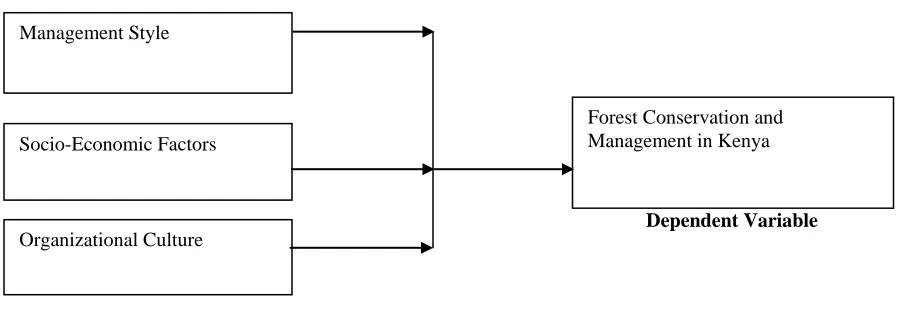
Conceptual Framework
Dependent Variable
[image:3.612.37.488.80.235.2]Independent Variables
Figure 1: Conceptual Framework
VI. RESEARCH METHODOLOGY
This study sought to examine the effects of devolution on forest conservation and management at Kenya Forest Service.
The study adopted a descriptive survey approach to answer the research questions. The descriptive design was deemed appropriate because the main interest was to establish the relationship and analyze how the factors supported matters under analysis in one County. According to Kothari (2006), a descriptive study is concerned with finding out the what, where and how of a phenomenon. Descriptive research design was chosen because it enabled the researcher to generalise the findings to a larger population.
According to Mugenda and Mugenda (2003), it is important and appropriate to use data where subjects are observed in either natural set ups without manipulating the environment. It can be used when collecting information about people’s attitudes and opinions. It is an efficient way to obtain information needed to describe the attitudes, opinions and views of management staff in the County government on the effects of devolution on forest conservation and management in Kenya forest service. This study targeted management staff in the Kenya Forest Service in Nairobi County. The researcher targeted the management of the forest who made a total of about 300 respondents. This population provided a significant representation of the whole Nairobi County in Kenya. The sampling frame of this study was departmental managers of Kenya Forest Service in Nairobi. In order for us to obtain a sample that was a representative of the population stratified method of sampling was used. A stratified sample was obtained by taking random samples from each sub-group of the population, this ensured that all members of the population were included in the study. From the possible target population of 300, a sample of 90 personnel that comprised of low and top managers was selected. This was 30% of the total population. Kothari (2006) argues that if well chosen, samples of about 30% of a population can often give acceptable reliability values for the findings. In addition Mugenda and Mugenda (2003) states that in stratified sampling where
population within each strata is known, a sample of 30% is adequate representation for data collection. The managers were deemed suitable for the study as they have better knowledge and awareness on the issue at stake and would provide specific information from a management perspective.
Primary data was gathered directly from respondents using a structured and non-structured questionnaire via the drop and pick method. The research instruments were organized based on the objectives of the study. This enabled the researcher to be in a position to analyze the effects of devolution on forest conservation and management in Kenya forest service within Nairobi County in Kenya and any other factor not mentioned in the study. Secondary data was also collected from a review of documented data, both in hard and soft copies. Cooper and Schindler (2010) further explain that secondary data is a useful quantitative technique for evaluating historical or contemporary confidential or public records, reports, government documents and opinions. Fisher (2007) add that, numerical records can also be considered a sub category of documents and that such record include figures, reports and budgets. This basically implies the incorporation of valuable statistical data in the study.
Quantitative data collected using questionnaires was analyzed by the use of descriptive statistics using SPSS (Statistical Package for Social Sciences) and was presented through percentages, means and frequencies. The information was displayed by use of frequency tables and charts. Content analysis was used to analyze data collected from the open ended questions. According to Kirk and Miller (2006), content analysis uses a set of categorization for making valid and replicable inferences from data to their context. This offered a systematic and qualitative description of the objectives of the study. In addition, the researcher conducted a multiple regression analysis so as to determine the relationship between the effects of devolution and forest conservation and management in Kenya. The regression equation that guided the study was (Y = β0 +
β1X1 + β2X2 + β3X3 + ε):
Whereby Y = Forest Conservation and Management X1 = Management Style
X2 = Socio economic factors
Management Style
Forest Conservation and Management in Kenya Socio-Economic Factors
X3 = Organizational Culture
And β0 β1 β2and β3 are the regression equation coefficients for each of the variables discussed.
VII. RESEARCH FINDINGS AND DISCUSSION The study investigated the factors affecting devolution of forest conservation and management, a case of Kenya Forest Service. The data collected was analyzed, presented and interpreted. The results are presented in form of graphs, tables, charts and qualitative statement after proper and essential editing and examination of the data from the respondent was done. There were 85 respondents out of the total sample targeted of 90 people. This is equivalent to 93% of the target group. The discussion found in this chapter is based on the results or the output of the SPSS.
Results and Discussion
This part provides the results and discussion of the outcome and data analysis of this study. This is based on the questions and research objectives of the study which is to investigate the factors affecting forest conservation and management in the Kenya forest service.
Response Rate
Out of the sample size of 90 comprising of top level management, middle level management and low level management, 5 top managers responded, 24 middle management responded and 56 low level managers also responded. This composition of respondents is important since it represents all categories that deal with the Kenya Forest Service.
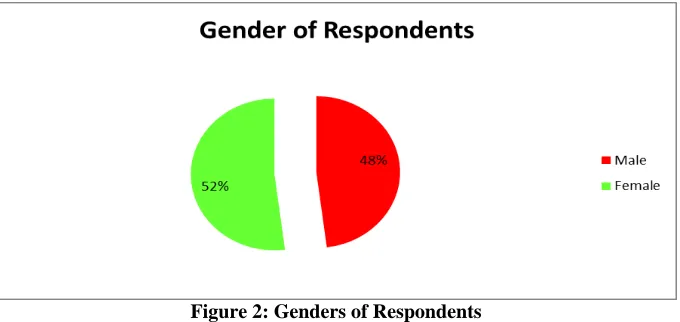
[image:4.612.138.478.268.429.2]Gender of the Respondent
Figure 2: Genders of Respondents
From the findings, it is clear that 52% of the respondents are female while 48% of the respondents are male. This implies that there was a big proportion of women than men.
Education Level of Respondent
Table 1: Education Level of Respondent
Frequency Percent
Valid Certificate 10 18.8
Diploma 34 40.0
Degree 25 29.4
Masters 16 11.8
Total 85 100.0
The study shows that most of the respondents are holders of diploma represented by 40% of the respondents while 29.4 % are holders of degrees according to the respondents. The study also shows that 18.8% of the respondents are certificate holders. Another group of respondents stated that they hold certificates. Only 11.8% of the respondents are masters’ holders. Thus majority of the respondents hold diplomas.
[image:4.612.88.523.520.609.2]Figure 3: Effects of Management Style
The study shows that most of the respondents stated that the management style contribute heavily on forest conservation and management. This is represented by 74.9% of the respondents while 25.1% of the respondent stated that there is no influence of management style on forest conservation and management. This shows that the management style contribute towards forest conservation and management.
Senior management duty delegation affects forest management
Figure 4: Senior management delegates duties to juniors
The study shows that majority of the respondents stated that senior management delegates duties to juniors in the organization. This is represented by 51.8% of the respondents while 17.6% of the respondent also agreed that senior management delegates duties to juniors. This shows that senior management delegation of duties to juniors contribute greatly on forest conservation and management.
Managers are willing and loyal to forest conservation and management
Senior management delegates duties to juniors
51.8%
17.6% 10.6% 10.6% 9.4%
STRONGLY AGREED
AGREED NOT SURE DISAGREED STRONGLY DISAGREED
Management style Affects Forest conservation and management
74.1%
25.9%
YES
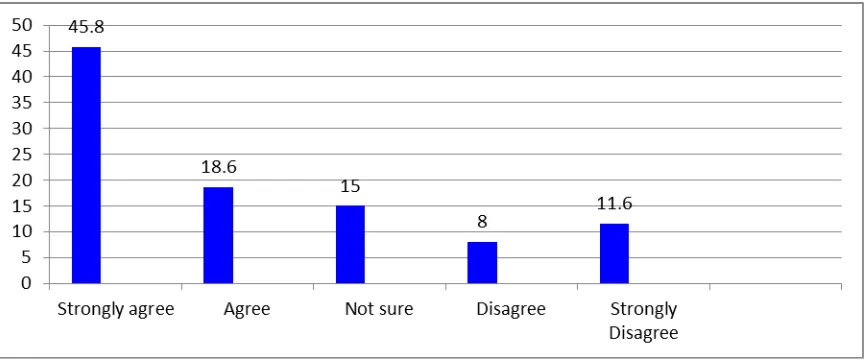
[image:5.612.72.505.368.592.2]Figure 5: Managers willingness and loyalty to forest conservation and management
From the study it’s clear that that majority of the respondents stated that managers are willing and loyal to forest conservation and management. This is represented by 45.8% of the respondents while 18.6% of the respondent also strongly agreed that managers are willing and loyal to forest conservation and management. This shows that manager’s willingness and loyalty contribute towards forest conservation and management.
Lack of top management backing is the main inhibiting factor
Figure 6: Lack of top management backing in forest conservation and management
The study shows that most of the respondents strongly disagreed that top management lack backing in forest conservation and management. This is represented by the 43.5%% of the respondents. It’s also clear from the study that some respondents disagree that top management lack backing in forest conservation and management as per 20% of the respondents. The study also shows that 11.8% of the respondents agreed that top management lack backing in forest conservation and management; this is according to 11.8% of the respondents.
Department heads do not give their subordinates support
Lack of Top Management Backing
10.6%
11.8%
14.1%
20.0%
43.5% STRONGLY AGREED
AGREED
NOT SURE
DISAGREED
[image:6.612.92.431.336.610.2]Table 2: Procedures are followed
Frequency Percent
Valid Strongly Disagreed 40 47.1
Disagreed 21 24.7
Strongly Agreed 13 19.3
Not Sure 5 1.9
Agreed 6 7.1
Total 85 100.0
The study shows that most of the respondents stated that they disagree that department heads do not give their subordinates support and this is represented by 41.1% of the respondents while 24.7% of the respondents stated that they disagree that department heads do not give their subordinates support. The 19.3% of the respondents agreed that department heads do not give their subordinates support. This shows that department heads give their subordinates support in forest conservation and management.
[image:7.612.84.525.260.477.2]Socio-economic Activities
Figure 7: Socio-economic Activities
Majority of the respondents stated that socio-economic activities affect forest conservation and management. This is supported by 62.4% of the respondents, while 37.6% of the respondents stated that socio-economic activities do not affect forest conservation and management.
Extent to which socio-economic activities affect forest conservation and management
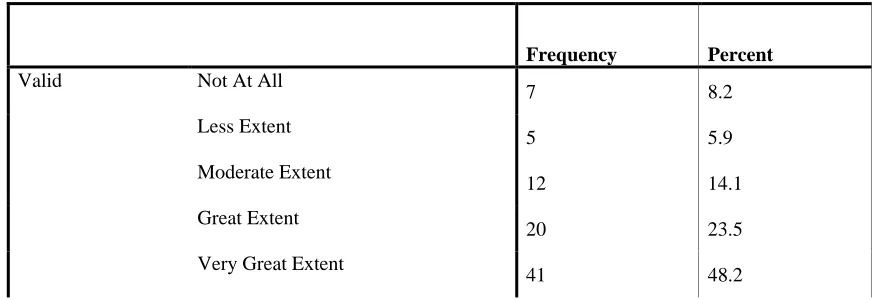
Table 3: Extent to which socio-economic activities affect forest conservation and management
Frequency Percent
Valid Not At All
7 8.2
Less Extent
5 5.9
Moderate Extent
12 14.1
Great Extent
20 23.5
Very Great Extent
[image:7.612.86.524.584.734.2]Total
85 100.0
It is clear from the study that most of the respondents’ strongly agreed that socio-economic activities affect forest conservation and management. This is supported by 48.2% of the respondents. The 23.5% of the respondents were of the opinion that socio-economic activities to a great extent affect forest conservation and management. But 8.2% strongly did not agree that socio-socio-economic activities affect forest conservation and management only 5.9% of the members were of the opinion that socio-economic activities affect forest conservation and management to a less extent.
[image:8.612.88.418.202.452.2]The economic levels have really grown over the years
Figure 8: Adequate Socio-economic activities
The study shows that most of the respondents’ strongly agreed that the economic levels have really grown over the years. This is supported by 50.6% of the respondents. The 24.7% of the respondents agreed that the economic levels have really grown over the years. But 11.9% strongly disagreed that economic levels have really grown. Therefore forest conservation and management is diverted by the socio-economic activities.
[image:8.612.91.504.562.725.2]Salaries paid to employees are not enough in this day and age
Figure 9: Poor salaries payment to employees
POOR SALARIES PAYMENT TO EMPLOYEES
STRONGLY AGREED AGREED
NOT SURE DISAGREED
STRONGLY DISAGREED 70
60
50
40
30
20
10
0
ADEQUATE SOCIO-ECONOMIC ACTIVITIES
STRONGLY DISAGREED
DISAGREED
NOT SURE
AGREED
STRONGLY AGREED
PERCENTAGE
The study shows that most of the respondents’ strongly agreed that the salaries paid to employees are not enough in this day and age. This is supported by 61.2% of the respondents. The 11.8% of the respondents agreed that the salaries paid to employees are not enough in this day and age. But 14.1 % strongly disagreed that salaries paid to employees are not enough in this day and age. Therefore majority of respondents were in agreement that the salaries paid to employees are not enough in this day and age.
[image:9.612.83.451.147.321.2]Economic levels determine the level of forest conservation
Figure 9: Economic levels determine the level of forest conservation
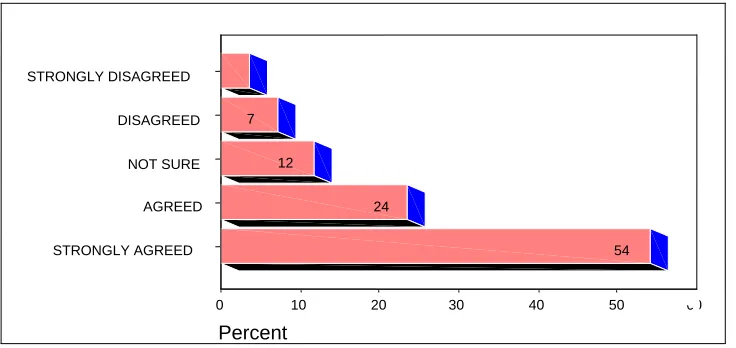
It’s clear that most of the respondents’ strongly agreed that economic levels determine the level of forest conservation. This is supported by 54 % of the respondents. The 24% of the respondents agreed that economic levels determine the level of forest conservation. But 4.1% strongly disagreed that economic levels determine the level of forest conservation.
The government allocates very little amount on forest conservation
36.5%
21.2%
17.6% 14.1% 10.6%
STRONGLY AGREED
AGREED
NOT SURE DISAGREED STRONGLY DISAGREED
STRONGLY DISAGREED
DISAGREED
NOT SURE
AGREED
STRONGLY AGREED
Percent
60 50
40 30
20 10
0
54 24
Figure 10: The government allocates very little amount on forest conservation
The study shows that most of the respondents’ strongly agreed that the government allocates very little amount on forest conservation and management. This is supported by 36.5% of the respondents. The 21% of the respondents agreed that the government allocates very little amount on forest conservation. But 10.6% strongly disagreed that the government allocates very little amount on forest conservation and management.
[image:10.612.82.523.184.248.2]Does organizational culture affect forest conservation and management
Table 4: Organizational Culture
Frequency Percent
Valid Yes 25 29.4
No 60 70.6
Total 85 100.0
The study shows that 70.6% of the respondents stated that organizational culture affect forest conservation and management while 29.4% of the respondents stated that organizational culture affect forest conservation and management.
[image:10.612.84.443.310.539.2]Lack of understanding of forest conservation and management
Figure 11: Lack of understanding of forest conservation and management
The study shows that most of the respondents’ strongly disagreed that there is lack of understanding of forest conservation and management. This is supported by 43.5% of the respondents. The 25.9 % of the respondents disagreed that there is lack of understanding of forest conservation and management. But 9.4 % strongly agreed that there is lack of understanding of forest conservation and management.
Customers and staff not fully appreciating the culture
LACK OF UNDERSTANDING OF FOREST MANAGEMENT
9.4%
8.2%
12.9%
25.9%
43.5% STRONGLY AGREED
AGREED
NOT SURE
DISAGREED
Table 5: Customers and staff not fully appreciating the culture
Frequency Percent
Valid Strongly Disagreed 4 4.7
Disagreed 7 8.2
Agreed 17 37.0
Not Sure 16 1.8
Strongly Agreed 41 48.2
Total 85 100.0
The study shows that 48.2% of the respondents’ strongly agreed that customers and staff do not fully appreciate the culture. The 37% of the respondents agreed that customers and staff do not fully appreciate the culture. But 8.2 % of the respondents disagree that customers and staff do not fully appreciate the culture. Only 4.7% strongly disagreed that customers and staff do not fully appreciate the culture. The 1.8% of the respondents stated that they are not sure.
Ignoring the day-to-day business imperatives
Figure 12: Ignoring the day-to-day business imperatives
The study shows that 60% of the respondents’ strongly agreed that ignoring the day-to-day business imperatives affects forest conservation and management. The 17.6% of the respondents agreed that ignoring the day-to-day business imperatives affects forest conservation and management. But 11.8 % of the respondents disagree that ignoring the day-to-day business imperatives affects forest conservation and management. Only 11.8% strongly disagreed that ignoring the day-to-day business imperatives affects forest conservation and management. The 1.8% of the respondents stated that they are not sure.
Managers are free to make decisions
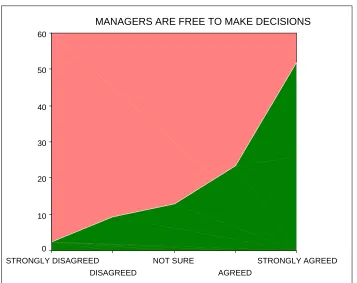
The study shows that 51% of the respondents’ strongly agreed that managers are free to make decisions. However 27.6% of the respondents agreed that managers are free to make decisions. But 13.8% of the respondents are not sure whether that is the case. Only 9.8% strongly agreed that managers are free to make decisions. The 2% of the respondents stated that they strongly disagreed.
[image:11.612.90.525.269.531.2]Figure 13: Managers are free to make decisions
Further Analysis
Table 6: Analysis of Management style
Senior management delegates duties to juniors management is important
Managers are willing and loyal
to forest conservation
Lack of top management
backing is the main inhibiting factor
Department heads do not give their subordinates
support
Senior management delegates duties to juniors
Pearson
Correlation 1 .908 .746 .911
P-value
. .012 .023 .015
Managers are willing and loyal
to forest conservation
Pearson
Correlation .908 1 -.375(*) .949
P-value
.012 . .026 .000
Lack of top management backing is the main inhibiting factor
Pearson Correlation
.746 -.375(*) 1 -.457
P-value .023 .026 . .006
Department heads do not give their subordinates
Pearson Correlation
.911 .949 -.457 1
MANAGERS ARE FREE TO MAKE DECISIONS
STRONGLY AGREED AGREED
NOT SURE DISAGREED
STRONGLY DISAGREED 60
50
40
30
20
10
[image:12.612.71.541.412.735.2]support
P-value .015 .000 .006 .
* Correlation is significant at the 0.05 level (2-tailed).
[image:13.612.61.543.57.88.2]From table 6, the results shows that management style is positive and significantly (p value, 0.012) related to forest conservation and management. The table also shows that lack of top management backing is the main inhibiting factor, hence it is positive and significantly (p-value, 0.023), further, It is also established that department heads do not give their subordinates support, (p-value 0.015).
Table 7: Analysis of Socio-economic Activities
The economic levels have really grown over the years
The salaries paid to employees
are not enough in this day and age
Economic levels determine whether people will conserve the forest cover or not
The government allocates very little amount on forest conservatio n
The economic levels have really grown over the years
Pearson Correlation
1 .988(**) .766(**) .963(**)
p-value
. .014 .044 .019
The salaries paid to employees are not enough in this day and age
Pearson Correlation
.988(**) 1 -.903(**) .950(**)
p-value .011 . .000 .000
Economic levels determine whether people will conserve the forest cover or not
Pearson Correlation
.766(**) -.903(**) 1 -.872(**)
p-value .044 .000 . .000
The government allocates very little amount on forest conservation
Pearson Correlation
.963(**) .950(**) -.872(**) 1
p-value .019 .000 .000 .
** Correlation is significant at the 0.01 level (2-tailed).
Table 8: Organizational Culture in Forest conservation and management
Lack of understanding
Customers Ignoring Managers
Lack of understanding of forest conservation
Pearson Correlation
1 .908 .776 .811
p-value . .038 .019 .024
Customers and staff not fully appreciating
Pearson Correlation
.908 1 -.375(*) .949
p-value .038 . .026 .000
Ignoring the day-to-day business imperatives
Pearson
Correlation .776 -.375(*) 1 -.457
p-value .019 .026 . .006
Managers are free to make decisions
Pearson Correlation
.811 .949 -.457 1
p-value .024 .000 .006 .
* Correlation is significant at the 0.05 level (2-tailed).
[image:14.612.83.529.544.687.2]The results from table 8 above shows that effect of communication on forest conservation and management is positive and significantly (p-value 0.038) related to forest conservation and management. It was established also from table 7 that ignoring the day-to-day business imperatives is positive and significantly (p-value, 0.019.) related to forest conservation and management. The results from the table also shows that managers are free to make decisions is positive and significantly (p-value, 0.024) related to forest conservation and management. Hence we conclude that the there is a strong relationship between communication and forest conservation and management.
Table 9: Regression Coefficients
Model Un-standardized
Coefficients
Standardized Coefficients
B Std. Error Beta T Sig.
Constant .614 .394 4.098 .015
Management style .263 .067 .385 3.925 .023
Socio-economic activities .233 .079 .317 2.949 .033 Organizational culture .010 .058 .016 .172 .021 From the data in the above table the established regression equation was:
From the above regression equation it was revealed that holding management style, socio-economic activities, and organizational culture to a constant zero, forest conservation and management would stand at 0.614, at sig level of 0.015, a unit increase in management style would lead to increase in forest conservation and management by a factors of 0.263 at sig level of 0.023, unit increase in socio-economic activities would lead to increase in forest conservation and management by a factor of 0.233 at sig level of 0.033, a unit increase in organizational culture would lead to increase in forest conservation and management by a factor of 0.010 at level of significance of 0.021.
VIII. CONCLUSION AND RECOMMENDATIONS Devolution of forest conservation and management is a big challenge to any county. The management has to strategize on how to deal with devolution of forest conservation and management looking at the factors that affects forest conservation and management. Considering the fact that Kenya forest service has forest conservation and management checking mechanisms, organizational culture checking mechanisms as well as good socio-economic activities then it’s possible to implement devolution of forest conservation and management.
Management Style
The study shows that management style correlate well with forest conservation and management. Forest conservation and management handling also relate well with forest conservation and management. From the study it is clear that the management style is a major factor in forest conservation and management. The respondents who were in agreement were many. The study was carried out with the main aim of finding out whether management style affects forest conservation and management in Kenya forest service and the devolved units. According to the findings the study found that management style greatly affects forest conservation and management in Kenya Forest Service. Management style therefore greatly determines whether the strategy will be implemented. Many factors have been identified as major determinants of forest conservation and managements.
Socio-economic activities
Socio-economic activities are a factor that contributes to forest conservation and management in Kenya forest service. It is clear that this variable correlate well with the dependent variable which is forest conservation and management. From the table it is shown that the main reason this occurs according to the respondent is the lack of favourable economic levels which are necessary in forest conservation and management. It is unfortunate that sound socio-economic activities are not independent of literacy level. When the economy grows it become possible to meet forest conservation and management but if the economy stagnate then forest conservation and management become difficult.
Organizational Culture
There was a. moderate correlation between various independent variables, and a strong correlation between the organizational culture and forest conservation and management
and this corresponds with the expected results and also agrees with Ahamad, (2012), who found out that, lack of clarity in organizations standards, way of doing things and how employees should conduct themselves are some of the very important causes of forest conservation and managements.
This Research agrees with the above indications from the data arrived at from the findings. The rising number of deforestation and climate change in Kenya and the world at large has led to the need of enhancing organizational culture so as to have strong institutions with the right conduct. This study aimed at investigating whether the organizational culture as an independent variable affect forest conservation and management.
IX. CONCLUSION
The results from this study have shown that management style, socio-economic activities as well as organizational culture have a bearing on forest conservation and management. The Pearson correlation has established that there exists a correlation between the various aspects of forest conservation and management being management style, socio-economic activities as well as organizational culture and have the strongest relationship as per their coefficient.
Forest conservation and management has a lot of challenges which have to be corrected so as to have positive results in forest conservation and management. County governments are considered to have lagged behind in managing forest conservation and management, but the socio-economic activities plays a greater part in managing forest conservation and management by the Kenya Forest Service. Good management style is important if the Kenya Forest Service and county Governments are to gain more skills and better management standards so as to conserve Kenyan forests wholly. This is supported by the respondents in the study. However by Kenya Forest Service undertaking SWOT analysis to determine management style, socio-economic activities as well as organizational culture is able to implement strategies and increase the revenue.
X. RECOMMENDATIONS
Based on the results of the study the researcher recommends various ways that Kenya Forest Service and counties can use to ensure high levels of forest conservation and management.
Management Style
be at any point in time pushed to be committed in forest conservation and management, there should be maturity and no follow ups on the happenings of the organization which in return leads to wastage of time and resources. But when the management is committed in forest conservation and management, thus the organization gains in productivity.
Socio-economic activities
Kenya Forest Service and county governments needs to evaluate all the avenues through which they can generate revenue so as to ensure high levels of forest conservation and management. This could be establishment of a consultancy department whereby these services can be extended to other Kenya Forest Service and the community. In addition to the above, Lack of socio-economic activities is a factor that contributes to poor forest conservation and management in Kenya and should be put into consideration by the Kenya Forest Service and counties. It is the duty of the institutions to ensure that their staff and customers are well remunerated and have the financial knowledge that they require in their level for there to be accountability and efficiency in the transactions of the Kenya Forest Service. Socio-economic activities should thus be emphasized and taken seriously in ensuring it does not affect forest conservation and management in Kenya Forest Service. Also the management should ensure that all steps relating to forest conservation and management are well coordinated and should not collide with the other so that harmony is maintained.
Organizational Culture
It is the mandate of the Kenya Forest Service to regulate the conduct of their employees and ensuring that forests are well managed. Kenya Forest Service and counties should adopt and implement different cultures for efficiency and effectiveness of the forest conservation and management. The government should come up with a new bill that covers all aspects of forests conservation and management in Kenya and encourage more well-wishers to participate in the growth of the economy, this can only happen if the organization upholds positive organizational cultures and ensures all stakeholder are gaining from it and its for the benefit of the organization to ensure optimal productivity. Therefore organizational culture is of great concern in forest conservation and management and it should be emphasized that good and positive cultures should be practiced by the Kenya Forest Service always and devolved units to ensuring that forest conservation and management comes first in its culture.
XI. SUGGESTIONS FOR FURTHER RESEARCH The researcher suggests that the research on the impact of establishment of by laws on devolution of forest conservation and management in the Kenya Forest Service to be done. This is to establish whether the Kenya Forest Service and the devolved units can be more professional, get higher allocations from the government and be more effective in its operations. The findings would complement findings of this research. The researcher recommends this research to be done specifically on the Kenya Forest Service and particularly within the County level. The main focus should be on the challenges facing devolution of forest conservation and management in Kenya.
REFERENCES
[1] Abdel, A., and Kobbail, R. (2012), Local people’s attitude towards community forestry practices: A case study of Kosti province-central Sudan, International journal of forestry research, 2012
[2] ACCORD (2009), Natural Resources, the Environment and Conflict, The African Centre for the Constructive Resolution of Disputes (ACCORD) [3] Adhikari, B. (2006), Property rights and natural resources: Socioeconomic
heterogeneity and distributional implications of common property resource management, United Kingdom, University of York
[4] Adhikari, B., Di Falco, S., and Lovett, C. (2006), Household characteristics and forest dependency: Evidence from community forest management in Nepal, Ecological economics. 48, 245-257
[5] Agrawal, B. (2007), Gender inequality, cooperation and environmental sustainability. Princeton university press, New Jersey, USA
[6] Agrawal, A., and Chhatre, A. (2009), Trade-offs and synergies between carbon storage and livelihood benefits from forest commons, National academy of sciences, 1 (106), 17667-17670
[7] Agrawal, Chhatre & Hardin (2008), Trade-offs and synergies between carbon storage and livelihood benefits from forest commons, National academy of sciences, 1 (106), 17667-17670
[8] Agrawal, A. and Gupta, K. (2005), Decentralization and participation: The governance of common pool resources in Nepals’ Terai region, World development, 33(7), 1101-1114
[9] Alemnew, A., Yonas, Y., Demel, T., and Sue, E. (2011), Socioeconomic factors affecting sustainable utilization of woody species in Zergie peninsula, north western Ethiopia, Tropical ecology, 51, 13-24
[10] Alphonse, N., and Gu, Y. (2009), Local livelihoods and protected area conservation in Rwanda: A case study of Akagera national park, Journal of American science, 9, 171-178
[11] Angelsen, A., and Wunder, S. (2008), Exploring the forest-poverty link: Key concepts, issues and research implications, Jakarta: Center for international forestry research
[12] Armatya, S. (2009), Development as freedom, Oxford university press, Oxford
[13] Armstrong, M. (2006), A Handbook of Human Resource Management Practice, 10th edition, Kogan Page Limited, London and Philadelphia
[14] Aosa, E. (2007), An empirical investigation of aspects of management in large private manufacturing firms in Kenya, Strathclyde University: Unpublished PhD thesis.
[15] Awino, Z. B. (2007), The Effect of Selected variables on corporate performance: A survey of Supply Chain Management in Large Private Manufacturing Firms in Kenya, University of Nairobi: Unpublished PhD Thesis
[16] Banana, A., Leon, R., Marino, L., Onyugo, P., Mwangi, E., Meinzen-Dick, R., and Sun, Y. (2008), Does gender influence forest management? Exploring cases from East Africa and Latin America, Cheltenham
[17] Bateman, S., & Zeithman, P. (2008), Management, Function and Strategy (2nd ed.) Irwin: Illinois
[18] Behera, B., and Angel, S. (2006), Who forms local institutions? Levels of household participation in Indias’ joint forest management program, University of Bonn, Germany
[19] Behera, B., and Engel, S. (2004), The four levels of institutional analysis of evolution of joint forestry management (JFM) in India: A new institutional economics (NIE) approach, Oaxaca
[20] Benjamin C. E. and Wilshusen P. R. (2007), Reducing Poverty through Natural Resource-Based Enterprises: Learning From Natural Product Value Chains, International Resources Group (IRG), United States Agency for International Development (USAID)
[21] Brannlund, R., Sidibe, A., and Gong, P. (2009), Participation in forest conservation in Kaboretambi national park in southern Burkina Faso, Forest policy and economics, 11(7), 468-474
[23] Buyinza, M., and Negula, A. (2007), Adoption of agro forestry technology and land conservation strategies in the highlands of south western Uganda, Research journal, 12(1), 13-24
[24] Cater, T., & Pucko, D. (2010), Factors of Effective Management: Empirical Evidence from Slovenian Business Practice, Journal for East European Management, Vol.15 (3)
[25] Catree, N., and Braun, B., (2006), ”socializing nature,”. Social Nature theory, practice and politics, Oxford, Blackweel publishers
[26] Cavalcanti, C., Shlanfer, F., and Schmidt, B. (2010), Public participation and willingness to cooperate in common pool resource management: A field experiment with fishing communities in Brazil, Ecological economics, 69(3), 613-622
[27] Chandran, E. (2004), Research Methods, Nairobi: Star bright services limited, Kenya
[28] Chen, L. C. (2007), Aligning with vision and values, Journal of Leadership excellence, 23(4), 6
[29] Chikamai, B. N. and Odera, J. A. (2007), Commercial Plant Gums and Gum Resins in Kenya: Sources of Alternative Livelihood and Economic Development in the Drylands, KEFRI
[30] Churchill and Peter (2008), Protecting the poor, micro insurance compendium, international labour organization
[31] Colfer, P., and Wadley, R. (2006), Assessing participation in forest management: Workable methods and unworkable assumptions, Center for international forest research (CIFOR)
[32] Convention on Biological Diversity (2006), Global Biodiversity Outlook (Montreal: Secretariat of the Convention on Biological Diversity)
[33] Cooper, D.R and Schindler, P.S (2010), Business Research Methods, Tata McGraw-Hill, 8th Edition, New Delhi, India
[34] Coulibay, P. (2011), Appraisal of participatory forest management program in southern Burkina Faso, (Doctoral dissertation), Alnarp: Swedish university of agricultural sciences
[35] Coulibay, P., Patrice, S., Mulualem, T., and Per-Christer, O. (2009), Factors influencing people’s participation in the forest management program in Burkina Faso, west Africa. Forest policy and economics, 13(4), 292-302 [36] Cox, T. Jr., (2004), the Importance of research in determining
organizational Effectiveness, International Journal of Management Reviews, Vol. 2 No.4
[37] Cronkleton, P., Leigh, L., Barry, D., Stone-Jovitich, S., and Shmink, M. (2008), Environmental governance and the emergence of forest based natural resource management (CBNRM) in Cambodia, Cambodia: CBNRM learning Institute
[38] Dolisca, F., Carter, D., McDaniel, J., Shannon, D., and Jolly, C. (2006), Factors influencing farmers participation in forestry management programs: A case study of Haiti, Forest ecology and management, 236(2-3), 234-331 [39] FAO (2009), Forests and Conflict, Food and Agriculture Organization
(FAO) of United Nations (UN), Facility Digest, Rome
[40] Fisher, C. (2007), Researching and Writing a Dissertation: A Guidebook for Business Students. Essex, England: Pearson Education Limited [41] Flintan, F., and Tedla, S. (2010), Natural resource management: The
impact of gender and social issues, Kampala, Fountain publishers [42] Global forest coalition, (2010), Getting to the roots: Underlying causes of
deforestation and forest degradation and drivers of forest restoration [43] GOK/Forest Action Network and others (2008), Understanding the new
Forest Policy and Forests Act: A framework for sustainable forest management in Kenya
[44] Guth, M. J. & McMillan, O. (2006), The dynamics of organizational culture, Academy of management review, 18
[45] Hofstede, C., Krohmer, H., and Workman, J.P. (2006), “A strategy implementation perspective of market orientation”, Journal of Business Research, 57, 1331–1340
[46] ICIPE, (2009), Promotion of Nature-Based, Sustainable Businesses for Forest-adjacent Communities in the East-Usambara-Tanga, Taita Hills, and Lower Tana River Forests, International Centre of Insect Physiology and Ecology (ICIPE) East African Wildlife Society (EAWS) and the Tanzanian Forest Conservation Group.
[47] Judge & Allan (2007), Corporate culture's impact on a strategic approach to quality, Mid-American Journal of Business, 15 (1)
[48] Kenea, W. (2008), Rural livelihoods, land management and biodiversity-community participation for biodiversity conservation: The case of
Kakamega forest in western Kenya, (PhD dissertation), Germany: TU Dortmund
[49] Khanka S.S (2006), organization behavior leading to people, 4th Edition,
Khanka Publishers, Nairobi, Kenya
[50] Kiplangat, A., Mburu, J., and Mugendi, D. (2010), Assessing tropical forests contribution to local community’s livelihoods using forest product substitutes: A case study, International journal of ecological economics and statistics, 17, 51-65
[51] Kiplangat, A., Mburu, J., Mugendi, D., and Rietdorf, U. (2010), What influences household demand for non-timber forest products? Linking econometric and participatory methods in Kakamega forest, Kenya, Hamburg
[52] Kirk and Miller (2006), Principals of Management, 3rd edition, London
Publishers, London, UK
[53] Kothari, C.R. (2006), Research Methods: Methods and techniques, 3rd
Edition. New age international publishers
[54] Kohm K and Franklin J. (2007), Creating forestry for the 21st century: The science of ecosystem management. Island Press, Washington D.C
[55] Kugonza, A., Buyinza, M., and Byakigaba, P. (2009), Linking local community livelihoods and forest conservation in Masindi district north western Uganda, Research journal of applied sciences, 4(1), 10-16 [56] Lele, S., Wilsheshen, P., Brokington, D., Seidler, R., and Bawa, K. (2010),
Beyond exclusion: Alternative approaches to biodiversity conservation in the tropics, Current opinion in environmental sustainability, 2, 1-7 [57] Lepetu, J., and Oladele, O. (2009), Socioeconomic determinants of forest
conservation in Botswana, Hamburg
[58] Macura, B., Torodo-Rodriguez, F., Grau-Satorras, M., Garcia, C., and Reyes-Garcia, V. (2011), Local community attitudes towards forests outside protected areas in India: Impact of legal awareness, trust and participation, Ecology and society. 16(3), 10
[59] Matiko, P. (2007), The coastal forests of Kenya: A national synthesis report for the development of the WWF-EARPO Eastern Africa coastal forests ecoregion program, WWF
[60] Mehta, J., and Heinen, J. (2006), Does community base conservation shape favorable attitudes among locals? An empirical study of Nepal, Environmental management, 28, 165-177
[61] Mugenda and Mugenda (2003), Research Methods, 3rd edition, Labis
graphics Service, Nairobi, Kenya
[62] Muir, A. (2006), Customary pastoral institutions study: Unpublished report for the SC-US PLI Consortium, CARE PLI consortium and SOS Sahel Borana Program. Addis Ababa
[63] Naidu, S. (2011), Gendered effects of work and participation in collective forest management, Dayton: Wright state university
[64] Olsson, M., and Knudsen, A. (2004), Towards sustainable forest management and poverty alleviation in the Philippines: A case study on institutional constraints and possibilities in pursuing sustainable forest management and livelihood means on Sibuyan island, the Philippines, (Master’s thesis), Roskilde university
[65] Orwa (2007), Fundamental of management, 7th Edition, Macmillan
publishers, Nairobi, Kenya
[66] [66] Ozturk, A., Saglam, B., and Barli, O. (2010), Attitudes and perceptions of rural people towards forest protection within the scope of participatory forest management: A case study from Artvin, turkey, African journal of agricultural research, 5(12)
[67] Pearce, J., Robinson, R., and Mital A., (2007), “Organizational Management: Formulation, Implementation and Control”, New Delhi: Tata Mc Graw Hill.
[68] Sackman, E. (2008), Mentoring and building managerial skills: The role of supervisory career research, Journal of Vocational Behaviour, 65
[69] Secretariat of the convention on biological diversity (2009), Sustainable forest management, biodiversity and livelihoods: a good practice guide, Montreal
[70] Shrestha, R., and Alavalapati, J. (2006), Linking conservation and development: An analysis of local peoples attitude towards Koshitappu wildlife reserve, Nepal
[72] Taylor, B. (2005), The New Strategic Leadership, Bringing changes, getting results, (2
nd
Ed.), Strategic Environment handbook, London: Pitman [73] Thenya, T, Wandago, B.O.B., Nahama, E.T, and M. Gachanja (2007),
Participatory Forest Management Experiences in Kenya, Kenya Forest Working Group, Nairobi, Kenya
[74] Thompson, A.A and Strickland, A.J. (2007), Environmental Management: Concepts and Cases. (12th ed), New York: McGraw-Hill
[75] Thorai, T., and Ranola, R. (2010), Decision making by farmers on forest management in the North west mountainous region of Vietnam, JISSAAS, 16(1), 68-82
[76] Uma, S. (2006), Research Methods for Business: A Skill Building Approach. 4th edition, Wiley India, New Delhi
[77] UNIDO, (2012), Bamboo Harvesting and Preservation, Bamboo Training Manual 1: United Nations Industrial Development Organization, Nairobi, Kenya
[78] United Nations Environmental Program (2010), Environmental change and socioeconomic factors in Africa, Encyclopedia of the earth, May 23rd 2010 [79] Vedeld, P., Angelsen, A., Sjaastad, E., and Berg, G. (2009), Counting on
the environment: Forest environmental incomes and the rural poor, World bank
[80] Verghese, J., and Reed, M. (2012), Theorizing the implications of gender order for sustainable forest management, International journal of forestry research
[81] Wambui, G. L. (2006), Managers and Strategy Implementation in Kenya, University of Nairobi: Unpublished
[82] White, A., and Martin, A. (2007), Who owns the worlds’ forests? Forest tenure and public forests in transition, Washington DC: Center for international environmental law
[83] Xu, J., Chen, L., Lu, Y., and Fu, B. (2006), Local people’s perceptions as decision support for protected area management in Wolong Biosphere reserve, China.
AUTHORS
First Author: Charles Otieno Joabs is an assistant director at Kenya Forest Service in charge of forest law enforcement and compliance. He is a retired military officer and an accomplished senior forest security and protection officer. He is pursuing an Executive Master of Science degree in Governance and Leadership at Jomo Kenyatta University of Agriculture & Technology (JKUAT): Nairobi, Kenya. He very passionate in forest conservation and management. Email:
Second Author: Dr. Kepha Andrew Ombui is an adjunct lecturer in the School of Human Resource and Development at Jomo Kenyatta University of Agriculture and Technology (JKUAT): Nairobi. Kenya. He also works as a Human Resource Officer with a leading Agricultural Research Institution. He is an expert in Human Resource Management having attained a PhD in Human Resource Management. Email: