16
Managing
Retailing,
Wholesaling,
and Logistics
Table 16.1 Major Retailer Types
Specialty store
Department store
Supermarket
Convenience store
Discount store
Off-price retailer
Superstore
Catalog showroom
Levels of Retail Service
Self service
Self selection
Limited service
Copyright © 2009 Pearson Education, Inc. Publishing as Prentice Hall 16-4
Nonstore Retailing
Direct selling
Direct marketing
Changes in the
Retail Environment
New retail forms and combinations
Competition between store-based and
non-store-based retailing
Growth of giant retailers
Decline of middle market retailers
Growing investment in technology
Global profile of major retailers
Retailers’ Marketing Decisions
Target market
Product assortment
Procurement
Prices
Services
Store atmosphere
Store activities
Store experiences
Communications
Location
Store Atmosphere
Walls
Lighting
Signage
Product placement
Floors
Surface space
Music
The Fornarina flagship store features award-winning retail
Copyright © 2009 Pearson Education, Inc. Publishing as Prentice Hall 16-8
Tips for Increasing Sales
in Retail Space
Keep shoppers in the store
Honor the transition zone
Don’t make them hunt
Make merchandise available to the reach and
touch
Note that men do not ask questions
Remember women need space
Private Label Brands
Private labels are ubiquitous
Consumer accepts private labels
Private-label buyers come from all
socioeconomic strata
Private labels are not a recessionary
phenomenon
Consumer loyalty shifts from manufacturers to
Copyright © 2009 Pearson Education, Inc. Publishing as Prentice Hall 16-10
Wholesaling Functions
Selling and
promoting
Buying and
assortment building
Bulk breaking
Warehousing
Transportation
Financing
Risk bearing
Market information
Management
Supply Chain Management
Supply chain management starts before physical distribution and means strategically procuring the right inputs (raw materials, components, and capital equipment); converting them efficiently into finished products; and dispatching them to the final destinations.
Market Logistics
Sales forecasting
Distribution
scheduling
Production plans
Finished-goods inventory decisions Packaging In-plant warehousing Shipping-room processing Outbound transportation
Field warehousing
Customer delivery
Copyright © 2009 Pearson Education, Inc. Publishing as Prentice Hall 16-14
Market Logistics Decisions
How should orders be handled?
Where should stock be located?
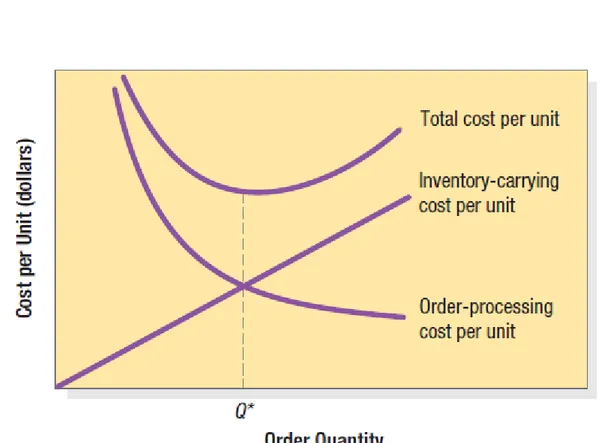
How much stock should be held?
Copyright © 2009 Pearson Education, Inc. Publishing as Prentice Hall 16-16
Transportation Factors
Speed
Frequency
Dependability
Capability
Availability
Traceability