Evaluation of a mental health literacy programme on
community leaders’ knowledge about and attitude towards
people with mental disorders in Ghana: Cluster
randomised controlled trial.
Yaw Amankwa Arthur
A thesis submitted in fulfilment of the requirements for the
degree of Doctor of Philosophy
in the Institute for Health and Sports,
Victoria University, Melbourne
Abstract
In Ghana, poor knowledge about mental disorders, compounded by negative attitudes developed from deep-rooted stigma, may be responsible for inappropriate behaviour towards people with mental disorders. The effects of negative societal reactions toward individuals with mental disorders and their families may be minimised considerably if people are exposed to credible and adequate information about mental disorders. The broad aim of this study was to evaluate the effectiveness of a mental health literacy programme on Ghanaian assembly members’ knowledge about and attitudes toward people with mental disorders. In addition, the study sought to evaluate the perspectives of the assembly members who participated in the programme about its usefulness and in what ways, if any, they used this acquired information in their routine dealings with people with mental disorders and their families.
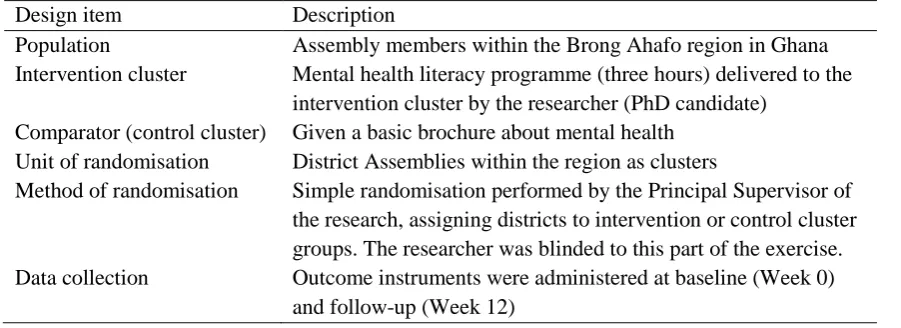
This was a mixed method, sequential explanatory design, comprising a cluster randomised controlled trial and a process evaluation. A mental health literacy programme, based on a problem-solving Story-bridge approach, underpinned by andragogy, was developed for the study. Ten district assemblies were randomised into intervention and control clusters. Overall, an equal sample of 70 assembly members in the intervention group received the programme while the control group received a plain language basic brochure about mental health issues. Data were collected from both groups at baseline and 12-week follow-up. In addition, a mixed method process evaluation was undertaken with the intervention group.
recommended ways to boost realisation of the programme objectives and education activities that could be introduced to improve community mental health literacy. Overall, the findings indicate that it is possible to improve people’s knowledge about and attitudes toward people with mental disorders and their families. The outcomes suggest that mental health education should be intensified to improve mental health literacy and reduce deep-rooted stigma. These improvements, in turn, may contribute to positive attitudes towards people with mental disorders and their families, enhance the quality of mental health service delivery, and decrease the treatment gap and burden of mental disorders in Ghana.
Doctor of Philosophy Declaration
I, Yaw Amankwa Arthur, declare that the Ph.D. thesis entitled 'Evaluation of a mental health literacy programme on community leaders' knowledge about and attitudes towards people with mental disorders in Ghana: Cluster randomised controlled trial' is no more than 100,000 words in length including quotes and exclusive of tables, figures, appendices, bibliography, references and
footnotes. This thesis contains no material that has been submitted previously, in whole or in part, for the award of any other academic degree or diploma. Except where otherwise indicated, this thesis is my own work.
Signature
Date
Acknowledgement
My Ph.D. journey has been extraordinary for me and utmost gratitude goes to God almighty who gave me life, energy and wisdom to complete this journey. I would also like to express my deepest appreciation to some persons and institutions who made my journey worthwhile. My first gratitude goes to the Institute for Health and Sports, Victoria University for providing me with a scholarship to pursue this Ph.D. programme.
Professor Terence McCann, my Principal Supervisor; I cannot find the words to express the gratitude that I owe you. Your patience in sharing your in-depth knowledge, providing consistent feedback and intellectual critique was such a valuable support and major reason for the completion of this thesis. You have been a great mentor, tutored me very well and I really appreciate it. Dr. Gayelene Boardman, my co-supervisor, you are not forgotten at all. Your insightful comments, constructive feedback and our conversations about my future are very significant to the success of my Ph.D. journey. I cannot thank you enough for the directions you provided.
I am also grateful to the administrative staff of the Institute for Health and Sport and Graduate Research Centre for their invaluable service provided to me in support of my Ph.D. programme. To Dr. Amy Morgan, thank you for your dedicated assistance regarding my statistical analysis. To Eileen Clarke, your editing of my thesis was just great; thank you.
My special thanks go to the officials and assembly members of the district assemblies who took part in this study. This study would not have been possible without your involvement. Your assistance and enthusiasm to make the study successful were well noted and duly appreciated. Similarly, I wish to express my gratitude to Dr Kofi Amo-Kodieh who acted as my local supervisor during my data collection in Ghana.
I am very thankful to Dr Patrick Swanzy and Dr Francis Ansah for their extraordinary support and motivation. I also express my appreciation to my fantastic Ph.D. colleagues especially Meg Polacsek and Elly Thompson for their friendship, support and motivation.
Table of contents
Abstract ... ii
Doctor of Philosophy Declaration ... iv
Acknowledgement ... v
Table of contents ... vii
List of tables ... xiv
Pages ... xiv
List of figures ... xv
Pages ... xv
List of abbreviations ... xvi
List of appendices ... xvii
Pages ... xvii
Chapter One ... 1
Introduction ... 1
1.1 Introduction ... 1
1.2 Background of the study ... 1
1.3 Research question ... 3
1.4 Aims of the study ... 3
1.5 Research hypotheses ... 4
1.6 Justification for the study ... 4
1.7 Outline of the thesis ... 5
Review of Literature ... 7
2.1 Introduction ... 7
2.2 Overview of the prevalence of mental health problems ... 7
2.3 A common mental disorder and a highly stigmatised disorder ... 9
2.3.1 Depression ... 10
2.3.2 Schizophrenia ... 16
2.4 Mental health legislation and practice in Ghana ... 21
2.4.1 Mental health legislation ... 21
2.4.1.1. Organisational structure and governance of mental health services ... 24
2.4.1.2. Mental health workforce... 26
2.4.1.3 Cultural influences on mental health practice ... 28
2.5 Summary ... 32
Stigma and Mental Health Literacy ... 33
3.1 Introduction ... 33
3.2 Stigma ... 33
3.2.1 Stigmatisation in developed countries ... 35
3.2.2 Stigmatisation in sub-Saharan African countries ... 36
3.2.3 Stigmatisation in Ghana ... 37
3.3 Mental health literacy ... 40
3.3.1 Mental health literacy in developed countries ... 40
3.3.2 Mental health literacy in sub-Saharan Africa countries ... 41
3.3.3 Mental health literacy in Ghana ... 42
3.3.4 Community-based approaches to mental health literacy in Ghana ... 42
3.3.5 Interventions to improve mental health literacy ... 45
3.4 Summary ... 48
Chapter Four ... 50
Research Design and Methods ... 50
4.1 Introduction ... 50
4.2 Conceptual framework for the study ... 50
4.3 Method of study ... 59
4.3.1 Design rationale ... 59
4.3.2 Quantitative: Cluster randomised controlled trial ... 62
4.3.2.1 Treatment fidelity ... 64
4.3.3 Randomisation ... 66
4.3.4 Process evaluation ... 67
4.3.5 Setting for the study ... 69
4.3.5.1 Participants ... 71
4.3.5.2 Using community leaders to enhance mental health literacy and reduce stigma ... 71
4.3.6 Recruitment ... 72
4.3.6.1 Recruitment for the cluster randomised controlled trial ... 72
4.3.6.2 Recruitment for the process evaluation ... 74
4.3.6.3 Sample size for the cluster randomised controlled trial ... 76
4.3.7 Procedure ... 77
4.3.7.1 Rationale for using mental health literacy programme ... 77
4.3.7.2 Rationale for choice of mental disorders for training programme ... 78
4.3.8.1 Summary of the programme ... 79
4.3.8.2 Background and summary of the problem-solving Story-bridge ... 80
4.4 Data collection... 82
4.4.1 Quantitative ... 82
4.4.1.1 Instruments ... 82
4.4.2 Qualitative ... 85
4.5. Rigour of the study ... 85
4.5.1 Quantitative measures of rigour ... 85
4.5.2 Qualitative measures of rigour ... 86
4.6 Ethical considerations ... 87
4.6.1 Informed consent ... 88
4.6.2 Withdrawal ... 88
4.6.3 Privacy, confidentiality, and anonymity ... 88
4.6.4 Data storage, access and disposal ... 88
4.6.5 Minimising the risk of harm ... 89
4.7 Data analysis ... 89
4.7.1 Quantitative ... 89
4.7.2 Qualitative ... 92
4.8 Summary ... 93
Chapter Five ... 94
Results of the Mental Health Literacy Programme ... 94
5.1 Introduction... 94
5.2 Participant flow and socio-demographic characteristics of participants ... 94
5.3 Baseline socio-demographic characteristics comparison of the intervention and control cluster groups ... 96
5.4 Predictors of missingness at post-intervention ... 97
5.5 Outcome measures ... 98
5.5.1 Analyses of the sub-scales of the Attitudes and Beliefs about Mental Health Problems: Professional and Public Views questionnaire ... 98
5.5.1.1 Knowledge of helpful interventions ... 99
5.5.1.2 Personal stigma ... 100
5.5.1.3 Perceived stigma (by others) ... 102
5.5.2 Analyses of the Social Distance Scale ... 104
5.5.3.1 Benevolence ... 106
5.5.3.2 Social restrictiveness ... 107
5.5.3.3 Community Mental Health Ideology ... 108
5.6 Generalised linear mixed model: Dealing with non-normal distribution and binary response. ... 113
5.6.1 Knowledge ... 113
5.6.2 Social distance ... 114
5.6.3 Recognition of disorder in vignette ... 115
5.7 Summary ... 117
Chapter Six ... 118
Process Evaluation of the Mental Health Literacy Programme ... 118
6.1 Introduction... 118
6.2 Summary of participants ... 118
6.3 Quantitative process evaluation ... 119
6.3.1 Delivery of the programme ... 119
6.3.2 Receipt of information in the programme ... 119
6.3.3 Enactment of information obtained in the programme ... 119
6.4. Qualitative process evaluation ... 122
6.4.1 Overcoming fear of perceived dangerousness ... 122
6.4.1.1 Fear of people with mental disorders ... 122
6.4.1.2 Training helps overcome fear ... 123
6.4.2 Increased willingness to engage... 124
6.4.2.1 Greater knowledge enhances engagement ... 124
6.4.2.2 Increased confidence strengthens engagement ... 126
6.4.3 Becoming empathetic and non-judgemental... 127
6.4.3.1 Developing empathy ... 127
6.4.3.2 Being non-judgemental ... 129
6.5. Enhancing achievement of programme objectives ... 131
6.5.1 Incorporating more videos and with a Ghanaian focus ... 131
6.5.2 Increase the duration of the programme ... 132
6.6. Improving mental health literacy in communities ... 132
6.6.1 Training other community leaders ... 133
6.6.2 Providing a community-wide mental health education programme ... 133
6.7 Summary ... 135
Discussion and Conclusion ... 137
7.1 Introduction ... 137
7.2 Socio-demographic characteristics ... 138
7.3 Mental health literacy programme outcomes ... 140
7.3.1 Knowledge ... 140
7.3.2 Attitudes ... 142
7.3.2.1 Personal stigma ... 142
7.3.2.2 Perceived stigma (by others) ... 143
7.3.2.3. Community Mental Health Ideology ... 145
7.3.3 Social distance ... 147
7.4 Andragogy within a problem-solving Story-bridge approach ... 149
7.5 Process evaluation ... 152
7.5.1 Quantitative ... 152
7.5.2 Qualitative ... 153
7.6 Discussion of the overall findings ... 156
7.7 Strengths and Limitations ... 158
7.7.1 Strengths ... 158
7.7.2 Limitations ... 159
7.8 Recommendations ... 161
7.8.1 Improving the content and outcomes of the programme ... 161
7.8.2 Improve community mental health literacy... 162
7.8.3 Mental health education policy in district assemblies ... 163
7.8.4 Research for change in the mental health system ... 163
7.9 Conclusion ... 164
References ... 166
Definition of terms
The following terms are used frequently in this thesis:
• Assembly member is the official name of a community leader in Ghana who has been
elected by his/her community or appointed by the President to a district assembly for a period of four years.
• Mental health literacy is defined as ‘knowledge and beliefs about mental disorders which aid their recognition, management and prevention’ (Jorm et al., 1997a, p. 182). • Stigmatisation relates to a set of negative attitudes, false beliefs and fears about mental
disorders resulting from prejudice, lack of knowledge or ignorance (Corrigan & Watson, 2002).
• “Public stigma is the prejudice and discrimination that emerges when the general
population endorses specific stereotypes; e.g., “people with mental illnesses are incompetent and incapable of maintaining a real job” (Corrigan et al., 2010, p. 260) • “Self-stigma occurs when people with mental illnesses internalize stereotypes, apply the
attitudes to themselves, and suffer diminished self-esteem and lessened self-efficacy” (Corrigan & Shapiro, 2010, p. 909)
• Discrimination occurs when an individual is offered less opportunity to achieve any life
goals because of a specific trait, sex, age, race or health status. Stigmatising attitudes may lead to discrimination, particularly for individuals with mental disorders who become victims of unjust denial of employment, education, housing, socialisation and access to treatment (Corrigan, 2000).
• Story-bridge are scenes in a vignette presented visually in an arc form where the scenes
are linked together to form a story.
• Cluster randomised controlled trial is a design for experiments in which randomisation
is done at the cluster level (group of subjects) not the individual level.
• Andragogy is “the art and science of helping adults learn”(Knowles, 1968, p. 47).
• Schizophrenia is defined as “a group of characteristic symptoms, such as delusions,
hallucinations, and negative symptoms (i.e., diminished emotional expression or avolition); deterioration in social, occupational, or interpersonal functioning; and continuous signs of the disturbance for at least 6 months” (Black & Grant, 2014, p. 71).
• Depression is defined as a major reduction in mood, with or without feelings of
List of tables
Pages
Table 4.1: Outline of cluster randomised controlled design of mental health literacy programme………63
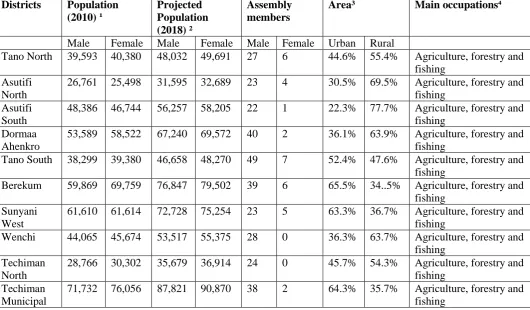
Table 4.2: Population and demographic differences among participating districts ………74
Table 4.2: Results of Cronbach’s alpha analyses indicating reliability of sub-scales……90
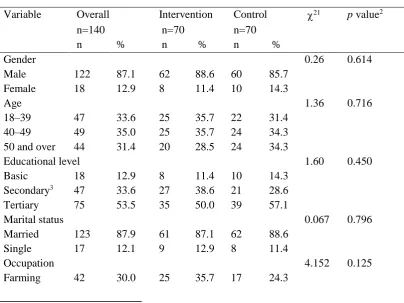
Table 5.1: Socio-demographic characteristics of the intervention and control cluster groups at baseline………96
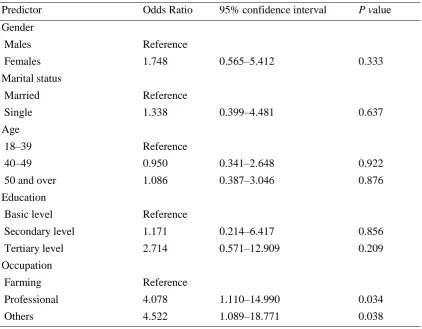
Table 5.2: Results of simple logistic regression analyses predicting missingness of
data………..……….……..98
Table 5.3: Group by time means and standard deviation of outcomes measures……….110
Table 5.4: Main effects of group, time and interaction of group by time on outcome measures derived from Mixed Model Repeated Measures (MMRM)……….111
Table 5.5: Group by time means, standard deviation and skewness statistic derived from residuals from MMRM of outcome measures………..112
Table 5.6: Group by time estimated means, standard error and confidence interval derived from the GLMM……….……….116
Table 5.7: Estimates of main effects of group, time and interaction of group by time for measures of knowledge, social distance and recognition derived from the GLMM…..…..117
Table 6.1: Results of the quantitative process evaluation by participants ………120
List of figures
Pages
Figure 4.1: Map of Ghana showing Brong Ahafo region……….…..70
Figure 4.2: Map showing the districts of Brong Ahafo region……….……..70
Figure 5.1: CONSORT flow diagram of the number of participants at each stage of the cluster randomised controlled trial……….……95
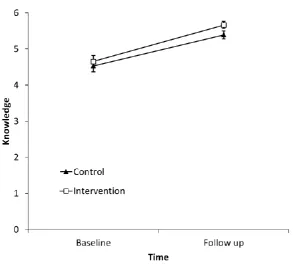
Figure 5.2: Estimated marginal means and standard errors for knowledge scores, estimated under group‐by‐time model………..…………100
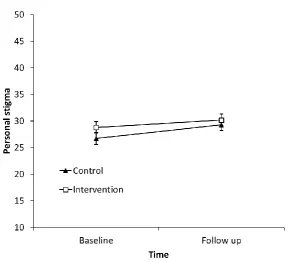
Figure 5.3: Estimated marginal means and standard errors for personal stigma scores, estimated under group‐by‐time model………...……..……….102
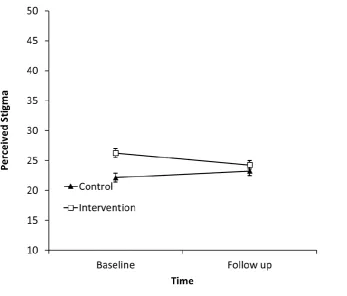
Figure 5.4: Estimated marginal means and standard errors for perceived stigma scores, estimated under group‐by‐time model……….………….103
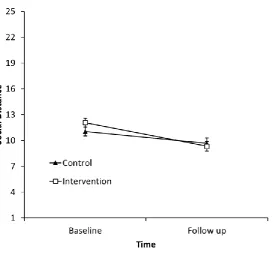
Figure 5.5 Estimated marginal means and standard errors for social distance scores, estimated under group‐by‐time model……….……….105
Figure 5.6 Estimated marginal means and standard errors for benevolence scores, estimated under group‐by‐time model……….……….107
Figure 5.7 Estimated marginal means and standard errors for social restrictiveness scores, estimated under group‐by‐time model……….……….108
List of abbreviations
WHO: World Health Organization
CMHI: Community mental health ideology
Participant ID in Qualitative process evaluation
IC: Intervention cluster Prefix 1–3: Group
M: Male
F: Female
01–25: Interviewee number
List of appendices
Pages
1. Brochure for control group………...193
2. Major depressive disorder diagnostic criteria………...194
3. Story-bridge vignette………....195
4. Mental health literacy programme guide……….197
5. Approval letters from district assemblies………...200
6. Consent form………209
7. Participant information………...211
8. Questionnaire for cluster randomised controlled trial………...213
9. Quantitative process evaluation questionnaire………...223
10. Qualitative process evaluation interview schedule………..225
11. Sample of permission letter to district assemblies………...226
12. Support letter: Dr Kofi Amo-Kodieh………...227
13. Victoria University Ethics approval………228
Chapter One
Introduction
1.1
Introduction
Lack of knowledge about mental disorders may be responsible for inappropriate responses and detrimental stigmatising attitudes towards individuals at the onset of a mental disorder. These may cause profound distress for a seemingly stable family. However, exposure to credible and adequate information about mental health issues may improve the situation considerably. In this thesis, I present a study into how participation in a mental health literacy programme by community leaders in Ghana, commonly referred to as assembly members, affected their knowledge about and attitudes toward people with mental disorders. The chapter commences with background information about the study. Then, the research question, aims of the study and research hypotheses are presented. This is followed by a definition of terms used, and a discussion of the significance of the study. The chapter concludes with an outline of the thesis.
1.2
Background of the study
between 75% and 90% (Docherty et al., 2017; Gureje et al., 2015; Lund et al., 2015). This figure is even greater for Ghana, a less developed country within the sub-Saharan African region, where estimates of it exceed 90% (Roberts, Mogan, & Asare, 2014). Commonly cited explanations for treatment gaps include lack of access to specialists and services, incorrect perceptions and beliefs about causation, quality of available care, distance to services, lack of knowledge about available resources, and stigma1 (Acharya et al., 2017; Broffman et al., 2017; Corrigan, 2004).
Stigma arises from negative stereotypes and prejudices against individuals with mental disorders, inducing fear, anger and dislike (Corrigan & Shapiro, 2010). Stigma is a global phenomenon and is particularly prevalent in sub-Saharan African countries including Ghana (Abdullah & Brown, 2011; Audu, Idris, Olisah, & Sheikh, 2011; Corrigan, 2000; Corrigan, Morris, Michaels, Rafacz, & Rüsch, 2012). In Ghana, stigma provides people with an ill-conceived justification to discriminate against individuals with mental disorders, to the point of isolating them from the rest of the community (Baffoe, 2013). Doku et al. (2011) assert that stigma may be the reason why, at the government level, mental health is discriminated against through lack of provision of resources to the mental health sector. For example, Roberts et al. (2014) point out that the government spent a meagre 1.4 % of the total health budget on mental health. Other detrimental effects of stigma on people with mental disorder include medication non-adherence, exacerbation of anxiety and depressive symptoms, social isolation, substance misuse and treatment drop-out (Britt et al., 2008; Keyes et al., 2010).
To address stigma in the general population, researchers like Jorm (2012) and Corrigan et al. (2012) suggest that individuals’ knowledge about mental health needs to be improved to deal with the adverse effects of stigma. Jorm et al. (1997a) coined the term mental health literacy and defined it as ‘knowledge and beliefs about mental disorders which aid their recognition, management or prevention’ (p. 182). In developed countries, intervention studies into mental health literacy have reported improvements in knowledge about and less stigmatising attitudes toward people with mental disorders (Brijnath, Protheroe, Mahtani, & Antoniades, 2016; Corrigan et al., 2012; Lam, Jorm, & Wong,
2010). Poor mental health literacy levels have been reported in less developed countries (Kapungwe et al., 2010; Sorsdahl & Stein, 2010), with few intervention studies undertaken to improve mental health literacy (Thornicroft et al., 2016), especially in Ghana (Roberts et al., 2014; Wilson & Somhlaba, 2016). If individuals with mental health problems, their family members and social networks have poor knowledge about mental disorders, coupled with negative beliefs and attitudes, they are less capable of providing early and appropriate interventions and are reluctant to provide any assistance (Kitchener & Jorm, 2008; Pedersen & Paves, 2014). Alternatively, improving their knowledge and developing appropriate attitudes about people with mental disorders could allow them to provide immediate and effective assistance to individuals with mental disorders and may contribute to more favourable outcomes. Currently, little is known about mental health literacy levels of assembly members2 in Ghana.
1.3
Research question
To what extent does participation in a problem-solving ‘Story-bridge’3 mental health literacy programme affect assembly members’ knowledge about and attitudes toward people with mental disorders?
1.4
Aims of the study
The broad aim of the study was to evaluate the effectiveness of a problem-solving Story-bridge mental health literacy programme on assembly members’ knowledge about and attitudes toward people with mental disorders. The specific aims were to:
1. Evaluate if participation in the programme improved community leaders’ knowledge about and attitudes toward people with mental disorders. (Quantitative)
2. Evaluate the perspectives of the community leaders who participated in the programme about its usefulness and in what ways, if any, they used this acquired information in their routine dealings with people with mental disorders and their families. (Qualitative)
1.5
Research hypotheses
1. Assembly members who participate in the programme would have higher level of knowledge about mental disorders than those in the control cluster who receive a brochure (Appendix 1) about mental health issues.
2. Assembly members who participate in the programme would have more positive attitudes about people with mental disorders than those in the control cluster who receive a brochure about mental health issues.
1.6
Justification for the study
This study, which sought to evaluate the effectiveness of a problem-solving Story-bridge mental health literacy programme on knowledge about and attitudes toward people with mental disorders, is significant and timely. Its significance is premised on the fact that, to date, no research has been conducted in Ghana using the problem-solving Story-bridge approach as a concept to improve the mental health literacy of assembly members and evaluated using a cluster randomised controlled trial. The study is timely because, as Sipsma et al. (2013) and Wilson and Somhlaba (2016) have noted, research into mental health literacy in Ghana has received little attention. The research is also timely because Ghana has passed a new Mental Health Act 846 of 2012 (Government of Ghana, 2012) to provide a policy framework for mental health service delivery and improve mental health practice. However, improvements in mental health practice will be undermined if people have poor knowledge about mental health problems and stigmatising attitudes toward people with mental disorder (Doku et al., 2011).
Overall, three significant factors influenced the conduct of this study. It was anticipated that a community-based approach to improve assembly members’ knowledge about and attitudes toward people with mental disorders would benefit their communities and districts4. At a community level, increasing their knowledge may improve help-seeking attitudes and assist in suggesting appropriate interventions for people with mental health problems. In addition, their influential position would make them well-placed to encourage positive attitudes toward mental health problems in the community. At a
district level, assembly members’ improved knowledge and attitudes may motivate them to appreciate mental health issues better in their deliberations. As decision makers, they may view the general improvement in mental health literacy of their community members as a community-based and cost-effective approach to addressing a national problem. Assembly members may also have a greater appreciation of the need to be proactive rather than reactive in committing resources to improving mental health literacy in their communities. Consequently, this may reduce or eliminate stigmatising and discriminatory attitudes and encourage individuals with and families to seek early appropriate interventions and access treatment.
The present study differs from other studies in Ghana because, for the first time, it will use the problem-solving Story-bridge approach, which is recognised as helpful in improving mental health literacy (Lubman, McCann, Renzaho, Kyle, & Mugavin, 2014). The study will be evaluated using a rigorous measure, such as the cluster randomised controlled trial design, using the key features of an RCT, which is regarded as the ‘gold standard’ in research evaluation (Fielding, Ogbuagu, Sivasubramaniam, MacLennan, & Ramsay, 2016). The design will enable the study to meet the eligibility criteria for inclusion in systematic reviews that seek to evaluate the effectiveness of mental health literacy programmes particularly in the sub-Saharan African region. Discussions and conclusions drawn from such reviews may influence the adoption and development of such mental health literacy programmes in Ghana. Anticipated outcomes from the present study, which include improved knowledge about and attitudes toward people with mental disorders, may provide the basis for future research and government mental health policy formulation that seek to improve the mental health literacy of the Ghanaian populace.
1.7 Outline of the thesis
Chapter Two
Review of Literature
2.1
Introduction
In this chapter, issues related to mental disorders are examined in three main sections. In the first section, a review of the global prevalence of mental disorders, including sub-Saharan Africa and Ghana, is presented. In the second section, an overview of common mental disorders is given, with a focus on depression and schizophrenia. Finally, mental health legislation and practice in Ghana is examined, including developments, challenges and cultural issues related to mental health in Ghana.
2.2
Overview of the prevalence of mental health problems
Mental disorders are a leading cause of disability worldwide, with psychiatric conditions accounting for 14% of global disease burden (Omar et al., 2010). The global lifetime prevalence of mental disorders was measured by the World Health Organization (WHO) World Mental Health Survey Initiative. The survey was initiated in 2005 and is, by far, the largest continuing cross-national project to estimate the prevalence of mental disorders (Alonso et al., 2014). The survey was conducted across 28 countries, with more than 150,000 respondents. The estimated lifetime prevalence of any mental disorder ranged between 18.1% and 36.1% (Alonso et al., 2014). Further assessment using the Diagnostic Statistical Manual of Mental Disorders (DSM-IV) and WHO Composite International Diagnostic Interview (CIDI Version 3.0) indicated higher prevalences, ranging between one-third and one-sixth of the population in the United States, Belgium, South African and Japan (Alonso et al., 2014). In the same survey, the authors stated that the 12-month prevalence rates for any mental disorders varied from 6% for a country like Japan to more than 30% for Brazil and the United States. Steel et al. (2014), in a systematic review of 174 studies across 63 countries, found that one in five adults (17.6%) had experienced a mental disorder within the 12-month period preceding the review and 29.2% had experienced a common mental disorder at some time in their lives.
need for more up-to-date national data. A feature story on the World Bank Group website entitled ‘As Liberia and Sierra Leone recover from civil wars and Ebola, demand for mental health services surges’ commented on the lack of current scientific data on the prevalence of common mental disorders in sub-Saharan African countries like Liberia, Sierra Leone and Guinea (Mayhew, 2016). The author made reference to a study by Johnson et al. (2008), who concluded that 40% of Liberians had symptoms of major depression and 44% appeared to have post-traumatic stress disorder five years after the end of the civil war in that country. The author further suggested that the Ebola outbreak in Guinea, Liberia and Sierra Leone, the lack of mental health professionals and resources, and secrecy attached to the onset of a mental disorder by an individual or family members may have increased the frequency of common mental disorders in that region (Mayhew, 2016). Despite these projections, lower prevalence rates have been reported elsewhere. For example, a sub-Saharan African survey found that 12% of respondents in Nigeria had been diagnosed with a common mental disorder and 6% had experienced a mental disorder in the preceding 12 months (Alonso et al., 2014). In the same survey, South Africa had an estimated prevalence of more than 15% (Alonso et al., 2014). Another study in part of Kenya also reported a 10.8% incidence of common mental disorders (Jenkins et al., 2012). The discrepancy in perceived higher prevalence rates and reported lower occurrence rates may be attributable to inaccurate responses to survey questions (Alonso et al., 2014).
the United States. Sipsma et al. (2013) concluded that 18.7% of respondents reported moderate or severe psychological distress. They also reported that, comparatively, psychological distress was higher in women than men, with 21.2% of women experiencing moderate-to-severe psychological distress compared with 15.5% of men. In addition to these two reports, Roberts et al. (2014) estimated that 95% of people who had a mental disorder lacked access to treatment, heightening concerns about treatment gaps. Although research has not been conducted to estimate the exact national prevalence of mental disorders in Ghana (De Menil et al., 2012), the reported large treatment gaps and scarce epidemiological data on psychopathology (Wilson & Somhlaba, 2016) indicate that there is a high prevalence of common mental disorders in Ghana, and the majority of affected individuals are untreated. A common mental disorder and a highly stigmatised disorder are discussed in the next section.
2.3
A common mental disorder and a highly stigmatised disorder
‘Common mental disorders are the heterogeneous ICD-10 categories of mood-, anxiety-, and stress-related disorders’ (Chowdhary, Rahman, Verdeli, & Patel, 2014, p. 160). These disorders are often grouped together for public health purposes because they frequently co-occur and have common risk factors and interventions (Chowdhary et al., 2014). In the 1990s they were considered as ‘minor mental disorders,’ yet studies indicated that these disorders were more common and placed significant financial and logistical burdens on health care systems (Risal, 2011). As a consequence, they were referred to as ‘common mental disorders’ (Risal, 2011). Another disorder, schizophrenia, while not as common, is a significant public health concern globally because of its adverse consequences for individuals and family members (WHO, 2016).
stigmatised globally, and because it has major debilitating effects on the person’s cognition, emotions and behaviour in social, educational and work activities (Chien, Leung, Yeung, & Wong, 2013). In Ghana, the public commonly believe the disorder is caused by a supernatural force as punishment for wrongdoings, and this results in stigmatisation of affected individuals and their families (Cooper et al., 2010; Opare-Henaku, 2013)5.
2.3.1 Depression
Depression is defined in various ways, but central to these definitions is an underlying negative mood. Parker (2007) defined depression as a major reduction in mood, with or without feelings of hopelessness, helplessness and guilt. The definition of depression has been clarified in the current Diagnostic and Statistical Manual of Mental Disorders (DSM-5), an authoritative resource used by clinicians to diagnose and classify mental disorders. In it, the criteria used to diagnose a condition as depression are listed (Appendix 2). Among other things, it states that ‘five (or more) of the symptoms must be present during the same 2-week period and represent a change from previous functioning; at least one of the symptoms is either (1) depressed mood or (2) loss of interest or pleasure’ (American Psychiatric Association, 2013, p. 160). Depression usually occurs with symptoms of anxiety, which leads to significant difficulties in one’s ability to perform daily living activities (Marcus, Yasamy, Ommeren, Chisholm, & Saxena, 2012). The intensity of depression may be diagnosed as ‘severe,’ ‘moderate’ or ‘mild’ and usually runs a recurrent course (Ohene & Addom, 2015).
Globally, depression is estimated to affect 322 million people and it is the leading cause of disease burden (WHO, 2017). Studies have revealed that in developed countries the average lifetime and 12-month prevalence estimates for depression are 14.6% and 5.5% respectively, while in less developed countries they are 11.1% and 5.9% respectively (Bromet et al., 2011). As of 2015, depression affected 4.4% of the global population and more prevalent among females (5.1%) than males (3.6%) (WHO, 2017), with the average age of onset being 25.7 years in developed countries and 24 years in less developed
countries (Bromet et al., 2011). According to the Chief Psychiatrist of the Ghana Health Service, at least 10,250,000 Ghanaians, representing about 41% of the population, are suffering from mental distress and depression, with the majority being women (Ghanaweb, 2014). Furthermore, between 2005 and 2015, depression ranked as the third highest cause of disability in Ghana (WHO, 2017).
Recent evidence suggests that the interaction of social, biological and psychological factors contributes to individuals experiencing depression (Gotlib & Hammen, 2015). Social risk factors for depression include change in marital status, socio-economic status, social skills, family functioning and attachment (Hammen & Watkins, 2013). An example of this is seen in recently married couples; issues of trust, over-dependency on a partner, relationship management and conflicts may be distressing, thus creating deep dissatisfaction that can make one or both spouses vulnerable to depression (Hammen & Watkins, 2013).
Socio-economic factors like poverty, poor living conditions and illness are risk factors for depression. These factors may be modifiable to some extent depending on an individual’s ability and their social network that helps them to deal with the onset of depression (Farrer, Gulliver, Bennett, Fassnacht, & Griffiths, 2016). A study by Rajkumar et al. (2009) indicated that poverty and ill-health among 1,000 elderly persons in a rural community in India led to a higher incidence of depression. They also reported that those with adequate social support were less likely to develop depression. A person’s inability to relate to people confidently is another risk factor for depression, as suggested by Farrer et al. (2016). Using an online survey, they sought to find the psychosocial factors that predicted major depression among 611 university students in Australia. They found that students who lacked self-confidence and had concerns about their body image were at high risk of major depression.
particularly in children. These experiences disrupt the acquisition of important life skills to deal with difficult and stressful situations and may make family members susceptible to depression (Hammen & Watkins, 2013) throughout their life.
Biological risk factors for depression include family history of depression, physical illness, medical causes6, substance use, and the effects of neurotransmitters7 such as serotonin8, dopamine9 and norepinephrine10 in the body. Decreased amounts of norepinephrine and serotonin at receptor sites in the brain can lead to depression (Shives, 2008). Research on family structures, including twin and adoption studies, have indicated that common genes, environmental and cultural factors may contribute to the recurrence of depression in families if the biological parents have the disorder (Levinson et al., 2003; Mondimore et al., 2006; Sullivan, Neale, & Kendler, 2000). For example, Hammen and Brennan (2001) and Pilowsky et al. (2006) suggested that biological children of depressed adults have a 50% chance of developing a mental disorder, with 20% to 40% of these offspring developing depression.
Psychological risk factors, such as significant loss in a person’s life, absence of supportive networks and poor social integration increase vulnerability to depression (Wasserman, 2011). For instance, the extent to which a person is integrated into a society and makes use of available societal resources is significant in dealing with stressful and difficult times (Wasserman, 2011). Individuals with depression may report that activities like socialising with friends and family, work, sex and recreation no longer interest them (Hammen & Watkins, 2013). This loss of interest may be related to reports of unusual feelings of sadness even when they are in the midst of people or engaged in activities that should make them happy (Coleman, 2012). There may also be changes in sleep patterns, appetite and weight. The person may experience poor sleeping patterns, difficulty getting to sleep or sleeping excessively. Individuals may have poor appetite with weight loss or an increase in appetite (Hammen & Watkins, 2013). In addition, persons with depression express negative thoughts about themselves. This can be in the form of feelings of
6 Such as diabetes, cardiovascular disease and morbid obesity (American Psychiatric Association, 2013).
7 Neurotransmitters are brain chemicals that relay information between the brain and the body through nerve cells called neurons. 8 Serotonin has an important role in controlling psychobiological functions such as irritability, anxiety, mood, cognition and
behaviour (Dubovsky, Davies, & Dubovsky, 2003).
worthlessness, hopelessness, incompetence and being excessively self-critical (Hammen & Watkins, 2013), which collectively may lead to thoughts of death and suicide (Coleman, 2012). Cognitive activities, like concentration, memory or making basic decisions, may become a challenge (Coleman, 2012; Hammen & Watkins, 2013). Persons with depression may also experience a change in their psychomotor function, with either reduced energy or restless behaviour. Slow bodily movements or slow speech with monotonous voice and drooping eyes are signs of reduced energy in the person, while fidgeting, gesturing and pacing are signs of restless behaviour (Hammen & Watkins, 2013).
Generally, treatment for depression is biological or psychological or a combination of these (Coleman, 2012; Gotlib & Hammen, 2015; Hammen & Watkins, 2013). Biological treatment options include antidepressant medication, electroconvulsive therapy (ECT)11, transcranial magnetic stimulation12, and physical exercise. Psychological treatment options include cognitive behaviour therapy (CBT), interpersonal therapy, psychodynamic therapy, guided self-help and mindfulness therapy. There are several other approaches to the treatment and management of depression, including yoga, self-help strategies, relaxation, herbal remedies and light therapy13 (Cramer, Lauche, Langhorst, & Dobos, 2013; Thachil, Mohan, & Bhugra, 2007; Wu et al., 2015). However, discussion of treatment of depression in the present study will focus on biological treatments, particularly antidepressant medication, and psychological treatments because these are the most commonly used treatment modalities.
Antidepressant medications are the main form of biological treatment for depression. Antidepressants act to inhibit neuronal uptake to regulate the balance of neurotransmitters in brain cells (Arroll et al., 2009). The two groups of antidepressants most commonly used are selective serotonin reuptake inhibitors (SSRIs), which are normally
11 ECT is the inducement of a seizure by attaching electrodes to the scalp and applying varied electrical currents (shock) to the
brain (Lisanby, 2007). The purpose of ECT is to try to alter functional brain activation and enhance control of behaviour (Bajbouj et al., 2006).
12 Transcranial magnetic stimulation is a brain intervention to improve symptoms of depression. It is non-invasive process that
uses magnetic fields to intensify reaction in distinct nerve regions and related neural circuits by noninvasively generating intracerebral currents in the brain (George et al., 2010).
13 Light therapy entails the exposure of a person to a bright light at specific intensity for about 30 minutes for couple of days (Wu,
recommended as the first line of treatment, and tricyclic antidepressants, which are offered as second-line treatment (Gournay, 2008; Joakim, Asseburg, & Henriksson, 2012). Both groups of medications are prescribed according to the needs of the individual, with consideration of symptoms and possible adverse effects that may be experienced (Rayner et al., 2010). Clinically, antidepressant medications can take around six weeks to reduce symptoms and their effectiveness is assessed after 16–24 weeks or longer (Cipriani et al., 2009). When using antidepressants, sleep and appetite difficulties are first to improve, followed by anxiety, agitation and hopelessness. Specific symptoms, including poor concentration, reduced energy, helplessness and decreased libido, are expected to improve subsequently but this may take longer than expected (Sadock & Sadock, 2008).
The effectiveness of antidepressants has been established in various studies. Arroll et al. (2009) conducted a systematic review to establish the effectiveness and acceptability of antidepressants in patients with depression in primary care. The authors concluded that (SSRIs) and tricyclic antidepressants were effective in the treatment of depression in primary care. In addition, Arroll et al. (2016) conducted a systematic review and meta-analysis to update a previous Cochrane review of antidepressants in primary care. The update included adding newer antidepressant classes, SNRI (serotonin–norepinephrine reuptake inhibitor) and NaSSA (noradrenergic and specific serotonergic antidepressant), and the assessment of the effectiveness of individual antidepressant medications. The researchers concluded that antidepressants were effective when used in primary care compared with placebo.
study (Cho et al., 2016).
However, the effectiveness of antidepressants has been questioned in the literature. Pigott, Leventhal, Alter, and Boren (2010) conducted a systematic review of four large trials on the efficacy of antidepressants and concluded that antidepressants were not as effective as previously reported in published results of trials. Furthermore, Cox et al. (2014) conducted a systematic review of eleven studies comprising 1,307 participants to examine the effectiveness of psychological therapies and antidepressant medication, alone or in combination, to treat depression in children and adolescents. The authors concluded that they could not confirm the effectiveness of these treatment options in dealing with depression in children and adolescents. Ostuzzi, Matcham, Dauchy, Barbui, and Hotopf (2018) conducted a Cochrane systematic review of 10 studies involving 885 participants to examine the effectiveness and acceptability of antidepressants for treating depressive symptoms in patients with cancer. The authors concluded that there was a lack of evidence for the effectiveness of antidepressants. Similarly, Eshun‐Wilson et al. (2018) also conducted a Cochrane systematic review to evaluate the effectiveness of antidepressant therapy for treatment of depression in people living with HIV infection. After reviewing 10 studies with 709 participants, the authors concluded that depression may be improved by antidepressants. They added that, the relevance of this outcome may be limited to the current context because of methodological limitations in the reviewed studies and the lack of studies representing this specific population. In addition, the acceptance of antidepressant medication can depend on the adverse side effects that individuals experience, including suicidal ideation14, dizziness, gastrointestinal discomfort, sedation, nausea and sexual dysfunction (Cox et al., 2014; Maguire, Weston, Singh, & Marson, 2014).
Psychological treatments can have a significant effect on reducing the symptoms of depression and improving the well-being of persons with depression (Cuijpers, van Straten, Warmerdam, & Andersson, 2008). Cuijpers et al. (2016) conducted a meta-analysis to ascertain if psychological therapies are efficacious in the treatment of
14 Suicide ideation is the contemplation of suicide ranging from brief thoughts of death to serious consideration of suicide or
depression among college students. They compared college students who had depression with adults with depression. The authors concluded that psychological therapies were effective in the treatment of depression in college students and depressed adults but there was no difference in the outcomes between the two groups.
Guided self-help is a psychological intervention where a person is provided with a standardised psychological treatment (either in written form or through multimedia) (Lovell et al., 2008). It teaches the intervention in a step-by-step manner and facilitative assistance is provided by a therapist or a support person (Cuijpers, Donker, van Straten, Li, & Andersson, 2010). The intervention was found to encourage and teach patients to make improvements to their well-being with the information provided. Evidence of the effectiveness of guided self-help is provided by Cuijpers et al. (2010) who conducted a systematic review and meta-analysis of 21 studies with 810 participants. The authors aimed to make a direct comparison of the effectiveness of guided self-help and face-to-face psychotherapies for depression and anxiety disorders. They concluded that there was no significant difference in the effectiveness of guided self-help and face-to-face therapies for depression and anxiety. They also reported that both approaches have similar positive effects and recommended the complementary use of these approaches in clinical practice for the treatment of depression and anxiety.
2.3.2 Schizophrenia
Schizophrenia is defined as ‘a group of characteristic symptoms, such as delusions15, hallucinations16, and negative symptoms17 (i.e., diminished emotional expression18 or avolition19); deterioration in social, occupational, or interpersonal functioning; and continuous signs of the disturbance for at least 6 months’ (Black & Grant, 2014, p. 71).
15 Delusions are fixed firm beliefs about people, places, ideas and events that are non-existent but seem real to the individual and
often an object of disagreement and refusal to accept logical reasoning (Keshavan & Reddy, 2015).
16 Hallucinations are perceptual experiences by the individual with schizophrenia without any external stimuli. These experiences
are perceived to originate from the visual (sight), auditory (hearing), olfactory (smell), and gustatory (taste) systems, that seem so real to them, yet people around them do not have same perception (Keshavan & Reddy, 2015).
17 Negative symptoms are diminished emotional expressions or avolition (Black & Grant, 2014). Avolition occurs when there is
a reduction in motivation to initiate important activities; for example, the individual may remain idle for a long time and express little or no interest in joining social or work events (American Psychiatric Association, 2013).
18 Diminished emotional expression is signified by the reduction of facial expressions, eye contact, intonation and head and face
movements that are commonly used in expressing emotions.
19 Avolition occurs when there is a reduction in the motivation to initiate important activities; for example, the individual may
According to the American Psychiatric Association (2013), the lifetime prevalence of schizophrenia is estimated at 0.3–0.7% with differences reported across countries, races, ethnic groups, geographical locations and among immigrants. Systematic reviews of the global incidence of new cases estimate it at 15.2 per 100,000 persons, and schizophrenia affects more males than females in the ratio of 1.4:1 (McGrath, Saha, Chant, & Welham, 2008). The average lifetime morbidity risk is projected to be 7.2 per 1,000 persons (McGrath et al., 2008) and prevalence at a given time (point prevalence) average is 4.5 per 1,000 persons (Tandon, Keshavan, & Nasrallah, 2008). Schizophrenia is most likely to affect younger people aged 17–35 years. The onset occurs earlier in males than in females, typically by a margin of five years; however, older women are more commonly diagnosed with schizophrenia than older men (Keshavan & Reddy, 2015). Individuals may have a single episode and return to normal life while others may have recurring episodes (Keshavan & Reddy, 2015).
Several theories have identified physiological, genetic, and environmental risk factors for schizophrenia (American Psychiatric Association, 2013). None of these risk factors has been singled out as the cause of the disorder and it is believed that multiple variables lead to the development of the disorder (Keshavan & Reddy, 2015). Physiological factors associated with schizophrenia are related to pregnancy and childbirth difficulties, and there is considerable risk if a father is much older than average (American Psychiatric Association, 2013). In addition, critical periods just before and after birth have been identified, including infection, malnutrition, stress and maternal diabetes (American Psychiatric Association, 2013).
48% risk of inheriting schizophrenia from a parent with the disorder, much higher than dizygotic (fraternal) twins, who have a 17% risk (Roofeh et al., 2013). Generally, it has been proposed that abnormalities occur during the neurodevelopmental process that influence behavioural outcomes and this may combine with genetic factors and environmental exposures to trigger the onset and development of schizophrenia (Fernandez-Espejo, Viveros, Núñez, Ellenbroek, & De Fonseca, 2009; Klar, 2010). A study by Brown (2011) indicated that environmental exposures such as infections, migration, nutritional deficits, and famine also play a significant role in the development of schizophrenia. The American Psychiatric Association (2013) also adds that environmental risk factors for schizophrenia include births that occur within particular seasons (late winter and early spring) and children growing up in urban environments. In addition, the effects of adverse childhood experiences, such as sexual abuse, parental physical abuse, antipathy and neglect, as well as the impact of some social environments and social capital, are other theories that have been linked to the incidence of schizophrenia (Fisher et al., 2011; Morgan et al., 2006).
According to DSM-5, schizophrenia is diagnosed when there are two or more of the following symptoms: delusions, hallucinations, disorganised speech,20 grossly disorganised or catatonic behaviour,21 or negative symptoms that must be present for most of the time within a period of one month and at least one of these symptoms must be delusions, hallucinations or disorganised speech (American Psychiatric Association, 2013). ‘These three are core “positive symptoms”22 that are diagnosed with high reliability and might reasonably be considered necessary for a diagnosis of schizophrenia’ (Black & Grant, 2014, p. 74). The symptoms result in a range of cognitive, behavioural and emotional malfunctions but no particular symptom is indicative of the disorder (American Psychiatric Association, 2013)
The consequences of schizophrenia are profound and may have a debilitating effect on
20 Disorganised speech is where individuals say something that has no logic and their thoughts appear confused as if there is no
direction in their thoughts (Keshavan & Reddy, 2015).
21 Grossly disorganised behaviour may be apparent in various ways, ranging from childlike silliness to unexpected distress making
activities in daily living difficult to perform (American Psychiatric Association, 2013). Catatonic behaviour is an obvious reduction in reacting to the environment, ranging from resistance to directives, adopting rigid and strange postures, utter verbal and motor inactivity or extreme motor activity without a just cause (American Psychiatric Association, 2013).
the person. In the first instance, lack of concentration and memory impairment make thought and speech processes difficult; therefore, appropriate behaviour required for daily living becomes a problem (American Psychiatric Association, 2013). Furthermore, there is emotional dysfunction, social withdrawal and isolation, which can lead to difficulty in functioning socially and in work situations, such as pursuing educational goals, engaging in permanent employment, and maintaining friends (Minzenberg, Yoon, & Carter, 2008). Treatment of schizophrenia comprises pharmacological and psychosocial interventions. Pharmacological intervention involves the use of psychotropic medication, predominantly antipsychotic drugs (Usher, Foster, & Bullock, 2008). Antipsychotics work by moderating neurotransmitters in the brain, particularly dopamine, reducing its abnormal transmission by blocking its receptors in the brain (Kapur, Agid, Mizrahi, & Li, 2006; Towlson, Vértes, Müller, & Ahnert, 2018). This mechanism improves the emotions, mood and behaviour of a person with schizophrenia (Kapur et al., 2006). There are two distinct types of antipsychotic medication: typical and atypical. Typical antipsychotics are generally referred to as first generation antipsychotics (FGAs) because they are in the group of medications developed from the early 1950s for the treatment of schizophrenia (Foussias & Remington, 2010; Sampford et al., 2016). These include chlorpromazine, fluphenazine, haloperidol, pimozide, and pericyazine (Foussias & Remington, 2010; Sampford et al., 2016). FGAs have been linked to adverse effects including movement disorders and reduced mood. More recently, atypical antipsychotics or second-generation antipsychotics (SGAs) have been developed, starting with clozapine, which are claimed to be superior to FGAs (Foussias & Remington, 2010). The SGA group includes olanzapine, clozapine, amisulpride, risperidone and quetiapine, among others (Foussias & Remington, 2010; Sampford et al., 2016). These are administered orally or intramuscular by injection. Daily oral administration of antipsychotic medication is associated with nonadherence and in some cases, missing even one day’s dose can be a potential risk for relapse23 (West et al., 2008). As a consequence, depot antipsychotics24 have been used to maintain treatment for patients who are mostly non-adherent with their oral antipsychotics (Bosanac & Castle, 2015).
23 Relapse is the reoccurrence of symptoms after a clear response to treatment. The symptoms worsen and often require the person
to be re-hospitalised (Schennach et al., 2012).
24 Depot antipsychotics are specially prepared medications administered by intramuscular injection. They have the same
Generally, the management and treatment of schizophrenia depends on the phase of the disorder (Gaebel, 2011). The acute psychotic phase is the initial onset stage where individuals usually experience their first episode, which can last for about 4–8 weeks. Treatment is directed at dealing with the acute symptoms of hallucination, delusion and unusual suspicion within the individual (Gaebel, 2011). In the next stage, the stabilisation phase, acute symptoms may have been controlled but there is risk of an episode recurring if medication is halted suddenly or the patient experiences stress (Gaebel, 2011). Therefore, continuous medication with the same drug and dose is essential for smooth transition into the final maintenance phase (Stroup & Marder, 2013). The objective at this stage is to avoid a psychotic relapse and antipsychotics are effective at stabilising the recovery. In addition, the person is involved in psychosocial treatment for full functional recovery, complete re-integration into society and pursuit of personal goals (Stroup & Marder, 2013).
The effectiveness of pharmacological treatment in individuals with schizophrenia has been established. Foussias and Remington (2010) conducted an extensive assessment of two large trials that evaluated the effectiveness of antipsychotics for treatment of schizophrenia. They concluded that typical and atypical antipsychotics were effective in the treatment of schizophrenia despite their associated side effects (increased weight gain and metabolic adverse effects). In addition, Leucht et al. (2012) conducted a Cochrane systematic review to examine the outcome of continuing antipsychotic medication for individuals with schizophrenia compared with another group that did not have antipsychotic medication. The authors reviewed 65 RCT involving 6,493 participants comparing antipsychotic medication with a placebo. The authors concluded that antipsychotics drugs were superior to the placebo in avoiding a relapse.
2010; Dixon et al., 2010).
The possibility of psychosocial interventions for schizophrenia has been reported in some studies. For example, in a Cochrane systematic review, Jones, Hacker, Cormack, Meaden, and Irving (2012) sought to evaluate the usefulness of CBT for persons with schizophrenia in comparison with other psychosocial interventions such as family therapy, psychoeducation and supportive therapy. The authors reported that, overall, no difference was noted between the effectiveness of CBT and other psychosocial therapies in reducing relapse and re-hospitalisation. Again, comparatively, no approach was better or worse than another at improving mental state and managing the positive and negative symptoms of schizophrenia. The authors suggested that CBT and other psychosocial interventions may be better at keeping and retaining persons with schizophrenia in treatment compared with the number of withdrawals from drug trials (Jones et al., 2012). In another study, Lee et al. (2013) examined the impact of group assertiveness training among patients with chronic schizophrenia in a RCT. The intervention group received 12 sessions of assertiveness training whilst the control group received 12 sessions of supportive care. The researchers concluded that in the intervention group, self-esteem and assertiveness skills were improved by the social skills training. Tungpunkom, Maayan, and Soares‐Weiser (2012) conducted a systematic review to examine effects of life skills activities for individuals with chronic mental health problems in comparison with other interventions or standard care. The authors concluded that the quality of life or social performance skills of an individual with schizophrenia may not be improved by social skills training. Overall, a combination of pharmacological and psychosocial interventions may have a higher chance of improving symptomatic and functional outcomes of an affected individual.
2.4
Mental health legislation and practice in Ghana
2.4.1 Mental health legislation
Ordinance came into being on 4th February 1888, and according to Forster (1962) it was specifically a law ordering compulsory custodial segregation without treatment options for people with mental health problems. The law was meant to benefit society as it sought to offer protection from individuals with mental disorders who were perceived to be restless and violent (Forster, 1962). Even though records indicate that psychiatry developed and introduced different humane treatment methods for dealing with persons with mental disorders over the years (Forster, 1962), the Ordinance remained in existence until 1972 when it was amended (Lily et al., 2014).
2009).
Finally, in March 2012, Ghana passed the current Mental Health Act 846 of 2012 (Government of Ghana, 2012), which was consistent with international standards (Lily et al., 2014). This Act focuses on closing the gap between needs and the services of the mental health system by adopting community-based mental health care while also paying attention to the rights of individuals with mental disorders (Lily et al., 2014). It seeks to discourage stigmatisation and improve the reintegration of treated patients into their communities. The Act also emphasises the need to improve access to inpatient and outpatient mental health care in local communities, and seeks to regulate mental health practitioners in the public and private sectors (Lily et al., 2014). To ensure these objectives are achieved, provision was made for the establishment of a Mental Health Authority headed by a Chief Executive Officer to oversee implementation of the Act. The Act further stipulates the creation of a mental health fund to support the activities of the new Authority financially (Walker & Osei, 2017) including providing funds for the care and management of mental disorders (Doku et al., 2012). The regulation of traditional and faith-based services in mental health is also emphasised in the Act (Government of Ghana, 2012). This stipulates that the Mental Health Authority must collaborate with the Traditional and Alternative Medicine Council and other regulatory bodies to enforce adherence with accreditation and standards of mental health care under the Health Institutions and Facilities Act829 of 2011.In addition, regional visiting committees must be established to monitor public or private mental health facilities and submit reports to the Mental Health Authority (Government of Ghana, 2012). A major limitation in implementing this legislation is the absence of an enabling Legislative Instrument backing the Act (Walker, 2015). Legally, the Parliament of Ghana must pass a Legislative Instrument by which the Mental Health Act 2012 will be implemented. The absence of a Legislative Instrument implies that the Act cannot be implemented and enforced. In effect, the established Mental Health Authority cannot initiate strategies to resource the operations of the Authority and their real impact cannot be measured (Doku et al., 2012; Walker, 2015).
to meet international standards influenced the passage of the Mental Health Act 846 of 2012. The Act was pivotal in initiating changes in mental health practice in Ghana, particularly organisational structure and governance of mental health services and the introduction of new categories of mental health workers.
2.4.1.1. Organisational structure and governance of mental health services
An additional organisational development includes the establishment of the Mental Health Fund, the main source of funding for the Mental Health Authority to support its work (Agbi, 2016). Ofori-Atta et al. (2015) reported that a new information system was developed for the three main psychiatric hospitals and integrated with the existing Ghana Health Service web-based District Health Information System. The system strengthened the entry and storage of large volumes of patient data and analyses of them are used for clinical and management decisions. In spite of these developments, the mental health sector remains beset with organisational challenges, particularly financial constraints and scarcity of operational resources including medical logistics, computers, hygienic toilet facilities for patients, beds, office and clinic space (Doku et al., 2011; Roberts et al., 2014).