JOURNAL OF ORAL & MAXILLOFACIAL RESEARCH Starch-Jensen et al.
Maxillary Sinus Floor Augmentation With or Without Barrier
Membrane Coverage of the Lateral Window: a Systematic
Review and Meta-Analysis
Thomas Starch-Jensen
1, Daniel Deluiz
2, Kirsten Duch
3, Eduardo Muniz Barretto Tinoco
21Department of Oral and Maxillofacial Surgery, Aalborg University Hospital, Aalborg, Denmark 2Department of Periodontology, Rio de Janeiro State University, Rio de Janeiro, Brazil.
3Unit of Clinical Biostatistics, Aalborg University Hospital, Aalborg, Denmark.
Corresponding Author: Thomas Starch-Jensen
Department of Oral and Maxillofacial Surgery Aalborg University Hospital
18-22 Hobrovej, DK-9000 Aalborg Denmark
Phone: +45 97 66 27 98 Fax: +45 97 66 28 25 E-mail: [email protected]
ABSTRACT
Objectives: Test the hypothesis of no difference in implant treatment outcomes after maxillary sinus floor augmentation with or without barrier membrane coverage of the lateral window.
Material and Methods: A MEDLINE (PubMed), Embase and Cochrane library search in combination with a hand-search of relevant journals was conducted. Human studies published in English until the 5th of July, 2019 were included. Randomised controlled trials and controlled trials with an observation period of minimum six months were included. Primary outcomes included survival of suprastructures and implants. Secondary outcomes included implant stability quotient, peri-implant marginal bone loss, bone regeneration, patient-reported outcome measures, biologic and mechanical complications.
Results: The electronic search and hand-searching resulted in 1068 entries. Six randomised controlled trials characterised by low to high risk of bias and one controlled trial with high risk of bias fulfilled the inclusion criteria. High implant survival rate was reported with both treatment modalities. Meta-analyses disclosed a mean difference of newly formed bone of 6.4% (confidence interval = 0 to 12.9) and non-mineralised tissue of -1.1% (confidence interval = -2.7 to 0.5), indicating more newly formed bone and diminished non-mineralised with barrier membrane coverage.
Conclusions: There seem to be no statistically significant differences in implant treatment outcomes after maxillary sinus floor augmentation with or without barrier membrane coverage of the lateral window. However, barrier membrane coverage increases percentage of newly formed bone and diminishes proliferation of non-mineralised tissue. Thus, barrier membrane coverage seems to be beneficial and also preventing displacement of the grafting material.
Keywords: alveolar ridge augmentation; dental implants; oral surgical procedures; review; sinus floor augmentation.
Accepted for publication: 23 December 2019 To cite this article:
Starch-Jensen T, Deluiz D, Duch K, Tinoco EMB.
Maxillary Sinus Floor Augmentation With or Without Barrier Membrane Coverage of the Lateral Window: a Systematic Review and Meta-Analysis
J Oral Maxillofac Res 2019;10(4):e1
INTRODUCTION
Maxillary sinus floor augmentation (MSFA) applying the lateral window technique is the most
commonly used surgical procedure to increase the alveolar bone height of the posterior maxilla before
or in conjunction with implant placement, and the treatment outcome involving different types of
grafting materials have been documented in several
systematic reviews and meta-analyses [1-8]. Barrier
membrane coverage of the lateral window has been
recommended to prevent soft tissue interference and
improve bone regeneration as well as stabilisation of the grafting material [9-11]. However, barrier membrane coverage of the lateral window is associated with lower vascular supply to the applied
grafting material, increased risk of infection and additional cost. Moreover, non-absorbable membranes have to be removed and occasionally
lead to complications such as wound dehiscence [11]. Systematic reviews have demonstrated high implant survival rate after MSFA with barrier membrane coverage of the lateral window [12-15]. In addition, increased percentage of vital bone after
graft maturation have also been reported with barrier membrane coverage compared with the use of no barrier membrane coverage [16,17]. However, further systematic reviews and meta-analyses have concluded
that the implant survival rate and amount of vital bone
formation were not influenced by barrier membrane coverage [18-21]. Consequently, the effectiveness of barrier membrane coverage of the lateral window in conjunction with MSFA remains disputable. The rationale for this systematic review is therefore to investigate whether barrier membrane coverage of the lateral window in conjunction with MSFA
is necessary since the use of a barrier membrane increases the cost of the treatment and involves a risk
of contamination and disease transmission as well as
they can be refused by patients for religious reasons
or because they are in contrast with chosen lifestyle.
The objective of the present systematic review and
meta-analysis is therefore to test the hypothesis of no
difference in implant treatment outcomes after MSFA with or without barrier membrane coverage of the lateral window.
MATERIAL AND METHODS Protocol and registration
The present systematic review was conducted in accordance with the Preferred Reporting Items for Systematic reviews and Meta-Analyses (PRISMA) statement for reporting systematic reviews [22]. The PRISMA checklist is outlined in Appendix 1. The methods of analysis and inclusion criteria
were specified in advance and documented in a protocol. The review was registered in PROSPERO,
an international prospective register of systematic
reviews. Registration number: CRD42019139519.
The protocol can be accessed at:
https://www.crd.york.ac.uk/prospero/display_record. php?ID=CRD42019139519.
Focus question
The focus question was developed according to the
Patient, Intervention, Comparison and Outcome
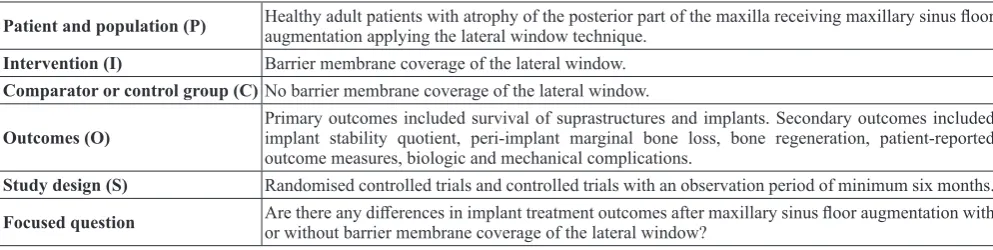
(PICO) framework as described in Table 1.
Focus question: Are there any differences in implant treatment outcomes after MSFA with or without barrier membrane coverage of the lateral window?
Types of studies and publications
The present systematic review included randomised
controlled trials and controlled trials on humans.
Population
The included studies of the present systematic review
involved healthy adult partially or totally edentulous Table 1. PICOS guidelines
Patient and population (P) Healthy adult patients with atrophy of the posterior part of the maxilla receiving maxillary sinus floor augmentation applying the lateral window technique. Intervention (I) Barrier membrane coverage of the lateral window.
Comparator or control group (C)No barrier membrane coverage of the lateral window.
Outcomes (O) Primary outcomes included survival of suprastructures and implants. Secondary outcomes included implant stability quotient, peri-implant marginal bone loss, bone regeneration, patient-reported outcome measures, biologic and mechanical complications.
JOURNAL OF ORAL & MAXILLOFACIAL RESEARCH Starch-Jensen et al.
patients with atrophy of the posterior part of the
maxilla receiving MSFA applying the lateral
window technique with or without barrier membrane
coverage.
Types of outcome measures
The primary outcome measures are the most
important measures for evaluating of the final implant
treatment outcomes. Secondary, outcome measures
were also included in the present systematic review as
surrogate measures.
The primary outcome measures included:
• Survival of suprastructures. Loss of suprastructure
was defined as a total loss because of a
mechanical and/or biological complication.
• Survival of implants. Loss of implants was defined as mobility of previously clinically
osseointegrated implants and removal of non-mobile implants due to progressive peri-implant marginal bone loss and infection.
Moreover, the following secondary outcome measures were assessed:
• Implant stability quotient. Estimated by resonance frequency analysis.
• Peri-implant marginal bone loss. Evaluated by radiographic measurements.
• Bone regeneration. Percentage of newly formed
bone, non-mineralized tissue and residual graft material as evaluated by radiographic or histologic measurements.
• Patient-reported outcome measures.
• Biologic and mechanical complications.
Information sources
The search strategy incorporated examinations of electronic databases, supplemented by a thorough hand-search page by page of relevant journals including “British Journal of Oral and Maxillofacial Surgery”, “Clinical Implant Dentistry and Related Research”, “Clinical Oral Implants Research”, “European Journal of Oral Implantology”, “Implant Dentistry”, “International Journal of Oral and Maxillofacial Implants”, “International Journal of Oral and Maxillofacial Surgery”, “International Journal of Periodontics and Restorative Dentistry”, “International Journal of Prosthodontics”, “Journal of Clinical Periodontology”, “Journal of Dental Research”, “Journal of Oral Implantology”, “Journal of Oral & Maxillofacial Research”, “Journal of Periodontology”, “Journal of Prosthetic Dentistry”, “Journal of Craniofacial Surgery”, “Journal of Cranio-Maxillo-Facial Surgery”, “Journal of Oral
and Maxillofacial Surgery”, “Periodontology 2000”, “Oral and Maxillofacial Surgery” and “Oral Surgery Oral Medicine Oral Pathology Oral Radiology”. The manual search also included the bibliographies of
all articles selected for full-text screening as well as previously published reviews relevant for the present systematic review.
Search
A MEDLINE (PubMed), Embase, and Cochrane
Library search was conducted. Human studies
published in English until the 5th of July, 2019
were included. The search strategy was performed in collaboration with a librarian and utilized a
combination of Medical subject heading (MeSH) and free text terms. The search strategy is outlined in Appendices 2, 3 and 4.
Selection of studies
The titles of the identified reports were initially screened. The abstract was assessed when the title indicated that the study was relevant. Full-text analysis was obtained for those with apparent relevance or when the abstract was unavailable. The references of the identified papers were cross-checked for unidentified articles.
Study eligibility
The inclusion criteria were developed using the
PICOS guidelines (Table 1).
Inclusion criteria
The review exclusively focused on studies with
an observation period of minimum six months
after MSFA. In addition, at least five patients
should be included in the study and the number of sinus augmentation procedures must be clearly
specified.
Exclusion criteria
Studies with implant placement in medically compromised patients as well as studies with insufficient description of the performed numbers of
surgical procedures or length of observation period
were excluded. Moreover, letters, editorials, PhD
theses, letters to the editor, case reports, abstracts, technical reports, conference proceedings, animal or
in vitro studies and literature review papers were also
Data extraction
Data were extracted according to a data-collection
form ensuring systematic recording of the outcome measures. In addition, relevant characteristics of
the study were recorded. The corresponding author was contacted by e-mail in the absence of important
information or uncertainties.
Data items
The following items were collected from the included articles and arranged in the following fields: author,
year of publication, study design, number of patients, MSFA procedures, residual alveolar bone height, type of grafting material, membrane, number of implants, prosthetic solution, length of observation period, survival of suprastructure and implants, implant stability quotient, peri-implant marginal bone loss, bone regeneration, biologic and mechanical complications.
Assessment of methodological quality
The quality assessment of the included studies was
undertaken as part of the data extraction process. A
methodological quality rating system was used and the classification of the risk of bias potential for each study was based on the following five criteria [1,2]: 1. Random selection in the population (yes/no). 2. Definition of inclusion, exclusion criteria (yes/no).
3. Report of losses to follow-up (yes/no).
4. Validated measurements (yes/no). 5. Statistical analysis (yes/no).
The studies were grouped according to:
1. Low risk of bias (plausible bias unlikely to
seriously alter the results) if all above-described
quality criteria were met.
2. Moderate risk of bias (plausible bias that weakens confidence in the results) when one of these criteria were not included.
3. High risk of bias (plausible bias that seriously
weakens confidence in the results) when two or more criteria were missing.
Statistical analysis
Meta-analyses were to be conducted only if there were studies of similar comparison, reporting identical outcome measures. However, the included studies of
the meta-analysis revealed variations in study design,
i.e. size of the lateral window, residual height of the
alveolar process, dimension of the sinus cavity, use of nonresorbable and resorbable membranes, dissimilar
grafting material, bone cores for histomorphometric
analysis were retrieved at different locations, types of
outcome measures, length of the graft healing period
and observation period. Therefore, a well-defined meta-analysis was not applicable. However, the percentage of newly formed bone and non-mineralised tissue across comparable studies were analysed in a meta-analysis. Forest plots were drawn to show a
summary of the histomorphometric characteristics
and expressed as the mean difference (MD) between MSFA with barrier membrane coverage of the lateral window and without barrier membrane coverage with the mean expressed in percentage. The 95% confidence interval (CI) was also calculated. Parametric data were expressed as mean and standard deviation (M [SD]). Statistical significance level was defined at P = 0.05.
Assessment of heterogeneity
The significance of any discrepancies in the estimates of the treatment effects of the different studies was
assessed by means of Cochran’s test for heterogeneity and the I2 statistic, which describes the percentage of total variation across studies that is due to
heterogeneity rather than chance. Heterogeneity was considered statistically significant if P < 0.1. A rough
guide to the interpretation of I2 given in the Cochrane
Handbook for Systematic Reviews of Interventions is as follows: (1) at 0 - 40% the heterogeneity might not be important, (2) 30 - 60% may represent moderate heterogeneity, (3) 50 - 90% may represent substantial heterogeneity, and (4) 75 - 100% may represent considerable heterogeneity [23].
RESULTS Study selection
Article review and data extraction were performed according to the PRISMA flow diagram (Figure 1).
The electronic search resulted in 1067 entries. One
article was identified through hand-searching [16].
Of these 1068 articles, 427 were excluded because
they had been retrieved in more than one search.
A total of 31 abstracts were reviewed and full-text
analysis included 12 articles. Finally, seven studies
were included in the present systematic review[16,17, 24-28].
Exclusion of studies
The reasons for excluding studies after full-text
JOURNAL OF ORAL & MAXILLOFACIAL RESEARCH Starch-Jensen et al.
without a control group [29], MSFA with two-window technique [30]. Moreover, three studies could not be excluded before meticulous reading[31-33].
Study characteristics
The included studies of the present systematic
review consisted of six randomised controlled trials [16,17,24,26-28] and one controlled clinical trial
[25]. A split-mouth study design was used in three randomized controlled trials [17,26,28]. Partially and
totally edentulous patients with horizontal deficiencies of the maxillary alveolar ridge were enrolled in the included studies. No significant difference in patient demographics were reported in two studies [27,28].
Inclusion and exclusion criteria were specified in all the included studies [16,17,24-28]. Patients with controlled diabetes were not excluded in three studies [16,17,25] and smoking habits were not excluded in six studies [16,17,24,25,27,28]. The residual bone
height was described in three studies [24,27,28].
Power calculation was performed in one study [28].
CONSORT guidelines were followed in one study [27]. Randomisation was conducted using a computer generated random allocation process [27,28] or no
information was provided about the randomisation procedure [16,17,24,26]. The surgical procedure was
performed by the same surgeon [28], two surgeons [27] or no information was provided about the number of surgeons involved in the study [16,17, 24-26]. Dimension of the lateral window was measured in one study [27]. Various grafting materials were
used involving OsteoGraf/N® (CeraMed, Lakewood,
Colorado, USA) alone or in combination with varying
percentages of autogenous bone or demineralized
freeze-dried bone allograft [16], Bio-Oss® (Geistlich
Pharma AG, Wolhusen, Switzerland) [24,28], Bio
-Oss® (Osteohealth Co., Shirley, NY, US) alone or in
combination with a maximum of 20% autogenous
bone graft from the maxillary tuberosity or ascending
mandibular ramus [25], mixture of 50% particulated autogenous bone graft from the lateral bone wall and 50% collagenated corticocancellous porcine
bone (MP3®; Osteobiol-Tecnoss, Coazze, Italy) [27], Bio-Oss® (Osteohealth, Newport Beach, California,
USA) [26] or various grafting materials [17].
Different barrier membranes were used to cover the lateral window involving non-resorbable expanded polytetrafluoroethylene (e-PTFE) membrane (Goretex Augmentation Material, 3i, W. L. Gore) [16,17,25] or resorbable collagen Bio-Gide® membrane (Geistlich
Pharma AG, Wolhusen, Switzerland) [24,28], Bio-Gide® membrane (Osteohealth Co., Shirley, New
York, USA) [25] (Osteohealth, Newport Beach,
Figure 1. PRISMA flow diagram demonstrating the results of the systematic literature search. Titles identified through
database searching n = 1067
Scr
eeni
ng
Incl
uded
Eligibilit
y
Ident
ifi
cat
ion Additional titles identified through hand-searching
n = 1
Titles after duplicates removed n = 640
Abstracts screened
n = 31 Abstracts excluded n = 19
Full-text articles assessed for eligibility
n = 12
Full-text articles excluded, with reasons
n = 5
Studies included in qualitative synthesis
California, USA) [26], and Evolution
(Osteobiol-Tecnoss, Torino, Italy) [27]. Fixation of the covering
barrier membrane was conducted in six studies [16,17,24-26,28]. Frios® tacks (Friadent GmbH,
Mannheim, Germany) were used in one study [24],
while no information was provided in five studies about the used tacks [16,17,25,26,28]. MSFA with delayed implant placement were performed in three studies after 6 to 10 months of graft healing [ 25-27]. MSFA involving both immediate and delayed
implant placement was performed in four studies [16,17,24,28]. Different implant systems were used including screw-type machined-surface implants
(Brånemark System®; Nobel Biocare, Gothenburg,
Sweden) [24] and Osseotite® (Biomet 3i Inc.,
Palmbeach, Florida, USA) [28]. The used implant
system was not specified in five studies [16,17, 25-27]. Histomorphometric parameters were assessed in six studies [16,25-28], after six months [27,28], 6
to 9 months [16], 6 to 10 months [25], eight months
[26] or 7 to 13 months [17], respectively. The bone cores were retrieved with trephine drill through the previous lateral window [16,17,25-27] or at implant
placement sites [28]. None of the included studies provided information about training or calibration of the examiners assessing the clinical and radiographic outcome. Information about blinding assessment
was described in one study [28]. Numbers of drop
outs were described in two studies [26,27]. Survival of suprastructures, implant stability quotient, peri-implant marginal bone loss and patient-reported
outcome measures was not reported in any of the
included studies. Thus, these outcome measures are
not described in the following section or outlined in
Table 2.
Outcome measures
The result of each outcome measure is presented first and then a short summary is finally provided. The
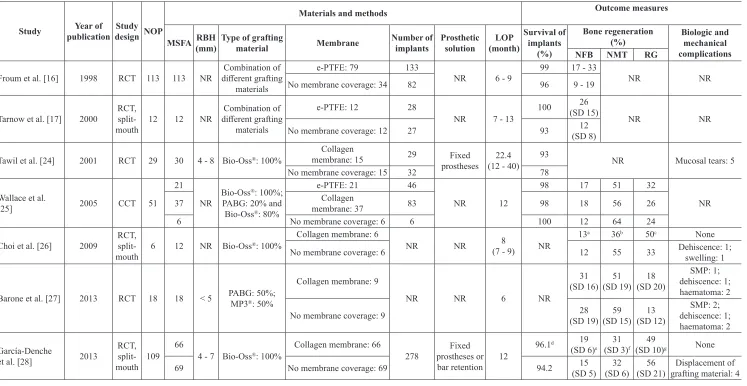
results of the outcome measures are outlined in Table 2.
Survival of implants
Survival of implants with a non-resorbable covering barrier membrane (e-PTFE) was 99% compared with 96% without a membrane [16]. No statistical analysis
was performed [16].
Survival of implants with a non-resorbable covering barrier membrane (e-PTFE) was 100% compared with 93% without a membrane, after 0 to 5 years [17]. No
statistical analysis was performed [17].
Survival of implants with a resorbable covering
collagen barrier membrane (Bio-Gide®) was 93%
compared with 78% without a membrane, after 12 - 40 months [24]. No statistical analysis was performed. There was no difference in implant failure rate between MSFA with immediate or delayed implant placement when membrane coverage of the lateral window was performed. While, an increased implant failure rate was reported after MSFA and immediate implant placement without barrier membrane coverage of the lateral window [24].
Survival of implants after MSFA with a resorbable
collagen covering barrier membrane (Bio-Gide®) or a non-resorbable covering barrier membrane (e-PTFE)
was 98% compared with 100% without a membrane, after one year of functional implant loading [25]. No
statistical analysis was performed [25].
Survival of implants after MSFA with a resorbable
covering collagen barrier membrane (Bio-Gide®) was
96% compared with 94% without a membrane, after one year of functional implant loading [28]. There
was no statistically significant difference in implant survival rate between the two treatment modalities (P = 0.08). However, immediate implant placement revealed a statistically significant higher implant failure rate compared with delayed implant placement (P = 0.04) [28].
Summary
MSFA with or without barrier membrane coverage of the lateral window seems not to significantly influence the implant survival rate. However, a higher percentage of implant failures were reported after MSFA without barrier membrane coverage and
immediate implant placement.
Bone regeneration
Percentage of newly formed bone after MSFA with a
non-resorbable covering barrier membrane (e-PTFE)
varied between 17 - 33% compared with 9 - 19% without a membrane, after 6 to 9 months [16]. No
statistical analysis was performed [16].
Percentage of newly formed bone after MSFA with a
non-resorbable covering barrier membrane (e-PTFE)
was 26 (15)% compared with 11 (8)% without a membrane, after 7 to 13 months [17]. No statistical
analysis was performed [17].
Percentage of newly formed bone, non-mineralised tissue and residual graft material after MSFA with a
non-resorbable covering barrier membrane (e-PTFE)
JOURNAL OF ORAL & MAXILLOFACIAL RESEARCH Starch-Jensen et al.
Table 2. Maxillary sinus floor augmentation with or without barrier membrane coverage of the lateral window
Study publicationYear of design NOPStudy
Materials and methods Outcome measures
MSFA RBH(mm) Type of grafting material Membrane Number of implants Prostheticsolution (month)LOP Survival ofimplants (%)
Bone regeneration
(%) Biologic and mechanical complications
NFB NMT RG
Froum et al. [16] 1998 RCT 113 113 NR different grafting Combination of
materials
e-PTFE: 79 133
NR 6 - 9 99 17 - 33 NR NR
No membrane coverage: 34 82 96 9 - 19
Tarnow et al. [17] 2000 RCT,
split-mouth 12 12 NR
Combination of
different grafting
materials
e-PTFE: 12 28
NR 7 - 13 100
26
(SD 15) NR NR
No membrane coverage: 12 27 93 (SD 8)12
Tawil et al. [24] 2001 RCT 29 30 4 - 8 Bio-Oss®: 100%
Collagen
membrane: 15 29 Fixed
prostheses (12 - 40)22.4 93 NR Mucosal tears: 5
No membrane coverage: 15 32 78
Wallace et al.
[25] 2005 CCT 51
21
NR Bio-Oss ®: 100%;
PABG: 20% and
Bio-Oss®: 80%
e-PTFE: 21 46
NR 12
98 17 51 32
NR
37 membrane: 37Collagen 83 98 18 56 26
6 No membrane coverage: 6 6 100 12 64 24
Choi et al. [26] 2009 RCT,
split-mouth 6 12 NR Bio-Oss
®: 100%
Collagen membrane: 6
NR NR (7 - 9)8 NR 13
a 36b 50c None
No membrane coverage: 6 12 55 33 Dehiscence: 1;swelling: 1
Barone et al. [27] 2013 RCT 18 18 < 5 PABG: 50%;MP3®: 50%
Collagen membrane: 9
NR NR 6 NR
31
(SD 16) (SD 19)51 (SD 20)18
SMP: 1;
dehiscence: 1;
haematoma: 2
No membrane coverage: 9 (SD 19)28 (SD 15)59 (SD 12)13 dehiscence: 1;SMP: 2;
haematoma: 2
García-Denche
et al. [28] 2013
RCT, split-mouth 109
66
4 - 7 Bio-Oss®: 100%
Collagen membrane: 66
278 prostheses or Fixed bar retention 12
96.1d 19
(SD 6)e (SD 3)31 f (SD 10)49 g None 69 No membrane coverage: 69 94.2 (SD 5)15 (SD 6)32 (SD 21)56 grafting material: 4Displacement of
aP = 0.937 (nonparametric Mann-Whitney U test); bP = 0.026 (nonparametric Mann-Whitney U test); cP = 0.093 (nonparametric Mann-Whitney U test); dP = 0.08 (Cohen´s f2 test); eP = 0.52 (non-parametric Wilcoxon t-test); fP = 1 (non-parametric Wilcoxon t-test); gP = 0.6 (non-parametric Wilcoxon t-test).
Corresponding measurements for no barrier
membrane coverage was 12%, 64% and 24%. No statistical analysis was performed, but a higher percentage of newly formed bone and diminished percentage of non-mineralised tissue was observed after MSFA with barrier membrane coverage of the lateral window [25].
Percentage of newly formed bone, non-mineralised tissue and residual graft material after MSFA with a
resorbable covering collagen barrier membrane (Bio-Gide®) was 13%, 36% and 50%, after eight months,
respectively [26]. Corresponding measurements
without a membrane was 12%, 55% and 33%. There were no statistically significant differences in the new bone formation (P = 0.937) and residual grafting material (P = 0.093) after MSFA with or without barrier membrane coverage of the lateral window. However, the average percentage of non-mineralised tissue was statistically significant higher without barrier membrane coverage (P = 0.026) compared with barrier membrane coverage of the lateral window [26].
Percentage of newly formed bone, non-mineralised tissue and residual graft material after MSFA with
a resorbable covering collagen barrier membrane
(Evolution) was 31 (16)%, 51 (19)% and 18 (20)%, after six months, respectively [27]. Corresponding
measurements without a membrane was 28 (19)%, 59 (15)% and 13 (12)%. There was no statistically significant difference in the histomorphometric outcome after MSFA with or without barrier membrane coverage of the lateral window (P = 0.82),
but a decreased percentage of non-mineralised tissue
was observed with barrier membrane coverage [27].
Percentage of newly formed bone, non-mineralised tissue and residual graft material after MSFA with a
covering barrier membrane (Bio-Gide®) was 19 (6)%,
31 (3)% and 49 (10)%, after six months, respectively [28]. Corresponding measurements without a membrane was 15 (5)%, 32 (6)% and 56 (21)%. There was no statistically significant difference in newly formed bone (P = 0.52), non-mineralised tissue (P = 1) or residual graft material (P = 0.6) [28].
Meta-analysis
Meta-analysis (with random effect) where conducted to combine data from multiple studies where similar effects were measured. However meta-analysis can
only be conducted for continuous data if both the mean and standard deviation (SD) are available
of the percentage of newly formed bone and non-mineralised tissue. Thus only three studies [17,27,28] met the inclusion requirement for the meta-analysis
and the remaining studies [16,24-26] were excluded
from the meta-analysis. One of the included studies
[17] did not measure the mean percentage of
non-mineralised tissue and thus two studies were included
in the meta-analysis of non-mineralised tissue and
three studies were included in the meta-analysis of newly formed bone. Random effect analysis and test for heterogeneity was inconclusive due to the
limited number of studies included. No statistically
significant difference in heterogeneity between the included studies was found for newly formed bone
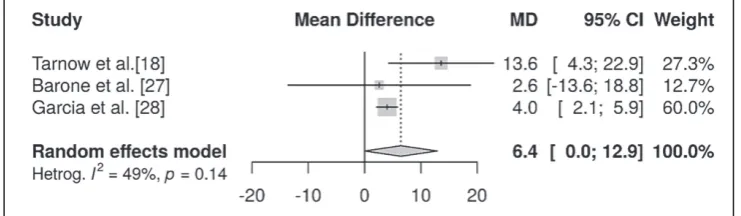
(I2 = 0%, P = 0.803) [17,27,28], and non-mineralised tissue (I2 = 49%, P = 0.14) [27,28]. Meta-analysis
showed a mean difference of newly formed bone of 6.4% (confidence interval [CI] = 0 to 12.9) (Figure 2) and non-mineralised tissue of -1.1% (CI = -2.7
to 0.5) (Figure 3) demonstrating no statistically
significant differences in newly formed bone and non-mineralised tissue after MSFA with or without barrier membrane coverage of the lateral window. However, MSFA with barrier membrane coverage of the lateral window seems to be associated with an overall higher percentage of newly formed bone and diminish non-mineralised tissue compared with the use of no barrier
membrane coverage.
Summary
Histomorphometric evaluation revealed no
statistically significant differences in percentage of newly formed bone and non-mineralised tissue after MSFA with or without barrier membrane coverage of the lateral window. However, a higher percentage of
JOURNAL OF ORAL & MAXILLOFACIAL RESEARCH Starch-Jensen et al.
newly formed bone and diminished non-mineralised tissue was observed with barrier membrane coverage of the lateral window compared with no barrier
membrane coverage.
Biologic and mechanical complications
Mucosal tears were observed in five patients after MSFA [24]. No information was provided about the mucosal tears were related to the use of barrier membrane coverage of the lateral window [24].
Biologic complications involving soft tissue wound dehiscence and unexplained postoperative swelling was described in two patients after MSFA without barrier membrane coverage of the lateral window [26]. The complications were solved with antibiotic treatment [26].
Sinus membrane perforation occurred in both groups
and was successfully treated with a resorbable collagen membrane [27]. Mild haematoma and soft
tissue wound dehiscence also occurred in both groups. There was no difference in the frequency of biologic complications between the two treatment modalities [27].
Unexplained pain occurred in three patients that
resolved after treatment with Clindamycin [28]. Partial loss of grafting material into the subcutaneous space of the maxillary ridge occurred in four patients
after MSFA without barrier membrane coverage of the lateral window [28].
Summary
Biologic and mechanical complications after MSFA
were not reported in all included studies, but when reported, they were generally infrequent and not severe. Perforation of the sinus membrane was the
most frequent intraoperative complication, but this
does not seem to influence the final implant treatment
outcome. Frequency of mucosal tears and soft tissue
wound dehiscence seem to be comparable between the two treatment modalities. However, displacement of the grafting material into the subcutaneous space was only reported after MSFA without barrier membrane coverage of the lateral window.
Quality assessment
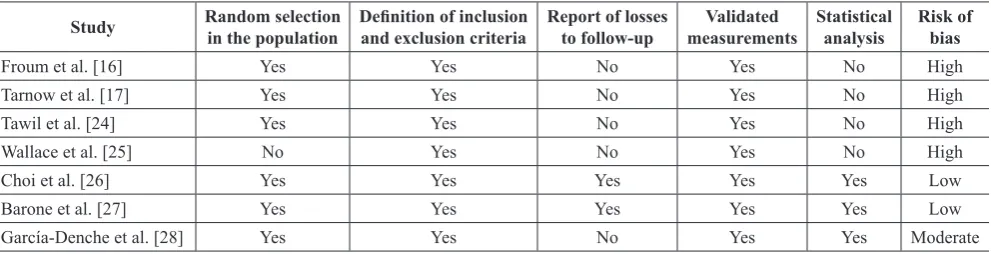
The quality of the included studies is summarised in
Table 3. The controlled trial was characterised by high risk of bias [25]. Two randomised controlled trials were characterised by low risk of bias [26,27], one
with moderate risk of bias [28], and three with high risk of bias [16,17,24].
DISCUSSION
The objective of the present systematic review and meta-analysis was to test the hypothesis of no difference in implant treatment outcomes after MSFA with or without barrier membrane coverage of
Figure 3. Meta-analysis using a random effect model assessing non-mineralised tissue.
Table 3. Quality assessment of included studies
Study Random selectionin the population Definition of inclusionand exclusion criteria Report of lossesto follow-up measurementsValidated Statisticalanalysis Risk ofbias
Froum et al. [16] Yes Yes No Yes No High
Tarnow et al. [17] Yes Yes No Yes No High
Tawil et al. [24] Yes Yes No Yes No High
Wallace et al. [25] No Yes No Yes No High
Choi et al. [26] Yes Yes Yes Yes Yes Low
Barone et al. [27] Yes Yes Yes Yes Yes Low
the lateral window. The electronic search and
hand-searching resulted in 1068 entries. One controlled
trial [25] with high risk of bias and six randomised controlled trials [16,17,24,26-28] characterised by
low [26,27], moderate [28] and high risk of bias
[16,17,24], fulfilled the inclusion criteria and were included in the final synthesis.
The result of the present systematic review and meta-analysis demonstrated no statistically significant difference in implant survival rate, newly formed bone or non-mineralised tissue after MSFA with or without barrier membrane coverage of the lateral window. However, barrier membrane coverage of the lateral window generally increases the percentage of newly formed bone and diminishes proliferation of non-mineralised tissue. Thus, MSFA with barrier membrane coverage of the lateral window seems to be beneficial and improve bone regeneration. However, considerable variations in study design,
small patient samples and type of outcome measures
as well as various methodological confounding factors posed serious restrictions to review the literature
in a quantitative systematic manner. Hence, the
conclusions drawn from the results of the present systematic review should be interpreted with extreme caution and well-designed randomised controlled trials with larger patient samples are needed before definite conclusions can be provided about the effectiveness of barrier membrane coverage of the lateral window in conjunction with MSFA.
The included studies of the present systematic review revealed a tendency towards higher percentage of newly formed bone and diminished non-mineralised tissue after MSFA with barrier membrane coverage of the lateral window compared with no barrier membrane coverage [16,17,25-28]. Moreover, soft
tissue adherence to the graft particles and infiltration of connective tissue into the grafting material was reported after MSFA without barrier membrane coverage of the lateral window [26]. However, the histomorphometric outcome after MSFA with or without barrier membrane coverage are influences
by numerous factors including the dimension of
the lateral window, volume of the maxillary sinus
cavity, type of grafting material and the residual
alveolar bone height [34-36]. A statistically
significant higher percentage of newly formed bone
and diminished non-mineralised tissue have been
reported after MSFA with reduced dimension of the lateral window compared with larger dimension [34]. In the present systematic review, the dimension of the lateral window was measured in one of the
included studies demonstrating higher percentage
of newly formed bone and diminishes
non-mineralised tissue with barrier membrane coverage compared with no membrane coverage, when the dimension of the lateral window was equivalent [27]. Consequently, the histomorphometric outcome
is improved after MSFA with barrier membrane coverage when the dimension of the lateral window
is equivalent.
Recent studies have demonstrated that the percentage
of newly formed bone is inversely proportional to
the bucco-palatal distance of the maxillary sinus. Thus, the volume of the maxillary sinus cavity also
influences the amount of bone regeneration [36-39].
However, none of the included studies of the present systematic review evaluated the dimension of the
maxillary sinus cavity or standardised the quantity of the grafting material.
A recent systematic review and meta-analysis
assessing histomorphometric variables after MSFA concluded that autogenous bone graft revealed the
highest amount of newly formed bone compared with other grafting materials [35]. The included studies
of the present systematic review used dissimilar
grafting materials and the histomorphometric outcome are thus not factual comparable. Consequently,
histomorphometric outcome after MSFA is influenced by several confounding factors, which is not taken into account in the present systematic review.
A newly published retrospective study concluded that MSFA with barrier membrane coverage of the lateral window diminishes postoperative
displacement of the grafting material and prevents
bone substitutes particles from penetrating within the buccal mucosa [40]. One of the included
studies of the present systematic review reported
displacement of the grafting material into the
subcutaneous space after MSFA without barrier membrane coverage [28]. Haemorrhage and swelling
of the Schneiderian membrane after MSFA combined
with the physiologically positive air pressure of
the maxillary sinus may cause displacement of the
grafting material through the lateral window, if the lateral window is left uncovered [28,40]. Thus, it
is important that patients are instructed not to blow their nose and sneeze with open mouth after MSFA without barrier membrane coverage of the lateral window.
Changes in Schneiderian membrane thickness after MSFA have previously been assessed by cone beam computed tomography demonstrating a transient
swelling of the Schneiderian membrane, which reaches the highest value one week after surgery and completely resolves over months [41,42]. The use of
a larger graft volume was positively correlated with
JOURNAL OF ORAL & MAXILLOFACIAL RESEARCH Starch-Jensen et al.
thickness [41]. Moreover, a recent computed tomographic study demonstrated that displacement of
the grafting material was also influenced by the used volume of the grafting material [40]. Consequently,
MSFA without barrier membrane coverage of the lateral window is associated with an increased risk
of postoperatively displacement of the grafting
material due to transient swelling of the Schneiderian membrane, size of the lateral window and volume
of the grafting material. Thus, membrane coverage
of the lateral window seems to stabilise and prevent
displacement of the grafting material.
Systematic reviews provide a meticulous summary of
the current evidence related to a research question or hypothesis. Meta-analysis is the statistical synthesis
of the results included in the systematic review. The strength of evidence from a systematic review
and meta-analysis is therefore related to the quality of the included studies. High quality randomised
controlled trials with low risk of bias provide the
highest level of evidence for ascertaining the safety
and efficacy of a specific surgical intervention. The
histomorphometric outcome of the present systematic
review and meta-analysis is based on one randomised controlled trials with low risk of bias [27], one
with moderate risk of bias [28], and one with high risk of bias [17]. Consequently, the current level of evidence is inadequate to propose implications for evidence based clinical guidelines according to the focus question of the present systematic
review.
CONCLUSIONS
The present systematic review and meta-analysis revealed no statistically significant difference
in implant treatment outcomes after maxillary
sinus floor augmentation with or without barrier membrane coverage of the lateral window. However,
barrier membrane coverage increases percentage of
newly formed bone, diminish proliferation of
non-mineralised tissue and prevent displacement of the grafting material. Thus, barrier membrane coverage of
the lateral window seems to be beneficial and improve implant treatment outcomes. However, small patient samples, dissimilar evaluation methods, different
outcome measures and various methodological confounding factors posed serious restrictions
reviewing the literature in a quantitative systematic manner. Hence, the conclusions drawn from the results of the present systematic review should be interpreted with extreme caution and well-designed randomised controlled trials that follow Consolidated Standards of Reporting Trials (CONSORT) guidelines
are needed before definite conclusions can be provided about the effectiveness of barrier membrane coverage of the lateral window.
ACKNOWLEDGMENTS AND DISCLOSURE STATEMENTS
The authors report no conflicts of interest related to
this study.
REFERENCES
1. Starch-Jensen T, Aludden H, Hallman M, Dahlin C, Christensen AE, Mordenfeld A. A systematic review and meta-analysis of long-term studies (five or more years) assessing maxillary sinus floor augmentation. Int J Oral Maxillofac Surg. 2018 Jan;47(1):103-116. [Medline: 28545806] [doi: 10.1016/j.ijom.2017.05.001]
2. Starch-Jensen T, Mordenfeld A, Becktor JP, Jensen SS. Maxillary Sinus Floor Augmentation With Synthetic Bone Substitutes Compared With Other Grafting Materials: A Systematic Review and Meta-analysis. Implant Dent. 2018 Jun;27(3):363-374. [Medline: 29771732] [doi: 10.1097/ID.0000000000000768]
3. Starch-Jensen T, Jensen JD. Maxillary Sinus Floor Augmentation: a Review of Selected Treatment Modalities. J Oral Maxillofac Res. 2017 Sep 30;8(3):e3. [Medline: 29142655] [PMC free article: 5676313] [doi: 10.5037/jomr.2017.8303] 4. Jensen T, Schou S, Stavropoulos A, Terheyden H, Holmstrup P. Maxillary sinus floor augmentation with Bio-Oss or
Bio-Oss mixed with autogenous bone as graft: a systematic review. Clin Oral Implants Res. 2012 Mar;23(3):263-73. [Medline: 21443592] [doi: 10.1111/j.1600-0501.2011.02168.x]
5. Raghoebar GM, Onclin P, Boven GC, Vissink A, Meijer HJA. Long-term effectiveness of maxillary sinus floor augmentation: A systematic review and meta-analysis. J Clin Periodontol. 2019 Jun;46 Suppl 21:307-318. [Medline: 30624789] [doi: 10.1111/jcpe.13055]
6. Antonoglou GN, Stavropoulos A, Samara MD, Ioannidis A, Benic GI, Papageorgiou SN, Sándor GK. Clinical Performance of Dental Implants Following Sinus Floor Augmentation: A Systematic Review and Meta-Analysis of Clinical Trials with at Least 3 Years of Follow-up. Int J Oral Maxillofac Implants. 2018 May/Jun;33(3):e45-e65. [Medline: 29763503] [doi: 10.11607/jomi.6417]
8. Esposito M, Grusovin MG, Rees J, Karasoulos D, Felice P, Alissa R, Worthington H, Coulthard P. Effectiveness of sinus lift procedures for dental implant rehabilitation: a Cochrane systematic review. Eur J Oral Implantol. 2010 Spring;3(1):7-26. [Medline: 20467595]
9. McAllister BS, Margolin MD, Cogan AG, Taylor M, Wollins J. Residual lateral wall defects following sinus grafting with recombinant human osteogenic protein-1 or Bio-Oss in the chimpanzee. Int J Periodontics Restorative Dent. 1998 Jun;18(3):227-39. [Medline: 9728105]
10. Wallace SS, Tarnow DP, Froum SJ, Cho SC, Zadeh HH, Stoupel J, Del Fabbro M, Testori T. Maxillary sinus elevation by lateral window approach: evolution of technology and technique. J Evid Based Dent Pract. 2012 Sep;12(3 Suppl):161-71. [Medline: 23040346] [doi: 10.1016/S1532-3382(12)70030-1]
11. Gassling V, Purcz N, Braesen JH, Will M, Gierloff M, Behrens E, Açil Y, Wiltfang J. Comparison of two different absorbable membranes for the coverage of lateral osteotomy sites in maxillary sinus augmentation: a preliminary study. J Craniomaxillofac Surg. 2013 Jan;41(1):76-82. [Medline: 23218506] [doi: 10.1016/j.jcms.2012.10.015]
12. Ting M, Rice JG, Braid SM, Lee CYS, Suzuki JB. Maxillary Sinus Augmentation for Dental Implant Rehabilitation of the Edentulous Ridge: A Comprehensive Overview of Systematic Reviews. Implant Dent. 2017 Jun;26(3):438-464. [Medline: 28520572] [doi: 10.1097/ID.0000000000000606]
13. Wallace SS, Froum SJ. Effect of maxillary sinus augmentation on the survival of endosseous dental implants. A systematic review. Ann Periodontol. 2003 Dec;8(1):328-43. [Medline: 14971260] [doi: 10.1902/annals.2003.8.1.328]
14. Duttenhoefer F, Souren C, Menne D, Emmerich D, Schön R, Sauerbier S. Long-term survival of dental implants placed in the grafted maxillary sinus: systematic review and meta-analysis of treatment modalities. PLoS One. 2013 Sep 18;8(9):e75357. [Medline: 24058679] [PMC free article: 3776785] [doi: 10.1371/journal.pone.0075357] 15. Pjetursson BE, Tan WC, Zwahlen M, Lang NP. A systematic review of the success of sinus floor elevation and survival
of implants inserted in combination with sinus floor elevation. J Clin Periodontol. 2008 Sep;35(8 Suppl):216-40. [Medline: 18724852] [doi: 10.1111/j.1600-051X.2008.01272.x]
16. Froum SJ, Tarnow DP, Wallace SS, Rohrer MD, Cho SC. Sinus floor elevation using anorganic bovine bone matrix (OsteoGraf/N) with and without autogenous bone: a clinical, histologic, radiographic, and histomorphometric analysis--Part 2 of an ongoing prospective study. Int J Periodontics Restorative Dent. 1998 Dec;18(6):528-43. [Medline: 10321168] 17. Tarnow DP, Wallace SS, Froum SJ, Rohrer MD, Cho SC. Histologic and clinical comparison of bilateral sinus floor
elevations with and without barrier membrane placement in 12 patients: Part 3 of an ongoing prospective study. Int J Periodontics Restorative Dent. 2000 Apr;20(2):117-25. [Medline: 11203554]
18. Nkenke E, Stelzle F. Clinical outcomes of sinus floor augmentation for implant placement using autogenous bone or bone substitutes: a systematic review. Clin Oral Implants Res. 2009 Sep;20 Suppl 4:124-33. [Medline: 19663959] [doi: 10.1111/j.1600-0501.2009.01776.x]
19. Suárez-López Del Amo F, Ortega-Oller I, Catena A, Monje A, Khoshkam V, Torrecillas-Martínez L, Wang HL, Galindo-Moreno P. Effect of barrier membranes on the outcomes of maxillary sinus floor augmentation: a meta-analysis of histomorphometric outcomes. Int J Oral Maxillofac Implants. 2015 May-Jun;30(3):607-18. [Medline: 25671628] [doi: 10.11607/jomi.3886]
20. Klijn RJ, Meijer GJ, Bronkhorst EM, Jansen JA. A meta-analysis of histomorphometric results and graft healing time of various biomaterials compared to autologous bone used as sinus floor augmentation material in humans. Tissue Eng Part B Rev. 2010 Oct;16(5):493-507. [Medline: 20334505] [doi: 10.1089/ten.teb.2010.0035]
21. Klijn RJ, Meijer GJ, Bronkhorst EM, Jansen JA. Sinus floor augmentation surgery using autologous bone grafts from various donor sites: a meta-analysis of the total bone volume. Tissue Eng Part B Rev. 2010 Jun;16(3):295-303. [Medline: 19958168] [doi: 10.1089/ten.teb.2009.0558]
22. Welch V, Petticrew M, Tugwell P, Moher D, O’Neill J, Waters E, White H; Equity Bellagio group. PRISMA-Equity 2012 extension: reporting guidelines for systematic reviews with a focus on health equity. PLoS Med. 2012;9(10):e1001333. [Medline: 23222917] [PMC free article: 3484052] [doi: 10.1371/journal.pmed.1001333]
23. Higgins JPT, Altman DG, Sterne JAC. Chapter 8: assessing risk of bias in included studies. In: Higgins JPT, Green S, editors. Cochrane handbook for systematic reviews of interventions version 5.1.0 (updated March 2011). The Cochrane Collaboration. 2011. [URL: http://handbook.cochrane.org/]
24. Tawil G, Mawla M. Sinus floor elevation using a bovine bone mineral (Bio-Oss) with or without the concomitant use of a bilayered collagen barrier (Bio-Gide): a clinical report of immediate and delayed implant placement. Int J Oral Maxillofac Implants. 2001 Sep-Oct;16(5):713-21. [Medline: 11669254]
25. Wallace SS, Froum SJ, Cho SC, Elian N, Monteiro D, Kim BS, Tarnow DP. Sinus augmentation utilizing anorganic bovine bone (Bio-Oss) with absorbable and nonabsorbable membranes placed over the lateral window: histomorphometric and clinical analyses. Int J Periodontics Restorative Dent. 2005 Dec;25(6):551-9. [Medline: 16353530]
26. Choi KS, Kan JY, Boyne PJ, Goodacre CJ, Lozada JL, Rungcharassaeng K. The effects of resorbable membrane on human maxillary sinus graft: a pilot study. Int J Oral Maxillofac Implants. 2009 Jan-Feb;24(1):73-80. [Medline: 19344028] 27. Barone A, Ricci M, Grassi RF, Nannmark U, Quaranta A, Covani U. A 6-month histological analysis on maxillary
JOURNAL OF ORAL & MAXILLOFACIAL RESEARCH Starch-Jensen et al.
28. García-Denche JT, Wu X, Martinez PP, Eimar H, Ikbal DJ, Hernández G, López-Cabarcos E, Fernandez-Tresguerres I, Tamimi F. Membranes over the lateral window in sinus augmentation procedures: a two-arm and split-mouth randomized clinical trials. J Clin Periodontol. 2013 Nov;40(11):1043-51.. [Medline: 24164570] [doi: 10.1111/jcpe.12153]
29. Cho YS, Park HK, Park CJ. Bony window repositioning without using a barrier membrane in the lateral approach for maxillary sinus bone grafts: clinical and radiologic results at 6 months. Int J Oral Maxillofac Implants. 2012 Jan-Feb;27(1):211-7. [Medline: 22299099]
30. Yu H, He D, Qiu L. A prospective randomized controlled trial of the two-window technique without membrane versus the solo-window technique with membrane over the osteotomy window for maxillary sinus augmentation. Clin Implant Dent Relat Res. 2017 Dec;19(6):1099-1105. [Medline: 29034598] [doi: 10.1111/cid.12547]
31. Cordaro L, Bosshardt DD, Palattella P, Rao W, Serino G, Chiapasco M. Maxillary sinus grafting with Bio-Oss or Straumann Bone Ceramic: histomorphometric results from a randomized controlled multicenter clinical trial. Clin Oral Implants Res. 2008 Aug;19(8):796-803. [Medline: 18705811] [doi: 10.1111/j.1600-0501.2008.01565.x]
32. Froum SJ, Wallace SS, Elian N, Cho SC, Tarnow DP. Comparison of mineralized cancellous bone allograft (Puros) and anorganic bovine bone matrix (Bio-Oss) for sinus augmentation: histomorphometry at 26 to 32 weeks after grafting. Int J Periodontics Restorative Dent. 2006 Dec;26(6):543-51. [Medline: 17243327]
33. Froum SJ, Wallace SS, Cho SC, Elian N, Tarnow DP. Histomorphometric comparison of a biphasic bone ceramic to anorganic bovine bone for sinus augmentation: 6- to 8-month postsurgical assessment of vital bone formation. A pilot study. Int J Periodontics Restorative Dent. 2008 Jun;28(3):273-81. [Medline: 18605603]
34. Avila-Ortiz G, Wang HL, Galindo-Moreno P, Misch CE, Rudek I, Neiva R. Influence of lateral window dimensions on vital bone formation following maxillary sinus augmentation. Int J Oral Maxillofac Implants. 2012 Sep-Oct;27(5):1230-8. [Medline: 23057039]
35. Danesh-Sani SA, Engebretson SP, Janal MN. Histomorphometric results of different grafting materials and effect of healing time on bone maturation after sinus floor augmentation: a systematic review and meta-analysis. J Periodontal Res. 2017 Jun;52(3):301-312. [Medline: 27534916] [doi: 10.1111/jre.12402]
36. Avila G, Wang HL, Galindo-Moreno P, Misch CE, Bagramian RA, Rudek I, Benavides E, Moreno-Riestra I, Braun T, Neiva R. The influence of the bucco-palatal distance on sinus augmentation outcomes. J Periodontol. 2010 Jul;81(7): 1041-50. [Medline: 20450402] [doi: 10.1902/jop.2010.090686]
37. Stacchi C, Lombardi T, Ottonelli R, Berton F, Perinetti G, Traini T. New bone formation after transcrestal sinus floor elevation was influenced by sinus cavity dimensions: A prospective histologic and histomorphometric study. Clin Oral Implants Res. 2018 May;29(5):465-479. [Medline: 29569763] [doi: 10.1111/clr.13144]
38. Lombardi T, Stacchi C, Berton F, Traini T, Torelli L, Di Lenarda R. Influence of Maxillary Sinus Width on New Bone Formation After Transcrestal Sinus Floor Elevation: A Proof-of-Concept Prospective Cohort Study. Implant Dent. 2017 Apr;26(2):209-216. [Medline: 28125520] [doi: 10.1097/ID.0000000000000554]
39. Soardi CM, Spinato S, Zaffe D, Wang HL. Atrophic maxillary floor augmentation by mineralized human bone allograft in sinuses of different size: an histologic and histomorphometric analysis. Clin Oral Implants Res. 2011 May;22(5):560-6. [Medline: 21143532] [doi: 10.1111/j.1600-0501.2010.02034.x]
40. Ohayon L, Taschieri S, Friedmann A, Del Fabbro M. Bone Graft Displacement After Maxillary Sinus Floor Augmentation With or Without Covering Barrier Membrane: A Retrospective Computed Tomographic Image Evaluation. Int J Oral Maxillofac Implants. 2019 May/June;34(3):681–691. [Medline: 30521657] [doi: 10.11607/jomi.6940]
41. Makary C, Rebaudi A, Menhall A, Naaman N. Changes in Sinus Membrane Thickness After Lateral Sinus Floor Elevation: A Radiographic Study. Int J Oral Maxillofac Implants. 2016 Mar-Apr;31(2):331-7. [Medline: 26478975] [doi: 10.11607/jomi.4108]
42. Guo ZZ, Liu Y, Qin L, Song YL, Xie C, Li DH. Longitudinal response of membrane thickness and ostium patency following sinus floor elevation: a prospective cohort study. Clin Oral Implants Res. 2016 Jun;27(6):724-9. [Medline: 26277876] [doi: 10.1111/clr.12655]
To cite this article:
Starch-Jensen T, Deluiz D, Duch K, Tinoco EMB.
Maxillary Sinus Floor Augmentation With or Without Barrier Membrane Coverage of the Lateral Window: a Systematic Review and Meta-Analysis
J Oral Maxillofac Res 2019;10(4):e1
Copyright © Starch-Jensen T, Deluiz D, Duch K, Tinoco EMB. Published in the JOURNAL OF ORAL & MAXILLOFACIAL RESEARCH (http://www.ejomr.org), 30 December 2019.
JOURNAL OF ORAL & MAXILLOFACIAL RESEARCH Starch-Jensen et al.
Appendix 1. PRISMA checklist [22]
Section/topic # Checklist item Reported on page #
TITLE
Title 1 Identify the report as a systematic review, meta-analysis, or both. 1
ABSTRACT
Structured summary 2 Provide a structured summary including, as applicable: background; objectives; data sources; study eligibility criteria, participants, and interventions; study appraisal and synthesis methods; results;
limitations; conclusions and implications of key findings; systematic review registration number. 2 INTRODUCTION
Rationale 3 Describe the rationale for the review in the context of what is already known. 4 Objectives 4 Provide an explicit statement of questions being addressed with reference to participants, interventions, comparisons, outcomes, and study design (PICOS). - 4,5
METHODS
Protocol and
registra-tion 5 Indicate if a review protocol exists, if and where it can be accessed (e.g., Web address), and, if available, provide registration information including registration number. 6 Eligibility criteria 6 Specify study characteristics (e.g., PICOS, length of follow-up) and report characteristics (e.g., years considered, language, publication status) used as criteria for eligibility, giving rationale. 6,7,9
Information sources 7 Describe all information sources (e.g., databases with dates of coverage, contact with study authors to identify additional studies) in the search and date last searched. 7,8
Search 8 Present full electronic search strategy for at least one database, including any limits used, such that it could be repeated. 8
Study selection 9 State the process for selecting studies (i.e., screening, eligibility, included in systematic review, and, if applicable, included in the meta-analysis). 8,9 Data collection
process 10 Describe method of data extraction from reports (e.g., piloted forms, independently, in duplicate) and any processes for obtaining and confirming data from investigators. 9,10
Data items 11List and define all variables for which data were sought (e.g., PICOS, funding sources) and any assumptions and simplifications made. 10
Risk of bias in indi-vidual studies 12
Describe methods used for assessing risk of bias of individual studies (including specification of whether this was done at the study or outcome level), and how this information is to be used in any
data synthesis. 10,11
Summary measures 13State the principal summary measures (e.g., risk ratio, difference in means). Not reported Synthesis of results 14 Describe the methods of handling data and combining results of studies, if done, including mea-sures of consistency (e.g., I2) for each meta-analysis. 12,13 Risk of bias across
studies 15Specify any assessment of risk of bias that may affect the cumulative evidence (e.g., publication bias, selective reporting within studies). Not reported
Additional analyses 16 Describe methods of additional analyses (e.g., sensitivity or subgroup analyses, meta-regression), if done, indicating which were pre-specified. Not reported
RESULTS
Study selection 17Give numbers of studies screened, assessed for eligibility, and included in the review, with reasons for exclusions at each stage, ideally with a flow diagram. 13
Study characteristics 18For each study, present characteristics for which data were extracted (e.g., study size, PICOS, follow-up period) and provide the citations. 13-15
Risk of bias within
studies 19 Present data on risk of bias of each study and, if available, any outcome level assessment (see item 12). 21 Results of individual
studies 20For all outcomes considered (benefits or harms), present, for each study: (a) simple summary data for each intervention group (b) effect estimates and confidence intervals, ideally with a forest plot. 15-21
Synthesis of results 21Present results of each meta-analysis done, including confidence intervals and measures of consistency. - 18,19 Risk of bias across
studies 22 Present results of any assessment of risk of bias across studies (see Item 15). 21 Additional analysis 23 Give results of additional analyses, if done (e.g., sensitivity or subgroup analyses, meta-regression [see Item 16]). Not reported
DISCUSSION
Summary of evidence 24Summarize the main findings including the strength of evidence for each main outcome; consider their relevance to key groups (e.g., healthcare providers, users, and policy makers). 21
Limitations 25Discuss limitations at study and outcome level (e.g., risk of bias), and at review-level (e.g., incomplete retrieval of identified research, reporting bias). - 21,22
Conclusions 26 Provide a general interpretation of the results in the context of other evidence, and implications for future research. 24,25
FUNDING
Appendix 2. PubMed search until the 5th of July, 2019
Search Add to builder Query foundItems
#48 Add
Search ((((Osteotomy[tw] OR lateral[tw] OR window[tw])) AND ((((“Sinus Floor Augmentation”[Mesh]) OR (((((“Maxillary Sinus”[Mesh]) OR Maxillary Sinus[Text Word]) OR sinus floor[Text Word])) AND ((“Bone Transplantation”[Mesh]) OR ((transplant*[Text Word] OR augmentat*[Text Word] OR elevat*[Text Word] OR graft*[Text Word] OR lift*[Text Word])))))) AND membrane*[Text Word])))
469
Appendix 3. Embase search until the 5th of July, 2019
No. Query Results
#15 #10 AND #13 AND #14 442
#14 osteotomy:ti,ab,kw,de OR lateral:ti,ab,kw,de OR window*:ti,ab,kw,de 512091
#13 #11 OR #12 1381887
#12 ‘artificial membrane’/exp 47221
#11 membrane*:ti,ab,kw,de 1380557
#10 #1 OR #9 3339
#9 #5 AND #8 3339
#8 #6 OR #7 1939869
#7 transplant*:ti,ab,kw OR augmentat*:ti,ab,kw OR graft*:ti,ab,kw OR elevat*:ti,ab,kw OR lift*:ti,ab,kw 1920983
#6 ‘bone transplantation’/exp 51406
#5 #2 OR #3 OR #4 17891
#4 (sinus NEAR/2 floor):ti,ab,kw,de 2001
#3 ((maxilla* OR maxillar*) NEAR/2 sinus):ti,ab,kw,de 17442
#2 ‘maxillary sinus’/exp 12055
#1 ‘sinus floor augmentation’/exp 991
Appendix 4. Cochrane Library search until the 5th of July, 2019
ID Search Hits
#1 MeSH descriptor: [Sinus Floor Augmentation] explode all trees 134 #2 ((maxiilla* OR maxillary) NEAR/2 Sinus) 613
#3 sinus NEAR/2 floor 338
#4 #2 OR #3 712
#5 MeSH descriptor: [Bone Transplantation] explode all trees 886 #6 transplant* OR augmentat* OR graft* OR elevat* OR lift* 108626
#7 #5 OR #6 108626
#8 #4 AND #7 456
#9 #1 OR #8 456
#10 MeSH descriptor: [Membranes, Artificial] explode all trees 1174
#11 membrane* 16574
#12 #10 OR #11 16908
#13 osteotomy OR lateral OR window* 20494