Research Article
The Level of Zinc is Increasing, while the Serum Folat Level is Decreasing,
after Multi-Micronutrient Supplementation in Pregnant Woman
Kadar Zinc Meningkat, sementara Kadar Asam Folat Menurun, setelah
Pemberian Suplementasi Multivitamin dan Multimineral pada Perempuan Hamil
Kartini, Noroyono Wibowo
Maternal-Fetal Division
Department of Obstetrics and Gynecology/ Dr. Cipto Mangunkusumo Hospital
Jakarta
INTRODUCTION
Micronutrients deficiencies are a major global health problem. More than 2 billion people in the world today are estimated to be deficient in vita-mins and minerals, particularly vitamin A, iodine, iron and zinc.1 One of the most vulnerable group
of micronutrient deficiencies is pregnant women because they have greater need for vitamins and minerals and the impact may contribute to birth outcomes.2
Studies have shown that micronutrient deficien-cies contributed to maternal and neonatal morbid-Abstract
Objective: To measure the changes of serum iron, folic acid, zinc and selenium level on pregnant woman after multi-micronutrient sup-plementation.
Method: First trimester pregnant woman whom attended Maternal-Fetal Policlinic at Dr. Cipto Mangunkusumo Hospital from July 2011 till October 2011 was considered into the study. The intervention was consumption of multi-micronutrient tablet once a day for three months period. The outcomes were the measurements of serum level of iron, folic acid, zinc and selenium before and after supple-mentation. We used paired T Test and Wilcoxon test for statistical analysis.
Results: Twenty-eight pregnant women in their first trimester par-ticipated in the study. The micronutrient serum level was measured before and after supplementation during the time period. Before supplementation, serum iron and zinc level were below normal. Se-rum selenium level was normal with higher than normal seSe-rum folic acid level. After supplementation, serum zinc level was found to be below normal. Both level of serum iron and selenium increased to normal. Serum folic level was higher than normal. We found a de-crease in serum zinc level with an inde-crease in serum folic acid level that was statistically significant (p 0.009; p 0.003 respectively). We also found a slight decrease of serum iron level and an increase of serum selenium level that were not statistically significant (p 0.295; p 0.333).
Conclusion: There is a decreased level of serum zinc with an in-crease in serum folic acid level after multi-micronutrient supple-mentation.
[Indones J Obstet Gynecol 2012; 36-4: 171-5] Keywords: multi-micronutrient, supplementation
Abstrak
Tujuan: Menilai adanya perubahan kadar mikronutrien besi, folat, zinc dan selenium pada perempuan hamil setelah pemberian multivi-tamin dan multimineral.
Metode: Perempuan hamil trimester 1 yang melakukan kunjungan antenatal di Poliklinik Fetomaternal Rumah Sakit Dr. Cipto Ma-ngunkusumo periode Juli hingga Oktober 2011 masuk sebagai subjek penelitian. Intervensi dilakukan dengan memberikan multivitamin dan mineral yang dikonsumsi 1 tablet perhari selama 3 bulan. Pe-ngukuran kadar besi, folat, zinc dan selenium serum sebelum dan se-sudah pemberian multivitamin dan multimineral menjadi keluaran penelitian. Analisis statistik menggunakan uji T berpasangan dan uji Wilcoxon.
Hasil: Sebanyak 28 perempuan hamil trimester 1 yang bersedia ikut dalam penelitian dan menjalani pemeriksaan kadar mikronutrien se-belum dan sesudah pemberian multivitamin dalam periode penelitian. Sebelum pemberian multivitamin, kadar besi dan zinc di bawah mal, kadar selenium dalam batas normal dan kadar folat di atas nor-mal. Pascasuplementasi multivitamin dan multimineral kadar zinc di bawah normal, kadar besi dan selenium dalam batas normal dan kadar folat di atas normal. Didapat penurunan kadar zinc dan pe-ningkatan kadar folat pascasuplementasi yang bermakna secara sta-tistik (p 0,009; p 0,003). Didapat penurunan kadar besi dan pening-katan kadar selenium yang tidak bermakna secara statistik (p 0,295; p 0,333).
Kesimpulan: Terdapat penurunan kadar zinc dan peningkatan kadar folat pascasuplementasi multivitamin dan multimineral.
[Maj Obstet Ginekol Indones 2012; 36-4: 171-5]
Kata kunci: mikronutrien, suplementasi multivitamin dan multimi-neral
ity and mortality. Iron deficiency anemia on preg-nant women may increase the risk of death from post partum hemorrhage. Folic acid deficiency can lead to hematological consequences, pregnancy complications and congenital malformations. Zinc deficiency has been associated with preeclampsia, premature rupture of membranes, growth retarda-tion and retarded neurobehavioral, also immu-nologic impairment of the fetus.3 Recurrent early pregnancy loss has been associated with reduced serum selenium concentration.4
Multiple micronutrient deficiencies often coexist and there is an increased interest in evaluating the benefit of multi-micronutrient supplementations in pregnancy.5 Trials on multi-micronutrient supple-mentation compared with iron-folic acid and the effect to maternal and neonatal outcomes have been done in many countries such as Indonesia,6 India,7 Zimbabwe,8 Nepal,9 Tanzania,10 Guinea Bis-sau,11 China,12 France,13 and USA,14 and have shown improvements in birth weight, reduction in intrauterine growth retardation, prematurity and infant morbidity.
Meta-analysis of the effects of prenatal multi-micronutrient supplementation on pregnancy out-comes reported by Shah and Ohlsson, 2009, con-cluded that prenatal multi-micronutrient supple-mentation was associated with a significantly re-duced risk of low birth weight and with improved birth weight when compared with iron-folic acid supplementation. But there is no significant effect of multi-micronutrient supplementations on the risk of preterm birth or small for gestational age infants.15
Most of health care providers worldwide nowa-days give multi-micronutrient supplementations since first trimester of pregnancy, but there is in-sufficient evidence to prove the benefit from re-placing iron-folic acid supplementation with multi-micronutrient supplement during pregnancy.16
The effectiveness of multi-micronutrient supple-mentation have been questioned due to possible interaction among micronutrients resulting in their impaired absorption.5 This study aimed to evaluate the benefit of multi-micronutrient supplementa-tion by measuring the changes in micronutrients serum level before and after supplementation and to show whether multi-micronutrient supplemen-tation can meet the increasing need of micronutri-ents during pregnancy and achieved normal serum level on each trimester.
METHODS
We conducted a quasi-experimental study. This study was conducted from July 2011 to October 2011. First trimester pregnant women whom agreed to join this study and had the measurement of micronutrients serum level before and after the intervention was included in the study. The inter-vention was consuming multi-micronutrient tablet once a day for three- month period. The composi-tion of multi-micronutrient are Omega-3 fatty acid (50% DHA 150 mg) 300 mg, biotin 30 μg, chro-mium 30 mg, copper 1 mg, folic acid 600 mg, iodine 150 mg, Fe 14 mg, Mg 10 mg, molybdenum 50 μg, nicotinamide 18 mg, selenium 60 μg, β-carotene 1000 μg/2 mg, vit B1 1.4 mg, vit B2 1.9 mg, vit B12 2.6 μg, vit C 85 mg, vit D1 5 μg, vit E 15 mg, Zn 11 mg.
Before the intervention, the women underwent blood examination and they must come back three months after the first procedure and after consum-ing 90 tablet of multi-micronutrient to undergo the second blood examination. Serum iron, zinc and se-lenium level were measured using ICP-OES (Induc-tively Coupled Plasma-Optical Emission Spectro-metry) and serum folic acid level was determined using electrochemiluminescence immunoassay (ECLIA) method.
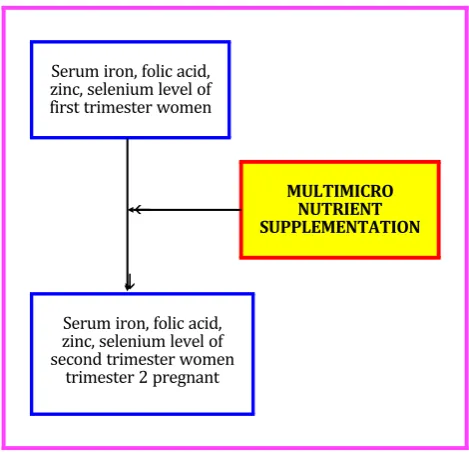
Figure 1. Schematic representation of study scheme Data analysis was conducted with Statistical Package for Social Science (SPSS Inc,) Version 17.0. Data about mean and standard deviation were measured. We used Kolmogorov Smirnov test for testing the normality of the data distribution. Statistical analysis was done with Paired T test and for data not normally distributed, Wilcoxon test was used.
Serum iron, folic acid, zinc, selenium level of first trimester women
Serum iron, folic acid, zinc, selenium level of second trimester women
trimester 2 pregnant
RESULT
We had a total of 28 pregnant women on first tri-mester, which agreed to join the research and had data before and after intervention on the research time period. From the age distribution data, the mean age was 29.74 years old (SD 3.32). Before supplementation, first trimester pregnant women in this research had low serum iron, zinc and sele-nium level, and high serum folic acid level.
DISCUSSION
This was a preliminary study of micronutrient on pregnancy study conducted in Fetomaternal Divi-sion, Department of Obstetrics and Gynecology, Dr. Cipto Mangunkusumo Hospital. For our knowledge, this was the first study to evaluate multi-micronu-trient supplementation impact to micronumulti-micronu-trient se-rum level of pregnant women conducted in Indo-nesia.
Table 1. Serum micronutrient level on first trimester women before supplementation
Variable Mean Median SD Min Max Normal value of1st trimester
Folic acid* (ng/ml) 21.48 20.30 7.14 11.10 40.70 2.6-15
Iron* (μg/ml) 6.25 5.91 3.01 1.54 18.30 7.2-14.3
Selenium* (μg/ml) 0.16 0.003 0.25 0.003 0.634 1.16-1.46
Zinc* (μg/ml) 1.03 1.23 0.59 0.02 2.05 5.7-8.8
*not normally distributed
After three months-multi-micronutrient supplementation, serum zinc and selenium level were below normal, serum iron was normal and serum folic acid was higher than normal.
Table 2. Serum micronutrient level on second trimester after multi-micronutrient supplementation
Variable Mean Median SD Min Max Normal value of2nd trimester
Folic acid (ng/ml) 26.28 26.75 4.84 16.40 35.00 0.8-24
Iron (μg/ml) 5.54 5.42 1.62 3.14 10.29 4.4-17.8
Selenium* (μg/ml) 0.18 0.003 0.27 0.003 0.686 0.75-1.45
Zinc* (μg/ml) 0.58 0.46 0.58 0.02 1.60 5.1-8.0
*Not normally distributed
Then we measured changes in the level of micronutrients and we found that folic acid and selenium level were in-creased and iron and zinc level was dein-creased after supplementation.
Using paired T test and Wilcoxon test, the increased level of serum folic acid and the decreased level of serum zinc were both statistically significant.
Table 3. Changes in Level of Micronutrient Serum after Multi-Micronutrient Supplementation
Variable Mean SD 95% CI p
Folic acid* (ng/ml) 4.80 4.10 (1.872) – (7.728) 0.003
Iron* (μg/ml) –0.71 –0.33 (-0.466) – (1.877) 0.295
Selenium** (μg/ml) 0.028 0.173 (-0.039) – (0.095) 0.333
Zinc** (μg/ml) –0.451 0.908 (-0.803) – (0.992) 0.009
In our study, 100% of pregnant women had zinc serum level below normal on first and second tri-mester. After three months supplementation with 11 mg zinc per day, serum zinc level was decreased by 43.69%. This finding concluded that zinc dosage in multi-micronutrient supplementation was not adequate to meet the needs of second trimester pregnancy. Low zinc status, and interactions be-tween other micronutrients and some substrates on daily food may impact zinc absorption or meta-bolism and further influence small zinc level in our study.17
Our results did not different with findings from many researchers about maternal zinc serum level. It is estimated about 82% of pregnant women worldwide suffered from zinc deficiency.18 In Indo-nesia, we have two previous studies about mater-nal zinc serum that was done in West Java and East Timor, and had reported that 70-90% pregnant women suffered from zinc deficiency.19
In contrast with zinc level, we found that the mean folic acid serum level on first and second tri-mester were higher than normal. Folic acid serum level increased by 22.35% after 600 μg/day sup-plementation. It may be explained by the fact that adequate folic acid dose meet pregnant woman’s need during pregnancy and the already normal to high folic acid status of all subjects in this study. Global prevalence of folic acid deficiency is uncer-tain due to a lack of data,17 and in Indonesia we also have no data about the prevalence of folic acid deficiency among pregnant women. Low plasma values are also rare in Guatemala, Mexico, and Thailand where diets typically contain a higher proportion of fruits and vegetables, but in United States before fortification of flour with folic acid about 15% adult women had low serum folic acid. Folic acid deficiency tend to be more prevalent in populations with high intake of refined cereal (which are low in folic acid) and a low intake of leafy greens and fruits (which are high in folic acid).17
We found mean serum iron to be below normal on first trimester and decreased by 11.36% on sec-ond trimester after 14 mg Fe/day supplementa-tion. This finding was similar with the problem of iron deficiency anemia that was still high preva-lence in Indonesia, from Household Health Survey (2001) anemia affected 40.1% pregnant women in Indonesia.20 Low dosage of iron from multi-micro-nutrient tablet may partially explain the decreased
serum iron level in this study which cannot meet the increased need of iron on second trimester of pregnancy. Low iron status and interaction with other micronutrients especially zinc also contrib-uted to the low serum iron in this study.17
Similar with iron serum, all pregnant women in our study had very low selenium serum level at first and second trimester. Although we found the increase of selenium serum level about 18.75% af-ter 60 μg/day supplementation but it was not ade-quate to meet selenium need during pregnancy.
This study did not evaluate the impact of micro-nutrient serum level on maternal and neonatal out-come, but some research about the impact had been done in Indonesia. A large study conducted in Lombok (SUMMIT Study Group, 2008) reported the effect of maternal multi-micronutrient supple-mentation to neonatal outcome on 31,920 preg-nant woman in Lombok, Indonesia with a double-blind cluster-randomized control design, and con-cluded that maternal multiple micronutrient sup-plementation compared with IFA (Iron-Folic acid) can reduce early infant mortality especially to un-dernourished and anemic woman.6
Although this study didn’t use randomized clini-cal trial design, our findings suggest health care providers to carefully evaluate the content of multi-micronutrient supplement before prescribing to pregnant woman and give them appropriate dose to meet their need. It would be best if we knew the status of micronutrient before supplementation to predict the appropriate multi-micronutrient com-position and dosage for the pregnant woman.
CONCLUSION
There was a decreased serum zinc level and an in-crease in serum folic acid level after multi-micro-nutrient supplementation. Further research is needed to measure the optimal dosage of multi-mi-cronutrient to achieve the normal serum level dur-ing pregnancy.
REFERENCES
1. Muller O, Krawinkel M. Malnutrition and health in develop-ing countries (Review). CMAJ. 2005; 173(3):279-86. 2. Berdanier CD, Zempleni J. Advanced nutrition:
macronutri-ents, micronutrimacronutri-ents, and metabolism. 2009.
4. Yetley EA. Multivitamin and multimineral dietary supple-ments: definitions, characterization, bioavailability, and drug interactions. Am J Clin Nutr. 2007; 85(suppl):269S-76S 5. Desay P, Patel P, Rathod SP, Mahajan S. Selenium level and
glutathione perixidase activity in spontaneous inevitable abortion. J Obstet Gynecol India. 2006; 56(4): 311-4. 6. Shankar AH, Jahari AB, Sebayang SK, et al. Supplementation
with Multiple Micronutrients Intervention Trial (SUMMIT) Study Group. Effect of maternal multiple micronutrient supplementation on fetal loss and infant death in Indonesia: a double-blind cluster-randomised trial. Lancet 2008; 371: 215-27.
7. Gupta P, Ray M, Dua T, Radhakrishnan G, Kumar R, Sachdev HP. Multi-micronutrient supplementation for undernour-ished pregnant women and the birth size of their off spring: a double-blind, randomized, placebo-controlled trial. Arch Pediatr Adolesc Med 2007; 161: 58-64.
8. Friis H, Gomo E, Nyazema N, et al. Effect of multi-micronu-trient supplementation on gestational length and birth size: a randomized, placebo-controlled, double-blind effective-ness trial in Zimbabwe. Am J Clin Nutr 2004; 80: 178-84. 9. Osrin D, Vaidya A, Shrestha Y, et al. Effects of antenatal
mul-tiple micronutrient supplementation on birthweight and gestational duration in Nepal: double-blind, randomised controlled trial. Lancet 2005; 365: 955-62.
10. Fawzi WW, Msamanga GI, Urassa W, et al. Vitamins and perinatal outcomes among HIV-negative women in Tanza-nia. N Engl J Med 2007; 356: 1423-31.
11. Kaestel P, Michaelsen KF, Aaby P, Friis H. Effects of prenatal multi-micronutrient supplements on birth weight and pe-rinatal mortality: a randomised, controlled trial in Guinea-Bissau. Eur J Clin Nutr 2005; 59: 108-89.
12. Zeng L, et al. Impact of micronutrient supplementation dur-ing pregnancy on birthweight, duration of gestation, and perinatal mortality in rural western China: doubleblind cluster randomized controlled trial. BMJ 2008; (337): 1-10. 13. Hininger I, Favier M, Arnaud J, et al. Effects of a combined micronutrient supplementation on maternal biological status and newborn anthropometrics measurements: a ran-domized double-blind, placebo-controlled trial in appar-ently healthy pregnant women. Eur J Clin Nutr 2004; 58: 52-9.
14. Scholl TO, Hediger ML, Bendich A, Schall JI, Smith WK, Krueger PM. Use of multivitamin/mineral prenatal supple-ments: influence on the outcome of pregnancy. Am J Epidemiol 1997; 146: 134-41.
15. Shah PS, Ohlsson A; Knowledge Synthesis Group on Deter-minants of Low BirthWeight and Preterm Births. Effects of prenatal multi-micronutrient supplementation on preg-nancy outcomes: a meta-analysis. CMAJ 2009; 180:1200-6. 16. UNICEF. Preventing and controlling micronutrient deficien-cies in populations affected by an emergency. WHO. 2007. 17. WHO. FAO. Guidelines on food fortification with micronu-trients. Editor Allen L, Benois B, Dary O, Hurrel L. 2006. 18. Caufield LE, Zavaleta N, Shankur AH. Merialdi M. Potential
contribution of maternal zinc supplementation during preg-nancy to maternal and child survival. AJCN 1998; 65:499-508.
19. Kurniawan A. Policies in alleviating micronutrient deficien-cies: Indonesia’s experience. Asia Pacific J Clin Nutr. 2002; 11(3):360-70.