Development of a Strategic Framework for
Information Technology Implementation in
Libyan Airports
Abdulhakim Ali El Sabu
School of the Built Environment [SoBE]
College of Science & Technology
The University of Salford
ii
Table
of
Contents
Table of contents... ... ii
Declaration ... viii
Acknowledgement ... ix
Dedication ... x
List of abbreviations ... xiv
List of tables ... xv
List of figurs………xviii
Appendices………..xxii
Abstract ... xxiii
1.0 Introduction ... 2
1.1 Strategies for IT Implementation. ... 3
1.2 Concept of Technology. ... 4
1.3 The Aviation Sector. ... 4
1.3.1 Information Technology Challenge in Libyan Airports. ... 7
1.3.2 IT System used in case study airport ... 7
1.3.3 Barriers and issues relating to IT implementation. ... 8
Why are barriers important? ... 8
1.4 Rationale for the research. ... 10
1.4.1 Motivation for the Study. ... 10
1.4.2 Personal Motivation. ... 11
1.4.3 Filling in the IT Gap at Libyan Airports. ... 11
1.6 Research Aim and Objectives... 12
1.7 Literature Review. ... 13
1.7.1 Information Technology Definitions. ... 13
1.7.2 Why Engage in Information Technology Implementation? ... 13
1.7.3 Today’s Information Technology. ... 14
1.8 Research Methodology. ... 15
1.8.1 Research Philosophy. ... 15
iii
1.8.3 Research Approach. ... 15
1.8.4 Research Techniques for Data Collection. ... 16
1.8.5 Data Analysis. ... 16
1.9 Scope and Limitations. ... 17
1.9.1 The Scope. ... 17
1.9.2 The Research Limitations. ... 17
1.10 Ethical Issues ... 18
1.10.1 Ethical Considerations. ... 18
1.11 Guide for thesis. ... 19
1.12 Chapter Summary. ... 20
2.0 Literature Review ... 22
2.1 Definitions of Information Technology ... 22
2.1.1 Defining and Studying Acceptance. ... 23
2.1.2 Characteristics of Acceptable technology. ... 23
2.1.3 Characteristics of Accepting Users. ... 24
2.2 The characteristics and implementaion of IT ... 26
2.3 Information thecnology induce change in a organisation ... 28
2.3.1 The strategic importance of informatio technology . ... 28
2.3.2 Designing and Implementing Acceptable Technologies. ... 39
2.4 Why Engage in Information Technology Implementation? ... 31
2.4.1 The Benefits of Systematic IT ... 31
2.4.2 IT Implementation Strategy Process. ... 31
2.4.3 Success Factors in the Airport Industry. ... 32
2.5 IT Response and Monitoring. ... 37
2.5.1 Technology Monitoring (TM) as Part of the Business Process. ... 38
2.5.2 Technology Monitoring within the wider Framework. ... 38
2.6 Definition of Corporate Information Technology ... 39
2.7 Today’s Information Technology... 39
2.7.1 The Role of IT. ... 40
iv
2.8 Chapter Summary. ... 42
3.0 The Libyan background ... 44
3.1 Introduction ... 44
3.2 Geography, Politics and the Socio-Economic Background ... 44
3.2.1 Location and Area ... 44
3.3 Historical and Political Background ... 45
3.3.1 Political and Legal System. ... 47
3.3.2 Climate ... 49
3.3.3 Population and Language ... 49
3.3.4 Time and Business hours ... 49
3.3.5 Currency ... 50
3.4 Economic Background ... 50
3.4.1 Overview of the Economy ... 51
3.5 The Social and Cultural Structure in Libya ... 51
3.6 Infrastructure ... 52
3.6.1 Transportation ... 52
3.6.2 Information Communication Technology (ICT) ... 53
3.6.3 Energy ... 54
3.6.4 Labour force ... 55
3.7 Government Policies towards Multinational Companies ... 55
3.7.1 Regulations and Investments’ Incentives ... 56
3.7.2 Volume of Private Foreign Companies' Investments... 59
3.7.3 International Civil Aviation Organization (ICAO)... 59
3.8 The Aviation Sector ... 61
3.8.1 The Libyan Civil Aviation Organization (LCAO). ... 62
3.8.2 Information Technology Challenges in Libyan Airports. ... 62
3.8.3 Information Technology Challenges in Libyan Airports. ... 63
3.9 The Libyan airports ... 52
3.9.1 Tripoli Airport – Libya Case Study 1 ... 64
v
3.10 Libya’s International Traffic ... 67
3.11 Chapter Summary ... 70
4.0 Introduction ... 73
4.1 Defining Research ... 73
4.2 Type of Research ... 73
4.3 The Research Methodology Model ... 74
4.4 Research Philosophy ... 77
4.5 Research Approach ... 78
4.6 Research Strategy ... 81
4.7 Single Case Study or Multiple Case Studies ... 82
4.8 Research Method ... 83
4.8.1 Rationale for Adopting the Case Study Research Approach ... 84
4.8.2 Selection of Multi-Case Study Approach. ... 85
4.9 Chapter Summary ... 86
5.0 Research Techniques for Data Collection. ... 88
5.1 A Questionnaire ... 90
5.1.1 Questionnaire Survey as One of Main Data Collection Method Selected for this Study ... 90
5.1.2 Justification of the Data Collection Method (Questionnaire Survey).90 5.1.3 Adopting the Questionnaire Survey ... 91
5.1.4 Choosing a Sample ... 91
5.1.5 The Questionnaire Survey: Sample and Limitations ... 93
5.1.6 Conducting the Questionnaire Survey ... 93
5.2 Interviews ... 94
5.2.1 Interviews: The Second Main Data Collection Method selected for this Study. ... 94
5.2.2 Justification of the Data Collection Method (Interviews) ... 96
5.2.3 Adopting Semi-structured Interviews ... 98
5.3 The Field Study ... 98
5.3.1 Setting Interview Questions ... 98
vi
5.3.3 The Interview Sample and Limitations. ... 99
5.3.4 Conducting the Interviews ... 101
5.3.5 Number of Interviews ... 102
5.4 Translation into Arabic Language ... 103
5.5 Chapter Summary ... 103
6.0 Data Analysis. ... 105
6.1 Quantitative Analyses with the SPSS Tool used for Questionnaire Surveys ... 106
Conclusion ... 142
Conclusion ... 164
6.2 Qualitative Analyses’ Results ... 165
6.3 The Interview Sample and Limitations ... 165
6.4 Interviewees’ Profiles ... 166
6.4.1 Expansion Factors ... 168
6.4.2 External Factors ... 172
6.4.3 Business Environment ... 173
6.4.4 Rules and Regulations ... 174
6.4.5 IT Implementation Strategy. ... 175
6.4.6 Readiness for Change ... 177
6.4.7 Technological Advancement ... 178
6.4.8 Categorisation of Activities and Projects ... 179
6.4.9 Additional Requirements ... 180
Conclusion ... 181
7.1 Introduction ... 183
7.2 Requirements ... 184
7.3 A Description of the Framework ... 186
7.3.1 The Five Steps in the Framework ... 188
Step 1: Initiating a Technology Management System Plan ... 189
Step 2: Diagnosing ITS Infrastructures ... 191
Step 3: Establishing IT Infrastructures ... 193
vii
Step 5: Learning Technology Management Activities ... 197
7.4 How to Read the Framework ... 199
7.5 Evaluation and Justification of the Framework ... 201
7.5.1 Pre-Field Investigation ... 201
Overall Stages ... 203
Step 1 - Initiating ... 204
Step 2 - Diagnosing ... 205
Step 3 - Establishing ... 206
Step 4 –Activating ... 207
Step 5 - Learning ... 208
8.1 Conclusions ... 219
8.2 Achieving the Aims and Objectives of the Research ... 221
8.3 Main Conclusions and Findings ... 223
8.4 Recommendations ... 225
8.5 Major contributions to Technology Knowledge ... 227
8.6 Suggestions and Further Research ... 228
References: ... 299
The appendix ... …248
Appendix 01 ... 248
Appendix 02 ... 250
Appendix 03 ... 251
Appendix 04 ... 268
Appendix 05 ... 269
Appendix 06 ... 275
viii
DECLARATION
Statement of Originality
This thesis is submitted to University of Salford in fulfilment of the requirements of the degree of Master of Philosophy. This thesis represents my own original work towards this research degree and contains no material which has been previously submitted for a degree or diploma at this University or any other institution, except where due acknowledgement is made.
ix
Acknowledgements
I thank Allah for enabling me complete this work after long and stressful days and nights.
My special thanks go to my supervisor, Prof. Dr. Les Ruddock, for supporting my M Phil application and for his valuable guidance and assistancethroughout this research. Your support, comments, suggestions and constructive criticism has helped me in my development skills and has enabled this research project to be successfully completed. Also I would to express appreciative thanks to the rest of the faculty and other graduate students for all the interesting and entertaining talks during the study period; your input has helped me and my research, to be able to see it from a different angle. Also, I would like to thank all participating organizations, the respondents and the participants who helped me to collect the data. This work would not have been possible without their help and trust. I also thank my wife for her understanding, assistance and endurance while I completed this research. I thank my sons, my daughters, my family, friends, the people and organizations in Libya and in the UK who have helped me complete my study and this thesis’ research successfully.
x
DEDICATION
Dedicated to:
My mother, Allah blesses her soul who loves to see me at this stage of my education.
My father, Allah gives him the strength to see me wear the graduation crown.
My wife, who has always supportive of all my endeavours
xi
The Abbreviations
ACI Airports Council International
ACRP Airport Cooperative Research Programme.
ADM Airport Data Monitoring
ADSL Asymmetric digital subscriber line
ASI Airport Systems Integration
ASIC Application specific integrated circuit
ASP Application service provider
BEN Benghazi
BPC Basic People's Congress
CAD Computer-aided Design
CAPA California Alternate Performance Assessment
CASE Computer aided software engineering
CIA Central Intelligence Agency
CITIAs Circuital IT Implementation Areas
CM Change Management
CRM Customer Relationship Management
CSF Critical Success Factor
CTIAs Circuital Technology Implementation Areas
xii
E&E Electronics and electrical engineering (industry)
EDI Electronic Data Interchange
ERP Enterprise resource planning
EU European Union
FDI Foreign direct investment
GDP Gross domestic product
GECOL General Electrical Company of Libya
GMT Greenwich Mean Time
GSM Global system for mobile communication
HLLB Benghazi/Benina Airport Information
IATA International Air Transport Association
ICAO International Civil Aviation Organization
ICT Information Communication Technology
IM Information Management
IP Internet protocol
IRS Internal Revenue Service
IS Information System
ISO International Standardisation Organisation
ISP Internet service provider
IST Internet software technology
xiii
ITIFLA IT Implementation Framework for Libyan Airports
ITS Information Technology Strategy
ITT Information Technology Technician
KM Knowledge Management
LAA Libyan Air Airline
LAN Local area network
LCCA Libyan Civil Aviation Authority
LFIB Libyan Foreign Investment Board
LY Libya
LYCCA Libyan Civil Aviation Authority
LYD Libyan Currency (Dinar)
MENA Middle East and North Africa
NTC National Transitional Council
OAG Official Airline Guide
OC Organisational Commitments
OCL Organisational Culture
OL Organisational Learning
PDM Product Data Management
R&D Research & Devolvement
RGEC Research Governance and Ethics Committee
SMC Senior Management Commitments TA
xiv
TAM Technology Acceptance Model
TI Technology Intelligence
TIP Tripoli
TM Technology Monitoring
TMP Technology Management Processes
TRM Technology Road Mapping
TW TEAMWORK
UN United Nations
WAN Wide Area Network
WTO World Trade Organisation
xv
List of Tables
Table-1-1 1 Four barriers that need to be crossed ……….………..10
Table-2-1 Enablers and inhibitors to alignment……….………….34
Table-3-1 The Libyan airports ………..…………63
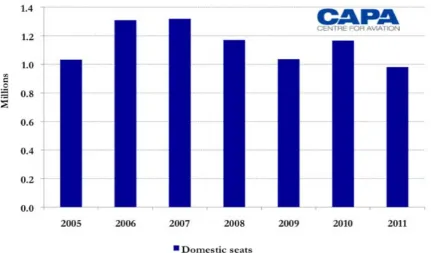
Table-3-2 Libyan airports names and their Categories …..………..…………63
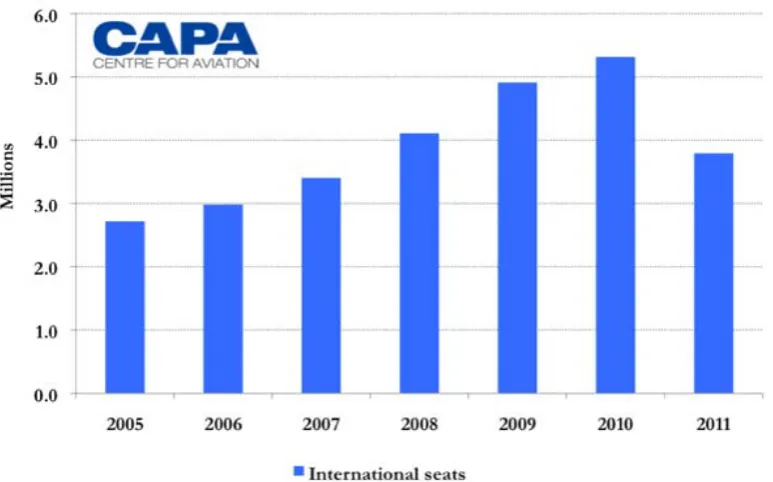
Table-3-3 Libya total domestic seats……….……….67
Table-3-4 Libya total international seats ……….…….……….68
Table-3-5 International carriers returning……….……….69
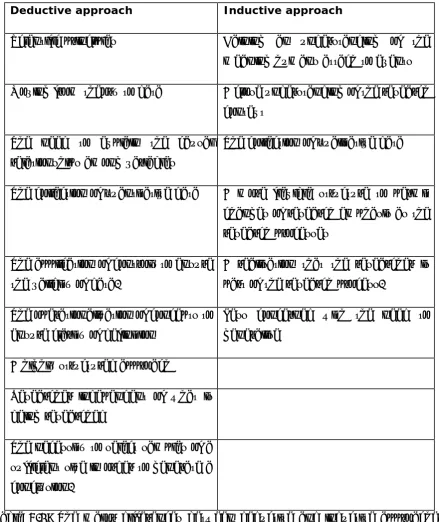
Table 4-1 The major differences between deductive ……….………..79
Table-4-2 Relevant situations for different research strategies...81
Table 4-3 Key features of qualitative and quantitative research ………...83
Table 5-1 The four interview techniques divided ………...97
Table 6-1 Top IT leader of the airport ……….……….………..….……….……107
Table 6-2 Airport report……….……..………..107
Table 6-3 How good the IT system in the Airport………..108
Table 6-4 The size of IT system in the Airport……….….…..109
Table 6-5 The best current attitude toward ITSI……….110
Table 6-6 The best statement characterizes...……….……...111
Table 6-7 The most recent ITSI effort completed ……….………..112
Table 6-8 Airport IT department communicate………..112
Table 6-9 IT organization report………..……..113
Table 6-10 The reasons of measuring IT ……….……….…..114
Table 6-11 The shortage of manpower……….……....115
xvi
Table 6-13 The requirements IT implementation framework...…………..117
Table 6-14 Evaluating outcomes of ITI framework specifies metrics…117 Table 6-15 Network reliability publishes performance expectations….118 Table 6-16 Performance expectations of the airport in IT services…….119
Table 6-17 The understood of IT priorities in the airport ………....120
Table 6-18 The lack of motivation among IT’s members………120
Table 6-19 Shortage of technical professionals in the organization……121
Table 6-20 Poor communications by the department…….……….………….122
Table 6-21 IT be realised to improve business performance………..122
Table 6-22 Inefficient quality control by the department………….……….123
Table 6-23 The respond of IT management…...124
Table 6-24 IT implications of institutional decisions………..124
Table 6-25 The shortage of required equipment.……….125
Table 6-26 Difficulties in financing……..………...126
Table 6-27 The performance metrics.………. ……….…..127
Table 6-28 Self-assessments.….……….127
Table 6-29 Outside assessment .……….……….128
Table 6-30 Orienting a new leader of IT at the institution.….…….……..129
Table 6-31 Increasing top management support………..….…...129
Table 6-32 Passengers’ satisfaction surveys.………..130
Table 6-33 Formal meetings………..………..131
Table 6-34 In-service training sessions……….…….………132
Table 6-35 Secretary of the People’s Committee of the Airport...132
Table 6-36 Chief Administrative Officer…………..………..133
xvii
Table 6-38 IT members………….………..134
Table 6-39 Poor qualifications of IT consultants within staff………...135
Table 6-40 Delay in IT management consultation……….136
Table 6-41 Poor communication between the IT consultants…………136
Table 6-42 Poor IT contract management ……….137
Table 6-43 Slow decision making by the organisation.………138
Table 6-44 Difficulties in obtaining work permits.……….138
Table 6-45 Changes in government regulations and laws. .………….139
Table 6-46 Severe problem conditions on the job site………..140
Table 6-47 Effects of social and cultural conditions for ITI………140
Table 6-48 Work interference of various levels of Management…..141
xviii
List of Figures
Figure 1-1 Aviation……….…….6
Figure 1-2 Performance analysis Chart ……….………..12
Figure 2-1 Factors of airport competitiveness……….……….…..33
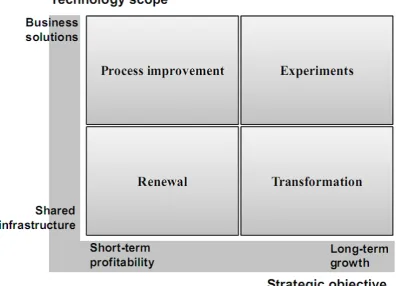
Figure 2-2 Technology scope………..….…. 35
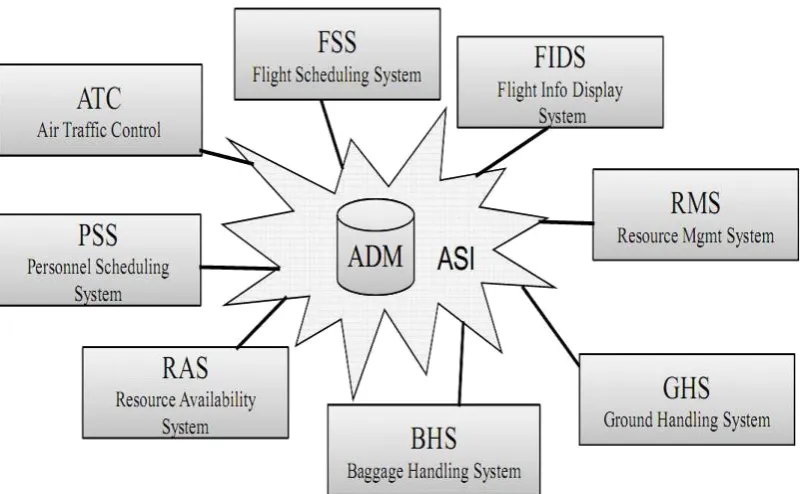
Figure 2-3 Generic IT systems landscape at an airport……….…………....37
Figure 3-1 Sample infrastructure of a typical airport……….….….62
Figure 4-1 Nested research methodology approach………....…… 74
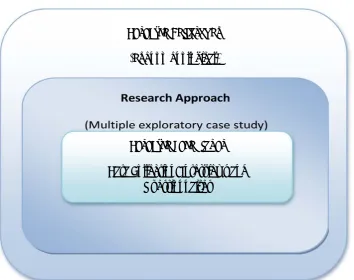
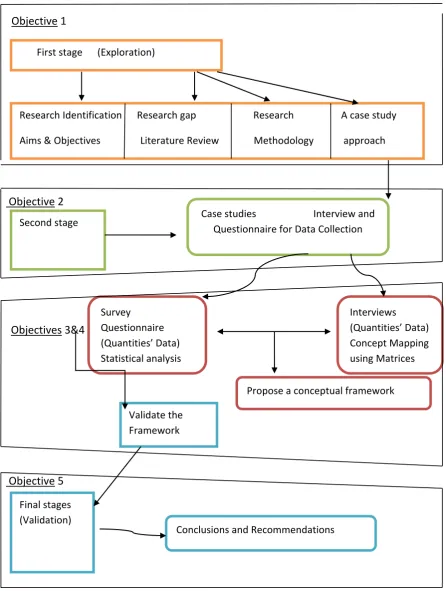
Figure 4-2 Conceptual (Research) Framework. ...76
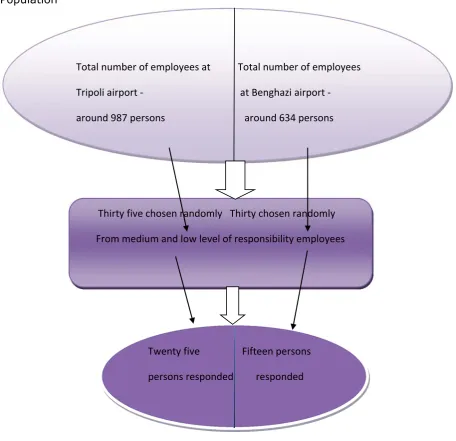
Figure 5-1 The sample population .………..……….….…… .92
Figure 6-1 Top IT leader of the airport.……….……….………..….…………107
Figure 6-2 Airport report……….……..……….108
Figure 6-3 How good the IT system in the Airport……….109
Figure 6-4 The size of IT system in the Airport……….…..109
Figure 6-5 The best current attitude toward ITSI………110
Figure 6-6 The best statement characterizes...……….……....111
Figure 6-7 The most recent ITSI effort completed ……….…….112
Figure 6-8 Airport IT department communicate………..113
Figure 6-9 IT organization report……….114
xix
Figure 6-11 The shortage of manpower……….…..115
Figure 6-12 Implementation of IT initiatives……….……….116
Figure 6-13 The requirements IT implementation framework...………117
Figure 6-14 Evaluating outcomes of ITI framework specifies metrics118 Figure 6-15 Network reliability publishes performance expectations.119 Figure 6-16 Performance expectations of the airport in IT services..119
Figure 6-17 The understood of IT priorities in the airport ……….120
Figure 6-18 The lack of motivation among IT’s members………..121
Figure 6-19 Shortage of technical professionals in the organization..121
Figure 6-20 Poor communications by the department…….……….……..122
Figure 6-21 IT be realised to improve business performance………….123
Figure 6-22 Inefficient quality control by the department………….…….123
Figure 6-23 The respond of IT management…...124
Figure 6-24 IT implications of institutional decisions………125
Figure 6-25 The shortage of required equipment.……….126
Figure 6-26 Difficulties in financing……..………...126
Figure 6-27 The performance metrics.………. ……….…127
Figure 6-28 Self-assessments.….……….128
Figure 6-29 Outside assessment .……….……….128
Figure 6-30 Orienting a new leader of IT at the institution.….…….…..129
xx
Figure 6-32 Passengers’ satisfaction surveys.………..131
Figure 6-33 Formal meetings………..………131
Figure 6-34 In-service training sessions……….…….……….132
Figure 6-35 Secretary of the People’s Committee of the Airport...133
Figure 6-36 Chief Administrative Officer…………..……….133
Figure 6-37 General Director………..……….134
Figure 6-38 IT members………….……….135
Figure 6-39 Poor qualifications of IT consultants within staff……….... 135
Figure 6-40 Delay in IT management consultation……….136
Figure 6-41 Poor communication between the IT consultants………137
Figure 6-42 Poor IT contract management ……….137
Figure 6-43 Slow decision making by the organisation.………138
Figure 6-44 Difficulties in obtaining work permits.……….139
Figure 6-45 Changes in government regulations and laws. .………..139
Figure 6-46 Severe problem conditions on the job site……….…..140
Figure 6-47 Effects of social and cultural conditions for ITI…………...141
Figure 6-48 Work interference of various levels of Management…… ..141
Figure 6-49 Participants’ original geographical location……….144
Figure 6-50 Information on the use of the airport..……….……..145
Figure 6-51 How often the participants travelled?...……….…….146
xxi
Figure 6-53 Passenger destinations……….………148
Figure 6-54 Check-in arrangements at the airport …….………..149
Figure 6-55 Passengers’ rating of the IT system in the airport………….150
Figure 6-56 Size of IT systems at the airport ………..………151
Figure 6-57 The working of electronic indicator.………..…………..152
Figure 6-58 Responses to the question; do the electronic display…....153
Figure 6-59 Whether the airport announcements ………..…………..154
Figure 6-60 Departure from your embarking airport ……..…..…………..155
Figure 6-61 Overall experience of the services ……….156
Figure 6-62 The value of services provided by the airlines …..…….….157
Figure 6-63 Updated/accurate flight information transmitted..…….….158
Figure 6-64 Free access to the internet/web .………..………….159
Figure 6-65 The words which best characterize the organizational….160 Figure 6-66 Institutional IT priorities tied …….………..………….161
Figure 6-67 Participant to be contacted to obtain further insights…..162
Figure 6-68 participants wished to receive a copy of this study….….163 Figure 7-1 Domains of Readiness………....185
Figure 7-2 Structure of Readiness Model………..…….187
Figure 7-3 Readiness Gap………..…….…..188
Figure 7-4 Step1 Initiating ITS plan……….…..190
xxii
Figure 7-6 Step3 Establishing Technology Management………..….194
Figure 7-7 Step4 Activating in Technology Management ………..…...197
Figure 7-8 Step 5 Learning ITS Activities……….…...199
Figure 7-9 Average Ratings of Components Overall Framework….…203
Figure 7-10 Average Ratings of the Key Components in Step 1.……...204
Figure 7-11 Average Ratings of the Key Components in Step 2.…...205
Figure 7-12 Average Ratings of the Key Components in Step 3………..206
Figure 7-13 Average Ratings of the Key components in Step 4………..207
Figure 7-14 Average Ratings of the Key Components in Step 5.……….208
Appendices
Appendix 01 The interview Question In English……….…248
Appendix 02 Covering Letter sent with the questionnaire and interview…250
Appendix 03 Questionnaire for Low & medium employees responsibility at both airports……….251
Appendix 04 Letter sent with the Interview………..268
Appendix 05 Questionnaire Form Passenger satisfaction survey……….269
xxiii
ABSTRACT
This study aims to establish the key factors that will encourage the Libyan government, through the Libyan Civil Aviation Authority, to expand their activities to upgrade Libyan airports’ technology in general and its IT departments in particular. A number of objectives were formulated in order to achieve this aim and two case study organisations were chosen to represent Libyan airports as a whole. Modern day IT implementation poses numerous difficulties which, when surmounted, brings a lot of benefits and can help speed up processes as well as prevent or mitigate the effects of risks. However, organisations feel overwhelmed by the complexity of IT management and they sometimes fail to assess the costs of associated risks.
1.0
Introduction
This research explores the implementation of information and technology at Libyan airports and recommends strategies for the improvement of IT implementation in this area. The thesis is organised as follows: firstly it provides an introduction on the subject. It then presents the main aspects of the research’s background, namely a literature review, the research aim and objectives, the research questions, its anticipated contribution to knowledge, its scope, and the methodology used to achieve its goals.
It is almost axiomatic of airports’ IT management systems that a task may be regarded as being successful if it goes smoothly and on time, and is of the desired quality. And, in particular, the many different departments and professions that are commonly involved in the process.
Information technology generates fundamental changes in the nature and application of technology in business. Information Communication Technologies (ICTs) can provide powerful strategic and tactical tools for organizations which, if properly applied and used, can bring about great advantages in promoting and strengthening their competitiveness (Porter, 2001).
The world’s aviation industry (including airlines, airports and other facets of the sector) is extremely important in all parts of the world. Other sectors (such as tourism) in turn are vitally dependent on air transportation. Businesses and the public use air travel and air cargo as a key part of their activities. Airports and airlines (aviation) are some of the most interdependent organizations in the travel industry. Therefore, they need to use technology strategically to integrate their operations and control and co-ordinate all their business and management functions.
Aviation today signifies business. Commerce and tourism are the engines of economic development in today's world. Airlines, airports, and even governments, compete against each other for travel related income. Staying in front means making investments in enhanced customer service tools, improved management awareness, quicker access to operational information, etc. All the technology and service options available, and the need to make rapid, well- informed decisions, means that many organizations are finding it increasingly difficult, and expensive, to find and retain staff to meet demands. Unlike many consultants and developers already understand much of the situation because they have been there before. Information systems’ technology has over 100 years of combined experience in aviation management and technology.
(www.insyte.com).
In providing guidance and assistance to management in planning, developing and implementing the technical infrastructure necessary to compete in today's climate. However, there is more to it than simply selecting and applying technology. It also requires knowledge and insight into the proper application of technology. 'Proper application' requires an understanding of how the technology fits the organization; how it affects, and is affected by, the users, staff and management; what its limitations are and what restraints it imposes on the future... in short, what are the business implications? (ibid).
1.1 Strategies for IT Implementation.
The connection between strategy and IT has not been clearly articulated with respect to a finite set of concepts, an analytical framework and normative prescriptions. The strategic role of IT, from a manufacturing perspective, can be referred to as ‘technology push’ (Morton, 1990). Two issues deserve special mention; one is cost-performance trends and the second is connectivity capabilities. Rapid advances in the various components of IT have resulted in continuous improvements in price performance ratio in recent years. Analogous to manufacturing strategy, IT strategy is conceptualized in terms of structure and infrastructure. Decisions of a structural nature contain three dimensions:
(1) System competences.
(2) Technology scope.
(Ho, Chin-Fu,1993).
Sashittal & Wilemon in Monzavi et al., (2013) have pointed out that some terms synonymous with “implementation”, such as “execution”, and “actualization of goals”, are often employed in management literature but are not frequently used by managers themselves.
Hrebiniak (2006) noted, for example, “Formulating strategy is difficult. Making strategy work – executing or implementing it throughout the organization – is even more difficult”. (cited in Schaap, 2006). Consequently, this thesis will not distinguish strategy implementation from execution. The thesis will use the former term as the descriptive domain label as it is more widely used in the relevant literature.
1.2 Concept of Technology.
Schon (1967) defined technology as any “tool or technique, any product or process, any physical equipment or method of doing or making, by which human capability is extended”. Technology may be defined as the application of an existing body of knowledge to the production of goods and services (Ofori, 1994). Technology also includes both hardware (such as machinery and equipment) and software (such as skills and knowledge) (Alzavian, 2007). A further listing Of technology components is given by Ramanathan (1994) and Sharif (1994) who identified four components of technology which are Techno ware, Human ware, Info ware and Orga ware. It can be said that all components of technology are required in order to facilitate effective technology transfer. Human ware is the centre of all these components and embraces all the required skills, knowledge and experience to use equipment and machines (Techno ware). Info ware is required to facilitate the process of technology and Orga ware is required to allow all the components to come together in the same environment.
1.3 The Aviation Sector.
There are numerous jobs that are created by the airline & airport industry which are not involved in aviation at all but which would not exist without the airline and airport industry. These include jobs in sightseeing/tourism, hotels and restaurants. This is not only for the passengers but also for the vast amount of airport employees (Cowper-Smith & de Grosbois, 2011; Henderson, 1999).
Civil aviation refers to planes of any kind any size that is non-military. Furthermore, aviation comprises everything to do with planes such as airports and airlines any kind (flag carriers, commercial, charter, cargo), control towers, runways, passengers, personnel (pilots, flight & ground engineers, all the staff in airlines and airports), any additional concerns belonging to airports or/and airlines including hotels, parking spaces, bus and train stations, taxis. Airports are vital national resources. They serve a key role in transportation of people and goods and in regional, national and international commerce. They are where a nation’s aviation system connects with other modes of transportation and where federal responsibility for managing and regulating air traffic operations intersects with the role of state and local governments that own and operate most airports.
Research is necessary to solve common operating problems, to adopt appropriate new technologies from other industries and to introduce innovations into the airport industry. The Airport Cooperative Research Programme (ACRP) (1)
serves as one of the principal means by which the airport industry can develop innovative near-term solutions to meet the demands placed on it. Airport administrators, engineers and researchers often face problems for which information already exists, either in documented form or as undocumented experience and practice. This information may be fragmented, scattered and unevaluated. As a consequence, full knowledge of what has been learned about a problem may not be brought to bear on its solution. Costly research findings may go unused, valuable experience may be overlooked, and due consideration may not be given to recommended practices for solving or alleviating a problem.
Figure 1-1: A typical bird’s eye view of an airport (illustrating many aspects of the aviation sector)
(1)Airport Cooperative Research Program (ACRP)
The Airport Cooperative Research Program (ACRP) is an industry-driven, applied research program that develops near-term, practical solutions to problems faced by airport operators. ACRP is managed by the Transportation Research Board (TRB) of the National Academies and sponsored by the Federal Aviation Administration (FAA). The research is conducted by contractors who are selected on the basis of competitive proposals.
TRB Transportation Research Board http://www.trb.org/Main/Home.aspx 15:00 ON 12-11-12
1.3.1 Information Technology Challenge in Libyan Airports.
business for arriving at decisions to maximize his profits. In the fast growing age of information technology where information stored on millions of servers the world over is available on a desktop at the click of a button, knowing where to find information and how to use the information has become more important that the information itself.
1.3.2 IT System used in case study airport
The problem at Tripoli Airport is that there is a low level of IT (as IT activities understood level 1 in the frame work (levels of IT) shown later in this thesis). This is due to the following reasons:
Small IT Department at the airport.
There is an IT Section sub-department.
There is a lack of sharing IT knowledge.
The different levels of IT use are outlined below based on their intensity and relevance in the sector and the industry generally:
5- Integrated- IT plays a vital role in business activities and is
integrated with clients and with business IT systems.
4- Strategic - The business employs IT as part of an overall
business strategy. IT is used to analyse and
improve business activities.
3- Planned - The business has a programmer for IT investment
and implementation. IT supports business activities
and tends to be working satisfactorily.
2- Responsive- IT implementation is governed by competitors or by
purchasing software upgrades from software vendors.
IT is used primarily when asked for by clients and partners.
and potential of IT. It is dependent upon individuals
buying hardware and software for their own needs.
0- Not Used - The business does not use IT to support its activities.
Because the researcher worked in Tripoli airport as volunteer in demonstration management after the Libyan council temporary committee take over Geddafe’s regime and the researcher notes that the Tripoli airport does not have a complete system for information management and no IT implementation strategy. It also does not meet the requirements of any international organization standards in its IT management system because of:
Poor communication between airport departments.
Poor communication between employees from the lower levels to top levels and vice versa.
Fragmented communication between the departments which does not allow for efficient information sharing and exchange.
1.3.3 Barriers and issues relating to IT implementation.
Why are barriers important?
A barrier is an obstacle which prevents a given policy instrument from being implemented, or limits the way in which it can be implemented. In extreme cases, such barriers may lead to certain policy instruments being overlooked and the resulting strategies being much less effective. For example, demand management measures are likely to be important in any industry as ways of controlling the growth of congestion and improving the environment but, at the same time, they are often unpopular and hence people may be tempted to reject them simply because they are unpopular. If such a decision leads, in turn, to greater congestion and to a worse environment, such a strategy is less successful. The emphasis should therefore be on how to overcome these barriers, rather than on simply how to avoid them.
This study groups barriers into the four categories listed below. The process of strategy development can also impose a barrier to effective planning.
1) Practical and technological barriers.
2) Financial barriers
3) Political and cultural barriers
4) Legal and institutional barriers
Piccoli and Ives (2005) have created a framework based on previous research that shed light on how strategic IT-investments impact the competitive advantage of a company (see Table 1-1). Their conclusion is that there is an appreciable possibility to use IT investments to gain competitive advantage. The framework identifies four barriers that need to be crossed to achieve competitive advantage with the help of IT.
The first is the IT resource barrier which implies that a company with superior IT resources can gain competitive advantage in a way that cannot be replicated by a company with less superior IT resources.
Table 1.1 Four barriers that need to be crossed in order to achieve competitive advantage through IT investments (source: Piccoli & Ives 2005)
Piccoli and Ives (2005) further identify three important areas that need to be focused on to gain competitive advantage. These are efficiency improvements, differentiation, and channel domination.
This is, according to the authors, a widely accepted conclusion in the research on this field. And hence, it can be concluded that it indeed is possible to gain competitive advantage with the help of information systems and IT in general. It is just a matter of doing things right.
1.4 Rationale for the research.
The fundamental principle for this research is to link theory to practice, thus driving the development of new approaches to showing and then to implementation (Cambridge Research Institute).
1.4.1 Motivation for the Study.
target consumers and attracting them to buy products, and a lack of government initiatives to promote quality within Libyan society.
Today, because of the pressure of globalisation from the World Trade Organization (WTO) and the opening up of the country to international competition, Libya, as a country (and Libyan companies specifically), is facing severe international competition. If something is not done soon to improve quality standards in Libyan organisations then Libyan industry will inevitably suffer.
1.4.2 Personal Motivation.
The researcher (being part of aforementioned Libyan industrial culture) has witnessed the waste of expensive resources, the failure of major and minor development plans, and human resources as an agent for change being ignored. Libyan industries have continued in the loop of a vicious circle whereas poorer developing countries have made radical changes and have become developed countries that can compete in the global arena for a better quality of life. Building on research findings and taking into consideration other countries' experiences the researcher will try to develop a simple practical model for the implementation and maintenance of an ICT strategy within Libyan airports. The researcher believes that such a strategy would help Libyan managers make significant changes in their management philosophy, attitudes and behaviour.
1.4.3 Filling in the IT Gap at Libyan Airports.
Alshawi (2007) has talked about performance analysis and has stated that one of the most commonly used techniques for business improvement is gap analysis. This technique is based on two performance levels – current and target. In addition, gap analysis is a technique that can be used for measuring performance achievement against a set target. It is particularly useful for measuring outputs of an activity over a period of time (Alshawi, 2007).
Target Opportunity Gap
Current Performance Level
Area X Area Y Area Z
Figure 1.2: Performance Analysis Chart (Alshawi, 2007)
1.5. The Research Questions.
Two research questions are asked in this study, namely:
Q: What and how the IT Implementation Strategy Framework should be for Libyan Airports?
Q: How could IT be implemented effectively in Libyan Airports?
1.6 Research Aim and Objectives.
The aim of this research is to develop an Information Technology Strategy Framework for Libyan Airports. Its objectives are:
To build up contextual knowledge of the research field including Information Technology and IT implementation strategies through a Literature review.
To investigate two airports selected as case study airports in Libya to examine the level of successful implementation of Information Technology.
To determine the requirements and needs of IT strategy in order to encourage the Libyan CAA (the owners of most of the civil airports in Libya) to expand their activities at these Libyan airports.
To propose a hypothetical IT Implementation framework for Libyan airports based on the evaluation and assessment of data from objective 2.
To draw conclusions and provide recommendation for its use.
1.7 Literature Review.
This section reviews some basic concepts and terminology connected to Information Technology (IT). It begins with definitions for Information Technology and then discusses probability, which underlines many of the analytical approaches to IT. It also looks at some of the background theories to Information Technology and on strategies for the implementation. Moreover, it explains the concept of IT exposure and IT acceptability. The section also discusses the IT strategy framework implementation process to gain an understanding of the essential steps required for successful IT strategy framework implementation. Finally, it presents an overview of the frameworks for systematic Information Technology strategies and implementation practices developed by the professional institutions.
The objective of this section is to review the literature on IT strategy implementation within aviation industry companies. This section also facilitates an understanding of the role of information technology in the improvement of smooth passengers’ flow through an airport.
1.7.1 Information Technology Definitions.
A review of the literature on IT implementation has provided a wide variety of definitions, showing there is no single consensus of opinion and that the concept of IT is considered differently by different businesses and different people in different countries
1.7.2 Why Engage in Information Technology Implementation?
1.7.3 Today’s Information Technology.
While technology today encompasses a wide range of individual focuses, it is becoming increasing clear that the IT field of the future will include many more topics and will be more in demand than ever before. For those interested in becoming part of this rapidly growing field the time is now. Getting in on new developments could prove to be a very exciting and lucrative choice. (http://ezinearticles.com/?expert=Steve_Hill) Accessed on 17-08-10 at 21:10)
Today the outlook for jobs for people interested in this field is very good. With data security and server specialists among the highest paid in the field, those with the required skills and a keen interest in IT stand to earn a substantial annual income. There seems to be a steady stream of books published on the role of Information Technology within the businesses that it supports. The role of IT is constantly evolving and has changed significantly from the days when the IT organization was often referred to as the “data processing department.” Today, in many industries, IT enables some businesses to differentiate themselves from their competitors. Those companies that leverage IT for competitive advantage often differ from their competitors in two ways with respect to their IT organization: they view IT as a strategic business enabler instead of as a cost centre, and they work to maximize the efficiency of their IT operations so that they can focus their resources on providing value to the business and respond to today’s environment of rapidly changing business conditions. In summary, in today’s economy IT organizations should undertake the following:
-Optimization: Business operations need to be evaluated to see where best practices can be implemented in order to improve efficiency and free up resources to work on more strategic activities. IT should be aligned with the business units within organizations. It is important that businesses view IT as a strategic enabler to distinguish themselves from competitors. Business executives should review the challenges and opportunities they face to identify how IT can be leveraged to address these challenges and opportunities.
their infrastructure they will have the opportunity to invest by shifting resources from sustaining to strategic activities.
http://blogs.technet.com/b/itbizval/ (Accessed on 20-07-10 at 10:45)
1.8 Research Methodology.
According to Collis and Hussey (2009), methodology refers to the overall approach to the research process from the theoretical underpinning to the collection and analysis of data. There are several types of research methodology, which can help a researcher to conduct research. The nature of the research usually identifies the most appropriate methodology. The methodology employed must allow for the effective pursuit of the research objective(s) and answer the research question(s). This study will adopt the nested research methodology (Kagioglu et al., 2000). The nested model presents the research philosophy which guides and energises the inner research approaches and research techniques.
1.8.1 Research Philosophy.
Saunders et al. (2012) stated that the research philosophy is dependent on a researcher’s thinking and assumptions about the progress of knowledge.
A failure to think through philosophical issues, while not necessarily fatal, can seriously affect the quality of management research (Easterby-Smith et al.,
2008).
1.8.2 Research Strategy.
There are several different research approaches, each having advantages and disadvantages and none is more appropriate than others for all research purposes (Benbasat et al., 1987). Depending upon the researcher’s aims, it is necessary to determine the best strategy to answer the research questions and allow for the objectives to be met.
1.8.3 Research Approach.
1.8.3.1 Selection of Multi-Case Study Approach.
Yin (2011) observed that case studies can be exploratory, explanatory, and descriptive and can, therefore, be useful in pursuing different types of research questions. In this study the investigator will explore and recommend strategies to improve an IT strategy framework for Libyan Airports The problem has not yet been defined and there are few existing theories and little knowledge of the problem area.
The case study approach can be based on a single case or on multiple cases and the decision in this respect must be taken before data collection commences (Yin, 2013).
This study utilized the multiple case approach using the four cases listed below.
Tripoli Airport – Libyan Case Study 1.
Benghazi Airport –Libyan Case Study 2.
1.8.4 Research Techniques for Data Collection.
Yin (1994) asserted that, within a case study approach, there are six sources of evidence that can be utilized by the researcher, these being: interviews, archival records, documentation, direct observation, participant observation, and physical artifacts. Data may be collected from primary or secondary sources. Primary data refers to the collection of data through interviews, direct observation, participant-observation, focus groups, and questionnaires (Collis and Hussey, 2009; Saunders et al., 2012).
Various sources can be highly complementary and a good case study will use as many sources as possible, since through these it is possible to collect both primary and secondary data; literature review, the questionnaire and the interviews.
1.8.5 Data Analysis.
new theory. However, there is no standardised approach to the analysis of qualitative data (Saunders et al., 2012).
In order to deconstruct the data, explore the underlying meanings and to generate theory, (Miles and Huberman 1994) proposed the following stages for qualitative data analysis:
Data reduction: Data reduction is the process of selecting, focusing, simplifying, abstracting and transforming the data obtained in order to focus on emergent constructs;
Data display: Data display is the organisation of the compressed data, thus assembling the information from which conclusions may be drawn. The organisation and compression of the data is considered a means of making visible the themes that run through the data;
Conclusion drawing and verification: These involve the researcher’s interpretation of the data, extracting meaning out of the data displayed, identifying patterns and themes and using strategy to develop theory.
1.9 Scope and Limitations.
1.9.1 The Scope.
The research project focuses specifically on technology implementation to improve Information Technology capability in the aviation sector particularly within airports.
1.9.2 The Research Limitations.
This study has its limitations and these are listed below.
This study only considers Information Technology implementation strategy.
This study only explores IT implementation strategies in airports in Libya & the UK.
This study only looks at an IT implementation strategy the implementation of other types will only be discussed in brief.
This study looks only at Libyan and UK Airports. Other airports in other countries are not included.
According to University of Salford policy, the researcher applied for ethical approval to the University Ethics Committee and this was granted (REP Reference:
REP10/098) prior to conducting interviews and the questionnaire surveys. The target respondents were informed about the aim and objectives of the study and were provided with detailed background information. Informed consent from all the questionnaire respondents and interview participants was obtained by the researcher as required by the ethical approval process.
1.10.1 Ethical Considerations.
Social research such as business research requires taking into account questions that go beyond ethics (Eriksson and Kovalainen, 2008). Ethics' consideration in research, according to Saunders et al. (2012, p. 129):
“…refers to the appropriateness of your behaviour in relation to the rights of those who become the subject of your work, or are affected by it."
1.11 Guide for thesis.
This dissertation will be divided into chapters as follows:
Chapter 1 provides an introduction to the study with an overview on IT implementation strategies for airports, justification for the research, the research questions, aim and objectives, the research methodology, the scope and limitation of the research as well as a guide to the thesis.
Chapter 2 reviews and explores the literature on background to Information Technology relating to IT Implementation strategies.
Chapter 3 looks at Libya background & it’s Aviation and Airports generally and presents an overview and analysis of the Libyan economies and aviation industry.
Chapter 4 presents in detail the research methodology employed in the research including the research philosophy, approach, strategy, methods and techniques. These are elaborated and justified in this chapter.
Chapter 5 discusses the data collection. It explains the iterative testing process conducted through the field study in Libyan airports particularly in Tripoli and Benghazi.
Chapter 6 covers the analyses consisting of Quantitative Analyses using SPSS Tool for the Questionnaire Survey and Qualitative Analyses with Concept Mapping using Matrices for Data Obtained from the Interviews.
Chapter 7 presents the framework after the testing process and. refinement of the framework, It also covers the validation of the framework.
Chapter 8 draws conclusions and presents recommendations.
The foregoing sections have introduced a focus for the study and attempted to put the research into its context. The chapter has stressed that determining the acceptance of a system is very difficult but it is an important factor in research and application. Although there is currently no complete theory or model that declares the adoption of advanced IT implementation, there is an emerging understanding of the key variables in technology, people and processes that affect its acceptance. Implementation is more acceptable if the technology meets the basic requirements of usability and is perceived as being helpful for the user community. Users’ experiences and training impact acceptance and the implementation of technology and the way that it contributes to organizational goals. Additionally, the aim and objectives of the research have been outlined covering the content and composition of the thesis. It has been indicated that both qualitative and quantitative data were collected as part of the empirical study and analyzed. The study therefore adopted a mixed methods approach. The next chapter progresses into the next stage which covers the review of literature.
Chapter 2
Literature Review
2.0 Literature Review
explains the concept of IT exposure and IT acceptability. The section also discusses the IT strategy framework implementation process to gain an understanding of the essential steps required for successful IT strategy framework implementation. Finally, it presents an overview of frameworks for systematic Information Technology strategy and for implementation practice developed by professional institutions.
The objective of this section is to review the literature on IT strategy implementation within aviation industry companies. This section facilitates an understanding of the role of information technology in the airports and to the improvement of the flow of passengers through the airport.
A review of the literature on IT implementation provides a wide variety of definitions, showing that there is no single consensus of opinion and that the concept of IT is considered differently by different businesses and by different people in different countries.
2.1 Definitions of Information Technology
IT (information technology) is a term that encompasses all forms of technology used to create, store, exchange and use information in its various forms (business data, voice conversations, still images, motion pictures, multimedia presentations, and other forms, including those not yet conceived). It is a convenient term that can include both telephony and computer technology in the same word. It is the technology that is driving what has often been called "the information revolution” (Davenport, 2013; Dillon, 2001).
An information system is also defined to be a set of information resources used to collect, store, process, maintain, use, share, disseminate, dispose, display, or transmit information (Committee on National Security Systems 2006). And similarly Wognum et al (2004) note that information systems purpose is to support companies in their information needs.
2.1.1 Defining and Studying Acceptance.
the factors influencing the adoption of technologies as planned by the users who have some degree of choice. By developing and testing models on the forces which shape user acceptance, human factors’ researchers seek to influence the process of design and implementation in a manner that will minimize the risk of resistance or rejection by users.
The scientific concern with user acceptance is comparatively recent since, traditionally, developers and procurers of new technology could rely on authorities to ensure that technology was used, at least in many industrial/organizational contexts. However, current working practices, as well as the large market for leisure and educational applications of information technology, have enabled greater choice amongst users thus increasing the need to determine the dynamics of acceptance.
The literature on acceptance is broad, ranging from case studies on accepted technologies to the individual psychological characteristics of acceptors or resistors (Dillon, 2001; Dillon and Morris, 1996).
Each facet of this area of literature can provide us with some understanding as to what makes users accept or reject a system but, since the issue is complex, it is unlikely that a single-variable explanation can be derived on the level of acceptance any information technology will receive among its intended users.
2.1.2 Characteristics of Acceptable technology.
According to Rogers’ (1995) innovation diffusion theory, five characteristics of a technology determine its acceptance:
Relative advantage (the extent to which it offers improvements over available tools);
Compatibility (its consistency with social practices and norms among its users);
Complexity (its ease of use or learning);
Trial ability (the opportunity to try an innovation before committing to using it);
Observability (the extent to which the technology's gains are clear to see).
having low complexity, potential trialability and observability, will be more extensively and rapidly accepted than an innovation with the opposite characteristics. In particular, three of these characteristics seem to have the greatest influence: relative advantage, compatibility and lack of complexity. While the diffusion model has broad appeal, there are concerns that the characteristics Rogers lists are too loosely defined to provide a sound basis for a complete theory.
Shackel (1991) is one of the few Human-Computer Interaction (HCI) researchers to make explicit the link between usability and acceptability. According to his formulation, an acceptable system is one that appropriately satisfies the requirements of its users for utility, usability and cost. These attributes can be easily linked with Rogers’ five characteristics showing a close overlap between the two distinct perspectives. However, while ability to use any technology is obviously necessary, it is not sufficient to ensure acceptability and many technologies that are demonstrably usable are never accepted by their target users.
2.1.3 Characteristics of Accepting Users.
Many researchers have attempted to identify psychological variables that distinguish users who accept or reject technologies. In a meta-analysis of research, Alavi and Joachimsthaler (1992) suggested that the most relevant user factors determining technology acceptance are cognitive style, personality, demographics, and user-situational variables. Cognitive style refers to the characteristic ways in which individuals process and use information and can be seen in information processing terms as a stable pattern of handling incoming stimuli and formulating responses Sears and Jacko, (2007). More than one hundred different dimensions can be found in the literature, although a core cluster accounts for the majority of the work on this topic. To date, however, few cognitive style dimensions have been shown to predict user behaviour with technology reliably.
new technology. Alavi and Joachimsthaler (1992) found that a broad group of user-situational factors were more important than individual difference variables. The innovation diffusion theory also suggests that factors at the level of the individual user are important. Rogers (1995) divided technology or innovation adopters into five categories depending on their speed of uptake: Innovators, Early Adopters, Early Majority, Late Majority and Laggards. Rogers plotted these categories over a normal distribution where the division between the early and the late majority is viewed as the mean, and thus laggards and late adopters constitute 50% of the population. Rogers estimated that early adopters and innovators (approximately 16% of the population according to his theory) are more likely to manifest risk-taking, be adventure seeking personalities as well as being wealthier and more educated than the norm. Thus, there is some agreement on the individual and situational factors that influence the acceptance of new technologies but the weight of evidence suggests context might be more important than personality or individual psychological factors alone.
Of the models available, the most widely cited is Davis et al.’s (1989) Technology Acceptance Model (TAM). TAM predicts that user acceptance of any technology is determined by two factors: perceived usefulness and perceived ease of use. Perceived usefulness is defined as the degree to which a user believes that using the system will enhance his or her performance (Chuttur, 2009;Davis 1989, p. 320). Perceived ease of use is defined as the degree to which the user believes that using the system will be free from effort. According to the TAM, both perceived usefulness and perceived ease of use have a significant impact on a user's attitude toward using a system.
users are exposed to a ready-made system (Legrisa et al., 2003). This makes it useful for choosing between competing technologies at the implementation stage but less applicable in the early stages of design where designers are trying to determine how best to design a technology so that it will prove acceptable.
2.2 The characteristics and implementation of IT
Organizations are investing a lot in information technology and information systems. As markets are getting more and more competitive companies simply have to be swift in adopting new technology to keep up the phase of the changing environment (Kadiyala 2005). And indeed, information systems can do a lot for the organization in effecting the processes and the handling of information. Li (1999 cited in Al-Mashari et al 2003) argues that ERP systems have made business more efficient since they provide everybody with seamless access to information they need. Similarly Smith (2004) discusses that Product Data Management (PDM) systems can facilitate information sharing. Information technology in general has made new organizational forms and new ways of working and collaborating possible (Mukherji 2002).
Dewett and Jones (2001) have closely investigated how IT impacts an organization and its characteristics. In the model they present, IT functions as moderator between the organizational characteristics (e.g. size and culture) and organizational outcomes. They argue that this moderating effect of IT is due to the fact that IT generates information efficiencies and information synergies. Information efficiencies are the possible cost and time savings that can be achieved if IT enables employees to work more efficiently.
Information synergies are the performance gains that can be achieved if IT enhances collaboration and cooperation possibilities. These two concepts are benefits in themselves (the authors call them “meta-benefits”) but they also lead to 5 more concrete organizational outcomes; (1) IT links and enables employees, (2) IT codifies the knowledge base, (3) IT increases boundary spanning, (4) IT promotes efficiency, and (5) IT promotes innovation (Dewett and Jones 2001).
Dewett and Jones include in each of these five outcomes. These outcomes make up a basis for possible IS project benefits.
not enough - the communication needs to be supported with organizational methods as well and secondly, increased communication also means increased amounts of unnecessary and unusable information sharing. But overall, increased communication and possibility to communicate is the most important effect IT can have on the organization. (Dewett andJones 2001)
The second outcome; that IT codifies the knowledge base means that IT is a facilitator in knowledge sharing and capturing. Hence, IT is a tool in a company’s knowledge management. The third outcome; that IT increases boundary spanning is related to the first outcome but focus is on the tools that IT creates for searching new information from e.g. other organizational units. This means that e.g. information needed to solve some problem can be taken from another division that has had the same kind of problem. The fourth outcome means that IT promotes efficiency in the way that IT enables more efficient ways of working in e.g. decision making, communication, information storing, and information retrieving. (Dewett and Jones 2000)
The last outcome; that IT promotes innovation is the result of all the above mentioned outcomes. IT promotes innovation through enabling virtual organizations and other new organization forms, through making information seeking easier, and through enhancing monitoring of project progress. Dewett and Jones further argue that this effect of IT should get more attention in the discussion on how IT’s effect on an organization is measured; they claim that focus is now very much on efficiency-enhancing properties while IT’s ability to develop the organization through e.g. promoting innovation should be more noted. (Dewett and Jones 2000)
2.3 Information Technology induce change in an organisation
only induces organizational change, but also requires organizational change’. This point of view, that information system implementation projects are change projects by nature, is kept throughout this thesis. And already now we can note that change projects are in all their forms challenging endeavors for organizations (Buhanist 2000; Salminen 2000; Cook et al. 2004, p.1). And as Sammon (2001 cited in Loonam & McDonagh 2007) has concluded the biggest implementation risks in IS projects are in the change management field. So if the organizational change factors in IS projects are overlooked the project is almost bound to be challenging.
2.3.1 The strategic importance of information systems
Literature is clear about the fact that the IT strategy and information systems pl ans of anorganization need to be in line with the business strategy (Shupe & Behling 2006; Reich & Benbasat 1996; Teo & King 1996). But the actual strategic value of IT itself is still subject for debate (Oh & Pinsonneault 2007). To begin with, Hallikainen (2003, p.45) notes that nowadays information system projects are often means in larger strategic development and change projects which would indicate that their strategic importance is rather notable.
Similarly, Lee et al (2006) claim that a global business must not only have a global business strategy but the strategy must be backed up by information systems in line with the strategy. But there are different opinions about the shape of the strategic impact.
First of all, not all information systems have a strategic role. The management has to be able to evaluate how and in what extent an information system contributes to the organization’s strategy in order to decide upon the amount of attention that the IS project needs. This is yet another reason for business and information management to work together. (Cameron & Green 2004, p.246)
Secondly, there are different aspects to the strategic value of IT.