Applied Linguistics and English as a Second Language Dissertations
Department of Applied Linguistics and English as a Second Language
Fall 12-14-2017
The Impact of Dialogic CF on L2 Japanese Writers'
Linguistic and Affective Outcomes
Mizuki Mazzotta
Follow this and additional works at:http://scholarworks.gsu.edu/alesl_diss
This Dissertation is brought to you for free and open access by the Department of Applied Linguistics and English as a Second Language at
ScholarWorks @ Georgia State University. It has been accepted for inclusion in Applied Linguistics and English as a Second Language Dissertations by an authorized administrator of ScholarWorks @ Georgia State University. For more information, please [email protected].
Recommended Citation
Mazzotta, Mizuki, "The Impact of Dialogic CF on L2 Japanese Writers' Linguistic and Affective Outcomes." Dissertation, Georgia State University, 2017.
AFFECTIVE OUTCOMES
by
MIZUKI MAZZOTTA
Under the Direction of Diane Belcher, PhD
ABSTRACT
The efficacy of corrective feedback (CF) on writing for second language (L2)
development has been much studied in applied linguistics since Truscott’s (1996) polemic
against written CF. However, no clear picture of its effectiveness has emerged yet as empirical
studies have reported conflicting findings. The majority of these studies are short-term studies
focusing on the role of teacher-centered written CF from the cognitive perspective, and therefore
the long-term developmental process, oral CF, and the role of the learner and learner affect in the
feedback process have been under-explored. In addition, previous research has focused on
English learners, and little is known about the impact of CF in writing on learners of
Vygotskyan dialogic CF, an operationalization of CF as mediation in the learner’s zone of
proximal development (Aljaafreh & Lantolf, 1994), on L2 Japanese writers’ linguistic and
affective outcomes.
To carry out this investigation, a year-long mixed-methods case study was conducted.
Participants were two American undergraduate Japanese as a foreign language learners who were
asked to produce personal writing and then participate in a face-to-face writing conference to
receive dialogic CF from the researcher. Data included the two learners’ writing samples,
interviews, audio-recordings of the writing conferences, and researcher field notes. Learners’
linguistic outcome was analyzed quantitatively using accuracy rates in writing and also
qualitatively using genetic method (Vygotsky, 1978) to trace changes in the learner’s
responsiveness to dialogic CF. Learners’ affective outcome was qualitatively analyzed using the
interview data.
The findings with respect to linguistic outcomes obtained from longitudinal data
revealed the ‘wave-like’ characteristic of the nature of the L2 developmental process, which
questions the common data interpretation equating the lack of short-term accuracy improvement
with inefficacy of CF. The findings from the interview analysis showed that positive emotions
were frequently engendered and the two learners frequently exercised their agency during
dialogic CF writing conferences, which suggests that feedback process in L2 writing is not only a
cognitive process but also an affective process.
INDEX WORDS: Affect, Corrective Feedback, Japanese as a Foreign Language, Second
AFFECTIVE OUTCOMES
by
MIZUKI MAZZOTTA
A Dissertation Submitted in Partial Fulfillment of the Requirements for the Degree of
Doctor of Philosophy
in the College of Arts and Sciences
Georgia State University
Copyright by Mizuki Mazzotta
AFFECTIVE OUTCOMES
by
MIZUKI MAZZOTTA
Committee Chair: Diane Belcher
Committee: Gayle Nelson
John Murphy
Paula Garrett-Rucks
Electronic Version Approved:
Office of Graduate Studies
College of Arts and Sciences
Georgia State University
DEDICATION
ACKNOWLEDGEMENTS
My deepest gratitude goes to my advisor, Dr. Diane Belcher. Countless hours of
discussion with Dr. Belcher stimulated my intellect. With her constant attention and immediate
responsiveness, Dr. Belcher supported me affectively as well. Her feedback has always
encouraged me, gave me confidence as a writer, and fueled my motivation to write. I consider it
great fortune to have had Dr. Belcher as my advisor.
I would also like to recognize my dissertation committee, Dr. Gayle Nelson, Dr. John
Murphy, and Dr. Paula Garrett-Rucks for their advice and warm support. In addition, there are
colleagues to whom I owe debt of gratitude: Dr. Yuki Takatori, Dave Chiesa, and Hae Sung
Young.
Lastly, a very special thank you must go to my husband, Stefano, and my children,
Rosalba and Elio. Their understanding and support enabled me to earn a PhD while working
TABLE OF CONTENTS
ACKNOWLEDGEMENTS ... V
LIST OF TABLES ... X
LIST OF FIGURES ... XI
1 INTRODUCTION ... 1
1.1 Background of the study ... 1
1.2 Statement of purpose ... 5
1.3 Overview of the study ... 6
1.3.1 Research questions ... 7
1.3.2 Writing conference procedures ... 7
1.3.3 Target structures: Case particles, prenominal modification with no, and copula overuse in adjectival predicates ... 8
1.4 Organization of the dissertation ... 8
2 LITERATURE REVIEW ... 10
2.1 A brief history of the error correction debate ... 10
2.1.1 Evidence of CF effectiveness ... 11
2.1.2 Operationalization of CF ... 16
2.1.3 Learner affect and CF in L2 writing ... 23
2.2 Sociocultural approach to second language learning and CF in writing ... 30
2.3 Sociocultural research on CF in L2 writing... 41
2.4 Conclusion ... 49
3 METHODOLOGY ... 52
3.1 Rationale for a case study approach ... 52
3.2 Research context ... 54
3.3 Participants ... 55
3.4 Researcher role ... 59
3.5 Data collection ... 61
3.5.1 Interviews ... 62
3.5.2 Writing conferences ... 65
3.5.3 Data sources ... 72
3.6 Data analysis ... 72
3.6.1 Evidence in writing ... 73
3.6.2 Evidence in interaction ... 75
3.6.3 Content analysis of interview evidence ... 77
3.7 Conclusion ... 80
4 FINDINGS AND DISCUSSION: LINGUISTIC OUTCOMES ... 82
4.1 Evidence of learning in writing ... 82
4.1.1 Overall accuracy rate ... 83
4.1.3 Prenominal modification with –no errors ... 86
4.1.4 Copula overuse in adjectival predicates ... 88
4.2 Evidence of learning in interactions: Genetic method results... 89
4.2.1 Macrogenetic analysis (across writing conferences) ... 93
4.2.2 Microgenetic analysis (within a writing conference) ... 94
4.3 Summary ... 95
5 FINDINGS AND DISCUSSION: AFFECTIVE OUTCOMES ... 97
5.1 JFL learners’ affective response to dialogic CF ... 98
5.1.1 Purpose and views on L2 writing ... 98
5.1.2 Learner affect and CF process ... 110
5.1.3 Learner agency in the CF process ... 127
5.1.4 Conclusion: Research question 2 ... 133
5.2 JFL learners’ perception of language learning through dialogic CF ... 134
5.2.1 Teacher’s acknowledgement as a source of self-perceived language learning (Tina and Felix) ... 134
5.2.2 Self-realization of increased competence (Felix) ... 138
5.2.3 Conclusion: Research question 3 ... 139
6 CONCLUSION ... 141
6.1 Review of Findings and Significance of the Study ... 142
6.1.2 Affective Outcomes ... 144
6.2 Pedagogical Implications ... 145
6.3 Limitations of the Present Study and Directions for Future Research ... 148
6.4 Concluding Remarks ... 149
REFERENCES ... 151
APPENDICES ... 168
Appendix A ... 168
Appendix B ... 170
Appendix C ... 171
Appendix D ... 172
Appendix E ... 174
LIST OF TABLES
Table 2.1 Regulatory Scale of Implicit to Explicit Help ... 44
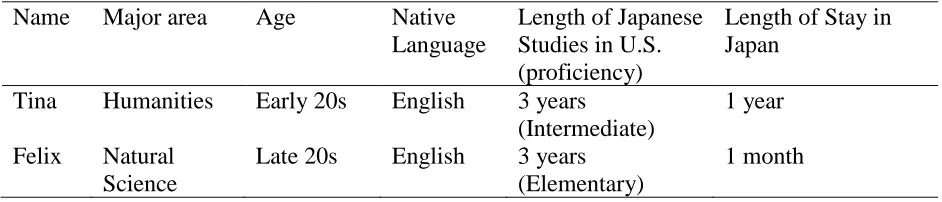
Table 3.1 Background Information on Participants ... 57
Table 3.2 Overview of Data Collection Procedure ... 62
Table 3.3 Writing Topics and Time Line for Tina... 66
Table 3.4 Writing Topics and Time Line for Felix ... 67
Table 3.5 Writing Task and Feedback Design Features ... 71
Table 3.6 Summary of Data Types for Each Research Question ... 73
Table 4.1 Accuracy Rate and Genetic Method Results for Tina ... 90
Table 4.2 Accuracy Rate and Genetic Method Results for Felix ... 92
LIST OF FIGURES
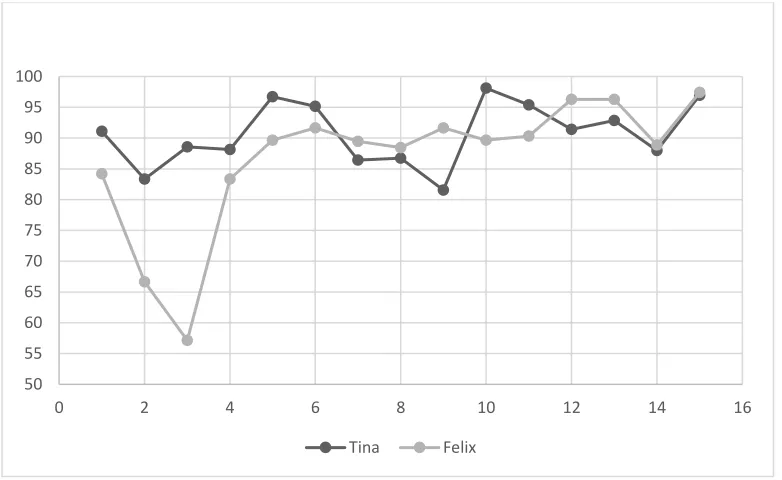
Figure 4.1 Accuracy rates (proportion of correct instances over total instances) for all target
structures combined for Tina and Felix ... 84
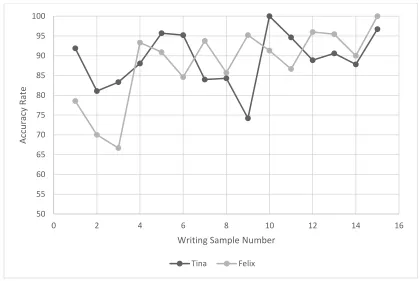
Figure 4.2 Accuracy rates (proportion of correct instances over total instances) for the Case
particles (wa, ga, o, ni) ... 86
Figure 4.3 Accuracy rates (proportion of correct instances over total instances) for prenominal
modification for Tina ... 87
Figure 4.4 Accuracy rates (proportion of correct instances over total instances) for prenominal
modification for Felix ... 87
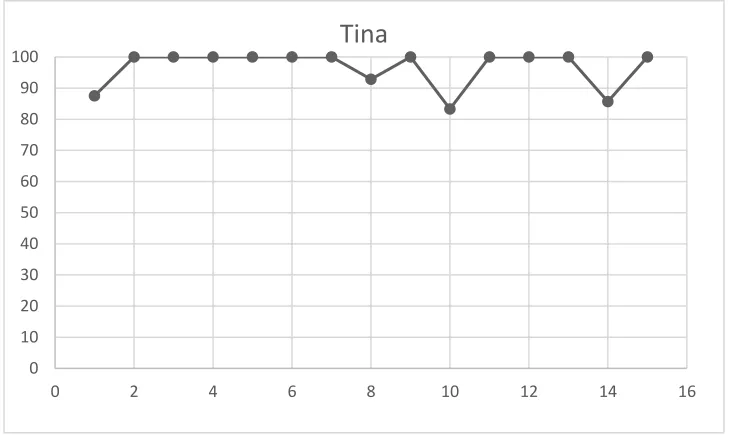
Figure 4.5 Accuracy rates (proportion of correct instances over total instances) for adjectival
predicate for Tina ... 88
Figure 4.6 Accuracy rates (proportion of correct instances over total instances) for adjectival
predicate for Felix ... 89
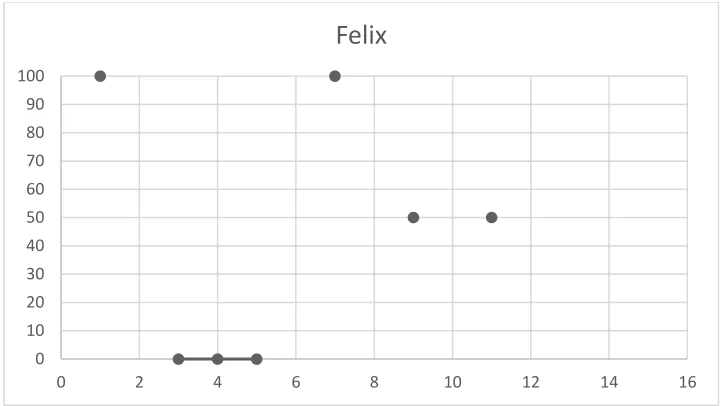
Figure 5.1 Lantern parade (Felix’s writing #2) ... 108
1 INTRODUCTION
1.1 Background of the study
Providing effective feedback on their students’ writing is a central concern of second
language (L2) writing teachers (Hyland, 1998, p. 255). Many L2 teachers feel it is their
responsibility to provide corrective feedback (CF) or grammar error correction on their students’
writing (Bitchener, 2012, p. 855) as their primary concern is to promote students’ L2
development, though not every L2 teacher holds this view (e.g., Truscott, 1996). In some
contexts (e.g., EFL context in Hong Kong), teachers’ feedback on students’ writing has been
reported to be predominantly on the errors (Lee, 2008). Although the importance of linguistic
accuracy has been seriously questioned since the 1970s by L2 teachers who claim that linguistic
errors that do not impede the communication of ideas do not need to be attended to (e.g.,
Halstead, 1975; Omaggio Hadley, 2001), linguistic accuracy in writing nevertheless continues to
be important in real life. For example, in the study exploring the image associated with
inaccurate writing, Beason (2001) found that grammatical and mechanical errors in business
writing are associated with negative reactions and readers “use errors to construct a negative
image of a writer or organization” (p. 58) regardless of whether the error in question impedes
meaning. Based on his findings, Beason suggests “We should not imply that errors that seem
minor to some people (e.g., to the writer or the teacher) are not worth much attention” (p. 58).
Furthermore, errors that L2 writers make can be stigmatizing to the writer since a reader might
form a negative impression of the writer’s ability from “an error that identifies the writer as
coming from an L2 background” (Bitchener & Ferris; 2012, p. 115). Thus, L2 writing scholars
who focus on the learner’s needs in real life argue that it is L2 teachers’ responsibility to prepare
demanded (e.g., Evans, et al., 2011; Ferris, 2002, 2006; Horowitz, 1986).
L2 teachers have long been providing CF in their students’ writing with an assumption or
hope that their written CF would facilitate L2 learning and that accuracy in the students’ writing
would improve over time. It has been reported that students also say that they believe CF in their
writing helps them learn L2 (e.g., Cohen & Cavalcanti, 1990). When Truscott (1996) challenged
this common belief by condemning grammar error correction in L2 writing class, the debate over
the effectiveness of CF, which is often referred to as ‘the error correction debate1,’ started in the
field. Truscott’s (1996) controversial essay elicited many responses, and the effectiveness of CF
in writing has become one of the most researched topics in the field of L2 writing (Hartshorn &
Evans, 2015). One of the reasons this topic continues to attract much attention from L2 writing
scholars is that existing research reports conflicting results as to whether CF in writing is
effective in promoting L2 learning. In order to answer the primary question of whether CF
facilitates L2 learning and thus promotes linguistic accuracy in writing, the effectiveness of CF
has been investigated with more detailed questions asking: (1) what constitutes evidence of L2
learning (short- or long-term improvement, improvement on revision or on a new piece of
writing); (2) how should evidence be measured (reduction of global error rate or reduction of
specific errors); and (3) what strategy of CF is effective (e.g., implicit CF, explicit CF,
metalinguistic explanation, focused CF, unfocused CF, dialogic CF, CF followed by required
revision). Growing interest in research at the interface between L2 writing and Second Language
Acquisition (SLA), as noted by Ortega (2012), generated numerous studies of CF in L2 writing
that are informed by the cognitive SLA approach. These studies focused on learners’ acquisition
of linguistic features and the type of input (e.g., implicit CF, explicit CF) that triggers acquisition
under the assumption that teacher CF (i.e., input) alone is responsible for its effectiveness or
ineffectiveness by seeing the learner as a passive recipient who simply processes the linguistic
input. Thus, humanistic issues, for example, learner affect, motivation, and agency have largely
been neglected as a factor that potentially influences the effectiveness of CF. Sociocultural
theory (SCT), on the other hand, argues that the learner needs to be seen as a whole person in
understanding the process of learning (Lantolf & Pavlenko, 2001; Vygotsky, 1978). Moreover,
as Lee (2014a) explains, the feedback process is ‘a social act’ in which the role of the leaner is a
crucial factor in its efficacy since CF in L2 writing is a pedagogical practice which takes place in
the real classroom. Although SCT-informed research has made a substantial contribution in the
field of SLA, only few studies of CF in L2 writing framed in SCT have been conducted (e.g.,
Aljaafreh & Lantolf, 1994; Erlam et al., 2013; Han & Hyland, 2016; Nassaji & Swain, 2000).
However, in recognition of CF in L2 writing as a social act, a growing number of L2 writing
scholars have called for SCT-informed research on CF in L2 writing (e.g., Hyland, F., 2010; Lee,
2014a, 2014b). For example, Hyland (2010) suggests that SCT-informed CF research which
focuses on CF “within the whole context of learning and on the learners’ role in interpreting and
using feedback” (p. 181) will further our understanding of the effectiveness of CF in L2 writing.
Therefore, in order to further our understanding of the role and impact of CF in L2 writing and
L2 learning, it is imperative to investigate the feedback process holistically, especially if we posit
the language learning potential of writing. Regarding L2 learning research, van Lier (2004)
points out that in a complex learning activity such as second language learning, “a multiplicity of
suggests, “we should look for how to connect cognitive acquisition and social use” (p. 41) to
account for the complexity of L2 learning.
Another research gap that has important implications for furthering our knowledge about
CF in L2 writing is contexts in L2 writing. As observed by Manchón (2009), most L2 writing
research has been conducted in ESL contexts and the limited attention to EFL contexts “badly
distort[s] our understanding of L2 writing” (p. xiii). Belcher (2012, p. 143) adds to this
observation by remarking that FL in languages other than English contexts are even more
neglected than EFL contexts. In particular, L2 writing research on CF in the U.S. university
Japanese as a foreign language (JFL) context is scarce, yet investigating such context is
meaningful in enriching our understanding of L2 writing because of the typological difference of
Japanese as well as goals and difficulties that are particular to learners of less commonly taught
languages. A reason for the scarcity of L2 writing research in the JFL context in the U.S. is that
unlike EFL or ESL contexts, writing, i.e. composing, is largely neglected due to the heavy
emphasis on teaching the unique writing system, i.e. orthography (Hatasa, 2011). Writing
systems around the world are typically either logographic or phonographic, but the Japanese
writing system is a hybrid of both, composed of three scripts of hiragana (syllables), katakana
(syllables), and kanji (logograms) (Ferris and Hedgcock, 2014). The focus of writing instruction
in the JFL context is often the mastery of 47 hiragana characters, 47 katakana characters, and
some kanji from the list of about 2000 joyo-kanji ‘commonly used kanji’. The reason for the
lack of attention to writing, i.e. composing, is not only because character learning is time
consuming, but also the low proficiency level JFL learners typically achieve. Due to the
typological differences between Japanese and English, most students in the U.S. universities
writing instruction has been discouraged by some prominent scholars (Jorden & Walton, 1987;
Unger et al., 1993) who argue that writing instruction would be cognitively too demanding for
typical JFL learners in the U.S. Since writing has received little attention in JFL instruction, it is
natural that there is a dearth of research on L2 Japanese writing and that Japanese writing studies
is still in its infancy (Hatasa, 2011, p. 114).
This subsection introduced the background of the current study. The remainder of the
chapter is organized as follows. Section 1.2, provides statement of purpose. Section 1.3 presents
an overview of the study including research context, research questions, writing conference
procedures, and target structures. The final section outlines the organization of this dissertation.
1.2 Statement of purpose
This study aimed to explore the interface between second language (L2) writing and
Second Language Acquisition (SLA) in an under-researched Japanese as a foreign language
(JFL) context in the U.S. with a particular focus on the “language learning potential” (e.g.,
Manchón and Roca de Larios, 2007) of L2 writing, and the longstanding concern in L2 (written)
corrective feedback (CF) studies: How best a teacher can respond to her students’ written texts
for the purpose of facilitating their language learning (cf. Bitchener & Ferris, 2012).
The present study differs from the majority of previous L2 (written) CF studies in its
attempt: (a) to describe and characterize the nature of the process of L2 learning using
longitudinal data; and (b) to holistically examine the effectiveness of CF in L2 writing by taking
into consideration learners’ independent performance (i.e., accuracy improvement in new pieces
of writings), learners’ assisted performance (i.e., improvement in learners’ responsiveness to
dialogic CF), affective outcomes, and social factors associated with CF practice using a mixed
has been compartmentalized into specific aspects of L2 writing. For example, the majority of
research on CF in L2 writing investigated the effectiveness of CF by seeing it as a cognitive
process which can only be inferred through linguistic outcomes. Thus, there appears to be a
consensus among researchers working in this field that evidence of the effectiveness of CF on
accuracy improvement in L2 writing can only be found in new pieces of writing (c.f. Bitchener,
2012). Therefore, researchers have been using an experimental design to see if the provision of
certain type of CF in writing would improve linguistic accuracy in new pieces of writing without
considering social and affective factors. CF case studies are rare, but there are some case studies
(e.g., Hyland, F., 1998) which provided compelling evidence that learner affect plays an
important role in the feedback process. Despite such findings, learner affect has received little
attention in the field perhaps because CF case studies usually report only learners’ affective
response to CF in L2 writing without investigating linguistic outcomes (i.e., whether accuracy
improved in new pieces of writing), which appears to be the main focus of current CF studies in
L2 writing. Therefore, the main value of this study lies in its attempt to connect cognitive and
social/affective factors associated with feedback in L2 writing from the perspective of SCT,
which posits the dialectic relationship between intellect/cognition and affect/emotion in learning.
This study draws on CF in L2 writing studies framed in SCT, especially Aljaafreh and Lantolf
(1994), in order to investigate the impact of feedback process on L2 learning as both cognitive
and social/affective process.
1.3 Overview of the study
This study is a case analysis of writing conferences that were designed and conducted for
research purposes. Two English-speaking participants were recruited from a university Japanese
self-corrected errors in their writing with the assistance of the researcher. The researcher provided
assistance for the learner self-correction through dialogic interactions which were carried out
according to principles of SCT using Aljaafreh and Lantolf’s (1994) regulatory scale to guide the
interactions. In this dissertation, I refer to such oral CF as dialogic CF. Although the technique
used in the present study is an application of Dynamic Assessment (DA) techniques, I am using
the term dialogic CF as the focus of the present study is not assessment but CF.
1.3.1 Research questions
This study explored how learners respond to dialogic CF on their L2 writing with the
sociocultural understanding that cognition and affect are dialectically united, and therefore
holistically analyzed the impact dialogic CF makes on L2 learning in general and L2 Japanese
writing in particular. The guiding research questions are as follows:
1. How do elementary and intermediate level English-speaking learners of Japanese
as a foreign language (JFL) respond to dialogic CF with respect to use of Japanese
grammatical structures?
2. How do elementary and intermediate level English-speaking JFL learners respond
to dialogic CF with respect to inter- and intrapersonal issues such as
affect-emotion and learner agency?
3. How do elementary and intermediate level English-speaking JFL learners
perceive their own language learning through dialogic CF in their writing?
1.3.2 Writing conference procedures
Each of the JFL learners participated in 15 writing conferences in two data collection
every one or two weeks. The task was to produce a personal writing that is at least one paragraph
long alone, and to self-correct linguistic errors on the writing with the assistance of the
researcher during a writing conference. Detailed description of the conference procedure is
provided in the methods chapter.
1.3.3 Target structures: Case particles, prenominal modification with no, and copula overuse in adjectival predicates
Due to the paucity of written CF studies investigating L2 Japanese, little is known as to
what grammatical structures English-speaking learners of Japanese have difficulty controlling in
writing. Thus, the target structures for analysis were chosen after the data collection was
completed. In order to identify the most frequent errors, I first tallied all grammatical errors from
every writing in an error log for each learner separately. I then placed the errors in categories
(e.g., Case particles). Using these error logs, I chose three most frequent error categories as the
target structures for analysis. These categories are (1) Case particles, (2) prenominal
modification with no, and (3) copula overuse in adjectival predicates. A review of literature
reveals that the first two categories are challenging for L2 learners to master (Iwasaki, 2006).
1.4 Organization of the dissertation
This dissertation is organized into six chapters. Chapter 1 presents the background and an
overview of the current study. Chapter 2 includes a review of the relevant literature on the error
correction debate, the efficacy of CF in L2 writing, and sociocultural approach to L2 learning
and CF in L2 writing. Chapter 3 describes the research methodology employed in the current
study including the rationale for my methodological choice, a description of the context,
participants, my role as a researcher and data collection procedure, and data analysis. Chapter 4
continues findings and discussion regarding affective outcomes of dialogic CF and learner
perception of language learning through the feedback process. Finally, chapter 6 concludes the
dissertation by summarizing the main findings, offering research and pedagogical implications,
2 LITERATURE REVIEW
This chapter reviews relevant literature in framing the current study. The chapter begins
with outlining a brief history of the error correction debate while at the same time identifying
research gaps as well as highlighting the relevance of SCT perspectives in advancing our
knowledge in the CF in L2 writing research. Then, in section 2.2, I reviewliterature on the
sociocultural approach to second language learning to define some key constructs of SCT. I then
proceed to review SCT-informed research on CF in L2 Writing in section 2.3. Lastly, section 2.4
concludes this chapter.
2.1 A brief history of the error correction debate
This section provides an overview of the error correction debate focusing on how
evidence of the efficacy of CF has been conceptualized and how CF has been operationalized. I
then elaborate on the importance of learner affect in understanding the efficacy of CF by drawing
on qualitative studies that explored learners’ emotional response to CF and the sociocultural
perspective on L2 learning.
The heated debate over the question of whether error correction is helpful for L2 writers
dates back to Truscott’s (1996) essay published in Language Learning in which he argued that
“grammar correction has no place in writing courses and should be abandoned” (p.328).
Truscott defined the term grammar correction as “correction of grammatical errors for the
purpose of improving a student’s ability to write accurately” (p. 329). In this paper, I refer to
grammar correction as corrective feedback (CF) following the convention of the recent
literature. Truscott’s (1996) polemic against CF was based on: (1) research evidence supporting
inefficiency of CF; (2) theoretical claims of the nature of language learning; and (3) practical and
reactions from L2 writing scholars. It may not be an overstatement to say that Truscott (1996)
made a substantial contribution to move the field forward. Since 1996, an extensive number of
empirical studies investigating the effectiveness of CF have been carried out and they reported
conflicting results. Though the effectiveness of CF in L2 writing is still a controversial topic, the
field has advanced in a sense that we now understand the complexity associated with CF. The
core question surrounding CF debate has developed from asking whether CF is effective to
asking what type of CF is effective under what conditions. In what follows, I review relevant
studies to outline how evidence of language learning through CF has been understood, how
empirical studies have operationalized CF in L2 writing, and how the role of affect in the
feedback practice has been viewed in the field.
2.1.1 Evidence of CF effectiveness
Evidence of the effectiveness of CF in L2 writing in terms of language learning has been
conceptualized differently in different studies. The topics discussed among L2 writing scholars
include: (a) whether one should look for evidence of CF efficacy in the revision, the new piece of
writing or in interaction; (b) whether short-term data is sufficient in determining the efficacy of
CF; and (c) how to measure the effectiveness of CF.
2.1.1.1 Evidence in writing and in interaction
Many of early CF studies (e.g. Ashwell, 2000; Fathman & Whalley, 1990; Ferris, 1997)
argued that written CF was effective based on the accuracy improvement on the revision of a
text. Truscott (1996) criticized that the accuracy improvement on the revision does not
constitute evidence of learning because what it shows is that the learner can edit their writing by
using error corrections from the teacher. Truscott’s claim was supported by Truscott and Hsu’s
composition made greater accuracy improvement on the revision in comparison to the control
group who did not receive CF. However, the experimental group’s accuracy rate on the second
composition (a new piece of writing) did not show any improvement compared to the first
composition. Thus, the authors concluded that accuracy gain on the revision is not evidence of
language learning and confirmed the claim made by Truscott (1996). It is now generally
considered that only improvements found in a new piece of writing should be considered as
evidence of language learning (Bitchener 2012).
While the majority of CF studies in L2 writing consider the learner’s independent
performance on a new piece of writing as evidence of the effectiveness of CF, SCT-informed
studies argue that evidence on the effectiveness of CF can also be found in interaction. Aljaafreh
and Lantolf (1994) is the first study that investigated the effectiveness of CF from a sociocultural
perspective and argued for the effectiveness of CF on the basis of the learners’ assisted
performance using Vygotsky’s (1978) genetic method. The advantage of the genetic method is
that it allows one to capture a small amount of development which cannot be revealed from the
analysis of independent performance alone, and therefore it can potentially shed light on the
development of linguistic features which appear to be non-responsive to CF based on the
learner’s independent performance on new pieces of writing. A detailed review of Aljaafreh and
Lantolf (1994) is provided in section 2.2 below.
2.1.1.2 Short-term and long-term effect of CF
Among the studies that investigated the effectiveness of CF using the accuracy
improvement on a new piece of writing as evidence, some explored its effectiveness with one
treatment of CF while others did so with multiple CF treatments in a longitudinal study. Truscott
study. The authors conducted a three week controlled study with an experimental group and a
control group. The experimental group received implicit written CF (grammatical errors were
underlined) on one writing, revised it, and then wrote a new piece of writing on Week 3. The
control group also produced three writings, but without receiving written CF. The authors
compared the error rate (error per word) of first and third compositions and found that the error
rate for both groups were higher on the third composition and there was no statistically
significant difference between the two groups. Based on these findings, the authors argued that
short-term (or a single treatment of) CF is ineffective. However, what we do not learn from this
study is whether implicit CF is ineffective or every type of CF is ineffective when only one
treatment is provided. Van Beuningen, De Jong, and Kuiken (2012) addressed this limitation by
conducting a similar experiment but including an additional experimental group. Each group
received implicit CF, explicit CF, or no CF respectively. The results, based on the comparison of
the error rate of the first and third composition, showed that only the explicit CF group improved
their accuracy rate on the third composition. Based on the results of these two studies, it appears
that a single CF treatment can promote linguistic accuracy on a new piece of writing under the
condition that the CF is explicit. However, we need to be cautious in interpreting the results from
single CF treatment.
Inadequacy of the short-term study in understanding the efficacy of CF in L2 writing was
shown by the Bitchener, Young, and Cameron (2005) study which demonstrated the progression
of accuracy rate change over 12 weeks. Unlike other studies that compared the accuracy rate of
only two compositions (the first composition and the last composition), the authors documented
the accuracy rate for each error type from every composition (N = 4). The results showed that the
results displayed U-shaped progression pattern such that the accuracy rate decreased fist and then
it significantly increased at the end of the 12 week study. From a perspective that L2
development is upwardly linear, one might expect some improvement after each CF treatment is
given, and short-term study with one CF treatment would provide sufficient evidence to argue
for or against the efficacy of CF. However, the results of Bitchener et al. (2005), as discussed by
the authors, lend support to the findings of previous SLA studies which have shown that L2
learners’ accuracy improvement is not upwardly liner (e.g., Ellis, 1994; Pienemann, 1989). It is
also consistent with the claims of sociocultural theory (e.g., Lantolf, 2006; Vygotsky, 1978) and
Larsen-Freeman’s chaos/complexity perspective on SLA (e.g., Larsen-Freeman, 1997, 2002) that
cognitive development, including L2 development, is non-linear and emergent. The results of
Bitchener et al. (2005) compellingly suggest the inadequacy of short-term study for the
investigation of the efficacy of CF by showing that temporary decrease of accuracy in a new
piece of writing does not necessarily constitute evidence of inefficiency of CF or absence of
language development. Thus, long-term studies documenting accuracy improvement of multiple
writings are necessary to fully understand the efficacy of CF in L2 writing.
2.1.1.3 Error rate and error types
In order to demonstrate accuracy improvement or the lack thereof, the majority of CF in
L2 writing studies have reported error rate. While some studies (e.g., Truscott & Hsu, 2008; Van
Beuningen et al., 2012) reported global error rate by calculating an average of error per word
considering all grammatical errors in the text, other studies calculated error rate of each error
type separately. Averaging the accuracy rate of all errors may be a good measure of the
effectiveness of CF if the responsiveness of all types of errors are equal. However, Ferris (1999)
untreatable. Ferris (2006) addressed this issue in her semester long study in which ESL learners
received written CF on their compositions. Ferris compared the global error rate of essay 1
(written at the beginning of the semester) and essay 4 (written at the end of the semester), and
found a significant error rate reduction. Furthermore, the author calculated error rate of each type
of errors (verb, noun, article, lexical, sentence errors) separately, and found that the normalized
error rate reduction was caused by the verb errors alone; error rates of other types of errors did
not decrease. Since a control group was not included in this study, it is not clear whether the
accuracy improvement was caused solely by CF. However, this study made a valuable
contribution to the field by suggesting that normalized global error rate is not an accurate
measure of the effectiveness of CF since certain types of errors (e.g., verb form errors) are more
responsive to CF than others (e.g., article errors). Bitchener et al. (2005) confirmed Ferris’s
(1999, 2006) claim that not all error types are equally responsive to CF with their rigorous
experimental study. They found no difference between the experimental groups which received
CF and the control group which did not receive CF based on the combined error rate of three
error categories. However, when they calculated the error rate for each category (prepositions,
the definite article, the past simple tense) separately, they found that the accuracy gain of one of
the experimental groups was significantly higher than the control group for the definite article
and the past simple tense. While Bitchener et al. (2005) confirmed Ferris’s claim that some
errors are more treatable than others, Bitchener et al. reported conflicting results as well. Ferris
(2006) found that article errors are nonresponsive to CF, but Bitchener et al. (2005) showed that
the definite article errors responded to CF. Shintani et al. (2014) looked at the indefinite article
and found that error rate was not reduced after the provision of CF treatments while the error rate
EFL students. Perhaps, the key factor to make a more definitive claim is attention to the
individual differences, in this case, the learner’s L1. It is not surprising that the Japanese EFL
students’ accurate use of the English definite article did not improve since it is one of the most
difficult features to learn for Japanese learners since their L1 lacks an equivalent grammatical
structure. ESL students, on the other hand, consist of students of different L1 backgrounds, and
therefore their performance as a group would obscure each learner’s accuracy improvement or
the lack thereof. Thus, further research that focuses on individual learners, rather than learners as
a group, is needed. Moreover, the error types that previous studies looked at are quite limited
(e.g., articles, verb forms). Still more neglected has been linguistic errors in languages other than
English, especially non-European languages. As observed by Belcher (2012), the field of L2
writing has been predominantly concerned with L2 writers of English, and little attention has
been paid to L2 writers of foreign language (FL) context, especially those who study languages
other than English. There seems to be an assumption in the field that from research on CF for
learners of English, one can arrive at an understanding of CF efficacy in general. However, as
noted by Belcher (2012), learners in a FL context typically face challenges distinct from ESL
learners (e.g., lack of need to communicate in the target language in a real-world context), and
thus we have to be cautious in generalizing results from ESL learners to L2 learners in general.
In addition, if we assume writing as “a window on learners’ acquisition process” (Belcher, 2012,
p. 143), we need to examine a wide variety of linguistic structures of various languages to make
a strong claim regarding the efficacy of CF in L2 writing for facilitating L2 learning.
2.1.2 Operationalization of CF
Previous studies have been operationalizing CF in L2 writing various ways in an attempt
2.1.2.1 Requiring revision
Although accuracy improvement in the revised text may not necessarily be evidence of
learning, requiring revision appears to be a variable that influences the efficacy of CF. Chandler
(2003) conducted a semester-long controlled study with ESL learners in which both experimental
and control group received written CF on their compositions, but only the experimental group
was required to revise their composition. The results showed that only the experimental group
improved accuracy in their subsequent writing. This study suggests that requiring revision may
determine or enhance the efficacy of CF. Bruton (2009) explains that requiring revision
contributes to learning because by requiring students to revise their writing, one can ensure that
“the errors have been attended to” (Bruton, 2009, p. 136). Shintani et al. (2014) also found that
requiring revision made CF more effective than CF alone. Thus, there seems to be a consensus
that requiring revision is a strategy which increases the potential of CF in facilitating language
learning.
2.1.2.2 Explicitness of CF and individual differences
The dichotomy between explicit knowledge and implicit knowledge is pervasive in SLA
literature. For example, Krashen (1982) theorized that explicit knowledge can help L2 learners to
learn about the language, but it is only implicit knowledge that can help the learner acquire the
language. In fact, Truscott’s (1996) argument against CF was partly grounded on this theory.
However, others theorize that explicit knowledge facilitates language acquisition (e.g., Ellis,
1994), and there is yet no consensus on the role these two types of knowledge play in L2
acquisition and whether explicit knowledge can turn into implicit knowledge through practice.
Consequently, L2 writing scholars have been concerned with this dichotomy and CF has been
or implicit CF in which the teacher indicates the existence of error but without providing the
correct form, for example, by underlining the error. This issue became one of the central
concerns in CF in L2 writing literature. Comparing direct and indirect types of CF, Lalande
(1982) reported that indirect CF was more effective than direct CF, though the difference was not
statistically significant. No difference between the two types of CF was found by Semke (1984)
and Robb et al. (1986). Bitchener and Knoch (2010), and Van Beuningen et al. (2008, 2012), on
the contrary, showed that direct CF was more effective than indirect CF in long-term. Some
studies combined explicit CF and metalinguistic explanation. Bitchener and Knoch (2009)
reported that the groups which received explicit CF and metalinguistic explanation outperformed
the group who only received explicit CF. In this study, metalinguistic explanation appears to
have facilitated accuracy gain. However, Shintani et al. (2014) showed that the group which
received direct CF outperformed the group which received metalinguistic explanation. The
conflicting findings seem puzzling from a perspective that one type of CF is better than the other
for everyone.
Vygotsky’s SCT, which rejects Cartesian dichotomy prevalent in SLA (Lantolf, 2006),
sheds some light on this issue. Based on its dialectical approach, SCT conceptualizes the
effective operationalization of CF as the one that is appropriate to the learner’s developmental
level and thus views the explicit-implicit dichotomy to be irrelevant (Aljaafreh & Lantolf, 1994).
Therefore, from sociocultural perspective, explicit CF, implicit CF, and metalinguistic
explanation can be effective or ineffective depending on individual differences in terms of
developmental level, which explains the conflicting results reported above. Similarly, Bitchener
and Ferris (2012, p. 65) underscore the importance of individual differences and argue that
and thus there is no “one-size-fits-all” (p. 95) CF strategy. Additional problem of the neglect of
individual differences was pointed out by Aljaafreh and Lantolf (1994, p. 466) who argued that
what we learn from controlled experimental studies is the effect of CF on aggregate learners,
which does not tell us much about how CF facilitates or fails to facilitate individual learners’ L2
development. Taken together, previous research suggests that in order to elucidate what
operationalization of CF would most effectively facilitate L2 learning, more CF studies grounded
in sociocultural theory and focused on individual differences are needed.
2.1.2.3 Focused CF and unfocused CF
While a large number of studies investigated the effect of focused CF which targets just a
few linguistic features, little attention has been paid to the effect of unfocused CF which
addresses all errors in a text. Ellis et al. (2008) compared the effectiveness of focused CF (the
English article system) and unfocused CF. They reported that there was no difference between
the two experimental groups, and both groups outperformed the control group. However, as the
authors pointed out, the majority of the errors in the unfocused CF groups were article errors
anyway and thus there was not much of a difference between the treatments the two groups
received. Sheen et al. (2009) also compared the effect of focused CF (the English article system)
and unfocused CF. The authors reported that focused CF group outperformed unfocused group.
However, this study also did not provide a definitive result as the feedback given to the
unfocused group was unsystematic, which could have confused the learners. As Van Beuningen
(2010) points out, the future research needs to pay more attention to unfocused CF because it is
the most widely used type of CF in the language classroom. In addition, focused CF, as
2.1.2.4 Oral CF in writing conferences
Most CF research on L2 writing has been concerned with written CF, and studies which
operationalized the provision of CF on L2 writing orally in a writing conference setting are
scarce even though writing conference has become a popular teaching tool. The essential feature
of the writing conference is that it involves “only two parties, a teacher and a student, not a
teacher and a class" (Carnicelli, 1980, p. 101). Because of this feature, the conferencing event
can potentially offer (1) an opportunity for interaction, negotiation, and clarification (Conrad &
Goldstein, 1999), and (2) a more personal and effective means of communication than typical
written CF in which the teacher provides one-directional corrections (Carnicelli, 1980). As the
literature on oral CF in L2 writing is quite limited, I discuss one oral CF study that explored L1
writers’ perception as well as a few studies with L2 writers.
Carnicelli (1980) examined how writing conferences were perceived by students of
Freshman English writing course (N = 1,800). His qualitative analysis of student comments on the course evaluation revealed that every student perceived that individualized instruction
obtained through writing conferences was more effective than group instruction in class or
written CF. Students in this study preferred writing conferences over class instructions for two
reasons. One is its psychological value for providing privacy, which was important for many of
them who felt insecure about their writing. The other was its effectiveness in communication: (1)
students were able to receive teacher feedback which was tailored to their needs; (2) students
were able to listen to an explanation of teacher's feedback; and (3) students' self-sufficiency and
self-learning were promoted by the teacher, who guided them to criticize their own paper before
the teacher did so. Participants of this study also commented on the value of writing conferences
comparison to a teacher’s one-way communication through written CF is associated with
students' emotional response to teacher feedback. They reported that a teacher's one-way
communication in the form of written comment could feel destructive. One student commented
on the strengths of conferencing in comparison to the limitations of written feedback as
follows. "The criticism has been constructive. It helped a great deal when I could see what he
meant by going to conferences. If I had just read the comments without explanation, I might have
felt the criticism was destructive" (p. 108). Although these comments came from L1 writers, the
findings of this study are informative for research on CF in L2 writing as the comments show
that student writers respond to teacher CF emotionally, which could apply to L2 writers as well.
While the majority of comments were positive evaluations of writing conferences, several
students reported the need for the comment to be written down as they could not remember the
content of the revision talk during the conference, and they did not have time to take notes either.
Perhaps more L2 writers feel the need to have the content of the writing conferences to be
written down or to be given sufficient time to take notes because L2 writers may find it more
difficult to remember the content of the oral feedback from the teacher. This study does not
provide evidence of the effectiveness of writing conferences, but it is nonetheless valuable for
suggesting the potential value of writing conference through learners’ narratives and identifying
factors that might be associated with effective operationalization of CF in L2 writing.
Young and Miller (2004) investigated the impact of writing conference on L2 learning
from the perspectives of social approach. Using the theoretical framework of sociocultural
theory, Young and Miller conceptualized revision talk during writing conference as a kind of
discursive practice which they defined as “recurring episodes of face-to-face interaction,
authors argued that writing conferences were facilitative in promoting language learning of an
intermediate Vietnamese ESL learner based on the evidence that the learner’s participation in
the revision talk became fuller as he attended more conferences. However, whether the
Vietnamese learner’s accuracy improved as a result of his fuller participation was not reported,
and therefore it is unclear whether the learner became a better writer in terms of linguistic
accuracy. This limitation was addressed by Bitchener, Young, and Cameron (2005), who tested
the effectiveness of a writing conference with a controlled experimental design. The results
showed that the group who received written CF followed by a five-minute conference made
significantly greater accuracy gain than the group which received written CF only.
As these studies all suggest potential value of oral CF, this under-researched
operationalization of CF deserves more attention. Moreover, oral CF is potentially superior to
written CF from a sociocultural perspective because one can provide feedback sensitive to the
learner’s ZPD only through dialogic interactions which can take place in writing conferences
whether face-to-face or virtual, but not through teacher-centered written CF.
2.1.2.5 The language choice between L1 and L2
To the best of my knowledge, none of the CF studies considered the use of the learner’s
L1 in the provision of CF in L2 writing. While the mainstream view among L2 educators may be
to avoid the use of L1 in L2 classroom, researchers who embrace a social approach to learning
recognize L1 as an effective psychological tool that mediates L2 learning (e.g., Anton & Di
Camilla, 1998; Lantolf, 2000; Wells, 1998). For example, Mori (2004) analyzed
English-speaking L2 Japanese learners’ peer interaction during a task, and reported that they had more
language learning opportunities through peer interactions when they were speaking in their L1
Japanese. Similarly, Kim (2015), who qualitatively analyzed newly arrived pre-matriculated ESL
students’ interactions with a tutor in a writing center, reported that ESL students did not benefit
from writing center tutor-tutee interactions due to their low English proficiency, and suggested
that if the tutor used the tutee’s L1, it would have been much more efficient. In addition, Han and
Hyland’s (2016) case study on writing conferences in China suggests the usefulness of L1 during
conferences. Based on their qualitative analysis of feedback episodes, the authors remarked that
a participant, despite her higher proficiency in English, was “cognitively overloaded” (p. 451)
and thus was not able to participate actively in the negotiation. Furthermore, the authors
commented that the fact that some English teachers in Chinese universities do not speak Chinese
is a contextual constraint since many students probably lack the confidence to carry out
discussion on their writing in English with a teacher. Taken together, these studies suggest that
the value of CF provided in the learner’s L1 should be explored further as it could have a great
implication for the practice of CF in a foreign language context where the learner’s proficiency
level is too low to talk about their L2 grammar effectively.
2.1.3 Learner affect and CF in L2 writing
2.1.3.1 Definitions of affect
Affect, as a central component of individual differences, has become one of the key
theoretical constructs in SLA (Ellis, 1994). Among the researchers who posit a central role of
affect in language learning, Dewaele (2012) claims, “Affect is at the heart of the foreign
language (FL) learning and teaching process” (p, 1). However, the role of affect in FL learning
is still an under-researched area, as remarked by Garrett and Young (2009), since the focus of FL
learning research is predominantly on “the development of knowledge and use of the new
CF in L2 writing, where the primary focus has been on the strategies of teacher CF (e.g., explicit
CF, implicit CF) in relation to accuracy change in new pieces of writing.
The term affect covers a wide range of variables that relate to “our emotional being”
(Arnold & Brown, 1999, p. 1). These variables include, for example, emotion, motivation (e.g.,
Dörnyei, 2005; Gardner, 2001; Gardner & Lambert, 1972; Horwitz, 2001), personality
characteristics (e.g., Dewaele & Furnham, 1999), and “attitude which condition behavior”
(Arnold & Brown, 1999, p. 1). In addition, agency is a particularly important affective factor in
understanding L2 learning from sociocultural perspectives (e.g., Duff, 2012; Lantolf & Pavlenko,
2001; Swain, 2006; van Lier, 2008), which will be discussed in section 2.2 below.
Affectivity in L2 learning has been studied from two perspectives. In the field of SLA,
affect has traditionally been understood as a source of individual differences (Ellis, 1994) which
exists within a learner as a static attribute. Affective factors investigated from this perspective
include anxiety (e.g., Heron, 1989), inhibition (e.g., Dufeu, 1994), self-esteem (e.g., Canfield &
Wells, 1994), motivation (e.g., Gardner & Lambert, 1972) and learner styles (e.g., Ehrman,
1996) among others. More recently, from the poststructuralist perspective, scholars have focused
on the dynamic and relational aspects of affect which develop in a socio-cultural situation
between the participants (Arnold, 2011, p. 11). Researchers who take a social approach argue
that “Emotions are not just an individual’s private inner workings in response to external stimuli
but are socially constructed acts of communication that can mediate one’s thinking, behavior,
and goals” (Imai, 2010, p. 279). Motivation, one of the emotional matters that has been
considered to be of crucial importance to SLA (Arnold & Brown, 1999; Gardner & Lambert,
1972), has also been reconceptualized as being socially constructed (Ushioda & Dörnyei, 2009).
and self-concept. Unlike the traditional theorization of motivation in terms of integrative
concept (Gardner & Lambert ,1972), Dörnyei (2005) theorized motivation in relation to the
poststructuralist notions of self and identity, and defined motivation as “the desire to reduce the
discrepancy between one’s actual and ideal or ought selves” (p. 101) in which “ideal or ought
selves” refer to the representation of the attributes that an L2 learner wishes to possess.
The significance of affect for cognitive development such as L2 learning comes from the
field of psychology (e.g., Stevick, 1996) and neurobiology (e.g., Schumann, 1997), which have
demonstrated a close link between cognition and emotion. Similarly, sociocultural theory posits
the dialectic unity of emotion and cognition (e.g., van Lier 2004). The empirical evidence from
the fields of psychology and neurobiology as well as the theoretical assumption of SCT warrant
further investigation of L2 learners’ emotional response to CF in their writing in order to further
our understanding of the conditions in which CF can be effective in facilitating L2 development.
Below, we will turn our attention to the relatively small amount of literature on the learner’s
affective response to CF in L2 writing.
2.1.3.2 Learners’ affective response to CF
While learner affect is largely neglected in the literature of CF in L2 writing, in a natural
educational context (e.g., classroom instruction), there are teachers who acknowledge the role of
affect in L2 learning. These teachers consciously provide encouraging comments in addition to
grammar error correction because, as Ferris and Hedgcock (2014) explain, “it is human nature to
desire and appreciate favorable responses to the work that we have done” (p. 242). Hyland and
Hyland (2001), for example, analyzed types of comments ESL teachers used in responding to
their students’ writing and found that praise was most frequently used among three types of
However, the feedback process is a complex social interaction and praise does not
necessarily engender positive affective response from L2 learners. Hyland’s (1998) qualitative
case study vividly illustrates this point. One of the participants, Samorn (a Thai ESL learner),
had her confidence shattered by the written CF she received from her teacher so much so that she
changed her career plan at the end of the course in order to avoid English writing all together. In
an interview, Samorn lamented that her teacher did not provide any praise on the grammatical
part of her writing. Even though her teacher provided praise on global issues, it did not matter to
Samorn because she cared so much more about grammatical accuracy than global issues in
writing. Samorn’s teacher had no idea how negatively Samorn had been feeling about her
teacher’s CF because it was Samorn’s request to provide feedback on grammar. What Samorn
did not tell her teacher was that she wanted her good grammatical knowledge to be
acknowledged by her teacher in addition to receiving grammar error corrections for the purpose
of improving her grammatical accuracy. Samorn’s loss of motivation to write in English can also
be understood in relation to Dörnyei’s (2005) definition of motivation that focuses on the
learner’s self-concept. It appears that Samorn’s L2 self, a student with good grammatical
knowledge, was damaged by her teacher.
Mustafa’s (2012) qualitative study also showed that written CF can induce strong
emotional responses from the learners and what they do with the written CF may be dictated by
their emotional responses to CF. The author explored what type of feedback Saudi students in a
private ESL school in Canada (N = 6) received in their writing and how they reacted to the
feedback by conducting interviews with the students using their L1, Arabic, which allowed the
students to eloquently express their opinions. According to the students, they received
issues, and the CF was operationalized as implicit (coded and underlined) and focused CF which
none of the learners found effective in facilitating learning of any sort. The author revealed,
using qualitative content analysis of interview transcripts, that the learners’ evaluation of CF is
closely related to their emotional response to CF. First, the Saudi learners were dissatisfied with
the feedback they received because it did not meet their needs. While the feedback they received
was focused on grammatical errors, the students valued the meaning of their writing and thus
wanted to receive feedback on global issues such as ideas and organization. For example,
Muneerah commented: “little or no focus on ideas, stylistics, arguments or even organization,
which in my opinion is pivotal” (p. 6). Second, the learners felt frustration in dealing with CF.
Muneerah commented on a practical issue of illegibility: “I cannot decipher my teacher’s
handwriting” (p. 7). Abdullah expressed his frustration with implicit, coded CF: “I feel like I am
in a cryptology classroom. I have to decipher the code before proceeding to the clue” (p. 7).
Also, they found selective (focused) feedback misleading as represented by Majid’s comment:
“when he [the teacher] selects some errors and underlines them, he gives me the impression that
everything else is OK. And the truth is far from that” (p. 7). Because of the frustration, Jawaher
chose to ignore CF. He said “it is frustrating and drives me away from even considering the
feedback” (p. 7). Though it was not identified by the author as such, an overarching theme that
emerges from the personal narratives of the Saudi students reported in this study is that the
feedback process failed to engage the agency of the learners. During the feedback process, they
were passive recipients of authoritative CF who had no say in their learning and what they
believed to be important (e.g., global issues such as idea and organization of text) was not even
an agenda of the feedback process. Abdulla found his teacher’s CF invasive: “… my teacher
them again, and concludes his rewriting with ‘this is how a native speaker would do it’” (p. 7).
Ali felt that he had no control of his learning: “we are in the dark when it comes to the feedback,
I mean, the teacher decides what is best for us and that’s it” (p. 7). Perhaps, the only time the
Saudi learners exercised their agency in the feedback process was when they chose to ignore the
teacher written CF. Furthermore, the students’ negative responses to CF seemed to have
extended to their perception that their teacher stigmatized them as students with weak
grammatical knowledge and that their teacher had a negative view on Saudi students. Muneerah
thought that her teacher believes that “he/she is Saudi, their feedback should primarily focus on
grammar, because all Saudis are weak in grammar” (p. 7). Majid believed that “my teacher
thinks we lack the desire to learn” (p. 7). These narratives suggest learner perception strongly
impacts the efficacy of the feedback process. Participants of Mustafa’s study perceived from the
teacher-centered written CF that their teacher had a negative view on Saudi students and thus
their L2 identity was negatively co-constructed, similar to the case of Samorn in Hyland’s (1998)
study above. Mustafa’s study lends support to the findings of Hyland (1998) that the learner as a
whole person plays an essential role in the feedback process. While the use of personal narratives
of Saudi students compellingly illustrated that CF could induce strongly negative emotions from
the students which impede learning, the study was limited as a qualitative inquiry because the
author did not triangulate the data source and solely relied on the students’ account. Emotions are
socially constructed (Imai, 2010) and thus in order to fully understand learner affect-emotion
associated with CF, research needs to focus more on the context by adding various data sources
such as learners’ narratives, teacher interviews, class observations, and students’ writing samples
with CF.
conducted by Mahfoodh (2017) in a university EFL context in Yemen. The author employed
grounded theory in analyzing learners’ emotional response to teacher written CF from various
data sources including think-aloud protocols, students’ written texts and semi-structured
interviews. The results of qualitative analysis was also numerically presented by the frequency of
each code. In contrast to Mustafa’s (2012) study, negative emotional response to teacher written
CF was not very common. Most frequent learners’ emotional response to the teacher written CF
was acceptance of feedback (75.2%) and rejection of feedback was only 9.1%. While the
percentage of negative emotional response (dissatisfaction, disappointment, and frustration) was
low (6.1%), the percentage of positive emotional response (feeling of happiness, satisfaction)
was even lower (4.9 %). Furthermore, it was shown that the learners’ emotional response to the
teacher CF influences whether the learner utilizes CF in their revision. This confirms the findings
of Storch and Wigglesworth’s case study (2010) which investigated the effectiveness of written
CF on improving the revision process by analyzing the written texts for accuracy improvement in
conjunction with the analysis of the pair discussion during the revision process. The authors
reportedthat affective factors (e.g., learner’s belief about what a good writing style is, learners’
goals) influenced learners’ acceptance or rejection of a certain type of CF, and the retention of
the feedback.
The review of literature above suggests a crucial role of learner affect and perception in
the feedback process in L2 writing. As Hyland (2010) puts it, it is the learner as agent who
chooses whether or not to “exploit the potential of written corrective feedback” (p. 174) and
therefore research that focuses on the different operationalization of CF without paying attention
to learner affect cannot adequately account for the complexity of CF in L2 writing. Attention to
of grammatical structures) are dialectically united (Vygotsky, 1978), it is imperative to study
learner affect in conjunction with the changes of linguistic ability to understand the complexity
of the feedback process in L2 writing. The relatively small amount of CF in L2 writing research
that has focused on learner affect is situated in the narrative inquiry tradition and thus
independent analysis of the learner’s L2 learning through CF in writing (i.e., accuracy
improvement in new pieces of writing) was not included. This research gap in terms of
methodology needs to be addressed by future CF in L2 writing research, for example, by
employing a mixed-methods case study approach that includes both qualitative analysis of the
learner narratives and analysis of linguistic ability (i.e., accuracy change).
2.2 Sociocultural approach to second language learning and CF in writing
This section describes sociocultural approaches to L2 learning and discusses how
socioculturally-informed studies have contributed to the existing L2 writing research literature
on the efficacy of CF by looking beyond the independent learner performance as the measure of
CF efficacy, and beyond the Cartesian dichotomies prevalent in traditional SLA research.
Sociocultural theory (SCT) is a general theory of mental development which was developed by a
Russian psychologist Lev Vygotsky in the 1930s. Lantolf and Poehner (2014) define SCT as:
a theory that explains human psychology, including L2 development, as the dialectical
unity of a biologically endowed brain functioning with socially generated forms of
mediation that give rise to what Vygotsky called “higher” forms of thinking where
humans deploy mediation appropriated through social activity to control (i.e., regulate)
their mental functions (P. 7).
SCT-informed SLA research has proliferated since the publication of Lantolf and Frawley (1984)