Scholarship@Western
Scholarship@Western
Electronic Thesis and Dissertation Repository
3-28-2014 12:00 AM
The Role of Early Attachment Experiences in the Development of
The Role of Early Attachment Experiences in the Development of
Self-Views and Emerging Cognitive Vulnerability to Depression
Self-Views and Emerging Cognitive Vulnerability to Depression
Tara Morley
The University of Western Ontario Supervisor
Dr. Greg Moran
The University of Western Ontario
Graduate Program in Psychology
A thesis submitted in partial fulfillment of the requirements for the degree in Doctor of Philosophy
© Tara Morley 2014
Follow this and additional works at: https://ir.lib.uwo.ca/etd Part of the Social and Behavioral Sciences Commons
Recommended Citation Recommended Citation
Morley, Tara, "The Role of Early Attachment Experiences in the Development of Self-Views and Emerging Cognitive Vulnerability to Depression" (2014). Electronic Thesis and Dissertation Repository. 2060. https://ir.lib.uwo.ca/etd/2060
This Dissertation/Thesis is brought to you for free and open access by Scholarship@Western. It has been accepted for inclusion in Electronic Thesis and Dissertation Repository by an authorized administrator of
The Role of Early Attachment Experiences in the Development of
Self-Views and Emerging Cognitive Vulnerability to Depression
(Thesis format: Integrated-Article)
by
Tara Elise Morley
Graduate Program in Psychology
A thesis submitted in partial fulfillment of the requirements for the degree of
Doctor of Philosophy
The School of Graduate and Postdoctoral Studies The University of Western Ontario
London, Ontario, Canada
ii Abstract
Attachment theory proposes that through repeated interactions with primary
caregivers early in life, children develop representations of the self and others that
influence various aspects of subsequent development. In particular, Bowlby proposed that
children develop vulnerability to psychopathology such as depression based on these
early experiences (Bowlby, 1980). Numerous studies using self-report measures with
adult participants have supported these assertions: Individuals with non-secure
attachment styles are more likely to experience low self-esteem and depression than those
with non-secure attachments (Dozier, Stovall-McClough, & Albus, 2008). However,
these studies say little about the developmental origins of such processes, and prospective
longitudinal studies beginning in childhood are necessary to provide support for
Bowlby’s proposal. Unfortunately, few such studies exist in the extant literature. The
purpose of the current study was to add to the existing literature by examining
associations between early attachment and both self-views and vulnerability to
depression in early childhood.
The three studies in this set follow 70 children who were seen at three time points:
27 months, 42 months and 5.5 years. Mother-child attachment was assessed at the first
two visits, and representations of the self and helpless responses to failure were examined
at the latter assessment.
As predicted, children with a history of secure attachment possessed more
positive self-views related to cognitive competence and displayed less helplessness
following a disappointing social situation. Contrary to expectations however, there was
iii
failure, and children with non-secure attachment displayed more positive self-views with
regard to physical competence than their secure counterparts. Additionally, a change
from secure to non-secure attachment over the first few years of life was associated with
the least positive self-views and responses to failure.
These findings provide a more descriptive account of both self-views and
responses to failure associated with early attachment quality than was previously
available in the literature. The results are discussed in relation to existing theory and
empirical research. This research has important implications for understanding
developmental sequel associated with early attachment quality and also for clinical
interventions aimed at improving outcomes for children with sub-optimal experiences in
early attachment relationships.
Keywords: Attachment, Self-Representations, Self-Esteem, Vulnerability to Depression,
iv
Acknowledgments
I will be forever grateful to my supervisor, Greg Moran, for the support, teaching and mentorship you have provided me throughout the development of this dissertation. From the time we first discussed developing this study to preparing for my final defense, your advice and words of encouragement provided me with the knowledge, skills and confidence I needed to be successful. You have made this experience an enjoyable and rewarding one for me.
I have also been so fortunate to have the mentorship and support of Sandi Bento and Dave Pederson throughout my academic career; your support and confidence in me has meant so much over the past six years and I will always be grateful for having the opportunity to work with you both. I would also like to thank the many members of the Moran/Pederson research group who contributed in various ways to this dissertation, not the least of which included providing me with friendship and support throughout the journey.
I would also like to thank each of my family members for their ongoing support and interest in my dissertation. Your excitement, encouragement and confidence in me have meant so much over the years. A special thank you to my mom: From my first day of kindergarten to the moment I walked out of my dissertation defense, you have always been there for me and I cannot thank you enough for that.
v
Table of Contents
General Introduction ... 1
References ... 7
Chapter 1: The Role of Early Attachment Experiences in the Onset of ... Cognitive Vulnerability to Depression ... 11
Domain-Specificity of Cognitive Vulnerability... 12
When Do These Cognitive Processes First Emerge and Stabilize? ... 14
Helplessness following achievement-based failure in early childhood ... 15
Helplessness following interpersonal-based failure in early childhood ... 17
Developmental Origins of Cognitive Vulnerabilities to Depression ... 19
Attachment and Cognitive Vulnerabilities to Depression ... 20
Status of Current Longitudinal Research on Attachment and Cognitive Vulnerability to Depression... 22
Purpose of the Present Study ... 23
Methods... 25
Participants ... 25
Materials ... 30
Separation-reunion procedure ... 30
Achievement-based failure: Challenging puzzle task ... 31
Attributions and helplessness composite score ... 32
Behavioural helplessness coding of puzzle task... 34
Social-based failure: Social-disappointment task ... 36
Attributions and helplessness composite score ... 37
Kaufman Brief Intelligence Test – Second edition ... 40
Procedure ... 43
Results ... 43
Descriptive Statistics ... 43
Missing data ... 43
Attachment classifications ... 44
vi
Normality of Distribution ... 51
Control Variables ... 51
Associations Between Attachment and Helplessness ... 54
Attachment and achievement-based helpless attributions ... 54
Attachment and achievement-based behavioural helplessness ... 55
Attachment and social-based helplessness... 55
Discussion ... 56
References ... 64
Chapter 2: The Role of Early Attachment Experiences in Emerging Self-Views……….77
Domain Specific Self-Concept vs. Global Self-Views ... 77
Associations Between Attachment and Emerging Self-Views in Early Childhood ... 81
From Attachment to Depressive Vulnerability by Way of Representations of the Self 87 Hypothesis 1... 89
Hypothesis 2... 89
Hypothesis 3... 89
Hypothesis 4... 90
Hypothesis 5... 90
Methods... 90
Participants ... 90
Materials ... 90
Separation-reunion procedure ... 90
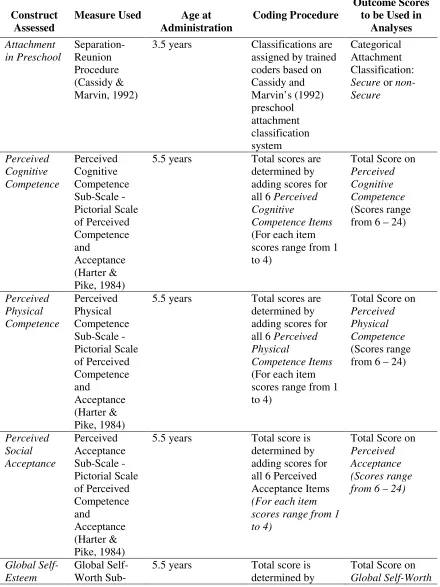
Pictorial scale of perceived competence and social acceptance ... 90
Self-perception profile for children ... 95
Rosenberg self-esteem scale (RSE) ... 95
Achievement-based failure: Challenging puzzle task - attributions ... 96
Social-based failure: Social-disappointment task ... 96
Procedure ... 99
Results ... 99
Descriptive Statistics ... 99
vii
Representations of the self ... 100
Normality of Distribution ... 104
Control Variables ... 104
Associations between Attachment Security and Self-Concept ... 108
Attachment security and perceived competence and acceptance ... 108
Attachment security and global self-worth ... 111
Maternal reports of child’s self-views ... 111
Patterns and Profiles of Responding on Self-Concept Scales ... 111
Q-factor analysis of self-views ... 111
Associations between Self-Views and Attachment Classifications ... 113
Q-factor findings ... 113
Profile analyses ... 114
Associations between Self-Views and Helplessness ... 118
Self-views, factor loadings and achievement-based helplessness ... 118
Self-view factor loadings and social-based helplessness ... 118
Associations between Attachment, Self-Views and Helplessness ... 120
Discussion ... 121
References ... 131
Chapter 3: The Contribution of Toddler and Preschool Attachment to ... Socio-Emotional Outcomes in Early Childhood... 143
The Present Study ... 148
Hypothesis 1a ... 148
Hypothesis 1b... 148
Hypothesis 2a ... 148
Hypothesis 2b... 148
Methods... 149
Participants ... 149
Materials ... 154
Interesting but scary procedure (IbS) ... 154
viii
Pictorial scale of perceived competence and social acceptance ... 155
Achievement-based failure: Challenging puzzle task - attributions ... 155
Social-based failure: Social-disappointment task ... 155
Procedure ... 158
Results ... 158
Attachment Classifications ... 158
Control Variables ... 160
Toddler and Preschool Attachment as Predictors of Helplessness ... 160
Toddler and Preschool Attachment as Predictors of Self-Views ... 163
Discussion ... 166
References ... 172
General Conclusion ... 176
References ... 182
Appendix A: Challenging Puzzle-Task Script ... 184
Appendix B: Social Disappointment Task Script ... 186
Appendix C: Social Disappointment Task “No” Script ... 188
Appendix D: Letters of Information ... 189
Appendix E: Ethics Approval Forms ... 198
ix List of Tables
Table 1: Demographic Information from 3.5 Year and 5.5 Year Visits………... 27
Table 2: Descriptive Statistics of Demographic Information by Mothers who Completed the Study and Mothers who Withdrew from the Study……… 29
Table 3: Indicators for Helplessness Composite Score of Puzzle Task……… 33
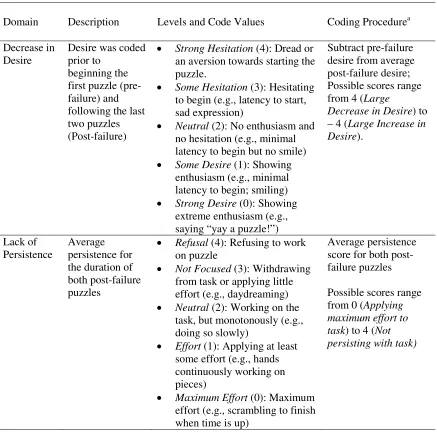
Table 4: Behavioural Helplessness Coding System for Puzzle Failure Task…………... 35
Table 5: Indicators for Helplessness Composite Score of Social Disappointment Task.. 39
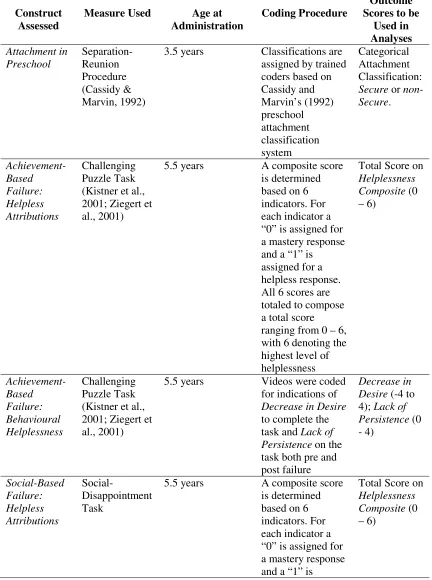
Table 6: Overview of All Measures and Variables to be used in Study 1……… 41
Table 7: Distribution of Attachment Classifications……… 45
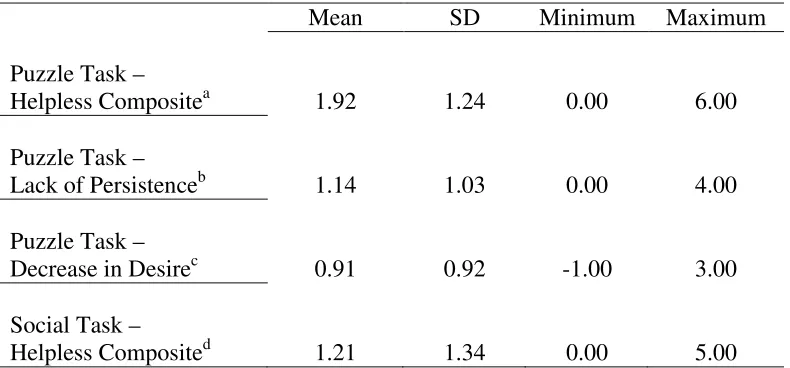
Table 8: Descriptive Statistics for all Helplessness Variables………. 46
Table 9: Descriptive Statistics for Helpless Attributions on Failure Tasks………. 48
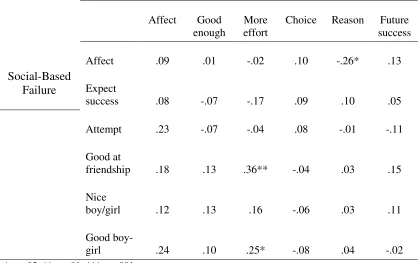
Table 10. Associations Between Helplessness Indicators in Social and Achievement Domain………. 50
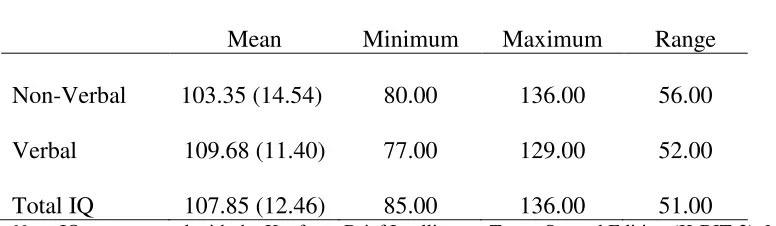
Table 11. Descriptive Statistics for Intellectual Functioning……… 53
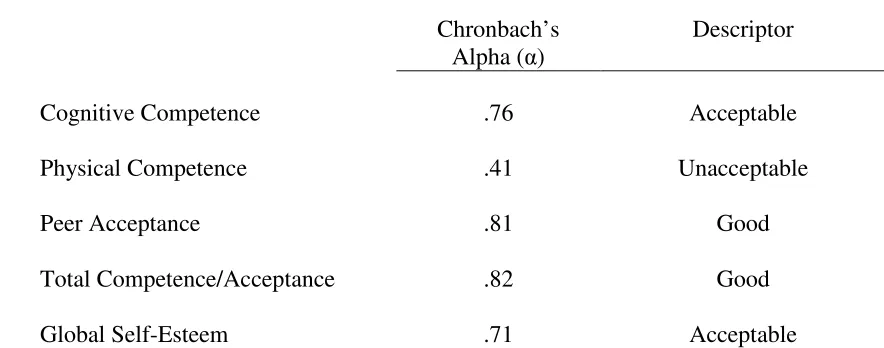
Table 12. Internal Consistency for Harter’s Scales………. 94
Table 13. Overview of All Measures and Variables to be used in Study 2……….. 97
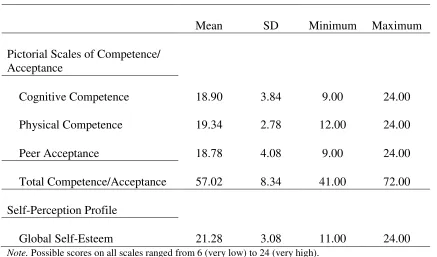
Table 14. Descriptive Statistics for Harter’s Scales of Self-Concept………. 101
Table 15. Factor Analysis for All Items in the PSPCSA……… 103
Table 16. Associations Among Self-Views and Intellectual Functioning……….. 107
Table 17. Univariate Analyses Examining Variation in Perceived Competence and Acceptance Across Attachment Classifications……….. 110
Table 18. Associations between Self-View Factors and Helplessness………119
Table 19. Demographic Information for 27 Months, 42 Months and 5.5 Years……….151
x
Table 21. Overview of All Measures and Variables to be Used in Study 3………….. 156
Table 22. Distributions of Attachment Classifications at 27 Months……… 159
xi
List of Figures
Figure 1. Profile Analysis Examining Patterns of Responding Across Self-Concept Domains for Children in Secure and non-Secure Attachment Relationships…………. 116
Figure 2. Interaction Between 27 and 42 Month Attachment Predicting Social
Helplessness……… 162
Figure 3. Interaction of 27 and 42 Month Attachment Predicting Responding
xii
List of Appendices
Appendix A: Challenging Puzzle Task Script……….... 184
Appendix B: Social Disappointment Task Script………....186
Appendix C: Social Disappointment Task “No” Script……….. 188
Appendix D: Letters of Information………189
Appendix E: Ethics Approval Forms………...198
General Introduction
Depression is among the most common and debilitating psychological conditions
afflicting modern society (Alloy, Abramson, Keyser, Gerstein, & Sylvia, 2008; Kessler,
2002). With a 12-month prevalence estimated at 7% and high associated mortality rates
(American Psychiatric Association, 2013), depression has negative consequences for
millions of individuals and their families. Depression is characterized by cognitive,
affective, physical and motivation symptoms including low mood, insomnia and
difficulty concentrating. The impact of this disorder touches on many aspects of daily
functioning, including interpersonal relationships, academic and vocational performance
and physical health (American Psychiatric Association, 2013). Understanding how this
debilitating condition first develops is essential for informing early interventions aimed at
decreasing its negative consequences.
Various theorists have suggested that experiences with parents very early in life have
important implications for later emotional functioning (Beck, 1967, 1987; Bowlby, 1980;
Ingram, 2001, 2003; Moran, Neufeld-Bailey & DeOliviera, 2008). Attachment theory, as
originally proposed by John Bowlby, may thus help elucidate how life’s earliest
relationship experiences influence depressive vulnerability. Bowlby (1970; 1980)
believed that infants develop bonds, or attachments, through repeated interactions with
primary caregivers over the first few years of life. Through these ongoing interactions,
children develop expectations about the support and availability of others that influence
the development of complementary models of the self. These representations of the self
and others (termed Internal Working Models {IWM}), influence the development and
distinct representations of the self and others would emerge as a function of differing
experiences in early relationships: secure, anxious and independent.
Individuals who receive responsive, consistent and sensitive caregiving from their
primary attachment figures in the first months and years of life are expected to develop
stable and secure attachment representations. Their desires for comfort, support, and
exploration were mostly respected and consistently met leaving them confident that
important others are available, accessible and supportive during times of need. They
develop a complementary model of the self as valuable, lovable and worthy of consistent
support (Bowlby, 1970, 1980). Those individuals who develop anxious attachment
representations, in contrast, are likely to have experienced inconsistent caregiving where
the support and affection they received were largely determined by the caregiver’s own
desires. Through such early experiences individuals learn that the actions of others are
not contingent on their own needs and they consequently lack a sense of control over
their own environments. Additionally, due to concern and preoccupation with caregiver
availability, these individuals fail to develop a competent sense of self; they tend to
relinquish their own wishes and desires to comply with the demands of important others
in their lives. They, thus, tend to rely on the support and approval of others and have
doubts regarding their own efficacy and worth (Bowlby, 1970, 1980). Finally, Bowlby
(1977, 1980) hypothesized that the attachment representations of those he characterized
as possessing an independence of affectional ties are the product of a critical and
unavailable attachment figure who, in particular, repeatedly rejected their bids for
comfort from stress. These individuals develop a model of others as unavailable and
attachment figure, they are left to deal with emotionally charged situations on their own
and, thus, their self-representations are characterized by self-sufficiency. Mary
Ainsworth’s creation of the Strange Situation Procedure (SSP), a structured laboratory
protocol focused on infant responses to separations from the mother (Ainsworth, Bell, &
Stayton, 1971; Ainsworth, Blehar, Waters, & Wall, 1978), made it possible to empirically
study Bowlby’s proposal that specific early attachment experiences led to these distinct
representations of relationships. Ainsworth (1978) identified three distinct patterns of
attachment based on the infant’s use of the mother to restore equanimity following a
separation from her: secure, ambivalent and avoidant - patterns that closely paralleled the
representations of attachment described by Bowlby as stable/secure, anxious and
independent respectively.
Bowlby believed that the emerging self-views associated with these unique early
experiences in relationships had important implications for vulnerability to later
emotional disturbances such as depression: “The psychology and psychopathology of
emotion is found in large part to be the psychology and psychopathology of affectional
bonds” (Bowlby, 1977, p. 130). In particular, Bowlby predicted that the positive and
stable representations of the self held by secure individuals would protect them from
experiencing depression following negative interpersonal events, while those with
anxious or independent representations would have less adept coping mechanisms and, as
a result, higher depressive vulnerability. In accordance with Bowlby’s hypothesis, a surge
of literature over the past few decades based on self-report measures with adult
participants has identified associations between attachment style and symptoms of
Such findings suggest that individuals with stable and supportive attachments to
important others are much less likely to suffer from depression than those with less
supportive relationships. There is also some limited evidence from longitudinal studies
that attachment experiences in infancy are associated with symptoms of psychopathology
much later in life (Carlson, 1998; Duggal, Carlson, Sroufe, & Egeland, 2001). The most
compelling support for Bowlby’s proposal, however, would be the identification of a
mechanism underlying the association between these early experiences and dysfunctional
emotional functioning many years later (Morley & Moran, 2011). One mechanism
proposed to account for this association is that negative cognitive patterns contribute to
the development of depression following adverse life events (Ingram, 2003; Moran et al.,
2008; Williams & Riskind, 2004). Again, research using self-report measures with adult
participants has established links between these cognitive processes and attachment styles
(Armsden, McCauley, Greenberg, & Burke, 1990; Barrett & Holmes, 2001; Greenberger
& McLaughlin, 1998; Safford, Alloy, Crossfield, Morocco, & Wang, 2004). More
specifically, individuals with secure attachment styles are much less likely to report the
presence of cognitive processes that have been linked to depression than those with
non-secure attachments. Further research has implicated the role of an individual’s self-views
in these associations: Individuals in secure attachment relationships experience higher
levels of self-esteem which appears to protect them from the negative cognitive processes
associated with depression (Bowlby, 1980).
While these findings have important implications for understanding processes that
may contribute to depression in adulthood, they say little about how life’s earliest
Cross-sectional study designs using adult self-reports of current attachment style and
retrospective accounts of early experiences with parents restrict the conclusions that can
be made regarding the influence of early experiences on later functioning (Bretherton &
Munholland, 2008; Dweck & London, 2004; Thompson, 2008). Numerous authors have
cited concerns regarding the validity of adolescent and adult recall of early attachment
experiences (Gamble & Roberts, 2005; Ingram, 2003). Recollection of memories from
several decades previous can be affected by various factors apart from the experiences
themselves (Maughan & Rutter, 1997; Winkielman & Schwarz, 2001). This problem is
especially salient when studying depressed individuals who may suffer from biased recall
as a result of current negative affectivity (Gamble & Roberts, 2005). Additionally,
attachment experiences that are considered most critical in influencing an individual’s
IWM occur over the first few years of life: Many of these memories are preverbal and
inaccessible in adulthood. Thus, it is difficult to determine if recall of early experiences
with attachment figures reflects actual experiences with these individuals or
contemporary perceptions that are influenced by other factors. Finally, studies assessing
attachment in adulthood using cross-sectional designs cannot determine the direction of
causality in associations between attachment and vulnerability to depression: that is, it is
unclear whether reported attachment style is a developmental antecedent of cognitive
vulnerabilities to depression or a consequence of these maladaptive patterns of thinking
and the negative affect that often accompanies them.
Overall, limitations associated with cross-sectional study designs using self-report
measures in adulthood leave many important questions unanswered. Only developmental
early attachment experiences influence cognitive processes that constitute a depressive
vulnerability. Unfortunately, very few studies of this nature exist in the extant literature
(Clark & Symons, 2000; Morley & Moran, 2011). The purpose of the current set of three
studies is to address this gap in the literature by examining associations of early
attachment experiences with socio-emotional competence in early childhood. The first
study in this set examines associations between early mother-child attachment and
emerging vulnerability to depression in both an achievement and interpersonal context.
The second study focuses on associations between early mother-child attachment and a
developing sense of self. This study also examines what role – if any – self-views play in
the association between early attachment and vulnerability to depression. The final study
examines the contribution of change and stability in attachment across early childhood in
the development of both self-views and depressive vulnerability. Implications for clinical
practice, directions for future research and limitations across studies are addressed in the
general conclusion. The research covered across this set of studies is necessary to provide
empirical support for the notion that early experiences with primary caregivers are
influential in these development outcomes. We begin with an examination of how life’s
earliest relationship experiences contribute to emerging cognitive processes that
References
Ainsworth, M. D., Bell, S. M., & Stayton, D. J. (1971). Individual differences in
strange-situation behaviour of one-year-olds. In H. R. Schaffer (Ed.), The origins of
human social relations. (pp. 15-71). Oxford, England: Academic Press.
Ainsworth, M. S., Blehar, M. C., Waters, E., & Wall, S. (1978). Patterns of attachment:
A psychological study of the strange situation. Oxford, England: Lawrence
Erlbaum.
Alloy, L. B., Abramson, L. Y., Keyser, J., Gerstein, R. K., & Sylvia, L. G. (2008).
Negative cognitive style. In K. S. Dobson & D. J. A. Dozois (Eds.), Risk factors
in depression (pp. 237-262). Amsterdam: Elsevier.
American Psychiatric Association. (2013). Diagnostic and statistical manual of mental
disorders (5th ed.). Arlington, VA: American Psychiatric Publishing.
Armsden, G. C., McCauley, E., Greenberg, M. T., & Burke, P. M. (1990). Parent and
peer attachment in early adolescent depression. Journal of Abnormal Child
Psychology, 18, 683 - 697. doi: 10.1007/bf01342754
Barrett, P. M., & Holmes, J. (2001). Attachment relationships as predictors of cognitive
interpretation and response bias in late adolescence. Journal of Child and Family
Studies, 10(1), 51 - 64. doi: 10.1023/a:1016677416638
Beck, A. T. (1967). Depression: Clinical, exerimental and theoretical aspects. New
York: Harper and Row.
Beck, A. T. (1987). Cognitive models of depression. Journal of Cognitive Psychotherapy,
Bowlby, J. (1970). Disruption of affectional bonds and its effects on behavior. Journal of
Contemporary Psychotherapy, 2(2), 75 - 86.
Bowlby, J. (1977). The making and breaking of affectional bonds: II. Some principles of
psychotherapy. British Journal of Psychiatry, 130, 421 - 431. doi:
10.1192/bjp.130.5.421
Bowlby, J. (1980). Attachment and loss (Volume 3): Loss Sadness and Depression. New
York: Basic Books.
Bretherton, I., & Munholland, K. A. (2008). Internal working models in attachment
relationships: Elaborating a central construct in attachment theory. In J. Cassidy
& P. R. Shaver (Eds.), Handbook of attachment: Theory, research, and clinical
applications (2nd ed.). (pp. 102-127). New York: Guilford Press.
Carlson, E. A. (1998). A prospective longitudinal study of attachment
disorganization/disorientation. Child Development, 69, 1107-1128. doi:
10.2307/1132365
Clark, S. E., & Symons, D. K. (2000). A longitudinal study of Q-sort attachment security
and self-processes at age 5. Infant and Child Development, 9(2), 91 - 104. doi:
http://dx.doi.org.proxy1.lib.uwo.ca/10.1002/1522-7219(200006)9:2%3C91::AID-ICD218%3E3.0.CO;2-O
Dozier, M., Stovall-McClough, K. C., & Albus, K. E. (2008). Attachment and
psychopathology in adulthood. In J. Cassidy & P. R. Shaver (Eds.), Handbook of
attachment: Theory, research, and clinical applications (2nd ed.). (pp. 718-744).
Duggal, S., Carlson, E. A., Sroufe, L. A., & Egeland, B. (2001). Depressive
symptomatology in childhood and adolescence. Development and
Psychopathology, 13(1), 143-164. doi: 10.1017/s0954579401001109
Dweck, C. S., & London, B. (2004). The role of mental representation in social
development. Merrill-Palmer Quarterly.Special Issue: 50th ANNIVERSARY
ISSUE: PART II The Maturing of the Human Developmental Sciences:
Appraising Past, Present, and Prospective Agendas, 50, 428-444.
Gamble, S. A., & Roberts, J. E. (2005). Adolescents' perceptions of primary caregivers
and cognitive style: The roles of attachment security and gender. Cognitive
Therapy and Research, 29(2), 123-141. doi: 10.1007/s10608-005-3160-7
Greenberger, E., & McLaughlin, C. S. (1998). Attachment, coping, and explanatory style
in late adolescence. Journal of Youth and Adolescence, 27(2), 121-139. doi:
10.1023/a:1021607627971
Ingram, R. E. (2001). Developing perspectives on the cognitive-developmental origins of
depression: Back is the future. Cognitive Therapy and Research, 25, 497-504. doi:
10.1023/a:1005542804965
Ingram, R. E. (2003). Origins of cognitive vulnerability to depression. Cognitive Therapy
and Research, 27(1), 77-88. doi: 10.1023/a:1022590730752
Kessler, R. C. (2002). Epidemiology of depression. In I. H. Gotlib & C. L. Hammen
(Eds.), Handbook of depression. (pp. 23-42). New York: Guilford Press.
Maughan, B., & Rutter, M. (1997). Retrospective reporting of childhood adversity:
Assessing long-term recall. Journal of Personality Disorders. Special Issue:
Moran, G., Neufeld Bailey, H., & DeOliviera, C. A. (2008). The roots of depression in
early attachment experiences. In K. S. Dobson & D. J. A. Dozois (Eds.), Risk
factors in depression (pp. 289-316). Amsterdam: Elsevier.
Morley, T. E., & Moran, G. (2011). The origins of cognitive vulnerability in early
childhood: Mechanisms linking early attachment to later depression. Clinical
Psychology Review, 31, 1071-1082. doi: 10.1016/j.cpr.2011.06.006
Safford, S. M., Alloy, L. B., Crossfield, A. G., Morocco, A. M., & Wang, J. C. (2004).
The relationship of cognitive style and attachment style to depression and anxiety
in young adults. Journal of Cognitive Psychotherapy, 18(1), 25-41. doi:
10.1891/jcop.18.1.25.28046
Thompson, R. A. (2008). Early attachment and later development: Familiar questions,
new answers. In J. Cassidy & P. R. Shaver (Eds.), Handbook of attachment:
Theory, research, and clinical applications (2nd ed.). (pp. 348-265). New York,
NY, US: Guilford Press.
Williams, N. L., & Riskind, J. H. (2004). Cognitive vulnerability and attachment. Journal
of Cognitive Psychotherapy, 18(1), 3 - 6. doi: 10.1891/jcop.18.1.3.28052
Winkielman, P., & Schwarz, N. (2001). How pleasant was your childhood? Beliefs about
memory shape inferences from experienced difficulty of recall. Psychological
Chapter 1: The Role of Early Attachment Experiences in the Onset of
Cognitive Vulnerability to Depression
Shortly after John Bowlby developed his theory of attachment, Aaron Beck began
working on a hypothesis to account for individual variation in vulnerability to depression.
Beck (1967, 1987) formulated a theory to account for the fact that some individuals
become depressed following stressful life events, while others react less severely. Beck
argued that depression should no more be thought of as an affective disorder than should
scarlet fever be described as a disease of the skin, i.e., that external presentation should
not be confused with the underlying pathology. Rather, he proposed that the affective,
motivational and even physical symptoms of depression were primarily a product of the
way an individual perceives him or herself, the world and the future – that depression is
primarily a disorder of cognition. Beck observed in his own patients that negative
cognitive patterns most often preceded unpleasant affective experiences. Additionally,
the content of these cognitive distortions closely paralleled that of the emotional
response, indicating there may be a causal association (Beck, 1967; Beck & Dozois, in
press). Empirical work of his own confirmed Beck’s theory: the way an individual
structures and perceives an experience will determine his or her affective response to it.
Beck subsequently developed a cognitive theory to explain differential susceptibility to
depression following stressful life events (Beck, 1967, 1987).
Aspects of Beck’s theory have also been drawn upon to support a related but more
specific account of vulnerability to depression: helplessness theory (Abramson,
Seligman, & Teasdale, 1978; Nolen-Hoeksema et al., 1986).Helplessness theory was
repeated electric shocks in dogs. Over time, these dogs passively accepted the shocks,
making no attempts to escape even when it was possible to do so (Schueller & Seligman,
2008). Replication of similar studies with human participants produced nearly analogous
results. However, an important difference in the human studies was that not all
participants responded to uncontrollable events with helplessness. Thus, the theory was
reformulated to suggest that an individual’s subjective interpretation of the event is an
important determinant of both helpless responses and subsequent depression (Abramson
et al., 1978). That is, the extent to which an individual makes stable, internal and global
attributions following negative experiences is a critical determinant of helpless responses
to such events (Alloy, Abramson, Keyser, Gerstein, & Sylvia, 2008; Nolen-Hoeksema et
al., 1986). Numerous studies have found associations between these helpless explanatory
styles and symptoms of depression in adults (Abramson et al., 1978; Schueller &
Seligman, 2008) and in children and adolescents (Gladstone & Kaslow, 1995; LaGrange
et al., 2008; Nolen-Hoeksema et al., 1986). Several longitudinal studies have gone further
to identify the moderating role of stressful or negative life events in contributing to the
onset of depression in individuals with such negative explanatory styles (Dozois & Beck,
2008).
Domain-Specificity of Cognitive Vulnerability
Various theorists have further proposed that these predisposing cognitive processes
may be differentially activated by domain-specific negative life-events (Blatt & Homann,
1992; Clark, Beck & Brown, 1992). That is, while some individuals will hold such
negative beliefs following an event they perceive as threatening their independence or
only following events that jeopardize their social acceptance or personal relationships
(social domain). The extent to which an individual possesses these negative cognitive
patterns following failure in a particular domain will depend on the relative importance
he or she places on experiences in that domain. Both Beck (Clark et al., 1992) and Blatt
(Blatt & Homann, 1992) have proposed that individuals who place a high value on
interpersonal relationships and assess their own worth through the acceptance and love of
others will be more likely to become depressed following an event they perceive as
threatening their social acceptance. Alternatively, individuals who strive for autonomy
and personal independence often hold high standards for themselves and place more
value on their own accomplishments as reflections of their self-competence. These
individuals would be more vulnerable to depression following an event they perceived as
involving a loss or limitation of this autonomy or personal achievement. Empirical
findings for these cognitive sub-types have been somewhat mixed and limitations still
exist in the ability to accurately measure domain-specific vulnerabilities (Iacoviello,
Grant, Alloy, & Abramson, 2009). However, research has generally supported the notion
that vulnerability to depression is a result of the interaction between these
domain-specific cognitive vulnerabilities and congruent life stressors (Hammen, Ellicott, &
Gitlin, 1989; Nelson, Hammen, Daley, Burge, & Davila, 2001; Segal, Shaw, Vella, &
Katz, 1992).
While considerable research has substantiated the role of cognitive vulnerabilities in
the onset and maintenance of depression, developmental origins and trajectories of these
vulnerabilities, however, are less clear (Hankin, 2008; Moran, Neufeld-Bailey, &
When Do These Cognitive Processes First Emerge and Stabilize?
In considering the origins of these cognitive processes, it is important to understand at
what point in development these negative thought patterns first emerge and stabilize. This
has recently become an area of great interest to many depression researchers, with
varying perspectives emerging on the issue. Traditionally, theory and research have
indicated that cognitive vulnerabilities to depression become increasingly stable with age
and show little predictive validity until late childhood and early adolescence (Cole et al.,
2008; LaGrange et al., 2008).
However, theoretical assertions put forth by both Bowlby and Beck suggest that
relational experiences very early in life have a strong influence on the development of
these negative cognitive patterns (Beck, 1967; Bowlby, 1980). If such assertions are in
fact correct, there must be a mechanism linking experiences early in life with these
vulnerabilities so many years later. Common limitations associated with many existing
studies of cognitive vulnerabilities in young children may have diminished their ability to
obtain accurate accounts of these processes in younger age groups (Burhans & Dweck,
1995; Murray, Woolgar, Cooper, & Hipwell, 2001). For the most part, self-reports of
negative self-schema and helpless explanatory styles for children of all ages were the sole
source of information gathered in studies that arrived at these conclusions. For example,
the Children’s Attributional Style Interview (CASI) (Conley, Haines, Hilt & Metalsky,
2001) has been utilized in several studies to assess the extent to which children possess a
helpless explanatory style after failure (Cole et al., 2008; LaGrange et al., 2008). This
measure includes hypothetical scenarios for which children provide a causal explanation
some research has provided evidence for the validity of the CASI in capturing cognitive
vulnerabilities to depression in young children (Conley et al., 2001), other research has
not supported the utility of this measure with a young age group (Cole et al., 2008;
LaGrange et al., 2008). The limited cognitive capabilities characteristic of early
childhood may constrain the child’s ability to provide accurate responses of this nature.
For example, research has indicated that representations of ones’ behaviour and
observations of actual behaviour differ substantially in children under the age of 9
(Vitaro & Pelletier, 1991). Thus, self-reports of helpless responses to hypothetical
scenarios are unlikely to provide an accurate reflection of responses to and interpretations
of actual events. In response to such methodological limitations, several studies have
designed more ecologically-valid assessments to measure cognitive vulnerabilities to
depression in children as young as 4 years-old (Kistner, Ziegert, Castro, & Robertson,
2001; Murray et al., 2001; Smiley & Dweck, 1994; Ziegert, Kistner, Castro, &
Robertson, 2001). Additionally, while the CASI and other self-report measures of
helpless attributions typically combine responses to both interpersonal and achievement
oriented failure scenarios, unique tasks have recently been developed to assess distinct
domain-specific vulnerabilities.
Helplessness following achievement-based failure in early childhood. In one of
the first studies to examine in-vivo responses to failure, Smiley and Dweck (1994)
examined 4 and 5 year-old children’s explanations for real failure on a series of insoluble
puzzle tasks. It was predicted that these behavioural tasks would be more likely to
capture helpless attributions than would hypothetical scenarios. Following exposure to a
of these puzzles to work on again and asked why they chose that puzzle. Children were
assigned to a learning goal group if their choice reflected a desire to persist with a
challenging/insoluble puzzle and to a performance goal group if the choice indicated a
desire to avoid the more challenging puzzles. They found that children in the latter
group, and particularly those who also expressed low confidence, were more likely to
exhibit a helpless explanatory style following failure: they made more negative
self-evaluations, expressed lower confidence in their future puzzle-solving abilities, and
tended to believe that difficulty on these tasks was a result of their lack of ability. These
findings clearly established that individual differences in helpless attributions are present
in children as young as 4 years of age but beg questions regarding the stability and
predictive validity of these processes - questions that have been addressed in more recent
studies.
In a longitudinal study that followed children from kindergarten to grade 5, Ziegert et
al. (2001) utilized the same challenging puzzle task as Smiley and Dweck (1994) to
examine the developmental trajectory and predictive validity of responses to failure in
young children. Ziegert et al. developed a composite score for helplessness based on
children’s responses to several questions about their puzzle solving abilities, including
why they believed they failed the tasks, whether they thought they could solve the tasks
given more time and how they expected to perform on similar tasks in the future.
Helpless explanatory styles assessed through this procedure showed moderate stability
between ages 5 and 6 (r = .41), a correlation comparable to the one-year stability
estimates typically reported in studies using self-reports with older children (Cole et al.,
again at age 10, a time when cognitive vulnerabilities to depression have been shown to
demonstrate more stable properties (Ingram, 2001; Nolen-Hoeksema et al., 1986; Ziegert
et al., 2001). Helpless explanations in kindergarten were significantly predictive of a lack
of persistence, low expectations for future success, and teacher ratings of helplessness on
a similar task at age 10. A related study used these same participants to examine whether
these early indices of helplessness would be predictive of symptoms of depression at age
10: Attributions for failure at age five were modestly predictive of later negative
self-worth, self-reported symptoms of depression and teacher-reported symptoms of
depression (Kistner et al., 2001). Following the success of the challenging puzzle task in
identifying early vulnerability to depression, other interactive tasks provided further
evidence for the validity of cognitive vulnerabilities in this young age group (e.g., Murray
et al., 2001).
Helplessness following interpersonal-based failure in early childhood. Other tasks
have been developed to similarly assess cognitive vulnerability to depression in children
following interpersonal-based failure (Erdley, Loomis, Cain, & Dumas-Hines, 1997;
Goetz & Dweck, 1980; Hayden, Klein, Durbin, & Olino, 2006). Several studies have
examined variations of a Pen-Pal Club task to examine such vulnerabilities. This task
begins with an adult experimenter inviting participants to apply to a pen-pal club run by
children in another province. Participants are asked to write a letter to a member of the
acceptance committee that would then be transmitted through a one-way radio and used
to determine if the child will be accepted into the club. Following the “relaying” of this
message and “receiving” a response, the experimenter informs the child the acceptance
opportunity to write a second letter. Reactions to this ambiguous response from the
fictitious acceptance committee are used to examine attributions participants make about
themselves and their abilities and of their persistence in re-applying to the club. Together,
these responses are used as an indication of helplessness in an interpersonal context.
Several studies have demonstrated that, as in situations probing the achievement
domain, an individual’s goal orientation predicts responses in this interpersonal task
(Erdley et al., 1997; Goetz & Dweck, 1980). Erdley et al. randomly assigned fourth and
fifth grade children to a condition where they were told either to focus on performance
goals (i.e., “We would like to see how good you are at making friends) or learning goals
(i.e., “This will give you the opportunity to practice and improve your ways of making
friends”) prior to completing the Pen-Pal Club task. Children in the performance goal
condition were significantly more likely to refuse to send a second letter or include less
information in their second attempt. Additionally, these individuals asked more questions
in their second letter, a strategy previously found to divert attention away from oneself
following achievement-related failure (Diener & Dweck, 1980). Thus, goal-orientation
was significantly associated with helpless responses to interpersonal-oriented failure,
leading to conclusions analogous to those drawn by Dweck and colleagues in the
achievement-domain: Children’s interpretations of social failure are associated with
helpless responses to these tasks. However, these studies provide little information on the
predictive validity of these helpless responses in early childhood for determining risk for
depression. To address this gap in the literature, Hayden et al. (2006) examined
associations between responses to social failure at age 7 using a variation of the Pen-Pal
Helpless responses to interpersonal failure during the Cool Kids Club task were
associated with concurrent self-reports of depressive symptomatology. Other research has
similarly found that inaccurate perceptions of abilities in the social domain during
childhood are associated with risk for depression (Kistner, David-Ferdon, Repper, &
Joiner, 2006).
Thus, contrary to previous assertions, there is evidence that cognitive vulnerabilities
to depression do indeed emerge in children as young as 4 or 5 years old. While these
cognitive patterns may become more stable in adolescence and adulthood, research
indicates that processes placing individuals at-risk for depression begin early in life and
developmentally-sensitive measures are necessary to identify them. However, these
findings still leave many important questions unanswered regarding the developmental
antecedents of these cognitive processes.
Developmental Origins of Cognitive Vulnerabilities to Depression
Beck (1967) described the experiences an individual has early in life with important
others such as parents, siblings and friends as critical to the development of self-schemas.
More specifically, he believed the judgments made by such others toward an individual
and the extent to which the individual identified with these key figures would have
important implications for the self-concept. These theoretical notions closely resemble
those previously put forth by John Bowlby (1958). In fact, Bowbly himself noted this
connection: “Both formulations postulate that depressive-prone individuals possess
cognitive schemas having certain unusual but characteristic features which result in their
construing events in the idiosyncratic ways they do” (1980, p. 249). Since this early
associations between Beck’s notion of schemas and Bowlby’s concept of IWMs (Barrett
& Holmes, 2001; Ingram, 2001, 2003; Williams & Riskind, 2004). IWMs of attachment
are now widely recognized for providing important insights into the cognitive processes
that characterize depressive vulnerability (Dozier, Stovall-McClough, & Albus, 2008;
Moran et al., 2008; Morley & Moran, 2011). Thus, attachment theory, as originally
proposed by John Bowlby, provides an important framework for understanding the
developmental origins of cognitive vulnerability to depression.
Attachment and Cognitive Vulnerabilities to Depression
IWMs of attachment are held to influence multiple aspects of functioning primarily
through their impact on representations of the self and others (Bowlby, 1980). Bowlby
reasoned that an IWM would act as an interpretive lens that would give rise to
person-specific “cognitive biases” that could greatly influence expectations and evaluations of
social encounters (Bowlby, 1980, p. 232). He hypothesized that an inability to develop a
stable and secure relationship with a primary caregiver, despite repeated attempts to do
so, would leave an individual feeling helpless in his or her ability to develop close
relationships. Subsequent difficulties in social encounters would then be interpreted
through this helpless framework, or IWM, and contribute to risk for depression following
negative interpersonal experiences (Williams & Riskind, 2004). Thus, individuals with
negative early attachment experiences would be vulnerable to making helpless
attributions following social situations that activate these IWM’s.
While Bowlby’s theoretical work on depressive vulnerability primarily focused on the
influence these biases have in interpersonal relationships, recent theorists have broadened
range of challenging and stressful life events (Dykman, 1998; Ingram, 2001, 2003;
Moran et al., 2008; Riskind & Alloy, 2006; Sochos & Tsalta, 2008). One theory that has
identified a plausible connection between IWM’s of attachment and depressive
vulnerability in the achievement domain is Goal-Orientation Theory. This theory
proposes that whether an individual is motivated to learn versus provetheir ability during
a difficult task will determine the likelihood that he or she will either respond with
helplessness or persist in attempts to overcome obstacles. Numerous theorists have
proposed that the basis of an individual’s goal orientation is founded in early experiences
with attachment figures (Dykman, 1998; Rusk & Rothbaum, 2010). Having been unable
to develop a stable sense of competency and self-worth through their interactions with
early caregivers, individuals with non-secure attachment histories view challenging
situations of all kinds as measures of their core traits that have the potential to prove (or
disprove) their self-worth. These attributions lead to a lack of persistence when
encountering obstacles as a result of the negative implications that failure would carry
(i.e., If I fail, then I am worthless) (Kuiper, Ollinger, & Air, 1989). When these
individuals do encounter failure, the likelihood of making internal, stable and global
attributions is high given their beliefs that performance is an assessment of their core
abilities and worth (Dweck & Leggett, 1988). In contrast, having developed a positive
and stable sense of self through early parent-child interactions, secure individuals are less
likely to be threatened by the consequences of failure: They develop confidence that the
positive representations others have of them will remain stable, even following situations
in which they fail to achieve a desired outcome (Mikulincer & Shaver, 2007). Empirical
improving on their abilities during challenging situations since they are less preoccupied
with the implications of potential failure (Elliot & Reis, 2003; Moss & St-Laurent, 2001).
Thus, in addition to risk following interpersonal failure, early non-secure attachment may
also place individuals at risk for vulnerability to depression in the achievement domain.
Research guided by these theoretical frameworks has established clear associations
between attachment style in adulthood and a tendency to attribute failure to internal,
stable and global characteristics – well-established markers of depressive vulnerability.
While individuals with secure attachments are unlikely to possess these helpless
explanatory styles, those who endorse non-secure attachment patterns report higher levels
of these negative attributions (Armsden, McCauley, Greenberg, & Burke, 1990; Barrett
& Holmes, 2001; Greenberger & McLaughlin, 1998; Safford, Alloy, Crossfield,
Morocco, & Wang, 2004). However, there is a dearth of research more specifically
examining potential differences in associations between attachment security and
domain-specific vulnerability to depression. Thus, despite strong theoretical links in both
domains, it remains unclear whether non-secure attachment places individuals at risk for
the cognitive processes that characterize depressive vulnerability in both the interpersonal
and achievement domains (Rusk & Rothbaum, 2010).
Status of Current Longitudinal Research on Attachment and Cognitive
Vulnerability to Depression
Although existing research has identified an association between attachment status in
adulthood and cognitive styles related to depression, this work tells us very little about
the developmental mechanisms behind this association (Bretherton & Munholland, 2008;
hypothesis demands prospective longitudinal studies beginning in infancy and an
examination of more specific social cognitive mechanisms. However, there is currently a
lack of longitudinal research specifically examining associations between attachment in
the first few years of life and the emergence of vulnerability to depression in early
childhood. The little research of this nature that does exist suggests there are meaningful
differences in how children respond to challenging tasks based on their early attachment
histories (Arend, 1984; Matas, Arend, & Sroufe, 1978; Sroufe, 2005). Findings from two
separate longitudinal examinations of early attachment trajectories indicate that young
children in secure relationships demonstrated more competence and persistence on a
series of difficult tasks than their non-secure peers (Fish, 2004; Sroufe, 2005). However,
no study has yet to examine how early attachment experiences would influence helpless
attributions – and subsequently depression – following such tasks in early childhood.
Purpose of the Present Study
As the foregoing account indicates, there is currently a dearth of prospective
longitudinal research specifically examining the influence of early attachment
experiences on cognitive vulnerabilities to depression in early childhood (Morley &
Moran, 2011). However, theoretical assertions suggest these relationships play a pivotal
role in the development of cognitive biases or the way in which an individual interprets
and perceives various situations. Such biases in the interpretation of events, specifically
the tendency to attribute negative experiences to stable, internal and global causes, have
been shown to play a causal role in the onset and maintenance of depression in both
childhood (Gladstone & Kaslow, 1995; Hayden et al., 2006; Kistner et al., 2001;
Schueller & Seligman, 2008). Thus, identifying the developmental origins of these
cognitive processes has important implications for clinical practice (Kistner et al., 2006).
Additionally, little is understood about the impact of early relationship experiences on
domain-specific cognitive vulnerability to depression and it is unclear whether negative
early attachment experiences influence vulnerability to depression generally, or in
specific domains. The purpose of the current study is to add to the existing literature in
the following ways: (1) To examine associations between attachment experiences very
early in life and the later emergence of helpless explanatory styles in early childhood, and
(2) to examine associations between early attachment experiences and domain-specific
vulnerability to depression.
To meet the first objective, attachment relationships were assessed at age 3.5
years using a well-validated separation-reunion procedure, and helplessness was
measured at age 5.5 years with the ecologically-validated methods described in the
previous review. To date, no other study has examined longitudinal associations between
attachment security and the emergence of helpless explanatory styles using such
comprehensive assessments.
To address the second goal of this study, two distinct assessments of helplessness
in early childhood were included. First, the challenging puzzle task created by Dweck
and further developed by Kistner and colleagues was used to examine helplessness in the
achievement domain. This task has shown good reliability (Ziegert et al., 2001) and
predictive (Kistner et al., 2001; Ziegert et al., 2001) and concurrent (Smiley & Dweck,
1994) validity in this young age group. The previously described assessments of
7 years old (Erdley et al., 1997; Goetz & Dweck, 1980; Hayden et al., 2006), and were
considered too sophisticated for 5 year old children1. Thus, a modified version of the
“Cool Kids Club” task – the Social Disappointment Task – was developed for the current
study to include a more developmentally appropriate assessment for this young age
group.
Hypothesis 1. Based on strong theoretical associations (Barrett & Holmes, 2001;
Bowlby, 1980; Ingram, 2001, 2003; Williams & Riskind, 2004) and robust evidence from
the adult literature (Armsden et al., 1990; Barrett & Holmes, 2001; Greenberger &
McLaughlin, 1998; Safford, Alloy, Crossfield, Morocco & Wang, 2004), it was expected
that children with a history of secure attachment would exhibit less helplessness
following failure than those with a history of non-secure attachment.
Hypothesis 2. Given that attachment security is an interpersonal process and
IWMs develop through repeated experiences with important others (Bowlby, 1980;
Ingram 2003), it was expected that attachment security would be most strongly associated
with helplessness in a social context.
Methods
Participants
Participants were part of an ongoing longitudinal study with the Child
Development Group at the University of Western Ontario, and were recruited for the
study in two phases. In 2004, mothers were initially approached during their post-partum
stay at a London-area hospital and invited to participate with their infants. Eighty-four
1
mothers agreed to participate. These dyads were subsequently seen on eight separate
occasions in their homes or at the university during the first six years of the child’s life.
In 2008, the seventh visit was conducted when children were 3.5 years of age, and 50 of
the original families (Wave 1) returned to participate. At this time, another fifty 3.5
year-old children and their mothers (Wave 2) were recruited from the community to
participate in attempt to increase the sample size. This resulted in 100 dyads at the 3.5
year assessment all of whom were also contacted to attend the 5.5 year follow-up visit
within the next two years. Seventy of these families returned for the 5.5 year assessment.
All 70 children who participated in both the 3.5 and 5.5 year assessments were included
as part of the current study.
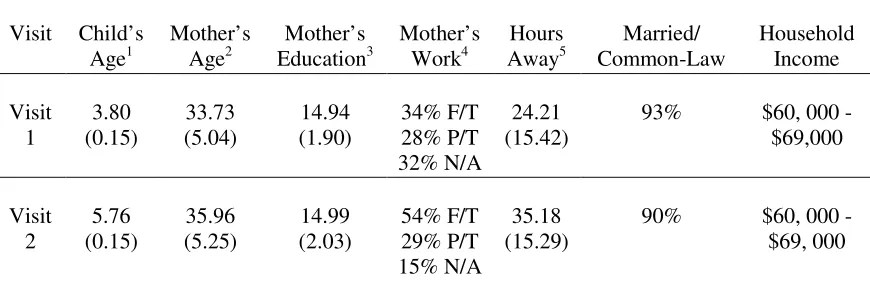
A breakdown of demographic information for all families is presented in Table 1.
Gender was evenly represented across the sample (51% female) and 86% of the children
were first-born in their family. Demographics were generally consistent across both time
points, however there was a notable increase in both the proportion of mothers working
full time, and number of hours spent away from the child between 3.5 and 5.5 years of
age. This is likely a reflection of the fact that most children were enrolled in either
Table 1
Demographic Information from 3.5 Year and 5.5 Year Visits.
Demographic Information Visit Child’s
Age1 Mother’s Age2 Mother’s Education3 Mother’s Work4 Hours Away5 Married/ Common-Law Household Income Visit 1 3.80 (0.15) 33.73 (5.04) 14.94 (1.90) 34% F/T 28% P/T 32% N/A 24.21 (15.42)
93% $60, 000 - $69,000 Visit 2 5.76 (0.15) 35.96 (5.25) 14.99 (2.03) 54% F/T 29% P/T 15% N/A 35.18 (15.29)
90% $60, 000 - $69, 000
Note. All numbers in table represent averages reported across the entire sample. 1
Child’s age reported in years. 2 Mother’s age reported in years. 3 Average number of years in school. 4 F/T indicates percentage of mothers working full time; P/T indicates percentage of mothers working part time; N/A represents mothers who are not working outside of the home.
5
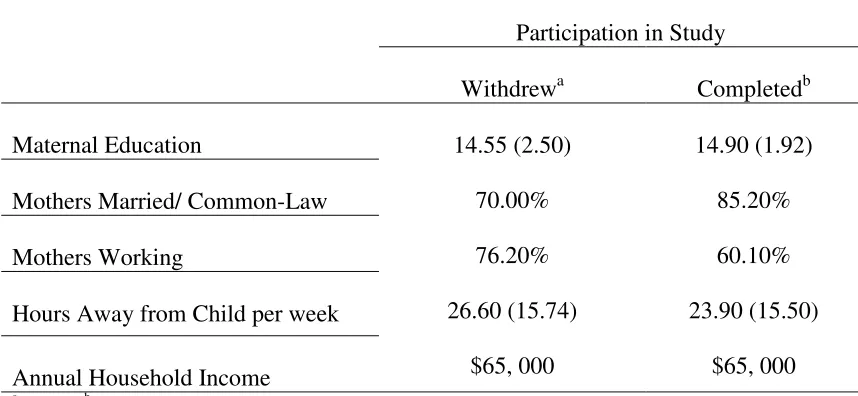
Several descriptive analyses were run to identify potential differences in
demographic characteristics of families who completed both visits, compared with those
who withdrew prior to the second assessment (see Table 2). There were no significant
differences between families who completed the study and those who withdrew in terms
of maternal education, marital status, work status, hours away from the child or annual
household income. It should be noted that although not significant, there did appear to be
slightly higher numbers of mothers who were single and working among those who did
not complete the study, likely because it was more difficult for these mothers to find time
Table 2
Descriptive Statistics of Demographic Information by Mothers who Completed the Study and Mothers who Withdrew from the Study
Participation in Study
Withdrewa Completedb
Maternal Education 14.55 (2.50)
70.00%
76.20%
26.60 (15.74)
$65, 000
14.90 (1.92)
85.20%
60.10%
23.90 (15.50)
$65, 000 Mothers Married/ Common-Law
Mothers Working
Hours Away from Child per week
Annual Household Income a
N = 29; b N = 70
Materials
Separation-reunion procedure (Cassidy & Marvin, 1992). To assess
attachment in the pre-school years, Cassidy and Marvin (1992) designed a mother-child
separation-reunion procedure, adapted from the infant Strange Situation Procedure (SSP),
that would capture attachment behaviours relevant to this older age group. Procedural
changes focused on the need to increase the attachment-related stressor by increasing
both the frequency and duration of the time the child spent alone. At the beginning of this
procedure, the mother and child interacted together for 3 minutes, following which the
mother was instructed to leave the room when signaled by a knock on the door, and the
child was left on his/her own for 4 minutes. The mother was then asked to return to the
room for 3 minutes, and leave again at the sound of another knock. The child was left
alone for another 4 minutes before the mother returned to interact with the child for 3
minutes. The procedure was video-recorded, and trained coders assigned a classification
according to Cassidy and Marvin’s (1992) Attachment Organization in Preschool
Children: Procedures and Coding Manual. Coding procedures outlined in this manual
were based on attachment theory and adapted from the infant SSP coding procedures to
account for speech and other more advanced communication and behaviours typical of a
pre-school aged child (Thompson, 2008). Similar to the infant coding procedures, the
child’s behaviours upon reunion with the mother were central to the coding and
classification. Each dyad was assigned one of the following classifications: Secure,
Avoidant, Ambivalent, Controlling, Disorganized or Insecure-Other. In accordance with
hypotheses outlined for the current study classifications were dichotomized into Secure
Insecure-Other) for all primary analyses. This procedure has been well-validated as a measure of
attachment in the pre-school years (Solomon & George, 2008; Stevenson-Hinde &
Shouldice, 1993): It has been associated with earlier attachment classifications in
meaningfully consistent ways (NICHD, 2001; Thompson, 2008) and also with concurrent
assessments of constructs theoretically linked to attachment quality (Moss, Bureau, Cyr,
Mongeau, & St-Laurent, 2004; Moss, Cyr, & Dubois-Comtois, 2004; NICHD, 2001).
Achievement-based failure: Challenging puzzle task (Kistner et al. 2001;
Ziegert et al., 2001). This procedure was designed to assess helpless attributions
following achievement-related failure in early childhood. In this task, children were first
asked to indicate their affect by selecting one from a series of smiley faces, and then
presented with a series of four puzzles to complete. Completion of the first puzzle was
timed, to provide an indication of the child’s overall puzzle solving ability. The next two
puzzles were “failure” episodes. With the second puzzle, children were told they would
have 2 minutes to put all of the pieces together. After 2 minutes, or when 3 puzzles pieces
were left – whichever came first – children were then informed that time was up and they
did not finish the puzzle. They were then given a third puzzle and told that they would
also have 2 minutes to finish that one. After 2 minutes or when 4 pieces were left - again
whichever came first – they were informed that time was up and they did not finish the
puzzle. Children were then again invited to indicate how they were feeling, and asked a
series of questions about their performance on these failure episodes (see items 2 to 4 in
Table 3). Following this, children were given another timed puzzle for which they were
provided enough time to finish, regardless of how long it took. Children were then asked
why, and also how many puzzles they would expect to solve if they were provided with
another three puzzles (see items 5 and 6 in Table 3). At the end of the procedure, the
experimenter informed the child that they had “accidentally” given him/her the puzzles
meant for the 7 year old children, and explained that was why they were so difficult to
complete (See Appendix A for a complete script).
Attributions and helplessness composite score. A composite score, ranging from
0 (no helplessness) to 6 (very high helplessness) was used to characterize the degree of
helplessness displayed by each child in this achievement-based failure scenario. Six
indicators were used to create this score; each was assigned a 1 (helpless response) or a 0
(mastery response)2. Scores on all indicators were then totaled to create the helplessness
composite score. The six indicators and associated scores are outlined in Table 3.
Helplessness composite scores on this task have previously demonstrated moderate
stability in this age group (Kistner et al., 2001), and have also been associated with
self-reports and teacher self-reports of negative self-worth and symptoms of depression five years
later (Ziegert et al., 2001).
2
Table 3
Indicators for Helplessness Composite Score of Puzzle Task.
Helplessness Indicator Helpless Response (“1”) Mastery Response (“0”)
1. Change in self-report of affect pre-failure to post-pre-failure
Decrease in happiness Stable or increased happiness
2. Response to: “Do you think you could finish these two puzzles if you had lots of time, or do you think you are not good enough at solving puzzles?”
No – not good enough Yes – could finish them
3. Response to: “If you tried your very hardest, do you think you could solve these two puzzles?”
No – could not solve them Yes – could solve them
4. Response to: “If we have time later and you could work on one of these puzzles again, which one would you do?”
Choice to rework a previously solved puzzle
Choice to attempt an unfinished puzzle
5. Response to “Why did you choose that puzzle?”
Provision of a reason focusing on the puzzle being easier or more likely to result in success than the other puzzles
Any other reason provided that does not meet indicator for helpless response
6. Response to “If I gave you three more puzzles to solve, how many do you think you would finish?”
Prediction he/she would solve none or only 1 puzzle