ABSTRACT
SPAKE, JESSICA RENE STURDEVANT. Relationship between Backtest and Coping Styles in Pigs. (Under the direction of Joe Cassady).
The objective of this study was to examine relationships between the Backtest (BT) and coping styles in pigs. The BT was performed on 575 piglets from 75 litters; once at six and again at 13 days of age. For this test, pigs were placed in the supine position for 60 seconds. The amount of time struggling and the number of struggle attempts during each test were recorded. The times and number of struggles from each test were combined to give total time struggling (TTS) and total struggle attempts (TSA). Pigs were ranked within replicate (n=5) based on TTS. Piglets in the top (high TTS; n=60) and bottom (low TTS; n=60) 10 percent of their respective replicates were selected for additional behavior tests. The additional tests chosen were the Novel Object Test (NOT) to measure response to novelty, Resident Intruder Test (RIT) to gauge aggression, and maze test to evaluate cue usage. Other researchers have suggested that these traits reflect underlying coping styles in rodents and pigs. The NOTs were performed at five and again at six weeks of age. For NOT and RIT, half of the pigs’ home pen was sectioned off with a solid divider to form an isolated test area. One pig, from that pen, was placed in the test area and a novel object was introduced.
Latency to begin exploring and time exploring an object were recorded and summed to give total latency to explore (TEXLAT), and total time exploring (TTEX). Heart rates of
performed two days after each NOT. A resident pig, was placed in the test area and an unfamiliar, intruder, pig from a non-neighboring pen was introduced. Latency for resident to contact intruder, time from first contact until attack, and time of attack were recorded and summed to give total latency to contact (TCONLAT), total time from contact to attack (TCONTOATT), and total time to attack (TATTLAT). Time to complete a maze trial and errors performed were measured in six trials; four training and two test trials. Trials were conducted three days per week when pigs were seven to eight weeks old. In addition to behavior traits, adjusted 21-day weight (A21dwt) and preweaning average daily gain (pADG) were calculated from farrowing and weaning ages and weights. Correlations were calculated among all behavior and production traits. Only the following correlations were significant (P < 0.05): TTS with TSA, pADG, and A21dwt, TCONTOATT with TATTLAT and
Relationship between Backtest and Coping Styles in Pigs
by
Jessica Rene Sturdevant Spake
A thesis submitted to the Graduate Faculty of North Carolina State University
in partial fulfillment of the requirements for the degree of
Master of Science
Animal Science
Raleigh, North Carolina 2010
APPROVED BY:
________________________________ ________________________________
Dr. C. Scott Whisnant Dr. William L. Flowers
________________________________ ________________________________
Dr. David A. Dickey Dr. Joseph P. Cassady
BIOGRAPHY
ACKNOWLEDGMENTS
I would like to acknowledge major advisor, Dr. Joe Cassady for taking me as his graduate student and letting me study animal behavior. His guidance, encouragement, and refusal to let me give up got me through this program and helped me grow as an individual. I would also like to thank my committee members, Dr. Scott Whisnant, Dr. William Flowers, and Dr. David Dickey for their advice and guidance.
Thank you to Clay Bryd and the staff at the Swine Education Unit for accommodating my many behavior tests, letting me build a maze in one of the barns, and teaching me about the pigs. I would like to thank Peggy for her assistance in learning to perform the behavior tests, collect data, and enter data. Thank you to Marian Correll for making sure I filled out all the correct paper work. Thank you to Kent, Ben, Jocelyn, Kristen, YiJian, and various other graduate students for your help, advice, support, and making grad school an enjoyable experience. A special thank you to the undergrads, Charlie, Greg, Annie, Maggie and Lauren for all the long days and tremendous effort you all put in to collecting data, this project could not have been done without you. Thank you to Adria for always being willing to read over my work and offer suggestions even though you have no interest in pigs or behavior.
TABLE OF CONTENTS
Page
LIST OF TABLES ... vi
LIST OF FIGURES ... viii
CHAPTER 1 ... 1
LITERATURE REVIEW ... 1
Introduction ... 2
What is a Coping Style ... 3
Coping Styles in Mice and Rats ... 4
Behavioral Tests and Characteristics of Coping Styles ... 4
Attack Latency and Resident Intruder... 5
Shock Prod / Defensive Burying ... 6
Active Shock Avoidance ... 7
Open Field ... 8
Maze ... 9
Physiological Characteristics of Coping Styles ... 11
Health Issues Related to Coping Styles ... 13
Coping Styles in Pigs ... 15
Behavioral Tests of Coping Styles ... 15
Aggression... 15
Response to Novelty ... 17
Routine Formation ... 19
Physiological Tests of Coping Styles ... 20
Backtest ... 22
Backtest as Measure of Coping Styles ... 23
Studies Supporting Backtest as Measure of Coping Styles ... 23
Studies Not Supporting Backtest as Measure of Coping Styles ... 27
Summary ... 29
Literature Cited ... 31
CHAPTER 2 ... 37
RELATIONSHIP BETWEEN BACKTEST AND COPING STYLES IN PIGS . 37 Introduction ... 38
Materials and Methods ... 39
Description of Animals ... 39
Backtest ... 39
Novel Object test... 40
Cardiac Response to Novelty ... 41
Resident Intruder Test ... 41
Maze Test ... 42
Production Parameters ... 44
Results ... 48
Backtest ... 48
Novel Object Test ... 49
All Selected Pigs ... 49
Only Pigs that Explored the Novel Object ... 50
Resident Intruder Test ... 50
All Selected Pigs ... 50
Only Pigs that Had an Attack Occurrence ... 51
A Maze Tests (10 Minute Maximum) ... 52
All Selected Pigs ... 52
Only Pigs that Completed Maze ... 54
B Maze Tests (3 Minute Maximum) ... 55
All Selected Pigs ... 55
Only Pigs that Completed Maze ... 56
Cardiac Response to Novelty ... 57
Discussion... 58
References ... 62
LIST OF TABLES
Page
Table 1. Behavioral Characteristics of Coping Styles in Mice and Rats ... 64
Table 2. Physiological Characteristics of Coping Styles in Mice and Rats ... 65
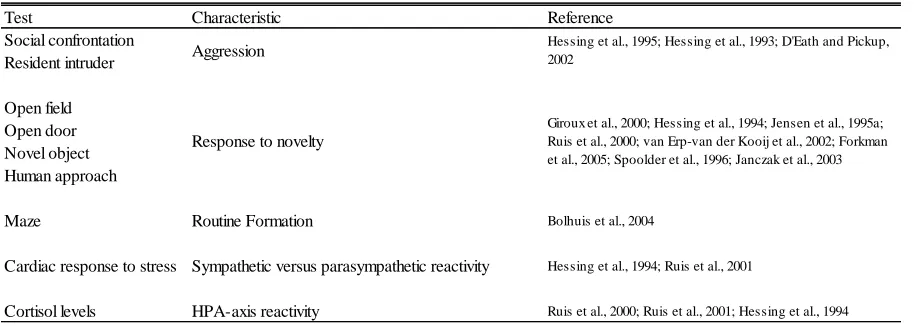
Table 3. Tests of Coping Style Characteristics in Pigs ... 66
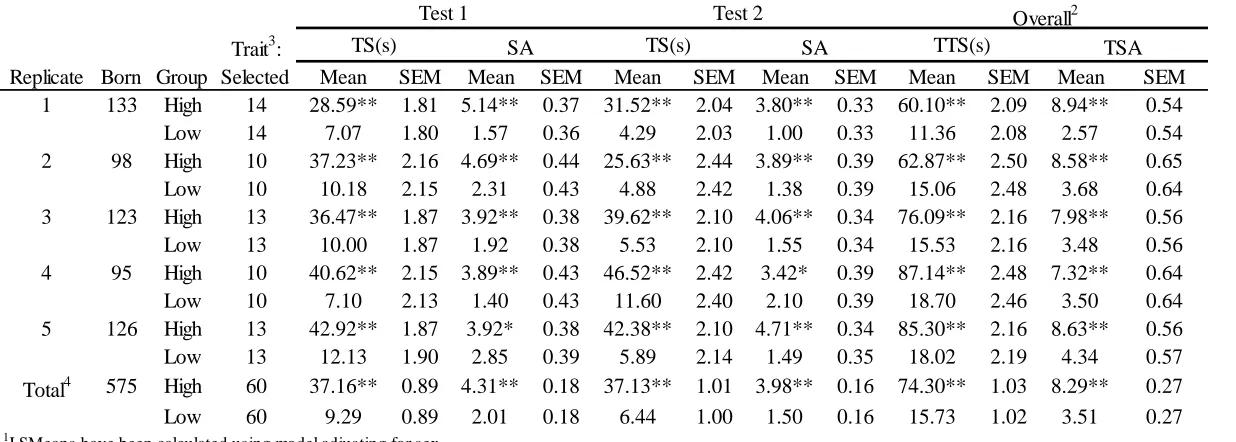
Table 4. Number of Pigs in Study and Backtest LSMeans for Selected Pigs ... 67
Table 5a. P-Values of Fixed Effects for All Pigs ... 68
Table 5b. P-Values of Fixed Effects for Subset of Pigs... 69
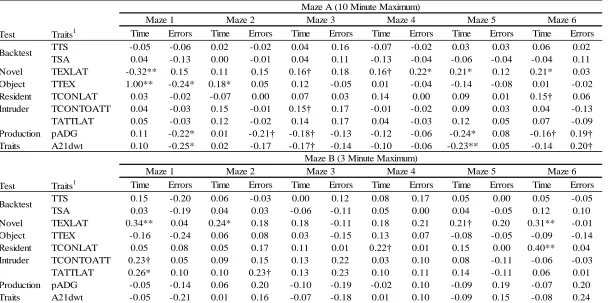
Table 6a. Pearson Correlation Coefficients for Backtest, Novel Object, Resident Intruder, and Production Measurements ... 70
Table 6b. Pearson Correlation Coefficients Between Maze Traits and All Other Measurements ... 71
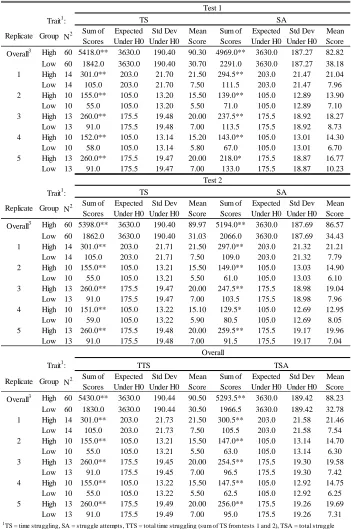
Table 7. Wilcoxon Rank Sum Analysis of Backtest Traits, Only Pigs Selected for Additional Behavior Tests ... 72
Table 8a. Novel Object LSMeans, All Selected Pigs ... 73
Table 8b. Novel Object LSMeans, Only Pigs that Explored Object... 74
Table 9. Wilcoxon Rank-Sum Analysis of Novel Object Test Traits ... 75
Table 10. Novel Object Exploration Score Frequency and Chi-Squared Values ... 76
Table 11a. Resident Intruder Test LSMeans, All Selected Pigs ... 77
Table 11b. Resident Intruder Test LSMeans, Only Pigs that had Attack Occurrence ... 78
Table 12. Wilcoxon Rank-Sum analysis of Resident Intruder Traits ... 79
Table 13. Resident Intruder Attack Score Frequency and Chi-Squared Values ... 80
Table 14a. Maze Trials, 10 Minute Maximum, LSMeans, All Selected Pigs ... 81
Table 14b. Maze Trials Differences, 10 Minute Maximum, LSMeans, All Selected Pigs ... 82
Maze Trials Within Time Limit ... 83
Table 14d. Maze Trials Differences, 10 Minute Maximum, LSMeans, Only Pigs that Completed Maze Trials Within Time Limit ... 84
Table 15a. Wilcoxon Rank-Sum Analysis of Maze Trial Traits, 10 Minute
Maximum ... 85
Table 15b. Wilcoxon Rank-Sum Analysis of Maze Trial Trait Comparisons, 10
Minute Maximum ... 86
Table 16. Maze Trial, 10 Minute Maximum, Completion Frequency and Chi-
Squared Values ... 87
Table 17a. Maze Trials, 3 Minute Maximum, LSMeans, All Selected Pigs ... 88
Table 17b. Maze Trials Differences, 3 Minute Maximum, LSMeans, All Selected Pigs ... 89
Table 17c. Maze Trials, 3 Minute Maximum, LSMeans, Only Pigs that Completed Maze Trials Within Time Limit ... 90
Table 17d. Maze Trials Differences, 3 Minute Maximum, LSMeans, Only Pigs that Completed Maze Trials Within Time Limit ... 91
Table 18a. Wilcoxon Rank-Sum Analysis of Maze Trial Traits, 3 Minute
Maximum ... 92
Table 18b. Wilcoxon Rank-Sum Analysis of Maze Trial Trait Comparisons, 3
Minute Maximum ... 93
Table 19. Maze Trial, 3 Minute Maximum, Completion Frequency and Chi-
Squared Values ... 94
Table 20a. Cardiac Response During Novel Object Test 1 ... 95
LIST OF FIGURES
Page
Figure 1. Maze Configuration ... 97
Figure 2. Timeline of Tests and Measurements ... 98
Figure 3a. Cardiac Response to Novelty During Novel Object Test 1 ... 99
Figure 3b. Cardiac Response to Novelty During Novel Object Test 1, Overall ... 99
Figure 4a. Cardiac Response to Novelty During Novel Object Test 2 ...100
Figure 4b. Cardiac Response to Novelty During Novel Object Test 2, Overall ...100
Appendix Figure A1. Heart Rate Monitor Apparatus Picture ...102
Figure A2. MazeConfiguration ...103
Figure A3. Maze Modification ...104
Figure A4. Backtest 1 Measurements Distributions...105
Figure A5. Backtest 2 Measurements Distributions...106
Figure A6. Backtest Overall Measurements Distributions...107
Figure A7. Novel Object Test 1 Measurements Distributions ...108
Figure A8. Novel Object Test 2 Measurements Distributions ...109
Figure A9. Novel Object Overall Measurements Distributions ...110
Figure A10. Novel Object Exploration Scores Distributions ...111
Figure A11. Resident Intruder Test 1 Measurements Distributions...112
Figure A12. Resident Intruder Test 2 Measurements Distributions...113
Figure A13. Resident Intruder Overall Measurements Distributions ...115
Figure A15. Maze Trial 1 Measurements Distributions ...117
Figure A16. Maze Trial 2 Measurements Distributions ...118
Figure A17. Maze Trial 3 Measurements Distributions ...119
Figure A18. Maze Trial 4 Measurements Distributions ...120
Figure A19. Maze Trial 5 Measurements Distributions ...121
Figure A20. Maze Trial 6 Measurements Distributions ...122
CHAPTER 1
Introduction
It is widely known that individual animals of all species respond differently in stressful situations. However, an abundance of research has shown that in mice, rats, and several other species, individuals’ responses fall into two distinct categories, referred to as coping styles (Koolhaas et al., 1999). By breeding rodents based on outcomes of specific behavior tests, strains of animals that reliably exhibit distinct coping style characteristics have been successfully created (Benus et al., 1991).
Research has been done investigating the possibility of distinct coping styles in domestic animal species, including pigs. Although some studies are conflicting, many scientists believe coping styles, similar to those found in mice and rats, to be present in pigs (Hessing et al., 1993; Koolhaas, 2008; Koolhaas et al., 1999). If reliable tests of coping styles in pigs were found, perhaps lines with different coping styles could be created and producers would be able to select animals that would adapt well to their management conditions.
This review serves to provide brief summaries of several topics: tests and
characteristics of coping styles in rodents, coping style characteristic tests in pigs, backtest, and past research on backtest as measure of coping style.
What is a Coping Style
Many definitions of coping can easily be found in the literature, ranging from specific to general. Lazarus et al. (1974) viewed coping in humans as “problem-solving efforts made by an individual when the demands he [or she] faces are highly relevant to his [or her]
welfare (that is, a situation of considerable jeopardy or promise) and when these demands tax his [or her] adaptive resources.” In other words, coping can be viewed as a reaction to a situation in which an individual feels threatened in some way. Levine and Wiener (1989) suggest that coping is a response “based on reduction of pathological or physiological indices.” Wechsler (1995) simply states “coping behaviour is a response to aversive situations.” Another definition presented by Koolhaas et al. (1999) is “behavioral and physiological efforts to master the situation.” Although worded differently, these definitions all view coping as a response by the individual to a disturbance. Since stress is defined as the disruption of homeostasis by an intrinsic or extrinsic, physical or psychological force
(Avitsur, 2006) coping refers to the response by the animal to stress in this review.
exhibit a coping style. Existence of coping styles is heavily supported in mice and rats, but less evidence has been reported in pigs.
Henry and Stephens (1977) popularized the theory of the presence of two types of coping styles. Names of the two styles differ between articles, but characteristics of the styles are consistent. Originally described as the “fight-flight response”, one coping style is most commonly known as “active response” (Koolhaas et al., 1999). However, since some of the behavioral characteristics of “active response” style are not what some would consider active, this style is also referred to as “proactive” (Koolhaas et al., 1999). The second coping style is sometimes known as “conservation-withdrawal response” (Engel and Schmale, 1972). It is commonly referred to as “passive response” (Koolhaas et al., 1999). As with the first coping style, the notion of “passive” can be misleading, therefore, this coping style is also referred to as “reactive.” For clarity, the two coping styles will be labeled proactive and reactive for the remainder of this review. Both the behavioral and physiological attributes that differentiate these coping styles are described in the literature.
Coping Styles in Mice And Rats
Numerous studies have provided extensive evidence for the existence of distinct coping styles in mice and rats. These coping styles, proactive and reactive, have been shown to exist across many test situations.
Behavioral Tests and Characteristics of Coping Styles
take a more dynamic approach, actively attempting to get rid of or escape the stressor, or gain control of the situation. Reactive mice and rats take a passive approach to stress. These different methods are exemplified by numerous tests and specific behaviors.
Attack Latency and Resident Intruder
The main behavioral characteristic that distinguishes proactive and reactive coping styles in mice and rats is aggression levels. Rodents with proactive coping style are shown to be more aggressive while reactive rodents are less aggressive (Benus et al., 1991). Most experiments use lines that have been specifically bred over generations to be either highly or lowly aggressive. The most common lines of mice used are the short-attack-latency (SAL) line and long-attack-latency (LAL) line.
Selection for these lines described by Oortmerssen and Bakker (1981) in a study where performance in the attack latency test was measured. In this test, a mouse was
attack latencies for 11 generations. Other studies have shown similar results in selecting for attack latency aggression in mice (Benus et al., 1991).
A popular variation of the attack latency test is the resident intruder test, described by de Boer et al. (2003). To prevent atypical behavior due to isolation, the animal is housed with a companion. Shortly before the introduction of the novel animal, the companion is removed from the cage. As in the attack latency test, the time until an attack occurs is measured and used to evaluate aggression levels. Studies of coping style in mice and rats look for correlations between aggression level and other behaviors that indicate coping styles.
Shock Prod / Defensive Burying
Another common distinction between proactive and reactive coping styles is
appearance of a fight-flight versus withdrawal-freeze response to a stressor. These responses are frequently elicited in the “shock prod,” also known as “defensive burying,” test. The protocol for this test is described by Pinel and Triet (1978). A mouse or rat is placed in an enclosure either with or without bedding on the floor, depending on what characteristic is being tested. The bedding can be familiar or novel, in regards to material or freshness. A shock prod is introduced to the enclosure, delivering a shock to the subject whenever contact occurs. The rodent’s reaction to the prod is recorded. Most rodents’ responses can be categorized as active or passive. Slutyer et al. (1996) defines the categories as the active response consists of burying the prod with the bedding (defensive burying), and less
In a study by Slutyer et al. (1996) aggression in SAL and LAL mice were evaluated in a modified version of the attack latency test. Mice were then put through the defensive burying test to determine whether they expressed an active or passive response. Mice were tested once in a cage with bedding from their home cage, and again in a cage with fresh bedding. Results showed that SAL, aggressive, mice displayed more active and less passive behaviors compared to LAL mice in both situations. It was also noted that LAL mice occasionally reacted in an active manner when they were in a cage with familiar bedding. This demonstrates that LAL mice are capable of reacting similarly to SAL mice, but change their reaction in different environments. Results from a study by Sgoifo et al. (1996) showed similar a similar trend. The level of aggression in a version of the attack latency test was highly correlated with amount of burying behavior in the shock prod test. Similar results were found in a later experiment by Slutyer et al. (1999), in which increased display of active response to the shock prod test was also found to be consistent across genders. This
correlation was again supported by de Boer and Koolhaas (2003) who took the extra step to conclude that the active response of defensive burying in the shock prod test is an indicator of the subject’s proactive coping style, whereas the passive response of freezing/immobility indicates a reactive coping style.
Active Shock Avoidance
the animal’s feet. To conduct the active shock avoidance test an animal is first tested for a “shock threshold,” shock level at which a response is elicited. After the threshold has been established, the subject was trained via classical conditioning to go over the barrier into the other compartment in response to a light being turned on, to avoid receiving a shock. Since the subject must actively remove themselves from the shock half of the box, this test should differentiate mice with fight-flight responses from those with withdrawal-freeze responses. The responses of SAL and LAL mice were compared in this study. It was found that SAL mice showed more successful shock avoidances than LAL mice. Supporting the idea that aggressive mice are active responders.
Similar to development of SAL and LAL mouse lines, Roman-High (RHA) and Roman-Low (RLA) Avoidance rat lines were developed based on response to the active shock avoidance test (Driscoll et al., 1998). RHA rats were quicker to learn how to avoid shocks, and had more successful shock avoidances, while RLA rats were less successful at avoiding the shock, and exhibited more freezing and grooming behavior. Based on their responses in the active shock avoidance task, RHA rats are considered to have proactive coping style and RLA rats have reactive coping. However, it is noted that RHA and RLA rats also have different levels of emotional reactivity and therefore, are not as widely used to study coping styles as the SAL and LAL mice.
Open Field
locomotion activity, and grooming behavior are some parameters commonly measured. When comparing RHA and RLA rats, it was found that RLA subjects had longer latencies to move from start position, less locomotion activity, were quicker to start grooming, and showed more grooming behavior overall when compared to the RHA subjects (Steimer and Driscoll, 2005). In the comparison of SAL and LAL mice, LAL mice exhibited less
locomotion activity than SAL mice in an open field test (Veenema et al., 2003).
Maze
Adaptability of mice and rats to changing environments is also used to discern proactive and reactive coping styles. These characteristics are commonly evaluated in maze tests. Benus et al. (1987) conducted a series of maze tests on mice and rats to examine several behaviors. Before being tested in the mazes, aggression of the mice and rats was evaluated using an attack latency test. In the first maze test, mice and rats were individually trained to run through one maze configuration to a goal box with a food reward until they could complete it without error within a set time limit of 15 seconds. After the criteria were met, external maze cues were changed by rotating the maze 90 degrees relative to
Time to reach the goal box and number of errors made were recorded for all runs in both maze tests.
Results of the Benus et al. (1987) tests, showed that more aggressive and less aggressive animals are affected by cue changes and maze formation changes differently. More aggressive animals were less distracted by environmental changes. They showed a smaller increase in completion time and number of errors in response to changes in extra- and internal maze cues. Less aggressive animals were more highly influenced by changes in cues, showing significant increases in time and errors. In the first maze test it was also found that less aggressive animals did not display as much of a linear decrease in completion time and errors as aggressive animals on repeated maze runs. This difference was attributed to increased exploratory behavior of less aggressive animals in later runs. Conversely, less aggressive animals adapted better to the changing maze configurations in the second maze test. More aggressive animals performed significantly more errors, indicating that they rely more on intrinsic routines than the less aggressive animals.
(1990) found that LAL had significantly higher activity levels after maze arm closure reversal than SAL mice. SAL mice also had significantly higher percentage of errors for several days following reversal compared to LAL mice, indicating that aggressive mice had more trouble adapting to the changed environment. This finding supports the idea that aggressive animals, which would have proactive coping styles, form more routine-like behavior compared to their less aggressive counterparts.
A summary of behavioral characteristics differentiating proactive and reactive rodents can be found in Table 1. When behavioral characteristics of coping styles are combined it can be said that proactive animals, such as SAL mice and RHA rats, attempt to control the environment by being active when faced with a stressor, while reactive animals, like LAL mice and RLA rats, do not seem to attempt to exert control over the environment, instead exhibiting passive responses (Bohus et al., 1987). Because proactive animals attempt to gain control and are more likely to form rigid routines, they are better suited to stable
environments than reactive animals. Flexibility of reactive individuals allows them to adapt to changing environments more easily than proactive individuals (Koolhaas et al., 1999). Physiological Characteristics of Coping Styles
Proactive, SAL mice had lower plasma corticosterone, indicating decreased HPA-axis reactivity, in response to a stressful situation compared to LAL, reactive, mice (Korte et al., 1996; Veenema et al., 2003). Rats that exhibited proactive coping styles also showed increased plasma catecholamines in a stressful situation in comparison with reactive coping style rats (Sgoifo et al., 1996). Fokkema et al. (1988) found that proactive rats exhibit higher baseline catecholamine levels in addition to having larger norepinephrine responses to stress. High levels of catecholamines, epinephrine, and norepinephrine, indicate high sympathetic nervous system activity. Effects of sympathetic nervous system activity prepare animals for the fight-or-flight reaction (Frandson et al., 2003b).
Studies have shown that proactive animals have increased heart rate, tachycardia, in response to a stressful situation compared with reactive animals which tend to exhibit decreased heart rate, bradycardia (Bohus et al., 1987). While tachycardia is a sign of increased sympathetic nervous system activity, bradycardia indicates parasympathetic
nervous system activity (Frandson et al., 2003b). Therefore, proactive animals exhibit higher sympathetic nervous system activity and reactive animals show more parasympathetic
activity.
Differences in neurotransmitter levels were also found between proactive and reactive animals. Proactive mice and rats were found to show high dopamine reactivity while
A summary of physiological differences between proactive and reactive coping styles in mice and rats can be found in Table 2.
Health Issues Related to Coping Styles
It is common knowledge that stress can lead to health problems in most species. It is also known that an individual’s reaction to the stressor can influence the development of those health problems. Studies have shown that, in some situations, an individual animal’s coping style may put the animal at a higher risk of developing certain health issues ranging from mild to severe. Many testing techniques used to examine differing susceptibility are outside the scope of this review.
A study by Fokkema et al. (1988) found that rats displaying more aggression during a resident-intruder test had higher blood pressure during testing compared to less aggressive rats. Another study, in which a resident-intruder test was performed to determine
aggressiveness in rats, found aggressive individuals had higher blood pressure readings while at rest (Fokkema et al., 1995). It was concluded that more aggressive animals exhibit higher blood pressure in general compared to their less aggressive peers.
Immune system activity is a topic that has been studied by numerous researchers. Sandi et al. (1991) examined activity of several types of lymphocytes, white blood cells, in RHA versus RLA rats. It was found that RHA rats had lower lymphocyte activity than RLA rats. This difference was increased when rats were exposed to stressful situations. Teunis et al. (2004) focused on one type of lymphocytes, natural killer (NK) cells, and their
dopaminergic reactivity. Both studies found proactive rats to have lower immune system activity under testing conditions (Sandi et al., 1991; Teunis et al., 2004).
Sternberg et al. (1989) examined susceptibility to streptococcal cell wall (SCW) arthritis in rats exhibiting different levels of HPA-axis reactivity. It was found that rats with lower HPA-axis reactivity were more likely to develop SCW arthritis than rats with high reactivity. A study by Kavelaars et al. (1999) looked for a correlation between susceptibility of rats to experimental autoimmune encephalomyelitis (EAE) and performance during a resident-intruder test. It was found that animals with shorter attack latencies had more severe cases of EAE than those with longer attack latencies. In both of these studies, proactive individuals, those with decreased HPA-axis reactivity and more expression of aggression, were the animals most affected by the diseases.
As previously stated, proactive animals attempt to remove or escape stressors, while reactive animals do not seem to try and obtain control of the situation. Ulcer formation in rats exposed to avoidable versus unavoidable shock situations was examined by Weiss (1972). The expected result, that rats unable to predict or avoid shocks developed more ulcers, was found. In addition, it was noticed that the more attempts the rats made during unavoidable shock, the more ulceration occurred. Rats actively trying to escape shock, proactive individuals, formed more ulcers than passive animals under similar conditions.
Tumor formation and growth have also been shown to differ between animals exhibiting different coping styles. Teunis et al. (2002) studied tumor growth and
developed smaller tumors, had fewer cancerous growths in the lungs, and had reduced blood supply to existing tumors. A study done by Vegas et al. (2006), looked for an association between social stress and aggression, with tumor development. In this study, a modified version of a resident-intruder test was used to measure aggression in mice injected with cancer cells. It was found that mice responding to the test with passive behaviors had more tumor development than those that were more active. These studies indicate reactive coping style animals are at higher risk for tumor development.
Studies of health issues comparing proactive and reactive coping style individuals have uncovered susceptibility differences between the animals. Proactive coping style animals were shown to have higher blood pressure and decreased immune system activity, in addition to being more susceptible to SCW arthritis, EAE, and ulcer formation compared to reactive animals. Conversely, reactive coping style animals are at greater risk of tumor formation and development.
Coping Styles in Pigs
Copious research studies have detailed behavioral and psychological attributes distinguishing proactive and reactive coping styles in mice and rats. Many behavioral and physiological tests used in pigs are believed to measure characteristics similar to those differentiating coping styles in mice and rats. Some of these tests are summarized below. Behavioral Tests of Coping Styles
Aggression
with several tests. One type of aggression test is the social confrontation test which measures pig aggression in groups (Hessing et al., 1995; Hessing et al., 1993). In this test, a few piglets from one litter are placed into a crate with a few piglets from another litter and the behavior of all piglets is observed, simultaneously, for 30 minutes. Frequency of behaviors (sniffing, threat, head knock, biting, fighting, chasing, fleeing, withdrawal, passive, and fight initiative) are used to classify piglets individually as aggressive or non-aggressive. Validity of using the social confrontation test was questioned by Jensen et al. (1995b). It was pointed out that behavior of an individual in a group can be influenced by behavior of others in the group. Instead of accurately measuring an individual’s aggression, outcomes may instead be measuring “social interactions or social relationships.”
To avoid group bias, a resident intruder test is commonly used to evaluate aggression in pigs. Procedures for testing in pigs were adapted from aggression tests in rodents by Erhard and Mendl in 1997 (D'Eath and Pickup, 2002). For the test, a portion of a litter’s home pen is sectioned off via a solid divider to create a test area. Pigs from the home pen litter, “residents,” are placed in the test area individually. An “intruder” pig from an
Presence of attack and decreased latency were criteria to label pigs as aggressive (D'Eath and Pickup, 2002). Use of a pig’s home pen and selecting intruders of approximately equal or slightly smaller body size compared to residents helps insure the test measures
aggressiveness of the resident instead of the intruder (D'Eath and Pickup, 2002; Erhard and Mendl, 1997). It has been shown that testing individuals on consecutive days could have a priming effect on responses (D'Eath and Pickup, 2002; Erhard and Mendl, 1997). Therefore, pigs should not be tested on consecutive days.
Response to Novelty
Response to novelty is another characteristic that distinguishes rodents with different coping styles. Similar to mice and rats, an open field test can be used to measure this
characteristic in pigs. For testing, pigs are removed from their home pens and individually placed in a novel environment. Behavior is recorded for duration of the test, typically 5 to 10 minutes. Behaviors include locomotion, standing motionless, eating or drinking, urinating or defecating, and vocalizations (Giroux et al., 2000; Hessing et al., 1994; Jensen et al., 1995a).
Another novel environment test commonly used in pigs is the open door test. For this test, instead of placing a pig in a new area, the door of the home pen is opened. Pigs are allowed to exit and enter the adjoining novel area. Latency of pigs to exit home pen and locomotion in a novel environment are commonly recorded behaviors (Ruis et al., 2000; van Erp-van der Kooij et al., 2002).
in a novel setting (Hessing et al., 1994; Jensen et al., 1995a; Spoolder et al., 1996). Novel object tests are commonly performed in combination with open field and open door tests (Hessing et al., 1994; Jensen et al., 1995a; van Erp-van der Kooij et al., 2002). Tests can be performed with individual pigs (Hessing et al., 1994; Jensen et al., 1995a; Spoolder et al., 1996), or groups (van Erp-van der Kooij et al., 2002). For individual tests a pig is placed into the test area and allowed a short adjustment period, this time is typically the novel
environment test. Behaviors of the pig(s) are recorded in response to novel object
introduction for duration of testing, between 3 and 15 minutes (Forkman et al., 1995; Ruis et al., 2001). Behaviors recorded vary between studies, but often include latency to contact object, duration of object exploration, and vocalization (Forkman et al., 1995; Hessing et al., 1994; Ruis et al., 2001; van Erp-van der Kooij et al., 2002).
Routine Formation
9 consecutive “correct” trials. Correct trials meaning pig completed maze within 15 seconds, with no errors, and ate the food.
After stable task performance criteria were met, an internal maze change was introduced. This change was a novel object placed in the arm containing the food reward. During this trial pigs were given 5 minutes to reach their food reward. Following the test trial, the object was removed and pigs went through 5 normal training trials. After the second training period, pigs ran 6 consecutive reversal trials, in which the food reward was placed in the opposite arm from its training location. A reversal trial was considered correct if pigs did not enter the arm previously containing the food reward. During all trials the following measurements were recorded: latency to reach food reward, number of errors, number of vocalizations, and frequency of defecation. Time spent in section containing the novel object was recorded for the internal maze change trial. In the first reversal trial,
frequency and duration of snout contact with original food reward trough were also recorded. Several behavior tests used in pigs measure characteristics similar to those that distinguish proactive and reactive coping styles in mice and rats. These cross-species characteristics include aggression, response to novelty, and routine formation. Physiological Tests of Coping Styles
during open field and novel object tests. Prior to testing, a chest band was fastened around the pig and a heart rate monitor was attached to the band. The chest band contained
electrodes along with a sensor and transmitter. Heart rates were transmitted to, and stored in the monitor every 5 seconds throughout both tests (Hessing et al., 1994). Monitors used in both studies were from Polar Electro OY, Finland; the monitor models were Polar Sport Tester (Hessing et al., 1994) and Vantage NV (Ruis et al., 2001).
HPA-axis reactivity during exposure to stressors was also used to distinguish coping styles in mice and rats (Koolhaas et al., 1999). Cortisol levels during stressful situations, related to HPA-axis reactivity (Frandson et al., 2003a), have been examined in pig studies. Ruis et al. (2000) measured saliva cortisol levels shortly before and after open door and human approach testing. Similarly, another study measured saliva cortisol levels
immediately before and twice after, with a short delay between tests, combination open field and novel object tests (Ruis et al., 2001). Hessing et al. (1994) measured blood cortisol levels just before and 90 minutes after open field and novel object testing. Differences between salivary and blood cortisol levels are outside the scope of the current review and will not be discussed.
Backtest
The backtest is commonly used in studies to evaluate pig behavior during a stressful situation, on an individual basis (Hessing et al., 1993; van Erp-van der Kooij et al., 2001). For this test a piglet is placed in the supine position for 60 seconds while gently restrained. For restraint, experimenter places one hand over upper body of the pig and the other gently on the hind legs. Each struggle of the piglet is counted as an escape attempt. The number of escape attempts is recorded to calculate backtest scores (Cassady, 2007; Hessing et al., 1993; van Erp-van der Kooij et al., 2000); duration of struggle attempts is also recorded in some studies (Cassady, 2007; Velie et al., 2009). In the first published study using backtests, piglets were backtested five times total over the first three weeks after farrowing (Hessing et al., 1993). Classifications of piglets were: “resistant (R)” if they made more than two escape attempts in a backtest, “intermediate” if exactly two attempts were made, and “non-resistant (NR)” if less than two attempts were made. Upon analysis of this study, it was found that only two backtests are needed to adequately categorize piglets as R or NR. The two tests are generally performed roughly one week apart (Cassady, 2007; van Erp-van der Kooij et al., 2000; van Erp-van der Kooij et al., 2001). It was a concern that piglets’ positions, sleeping versus suckling, etc, before a backtest could influence their backtest scores. Van Erp-van der Kooij et al. (2001) found no influences of starting position, time of day, or test order on backtest scores.
backtest score to have positive relationship with with lean meat percentage and carcass grade at slaughter. Backtest score was also associated with preweaning average daily gain (ADG), weaning weight, and ADG from 20 to 76 days of age (Cassady, 2007). Another study found backtest scores to be correlated with 21day weight (r = -0.14 to -0.19), ADG before weaning (r = -0.15 to -0.19), and back fat (r = 0.08 to 0.15) (Velie et al., 2009).
Backtest as Measure of Coping Styles
The backtest as an indicator of coping styles in pigs is highly debated (Hessing et al., 1993; Jensen et al., 1995b). This association between the backtest and coping styles
originated from correlations between backtest scores and performance of piglets on behavior tests, measuring characteristics thought to be similar to those distinguishing proactive and reactive coping styles in mice and rats (Hessing et al., 1993). Subsequent studies have produced both similar and opposing results, leading to the current debate. A brief overview of the results of some of these studies is provided.
Studies Supporting Backtest as Measure of Coping Styles
The backtest (BT) was first proposed as a measure of coping styles in pigs in a study by Hessing et al. (1993), in which social confrontation tests (SC) and BTs were performed. SC tests were performed when piglets were 1 week old and again 1 week later. During Social confrontation tests, piglets were qualitatively classified as “aggressive (A)” or “non-aggressive (NA)” by observers, based on frequencies of some previously mentioned
with less than 2 attempts were “non-resistant (NR)” It was found that 74.4% of piglets labeled as A or NA during SC1 were subsequently found to be classified as R and NR, respectively, during BTs. For SC2, 75.6% of piglets were labeled as A and R or NA and NR. If only piglets consistently classified as R and NR over all 5 BTs were analyzed, 84.4% were labeled as A and NA in social confrontation test 1, and 85.3% in test 2.
90 minutes after OF/NO tests. Before tests 1 and 2, A/R pigs had significantly lower cortisol level than NA/NR pigs. After tests 1 and 2, levels in A/R and NA/NR did not differ.
Comparing before and after measures for test 1 showed A/R pigs had substantial increase in cortisol levels while levels in NA/NR pigs did not change. Before and after measures for test 2 revealed levels for A/R pigs did not differ; however, levels in NA/NR pigs notably
decreased.
A study by Ruis et al. (2000) also produced results supporting the notion of coping styles in pigs. Pigs were evaluated in BTs, open door (OD), and human approach (HA) tests; with exception of BT, tests were performed on groups of pigs. Backtests were conducted once when pigs were 2-4 days of age, and again when they were 4 weeks old. Piglets were weaned at 4 weeks of age. Similar to other studies, OD and HA tests were performed as 2 parts of a single test. This test was executed at 10 and again at 24 weeks of age. Saliva cortisol levels were also collected before and after OD/ HA tests. Based on BTs, pigs with less than 3 escape attempts were classified as “low resistant (LR),” those with more than 4 attempts were “high resistant (HR).” Results of the study showed LR pigs had longer latency to exit home pen during both OD tests compared to HR pigs. Low resistant pigs also had longer latency to contact human during first HA test than HR pigs. Cortisol response, determined by comparing cortisol levels from before and after OD and HA testing, was significantly higher for LR pigs, during the first test. Levels were not different for test 2.
A later study by Ruis et al. (2001) compared behavior of LR and HR pigs in
were recorded. Similar to previous studies, OF and NO tests were combined into a single, 15 minute test, conducted at 8 weeks of age; with NO introduced after 10 minutes.
Vocalization during NO test was the only behavioral difference between LR and HR pigs during OF and NO testing; HR pigs vocalizing more. High resistant pigs also showed higher heart rate variability compared to LR pigs during testing. Low resistant pigs had higher cortisol responses, when comparing levels from before and after testing.
Bolhuis et al. (2004) utilized a T-maze to evaluate routine formation in pigs. Pigs were classified based on outcomes from 2 backtests done at 10 and 17 days of age. If pigs performed at least 2 escape attempts during 1 test and more than 4 total between both, they were labeled HR. Pigs were LR if they had less than 4 attempts between both tests and had no more than 2 attempts on an individual test. High resistant and LR pigs were then
subjected to a T-maze beginning at 8 weeks of age. The maze task consisted of 3 parts, training (acquisition), internal maze change, and reversal learning. No difference in acquisition of maze was found between HR and LR pigs. Backtest score did have an influence on reaction to internal maze change; however, this influence was an interaction with housing environment also tested in this study. Reversal learning was significantly influenced by backtest score, with LR pigs being more successful at learning the new route than HR pigs.
maze learning than NR/LR pigs in these studies. Level of vocalization of R/HR versus NR/LR pigs during novelty tests varied between studies. Mean heart rate of R/HR pigs was higher than NR/LR pigs during backtesting and first minute of OF testing. The R/HR pigs had a greater increase in mean heart rate for the first minute of the NO test while NR/LR individuals showed little increase and even some decrease. They also exhibited higher overall heart rate variability during OF and NO tests. Cortisol response to novelty also varied between studies, but seemed to be generally lower in R/HR pigs. Behavioral and physiological characteristics of pigs presented in these studies indicate R/HR pigs tend to exhibit proactive coping styles, while NR/LR pigs have more reactive coping styles.
Studies Not Supporting Backtest as Measure of Coping Styles
Aggression is a main distinguishing characteristic for proactive and reactive coping styles in rodents (Benus et al., 1991). For this reason, many studies of coping styles in pigs focus on aggression levels. Forkman et al. (1995) conducted a multi-experiment study examining coping styles in pigs by looking for correlations between BT score and
aggression, evaluated by resident intruder (RI) testing. In experiment 1, a BT was performed at approximately 2 weeks of age. For experiment 2, 5 BTs were performed, once per week, from 1 until 5 weeks of age. Piglets were not labeled based on BT performance as is done in other studies. Instead, number of escape attempts, grunts, and squeals were recorded for each pig during each test. Piglets were weaned at 8 weeks of age. Resident intruder tests,
significant correlations were found between number of escape attempts during BTs and attack latency or number of bites during RI tests.
D’Eath and Burn (2002) also conducted a study to look for correlations between BT and RI test performance. Backtests were executed when pigs were 3 and 9 days old. Pigs were classified as LR if they had less than 5 struggles (escape attempts) total over 2 BTs, and HR if they had more than 6. Resident intruder tests were conducted on 12 and 14 days post-weaning, and pigs were weaned at approximately 30 days. Resident Intruder tests lasted a maximum of 5 minutes, with pigs being separated immediately if an attack occurred. Attack occurrence and latency, measured from time of first snout contact to time of attack by
resident, were recorded. Results showed no difference between LR and HR pigs in attack occurrence or latency for either RI test individually, or combined.
Velie et al. (2009) measured pigs’ performances during BT, RI, HA, and NO tests. A BT was performed when piglets were between 7 and 14 days of age, with a second test occurring one week later. Number of escape attempts and duration of struggles were
recorded. Piglets were weaned between 23 and 37 days of age. Resident inturder test 1 was conducted when pigs were 31 to 53 days old; test 2 from 38 to 60 days, with at least 1 week between tests 1 and 2. Attack occurrence and latency until attack occurred were recorded. As in Cassady (2007) total number of escape attempts in both BTs and total attacks in RI tests were combined to form total number of attempts to struggle and resident intruder score, respectively. First HA and NO tests were conducted with groups of pigs in their home pens, at approximately 150 and 170 days of age, respectively, with the second of each test
occurring no less than 1 week later. In HA test, latency for each individual pig to make snout contact with human was recorded. Similarly, latency to contact object was recorded in NO test. Maximum time in both tests was 5 minutes. No significant correlations were found between either of the BT measures and behavior measured in RI, NO or HA tests.
Summary
rodent coping styles have been shown to be consistent across time and situations. Because of this stability, scientists have been able to select individuals based on a coping style
characteristic, aggression for example, and create divergent lines of mice and rats that reliably express one coping style over the other. Many studies in rodents have found associations between individuals’ coping styles and susceptibility to health issues ranging from decreased immune response to tumor development.
Even though presence of distinct coping styles in pigs has not been as thoroughly investigated as in mice and rats, it is heavily supported (Koolhaas et al., 1999). This is based on the abundance of behavioral and physiological tests in pigs measuring characteristics similar to those used to distinguish proactive and reactive coping styles in rodents, such as aggression and cortisol levels.
The backtest is a frequently used behavior test in pigs. It has been shown to be repeatable and moderately heritable (Cassady, 2007). Studies have also shown backtest performance to be correlated with economically important production parameters (Cassady, 2007; van Erp-van der Kooij et al., 2000). However, the characteristics actually being measured by the test are unclear. A common, although debated, theory is that the backtest is a measure of underlying coping styles in pigs. Evidence for this idea comes from
Literature Cited
Avitsur, R., D. A. Padgett, and J. F. Sheridan. 2006. Social interactions, stress, and immunity. Neurol Clin 24: 483-491.
Benus, R. F., B. Bohus, J. M. Koolhaas, and G. A. van Oortmerssen. 1989. Behavioral strategies of aggressive and non-aggressive male mice in active shock avoidance. Behav Process 20: 1-12.
Benus, R. F., B. Bohus, J. M. Koolhaas, and G. A. van Oortmerssen. 1991. Heritable
variation for aggression as a reflection of individual coping strategies. Experientia 47: 1008-1019.
Benus, R. F., S. Dendaas, J. M. Koolhaas, and G. A. van Oortmerssen. 1990. Routine formation and flexibility in social and social behavior of aggressive and non-aggressive male mice. Behaviour 112: 176-193.
Benus, R. F., J. M. Koolhaas, and G. A. van Oortmerssen. 1987. Individual differences in behavioural reaction to a changing environment in mice and rats. Behaviour 100: 105-122.
Bohus, B., R. F. Benus, D. S. Fokkema, J. M. Koolhaas, C. Nyakas, G. A. van Oortmerssen, A. J. A. Prins, A. J. H. de Ruiter, A. J. W. Scheurink, and A. B. Steffens. 1987. Neuroendocrine states and behavioral and physiological stress responses. In: E. R. de Kloet, V. M. Wiegant and D. de Wied (eds.) Prog brain res No. 72. p 57-70. Elsevier, Amsterdam.
Bolhuis, J. E., W. G. P. Schouten, J. A. de Leeuw, J. W. Schrama, and V. A. Wiegant. 2004. Individual coping characteristics, rearing conditions and behavioural flexibility in pigs. Behav Brain Res 152: 351-360.
Cassady, J. P. 2007. Evidence of phenotypic relationships among behavioral characteristics of individual pigs and performance. J Anim Sci 85: 218-224.
D'Eath, R. B., and C. C. Burn. 2002. Individual differences in behaviour: A test of 'coping style' does not predict resident-intruder aggressiveness in pigs. Behaviour 139: 1175-1194.
D'Eath, R. B., and H. E. Pickup. 2002. Behaviour of young growing pigs in a resident-intruder test designed to measure aggressiveness. Aggress Behav 28: 401-415. De Boer, S. F., and J. A. Koolhaas. 2003. Defensive burying in rodents: Ethology,
De Boer, S. F., B. J. van Der Vegt, and J. M. Koolhaas. 2003. Individual variation in aggression of feral rodent strains: A standard for the genetics of aggression and violence? Behav Genet 33: 485-500.
Driscoll, P., R. M. Escorihuela, A. Fernandez-Teruel, O. Giorgi, H. Schwegler, T. Steimer, A. Wiersma, M. G. Corda, J. Flint, J. M. Koolhaas, W. Langhans, P. E. Schulz, J. Siegel, and A. Tobena. 1998. Genetic selection and differential stress responses - The Roman lines/strains of rats. p 501-510.
Engel, G. L., and A. H. Schmale. 1972. Conservation-withdrawal: a primary regulatory process for organic homeostasis. In: R. Porter and J. Knight (eds.) Physiology, emotion and psychosomatic illness. Ciba foundation symposium. p 57-95. Elsevier, Amsterdam.
Erhard, H. W., and M. Mendl. 1997. Measuring aggressiveness in growing pigs in a resident-intruder situation. Appl Anim Behav Sci 54: 123-136.
Fokkema, D. S., J. M. Koolhaas, and J. van der Gugten. 1995. Individual characteristics of behavior, blood pressure, and adrenal hormones in colony rats. Physiol Behav 57: 857-862.
Fokkema, D. S., K. Smit, J. van der Gugten, and J. M. Koolhaas. 1988. A coherent pattern among social behavior, blood pressure, corticosterone and catecholamine measures in individual male rats. Physiol Behav 42: 485-489.
Forkman, B., I. L. Furuhaug, and P. Jensen. 1995. Personality, coping patterns, and aggression in piglets. Appl Anim Behav Sci 45: 31-42.
Frandson, R. D., W. L. Wilke, and A. D. Fails. 2003a. Endocrinology. In: D. Troy (ed.) Anatomy and physiology of farm animals. Lippincott Williams & Wilkins, Baltimore. Frandson, R. D., W. L. Wilke, and A. D. Fails. 2003b. Physiology of the nervous system. In:
D. Troy (ed.) Anatomy and physiology of farm animals. Lippincott Williams & Wilkins, Baltimore.
Giroux, S., G. P. Martineau, and S. Robert. 2000. Relationships between individual
behavioural traits and post-weaning growth in segregated early-weaned piglets. Appl Anim Behav Sci 70: 41-48.
Henry, J. P., and P. M. Stephens. 1977. Stress, health, and the social environment: A sociobiologic approach to medicine. Springer, New York.
Hessing, M. J. C., G. J. Coenen, M. Vaiman, and C. Renard. 1995. Individual differences in cell-mediated and humoral immunity in pigs. Vet Immunol Immunopathol 45: 97-113.
Hessing, M. J. C., A. M. Hagelso, W. G. P. Schouten, P. R. Wiepkema, and J. A. M. Vanbeek. 1994. Individual behavioral and physiological strategies in pigs. Physiol Behav 55: 39-46.
Hessing, M. J. C., A. M. Hagelsø, J. A. M. van Beek, R. P. Wiepkema, W. G. P. Schouten, and R. Krukow. 1993. Individual behavioural characteristics in pigs. Appl Anim Behav Sci 37: 285-295.
Janczak, A. M., L. J. Pedersen, and M. Bakken. 2003. Aggression, fearfulness and coping styles in female pigs. Appl Anim Behav Sci 81: 13-28.
Jensen, P. 1995. Individual variation in the behaviour of pigs--noise or functional coping strategies? Appl Anim Behav Sci 44: 245-255.
Jensen, P., B. Forkman, K. Thodberg, and E. Köster. 1995a. Individual variation and consistency in piglet behaviour. Appl Anim Behav Sci 45: 43-52.
Jensen, P., J. Rushen, and B. Forkman. 1995b. Behavioral strategies or just individual variation in behavior? - A lack of evidence for active and passive piglets. Appl Anim Behav Sci 43: 135-139.
Kavelaars, A., C. J. Heijnen, R. Tennekes, J. E. Bruggink, and J. M. Koolhaas. 1999. Individual behavioral characteristics of wild-type rats predict susceptibility to experimental autoimmune encephalomyelitis. Brain, Behavior, and Immunity 13: 279-286.
Koolhaas, J. M. 2008. Coping style and immunity in animals: Making sense of individual variation. Brain, Behavior, and Immunity 22: 662-667.
Korte, S. M., O. C. Meijer, E. R. de Kloet, B. Buwalda, J. Keijser, F. Sluyter, G. van
Oortmerssen, and B. Bohus. 1996. Enhanced 5-HT1a receptor expression in forebrain regions of aggressive house mice. Brain Res 736: 338-343.
Lazarus, R. S., J. R. Averill, and E. M. J. Opton. 1974. The psychology of coping: Issues of research and assessment. In: G. V. Coelho, D. A. Hamburg and J. E. Adams (eds.) Coping and adaptation. p 249-315. Basic Books, New York.
Levine, S., and S. G. Wiener. 1989. Coping with uncertainty: A paradox. In: D. S. Palmero (ed.) Coping with uncertainty. p 1-16. Earlbaum Associates, Hillsdale.
Pinel, J. P. J., and D. Treit. 1978. Burying as a defensive response in rats. J Comp Physiol Psychol 92: 708-712.
Ruis, M. A. W., J. H. A. te Brake, B. Engel, W. G. Buist, H. J. Blokhuis, and J. M. Koolhaas. 2001. Adaptation to social isolation - Acute and long-term stress responses of
growing gilts with different coping characteristics. Physiol Behav 73: 541-551. Ruis, M. A. W., J. H. A. te Brake, J. A. van de Burgwal, I. C. de Jong, H. J. Blokhuis, and J.
M. Koolhaas. 2000. Personalities in female domesticated pigs: behavioural and physiological indications. Appl Anim Behav Sci 66: 31-47.
Sandi, C., N. Castanon, S. Vitiello, P. J. Neveu, and P. Morméde. 1991. Different
responsiveness of spleen lymphocytes from two lines of psychogenetically selected rats (Roman high and low avoidance). J Neuroimmunol 31: 27-33.
Sgoifo, A., S. F. de Boer, J. Haller, and J. M. Koolhaas. 1996. Individual differences in plasma catecholamine and corticosterone stress responses of wild-type rats: Relationship with aggression. Physiol Behav 60: 1403-1407.
Sluyter, F., S. M. Korte, B. Bohus, and G. A. van Oortmerssen. 1996. Behavioral stress response of genetically selected aggressive and nonaggressive wild house mice in the shock-probe/defensive burying test. Pharmacol Biochem Behav 54: 113-116.
Sluyter, F., S. M. Korte, G. C. M. van Baal, A. J. H. de Ruiter, and G. A. van Oortmerssen. 1999. Y chromosomal and sex effects on the behavioral stress response in the defensive burying test in wild house mice. Physiol Behav 67: 579-585.
Steimer, T., and P. Driscoll. 2005. Inter-individual vs line/strain differences in psychogenetically selected roman high-(rha) and low-(rla) avoidance rats: Neuroendocrine and behavioural aspects. Neurosci Biobehav Rev 29: 99-112. Sternberg, E. M., J. M. Hill, G. P. Chrousos, T. Kamilaris, S. J. Listwak, P. W. Gold, and R.
L. Wilder. 1989. Inflammatory mediator-induced hypothalamic-pituitary-adrenal axis activation is defective in streptococcal cell wall arthritis-susceptible lewis rats. Proc Natl Acad Sci U S A 86: 2374-2378.
Teunis, M. A. T., C. J. Heijnen, A. R. Cools, and A. Kavelaars. 2004. Reduced splenic natural killer cell activity in rats with a hyperreactive dopaminergic system. Psychoneuroendocrinology 29: 1058-1064.
Teunis, M. A. T., A. Kavelaars, E. Voest, J. M. Bakker, B. A. Ellenbroek, A. R. Cools, and C. J. Heijnen. 2002. Reduced tumor growth, experimental metastasis formation, and angiogenesis in rats with a hyperreactive dopaminergic system. FASEB J 16: 1465-1467.
van Erp-van der Kooij, E., A. H. Kuijpers, J. W. Schrama, E. D. Ekkel, and M. J. M. Tielen. 2000. Individual behavioural characteristics in pigs and their impact on production. Appl Anim Behav Sci 66: 171-185.
van Erp-van der Kooij, E., A. H. Kuijpers, J. W. Schrama, F. J. C. M. van Eerdenburg, W. G. P. Schouten, and M. J. M. Tielen. 2002. Can we predict behaviour in pigs? Searching for consistency in behaviour over time and across situations. Appl Anim Behav Sci 75: 293-305.
van Erp-van der Kooij, E., A. H. Kuijpers, F. J. C. M. van Eerdenburg, and M. J. M. Tielen. 2001. A note on the influence of starting position, time of testing and test order on the backtest in pigs. Appl Anim Behav Sci 73: 263-266.
van Oortmerssen, G. A., and T. C. M. Bakker. 1981. Artificial selection for short and long attack latencies in wild mus musculus domesticus. Behav Genet 11: 115-126. Veenema, A. H., O. C. Meijer, E. R. de Kloet, and J. M. Koolhaas. 2003. Genetic selection
for coping style predicts stressor susceptibility. J Neuroendocrinol 15: 256-267. Vegas, O., E. Fano, P. F. Brain, A. Alonso, and A. Azpiroz. 2006. Social stress, coping strategies and tumor development in male mice: Behavioral, neuroendocrine and immunological implications. Psychoneuroendocrinology 31: 69-79.
Wechsler, B. 1995. Coping and coping strategies: a behavioral view. Appl Anim Behav Sci 43: 123-134.
CHAPTER 2
RELATIONSHIP BETWEEN BACKTEST AND COPING
Introduction
Individuals of all species are subjected to stressful situations at some point in their lives. However, the manner in which individuals cope with those stressors, whether internal or external differ. Research in several species, especially mice and rats, has shown that individuals’ responses can be grouped into one of two coping styles. These two coping styles, proactive and reactive, differ both behaviorally and physiologically. Proactive
individuals are more aggressive, adopt more active behaviors to escape or eliminate stressors, quickly form inflexible routines, are quicker to investigate novel stimuli, show lower
hypothalamic-pituitary-adrenal (HPA) axis reactivity, and have higher sympathetic nervous system reactivity (Koolhaas et al., 1999). Conversely, reactive individuals are less
aggressive, display more passive behaviors when faced with stressors, depend on
environmental cues instead of routines, are more hesitant to begin exploring novel stimuli, spend more time exploring novel stimuli, have higher HPA axis reactivity, and show higher parasympathetic reactivity (Koolhaas et al., 1999).
but results of these studies are conflicting. The objective of this study was to examine relationships between the backtest and coping styles in pigs.
Materials and Methods
Description of Animals
Pigs in this study were born in five farrowing batches (replicates) with two weeks between batches, over a 66 day period at North Carolina State University Swine Education Unit, Raleigh NC. Sows farrowed in crates and piglets were processed and weighed within 24 hours after birth. Piglets were cross-fostered when necessary to create approximately equal sized litters for sows that farrowed within 48 hours of each other. Weaning occurred at approximately 21 days of age, and weight was again measured at this time. After weaning, pigs were moved to the nursery and penned in groups of 10. The nursery pens were 6 feet by five feet. Each pen contained four nipple waterers and two feeders, with one and a half feet of feeder space per feeder. Temperature and ventilation of nursery rooms were controlled to maintain comfortable levels for the pigs. Pigs in this study, selected for further testing were grouped according to backtest classification. All other pigs were grouped according to weight. Pigs were provided ad libitum access to feed in the nursery. Pigs were given one week to adjust to the nursery before additional tests were started.
Backtest
wriggle, involving at least one hind leg, was counted as a struggle attempt. If a pig was still struggling at the end of the testing time, the test period was extended until the struggle attempt ended. Struggle attempts (SA) and time struggling (TS) were recorded during each backtest. Measures from BT one and BT two were combined to give total struggle attempts (TSA) and total time struggling (TTS) for each piglet (Cassady, 2007). Piglets were ranked by TTS, within each replicate, so that the top (highest TTS) and bottom (lowest TTS) 10% of pigs could be selected for additional behavior tests. Number of pigs born and selected per replicate and overall can be found in Table 4.
Novel Object Test
give time exploring object (TEX). EXLAT, exploration score, and TEX for each NOT1 and NOT2 were summed to give total latency to contact (TEXLAT), total exploration scores, and total time exploring (TTEX) object.
Cardiac Response to Novelty
Heart rates of individual pigs were recorded during NOT using Polar S610i heart rate monitors and Wearlink transmitter straps (Polar Electro Oy, Finland) according to procedures in previous studies (Hessing et al., 1994; Lewis et al., 2008). The Wearlink straps consisted of a chest band with built-in electrodes and a detachable transmitter to send heart rate data wirelessly to the receiver, the Polar S610i watch; a picture of the heart rate monitor apparatus can be found in the Appendix. Immediately prior to being isolated in the testing area, a Wearlink strap was securely fastened around the pig’s chest. A monitor attached by a strap on the pig’s back, was started.The pig was restrained until a heart rate reading appeared on monitor, and then placed in the test area. Monitors were set to record heart rate
measurements every five seconds.
Additional home pen heart rates were recorded for pigs in replicates three through five. After NOT was completed, pigs were replaced with their pen mates. Heart rate
recording continued for an 10 additional minutes in an attempt to obtain baseline heart rates. Resident Intruder Test
from a pen not adjacent to the pen of the resident pig was placed into the test area. Pigs used as intruders were pigs backtested but not selected for additional tests. Latency to first snout contact, of the intruder by the resident (CONLAT), and latency to attack (ATTLAT) were recorded. Time from contact until attack (CONTOATT) was calculated by subtracting CONLAT from ATTLAT. Pigs were separated immediately if an attack occurred. An attack involved a sudden, rapid series of head knocks and or bites to the other pig (D'Eath and Burn, 2002). If no attack occurred within three minutes of intruder introduction, the test was ended, pigs were separated (Velie et al., 2009), and resident pig was given an attack score of 0 and ATTLAT of three minutes and one second. When an attack did occur, pigs were given attack scores of 1. Intruder pigs could be used once per resident, and a maximum of two times total. If an intruder initiated an attack it was not used again. The CONLAT, CONTOATT, attack score, and ATTLAT measurements from RIT1 and RIT2 were
combined, respectively, to give total contact latency (TCONLAT), total time from contact to attack (TCONTOATT), total attack scores, and total attack latency (TATTLAT).
Maze Test
internal maze cues. Prior to testing selected pigs, a few trials were conducted with non-selected pigs in which several food choices were offered in order to choose an appealing reward. The food options provided were cookies, bananas, apples, oatmeal cream pies, milk replacer (used for piglets), and the normal nursery ration. The pigs’ normal nursery ration was the food chosen most often, and was used in all maze trials with selected pigs. To increase motivation to reach food reward, feeders were removed from test pig pens for approximately eight hours prior to each maze trial.
It was observed that many pigs in replicates one and two hesitated to go all the way to the food reward in the finish corner the maze. Therefore, it was decided to cut down the wall at the finish corner (indicated in Figure 1; picture of modification can be found in the
appendix) so that pigs would not have to walk into an enclosed area to receive their reward. A video camera was attached to the ceiling of the building in which the maze was located. It was positioned over the center of the maze so that all parts of the maze could be seen on a computer connected to the camera. The camera was to be used to record all maze trials of pigs for later review if necessary. However, due to technological issues, only pigs in replicates three through five were able to be recorded. Within those replicates where the camera was recording, the maze trials of several pigs were not recorded to the computer correctly and therefore could not be reviewed.
Production Parameters
As part of routine facility procedures, pigs in this study were weighed at birth (birth weight, BW) and again at weaning (weaning weight, WW), approximately 21 days of age. These weights were used to calculate preweaning average daily gain and adjusted 21-day weights using the following formulas:
Statistical Analysis
Three pigs were not used in all test analyses due to various circumstances including disappearing from test facility and injury. If available, data from these pigs were used for individual test analysis but were not used in correlation or repeatability calculations. When analyzing the heart rate data, if it appeared that the monitor malfunctioned, evidenced by a heart rate with no fluctuation for an extended period of time, or extremely low heart rate , data were excluded from analysis for that specific test. Two pigs from NOT1 and six pigs from NOT2 were excluded from respective analyses for this reason.
Distributions of some test variables were heavily skewed. Log and square root transformations were utilized to shift these distributions toward normality for analysis. If neither transformation brought the distribution closer to normality the original distribution was used for analysis. Original and transformed distributions of variables can be found in the Appendix.
Heart rates were recorded after pigs were placed back with pen mates in some replicates in attempt to obtain baseline heart rates. However, pigs’ heart rates did not level out as anticipated. Therefore, heart rate baselines for each individual pig were calculated by averaging the heart rate recordings from 60 to five seconds prior to introduction of the novel object for NOT1 and NOT2 separately. Differences between pigs’ individual heart rate recordings and their baselines were calculated for 19 specific time points. Those time points included all five second interval recordings for the first minute after NO introduction,