Network
Protocols
Handbook
TCP/
IP
Ether
net A
TM
Fr
ame R
elay WAN LAN
MAN
WLAN
SS7/C7 V
OIP Security
VPN
SAN
VLAN IEEE IETF ISO
ITU-T ANSI Cisco IBM
Apple Micr
osoft
No
vell
Network Protocols Handbook
2nd Edition.
Copyright © 2004 - 2005 Javvin Technologies Inc. All rights
reserved.
13485 Old Oak Road
Saratoga CA 95070 USA
408-872-3881
Warning and Disclaimer
This book is designed to provied information about the
current network communication protocols. Best effort
has been made to make this book as complete and
ac-curate as possible, but no warranty or fitness is implied.
The infomation is provided on an “as is” basis. The author,
publisher and distributor shall not have liability nor
respon-sibility to anyone or group with respect to any loss arising
from the information contained in this book and associated
materials.
Table of Contents
Network Communication Architecture and Protocols
••••••••••••••••••••••••••••••1
OSI Network Architecture 7 Layers Model••••••••••••••••••••••••••••••••••••••••2
TCP/IP Four Layers Archiitecture Model••••••••••••••••••••••••••••••••••••••••••5
Other Network Architecture Models: IBM SNA••••••••••••••••••••••••••••••••••7
Network Protocols: Definition and Overview••••••••••••••••••••••••••••••••••••••9
Protocols Guide
•••••••••••••••••••••••••••••••••••••••••••••••••••••••••••••••••••••••••••••
11
TCP/IP Protocols
••••••••••••••••••••••••••••••••••••••••••••••••••••••••••••••••••••••••••••••••••••••••••••11
Application Layer Protocols••••••••••••••••••••••••••••••••••••••••••••••••••••••••••••••••••••••••13
BOOTP:Bootstrap Protocol•••••••••••••••••••••••••••••••••••••••••••••••••••••••••••••••••13
DCAP: Data Link Switching Client Access Protocol••••••••••••••••••••••••••••••••••••14
DHCP: Dynamic Host Configuration Protocol•••••••••••••••••••••••••••••••••••••••••••15
DNS: Domain Name System (Service) Protocol••••••••••••••••••••••••••••••••••••••••16
FTP: File Transfer Protocol••••••••••••••••••••••••••••••••••••••••••••••••••••••••••••••••••17
Finger: User Information Protocol••••••••••••••••••••••••••••••••••••••••••••••••••••••••••19
HTTP: Hypertext Transfer Protocol••••••••••••••••••••••••••••••••••••••••••••••••••••••••20
S-HTTP: Secure Hypertext Transfer Protocol•••••••••••••••••••••••••••••••••••••••••••21
IMAP & IMAP4: Internet Message Access Protocol (version 4)•••••••••••••••••••••22
IRCP: Internet Relay Chat Protocol••••••••••••••••••••••••••••••••••••••••••••••••••••••••24
LDAP: Lightweight Directory Access Protocol (version 3)••••••••••••••••••••••••••••25
MIME (S-MIME): Multipurpose Internet Mail Extensions and Secure MIME••••••26
NAT: Network Address Translation•••••••••••••••••••••••••••••••••••••••••••••••••••••••••27
NNTP: Network News Transfer Protocol•••••••••••••••••••••••••••••••••••••••••••••••••28
NTP: Network Time Protocol••••••••••••••••••••••••••••••••••••••••••••••••••••••••••••••29
POP and POP3: Post Office Protocol (version 3)••••••••••••••••••••••••••••••••••••••31
Rlogin: Remote Login in UNIX Systems••••••••••••••••••••••••••••••••••••••••••••••••••32
SLP: Service Location Protocol••••••••••••••••••••••••••••••••••••••••••••••••••••••••••••35
SMTP: Simple Mail Transfer Protocol•••••••••••••••••••••••••••••••••••••••••••••••••••••36
SNMP: Simple Network Management Protocol•••••••••••••••••••••••••••••••••••••••••37
SNMPv1: Simple Network Management Protocol version one••••••••••••••••••••••38
SNMPv2: Simple Network Management Protocol version two••••••••••••••••••••••40
SNMPv3: Simple Network Management Protocol version three••••••••••••••••••••42
SNTP: Simple Network Time Protocol••••••••••••••••••••••••••••••••••••••••••••••••••••44
TELNET: Terminal Emulation Protocol of TCP/IP•••••••••••••••••••••••••••••••••••••••46
TFTP: Trivial File Transfer Protocol•••••••••••••••••••••••••••••••••••••••••••••••••••••••47
URL: Uniform Resource Locator•••••••••••••••••••••••••••••••••••••••••••••••••••••••••••48
Whois (and RWhois): Remote Directory Access Protocol••••••••••••••••••••••••••••49
X Window/X Protocol: X Window System Protocol••••••••••••••••••••••••••••••••••••50
Presentation Layer Protocols•••••••••••••••••••••••••••••••••••••••••••••••••••••••••••••••••••••••51
LPP: Lignhtweight Presentation Protocol••••••••••••••••••••••••••••••••••••••••••••••••••51
Session Layer Protocols•••••••••••••••••••••••••••••••••••••••••••••••••••••••••••••••••••••••••••••52
RPC: Remote Procedure Call Protocol•••••••••••••••••••••••••••••••••••••••••••••••••••52
Transport Layer Protocols•••••••••••••••••••••••••••••••••••••••••••••••••••••••••••••••••••••••••••54
ITOT: ISO Transport Service on top of TCP•••••••••••••••••••••••••••••••••••••••••••••54
RDP: Reliable Data Protocol•••••••••••••••••••••••••••••••••••••••••••••••••••••••••••••••55
RUDP: Reliable User Datagram Protocol (Reliable UDP)••••••••••••••••••••••••••••57
TALI: Tekelec’s Transport Adapter Layer Interface•••••••••••••••••••••••••••••••••••••58
TCP: Transmission Control Protocol••••••••••••••••••••••••••••••••••••••••••••••••••••••59
UDP: User Datagram Protocol•••••••••••••••••••••••••••••••••••••••••••••••••••••••••••••61
Van Jacobson: Compressed TCP Protocol••••••••••••••••••••••••••••••••••••••••••••••62
Network Layer Protocols•••••••••••••••••••••••••••••••••••••••••••••••••••••••••••••••••••••••••••••63
Routing Protocols•••••••••••••••••••••••••••••••••••••••••••••••••••••••••••••••••••••••••••••••••63
EGP: Exterior Gateway Protocol•••••••••••••••••••••••••••••••••••••••••••••••••••••••••••64
IP: Internet Protocol (IPv4)•••••••••••••••••••••••••••••••••••••••••••••••••••••••••••••••••65
IPv6: Internet Protocol version 6••••••••••••••••••••••••••••••••••••••••••••••••••••••••••67
ICMP & ICMPv6: Internet Message Control Protocol and ICMP version 6•••••••68
IRDP: ICMP Router Discovery Protocol••••••••••••••••••••••••••••••••••••••••••••••••••69
Mobile IP: IP Mobility Support Protocol for IPv4 & IPv6••••••••••••••••••••••••••••••70
NARP: NBMA Address Resolution Protocol•••••••••••••••••••••••••••••••••••••••••••••72
NHRP: Next Hop Resolution Protocol•••••••••••••••••••••••••••••••••••••••••••••••••••••73
OSPF: Open Shortest Path Firest Protocol (version 2)•••••••••••••••••••••••••••••••••74
RIP: Routing Information Protocol (RIP2)•••••••••••••••••••••••••••••••••••••••••••••••75
RIPng: Routing Information Protocol next generation for IPv6••••••••••••••••••••••76
RSVP: Resource ReSerVation Protocol••••••••••••••••••••••••••••••••••••••••••••••••••77
VRRP: Virtual Router Redundancy Protocol••••••••••••••••••••••••••••••••••••••••••••78
Multicasting Protocols•••••••••••••••••••••••••••••••••••••••••••••••••••••••••••••••••••••••••••79
BGMP: Border Gateway Multicast Protocol••••••••••••••••••••••••••••••••••••••••••••••79
DVMRP: Distance Vector Multicast Routing Protocol••••••••••••••••••••••••••••••••••80
IGMP : Internet Group Management Protocol•••••••••••••••••••••••••••••••••••••••••••81
MARS: Multicast Address Resolution Server••••••••••••••••••••••••••••••••••••••••••••82
MBGP: Multiprotocol BGP••••••••••••••••••••••••••••••••••••••••••••••••••••••••••••••••••83
MOSPF: Multicast Extensions to OSPF•••••••••••••••••••••••••••••••••••••••••••••••••85
MSDP: Multicast Source Discovery Protocol••••••••••••••••••••••••••••••••••••••••••••87
MZAP: Multicast-Scope Zone Anncuncement Protocol•••••••••••••••••••••••••••••••88
PGM: Pragmatic General Multicast Protocol••••••••••••••••••••••••••••••••••••••••••••89
PIM-DM: Protocol Independent Multicast - Dense Mode••••••••••••••••••••••••••••90
PIM-SM: Protocol Independent Multicast - Sparse Mode••••••••••••••••••••••••••••••91
MPLS Protocols•••••••••••••••••••••••••••••••••••••••••••••••••••••••••••••••••••••••••••••••••••92
CR-LDP: Constraint-based LDP••••••••••••••••••••••••••••••••••••••••••••••••••••••••••94
LDP: Label Distribution Protocol•••••••••••••••••••••••••••••••••••••••••••••••••••••••••••95
RSVP-TE: Resource Reservation Protocol - Traffic Extension•••••••••••••••••••••96
Data Link Layer Protocols•••••••••••••••••••••••••••••••••••••••••••••••••••••••••••••••••••••••••••97
ARP and InARP: Address Resolution Protocol and Inverse ARP•••••••••••••••••••97
IPCP and IPv6CP: IP Control Protocol and IPv6 Control Protocol••••••••••••••••••98
RARP: Reverse Address Resolution Protocol•••••••••••••••••••••••••••••••••••••••••••99
SLIP: Serial Line IP•••••••••••••••••••••••••••••••••••••••••••••••••••••••••••••••••••••••••100
Network Security Technologies and Protocols
•••••••••••••••••••••••••••••••••••••••••••101
AAA Protocols•••••••••••••••••••••••••••••••••••••••••••••••••••••••••••••••••••••••••••••••••••••••••103
Kerberos: Network Authentication Protocol••••••••••••••••••••••••••••••••••••••••••••103
RADIUS: Remote Authentication Dial in User Service•••••••••••••••••••••••••••••••104
SSH: Secure Shell Protocolsl•••••••••••••••••••••••••••••••••••••••••••••••••••••••••••••105
Tunneling Protocols••••••••••••••••••••••••••••••••••••••••••••••••••••••••••••••••••••••••••••••••••106
L2F: Layer 2 Forwarding Protocol••••••••••••••••••••••••••••••••••••••••••••••••••••••106
L2TP: Layer 2 Tunneling Protocol••••••••••••••••••••••••••••••••••••••••••••••••••••••107
PPTP: Point-to-Point Tunneling Protocol•••••••••••••••••••••••••••••••••••••••••••••••109
Secured Routing Protocols••••••••••••••••••••••••••••••••••••••••••••••••••••••••••••••••••••••••110
DiffServ: Differentiated Service Architecture•••••••••••••••••••••••••••••••••••••••••••110
GRE: Generic Routing Encapsulation•••••••••••••••••••••••••••••••••••••••••••••••••••111
IPSec: Security Architecture for IP•••••••••••••••••••••••••••••••••••••••••••••••••••••••112
IPSec AH: IPsec Authentication Header•••••••••••••••••••••••••••••••••••••••••••••••••113
IPsec ESP: IPsec Encapsulating Security Payload•••••••••••••••••••••••••••••••••••114
IPsec IKE: Internet Key Exchange Protocol••••••••••••••••••••••••••••••••••••••••••••115
IPsec ISAKMP: Internet Security Association and Key Management Protocol•116
Other Security Protocols••••••••••••••••••••••••••••••••••••••••••••••••••••••••••••••••••••••••••••118
SOCKS v5: Protocol for Sessions Traversal Across Firewall Securely••••••••••••••118
Voice over IP and VOIP Protocols
•••••••••••••••••••••••••••••••••••••••••••••••••••••••••••••••119
Signalling••••••••••••••••••••••••••••••••••••••••••••••••••••••••••••••••••••••••••••••••121
H.323: VOIP Protocols••••••••••••••••••••••••••••••••••••••••••••••••••••••••••••••••••••••121
H.225.0: Vall signalling protocols and media stream packetization for packet based multimedia communication systems••••••••••••••••••••••••••••••••••••••••••••123
H.235: Security and encryption for H-series (H.323 and other H.245-based) multimediateminals••••••••••••••••••••••••••••••••••••••••••••••••••••••••••••••••••••••••125
H.245: Control Protocol for Multimedia Communication•••••••••••••••••••••••••••••126
Megaco/H.248: Media Gateway Control Protocol•••••••••••••••••••••••••••••••••••••127
MGCP: Media Gateway Control Protocol•••••••••••••••••••••••••••••••••••••••••••••••128
RTSP: Real-Time Streaming Protocol•••••••••••••••••••••••••••••••••••••••••••••••••••129
SAP: Session Announcement Protocols•••••••••••••••••••••••••••••••••••••••••••••••••131
SDP: Session Description Protocol••••••••••••••••••••••••••••••••••••••••••••••••••••••132
SIP: Session Initiation Protocol•••••••••••••••••••••••••••••••••••••••••••••••••••••••••••133
SCCP (Skinny): Cisco Skinny Client Control Protocol•••••••••••••••••••••••••••••••135
T.120: Multipoint Data Conferencing and Real Time Communication Protocols •••••••••••••••••••••••••••••••••••••••••••••••••••••••••••••••••••••••••••••••••••••••••••••••••137
Media/CODEC•••••••••••••••••••••••••••••••••••••••••••••••••••••••••••••••••••••••••••••••••••••••••139
G.7xx: Audio (Voice) Compression Protocols••••••••••••••••••••••••••••••••••••••••••139
H.261: Video Coding and Decoding (CODEC)••••••••••••••••••••••••••••••••••••••••141
H.263: Video Coding and Decoding (CODEC)••••••••••••••••••••••••••••••••••••••••142
RTP: Real-Time Transport Protocol••••••••••••••••••••••••••••••••••••••••••••••••••••••144
RTCP: RTP Control Protocol••••••••••••••••••••••••••••••••••••••••••••••••••••••••••••••145
COPS: Common Open Policy Service••••••••••••••••••••••••••••••••••••••••••••••••••146
SCTP: Stream Control Transmission Protocol•••••••••••••••••••••••••••••••••••••••••147
TRIP: Telephony Routing over IP••••••••••••••••••••••••••••••••••••••••••••••••••••••••148
Wide Area Network and Wan Protocols
•••••••••••••••••••••••••••••••••••••••••••••••••••••149
ATM Protocols•••••••••••••••••••••••••••••••••••••••••••••••••••••••••••••••••••••••••••••••••••••••••151
ATM: Asynchronous Transfer Mode Reference Model•••••••••••••••••••••••••••••••151
ATM Layer: Asynchronous Transfer Mode Layer•••••••••••••••••••••••••••••••••••••152
AAL: ATM Adaptation Layer (AAL0, AAL2, AAL3/4, AAL5)•••••••••••••••••••••••••153
ATM UNI: ATM Signaling User-to-Network Interface•••••••••••••••••••••••••••••••••156
LANE NNI: ATM LAN Emulation NNI•••••••••••••••••••••••••••••••••••••••••••••••••••158
LANE UNI: ATM LAN Emulation UNI••••••••••••••••••••••••••••••••••••••••••••••••••••160
MPOA: Multi-Protocol Over ATM••••••••••••••••••••••••••••••••••••••••••••••••••••••••162
ATM PNNI: ATM Private Network-toNetwork Interface•••••••••••••••••••••••••••••164
Q.2931: ATM Signaling for B-ISDN••••••••••••••••••••••••••••••••••••••••••••••••••••••165
SONET/SDH: Synchronous Optical Network and Synchronous Digital Hierarchy
•••••••••••••••••••••••••••••••••••••••••••••••••••••••••••••••••••••••••••••••••••••••••••••••••167
Broadband Access Protocols••••••••••••••••••••••••••••••••••••••••••••••••••••••••••••••••••••169
BISDN: Broadband Integrated Services Digital Network (Broadband ISDN)•••169
ISDN: Integrated Services Digital Network•••••••••••••••••••••••••••••••••••••••••••••170
LAP-D: ISDN Link Access Protocol-Channel D•••••••••••••••••••••••••••••••••••••••172
Q.931: ISDN Network Layer Protocol for Signaling••••••••••••••••••••••••••••••••••174
DOCSIS: Data Over Cable Service Interface Specification•••••••••••••••••••••••••175
xDSL: Digital Subscriber Line Technologies (DSL, IDSL, ADSL, HDSL, SDSL, VDSL,G.Lite)••••••••••••••••••••••••••••••••••••••••••••••••••••••••••••••••••••••••••••••••176
PPP Protocols•••••••••••••••••••••••••••••••••••••••••••••••••••••••••••••••••••••••••••••••••••••••••177
PPP: Point-to-Point Protocols••••••••••••••••••••••••••••••••••••••••••••••••••••••••••177
BACP: PPP Banwidth Allocation Control Protocol (BACP)••••••••••••••••••••••••178
BCP: PPP Briding Control Protocol••••••••••••••••••••••••••••••••••••••••••••••••••••179
EAP: PPP Extensible Authentication Protocol•••••••••••••••••••••••••••••••••••••••••180
CHAP: Challenge Handshake Authentication Protocol••••••••••••••••••••••••••••••181
LCP: PPP Link Control Protocol••••••••••••••••••••••••••••••••••••••••••••••••••••••••••182
MPPP: MultiLink Point to Point Protocol (MultiPPP)•••••••••••••••••••••••••••••••••183
PPP NCP: Point to Point Protocol Network Control Protocols•••••••••••••••••••••184
PAP: Password Authentication Protocol••••••••••••••••••••••••••••••••••••••••••••••••185
PPPoA: PPP over ATM AAL5••••••••••••••••••••••••••••••••••••••••••••••••••••••••••••186
PPPoE: PPP over Ethernet••••••••••••••••••••••••••••••••••••••••••••••••••••••••••••••••187
Other WAN Protocols••••••••••••••••••••••••••••••••••••••••••••••••••••••••••••••••••••••••••••••••188
Frame Relay: WAN Protocol for Internetworking••••••••••••••••••••••••••••••••••••••188
LAPF: Link Access Procedure for Frame Mode Services•••••••••••••••••••••••••••190
HDLC: High Level Data Link Control••••••••••••••••••••••••••••••••••••••••••••••••••••191
LAPB: Link Access Procedure, Balanced•••••••••••••••••••••••••••••••••••••••••••••••192
X.25: ISO/ITU-T Protocol for WAN Communications•••••••••••••••••••••••••••••••••193
Local Area Network and LAN Protocols
•••••••••••••••••••••••••••••••••••••••••••••••••••••195
Ethernet Protocols•••••••••••••••••••••••••••••••••••••••••••••••••••••••••••••••••••••••••••••••••••196
Ethernet: IEEE 802.3 Local Area Network Protocols•••••••••••••••••••••••••••••••••196
Fast Ethernet: 100Mbps Ethernet (IEEE 802.3u)••••••••••••••••••••••••••••••••••••198
Gigabit (1000 Mbps) Ethernet: IEEE 802.3z(1000Base-X) and 802.3ab(1000 Base-T) and GBIC••••••••••••••••••••••••••••••••••••••••••••••••••••••••••••••••••••••••••199
10 Gigabit Ethernet: The Ethernet Protocol IEEE 802.3ae for LAN, WAN and MAN•••••••••••••••••••••••••••••••••••••••••••••••••••••••••••••••••••••••••••••••••••••••••••201
Virtual LAN Protocols•••••••••••••••••••••••••••••••••••••••••••••••••••••••••••••••••••••••••••••••203
VLAN: Virtual Local Area Network and the IEEE 802.1Q•••••••••••••••••••••••••••203
GARP: Generic Attribute Registration Protocol••••••••••••••••••••••••••••••••••••••••207
GMRP: GARP Multicast Registration Protocol•••••••••••••••••••••••••••••••••••••••208
GVRP: GARP VLAN Registration Protocol•••••••••••••••••••••••••••••••••••••••••••••209
Wilress LAN Protocols•••••••••••••••••••••••••••••••••••••••••••••••••••••••••••••••••••••••••••••••210
WLAN: Wireless LAN by IEEE 802.11 Protocols••••••••••••••••••••••••••••••••••••••210
IEEE 802.1X: EAP over LAN (EAPOL) for LAN/WLAN Authentication and Key Management•••••••••••••••••••••••••••••••••••••••••••••••••••••••••••••••••••••••••••••••••212
IEEE 802.15 and Bluetooth: WPAN Communications•••••••••••••••••••••••••••••••214
Other Protocols•••••••••••••••••••••••••••••••••••••••••••••••••••••••••••••••••••••••••••••••••••••••215
FDDI: Fiber Distributed Data Interface••••••••••••••••••••••••••••••••••••••••••••••••••215
Token Ring: IEEE 802.5 LAN Protocol••••••••••••••••••••••••••••••••••••••••••••••••••216
LLC: Logic Link Control (IEEE 802.2)••••••••••••••••••••••••••••••••••••••••••••••••••217
SNAP: SubNetwork Access Protocol••••••••••••••••••••••••••••••••••••••••••••••••••••218
STP: Spanning Tree Protocol (IEEE 802.1D)•••••••••••••••••••••••••••••••••••••••••219
Metropolitan Area Network and MAN Protocol••••••••••••••••••••••••••••••221
DQDB: Distributed Queue Dual Bus (Defined in IEEE 802.6)•••••••••••••••••••••222SMDS: Switched Multimegabit Data Service••••••••••••••••••••••••••••••••••••••••••223
IEEE 802.16: Broadband Wireless MAN Standard (WiMAX)••••••••••••••••••••••225
Storage Area Network and SAN Protocols•••••••••••••••••••••••226
FC & FCP: Fibre Channel and Fibre Channel Protocol••••••••••••••••••••••••••••••228
FCIP: Fibre Channel over TCP/IP•••••••••••••••••••••••••••••••••••••••••••••••••••••••229
iFCP: Internet Fibre Channel Protocol••••••••••••••••••••••••••••••••••••••••••••••••••231
iSCSI: Internet Small Computer System Interface (SCSI)••••••••••••••••••••••••••233
iSNS and iSNSP: Internet Storage Name Service and iSNS Protocol•••••••••••235
NDMP: Network Data Management Protocol••••••••••••••••••••••••••••••••••••••••••236
ISO Protocols in OSI 7 Layers Model••••••••••••••••••••••••••••••••••••••••240
Application Layer•••••••••••••••••••••••••••••••••••••••••••••••••••••••••••••••••••••••••••••••••••••242
ISO ACSE: Association Control Service Element•••••••••••••••••••••••••••••••••••••242
ISO CMIP: Common Management Information Protocol••••••••••••••••••••••••••••244
CMOT: CMIP over TCP/IP••••••••••••••••••••••••••••••••••••••••••••••••••••••••••••••••246
ISO FTAM: File Transfer Access and Management Protocol•••••••••••••••••••••••247
ISO ROSE: Remote Operations Service Element Protocol•••••••••••••••••••••••••248
ISO RTSE: Reliable Transfer Service Element Protocol••••••••••••••••••••••••••••250
ISO VTP: ISO Virtual Terminal (VT) Protocol••••••••••••••••••••••••••••••••••••••••••251
X.400: Message Handling Service Protocol••••••••••••••••••••••••••••••••••••••••••••252
X.500: Directory Access Protocol (DAP)•••••••••••••••••••••••••••••••••••••••••••••••254
ISO-PP: OSI Presentation Layer Protocol••••••••••••••••••••••••••••••••••••••••••••••255
ISO-SP: OSI Session Layer Protocol••••••••••••••••••••••••••••••••••••••••••••••••••••257
ISO-TP: OSI Transport Layer Protocols TP0, TP1, TP2, TP3, TP4•••••••••••••••259
Network Layer•••••••••••••••••••••••••••••••••••••••••••••••••••••••••••••••••••••••••••••••••••••••••261
CLNP: Connectionless Network Protocol (ISO-IP)•••••••••••••••••••••••••••••••••••261
ISO CONP: Connection-Oriented Network Protocol•••••••••••••••••••••••••••••••••263
ES-IS: End System to Intermediate System Routing Exchange Protocol•••••••264
IDRP: Inter-Domain Routing Protocol•••••••••••••••••••••••••••••••••••••••••••••••••••265
IS-IS: Intermediate System to Intermediate System Routing Protocol•••••••••••266
Cisco Protocols•••••••••••••••••••••••••••••••••••••••••••••••••••••••••••••••••••••267
CDP: Cisco Discovery Protocol•••••••••••••••••••••••••••••••••••••••••••••••••••••••••••268CGMP: Cisco Group Management Protocol•••••••••••••••••••••••••••••••••••••••••••269
DTP: Cisco Dynamic Trunking Protocol•••••••••••••••••••••••••••••••••••••••••••••••••270
EIGRP: Enhanced Interior Gateway Routing Protocol•••••••••••••••••••••••••••••••271
IGRP: Interior Gateway Routing Protocol•••••••••••••••••••••••••••••••••••••••••••••••273
ISL & DISL: Cisco Inter-Switch Link Protocol and Dynamic ISL Protocol••••••••274
RGMP: Cisco Router Port Group Management Protocol••••••••••••••••••••••••••••275
TACACS (and TACACS+): Terminal Access Controller Access Control System •••••••••••••••••••••••••••••••••••••••••••••••••••••••••••••••••••••••••••••••••••••••••••••••••276
VTP: Cisco VLAN Trunking Protocol•••••••••••••••••••••••••••••••••••••••••••••••••••••277
XOT: X.25 over TCP Protocol by Cisco•••••••••••••••••••••••••••••••••••••••••••••••••279
Novell NetWare and Protocols•••••••••••••••••••••••••••••••••••••••••••••••••••280
IPX: Internetwork Packet Exchange Protocol••••••••••••••••••••••••••••••••••••••••••282NCP: NetWare Core Protocol•••••••••••••••••••••••••••••••••••••••••••••••••••••••••••••283
NLSP: NetWare Link Services Protocol•••••••••••••••••••••••••••••••••••••••••••••••••284
SPX: Sequenced Packet Exchange Protocol••••••••••••••••••••••••••••••••••••••••••286
IBM Systems Network Architecture (SNA) and Protocols••••••••••••••••••287
IBM SMB: Server Message Block Protocol•••••••••••••••••••••••••••••••••••••••••••••289APPC: Advanced Program to Program Communications (SNA LU6.2)••••••••••290
SNA NAU: Network Accessible Units (PU, LU and CP)•••••••••••••••••••••••••••••291
NetBIOS: Network Basic Input Output System••••••••••••••••••••••••••••••••••••••••293
NetBEUI: NetBIOS Extended User Interface••••••••••••••••••••••••••••••••••••••••••294
APPN: Advanced Peer-to-Peer Networking••••••••••••••••••••••••••••••••••••••••••••295
DLSw: Data-Link Switching Protocol•••••••••••••••••••••••••••••••••••••••••••••••••••••297
QLLC: Qualified Logic Link Control••••••••••••••••••••••••••••••••••••••••••••••••••••••298
SDLC: Synchronous Data Link Control•••••••••••••••••••••••••••••••••••••••••••••••••299
AppleTalk: Apple Computer Protocols Suite•••••••••••••••••••••••••••••••••••300
SS7/C7 Protocols: Signalling System #7 for Telephony ••••••••••••••••304
BISUP: Broadband ISDN User Part•••••••••••••••••••••••••••••••••••••••••••••••••••••306DUP: Data User Part•••••••••••••••••••••••••••••••••••••••••••••••••••••••••••••••••••••••307
ISUP: ISDN User Part•••••••••••••••••••••••••••••••••••••••••••••••••••••••••••••••••••••308
MAP: Mobile Application Part••••••••••••••••••••••••••••••••••••••••••••••••••••••••••••310
MTP2 and MTP3: Message Transfer Part level 2 and level 3•••••••••••••••••••••312
SCCP: Signalling Connection Control Part of SS7••••••••••••••••••••••••••••••••••314
TCAP: Transaction Capabilities Application Part••••••••••••••••••••••••••••••••••••315
TUP: Telephone User Part••••••••••••••••••••••••••••••••••••••••••••••••••••••••••••••••317
Other Protocols•••••••••••••••••••••••••••••••••••••••••••••••••••••••••••••••••••••318
Microsoft CIFS: Common Internet File System••••••••••••••••••••••••••••••••••••••319Microsoft SOAP: Simple Object Access Protocol••••••••••••••••••••••••••••••••••••320
Xerox IDP: Internet Datagram Protocol••••••••••••••••••••••••••••••••••••••••••••••••321
Toshiba FANP: Flow Attribute Notification Protocol•••••••••••••••••••••••••••••••••322
Network Protocols Dictionary: From A to Z and 0 to 9••••••••••••••••••••••323
Major Networking and Telecom Standard Organizations•••••••••••••••••••341
Figure
Figure 1-1: Communication between computers in a network•••••••••••••••••••••••••••••••••••••••••••••••••••••••••••3
Figure 1-2: Data encapsulation at each layer••••••••••••••••••••••••••••••••••••••••••••••••••••••••••••••••••••••••••••••••3
Figure 1-3: Data communication between peer layers•••••••••••••••••••••••••••••••••••••••••••••••••••••••••••••••••••••4
Figure 1-4: TCP/IP Protocol Stack 4 Layer Model•••••••••••••••••••••••••••••••••••••••••••••••••••••••••••••••••••••••••6
Figure 1-5: SNA vs. OSI model••••••••••••••••••••••••••••••••••••••••••••••••••••••••••••••••••••••••••••••••••••••••••••••••8
Figure 1-6: SNA Network Topology•••••••••••••••••••••••••••••••••••••••••••••••••••••••••••••••••••••••••••••••••••••••••••8
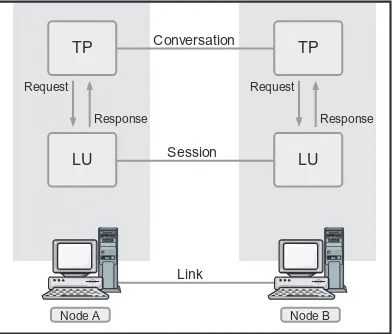
Figure 1-7: Communication between TP and LU in SNA•••••••••••••••••••••••••••••••••••••••••••••••••••••••••••••••••8
Figure 2-1: RMON Monitoring Layers•••••••••••••••••••••••••••••••••••••••••••••••••••••••••••••••••••••••••••••••••••••••33
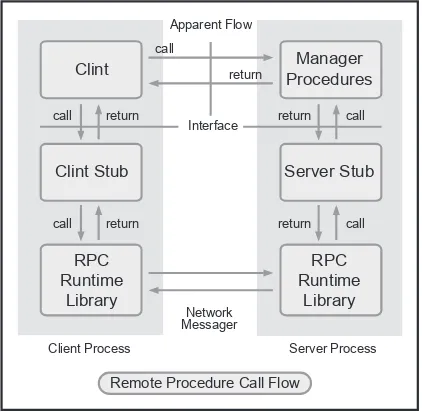
Figure 2-2: Remote Procedure Call Flow••••••••••••••••••••••••••••••••••••••••••••••••••••••••••••••••••••••••••••••••••52
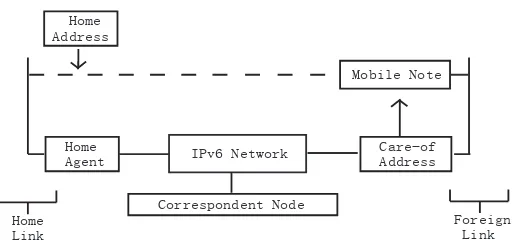
Figure 2-3: Mobile IP Functional Flow Chart••••••••••••••••••••••••••••••••••••••••••••••••••••••••••••••••••••••••••••••70
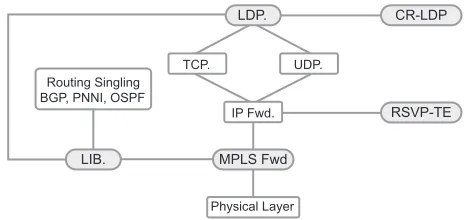
Figure 2-4: MPLS protocol stack architecture••••••••••••••••••••••••••••••••••••••••••••••••••••••••••••••••••••••••••••••92
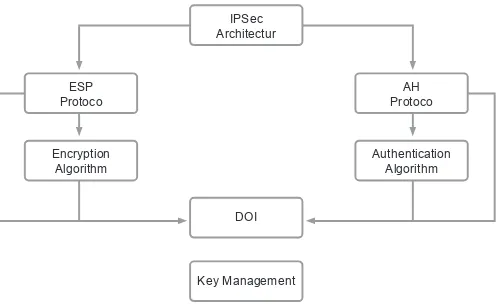
Figure 2-5: IPsec Protocol Stack Structure••••••••••••••••••••••••••••••••••••••••••••••••••••••••••••••••••••••••••••••••112
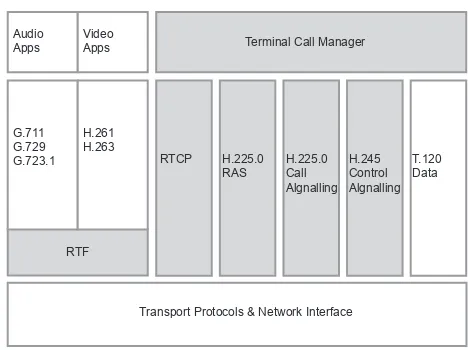
Figure 2-6: H.323 Protocol Stack Structure•••••••••••••••••••••••••••••••••••••••••••••••••••••••••••••••••••••••••••••••122
Figure 2-7: H.235 – Encryption of media••••••••••••••••••••••••••••••••••••••••••••••••••••••••••••••••••••••••••••••••••125
Figure 2-8: H.235 – Decryption of media••••••••••••••••••••••••••••••••••••••••••••••••••••••••••••••••••••••••••••••••••125
Figure 2-9: T.120 Data Conferencing Protocol Structure•••••••••••••••••••••••••••••••••••••••••••••••••••••••••••••••138
Figure 2-10: ATM Reference Model•••••••••••••••••••••••••••••••••••••••••••••••••••••••••••••••••••••••••••••••••••••••••169
Figure 2-11: Gigabit Ethernet Protocol Stack••••••••••••••••••••••••••••••••••••••••••••••••••••••••••••••••••••••••••••199
Figure 2-12: Packet Bursting Mode in Gigabit Ethernet••••••••••••••••••••••••••••••••••••••••••••••••••••••••••••••••200
Figure 2-13: 10 Gigabit Ethernet Architecture•••••••••••••••••••••••••••••••••••••••••••••••••••••••••••••••••••••••••••201
Figure 2-14: IEEE 802.15 (Bluetooth) Protocol Stack••••••••••••••••••••••••••••••••••••••••••••••••••••••••••••••••••214
Figure 2-15: DQDB Architecture•••••••••••••••••••••••••••••••••••••••••••••••••••••••••••••••••••••••••••••••••••••••••••222
Figure 2-16: IEEE 802.16 (WiMax) Functional Flow Chart••••••••••••••••••••••••••••••••••••••••••••••••••••••••••••225
Figure 2-17: IEEE 8-2.16 (WiMax) Protocol Stack••••••••••••••••••••••••••••••••••••••••••••••••••••••••••••••••••••••225
Figure 2-18: Storage Area Network Architecture•••••••••••••••••••••••••••••••••••••••••••••••••••••••••••••••••••••••••226
Figure 2-19: Fibre Channel Protocol••••••••••••••••••••••••••••••••••••••••••••••••••••••••••••••••••••••••••••••••••••••••228
Figure 2-21: SCSI Protocol Stack Structure••••••••••••••••••••••••••••••••••••••••••••••••••••••••••••••••••••••••••••••239
Figure 2-22: Novell Netware Protocol Stack Architecture••••••••••••••••••••••••••••••••••••••••••••••••••••••••••••••281
Figure 2-23: IBM SNA vs. OSI Model••••••••••••••••••••••••••••••••••••••••••••••••••••••••••••••••••••••••••••••••••••••288
Figure 2-24: IBM APPN Network Illustration••••••••••••••••••••••••••••••••••••••••••••••••••••••••••••••••••••••••••••••296
Figure 2-25: QLLC Network Architecture••••••••••••••••••••••••••••••••••••••••••••••••••••••••••••••••••••••••••••••••••298
Figure 2-26: AppleTalk Protocol Stack Architecture•••••••••••••••••••••••••••••••••••••••••••••••••••••••••••••••••••••301
Figure 2-27: DECnet Protocol Suite Architecture••••••••••••••••••••••••••••••••••••••••••••••••••••••••••••••••••••••••303
Figure 2-28: SS7/C7 Protocol Suite Architecture••••••••••••••••••••••••••••••••••••••••••••••••••••••••••••••••••••••••305
Figure 2-29: SCCP Protocol Structure•••••••••••••••••••••••••••••••••••••••••••••••••••••••••••••••••••••••••••••••••••••314
Figure 2-30: TCAP Protocol Structure••••••••••••••••••••••••••••••••••••••••••••••••••••••••••••••••••••••••••••••••••••••315
Preface
We are living in the IT(Information Technologies) times. The IT provides us many pow-erful tools that have significantly changed our way of life, work and business opera-tions. Among all the IT advancements, Internet has the most impact in every aspect of our society for the past 20 years. From Internet, people can get instant news, com-municate with others, use it as a super-encyclopedia and find anything that they are interested in via search engines at their finger tips; Company can conduct business to business(B2B), business to consumer(B2C), with great efficiency; Government can announce polices, publicize regulations, and provide administrative information and services to the general public. Internet not only provides unprecedented convenience to our daily life, but also opens up new areas of disciplines and commercial opportuni-ties that have boosted overall economy by creating many new jobs. It is reported that Internet will become a $20 trillion industry in the near future.
The Internet has also made significant progress and rapid adoption in China. Ac-cording to the 14th Statistical Survey Report on the Internet Development in China announced on Jul 20, 2004 by CNNIC(China Internet Network Information Center), there are about 87 million Internet users as counted by the end of June 30, 2004, in mainland China, second only to the US; There are about 36 million computer hosts; The number of domain names registered under CN is 382216; The number of “www” websites is 626,600. It should be also noted that China has started its CNGI(China Next Generation Internet) project at the beginning of 2000, right after US and Europe started the similar initiatives. China now is becoming one of the most important and influential members not only in the World Trade Organization, but also within the Internet community.
To build the Internet and many other networks, engineers and organizations around the world have created many technologies over the past 20 years, in which network protocol is one of the key technology areas. After years of development on the com-munication standards and generations of networking architecture, network commu-nication protocols have become a very complex subject. Various standard organiza-tions have defined many communication protocols and all major vendors have their own proprietary technologies. Yet, people in the industry are continuously proposing and designing new protocols to address new problems in the network communica-tions. It has become a huge challenge for IT and network professionals at all levels to understand the overall picture of communication protocols and to keep up with the pace of its on-going evolutions.
Javvin Company, based on Silicon Valley in California, USA, is a network software provider. This book is one of its contributions to provide an overview of network proto-cols and to serve as a reference and handbook for IT and network professionals.. The book fully explains and reviews all commonly used network communication protocols, including TCP/IP, security, VOIP, WAN, LAN , MAN, SAN and ISO protocols. It also covers Cisco, Novell, IBM, Microsoft, Apple and DEC network protocols. Hundreds of hyperlinks of references for further reading and studies are available in the book. It is an excellent reference for Internet programmers, network professionals and college students who are majoring IT and networking technology. It is also useful for individu-als who want to know more details about the technologies underneath the Internet. I highly recommend this book to our readers.
Ke Yan, Ph.D.
Network Communication
Architec-ture and Protocols
A network architecture is a blueprint of the complete computer communi-cation network, which provides a framework and technology foundation for designing, building and managing a communication network. It typically has a layered structure. Layering is a modern network design principle which divides the communication tasks into a number of smaller parts, each part accomplishing a particular sub-task and interacting with the other parts in a small number of well-defined ways. Layering allows the parts of a communi-cation to be designed and tested without a combinatorial explosion of cases, keeping each design relatively simple.
If a network architecture is open, no single vendor owns the technology and controls its definition and development. Anyone is free to design hardware and software based on the network architecture. The TCP/IP network archi-tecture, which the Internet is based on, is such a open network architecture and it is adopted as a worldwide network standard and widely deployed in local area network (LAN), wide area network (WAN), small and large enter-prises, and last but not the least, the Internet.
Open Systems Interconnection (OSI) network architecture, developed by International Organization for Standardization, is an open standard for com-munication in the network across different equipment and applications by different vendors. Though not widely deployed, the OSI 7 layer model is considered the primary network architectural model for inter-computing and inter-networking communications.
In addition to the OSI network architecture model, there exist other network architecture models by many vendors, such as IBM SNA (Systems Network Architecture), Digital Equipment Corporation (DEC; now part of HP) DNA (Digital Network Architecture), Apple computer’s AppleTalk, and Novell’s NetWare. Actually, the TCP/IP architecture does not exactly match the OSI model. Unfortunately, there is no universal agreement regarding how to de-scribe TCP/IP with a layered model. It is generally agreed that TCP/IP has fewer levels (from three to five layers) than the seven layers of the OSI model.
Open Systems Interconnection (OSI) model is a reference model developed by ISO (International Organization for Standardization) in 1984, as a con-ceptual framework of standards for communication in the network across different equipment and applications by different vendors. It is now consid-ered the primary architectural model for inter-computing and internetworking communications. Most of the network communication protocols used today have a structure based on the OSI model. The OSI model defines the com-munications process into 7 layers, dividing the tasks involved with moving information between networked computers into seven smaller, more man-ageable task groups. A task or group of tasks is then assigned to each of the seven OSI layers. Each layer is reasonably self-contained so that the tasks assigned to each layer can be implemented independently. This enables the solutions offered by one layer to be updated without adversely affecting the other layers.
The OSI 7 layers model has clear characteristics at each layer. Basically, lay-ers 7 through 4 deal with end to end communications between data source and destinations, while layers 3 to 1 deal with communications between net-work devices. On the other hand, the seven layers of the OSI model can be divided into two groups: upper layers (layers 7, 6 & 5) and lower layers (layers 4, 3, 2, 1). The upper layers of the OSI model deal with application issues and generally are implemented only in software. The highest layer, the application layer, is closest to the end user. The lower layers of the OSI model handle data transport issues. The physical layer and the data link lay-er are implemented in hardware and software. The lowest laylay-er, the physical layer, is closest to the physical network medium (the wires, for example) and is responsible for placing data on the medium.
The specific description for each layer is as follows:
Layer 7: Application Layer
• Defines interface to user processes for communication and data transfer in network
• Provides standardized services such as virtual terminal, file and job transfer and operations
Layer 6: Presentation Layer
• Masks the differences of data formats between dissimilar systems • Specifies architecture-independent data transfer format
• Encodes and decodes data; encrypts and decrypts data; compress-es and decomprcompress-esscompress-es data
Layer 5: Session Layer
• Manages user sessions and dialogues
• Controls establishment and termination of logic links between users • Reports upper layer errors
Layer 4: Transport Layer
• Manages end-to-end message delivery in network • Provides reliable and sequential packet delivery through
error recovery and flow control mechanisms • Provides connectionless oriented packet delivery
Layer 3: Network Layer
• Determines how data are transferred between network devices
• Routes packets according to unique network device ad-dresses
• Provides flow and congestion control to prevent network resource depletion
Layer 2: Data Link Layer
• Defines procedures for operating the communication links
• Frames packets
• Detects and corrects packets transmit errors
Layer 1: Physical Layer
• Defines physical means of sending data over network devices
• Interfaces between network medium and devices • Defines optical, electrical and mechanical
characteris-tics
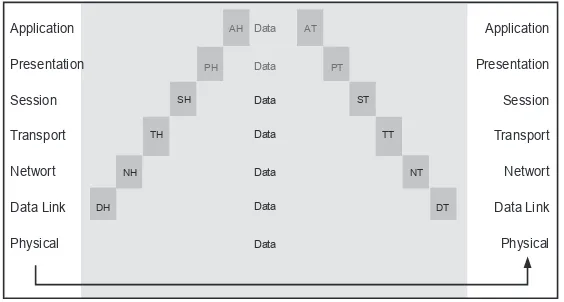
Information being transferred from a software application in one computer to an application in another proceeds through the OSI layers. For example, if a software application in computer A has information to pass to a software application in computer B, the application program in computer A need to pass the in-formation to the application layer (Layer 7) of computer A, which then passes the information to the presentation layer (Layer 6), which relays the data to the session layer (Layer 5), and so on all the way down to the physical layer (Layer 1). At the physical layer, the data is placed on the physical network medium and is sent across the medium to computer B. The physical layer of computer B receives the data from the physical medium, and then its physical layer passes the information up to the data link layer (Layer 2), which relays it to the network layer (Layer 3), and so on, until it reaches the application layer (Layer 7) of computer B. Finally, the application layer of computer B passes the information to the recipient appli-cation program to complete the communiappli-cation process. The following diagram illustrated this process.
The seven OSI layers use various forms of control information to communicate with their peer layers in other computer systems. This control information consists of specific requests and in-structions that are exchanged between peer OSI layers. Head-ers and TrailHead-ers of data at each layer are the two basic forms to
carry the control information.
Figure 1-1: Communication between computers in a network
Headers are prepended to data that has been passed down from upper layers. Trailers are appended to data that has been passed down from upper layers. An OSI layer is not required to attach a header or a trailer to data from upper layers.
Each layer may add a Header and a Trailer to its Data, which consists of the upper layer’s Header, Trailer and Data as it pro-ceeds through the layers. The Headers contain information that specifically addresses layer-to-layer communication. Headers, trailers and data are relative concepts, depending on the layer that analyzes the information unit. For example, the Transport Header (TH) contains information that only the Transport layer sees. All other layers below the Transport layer pass the Trans-port Header as part of their Data. At the network layer, an infor-mation unit consists of a Layer 3 header (NH) and data.
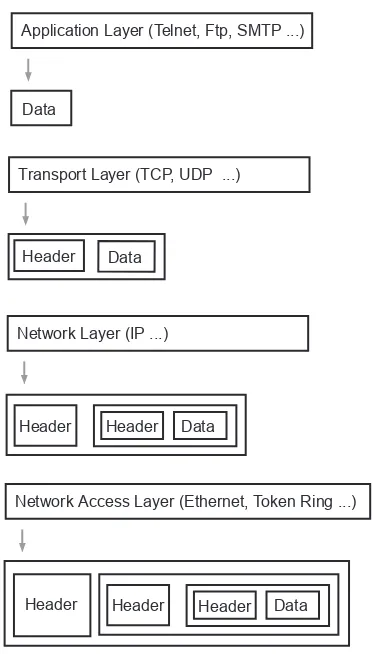
Figure 1-2: Data encapsulation at each layer
At the data link layer, however, all the information passed down by the network layer (the Layer 3 header and the data) is treated as data. In other words, the data portion of an information unit at a given OSI layer potentially can contain headers, trailers, and data from all the higher layers. This is known as encapsulation.
For example, if computer A has data from a software tion to send to computer B, the data is passed to the applica-tion layer. The applicaapplica-tion layer in computer A then communi-cates any control information required by the application layer in computer B by prepending a header to the data. The resulting message unit, which includes a header, the data and maybe a trailer, is passed to the presentation layer, which prepends its own header containing control information intended for the presentation layer in computer B. The message unit grows in size as each layer prepends its own header and trailer contain-ing control information to be used by its peer layer in computer B. At the physical layer, the entire information unit is transmitted through the network medium.
The physical layer in computer B receives the information unit and passes it to the data link layer. The data link layer in comput-er B then reads the control information contained in the headcomput-er prepended by the data link layer in computer A. The header and the trailer are then removed, and the remainder of the informa-tion unit is passed to the network layer. Each layer performs the same actions: The layer reads the header and trailer from its peer layer, strips it off, and passes the remaining information unit to the next higher layer. After the application layer performs these actions, the data is passed to the recipient software ap-plication in computer B, in exactly the form in which it was trans-mitted by the application in computer A.
One OSI layer communicates with another layer to make use of the services provided by the second layer. The services provid-ed by adjacent layers help a given OSI layer communicate with its peer layer in other computer systems. A given layer in the OSI model generally communicates with three other OSI lay-ers: the layer directly above it, the layer directly below it and its peer layer in other networked computer systems. The data link layer in computer A, for example, communicates with the net-work layer of computer A, the physical layer of computer A and the data link layer in computer B. The following chart illustrates this example.
Figure 1-3: Data communication between peer layers
Application
Presentation
Session
Transport
Networt
Data Link
Physical
Application
Presentation
Session
Transport
Networt
Data Link
TCP/IP architecture does not exactly follow the OSI model. Unfortunately, there is no universal agreement regarding how to describe TCP/IP with a lay-ered model. It is generally agreed that TCP/IP has fewer levels (from three to five layers) than the seven layers of the OSI model. We adopt a four layers model for the TCP/IP architecture.
TCP/IP architecture omits some features found under the OSI model, com-bines the features of some adjacent OSI layers and splits other layers apart. The 4-layer structure of TCP/IP is built as information is passed