Jeremy Packer).
by
Chelsea Hampton
A dissertation submitted to the Graduate Faculty of North Carolina State University
in partial fulfillment of the requirements for the degree of
Doctor of Philosophy
Communication, Rhetoric, and Digital Media
Raleigh, North Carolina 2016
APPROVED BY:
_______________________________ _______________________________ Dr. Jeremy Packer Dr. Stephen B. Crofts Wiley
Committee Chair
DEDICATION
BIOGRAPHY
Chelsea Hampton was born in the United States, but spent many of her formative years abroad in the Kingdom of Thailand. When she was twelve years old, she was diagnosed with Type 1 Diabetes, which provided the inspiration for this dissertation project. Upon
graduating from high school, she returned to the United States to earn her undergraduate degree from Messiah College in Grantham, Pennsylvania. After working for a few years, Chelsea returned to school to earn her Masters in Communication Studies from Villanova University. Chelsea began her PhD work at North Carolina State University in 2012, in the Communication, Rhetoric, and Digital Media program. Her work has looked at the
intersections of digital media with everyday life in a variety of contexts, from examining the ways in which such technologies are redefining global borders to how digital health
ACKNOWLEDGMENTS
My first thanks must go to my chair, Jeremy Packer, and my wonderful committee members, Steve Wiley, Rebecca Walsh, and Helen Burgess. First, to Jeremy, thank you for bearing with me as I changed projects, and always being a voice of reason and
encouragement throughout this process. Your calm guidance and your urging me to push myself and this project in new directions have made me a stronger, sometimes bolder, and definitely a more thoughtful scholar. Steve, thank you for always being available to discuss ideas, potential directions, and anything under the sun. You too have helped me grow as I attempted to define myself as an academic. Rebecca, I very much appreciate you sticking with me as I changed from my initial dissertation project. You have been such an
encouragement to me throughout my four years at NCSU. I value the time and input you have given me, both in this project and in all the other ways you have been available to me. And Helen, thank you for being willing to join my committee during your very first year here at NCSU. Your willingness to engage with me, my work, and my plans and goals has been invaluable to me. I am fortunate to have been able to work so closely with such amazing people, and I am glad to count you as friends and mentors.
Secondly, I would like to extend my thanks to my wider community at North Carolina State University. Liz Craig, Elizabeth Nelson, Nick Taylor, Lynsey Romo, and Melissa Johnson, you have all been such wonderfully encouraging friends to me. Thank you for taking the time to mentor me, even though we did not work together. The CRDM
opportunity to work with you, both on research and as a student representative on the CRDM Programming Committee. Mya Nguyen, you may no longer be with CRDM, but I
legitimately would not have made it to the finish line without you and your professional excellence. Jeffrey Leonard, I would not have finished without your patience and help. And to the Graduate Student Support Group, thank you. There are no words to express how much you all have meant to me.
I would be remiss if I neglected to thank my fellow CRDM students, past and present, for your friendship, encouragement, and support over my time in this program. Kathy
Oswald, Kate Maddalena, Elizabeth Johnson-Young, thank you for providing me with
examples I hope to follow as well as encouragement and a listening ear. Jason Buel, Cristiane Sommer, Sarah Evans, Jessica Handloff, Chen Chen, and Meridith Reed, you kept me sane in some very dark times. And to my cohort, Elizabeth Pitts, Alexander Monea, Hector Rendon, Molly Hartzog, Larissa Carneiro, Emily Jones, Keon Pettiway(.com), and Eli Typhina, there really is no succinct way for me to put what each of you has meant to me into words. I’ll just say, indelible memories were created, and I am very proud of us.
TABLE OF CONTENTS
LIST OF TABLES... ix
LIST OF FIGURES ...x
CHAPTER 1: Introduction: Diabetes, Control, and Monitoring ...1
Diabetes and Control...1
Me and My Diabetes ...6
Observation and Epistemic Values ...9
Control, Biopolitics, and Protocol ...10
Interactive, Digital, and Surveillent Media...12
The Value of an Autoethnographic Approach ...15
The Basics of Diabetes Management ...22
Diet - Ancient History-Present ... 22
Era of Insulin 1920s-Present ... 24
Standards of Insulin Treatment... 28
The Importance of Monitoring ...31
Mediating Control ... 33
Self Control... 34
Hacking Control... 35
The Myth of Control ...36
Conclusion: Under Control ...38
CHAPTER 2: Mediating Control: The Production of the Diabetic Subject ...39
A Focused History of Diabetes ...39
Towards a Mediated History of Diabetes ... 43
Technologies and Techniques ...44
Definition of Key Terms Related to Diabetes and Diabetic Media ...46
Types of Glucose Monitoring ...48
Haptic Observation: Learning how to “See” ... 53
Visual Glucose Monitoring ...59
Digital Glucose Monitoring ...61
Standard Protocol for Glucose Monitoring... 63
Control and the Diabetic Subject ... 79
CHAPTER 3: Self Control: Dealing with Data ... 84
Technologies of Myself ... 84
Digital Revolutions in Healthcare ... 88
Digitizing Diabetes ... 93
Specificity of the body/the content of a medium is always another medium ...99
The Logistics of Glucose Monitoring ...102
Limited Storage, Secondary Memories ... 106
Overwhelmed with Data: Starting a CGM ... 118
CHAPTER 4: Hacking Control: Building Communities, Becoming Cyborgs, Exploiting
Systems ...127
When Education is not Enough ... 127
Building Digital Communities... 130
A History of Hacking... 145
Hacking and Protocol ...149
Hacking the Body ...155
Hacking Diabetes ... 158
“We are not waiting” ... 159
Technological Determination... 166
CHAPTER 5: The Myth of Control: Diabetes and the ‘Rejected Body’...171
Bodily Failure ...171
The Myth of Control ...174
Managing the “Errant Body” ... 179
Materialist Perspectives on the Body ... 183
Intra-Agency and the Human/Other ...192
The Materiality of Diabetes ... 196
The Rejected Body and the Sacrificial Other ...204
CHAPTER 6: Conclusion: Under Control... 208
“Nearly Normal”... 208
Re-learning how to “See” ... 210
Further Control ...215
LIST OF TABLES
Table 1.1. Insulin Management Plan ...30
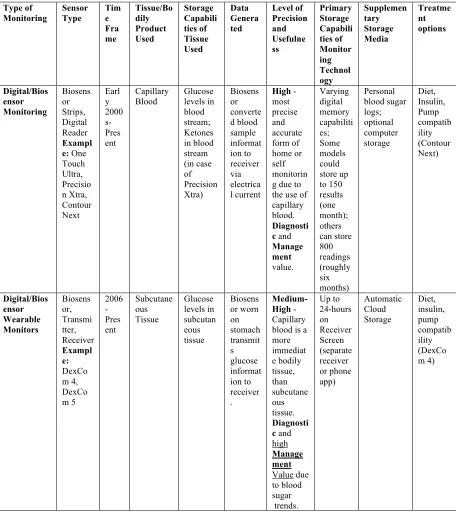
Table 2.1. History and Precision of Diabetic Monitoring ...49
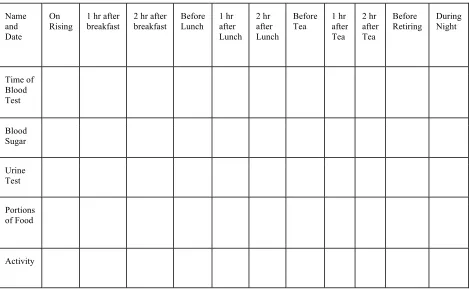
Table 2.2. Standard Protocol ...67
Table 2.3. Fluids and Precision ...78
LIST OF FIGURES
Figure 1.1. My Many Glucose Monitors ... 5
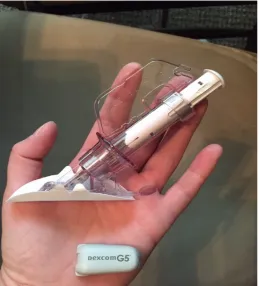
Figure 2.1. Pictured: the DexCom G5 transmitter (bottom right) and sensor inserter ...71
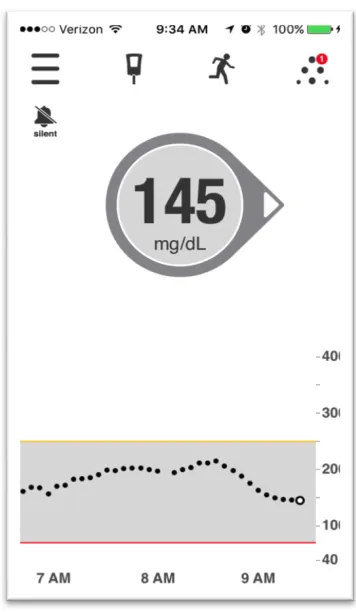
Figure 2.2. Screenshot from my DexCom G5, June 1, 2016 ... 73
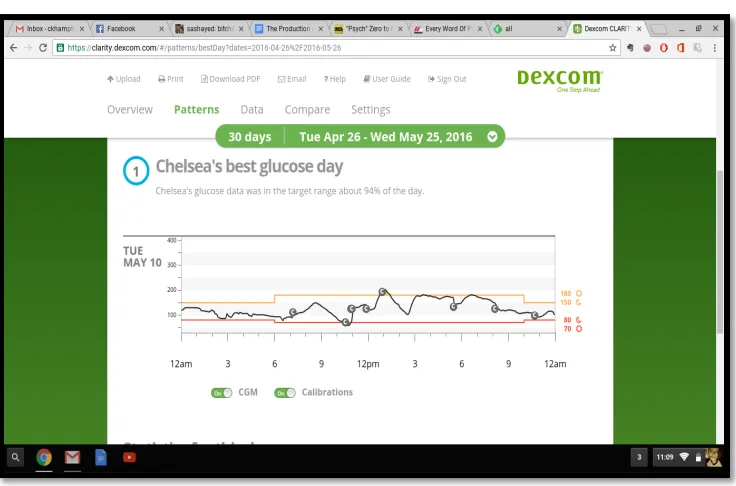
Figure 2.3. My Best Glucose Day... 75
Figure 2.4. Screenshot from June 3, 2016 ...77
Figure 3.1. Screenshot of Insulin Calculator from June 7. 2016 ... 94
Figure 3.2. One Touch Basic Image taken from the site “Texting my Pancreas” ...108
Figure 3.3. My first One Touch Ultra ...111
Figure 3.4. Picture of My Contour Next glucose monitor, with lancer (left), and test strips (top) ...115
Figure 3.5. The color guide to a ketostix test. The darker the strip turns, the higher the concentration of ketones in the urine ...117
Figure 4.1. Photograph taken from the Nightscout website... 160
Figure 4.2. Screenshot from July 13, 2016 ... 169
Figure 5.1. Screenshot from July 21, 2016. Portrait of Frustration ... 175
Figure 5.2. Screenshot from July 19, 2016 ...176
Figure 5.3. Screenshot from July 5, 2016 ... 182
Figure 5.4. Screenshot from July 5, 2016 ...196
CHAPTER 1:
Introduction:Diabetes, Control, and Monitoring Diabetes and Control
The first time I watched the show Parks and Recreation (NBC), I was surprised and excited by the episode in season two called Telethon, which depicted the characters putting on a fundraiser for diabetes research. It was the first time I could recall ever seeing the disease I had been diagnosed with as a child in my entertainment media. However, as a Type I Diabetic, I was quickly disappointed because the show was only referring to Type II
diabetes, and they didn’t even bother to make that clear to their audience. The ‘diabetic’ in the town of Pawnee, Indiana, was a sad, overweight soul addicted to Sweetums candy, who could have prevented the disease if only they had made better, healthier choices. This focus on the self-control (or lack thereof) in diabetic individuals is hardly new. In his collection of historical and literary texts relating to diabetes, Dietrich von Engelhardt (1989) describes a variety of characters from literature in the twentieth century who are diabetics. One, a
The lack of differentiation between different types of diabetes demonstrated in Parks and Recreation is fairly common in conversations about diabetes, in my experience,
particularly as most of the diabetics in the United States are diagnosed with Type II Diabetes. According to the most recent data available from the United States Center for Disease
Control (CDC), in 2014, roughly 29.1 million people in the United States had a form of Diabetes (National Diabetes Statistics Report, 2014). Globally, the World Health
Organization (WHO) estimates that in 2014, there were 422 million adults with diabetes, comprising roughly 8.5% of the global adult population (Global Report on Diabetes, 2016). There are three conditions grouped under the banner of “diabetes” - Type I (formerly known as Juvenile Diabetes, also known as diabetes mellitus), Type II (formerly known as Adult Onset Diabetes), and Gestational Diabetes (which generally only lasts the duration of the pregnancy). The CDC (2014) defines this family of disorders as “a disease in which blood glucose levels are above normal. Most of the food we eat is turned into glucose, or sugar, for our bodies to use for energy,” and diabetics are unable to properly process glucose (p. 4).
The vast majority of Americans (roughly 90 to 95% according to the CDC) diagnosed with Diabetes fall into the Type II category, which can be managed via diet and exercise (“National Diabetes Statistics Report,” 2014). Insulin-dependent diabetics, or Type I, represent around 5% of the diabetic population. Along with insulin, Type I diabetics must adhere to strict dietary and lifestyle regimens in order to stave off diabetes related
Academic research regarding diabetes within the fields of communication and media studies tends to focus on health communication practices - how to make them more efficient and minimize misunderstandings. Recent articles by Martin (2015) and Ho, Lalancette, and Leung (2015) focus on communicating across linguistic and cultural barriers in order to ensure that patients understand their medical advisors and can monitor their own disease and exemplify this research trend.
Beyond looking at communication practices between doctors and patients, these types of studies also focus on how to help the individual diabetic perform better self-management. A recent study by Heidi Sisler (2015) focusing on the efficacy of educational campaigns by the American Diabetes Association (ADA) provides an excellent example of this type of research focus. Sisler (2015) analyzed seven years worth of ADA campaigns to raise public awareness about the symptoms and possible prevention of (Type II) diabetes in order to measure the effectiveness of how the campaigns framed their messages. Sisler discovered that the campaigns’ identification of the diabetic “individual as barrier in conjunction with the aggressive and patronizing language used in several of the message themes actually functions to suggest that the organization might even be blaming “at-risk” patients for their own health problems” (emphasis mine, p. 34). For all diabetics, no matter the type,
management of or “control” over their disease rests primarily on the individual.
commonly insulin) accordingly. The American Diabetes Association (ADA) provides the following definition of the goals of glucose control:
Tight control means getting as close to a normal (non diabetic) blood glucose level as you safely can. Ideally, this means levels between 70 and 130 mg/dl before meals, and less than 180 two hours after starting a meal, with a glycated hemoglobin (A1C) level less than 7 percent. The target number for glycated hemoglobin will vary
depending on the type of test your doctor's laboratory uses (“Tight Diabetes Control,” 2015).
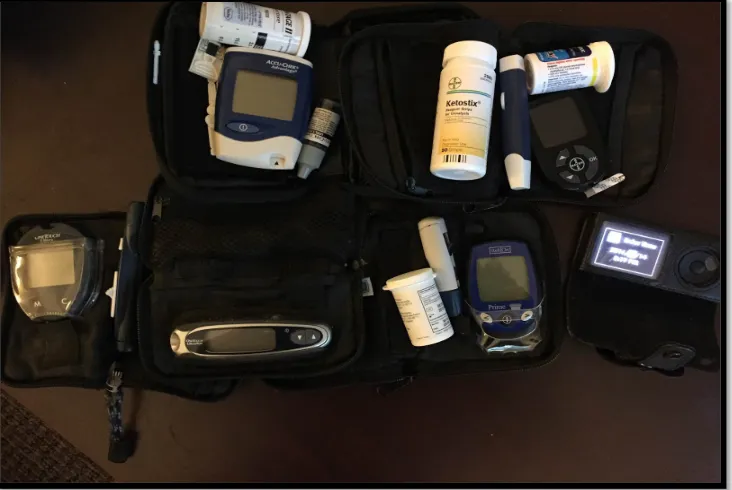
Figure 1.1. My many glucose monitors. Most of them are ‘backups’
Whenever I leave my house, I carry two forms of glucose monitoring; a regular hand held monitor (specifically the meter in the top right corner) in my purse, and a Constant Glucose Monitor, where the transmitter device is attached to the skin of my stomach and the receiver application on my smart phone. In contrast to the portrait of diabetes offered by
aspects of management: diet, insulin, and monitoring media. Of these three, this project focuses on diabetes monitoring media from a critical, media studies oriented perspective. My goal in this introductory chapter is to provide a theoretical overview of the media scholarship to ground my discussion, some basic information regarding diabetes management in terms of diet and insulin to provide a foundation for my exploration of diabetes monitoring media, as well as a brief explanation of how my own status as a Type I diabetic impacts this project. First I provide a brief biographical and theoretical note on the framing of this dissertation project, then I take a look at the basics of dietary diabetes management, followed by a brief history of the development of insulin, and end with an overview of each chapter’s analysis of a different aspect of diabetes media.
Me and My Diabetes
Prior to the diagnosis, we were completely without a clue as to what was going on with her. At one point we sat at the dinner table and Chelsea laid on the couch nearby, unable to eat. [My son] Phillip asked me, “Daddy, is Chelsea going to die?” With a lump in my throat, I didn’t even know how to answer him... (The Hampton Herald, 1997).
My diabetes marked an epochal moment for my family, with a distinct ‘before’ and ‘after’ that impacted almost every aspect of our lives. The changes were quickly subsumed into getting into a daily management routine that has varied very little in the years since. In order to be less of a worry and burden to my family, and to function as a person, I buried my memories and feelings about my diagnosis and living with a chronic illness deep; in fact, until I began to write this dissertation, I had forgotten that my diagnosis date was August 6th entirely. I only knew, in a vague sort of way, that I had been diagnosed in summer because I remembered missing the first few weeks of seventh grade.
“It feels like I would be whining,” I told him firmly. I most especially did not want a “pity-pass” from my dissertation committee.
In planning this project, I envisioned myself examining the technological developments of glucose monitoring, in the vein of Jonathan Sterne’s work on the
stethoscope in his book The Audible Past. In examining the history of the development of the stethoscope, Sterne also traced the ways in which this particular technology impacted the field of medicine: how doctors and patients interacted with each other, as well as what new types of knowledge and observations were made possible through the use of this auditory implement. The similarities with my own goal of looking at the technologies associated with glucose monitoring were quite obvious to me. The development of glucose monitoring technology has shifted the relationship between individual diabetics and medical
professionals, and the technological affordances of different types of glucose monitoring media allowed for new types of knowledge and the observation and storage of data regarding biological processes. Focusing on these technological developments and processes from a critical media perspective would involve no emotional messiness.
signals” (p. 25). Simply put, in Kittler’s take, the “message” can be arbitrary, but must match the technological transmission system through which it is being transmitted to allow for the reconstruction of the message (p. 45-46). In looking at glucose monitors, I hoped to further this area of inquiry within the area of media studies, as well as exploring the concept of “technical media” in a biomedical context.
Observation and Epistemic Virtues
I would argue that his focus on practices, processes, and technical capabilities is what makes Kittler valuable to media scholars. While not proceeding from a Kittlerian
perspective, Daston and Galison (2007) approach the history of scientific observation with the goal of defining broad social and historical shifts in how “objectivity” came to be a standard of practice within scientific communities. They use the term “epistemic virtue” to describe “norms that are internalized and enforced by appeal to ethical values, as well as to pragmatic efficacy in securing knowledge” (p. 41). “Objectivity” and “subjectivity” are always paired in their account – “there is no objectivity without subjectivity to suppress” (p. 33). New epistemic virtues required “techniques of the self” – repeated practices that
produced the “scientific self of objectivity” (p. 38). In their account, new technologies able to capture and store data (for example, cameras and photographs) had a profound impact not only on what types of knowledge were considered authoritative, but how such knowledge was presented.
2007, p. 33). “New ways of seeing” allowed for new forms of knowledge, as Lisa Parks (2005) demonstrates with her exploration of how satellites facilitate new forms of exploration and perspective (we can now see the earth from a distance). Sterne (2007) argues that
“technologies manifest a designed mechanical agency” – allowing for particular actions and cultural habits (p. 8). Further, “instrumentalization” allows us to understand “human senses” as “mechanisms” as well (Sterne, p. 58). This group of scholars approach their media
analysis using an approach that Packer (2013) describes as a “Foucauldian media history” that unites Foucault’s archeological and genealogical approaches to “systematically focus upon three interlocked concerns (1) the production of knowledge, (2) relationships of power, and (3) modes of subjectification” (p. 2). In this vein, I attempt to explore what new forms of knowledge are produced with various forms of glucose monitoring and provide a more in-depth look into examples of a “Foucauldian media history” in the next few sections. Control, Biopolitics, and Protocol
It seems trite to say, but digital technologies restructure and extend human
capabilities in terms of data processing and storage (as Kittler notes) but also in terms of how populations are formed and maintained. Galloway (2004) appropriates the “material” aspect of Kittler’s arguments, but adds the question of “whom does it [media] work for?” to
computer code to demonstrate this – just as “code” is “a set of procedures, actions, and practices” that determine what a computer can do, so too are human individuals and populations constrained within particular protocols (p. xii).
Galloway argues that “protocol” transforms the lines between “body and technology, between biologies and machines…Individual subjects are not only civil subjects, but also medical subjects for a medicine increasingly influenced by genetic science” (p. xx). This is the focus of Eugene Thacker’s (2004, 2005) work on biomedia – referring to how “biological components are technically recontextuallized” (p. 6). He echoes Kittler’s concern with what media can do and applies it to the body (p. 25). Clough (2008) describes “biomedia” as “a technical reconditioning of the body” that increases the body’s ability to be informational.
Following Kittler, Thacker is not particularly interested in subjectivity as much as the processes through which the body-as-data can be transmitted across multiple media formats or “substrates.” In considering Shannon’s model of communication, Kittler focuses his media studies in the following way: messages can be arbitrary (content is not the important aspect). However, the message must match the technological transmission system and the system must be able to reconstruct the message (p. 45-46). For Thacker (2005), focusing on the techniques and technologies that allow data to move from biological to digital forms and back again has political as well as technological implications (p. 3). Regarding the body within a technologized context allows Thacker to consider how the networked nature of digitized information systems extends concerns about ethics and biology from individual labs more global contexts.
Interactive, Digital, and Surveillant Media
While many of the previous examples tended to highlight specialized contexts
examining diabetic media explicitly by briefly discussing implications of the ‘control society’ for non-expert individuals. The majority of diabetics who use glucose monitoring technologies are primarily concerned with how to optimize their technologies to better their health rather than the political implications of digitized information systems. I would also suggest that the majority of us probably do not have the computer skills necessary to understand the intricate layers of code used by our digital devices, although this is certainly not true of everyone in the diabetic community, as I will discuss in Chapter Three. “Control” in the diabetic community refers to the success or failure of an individual’s management practices as related to glucose levels. The better your control, the more ‘normal’ your blood sugar levels in comparison to non-diabetics, which the American Diabetes Association defines as levels between “70-130 mg/dl” before eating and under 180 mg/dl two hours after eating (“Tight Diabetes Control,” 2015). Control in this context is dependent on following rigid rules in relationship to diet, insulin injections, and glucose monitoring.
In the realm of critical media studies, and particularly in relation to the burgeoning of digital networks, “control” has a different connotation. Deleuze (1995) suggests that
personalized advertising and product suggestions are an excellent example of what
Andrejevic is describing. These personalized suggestions no longer elicit much of a reaction in users, they have become so normalized. Crandall (2005) suggests “we internalize the condition of surveillance. It enters into the logic of perception…We are both origin and object: the one who tracks and who keeps track. ”
I would like to highlight the connections that medical monitoring technologies have to these arguments, particularly given the greater ‘control’ that digital technologies afford diabetics in terms of the effectiveness of their self-monitoring. In diabetic control, tracking and keeping track of data forms the foundation of diabetes management. According to Kittler, media produce, store, and transmit data. The affordances of digital technical media allow for the capture and manipulation of new and different types of data. Sterne (2005) describes this process using the stethoscope, while Thacker (2004, 2005) focuses on forms of digital Biocomputing. Sterne (2005) and Foucault (1973) both describe how the stethoscope allowed doctors to acquire new types of information regarding the inner workings of their patients – leading to shifts in how medical knowledge was created and practiced. Biomedia are focused primarily at the genetic levels, and the processes and devices that Thacker describes (2004) are not readily available to private individuals.
part of the everyday “digital enclosure.” We have become our own monitors, as Crandall notes, although historically the diabetic population’s self-monitoring pre-dates the current enthusiasm for data by several decades. The case of the glucose monitor, specifically,
highlights some of the social and technical shifts described by the scholars I have cited in this discussion. Currently, the Center for Disease Control (CDC) depends on a yearly survey of diabetic patients to track trends and monitor the “diabetic population.” This survey depends on the mediation of medical professionals in terms of gathering data from this particular population. The increasing sophistication of glucose monitoring technology, however, enhances the ability of individual diabetics to self-monitor. Obviously, this has necessitated shifts both in medical practice, but also in terms of how that data is utilized and stored. The Value of an Autoethnographic Approach
However, when I began researching the history of diabetes, I found myself
overwhelmed with sensory memories of my own diagnosis, and unable to separate myself from the horror of reading about the starvation diets of early diabetes care and the painful death that was inevitable for diabetics prior to the discovery of insulin. The work of material feminist scholars who dealt with issues of embodiment offered a way for me to move past an explicitly technological focus, but I still felt that simply including the biological body in my analysis was not enough.
I went back to my advisor and admitted that I would need to include myself to write the dissertation. I turned to the field of autoethnography to explore how effectively include my own experiences in a project that was originally primarily focused on a history of diabetic media that de-centered the human. Ellis, Adams, and Bochner (2011) define autoethnography as “an approach to research and writing that seeks to understand and systematically analyze (graphy) personal experience (auto) in order to understand cultural experience (ethno)” (p. 273). Similarly, Adams, Jones, and Ellis (2015) emphasize the importance of “stories” in autoethnographic research, stories that are “artistic and analytical demonstrations of how we come to know, name, and interpret personal and cultural
implications of the technological systems of transmission in the Kittlerian sense. Throughout this project, I attempt to use my own experiences to contextualize specific phenomena - I certainly make no claims as to the universality of my experiences, nor would I wish to do so. My experiences with diabetes would have been very different had I been diagnosed and grown up in the United States, and this project would no doubt have been different also.
Specifically in the realm of autoethnographic accounts dealing with medical
narratives, the work of Carolyn Ellis (1999), Susan Greenhalgh (2001), and Susan Wendell (1996) has been invaluable to me as I have sought to find a way to include my own personal narrative in the larger histories of glucose monitoring, data collection, online communities, and the role of chronic illness in discussions of bodies and materiality. Ellis (1999)
experienced by the cancer survivors as well as their loved ones have a place in the record, as well as the medical facts of each case. For many years, I have focused on the medical facts of my own ailments, and ignored the “feeling stories.”
Similar to my own project, Greenhalgh (2001) looks at chronic ailments, specifically chronic pain, or fibromyalgia, that “lack a known organic basis and are difficult to
diagnose...All are chronic and treatable to a certain extent, but incurable” (p. 3). By utilizing an autoethnographic approach, Greenhalgh (2001) pushes back against the idea that
Given that I have dealt with diabetes for nearly twenty years, and I only began to work on this project in the last two years, I do not have detailed field notes that Ellis (1999) suggests for most of the anecdotes I use to frame my research in each chapter. Unlike several of the examples I have mentioned here (Ellis, 1999, in particular), I did not conduct in depth interviews with other diabetics to incorporate experiences other than my own. I have relied on my own memory, the memories and letters of my parents, conversations with my medical team(s), medical records, and the digital data collected by my various
monitoring technologies. Of necessity, I started paying close attention to my own
experiences for inclusion in this project; you will note that the many of the anecdotes I have included took place fairly recently, particularly as I only started using a Constant Glucose Monitor in October 2015. The work of Norman Denzin (2013) was helpful as I determined when and how and which stories to include; particularly in his discussion of writing an “autoethnographic life story,” which creates the “conditions for rediscovering the meanings of a past sequence of events” in order to gain new insight or understanding (p. 22).
Because I approached this dissertation first as a critical media project, my own accounts are therefore not the primary focus of each chapter, although my lived experience grounds and makes visible the complexities of living with diabetes and monitoring
understand the role of technology in health care, particularly as the focus of many researchers in these contexts is on the data such technology generates and is
overwhelmingly “hopeful and technophilic” (p. 1). They identify the following four characteristics of research published on health technology, which are portrayed as:
potentially able to [a] incorporate (and thereby drive uptake of) evidence-based protocols and decision support; [b] overcome human failures and idiosyncrasies; [c] ensure that clinical information is more complete, accurate and accessible; and [d] improve efficiency of healthcare transactions. (p. 1-7).
All of these characteristics are present in the history of glucose monitoring that I present in Chapter One, as well as in the narratives I share surrounding my own experiences with healthcare professionals who utilize these beliefs in their assessment of my own ‘control.’ Ultimately, Greenhalgh and Swinglehurst (2011) argue that such beliefs are too strongly “determinist” in the sense that they focus too heavily on technological function - and that utilizing ethnographic and autoethnographic methods allow researchers to recognize the ways in which technology and human behavior inform and shape each other. Technology allows for certain actions to “become possible,” while humans program technologies to perform some actions but not others.
popular based on the financial need to move healthcare outside of clinical settings” (p. 987). They decided to utilize an autoethnographic approach because they wished to discover the “subtleties” of “user experiences when using mobile medical devices in context” (p. 988). To accomplish this goal, one of the researchers used a “non-invasive wrist blood pressure monitor” to see how the usability of the device would impact and be impacted by her everyday routine as well as abnormal events such as a wedding. This approach allowed the group to “comprehend the experience of using the device not normally available to them during other kinds of user studies” (p. 990). Most particularly, I am interested in the ways my personal experiences can bridge the gaps in discussions about diabetic media: what they are SUPPOSED to do, and how they actually function in the every day. Utilizing an
autoethnographic approach and my own personal perspectives and experiences allows me to explore the epistemological aspects both of being diabetic and a media scholar interested in mediated forms of observation.
exploring how such technologies interact with and re-inscribe the (my) human body: How are internal bodily processes such as glucose control translated into data that is able to be ‘transcribed’ (or inscribed) by and on various media, from paper to the digital cloud? What “protocols,” technological or otherwise, are at play in diabetes management? And further, what types of management practices do such technologies allow or encourage? Diabetes management depends on glucose monitoring media - particularly in relation to insulin treatments.
The Basics of Diabetes Management
Over the centuries, the standards of diabetes management for all diabetes types have relied primarily on diet and insulin when necessary (or available). Given the seriousness (and inevitability) of complications, “control” is the foundation of diabetes management:
attempting to mimic the normal glucose levels and bodily functions of non-diabetics by strict control of diet and medication. While chapter one delves more completely into the history of diabetes and related monitoring technology, as well as theoretical ideas surrounding
“control,” this introduction contains important information regarding diabetes management from which the history of monitoring technology springs.
eat more sugar to replace the loss (Tattersall, 2009). Tattersall (2009) offers the examples of other early physicians and their sometimes wild (by current standards) suggestions for treating this disease: one who suggested an oatmeal diet, and another who recommended isolation treatment for his patients. While isolation treatments seem rather extreme, as medical knowledge about diabetes developed and medical practitioners realized how key a strict diet was to keeping their patients alive, live-in clinics where diet and care were strictly implemented became the standard (and only marginally effective method) of diabetes care. By the early twentieth century, most physicians agreed that a carbohydrate and low-sugar diet was optimal for diabetes treatment, using low-sugar levels in the urine (or glycosuria) as the way to gauge how effective their efforts were in the cases of individual patients. Westman, Yancy, & Humphreys (2006) describe the method of physician Frederick Allen prior to the discovery of insulin in the early 1920s:
calories for weight gain or weight maintenance; fat was observed to have little effect on glycosuria. For some patients, a weekly fast day was recommended. (p. 77-78). Elliot Joslin, ne of Allen’s contemporaries, and the founder of the Joslin Diabetes Center, made recommendations similar to those of Allen; Joslin’s regimen consisted of a 70% fat, 10% carbohydrate diet. Joslin carefully listed carbohydrate-containing foods by their
carbohydrate content, advising patients to eat only vegetables with less than 5% carbohydrate content (p. 80). The Joslin Diabetes Center is an example of the strict clinical practices that accompanied these diets: given the precision of the food ratios, patients lived at the Center and had their food administered to them by nursing professionals so that they couldn’t “cheat” or sneak in other edibles. This also relieved the patients’ families of the burden of seeing their loved one waste away from the failure of their internal organs once the disease progressed beyond dietary control. Diet is still an important aspect of diabetes control - particularly in terms of “counting carbs” in order to maintain lower glucose levels and to calculate proper insulin doses (“Diabetes Meal Plans and Healthy Diet,” 2015).
Era of Insulin 1920s-Present. Given the dire circumstances and limited
faithful to their injection regimen and continued to follow a strict diet. Green and Riggs (2015) explain that
insulin was discovered in 1921 by an unlikely scientific team at the University of Toronto, led by a young orthopedic surgeon without laboratory training, Frederick Banting, and a medical student, Charles Best. After improving their technique of extracting the active insulin (initially termed isletin) from whole animal pancreas, they produced enough to treat the first patient, Leonard Thompson, in 1922. A patent was not filed until later, however, in part because academic medicine viewed the patenting of biomedical research products with some distaste. (p. 1171).
field, Lilly and Novo Nordisk. Beyond the fact that these new human insulins were obviously more compatible with human diabetics, these advances also led to the development of
insulins with different ranges of efficacy after injection. Green and Riggs (2015) describe how the company Lilly first brought “Humulin R (rapid) and N (NPH) — to the U.S. market in 1982” (p. 1172). It is hard to overstate just how revolutionary these new insulins were to diabetes management. As Green and Riggs (2015) note, “Humulin R” is a rapid acting insulin, meaning that it began to impact bloodsugars within half-an-hour to an hour of injection, but ceasing to impact the bodily system within a few hours. Insulins like “N (NPH)” had a longer period of impact - up to eight hours after injection. These insulins also had a “peak” window of effectiveness, before and after which the insulin dose, while still working, was less potent (Beren, Ewen, and Laing, 2015). Newer fast acting insulins like Humalog and Novolog begin acting within five to ten minutes of injection, and long acting insulins like Lantus begin to act within a similar time frame but remain potent for roughly 24 hours with no peak, allowing the user to achieve a true ‘normal’ baseline blood sugar level throughout the day. Particularly with these newer insulins, diabetics now have the ability to provide a stable ‘baseline’ blood sugar with long acting insulin (called the basal rate), and addressing spikes to levels from eating with rapid or fast acting (called bolusing), suddenly, diabetic “control” could mean “keeping blood sugars in or closer to normal ranges” as the ADA described above, rather than merely “keeping blood sugars below deadly.”
original forms, Green and Riggs (2015) argue that discontinuing the cheaper insulins is contributing to diabetes as a growing public health crisis:
The history of insulin highlights the limits of generic competition as a public health framework. Nearly a century after its discovery, there is still no inexpensive supply of insulin for people living with diabetes in North America, and Americans are paying a steep price for the continued rejuvenation of this oldest of modern medicines. (p. 1175).
This holds true for diabetics around the world, particularly in countries where insulin is hard to obtain to begin with. Beren, Ewen, and Laing (2015) report that insulin costs are one of the largest barriers to effective management for diabetics in developing nations, costs that have only risen with the phasing out of the older, less effective insulins. The World Health
because they were not readily available. I find it unfortunate that so little seems to have changed in the nineteen years since my diagnosis.
Standards of insulin treatment. Barranco (1998) describes how National Diabetes Data Group (part of the NIH) outlined classification standards in 1979 that allowed for “classification and overall treatment goals” for diabetes mellitus to become “well
established” (p. 7). The basis for these standards relied on the development of “intensive insulin therapy,” which has only grown more achievable with the development both of more potent insulins types as well as with increasingly precise technologies, including the insulin pump. The Mayo Clinic (n.d.) defines “intensive insulin therapy” as “an aggressive treatment approach designed to control your blood sugar levels. Intensive insulin therapy requires close monitoring of blood sugar levels and multiple doses of insulin.” It is a more flexible regimen dependent on blood sugar levels as well as other factors, but in order to control your blood sugars you must be able to measure them to dose them properly.
To contrast, “conventional insulin therapy,” developed before glucose monitoring was available to individuals outside of a clinic, was extremely rigid and depended on “one to three daily injections that are the same every day” (“Conventional Insulin Therapy,” n.d.). My own insulin regimens have spanned both of these options. When I was first diagnosed, I was put on a conventional therapy that depended on the same doses at the same time
“Control” depended primarily on how consistent I was about dosing and eating from day to day, and the more consistently I performed, the better my health would be. I remember my doctor telling me that to be REALLY under control, I would only need one shot a day. Five months after my diagnosis, my mother and I returned to the United States to visit Duke Medical Center and talk to a pediatric endocrinologist. She was horrified when I mentioned the “one shot a day” goal, and explained that multiple shots were far more effective, as they more closely mimicked the function of the pancreas.
When I returned to the United States for college, I learned more about intensive insulin therapy and, having access to up-to-date medical experts, I began using a sliding scale for insulin injections (based on sugar levels and carbohydrate counts). Rather than a set dose for each meal, I calculated the dose based on what I planned to eat. Instead of a set number of insulin units a day, I had a range of units per meal. Next to an insulin pump, intensive insulin therapy has the best chance of producing “near-normal glycemia - average plasma glucose 155 mg/dL (versus 231 md/dL with conventional therapy) and HbA1c -7.2% (versus ~9.0% with conventional insulin therapy)” - intensive therapy thus results in a severe reduction in diabetes related complications (Barranco, 1998, p. 9). The disparities between my treatment options given by Thai and American medical professionals draws attention to the global disparities in treatment options. Krall (1995) noted that “a great portion of the world has neither adequate insulin nor treatment facilities, the added burden of frequent home blood glucose monitoring and multiple daily insulin injections makes the task almost
The implementation of a program of intensive therapy involves patient
self-management in terms of altering insulin dosages, food intake, and/or activity in an attempt to achieve the target level of glycemia selected. In motivated patients willing to embark on such a course of therapy, intensive insulin therapy can be worthwhile. (Hirsch, Farkin-Hirsch, & Skylar, 1990, p. 1265).
In addition to the types of insulin, methods of insulin delivery have also improved. While bottles and syringes are the most basic (and cheapest) form of insulin consumption,
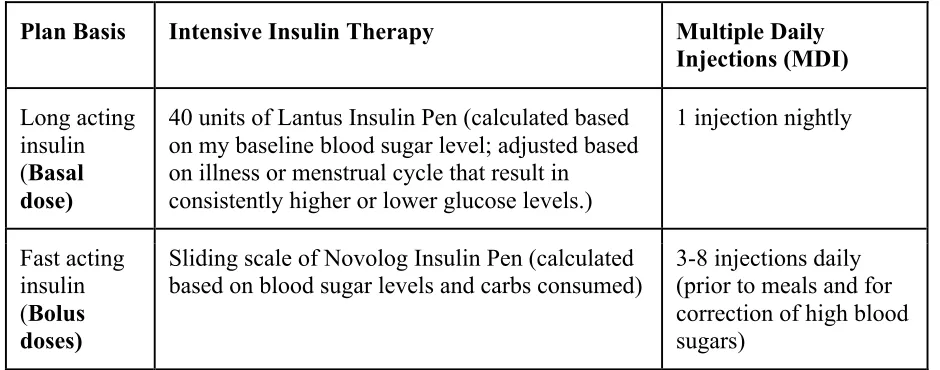
companies like Novo Nordisk and Lilly sell their insulins in ‘pens’ that are more accurate in measuring doses. Insulin pumps, which are worn at all times and attached to the body via infusion sets and tubes, seek to mimic the pancreas by releasing small amounts of fast-acting insulin over longer periods of time, leading to a baseline insulin level without the use of a long-acting insulin like Lantus. Below I have included a table with my own current management plan:
Table 1.1. Insulin Management Plan
Plan Basis Intensive Insulin Therapy Multiple Daily
Injections (MDI)
Long acting insulin (Basal dose)
40 units of Lantus Insulin Pen (calculated based on my baseline blood sugar level; adjusted based on illness or menstrual cycle that result in
consistently higher or lower glucose levels.)
1 injection nightly
Fast acting insulin (Bolus doses)
Sliding scale of Novolog Insulin Pen (calculated
Without glucose monitoring, I would still be able to give myself insulin injections, but I would have little to no idea of their effectiveness until my doctor measured my A1C levels to see the range of my glucose fluctuations. I rely on my glucose monitors to make decisions on a daily and hourly basis about my own treatment, and they are necessary to my achieving the tight control that will improve my life expectancy as well as overall quality of life. I argue that self-management, and thus diabetic control, depends on glucose monitoring as well as insulin, making the glucose meter a crucial part of achieving glucose control. And in contemporary diabetes management, control is reliant on multiple forms of digital and physical data.
The Importance of Monitoring
While I discuss the impact of glucose monitoring more completely in future chapters, I would like to reiterate that insulin treatment, particularly the more contemporary, intensive regimens, would not be possible without glucose monitoring. Daily glucose monitoring relies primarily on small, digital glucose monitors that diabetics use to analyze blood samples at a minimum of four times a day. These meters allow diabetics to define individual glycemic targets, as well as live a more ‘normal’ life in terms of what they can and cannot eat and do because they are able to better calculate their insulin doses (Clarke & Foster, 2012, p. 89). In this way, glucose monitors generate important data regarding the diabetic’s health and
technology, as explored further in later chapters. Of glucose monitors in particular, Clarke and Foster (2012) suggest that
Most of the progress in the development of blood glucose meters has centered on data management and the trend towards the connectivity of information technology
systems, especially for glucose systems for the hospital market. In addition, greater consideration has been given to the special needs of persons with diabetes in the design of meters, operation and data management. (p. 89).
of diabetic media produce different diabetic subjects. Each chapter in this dissertation focuses on a slightly different aspect of monitoring media.
Mediating Control: The Production of the Diabetic Subject
In chapter two, while providing a contextual anecdote of my own diagnosis, I focus on providing a comprehensive history of diabetes and of the development of diabetic glucose monitoring technology, as well as an exploration of relevant media theory, specifically Peters’ (2015) exploration of “logistical media.” I provide a media history of glucose monitoring, ending with the most recent development of wearable Constant Glucose
This chapter also examines the types of data each form of glucose monitoring generates, how said data is stored, and what said data can ‘do’ in terms of controlling diabetes. The development of monitoring technologies also precipitated changes in the relationship between diabetics and doctors; with the ability to produce more ‘precise’ forms of knowledge about the body’s glucose levels comes the ability to produce more precise forms of treatment protocols. While attempting to focus on a “non-human” centric history of glucose monitoring, this chapter looks at data generated from my own glucose monitors in order to demonstrate the types of data such monitors produce.
Self Control: Dealing with Data
diabetes-related media, and highlight the uniqueness of how they function in the everyday life of a diabetic.
In the second half of the chapter, I examine the variety of glucose monitors I have used in my life, to provide specific examples of how different technological capabilities engender different management practices. Specifically, I look at how each type of diabetic monitoring media described in chapter one depends on specific biological components and technical interfaces with the body in order to generate data, and how useful or precise each set of data is in relation to achieving diabetic control. Further, my experiences as an
“informed patient” act as a way to examine the effectiveness of health care practices by incorporating various technological and social “preconditions” that determine health and patient outcomes. My account also demonstrates that “more technology” does not necessarily result in better control right away; rather each set of technology and its attendant data
requires a new set of knowledge and practice to operationalize. Hacking Control
As chapter three suggests, technology does not offer an immediate or magical solution to diabetes management. The fourth chapter looks at other aspects of diabetes management - the mental and emotional aspects that are not obviously mediated by glucose monitors but have an impact on the overall well being of the diabetic. While glucose
support that is lacking in the medical community, as well as offering a forum in which diabetics and their loved ones can share knowledge gained from experience. This reflects what Levy (1997) calls “universal intelligence,” enabled by digital networks that allow for knowledge to be shared and maintained by many different participants in real time. Websites dedicated to crowd sourced diabetic knowledge offer an important alternative to the strictly biomedical sources of knowledge. Donna Haraway’s cyborg provides a way to consider the interaction of the technological systems with the human body.
This chapter also looks at practices of hacking - taking “hacking” to mean
challenging the limits of particular systems, whether digital or not. In a context where health is so dependent on blood glucose data, working with and using technology that is not user friendly can be very difficult for diabetics and their loved ones. While the generation of biological data is a given in glucose monitoring, the user’s ability to access to the data is dependent on the monitor’s system. For CGMs, in particular, access to the data generated has often proven difficult. This chapter provides specific examples of the ways in which the diabetic community have taken the available technology and modified or expanded them to better address the needs of diabetics, as well as the role technology plays in moving ever farther from the clinical model of medicine.
The Myth of Control
intervention in diabetes care. The “myth of control” that Wendell (1996) describes arises out of Western conceptions of medicine that are supposed to ‘fix’ the sick body. However, studying the chronically ill or “rejected body” through a focus on diabetes demonstrates the limits both of medicinal and technological intervention. Using my own experiences to provide particular examples, I examine how a desire for greater control over glucose levels, for example, is constrained in multiple ways, including economic and geographic limitations.
In this chapter I also explore “the agency of the body” through an examination of materiality and determination via the work of material feminist scholars who seek to re-visit the importance of the body and reconceptualize agency beyond the subject, most particularly through examining the concept of “intra-agency,” as theorized by Karan Barad (2003) Further, considering agencies engendered by the particular biological and technological configurations of diabetic media sheds light on larger concerns in critical theory regarding the relationship between technology, culture and the individual subject. These concerns are connected to larger concerns about the ultimate effectiveness of diabetes technology and how narratives about such technology contribute to the “myth of control.”
Conclusion: Under Control
theoretical arguments that frame this dissertation project. In addition to providing a brief summary of the major theoretical and thematic points of the project, I suggest several directions and foci for future research into this area. Glucose monitors, while in use by a small subset of the global population, offer an important opportunity both to consider the question of what ‘media’ includes, but also how media and people interact. Hopefully this project will lay a foundation for further enquiry.
CHAPTER 2:
Mediating Control: The Production of the Diabetic Subject
“With diabetes there is no cure and, without a lot of knowledge, not only the quality of life
but life itself may be impaired. The volume and variety of information needed make the task
almost insurmountable except for the most apt and compliant person” (Krall, 1995, p. 286)
“Media are not only devices of information, they are also agencies of order” (Peters, 2015,
p. 1)
“Chelsea (age 12) is doing very well. The training she received from Duke Medical Center
has allowed her to have better control over her blood sugars. She is very grateful for all the
folks who made it possible for her to have the time at Duke...” (Hampton Herald, March
1998).
A Focused History of Diabetes
guidelines and education towards the more fluid model of management enabled today by various digital monitoring technologies.
In writing about diabetes mellitus, I find it impossible to start exploring the history and treatment of the disease without grounding the clinical advances in the human experience of this particular chronic illness, specifically my own. I was diagnosed with diabetes mellitus in the summer of 1997 after being hospitalized due to a weight loss so extreme that I was unable to do simple things like climbing a staircase without feeling like I was going to pass out. Initially, my parents and I suspected an eating disorder; I was a pre-teen girl, I had admitted to wanting to lose weight. We had moved to a new country and not-eating gave me a feeling of control. Alternatively, I was nervous about starting a new school; in the past I had been so nervous about going to school I was unable to eat. I promised I would try to eat more. In addition to the weight loss and emaciation, I felt thirsty all the time. At first, being thirsty seemed reasonable. Thailand is a hot country, after all, and central air was not
common. It made sense that I would drink water to fight the heat. But as I continued to grow weaker, the family doctor recommended a stay in the hospital to get me stabilized. By the time I was admitted to the Chiang Mai Ram 1 hospital (the newest and most up-to-date hospital in the city), I was slipping in and out of consciousness.
700 mg/dl, which was more than three times the readings determined to show insulin intolerance in children by the National Diabetes Data Group in 1979. My pancreas had stopped producing insulin, which acted, according to the doctor, as a little bridge between the blood cells and the sugar from food. I was tired because without that insulin-bridge, my body was unable to break down food properly into energy. I was losing weight and feeling weak because my starving body had broken down all my fat reserves and had started on the muscles. The excess sugar in my blood stream had turned into poison, and was being passed through my urine. The doctor was sorry, so very sorry. “Control” became a theme of my life: control over blood sugars, self-control over food, control over routine to minimize the
likelihood of diabetes-related complications and maximize my health outcomes. Rather than taking “one little pill” a day, I was faced with the need to test my own blood sugars and inject my own insulin for the rest of my life – or be forced to stay at home with my mother forever.
My own diagnosis came roughly seventy-six years after the development of synthetic insulin in the 1920s, and roughly thirty years after the development of home glucose
matter of life and death, this focus on pharmaceutical history is understandable. But as a media scholar, I have become deeply interested in the role various communication and media technologies have played in diagnosing and managing the disease. As Krall (1995) notes in the chapter’s opening quote, diabetes management is dependent on information and correct behaviors, and as Peters (2015) suggests, media organize information and act as “agencies of order” (p. 1). In this chapter I propose to demonstrate the ways in which diabetic media are infrastructural (to use Peters’ term), as they ‘stand beneath’ and are foundational to modern methods of diabetes control. To explore this premise of diabetic infrastructural media, I take a look at the history of diabetes mellitus itself in relationship to the various media that allowed for the production of particular forms of knowledge. Additionally, this chapter takes Kittler’s (2007) emphasis on the storage capabilities of media to provide a comparative analysis of how different forms of monitoring technology and associated medical records have impacted diabetes management.
monitoring media (the Constant Glucose Monitor) as well as how the media affordances of different monitoring technologies serve to help create Krall’s “apt and compliant” diabetic. Towards a Mediated History of Diabetes
Focusing on “process” (in terms of media’s technical capabilities) rather than (human) “experience” of media, Kittler’s model of media studies offers a model of
“abstraction” in considering questions about current media formations. Peters compares his approach to “early Foucault” - Kittler’s focus on “social change through everyday practices” is not concerned about the individual as much as larger “historical rupture” (p. 5). Galloway (2004) argues that Foucault similarly “diminishe[s] the importance of individual expressive actors” – instead the importance lies within the relationships allowing individuals to act (p. 82). While Kittler himself was uninterested in “so-called humans,” his work has important implications for understanding the practices and standards that have a role in shaping current understandings of the relationships between humans and media, as well as the production of knowledge. Specifically in the case of diabetes mellitus, I argue that the “diabetic body” can only be known through media and the data generated through a variety of monitoring media and techniques.
Technologies and Techniques
Media related to diabetes have, I suggest, a very specific and unique history of development, as easy as it is to see newer, digital media such as the Constant Glucose Monitor as the result of “new media” such smart phones. John Durham Peters (2015) rejects the distinction between “old” and “new” media. Instead, he distinguishes between the “mass” media of the twentieth century and digital media practices. He connects digital media
Diabetic media fall into the older category – the goal of glucose monitoring has historically been to record, measure, and manage the diabetic subject over time. Peters differentiates between “techniques” and “technology” – techniques “practices of know-how, handicraft, and corporeal knowledge that interact with bodies or instruments” (p. 90). Further, according to Peters, “[t]echniques have both biological and artefactual histories; they consist both of suites of actions and of materials, even if those materials are the body of the user” (p. 91). Technologies, in contrast, “externalize” techniques into “durable form” that can be preserved and reproduced at a distance and over time (p. 91). The techniques associated with managing diabetes, and particularly regulating blood sugar, have always depended on technologies, particularly in terms of the data that glucose-monitoring technologies provide and store.
Jonathan Sterne (2003) offers the following definition of “technologies” as “social, cultural, and repeatable processes crystallized into mechanisms” that “manifest a designed mechanical agency,” with a “set of functions developed from and linked to sets of cultural practices” (p. 8). In this definition he attempts to address the tension between technological determinism and other ways of viewing technological development – we need technology for specific purposes and development often arises out of a specific set of needs and
their lower class patients – the stethoscope both enabled physicians to observe hitherto unobservable phenomenon, it also distanced them from the patient. This technologically enabled distance re-organized medical practices - mediating not only the "auditory relation" between the doctor and the patient, but also by "keeping intact the physical distance implied by social distinctions" (Sterne, p. 117). Sterne elaborates that these re-organized practices denoted a shift away from a dependence on tactile modes of observation, as well as a move away from dependence on patient narratives and visual observations to other methods of diagnosing bodily ills. Instrumentation, then, both allowed for and enabled empirical modes of thought. This movement has been of huge importance to the medical field as a whole, and the proliferation of digital tools promises to both extend medical capabilities and allow patients greater control over their care. But for Type I diabetics in particular, the development of digital monitoring technologies has been revolutionary in terms of the precision and flexibility in treatment options, and the corresponding greater access to the ideal of control in managing their bloodsugars.
Definition of Key Terms Related to Diabetes and Diabetic Media
While diabetes is most commonly understood as an inability for a specific pancreas to produce insulin, in fact both the diagnosis and the treatment of diabetes relies on multiple media. With this in mind, I have provided information regarding the various types of monitoring technologies and strategies and bodily tissue use, as well as what data is
generated, storage capabilities, and the treatment options made possible by the data generated by the various monitoring processes.
I also highlight the precision and associated usefulness of each method. I chose to use the term “precision” rather than “accuracy” because with all of these monitoring
technologies, the user or medical professional must work with the data provided by the method. In each case, it is impossible to be completely accurate given the limitations of the technologies that are available as well as the constant fluctuations of the body’s processes. The purpose of glucose monitoring is to translate biological material into a form that is usable by the user. To borrow from the Shannon and Weaver (1949) model of mediated communication, there is always some “noise” involved in the transmission and translation of
data, I note whether or not the monitoring method has Diagnostic (helpful in diagnosing or determining Diabetic symptoms) or Management (helpful in determining specific actions the individual can take to react to their Diabetic symptoms) value.
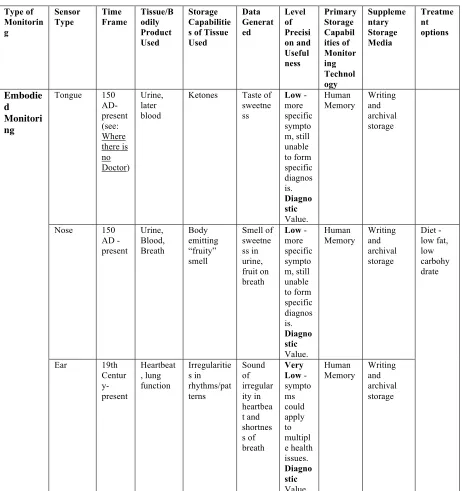
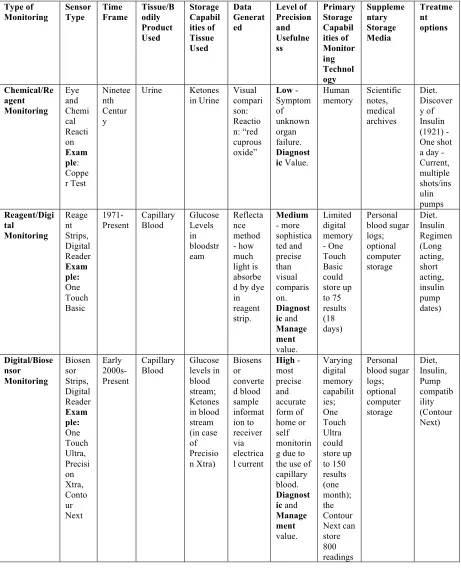
Types of monitoring. This chart column provides specific examples of monitoring techniques used to identify and monitor certain symptoms of diabetes. The information here roughly corresponds to historical trajectories of development and can be connected to other historical developments such as the development of observation (Daston and Galison, 2007) as well as birth of the clinic and the institutionalization of medicine (Foucault, 1963).
Haptic Monitoring - I use this term to designate techniques of observation that rely on human senses. While unequal to the task of providing the ability to diagnose and monitor diseases like diabetes without the addition of methods relying on more invasive or precise use of bodily tissues, these monitoring techniques are still used in a diagnostic fashion today.
Chemical or Reagent Monitoring - With the development of more precise
observational technologies and the scientific method, scientists and doctors were able to determine tests that combined bodily fluids with various chemicals that would result in a chemical reaction. The color variance of the chemical reaction allowed the tester to determine deviance from a norm via visual comparison.
receiver to determine glucose levels based on the color of the reaction of the blood sample to the reagent strip.
Digital and Biosensor Monitoring - The continued development of digital
technologies resulted in biosensors small enough to replace the reflectance method to provide more precise measurements of glucose in smaller blood samples. Instead of depending on color variance, these tiny biosensors are able to read the glucose levels in the blood sample.
Biosensor and Wearable Monitoring - Using a thin biosensor inserted into the skin, this method of monitoring provides a continuous stream of data, but is less precise than monitors that rely on blood samples. In addition to the wearable biosensor, these monitors require a transmitter and a receiver technology in order to view the data generated.
Table 2.1 - History and precision of diabetic monitoring
Type of Monitori ng Sens or Type Time Fra me Tissue/Bod ily Product Used Storage Capabilit ies of Tissue Used Data Generate d Level of Precisio n and Usefuln ess Primary Storage Capabilit ies of Monitori ng Technolo gy Supplement ary Storage Media Treatmen t options Embodie d Monitori ng Eyes 150 AD-prese nt Observatio n of emaciation, excessive urination Body breaking down fat reserves, excessive urination Visible Symptom s of Bodily malfuncti on Very Low - sympto ms could apply to multiple health issues. Diagnos tic Value. Human Memory Writing and archival storage
Table 2.1. Continued Type of Monitorin g Sensor Type Time Frame Tissue/B odily Product Used Storage Capabilitie s of Tissue Used Data Generat ed Level of Precisi on and Useful ness Primary Storage Capabil ities of Monitor ing Technol ogy Suppleme ntary Storage Media Treatme nt options Tongue 150 AD-present (see: Where there is no Doctor) Urine, later blood
Ketones Taste of sweetne ss
Low - more specific sympto m, still unable to form specific diagnos is. Diagno stic Value. Human Memory Writing and archival storage Nose 150 AD -present Urine, Blood, Breath Body emitting “fruity” smell Smell of sweetne ss in urine, fruit on breath
Low - more specific sympto m, still unable to form specific diagnos is. Diagno stic Value. Human
Table 2.1. Continued
Type of
Monitoring Sensor Type Time Frame Tissue/Bodily Product Used Storage Capabil ities of Tissue Used Data Generat ed Level of Precision and Usefulne ss Primary Storage Capabil ities of Monitor ing Technol ogy Suppleme ntary Storage Media Treatme nt options Chemical/Re agent Monitoring Eye and Chemi cal Reacti on Exam ple: Coppe r Test Ninetee nth Centur y Urine Ketones
in Urine Visual compari son: Reactio n: “red cuprous oxide”
Low - Symptom of unknown organ failure. Diagnost ic Value.
Human
memory Scientific notes, medical archives Diet. Discover y of Insulin (1921) - One shot a day - Current, multiple shots/ins ulin pumps Reagent/Digi tal Monitoring Reage nt Strips, Digital Reader Exam ple: One Touch Basic
1971-Present Capillary Blood Glucose Levels in bloodstr eam Reflecta nce method - how much light is absorbe d by dye in reagent strip. Medium - more sophistica ted and precise than visual comparis on. Diagnost ic and
Manage ment value. Limited digital memory - One Touch Basic could store up to 75 results (18 days) Personal blood sugar logs; optional computer storage Diet. Insulin Regimen (Long acting, short acting, insulin pump dates) Digital/Biose nsor Monitoring Biosen sor Strips, Digital Reader Exam ple: One Touch Ultra, Precisi on Xtra, Conto ur Next Early 2000s-Present Capillary
Blood Glucose levels in blood stream; Ketones in blood stream (in case of Precisio n Xtra) Biosens or converte d blood sample informat ion to receiver via electrica l current
High - most precise and accurate form of home or self monitorin g due to the use of capillary blood.
Diagnost ic and
Table 2.1. Continued
Type of
Monitoring Sensor Type Time Fra me Tissue/Bo dily Product Used Storage Capabili ties of Tissue Used Data Genera ted Level of Precision and Usefulne ss Primary Storage Capabili ties of Monitor ing Technol ogy Supplemen tary Storage Media Treatme nt options Digital/Bios ensor Monitoring Biosens or Strips, Digital Reader Exampl e: One Touch Ultra, Precisio n Xtra, Contour Next Earl y 2000 s-Pres ent Capillary
Blood Glucose levels in blood stream; Ketones in blood stream (in case of Precision Xtra) Biosens or converte d blood sample informat ion to receiver via electrica l current
High - most precise and accurate form of home or self monitorin g due to the use of capillary blood.
Diagnosti c and