DEVLEOPMENT, EVALUATION AND VALIDATION PARAMETER
OF MEMORY ENHANCER SYRUP
Dr. Rahul Kasliwal*, Mamta Behune, Tejaswini Tonde, Anup Thakre and Abhilasha
Narad
Department of Pharmacy, Priyadarshini J. L. College of Pharmacy, Electronic Zone Building,
MIDC, Hingna Road, Nagpur-440016, India.
ABSTRACT
In psychology, memory is the process in which information is encoded,
stored and retrieved. Encoding allows information that is from the
outside world to reach our senses in the forms of chemical and physical
stimuli. Memory it’s an unconscious faculty in which mental
impression are retained and reproduced in mind. Memory consist of
four process such as learning, retention, recall and recognition. From
an information processing perspective there are three main stages such
as Encoding, Storage and Retrieval of memory. Loss of memory may
develop dementia. The number of phytoconstituents remains present in
polyherbal syrup, it is much tedious to establish the quality control and
standardization parameters for polyherbal preparations. The present
study shows validation parameters and techniques of quality assurance
for its quality, efficacy, stability and purity. A different modem analytical technique like
HPLC and GC can also be used for the method development of active constituents present in
herbal memory enhancer syrup. The method developed with HPTLC for bacoside A.
KEYWORDS: Syrup, HPLC, HPTLC, GC, bacoside A, dementia.
INTRODUCTION
In psychology, memory is the process in which information is encoded, stored, and retrieved.
Encoding allows information that is from the outside world to reach our senses in the forms
of chemical and physical stimuli. Memory its a unconscious faculty in which mental
impressions are retained and reproduced in mind. In this first stage we must change the
information so that we may put the memory into the encoding process. Storage is the second
Volume 6, Issue 5, 1043-1063. Research Article ISSN 2277– 7105
*Corresponding Author
Dr. Rahul Kasliwal
Department of Pharmacy,
Priyadarshini J. L. College
of Pharmacy, Electronic
Zone Building, MIDC,
Hingna Road,
Nagpur-440016, India. Article Received on 07 March 2017,
Revised on 28 March 2017, Accepted on 19 April 2017
memory stage or process. This entails that we maintain information over periods of time.
Finally the third process is the retrieval of information that we have stored. We must locate it
and return it to our consciousness. Some retrieval attempts may be effortless due to the type
of information.[1]
Memory consists of 4 process
(a) Learning (b) Retention (C) Recall (d) Recognition
From an information processing perspective there are three main stages in the
formation and retrieval of memory
Encoding or registration: receiving, processing and combining of received information Storage: creation of a permanent record of the encoded information
Retrieval, recall or recollection: calling back the stored information in response to some
[image:2.595.82.519.362.519.2]cue for use in a process or activity
Fig 1: Types of memory Fig 2: Functions of Brain
Ayurveda is one of the oldest still extant, health traditions in the world. Ayurveda is based on
Sankhya philosophy which means rational enquiry into the nature of the truth. Sanskrit
meaning of Ayu is life and Veda is knowledge or science. Charak Samhita (1000 BC) and
Sushrut Samhita (100 AD) are the main classics. Ayurveda materia medica gives detailed
descriptions of over 1500 herbs and 10,000 formulations. Madhav Nidan (800 AD) a
diagnostic classic provides over 5000 signs and symptoms. Life in Ayurveda is conceived as
the union of body, senses, mind and soul. The concept of Prakriti or human constitution plays
a central role in understanding health and disease in Ayurveda which is similar to modern
pharmacogenomics. With over 400,000 registered Ayurvedic practitioners, Government of
India, Department of AYUSH (Ayurveda, Yoga, Unani, Siddha and Homeopathy) has
Herbal medicines have been enjoying worldwide use. However, one of the impediments in
the acceptance of the ayurvedic formulation is lack of standard quality control profiles.[3]
The plants used in Ayurveda and other Indian system of medicines may be of interest to find
new leads for treating different diseases. Approaches like high-throughput screening,
phytochemical profiling, quality controls and standardization of raw materials and finished
products, clinical trials, herbal therapeutics, pharmacokinetics and herbal pharmacovigilance
will not only help to prove the rationale of using these systems but also to get maximum
benefits of the natural resources.[4]
The chemical constituents of plants vary depending on the species, variety and part of the
plant, with conditions of growth (soil, water and temperature) and with the age of the plant.
These complexities and variations of chemical content make standardization essential, which
can be overcome by using modern analytical techniques.[5] The increasing demand of
population and chronic shortage of authentic raw material have made it incumbent, so there
should be some sort of uniformity in the manufacturing of ayurvedic medicines so as to
ensure quality control and quality assurance. The World Health Organization has appreciated
the importance of medicinal plants for public health care in developing nation and evolved
guidelines to support the states in their efforts to formulate national policies on traditional
medicine and to study their potential usefulness including evaluation, safety and efficacy.[6]
Herbal medicine is a major component in traditional medicine and a common element in
Ayurvedic, Naturopathic, Homeopathic and Allopathic medicine. WHO notes that of 119
plant-drived pharmaceutical medicines, about 74% are used in modern medicine in ways that
co-related directly their traditional uses as plant medicines by native cultures.[7] According to
recent survey conducted by WHO, approximately 80% of the world population relies mainly
on traditional medicines for the primary health care. Herbal medicines according to WHO can
be classified into three categories as follows;
Phytomedicines or phytopharmaceuticals sold as over-the-counter (OTC) products in
modern dosage forms such as tablets, capsules and liquids for oral use.
Dietary supplements containing herbal products also called neutraceuticals, available in
modern dosage forms
Herbal medicines consisting of crude, semi processed or processed medicinal plants. These
Polyherbal formulations as mentioned in classical texts of Ayurveda are used by number of
pharmaceutical companies. It is very difficult to understand the theme of polyherbal
preparation as a number of ingredients may vary from 2 to 25 or more. The situation is very
further worsened by the multiple uses of these formulations as mentioned in Ayurveda.[9]
Polyherbal preparations are generally the mixtures of extracts, juices, pulps, secretions and
exudations of powders of medicinal herbs in solid, liquid or semisolid forms with or without
a suitable base. Occasionally, substances from mineral and / or animal sources may be
included in them. However, mixture product to which chemically defined active substance
have been added, including synthetic compounds /or isolated constituents from herbal
materials, are not considered to be herbal. Since the polyherbal medicine is a complex mixture
having complicated interactions of compounds, synergy may be expected to play a part.
Recent findings regarding synergy in medicinal plants are eye-opener from herbal drug point
of view.
Quality assurance (QA) can be defined as the activity of providing the evidence needed to
establish confidence that the quality functions are being performed adequately. It is one of the
most important departments of pharmaceutical companies that develop and follow internal
standard operating procedures (SOPs), directed towards assuring the quality, safety, purity
and effectiveness of the drug products.[10,11]
Since number of phytoconstituents remains present in the polyherbal formulation, it is much
tedious to establish the quality control and standardization parameters for polyherbal
preparation. So, concrete methods of quality control in terms of modern methodologies are
needed to be developed for traditional system of medicines. These techniques, when applied
on traditional system of medicine then it ensure that the herbal product delivers the required
quantity of the quality medicament.[12] Thus today quality assurance is the thrusty area for
traditional formulations.
Functions of quality assurance[13]
Establishes system for ensuring the quality of the raw material and final product.
It helps to identify and prepare the necessary standard operating procedure relative to
control of quality.
Determine whether the product meets all the applicable specifications.
Quality monitoring audit function, so that it can be able to determine if operation have
adequate system, facilities and written procedures to control the quality of product produced.
There are a series of quality assurance activities. Those can be undertaken to provide the
documented evidence that the quality function exists for the manufacturing process and
further, that the process is under control. A list of some of these activities is given below[14, 15]
Product stability
Validated Raw material specifications and their acceptable limits Product specifications and their acceptable limits
Analytical methods
Training and documentation Process validation
Validation provides documentary evidence, which provides a high degree assurance, that any
procedure, process, equipment, material, activity or system consistently meets its
predetermined specifications and quality attributes in accordance with the principle of GMPs.
The US-FDA defines validation as establishing documented evidence which provides a high
degree of assurance that a specific process (such as the manufacturing of pharmaceutical
dosage forms) will consistently produce a product meeting it predetermined specifications
and quality characteristics. Validation requirements should be applied to the manufacturing
facility, its critical services and systems, the manufacturing processes and all analytical test
methods used to demonstrate the conformation of the product with its present
specification.[15,16]
Process validation is the documented evidence that the process operated within established
parameters, can perform effectively and reproducibly to produce a product meeting it’s
predetermine specification and quality attributes in accordance with the principle of GMP.
Validation is an element of the system of quality assurance, which guarantees for a
given medicine
Various types of process validation are described below. The selection of which depends
upon a number of consideration like[17]
Type of data present prior to the validation program, The type of data to be generated through the validation,
Time when it is applied, Status or stage of the product and process development and Period or duration of study.
Analytical method validation[18]
Validation of analytical procedure is the process by which it is established, by laboratory
studies, that the performance characteristics of the procedure meet the requirements for the
intended analytical applications. According to the ICH, typical analytical performance
characteristics that should be considered in the validation methods are as follows.
1.Accuracy
2.Precision
3.Linearity
4.Range
5.Detection limit
6.Quantification limit
7.Robustness
8.Specificity
The aim of the work was an attempt to develop memory enhancing syrup of shankhpushpi
and Bramhi. Herbal medicines have become a topic of increasing global importance, with
both medical and economic implications. Thus motivation for the development and
standardization from the point of manufacturing and quality control becomes an essential
obligation of today’s health care system. This project has been selected as an academia
industry symbiosis to thrust the upcoming research programs into industry oriented work to
put emphasis on the linkage between knowledge generating institutions and product
manufacturing industry. Quality assurances of herbal formulations are done by evaluating
parameters such as physical, chemical, microbiological characteristics. Due to the increasing
demand for herbal medicine, it is necessary to maintain their quality. During the interaction
with Sidhayu research foundation Pvt. Ltd., Nagpur, we came across different formulations
that have been developed by them. One of them is herbal memory enhancer syrup. The
formulation herbal memory enhancer syrup prepared by Sidhayu research foundation Pvt.
Ltd., Nagpur.
MATERIALS AND METHOD
1.1 Material and chemical: Whole plant of Bacopa monnerrie was collected from Nagpur
local market. The plant specimens were dried and their herbarium sheets were prepared and
were authenticated at Department of Botany, R. T. M. Nagpur University, Nagpur.
(Herbarium Sheet no. 9884). All chemicals were of analytical grade or HPLC grade. Distilled
water was used throughout the studies. Media used for microbial evaluation were obtained
from Loba Chemiel Laboratories Pvt. Ltd., Mumbai. Markers were used for analytical
method development and quantitative analysis. They were purchased from supplier by
Sidhayu Research Pvt. Ltd; Nagpur.
1.2 Preparation of sample[19] 10 mg Bramhi herb was finely powered add 10 ml methanol
(1000ug), sonicate for 10 min filtered and made dilutions. Take 1ml from above solution add
10 ml methanol (100ug/ml). Take 1ml from above solution add 10ml methanol (10ug/ml)
from the above stock solution the samples were transferred to 10 ml volumetric flask and
volume was made up to 10 ml to prepare and absorbance was taken at 540 nm.
1.3 Monograph studies[20] Total ash value: The air dried crude drug (2g) was weighed
accurately in a silica dish and incinerated at a temperature not exceeding 450º until free from
carbon. It was cooled and re-weighed. The percentage of ash with reference to the air-dried
drug was calculated.
Total Ash (%) = weight of ash/weight of sample×100
Acid-insoluble ash: The ash (obtained from above ) was boiled for 5 min with hydrochloric
acid (25mL 2M) the insoluble matter was collected on an ash less filter paper, washed with
hot purified water and ignited. The percentage of acid-insoluble ash was calculated with
reference to the air-dried drug.
Acid Insoluble Ash (%) = weight of acid insoluble ash/weight of sample×100
Alcohol soluble extractive: The air-dried drug (5g) coarsely powdered was macerated with
ethanol (100mL) in a closed flask for 24 h. It was shaken frequently during the first 6 h and
was allowed to stand for 18 h. Then filtered rapidly (taking precautions against loss of
dish; dried at 105º and weighed. The percentage of ethanol soluble extractive was calculated
with reference to the air-dried drug.
Alcohol Soluble Extractive (%) = Weight of residue\Weight of substance×100
Water soluble extract: The air-dried drug (5g), coarsely powdered, was macerated with
chloroform water (100mL) in a closed flask for 24h. It was shaken frequently during the first
6 hand allowed to stand for 18h. Filtered rapidly (take precaution against loss of chloroform
water (25mL) of filtrate was evaporated to dried in a tared flat-bottomed shallow dried at
105ºc and weighed. The percentage of water soluble extractive was calculated with reference
to air dried drug.
Water Soluble Extractive (%) = Weight of residue\Weight of substance×100
Loss on drying: Crucible were dried in oven and taken weight of dried crucible; then sample
(5g) was taken in that dried crucible. Sample was spared in thin uniform layer, then crucible
was taken in oven at 105ºc for 4h. Sample was cooled at room temperature and was weight
the sample plus crucible. The percentage of loss on dying was calculated with reference to air
dried drug.
Loss on Drying (%) = Loss in weight/weight of sample×100
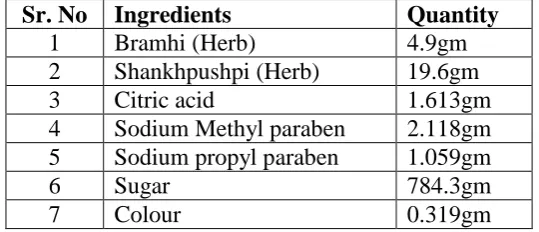
1.4 Formulation of memory enhancer syrup[21]
[image:8.595.163.433.508.624.2] Formula
Table 1. Formulation of syrup
Sr. No Ingredients Quantity
1 Bramhi (Herb) 4.9gm
2 Shankhpushpi (Herb) 19.6gm
3 Citric acid 1.613gm
4 Sodium Methyl paraben 2.118gm 5 Sodium propyl paraben 1.059gm
6 Sugar 784.3gm
7 Colour 0.319gm
Method of preparation
1) Decoction
2) Preparation of sugar syrup followed by addition of preservatives, colournats and flavours.
3) Incorporate sugar solution in concentrated solution of herb which was obtained by
decoctions method.
1.5 Evaluation of finished product[22]
Physical parameter
The herbal memory enhancer syrup was analysed for the quality consistency considering
physical and analytical parameters. The herbal memory enhancer were analysed for physical,
chemical, microbiological and stability studies.
pH: The pH value is determined by suitable pH meter using glass rod. Take the pH directly
of the syrup sample.
Specific gravity: Unless otherwise specified in the individual monograph, the specific
gravity is measured at 25OC. First thoroughly clean the pycnometer with chromic acid and
distilled water. Rinse with acetone and dry in oven. Allow to cool in desiccator and weigh.
Fill the pycnometer with distilled water. Place the capillary tube on pycnometer. The liquid
filled in pycnometer rises in the capillary, so that no air bubble is present in the pycnometer.
Wipe the droplets of liquid adhering to the pycnometer by using piece of paper and weigh the
pycnometer. Remove the liquid filled in pycnometer and dry it. Fill the pycnometer with the
substance under examination. Remove any excess of the substance and weigh.
Total solid content: Take 10g of syrup sample in a tired petridish. Evaporate it on a water
bath. Dry in oven at 105˚C. Cool in a desiccator and weight.
Total sugar: First clean the prism of Refractrometer by using water and acetone. Calibrate
the apparatus against distilled water. Take the reading on left hand side of the scale for water.
Dry the prism and apply the syrup sample directly. Take the reading on left hand side of the
scale. Make the necessary correction for determining actual sugar %.
Microbiological Tests[23] Microbiological test were performed for finished product by using
E. coli, S. aureus, Salmonella, Pseudomonas, Total microbial plate count and Total yeast and
mould as per standard procedure.
Test for Heavy Metals: The herbal memory enhancer syrup was packed in the final
containers were evaluated for heavy metal test as per standard procedure.
Stability studies: In stability studies memory enhancer syrup was filled in container and kept
in the stability chamber and maintained at 40+20c and 75+5% RH for one month. At the end
of the studies sample was analysed for chemical parameters of finished product. Data was
Method development and validation of bacoside A in bacopa monneri in memory
enhancer syrup formulation.[17, 19, 25]
1. Preparation of reference standard solution: 50ml syrup and 50ml water neutralized with
100% NaHCO3 solutioncarried extraction with chloroform combined all chloroform layers
and evaporated on water bath. Reconstitute with 10ml methanol. Take aqueous layer obtained
above evaporate on boiling water bath to obtained soft mass. Add petroleum ether 40-60 ml,
sonicate & filter, discard ether & repeat twice. Evaporate residue to dry. Add ethanol &
sonicate, boiled, filter repeat 2-3 times, combine all ethanol layer fractions evaporate on
water bath add methanol to above residue filter from charcoal to remove green colour
combined all fractions methanol evaporate on water bath, add 10ml methanol.
2. Selection of mobile phase
The various mobile phases were tried. Most suitable mobile phase having composition as
ethyl acetate: methanol: glacial acetic acid: toluene (3:4:3:1) was selected.
3. Instrumentation and chromatographic condition
The chromatography was performed on (10 cm x 10 cm) aluminum plate coated with (0.2
mm) silica gel 60 F254 (E. Merck, Germany). The samples were applied to the plate as bands
width 6 mm by using Camag (Muttenz, Switzerland) Linomat 5 applicator fitted with 100 µl
syringe (Hamilton, Switzerland). The rate of application was constant at 150ml/s and space
between two bands was 15 mm. The mobile phase was used as ethyl acetate: methanol:
glacial acetic acid: toluene: (3:4:3:1). The Linear ascending development of the plate was
carried out in twin–trough glass chamber previously saturated with mobile phase for 20 min
at room temperature (25º ± 2) and relative humidity (60% ± 5). The length of chromatogram
run was 80 mm. After development, the plate was removed and the plate was air dried. The
densitometric scanning was performed at 430 nm using Camag TLC scanner 3.
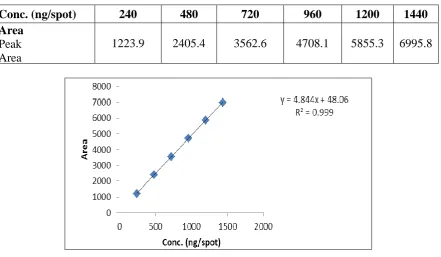
4. Linearity study
Different volumes of syrup (range from 2.4µl–14.4µl), using Linomat 5 sample applicator.
The plate was developed and scan the above established chromatographic conditions. The
peak area was recorded for each conc. of drug. The conc. and area were subjected to least
square regression analysis to calculate calibration curve equation and correlation coefficient
(r2). The linearity was found over the conc. range of 240–1440ng/spot.
y=4.844x+48.06 respectively. The linearity range, calibration curve equation and correlation
coefficient are given in Table 8.
5. Estimation of Bacoside A in Bacopa monnerri
The content of bacoside a in herb was determined by applying an appropriate volume of 2µL
and 4µL of test solution and standard solution, respectively. The plate was developed and
scanned as perproposed chromatographic conditions. The conc. was determined by linear
regression equation. The results are shown in Table 10.
5. Accuracy
Accuracy of the proposed method was ascertained on the basis of recovery studies performed
by standard addition method (spiking). Accurately measured amount of standard bacoside A
was added on the sample track TLC plate in subsequently increasing conc. of (50ng/spot).
The chromatogram was developed and scanned as per proposed chromatographic conditions.
The percentage recovery of standard bacoside from the proposed method was calculated. The
results and statistical data of recovery studies are show in Table 11.
6. Precision (intra - day and inter - day): The precision of the method was determined as
intra-day and inter-day variations. Intra-day variations was determined by analyzing 720, 960,
1200 ng/spot of standard solution of sample in triplicate on the same day forth times.
Inter-day precision was determined by analyzing 720, 960, 1200 ng/spot of standard solution of
bacoside a in triplicate for three consecutive days. The average, standard deviation (S.D.) and
percentage relative standard deviation (%RSD) of peak are was calculated. The results are
shown in Table12 and Table13.
7. Repeatability: The repeatability of sample application was assessed by spotting 9.6µL
contain 960ng/spot of standard bacoside on TLC plate (n=6).The plate was developed and
scanned as per proposed chromatographic conditions. The average, standard deviation (S.D.)
and percentage relative standard deviation (%RSD) of peak are was calculated. The results
are shown in Table 14.
8. Ruggedness: The ruggedness of method was done at conc. Levels 960ng/spot of working
standard solution of bacoside a (n=6). The values of % RSD was lower than 2 indicate the
ruggedness of the method. The results are shown in Table15.
formulation by simultaneously applying on the same plate. The spots of sample formulation
were confirmed by comparing Rf values with that of reference standard. The peak purity of
individual standard in sample track was assessed by comparing spectra at peak start, peak
apex and peak end positions of the spot. The chromatograms of formulation, reference
standard and their overlain spectrum are shown, respectively in Figure 6,7,8.
RESULT AND DISCUSSION
[image:12.595.141.456.223.429.2]1.1max determination of bacopa monnirri
Fig 3. max of bacopa monnirri
Determination of UV absorption spectra: After scanning spectra of several dilution for
good detection and linear qualification of bramhi in methanol. The lambda max of the drug
was found to be at 540 nm.
[image:12.595.141.456.527.715.2]From the calibration curve of methanol it was concluded that it obey beer’s Lamberd law in
conc. range of 1-10 ug/ml the linear equation in methanol was obtained as Y=0.049 and
correlation value R2=0.0996. Correlation coefficient values indicated the liner a correlation
between concentration and observation.
1.2 Raw material specification
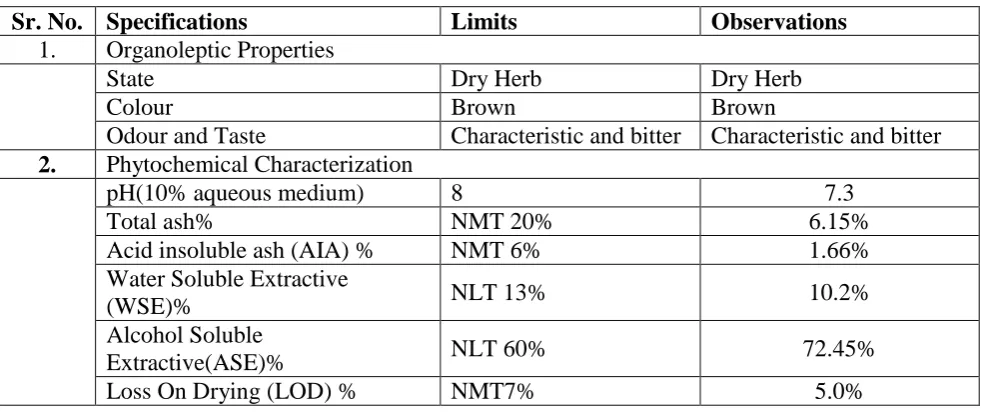
[image:13.595.85.517.220.441.2]1. Bramhi[24]
Table 2. Raw material specification for Bramhi
Sr. No. Specifications Limits Observations
1. Organoleptic Properties
State Dry Herb Dry Herb
Colour Brown Brown
Odour and Taste Characteristic and bitter
Characteristic and bitter
2. Phytochemical Characterization
pH(10% aqueous medium) 8 7.3
Total ash% NMT 20% 6.15%
Acid insoluble ash (AIA) % NMT 6% 1.66% Water Soluble Extractive
(WSE)% NLT 13% 10.2%
Alcohol Soluble
Extractive(ASE)% NLT 60% 72.45%
Loss On Drying (LOD) % NMT7% 5.0%
Raw materials were evaluated for physical and chemical parameters. The results of physical
parameters like ash value, pH, loss on drying values, alcohol soluble extractive, water soluble
extractive were performed on herb and they were found with in limits for bramhi.
2. Shanhakpushpi
Table 3. Raw material specification for Shanhakpushpi
Sr. No. Specifications Limits Observations
1. Organoleptic Properties
State Dry Herb Dry Herb
Colour Brown Brown
Odour and Taste Characteristic and bitter Characteristic and bitter
2. Phytochemical Characterization
pH(10% aqueous medium) 8 7.3
Total ash% NMT 20% 6.15%
Acid insoluble ash (AIA) % NMT 6% 1.66%
Water Soluble Extractive
(WSE)% NLT 13% 10.2%
Alcohol Soluble
Extractive(ASE)% NLT 60% 72.45%
[image:13.595.53.547.563.770.2]Raw materials were evaluated for physical and chemical parameters. The results of physical
parameters like ash value, pH, loss on drying values, alcohol soluble extractive, water soluble
extractive were performed on herb and they were found within limits for shakhpushpi.
[image:14.595.70.526.186.290.2]1.3 Finished product evaluation
Table 4. Evaluation of finished product
Sr.no. Parameter Limits Observation
1 Decription Dark greenish coloured viscous liquid
Dark greenish coloured liquid
2 PH 5.40 4-6
3 Solid content 71.03% NLT 50%
4 Total Sugar 60% NLT 50%
5 Specific gravity 1.3143 1.28-1.33
Memory enhancer syrup was formulated and evaluated for chemical parameter and all the
results were found with in the standard limits.
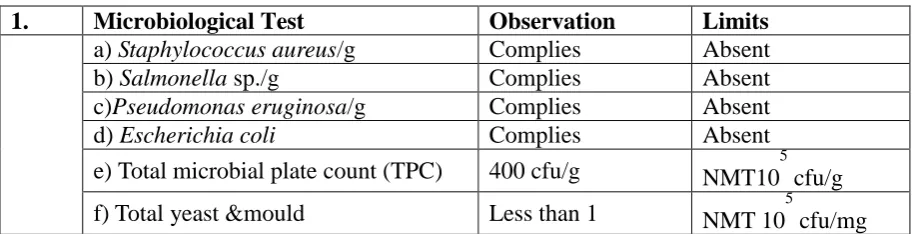
[image:14.595.70.527.397.514.2]1.4 Microbiological Test
Table 5. Microbial specification
1. Microbiological Test Observation Limits
a) Staphylococcus aureus/g Complies Absent
b) Salmonella sp./g Complies Absent
c)Pseudomonas eruginosa/g Complies Absent
d) Escherichia coli Complies Absent
e)Total microbial plate count (TPC) 400 cfu/g NMT105 cfu/g
f) Total yeast &mould Less than 1 NMT 105 cfu/mg
Microbiological test were performed for finished product and no microbial growth was found
for all the microbial species.
1.5 Heavy metal specification
Table 6: Heavy metals specification
1 Heavy Metals Observation Limits
a) Lead 3.16 ppm NMT 10.0 ppm
b) Arsenic 0.84ppm NMT 3.0 ppm
c) Cadmium 0.006 ppm NMT 0.3 ppm
d) Mercury 0.04 ppm NMT 1.0 ppm
The herbal memory enhancer syrup was packed in the final containers were evaluated for
[image:14.595.84.497.596.684.2]1.6 Stability studies
Table 7. Stability studies of syrup
Sr.no Formulation
code Parameter 0 day 15
th
day 30th day
1
MS-01
Description Dark greenish
Dark greenish
Dark greenish
2 PH 5.40 5.39 5.39
3 Specific
gravity 1.3143 1.3032 1.3022
4 Total solid 71.03% 71.00% 71.01%
Memory enhancer syrup was didn’t show any imperfection on storage condition at 40+20 and
75+5 % for one month. Results for after 30 days indicated that the drug loss was in acceptable
limits during the stability test period. Stability was found to be grater.
1.7 Analytical method Validation parameters studies[25]
[image:15.595.79.521.374.631.2]1. Linearity Study
Table 8. Linearity range of Bacopa Monnerri
Conc. (ng/spot) 240 480 720 960 1200 1440
Area
Peak Area
1223.9 2405.4 3562.6 4708.1 5855.3 6995.8
Fig.5 Linearity study of Bacopa Monnerri
Linearity study for bacopa monnerri was done and linearity equation was found to be
y=4.844x=48.06 and correlation value was found to be R2=0.999.
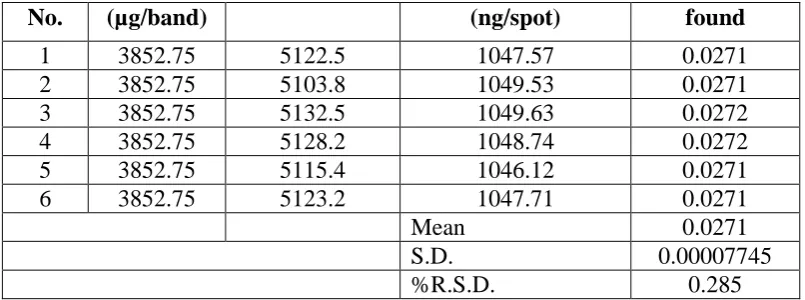
Table 9. Estimation of Bacoside A in Herb
No. (µg/band) (ng/spot) found
1 3852.75 5122.5 1047.57 0.0271
2 3852.75 5103.8 1049.53 0.0271
3 3852.75 5132.5 1049.63 0.0272
4 3852.75 5128.2 1048.74 0.0272
5 3852.75 5115.4 1046.12 0.0271
6 3852.75 5123.2 1047.71 0.0271
Mean 0.0271
S.D. 0.00007745
%R.S.D. 0.285
Concentration of bacoside A was determined by linear regression equation. Bacoside A in
herb was done and it was found to be 0.0271.
Table 10. Estimation of Bacoside A in Syrup
Sr. No.
Extract (µg/band)
Peak area Amount found
(ng/spot)
Amount found
1 7495.20 5560.0 1137.89 0.0151
2 7495.20 5562.5 1138.40 0.0152
3 7495.20 5530.2 1131.73 0.0151
4 7495.20 5531.4 1131.98 0.0150
5 7495.20 5570.4 1140.03 0.0151
6 7495.20 5564.3 1138.77 0.0152
Mean 0.0151
S.D. 0.000125
%R.S.D. 0.1622
[image:16.595.97.500.71.221.2]2. Recovery Study
Table 11: Recovery study of Bacoside A
Sr. No. Sample (ug) [A] Area [B] Amount found [C] Standard added(ng/spot) [D] Total applied [E] Area [F] Total recovered [G] % recovered [G/E*100]
1 7495.20 5560.0 1137.89 200 1337.89 6414.01 1314.21 98.23 2 7495.20 5560.0 1137.89 250 1387.89 6799.19 1393.72 100.42 3 7495.20 5560.0 1137.89 300 1437.89 7100.24 1455.87 101.25 4 7495.20 5560.0 1137.89 350 1487.89 7480.25 1534.32 101.12 5 7495.20 5560.0 1137.89 400 1537.89 7431.28 1524.21 99.11 6 7495.20 5560.0 1137.89 450 1587.89 7667.04 1572.88 99.11 Mean 99.25
SD 1.7851
%RSD 1.7815
show of accuracy of the method. The percent amount of bacoside A was found in syrup was
98.23.
[image:17.595.82.517.169.255.2]3. Precision Study
Table 12. Precision studies (intra - day) for Bacoside A
The precision method was determined by intra-day and inter-day variations. The. Intra-day
precision was determined by analyzing 720, 960, 1200 ng/spot of sample in triplicate on the
same day forth times. The average, standard and relative deviations of peak was calculated
which show accuracy of method.
Table 13. Precision studies (inter - day) for Bacoside A
Conc.[ng/spot]
Interday [n= 3]
Peak area
Mean±S.D. % R.S.D.
Amount Found
%Amount Found
720 3546.21±22.05 0.62 722.16 100.3
960 4661.10±28.09 0.60 952.32 99.2
1200 5849.24±30.20 0.51 1197.60 99.8
The precision method was determined by intra-day and inter-day variations. The. Inter-day
precision was determined by analyzing 720, 960, 1200 ng/spot of bacoside a in triplicate for
three consecutive days. The average, standard and relative deviations of peak was calculated.
Which show accuracy of method.
[image:17.595.79.520.381.486.2]4. Repeatability Study
Table 14. Repeatability for Bacoside A
Sr. No conc.(ng/spot) Area
1 960 4768.2
2 960 4792.3
3 960 4769.5
4 960 4752.5
5 960 4799.3
6 960 4775.1
Mean 4776.66
SD 13.5541
%RSD 0.28
Conc.[ng/spot] Intraday[n= 3]
Peak area Mean ±S.D.
%R.S.D. Amount
Found
%Amount Found
720 3539.9±23.35 0.65 712.08 98.90
960 4681.54±22.02 0.61 956.54 99.64
Repeatability study was done mean, standard deviation, relative standard deviation was
calculated. Which show accuracy of method.
[image:18.595.80.518.164.241.2]5. Ruggedness study
Table 15. Ruggedness for Bacoside A
Drug Analyst
Ruggedness (n= 6)
Peak area
(960ng/spot)Mean ±S.D. % R.S.D.
Amount found
%Amount Found
Bacoside A ІІ І 4684.35±24.50 0.52 957.12 99.70 4662.46±28.30 0.60 952.60 99.23
Ruggedness study for bacoside a was done and it was found near to 100%.Which shows the
accuracy of method.
[image:18.595.145.455.330.485.2]6. Specificity Study
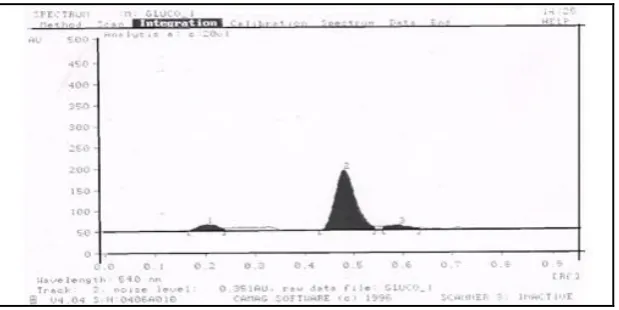
Fig.6 Chromatogram of standard Bacoside A
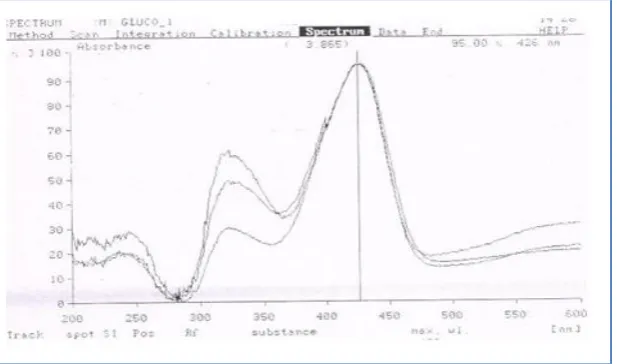
[image:18.595.144.454.524.677.2]Fig 8. Overlain spectrum of standard, and formulation (syrup)
Specificity study for standard and formulation was done. Rf value of formulation confirmed
by comparing it with standard. And it was found with in the acceptable limits.
CONCLUSION
The herbal memory enhancer syrup has been validated with modern tools and techniques of
quality assurance for its quality, efficacy, stability and purity. The study of the
physicochemical parameters of raw material shows that ingredients used in the manufacturing
of herbal syrup were of good quality as per specification. The quantitative estimation of
phytoconstituents in the raw materials and finished product shows that the process exhibited
no significant loss of active ingredients. The validation parameters were studied for herbal
syrup. The result of validation parameters shows that the formulation was validated
successfully.
The methods developed with HPTLC for bacoside A are reproducible, sensitive, precise,
specific and accurate and can be further applied for the routine quality control tests. The
different modern analytical techniques like HPLC and GC can also be used for the method
development of active constituents present in herbal memory enhancer syrup.
ACKNOWLEDGMENT
We thanks to Manager and all other staff of Sidhhayu ayurvedic research foundation Pvt.
Ltd., Nagpur for providing us the syrup manufacturing and testing facilities.
REFERENCES
2. Demenetia etiology and epidemiology a systemic review and The Swedish Council on
Technology Assessment in Health Care volume 1 june 2008; 223.
3. Alzheimer’s Disease Facts and Figures Includes a Special Report on humens and
Alzheimer’s Disease. 2014.
4. Patwardhan B, Mashelkar RA. Traditional medicine-inspired approaches to drug discovery:
can Ayurveda show the way forward. Drug Discovery Today; 2009; 1-8.
5. Dhalwal K, Birada YS, Shinde VM, Mahadik KR, Rajani M. Phytochemical evaluation
and validation of a polyherbal formulation using HPTLC. Phcog Mag: 2008; 4(14): 89-95.
6. Mukherjee PK, Wahile A. Integrated approaches towards drug development from Ayurveda
and other Indian system of medicines. J Ethnopharm 2005; 103: 25–35.
7. Therapeutics Letter 25. Herbal medicines An Evidence Based Book Available.
1998:http://www.interchange.ubc.ca/jauca as accessed on 9/9/ 2013.
8. Mohapathra P, Shirwaikar A. Aswatha Ram HN. Standardization of a Polyherbal
Formulation. Phcog Mag. 1998; 4(13): 65-69.
9. Bolton S, Ed., In; pharmaceutical statistics, 3rd Edn. Vol 80, Marcel Dekker, inc., New
York, 2000; 90.
10.Lachman, Hanna SA. In: Lachman L, Lieberman HA, Kanig JL. editors. The Theory
and practice of industrial pharmacy, 3rd ed. Bombay: Vargese publication house; 1987;
1804.
11.Mukherjee PK. Quality Control of Herbal Drugs. 1sted. New Delhi: Business Horizons
Pharmaceutical Publishers; 2002; 496-504.
12.Biyani MK.Eastern pharmacist. 1994; 8: 33.
13.Nash RA. In: Nash RA, Wachter AH, editors. Pharmaceutical Process Validation. 3rded.
New York: Marcel Dekker; 2003; 13.
14.Bolton S. Eds. In: Pharmaceutical statistics. 3rded. Vol 80. New York: Marcel Dekker
inc., 2000; 44.
15.Traisnel MK, Gayot AT. Drug Dev and Ind Pharm 1995; 21: 79.
16.John YL. In: Ira Berry and Robert Nash, editors. Pharmaceutical Process validation 2nd
Ed. New York: Marcel Dekker; 2000. p. 444.Jayram T. Pharma Times 2005; 37: 9-16.
17.United States Pharmacopoeia 32. Validation of Compendial Procedures. <1225>, United
States Pharmacopoeial convention INC: Rockville: Maryland: 2008; 734-736.
18.Q2 (R1). ICH Harmonised Tripartite Guideline. Validation of Analytical Procedures: Text
19.The Ayurvedic Pharmacopoeia of India. The Controller of Publication, Civil lines, Delhi;
part I Vol IV. 1st ed 2007; 138-139.
20.Standerdisation of formulations containing bacopa monnerri by standerd analytical
techniques, vol II. 2008; 76-79.
21.The Ayurvedic Pharmacopoeia of India. The Controller of Publication Civil lines. Delhi.
Part I, Vol II. 1st ed. 2004; 167-169.
22.Indian Herbal Pharmacopoeia. Revised New ed. IDMA, Mumbai; 2002.
23.Khandagale A., Shanbhag D., Screening and standerdisation of bacopa monnieri used as
medicine in homeopathy using HPTLC method. IOSR Journal of pharmacy, 2012; 52-56.
24.Joyti S. G. , Harisha C.R, Chandola H. M, A comparative study of roots of Bacopa
monneria L pennel and Bacopa floribunda International Journal of Pharmacognosy and
Phytochemical Research, 2012; 4: 8-11.
25.Dowell A., Davidsons, G., Ghosh D., Validation of Quantitative HPLC method for