i ABSTRACT
As the United States health care system grapples with increased demand for health care
and costly medical services, the underserved and the minority population often find it difficult to
access medical care due to financial, cultural, and language barriers. Interestingly, the
underserved and the minority population have the highest burden for chronic diseases because of
the lack of screening, lost to routine follow up, and the failure to adhere to treatment regimen
after diagnosis.
In this paper, we focused on how to use community health workers who are trusted
members of the community, share cultural and linguistic characteristics, and have better
understanding of the community in which they serve to improve access to medical care and
better management of chronic diseases. The review of literature and organization reports suggest
that community health workers are capable of managing chronic diseases and other health
conditions and it is cost-effective if a legal framework, training, and funding support their
activities. Nearly half of the states do not have laws or regulations that support the activities of
community health workers and, thus, present a real challenge to the diverse composition of U.S.
population and chronic disease management.
Because community health workers are not office workers or clinical staff of the
healthcare workforce, supervision, funding, and their defined roles complicate the integration
into the healthcare system. Some states and healthcare facilities use the Medicaid reimbursement
and operating budgets, respectively, to fund health intervention programs carried out by
community health workers. Medicaid funding supports only community health workers with
certification with no funding for those without a certificate. Most states do not require or
ii
healthcare operating budgets are short lived and, thus, may impact on interventions dealing with
chronic diseases. It is for this reason that community health worker programs that seeks to
involve members of faith-based organizations as part of their outreach programs have a better
chance of survival in the community due to their social presence in the community and
volunteerism. Furthermore, interventions in which members of the community are made to own
the program with active consultation and participation can withstand the test of time instead of
iii
ACKNOWLEDGEMENT
I would like to thank my advisor, Professor Bonnie Rogers, for her guidance and support in
developing the topic and direction for this research paper. I also want to thank my Second
Reader, Chip Pursell, for helping me develop an interest in chronic diseases management during
iv
TABLE OF CONTENTS
ABSTRACT ... I ACKNOWLEDGEMENT ... III ABBREVIATIONS ... VI CHAPTER I ... 1 INTRODUCTION ... 1 CHAPTER II ... 4 U.S. HEALTH CARE SYSTEM AND THE ROLE OF COMMUNITY HEALTHCARE
WORKERS ... 4
DESCRIPTION OF THE CHALLENGES OF THE U.S.HEALTHCARE SYSTEM AND THE NEED FOR
COMMUNITY HEALTH WORKERS ... 4 HISTORICAL PERSPECTIVE ON COMMUNITY HEALTH WORKERS IN MEDICAL CARE ... 6 CHAPTER III ... 11 ISSUES IN CHRONIC DISEASE MANAGEMENT AND COMMUNITY HEALTH WORKERS11
OVERVIEW OF CHRONIC DISEASE IN U.S.:PREVALENCE,MORTALITY,ECONOMIC BURDEN AND
RISK FACTORS ... 11 INEQUALITY IN CHRONIC DISEASE MANAGEMENT ... 13 BARRIERS IN CHRONIC DISEASE MANAGEMENT ... 15
IMPACT OF COMMUNITY HEALTH WORKERS IN CHRONIC DISEASES MANAGEMENT IN
v
LEGAL SCOPE OF PRACTICE AND SUPERVISION ... 20
TRAINING AND COMPETENCY REQUIREMENT FOR COMMUNITY HEALTH WORKERS ... 26
THE IMPACT OF STATE CERTIFICATION RULES AND REGULATION ON COMMUNITY HEALTH WORKERS ... 27
INTEGRATION AND CHALLENGES OF COMMUNITY HEALTH WORKERS INTO HEALTHCARE SYSTEMS ... 27
IMPACT OF FUNDING ON COMMUNITY HEALTH WORKERS PROGRAM ... 29
CHAPTER V ... 30
STRATEGIES FOR COMMUNITY HEALTH WORKERS’ PROGRAM SUSTAINABILITY IN UNDERSERVED POPULATION ... 30
FAITH-BASED ORGANIZATIONAL MODEL ... 30
COMMUNITY OWNERSHIP APPROACH ... 32
LONG-TERM FUNDING STREAM FOR PROGRAMS ... 33
CHAPTER VI ... 36
CONCLUSION AND RECOMMENDATIONS ... 36
vi
Abbreviations
ACA – Affordable care act
APHA – American Public Health Association
CCM – Chronic care model
CDC – Centers for Disease Control and Prevention
CHN – Congregational Health Network
CHW – Community health worker
CHWs – Community health workers
CMS – Center for Medicare and Medicaid Services
COPD – chronic obstructive pulmonary disease
ER – Emergency room
GDP – Growth domestic product
CVD – Cardiovascular disease
HRSA – Health and Resources Services Administration
HIV- Human immune virus
IOM – Institute of Medicine
LYS – Life-year saved
LMIC – Lower and middle-income countries
MCO – Managed care organizations
NCI – National Cancer Institute
NCSL – National conference of state legislators
NRHA – National rural health association
vii
PCMHs – Patient Centered Medical Homes
PCP – Primary care physician
PCORI – Patient-Centered Outcome Research Institute
ROI – Return on investment
SPA – State plan amendment
QALY – Quality-adjusted life years
U.S. – United States
viii TABLE OF FIGURES
Table 2.0. Roles, skills and qualities (required competencies) of a CHW ... 10
Table 4.0. State with statutory and regulations governing the operations of CHW program
... 21
1 CHAPTER I
INTRODUCTION
The U.S. population faces many health challenges, including rising healthcare costs, the
need for a robust public health workforce, and persistent disparities among racial or ethnic
minority groups and underserved populations (Jackson & Gracia, 2014). The elderly population
is projected to rise to 87 million in 2050, and due to the high fertility among minorities, a high
increase in population diversity is expected to occur in the future (Health Resource
Administration [HRSA], 2007). The changes in the size and structure of the population is to be
accompanied by special requirements, such as cultural competence, community health education,
and translation services to improve health outcomes for often isolated and underserved
communities (Institute of Medicine [IOM], 2003; Murdock, Hoque, & McGehee, 2005).
According to the Institute of Medicine report (2003), “Unequal Treatment: Confronting
Racial and Ethnic Disparities in Health Care,” the core aim of healthcare is the provision of care
that does not vary in quality because of race, ethnicity, sex, socioeconomic status, and
geographic considerations. Ironically, the report shows a significant race variation in medical
procedures, even when insurance status, income, age, and severity of conditions are comparable
(IOM, 2003; Olaku & Taylor, 2017). The report also highlights the fact that underrepresented
and underserved populations are less likely to receive routine medical procedures and experience
a lower quality of health services due to the lack of access to medical care services. The Health
Resources and Services Administration (HRSA) determines the medically underserved areas and
medically underserved populations by measuring the ratio of primary care physicians per 1000
2
percentage of the population age 65 years or older. It has been estimated that more than 100
million U.S. population are medically underserved (Wong, 2015).
While the quality of healthcare issues are being addressed by government and the medical
profession through the Patient-Centered Outcomes Research Institute (PCORI) which was
established under the Patient Protection and Affordable Care Act (ACA) of 2010 (ACA, 2010;
Selby, Beal, & Frank, 2012), access to care for underserved populations poses significant
challenges for the U.S. healthcare system. To overcome this problem, a new outreach capability
with less extensive clinical training but more personal and community skills are needed to
become valuable members of established medical teams to improve the population health of
underserved communities (HRSA, 2007).
It is in this context that community health workers (CHWs) stand out as natural bridges
between providers and underserved populations in need of care. The World Health Organization
(WHO) working group defines CHWs as:
“Community health workers should be members of the communities where they work,
should be selected by the communities, should be answerable to the communities for their
activities, should be supported by the health system but not necessarily a part of its
organization, and have shorter training than professional workers” (WHO, 1989, p. 6).
A community health worker is a frontline public health worker who is a trusted member of
and/or has a close understanding of the community they served and have been identified as
effective liaisons between service providers and vulnerable populations (Chin, Walters, Cook &
Huang, 2007; Islam et al., 2015). CHWs are a band of worldwide grassroots phenomena,
self-reliance, and have existed as social units of individuals sharing a residence, cultural heritage and
3
CHWs coach individuals in managing their health and assist them in navigating the
healthcare system. They help build individual and community capacity for healthcare through
increasing health knowledge and self-sufficiency and serve as community health educators,
informal counselors providing social support and patient and community advocates (Rosenthal et
al., 2010). With CHWs serving as liaisons between health systems and communities, they
facilitate access to and improve the quality and cultural competence of medical care, with an
emphasis on preventive and primary care (HRSA, 2007; Rosenthal et al., 2010). Community
health workers develop peer-to-peer relationships of trust with patients that contribute to CHWs
ability to communicate openly with patients on issues related to health, and ultimately to
improve healthcare access and outcomes (Rosenthal et al.).
The unique role of CHWs as culturally competent mediators (health brokers) between
providers of health services and the members of diverse communities have been documented for
a variety of healthcare condition such as asthma, hypertension, diabetes, cancer, immunizations,
maternal and child health, nutrition, tuberculosis, and human immune virus (HIV) and acquired
immune deficiency syndrome (AIDS) (Centers for Disease Control and Prevention [CDC],
2015).
The purpose of this paper is to critically assess the use of CHWs to address chronic
disease management in underserved populations as a strategy to enhance access to care and to
reduce the cost of care. Through a literature review of scholarly articles and of organizational
reports, the impact of CHWs on chronic disease management, challenges, and how to address
4 CHAPTER II
U.S. HEALTHCARE SYSTEM AND THE ROLE OF COMMUNITY HEALTHCARE WORKERS
Description of the Challenges of the U.S. Healthcare System and The Need for Community Health Workers
The United States spends about 17% of Gross Domestic Product (GDP) on health more
than any Organization for Economic Cooperation and Development (OECD) countries, but lacks
behind in life expectancy and other health outcomes (American Public Health Association
[APHA], 2016). Healthcare expenditures are growing much more rapidly than the rest of the
economy because prices and volume of services have increased relentlessly over the past 50
years (Jonas & Kovner, 2015). The organization and financing of healthcare in the U.S. make
medical care and its associated outcomes dependent on one’s income level, race, and geographic
location (Jonas & Kovner).
There is a growing body of evidence documenting the differences in access to healthcare,
the quality of care, and health measures including life expectancy and infant mortality among the
minority populations despite the effort to address these through improvements in hospitals
serving patients from minority background and more equitable care in all hospitals (IOM, 2003;
Jackson & Gracia, 2014; Dickman, Himmelstein & Woolhandler, 2017). Compounding the issue
of quality of care is the shortage or uneven geographic distribution of healthcare providers.
Physicians are often concentrated in cities and affluent suburbs and, thus, many underserved
populations living in rural areas and poor neighborhoods in cities find it difficult to obtain
primary and specialty care (Casey, Thiede Call, & Klingner, 2001; Aboagye, Kaiser, & Hayanga,
5
encounters with patients in medical offices, small clinics, and hospitals (HRSA) and institutional
racism, have enabled disparities in healthcare quality for racial and ethnic minorities to persist
(Dickman et al., 2017).
Adding to the growing list of the healthcare problems are the changes in dynamics of
disease category from infectious diseases in the 1900s to chronic diseases at the turn of the
century (CDC, 1999; Turnock, 2012). The prevalence of chronic diseases has increased steadily
among people of all ages in recent years, and it is projected that 157 million people will be living
with chronic diseases by 2020 (National Conference of State Legislatures [NCSL], n. d). Of the
nation’s $2.7 trillion annual healthcare expenditures, 87% are spent on people with chronic and
mental health conditions (Gerteis et al., 2014).
To address high and rising healthcare costs and chronic diseases, the strategies would be
to; eliminate duplication or unnecessary care and reducing administrative overhead, prevent
illnesses or complications and diagnosis of medical conditions at an early stage, avoid
unnecessary hospitalizations and enhance productivity and efficiency in the provision of care
(Davis et al., 2007). Preventing unnecessary hospitalization and development of chronic diseases
in underserved populations will need linkage with community resources groups such as CHW to
bridge cultural and language barriers and facilitate the diffusion of medical knowledge in the
community.
A revolutionary transformation of the healthcare profession in the U.S. has occurred due
to a steep rise in the costs of healthcare; patients’ demands to be an integral part of the healthcare
team; dramatic advances in technology and medical science; and a fundamental shift in the
paradigm of health and disease toward maintaining wellbeing (Goldfield, 2017). Adding CHWs
6
improve patient doctor relations to be more involved in the management of chronic diseases
(Rosenthal et al., 2010).
Historical Perspective on Community Health Workers in Medical Care
Community health workers are the foundation of many health systems and serve as
conduit for individuals and groups to access health and social services as well as providing
health education to communities (Amanda, 2011). The incorporation of CHWs in medical care
was started in the late 1800s by non-physician Russia’s Feldhsers who were trained as
paramedics to deliver medical care in rural areas where physicians were not present (Union of
Soviet Socialist Republics [USSR] Ministry of Health, 1974; Perry, 2003). However, mass
deployment of CHWs into healthcare occurred in China in the 1920s where illiterate farmers
were trained as “Barefoot Doctors” to record births and deaths, vaccinate against smallpox and
other diseases, give first aid and health education talks, and help communities keep their water
clean (Perry, 2003; Rifkin, 2008; Taylor-Ide &Taylor, 2002).
In the U.S., the earliest documented case of CHWs in healthcare involved the use of
“neighborhood health aides” for tuberculosis program by the New York City Health Department
in 1960s (Wilkinson, 1992). The Federal Migrant Health Act of 1962 which mandated outreach
and the Office of Economic Opportunity (OEO) of 1964 supported CHWs activity in the
antipoverty effort and led to the creation of the Community Health Representative Program for
Native American populations which later became known as Indian Health Service (HRSA).
Faced with the shortage of doctors to serve rural and poor populations in the developing
world in 1960s, the Barefoot Doctor concept became popular around the world as a type of
alternative health worker to complement highly trained medical staff. Thus, it became the
7
Tanzania, and Venezuela (Perry). The WHO chronicled the success of CHWs as a foundation of
innovative community health programs around the world in a book, Health by the People
(Newell, 1975) and culminated in the organization of the International Conference on Primary
Health Care at Alma-Ata, Kazakhstan in 1978 (Perry). The Alma-Ata Declaration specifically
states in article VII.7 that “primary health care relies, at local and referral levels, on health
workers, including physicians, nurses, midwives, auxiliaries and community workers as
applicable, as well as traditional practitioners as needed, suitably trained socially and technically
to work as a health team and to respond to the expressed health needs of the community” (WHO,
1978, p. 2). This was a watershed moment for the CHWs program because WHO recognized
CHWs as key players in a primary health care delivery system.
Although CHW programs failed to gain traction in 1980s and 1990s in some developing
countries due to economic recession and lack of political will, progress was made in the U.S. in
developing curriculum and educational materials for CHWs to reduced infant mortality and to
improve the health of the immigrant population (HRSA). In addition, states and the federal
government provided training and grants for CHWs programs and policies enabling CHWs to be
integral members of healthcare delivery systems promoted in some states (HRSA). Finally, the
contribution of CHWs in medical care is highlighted by the ACA for the improvements to
healthcare access and delivery of health services in low-income, underserved, uninsured,
minority, health disparity, and rural populations by using community-based initiatives as a
unique opportunity to disseminate and scale up evidence-based CHWs models for the integration
of health care delivery teams and programs (ACA).
8
The quality and functionality of a healthcare delivery system depend on the availability
of medical personnel and infrastructure to provide needed services (National Rural Health
Association [NRHA], n. d). It is noteworthy that availability of health workers is not sufficient
unless they are equitably distributed and accessible by the population and possess the required
competency that is appropriate and acceptable to the sociocultural expectations of the population
(WHO, 2016). Interestingly, the growing shortages of healthcare workers as a result of increased
population and a capped-on medical residency training (IOM, 2014) has meant that there is an
uneven geographic distribution of healthcare professionals.
For chronic diseases in which there are complex and interconnected systems of
economics, the physical environment, the built environment, health services, and social
structures of a community determine the health outcome (CDC, n. d (a). Expanding access to
medical services and reducing premature mortality from diseases and maintaining a healthy
lifestyle among underserved populations will require strategic transformation to address the
shortage of the health workers to meet the challenge. Using CHWs especially in underserved
communities to provide medical services (Lehmann & Sanders, 2007) is a potential strategy to
employ community members to render certain basic health services to the communities they
come from and is a concept that has been around for at least a century (USSR Ministry of Health,
1974; Perry, 2003).
Traditionally, healthcare systems have relied on skilled health professionals designed to
deliver interventions and services to improve the health of individuals often without taking into
consideration the full range of health determinants that influence the health outcomes of the
entire population (IOM, 2013). Using CHWs as a complement to the traditional health workforce
9
and trusted members of the community, and therefore, allow them to effectively promote healthy
behaviors and help the underserved populations overcome some of the barriers to accessing
healthcare. The roles and activities of CHWs are tailored towards the unique health problem or
need of the community. Because of this, CHWs are trained to carry out advocacy, outreach,
health education, and clinical services work in the community in which they come from (Rural
Health Information hub, n. d.). In addition, CHWs can establish crucial links to bridge the gap
between the underserved population and the formal health care system to engage the community
members in chronic disease management. Finally, CHWs have less-extensive clinical training
but more personal and community skills and, thus, could be the solution to overcome an unequal
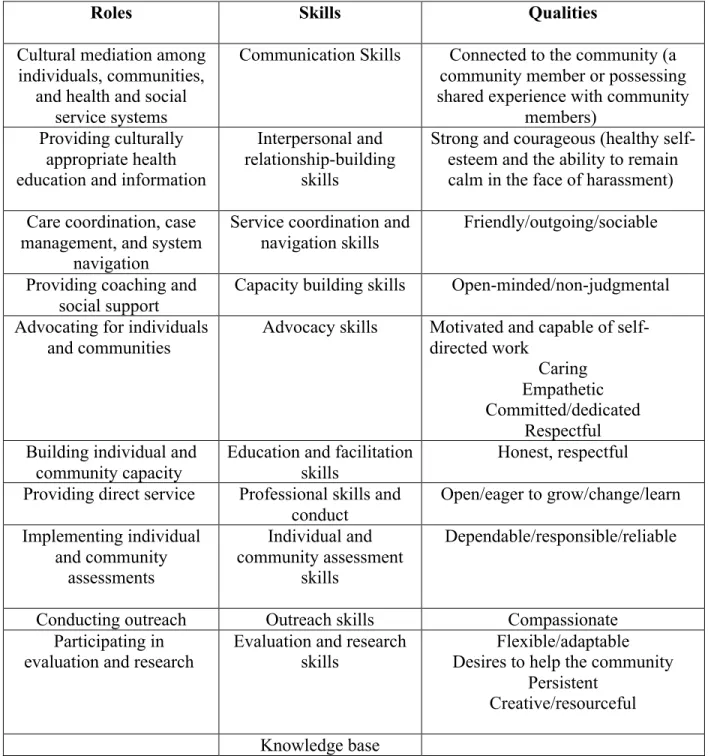
medical workforce in underserved populations (Table 2.0).
10 Table 2.0. Roles, skills and qualities (required competencies) of a CHW
Roles Skills Qualities
Cultural mediation among individuals, communities,
and health and social service systems
Communication Skills Connected to the community (a community member or possessing shared experience with community
members) Providing culturally
appropriate health education and information
Interpersonal and relationship-building
skills
Strong and courageous (healthy self-esteem and the ability to remain calm in the face of harassment)
Care coordination, case management, and system
navigation
Service coordination and navigation skills
Friendly/outgoing/sociable
Providing coaching and social support
Capacity building skills Open-minded/non-judgmental
Advocating for individuals
and communities Advocacy skills Motivated and capable of self-directed work Caring
Empathetic Committed/dedicated
Respectful Building individual and
community capacity Education and facilitation skills Honest, respectful Providing direct service Professional skills and
conduct
Open/eager to grow/change/learn
Implementing individual and community assessments Individual and community assessment skills Dependable/responsible/reliable
Conducting outreach Outreach skills Compassionate
Participating in
evaluation and research Evaluation and research skills Desires to help the community Flexible/adaptable Persistent
Creative/resourceful
Knowledge base
11 CHAPTER III
ISSUES IN CHRONIC DISEASE MANAGEMENT AND COMMUNITY HEALTH WORKERS
Overview of Chronic Disease in U. S.: Prevalence, Mortality, Economic Burden and Risk Factors
Non-communicable diseases account for about 70% of global deaths, and in the
lower-and middle-income (LMIC) countries chronic diseases lead to premature deaths lower-and have been
described as “the social justice issue of our generation” (Allen et al., 2017). The main chronic
diseases contributing to deaths worldwide are cardiovascular diseases (CVD), cancers, diabetes,
and respiratory diseases, including asthma and chronic obstructive pulmonary disease (COPD)
(Sommer et al., 2015).
In the U. S., heart disease, malignant neoplasms, chronic lower respiratory diseases,
cerebrovascular diseases, Alzheimer’s disease, diabetes, and the combination of nephritis,
nephrotic syndrome, and nephrosis are the leading cause of death (Hoyert & Xu, 2012). As of
2012, about half of all adults (117 million people) had one or more chronic health conditions and
one in four adults had two or more chronic health conditions. Heart disease and cancer account
for nearly 46% of all chronic disease deaths (CDC, n. d (b).
Annually, CVD accounts for about 610,000 deaths and 735,000 Americans experienced
heart attack with 525,000 being a first heart attack with 210,000 happening to people who have
already had a heart attack (Mozaffarian et al., 2015; CDC, n. d (c). Lifestyle changes such as lack
of physical activities, poor diet, alcohol use, smoking, and having high blood pressure and
12
For the year 2017, 1,688,780 new cancer cases and 600,920 cancer deaths were projected
to occur in the United States. Cancer incidence and death rates vary considerably between racial,
ethnic, and age groups. In 2014, the cancer death rate was 15% higher in black than in white
Americans and it is the leading cause of death in Hispanic and Asian Americans and among
women aged 40 to 79 years and men 45 to 79 years of age (Siegel et al., 2017). Research has
shown that certain risk factors such as chemical exposure, certain behaviors (tobacco and alcohol
use), infectious agents, age, and family history can increase a person’s chances of developing
cancer (National Cancer Institute [NCI], n. d(a).
About 30.4 million people or 9.4% of the U. S. population have diabetes, including 23.1
million people who are diagnosed and 7.2 million people with diabetes but do not know that they
have the disease (CDC, 2017). Furthermore, 84.1 million adults aged 18 years or older have
prediabetes and 23.1 million adults aged 65 years or older have prediabetes (CDC, 2017).
Without lifestyle changes to improve their health, 15% to 30% of people with prediabetes will
develop type 2 diabetes within five years (CDC, 2015). Compared to non-Hispanic whites, the
age-adjusted prevalence of diagnosed and people with diabetes but unaware of their disease
status was higher among Asians, non-Hispanic blacks, and Hispanics during 2011–2014 (CDC,
2017).
Chronic diseases are the main cause of poor health, disability, and death, and account for
most of the healthcare expenditures (Bauer et al., 2014). It has been estimated that the annual
CVD economic burden to the nation averaged $316.1 billion in 2012–2013 of which $189.7
billion was for direct medical expenses and $126.4 billion was for lost productivity costs (CDC,
n. d (b). Diabetes and cancer were estimated to cost $245 billion in 2012 and $157 billion in
13
trillion annually on healthcare expenditures for people with chronic diseases and mental health
conditions (CDC, n. d(b). However, this cost can be reduced if the prevalent risk factors for
chronic diseases are addressed through the use of CHWs to break the cultural and language
barriers and ensure access to care for underserved populations who are disproportionately
affected by the disease (CDC, 2015).
Inequality in Chronic Disease Management
Chronic diseases disproportionately affect people with lower education, low
socioeconomic status, minority race/ethnic groups, and underserved populations. For instance,
CVD death rates are highest in African-Americans, obesity rates are highest in those with low
education or low income (Braveman et al., 2011; Frieden, 2011) and chronic diseases are poorly
managed among minority patients. For diabetes, as compared with white patients, the risk of
being diagnosed is 77% higher for African Americans and 66% higher among Hispanics (CDC,
n. d (d). In a study of 1,400 Medicare beneficiaries diagnosed with diabetes, it was observed that
African-American patients were less likely to undergo measurement of glycosylated hemoglobin,
lipid testing, ophthalmologic visits, and influenza vaccinations when compared white patients
(Chin et al., 1998). In another study, Cowie and Harris (1997) reported that African-American
non-insulin dependent diabetes patients were more likely to be treated with insulin than whites
and Mexican-Americans.
There has been a substantial reduction in CVD mortality over several decades (Sidney et
al., 2016); however, the rate of decline has lagged for the minority populations (Cooper et al.,
2000). Chronic diseases and the associated risk factors are more common or severe for racial and
ethnic minority groups than for non-Hispanic whites (Kurian and Cardarelli, 2007). African
14
cardiovascular events (Graham, 2015). There is a higher overall prevalence of risk factors among
African Americans that are unrecognized and, therefore, not treated. This place these individuals
at risk of experiencing adverse outcomes and, therefore, potentially higher morbidity and
mortality (Mensah, Mokdad, Ford, Greenlund, & Croft., 2005; Kurian & Cardarelli, 2007;
Graham, 2015). African American adults have the highest rates of hypertension in the world and
together with Mexican-Americans tend to have higher blood pressure and exhibit lower levels of
blood pressure control than whites in the U. S. (Mensah et al., 2005; Kurian & Cardarelli, 2007;
Graham, 2015).
Substantial progress in cancer treatment, screening, diagnosis, and prevention over the
past several decades have occurred; yet, disparities in cancer treatment and management occur in
people from low-socioeconomic background, minority populations, and underserved populations
in geographically isolated areas (NCI, n. d (b). For example, there have been documented cases
of a higher incidence of an aggressive form of breast cancer among African American women,
higher rates of kidney cancer among American Indian and Alaska Natives, and higher rates of
cervical cancer incidence and death among Hispanic and African American women as compared
to women of other racial/ethnic groups (NCI, n. d (b). Moreover, a disproportionate number of
cancer deaths occur among racial and ethnic minorities, particularly African Americans, who
have a 33% higher risk of dying of cancer compared to whites (Shavers & Brown, 2002). Racial
and ethnic disparities in cancer outcomes are often attributed to a more advanced stage of disease
at diagnosis among minorities populations (Shavers & Brown). Differences in the stage of cancer
at diagnosis are thought to be primarily caused by the underutilization of cancer screening among
racial and ethnic minorities populations (Shavers & Brown). The use of CHWs in cancer
15
minority and underserved populations, and in turn, help reduce the racial and ethnic disparities in
cancer mortality (CDC, 2015).
Barriers in Chronic Disease Management
As the number of people with chronic diseases increases due to the aging population and
the greater longevity of individuals with many chronic conditions, obstacles in controlling the
disease at the intrapersonal, interpersonal, community, and institutional level exist. Sustaining
patient motivation for long-term adherence to drug therapies remains a substantial problem.
Patient non-adherence can take many forms; the advice given to patients by their healthcare
professionals to cure or control disease is too often misunderstood, carried out incorrectly,
forgotten, or even completely ignored (Martin, Williams, Haskard, & Dimatteo, 2005). To
overcome this hurdle, a clear and effective communication between health professionals and
their patients, and the nurturance of trust in the therapeutic relationship is needed (Martin et al.,
2005). For minority or underserved populations with diminished trust in the healthcare system
(Blendon et al., 2008), integrating CHWs to address their health needs can improve
communication and trust which can translate into better adherence to treatment regimen.
Chronic disease sufferers are expected to follow complex treatment regimens and to
balance self-management priorities and preferences with those of professionally based
interventions. This, therefore, requires a high level of knowledge, skill, and confidence on the
part of the individual to self-manage his or her conditions (Roberts, Younis, Kidd, & Partridge,
2012). Since chronic diseases have a substantial burden on people with lower education, low
socioeconomic status, minority race, ethnic group and underserved populations, balancing their
needs for necessities of life and health can be very challenging and, thus, services of CHWs to
16
There is a disparity between the medical categorization of disease and the patient's
personal and social experience of illness. Cross-cultural circumstances often magnify the
discrepancy between the views held by patients and healthcare providers and, therefore, the
inability to recognize and deal with perspectives of illness that deviate from those of the
medically trained practitioner can hinder the attempts at identifying problems and developing
plans for solving them (Putsch & Joyce 1990). Culture affects people’s perceptions of health,
illness and death, beliefs about causes of disease, and approaches to health promotion (Canada
Pediatric Society, n. d.). For chronic diseases management, lack of cultural competence can
delay the onset of diagnosis, acceptance of health promotions measures to reduce the risk and
affect doctor-patients’ communication and gaining the patients trust (Canada Pediatric Society,
n. d.).
Impact of Community Health Workers in Chronic Diseases Management in Underserved Populations
Underserved populations have barriers that limit their health need and having CHWs as
trusted members of the community may facilitate access to services and improve quality and
cultural competence of healthcare services. It has been shown that CHWs working in partnership
with patients and various healthcare providers assisted people in hypertension medication
adherence and had a significant decrease in systolic blood pressure and glucose level among
rural adults over 60 years of age (Dye, Williams, & Evatt., 2015; Allen, Brownstein, Satsangi, &
Escoffery, 2016). Collinsworth, Vulimiri, Snead, and Walton, (2014) using the chronic care
model (CCM) embedded CHWs in clinical teams. By interviewing primary care physicians
(PCP), CHWs, and patients, they observed that diabetes education, nutritional counseling, social
17
better patient knowledge about chronic diseases in the underserved population and allowed
primary PCP to identify and proactively address specific patient needs, and patient outcomes.
For low and middle-income countries like South Africa, Mexico, and Guatemala, the use
of CHWs for CVD screening has proven to be a cost-effective strategy in saving lives when
combined with improved treatment for patients (Gaziano et al., 2015). Another study, evaluating
the impact of CHWs on chronic disease in Northern Mexico found a significant decrease in body
mass index, waist circumference, hip circumference, weight, triglycerides, and low-density
lipoprotein (LDL) cholesterol in low-income residents of an urban area (Denman et al., 2014).
For Australian Aboriginal communities with distanced healthcare facilities, CHWs have been
used for integrated chronic disease management. It was observed that incorporating CHWs in the
healthcare system improved patient adherence to testing and treatment protocols and a
substantial number of new diagnoses were made (Hoy, Kondalsamy-Chennakesavan,
Scheppingen, Sharma, & Katz, 2005).
All these cited studies validate the point that CHW are responsible for certain aspects of
healthcare delivery within the community in which they live, and apply their deep understanding
of community needs as agents of health promotion and education (Jarvis, Kataria, Murgor, &
Mbau, 2016).
Cost-Effectiveness of Community Health Workers in Medical Care
The cost-effectiveness analysis with CHWs primarily reflects cost savings resulting from
improved health outcomes, increased attendance or visits for preventive and primary care, and
reduced use of emergency departments and hospitalizations rather than the substitution of
comparable health professional services with lower-cost of CHWs interventions (Rush, 2012;
18
assessing return on investment (ROI) in CHW interventions given the plethora of roles and
functions performed by CHW, differences in the interests and perspectives of various
stakeholders, and the extended intervention period for health intervention programs for
calculating ROI can affect the cost-effectiveness analysis (Rush, 2012).
Chola et al., (2011) studied the use of local women to work as peer counselors for
exclusive breastfeeding program in Uganda. It was estimated that using this alternative program
in the public health sector can potentially reduce costs by more than 60% compared to other
methods of promoting breastfeeding in mothers. A clustered randomized controlled trial to assess
the cost-effectiveness of CHWs to improve birth outcomes in Nepal showed a significant
reduction in neonatal and maternal mortality rate with $211 incremental cost per life-year saved
(LYS) (Borghi et al., 2005). In another study, the cost-effectiveness of the standard tuberculosis
management strategy among permanent farm dwellers and the use of CHWs on tuberculosis
control activities on farms were compared. The authors observed that the use of CHWs led to
83% successful treatment completion rate as compared to 65% of standard management strategy
(Clarke, Dick, & Bogg, 2006).
The long-term cost-effectiveness of a lifestyle modification program of using CHWs and
standard medical care for low-income Hispanic adults with type 2 diabetes was assessed. It was
revealed that the cost-effectiveness ratio of using CHWs intervention ranged from $10,995 to
$33,319 per quality-adjusted life years (QALY) gained when compared with standard medical
care (Brown et al., 2012). A CHWs outreach program with African-American Medicaid
patients in Maryland with diabetes resulted in a 40% decline in emergency room (ER) visits; ER
admissions to hospitals declined by 33%, and Medicaid reimbursements declined by 27%
19
CHWs in an outreach program for underserved population was analyzed. The outreach program
saved $2.28 for every $1 invested, increased the underserved population access to health
services, and established continuity of care. In addition, primary and specialty care visits
increased, and urgent care, inpatient, and outpatient behavioral health care utilization decreased,
resulting in a reduction of monthly uncompensated costs by $14,244 (Whitley, Everhart, &
20 CHAPTER IV
LEGAL, LOGISTICAL AND POLICY DYNAMICS OF COMMUNITY HEALTH WORKERS’ PROGRAM
Legal Scope of Practice and Supervision
As CHW programs become integrated into the healthcare system, many states have taken
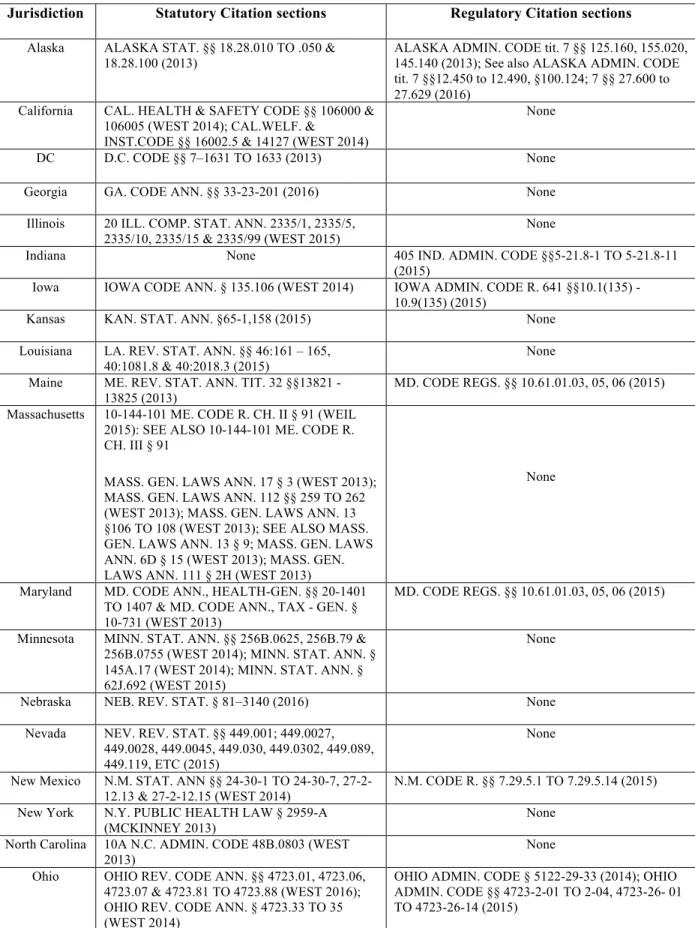
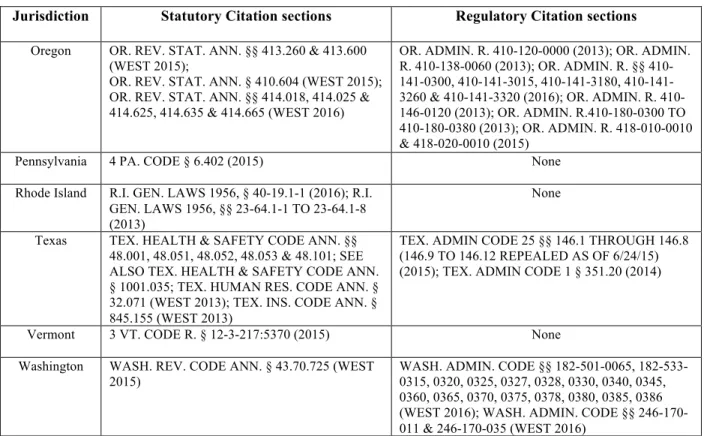
a variety of approaches to support, regulate, and define the scope of practice. As of 2016, 24
states and the District of Columbia had enacted laws (statutory and regulatory systems) to
address CHW workforce (Table 4.0) (CDC, 2016).
Six states have laws authorizing or requiring an advisory or similar body to study and
make recommendations regarding the CHW workforce (CDC, 2016). Six states specify a role for
CHWs in chronic disease prevention and care and eight states authorize or require the inclusion
of CHWs in multidisciplinary healthcare teams for some payors or health care delivery systems
(CDC, 2016). Fifteen states define a CHW scope of practice or specify CHW roles,
responsibilities and functions for specific health conditions (Table 4.1). Six states have enacted
workforce development laws that authorize a certification process; five of these states authorize
the creation of standardized curricula by core competencies, and skills and four of the six states
require the inclusion of CHWs in establishing the certification process or curriculum
development. Furthermore, seven states have laws authorizing Medicaid reimbursement for
CHW services (CDC, 2016). The legal scope of practice varies with states. However, there is a
consensus that CHWs perform outreach and community organizing, case management and care
coordination, home visits, health education and coaching, and system navigation for patients
21 Table 4.0. State with statutory and regulations governing the operations of CHW program
Jurisdiction Statutory Citation sections Regulatory Citation sections Alaska ALASKA STAT. §§ 18.28.010 TO .050 &
18.28.100 (2013) ALASKA ADMIN. CODE tit. 7 §§ 125.160, 155.020, 145.140 (2013); See also ALASKA ADMIN. CODE tit. 7 §§12.450 to 12.490, §100.124; 7 §§ 27.600 to 27.629 (2016)
California CAL. HEALTH & SAFETY CODE §§ 106000 & 106005 (WEST 2014); CAL.WELF. &
INST.CODE §§ 16002.5 & 14127 (WEST 2014)
None
DC D.C. CODE §§ 7–1631 TO 1633 (2013) None
Georgia GA. CODE ANN. §§ 33-23-201 (2016) None
Illinois 20 ILL. COMP. STAT. ANN. 2335/1, 2335/5, 2335/10, 2335/15 & 2335/99 (WEST 2015)
None
Indiana None 405 IND. ADMIN. CODE §§5-21.8-1 TO 5-21.8-11
(2015)
Iowa IOWA CODE ANN. § 135.106 (WEST 2014) IOWA ADMIN. CODE R. 641 §§10.1(135) - 10.9(135) (2015)
Kansas KAN. STAT. ANN. §65-1,158 (2015) None
Louisiana LA. REV. STAT. ANN. §§ 46:161 – 165,
40:1081.8 & 40:2018.3 (2015) None
Maine ME. REV. STAT. ANN. TIT. 32 §§13821 -
13825 (2013) MD. CODE REGS. §§ 10.61.01.03, 05, 06 (2015)
Massachusetts 10-144-101 ME. CODE R. CH. II § 91 (WEIL 2015): SEE ALSO 10-144-101 ME. CODE R. CH. III § 91
MASS. GEN. LAWS ANN. 17 § 3 (WEST 2013); MASS. GEN. LAWS ANN. 112 §§ 259 TO 262 (WEST 2013); MASS. GEN. LAWS ANN. 13 §106 TO 108 (WEST 2013); SEE ALSO MASS. GEN. LAWS ANN. 13 § 9; MASS. GEN. LAWS ANN. 6D § 15 (WEST 2013); MASS. GEN. LAWS ANN. 111 § 2H (WEST 2013)
None
Maryland MD. CODE ANN., HEALTH-GEN. §§ 20-1401 TO 1407 & MD. CODE ANN., TAX - GEN. § 10-731 (WEST 2013)
MD. CODE REGS. §§ 10.61.01.03, 05, 06 (2015)
Minnesota MINN. STAT. ANN. §§ 256B.0625, 256B.79 & 256B.0755 (WEST 2014); MINN. STAT. ANN. § 145A.17 (WEST 2014); MINN. STAT. ANN. § 62J.692 (WEST 2015)
None
Nebraska NEB. REV. STAT. § 81–3140 (2016) None
Nevada NEV. REV. STAT. §§ 449.001; 449.0027, 449.0028, 449.0045, 449.030, 449.0302, 449.089, 449.119, ETC (2015)
None
New Mexico N.M. STAT. ANN §§ 24-30-1 TO 24-30-7,
27-2-12.13 & 27-2-12.15 (WEST 2014) N.M. CODE R. §§ 7.29.5.1 TO 7.29.5.14 (2015) New York N.Y. PUBLIC HEALTH LAW § 2959-A
(MCKINNEY 2013)
None
North Carolina 10A N.C. ADMIN. CODE 48B.0803 (WEST 2013)
None
Ohio OHIO REV. CODE ANN. §§ 4723.01, 4723.06, 4723.07 & 4723.81 TO 4723.88 (WEST 2016); OHIO REV. CODE ANN. § 4723.33 TO 35 (WEST 2014)
22 Table 4.0. State with statutory and regulations governing the operations of CHW program (Cont’d)
Jurisdiction Statutory Citation sections Regulatory Citation sections Oregon OR. REV. STAT. ANN. §§ 413.260 & 413.600
(WEST 2015);
OR. REV. STAT. ANN. § 410.604 (WEST 2015); OR. REV. STAT. ANN. §§ 414.018, 414.025 & 414.625, 414.635 & 414.665 (WEST 2016)
OR. ADMIN. R. 410-120-0000 (2013); OR. ADMIN. R. 138-0060 (2013); OR. ADMIN. R. §§ 0300, 3015, 3180, 141-3260 & 141-3320 (2016); OR. ADMIN. R. 410-146-0120 (2013); OR. ADMIN. R.410-180-0300 TO 410-180-0380 (2013); OR. ADMIN. R. 418-010-0010 & 418-020-0010 (2015)
Pennsylvania 4 PA. CODE § 6.402 (2015) None
Rhode Island R.I. GEN. LAWS 1956, § 40-19.1-1 (2016); R.I. GEN. LAWS 1956, §§ 23-64.1-1 TO 23-64.1-8 (2013)
None
Texas TEX. HEALTH & SAFETY CODE ANN. §§ 48.001, 48.051, 48.052, 48.053 & 48.101; SEE ALSO TEX. HEALTH & SAFETY CODE ANN. § 1001.035; TEX. HUMAN RES. CODE ANN. § 32.071 (WEST 2013); TEX. INS. CODE ANN. § 845.155 (WEST 2013)
TEX. ADMIN CODE 25 §§ 146.1 THROUGH 146.8 (146.9 TO 146.12 REPEALED AS OF 6/24/15) (2015); TEX. ADMIN CODE 1 § 351.20 (2014)
Vermont 3 VT. CODE R. § 12-3-217:5370 (2015) None
Washington WASH. REV. CODE ANN. § 43.70.725 (WEST 2015)
WASH. ADMIN. CODE §§ 182-501-0065, 182-533-0315, 0320, 0325, 0327, 0328, 0330, 0340, 0345, 0360, 0365, 0370, 0375, 0378, 0380, 0385, 0386 (WEST 2016); WASH. ADMIN. CODE §§ 246-170-011 & 246-170-035 (WEST 2016)
23
Table 4.1. Community health programs addressed in state law
Infrastructure Professional identity Workforce development Financing
State Establish a CHW commission advisory body Providence chronic disease care services Managed or team based care models Supervision by other health care professionals Define scope of practice Educational campaigns CHW core certification process CHW certification to practice Creation of standardized core curriculum Include CHWs incertification or curriculum development Specialty area or disease specific certification Standardized specialty area or disease specific curriculum Medicaid reimbursement Incentives or grants for CHW workforce Private insurer reimbursement
AK N N N A A N O A O N N N P P N
CA O N A N N N N N N N N N O N N
DC N N N N N N N N N N N R N N N
GA N N N N A N N N N N N N N N N
IL R N N N A N O P O N A O A N N
IN N N O A P N O P 0 N A 0 A N N
IA N A N N A N N N N N N P N N N
KS N N N N N N N N N N N N N A N
LA N N O N A N N N N N N A N O N
ME N A A A O N N N N N N N A N N
MD N N N N O N N N N N N N O N O
MA R O O N R O A A A R N N O N O
MN N O A P A N O P N N N N P A N
NE N A N N N A A N N N N N N A N
NV N O O A R N O O N N N N N N N
24
Table 4.1 Community health programs addressed in state law (Cont’d)
Infrastructure Professional identity Workforce development Financing
State Establish a CHW commission advisory body Providence chronic disease care services Managed or team based care models Supervision by other health care professionals Define scope of practice Educational campaigns CHW core certification process CHW certification to practice Creation of standardized core curriculum Include CHWs incertification or curriculum development Specialty area or disease specific certification Standardized specialty area or disease specific curriculum Medicaid reimbursement Incentives or grants for CHW workforce Private insurer reimbursement
NM R A A N R A R A R R R O O N N
NY N N A N N N N N N N N N A N N
NC N N N N N N N N N N N N N N N
OH N O N P P N R P R N N N N O N
OR R A P P R P R A R P O O N O N
PA O O N N N N N N N N N N N N N
RI R A N N R N N N O N N O N N N
TX R N O N R O R P R R N N O O N
VT N O A N N N N N N N N N A N A
WA N N A P P A N N N N N P A A N
25 Policies and regulations in support of the CHW workforce vary considerably across
states. For instance, states with advanced CHW laws sometimes require CHWs to obtain
certification from a state board for reimbursement purposes and not for practice. Certifying
individuals as CHWs is a voluntary exercise and there is a distinction between regulating the use
of a title versus regulating the authority to practice as a CHW (Association of State and
Territorial Health Officials [ASTHO], 2016). Certification may be considered as a specific form
of credentialing, but licensure is not an option for CHWs since they do not perform clinical
duties requiring a license and CHW practice does not pose a significant risk of harm to the public
(ASTHO, 2016).
Most state certification programs require the approval of training programs, curricula, or
individual instructors, to provide successful completion of an approved program to entitle a
CHW to certificate (ASTHO). States that permit certification for CHWs often have ways for
CHW experience in the field to count toward training requirements, either by “grandfathering”
practicing CHWs into certification or through a work experience route for new CHWs to enter
the field (Miller, Bates, & Katzen, 2014). In addition, if training is used as a benchmark, the
individual must usually apply for the actual individual certification. Most States find the
education-based option attractive because it places the burden on the training program to assess
the individual’s proficiency in required skills.
Guiding, monitoring, and coaching CHWs to promote compliance with standards of
practice and assure the delivery of quality care service serves as a direct link between CHWs and
the health care system (Cligler, Gergen, & Perry, 2013). CHWs are sometimes supervised by
facility-based supervisors to monitor the quality of services, provide technical support and
26 information system. Supportive supervision of CHWs is essential to maintain the quality of
community-based interventions and it is one of the most important factors for maintaining a
functional cadre of motivated CHWs (Cligler et al., 2013). As shown in Table 4.1, eight states
require or authorize the supervision of CHWs by other healthcare professionals. In this case,
supervision of CHW becomes an oversight responsibility from a healthcare worker at a
peripheral facility but are often beset by problems such as the cost and logistics associated with
traveling to visit CHWs. Moreover, supervision is most often handed to the lowest level
personnel in the healthcare system with a limited supervisory role and supervisors may lack an
inherent understanding of the roles and the challenges CHWs face in performing their work due
to their educational and social background (Cligler et al).
Training and Competency Requirement for Community Health Workers
Wiggins, (1998) describes CHW field competencies as things that people can do that can
be objectively measured. These competencies include skills (something a person is capable of
doing because they have learned) and qualities (personal characteristics or traits that can be
enhanced but not taught). CHWs have a broad scope of the activities that they carry out in many
different settings and each CHW is expected to have required competencies in the roles, skills,
and qualities as described in Table 2.0 for integration into the health care system (Rosenthal,
Rush, & Allen, 2016).
Most states use private organizations for CHWs workforce development through
classroom/online training, a practicum or internship experience and an evaluation of skills and/or
knowledge (London, Carey, & Russell, 2016). Most training programs have been adapted from
CDC, other federal and state agencies, and academic institutions. CHW training curricula are
27 may also require CHWs to undertake legal and ethical training to help them understand the
liabilities associated with their duties (Rural Health Information hub, n. d.).
The Impact of State Certification Rules and Regulation on Community Health Workers
Certification is a potential mechanism to help assure stakeholders that CHWs are
proficient in certain crucial capabilities and can attract financial remuneration for work done in
some states that depends on Medicaid funding. Although the certification process does not affect
the CHWs practice, patients’ safety concern regarding quality of care and safe practice must be
the standard. Another obstacle for state certification is that they have not yet incorporated into
certification standards any criteria related to the candidate’s relationship to or knowledge of the
community (Miller et al.). The success of CHW intervention in healthcare is largely dependent
on the CHW cultural, language, social, and economic bond with the community. Lack of CHW
relationship or knowledge of the community can lead to a situation in which certified CHWs
with little understanding of the community are employed by the healthcare system and thus, can
have trust and language barrier issues to improve health outcomes in underserved populations.
Finally, states without the rules and regulations to support CHWs could potentially deprive the
undeserved and minority groups from using the services of CHWs to manage chronic diseases as
a means of reducing health disparities and healthcare cost.
Integration and Challenges of Community Health Workers into Healthcare Systems
The use of CHWs in the U.S. healthcare system dates back to the 1960s. However, it is
recently that CHWs have been recognized as legitimate partners to provide support to health care
teams in the prevention, management, and control of chronic disease, particularly for diverse
populations and for high-need individuals (Allen, Escoffery, Satsangi, & Brownstein, 2015).
28 programs that support the use of CHWs to (1) conduct outreach regarding prevalent health
problems in medically underserved communities; (2) promote healthy behaviors; (3) conduct
outreach to increase health insurance enrollment; (4) identify and refer underserved populations
to health care and community-based resources; and (5) provide home visitation services for
maternal health and prenatal care (ACA, 2010; Islam et al., 2015). Moreover, ACA includes
several other opportunities to implement new care delivery and payment models that promote the
integration of CHWs, such as programs to support team-based care such as Patient-Centered
Medical Homes (PCMHs) and Health Homes; the Maternal, Infant, and Early Childhood Home
Visiting Program; and programs that facilitate the expansion of health insurance coverage such
as Medicaid expansion and Health Benefit Exchanges (ACA, 2010; Islam et al., 2015).
Interestingly, despite all the initiatives, CHWs have largely been excluded from the
healthcare system due to funding, lack of standardized training across states, and clarity on their
scope of practice (Martinez, Ro, Villa, Powell, & Knickman, 2011; Hostetter & Klein, 2015).
Many CHW programs are grant-funded and, thus, programs tend to come to a halt when the
grant ends. States such as New York, Minnesota, and Massachusetts, have used Medicaid
waivers to reimburse CHWs however, this is possible only when CHWs are certified (Miller et
al., 2014; Hostetter & Klein, 2015).
Another challenge is the discrepancy in training and the certifying body in some states.
Although there has been a national effort to develop recommendations on CHWs’ scope of
practice and core competencies to inform training curricula and practice guidelines (Table 3.0),
certification governing boards vary from state to state (Miller et al., 2014; Hostetter & Klein,
2015). This can lead to an irrelevant training requirement for CHWs program due to variations in
29 Finally, CHWs have a unique role in the healthcare system, yet, integration can prove
very difficult simply because CHWs are not office workers or clinical staff and there is limited
understanding of the role of CHWs by clinical staff leading to marginalization in the healthcare
system (Hostetter & Klein).
Impact of Funding on Community Health Workers Program
CHWs receiving compensation for their services are often paid through a grant scheme or
with state or federal funds. Grant funding is often short-term, which often leads to a disjointed
work environment and significantly contributes to job instability for the CHW workforce. The
“revolving door” phenomenon that often results as CHWs cycle through funding sources and
move from project to project is detrimental to the relationships that they work so tirelessly to
build within underserved and alienated communities (Alvisurez, Clopper, Felix, Gibson, &
Harpe, 2013).
Similarly, having CHWs navigate complex funding sources for compensation purposes
affect their remuneration. This is because CHWs are rarely eligible for categorical
reimbursement and, thus, are often left scrambling to find funding eligibility for compensation
for work done (Alvisurez et al., 2013). For CHWs from underserved populations with limited
education, this can be a real challenge in navigating various funding sources and to be able to
30 CHAPTER V
STRATEGIES FOR COMMUNITY HEALTH WORKERS’ PROGRAM
SUSTAINABILITY IN UNDERSERVED POPULATION
Faith-Based Organizational Model
The psychological and emotional stress emanating from a diagnosis of a chronic
condition like cancer can be overwhelming. This can hamper someone’s ability to follow
medication adherence and to keep doctor’s appointment. Healthcare professionals have
recognized the important role that religion and/or spirituality plays in perceptions of
health/disease and healing (Rural Health Information hub, n. d). In addition, the national health
care policy and tax exemption status granted to non-for-profit health care facilities by the
Internal Revenue Service (IRS) have encouraged health systems to develop community
partnerships to serve the neighborhood in which they operate and to decrease costs and
re-admissions (Cutts et al., 2017; IRS, n. d). This partnership can include clinical-faith based
communities such as the Congregational Health Network (CHN) in Memphis and the North
Carolina Way (Cutts et al.). In the CHN model, clergy and other church representatives play an
important role with hospital staff to promote better health by serving as role models in helping
individuals adopt healthier lifestyles, and encourage the use of community-based programs, and
serve as links between congregants and the healthcare system (Cutts et al.).
The CHW program by which people in the community are trained to serve in underserved
population or low resourced settings has been used in several communities to help people
managed chronic diseases (Ferguson, Lemay, Hargraves, Gorodetsky, & Calista, 2012; Allen,
Brownstein, Satsangi, & Escoffery, 2016). However, chronic diseases have complex interaction
31 program is funded by grants (Alvisurez et al). Secondly, minority groups and underserved
populations with higher burden of chronic diseases have diminished trust in the healthcare
system (Cooper et al., 2000; Shavers & Brown, 2002; Blendon et al., 2008) and, thus, using
individuals as opposed to network of organizations with visible roles in the social ecology of
community systems (Putnam and Campbell, 2010) can help bridge gaps in the racial disparity in
healthcare delivery. Churches and other faith-based organizations offer locations where people
traditionally trust the information provided. The shared confidence in messages and efforts
initiated or supported by local faith-based communities are powerful enough to bring some
behavioral and health promotion changes (Rural Health Information hub, n. d).
In the U.S., faith-based participation, even at a relatively low level of attendance at
worship, shows relevance to the functioning of community systems. For example, religious
schools and hospitals serve as functional part of community organization and their outreach
program for the poor and the needy makes them very visible and as trusted organization in the
community (Putnam and Campbell, 2010; Cutts and Gunderson, 2017).
While the CHWs program has been revitalized under the ACA of 2010 as a way of
building partnership with communities on health (Rosenthal et al., 2010), policies, regulation,
and funding can seriously affect program sustainability and the delivery of healthcare services to
the low-income community of diverse ethnic, language, and cultural background. To overcome
these challenges, partnering with faith-based organizations to engage in chronic disease
management as part of their community outreach programs can help reduce cost, build trust and
respect in the community, and finally, the program can be sustained for a long haul due to the
32 Community Ownership Approach
As the U.S. population continues to age and health disparities among underserved and
minority populations persist, termination of a CHWs program meant for chronic disease
management due to lack of funding can be counterproductive in reducing healthcare cost and
mortality (Rural Health Information hub, n. d). Strengthening community partnership, building
capacity in the community, diversifying funding sources, and developing an effective messaging
(Rural Health Information hub, n. d) can help sustain CHWs programs in the community.
Chronic conditions are rooted not only in physiological processes, but also in
socio-cultural and political contexts and, thus, are difficult to manage through a series of disconnected
interventions such as brief office visits, public health announcements, government-funded
programs, individual service programs, or the establishment of community advocacy groups. A
CHW program built with community engagement and partnership can address the root
determinants of chronic conditions in the community by defining the problem and identifying
and implementing effective and sustainable solutions and management strategies (Plumb,
Weinsten, Brawer, & Sco, 2012). For example, building community support for diabetes care
(BCS) under the Robert Wood Johnson Foundation requires: 1) working with existing services,
encouraging the use of these services and enhancing access to them; 2) working together to
identify gaps and create new programs, services, or policies that complement existing services;
3) providing leadership and a forum to raise awareness about diabetes and create consumer
demand for resources and supports; and 4) providing a forum for community input and
participation (Barnidge, Brownson, Baker, & Shetty, 2010). Partnerships have the greatest
potential to make an impact on rural communities, and building synergy between organizations
with common goals in the community can increase the visibility of the program and the
33 Training more community members in underserved and minority populations to meet
defined levels of proficiency in chronic disease management will ensure that the skills and
knowledge needed for outreach and patients’ education are available (Rural Health Information
hub, n. d). Train-the-trainer models for capacity building can facilitate wellness activities in
communities, allowing individuals and organizations to put learned skills to use to achieve and
sustain overall well-being. This approach will be much more likely to ensure a viable program
in the long term and to ensure program buy-in in the community (Rural Health Information hub,
n. d).
Leveraging existing resources, pursuing grants, local fundraising efforts, and seeking
sponsorship from corporate bodies as well as funds from private and public healthcare plans for
CHWs program will avoid the over reliance of CHWs on a single funding source (Rural Health
Information hub, n. d). Finally, effective communication strategies can have a lasting impact in
the health intervention programs in the community. An intervention program can be sustained if
it raises awareness and causes people to re-examine their behaviors and actions (Rural Health
Information hub, n. d).
Long-Term Funding Stream for Programs
Traditionally, most CHWs programs are run and funded by community health centers and
community-based organizations through their own operating budgets or grants (Families USA,
2016). Hospitals and health systems have recently incorporated more CHWs into the workforce
and have funded them via grants and operating budgets. These kinds of funding sources are
unpredictable, often time-limited, and generally insufficient to support the full breadth of
services and supports that CHWs can provide to manage chronic diseases in underserved
34 The Centers for Medicare and Medicaid Services (CMS) rule change in 2013 allows
non-licensed practitioners, such as CHWs, to provide and get reimbursed through Medicaid for
preventive services as long as those services are recommended by a physician or other licensed
practitioners (Families USA). This implies that states can take advantage of this change in
reimbursement to submit a state plan amendment (SPA) to CMS that describes what education,
training, or credentialing the state would require of CHWs and define which preventive services
CHWs will provide and how they will be reimbursed to secure continuous funding streams
(Families USA).
Another method to secure continuous reimbursement for CHWs program is for states to
define reimbursement through section 1115 waivers. California and Massachusetts have used
section 1115 waivers to support CHWs in family planning services and for children with asthma
conditions under Medicaid, respectively (Goodwin & Tobler, 2008; Callahan, 2012). There is
flexibility on what states can do with 1115 waiver and, thus, could be a better option to fund
CHWs to tackle chronic diseases in underserved and minority populations (Families USA).
Also, Medicaid can reimburse CHWs for delivering a broader set of services such as
preventive care if states choose to use state legislation and state plan amendments (SPAs) for
broader Medicaid reimbursement to expand the list of services provided by CHWs. For states to
use this type of funding source for CHW, they will have to pass legislation that authorizes
funding for this purpose, and in a SPA, define who is eligible to be reimbursed and what services
can be reimbursed (Families USA). Minnesota has used this funding scheme for more than a
decade to reimburse CHWs for health education programs (Families USA).
Finally, states can ask managed care organizations (MCOs) to fund CHWs under
35 that are not covered under traditional Medicaid, and, therefore, can be a good way to integrate
CHWs program in chronic disease management in underserved populations (Families USA).
The described funding sources if adhered to by states can be an effective source of
securing long-term funding for CHWs in chronic disease management as preventive services in
underserved, minority, and poor populations. This is because Medicaid provides coverage for
low-income people, families and children, pregnant women, the elderly, and people with
disabilities (Jonas & Kovner), and, thus, a large proportion of underserved and minority
36 CHAPTER VI
CONCLUSION AND RECOMMENDATIONS
The U.S. healthcare system faces many challenges in meeting the medical needs of
underserved and the minority populations, and reducing the cost of health care. Ensuring access
to care especially for underserved and minority populations may require the use of CHWs with
cultural, language, and socioeconomic characteristics of the community to bridge the heath care
gap.
As demonstrated in this paper, CHWs can render basic health services under the
supervision of a professional healthcare worker in a cost-effective manner. However, their
deployment in medical care is dependent on competency training and better healthcare system
integration. CHWs can be valuable partners in chronic disease management in minority and
underserved populations who are disproportionately affected regarding screening, treatment, and
mortality.
Despite the latest push by ACA to involve CHWs in population health, funding and the
legal framework of operations in some states remain a major obstacle. There are no laws and
regulations in nearly 50% of U.S. states in support of CHW program. In addition, programs are
heavily dependent on grants and operating budgets of health care facilities which can potentially
lead to premature termination of programs when the grant is terminated. This funding model is
counter-productive to chronic disease management. Therefore, securing long-term funding and
sustainability of CHWs in chronic disease management programs through Medicaid and
partnering with a faith-based organization may be the best strategy. Finally, despite the effort to
streamline the workforce development of CHWs, severe variations exist among states in