M A S T E R ' S T H E S I S
Customer Relationship Management
Implementation
A Case Study of Two Service Companies
Thomas Kwaku Obeng
Karla Loria
Luleå University of Technology Master's thesis
Marketing
Department of Business Administration and Social Sciences Division of Industrial marketing and e-commerce
IN MEMORY OF THOMAS...
Publishing this thesis has been marked with a shade of sadness and grief. A few weeks after its defense and final corrections, Thomas Kwaku Obeng, co-author and friend, decided to go back to his country of origin, Ghana, where he encountered a tragic accident that lead to his death.
Thomas was a wonderful person always willing and ready to help, considered of others needs, with very high moral values and a good friend. We shared many working hours and also many common ideas and interests. We spoke a lot about future plans and expectations. He valued knowledge and education and his wish was to serve his community and contribute to its development. This is why he hurried back. As Robert Opoku, one of his close friends stated: “no amount of words could persuade him to stay”. It has taken a while to assimilate the absence of Thomas. This is why the publication of this thesis comes in so delayed, almost a year after it was completed. This final step towards concluding what we started together will never be treasured in my heart as much as the invaluable process of writing, investigating and growing where we both participated.
Still, this publication is the clearest testimony of how cultural, ethnical and geographic differences only have helped to enrich the process of personal growth and how close friendships can be established within different peoples and nations while bringing hope to humanity.
“There is no dignity and honor in anything than to serve your community” Thomas Kwaku Obeng. 2003
ABSTRACT
This master thesis, prompted mainly by the much publicized questioning of most Customer Realtionship Management (CRM) initiatives, was to gain a better understanding of CRM implementation in service companies. CRM has been approached by both academics and practitioners from divergent perspective and literature appears to be inconsistent and highly fragmented. The objective then is to unravel the major reasons, benefits, components and key factors of CRM implementation.
To achieve the purpose of this thesis, a case study involving two Swedish service firms that have been implementing CRM were studied. Findings from the study show that service companies enjoy some benefits by implementing CRM as well those in the process of rolling out a full CRM initiative.
The theory is contradicted when firms show a different mix CRM components as they unconsciously see CRM as a technology solution. Another finding is that service firms are radically re-engineering their business processes and are strategically using CRM technology to capture a complete view of the customer.
Finally, findings have shown that for CRM implementation to be successful and thus achieve corporate objectives. The right mix of CRM components and all the key factors, strategy, leadership and integration need to be given due attention by service firms.
ACKNOWLEDGEMENTS
The twenty weeks of meticulous and hard work contributed to the completion of this master thesis, a requirement for the E-MBA program at the Division of Industrial marketing, Luleå University of Technology. Writing a thesis of this nature has indeed broadened our knowledge and at the same time involved many challenges.
The successful completion of this thesis would not have been possible without the support, encouragement, cooperation and assistance from many individuals who contributed in diverse ways to the conduct, compilation and the quality of the thesis. As a result, we would like to express our sincere thanks to first and foremost to the Heavenly father, for the strength and protection throughout the study. Our next gratitude and appreciation goes to our Supervisor Åsa Wallström, PhD. for her assistance, guidance patience and professional touch with which she guided us through this exercise. She provided us encouragement, direction and constructive suggestions which contributed in no small way to the quality of this thesis. Please, accept our humble thanks.
We are also grateful to all family members, friends and loved ones who in many ways contributed and supported us both physically and spiritually. To you we say thanks.
We cannot ignore the support from other members at the division of Industrial Marketing and E-Commerce who in one way or the other guided us.
Last but not the least, we want to thank the two managers of the service companies that opened their doors for us in a special way, allowing us to use their companies as case study for this thesis. We owe you a great deal of gratitude.
January 10, 2005
Table of contents
1. Introduction ...i
1.1 Background ...2
1.2 Research Problem...4
1.3 Outline of the Thesis ...6
2. Literature Review...7
2.1 Customer Relationship Management (CRM)...7
2.2 Benefits of CRM ...9
2.2.1 Customer Value ...11
Types of Customer Value...12
2.2.2 Customer Satisfaction ...13
2.2.3 Customer Retention and Loyalty ...14
2.3 Components of CRM...14
2.3.1 Technology...15
2.3.1.1 Functional categories of CRM Technology...16
Collaborative CRM...17
2.3.2 CRM infrastructure...18
2.3.2 Business process...21
2.3.3 People...21
2.3.4 The Right Mix of CRM Components ...22
2.4 Implementation...23
2.4.1 Key Factors of the CRM implementation...23
2.4.1.1 Strategy...24
2.4.1.2 Leadership...24
2.4.1.3 Integration within the organization...28
3. Frame of Reference ...30
3.1 Research Problem and Research Questions...30
3.2 Delimitation...31
3.3 Frame of Reference ...32
3.3.1 Emerged Frame of Reference...33
4. Methodology...34
4.1 Research Process...34
4.2 Research Purpose...34
4.3 Research Approach...35
4.3.1 Qualitative and Quantitative Research Approach...35
4.4 Research Strategy...36
4.4.1 Sample selection ...37
4.5 Data Collection...38
4.6 Criteria for Quality Measurement...41
5. Empirical Data Presentation ...43
5.2 Case Two: HSB-Norr...47
6. Analysis...52
6.1 Within-Case Analysis: Länsförsäkringar – Norrbotten...52
6.2 Within-Case Analysis: HSB-Norr ...56
6.3 Cross-Case Analysis...60
7. Findings and Conclusions ...65
7.1 Customer Relationship Management ...65
7.2 Research Question One: How can a firm’s major reasons and benefits of implementation of CRM be described?...66
7.3 Research Question Two: How can the components of CRM implementation (i.e. people, process and technology) be described?...66
7.4 Research Question Three: How can the key factors of CRM implementation (i.e. strategy, leadership and integration) be described?...68
7.5 Research Problem...69
7.6 Implications ...69
7.6.1 Implications for management/practitioners ...69
7.6.2 Implication for theory ...71
7.6.3 Implications for further research ...71
References...72
Appendix 1:...77
Table of Figures
Figure 1: Outline of the thesis...6
Figure 2: The integrated framework for customer value and CRM performance ...12
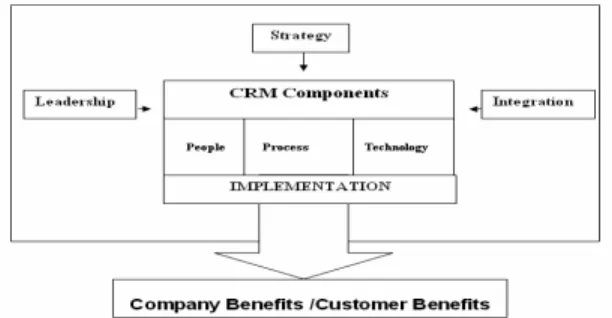
Figure 3: Components of CRM and implementation model ...15
Figure 4: Analytical CRM ...17
Figure 5: Integrated Customer data on a data Warehouse ...19
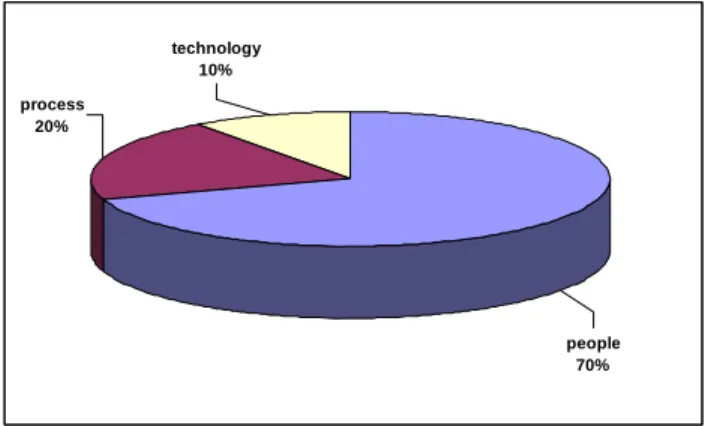
Figure 6: Developing the right mix of people, process, and technology ...23
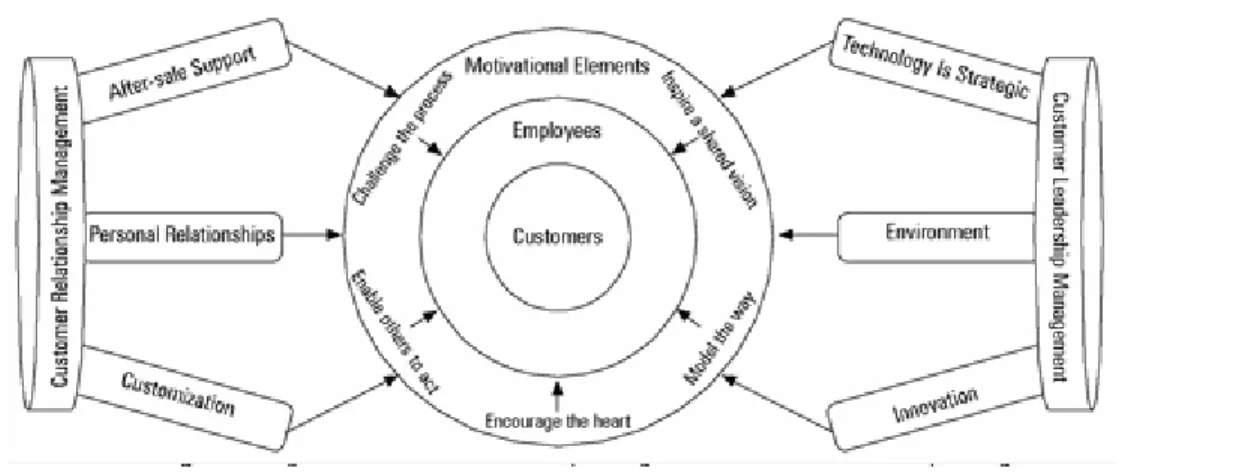
Figure 7: Integration of Customer relationship and customer leadership management...25
Figure 8: Motivation elements of the Integrated CRM-CRL model ...27
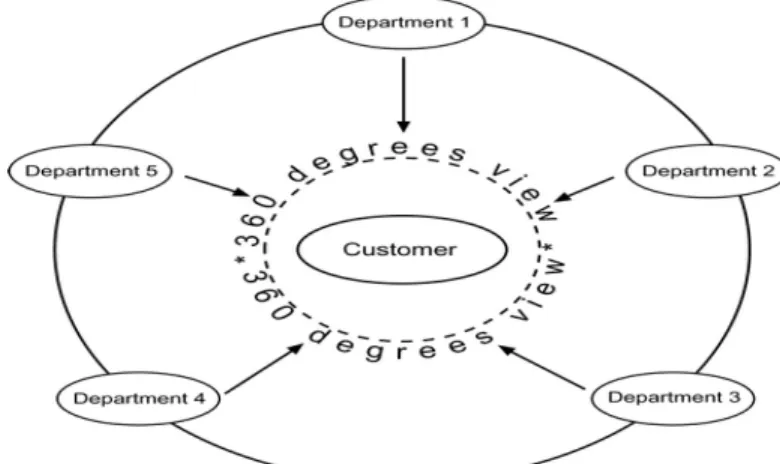
Figure 9: 360-degrees view of the customer ...30
Figure 10: Emerged Frame of reference for this study ...33
Figure 11: Relevant situations for different research strategies ...36
Figure 12: CRM components as assessed by Länsförsäkringar ...46
Figure 13: Organizational Chart HSB-Norr ...48
Figure 14: Organizational Chart HSB-Norr ...51
Figure 15: Developing the right mix of people, process, and technology ...55
Figure 16: CRM components as assessed by Länsförsäkringar ...55
Figure 17: Developing the right mix of people, process, and technology ...59
Figure 18: CRM components as assessed by HSB-Norr ...59
Figure 19: Comparison chart of values assessed to the CRM components...63
1. Introduction
In this first chapter, we set up the basis to our area of research. An introduction and general background are provided in order to describe the area in which the study is conducted and further on, justify the importance of the specific research that has been performed. Finally, the research problem will be clearly stated followed by the outline of the thesis.
As a result of globalisation of businesses and the evolving recognition of the importance of customer retention, market economies and customer relationship economics, there has been a change in mainstream marketing (Grönroos, 1997). Kevin and Yen (2003) explains that over the past few years, there has been a shift in relationship literature from focusing on the benefits of long-term relationship for companies to the benefits that accrue to customers. Because of this it is becoming evident that companies fundamentally have to change the way in which marketing is done i.e. a fundamental shift from managing a market, to managing a specific customer (Bose, 2002). Establishing relationship with a customer is to attract the customer and to build the relationship with the customer so that the economic goals of the relationships are maintained (Grönroos, 1997).
Kotler (2000) maintained that it has been the practise by firms to devote greater attention and marketing effort to attracting new customers rather than retaining existing ones. This is the base for relationship marketing (RM), which came as an answer to the transactional or traditional marketing approach. Transaction marketing used to emphasise the concepts of the 4Ps of marketing: product, price, place and promotion that focused only on attracting businesses, but not so much in retention (Gummesson, 1999). Chen and Popovich (2003) stated that it has been well acknowledged and recognised that retaining firm’s existing customers is more profitable that attracting new ones. As a result, relationship marketing was developed on the basis that customers vary in their needs, preferences, buying behaviour and price sensitivity. Bose (2002) added that firms in no distant future will be driven more and more by individual customer preferences.
Over time there has been a gradual move in marketing thought and practice from mass marketing – market segmentation – niche marketing – micro marketing – mass customization – personalization. The twenty first century marketing thought and effort is pushing for smaller and smaller groups of consumers as market targets. Increasing competitiveness in the international economy is forcing the organizations to place larger emphasis on building valuable customer relationships.
CRM builds on the philosophy of relationship marketing that aims to create, develop and enhance relationships with carefully targeted customers to maximize customer value, corporate profitability and thus shareholders value (Frow and Payne, 2004). The goal then is to improve the customer's experience of how they interact with the company, which hopefully, will turn into more satisfaction, which might lead to more loyalty, and finally, to and increase in profit. (Chou et al, 2002). Kotorov (2003), while referring to the roots
of CRM mentioned that in the past, many speculated whether CRM would turn out to be just another buzzword; one more term to add to the managerial dictionary that would soon fade away. Bull (2003) adds to this thought stating that it is no longer good enough just to say that you are customer focused, but it matters what you do. Customer relationship management (CRM) is of vital importance to organizations and it requires customer- centric business approach to support effective marketing, sales and service processes (Carolyn et al, 2003)
The service industry is growing and dominating world economy. According to UK office for national statistics, the service industry can be categorised into financial, transport, retail and personal service (Jick, 1999). According to Wallström (2002), the service sector comprises a wide range of companies including banks, insurance companies. She explains that the service sector employs more and more people, for example nine out of ten new jobs opportunities are created within the service sector in Sweden. Swedish Institute (2004) maintained that service sector accounted for 75 percent of all employees in 2003. Grönroos (1997) said there has been compelling interest in services in many parts of the world and in different functional areas.
Advances in information technology especially the rapid growth of the Internet usage, improved production capabilities, demanding customers and accelerated flow of capital across political boundaries create business opportunities and fuel competition as well (Rodie and Martin, 2001). According to them, the service sector is considered as one of the most challenging and competitive landscape, and like all businesses services firms face some degree of competition. The ability to view all customer interactions and information is essential to providing the high quality of services that today’s customers demand and service firms that want to be successful in the knowledge economy must implement a comprehensive CRM integrated solution that involves all departments, working as a team and sharing information to provide a single view of the customer (Yusuf, 2003)
1.1 Background
The goal of relational marketing is the focus on customer loyalty (Asuncion et al, 2002), and CRM is becoming the foundational cornerstone of profitable financial success (Galbreath and Rogers, 1999). Customer satisfaction, understood as the meeting of the customer’s expectation is related to delivering high customer value (Kotler, 2000). Customers who result of successful relationships have far more potential for loyalty as they are often prepared to pay a premium price for a range of reliable goods or services (Newell, 2000). Once these customers are recruited they are less likely to defect, provided they continue to receive quality service. Relationship Marketing emphasises that customer stickiness (retention) can substantially reduce marketing cost and contributes to firms’ profitability because it is always cheaper to retain a customer than to acquire a new one (Khalifa et al 2002).
Customer relationship management appeared as a new concept at the climax of the Internet boom (Kotorov, 2003). It changed both the CRM market and customer-related business requirements of all sizes of companies (Chou et al, 2002). During the early 90´s providers of CRM solutions were offering products that accentuated the automating and
standardizing of internal processes related to acquiring, servicing and keeping customers. Still, these solutions were very expensive and hard to maintain (Chou et al. 2002). The new CRM system means that the existing and potential customers are now able to interact and communicate with corporations.
Kotorov (2003) affirms that many management experts welcomed the concept of customer relationship management, and hurried its implementation in spite of the lack of a clear definition, vision and without an understanding of the extent and complexity of organizational restructuring required for a successful CRM implementation. This is also supported by Abbott (2001) when she mentions in her study that the majority of the companies were not ready to take advantage of the enormous amounts of data captured for CRM purposes. The increasing disappointing results of the applications of customer relationship management coincided with the technology melt down. Customer relationship management was not delivering the result that organisations expected. Sudhir (2004) estimates that CRM projects failing to achieve their objectives range anywhere from 60 percent to 80 percent. But, on the other hand, a handful of successful Customer relationship management projects were giving both a proof-of-concept and a guideline for a successful CRM implementation (Kotorov, 2003). Furthermore, the successful projects created enormous competitive advantage, making the implementation of Customer relationship management by rival companies an absolute survival necessity.
The Customer relationship management concept came also with a number of opportunities for applications and consulting. The demand for CRM-related services has exceeded available resources, according to NameProtect (2001). Information technology (IT) departments within the firms are often unable to provide and implement the demand. The gap between corporate needs and the limited available resources will keep impelling the great demand for CRM-oriented implementation and integration services to increase. They also affirm that the best word to describe CRM market is "profitable" and projected a market growth from $1.2 billion in 1997 to $11.5 billion in 2002.
According to Bellenger et al. (2004), the growing body of literature on CRM is somewhat inconsistent and highly fragmented. This is a result of the fact that a common conceptualisation of the phenomenon is lacking (Bull, 2003). Bellenger et al (2004) further noted that the ambiguity surrounding the nature of CRM has permeated the academic literature and due to that, has generated research streams that address CRM from seemingly incongruent perspective.
Many believes that through CRM, firms are able to understand customers from strategic perspective and as a result the CRM ultimately focuses on effectively turning customer information into intelligence to more efficiently manage customer relationships (Galbreath and Rogers, 1999). Another view is that it is technologically orientated. Sandoe et al.
(2001) argue that advances in database technologies such as data warehousing and data mining, are crucial to the functionality and effectiveness of CRM systems. Kotler (1997) assures that customer relationship management principally revolves around marketing and begins with a deep analysis of consumer behaviour. Bose (2002), states that CRM is an integration of technologies and business processes used to satisfy the needs of a customer during any given interaction. Chou et al (2002) also describe it as an information industry
term for methodologies, software, and usually Internet capabilities that help an enterprise manage customer relationships in an organized way.
This same fragmentation of opinions reflects when it comes to implementing Customer relationship management. Creating a CRM solution for most companies is generally a matter of complex integration of hardware, software and applications and it also requires a careful analysis of business processes. The implementation of CRM impacts on a number of functions within an organisation including sales, IT, operations, marketing and finance. Bradshaw and Brash (2001) asserted that implementing CRM is certain to involve the use of new technologies.Most companies are enthusiastic about implementing CRM, but the work involved to bring such a system to reality demands an enormous deal of varied knowledge, project management and a meticulous plan (Bose2002). Thus, CRM failure rate was estimated to be between 55 percent and 75 percent in 2001 (Kotorov, 2003). Up to this point, it has been suggested that people, process and technology are key concepts to consider for the implementation of CRM (Chen, Popovich. 2003). The study of what they imply and how they are being approached by different companies becomes relevant in order to increment success of CRM implementation in the future.
1.2 Research Problem
As mentioned, customer relationship marketing (CRM) has become a number one focus as today’s competitive markets were getting more saturated and aggressive. Now the marketing model is changing from the product-centred stage to the customer-centred stage. Customers are demanding a different relationship with suppliers than the traditional sales model (Chou et al, 2002). According to Hamel and Pralahad (1994), the objective is to amaze customers by anticipating and fulfilling their unarticulated needs. Bose (2002) explain that service firms especially financial organisations and telecommunication are regarded as companies that most likely to benefit from CRM implementation due to the fact that they collect and accumulate a lot data on each customer, adding that firms whose customers’ needs and product value are highly differentiated will have the most benefits. Advances in technology, especially the Internet have greatly enhanced the flow of dialogue, and the capture, interpretation and dissemination of information. (Frow and Payne 2004). The new technologies including the use of the World Wide Web have allowed companies to reach customers in previously inaccessible markets, and to compete efficiently with the traditional suppliers (De Kare-Silver, in Gurau 2003). On the other hand, the computer technology and the Internet applications have offered for the first time in marketing's history the possibility to collect, process, analyze, and efficiently use large volumes of data, and to adopt a personalized marketing approach for every customer (Rayport and Jaworski, 2001). According to Abbott (2001), the way customer knowledge is handled becomes more and more critical to businesses. But without the right implementation process, tools and systems accessing this data the efforts are largely wasted. Scott (in Abbot 2001) sustains that: “Knowledge in people's heads can be put to use; it is alive. Knowledge on disk is data. Data is by definition dead - an artifact".
As customers become more and more sophisticated and products more and more commoditized, service becomes dominant. Customer retention is critical and this requires loyalty which is brought about by great service, trust and, to different degrees, personalization (Abbott, 2001).
A whole new world of demands has risen and business rush into the implementation of the Customer relationship management. This comes as an answer to a most competitive environment, availability of new technologies and naked survival; therefore, the study of the elements that determine success becomes more relevant. Even though the level of satisfaction with CRM implementation has not shown the best results, companies keep investing enormous amounts of money in the hope that this will bring them a strategic advantage. This research will focus on the experience that service companies have had so
far. The research problem can then be stated as follows:
To Gain a better understanding of CRM (i.e. Customer Relationship Management in Service Companies
1.3 Outline of the Thesis
This part will give a description in summary form of the main content and how the thesis is organised and structured. The thesis has been divided into seven chapters and this can be represented in figure one as shown below.
Chapter One
Introduction, Background and Problem Area
Chapter Three
Research Problem, Research Questions and Frame of Reference
Chapter Four
Methodology
Chapter Five
Empirical data Presentation
Chapter Six
Data analysis
Chapter Seven
Findings, Conclusions and Implications
Chapter Two
Literature Review
Figure 1: Outline of the thesis
In chapter one of this thesis, an introduction and background of relationship marketing, service firms and Customer relationship management is presented. This forms the foundation for the development of the research area and the remaining chapters. In chapter two, the overview of previous studies in the area is presented. The chapter is divided into four main parts-customer relationship management, benefits of CRM, components of CRM and key factors of CRM implementation. Chapter three presents the problem discussion which is based on the chapter one and two, arriving at the research problem and the formulation of three research questions for the thesis. The frame of
reference which shows the conceptualization of the various variables and which also forms the basis for answering the three research questions is presented in this chapter. Chapter four highlights a description of the methodology which has been used to conduct this study. Chapter five looks at the empirical data collected from the two service companies for this study. In the sixth Chapter the empirical data will be analyzed with theory to discern commonalities and differences both within-case and across-case. In chapter seven which is the final chapter, the result of the research will be made and presented by answering the research questions posed in chapter three. Also, findings and conclusions will be clearly stated and finally implication for practitioners/management, theory and future research will be presented in this chapter.
2. Literature Review
The previous chapter provided the background and the problem discussion of the area of this study and the research problem: To gain a better understanding of CRM (i.e. Customer Relationship Management) implementation in service companies. We now present the theoretical review chapter, which sole aim is to provide relevant literature in the field of our study.
2.1 Customer Relationship Management (CRM)
Customer Relationship Management (CRM) has become one of the most dynamic technology topics of the new millennium. According to Chen and Popovich (2003), CRM is not a concept that is really new but rather due to current development and advances in information and enterprise software technology, it has assumed practical importance. The root of CRM is relationship marketing, which has the objective of improving the long term profitability of customers by moving away from product-centric marketing. Bose (2002) noted that CRM was invented because customers differ in their preferences and purchasing habits. If all customers were alike, there will be little need for CRM. As a result, understanding customer drivers and customer profitability, firms can better tailor their offerings to maximise the overall value of their customer portfolio (Chen and Popovich, 2003). The attention CRM is currently receiving across businesses is due to the fact that the marketing environment of today is highly saturated and more competitive (Chou et al, 2002)
According to Greenberg (2004), CRM generally is an enterprise-focused endeavour encompassing all departments in a business. He further explains that, in addition to customer service, CRM would also include, manufacturing, product testing, assembling as well as purchasing, billing, human resource, marketing, sales and engineering. Chen and Popovich (2003) argued that CRM is a complicated application which mines customer data, which has been retrieved from all the touch points of the customer, which then creates and enable the organisation to have complete view of customers. The result is that firms are able to uncover and determine the right type of customers and predicting the trend of their future purchases. CRM is also defined as an all-embracing approach that seamlessly integrates sales, customer service, marketing, field support and other functions
that touch customers (Chou et al, 2002). They further stated that CRM is a notion regarding how an organisation can keep their most profitable customers and at the same time reduce cost, increase in values of interaction which then leads to high profits.
The modern customer relationship management concept was shaped and influenced by the theories of total quality management (Gummesson, 1997) and by new technological paradigms (Zineldin, 2000). There is however, a perceived lack of clarity in the definition of customer relationship management, although all accepted definitions are sharing approximately the same basic concepts: customer relationships, customer management, marketing strategy, customer retention, personalisation (Zineldin 2000).
However, while academics debate the subtitles of various definitions, the practitioners have developed a wealth of applicative papers analysing the concrete challenges and opportunities of implementing the systems (Bacuvier et al. 2001).
CRM, in some firms, is considered as a technology solution, consisting of individual databases and sales force automation tools and sales and marketing functions so as to improve targeting effort. Peppers and Rogers (1999) argued that other organisations view CRM as a tool, which has been particularly designed for one-to-one customer communications, which is the function of sales, call centres or the marketing departments. Accordingly, Frow and Payne (2004) added that CRM stresses two-way communication from the supplier to customer and from the customer to the supplier to build the customer over time. The two-way communication has been enhanced greatly by advances in technology particularly the Internet.
In term of information technology (IT), CRM means an enterprise-wide integration of technologies working together such as data warehouse, web site, intranet/extranet, phone support system, accounting, sales, marketing and production. Kotler (2000) assured that CRM uses IT to gather data, which can then be used to develop information acquired to create a more personal interaction with the customer. In the long-term, it produces a method of continuous analysis and refinement in order to enhance customer’s lifetime value with the firms
Goldenberg (2000) believes that CRM is not merely technology applications for marketing, sales and services but rather when it is successfully implemented; it enables firms to have cross-functional, customer-driven, technology-integrated business process management strategy that maximises relationships. Chin et al (2003) stated that due to many technological solutions available for CRM automation, it is often misconstrued as a piece of technology. But they maintained that in recent times many companies have realised the strategic importance of CRM, and as a result, it is becoming a business value-effort rather than technology-centric value-effort.
Using information technology as an enabler, CRM strategy leverages key functional areas to maximise profitability of customer interactions (Chen and Popovich, 2003). It has been recognised that technological advancements and innovations, keen competitive marketing environment, coupled with the Internet are the main drivers that promote one-to-one initiative. Through CRM, firms are able to understand the drivers of present and future customer profitability which makes it possible to appropriately and proportionately
allocate firm’s resources to all functional areas that affect customer relationship (Chou et al, 2003).
For customers, CRM offers customisation, simplicity and convenience for completing transactions irrespective of the kind of channel of interaction used (Gulati and Garino, 2000). Many businesses today realise the importance of CRM and its potential to help them achieve and sustain a competitive edge (Peppard, 2000). This view was further boosted by Bose (2002) that as a result of changing nature of the global environment and competition, firms cannot compete favourably with only minor advantages and tricks that can easily be copied by competing firms. The implementation of CRM is an enabled opportunity to rise above minor advantages with a real focus on developing actual relationships with customers. Firms that are most successful at delivering what each customer want are the most likely to be the leaders of the future.
2.2 Benefits of CRM
According to Chen and Popovich (2003), CRM applications have the ability to deliver repositories of customer data at a much smaller cost than old network technologies. Throughout an organisation, CRM systems can accumulate, store, maintain, and distribute customer knowledge. Peppard (2000) noted that effective management of information has a very important role in CRM because it can be used to for product tailoring, service innovation; consolidate views of customers, and for calculating customer lifetime value. CRM systems assists companies evaluate customer loyalty and profitability based on repeat purchases, the amount spent, and longevity. Bull (2003) added CRM makes it practicable for companies to find unprofitable customers that other companies have abandoned or jettisoned. This position is supported by Galbreath and Rogers (1999) that CRM helps a business organisation to fully understand which customers are worthwhile to acquire, which to keep, which have untapped potential, which are strategic, which are important, profitable and which should be jettisoned.
Greenberg (2004) emphasised that CRM can increase the true economic worth of a business by improving the total lifetime value of customer, adding that successful CRM strategies encourage customers to buy more products, stay loyal for longer periods and communicate effectively with a company. CRM can also ensure customer satisfaction through the allocation, scheduling and dispatching the right people, with the right parts, at the right time (Chou et al., 2002)
According to Swift (2001), companies can gain many benefits from CRM implementation. He states that the benefits are commonly found in one of these areas:
1. Lower cost of recruiting Customers: The cost of recruiting or obtaining customers will decrease since there are savings to be made on marketing, mailing, contact, follow-up, fulfillment services and so on.
2. No need to acquire so many customers to preserve a steady volume of business: The number of long-term customers will increase and consequently the need for recruiting many new customers will decrease.
3. Reduced cost of sales: The costs regarding selling are reduced owing to existing customers are usually more responsive. In addition, with better knowledge of channels and distributions the relationship become more effective, as well as that cost for marketing campaign is reduced.
4. Higher Customer Profitability: The customer profitability will get higher since the customer wallet-share increases, there are increases in up-selling, cross-selling and follow-up sales, and more referrals come with higher customer satisfaction among existing customers.
5. Increased Customer retention and loyalty: The customer retention increases since customers stay longer, buy more and buy more frequently. The customer does also often take initiatives which increase the bounding relationship, and as a result the customer loyalty increases as well.
6. Evaluation of customers Profitability: A firm will get to know which customers are profitable, the one who never might become profitable, and which ones that might be profitable in the future. This is very important since the key to success in any business is to focus on acquiring customers who generate profit and once a firm has found them, never let them go (ibid)
Curry and Kkolou (2004) refer to the major benefits and reasons for adoption of CRM which include: customers from the competition will come to prefer your organization; a simplified, customer-focused internal organization will simplify the infrastructure, shrinking the workflow and eliminating non-productive information flow; and profits will increase from more/more satisfied customers and a more compact, focused company. There are companies that adopt CRM systems just because it is the most advanced technology and they think they have to have it since their competitors have it (Chou et al, 2002). Some statistics that motivate this behavior are resumed as follows:
• By Pareto’s principle, it is assumed that 20% of a company’s customers generate 80% of its profits
• In industrial sales, it takes an average of 8 to 10 physical calls in person to sell to a new customer, 2 to 3 calls to sell to an existing customer
• It is 5 to 10 times more expensive to acquire a new customer than obtain repeat business from existing customer. For example, according to Boston Consulting Group (Hildebrand, 2000), the cost to market to existing web customer is $6.80 compared to $34 to acquire a new web customer
• A typical dissatisfied customer tells 8 to 10 people about his or her experience Source (Paul Gray and Jongbok Byun, centre for research on information technology and organization, University of California, March 2001)
Getting to "know" each customer through data mining techniques and a customer-centric business strategy helps the organization to proactively and consistently offer (and sell) more products and services for improved customer retention and loyalty over longer periods of time. Peppers and Rogers (1999) refer to this as maximizing "lifetime customer share", resulting in customer retention and customer profitability.
2.2.1 Customer Value
Real customer relationships, those that result in the customer feeling a genuine sense of loyalty to the firm, are predicated on a series of satisfying experiences with the company. Relationships are not developed overnight. Until the customer senses some attachment to the company, then no relationship can be said to exist. What, then, drives customer satisfaction? Surely it is the ongoing creation of value in the mind of the customer. (Bristol Group, 2004).
Woodruff (in Chi et al. 2004) defined customer value as a customer-perceived preference for, and evaluation of, product attributes, attribute performances, and consequences in terms of the customer's goals and purposes. According to Chi et al, there have been limited studies to examine the differential effects of individual dimensions of customer value on the specific dimensions of CRM performance. They argued that investigating key dimensions of customer value and their effects is very critical and important since the delivery of superior customer value can involve significant costs for firms. Also firms even though they recognize the fact that superior customer value can lead to higher profits, they may be a bit skeptical since it can lead to profit reduction.
Delivering superior customer value has become an ongoing concern in building and sustaining competitive advantage by driving customer relationship management (CRM) performance. Driven by demanding customers, keen competition, and rapid technological change, many firms have sought to deliver superior customer value, and base on this the role of the customer has changed from that of a mere consumer to a multi-faceted role as consumer, co-operator, co-producer, co-creator of value, and co-developer of knowledge and competencies, which implies a much more important position of the customer than ever hence, firms are seeking to retain existing customers and attract new customers by targeted value creation activities. (Chi et al, 2004)
Ryals (2001) affirms that CRM creates value for the customer. The customer benefits from product and/or service offers which are targeted to meet individual needs and from improvements in customer service. There are a number of ways in which customer service can be improved through CRM. This includes reliability, security, efficiency, and communication as well as quality control and service monitoring. CRM systems also act as an ‘organizational memory’ about the customer. This can benefit the customer by reducing the amount of repetitive form-filling that the customer has to do. Customer preferences can also be kept on record, making placing an order quicker and easier for the customer. The use of CRM to provide added value to customers can be directly linked to improved profitability and value-based marketing for the company
Apart from the value CRM creates for the customer, it can also bring operational benefits and boost company performance; this, in turn, can increase customer satisfaction and long-term success through longer and closer relationships. In addition, customer data analysis enables organizations to identify the customers it does not want to have. On an average, 90% of bank clients, for example, are loss-making. Companies have known for a long time that customer profitability varies and that not all customers are equally desirable.
However, it is only with the advent of powerful systems that they are able to quantify and track customer profitability, and forecast customer lifetime value at the level of the individual customer. Previously, companies could only say that customers of a certain type
were likely to be more commercially attractive; now they can pinpoint the individuals who are the most attractive customers. These are the customers with whom it is vital to retain long-term relationships. One American retail bank carried out a customer profiling and targeting exercise using data mining techniques. The impact on direct mail campaigns was dramatic. Campaign costs fell by one third and response rates doubled the number of new accounts increased by 33% and the profitability of these new accounts by the same amount. Defection rates fell by 5% and the lifetime value of these new customers grew by an estimated 20%. By combining an understanding of customer purchasing drivers and customer profitability, companies can tailor their offerings to maximize the overall value of their customer portfolio (www.cranfield.ac.uk, 2004)
Types of Customer Value
It is suggested that it is impossible to create sustained value for a firm’s shareholders unless value is being created for its customers. In fact, they suggest, service has been enhanced because, through the use of technology, the customer can now deal with the firm in a much more convenient way. Access is available through several channels and is guaranteed 24 hours a day, seven days a week. (Bristol Group, 2004) This then raises a fundamental question about the type of value companies should create for their customer. For example, Kotler (1997) argued that customer value can be understood in terms of product value, service value, employee value, and image value. However, this approach is largely derived from the standpoint of a firm not that of customers, or at least not totally customer based.
The broad theoretical framework developed by Sheth et al. in Chi et al 2004) was
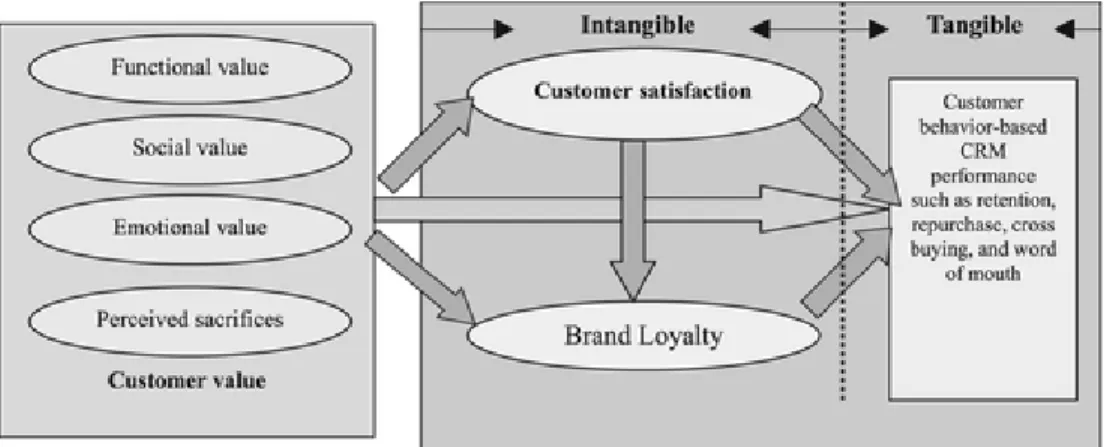
somewhat different in that they suggested five dimensions of value from the customer's perspective (social, emotional, functional, epistemic, and conditional) as providing the best foundation for extending the value construct. However, it is worth noting that not all these dimensions have equal significance at any time, although they are related in some sense. As a result present study, therefore, posits that customer value can be better understood in terms of four key dimensions, each of which may play a different role in the customer perception process and thus contribute differently to the performance of CRM. The next figure illustrates the types of value that a customer can experience.
Figure 2: The integrated framework for customer value and CRM performance (Chi et al, 2004. p117)
Functional value refers to the utility derived from the perceived quality and expected performance of the product or service, and perceived sacrifice refers to the loss derived from the product or service due to the increment of its perceived short-term and long-term costs. Functional value pertaining to the customer’s acquisition and use of the product is generated by price, convenience, access or technology. Unfortunately, competitors can most easily duplicate functional value (Bristol Group, 2004). Customers are becoming more value-oriented and are not simply influenced by high quality or lower price and value for money represents, therefore, the simplest and most easily copied form of functional value. Thus, creating functional value offers a fleeting competitive advantage. (Bristol Group, 2004).
Social value refers to the social utility derived from the product or service. Emotional value
refers to the utility derived from the affective states that a product or service generates. Barnes (2004) has noted that emotional value is much more lasting form of value which elicits an emotional response from customers. It is less easily duplicated by the competition and generally contributes to less emphasis on price. When a firm employs qualified, friendly, helpful employees value is created every time a customer is made to feel welcome, important and valued. The creation of such emotional value for customers is fundamentally different from the creation of functional value through price reductions, increased convenience and technology. Both forms of value are important. However, genuine customer relationships cannot be formed on the basis of functional value alone. Customer relationships require an emotional connection with the firm if they are to thrive. The emotional value is the more lasting, yet the more difficult to create. A reliance on technology alone will not do it. (Barnes, 2004)
2.2.2 Customer Satisfaction
Kotler (2000) defined satisfaction as a person’s feelings of pleasure or disappointment resulting from comparing a product’s perceived performance (or outcome) in relation to his or her expectations. When customers become satisfied about the value that is offered and sometimes his or her expectation is met and exceeded, can generate many benefits for a firm (Bateson and Hoffman, 2002). According to them, positive word-of-mouth coming from existing and satisfied customers sometimes can translate into more new customers coming to the firm. Also, satisfied current customers often buy more products more frequently and are less likely to defect to competitors than are dissatisfied customers. According to Bateson and Hoffman (2002) firms that have high degree of customer satisfaction, also seem to have the capacity to shield off competition particularly price competition.
Kotler (2000) pointed out that it is important to measure customer satisfaction regularly through survey to determine customers’ level of satisfaction. He said this is because firms may think that they are getting a sense of customer satisfaction through customer complaints. However, in reality, 95 percent of dissatisfied customers do not make any complain and they just leave. As a result it is important for firms to make it easy for the customer to complain. Dissatisfied customers who usually complain, about 54 to 70 percent will continue to do business again with the organisation if their complaints are
taken care off and resolved and may even be 95 percent if the complain receive quick response and action. (Kotler, 2000)
2.2.3 Customer Retention and Loyalty
Bateson and Hoffman (2002) define customer retention as focusing a firm’s marketing efforts towards the existing customer base. This explains the view that instead of trying to acquire new customers, firms engulfed in customer retention efforts must make sure that existing customers are satisfied so as to create and maintain long-term relationships. Lovelock et al (1999) said in business context, loyalty is used to describe the willingness of a customer to continue patronising a firm’s goods and services over a long period of time and on a repeated and preferably exclusive basis, and voluntarily recommending the firm’s products to friends and associates. In their view, customers will continue to be loyal to a particular firm if they feel and realise that better value is being offered.
Kotler (2000) assured the most important consideration to attain high customer loyalty is for firms to deliver high customer value. He continued to stress that it has been the practice by firms to devote much attention and effort to attracting new customers rather than retaining existing ones, adding that traditionally firms emphasise more on making sales rather building relationships, on preselling and selling rather than caring for the customer afterwards.
Kotler (2000) states the critical factor to attaining customer loyalty is customer satisfaction because a customer who is highly satisfied will exhibit the following characteristics:
1. stays loyal longer
2. buys more as the company introduces new products and upgrades existing ones 3. talks favourably about the company and its products
4. pay less attention to competing brands and advertising, and is less sensitive to price 5. cost less to serve than new customers because transactions are routinized.
Bateson and Hoffman (2002) noted that firms must put in place effective tactics for retaining customers and subsequently making them loyal. They mentioned tactics such as maintenance of proper perspective, remembering customers between calls, building trusting relationships, monitoring the service delivery process, responding swiftly to customers in need and provision of discretionary effort. According to them despite that every customer is important, firms must not retain certain customers if they are no longer profitable, abusive to the extent of lowering the morale of employees, reputation is so bad that it tarnishes the image and reputation of the company should the firm associates itself with that customer.
2.3 Components of CRM
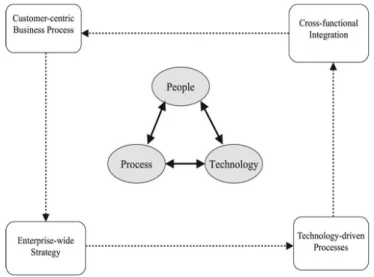
To be able to satisfy and even exceed customers’ expectation requires 360 degrees view of the customer. This calls for CRM implementation model that integrate the key dimensions of people, process, and technology within the context of an enterprise-wide
customer-driven, technology-integrated, cross-functional organization. Each component presents significant challenges, but it is the ability to integrate all three that makes or breaks a CRM system. (Goldenberg, 2002). See figure 3.
Figure 3: Components of CRM and implementation model (Chen and Popovich 2003, p. 676) 2.3.1 Technology
Davenport and Short (1990) stated that information technology (IT) for a very long period of time been seen and recognised as an enabler to make firms radically re-engine their business process if they want to achieve dramatic efficiency and improvement in performance. CRM, to many is synonymous to information technology and in most cases the core of it.
The push towards better CRM technologies is a natural result of the search for businesses for greater productivity and efficiency in customer-facing operations like sales, marketing, customer service and support (Greenberg, 2004). The rapid rate at which CRM technologies are evolving gives businesses many tools which can enable them to enhance customer relationships. According to Trepper (2000) CRM technologies are designed to automate sales and service functions, aggregate customer information into data warehouses and data marts, and manage collaborations with customers through an expanding number of interaction points.
Hammer and Champy (in Chen and Popovich 2003) emphasised that information technology assists and supports business process re-engineering , thus facilitating work practice changes and adopting innovative ways that link a company with its customers, suppliers and other stakeholders. Chen and Popovich (2003) argued that CRM application is capable of leveraging innovations in technology to gather and analyse customer data patterns, interprets customer behaviour, develop predictive models, respond with timely and effective customised communications, and deliver product and service value to every individual customer.
Peppard (2000) suggest that technological advances in global networks, convergence and improved interactivity, are key and critical to e-business and CRM growth. The core functionality of a CRM product is its ability to maintain a single, cohesion view of the customer for the customer-facing functions of sales, services and marketing (Trepper 2000). This view is shared by Eckerson and Watson (in Chen and Popovich 2003) that the use of technology can make companies enhance and optimise their interaction with customers by creating an integral view of customers to learn from their past interactions to optimise future ones.
It is also important to note that technology does play a significant role in CRM efforts, by, among other things, seamlessly linking front (e.g. sales) and back office (e.g. logistics) functions to provide for the efficient and effective management of interactions across different customer touch-points (e.g. Internet, direct mail, sales call etc.) Chen & Popovich (2003). CRM technology enables firms to harness the power of database, data mining and interactive (e.g. Internet) technologies to collect and store unprecedented amount of customer data, build knowledge from the data, and disseminate the resulting knowledge across the organization (Bose, 2002). Thus, it seems that both over and underestimating the role that technology plays in CRM initiatives can have detrimental effects on firms’ relationship management efforts.
From a customer's perspective, effectively identified and implemented technology can help companies directly match customer desire for customization in the products and services they seek and provide personalized after-sale service and support based on customer profile data. From a business standpoint, technology can help identify the most valuable customer relationships and equip employees with abundant and relevant information about those customers in order to provide more effective sales and service. In effect, CRM technology can integrate the enterprise, fostering an environment of shared customer knowledge and focusing the right employees on serving the right customers. (Galbreath; Rogers, 1999) 2.3.1.1 Functional categories of CRM Technology
CRM technology has been categorised into three distinct areas. The categorisation is meant to help better understand how a CRM strategy and technology can provide such all-inclusive architecture that is focused on serving the customer. (Reynolds, 2002).
Collaborative CRM
Reynolds (2002) describes collaborative CRM as the interfaces such as e-mail, conferencing, chat, real-time applications, which facilitate the interaction between a company and its customers, as well as within the business itself when dealing with customer information. Collaborative CRM stresses two-way communication instead of one-way communication.
Operational CRM
This, also known as “front-office” CRM, involves the areas where direct customer contact occurs. (Kahlifa, 2004). The automation of integrated business process that
involves front-office customer touch points such as sales, marketing and customer service through many interconnected channels of delivery, including the integration between front and back office, as well as order management, customer service, marketing automation, sales-force automation and field service. (Trepper 2000). A typical example is when sales is automatically pulls data out of inventory systems or customer services automatically calls up a customer’s billing records. (Reynolds, 2002)
Analytical CRM
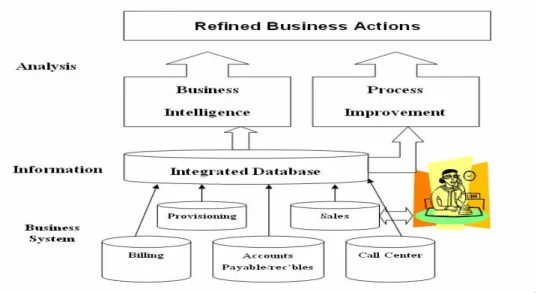
It is also known as “back-office” or “strategic” CRM and involves understanding the customer activities that take place in the front office (Kahlifa, 2004). It usually involves analysis, modelling and evaluating data in a data warehouse or various data storehouse to create a mutually beneficial relationship between a company and its customers (Reynolds, 2002). Greenberg (2004) states that analytical CRM is the capture, storage, extraction, processing, interpretation and reporting of customer data to a user. Analytical CRM enables businesses to target high-value customers and put together marketing campaign that are totally relevant to these people in terms of cross selling, product development or addition of services.Data is often stored in a data warehouse, which can be described as a large repository of corporate data (Dyche, 2002), which then give the company information that allow them to provide value to their customer. Hence, it is crucial to capture the right data, a process that must be done with great customer care and understanding (Newell, 2000).
The figure below shows an example of this.
Figure 4: Analytical CRM (Khalifa, M., 2004, Doctoral CRM course material, Luleå University of Technology)
Collaborative CRM
Collaborative CRM involves any CRM function that provides a point of interaction between the customer and suppliers. It focuses on facilitating interactions between customers and the companies (Trepper, 2000). Reynolds (2002) describes collaborative
CRM as the interfaces such as e-mail, conferencing, chat, real-time applications, which facilitate the interaction between a company and its customers, as well as within the business itself when dealing with customer information. Collaborative CRM stresses two-way communication instead of one-two-way communication. For example, technologies like the electronic communication is used to facilitate relevant, timely and personalized interaction with the customer (Greenberg, 2001)
2.3.2 CRM infrastructure
The technical infrastructure of CRM must integrate the customer information that flows through diverse departmental touch points and customer channels. The CRM technology must provide a way to process this sea of information so that becomes available when and where it is required. Through CRM technology the customer experience will be identical no matter what channel is used. (Reynolds, 2002).
Data Warehouse technology
Chen and Popovich (2003) defined data warehouse as an information technology management tool that gives decision makers of an organisation instant access to information by collecting “islands of customer data” throughout the enterprise by combining all databases and operational systems such as sales and transaction processing systems, financial, human resources, inventory, purchase, and marketing systems. According to Greenberg (2004) data warehouse is interpreted to mean an enterprise-wide, cross-functional repository of data which is organised around subjects that have been collected many sources and merged centrally into a coherent body over time. Eckerson and Watson (in Chen and Popovich 2003) further explained that data warehouses extract, clean, transform and manage a huge amount of data from different systems, which allows it to create a historical record of all its customer interactions.
To be able to have a total customer view as in the words of Dyche (2000) “a single version of truth”, all data must be stored in a centralised cross-functional data where both current and past information moves in and out. The sources for data warehouse can be those from within the company itself, customers and other third party. Data warehouse, which makes it possible for companies to be able to extract knowledge about customers in a constant manner, reduces the need for traditional marketing research tools such as customer survey and focus groups (Chen and Popovich, 2003).
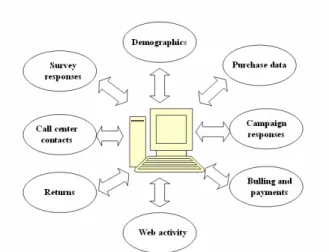
In CRM, data warehouse is considered an important aspect because of its ability to transform consolidated customer data into customer intelligence which then provides a basis of understanding the behaviour of the customer so that the right decision on how to service the customer is made (Chen and Popovich, 2003). Dyche (2002) pointed out that if the data is not fully integrated the view of the customer relationships is based on a fraction of the customer’s real interactions with the company, which then leads to false and unholistic view of the customer. Examples of customer data can be said to include all sales, promotions and customer service activities, information relating to billing and account status, customer interactions, back orders, product shipment, product returns, claims history, and internal operating cost, coupled with transaction details can enhance
the understanding of customers and their purchasing patterns. The application of data warehouse according to Chen and Popovich (2003) can provide the following benefits to an organisation:
1. accurate and more rapidly access to information to facilitate responses to questions from customers
2. quality of data and filtering to eliminate bad and duplicate data and
3. customer profitability analysis, customer profiling and retention modelling is enhanced and facilitated because data is extracted, manipulated and drill down quickly.
Figure 5 depicts a typical data Warehouse fully integrated
Figure 5: Integrated Customer data on a data Warehouse (Khalifa, M., 2004, Doctoral CRM course material, Luleå University of Technology)
Enterprise Resource Planning (ERP)
Enterprise resource planning, according to Sharp et al (2004) is a business management system that comprises integrated sets of comprehensive software. Chen (2001) explains ERP as a system highly integrated with back-office function. According to Chen, ERP links all areas of a firm’s operation such as manufacturing distribution, order management, human resources and financial systems with external customers and suppliers which then becomes a highly integrated system available to all.
Chen and Popovich (2003) noted that ERP is not the same as CRM and there are some differences between them. While ERP can be described as integrated back-office functions, CRM combines both front and back office functions so as to maintain relationships and build loyal customers. Also, ERP integrates all functional areas of a firm with its suppliers and customers but CRM improves front office applications and customer touch points so that customer satisfaction and profitability can be optimised. Further, ERP systems address fragmented information systems while CRM addresses fragmented customer data.
Sharp et al (2004) added that when ERP is implemented successfully, it could be used to manage and integrate all the business functions within an organisation. ERP has the ability to facilitate the flows of information between all supply chain processes both internal and external in an organisation. The further stated that ERP allows companies to have full integration of the various departments and it has been described as the information infrastructure that can perform almost everything from entry to sales to orders to customers.
Internet Technology
Kotler (2000) says the Internet is a network that connects users to an amazingly large “information highway” and in recent times business transactions over the internet are at a much higher volume. Kotler noted that there is considerable growth in the amount of Internet financial transaction in the areas of insurance sales, home banking, stock trading, but stress that though the Internet population is growing, the cyberspace population is gradually becoming more mainstream and diverse.
Internet technologies are making sweeping changes in the software industry and almost every class of software application is incorporating Internet functionality as a core feature and this is also true in CRM applications. Companies are using Internet technologies to build a stronger relationship with their customers by improving customer service, increasing sales efficiency cycle and the development of more effective marketing programmes (Chou et al, 2002). In this regard, they again stated that CRM provides a new opportunity for Internet service firms, and as such Internet service firms are coming out with strategic initiatives to offer their clients CRM solution.
Gilbert et al (2003) postulated that the Internet is experiencing a striking evolvement and provides the underpinning for electronic mail, the World Wide Web (WWW) and electronic commerce. They further argued that the Internet has been propagated as a near-perfect market, which provides an unparallel transparency beyond the capabilities of conventional media. This perspective was further boosted by Mols (2000) that the application of the Internet has led to the belief that it will have weighty impact on the way service firms such as insurance companies, law firms, distributors and financial service firms will do business in the future. Mols added that the Internet is believed to change the way and manner firms interact with their customers and thus the way they initiate, develop and terminate relationships with them.
Kotler (2000) mentioned that the Internet has potential benefits like buyers’ convenience, information and few hassles, lower cost to marketers, relationship building tool that can accrue to both the firm and the customer. In the view of Mols (2000), the Internet has made the market become more transparent, leading to increased price competition in business that offers easily comparable services and which are unable to build significant switching barriers or close relationships with customers. Advances in Internet technologies have greatly enhanced the flow of dialogue, and the capture, interpretation and dissemination of information. Internet technologies enable the development and
management of more complex multiple channels and cross-channel relationship. (Frow and Payne).
2.3.2 Business process
A business process refers to a collection of tasks or activities that together result in a desired business outcome (Hammer, 1996). It could also mean a business process refers to a group of activities that convert organizational inputs (e.g. human resources) into desired outputs. The process component of CRM is the most delicate because inappropriate automation of the CRM business process will only speed up the errant process. While most companies do have customer-facing business processes in place (i.e., processes that directly interface with the customer during the purchase, payment, and usage of the company's products and services), many times these business processes need to be updated or even replaced. (Goldenberg, 2002)
Processes are often difficult to implement and manage formally in an environment with many sales and marketing people. But clearly, consistent processes are essential to all areas of customer relationship management and despite the technological perspectives discussed in the previous section; the philosophical bases of CRM are relationship marketing, customer profitability, lifetime value, retention and satisfaction created through business process management. (Chen and Popovich, 2003). According to them CRM is a continuous effort that requires redesigning core business processes starting from the customer perspective and involving customer feedback.
In fact, companies have been repeatedly warned that failure is eminent if they believe that CRM is only a technology solution (Goldenberg, 2000). To realize effective process change, a company needs first to examine how well existing customer-facing business processes are working. Then the company needs to redesign or replace broken or non-optimal process with ones that have been created and/or agreed upon internally (Goldenberg, 2002). Also, processes need to be constantly reviewed for acceptability from both customers’ point of view and organization’s perspective. Optimizing customer relationships requires a complete understanding of all customers; profitable as well as non-profitable, and then to organize business processes to treat customers individually based on their needs and their values (Renner in Chen and Popovich 2003).
Companies pursuing a CRM initiative often make the dangerous mistake of trying to correct their own customer-facing process deficiencies. The do this, not by agreeing internally on how users would like a process to be done, but rather by purchasing CRM software that contains one or more business processes that have been pre-built by the CRM vendor. By doing this, they force the "not-built-here" process upon system users. (Goldenberg, 2002).
2.3.3 People
While both technology and business processes are both critical to successful CRM initiatives, it is the individual employees who are the building blocks of customer
relationships. (Chen and Popovich, 2003). The people component is the most difficult component given the sensitivity of users to change. CRM systems, which support and/or automate integrated customer processes, often, imply changes in the way users do their day-to-day jobs. Users who have not properly understood the reasons for the change, who do not participate in formulation of the change, who do not receive sufficient information about the change, or who do not get sufficiently trained on the change will often be adverse to that change. The story of "the rotten apple spoiling the lot" is relevant here since negative feedback can substantially harm a CRM system's success (Goldenberg, 2002). An organisation’s customer management, people need to be recruited, managed, developed and motivated within a supporting structure. Commitment from top level management is a requirement and crucial to the success of CRM. As a result customer-centric management requires top management support and commitment to CRM throughout the entire CRM implementation (Chen and Popovich 2003)
CRM projects require full-time attention of the implementation project team with representatives from sales, marketing, manufacturing, customer services, information technology, etc. (Chen and Popovich 2003). In addition, project teams require not only sponsorship by top management but also a project champion that can persuade top management for continuous change efforts (Al-Mashari and Zairi, 1999). In general, project teams assist companies to integrate their core business processes, combine related activities, and eliminate the ones that don't add value to customers.
CRM initiatives require vision and each and every employee must understand the purpose and changes that CRM will bring. Re-engineering a customer-centric business model requires cultural change and the participation of all employees within the organization. Some employees may opt to leave; others will have positions eliminated in the new business model. Successful implementation of CRM means that some jobs will be significantly changed. Management must show its commitment to an ongoing company-wide education and training program. In addition to enhancing employee skills and knowledge, education boosts motivation and commitment of employee and reduces employee resistance. Additionally, management must ensure that job evaluations, compensation programs, and reward systems are modified on a basis that facilitate and reward customer orientation. After all, how people are measured will determine their behavior. (Chen and Popovich, 2003).
By rethinking the quality and effectiveness of customer-related processes, many organizations began to eliminate unnecessary activities, improve outdated processes, and redesign activities that had failed to deliver the desired outcomes. Then, by re-creating the process through an understanding of the capabilities of the technology, the outcomes were more predictable and the promises for a meaningful ROI more substantial and realistic. The metrics for success became the improved effectiveness in serving the customer (www.darwinmag.com).
2.3.4 The Right Mix of CRM Components
Figure 6 shows the right mix of CRM components according to Limayem (2004). This mix represents the effort in term of resources required for CRM implementation.