Directed by Dr. Pamela Williamson. 189 pp.
There are severe gaps in reading achievement among students based on ability, race, and income levels. As a result, many high school students with reading difficulties, particularly those who are minorities and living in poverty, are not able to read with the same level of skill as their peers, which can affect their chances of success later in life. Flow theory may offer guidance regarding how to engage and motivate these students in school, particularly when it comes to reading. When individuals have a flow experience, Csikszentmihalyi suggests that intrinsic motivation to participate in that activity will increase and more participation may translate to improved performance. In this mixed methods case study, participants included a language arts teacher and 22 10th-grade students attending language arts classes at a Title I public charter school. A reading assessment was administered along with surveys measuring self-efficacy, motivation, and flow. On three occasions, students’ flow scores were evaluated and compared. Data were analyzed using descriptive and inferential statistics, including hierarchical linear
modeling and mediation analysis. Follow-up interviews were conducted with 13 participants to better understand their flow experiences including what motivates and engages them across contexts. These data were analyzed via domain analysis. Results indicated that although there were no differences in flow across activities, there were differences based on individual characteristics, including intrinsic motivation to read and perceptions of skill/challenge balance. In addition, reading ability and flow together explained a substantial portion of variability in reading motivation overall. Interview data
attributes, motivation, engagement, reading, and flow. Implications and suggestions for practice are also discussed.
GETTING IN THE ZONE: FLOW EXPERIENCES OF HIGH SCHOOL STUDENTS IN LANGUAGE ARTS
by Sarah J. Pearsall
A Dissertation Submitted to the Faculty of The Graduate School at The University of North Carolina at Greensboro
in Partial Fulfillment
of the Requirements for the Degree Doctor of Philosophy Greensboro 2018 Approved by Pamela Williamson Committee Chair
ii
APPROVAL PAGE
This dissertation, written by Sarah J. Pearsall, has been approved by the following committee of the Faculty of The Graduate School at The University of North Carolina at Greensboro.
Committee Chair Pamela Williamson Committee Members Bob Henson
Jewell Cooper Christie Cavanaugh
May 31, 2018
Date of Acceptance by Committee May 31, 2018
TABLE OF CONTENTS
Page
LIST OF TABLES ... vi
LIST OF FIGURES ... vii
CHAPTER I. INTRODUCTION ...1
Research Questions ...2
Trends in Reading Achievement ...4
Motivation and Flow ...10
Motivation to Read ...10
Self-efficacy ...12
II. LITERATURE REVIEW ...16
Culturally Relevant Pedagogy ...17
Motivation ...29 Flow Theory ...35 Flow Model ...36 Measurement of Flow ...40 Components of Flow ...44 Conditions of flow ...44 Self-efficacy ...50 Other conditions ...56 Indicators of flow ...59 Flow in Education ...61 III. METHODOLOGY ...67 Background ...67 Hypotheses ...68 Design ...68 Setting ...70 Participants ...71 Measures ...72 Reading Ability ...72 Flow Proneness ...74
iv
Reading Self-efficacy ...75
Reading Motivation ...77
Teacher and Collective Efficacy ...78
Flow ...80
Flow Short Scale ...80
Experience sampling form ...81
Classroom Activities ...83 Interviews ...84 Procedures ...86 Analysis...87 Quantitative ...87 Descriptives...87 Inferential statistics ...88
Hierarchical linear modeling ...90
Mediation ...92
Qualitative ...94
Summary ...95
IV. RESULTS ...98
Quantitative Analysis ...98
Hierarchical Linear Modeling ...101
Mediation Analysis ...105
Experience Sampling Data ...106
Qualitative Analysis ...109
Motivation ...110
Flow ...111
Interest and Engagement ...113
Helpful Teacher Behaviors ...114
Reading ...117 V. DISCUSSION ...119 Predictors of Flow ...119 Activity Type ...120 Skill/Challenge Balance ...121 Intrinsic Motivation ...123 Self-efficacy ...123
Ability, Flow, and Motivation ...125
Student Insights ...127
Engagement and Flow...129
Implications and Recommendations ...133
Limitations and Future Directions ...140
Conclusion ...144
REFERENCES ...147
APPENDIX A. DEMOGRAPHIC SURVEYS ...163
APPENDIX B. FLOW PRONENESS QUESTIONNAIRE ...166
APPENDIX C. READING SELF-EFFICACY INSTRUMENT ...168
APPENDIX D. READING MOTIVATION QUESTIONNAIRE ...170
APPENDIX E. TEACHER EFFICACY MEASURES ...172
APPENDIX F. FLOW SHORT SCALE ...181
APPENDIX G. EXPERIENCE SAMPLING FORM ...183
APPENDIX H. INTERVIEW PROTOCOL ...186
vi
LIST OF TABLES
Page
Table 1. Propositions of CRP with Examples ... 18
Table 2. Testable Features of Culturally Relevant Pedagogy ... 24
Table 3. Classroom Reading Activity Descriptions ... 84
Table 4. Explanation of HLM Variables ... 91
Table 5. Final Hierarchical Linear Model and Results ... 103
LIST OF FIGURES
Page Figure 1. Principles of Culturally Relevant Pedagogy Aligned with Critical Race
Theory ... 22
Figure 2. Original Flow Model ... 37
Figure 3. Quadrant Model of Flow with Challenge on the Y-Axis and Skill on the X-Axis ... 38
Figure 4. Current Flow Model ... 39
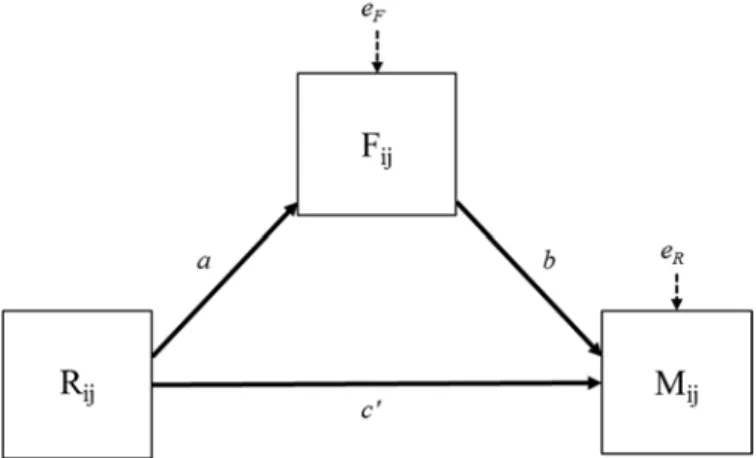
Figure 5. Simple Mediation Analysis ... 93
CHAPTER I
INTRODUCTION
The severe achievement gaps in reading between individuals based on race, socioeconomic status, and ability have persisted for decades (National Assessment of Educational Progress; NAEP, 2018). Difficulties with reading, particularly reading comprehension, often continue throughout the academic careers of students and influence all aspects of their education including motivation, engagement, and achievement. As a result, a substantial portion of students who struggle with reading does not finish high school, which has direct consequences on important life outcomes (Hernandez, 2012). In this study, I considered the application of flow theory during language arts instruction to potentially alter students’ beliefs about and feelings toward reading. Through this research, I aimed to identify classroom-reading activities as they are typically taught to high school students in Title I schools that may increase the likelihood of students entering a flow state.
Csikszentmihalyi (1990) describes flow as a state in which individuals are so intensely focused that they no longer attend to outside distractions such as
self-consciousness and the passage of time. An essential precondition of entering a flow state is the perceived balance between one’s skills and task difficulty, which may be a
reflection of students’ self-efficacy beliefs. Along with the other preconditions of clear goals and immediate feedback, flow experiences have been repeatedly shown to improve
achievement and performance across numerous types of activities including music, math, video games, and sports (e.g., Engeser & Rheinberg, 2008; Fullagar, Knight, & Sovern, 2013; Jackson & Marsh, 1996). Researchers also assert that flow leads to positive affect and therefore directly influences an individual’s intrinsic motivation to pursue an activity (Csikszentmihalyi, 1997; Nakamura & Csikszentmihalyi, 2005).
Although the general consensus is that academic achievement is important, others believe motivating students to learn is an even more critical goal of education
(Csikszentmihalyi, 1997; Guthrie, Coddington, & Wigfield, 2009; Ladson-Billings, 1995) and flow is the avenue by which this can be achieved. As such, it is possible that
understanding opportunities for flow during typical instruction could alter the trajectory of low motivation and poor performance on reading tasks characteristic of individuals with reading difficulties (RD; Gibbs & Elliott, 2015). This study seeks to add to the existing research by examining characteristics of flow experiences of high school students with and without disabilities in Title I schools—populations missing from this body of work—during natural reading activities in their language arts classrooms.
Research Questions
This study aims to address to the following questions:
1. How do students perceive the skill/challenge balance during classroom
activities involving reading? Does greater balance predict entering a flow state in this sample?
1a. Are students’ perceptions of their reading abilities (i.e., self-efficacy beliefs) accurate when compared to their performance? What effect does disability category or gender have on this alignment?
2. Does the type of classroom reading activity predict a student’s ability to experience flow? Which activities are more conducive to students entering a flow state?
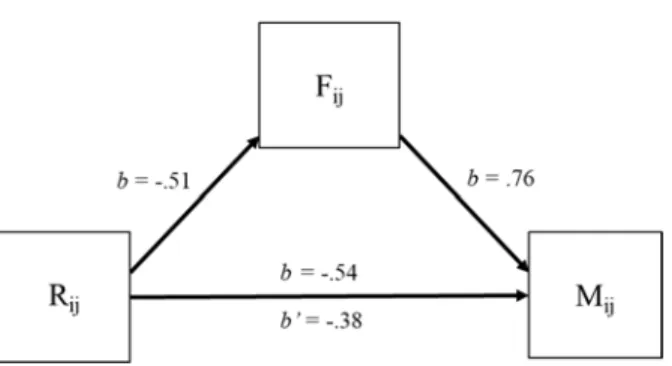
3. Does disability classification (i.e., having reading difficulties or not) predict a student’s reading motivation profile? Is this relationship mediated by flow experiences during reading activities?
4. How do students with and without reading difficulties describe their flow experiences during leisure and school activities, particularly reading? The following hypotheses were tested. For the first question, it was anticipated that students would experience greater balance between perceived skill and task difficulty if their self-efficacy was more closely aligned with their actual abilities on a standardized reading assessment and greater balance would predict flow. Students with RD were expected to show greater deviations in alignment. For the second question, activities in which students were offered choice and those in which students could interact with one another were expected to predict flow more so than when the activities were independent and imposed on students. For the third question, students with reading difficulties were expected to be higher on the avoidance subscale of reading motivation and therefore be ambivalent or averse in their motivation profiles. If these students experience flow more often during reading, however, it was anticipated that they may demonstrate lower
avoidance motivation and greater intrinsic motivation. The final question was qualitative in nature and was intended to provide insight into the findings from the other questions. Therefore, this portion was exploratory and no hypotheses were established.
Trends in Reading Achievement
The ability to read provides individuals with a multitude of advantages both in school and in the real world. Individuals who are literate are more likely to be successful in school and career settings, participate in elections, and understand text required to get by on a day-to-day basis (Reardon, Valentino, & Shores, 2012; Vaughn et al., 2015). For children, the pressures to learn to read and read well have increased immensely with mandatory testing required under federal law (Jennings, Caldwell, & Lerner, 2014b) and demands placed upon them as outlined in the Common Core State Standards (CCSS; Vaughn et al., 2015). These mandates also add pressure to teachers to ensure their students are performing at the appropriate level. Unfortunately, students continue to fail to meet basic reading proficiency levels for their age group.
According to the most recent results of the NAEP, which were published in 2015 for 12th graders and 2018 for fourth and eighth graders, the majority of students in the United States are reading below the threshold to be considered proficient readers. On this assessment, a proficient reader in the 12th grade can achieve the tasks at the below basic (i.e., recognize the main purpose and supporting ideas in expository texts, interpret stories and character actions) and basic levels (i.e., make inferences, understand and explain characters’ feelings), as well as explain article details and understand the purpose of a document. Of all 12th-grade students tested, only 37% were at or above a proficient
reading level. Even more concerning are the vast differences in achievement across races and abilities. It should be noted that for the purposes of this study, students’ identities are discussed in terms of race (e.g., Black, White) rather than ethnicity (e.g., African
American, Caucasian) because race can encompass individuals from multiple ethnicities within one group. Twelfth grade students who are Black grossly underperformed with only 17% at or above proficient compared to 46% of White students, and only 12% of those tested with disabilities achieved this level. Moreover, 63% of students tested with disabilities performed at the below basic level. Examination of racial and ability
differences across grade levels tested (i.e., fourth, eighth, and 12th) revealed that these rates remain stable across time, within and between individuals (NAEP, 2012, 2015, 2018). This coincides with evidence from research that improving reading ability beyond the third grade poses a significant challenge (Vaughn et al., 2015).
These trends have also been found through research in education. In a study of fifth graders, it was already apparent that students who were White scored significantly better on standardized measures of reading comprehension, oral reading fluency, and word recognition than their non-White peers (Guthrie et al., 2009). Inspection of ACT (2012) performance data suggests that Black and Hispanic high school graduates were not meeting the standards for college readiness when compared to their White and Asian peers. According to these researchers, however, the achievement gap between ethnicities is present by the end of middle school and not only persists through high school, but actually gets larger, particularly for Black students (ACT, 2012). More specifically, a review of the literature revealed the racial disparities in reading achievement for early
high school students to be a difference of 3 years, whereby Black and Hispanic students are behind their White and Asian peers (Reardon et al., 2012). Upon examination of longitudinal data, these authors reported the gap between racial groups has narrowed over the past four decades, though the majority of this occurred during the 1970s and 1980s (Reardon et al., 2012). As one author notes, however, the likelihood of living in poverty and attending low-performing schools is greater for children who are Black or Hispanic in the United States (Hernandez, 2012). Thus, it is probable that the influence of income supersedes the impact of race or ethnicity alone when it comes to reading achievement (ACT, 2012).
Numerous authors have stressed the negative impact that living in poverty can have on students’ academic achievement, including the increased likelihood of school failure and dropout (Hernandez, 2012; Jennings, Caldwell, & Lerner, 2014a; Lesaux, 2012; Reardon et al., 2012; Sorhagen, 2013). Although data from the NAEP (2018) regarding performance of students of low SES is only provided for those in the fourth and eighth grades, the rates of proficiency are nearly identical at 22% and 21%, respectively. Given the stability of the previous rates discussed, it is likely that these rates would be similar for 12th-grade students as well. In addition, the achievement gap in reading between students of low SES backgrounds and students not in poverty is greater than those between any racial or ethnic groups (Hernandez, 2012; Reardon et al., 2012); this has been a pervasive problem in the United States for decades that seems to be getting worse (Reardon et al., 2012; Sorhagen, 2013). Whereas the gap previously discussed between Black and White students was that of 3 years, the gap between students in
poverty and those not in poverty is 5 years such that eighth-grade low income students are reading at the same level as third-grade students from high SES backgrounds (Hernandez, 2012; Reardon et al., 2012).
Given the lack of resources available to disadvantaged students from their
families and schools, coupled with these students’ limited vocabularies in early grades as a result of reduced exposure in their communities (Lesaux, 2012), it is likely that these students will demonstrate difficulty reading (Hernandez, 2012). The combination of poor academic skills and living in poverty is detrimental for these children, placing them in what Hernandez (2012) calls “double jeopardy” (p. 3). Even without the influence of socioeconomic status, individuals who have reading problems drop out of high school at a much higher rate than those who do not (Hernandez, 2012; Vaughn et al., 2015). Roughly 16% of students who read below proficiency by the third grade will drop out of school compared to 4% who reach this threshold (Hernandez, 2012). The influence of poverty, however, is severe.
Considered alone, 22% of students who have lived in poverty for at least a year and 32% of those in poverty more than half of their childhood do not graduate high school versus 6% who have never lived in poverty. Of the students who can read proficiently in the third grade, 11% do not finish school if they come from low-income families. When considering reading and poverty together, 26% of students who are reading below proficiency in third grade and have lived in poverty for at least one year will not obtain their diploma and the dropout rates are highest for low-income minorities (31% for Black students and 33% for Hispanic students). Ultimately, over two-thirds of
the students who do not finish high school have lived in poverty for at least one year despite only comprising 38% of the total student population. Thus, “poverty matters” (Hernandez, 2012, p. 8).
The number of students in school from low income families has increased in recent years (Darling-Hammond, 2014; Lesaux, 2012), as has the percentage of students with learning disabilities served in general education (GE) classrooms (U.S. Department of Education, 2015-2016; McLeskey, Landers, Hoppey, & Williamson, 2011). As of 2016, 70% of students aged 6-21 diagnosed with a specific learning disability (SLD) spent more than 80% of their day learning in GE classrooms, up from 62% five years ago. This number increases to 94% when including those students in GE classes 40-79% of their day. As a result, teachers must adapt to address these students’ different yet significant delays in reading achievement. Teachers must also take the time to understand the nature of these deficits in relation to low SES (Jennings et al., 2014a), particularly those teaching in Title I schools. This is a challenge when the vast majority of
educational research continues to neglect these racial and economic groups most in need of help (Burris & Brown, 2014).
Of concern is the fact that current efforts to universally improve reading achievement have failed (Gross, Booker, & Goldhaber, 2009; Shippen, Houchins, Calhoon, Furlow, & Sartor, 2006). Long-term implementation of comprehensive school reform has not produced the anticipated improvement in reading scores for any students, regardless of background. When these efforts are effective (i.e., in math), only students who are White and middle class demonstrate improvement and growth is minimal (Gross
et al., 2009). Black and Hispanic students actually show a decrease in achievement over time. These findings suggest that not only is comprehensive school reform lacking overall, but the programs used are likely insensitive to cultural differences that inherently impact student learning (e.g., race, SES). As such, teachers should consider ways in which to incorporate diversity into their instruction. One way to address diverse learning needs is by way of culturally relevant pedagogy (Ladson-Billings, 1995), a framework that outlines suggestions for instruction that have been shown to promote motivation and engagement in minority students from low income families. Although culturally relevant pedagogy will not be explicitly examined in the present study, it does serve as the
conceptual framework guiding this inquiry.
In the present study, limitations of the extant research are addressed by including students from a Title I high school. Furthermore, the population of interest consists of these students who also underperform in reading. Considering the sample in this study will consist of older adolescents, a group in which reading ability is difficult to improve, I am focused more on the motivational outcome of flow, which has been shown to predict reading achievement in other studies across student populations (e.g., Ho & Guthrie, 2013). If there are ways to bolster these students’ intrinsic motivation to read, it is natural that improvements in reading ability will follow as they pursue reading activities more frequently and with greater engagement. More importantly, if these methods to improve motivation can be easily incorporated into typical classroom instruction, it may be more likely that teachers will implement them in their classes and subsequently improve student outcomes. Thus, there is direct applicability of the findings from the current
research to teacher practice within the context of regular instruction insofar as providing students with opportunities to deeply engage with classroom materials.
Motivation and Flow
Motivation to Read
Motivation plays a critical role in education. Students who are intrinsically motivated to read (i.e., read for the sake of reading) demonstrate greater levels of engagement during schoolwork and reading (Klauda & Guthrie, 2015; Wigfield & Guthrie, 1997) as well as higher levels of reading achievement (Guthrie et al., 2009; Ho & Guthrie, 2013). This may be related to motivated students’ higher self-efficacy beliefs toward learning and clearly established achievement goals (Guthrie et al., 2009). In students with reading disabilities and from low-income families, however, this motivation may be lacking (Ho & Guthrie, 2013; Klauda & Guthrie, 2015; Lee & Zentall, 2012; Melekoglu & Wilkerson, 2013). When motivation is lacking, students tend to avoid reading in school as well as in their leisure time (Ho & Guthrie, 2013; Jennings et al., 2014a; Wigfield & Guthrie, 1997). Considering that the more one engages in a behavior the better one performs, it is essential that teachers increase students’ motivation to read.
Researchers in education offer various ways teachers can attempt to improve students’ motivation to read. Most commonly, they suggest selecting reading materials that are of interest to the student and relevant to the student’s life (Cantrell et al., 2017; Denton et al., 2015; Jennings et al., 2014b), which are viable recommendations. Another recommendation is providing students with greater control over their learning
Hollenhorst, 2014). This autonomy can not only increase students’ interest in an activity, but it can also better fit their needs. For instance, self-efficacy and perceived difficulty of a task, conceptualized as components of motivation, have been shown to impact student achievement. Researchers in one study found that self-efficacy and perceived difficulty were not only highly correlated within students, but also individually correlated with comprehension scores (Ho & Guthrie, 2013). In another study, motivation was shown to mediate the effect of self-efficacy on students’ reading achievement (Lee & Jonson-Reid, 2016). Interestingly, these contributing factors are accounted for within flow theory, though much, if not all, of the research in motivation and reading fails to acknowledge the role flow experiences can play in improving motivation.
These elements directly correspond to the balance hypothesis in flow theory whereby it is the alignment of a student’s perceived skill level and perceived task
difficulty that are critical for entering a flow state (Csikszentmihalyi, 1990; Nakamura & Csikszentmihalyi, 2005). Nakamura and Csikszentmihalyi (2005) assert that not only can anyone experience flow, but anyone can also become intrinsically motivated toward any activity once he or she experiences flow in that activity. The ability to experience flow is independent of socioeconomic status (Schmidt, Shernoff, & Csikszentmihalyi, 2007) and intelligence (Dietrich, 2004). As such, it is reasonable to assume that flow experiences can increase motivation if students perceive the task in line with their skills. This relationship could in turn lead to improved reading achievement based on higher engagement with text and greater time spent reading.
Self-efficacy. When Csikszentmihalyi (1990) refers to perceived skills, one way to interpret this is as an individual’s efficacy in a particular domain. The term self-efficacy was first used by Bandura (1977) and refers to a people’s beliefs about their abilities to succeed at a particular activity. Self-efficacy is therefore domain-specific (Pajares, 1996), such as self-efficacy for reading (Bandura, 2006; Shell, Murphy, & Bruning, 1989). Self-efficacy has been shown to be a strong predictor of reading achievement (Proctor, Daley, Louick, Leider, & Gardner, 2014; Wigfield & Guthrie, 1997) and directly influence students’ reading motivation (Guthrie et al., 2009). When students have higher self-efficacy beliefs, they are more likely to pursue difficult tasks and persist when faced with challenges (Bandura, 1997; Cantrell et al., 2017;
Linnenbrink & Pintrich, 2003). They are also more likely to be interested in that activity (Bandura, 1997), which could lead them to engage in it more often. In contrast, students with low self-efficacy beliefs will likely avoid challenges altogether or quit as soon as they perceive a task as difficult (Linnenbrink & Pintrich, 2003).
For students who have reading difficulties, their lowered self-efficacy beliefs have been discovered as early as second grade (Lee & Zentall, 2012). This would indicate that these individuals may begin avoiding reading tasks by the third grade, significantly inhibiting their growth in reading ability. Moreover, Bandura (1993) found that students with low self-efficacy in academic domains are highly likely to experience anxiety when it comes to achievement-related tasks, which leads to poorer achievement (Linnenbrink & Pintrich, 2003) and a reduced ability to concentrate (Jennings et al., 2014a).
According to flow theory (Csikszentmihalyi, 1975), this should be expected. Based on the current model of flow, there are eight combinations of skill and challenge that can occur (Csikszentmihalyi, 1997). Generally, four of these are of particular interest to researchers: anxiety, relaxation, apathy, and flow. If students face challenges that exceed their perceived abilities, they will experience anxiety. If their skills far outweigh the challenges, they will experience relaxation. If both skills and challenge are low, students will experience apathy. Finally, if both skills and challenge are high, students will experience flow. This is not to say, however, that students who struggle with reading can never enter flow if they have low self-efficacy beliefs toward reading. Instead, this suggests that the texts should match their perceived skill level and increasingly get more challenging as their abilities improve. A way to scaffold this instruction was introduced in the Growth Model Improved by Flow (GMIF) theory in which the authors outlined how to maintain learners’ flow as they learn new things (Challco, Andrade, Borges, Bittencourt, & Isotani, 2016).
Given that balance leading to flow experiences is based on perceived ability, a question that remains is whether or not students’ self-efficacy beliefs are accurate (Linnenbrink & Pintrich, 2003). To date, this relationship between reading self-efficacy and reading ability has not been widely explored, particularly among students with disabilities and those in Title I schools. There is evidence in other domains, though, to suggest that self-efficacy beliefs and abilities often do not align (Corkett, Hatt, & Benevides, 2011) and many individuals have inflated self-efficacy beliefs until they are faced with a situation that indicates otherwise (e.g., Tschannen-Moran & Johnson, 2011;
Whitehurst, Williamson, Letson, & Williams, in preparation).Therefore, one of the main findings to come out of the present study will be how these beliefs align with actual reading ability for the students in our sample and whether this alignment differs between demographic groups (e.g., disability). Subsequently, whether this alignment has a direct influence on the relationship between skill/challenge balance and flow experiences will be examined. If it is the case that students have an inflated sense of self-efficacy, flow researchers would suggest that is ideal (Jackson, Kimiecik, Ford, & Marsh, 1998). If students perceive their skills to be higher, they would therefore be less likely to perceive a task as exceedingly difficult, thus being more inclined to tackle the task in the first place and see it through to completion (Jackson et al., 1998; Wigfield & Guthrie, 1997).
Additionally, understanding this alignment is critical for teachers to be able provide appropriate instruction based on their students’ needs. If teachers base their decisions on students’ actual abilities without taking into account their perceived abilities, it is possible they would opt for texts above or below the ideal level for the student, leading them to experience anxiety, relaxation, or boredom (Nakamura &
Csikszentmihalyi, 2005). In one study, teachers consistently incorrectly estimated their students’ self-efficacy beliefs of reading and writing (Corkett et al., 2011). These teachers appeared to be influenced by their own self-efficacy for teaching beliefs, assuming
students had higher self-efficacy beliefs if the teachers’ self-efficacy beliefs were high (Corkett et al., 2011). This suggests that an imbalance of skills and challenge would be likely to occur in these classrooms, preventing students from experiencing flow and resultant increases in motivation and achievement.
In the following chapter, these concepts will be explored in greater detail. Research on each of these constructs and relationships will be discussed including how the present study expands upon those findings. Next, in Chapter III, the methodology of this study will be thoroughly described including the participants, study design,
procedures, measures, and analysis techniques. Chapter IV will consist of the findings from this study, including descriptive and inferential statistics as well as themes identified in the qualitative data. Finally, in Chapter V, the findings will be discussed more broadly in terms of the implications of the findings, limitations of the study, and recommendations for future research.
CHAPTER II
LITERATURE REVIEW
The severe achievement gaps in reading between individuals based on race, socioeconomic status, and ability have persisted for decades (NAEP, 2018). Despite legislative efforts encouraging improvement for all students, progress has been dismal. Although living in poverty has been shown to have negative effects on academic
achievement (e.g., Hernandez, 2012; NAEP, 2018), this gap speaks to the larger issue of ineffective instructional practices based on the needs of these underrepresented groups. With the majority of teachers being White middle class women, there may be a
disconnect in fully understanding students’ backgrounds and cultural influences on their knowledge and behavior, particularly for students who are underprivileged (Howard & Rodriguez-Minkoff, 2017). To address this concern, Ladson-Billings (1995) introduced culturally relevent pedagogy (CRP) as a theoretical framework from which teachers could motivate these youth to rely upon their different backgrounds to improve
achievement, become culturally competent, and actively critique issues of social justice. Through this lens, the present study will examine activities in Title I high school
language arts classes and opportunities for students to have optimal experiences that can promote motivation and learning.
Culturally Relevant Pedagogy
Culturally relevant pedagogy was developed in response to the poor performance of young Black children in educational settings originally structured around White middle class students (Ladson-Billings, 1995). It expands upon cultural responsiveness, which relates more to merging students’ home experiences with those in the classroom. Much of the research on instruction of minority children, however, fails to make this distinction (Milner, 2017). At the core of CRP is the idea that students should be encouraged to be themselves and view their differences as an advantage rather than a hindrance when it comes to their education. In doing so, they can accomplish the three goals of CRP: improved academic achievement, cultural competency, and engagement with social justice issues.
In Ladson-Billings’s (1992) case study research of effective teachers of Black students, she identified a series of commonalities among the differences in instructional techniques. From these themes, she proposed the theory of CRP as a “continuum of teaching behaviors” from which teachers could learn to adapt their instruction to meet the needs of their minority student population (p. 478). The continuum consists of three overarching propositions (i.e., understanding of self and others, how social relations are developed, and understanding of knowledge), each accompanied by specific examples of beliefs held by culturally relevant teachers (see Table 1). Notably, the successful teachers in her study strongly identified with their students’ communities and demanded success from students. They also established educational environments fostering collaboration in which students not only viewed success as an individual endeavor, but something to be
achieved by everyone in the class. These teachers scaffolded instruction and used
alternative methods of assessment outside of traditional paper and pencil exams. Perhaps most importantly from the perspective of CRP, these teachers encouraged students to think critically about their communities and develop the tools to analyze inequities. Students in these classrooms not only demonstrated better literacy outcomes, but also behavioral and social outcomes (Ladson-Billings, 1992).
Table 1
Propositions of CRP with Examples
Propositions Examples of Teacher Beliefs & Behavior 1. Conception of self and others Believe all students are capable of success
View their pedagogy as art
View themselves as members of the community
View teaching as a way to give back
Believe in idea of pulling knowledge out 2. Manner in which social
relations are constructed Maintain fluid relationships with students Demonstrate connectedness with all students
Develop a community of learners
Encourage students to collaborate and hold each other accountable
3. Conception of knowledge
Believe knowledge is shared, recycled, and constructed
Believe knowledge must be viewed critically
Teachers must be passionate about knowledge and learning
Teachers must scaffold to facilitate learning
Assessment must be multifaceted Note. Information in this table is provided as described by Ladson Billings (1995), pp. 478-481.
Although the tenets of CRP have been questioned as being merely “good
teaching” practices (Ladson-Billings, 1995, p. 484), questions remain regarding teachers’ implementation of CRP in their classrooms. In 2010, Young sought to collaborate with eight teachers and their principal to implement CRP in their classrooms. The principal of the school was Latina and committed to increasing performance of her students. Teachers were chosen from a lower-performing elementary school with a diverse student body comprised primarily of minorities. Five teachers participated, only one of whom was Black, along with the principal and the principal intern, who was White. Young collected eight forms of data: (a) pre/post interviews with participants regarding their
understanding of racism in education, (b) eight group meetings in which participans read and reflected upon assigned articles, (c) eight follow-up meetings with the principal and intern discussing the group meetings, (d) one classroom observation per teacher assessing various elements related to culturally relevant teaching, (e) participants’ written
responses to researcher prompts given each week, (f) documents from the school district such as its plan to close the achievement gap and a presentation on how this plan would be implemented, (g) text from online discussions amongst participants if questions were not resolved during their meetings, and (h) the researcher’s own field notes.
From her thorough collection and analysis process, Young (2010) discovered that teachers demonstrated confusion regarding their understanding of CRP. For instance, when discussing the achievement component, participants indicated a need to select materials and instruction that is relevant for students, but not in terms of using it to foster growth and learning. When discussing cultural competency, participants focused more on
the superficial aspects of “feel-good curricula” (p. 252), like getting to know the students and building relationships with them. This stands in contrast to more meaningful
instruction of competency in which the students themselves become more competent, developing better understandings of their own cultures as well as the predominant culture and inequities between the two. Of greatest concern was the fact that participants neither discussed sociopolitical consciousness, nor did any of the district documents. It appeared their focus was more on raising test scores rather than helping students understand how to challenge the status quo that works against them.
According to Young (2010), the greatest discrepancy between CRP as it was originally conceived versus how it was understood in this sample was that whereas cultural relevance was developed based on characteristics of the teachers, teachers in the study thought of it in terms of characteristics of their students. In addition, participants’ understanding of culture in this study was structured around student characteristics (e.g., family, background) as opposed to features of the larger cultures within students’ schools and communities. During teacher observations, Young identified they were capable of incorporating achievement and competence into their instruction, but only the single minority teacher engaged in substantial discussions about social issues facing students of color (e.g., racism).
Ultimately, Young (2010) concluded that while teachers on the surface expressed an interest in using the tenets of CRP within their instruction, they were hesistant to do so because of a reliance on traditional instruction methods and confusion regarding how to incorporate CRP in a meaningful way. Teachers were consumed by the requirements of
No Child Left Behind, asserting they had to teach the standard curriculum and could not figure out how to integrate CRP without taking away from what students needed to know to pass their exams. One teacher, for example, brushed over the colonization of Florida by the Spaniards but spent time discussing the details of pilgrims arriving at Plymouth Rock, despite the relevance of the former topic to the majority of her students. She blamed it on the common core standards. In addition, when quesitoned about the lack of discussion surrounding social justice issues, another teacher felt her third graders were too young to be learning about racism, even though by their age these issues are being discussed at home and students are aware of basic inequities. Young (2010) deduced that not only does NCLB appear to be maintaining the status quo despite its purpose as written, but teacher education programs are not doing a sufficient job of preparing these individuals to use CRP and identify biases inherent in the educational system. She concluded by stating that while the theoretical underpinnings of culturally relevant pedagogy are good to know, implementing them in the real world is a more challenging feat that has not yet been figured out (Young, 2010).
A year after this study, other researchers expressed concern with the fact that proponents of CRP were not publishing aspects of the theory that could actually be empirically studied (Brown-Jeffy & Cooper, 2011). In response, they sought to merge the components of CRP with those of CRT. CRT focuses on inequities with the educational system specifically in regard to racial differences and White power. Brown-Jeffy and Cooper’s conceptual framework of this merged model is presented in Figure 1. Through this model, they argue that acknowledging cultural differences is not enough. The authors
make a distinction between equal opportunity and equity, denouncing equal opportunity as ignoring students’ diverse learning needs. Teachers need to come to understand that these differences should be viewed as strengths for minority students. It should be noted, however, that although learning styles are included in this framework, CRP recommends shifting away from learning styles to teach students of different backgrounds (Howard & Rodriguez-Minkoff, 2017) because learning styles have not been supported by research (Holmes, 2016).
Figure 1. Principles of Culturally Relevant Pedagogy Aligned with Critical Race Theory. Source: Brown-Jeffy and Cooper (2011), p. 72.
Culturally
Relevant
Pedagogy
Identity and Achievement Identity development Cultural heritage Multiple perspectives Affirmation of diversity Public validation of home-community cultures Equity & Excellence Dispositions Incorporate multicultural curriculum content Equal access High expectations for all Developmental Appropriateness Learning styles Teaching styles Cultural variation in psychological needs *Motivation *Morale *Engagement *CollaborationTeaching Whole Child
Skill development in cultural context Bridge home, school, and community Learning outcomes Supportive learning community Empower students Student Teacher Relationships Caring Relationships Interaction Classroom atmosphere
CRT and CRP overlap as it pertains to recognizing and combating societal oppression of minorities (Brown-Jeffy & Cooper, 2011). Additionally, this combined model emphasizes the need for teachers to consider the whole student in their instruction. This includes students’ macro and microculture influences (e.g., community, family, race), factors that are missing from extant literature on CRP (Milner, 2017). The authors suggest that when teachers do this, coupled with showing genuine interest in getting to know more about their students, it motivates these students toward learning. It is expected that the behaviors outlined in this CRT/CRP model go beyond the theory and can actually be applied in classrooms. Teachers can also have opportunities to learn more about how to engage in these behaviors by watching others model them (Brown-Jeffy & Cooper, 2011).
In a literature review of CRP research regarding race in language arts and math, Milner (2017) identified a series of shortcomings in the literature and, similar to Brown-Jeffy and Cooper (2011), offers a set of “testable features of CRP” (p. 25; see Table 2). From the articles analyzed, Milner (2017) concluded that despite race being a keyword in the article, it was largely absent from these studies aside from a superficial labeling of demographic variables. He therefore argued that researchers of CRP should direct their attention back to race in more meaningful ways, including analysis of the sociopolitical and historical influences that shape students. Researchers also missed opportunities to explore the interactions between teachers and their students in regard to race, instead focusing on one or the other.
Table 2
Testable Features of Culturally Relevant Pedagogy
Adopt learner lenses: Teachers should learn about their students’ experiences.
Engage in critical self-examination and reflection: Teachers engage in introspection and encourage students to self-reflect, both considering how they affect harmony in the classroom without blaming the other.
Make the culture of power explicit: Teachers make explicitly clear the power structure as well as expectations and rules.
Use accessible, relevant language: Teachers are clear and do not use inaccessible language. Caring and empathetic attitudes and dispositions: Teachers try to collaborate with students to problem solve; they do not view student as the enemy.
Rejection of deficit thinking: Teachers view students as knowledgeable and contributing members of the classroom.
Cultural and racial awareness and understanding: Teachers attempt to connect to students’ cultural and racial heritage.
Avoid color-blind ideologies: Teachers acknowledge race as a central dimension of who students are; attempt to know whole student.
Development and maintenance of trust: Teachers show care and establish bonds with students through treatment and expectations of students as well as building classroom community. Parental and community partnerships: Teachers develop partnerships with parents to understand and scaffold learning and behavior in the classroom.
Multiple opportunities: Teachers do not give up on students easily; they realize that many students are not used to experiencing success and help students “see the other side.” Avoid placing students’ destiny in the hands of others: Teachers take responsibility for students’ learning and futures because they know the students better than anyone else in the school.
Develop and maintain high expectations: Teachers push students for success and refuse to water down the curriculum; they refuse to grant students permission to fail.
Realize that each student is an individual: Teachers realize each student brings different sets of needs that must be met.
Be stern and fair: Teachers are clear that they expect excellence, but maintain fairness. Use humor: Teachers know it’s acceptable to laugh, but frame it within their authority status. Develop a frame of mind for success: Teachers genuinely believe their students can and will succeed.
Milner’s (2017) findings reiterate the persistent concern over decades of CRP research that there is a significant dearth of quantitative studies across contexts (e.g., Sleeter, 2012). Milner proposed an increase in mixed methods studies, acknowledging that the qualitative data is valuable, but would be buttressed by quantitative measures supporting links between CRP and important student outcomes. He also outlines the conflation of culturally relevant and culturally responsive pedagogies as utilized throughout the research (Milner, 2017). If researchers have difficulty distinguishing between the two, practitioners will struggle even more so.
In another literature review conducted the same year, the authors covered research conducted on CRP to make recommendations for practice for teachers regarding
awareness, instruction, and assessment of diverse learners (Howard & Rodriguez-Minkoff, 2017). Again, these authors reiterated the research to practice gap in that educators do not seem to fully understand how to implement CRP in the real world (Young, 2010). In addition, they expressed concern regarding how educators
conceptualized culture. When individuals “essentialize” culture, they apply their beliefs about that culture universally among its in-group members (p. 18). This can be
particularly detrimental in terms of stereotypes guiding instruction, which would prevent CRP from being effective.
Looking toward the future, Howard and Rodriguez-Minkoff (2017) identified four primary areas in need of additional research. Of note, teachers should consider methods of assessment that take cultural differences into account. Evaluation of instruction should also be more systematic to support how CRP can improve student outcomes. Doing this
will allow for more proper selection of assessment materials, intervention practices, and program development opportunities. In addition, an area in need of exploration is teacher ideology. The authors suggested that deficit thinking, or viewing individuals as inherently less capable because of a characteristc like race, may be the greatest challenge in trying to get teachers to use CRP. Finally, issues surrounding instruction as outlined by the CCSS provide teachers with less flexibility in adjusting the curriculum. This coincides with Young’s (2010) findings that participants reported they could not figure out how to incorporate CRP in their instruction without deviating too far from the established curriculum to meet CCSS requirements. In order to overcome these restrictions, Sleeter (2012) asserts that three things must occur: (a) incorporating more evidence-based research that CRP directly impacts student outcomes like achievement, (b) teaching adults in the learning community (i.e., leaders, teachers, parents) about CRP and how it is implemented, and (c) overcoming teachers’ deficit thinking, as discussed earlier.
Ultimately, CRP is an important theoretical framework to guide teachers working with students from underrepresented populations (e.g, minorities, low income). It
appears, however, that in addition to meaningful investigations of race missing from this literature (Milner, 2017), differences based on socioeconomic status are absent as well (Howard & Rodriguez-Minkoff, 2017). Furthermore, the CCSS have presented teachers with a significant challenge, which is how to effecitvely incorporate CRP into instruction while still teaching to the targeted learning goals (Howard & Rodriguez-Minkoff, 2017; Sleeter, 2012; Young, 2010). This is especially difficult when teachers do not fully grasp the tenets of CRP (Young, 2010) and already demonstrate lowered cultural competence
due to the majority of teachers being middle class White women (Howard & Rodriguez-Minkoff, 2017; Ladson-Billings, 1995).
Concerns over the the lack of instruction on social justice and empowerment appear to be warranted, limiting students’ understanding of their strengths as minorities and how to critique the status quo. Although numerous studies have reported some sort of improved student outcome (e.g., academic achievement) as a result of CRP (Howard & Rodriguez-Minkoff, 2017), the severely limited use of quantitative methodologies in the field, along with small sample sizes, preclude these findings from being applied to the greater population. Additional evidence of the effects of CRP for minority students is needed. However, the stress on academic achievement as a predominant outcome of interest in the literature takes the form of test scores, which is a narrow interpretation of what Ladson-Billings (2006) conceptualized when she initually used the term
achievement (Ladson-Billings, 1995). She envisioned culturally relevant pedagogy as a tool to promote learning in the more general sense that could then be applied in multiple contexts. At the core of CRP, Ladson-Billings hoped that by engaging students’ abilities and interests while supporting their cultural identities, students would be motivated to learn and subsequently do so, ultimately leading to improvement on more formal measures of achievement. As it stands, many of the concerns established through CRP remain unaddressed.
In recent years, government agencies have attempted to develop methods for encouraging schools to work toward closing these gaps. Such efforts included additional funding for low-income schools (i.e., Title I) and holding individuals accountable for
student learning (e.g., No Child Left Behind). As a result, schools began to adopt programs for change, including Comprehensive School Reform (CSR). Government funding in support of CSR was most often awarded to schools with large populations of minority students from low-income families (Gross et al., 2009). Unfortunately, however, these reform efforts have shown to be ineffective, primarily for students in
underrepresented groups (Gross et al., 2009; Shippen et al., 2006).
In a study of elementary schools in Texas that earned government grants toward implementing CSR, researchers discovered that reading did not improve as a result of these programs (Gross et al., 2009). Data on standardized achievement measures from nearly 500,000 third- through eighth-grade students were analyzed and compared across schools receiving funding and non-funded schools matched on a variety of variables. Nearly 80% of the student sample was ethnic minorities and approximately 70% was of low socioeconomic status. Aggregate scores were compared between schools, as were individual scores between students.
Surprisingly, no significant growth was identified for reading ability within or between schools, suggesting that CSR as implemented in these schools was not achieving its primary task (Gross et al., 2009). This finding reiterated that of Shippen and
colleagues (2006), who similarly discovered no positive effects of CSR on reading for middle school students who were Black and served in special education. It should be noted, however, that Gross et al. (2009) did find that while math achievement scores improved somewhat when comparing scores on the student level, this was only true for the students who were in the baseline group (i.e., non-minority, non-disabled, middle
class or higher). In fact, the reverse effect was shown for students of minority
backgrounds whereby their scores actually decreased over the 8-year span. These results indicate that change efforts as they are currently being practiced are not having the intended effect for all students, even when those students comprise the vast majority of the school’s population. Perhaps incorporating the tenets of CRP into instruction either independently or in conjunction with other reform efforts would be a more effective method to improve reading across diverse student populations. In doing so, instruction would be tailored to meet students’ needs while also instilling within them the desire to learn—an essential component of promoting student growth.
Motivation
People are motivated to engage in various activities for any number of reasons. In education, students may be motivated to engage in a particular behavior because it is extrinsically motivating; there are outside influences impacting their desire to complete a task (Deci & Ryan, 1985). In classrooms these could include things like competition, a desire to fit in with peers, or rewards like extra credit or receiving a grade for an activity (Wigfield & Guthrie, 1997). In contrast, the type of motivation teachers should be
fostering is intrinsic motivation, defined as doing something because it is enjoyable in its own right without the need for external rewards (Deci & Ryan, 1985). In classrooms, the ultimate goal should be to get students to want to learn for the sake of learning alone (Csikszentmihalyi, 1997; Ladson-Billings, 1995, 2006). The desire to learn leads to a plethora of positive outcomes across contexts and, according to Csikszentmihalyi (1997), learning is the key to happiness.
Intrinsic motivation is a result of the interaction between individuals’ values, goals, interests, and view of the self (Cantrell et al., 2017; Ho & Guthrie, 2013; Linnenbrink & Pintrich, 2003; Rheinberg, 2008). Linnenbrink and Pintrich (2003) describe three ways in which values, goals, and interests can influence motivation. First, when individuals are interested in an activity or topic, they are more motivated to pursue that activity. Second, intrinsic motivation can increase when the activity is thought to be useful to the individuals. Third, if individuals see a connection between the activity and their broader life goals, they will likely be motivated to pursue that activity (Linnenbrink & Pintrich, 2003). Rheinberg (2008) expands upon this, stating that intrinsic motivation is further enhanced when the reasons for engaging in the activity are generally positive. Thus, people want to do things because they are enjoyable. Moreover, individuals are more likely to want to participate in an activity if they feel competent in that domain (Guthrie et al., 2009; Lee & Zentall, 2012; Melekoglu & Wilkerson, 2013; Wigfield & Guthrie, 1997).
In classrooms, this intersection of being interested in an activity, valuing that activity, linking it to one’s larger goals, and enjoying that activity can be a difficult combination to achieve. Nevertheless, when these features merge, students experience greater intrinsic motivation, leading to increased engagement in an activity (Cantrell et al., 2017; Klauda & Guthrie, 2013; Wigfield & Guthrie, 1997) on a greater number of occasions (Lee & Zentall, 2012; Wigfield & Guthrie, 1997) and improved performance as a result (Guthrie et al., 2009; Ho & Guthrie, 2013; Klauda & Guthrie, 2015; Lee &
occurs when people read because they are looking for adventure or want to learn
something new (Guthrie et al., 2009). When students are intrinsically motivated to read, they read up to three times as much as students who do not have this motivation, a relationship that exists above and beyond initial reading amount and is stronger than that of external motivation and time spent reading (Wigfield & Guthrie, 1997). The mere act of repeatedly engaging in an activity is likely to improve one’s skills, leading to
achievement gains.
For the purposes of this study, students’ motivation to read is of particular interest. In a study conducted by Guthrie and colleagues (2009), they sought to compare motivation between Black and White fifth graders in relation to a reading motivation profile. To determine this profile, the researchers developed a measure of reading motivation consisting of four potential contributing factors: avoidance, perceived difficulty, self-efficacy, and intrinsic motivation with the former two being considered undermining and the latter, affirming. These factors were found to exist in contrasting pairs consisting of one undermining and one affirming aspect each. To determine readers’ motivation profile, the researchers combined student scores on avoidance and intrinsic motivation to obtain four variations of high/low combinations. From most to least positive, these profiles describe readers as avid, ambivalent, apathetic, or averse.
If students are avid readers, they have high intrinsic motivation to read coupled with low avoidance, both within school as well as during leisure time. These readers are expected to perform best on measures of reading comprehension. Ambivalent readers report high scores on both intrinsic motivation and avoidance. These readers are
motivated to read under some circumstances more than others, likely preferring leisurely reading over school-related reading. Readers who are apathetic score low on both factors. These readers are not overly interested in reading, but do not actively avoid it either. External rewards may be needed to encourage these students to read. Finally, aversive readers demonstrate low intrinsic motivation and high avoidance. These students demonstrate basic literacy skills, but are not interested in reading and actively avoid it. Based on these profiles, Guthrie and colleagues explored differences between students according to race and examined the relationship between students’ motivation to read and measures of reading ability.
Guthrie and colleagues (2009) found that while there were no significant differences between races and reading profiles likely due to a low number of Black participants, White students were disproportionately categorized as avid readers, whereas Black students were categorized more as apathetic or ambivalent. Avid readers scored significantly higher than all other groups on reading comprehension and reading fluency. Interestingly, intrinsic motivation was related to comprehension ability only for students who were White. In contrast, avoidance more strongly related to reading ability than did intrinsic motivation for students who were Black. This relationship between race, reading motivation, and achievement could be one explanation for the achievement gap in
reading. Moreover, they found that the composite reading motivation profile was a better predictor of reading achievement than either of the factors considered alone. From these findings, the researchers asserted that there are actually multiple factors that play a role in determining a student’s motivation to read and these should be favored over explaining
motivation based on a single component. Taking race into consideration, they concluded that when Black students struggle in reading as indicated by external factors (e.g., grades), they may be more likely to quit (Guthrie et al., 2009), perhaps because greater levels of motivation push students to try harder and persevere when faced with challenges (Cantrell et al., 2017). This harkens back to the importance of CRP and its potential for moderating this negative outcome.
In addition to race, other researchers have sought to explore differences in reading motivation between students with varying levels of reading ability (Lee & Zentall, 2012). Elementary students with and without reading disabilities, as classified based on
standardized reading scores, completed measures of reading motivation and reading involvement. Students with reading disabilities scored significantly lower than their peers without disabilities on self-efficacy for reading, intrinsic motivation, and extrinsic
motivation, but higher on avoidance. They also reported reading less outside of school settings. These differences became evident beginning in the second grade (Lee & Zentall, 2012). This should be alarming to educators considering the effects of self-efficacy and motivation on achievement across time. These results indicate that poor performance could stem from motivational issues from essentially the beginning of an individual’s academic career. Moreover, if students continue to perform below expected levels despite putting forth effort, they may develop a mindset of learned helplessness, feeling like their efforts are pointless (Linnenbrink & Pintrich, 2003). This outlook can discourage
that teachers understand how to motivate their students to engage in activities they otherwise may not enjoy by catering to their values and interests.
Other researchers have expanded upon this by considering the relationship between reading motivation and reading ability as it pertains to reading achievement (Klauda & Guthrie, 2015; Melekoglu & Wilkerson, 2013). A longitudinal study of seventh graders conducted by Klauda and Guthrie (2015) addressed motivation and engagement for reading and their presumed effect on reading achievement. On two occasions, students completed a series of assessments including standardized measures of reading fluency and comprehension, a researcher-developed measure of comprehension, and a reading motivation survey. While the relationships between motivation and engagement as well as motivation and achievement were equal across ability groups, there were meaningful differences in how engagement played a role. Although the direct effect of engagement on achievement was lower for students with higher reading
abilities, coupled with motivation, the effects became greater for this group. Also interesting is the fact that avoidance of reading was not a significant predictor of
achievement for students having reading difficulties. Together these results concerned the researchers because the findings suggested that students with lower reading abilities have subsequently lower motivation and engagement, both of which are shown to directly influence reading achievement. However, the fact that engagement has a strong effect on achievement for students with RD is encouraging (Klauda & Guthrie, 2015). If teachers can cultivate that engagement in conjunction with intrinsic motivation, these students may begin to perform better in reading.
Although the positive outcomes of intrinsic motivation in the classroom have been well documented, discussions around the ways in which teachers can develop this motivation are more limited. One suggestion has been to allow students more control over their activities, giving them options from which to choose with assistance from the teacher rather than having the teacher dictate how students spend their time (Hofferber et al., 2016; Mackenzie et al., 2014). For teachers of minority and other underrepresented groups, other possibilities may be found in the discussions of culturally relevant
pedagogy (Brown-Jeffy & Cooper, 2011; Ladson-Billings, 1995; Milner, 2017). It should be noted, however, that all of the motivation studies discussed above sampled participants of White middle class backgrounds at much higher rates, even when race was the focus of the research (Guthrie et al., 2009). Thus, it may be the case that these findings
differentially apply to minority students, though this has yet to be explored further. Nevertheless, the impact of motivation on achievement suggests that intrinsic motivation can be a critical factor to overcome reading deficits. I posit that flow theory may offer additional concrete ways to foster students’ motivation and subsequent achievement.
Flow Theory
Flow theory was first introduced by Csikszentmihalyi (1975) through his studies of artists and other creative individuals. He was interested in how these individuals could be so fully immersed in an activity that they would lose touch with the outside world and yet no longer be invested once the activity was complete (e.g., painting a picture).
Csikszentmihalyi calls this state of deep concentration flow, which is akin to what some call being in the zone (Challco et al., 2016; Kennedy, Miele, & Metcalfe, 2014). Over the
last 40 years, flow theory has been used to describe activities in all aspects of life including leisure, work, and school. Although not all individuals experience flow in the same contexts, every person has the ability to enter a flow state and any type of activity can lead to flow under the right circumstances (Nakamura & Csikszentmihalyi, 2005). Based on its application in education and its direct relationships with motivation and achievement, flow theory may provide reasonable accommodations for instruction teachers can use with their students who have diverse learning needs.
Flow Model
The way flow is understood has gone through a few iterations over the years, though the current model has not strayed too far from the original. As it was first proposed, flow theory was presented as a channel (see Figure 2) in which people could enter one of three psychological states depending on how their perceived abilities matched with the perceived challenge of a task (Csikszentmihalyi, 1975). The first is of course a flow state, which can occur when skills and challenge are at the same level. This meant individuals could experience flow whether there was a low/low, medium/medium, or high/high balance. According to the theory, not only will this experience lead to happiness and motivation, but it also facilitates more efficient use of cognitive resources (Moneta & Csikszentmihalyi, 1996). Essentially, people are exerting effort to achieve a goal without feeling like it (Moneta & Csikszentmihalyi, 1996). Moreover, there does not appear to be a limit to this experience. That is, there is no ceiling effect of flow (Moneta & Csikszentmihalyi, 1996), so as individuals’ skills increase, increasing the difficulty of activities will allow them to continue achieving this state.
Figure 2. Original Flow Model. Adapted from Nakamura and Csikszentmihalyi (2005), p. 94.
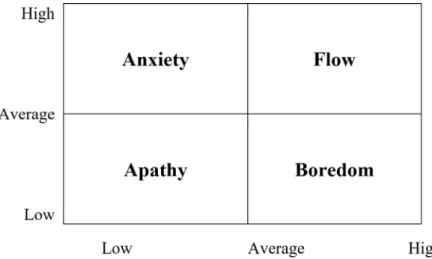
The two other states depicted in the original flow model are aversive, or anti-flow, states (Nakamura & Csikszentmihalyi, 2005). One aversive state is boredom, which was initially thought to occur when skills are high but the challenge is low, though this later changed. The other aversive state is anxiety, which occurs when skills are low but the challenge is high. Through additional research, it was learned that flow actually only occurs when the skills and challenge are above average for a given individual
(Csikszentmihalyi, 1997), leading to the quadrant model of flow (see Figure 3). This meant that flow no longer occurred when skills and challenge were low. Instead, the quadrant model proposed that individuals experience a state of apathy when there is a low/low balance (e.g., watching television; Csikszentmihalyi, 1997), which is believed to be the least desirable compared to the other three (Moneta, 2012; Shernoff,
Figure 3. Quadrant Model of Flow with Challenge on the Y-Axis and Skill on the X-Axis. Adapted from Moneta (2012).
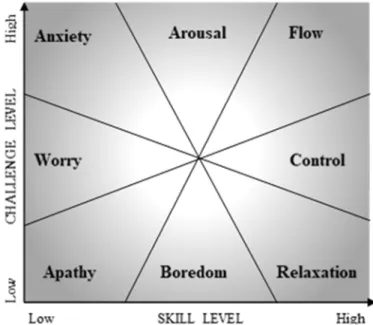
Additional research using experience sampling data revealed that there were in fact even more psychological states that fit within this framework. The current model of flow therefore depicts eight psychological states depending on the balance between one’s skills and task challenge (see Figure 4). Here, one of the biggest changes was the
replacement of boredom at the high/low octant with relaxation (Csikszentmihalyi, 1997). This experience is accompanied by positive affect and mostly occurs in leisure time when individuals are spending time with loved ones, for example. If, however, indivudals’ abilities continue to exceed the challenge presented by an activity, over time they may shift to boredom (Csikszentmihalyi, 1997). Boredom in this model lies between apathy and relaxation. It is expected to occur during routine activities, like chores or grocery shopping. There is also the addition of three new states that previously were unaccounted for in the quadrant model.
1997). As one moves closer to aligning skills and challenge, they can experience arousal or control. Csikszentmihalyi (1997) asserts that aside from flow, these two states are the best to faciliate learning because one can easily make slight changes either in skill or challenge to reach flow. The difference between the two, as he describes, is that in arousal, individuals are concentrated on tackling the high challenge task, but are not happy because their skills are not quite high enough. In control, the reverse is true; they are happy, but are not as deeply concentrated because the task is not challenging them enough. Neither of these states, though, provide the optimal experience
(Csikszentmihalyi, 1997).
Figure 4. Current Flow Model. Adapted from Csikszentmihalyi (1997).
In flow theory, there are nine characteristics established as being necessary for a flow state to occur. Since the initial list was developed, these nine have been separated such that three are considered conditions that are in place before flow and six are part of