CC S.. =
BY NC ND
BioTechnologia vol. 100 (4) C pp. 429–439 C 2019
Journal of Biotechnology, Computational Biology and Bionanotechnology RESEARCH PAPERS
http://doi.org/10.5114/bta.2019.90244
A comprehensive
in silico
prediction of the most deleterious
missense variants in the bovine
LEP
gene
MOHAMMED BAQUR S.AL-SHUHAIB*
Department of Animal Production, College of Agriculture, Al-Qasim Green University, Al-Qasim, Iraq
Abstract
Leptin is a versatile hormone involved in many biological functions, including controlling body weight, energy homeostasis, reproduction, and immune function. Though exhaustive studies were performed on the bovine LEP
gene, no efforts have been made to comprehensively and systematically analyze single nucleotide polymorphisms (SNPs) in its coding sequence. The present study was conducted to identify the most deleterious nonsynonymous SNPs (nsSNPs) of the bovine LEP gene. SNPs retrieved from the dbSNP database were investigated using va-rious computational tools, including SIFT, PolyPhen-2, PANTHER, PROVEAN, SNAP2, I-Mutant2, mCSM, SDM, DUET, Cobalt, SPPIDER, ConSurf, and MutPred. A total of 28 nsSNPs were considered for the present study. Only 4 nsSNPs, namely, R66M, D186G, C191S, and C191G were found to be deleterious by all the used common nsSNP prediction tools and affected leptin protein structure, function, and biological stability. These variants were located in very highly conserved positions, and thus mutations in these amino acid positions have deleterious evo-lutionary consequences. The findings of the present study proved that R66M, D186G, C191S, and C191G nsSNPs have the most deleterious consequences on both the structure and the function of bovine leptin, with a special emphasis on the remarkable effects of the last two nsSNPs on the breakage of the disulfide linkage which may lead to a variety of deleterious consequences of this disturbed three-dimensional structure on bovine life and per-formance. This study provides the first comprehensive computation of the damaging effects of nsSNPs on leptin in bovines.
Key words: cattle, computation, leptin, non-synonymous SNPs
Introduction
One of the most prominent hormones that provides a hotspot indication for numerous metabolic traits of cattle is leptin. Leptin is a hormone that participates in the regulation of body weight by maintaining a balance between food intake and energy expenditure by infor-ming the brain to change the stored levels of energy (Zhou et al., 2009). Leptin plays a vital role in the regula-tion of feed intake and energy metabolism in cattle (Liefers et al., 2005). In addition to its remarkable role in controlling appetite (Yadav et al., 2011), leptin has other noticeable roles in regulating reproduction, growth, body composition, and immunity (Saleem et al., 2015). Leptin is encoded by the LEP gene, which is of about 20 kb. It consists of three exons separated by two
introns, and the exonic portion of the LEP gene covers about 15 kb of the bovine genome. Actually, the first exon is truncated in the mature blood circulating hor-mone. Meanwhile, the other two exons produce fully ma-ture 167 residues by excising the first 24 signal-amino-acid residues to produce 16 kDa of blood circulating leptin (Liefers, 2004). Leptin contains a distinctive three-dimensional (3D) four-α-helix bundle structure of A-B-C-D pattern (Kline et al., 1997). This structure is ar-ranged in four sequentially similar, antiparallel, left-hand twisted α-helice bundles that are connected by two cross-over links, alongside one short loop (Gutierrez et al., 2009). In addition to the four main helices, an extra frag-ment known as helix E, which is a distorted short helix, is also present in the structure. Helix E is found in the
M.B.S. Al-Shuhaib
430
loop linking helices C and D. Moreover, leptin has one disulfide bond that connects two cysteine residues (Cys141 and Cys191) within the C and D helices to form a unique kink. This extending loop has been proven to be very crucial for the structural stability and integrity and, therefore, the biological activity of leptin (Haglund et al., 2012). Hence, any missense mutation that chan-ges this highly organized 3D structure of leptin may have deleterious outcomes on many critical metabolic pathways this hormone is involved in. It was recently reported that many missense mutations have several effects on the corresponding proteins due to a single amino acid substitution (Borgio et al., 2016; Al-Shuhaib et al., 2017) or due to the substitution of the transcrip-tion factors (Liao and Lee, 2010; Abdulazeez et al., 2019), or due to other reasons (Prokop et al., 2012). It is widely acknowledged that silent mutations have a high potential to cause alterations in protein expression, con-formation, and function (Sauna and Kimchi-Sarfaty, 2011). However, mutations within introns and other non-coding loci do not substitute amino acid sequences. Con-versely, a nonsynonymous single nucleotide polymor-phism (nsSNP), which is present within the exon of a gene, is responsible for the incorporation of an alter-native amino acid and known to be one of the main cau-ses of the possible alterations in the mode of action of proteins. However, each amino acid alteration has its own consequences regarding its position and identity in the 3D structure of leptin. Accordingly, it is important to diffe-rentiate these consequences computationally (Al-Shuhaib et al., 2018). Noteworthy, several missense mutations have been discovered in this highly studied leptin pro-tein (Liefers et al., 2004; Matteis et al., 2012); however, no comprehensive study has been presented to predict the final consequences of whole nsSNPs in leptin. There-fore, this study was designed to provide the first compu-tational prediction of the most deleterious missense mutations in bovine leptin.
Materials and methods
Dataset used for SNP annotation
Bovine (Bos taurus) leptin sequence with National Center of Biotechnology Information (NCBI) accession number XP_010802755.1 was the input FASTA sequen-ce for the present study. The dbSNP database was used to retrieve the nsSNP LEP gene for this study (https:
Table 1. Distribution of the retrieved SNPs of the bovine LEP
gene. SNPs in boldface are the non-synonymous SNPs that were selected for the present comprehensive study
Type
of SNP Type of SNP Numberof SNPs
Approximate percentage
of SNPs [%] 1 near 5N end SNPs 73 7.2 2 5N UTR SNPs 3 0.3
3 nsSNPs 28 2.7
4 sSNPs 13 1.3
5 intronic SNPs 646 63.3 6 3N UTR SNPs 239 23.4 7 near 3N end SNPs 18 1.8
Total 1020 100
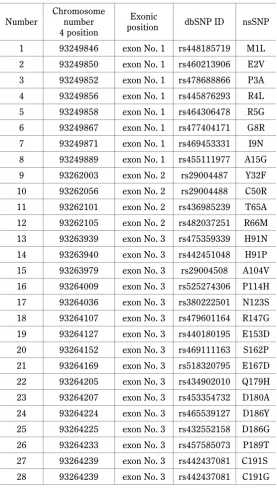
//www.ncbi.nlm.nih.gov/projects/SNP/). The retrieved SNPs were classified into several types as mentioned in (Table 1). The current study was focused only on the analysis of the SNPs that substitute amino acids sequen-ces, nsSNPs or amino acid variants. A total of 28 nsSNPs distributed over 3 exons of the LEP gene were retrieved (Table 2). Subsequently, a variety of state-of-the-art in si-lico tools were used to assess the consequences of these nsSNPs on the structure, function, and stability of leptin.
Finding deleterious nsSNPs by SIFT, PANTHER, Polyphen-2, PROVEAN, and SNAP2
“pro-A comprehensive in silico prediction of the most deleterious missense variants in the bovine LEP gene 431
Table 2. The position and distribution of nsSNPs in bovine leptin protein
Number Chromosomenumber 4 position
Exonic
position dbSNP ID nsSNP 1 93249846 exon No. 1 rs448185719 M1L 2 93249850 exon No. 1 rs460213906 E2V 3 93249852 exon No. 1 rs478688866 P3A 4 93249856 exon No. 1 rs445876293 R4L 5 93249858 exon No. 1 rs464306478 R5G 6 93249867 exon No. 1 rs477404171 G8R 7 93249871 exon No. 1 rs469453331 I9N 8 93249889 exon No. 1 rs455111977 A15G 9 93262003 exon No. 2 rs29004487 Y32F 10 93262056 exon No. 2 rs29004488 C50R 11 93262101 exon No. 2 rs436985239 T65A 12 93262105 exon No. 2 rs482037251 R66M 13 93263939 exon No. 3 rs475359339 H91N 14 93263940 exon No. 3 rs442451048 H91P 15 93263979 exon No. 3 rs29004508 A104V 16 93264009 exon No. 3 rs525274306 P114H 17 93264036 exon No. 3 rs380222501 N123S 18 93264107 exon No. 3 rs479601164 R147G 19 93264127 exon No. 3 rs440180195 E153D 20 93264152 exon No. 3 rs469111163 S162P 21 93264169 exon No. 3 rs518320795 E167D 22 93264205 exon No. 3 rs434902010 Q179H 23 93264207 exon No. 3 rs453354732 D180A 24 93264224 exon No. 3 rs465539127 D186Y 25 93264225 exon No. 3 rs432552158 D186G 26 93264233 exon No. 3 rs457585073 P189T 27 93264239 exon No. 3 rs442437081 C191S 28 93264239 exon No. 3 rs442437081 C191G
bably damaging”, “possibly damaging”, and “possibly be-nign” based on the scores that ranged from “0” to “1” (Adzhubei et al., 2013). PROVEAN allowed for a balan-ced separation between neutral and deleterious amino acids by relying on a threshold of –2.5, i.e., the nsSNP is “deleterious” when it scores # –2.5 and is “neutral” when it scores > –2.5 (Choi et al., 2012). SNAP2 gene-rated automatic grading that ranged from “damaging” (score > zero) to non-damaging “neutral” (score < zero) and (Smigielski et al., 2000).
Assessment of nsSNP effect on protein stability by using I-Mutant 2.0, mCSM, SDM, and DUET
M.B.S. Al-Shuhaib
432
and DUET were submitted as protein data bank (PDB) files. In all prediction cases, the submitted file of the referring leptin protein was computed along with its amino acid substitutions and analyzed in terms of free energy change (ΔΔG) values (kcal/mol). Negative values of ΔΔG were destabilizing, while positive values of ΔΔG were stabilizing to the 3D structure of the altered pro-teins.
Identifying evolutionary, conserved, and functional regions by using NCBI COBALT, ConSurf, SPPIDER, and MutPred tools
The evolutionary, conserved regions were initially identified using a multiple sequence alignment viewer 1.5.2 and the NCBI COBALT tool (https://www.ncbi. nlm.nih.gov/tools/cobalt/cobalt.cgi). The bovine LEP ge-ne was manually compared with sequences from seven-teen selected sources of eutherian mammalian DNA, in-cluding Homo sapiens (human), Pan troglodytes (chim-panzee), Gorilla gorilla gorilla (gorilla), Pongo abelii (orangutan), Macaca mulatta (macaque), Pan paniscus (bonobo), Papio Anubis (olive baboon), Ovis aries (sheep), Capra hircus (goat), Equus caballus (horse), Sus scrofa (pig), Canis lupus familiaris (dog), Felis catus (cat), Oryctolagus cuniculus (rabbit), Callithrix jacchus (marmoset), Rattus norvegicus (rat), and Mus musculus (mouse). In ConSurf tool, both homology-based amino acid sequence alignment and empirical, Bayesian algo-rithm-based calculations were made to predict the evo-lutionary status of the position of each amino acid resi-due (Ashkenazy et al., 2010). SPPIDER, a virtual, web-based server that belongs to the POLYVIEW prediction system (http://polyview.cchmc.org/polyview3d.html), was used to compare the conservative evolutionary sta-tus of bovine leptin. Subsequently, the specific role of the observed harmful nsSNPs and their potential effect on protein functionality were analyzed using the Mut-Pred tool (Pejaver et al., 2017). In all prediction cases, the referring amino acid sequences of leptin protein were submitted in FASTA format.
3D modeling of the virtual protein structure
Whole amino acid sequences of bovine leptin were retrieved from the NCBI web server. The UniProtKB/ Swiss-Prot entry number of this protein is P50595. Since no matching PDB entries for the full 3D structure of lep-tin were found (http://www.uniprot.org), a 3D structure of bovine leptin was generated online by the RaptorX
software (Källberg et al., 2012). The observed substitu-tions within its corresponding altered proteins were virtually visualized using the PyMol-v1, 7.0.1 tool (www. shrodinger.com).
Prediction of nsSNP participation in ligand binding sites through FTsite tool
The FTsite machine is an online server that was utilized to predict ligand binding sites of bovine leptin (http://ftsite.bu.edu). It recognizes the binding sites pre-cisely, and provides a structure-based explanation of functional relationships among proteins (Ngan et al., 2012). The query protein sequence data were submitted as RaptorX-built PDB files.
Results
In this study, a series of in silico prediction analysis methods were used to analyze all the amino acid substi-tutions in the coding region of the bovine LEP gene (gene ID 280836). Therefore, all the nsSNPs were re-trieved from dbSNP database. By using several computa-tional tools and checking their effect on the structure, the function, the stability of bovine leptin as well as the evolutionary conservation scores regarding the corres-ponding amino acid residues in bovine protein were de-termined.
Table 3. The in silico analysis of the observed nonsynonymous SNPs on bovine leptin using several bioinformatics tools. The boldface nsSNPs refer to the totally damaging effect as predicted by PolyPhen-2/PANTHER/PROVEAN/SNAP2/Mutant-2/mCSM/SDM/DUET prediction tools. The nsSNPs are arranged in ascending order, from the least to the most
deleterious consequences on the altered protein
nsSNP SIFT PolyPhen-2 PANTHER PROVEAN SNAP2 Mutant-2 mCSM SDM DUET PredictionScore/
E2V 0.00
Low Confidence Prediction not scored not scored 0.000 !36 0.47 not scored not scored not scored score
affect protein function unknown invalid SNP neutral neutral increase unknown unknown unknown prediction
M1L 0.00
Low Confidence Prediction not scored not scored 0.000 !10 !0.56 not scored not scored not scored score
affect protein function unknown invalid SNP neutral neutral decrease unknown unknown unknown prediction
P3A 0.00
Low Confidence Prediction not scored not scored 0.000 !6 !0.76 not scored not scored not scored score
affect protein function unknown invalid SNP neutral neutral decrease unknown unknown unknown prediction
R4L 0.00
Low Confidence Prediction not scored not scored 0.000 2 0.29 not scored not scored not scored score
affect protein function unknown invalid SNP neutral effect decrease unknown unknown unknown prediction
R5G 0.00
Low Confidence Prediction not scored not scored 0.000 58 !0.73 not scored not scored not scored score
affect protein function unknown invalid SNP neutral effect decrease unknown unknown unknown prediction
G8R 0.00
Low Confidence Prediction not scored not scored 0.000 73 0.43 not scored not scored not scored score
affect protein function unknown invalid SNP neutral effect decrease unknown unknown unknown prediction
I9N 0.00
Low Confidence Prediction not scored not scored 0.000 66 !0.44 not scored not scored not scored score
affect protein function unknown invalid SNP neutral effect decrease unknown unknown unknown prediction
A15G 0.00
Low Confidence Prediction not scored not scored 0.000 !58 !0.25 not scored not scored not scored score
affect protein function unknown invalid SNP neutral neutral decrease unknown unknown unknown prediction
Y32F 1.0 0.000 1 !0.278 !54 !0.26 not scored not scored not scored score
tolerated benign benign neutral neutral decrease unknown unknown unknown prediction
C50R 0.94 0.000 1 2.547 !19 !0.31 0.333 0.52 0.718 score
tolerated benign benign neutral neutral decrease stabilize stabilize stabilize prediction
D180A 0.08 0.017 176 !3.017 6 0.18 0.162 1.48 0.667 score
tolerated benign benign deleterious effect increase stabilize stabilize stabilize prediction
R147G 0.76 0.002 97 !1.512 30 !1.63 !0.06 0.47 0.224 score
tolerated benign benign neutral effect decrease destabilize stabilize stabilize prediction
E153D 0.40 0.005 176 !0.633 7 !0.30 !0.302 !0.41 !1.19 score
T65A 0.08 0.005 220 !1.558 !9 !2.14 !0.654 2.06 0.168 score
tolerated benign damaging neutral neutral decrease destabilize stabilize stabilize prediction
P114H 0.21 0.064 176 !5.513 13 !1.90 !0.117 !0.39 0.039 score
tolerated benign benign deleterious effect decrease destabilize destabilize stabilize prediction
D186Y 0.00
Low Confidence Prediction 1.000 220 !6.207 69 0.05 0.164 0.67 0.114 score
affect protein function damaging damaging deleterious effect increase stabilize stabilize stabilize prediction
N123S 0.02
Low Confidence Prediction 0.798 220 !3.134 !9 !1.12 !0.27 0.43 0.045 score
affect protein function damaging damaging deleterious neutral decrease destabilize stabilize stabilize prediction
S162P 0.02
Low Confidence Prediction 0.998 220 !3.265 82 0.25 !0.214 0.3 0.09 score
affect protein function damaging damaging deleterious effect increase destabilize stabilize stabilize prediction
Q179H 0.02
Low Confidence Prediction 0.044 176 !2.780 !33 !0.10 !0.868 !0.19 !0.628 score
affect protein function benign benign deleterious neutral decrease destabilize destabilize destabilize prediction
P189T 0.03
Low Confidence Prediction 0.519 176 !2.408 !28 !1.36 !1.079 !0.45 !0.852 score
affect protein function damaging benign neutral neutral decrease destabilize destabilize destabilize prediction
H91P 0.00
Low Confidence Prediction 0.928 220 !4.509 27 !0.58 0.35 !1.35 0.099 score
affect protein function damaging damaging deleterious effect decrease stabilize destabilize stabilize prediction
E167D 0.00
Low Confidence Prediction 0.995 220 !2.062 69 !0.32 !0.636 !1.4 !0.493 score
affect protein function damaging damaging neutral effect decrease destabilize destabilize destabilize prediction
H91N 0.01
Low Confidence Prediction 0.646 220 !3.038 9 !3.02 !0.499 !0.22 !0.472 score
affect protein function damaging damaging deleterious effect decrease destabilize destabilize destabilize prediction
A104V 0.00
Low Confidence Prediction 0.600 220 !2.720 4 !0.55 !0.739 !1.69 !0.735 score
affect protein function damaging damaging deleterious effect decrease destabilize destabilize destabilize prediction
R66M 0.00
Low Confidence Prediction 1.000 220 !4.987 73 !0.66 !0.736 !0.62 !0.772 score
affect protein function damaging damaging deleterious effect decrease destabilize destabilize destabilize prediction
D186G 0.00
Low Confidence Prediction 0.998 220 !4.971 61 !0.44 !0.585 !0.24 !0.307 score
affect protein function damaging damaging deleterious effect decrease destabilize destabilize destabilize prediction
C191S 0.00
Low Confidence Prediction 1.000 220 !7.880 73 0.26 !0.785 !0.45 !0.467 score
affect protein function damaging damaging deleterious effect decrease destabilize destabilize destabilize prediction
C191G 0.00
Low Confidence Prediction 1.000 220 !9.232 81 !0.49 !1.581 !1.09 !1.595 score
affect protein function damaging damaging deleterious effect decrease destabilize destabilize destabilize prediction
A comprehensive in silico prediction of the most deleterious missense variants in the bovine LEP gene 435
A
B
C
D
E
G F
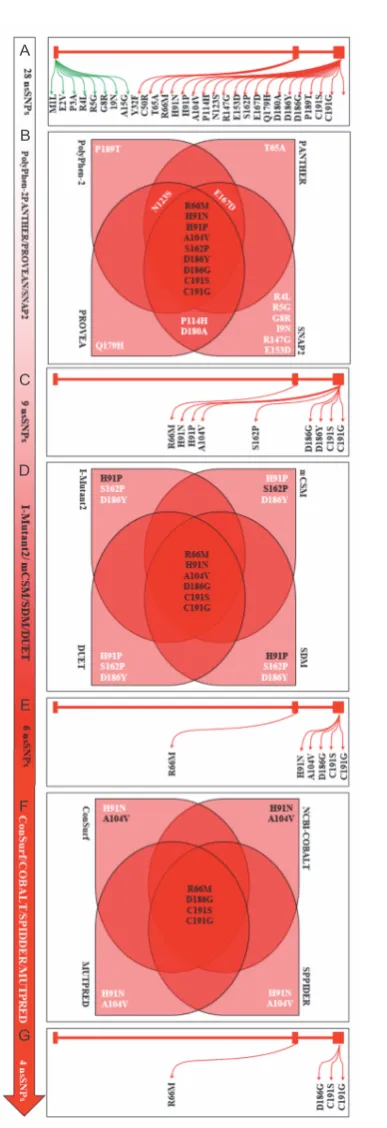
web-based bio-information servers. Therefore, SIFT dictions were compensated by other comparable pre-diction tools such as PolyPhen-2, PANTHER, PRO-VEAN, and SNAP2 through analyzing the effect of these nsSNPs on leptin function. These confirmations came from the ability of PolyPhen-2, PANTHER, PROVEAN, and SNAP2 tools to give compatible results regarding the collective effects of these 28 nsSNPs. Accordingly, eight nsSNPs, M1L, E2V, P3A, R4L, R5G, G8R, I9N, and A15G were entirely eliminated from further predic-tions since most prediction tools did not give reliable consequences regarding these missense mutations (Table 3).
The main reason behind the elimination of M1L, E2V, P3A, R4L, R5G, G8R, I9N, and A15G nsSNPs from further analyses may be a consequence of their positions in the premature leptin structure. In other words, most of these benign nsSNPs were positioned in the first 24 amino acids which are cleaved-off from the structure of the premature leptin before it is circulated into blood (Liefers, 2004). The ranges of the deleterious conse-quences of the remaining 20 nsSNPs were further cate-gorized according to the impact of their effect on leptin biological structure and function. Out of the identified 20 nsSNPs, 9 nsSNPs identified in 6 amino acids positions, R66M, H91N, H91P, A104V, S162P, D186Y, D186G, C191S, and C191G were found to represent the most dangerous missense mutations observed in bovine leptin (Fig. 1B). These variants were re-predicted as delete-rious by all the four, PolyPhen-2, PANTHER, PROVEAN, and SNAP2 programs and are likely to affect the struc-ture and function of the protein, resulting in different metabolic problems. In all 9 nsSNPs were predicted as deleterious by all the software tools used (R66M, H91N, H91P, A104V, S162P, D186G, D186Y, C191S, and C191G) (Figure 1C). To evaluate the effect of these deleterious nsSNPs on protein stability upon mutation, four in silico tools were utilized, i.e. I-Mutant 2, mCSM, SDM, and DUET (Capriotti et al., 2005; Pires et al., 2012; Worth et al., 2012; Pires et al., 2014). These tools further eliminated three additional deleterious nsSNPs as they increased leptin stability upon mutation (H91P, S162P, and D186Y) (Fig. 1D). Thus, by using the de-leterious prediction filter and the stability prediction filter, only 6 nsSNPs were found to be deleterious by all these tools, namely R66M, H91N, A104V, D186G, C191S, and C191G. Subsequently, a third layer of
pre-Fig. 1. A schematic diagram of mutation prediction tools sho-wing the most deleterious nsSNPs of bovine leptin. A) out of the 29 retrieved nsSNPs, B) only 9 were found to be entirely de-leterious by all tools (PolyPen-2PANTHER/PROVEAN/ SNAP2), C) out of the 9 deleterious nsSNPs, D) only 6 were found en-tirely destabilizing by Mutant2/mCSM/SDM/DUET tools, E) out of the 6 deleterious nsSNPs, F) only 4 were found entirely destabilizing by the COBALT/ConSurf/SPIDDER/MutPred tools, G) the filtered-out entirely deleterious and destabilizing
M.B.S. Al-Shuhaib
436
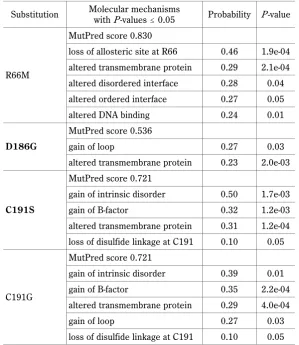
Table 4. MutPred predictions for the most deleterious nsSNPs observed in the bovine LEP gene
Substitution Molecular mechanismswith P-values # 0.05 Probability P-value
R66M
MutPred score 0.830
loss of allosteric site at R66 0.46 1.9e-04 altered transmembrane protein 0.29 2.1e-04 altered disordered interface 0.28 0.04 altered ordered interface 0.27 0.05 altered DNA binding 0.24 0.01
D186G
MutPred score 0.536
gain of loop 0.27 0.03 altered transmembrane protein 0.23 2.0e-03
C191S
MutPred score 0.721
gain of intrinsic disorder 0.50 1.7e-03 gain of B-factor 0.32 1.2e-03 altered transmembrane protein 0.31 1.2e-04 loss of disulfide linkage at C191 0.10 0.05
C191G
MutPred score 0.721
gain of intrinsic disorder 0.39 0.01 gain of B-factor 0.35 2.2e-04 altered transmembrane protein 0.29 4.0e-04 gain of loop 0.27 0.03 loss of disulfide linkage at C191 0.10 0.05
diction filters was added to get a further confirmation on the observed variants in terms of evolutionary conserva-tion grade they had and the mechanism of their effect. This prediction task was performed by four prediction tools, NCBI-Cobalt, ConSurf, SPPIDER, and Mutpred. Using NCBI-Cobalt, all 6 nsSNPs were found to be con-served in comparison with all other eutherian animals. The ConSurf tool provided an accurate conservation analysis in which the majority of nsSNPs (R66M, D186G, C191S, and C191G) ranged between conserved and highly conserved with the exception of the 91st
amino acid position that consisted of two different va-riants. Moreover, results obtained with the SPPIDER tool concerning R66M, H91N, H91P, D186G, C191S, and C191G were confirmed by those from ConSurf (Supplementary Fig. 1A, 1B, 1C). The most conserved nsSNPs among the results obtained with (all three) NCBI-Cobalt, ConSurf, and SPPIDER tools were only four (R66M, D186G, C191S, and C191G) (Fig. 1E).
Ad-ditionally, more predictions were offered by ConSurf and SPPIDER to provide further prioritization amongst these 4 conserved variants. Both ConSurf and SPPIDER tools gave similar “very high” conservation for R66M, C191S, and C191G nsSNPs.
To go beyond this point, the ConSurf tool unmasked many more details concerning these three nsSNPs. It revealed that both, the 66th and the 191th amino acids
A comprehensive in silico prediction of the most deleterious missense variants in the bovine LEP gene 437
A
B
C
Fig. 2. The postulated 3D structure of the most deleterious missense SNPs in bovine leptin before and after mutation. A–C) branches highlight the involved amino acids in their wild
types and mutant forms, respectively
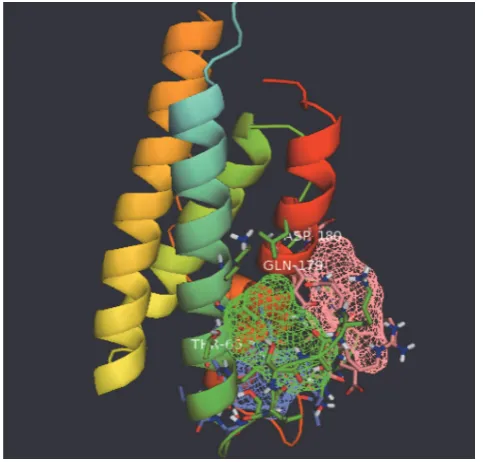
Fig. 3. FTsite prediction of the 3D constructed bovine leptin
All of the constructed 191 (100%) amino acid resi-dues were modeled successfully and only 14 (28%) posi-tions were predicted as disordered by the RaptorX mo-deling tool. Secondary structures of the native leptin model revealed 53% helix, 1% beta sheet, and 45% loop structures. Although the R66M, C191S, and C191G variants exerted high critical functionality in all
predic-tion tools, the analysis of the 3D putative model of bo-vine leptin did not predict any involvement of these three variants, as long as all other damaging nsSNPs, in any ligand bound with the leptin receptor was as sug-gested by FTsite search tool (Fig. 3). Thus, the present study found that all these proven deleterious variants do not participate in the binding with the receptor (supple-mentary Table 1).
Discussion
There were several reasons that prompted us to en-gage in the study of the influence of SNPs on the LEP gene sequence and their potential influence on protein function (Raschia et al., 2018). They were: 1) many nsSNPs have been reported in the coding region of the LEP gene that has a relation to growth, nutritional sta-tus, and body composition (Liao et al., 2010), 2) LEP gene is located within the quantitative trait locus on chromosome “4” that is directly or indirectly related to several productive traits (Agarwal et al., 2009), 3) the LEP gene is a key factor for getting a deeper insight into its association with the leptin receptor in cattle (Trako-vická et al., 2013), 4) the combination of the pattern of the LEP gene binding with its receptor and its location on chromosome 4 makes the LEP gene a brilliant candi-date gene that may participate interactively in animal genetic breeding strategies (Jecminkova et al., 2018), 5) the study of nsSNPs of LEP gene might have a remar-kable consequence on its corresponding protein struc-ture, expression, and function. Accordingly, the most de-leterious missense mutations of 191 amino acids of the leptin protein were comprehensively covered in this study.
por-M.B.S. Al-Shuhaib
438
tion and might break its interconnection with the C-ter-minus. Thus, both C191S and C191G nsSNPs would prevent the N-terminal portion from maintaining the correct leptin conformation needed for binding to its receptor. Thus, C191S and C191G may have deleterious consequences on leptin activity. The Mutpred tool indi-cated that both C191S and C191G disrupted the Cys141-Cys191 disulfide connection and were involved in this damaging mechanism. With regard to receptor binding site-II, which is positioned within bovine leptin amino acid residues 131–165 (Hiroike et al., 2000), no highly deleterious nsSNP was detected at this site. On the other hand, three completely deleterious nsSNPs (R66M, A104V, H91N, and H91P) were detected at the leptin receptor binding site-III. This binding site is loca-ted around the N-terminus of leptin (Iserentant et al., 2005). It extends from residues 47–140 of the mature bovine leptin (Fischer, 2008).
Thus, the presence of R66M, A104V, H91N, and H91P snSNPs in mature leptin might cause improper folding of the N-terminus. Therefore, the present fin-dings indicate that C191S, C191G, A104V, and R66M have the most dangerous consequences due to their highly deleterious impacts predicted by all utilized in silico tools. As determined by the ConSurf tool in the present study, these highly damaging amino acids are located in highly evolutionary, conserved positions in bovine leptin. Eventually, the obtained perspective of bovine leptin is the result of a cumulative combination of various computational tools that have collectively provi-ded these data.
Conclusions
This manuscript presents pilot data that filter out the probability of the nsSNPs altering leptin structure and its biological activity. These SNPs may potentially have a profound influence on the protein structure and its abi-lity to interact with receptors. This study detected four amino acid variants, C191S, C191G, A104V, and R66M that, according to the prediction tools used in the study, had the most damaging effects on the protein in terms of structure, function, and stability. R66M and A104V exert their effect primarily by causing loss of the allo-steric site and loop alteration, respectively. Importantly, both C191S and C191G directly disrupt disulfide linkage formation in the protein. The last disulfide breakdown is
a natural outcome for the altered protein due to the posi-tioning of both C191S and C191C in cys141–cys191 in the disulfide linkage site of leptin. Therefore, these in silico prediction data may provide the first bio-com-putational evidence of the consequences of the most deleterious missense mutations in bovine leptin in terms of its structure, function, and stability.
The present study provides a starting point for the future targeted breeding-based studies that may be use-ful for establishing the potential damaging impact of amino acid substitutions on the biological function of lep-tin in the marker-assisted selection of cattle. These com-putational findings would/may/might (also) make bree-ders rethink current breeding systems and may establish in silico approaches to them.
References
Adzhubei I., Jordan D.M., Sunyaev S.R. (2013) Predicting functional effect of human missense mutations using Poly-Phen-2. Chapter 7: Unit 7.20. Curr. Protoc. Hum. Genet. Abdulazeez S., Sultana S., Almandil N.B., Almohazey D.,
Bency B.J., Borgio J.F. (2019) The rs61742690 (S783N) single nucleotide polymorphism is a suitable target for dis-rupting BCL11A-mediated foetal-to-adult globin switching. PLoS ONE 14(2): e0212492.
Agarwal R., Rout P.K., Singh S.K. (2009) Leptin: a biomole-cule for enhancing livestock productivity. Indian J. Bio-technol. 8: 169–176.
Al-Shuhaib M.B.S., Al-Fihan R.A., Al-Qutbi A.A., Al-Thuwaini T.M. (2017) Potential consequences of DGAT2 and BTN genes polymorphism in Iraqi Holstein cattle. SAB 4: 127–141.
Al-Shuhaib M.B.S., Al-Kafajy F.R., Badi M.A., AbdulAzeez S., Marimuthu K., Al-Juhaishi H.A.I., Borgio J.F. (2018) Highly deleterious variations in COX1, CYTB, SCG5, FK2, PRL and PGF genes are the potential adaptation of the immi-grated African ostrich population. Comput. Biol. Med. 100: 17–26.
Ashkenazy H., Erez E., Martz E., Pupko T., Ben-Tal N. (2010)
ConSurf 2010: calculating evolutionary conservation in se-quence and structure of proteins and nucleic acids. Nucl. Acids Res. 38: W529–W533.
Borgio J.F., Al-Madan M.S., AbdulAzeez S. (2016) Mutation near the binding interfaces at alpha-hemoglobin stabilizing protein is highly pathogenic. Am. J. Transl. Res. 8(10): 4224–4232.
Capriotti E., Fariselli P., Casadio R. (2005) I-Mutant 2.0: pre-dicting stability changes upon mutation from the protein sequence or structure. Nucl. Acids Res. 33: W306–W310. Choi Y., Sims G.E., Murphy S., Miller J.R., Chan A.P. (2012)
A comprehensive in silico prediction of the most deleterious missense variants in the bovine LEP gene 439
Denver R.J., Bonett R.M., Boorse G.C. (2011) Evolution of leptin structure and function. Neuroendocrinology 94: 21–38.
Fischer JDH. (2008) Distributions and associations of single nucleotide polymorphisms in the leptin gene of Bos taurus and Bos indicus cattle. LSU Master's Thesis: 4301. Gutierrez D.A., Puglisi M.J., Hasty A.H. (2009) Impact of
in-creased adipose tissue mass on inflammation, insulin resi-stance, and dyslipidemia. Curr. Diabetes Rep. 9: 26–32. Haglund E., Sułkowska J.I., He Z., Feng G-S, Jennings P.A.,
Onuchic J.N. (2012) The unique cysteine knot regulates the pleotropic hormone leptin. PLoS ONE 7 e45654. Hiroike T., Higo J., Jingami H., Toh H. (2000) Homology
mo-deling of human Leptin/Leptin receptor complex. Bio-chem. Bioph. Res. Co. 275: 154–158.
Jecminkova K., Müller U., Kyselova J., Sztankoova Z., Zavadi-lova L., Stipkova M., Majzlik I. (2018) Association of lep-tin, toll-like receptor 4, and chemokine receptor of inter-leukin 8 C-X-C motif single nucleotide polymorphisms with fertility traits in Czech Fleckvieh cattle. Asian-Australas. J. Anim. Sci. 31(11): 1721–1728.
Källberg M., Wang H., Wang S., Peng J., Wang Z., Lu H., Xu J. (2012) Template-based protein structure modeling using the RaptorX web server. Nat. Protoc. 19: 1511–1522. Kline A.D., Becker G.W., Churgay L.M., Landen B.E., Martin
D.K., Muth WL, Rathnachalam R., Richardson J.M., Scho-ner B., Ulmer M., Hale J.E. (1997) Leptin is a four-helix bundle: Secondary structure by NMR. FEBS Lett. 407: 239–242.
Liao P.Y., Lee K.H. (2010) From SNPs to functional polymor-phism: the insight into biotechnology applications. Bio-chem. Eng. J. 49: 149–158.
Liefers S. (2004) Physiology and genetics of leptin in per-parturient dairy cows. Wageningen University. Ph. D. Thesis.
Liefers S.C., Veerkamp R.F., TePas M.F.W., Delavaud C., Chil-liard Y., Platjie M., Lende V.D. (2005) Leptin promoter mutations affect leptin levels and performance traits in dairy cows. Anim. Genet. 36: 111–118.
Matteis G., Scatà M., Grandoni F., Petrera F., Abeni F., Ca-tillo G., Napolitano B., Moioli B. (2012) Association ana-lyses of single nucleotide polymorphisms in the leptin and leptin receptor genes on milk and morphological traits in Holstein cows. OJAS 2: 174–182.
Ng P.C., Henikoff S.H. (2003) SIFT: predicting amino acid changes that affect protein function. Nucl. Acids Res. 31: 3812–3814.
Ng P.C., Henikoff S. (2006) Predicting the effects of amino acid substitutions on protein function. Annu. Rev. Genom. Hum. Genet. 7: 61–80.
Ngan C.H., Hall D.R., Zerbe B., Grove L.E., Kozakov D., Vajda S. (2012) FTSite: high accuracy detection of ligand binding sites on unbound protein structures. Bioinformatics 15: 286–287.
Peelman F., VanBeneden K., Zabeau L., Iserentant H., Ulrichts P., Defea D., Verhee A., Catteeuw D., Elewaut D., Tavemier
J. (2004) Mapping of the leptin binding sites and design of a leptin antagonist. J. Biol. Chem. 279: 41038–41046. Peelman F., Zabeau L., Mobarana K., Savvides S.N., Tavernier
J. (2014) 20 years of leptin: insights into signaling assem-blies of the leptin receptor. J. Endocrinol. 223(1): T9-23. Pejaver V., Urresti J., Lugo-Martinez J., Pagel K.A., Lin G.N.,
Nam H., Mort M., Cooper D.N., Sebat J., Iakoucheva L.M., Mooney S.D., Radivojac P. (2017) MutPred2: inferring the molecular and phenotypic impact of amino acid va-riants. bioRxiv 134981.
Pires D.E.V., Ascher D.B., Blundell T.L. (2012) mCSM: pre-dicting the effects of mutations in proteins using graph-based signatures. Bioinformatics 30: 335–342.
Pires D.E., Ascher D.B., Blundell T.L. (2014) DUET: a server for predicting effects of mutations on protein stability using an integrated computational approach. Nucl. Acids Res. 42: W314–W319.
Prokop J.W., Duff R.J., Ball H.C., Copeland D.L., Londraville R.L. (2012) Leptin and leptin receptor: analysis of a struc-ture to function relationship in interaction and evolution from humans to fish. Peptides 38(2): 326–336.
Raschia M.A., Nani J.P., Maizon D.O., Beribe M.J., Amadio A.F., Poli M.A. (2018) Single nucleotide polymorphisms in candidate genes associated with milk yield in Argentinean Holstein and Holstein x Jersey cows. J. Anim. Sci. Technol. 12(60): 31.
Sauna Z.E., Kimchi-Sarfaty C. (2011) Understanding the con-tribution of synonymous mutations to human disease. Nat. Rev. Genet. 12: 638–691.
Smigielski E.M., Sirotkin K., Ward M., Sherry S.T. (2000)
dbSNP: a database of single nucleotide polymorphisms. Nucl. Acids Res. 28: 52–355.
Saleem A.H., Hussain T., Tahir M.Z., Ali A., Khan W.A., Da-wood M., et al. (2015) Role of leptin in growth, repro-duction and milk prorepro-duction in farm animals – a review. JAVAR 3(5): 302- 307.
Tang H., Thomas P.D. (2016) PANTHER-PSEP: predicting di-sease-causing genetic variants using position-specific evo-lutionary preservation. Bioinformatics 32: 2230–2232. Trakovická A., Moravčíková N., Kasarda R. (2013) Genetic
polymorphisms of leptin and leptin receptor genes in re-lation with production and reproduction traits in cattle. Acta Biochim. Pol. 60: 783–787.
Worth C.L., Preissner R., Blundell T.L. (2012) SDM – a server for predicting effects of mutations on protein stability and malfunction. Nucl. Acids Res. 39: W215–W222.
Yadav V.K., Oury F., Tanaka K.F., Thomas T., Wang Y., Cre-mers S., Hen R., Krust A., Chambon P., Karsenty G. (2011) Leptin-dependent serotonin control of appetite: temporal specificity, transcriptional regulation, and thera-peutic implications. J. Exp. Med. 208(1): 41-52.
Zhang F., Chen Y., Heiman M., Dimarchi R. (2005) Leptin: structure, function and biology. Vitam. Horm. 71: 345–72. Zhou H., Hickford J.G., Gong H. (2009) Identification of allelic