Copyright by Samer Atshan
The Thesis Committee for Samer Atshan
Certifies that this is the approved version of the following thesis:
Determinants of Environmental Behavior: The Effect of Social Context
APPROVED BY
SUPERVISING COMMITTEE:
Varun Rai Patrick Bixler Supervisor:
Determinants of Environmental Behavior:
The Effect of Social Context
by
Samer Atshan, B. Eng.
Thesis
Presented to the Faculty of the Graduate School of The University of Texas at Austin
in Partial Fulfillment of the Requirements
for the Degree of
Master of Public Affairs
and
Master of Science in Energy & Earth Resources
The University of Texas at Austin
May 2018
Dedication
To Mom and Dad
v
Acknowledgements
I would like to thank my thesis committee members: Dr. Patrick Bixler, Dr. Varun Rai, and Dr. David Springer, for their guidance, feedback and support in writing this thesis. I would like to thank Adam Papendieck, the Writer-in-Residence at the Jackson School of Geosciences, for his contributions on writing style and research design. I would also like to thank Dr. Suzanne Pierce and Dr. David Eaton. Over the past three years, their support and words of encouragement were up-lifting and timely.
I would like to thank the RGK Center for Philanthropy & Community Service at the LBJ School of Public Affairs, and the Energy & Earth Resources department at the Jackson School for Geosciences, not only for their financial support but also for their utter devotion to the success of their students.
Last but not least, I would like to thank my family, my friends in Austin, and my friends around the world, who endured lengthy monologues about this research but only responded with reassurance and kindness.
vi
Abstract
Determinants of Environmental Behavior: The Effect of Social Context
Samer Atshan, MPAFF/MSEER The University of Texas at Austin, 2018
Supervisors: Varun Rai and Patrick Bixler
Individual behavior plays a significant role in the use of natural resources and the promulgation of environmental degradation. Environmentally-responsible behavior constitutes practices that generally contribute to environmental well-being. Models that explain why individuals act in an environmentally-responsible way have seen success, but few of them incorporate the effect of the social context of the decision.
The objective of this thesis is to investigate some causal pathways through which social capital affects environmentally-responsible behavior. By building on previous models, this thesis conceptualizes a path model that explores the impacts of community participation, social trust, and strong relationships on behaviors such as commuting, environmental boycotting, and behavior on Ozone Action Days. The model also includes environmental concern and internal locus of control as mediating variables between social capital and these environmental behaviors. Structural equation modeling is used to explore associations. Results show that there are valid relationships between social capital and some of the behaviors.
vii
Table of Contents
List of Tables ... ix
List of Figures ...x
Chapter 1: Introduction ...1
Chapter 2: Literature Review ...7
Environmentally Responsible Behavior ...7
Behavioral Theories and Models ...7
Environmental Concern ...11
Measurement of Environmental Concern ...12
Bases for Environmental Concern ...13
Environmental Concern-Behavior Link ...14
Social Capital ...15
Measurement and Components ...17
Social Capital and Behavior ...18
Social Capital, EC, and ERB ...20
Chapter 3: Hypotheses ...23
Chapter 4: Data and Methodology ...28
Austin Area Community Survey ...28
Establishing Causality ...30
Structural Equation Modeling ...31
Endogenous Variables ...33
ERBs ...34
Internal Locus of Control ...35
Environmental Concern ...35
Exogenous Variables ...36
Social Capital ...37
viii
Chapter 5: Results ...40
Model Fit Criteria ...40
Model 1 Results ...42 Model 2 Results ...46 Discussion ...48 Limitations ...50 Chapter 6: Conclusion ...54 Appendix 1 ...56
Structural, Cognitive, and Relational Social Capital ...56
Appendix 2 ...57
Central Texas Sustainability Indicators Project Community Survey 2015 ..57
Appendix 3 ...100
Appendix 4 ...102
Summary of Variables ...102
ix
List of Tables
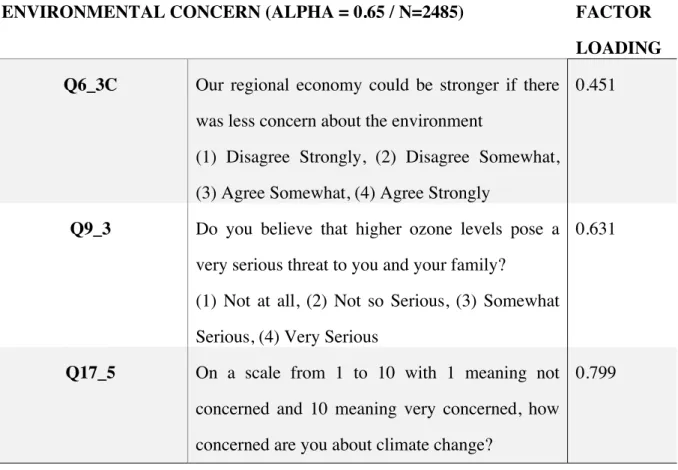
Table 1: Confirmatory Factor Analysis for Environmental Concern ...36
Table 2: Confirmatory Factor Analysis for Social Trust ...38
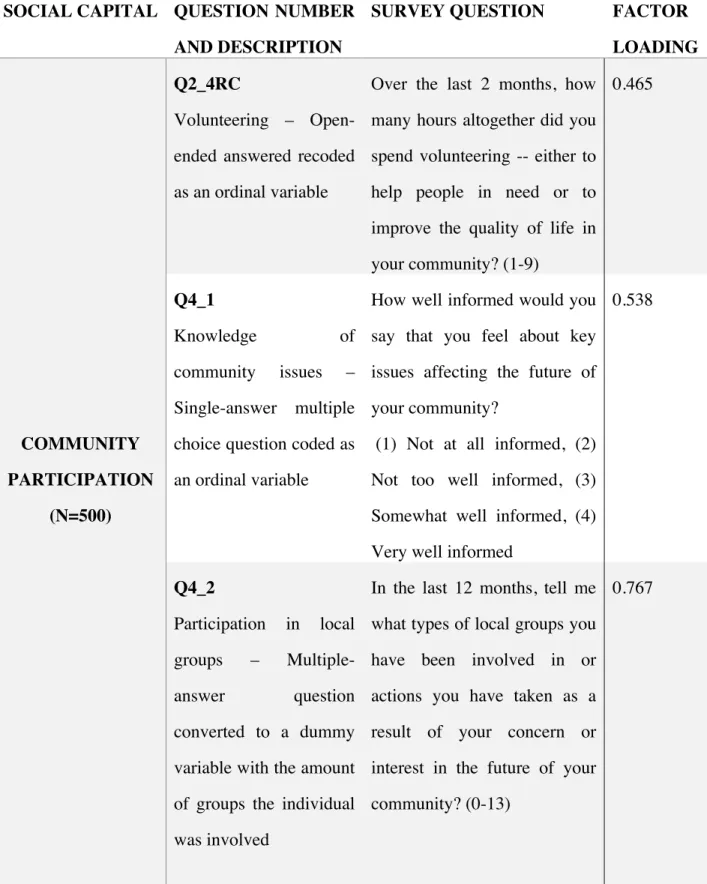
Table 3: Confirmatory Factor Analysis for Community Participation ...39
Table 4: SEM Fit Statistics ...42
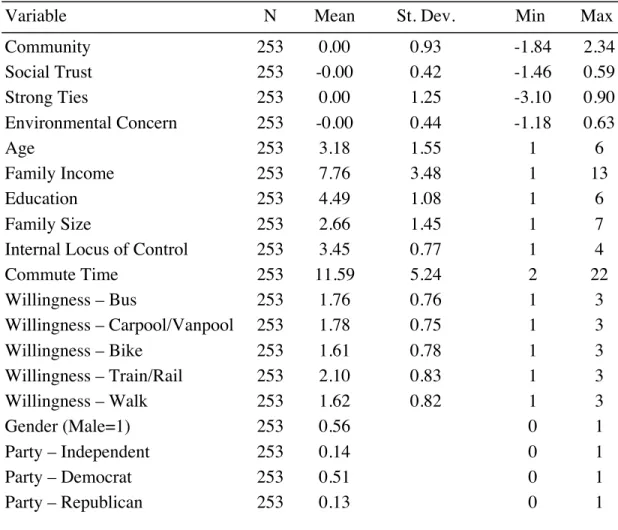
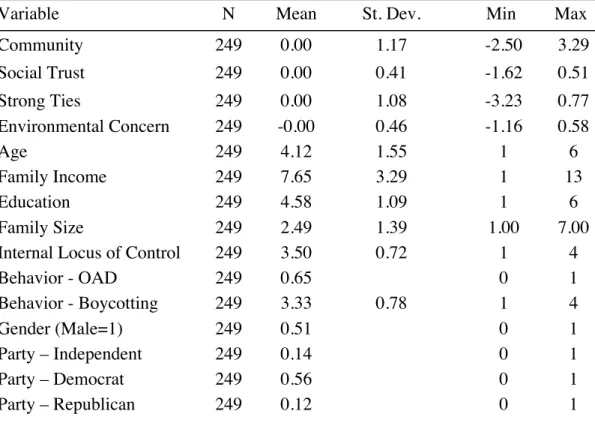
Table 5: Descriptive Statistics for Model 1 Sample ...43
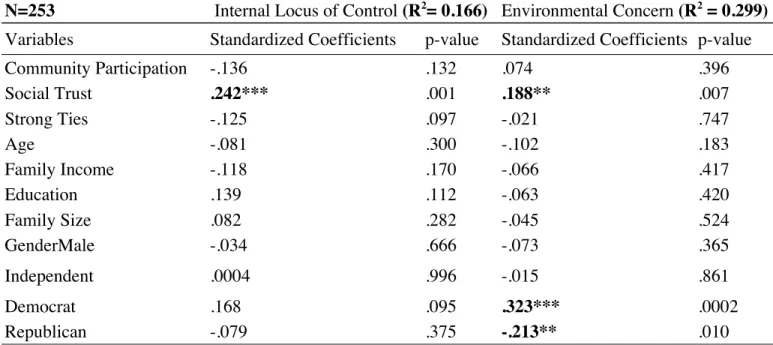
Table 6: Regression Results for Model 1 (N=253) ...44
Table 7: Descriptive Statistics for Model 2 Sample ...46
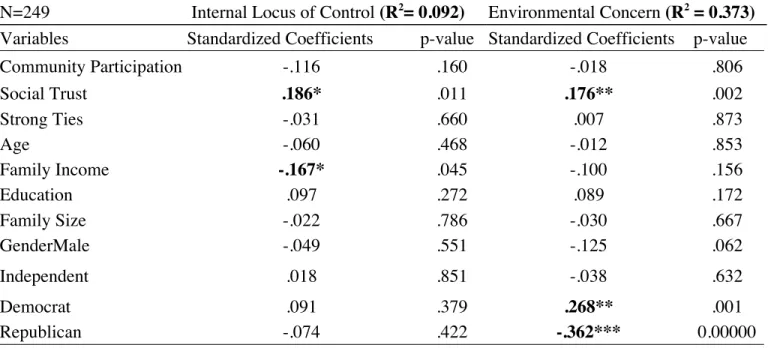
Table 8: Regression Results for Model 2 (N=249) ...47
Table 9: Summary of Supported Hypotheses in this Study ...53
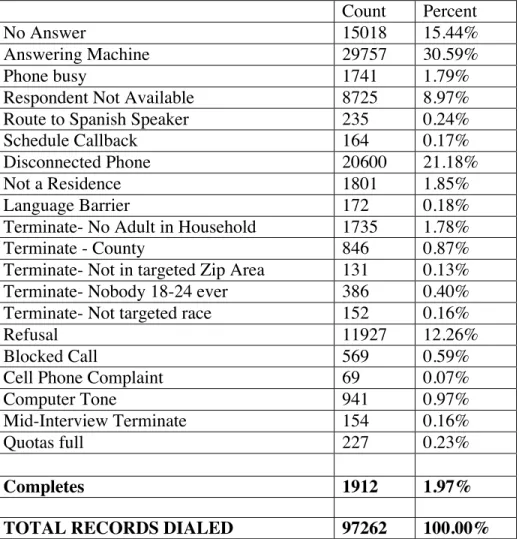
Table 10: Disposition Table / Records Dialed ...100
x
List of Figures
Figure 1: Norm-activation Theory ...9 Figure 2: Theory of Planned Behavior ...9 Figure 3: Value-Belief-Norm Model ...9 Figure 4: Path Model 1 for Willingness to Commute Using Alternative Means of
Transportation ...33
1
Chapter 1: Introduction
Environmental degradation, climate change, and the excessive use of natural resources are continuous threats to the safety and prosperity of modern life. Natural resource and environmental policies aim to mitigate these threats and reduce societies’ role in promulgating them by setting rules, prices, and providing public goods. This neoclassical framework for environmental economics is constantly being challenged as more complex environmental problems continue to arise. Some of the current solutions are prohibitively expensive or constraining, require unequal concessions from negotiating parties, or fail to consider the factors defining true individual preference structures.
Although conventional policies play an important role in the protection of our environment, there is a growing need for long-term and robust policy solutions grounded within the view of the social and “irrational” individual as the primary driving force for economic decisions that affect the environment (Ariely, 2009). In 2016, the residential sector in the United States produced around 19.2% of total CO2 emissions from fossil fuel
combustion, and passenger cars produced around 41.9% of total CO2 emissions from
fossil fuel combustion in the transportation sector (U.S. EPA, 2016). These activities, which involve some significant level of individual decision-making, illustrate how changes in behavior at the household level or changes in commuting behavior may achieve significant reductions in CO2 emissions. The argument can then be made that to
reduce emissions, policies that focus on individual behavior shifts can supplement conventional environmental policy. Pro-environmental behavior or environmentally responsible behavior (ERB), has therefore been the focus of many researchers (Bamberg & Moser, 2007; Gifford & Nilsson, 2014; Jin, 2013). Within this literature the attention has been on the demographic, socio-economic, socio-spatial, and socio-psychological
2
causal properties that help explain pro-environmental behavior. The underlying question this literature tries to answer is what makes an individual more disposed toward ERB and therefore what public policies might be tailored based on the beneficial impacts of a certain factor. This literature cumulatively proposes a variety of models that explain the heterogeneity in a specific ERB or a set of ERBs using a group of determinants.
One line of research that attempts to understand economic decisions and behaviors has focused on the effect of social networks. Although this research can be categorized within that focusing on social antecedents of behavior, it specifically theorizes that actions are best contextualized by examining the features of the social network in which actors exist. The idea that certain social networks may produce socially beneficial outcomes is well-established in multiple areas. For instance, social connectedness in a community can enhance health through propagating healthy social norms and increasing health literacy, both which help people take better health decisions (Kim, Subramanian, & Kawachi, 2006). Social connectedness has also been seen to significantly reduce crime rates in African American migration networks across U.S. cities between 1960 and 2009 (Stuart & Taylor, 2017).
A common yet arguable mechanism for social networks is that densely connected networks are more likely to produce socially beneficial outcomes through prompting collective action from the actors (Ostrom, 2007; Videras, 2013). Pretty & Ward (2001a) established this concept for environmental outcomes by considering social capital as a resource generated by the structural property of relationships between actors in a network, and demonstrating how this resource facilitates cooperation and lowers costs for actors in working together. Building on previous descriptions of social capital which incorporate trust, common rules, norms, measures of reciprocity, and connectedness, they claim that actors in communities with higher social capital have more confidence in
3
collective environmental activities and are less likely to engage in private actions that result in negative environmental impacts. Along similar lines, Adger (2003) and Katz (2000) link social capital and the collective management of natural resources. They argue that effective collective decision-making required for dealing with climate change depends on social factors, as well as networks that support the flow of information and access to natural capital. They also argue that social capital may be a substitute for institutions that govern and help enforce ownership through social norms.
What about beneficial environmental outcomes through behaviors that do not necessarily require collective action, or their placement in the “collective action” category is less clear? Particularly, behaviors that fall into the category of “Private-Sphere Environmentalism”(P. C. Stern, 2000). Are there any claims that properties of networks such as social capital or social connectedness can have a positive impact on bringing about individual ERB? Although there are some findings that speak to this question, the answer seems less clear, and the mechanisms linking social capital and ERB are not well established (Thoyre, 2011). This is possibly the case for three reasons. First, ERB is a broad term used to describe actions that are beneficial to the environment. These private decisions are driven by multiple factors, and the importance of the social context in which the decision occurs is not necessarily always visible. One can say that social connectedness for instance might translate into higher cell-phone usage leading to higher energy use, whereas the reasons one might be reluctant to use public transportation are less clear. Ultimately, examining the antecedents of any ERB involves identifying a specific behavior and then theorizing the specific factors that play a role within that behavior. Second, examining the social context of an individual behavior does not always have clear implications. In social capital research for instance, measures of social capital vary widely, and if considered alone, they do not account for social structure. But even
4
when a study accounts for the structure, it is challenging to reach irrefutable causal conclusions. This is due to effects such as homophily: that individuals might be connecting with others who engage in the same behavior, rather than engaging in the behavior due to their social connections (Barnes, Lynham, Kalberg, & Leung, 2016). Also, it might be challenging due to possible variables driving both the ERB and the social structure (Videras, 2013). Third, and probably for the reasons just listed, the literature attempting to understand determinants of ERB has seen more success, in terms of theorizing and explaining variance, from looking at micro-level psychological factors than macro-level social factors. Particularly, the Theory of Planned Behavior (TPB) and Norm-Activation Theory (NAT) have been prominent theories within research attempting to model ERB (Bamberg & Moser, 2007; Cho & Kang, 2017; Klöckner, 2013).
Although these models have seen success, they are not perfect either. They do not always explain variance in behaviors, they vary widely, and there are several factors that can impact behaviors, all of which differ based on the type of ERB being modeled. It remains that models could be improved by including the effect of social networks as an explanatory variable and perhaps integrate that effect into the micro-level models. It is still unclear how social capital is situated with respect to these other socio-psychological constructs within the models for predicting ERB.
This study addresses the impact of social capital - as one property of a social network - on ERB. It also addresses the causal mechanisms through which social capital might be integrated with other socio-psychological and cognitive constructs. I do this through proposing hypotheses for these causal pathways and then testing for valid correlations through an appropriate statistical methodology. Specifically, I use survey data from the Austin Area Community Survey between 2004 and 2015 to run regression models on self-reported behaviors such as taking different actions on Ozone Action Days,
5
willingness to commute using alternative means of transportation, environmental boycotting, and type of commuting vehicle (hybrid or not). I include explanatory demographic variables such as income, educational attainment, and gender as control variables in addition to social capital and other socio-psychological factors. Specifically, I use a structural equation model (SEM) to predict the specified ERBs. These models attempt to verify the causal pathways by which social capital and the other variables interact.
The rest of this paper is organized as follows: In chapter 2, I present the literature that describes pro-environmental behavior and its explanatory factors. The notion of environmental concern is a significant factor that is included in the study. I also define social capital, determine ways to measure it, and determine its reported usefulness in predicting ERB. In chapter 3, I state my hypotheses. In chapter 4, I describe the data, explain the construction of the latent variables, and I specify the structural equation model that will generate the data which tests the hypotheses. In chapter 5, I describe the results and attempt to understand why the data verifies the proposed relationships between social capital and the other variables. Results show that there are some valid relationships between social capital and willingness to commute using alternative means of transportation, however only modest claims should be made on the causal effects of social capital due to some limitations in the data and model specification. In chapter 6, I make concluding remarks and propose research moving forward.
Establishing a connection between social capital and environmental outcomes should be important for policymakers. It signifies that social ties and norms matter for environmental behavior in addition to what current policies consider. Then there would be reason to believe that environmental social nudges, for instance, can bring about positive outcomes through shifting individual behavior. A good example of an
6
environmental social nudge is the “Don’t Mess with Texas” anti-littering campaign which reduced visible roadside litter by 72% in the first six years of the program (Nagatsu, 2015; Thaler & Sunstein, 2008; Videras, 2013).
7
Chapter 2: Literature Review
ENVIRONMENTALLY RESPONSIBLE BEHAVIOR
ERBs constitute practices that generally contribute to environmental well-being. This definition builds on the definition of environmental behavior as “broadly all types of behavior that change the availability of materials or energy from the environment or alter the structure and dynamics of ecosystems or the biosphere” (Steg & Vlek, 2009; P. C. Stern, 2000) The research that focuses on ERB attempts to understand the factors that predict it and propose interventions for behavioral change. Often, the goal is to achieve environmental sustainability through promoting or discouraging behavior, based on how much the behavior impacts the environment and how many people engage in it.
Behavioral Theories and Models
Initial research attempted to demonstrate that ERB is moved by a mixture of self-interest causes, concern for other objects (people, future generations, environments), social, and demographic factors(Hines, M, Hungerford, & Tomera, 1987; Lehman, 1993; Van Liere & Dunlap, 1980) But later on, focus shifted on psycho-social variables and categorized them into four groups: attitudinal factors, contextual factors, personal capability factors, and habitual factors. Researched then utilized three main theories to formally model ERB: (1) norm-activation theory, (2) theory of planned behavior, (3) value-belief-norm.
Norm-activation theory is a theory initially developed for altruistic behavior. Within environmental behavior, it states that engaging in ERB rests on the feelings of moral obligation an individual might experience (personal norms). As shown in Figure 1, personal norms are determined by an interplay of cognitive, emotional, and social factors such as the environmental consequences of a behavior and perceived behavior control or
8
whether the individual has the ability to engage in the behavior (Bamberg, Hunecke, & Blöbaum, 2007; Klöckner, 2013; Schwartz, 1977).
The theory of planned behavior is a general theory for behavior and rests on the central assumption that intention, or willingness to engage in a behavior, directly determines whether an individual performs the behavior. As shown in Figure 2, intention is determined by three factors: attitudes, which incorporate beliefs about a behavior, subjective norms, which includes social pressures and norms, and perceived behavioral control (Ajzen, 1991; Bamberg, Ajzen, & Schmidt, 2003). Therefore, ERB rests on the individual’s subjective attitudes towards the behavior, its outcome, the ability to engage in it, and the subjective interpretation of what people’s expectation and support are towards the ERB.
Value-belief-norm (VBN) is an extension of Schwartz’s norm activation theory of altruism (Schultz et al., 2004; Schultz, 2001; Stern & Dietz, 1994) and is specifically used to model ERB. As shown in Figure 3, it considers personal norms for a pro-environmental action as the direct determinant of the behavior and are caused by a chain of causal variables that are pre-requisites to the activation of personal norms. For instance, if an individual is not aware of the consequences of a certain behavior, they would not activate any feelings of personal responsibility for what the actions entail.
9 Figure 2: Theory of Planned Behavior
Figure 3: Value-Belief-Norm Model Figure 1: Norm-activation Theory
10
There are numerous studies that use these theories to explain ERB. But more recently ERB is viewed to be motivated by a combination of pro-social (NAT and VBN) and self-interest (TPB) tendencies. This has led to studies that attempt to integrate the theories to create more comprehensive models that predict ERB more accurately. For instance, in commuting behavior Gardner & Abraham (2010) use a TPB framework that incorporates personal norms as a determinant of intentions to explain car and non-car city transportation behaviors. Similarly, Bamberg et al. (2007) use an integrative framework from TPB and NAT to test the effect of personal norms on the intentions of using public transportation in two cities. They find that personal norms are a significant predictor of the intention to use public transportation.
Other personal, psycho-social and cognitive factors not included in the original theories also made their way into ERB modeling. Gifford & Nilsson (2014) summarize some of these factors: knowledge and education, locus of control, childhood experiences, place attachment, religion, and other demographic variables. Particularly, some meta-analyses have contributed to the integration of the theories and these other factors within ERB models. A meta-analysis by Klöckner (2013) on 56 studies helps identify an integrated framework that incorporates variables from all three theories in addition to habits. A meta-analysis by Hines, M, Hungerford, & Tomera (1987) found as well that factors such as knowledge of issues, knowledge of action strategies, attitudes, verbal commitment, sense of responsibility, and locus of control, were consistently associated with ERBs. Locus of control is an individual’s beliefs about whether change can be achieved through behavior. Internal locus of control within ERB refers to the belief that an individual’s actions will have an impact on the environment while external locus of control within ERB would attribute control over environmental impact to external sources such as chance or government (Gifford & Nilsson, 2014; Hines et al., 1987).
11
In this analysis, I give focus to locus of control and environmental concern as potential predictors of ERB.
ENVIRONMENTAL CONCERN
Research about environmental concern started in the 1960s with the growth of environmental movements. The use of the term in public and political discourse might explain its use in the literature, despite it not being a strictly scientific term. Originally, environmental concern was more of a term that referred to a range of environmentally related psychological constructs such as perceptions, knowledge, attitudes, values, and behaviors (Bamberg, 2003). As the field grew, more researchers differentiated between these constructs as either precedents (beliefs, values, knowledge) or antecedents (behavior), and environmental concern was mostly treated as an attitude towards facts and behaviors with consequences for the environment (Ajzen, 1989; Fransson & Gärling, 1999).
The notion of attitude in social psychology had a distinct meaning so some researchers who used the term environmental attitude as the collection of beliefs, affect, and behavioral intentions towards environmental issues or activities while defining environmental concern as the affective portion of this attitude (Schultz, Shriver, Tabanico, & Khazian, 2004). However, others continued to use the two terms environmental attitude and concern interchangeably (Milfont, 2009). For instance, Fransson & Gärling (1999) reported environmental concern as a specific attitude that determines intention regarding environmental behavior, but also a general attitude or value orientation towards the environment. Dunlap & Jones (2002) used both terms interchangeably but defined environmental concern as the “degree to which people are aware of problems regarding the environment and support efforts to solve them, or indicate a willingness to contribute personally to their solution” (p.489).
12
More recently, environmental concern is conceptualized as a general attitude centered on the cognitive and affective evaluation of environmental protection (Bamberg, 2003; Newman & Fernandes, 2015; Van Liere & Dunlap, 1980). Environmental attitude is conceptualized as the tendency to evaluate the natural and built environment, and factors affecting their quality with some degree of favor or disfavor.
Measurement of Environmental Concern
There are over 700 measures for environmental concern and attitude, but only some have been psychometrically validated (Dunlap & Jones, 2002; McIntyre & Milfont, 2016). These measurements could be divided into those that measure concern toward specific aspects of the environment such as climate change, water quality, and air quality. For instance, in a study to understand the gap between environmental concern and specific sustainable behaviors, Thieme, Royne, Jha et. al (2015) measured three dimensions for environmental concern: concern for wildlife, concern for waste, and concern for energy. Using specific measures of concern is partly a response to research that found low correlations between generalized environmental concern and specific environmental behaviors (Eckes & Six, 1994). But low correlations did not stop researchers from using generalized environmental concern as an explanatory construct as there are advantages for using a general measure as opposed to more specific concern. As Bamberg (2003) and de Groot & Steg (2007) emphasize, unlike environmental concerns towards specific aspects, general attitudes may affect a wide range of behaviors and can therefore provide insight on where intervention should focus.
Most measures of general environmental concern include survey questions that speak to reactions over human impact on the environment. Common questions might be around whether humans are abusing the environment, and if that will produce disastrous consequences. For example, a commonly used scale, but more so categorized as a scale
13
for environmental attitude, is the New Environmental Paradigm (NEP) scale. It comprises of 15 items that ask about notions such as human limits to growth, fragility of nature, and exemptionalism (Dunlap & Jones, 2002; Fransson & Gärling, 1999; McIntyre & Milfont, 2016). NEP has been psychometrically validated and is used in tens of models as seen in Klöckner’s (2013) meta-analysis. Given all the broad measures of environmental concern, what remains imperative in the case where a study attempts to develop its own scale, is that the scale is consistent and captures what it purports to measure (McIntyre & Milfont, 2016).
Bases for Environmental Concern
There are two main streams of research that provide an explanation for the origins of environmental concern. The first stream of research focused on background factors that predispose individuals to be environmentally concerned. These can be broken down into socio-demographic factors and personal factors. Socio-demographic factors include age, gender, race, religion, social class, urban-rural residence, and political party affiliation (Bamberg, 2003; Fransson & Gärling, 1999; Gifford & Nilsson, 2014; Van Liere & Dunlap, 1980). These factors typically explain between 10-15% of the variance in environmental concern with age, education, and political ideology being most consistently associated (Newman & Fernandes, 2015). Personal factors include childhood experiences, personality type (big 5), environmental knowledge, self-efficacy, sense of responsibility and guilt, preference for outdoor activities, proximity to environmental problem sites, and some cultural variations (Gifford & Nilsson, 2014; P. W. Schultz et al., 2004). According to Schultz et al. (2004), these factors can also explain environmental concern, but they do not give a theoretical understanding of why individuals develop the attitude.
14
The second stream of research attempted to create this theoretical ground. Stern & Dietz (1994) developed a theory on the value-basis for environmental attitudes which aligns with the previous notion that environmental concern can be a value orientation. Their value-basis theory for environmental concern is nested within the VBN model. In the VBN model, three sets of values: egoistic (concern for self), social-altruistic (concern for others), and biospheric (concern for plants and animals) values provide the source for environmental concern. Environmental concern then interacts with other constructs though a causal chain to stimulate environmental behavior. In line with this theory, Schultz (2001) further emphasized that environmental concerns may be based on the awareness of harmful consequences of environmental problems to values or valued objects within the three dimensions (de Groot & Steg, 2007). Additionally, other studies have examined the relationship between environmental concern and post-materialist values and noticed that they are positively correlated (Fransson & Gärling, 1999; Gifford & Nilsson, 2014).
Environmental Concern-Behavior Link
The relationship between environmental concern and behavior is complex. Environmental concern does not always predict ERB because there are over 30 psychological barriers to behavioral change (Bamberg & Moser, 2007; Gifford & Nilsson, 2014; Newman & Fernandes, 2015). Despite that, most models incorporate some type of environmental attitude or concern measurement. Studies show that generalized environmental concern is linked to ERB through behavior specific attitudes, personal norms, and much less directly through intentions and behaviors (de Groot & Steg, 2007; Gardner & Abraham, 2010). Bamberg (2003) explored the effect of environmental concern on student decisions to request an information brochure about green electricity products. He found that environmental concern does not necessarily influence specific
15
behaviors directly but only situation-specific cognitions, how the decisional problem is framed, and the relevant behavioral alternatives along with their salient consequences. SOCIAL CAPITAL
According to Videras (2013), there are three different approaches by which sociologists may observe the structure of a social network: Social capital research, the social structural approach to social capital, and social network analysis.
Social capital research studies usually include one dimension of social capital; a single measurement of the resource available to actors because of their membership in the network. The estimated effect of the resource on an economic outcome or decision is then measured. In this study, I consider the social structural approach to social capital, which takes more than one type of social capital into account when measuring effects on an outcome. Individuals have different types of resources available to them based on their placement in a network. For instance, an individual might be interconnected with multiple actors but have weak ties, each of which impacts the outcome being explored differently. As such, individuals’ social capital can be assessed on multiple dimensions I discuss in the next section.
Where the two previous approaches focus on measuring self-reported forms of available social resources, social network analysis takes a more granular approach. By looking at a specific actor and the ties formed with other actors, it attempts to understand how information flows across the network, which nodes play central roles, and how specific ties affect outcomes. Although social network analysis is a more robust method to make causal inferences than social capital research or the social structural approach, it requires extensive datasets. Given the lack of network data available in the survey, social network analysis is not considered in this study.
16
What is social capital and why is it that it can be considered it a resource for society and individuals? Social capital as a contemporary concept garnered attention starting with Pierre Bourdieu and James Coleman then later on with Robert Putnam, Francis Fukuyama, Nan Lin, and others. Bourdieu (1986) defined social capital as
“the aggregate of the actual or potential resources which are linked to possession of a durable network of more or less institutionalized relationships of mutual acquaintance or recognition – or in other words, to membership in a group – which provides each of its members with the backing of the collectivity-owned capital” (p. 286). Lin (1999) stated the premise for social capital as “investment in social relations with expected returns” (p.30). In other words, individuals engage with other actors in the network which produces personal benefits. Lin then gives four explanations to how these benefits emerge. First, social interactions facilitate the flow of information that reduce transaction costs. Second, social ties help actors exert influence on others through position achieved through relationships. Third, ties provide endorsement of an actor’s social credentials (his social capital), which in turn provides the actor with more resources and other forms of potential capital. Fourth, ties reinforce identity and recognition which provide emotional support and entitlement to owned resources. For these reasons, social capital can be considered as a separate form of capital; it provides resources for the individual in ways not accounted for by other forms of capital such as financial and human capital. This perspective on social capital, often referred to as the relational-level perspective, considers the social investment to be made by and for the individual.
Benefits can also be accrued from social ties by means of resources created for the network as a whole. This framing, occasionally referred to as the “public good” framing (Putnam, 1993; Thoyre, 2011), or the societal-group perspective, views social capital as a resource available to the group. It is, as other public goods, both rivalrous and
non-17
excludable in that it is hard to exclude individuals from using social capital, and its use by one individual does not reduce another actor’s usage. Within this perspective social capital is the collective norms, trust, social connectedness, and reciprocity all actors can benefit from (Coleman, 2000; Ostrom, 2007; Pretty & Ward, 2001a; Putnam, 1993). Actors require these group properties to exist in some form since they facilitate interaction and set expectations. The group property is how Pretty & Ward (2001b) and others demonstrated social capital to be essential for collective action. For instance, trust and norms create social obligations for individuals, which engenders confidence in collective or group activities. Actors in a collective initiative need to have confidence that collective benefits will accrue to them, that others will reciprocate action and not act as free-riders. Social capital is then seen as the benefits for in-group morality that balances individual rights and responsibilities.
The two perspectives on social capital (individual versus group) has led to some theoretical and measurement divergence. However, what both groups agree to is that social capital is a social asset produced as a result of individual interactions, and that embedded resources are beneficial to both the collective and individuals in the collective (Lin, 1999).
Measurement and Components
Given the two perspectives on social capital, there are multiple ways to operationalize and measure it. This is a frequent critique of the concept. First, since it is a resource embedded in a social network, it can be measured as a collective-level construct (group, neighborhood, community, and nation); but it can also be measured at the actor level such as an individual score. For the former, one important distinction is between structural cognitive, and relational social capital (See
18
Appendix 1). For the latter, an important distinction is between bonding, bridging, and linking social capital.
Putnam (2000) distinguished between social capital as it refers to the type of bond between two individuals. Bonding social capital then refers to strong ties such as those within a homogenous group like a community, small geographic area, or a family. Bonding ties are those ties where there is a significant degree of affinity between actors and from which actors receive emotional support (Jones, Sophoulis, Iosifides, Botetzagias, & Evangelinos, 2009; Macias & Williams, 2014). Bridging social capital refers to ties between individuals across horizontal social groups, while linking social capital refers to ties between individuals specifically across vertical social classes, hierarchies, or groups of people with different power and authority in the network.
These distinctions, which I use in this study, are important because researchers often differentiate between the resources a type of bond makes available with respect to decisions and outcomes. For example, bonding ties enhance emotional well-being, bring individuals together against challenges, but incur costs if they create in-group obligations, while bridging ties can facilitate economic advancement and information transfer (Brunie, 2009).
Social Capital and Behavior
Subjective norms are a common antecedent to behaviors in both the theory of planned behavior and norm-activation theory. In psychology, subjective norms are the perceived social norms regarding a behavior held by the individual. Since group norms are central to the concept of social capital as previously explained, the assumption can be made that an individual’s perception of norms is affected by different levels of social capital among other factors. In this study I do not explore the effect of environmental norms on behavior but recognize the significant relationship.
19
There are other studies that blend social capital theory with social cognitive behavioral theory without exploring an explicit effect on norms of behavior. For instance, one study employed structural equation modeling to investigate the effect of structural, cognitive, and relational social capital on the intention to use Facebook fan pages within a TPB framework (K.Y. Lin & Lu, 2011). Another study explored the relationships between bonding and bridging social capital and the three antecedents for adolescents’ intention to accept online friendship requests by strangers also in a TPB framework (Heirman et al., 2015).
Samuel, Commodore-Mensah, & Dennison Himmelfarb (2014) reviewed 53 studies to identify a conceptual framework integrating several community social capital-related concepts, collective efficacy, and individual factors (perceived norms, attitudes, and self-efficacy) that predict health behaviors. Another study finds that social capital factors, such as social and institutional trust, are significantly related to perceived ease of use and usefulness of telehealth systems within a framework for technology acceptance models (Tsai, 2014).
Within entrepreneurship, two studies attempt to establish a relationship between social capital and entrepreneurial intentions. The first finds that bridging social capital, particularly knowing non-family entrepreneurial models is associated with perceived capacity to become an entrepreneur (Liñán & Santos, 2007). The seconds finds that structural social capital components are associated with intention to start a business through the effect on perceived behavior control (the perception of individual ability to start a business) within a TPB framework (Tatarko & Schmidt, 2016).
A few studies seek to establish conceptual frameworks for social capital within environmental behavior theories. The next section summarizes some of these attempts.
20 Social Capital, EC, and ERB
The argument explored in this research is that social capital mainly enhances private ERB due to both individual and group level social capital generated by social interactions. In this section I present the literature that connects social capital and ERB.
Thoyre (2011) uses a qualitative study to test four hypotheses regarding the causal mechanisms through which social capital can influence ERB. First, social capital might align self-interest with collective environmental interests. Considering individuals as partially motivated by self-interest, and as not internalizing the benefits of environmental behaviors, they might not want to engage in ERB if it seemingly incurs more costs than benefits. Community norms may impose sanctions on individuals that force them to act in accordance with these norms. Positive or negative sanctions therefore modify individual preference structures by incorporating the social cost of not acting in accordance with norms. Second, social capital instils pro-environmental values, which are very similar to pro-social values, through socialization processes that increase concern for the other. Videras et al. (2012) propose similar mechanisms when they proclaim that social context increases the internalization of norms and values. Third, social capital helps the diffusion of information about community needs and issues, which means it may help spread information about environmental problems. Fourth, social capital increases individual ability to carry out ERBs through the diffusion of information about ERBs, which is a way of reducing costs of acting pro-environmentally.
In the same study by Videras et al. (2012), they apply latent cluster models to indicators of norms and strength of ties to estimate social “profile” effects on behaviors that determine a household’s carbon footprint and other collective ERBs. These behaviors include having installed an insulated water heater, recycling, whether the individual has donated to an environmental organization, and whether the individual has worked with
21
others to solve a local environmental problem. They find that individuals with “green ties”, how much individuals discuss environmental issues with family, neighbors and coworkers, are significantly positively related to some of the behaviors. These findings support Thoyre’s hypotheses about norms, values, and the spread of information.
Jin (2013) uses cross-county data to explore the relationship between several social capital variables and five ERBs: recycling, food-purchasing, commuting behavior, energy conservation, and water conservation. Results show that compliance with social norms and individual civic participation were consistently positively related with all five behaviors. Macias & Williams (2016) examined the same outcome variables and found that social evenings with neighbors was positively correlated with the five outcomes except recycling. They also found that social evenings with friends are positively correlated with having attended an environmental issue demonstration. To do that, they proposed three dimensions of social capital which I use in this study with some minor changes: Relational social capital, community social capital, and generalized trust.
Relational social capital refers to an individual’s bridging and bonding types of relationships. They hypothesize that while more bridging relationships expose individuals to a greater diversity of opinions and to varied information, bonding relationships tend to present fewer challenges to status quo perspective and redundant information. Given the view of the status quo in American culture as tending to economic growth, individualism, and free market imperatives, they propose that people with more interactions among their bridging relationships are more likely to engage in ERB, while individuals with more interactions among their bonding relationships are less likely to engage in ERB (Macias & Nelson, 2011). This was explored in another study by examining the effect of community social capital on environmental concern. Results showed that the number of weak ties and occupational status were positively associated with environmental concern
22
while the number of visits from friends was negatively correlated Macias & Nelson (2012).
Community social capital produced within individuals who often volunteer, attend public meetings, and participate in local community and civic life has ambiguous effects on individual ERB. Successful community solidarity in the United States has been focused in wealthy communities that opposed NIMBY projects that might produce environmental threats. However, these same communities tend to prefer economic growth and development over environmental impact (Macias & Nelson, 2011). A different study by one of the authors predicted a negative correlation between community social capital and environmental concern, but the results did not confirm this hypothesis (Macias & Williams, 2014). Cho & Kang (2017), however, measure three dimensions of social capital at both individual and community levels: Community ties, prevalence of norms, and social trust. They find that community ties with neighbors and friends is a significant predictor of ERB because it serves as a platform for exchanging ideas and advice around local environmental problems.
Generalized trust is the ability to cooperate and trust other people within the individual’s community. Generalized trust is associated with altruistic outcomes and behavior because it helps individuals believe that others are more likely to behave in similar altruistic ways. This is potentially also true for ERBs. However both Cho & Kang (2017) and Macias & Williams (2014) do not find evidence for this relationship.
In the next section, I develop succinct hypotheses grounded in the literature on how environmental concern, social capital, and internal locus of control might affect ERB.
23
Chapter 3: Hypotheses
In this study, I consider social capital as a latent individual-level construct that can be inferred from an individual’s self-reported social relationships, behaviors, and attitudes within the community. I measure three types of social capital in accordance with the literature: community participation, strong ties, and social trust. I define community participation as the capital created for the individual as a result of his investment in the community and take that measure to be a proxy of his bridging relationships. I define strong ties as a measure of the quality of an individual’s close bonding relationships and social trust as capital created by an individual’s level of trust towards others in his immediate community.
I test the influence of social capital on four ERBs. Whether individuals do different actions on ozone action days, whether they usually commute with means other than personal cars, whether they drive hybrid cars, whether they are willing to commute using alternative means of transportation such as bus, carpool, bike, rail or train, walking. Finally, I explore the impact on individual buying or boycotting behaviors due to environmental reasons. Based on what has been put forth, I hypothesize the potential effects of social capital, environmental concern, and internal locus of control on ERBs as the following:
(H1) Community participation positively influences action on OADs, commuting behavior, vehicle type, willingness to commute using alternative means of transportation, and boycotting
(H2) Strong ties negatively influence action on OADs, commuting behavior, vehicle type, willingness to commute alternative means of transportation, and boycotting
24
(H3) Social Trust positively influences action on OADs, commuting behavior, vehicle type, willingness to commute use alternative means of transportation, and boycotting (H4) Environmental concern positively influences action on OADs, commuting behavior, vehicle type, willingness to commute use alternative means of transportation, and boycotting
(H5) Internal locus of control positively influences action on OADs, commuting behavior, vehicle type, willingness to commute using alternative means of transportation, and boycotting
Furthermore, I hypothesize on some non-exhaustive pathways for these relationships. I expect community participation to expose individuals to more diverse information that increases their awareness on environmental issues, and instill pro-environmental values that define pro-environmental concern. In line with Macias & Nelson (2012), I expect strong ties with family and friends - bonding relationships - to negatively influence environmental concern due to the redundant information these relationships provide that support adherence to the status quo. I expect higher social trust to translate to a higher trust in the sources of information presented to individuals by their bridging relationships on growing environmental impacts. Therefore, I expect the relationship between social trust and concern to be positive.
(H1-4) Community participation positively influences environmental concern (H2-4) Strong ties negatively influence environmental concern
25
Regarding the relationship between social capital and locus of control, I expect that community participation positively affects internal locus of control through increasing individual beliefs in the effects of personal action. There are two ways this might occur. Generally, individuals participating in specific causes in the community might have higher beliefs that their actions produce change because they’ve witnessed examples of that occurring. More specifically to the environment, since community participation is linked to more diverse sources of information, I suspect that individuals who participate in the community have more access to instances where human action led to environmental degradation, and have thus witnessed the effects of individual behavior. I expect strong ties to positively affect internal locus of control because individuals who feel supported and emotionally stable have higher beliefs about self-efficacy and their ability to implement change (Elfring & Hulsink, 2003; Hsiao, Lee, & Chen, 2016).
I expect social trust to increase the belief that other individuals will also contribute to collective action problems. This requires an a priori belief that individual actions matter and therefore a belief that individual actions can harm the environment.
(H1-5) Community participation positively influences internal locus of control (H2-5) Strong ties positively influences internal locus of control
(H3-5) Social trust is positively correlated with internal locus of control
Within this study, I do not attempt to understand the effect of social capital on the subjective norms regarding the behavior. One reason is that this relationship is well established in the literature, and environmental social norms have a significant impact on behavior particularly in a TPB framework (Cho & Kang, 2017; de Groot & Steg, 2007; Thoyre, 2011). But another reason is that the data does not measure any subjective norms
26
towards environmental behavior. More generally, and as mentioned before, there are multiple other factors that might affect ERB that I do not explore. For instance, since the aim is to model willingness or intention to commute using alternative means of transportation, there is benefit in including the effects of perceived behavior control and attitudes towards using other means of transportations as explanatory factors. Although, the effect of perceived behavioral control is minimized in the question about commuting intentions (see next chapter), I recognize the importance of these variables but focus on the effect of social capital through particular causal mechanisms.
Finally, the literature attempts to measure the effects of social capital on behaviors and not on behavioral intentions. I propose that measuring the effect on intentions in the willingness to commute using alternative methods questions in addition to self-reported ERB has two of advantages. First, self-reported behavior is often hard to predict because there are several situational factors that might affect the outcome that are often beyond the measurement scope or interest of the study (Hines et al., 1987). For instance, the meta-analysis on ERBs by Klöckner (2013) shows that studies on average predict only 36% of behavior, while predicting around 55% of intention. Intention is the most correlated factor with behavior and is seen as the foremost unmitigated precedent for behavior. In line with these models, any socio-cognitive process that includes the effect of social capital is likely to be better suited at predicting intentions than behavior. This might be one reason Cho & Kang (2017) and Macias & Williams (2014) found weak correlations between trust and ERB. Perhaps one would find better correlations by testing that hypothesis on intentions instead. Second, measuring willingness or intention to commute using alternative means of transportation within individuals who usually commute using their cars, helps understand the internal cognitive process within the group of individuals that policy is primarily interested in affecting. One of the purposes
27
of this study is understanding how behavioral change can be achieved within individuals that do not engage in the behavior, rather than those who already do. In the next section, I discuss the methodology that generates data that addresses the hypotheses.
28
Chapter 4: Data and Methodology
AUSTIN AREA COMMUNITY SURVEY
The Austin Area Community Survey is a phone survey originally conducted by the Central Texas Sustainability Indicators Project (CTSIP) through a third-party. The survey consists of 20 sections each having between 3 and 20 questions that speak to the overall quality of life in the Austin Area. The questions used in this study are included in the following sections of the survey: Philanthropy and Volunteerism, Neighborliness, Civic Engagement, Sustainability, Commuting, Air Quality, Land Use/Growth Climate Change, and Demographics. A version of the survey is included in Appendix 2. The geographic focus of the survey is the 6-county region which includes and borders the city of Austin: Travis County, Bastrop County, Burnet County, Caldwell County, Hays County, and Williamson County.
The survey was conducted in 2004, 2006, 2008, 2010, and 2015 with some minor differences between versions from each year. The average number of respondents per survey was 1,952 with a total of 9,760 respondents. The survey adheres to methodological procedures and definitions from the American Association for Public Opinion Research (AAPOR, 2015). Appendix 3 shows the disposition tables for the 2015 responses. The completion rate for that year was 1.97%, or 1,912 completed individual surveys from a total 97,262 records dialed. These records were compiled through sample providers and include 53,888 wireless telephone numbers and 43,374 landlines. The records dialed help achieve adequate sample sizes among key demographics and county residents through the imposition of quotas. All key quotas were achieved except for the number of males (864 achieved out of 956) and number of individuals sought through landlines (840 achieved out of 956).
29
The interviews were conducted using a computer-assisted telephone interviewing software to minimize questioning errors and implement survey skip patterns. Dialing errors were also minimized through software which streamlined the dialing process. Each telephone number was called up to five times to ensure adequate response rates, with the opportunity for respondents to request callbacks at more convenient dates if they wished. Moreover, Spanish speaking households were re-dialed by bilingual interviewers who conducted the Spanish version of the survey. Weights were applied to the final survey responses to produce reliable estimates of population parameters but were not included in this study. Weighting compensates for selection and sampling biases that relate to differential non-response and under-coverage.
In this study, I use two samples from the 2015 responses data, each subsample having its own characteristics based on the outcome variable chosen for the model. Due to skip logic used in the survey, as well as split ballots, not every respondent has all questions answered. This means that there are multiple instances of missing data within the two models. This is treated using list-wise deletion, meaning that if a respondent has one question in the model unanswered, this respondent is excluded from the whole model. This has three implications. First, it increases selection bias if respondents with missing values differ systematically from respondents with complete data. Second, since the two models use a relatively different subset of respondents, the models are not consistent and cannot be easily compared to determine causal inferences between variables. Third, list-wise deletion has significant implications on statistical power in that it might reduce the available data in a model to too few cases that reduce the model fit or make it unidentifiable.
In short, list-wise deletion resulted in significantly smaller subsamples in the models that affect selection bias, consistency between models, and statistical power. I
30
attempt to deal with these issues separately within the methodology. To deal with selection bias, descriptive statistics were explored for the independent variables in each model to characterize the resulting sample and evaluate bias. To deal with the loss of statistical power, independent variables were chosen within each model that result in sufficient data points that make the model identifiable. Loss of predictive power is inevitable since there are less data points, but the models explored end up using more than 100 responses. Regarding consistency across models, I argue that understanding the consistent effect of a predictor such as social capital on the different behavioral variables is less important than studying the effect that predictor has on each behavioral variable. In other words, the aim is to understand whether or not, and how social capital impacts commuting behavior and environmental boycotting rather than whether social capital consistently impacts both.
Although there are several available imputation methods in lieu of list-wise deletion that treat missing data to retain more responses, most of these methods rely on missingness that is not contingent on structural or design factors inherent to the survey. In other words, these methods can be used when the data has missing instances due to some random factor as opposed to inherent design factors (Gelman & Hill, 2007). To distinguish between missingness-at-random (random split ballots) and missingness due to design factors (skip logic) would require a complex and hefty process applied to the complete data set. This is beyond the scope of this study.
ESTABLISHING CAUSALITY
The study intends to verify the hypotheses through an appropriate logical framework that helps establish causal relationships. According to (Kline, 2012) there are five general requirements to establishing causality between two variables:
31
1. There should be temporal precedence between the two variables. This is not addressed as all variables are measured simultaneously through the survey.
2. There should be an observed correlation or covariation between the two variables. Covariations are generated using structural equation modeling which is detailed in the next section.
3. There should be no other plausible explanations for the covariation between the two variables. This can be achieved through controlling for all the possible confounding variables. I discuss this criterion in the results section by hypothesizing about confounding variables and exploring selection bias.
4. The distribution of the variables should match the distribution assumptions taken by the method that measures the covariations. For instance, it is widely agreed upon that in linear regression, there are normality assumptions about the independent variables to justify the significance of a correlation. In the methodology, I use an appropriate estimator that relaxes some assumptions usually required in structural equation modeling.
5. The direction of the causal relationship between the variables has to be correctly specified with no validity for an inverse relationship. In the results section I discuss the possibility of reverse causality.
The next section discusses the statistical method used to check covariation in the data. STRUCTURAL EQUATION MODELING
Structural equation modeling (SEM) is a statistical technique widely used in the behavioral sciences. One advantage of SEM is that it simultaneously supports the formulation of latent constructs through confirmatory factor analysis and multiple regression to estimate path coefficients between predictors, latent factors, and multiple simultaneous outcome variables. SEM functions by assuming a model for latent and
32
directional relationships between variables, which implies a structure for the covariance between them. After specifying the model, estimated factor loadings and covariance are investigated to support or invalidate hypotheses. The model fit is also evaluated by investigating the difference between the observed covariance matrix and the implicit covariance matrix (Hox & Bechger, 1999).
Two similar models were built to investigate relationships with the only difference between them being the outcome variables and the sample of respondents. In the survey, only individuals who commute by car were asked about their willingness to commute using alternative means of transportation. Therefore, I use the sample of individuals who answered that question in the first model as an outcome variable. The second model predicts the other four ERBs (behavior on OADs, commuting behavior, vehicle type, and boycotting), and uses a sample of respondents different from the first model. A summary of the descriptive results for both samples is included in the next chapter.
The data was analyzed in R, using the lavaan Version 0.5-20 package (Yves et al., 2015). The SEM models were fit using a Weighted Least Squares Median Variance (WLSMV) estimator. The WLSMV estimator is chosen over the customary maximum likelihood estimator because it helps relax the assumption that endogenous variables in the model have a multivariate normal distribution (Brown, 2006). This is not the case in the model where there are several endogenous variables that are binomial or ordinal or continuous but not normal.
Although missing data due to skip logic and split ballots was only treated with list-wise deletion, missing data due to choosing the “No Response/Don’t Know” category was treated with mean imputation for all survey questions that include that category. This
33
would help retain some of the missing data that would have been otherwise excluded through list-wise deletion.
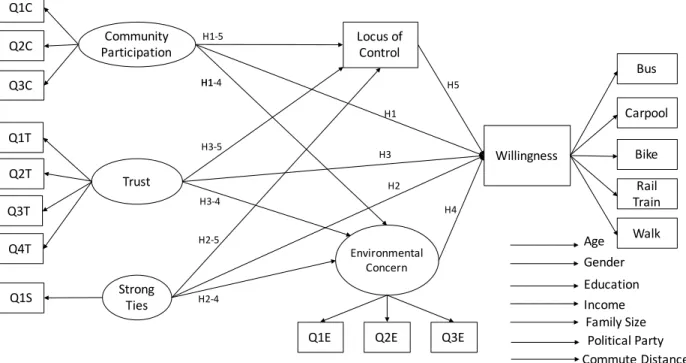
In the next section, I define the endogenous, exogenous, and latent variables that specify the models as seen in Figure 4. A summary of the variables used in this study and their corresponding questions in the survey are in Appendix 4.
Figure 4: Path Model 1 for Willingness to Commute Using Alternative Means of Transportation
ENDOGENOUS VARIABLES
Endogenous variables are dependent variables caused by one or more endogenous or exogenous variables in the model. Endogenous variables can be observable (measured in the survey) or latent (inferred). There are 4 latent variables in the model, only one of
Commute Distance Environmental
Concern
Q1E Q2E Q3E
Bus Carpool Rail Train Walk Willingness Bike Locus of Control Community Participation Trust Strong Ties Q1C Q2C Q3C Q1T Q1S Age Gender Education Income Family Size Political Party Q2T Q3T Q4T H1 H5 H3 H4 H2 H1-4 H1 H1-5 H2-5 H2-4 H3-5 H3-4
34
which is endogenous, environmental concern. Social capital latent constructs are treated as exogenous that covariate.
ERBs
The first model measures the direct and indirect effect of predictors on the willingness to commute using each means of transportation. Although Figure 4 shows “Willingness” as a box with multiple arrows as if being a latent variable, this notation is only used to simplify the schematic. The SEM has 5 simultaneous dependent outcome variables measured on a scale of 1 (Not at All Willing) to 3 (Very Willing). The question “If the conditions were right for you, please tell me if you would be very, somewhat, or not at all willing to use the following alternatives to driving alone to work/school/other destination” is answered for 5 different modes: Riding the bus, using carpool or vanpool, riding a bike, riding commuter rail or train, and walking.
The second model is built similar to the first model but asks about the other four ERBs. The scales for these questions differ so dichotomous dummy variables were created for the first three questions that indicate whether or not the respondent engages in the behavior.
Ozone Action Days: “Do you do any of the following on Ozone Action Days” is a multiple answer question with 9 response categories for different actions respondents might engage with such as “Delay Mowing Lawn”, “Carpool”, and other. I create a dummy variable with a “Yes” if the respondent does at least one of the actions. It is important to note that all respondents who answer this question replied with a “Yes” to a previous question that ask if they know what Ozone Action Days are.
Commuting Behavior: “Do you typically get to your destination by…” is a single answer multiple choice question with 7 response categories for 7 different modes such as
35
“Car”, “Bus”, and others. I create a dummy variable with a “Yes” if the respondent chooses any other option than the first response category “Car”.
Vehicle Type: “What fuel do you use for that vehicle” is a single answer multiple choice question with 4 response categories, (1) Gas, (2) Hybrid: Gas/Electric, (3) Diesel, and (4) Other. I create a dummy variable with “Hybrid” if the respondent chooses option 2, and “Other” if respondent chooses any of the other options.
Boycotting: “Please think again about some of the products, services, brands, or companies you boycotted for ethical, political, and/or environmental reasons in the past 12 months. How important were the following considerations (C. Environmental Concerns)?” is a single-answer multiple choice question with 4 response categories (4) Very Important, (3) Somewhat Important, (2) Not Really Important, or (1) Not at all Important. I model this variable as an ordinal variable.
Internal Locus of Control
Internal locus of control is an endogenous observable variable based on the question “My actions can influence the quality of the environment”, which has 4 response categories: (1) Disagree Strongly, (2) Disagree Somewhat, (3) Agree Somewhat, (4) Agree Strongly. The variable is modeled as an ordinal variable such that a higher number indicates higher internal locus of control.
Environmental Concern
Although I do not use questions specific to the NEP scale or other scales commonly used in environmental literature, I develop a valid scale given the available questions in the survey that speak to environmental attitude and affect towards environmental protection. First, an exploratory factor analysis was run on 8 different questions. Factor loadings and Cronbach’s Alpha indicated that some questions did not