Theses and Dissertations
5-2015
A Descriptive Study of the Use of Neurofeedback
in Counseling
Khwlah Jamil Al-Ansari University of Arkansas, Fayetteville
Follow this and additional works at:http://scholarworks.uark.edu/etd
Part of theCognitive Neuroscience Commons,Cognitive Psychology Commons, and the Counseling Psychology Commons
This Dissertation is brought to you for free and open access by ScholarWorks@UARK. It has been accepted for inclusion in Theses and Dissertations by an authorized administrator of ScholarWorks@UARK. For more information, please [email protected], [email protected].
Recommended Citation
Al-Ansari, Khwlah Jamil, "A Descriptive Study of the Use of Neurofeedback in Counseling" (2015).Theses and Dissertations. 1117.
A Descriptive Study of the Use of Neurofeedback in Counseling
A dissertation submitted in partial fulfillment of the requirement for the degree of Doctorate of Philosophy in Counselor Education
By
Khwlah Jamil Al-ansari King Abdullah Aziz University
Bachelor of Psychology, 2005 Ashland University Master of Education, 2009
May 2015 University of Arkansas
This thesis is approved for recommendation to the Graduate Council.
_______________________________ Dr. Kristin Higgins Thesis Director _______________________________ Dr. Michael Loos Committee Member _______________________________ ______________________________ Dr. Roy Farley Dr. Michael Miller
Abstract
This study examines neuro-counseling in the mental health field and the concept of neurofeedback training (NFB) as an intervention in the counseling profession. Numbers of studies have indicated that NFB may be effective in the field of counseling. The purpose of this survey study is to explore the use of neurofeedback in the field of counseling.
Additionally, the study used a quantitative descriptive survey research method and descriptive statistics. The survey was sent to members of the American Counseling Association (ACA), and 93 professionals participated. The majority of the sample was licensed professional counselors, professionals with a degree in counseling, and graduates of clinical mental health programs. Overall, the sample had a variety of respondents, some with experience in NFB and some not. For counselors interested in this topic, this study provides a rich literature review and a unique compilation of opinions of professionals providing NFB with counseling.
Findings indicate that including NFB in education counseling courses was highly recommended by many participants. Additionally, recommendations include suggestions for future research. Specific advice is that counselors should learn and be aware of the code of ethics when using NFB. Overall, this study finds that according to those respondents who practice NFB, when used with counseling, they believe that it is an effective treatment to lower symptoms and reduce medication dependence for several diagnoses, especially ADHD, depression, and anxiety.
Acknowledgments
Special thanks to my family, my sisters and brothers, and especially my parents. Thank you for believing in me and supporting me, this study would have been impossible without your motivation.
In particular I want to thank my daughter, Jude, for being patient with me and inspiring me.
Thank you to Ms. Melanie for her time and for her engagement with this topic, to make this project a reality. I would also like to thank the American Counseling Association for taking the time to participate and for being a part of this research.
Sincere thanks to Professor Dr. Kristin Higgins, my dissertation adviser, and Dr. Michael Loos, Dr. Roy Fraley, and Dr. Michael Miller for their invaluable feedback and encouragement.
Dedication
Table of Contents
Chapter One: Introduction…….. ………...……….1
A Researcher’s Perspective on Neurofeedback………..…………...…..1
Summary of Relevant Literature ……….………..…...…...3
Rationale of the Study………..………..……..5
Research Question.………...……….…..7
Definitions of Terms………..………..……7
Overview of Methodology ………..………..……..8
Summary………..9
Chapter Two: Review of the Literature……….……….……...10
Neuro-Counselor and Counseling………..……….…...10
Historical Perspectives………..………..………...10
Neuroscience……….………..………..….13
Definition of Neuroscience ...……….……….…….…...……...13
History of Neurosciences in Counseling…….………….………...……….………..15
The Brain and Neuroanatomy……….……….………..17
Overview of Neurofeedback in Clinical Settings...18
Definitions of Neurofeedback...18
History of Neurofeedback...19
Theoretical Background for Neurofeedback...20
Neurofeedback Training...22
Defining Emerging Brain-C hanging Technologies...23
Review of Current Studies on Clinical Experience...24
Areas of Application for Neurofeedback Treatment...24
Attention Deficit/Hyperactivity Disorder……...24
Depression...25
Anxiety...25
Substance Abuse...26
Summary………..……….………..…………..27
An Overview of the Quantitative Descriptive Method………....………….…….……....28 Sample…...………...30 InformedConsent…….………..………...31 Confidentiality………...………...………...31 Research Question.……...……….……...32 Data Collection ………...………...32 Online Survey………...……..……….………...32 Instrumentation …..……….………...33 Validity………...34 Internal Validity ……….………...34 External Validity….…………..……….…....34 Data Analysis…….………...…34 Summary ………...35
Chapter Four: Results……….…...36
Research Question………...36
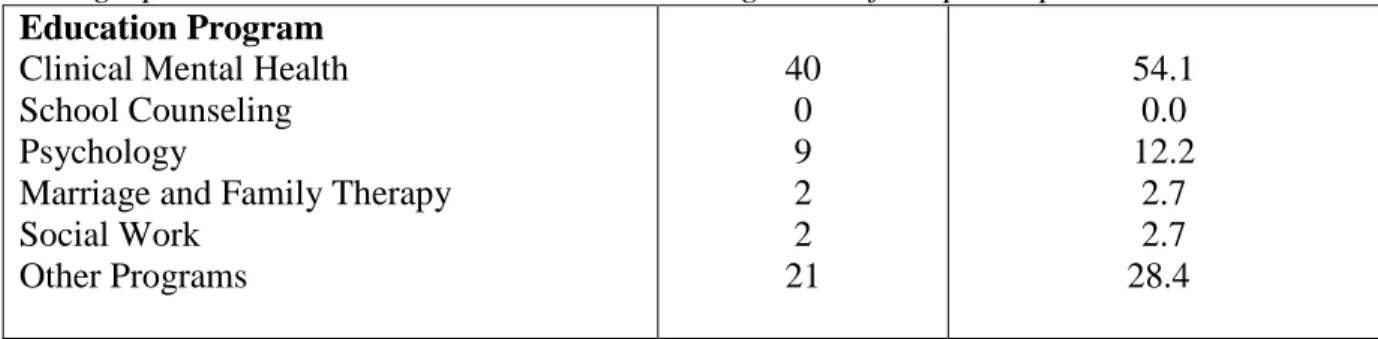
Demographics of the Participants……….…….36
Professional Experiences ……….….……39
Clients’ Information………...42
Analysis of Participants Comments………...44
Data Analysis……….46
Summary………52
Chapter Five: Discussion………..………...53
Purpose of Study………...53
Discussion of Major Findings………....54
Summary of Statistic Findings………...56
Findings From Survey Regarding the Perception of Neuro- Counseling……… ………....56
Finding From Survey Neuroscience and the Anatomy of the Brain………..57
Findings From Survey Regarding Neurofeedback Techniques……….59
Limitations ………..………...60
Summary and Conclusion……….…….63 References………...………66 Appendix A ...71 Appendix B...72 Appendix C...73 Appendix D...75 Appendix E……...……….………77
Table of Tables Table 1………...23 Table 2………...38 Table 3………...41 Table 4………...43 Table 5………...47 Table 6………...49 Table 7………...51 Table of Figures Figure 1………..42 Figure 2………..43 Figure 3………...………...44
Chapter One: Introduction
A Researcher’s Perspective on Neurofeedback
My interest in Neurofeedback training (NFB) and its potential use to counselors
originated while completing a Master’s degree in Counselor Education. I am now working on my PhD in Counselor Education and Supervision. My experience as a student involved working with multiple populations of clients, multiple diagnoses, and working in different types of clinics including private and public clinics, hospitals, and most recently in public elementary and middle schools.
During a 2012 conference at the American Counseling Association (ACA) in San Francisco I read an informational pamphlet about biofeedback and NFB training and its direct interactions with the brain. Since that first exposure to these ideas I have spent time researching biofeedback and NFB in an attempt to understand how they work and what benefits they could bring to my clients when used in a counseling setting.
Shortly after I left the ACA conference I contacted a local private clinic and got in touch with a licensed counselor who uses biofeedback and NFB in her clinic. As I observed the impact of using these methods in addition to traditional counseling skills on individuals and families, I became interested in learning more about the methods and the technology involved in their usage. As I began reading about current neuro-counseling research on the impact on the mind and body of clients, I also began investigating a wide range of training, books, articles, and websites.
Research in the fields of counseling, psychology, and neuroscience has confirmed that biofeedback and NFB combined with counseling actually change how the brain functions. On the basis of these findings, I thought it may be beneficial to write my dissertation about
neuro-counseling and its observed effects on clients’ brains and how counselors can apply these interventions to their counseling practices. All these experiences, both personal and academic, have provided the impetus to explore a wide variety of opinions on neuro-counseling, the brain, and the effectiveness of using biofeedback and NFB in the counseling mental health profession. Biofeedback is “a process that enables an individual to learn how to change physiological activity for the purposes of improving health and performance,” sometimes using medical
equipment to measure physiological activity (Myers & Young, 2012, p. 20). NFB is a subset of biofeedback that “allows clients to monitor and change their brain wave patterns, with the goal of changing behavior” (Myers &Young, 2012, p. 20). From what I learned in my courses and my observations during practicum and internship sessions, I conclude that the professionals in counseling overlook the value of neuroscience when applied to the field of counseling.
Currently, these clinics do not incorporate medical technologies such as EEGs or EKGs into their counseling practices. However, understanding the clients’ brains is an integral part of the counseling process and neuroscience allows its users to reach a deeper understanding than previously available. “All of the main theories of counseling can be supported through the use of brain imaging that provides evidence of brain change in clients” (McHenry, Sikorski &
McHenry, 2014, p.12). Since all workers categorized as “helping professionals” work with the brain on a daily basis, it is important to recognize how neuroscience can benefit each of them (McHenry et al., 2014).
I believe that integrating NFB and biofeedback into counseling might be the best way to incorporate neuroscience into the counseling profession. This belief is founded on feedback including “an understanding of neuroscience,” and also “an applied means of intervention that counselors can implement to promote and evaluate positive client change” (Myers & Young,
2012, p. 20). This study aims to consolidate the thoughts and conclusions of practitioners who are already combining counseling with neuroscience, to explore which ages, populations, and diagnoses can most benefit from counselors trained in bio and NFB.
Summary of Relevant Literature
Based on the findings in the following publications, this paper will explore how NFB is integrated into the counseling field. Historically, research in this field started by examining biofeedback; researchers have only recently expanded their work to include NFB. Sarnoff (1982) explored how biofeedback could be useful for counseling professionals and in his 1982 article, “Biofeedback: New Uses in Counseling.” Sarnoff (1982) suggested that more research be conducted in order to discover the possible uses of biofeedback in treatment, as well as
developing ways to incorporate it in educational programs in order to expose counseling students to biofeedback literature and the possible uses and misuses of biofeedback in practice. Danskin and Walters (1973) strongly recommend counselors use biofeedback, believing that it has the ability to change clients’ self-concepts, “enhancing their sense of worth, self-reliance and autonomy, to teach clients not to overreact to stress, to aid in desensitization, and to gain access to unconscious material” (Sarnoff, 1982 p. 358). Pulvino (1975) believed that biofeedback can benefit counselors’ self-care as a method of training themselves to relax and exert better control over their energy, making them more able to effectively communicate with their clients (Sarnoff, 1982, p. 358). Sarnoff believed that by using biofeedback instruments to acquire more accurate images of the clients’ responses to counseling, the counselor can develop a stronger empathic rapport with the client. In addition to this, the client may discover better ways to relax him or herself and experience a boost in creativity as a result of the newfound techniques.
NFB is biofeedback applied to the brain and central nervous system (Hammond, 2006). It has its foundations in neuroscience research as well as in data form clinical practice
(International Society for Neurofeedback and Research Conference (ISNR), 2009). The majority of NFB studies have indicated that NFB is an efficacious treatment modality for a wide variety of symptoms including seizure disorders, traumatic brain injury, and attention
deficit/hyperactivity disorder (ADD/ADHD) (Fox, Tharp & Fox, 2005; Hirshberg, Chiu & Frazier, 2005; Schoenberger et al., 2001; Sterman & Egner, 2006; Sterman & Friar, 1972; Thompson & Thompson, 2005). Studies have also indicated that NFT may be effective in treating the myriad of symptoms that may be associated with traumatic experiences, such as affective disorders ( Hammond, 2005a, 2005b; Saxby & Peniston, 1995), substance abuse (Kelley, 1997; Peniston & Kulkosky, 1989, 1991; Scott et al., 2005; Trudeau, 2000), post-traumatic stress disorder (Peniston & Kulkosky, 1991; Smith, 2008), somatic symptoms such as migraine headaches (Kropp, Siniatchkin, & Gerber, 2002; Stokes & Lappin, 2010), chronic fatigue syndrome (James &Folen, 1996), fibromyalgia (Mueller et al., 2001), and the side effects of early childhood abuse and neglect (Huang-Storms, 2008).
Researcher Myers and Young (2012) specifically discuss the benefits of integrating NFT in counseling from the perspective of counselors (Myers & Young, 2012). Crane (2007)
estimated that “there are between 10,000 and 20,000 NFB practitioners in the United States and half that number in other countries, although it is currently unclear how many of those are trained counselors”(Myers & Young, 2012, p. 25). While counselors are not using NFB as a mainstream practice, Myers and Young claim that demand is growing “for evidence of the effectiveness of counseling services [and that] the need to clearly link counseling interventions
and client change has never been greater,” and that NFB may be the key to solving these problems (Myers & Young, 2012, p. 26).
Rationale of the Study
There are many compelling reasons to expand the knowledge base concerning the impact and efficacy of using NFB as a treatment. One of the most challenging issues that the field of counseling professionals deals with is how to make an effective diagnosis for each client’s situation. Fisher (2014) argues that “most people, however, who find their way to NFB do so because they have tried almost everything else available and have along the way picked up multiple diagnoses” (p. 107). For example, many patients with a diagnosis of ADHD or ADD have similar symptoms to several other mental health diagnoses, but are given a popular diagnosis based on only one set of symptoms (Fisher, 2014, p.107). Similarly, “anxiety and depression can be tricky to understand and assign accurately,” which makes it difficult for clinicians to correctly diagnose clients (Fisher, 2014, p.181). Treatment is always more difficult if a diagnosis is inaccurate.If NFB was used on a patient presenting with unclear symptomology, a clear diagnosis might be possible. The more accurate the diagnosis, the more efficient
treatment will be: as counselors, “we are not training in relation to the diagnosis but in relation to the individual with the diagnosis” (Fisher, 2014, p.108).
Secondly, people with mental disorderdiagnoses receive assistance from psychiatric and medication care. From my experience working in a hospital with psychiatric populations I found that patients receive treatment in the form of medication for a few days, stabilize their health, and they are able to leave the hospital. According to my supervisor, patients returned to the unit regularly. This could be for two reasons: they become addicted to pills and return to the hospital for more prescriptions or they stop taking their medication and they return to the hospital when
their health deteriorates. A common reason patients stop taking medications when they leave the hospital is the cost of prescriptions: for example, according to Hammond (2011), the cost of medication for a child with ADHD averages $1,678 per year (p.29). “Some individuals express concern about the cost of NFB being greater than the expense involved in drug treatment,” however, NFB proves “very cost effective” in the long run (Hammond, 2011, p.29).
Patients returning to hospital care regularly for mental health treatment creates and feeds addictions to psychiatric medications. Also, it does not help the long term health of patients. Demos (2005) agreed that, “medication alters – not heals – the electrochemical activities of the brain,”(p.4). By allowing psychiatric hospital patients access to counseling with biofeedback and NFT, I believe many patients could be helped to solve long term health problems instead of merely treating immediate symptoms. Demos (2005) confirmed that “Neurofeedback technology gives the clinician tools to assess and modify parietal lobe functioning without the use of
medication. It shows the client where the problem is and what can be done about it” (p. 7). Although “some patients may not be able to forgo medications, but in most cases they will reduce or eliminate their reliance on them over time” if NFB becomes a regular part of treatment (Fisher, 2014, p. 157).
In addition, Horvat (2007) reports that 47% of the membership in the International Society for Neurofeedback and Research, the leading professional organization for NFB
practitioners, hold doctorates in psychology, while 26% hold master’s degrees in areas like social work, mental health, and educational counseling. This is the reason a study such as this
dissertation is crucial for mental health professionals who might not have a medical background: the results of this study can help counseling professionals who are interested in NFB.
Research Question
This study will explore the central research question, “What is the importance and prevalence of the use of Neurofeedback in the field of counseling?”
Definitions of Terms
The following are terms and definitions used in this study. The terms are defined according to their use in this research study.
Biofeedback
A process that utilizes instruments to measure a person’s physiological process, such as
brainwaves, heartbeat, muscle activity, and skin temperature, so that the person can learn how to regulate these processes. The purpose of this learning process is to improve health and
performance (International Society for Neurofeedback and Research Board of Directors, ISNR, April 2009).
Mental Health Professional
A person licensed to provide mental health services. Mental health professionals may include counselors, psychologists, social workers, psychiatrists, and nurses with a specialty in psychiatric nursing.
Neurons
Basic cells in the brain that receive, transmit, and integrate information.
Neurotherapy
A treatment which changes the way the brain works, and once the skill is learned, (unlike medication) it appears to be persistent. Neurotherapy is a metabolic tracking and changing tool that is orchestrated by the therapist and played out by the client. Neurotherapists have an
in-depth knowledge of neuronal communications and the operations of various regions of the brain. More importantly, they can apply their expertise to the clients’ presenting problem.
Neuroscience
Neuroscience is the scientific study of the nervous system. Traditionally, neuroscience has been seen as a branch of biology. However, it is currently an interdisciplinary science that collaborates with other fields such as chemistry, computer science medicine, genetics, and allied
disciplines including philosophy, physics, and psychology.
Neurofeedback (NFB)
A form of biofeedback that uses monitoring devices applied to the scalp, in order to provide information to individuals on the state of their physiological functioning. In contrast to biofeedback, NFB focuses on the central nervous system and the brain.
Qualitative (QEEG)
The QEEG is an extension of the analysis of the visual EEG interpretation which may assist and even augment our understanding of the EEG and brain function. Quantitative
Electroencephalography (QEEG) is a procedure that processes the recorded EEG activity from a multi-electrode recording using a computer.
Overview of Methodology
The descriptive research survey study is designed to explore the central research question: What is the importance and prevalence of the use of Neurofeedback in the field of counseling. This study uses a survey to determine counselors’ personal experiences of using NFB. The survey allows the researcher to collect data from participants to discover influencing factors in their NFB treatments. A random sample of professional counselors was obtained from the American Counseling Association Research Office.
Summary
In this chapter, I have stated my personal connection to the topic. The literature indicates that NFB is an effective intervention for numerous disorders and demographics. The purpose of this study is to explore the factors and processes that contribute to treatment outcomes when NFB is used with patients. The sample for my study will consist of mental health professionals who will provide data through my survey. Definitions of neuroscience, neurotherapy and NFB training were provided.
Chapter Two: Review of the Literature
This literature review, divided into four parts, will explain how several topics are connected, and how they provide the background for this particular study of the factors and processes that contribute to positive outcomes when NFB is used on an individual in a counseling setting. First, this literature review includes a brief history of the neuro-counselor in counseling. The second section provides a brief history of neuroscience. The third section provides a background of NFB in the field of counseling as well as a list of research studies that indicate that NFB can be an efficacious treatment for a wide variety of symptoms. The fourth section explains the experiences of counselors who use NFB in practice.
Neuro-counselor and Counseling
Historical Perspective
The earliest studies involving biofeedback and NFB were completed by prominent
figures in the counseling profession and support utilizing this technique in counseling treatments. Sarnoff (1982) explored how biofeedback could be useful for counseling professionals. He suggests that more research be conducted in order to discover the possible uses of biofeedback in treatment as well as developing ways to incorporate it in educational programs in order to expose counseling students to biofeedback literature and the possible uses and misuses of biofeedback in practice. Danskin and Walters (1973) strongly recommended counselors to use biofeedback, believing that it has the ability to change clients’ self-concepts, “enhancing their sense of worth, self-reliance and autonomy, to teach clients not to overreact to stress, to aid in desensitization, and to gain access to unconscious material” (Sarnoff, 1982 p.358). Pulvino (1975) believed that biofeedback can benefit counselors’ self-care as a method of training themselves to relax and exert better control over their energy. By doing this, counselors are able to communicate with
their clients more effectively (Sarnoff, 1982, p.358). Sarnoff (1982) believed that by using biofeedback instruments to acquire more accurate images of the clients’ responses to counseling, the counselor can develop a stronger empathic rapport with the client. In addition to this, the client may discover better ways to relax him or herself and experience a boost in creativity as a result of the newfound techniques.
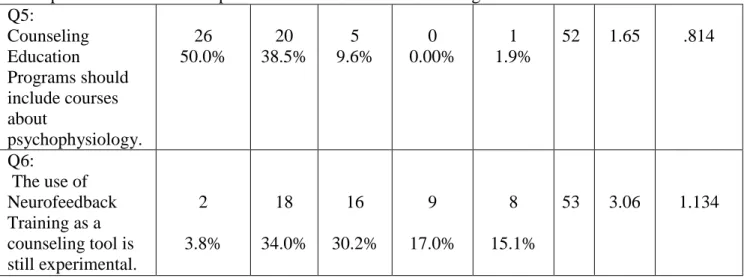
Concerning the ethics of biofeedback in counseling, Onoda (1978) stated that studies indicate that biofeedback can be effectively used to treat many psychological disorders, physiological disorders, or a combination of these types of disorders. Despite its growing popularity, Onoda (1978) claimed that there are ethical issues that counselors may face when using biofeedback as opposed to other methods of treatment. For example, as biofeedback can be used to treat both mental health and medical issues therapist face confusion regarding which issues they are qualified to treat. Another issue he covers is the competency of practitioners; while he believes that incorporating biofeedback into counseling would be beneficial, he recognizes that students of counseling are not very likely to have had courses in
psychophysiology. He claimed that “because of the growing awareness of mind-body determinants of self-development and mental health, counselor-education programs need to expand their curricula to include courses that cover the psychophysiological field” (Onoda, 1978, p12). He recommended teaching biofeedback as an individual course in counseling education programs and how that would benefit counseling students looking to employ these methods in their practice.
A study by Chandler (2001) confirmed that “counselor education programs should consider the importance of teaching not only counseling theories and skills, but also techniques that enhance the personal wellness of the counselor” (p. 2). The purpose of the study was to
determine if biofeedback-assisted relaxation training could reduce stress levels in a group of randomly selected counselor trainees enrolled in a basic counseling skills course (Chandler, 2001). As a result, biofeedback-assessed relaxation therapy was shown to be a useful tool in enhancing both a physiological indication of relaxation and a self-reported sense of increased well-being of the counselor trainees. The counselor trainees may find these techniques learned in biofeedback therapy useful throughout their lives (Chandler, 2001).
Ratanasiripong et al., (2012) investigated the effectiveness and acceptance of biofeedback training as an adjunct to traditional counseling within a college counseling center. The
participants of the study were 30 counseling clients, 20 women and 10 men, from one university counseling center. Their age range was between 18 and 42 years, and they were randomly assigned to either the treatment group or the placebo control group. Participants in the treatment group received four sessions of individual counseling plus four sessions of biofeedback training in four weeks. As result of the study, the group of participants who received biofeedback training in conjunction with counseling reported greater reduction in anxiety symptoms than the group who received counseling alone. Therefore, the findings of the study show that using biofeedback alongside counseling treatments is an effective way to treat stress and anxiety among college students. Ratanasiripong at al., (2012) added recommendations for college counseling centers to use biofeedback as a tool in their center to meet the mental health needs of college students. Walsh (2010) mentioned how biofeedback intervention fits well into counseling by positively affecting a client’s wellness perspective. As well as teaching clients biofeedback techniques, clients can learn self-awareness and self-regulation skills. Walsh (2010) indicated that this may empower them to improve their level of stress management and their coping strategies, and increase their level of wellness. She believed that these methods are effective
when used in counseling and encourages counselors to incorporate biofeedback interventions in their counseling practices.
Ivey, Ivey, Zalaquett, & Quirk (2009) explained that while they are not aware of curriculums that seriously discuss the uses of neuroscience and cognitive science in counseling and therapy practice, the Council for Accreditation of Counseling and Related Educational Programs’ (CACREP) 2009 standards support the need for this incorporation in one of its “eight common core curricular areas.” The area of Human Growth and Development is described by the CACREP Standards as “studies that provide an understanding of the nature and needs of person at all developmental levels and in multicultural contexts … including … a. theories of individual and family development and transitions across the life span [and] b. theories of learning and personality development, including current understandings about neurobiological behavior” (Ivey et al, 2009).
As the above research indicates, prominent figures in the counseling profession have recommended incorporating biofeedback and NFB into counseling practices since as far back as 1982. Studies show that this has the potential to improve the wellness of clients and of
counselors themselves. Next, this literature review will provide a brief overview of some of the basic neuroscience required for counselors to understand and incorporate NFB.
Neuroscience
Definition of Neuroscience
In their book “A Counselor’s Introduction to Neuroscience,” McHenry, Sikorski, & McHenry (2014) generally discussed useful information about the benefit of neuroscience to counselors, and how neuroscience can help counselors work better with their clients. They state that the fields of neuroscience and neuro-counseling are definitely in their infancy, therefore
information, comments, and studies may change in the future. They maintain that there are five major forces useful to understanding clients and the counseling process: they are psychoanalysis, behaviorism, humanism, multiculturalism, and finally neurocounseling. Additionally, they define neuroscience as, “anchored in considered, measured, and verified science that demonstrates the activity and chemistry of brain as they function throughout the lifespan” (p.15). The authors agree that most counseling theories support that clinicians should be aware of the connections between neuroscience and neurocounseling. Counselors should become aware of their biases, values, beliefs about human nature, and finally their particular theory of how people change. One way of measuring brain change is neuroscience. The authors argue that as we start to understand the impact of counseling on the brain through a neuro-lens we see that most counseling theories do present the possibility of having a positive impact on the brain of the client. “Supporting evidence of changes in the brain has now been documented using data from neurological scans conducted during the counseling process” (p. 11). According to the authors, brain imaging provides evidence of brain change in clients, supporting all of the main theories of counseling.
Chapin and Rusell-Chapin (2014) also supported the use of neurosciences in practice and how it helps counselors to better understand their clients. They argue that counselors must understand the ways in which the brain functions. They also provide that neuroscientists
understand that the brain has the capability to develop living neurons up until the very end of the clients’ lives, a process called neuroplasticity, which is an important new understanding in neuroscience. Because of neuroplasticity, the brain’s neurons can be altered through NFB, in a process called neuromodulation. These advances in neuroscience allow clinicians to understand more fully about why clients change and how symptom reduction occurs.
Another study by Cozolino (2002) defined neuroscience as a field that helps understand how neurons create the processes of the mind. The author states that “neuroscience focuses on quantifiable, objective data and the scientific method to create models of mind and brain” (p. X). This allows a new, additional perspective on both diagnosing and treating psychiatric disorders. Cozolino concludes that “the neuroscience of psychology offers a unique perspective for clinicians, focusing on the growth of the mind by integrating neuroscience and psychotherapy research findings with the wisdom of an extremely useful and compassionate clinician” (p. 3).
All the above sources recommend counselors to be aware of the connections between neuroscience and counseling. In fact, Meyers and Young (2012) believed neuroscience is the future of counseling. All counseling theories support or encourage the idea of using neuroscience in counseling. The main point of a counselor is to help the clients to positively change their behaviors, feelings, and attitudes. In order to do this, counselors deal with the brain;
neuromodulation and neuroplasticity are part of the counseling process, and neuroscience allows counselors to observe and quantify these processes.
History of Neurosciences in Counseling
Montes (2013) recounted the success of Lori Russell-Chapin’s experiences with
incorporating neuro-science into counseling. Her neural feedback treatment program, which she has used on hundreds of clients over four years, “combines real-time brain-wave analysis with cognitive therapy” (Montes, 2013). She claimed that people’s comfort with who they are as a person is much higher when their central nervous systems are functioning better. People have the ability to regulate their brains, and if a counselor can see their client’s brain waves changing, then the methods they use become much more effective.
McHenry (2014), astonished by his positive experiences with NFB, wrote that ten years ago he could not have seen himself working so closely to the field of neuroscience as a
counselor. He says “that’s not what we do in counseling. What we do in counseling is more artistic than regimented” (Montes, 2013). However, he now believes that the more a counselor knows about his or her clients’ brains, the better.
However, some scientists who examine a historical perspective of neuroscience in counseling do not have such faith in the process. They see the claims surrounding
neurocounseling as a “panacea for emotional and psychological suffering” (Hennelly, 2014). Hennelly believed it is likely that “the therapeutic relationship … will continue to occupy center stage” and that the center of the therapeutic relationship will not be the brain, but the hearts of the counselor and client (ibid).
Ivey & Ivey (2014) have been researching neuroscience and how it applies to the
counseling professions since the 1970s. They were keynote speakers at the American Counseling Association’s 2013 Conference & Expo in Cincinnati, were they gave their speech titled “What Counselors Need to Know About the Intersection of Neuroscience and Counseling.” In this presentation, the Ivey’s emphasized the benefits of neuroscience in counseling regarding empathy between the counselor and the client. Mary Ivey pointed out that “empathy has long been basic and central to our profession and to our personal identity as counselors … Now, empathy can be identified through observation of brain activation through functional magnetic imaging” (p.44).
Ivey, Ivey, Zalaquett, & Quirk (2009) argued the relevancy of neuroscience and cognitive science in counseling practice. Their first point is that applying neuroscience to counseling allows counselors to see why and how well their methods are working. Neuroscience and
neuroimaging have shown that “measurable structural changes occur in client brains as a result of cognitive and interpersonal therapy” (p.44). Through these observations, counselors can modify their treatment methods to better suit the client. They list five basic concepts that illustrate the usefulness of neuroscience to counseling: neuroplasticity, neurogenesis, the importance of attention and focus, clarifying our understanding of emotions, and focusing on wellness and the positive.
The Brain and Neuroanatomy
Next, it is important to quickly overview some general observations about the human brain, and how the structure of the human brain relates to neuroscience. Evans and Abarbanel (1999) considered that “practitioners of EEG neurofeedback need to be familiar with brain anatomy and physiology” (p. 219). To practice NFT in counseling counselors should administer EEGs and understand the brain structure. Changes in brain pattern occur and are associated with positive changes in physical, emotional, and cognitive states. Fisher (2014) noted that all mental disorders come from perturbations in the brain’s rhythms.
As Wood et al. (2007) explained, neurologists divide the structure of the human brain into the brain stem and midbrain, the limbic system, and the cerebral cortex. The brain stem and midbrain are also commonly called the reptilian brain; the reptilian brain regulates basic
biological systems (Perry, 2002a). The limbic system regulates the nervous system, including traumatic stress reactions (Perry, 2002a; Rothschild, 2000).The hippocampus and the amygdala are two lobes within the limbic system that are crucial to memory storage and information processing (Rothschild, 2000). In order to properly process life events, especially stressful ones, mature functioning of the amygdala and the hippocampus is necessary (Rothschild, 2000). Finally, the cerebral cortex regulates higher brain functions such as abstract thought, concrete
thought, problem solving, speech, and semantic and procedural memory (Perry, 2002a; Rothschild, 2000).
In sum, this section demonstrated that academics have advocated for mental health professionals to include neuroscience in their practice for many years. This study also provided a brief overview of what mental health professionals might need to know about the brain and neuroanatomy in order to consider incorporating NFB into their practice. This concludes the study’s general overview of neuroscience; a more specific section regarding NFB and NFB training follows.
Overview of Neurofeedback in Clinical Settings Definitions of Neurofeedback
Different authors have resolved the difficult issue of how to define NFB in multiple ways. Demos (2005) defined NFB as,“a comprehensive training system that promotes growth and change at the cellular level of the brain. It takes science out of the laboratory and into the hands of private health professionals. Neurofeedback technology gives the clinician tools to assess and modify parietal lobe functioning without the use of medication. It shows the client where the problem is and what can be done about it” (p. 3). In addition, Masterpasqua & Healey (2003) provided a definition of “EEG biofeedback or EEG operant conditioning.” This is “an emerging modality with the potential of becoming an important part of effective psychological practice,” and “a process whereby individuals learn to self-regulate their brain waves.” (p. 652).
The most thorough definition of NFB is from the International Society for Neurofeedback and Research (ISNR) (2009), which provided this definition for consistency in the literature and research on NFB:
Like other forms of biofeedback, neurofeedback training (NFT) uses monitoring devices to provide moment-to-moment information to an individual on the state of
their physiological functioning. The characteristic that distinguishes NFT from other biofeedback is a focus on the central nervous system and the brain. NFT has its foundations in basic and applied neurofeedback as well as data-based clinical practice. It takes into account behavioral, cognitive, and subjective aspects as well as brain activity. NFT is preceded by an objective assessment of brain activity and psychological status. During training, sensors are placed on the scalp and then connected to sensitive electronics and computer software that detect, amplify, and record specific brain activity. Resulting information is fed back to the trainee virtually instantaneously with the conceptual understanding that changes in the feedback signal indicate whether or not the trainee’s brain activity is within the designated range. Based on this feedback, various principles of learning, and practitioner guidance, changes in the brain patterns occur and are associated with positive changes in physical, emotional, and cognitive states. Often the trainee is not consciously aware of the mechanism by which such changes are accomplished although people routinely acquire a ‘felt sense’ of these positive changes and often are able to access these states outside the feedback session. (pp, 1-2).
History of Neurofeedback
Neurofeedback, or biofeedback applied to the brain (Hammond, 2007), has its
foundations in neuroscience research as well as in data from clinical practice (ISNR, 2009). In contrast to biofeedback, which focuses on physiological functioning, NFB focuses on central nervous system and the brain (ISNR, 2009). The basis for NFB training is the brain’s electrical nature, which allows brain cells, or neurons, to communicate; and its ability to self-regulate (ISNR, 2009). At the level of the neurons, the goal of NFB is to increase the brain’s stability and flexibility, meaning its ability to maintain arousal or relaxation states, as well as move back and forth between states, and the skills of self-regulation (Othmer & Othmer, 1999).
NFB began in 1875 when British physician Richard Caton observed electrical activity in the exposed cortices of animals (Masterpasqua & Healey, 2003, p. 652). According to the author, the first human EEG and was the first researcher to analyze the raw EEG through a statistical procedure called fourier transform, the origin of quantifying EGG through mathematical analyses. “Berger’s work encouraged others to determine whether particular
features of an EEG were diagnostic for neurological or physiological disorders” (Masterpasqua & Healey, 2003, p.653).
Researchers studying EEG activity in animals and humans in the 1960s and 1970s “discovered that it was possible to recondition, retrain or learn different brainwave patterns” (Hammond, 2007, p. 26). The discovery of brain wave training marks the historical beginning of NFT, or EEG biofeedback. (Id.). It was particularly a 1972 study concerning seizure disorders by Sterman and Friar that led directly “to the first use of EEG biofeedback for ADHD”
(Masterpasqua & Healey, 2003, p.653). Huge advances in neuroimaging in the past 20 years have caused a revolution in neuroscience. Since 1999, the work of many scientists have
documented that “a number of psychological disorders, including ADHD, mood disorders, and schizophrenia, may be discriminated by characteristic patterns” of quantifying EEG
(Masterpasqua & Healey, 2003, p.655).
Theoretical Background for Neurofeedback
NFB is essentially EEG biofeedback, and allows individuals to learn to modify brainwave activity to alter and improve states of cognitive process such as alertness, attention, calmness, internal focus of flexibility (Demos, 2005; Thompson & Thompson, 2003). The theoretical basis for NFB comes from the law of effect and learning theories, which propose that rewarding a specific behavior will increase the likelihood of that behavior occurring again (Thompson & Thompson, 2003). With the law of effect, learning theories such as operant conditioning have found that successive approximations toward desired behavior through positive reinforcement will increase the likelihood of the behavior reoccurring (Skinner, 1935, 1937, 1950). Conditioning is the influence of changing the direction of behavior through a
through correlation or contingency (Skinner, 1950). The operant conditioning paradigm set the implications that contingent reinforcement is the most basic form of behavior, even before classical conditioning (Skinner, 1935). Initially, the process of NFB presents much like the incidental learning of pigeons trained with superstitious behaviors (Skinner, 1950), and
conditioning may be completed through complex operant behaviors that result in reinforcement through successive approximation (Skinner, 1937).
NFB may involve other learning approaches, such as classical conditioning that
influences the improvement of brain function. Thompson and Thompson (2003) suggested that through NFB the desired brain state becomes a conditioned response over time in completing homework assignments. However, neruofeedback is based primarily on operant conditioning through auditory and /or visual rewards that result when EEG frequencies reach specific
amplitude thresholds (Demos, 2005; Thompson & Thompson, 2003). The temporal relationship between EEG patterns and auditory/visual rewards successively approximate the brain behavior toward increased performance. The individual who participates in training becomes increasingly self-aware of what brain behaviors are expected and is also able to generalize this learning to real-life situations such as in school or work (Demos, 2005; Thompson & Thompson, 2003). NFB may be summarized as an intervention or training technique that helps individuals to learn to modify neural activity in order to balance arousal levels and self-awareness of various
cognitive states (Demos, 2005; Thompson & Thompson, 2003). There are disorders like ADHD that have specific EEG phenotypes identified as having theta/beta ratios greater than 3:1 in frontocentral regions associated with inattention and poor concentration, which suggests the need to inhibit slow wave frequencies while increasing sensorimotor and Beta 1 (Demos, 2005;
Neurofeedback Training
NFB training is EEG biofeedback with the additional component of clinician-assisted therapy. A study by Hammond (2011) discussed NFB methodology, and states that electrodes are placed on the scalp and earlobes so that electronic equipment can provide real time, instantaneous audio and visual feedback about the client’s brainwave activity for the client to observe. In addition, according to Hammond, the client will observe their brain waves for about 20 to 25 minutes each session, and initial improvements are often noticed in the first five to 10 sessions. Different diagnoses require different numbers of sessions. For example, Hammond recommended 15-20 sessions for anxiety or insomnia, and 40-50 sessions for ADD, ADHD, or learning disabilities. However, Hammond noteed that there are different forms of NFB that vary from traditional NFB, and each clinician can make choices about the variant of training they wish to use based on the specific needs of each of their clients. The efficacy of NFB depends on the choices of the clinician. Basically, as the author summarizes, NFB is like exercising, or doing physical therapy with the brain.
“The individual who participates in training becomes increasingly self-aware of what brain behaviors are expected and is also able to generalize this learning to real –life situations such as in school or work” (Demos, 2005; Thompson & Thompson, 2003). Therefore, self-awareness – an important concept in the counseling profession – can be taught to clients through the training technique of NFB. This is crucial for clients to successfully implement what they learn in counseling in their daily lives.
Finally, Hammond noted that individualized assessment and personalized treatment by a certified professional therapist is crucial to NFB being successful. All sessions should be
unsupervised practice of this therapy could harm clients, cause side-effects, and lead to ineffective results.
Defining Emerging Brain- Changing Technologies
Table 1
Special Types of Neurofeedback
LENS The Low Energy Neurofeedbcak system
Is a unique passive form of neurofeedback that produces its effects through feedback that involves a very tiny electromagnetic field. LENS has been used to modify behavioral problems in animals. It also
commonly seems to produce results faster than traditional nerofeedback, and it can be used with very young children and with individuals who are less motivated and who do not have the impulse control or stamina required with other neurofeedback approaches. Hemoecephagraphy (HEG) Are the positive or negative polarizations of the EEG in
the very slow frequency range from .3 Hz to usually about 1.5 Hz.
Heart-rate Variability ( HRV) Uses breathing (about 5-6 breaths per minute) and concentration on a positive emotion to change the brain. The Neuro Field Developed by Nicholas Dogris, uses pulsed electromagnetic field to stimulate and balance the entire nervous system.
Slow Cortical Potentials (SCP) Developed and used in Europe by Nils Birbaumer, it uses more DC than AC frequencies. Infra-low frequency training (ILF) is AC training so slow that is seems like DC training. Both SCP and ILF can be trained with operant conditioning techniques.
Z-score training Is a more recent innovation that usually utilizes two, four, or more electrodes on the head.
LORETA Refers to low resolution electromagnetic tomography. Functional Magnetic Resonance
Imaging (FMRI)
Is a very sophisticated type of neuroimaging that examines brain activation to evaluate brain functioning. Chart provided by Larsen (2012).
This section addresses the history and theoretical background of NFB in general, defines NFB, provides an overview of NFB and of specialized types of NFB. It also examines the history of NFB in counseling. This all raises huge questions: What is NFB? Where did it come from? What are brain waves? How can one tool treat so many disparate problems? How can something that works so well, and seems to perform miracles, not be in widespread use?
In terms of how NFB can be used in counseling, it is “a method that counselors can use in both academic settings and practice settings” In this view, NFB is “among the most accessible and tangible applications of neuroscience that counselors might utilize for the neuroscience needs of the counseling field”. In sum, “neurofeedback is consistent with counseling’s wellness perspective, making biofeedback and neurofeedback well suited for counselor in training to receive training in and to use in practice”(Hammond, 2011, p. 26).
Review of Current Studies on Clinical Experience
The following discussion will list some clinical conditions for which the efficacy of NFB has been reported. Published controlled studies, outcome studies and case studies will be
specifically noted. This review also includes reports of clinical experiences, with the understanding that these reports may not yet have been subject to peer review.
Areas of Application for Neurofeedback Treatment
Hammond (2011) has found that NFB can successfully treat ADD/ADHD, learning and developmental disabilities, cognitive and memory enhancement, uncontrolled epilepsy,
alcoholism and substance abuse, posttraumatic stress disorder, and Autism and Asperger’s syndrome (Hammond, 2011). Chapin (2014) emphasized that “neurofeedback has been found to be helpful with ADHD, seizure disorders, anxiety, depression, trauma, addiction, insomnia, immune functioning, and autism spectrum disorders. It has also been used for perk performance in sports, business, and the creative arts” (p. 83).
Attention deficit/hyperactivity disorder. Of all the disorders that clinicians have attempted to treat with NFB, ADD/ADHD has the largest body of scientific work proving success. A study by Montes (2013) indicated that neurofeedback may be more effective than Ritalin in decreasing symptoms of ADHD, with the added benefit that the NFB participants did
not have to remain on medication for continued benefit from the treatment. One study by Kropp et al., (2002) found that 20 hours of NFB training, in the form of 40 sessions of 30 minutes each, relieved ADHD symptoms as effectively as Ritalin. Another study indicated that the same results could be achieved with 10 hours of NFB, or 20 sessions of 30 minutes each (Rossiter & La Vaque, 1995).
Depression. A sizeable amount of research indicates the benefit of NFT in resolving depression symptoms. A study by Hammond (2005a; 2005b) on NFB training for depression found that 77.8% of nine participants classified as severely depressed made significant
improvements, as measured by pre and post-testing. Many of the participants who were taking prescription medication at the start of the study no longer needed it at the end of the NFB training. A more recent study by (Hammond, 2007) included 10 participants diagnosed with PTSD who also demonstrated symptoms of depression, diminished capacity for attention, and substance abuse. Participants were given 10 sessions of NFB awake state training followed by 20 sessions of alpha-theta training. Research outcomes, gauged by pre and post-testing using the Hamilton Depression Rating Scale and the Test of Variables of attention (TOVA), found a significant decrease in depression symptoms as well as significant increase in ability to sustain attention.
Anxiety. A literature review by Hommand (2011) included 14 studies of the effects of NFB on the anxiety disorder spectrum, including eight studies of NFB on generalized anxiety disorder (GAD), three on phobic anxiety disorder, two studies on obsessive compulsive disorder, and one report on post-traumatic stress disorder (PTSD). The results were overwhelming: seven of the eight GAD studies documented positive clinical changes in anxiety symptoms.
Substance Abuse. In 1989, while working at a Veterans’ Administration Hospital in
Colorado, Peniston published one of the first research studies documenting the effectiveness of NFB on substance abuse issues (Peniston & Kulkosky, 1989). The specific protocol used in the study, later named the Peniston protocol, combined biofeedback hand warming with 10 sessions of awake state NFB training and 20 session of deep state alpha-theta training. In this particular study the experimental group consisted of 30 men, 20 of whom were identified as severe alcoholics with a record of at least four previous admissions for alcoholism treatment, and an average of 20 years of alcohol dependence results (Peniston & Kulkosky, 1989).
Additional studies on the effect of NFB combined with deep state alpha-theta training for substance abuse issues also indicate positive results. Peniston utilized the alpha-theta protocol in a study on 14 men and women with an average of 17 years’ alcohol dependence, plus symptoms of depression, with the results that 21 months later, 13 of the 14 were still in remission (Saxby & Peniston, 1995).
As the above research indicates, numerous clinicians have found that NFT can be effective in treating ADD/ADHD, depression, anxiety spectrum disorders, and substance abuse. Moreover, many of these studies indicate that NFB is a more effective long-term solution than medication. “Neurofeedback seems to be effective, not as a stand-alone procedure but rather when combined with cognitive strategies and other forms of biofeedback for both psychopathology and physical and developmental and performance enhancement.” In conclusion, when NFB is used by a qualified, empathetic counselor who has a strong relationship with their client, it can lead to extremely positive results in many clinical settings.
Summary
This chapter includes a brief history of the neuro-counselor in counseling, a history of neuroscience, an overview of research indicating that NFB can treat a wide range of symptoms, and the experiences of counselors using NFB for specific disorders. The overview of clinicians and researchers concludes that attention deficit/hyperactivity disorder, depression, anxiety, and substance abuse disorders are only some areas where NFB treatment can be effective.
Chapter Three: Methodology
This chapter describes the quantitative methodology and research questions used for data collection and analysis of the study. The chapter includes an explanation of why a quantitative descriptive survey research method is appropriate for this study. It also states the research questions, the research design of the study, and an overview of ethical concerns. Additionally, it includes information about the sample, instrumentation, and method of the data collection. Finally, it includes an analysis of the validity and reliability of the study, and data analysis.
An Overview of the Quantitative Descriptive Method
Thestudy used a quantitative descriptive survey research method. Descriptive research includes a method to describe a given population and does not attempt to establish a causal relationship (Sing, 2007). Quantitative research has two strategies of inquiry: survey and experiments (Creswell, 2009). A survey design provides descriptions of trends, attitudes, and opinions about a population (Creswell, 2003). In this study, the population at issue is members of the American Counseling Association (ACA), and the purpose of the study is to determine their trends, attitudes, and opinions regarding the use of biofeedback and NFB in counseling.
The methodology of descriptive studies attempts to discover who, what, when, where, or how (Cooper & Schindler, 2003). It has helped this researcher to determine who uses NFB, their education and background, and their reasons for using these techniques. For professional
counselors to learn from fellow counselors in the sample about how they started using these techniques and what training they required and recommend is useful. It also provides an opportunity for the sample to provide advice to others in the field of counseling.
According to Leedy and Ormrod (2010), descriptive studies attempt to acquire information about groups of people by asking questions and tabulating the answers to make
inferences about a large population. Descriptive research studies do not normally test a hypothesis, but seek to provide a description of a population and answer research questions (Bickman & Rog, 1998; Gliner & Morgan, 2000; Sim & Wright, 2000). Survey research involves acquiring information about one or more groups of people-perhaps about their characteristics, opinions, attitudes, or previous experiences-by asking them questions and tabulating their answers (Leedy & Ormrod, 2010). Therefore, the survey format will help this study reach large populations to learn their opinion and develop more reliable results, which in turn might help future researchers interested in the questions posed here. This allowed the researcher to analyze the opinions of a large sample of experienced professionals.
According to Creswell (2010) quantitative research is a type of educational research in which the researcher decides what to study; asks specific, narrow questions; collects numeric data from participants; analyzes these numbers using statistics; and conducts the inquiry in an unbiased, objective manner (p. 39). The quantitative descriptive method was judged appropriate for this study because it allows the researcher to use data from a survey (Neuman, 2003). The selection of a quantitative descriptive method allowed the researcher to use survey questionnaires and data collection to measure, compare, and contrast the results (Cooper & Schindler, 2003; Neuman, 2003). Specifically for this dissertation, the quantitative survey will provide a
description of counselors’ professional opinions about using biofeedback and NFB in the field. This researcher can draw conclusions about the demographics of counselors and their patients, and can also quantify the effectiveness of NFB in a counseling setting. Using survey
questionnaires and data collection to measure, compare, and contrast results helps the researcher to identify key factors and processes in the use of NFB.
In conclusion, surveys allow the study to capture the attitude and opinions of professional counselors toward biofeedback and NFB. Additionally, statistical descriptive research allows the target audience to learn from the opinions of more experienced professionals. Logistically, this approach allows the researcher to engage a very large sample population. This quantitative descriptive research design was appropriate to answer the study’s main research problem: it allowed the researcher to compile attitudes, trends, and opinions into numeric data that measures the use of NFB in professional counseling.
Sample
The sample for this study is drawn from members of the American Counseling Association (ACA). The ACA is, “a not-for-profit, professional and educational organization that is
dedicated to the growth and enhancement of the counseling profession.” ACA member email addresses are listed in the membership directory which is available on the ACA website and can be accessed only by members of ACA. The ACA has over 55,000 members, all of whom are professional counselors. By e-mailing these members this study sought to access the largest possible sample set of American counselors. The roughly 55,000 counselors who received this survey were asked to proceed with the survey if they use NFB in their practice, however there is question whether all the respondents currently use NFB in their practice as only 22 answered this specific question in the positive. The wording of this question on the demographic inventory should have read if you have ever used NFB versus currently using NFB, so it is somewhat clear if the other 57 respondents do have professional experience with NFB. This is definitely a limitation and an assumption that I as the researcher have chosen to make regarding the other 57 respondents.
Chapters four and five of this study will analyze the demographics and replies of respondents in more detail, but a brief overview follows. Ninety-three members of the ACA replied to this survey. Of these 93 respondents, 14 of the respondents did not complete the entire survey so their results were eliminated. Once these 14 were omitted, the sample size was a total of 79 ACA members. Twenty-four of these 79 were male and 55 were female. Sixty-one, or 77.2%, of respondents identified as Caucasian, with 6 African American respondents, 4 Asian, 4 Hispanic, and 4 respondents identifying as other. Twenty-one members of the sample set are from the Eastern United States, 26 from the Southern United States, 16 are from the Midwest, and 14 are from the Western United States. Two of the respondents did not respond to this question.
Informed Consent
In the informed consent agreement (see Appendix B), all participants in the study were informed of the study purpose and the timeframe for the survey and data collection. Participants were also informed in writing that participation in this study was voluntary and that participants were allowed to withdraw from the study at any time. Finally, all participants were informed that responses and participation would be confidential.
Confidentiality
Because ACA members were asked personal information about themselves, their
experiences, their opinions, and their professional practices, confidentialitywas a priority for the participants of the current study. All study results will be reported anonymously. Although results from this research may be published, no names or personally identifying information will be used, and all results will be kept confidential by the researcher. Voluntary responses to the survey will be collected in an e-mail account maintained by the University of Arkansas, and only
the researcher has access to this account. If a participant wished to withdraw from the study, their survey response and any other information, including their e-mail address, was immediately deleted. The researcher was available via e-mail to address any confidentiality concerns that participants experienced throughout the timeline of the study.
Research Question
This study will explore the central research question, “What is the importance and prevalence of the use of Neurofeedback in the field of counseling?”
Data Collection
According to the literature review, no previous studies have used surveys to examine the effectiveness of NFB, or neuroscience in general, in counseling research. Therefore, no
appropriate survey existed. The data collection methods used in this study were developed entirely by the researcher, by using an online survey questionnaire. A survey questionnaire was sent to the ACA to be forwarded to members.
Online Survey
An online survey provides the advantage of being able to reach a wide geographic area and larger samples in comparison to interviews (Bourque & Fielder, 2003). The use of an online survey provided an easy and convenient method to reach the population selected. An online survey method is economical, provides a faster turnaround on data collection than mail surveys, and allows for the identification of attributes in a larger population within a small sample (Bourque & Fielder, 2003). Because of these attributes, an online survey was deemed to be an ideal format for this study.
The online survey created for the study includes questions created from research discussed in the literature review, and a 5-point Likert-type scale. A Likert-type scale survey is
simple to develop and commonly used (Salkind, 2003). Likert scales are widely used in attitude measurement research (Bordens & Abbott, 2008). A Likert scale is used to provide a series of statements to which participants can indicate degree of agreement or disagreement (Bordens & Abbott, 2008). The scale used for the survey was as follows: 1, strongly agree; 2, agree; 3, neutral; 4, disagree; and 5, strongly disagree. The Likert-type scale has been used by many previous researchers and provides a useful and uncomplicated method for data collection and analysis (Arnold, McCroskey, & Prichard, 2012). The present study used a Likert-type scale with descriptive analysis for comparing and contrasting the results from different counselors who have different levels of agreeing or disagreeing with the research question and sub-questions. The common use of the Likert-type survey may also have served to make participants feel more comfortable, and enabled them to provide realistic answers.
Instrumentation
The survey instrument is widely recognized as a tool to gather information for research study (Neuman, 2003). This survey was developed based on questions presented by the literature review. The survey also included questions that arose from the researcher’s personal and
professional experiences, in addition to the professional body of literature in the fields of neurosciences and NFB.
The survey has four sections: the first section is the introductory letter (Appendix A); the second section is the informed consent (Appendix B); the third section is the demographic questionnaire section of the survey instrument (Appendix C); and the fourth section is the substantive section of the survey instrument (Appendix D).
The survey instrument includes general information, background questionnaire,
professional experience, client information (Appendix C). The purpose of this part of the survey is to collect data that will be analyzed and interpreted for descriptive explanation in the study.
Validity
This survey includes the personalized input of two professional counseling practitioners who are knowledgeable in treating clients via NFB. Changes to the instrumentation were based on the recommendations of these reviewers.
Internal Validity
The questions in this survey follow an open-ended format to allow participants to explain what factors and processes influence the efficacy of their NFT treatment. The survey also covers a wide range of topics to allow participants to voice their opinions and experiences on this subject. The goal of this instrument is to learn from practicing counselors who have incorporated new NFB techniques into their treatment; the instrument largely surveys opinions and personal experiences without searching for direct causation, which helps ensure internal validity. External Validity
The sample set for this survey consists of any licensed ACA members. By keeping a broad sample set of professionals without limiting participation by field, specialization, geography, or other factors, the results of this study are likely to be applicable to other practitioners across the United States.
Data Analysis
The results of this study will be interpreted via descriptive statistics. Because of the nature of counseling and neuro-counseling, the goal of this study cannot be to draw a firm inference as to the applicability and efficacy of NFB in various situations. Rather, the data will
be analyzed so as to describe patterns in participants’ responses that might suggest how and when NFB might be useful in treating clients.
Summary
The purpose of this quantitative descriptive study is to investigate American Counseling Association member’s opinions of using NFB in the counseling field. This chapter presents the quantitative descriptive research method and describes the design, population, instrument, and data collection and analysis for the study. The descriptive research survey study is designed to explore the central research question: What are the factors and processes that influence treatment outcomes when NFB training is used in professional counseling? This study uses a survey to determine clinicians’ experiences of using NFB. The survey allows the researcher to collect data from participants to discover influencing factors in their NFB treatments. A random sample of ACA members was obtained from the ACA Research Office.