warwick.ac.uk/lib-publications
A Thesis Submitted for the Degree of PhD at the University of Warwick
Permanent WRAP URL:
http://wrap.warwick.ac.uk/81980
Copyright and reuse:
This thesis is made available online and is protected by original copyright. Please scroll down to view the document itself.
Please refer to the repository record for this item for information to help you to cite it. Our policy information is available from the repository home page.
Revised July 2014
Library Declaration and Deposit Agreement
1. STUDENT DETAILS
Please complete the following:
Full name: ………. University ID number: ……….
2. THESIS DEPOSIT
2.1 Under your registration at the University, you are required to deposit your thesis with the University in BOTH hard copy and in digital format. The digital copy should normally be saved as a single pdf file.
2.2 The hard copy will be housed in the University Library. The digital copy will be deposited in the University’s Institutional Repository (WRAP). Unless otherwise indicated (see 2.6 below), this will be made immediately openly accessible on the Internet and will be supplied to the British Library to be made available online via its Electronic Theses Online Service (EThOS) service.
[At present, theses submitted for a Master’s degree by Research (MA, MSc, LLM, MS or MMedSci) are not being deposited in WRAP and not being made available via EthOS. This may change in future.]
2.3 In exceptional circumstances, the Chair of the Board of Graduate Studies may grant permission for an embargo to be placed on public access to the thesis in excess of two years. This must be applied for when submitting the thesis for examination (further information is available in the Guide to Examinations for Higher Degrees by Research.)
2.4 If you are depositing a thesis for a Master’s degree by Research, the options below only relate to the hard copy thesis.
2.5 If your thesis contains material protected by third party copyright, you should consult with your department, and if appropriate, deposit an abridged hard and/or digital copy thesis.
2.6 Please tick one of the following options for the availability of your thesis (guidance is available in the Guide to Examinations for Higher Degrees by Research):
Both the hard and digital copy thesis can be made publicly available immediately
The hard copy thesis can be made publicly available immediately and the digital copy thesis can be made publicly available after a period of two years (should you subsequently wish to reduce the embargo period please inform the Library)
Both the hard and digital copy thesis can be made publicly available after a period of two years (should you subsequently wish to reduce the embargo period please inform the Library)
Both the hard copy and digital copy thesis can be made publicly available after _______________ (insert time period in excess of two years). This option requires the prior approval of the Chair of the Board of Graduate Studies (see 2.3 above)
The University encourages users of the Library to utilise theses as much as possible, and unless indicated below users will be able to photocopy your thesis.
I do not wish for my thesis to be photocopied
3. GRANTING OF NON-EXCLUSIVE RIGHTS
Revised July 2014
Rights granted to the University of Warwick and the British Library and the user of the thesis through this agreement are non-exclusive. I retain all rights in the thesis in its present version or future versions. I agree that the institutional repository administrators and the British Library or their agents may, without changing content, digitise and migrate the thesis to any medium or format for the purpose of future preservation and accessibility.
4. DECLARATIONS
I DECLARE THAT:
I am the author and owner of the copyright in the thesis and/or I have the authority of the authors and owners of the copyright in the thesis to make this agreement. Reproduction of any part of this thesis for teaching or in academic or other forms of publication is subject to the normal limitations on the use of copyrighted materials and to the proper and full acknowledgement of its source.
The digital version of the thesis I am supplying is either the same version as the final, hard-bound copy submitted in completion of my degree once any minor corrections have been completed, or is an abridged version (see 2.5 above).
I have exercised reasonable care to ensure that the thesis is original, and does not to the best of my knowledge break any UK law or other Intellectual Property Right, or contain any confidential material.
I understand that, through the medium of the Internet, files will be available to automated agents, and may be searched and copied by, for example, text mining and plagiarism detection software.
At such time that my thesis will be made publically available digitally (see 2.6 above), I grant the University of Warwick and the British Library a licence to make available on the Internet the thesis in digitised format through the Institutional Repository and through the British Library via the EThOS service.
If my thesis does include any substantial subsidiary material owned by third-party copyright holders, I have sought and obtained permission to include it in any version of my thesis available in digital format and that this permission encompasses the rights that I have granted to the University of Warwick and to the British Library.
5. LEGAL INFRINGEMENTS
I understand that neither the University of Warwick nor the British Library have any obligation to take legal action on behalf of myself, or other rights holders, in the event of infringement of intellectual property rights, breach of contract or of any other right, in the thesis.
Please sign this agreement and ensure it is bound into the final hard bound copy of your thesis, which should be submitted to Student Reception, Senate House.
An evaluation of the impact of a data driven,
individualised, diabetes specific, structured
information delivered by mail to people
with diabetes.
The WICKED (Wolverhampton Interface
Care-Knowledge Empowered Diabetes)
Project.
A Thesis submitted to The University of Warwick for
the degree of Doctor of Medicine
By
Dr Syed Muhammad Rizwan Gillani
Postgraduate Institute Warwick Medical School
1
Contents
List of Tables ... 5
List of Figures ... 7
Acknowledgments... 10
Publications References ... 11
Abstract Presentations ... 12
Award Nominations ... 13
Abstract ... 14
Background ... 14
Methods ... 14
Results ... 14
Conclusion ... 15
Abbreviations ... 16
Chapter 1: Introduction ... 17
Diabetes ... 17
Complications of Diabetes ... 18
Treatment options for Diabetes ... 19
Diabetes Epidemic ... 20
State of the Nation ... 21
Diabetes Care Delivery in 20th century in the United Kingdom ... 23
Patient Education ... 29
Diabetes Care Delivery in 21st Century ... 32
Models of Diabetes Care delivery ... 34
Integration of Care ... 40
2
Chapter 2: Establishment and validation of a centralised electronic diabetes register ... 47
Background ... 47
Methodology of validation of the register ... 50
Results ... 55
Discussion ... 62
Chapter 3: Access to Health Care ... 67
Background ... 67
Aims ... 71
Hypothesis ... 71
Methods ... 71
The Failed Access Score ... 71
Study sample ... 71
Whole population analysis ... 73
Results ... 74
Discussion ... 79
Chapter 4: Patient Activation and Care Planning... 83
Background ... 83
Aims ... 89
Hypothesis ... 89
Methods ... 89
Results ... 92
Patients’ views of the care planning consultation ... 92
Clinicians’ views of the care planning consultation ... 92
Discussion ... 95
3
The principles of WICKED model ... 98
That the model has Corporate Governance ... 98
That the model is Ethical and Principled ... 99
That the model is actively User Centric ... 99
That there is Equality and Equity in service Access, Process and Outcome ... 100
That the model is Effective, Efficient and Appropriate by linkage to Risk and Modifiable Risk ... 100
Orientation and Integration at the Interface ... 101
Orientation ... 101
Integration ... 103
Micro Integration, Model Integration and Integration at the Interface ... 103
The Structure of the WICKED model ... 106
Patient Activation ... 106
Service Activation ... 108
Project Plan ... 111
Aims and Objectives ... 111
PICO of Project ... 111
Population... 111
Intervention ... 111
Comparison ... 111
Outcomes ... 112
Research Methodology ... 113
Establishment of the database ... 113
Development of Project Intervention ... 113
Project Intervention Tool “My Diabetes, My Information, My Plan” booklet ... 114
4
Extension of the intervention to both arms at 3 months... 122
Power Calculation ... 124
Patient satisfaction Survey ... 126
Results ... 128
User Acceptability Pilot ... 128
3 months outcomes comparing Mailed (Active) vs. Non-Mailed (Control) Groups ... 130
12 Months outcome comparing multiple mailings (Active) vs. single mailing (Control) Groups ... 134
Patient Survey Outcomes ... 140
Chapter 6: Discussion and Conclusion ... 144
Appendices...150
References ... 161
5
List of Tables
Chapter 3
3.1 The demographics characteristics of cases with failed access to diabetes care compared to those matched controls with full access (mean ± SD or number (%))...76
3.2 Constraints to access to diabetes care identified in cases and control groups (number (%))...77
3.3 Whole district analysis of factors associated with the Failed Access Score (FAS)...78
Chapter 4
4.1 Outcome of a patient satisfaction questionnaire of the care planning consultation (undertaken as described) using the structured care planning document within a defined standardised process (n = 101 respondents of 148 surveyed with 8 questions against a 4 point scale: poor; satisfactory; good; very good)...93
6
Chapter 5
5.1 Data driven risk categorisation of the whole population including failed processes...110
5.2 The baseline characteristics of the 2 groups after a-priori matching based on FPS score ...121
5.3 Pilot user acceptability survey outcomes...129
5.4 The effect of receiving the personalised information booklet on 3 month diabetes process outcomes measured as the Failed Process Score...132
5.5 Demographics and Clinical Parameters of final cohort at 12 months...136
5.6 Comparison of FPS Score (Total and Dichotomised) between Active group (received 3 mailings) vs. Control group (Received 1 mailing)...137
5.7 The responses to a questionnaire relating to an individualised diabetes information booklet which were categorised in a 4 point scale as: Yes definitely; Yes, to some extent; No, not really; No, definitely not...141
7
List of Figures
Chapter 1
1.1 HbA1C level and risk of micro vascular complications...18
1.2 Worldwide Diabetes Prevalence...20
1.3 Prevalence of diabetes is more than three times higher than prevalence of all cancers combined and increasing...22
1.4 The Evolution of Diabetes Care Delivery in UK- Past, Present & Future...39
1.5 The WICKED escalator describing patient journey from uncomplicated low risks to complicated high risk diabetes...46
Chapter 2
2.1 Multiple data inputs in electronic centralised diabetes register...50
2.2 The process of cross checking GP Databases with a central diabetes register...53
2.3 The process of further demographic checks amongst people with diabetes not registered with local primary care...54
2.4 The results of cross checking GP Databases with a central diabetes register...57
2.5 Further demographic checks amongst people with diabetes not registered with local primary care...58
2.6 Results of validation flow process in November 2013...60
2.7 12 months outcomes of continuous quarterly revalidation process of
centralised diabetes register...61
8
Chapter 4
4.1 Final structured care planning document...91
Chapter 5
5.1 Ideology of patient centric interface care...104
5.2 Flow chart of Cluster Randomisation Process...119
5.3 Timeline of Open Label Extension Process...123
5.4 The change in the Failed Process Score at 3 months compared to baseline in the 2 groups either as crude data (top panel) or re categorised as described (bottom panel)...133
5.5 Pattern of Mean FPS change at 3 points (baseline, 3 months and 12 Months) between Active and Control Groups as Total FPS (Top Panel) and Dichotomised FPS (Bottom panel)...138
5.6 The mean (top panel) and delta (bottom panel) HbA1c outcomes at the end of 12 months categorised by baseline HbA1c status in those receiving multiple versus single mailings ...139
9
This work is dedicated to my family
10
Acknowledgments
I am grateful to a large number of people without whose individual contributions this work would have not been possible.
I am greatly indebted to Prof. Baldev Singh for his supervision, constant encouragement, guidance, inspiration and most importantly, the massive amount of time that he has invested in me, without which this work would not have been possible.
I would like to thank and show my gratitude to Dr Paul O’Hare and Dr Ponnusamy Saravanan for supervising me and providing endless support and advice to see this project through.
I would like to make a special mention of Prof Alan Nevill, who provided his guidance and support with some of the statistical analyses. Mr Nick Parson kindly helped me in the initial statistical analyses and retrospective power calculations.
I would like to thank my funders, British Medical Association Joan Dawkins Grant 2012, Wolverhampton City CCG and New Cross Hospital Charities for providing small project funding that helped us to complete this project. I am also grateful to the IT people of Wolverhampton City CCG and Royal Wolverhampton NHS Trust for providing the crucial database and the infrastructure to conduct this work.
I am greatly indebted to the whole team of Wolverhampton Diabetes centre, and particularly my data assistant Mrs Kiruthikadevi Thiruvenkatasamy, who worked on the project. Without their support I would have never been able to complete the project.
11
Publications References
Some parts of my thesis have already been published in peer reviewed journals and I am listing those publications with complete references. I have included full publications at the end of my thesis.
1. Gillani SMR, AU Nayak, K Thiruvenkatasamy, V Baskar, BM Singh, A Viswanath. A method to validate the accuracy of a centralised district diabetes register. Practical Diabetes 2013;30:224–8.
2. Gillani SMR, Holland M, Sidhu M, Singh BM. A case control study of use of the Failed Access Score for determination of failed access to structured diabetes care: the WICKED project; Practical Diabetes 2014; 31(3): 107-110
3. Gillani SMR, Singh BM. A simple method for introducing care planning into specialist diabetes clinics. The WICKED Project; Practical Diabetes 2014; 31(8): 337-41.
4. Gillani SMR, Nevill AM, Singh BM. Patient activation amongst people with diabetes, as measured by diabetes care process attainment within a randomised controlled trial, is promoted through provision of structured information. The WICKED Project. Diabetic Medicine 2015; DOI: 10.1111/dme.12737
5. Gillani SMR, Nevill A, Singh BM. The assessment by people with diabetes of the usefulness of a mail delivered personalised diabetes information booklet with insight into the association of patient activation to clinical risk: The WICKED Project. (In press BJDVD)
12
Abstract Presentations
An evaluation of the impact of individualised, structured information delivered by mail to people with diabetes. The WICKED (Wolverhampton Interface Care-Knowledge Empowered Diabetes) Project; A7, APC DUK 2016
Gillani SMR, Singh BM. Findings of a patient survey to assess usefulness of structured diabetes care processes report delivery to the patients-The WICKED Project, P321 DUK APC 2015
Gillani SMR, Singh BM, A data integration methodology for targeting people with diabetes with key adverse outcomes. The WICKED project, P462, DUK APC 2014
Singh BM, Gillani SMR, The introduction of patient centric, patient driven, care planning consultations in specialist hospital clinics: The WICKED Project, P465, DUK APC 2014
Gillani SMR, Singh BM, Development of a care planning tool to facilitate structured, informed, patient empowered and led diabetes care. The WICKED Project, P464, DUK APC 2014
13
Award Nominations
The WICKED project has been nominated for following awards.
• Winner of “Blue Sky” award of outstanding research presentation, University of Warwick, May 2015.
• “Highly Commended-Best initiative supporting self-care” Quality in Care (QIC) Diabetes award 2015.
• Nominee for Patient Education and Self Care Award, annual professional conference DUK 2015.
• Nominee for Primary Care poster presentation award, annual professional conference DUK 2015.
14
Abstract
Background
Does promoting patient activation improve outcomes? We tested the hypothesis that provision of structured and personalised information can activate patients, promote self-care, and improve outcomes.
Methods
We recruited all eligible people with diabetes in Wolverhampton CCG (n= 14,559), randomizing them into two groups. The active group was mailed their “My diabetes, My information, My plan” report at baseline, 3 and 6 months; the control group received standard care for first 3 months, then a single mailing. We compared a Failed Process Score (FPS = completion of nine processes; zero = full attainment) and HbA1c. A patient feedback survey was sent to 1000 randomly selected patients from the active cohort to assess the qualitative impact of this individualised report.
Results
At three months, the FPS score (1.25 ± 1.87 vs. 1.35 ± 1.97, P < 0.01) and the change in FPS score (0.48 ± 1.55 vs. 0.42 ± 1.49, P < 0.02) were significantly better in the active group. At 12 months FPS score between group differences just failed overall significance (F=3.459, p=0.06). However, in those with lower baseline activation (FPS of ≥2), FPS was significantly
better (F=4.369, p=0.037, 3 month (p<0.01), 12 month (p=0.01)) in the multi mailed and their likelihood of achieving the good attainment category (12 month FPS ≤1) with mailing
was 1.15 (95% CI 1.02 – 1.29, p=0.022). Considering baseline HbA1c% categories as ≤7.5,
15
Conclusion
16
Abbreviations
NICE
National Institute of Clinical ExcellenceWHO
World Health OrganisationGPwSI
General Practitioner with Special InterestDESG
Diabetes Education Study GroupNSF
National Service FrameworkQOF
Quality Outcomes FrameworkHMO
Health Maintenance OrganisationKP
Kaiser PermanenteDOH
Department of HealthBDA
British Diabetes AssociationNSTS
NHS Strategic Tracing ServiceDBS
Diabetes Batch ServiceWDDR
Wolverhampton District Diabetes RegisterCAS
Composite Access ScoreFAS
Failed Access ScoreFPS
Failed Process Score17
Chapter 1: Introduction
Diabetes
18
Complications of Diabetes
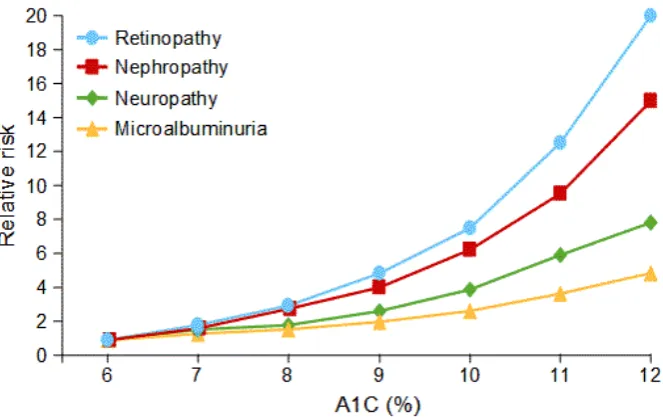
[image:22.595.113.445.375.585.2]Complications in diabetes are multifactorial, most importantly hyperglycaemia induced advanced glycation end products that trigger multiple enzymatic and non-enzymatic pathways resulting in tissue specific secondary responses (9). This results in micro and macro vascular end organ damage resulting in retinopathy, neuropathy, nephropathy, possible secondary cardiovascular disease and peripheral vascular disease (Fig 1.1) (10). This results in blindness, amputations, renal failure, myocardial infarction and cerebrovascular accidents leading to significant mortality and morbidity (11) as well as huge social and financial implications to the health economy (12). It is now well established that if we treat diabetes early and effectively, these complications can be delayed or avoided (13).
Fig. 1.1: HbA1C level and risk of micro vascular complications
19
Treatment options for Diabetes
20
Diabetes Epidemic
[image:24.595.61.554.354.588.2]Diabetes is a silent epidemic that has slowly risen in prevalence from 2% in 1970 to 3.5% in 1990 (15). Since then there has been a steep rise in diabetes worldwide rising from 4% in 1995 (16) to 9% in 2014 among people aged over 18 years (Fig 1.2) (17). This is projected to affect 439 million adults worldwide by 2030. Between 2010 and 2030, there will be an estimated 69% increase in the numbers of adults with diabetes in developing countries and a 20% increase in developed countries (18). Diabetes has resulted in 1.5 million deaths worldwide in 2012 (19). It is estimated that diabetes will be the 7th leading cause of death worldwide by 2030 (20).
Fig. 1.2: Worldwide Diabetes Prevalence
21
State of the Nation
22
[image:26.595.79.522.124.467.2]23
Diabetes Care Delivery in 20
thcentury in the United Kingdom
It is clear that a disease of this scale need to be dealt with by exercising great caution and a robust strategy is required to deliver care to people who suffer from this illness. It requires a framework of care delivery that is structured, efficient, governed, needs driven and able to cope with the rising demand of the disease burden. In order to understand modern diabetes care delivery in the UK, it is important to understand the evolution of diabetes care since the discovery of insulin.
Historically, with the advent of insulin in 1921 (14), diabetes became a specialist disease that requires specific skills. Initially, diabetes care delivery was restricted to specialist hospital clinics that were solely responsible for the diagnosis, management, patient education, record keeping, follow up and complication management. The first Diabetes centre in the UK was established in 1923 at King’s college hospital and this progressed to a network of diabetes clinics across England and Wales by 1950. After coping with the disease burden for nearly 3 decades, the capacity of the hospital clinics was overloaded by the rising number and needs of people with diabetes. This correlated with a steady rise in diabetes prevalence and increasing awareness of the disease and its complications. It further resulted in overcrowded diabetes clinics with increasing patient’s dissatisfaction.
In 1953, the capacity issue was addressed through a trial involving trained health visitors in diabetes care. Their role was to liaise with specialist clinics, general practitioners and public health departments in order to provide patient education and monitor the treatment in newly diagnosed people with diabetes (29). This was perhaps the start of community and domiciliary diabetes care. The role of these health visitors, considering them being first step in the evolution of diabetes specialist nurses, varied widely from monitoring people who are newly diagnosed with diabetes, during inter-current illnesses, pre-gangrenous foot infections as well as looking after hypoglycaemia and injection sites monitoring. Their scope was further extended to children with diabetes to liaise among their homes, school, family practitioners and specialist diabetes clinics. Although a very useful addition to the workforce, there was still a major gap in care delivery outside specialised hospital clinics.
24
the world can provide care to the number of people being diagnosed with this disease. Until this time diabetes care was relatively unstructured and different clinicians had different treatment targets and thresholds for the management of disease and its complications (30). Overall this resulted in increasing clinician’s dissatisfaction as workload in clinics were becoming unmanageable and standards of care were more routine rather than expert reviews (31).
To overcome this growing problem, the role of general practitioners was deemed paramount. Malins wrote that "most physicians who run diabetic clinics would be glad to know of any satisfactory method by which patients could be returned to the care of their own doctors" (31). There were several factors that undermined the role of general practitioners in the management of uncomplicated diabetes. One reason was the availability of diabetes clinics in most areas where such clinics were by default considered responsible for the delivery of care to the local population. Another reason was that GPs trained before the advent of these diabetes clinics had learned little about management of this condition and were not very skilled or confident in taking over the responsibility. Last but not the least was the maintenance of competencies, because on a standard GP list, there will be only 8-10 people with diabetes that make it difficult for GPs to acquire and retain skills (32).
25
community. If required, the person could be referred back to the hospital at any given point for further advice on management and to review the plan. GP practices choose to dedicate one clinician to develop an interest in looking after people with diabetes. They were supported by the hospital specialists in variety of ways including case based discussion sessions, informal and formal remote patient enquiries as well as by offering them to sit in diabetes clinics with specialist to acquire more knowledge and skills to manage complexities of diabetes. An annual visit to the surgeries by specialists was also arranged and was found to be very welcoming. All this was underpinned by the principles of co-working of clinicians and a uniform structure to deliver care to people with diabetes. As these clinics were running successfully, the need for motivation and enthusiasm of clinicians and structural organisation and governance in standardised care delivery of diabetes was considered to be of utmost importance (34). A 10 year audit of Mini-Clinics showed that there was no significant difference in diabetes control between people who were under specialist care, as compared with those who were looked after by their GPs in structured and well organised primary care clinics (35). This was a retrospective audit to assess service delivery that was not rolled out in a research framework, and there could be many confounding factors and bias, especially enthusiasm of the clinicians involved in Mini-clinics, that can make a huge difference in the outcomes of such initiatives. There can also be a selection bias, as despite matching the demographic details of the patient, the extent of disease and its complications managed in hospital clinic versus Mini clinics can make this judgment difficult. Despite this weakness, this was the first evidence available to compare the outcomes of people with diabetes under the community diabetes care against hospital clinics, and the results were very re-assuring. This idea of mini clinics was implemented at other sites in the UK and produced similar outcomes (36).
26
The outcomes of this whole process were assessed from patients’, GPs’ and the hospital’s viewpoints. It was found that people liked to be looked after by their own GP due to more personalised care, less waiting time and continuity of care delivered to people who are essentially have no complex care needs. This has eased off the burden on the diabetes clinics, which can concentrate more on complex care needs of people who have uncontrolled or complicated diabetes. Although initially, GPs felt an increased workload in their day to day practice, many were keen to continue to provide care to their patient and found it challenging but rewarding (37). This is again a service development and shows mainly soft outcomes based on questionnaires to assess impact of this new service provision on the patients, their GPs and specialists. There was neither a control group, nor any before and after comparison on hard outcomes such as blood sugar control. However, one should not undermine the positive impact of perception of co-working in a patient centric way that emerged from this service development. Key outstanding questions from this shared care strategy were whether this strategy will continue to provide favourable results in the long term, how much care should be shared, and to what extent real sharing will take place. The economic evaluation of such strategy was required to assess the cost effectiveness of this approach.
27
may have been designed to assess the specialism of generalists against the specialists of a disease and hence outcomes should not be surprising. The authors acknowledged that in other areas where mini-clinics or shared care proved to be successful there was significant organisation around these clinics in primary care. No similar trial was conducted either at the same place or within a different health economy to validate these findings and to address issues around possible bias of lack of facilities in this particular area against the clinician’s ability to manage diabetes. This trial posed a great challenge to primary care physicians who were seeking to establish their role in long-term care delivery of diabetes.
Hence by comparing these three strategies over a period of about 2 decades it was clear that in order to cope with increasing workload of management of diabetes, primary care had to play an important role. Although motivation and enthusiasm of GPs played an important role in care delivery of diabetes it required a structural, organisational, educational and clinical governance frameworks to enhance the efficiency of the system and to achieve comparable outcomes of disease regardless of its place and mode of delivery (34). Several factors such as care being closer to home, more personalised care, holistic approach to deal with multi morbidity, continuity of care and its ability to influence lifestyle modifications made a strong case for the involvement of primary car in long term condition management, such as diabetes.
28
Nonetheless, delivering structured care in general practice led to a debate on how much specialisation is required in primary care, and where the boundary of care delivery should lie between primary and specialist care. On the question of specialisation, there were two schools of thoughts. One was in favour of one person in a practice acquiring knowledge and skills to deliver diabetes care. This latter concept evolved in the idea of GP with special interest (GPwSI). The benefits of this were higher skill level, continuity of care and facilitated primary and specialist care communication with one nominated person. Another school of thought was in favour of up skilling whole primary care, so that each individual GP should be able to provide standard diabetes care to whole population. The benefit of this approach is to expand your work force significantly, as well as holistic care delivery to all people at a set standard. The overlap of care between primary and specialist care services can be variable, and its existence in different shapes and forms like shared care, mini clinics and sole GP care has already been discussed. At the beginning of 1990, the new GP contract urged general practitioners to take more responsibility for looking after people with diabetes, and although the confidence to manage diabetes as well as other services like dietetic and podiatry were inadequate, there was significant interest and enthusiasm expressed by the GPs in taking diabetes care to primary care settings (42).
29
Patient Education
Despite this evolution and the improvement in the medical management of diabetes in the last century the overall quality of diabetes care remain suboptimal. Like any other chronic disease, a large proportion of diabetes management has to be carried out by the person with the disease. Poor understanding of this concept of patient participation in their own care, for which they need to be educated to take control of several aspects of their disease, was one of the key reasons for the failure to improve diabetes care. Although there was a very early recognition of the importance of patient education by pioneers of diabetes like E.P Joslin who created a diabetes teaching clinic in Boston in 1929 and R.D Lawrence who founded the British Diabetes Association in 1934, the benefits of patient education took nearly 5 decades to get acknowledged and understood. To understand the importance of this highly important, yet very simple aspect of care, we need to look at the variety of issues related to the metabolic manifestations of diabetes. It swings from the extremes of glycaemia; severe hypoglycaemia to hyperglycaemic states like diabetic ketoacidosis; from mild numbness in the limbs to the total loss of sensation with the serious risks of foot ulcers; from mild visual symptoms to complete blindness; from minor circulation issues to gangrene and amputation and from likely reversible micro-albuminurea to end stage renal failure. Other key aspects that play a significant role in the metabolic control of this disease include patient’s nutritional status, lifestyle habits, psychological constitution, familial, professional and social factors to name but a few.
30
31
32
Diabetes Care Delivery in 21
stCentury
33
34
Models of Diabetes Care delivery
It is evident that any model of diabetes care delivery in 21st century that caries the notion of “Integrated Care” may be based on the fundamental principles of care delivery derived by the remarkable work done in the latter half of the last century as discussed above. Modern concepts of integrated care delivery models can be traced back to the concepts of mini clinics, shared care and co-working of primary and specialist care clinicians, as well as fundamental principles of patient education, empowerment and shared decision making. For any model of care delivery to be rigorous and sustainable, it should incorporate 5 fundamental pillars of governance that include clinical, structural, organisational, financial and data governance. The development of a district wide diabetes service in North Tyneside between 1979 and 1991 provided a detailed understanding of the evolution of such a model of diabetes care delivery that uses the principles of structured approach, patient empowerment, integration of care, performance management and team work to build a district wide diabetes service (63). This concept of multifaceted approach was further developed in the chronic care model (64) and was the foundation for the new house of care model for people living with long term conditions such as diabetes (65). This model evolved over years into its practical form in the “Year of Care” project. In this pilot project, which took place at three distinct sites in the UK, the importance of information provision to the service users to inform care planning process was assessed and found to be of benefit (66).
35
Different models of care have been trialled in the last 15 years in the UK. All of these models have used one or the other fundamental principles of chronic disease care delivery. Some of the models use categorical classifications to decide whether people are suitable to be looked after by the primary or specialist care teams. The Super Six model of Portsmouth (68) is a representative example of this approach, and has shown some benefits in terms of cost savings and increased patient satisfaction after 2 years (69). The outcomes reported from this initiative need to be looked at with caution as there is no control group to assess the impact of this new approach, and outcomes are based on a before and after analysis of multiple endpoints that are used as a marker of improved service delivery and better disease related soft outcomes without looking at defined hard endpoint clinical outcomes. One possible downside of such an approach is that it can demarcate the bounds of primary and specialist care based on the defined category, rather than needs of individual patient and referral across the categories will be clinician rather than need dependent. It can easily overlook complex cases of type 2 diabetes that may require highly specialised care, in order to prevent or halt complications. Leicester primary care also has a similar approach, although they have added an additional category of “people with complex needs” (“Super Seven”) to address this issue.
36
and high numbers of loss to follow up. Another example of a tiered approach by up skilling of group of practices rather than individual GPs was tested in Blackpool, and although it showed some benefits, this model was decommissioned by the local clinical commissioning group after a short while and hence has not produced any quantifiable published outcomes.
Out of hospital specialist care by collaborative work of primary and specialist care clinicians as a subcontractor of the NHS within the framework of an independent organisation (private company) has been implemented in Derby (71). It constitutes 50% participation of primary and specialist care, integrated IT system and single budget to deliver outcomes. It has shown significant outcomes in terms of better glycaemic control, reduction in weight and insulin dose and cost effectiveness. These outcomes are not compared against a control group and some of them are based on before and after intervention analysis. This model is also in a sustainability crisis at present as this could be seen as duplication of those services by a third party provider that has already been commissioned to be delivered by the standard NHS organisations.
Another model of integrated care based on multi-agency collaboration is the Northwest London Integrated Care Project (ICP), which looks after people over 75 years or people with diabetes. It has multiple interventions, including an outpatient triage service as well as a facilitated discharge service to provide rehabilitation in the community. Early projected outcomes in terms of hospital admissions, bed days, cost savings and user satisfaction still need to be backed up by the real outcome data (72).
Information Technology is required to play a key role in the integration of services and the effectiveness of this tool has been valued in First Diabetes model of Derby (71) as well as Bradford diabetes services. By having a shared database between primary and specialist care, a whole new world of virtual integration can be explored with the potential for cost savings as well as providing a risk driven service without actual patient movement achieved by virtual consultations and sharing of expertise among clinicians (73).
37
diabetes remained a great area of interest in the last 15 years but in author’s view, geography does not define the mode of care delivery to people. A specialist doing a clinic outside the hospital should not be taken as any different than doing a clinic in the hospital. Therefore, rather than dividing the care into community and hospital diabetes, care should be need driven and risk stratified regardless of its location, going back to the ethical principle of right care at right time by the right people (74). However, different co-working strategies have been tested, and one recent example is the Wakefield model of care. This is based on the principle of shared care, and is executed by specialists visiting the primary care physicians on a regular basis in order to address needs of people without necessarily referring them across the boundaries of the NHS (75). A similar integrated co-working model in community setting has been tested in Bolton and has shown a significant reduction in the number of hospital bed days per person (76) .This is a similar approach to that was used by P Thorn in his idea of mini clinics, where GP will be visited once a year by a specialist colleague to develop a mutual working relationship (33). Despite all these evolutionary changes spanning over a period of 7 decades, the fundamental question remains as to whether the NHS has developed a model of care delivery that has a firm evidence base in regards to its effectiveness, that fulfils the needs of people and is adaptable to the wider NHS to provide universal and standardised care.
38
39
Fig. 1.4: The Evolution of Diabetes Care Delivery in UK-Past, Present and Future
PreInsulin
era
1930-1960 Hospital based Diabetes Clinics Diabetes Health
Visitor
1970-1990 GP Mini Clinics GP Shared Care
Divided care Patient Education
1990-2000 Patient engagement
Patient Education Diabetes in Primary
Care
2000-2014 Diabetes NSF Diabetes QOF Integrated Care delivery models Patient empowerment
Patient activation Care Planning
Future Data Driven focused and targeted care.
Likes of The WICKED
40
Integration of Care
At present there is a huge drive in the NHS to move towards the notion of integrated care. This notion has several perspectives, and can be understood as an approach to improve the quality of care to the service users by collaboration of services to achieve a common goal of meeting clients and their carers’ unmet and complex needs. The ageing population, increase in prevalence of chronic diseases and new and modern management options have made it increasingly difficult to provide high quality healthcare in a resource constrained NHS. In order to meet this challenge, the NHS has to change and adapt an innovative, efficient and effective approach to tackle issues like inefficiency, waste and poor productivity. The way forward is to provide integrated care according to the needs of people across system divides. Integration of care can be horizontal where all the services operating at one level and sometimes under one organisation work in collaboration, or vertical where services across different organisations or operating at different levels work together to provide all elements of care in a seamless continuum of care (81). Integration can also be real when all the services are operated under the umbrella of one organisation, for which HMO in US like KP is a powerful example (82).It has been tested in the NHS as a model of care for older people in Torbay where both health and social services demonstrated the effectiveness of a real horizontal and vertical integration in providing care to people with complex needs (83). This Integration can be “virtual”, whereby multiple organisations can work together under an agreed framework of governance to provide multidisciplinary care to accommodate targeted population with complex needs that can be based on their multi morbidity but can also be based on individual parameters like age, or can be disease specific. One example of such integration is North West London ICP, where more than 100 general practices, 2 acute care trusts, 5 primary care trusts, 2 mental health care trusts, 3 community health trusts, 5 local authorities, and 2 voluntary sector organizations join together to serve over half a million population who was either more than 75 years of age or has diabetes (72), (84).
41
service level integration that is fundamental to produce desired outcomes (85). In an increasingly fragmented NHS, there are several barriers to achieving this integration: an NHS management culture that is permission based and risk averse; increasing primary and secondary care divides in the form of contracts, funding approaches and different priorities of service provision; lack of time and resources to support integrated care to sustain (86) and lack of research methodology applied to such projects in order to come to a meaningful conclusion; too much focus on organisational performance in comparison with performance across organisations and around patients, inability to develop a common framework to promote joint accountability for delivering patient centric services (87) and the absence of robust shared electronic patient records are key issues that require urgent attention (85).
42
HbA1C improvement of 0.3-0.4%, but they can be seen in the comparison of the benefit achieved by adding a 3rd line oral hypoglycaemic agent.
43
Vision for the Future
The above discussion has highlighted the fact that diabetes care delivery is a complex subject. Over the course of more than half a century, remarkable improvements have been made in diabetes care delivery. We have moved from an era of unstructured, specialist led services to a structured, organised and system wide diabetes care. Despite several attempts to assess the effectiveness of various interventions the evidence in this arena is very limited. There is a need to explore various strategies by using the research with robust methodology to provide high quality evidence. The perception of the available evidence suggests that it is difficult to conduct research in this area, due to certain barriers such as multiple stakeholders’ involvement, lack of differentiation between a service development and a research project as it seems easier to implement such initiatives as a service development. This loses the benefit of the control group in the assessment of the impact of such initiatives. Therefore, many reported improvements in outcomes could be due to temporal changes or confounding variables. As these interventions so far have only shown modest improvements, and in presence of a positive publication bias, there is a lack of encouragement in conducting such studies. Although available evidence does provide a valuable insight into what should be an effective healthcare delivery strategy should look like, there is a need to explore whether a data driven, risk stratified, needs based approach to diabetes care will allow efficiency in care delivery in a resource challenged NHS.
44
The introduction of QOF has facilitated data collection and electronic databases have become integral parts of all the services. QOF has shown great improvement in capturing the data around care processes and perhaps on intermediate outcomes but there is mixed evidence of any significant reduction in cost effectiveness, long-term morbidity and mortality (60, 90). Now there is an opportunity to use this available data to risk stratify the patient electronically based on their clinical parameters with less chances of getting lost in the system. This data can also be used to empower people by providing them with their personalised information in a structured format so that they can develop insight of their diabetes status and should be able to reflect how they can improve their care.
45
In order to execute such a project, there is a need to develop an understanding of the basic principles of the model as outlined above. A complete, live and validated database will serve as a core to the model and hence establishment and validation process of such a database will be crucial. To implement principle of equity in health care, it is important to develop an understanding around access to healthcare. A partnership working with activated patient will be key to success to develop a care plan and encourage patient to self-care therefore an attempt to test its implications in real life can provide a valuable insight. In the present thesis an attempt will be made to explore and develop an understanding around these principle areas of the WICKED model of diabetes care that include:
• Establishment and validation of an electronic centralised diabetes register-its importance and utilization in delivery of health care.
• Equity of access-understanding the barriers that affect Access to health care.
• Partnership working-How the care planning can be facilitated by knowledge empowered people.
• Impact of information provision to people with diabetes- Is it feasible? Will it be of any benefit? Can we find an evidence base?
46
Fig. 1.5: The WICKED escalator describing patient journey from uncomplicated low risk to complicated high risk diabetes.
Patient Activation
In charge of care Self-Care Education Information
Service Activation
Highly Specialised Care Specialist care
Community Care Primary Care
Meso integration
Uncomplicated Diabetes Macro integration Complicated Diabetes
Micro integration
Ethical, Governed, Principled
System Activation
• Corporate Governance• System wide integration
• Performance management
A
cce
ss,
P
ro
ce
ss,
O
utc
om
47
Chapter 2: Establishment and validation of a
centralised electronic diabetes register
Background
The burden of diabetes and related complications is increasing; the cost of newer medication is higher and the cost of high quality care is therefore increasing. Meanwhile, health care systems across the world are trying to cut costs, and providing high quality care at lower cost is not going to be easy in any health care systems. This requires innovative interventions to improve efficiency of the system and use of Information Technology (IT) can play a vital role in it. Electronic patient records have facilitated the use of data for various governance purposes, for example QOF and National Diabetes Audit. However this data has the potential to be used in more powerful way to drive direct clinical care of people with diabetes.
48
49
among different data sources but also identified previously undiagnosed patients. This study proved that a robust centralised diabetes register can be established and used not only to plan and deliver health care but also to find people with diabetes who missed from mainstream registers (99). This was a large scale study that included mainline datasets in Scotland and provided a valuable insight into the utility of a centralised register. As the Scottish healthcare system is different from the English system, key question remained as to whether this study could be reproduced in any other parts of the UK.
Like any other service, maintaining an accurate register for an ever changing population can be tedious work that relies on the motivation and enthusiasm of the service providers. The main deterrents include poor data sharing between primary and secondary care, problems with case ascertainment, patient migration, and discrepancies resulting from multisource data input and acquisition. This issue of motivation was addressed by introducing QOF, with related financial incentives to maintain an accurate diabetes register of the practice (59). This showed significant improvement in data capture across all chronic diseases including diabetes and also helped in improving care process completion in diabetes (60). The quality of primary care diabetes registers has improved to such an extent that it is used as the most accurate database to provide information about people with diabetes to national retinal screening programme (100) as well as National Diabetes Audit (28).
However, despite all the progress made in this field, the fundamental concept of district diabetes register remained the source of demographic details of people with diabetes, although with the advancement in technology, it is perfectly possible that such a database can be used as a tool to plan and deliver health care pro-actively. It can be used to risk stratify people with diabetes and target care to those who needs it the most. Scotland has shown a significant improvement in this area by establishing a regional centralised electronic diabetes register containing information about all people with diabetes in Scotland (101). Unfortunately, due to increasing fragmentation in the English NHS and lack of management support, this type of data integration has not been observed anywhere in England and Wales.
50
local health economy. We have also described a detailed method of how to validate such a database and it is a first demonstration of an algorithm that can be used to ascertain accuracy of a diabetes register on rolling bases.
Methodology of validation of the register
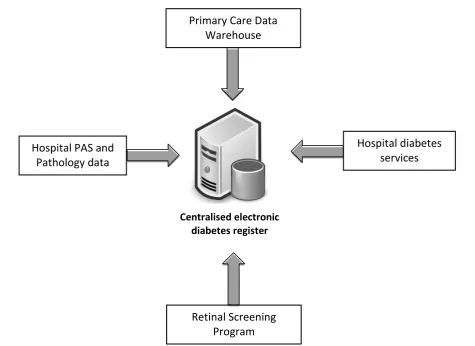
[image:54.595.58.534.427.773.2]The Wolverhampton District Diabetes Register (WDDR) is a historic patient record system (dating back to 1990) for people with diabetes. It was incorporated into an electronic database based on the ‘Diabeta3’ system in year 2000. Since 2008, the diabetes retinal screening programme, and more recently the local foot screening programme, are all run through this database – thus so it is an integrated system that was strategically developed precisely to ensure integration of data. It links to the local hospital Patient Administration System and Pathology System, and its data accuracy is checked against the NHS strategic tracing service (NSTS), also known as Demographic Batch Service (DBS). Information from individual primary care practices is separately accrued into a central data warehouse that is used as our local Primary Care Database (Figure 2.1).
Fig. 2.1: Multiple data inputs in electronic centralised diabetes register.
Primary Care Data Warehouse
Hospital PAS and Pathology data
Hospital diabetes services
Retinal Screening Program
51
To establish a centralised diabetes register, a starting point could be to merge data from both historic hospital diabetes register and primary care data set into one electronic register and then identify the data gaps between the two datasets. These gaps can then be investigated to produce a complete central dataset. Locally, to align the WDDR to the local Primary Care Database, demographic data on all alive patients coded as having diabetes from all 55 GP practices in the local area were extracted and uploaded into the WDDR in 2009. Individuals previously not known to the WDDR were subsequently registered. All live people registered in the WDDR who were not in the GP database were identified, and a questionnaire was sent to their GP practices to obtain information on diabetes diagnosis and demographics.
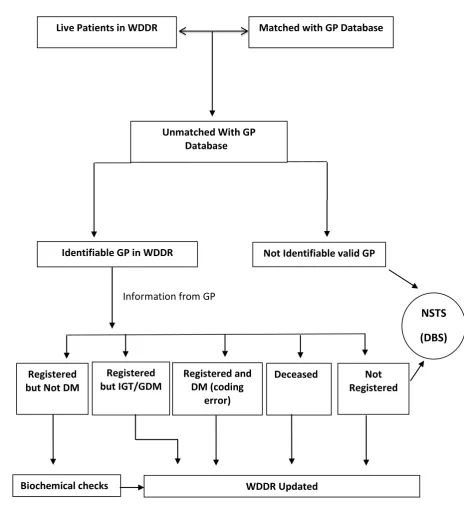
All GP practices responded to this questionnaire, and information obtained was updated on the WDDR. People who were not known to have diabetes in the GP database were subject to further biochemical cross checks (previous laboratory results) to verify the diagnosis of diabetes (according to WHO criteria). The WDDR was then updated, and GP practices were informed about any discrepancies for similar updating of their records (Figure 2.2). For non-identifiable patients, further demographic checks were undertaken with the DBS to confirm demographic details, after which a confirmatory check with the GP practice and/or the individual if necessary was made. The data were then updated in the WDDR. Finally, we designed a scoring system, termed the Composite Access Score (CAS), based on three key diabetes access parameters – HbA1c, urine ACR and retinal screening with a score of 1 being awarded for each item if done within the last 15 months. This CAS scoring was applied to the validated diabetes register to assess its utility in predicting whether an individual is in or out of the area, and this helped to develop a model for validating the WDDR post extraction of information from the GP database and DBS. A score of zero would indicate that the patient has either not been active in local diabetes care or has defaulted care (Figure 2.3).
52
full set of revalidation process was repeated at this stage, to bring data to >95% accuracy. Once this data flow was established, the complete set of individualized diabetes specific parameters required to deliver structured diabetes care were captured in the database. This database was then used as basic prerequisite to develop a data driven modern healthcare delivery model-The WICKED Model of diabetes care.
53
Fig. 2.2: The process of cross checking GP Databases with a central diabetes register.
Matched with GP Database Live Patients in WDDR
Identifiable GP in WDDR
Biochemical checks WDDR Updated Information from GP
Registered and DM (coding
error) Registered
but IGT/GDM Registered
but Not DM Registered Not
Deceased
Not Identifiable valid GP
NSTS (DBS) Unmatched With GP
54
Fig. 2.3: The process of further demographic checks amongst people with diabetes not registered with local primary care.
NSTS (DBS) Check
In Area and known to a GP
practice
Not known to a
GP practice with known Out of Area GP practice
Deceased
GP practice contacted
In Area Not contactable/Not registered (Moved Away) Deceased
WDDR Updated Patient
[image:58.595.61.486.146.601.2]55
Results
The results of the systematic process of validating the WDDR post data extraction from the GP database are summarised in Figures 1 and 2. The number of live patients with diabetes from the region in the WDDR and the GP extraction were 15 653 and 13 305 respectively. A total of 217 from GP databases were not known to the WDDR, and were subsequently registered.
In comparing the two registers (Figure 2.4), 13 088 individuals were in both databases; 2565 individuals in the WDDR were not identified in the GP database, in which further processes of validation were undertaken.
Of these 2565 patients in the WDDR who were not in the GP database, information on 2380 individuals was obtained by contacting their named GPs, all of whom responded. The response from GPs confirmed 1244 as being registered with them and having a diagnosis of diabetes. Their data were previously not transferred by the GP practices to WDDR data transfer, because of coding errors. These errors were identified, corrected and updated by locating breaks at multiple points of data transfer. There were 93 patients in GP databases who were correctly coded as either impaired glycaemia or gestational diabetes, and 61 patients were deceased. This information was updated in the WDDR.
56
57
Fig. 2.4: The results of cross checking GP Databases with a central diabetes register.
Information from GP
Matched with GP Database (13,088)
Live Patients in WDDR (15,653)
Unmatched With GP Database (2565)
Not Identifiable valid GP
(185) Identifiable GP in WDDR
(2380)
Registered and DM (coding
error) (1244) Registered
but IGT/GDM
(93) Registered
but Not DM
(240)
Not Registered
(742)
DBS (927)
Deceased
(61)
58
Fig. 2.5: Further demographic checks amongst people with diabetes not registered with local primary care.
NSTS (DBS) Check
(927)
In Area and known to a GP
practice
(237)
Not known to a GP practice
(220)
Out of Area with known GP practice
(422)
Deceased
(48)
GP practice contacted
In Area
(238)
Not contactable/Not registered (Moved
Away) (212) (212)
Deceased
(7)
[image:62.595.82.484.144.697.2]59
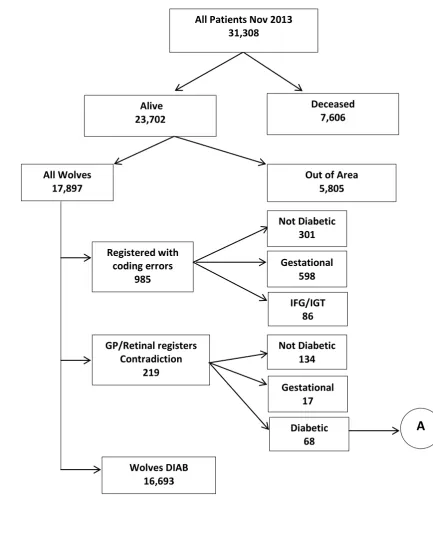
After repeating the whole validation process in November 2013, there were 16,693 live patients in the Wolverhampton Clinical Commissioning Group (WCCG) area. The full results of this process are shown in (Figure 2.6). This was the baseline population recruited into the randomised control trial at the beginning of December 2013.
60
Fig. 2.6: Results of validation flow process in November 2013
Alive 23,702
All Wolves
17,897 Out of Area 5,805
GP/Retinal registers Contradiction
219 Registered with
coding errors 985
Wolves DIAB 16,693
Deceased 7,606
Not Diabetic 301
Gestational 598
IFG/IGT 86
Gestational 17 Not Diabetic
134
Diabetic
68
A
61
Fig. 2.7: 12 months’ outcomes of continuous quarterly revalidation process of centralised diabetes register
New Diagnosis
1037 Deceased 388
Between Nov 13 and Nov 14
Registered with coding errors
508
Not Diabetic 302 Diabetic
951
Gestational 178 Not Diabetic
86
IFG/IGT 25
A (68) Diabetic
3
Wolves DIAB 16,693
All Diabetes November 2014
62
Discussion
We have learned from this exercise that no single database can be fully accurate. It is difficult to maintain the accuracy of any database, due to the dynamic demographics of the population and limitations of electronic record sharing systems. The NHS Spine similarly faced several problems with its summary care record as a result of discrepancies, due to technical errors in patients’ data uploads (102). However, since any such database can be crucial to service provision to the patients, we suggest that all local services should have a robust plan of validation that ensures a rolling mechanism of demographic cross checks from the DBS and GP databases at regular intervals, so as to reduce the number of discrepancies. This identifies people with diabetes who have either moved out of the area, or have moved from one GP practice to another, those who have died, those who are miscoded and those who do not have diabetes at all.
63
first GP contact, but when, after demographic checks, we wrote back to the GP practices they managed to identify these patients on their lists.
There is a need for standardisation of Read Codes so that all people with diabetes can be identified in the electronic record system to construct and maintain a valid diabetes register, since the quality of diabetes care depends on correct identification of these patients. One such example is the retinal screening programme that extracts its data from the GP2DRS system and relies on GP databases to identify people with diabetes. To achieve national standards of retinal screening, a database that is validated from multiple sources on a regular basis is vital. A recent NHS diabetes report has concluded that 85–90% of primary care data on diabetes are fit for purpose, but there is room for improvement (105). These coding errors, once rectified, will improve the quality of data feed in both the WDDR and GP2DRS databases.
The Composite Access Score is a very useful tool to identify patient access to diabetes services. When applied to individuals who were not identifiable by GP database, DBS and direct contact, it had a strong predictive value in identifying people who had moved away. It can also be used to identify people with diabetes who are not engaged with the services. Three key elements of this score, namely HbA1c, urine ACR and retinal screening will incorporate all the process modalities (blood test, urine test and contact with screening programme) a patient should have as a part of their routine diabetes care. The National Diabetes Inpatient Audit (NaDIA 2010–2011) report suggested that failure to complete nine care processes could deprive people of timely intervention to prevent complications (28). By applying a CAS score to all patients on a district diabetes register, all non-engaged people can be identified, and a proactive approach can be adapted to get these patients involved in their diabetes care.