COMBINED ORAL CONTRACEPTIVE UTILIZATION AND UTERINE FIBROID INCIDENCE AND PREVALENCE IN THE STUDY OF ENVIRONMENT, LIFESTYLE, AND FIBROIDS (SELF)
Sarah Ruth Hoffman
A dissertation submitted to the faculty of the University of North Carolina at Chapel Hill in partial fulfillment of the requirements for the degree of Doctor of Philosophy in the Department of Epidemiology in the
Gillings School of Global Public Health.
Chapel Hill 2019
Approved by: Jennifer S. Smith Michele Jonsson Funk Charles Poole
ABSTRACT
Sarah Ruth Hoffman: Combined oral contraceptive utilization and uterine fibroid incidence and prevalence in the Study of Environment, Lifestyle, and Fibroids (SELF)
(Under the direction of Jennifer S. Smith)
Estrogen and progesterone play complex, interrelated roles in fibroid tumor development. Hormonal contraceptives are composed of progestin (synthetic progesterone) and may also include estrogen. The most common form of hormonal contraception used in the United States is combined oral contraception. To date, existing published literature regarding the association between combined oral contraceptives (COC) use and uterine fibroid development have yielded mixed findings, limited by lack of baseline ultrasounds that could establish temporality, and often restricted to outcome ascertainment among symptomatic, mostly white, women seeking treatment.
The Study of Environment, Lifestyle, and Fibroids (SELF) was the first prospective, ultrasound-based study of risk factors for uterine fibroids. SELF consists of 1,696 young (23-34 years), black women living in the Detroit, Michigan area in 2010-2017. We examined associations between different levels of COC use and the 40-month cumulative risk of uterine fibroids, and baseline fibroid prevalence.
Specifically, we examined ever use of COCs, and age at first use, duration of use, and time since last use among ever COC users. Inverse probability weights were constructed for all exposures, and censoring. Standardized mortality ratio weights were constructed for ever COC use. At ~40-months’ follow-up, we observed a possible protective association between ever use of COCs and cumulative fibroid incidence among women who were without fibroids at study enrollment (wRR: 0.78; 95% CI: 0.60, 1.00). When restricting the “Never” comparator group to ever hormonal contraceptive (HC) users, the observed
ACKNOWLEDGEMENTS
The author wishes to thank the nearly 1,700 women who participated in the Study of
Environment, Lifestyle, and Fibroids (SELF), and Dr. Donna D. Baird for her enduring efforts to elucidate the biology of uterine fibroids.
The author would also like to thank committee members, Dr. Smith, Dr. Baird, Dr. Harmon, Dr. Poole, Dr. Jonsson Funk, Dr. Nicholson, and Dr. Hudgens for their insight and guidance, and express sincere appreciation to her advisor, Dr. Smith, for her dedicated time and assistance through the years.
Appreciation is also extended to Mitch Conover, Alex Breskin, Michael Webster-Clark, Ashley Naimi, Paul Zivich, Maya Wright and others for their technical assistance and expertise during the design and analysis process, and to the staff of the School of Public Health and Carolina Square where most of the present manuscript was planned and written.
TABLE OF CONTENTS
LIST OF TABLES ... ix
LIST OF FIGURES ... x
LIST OF ABBREVIATIONS... xi
CHAPTER ONE: STATEMENT OF SPECIFIC AIMS ... 1
CHAPTER TWO: INTRODUCTION ... 4
Uterine Fibroids ... 4
Oral Contraceptives ... 5
Innovation ... 8
CHAPTER 3: CRITICAL REVIEW OF THE LITERATURE ... 11
Pathogenesis of Uterine Fibroids and the Potential Role of Hormonal Contraception ... 11
Pharmacology of Oral Contraceptives ... 12
Aim 1: Women’s Reasons for and Patterns of Hormonal Contraceptive Use ... 15
Aim 2: Oral Contraceptives and Fibroid Incidence ... 15
CHAPTER 4: RESEARCH PLAN AND METHODS ... 22
Study Design ... 22
Study Population ... 22
Preliminary Data ... 24
Exposure Assessment and Quality Assurance ... 24
HC Utilization ... 24
Ever use of combined oral contraceptives (COCs) ... 25
HC Sequences of Use ... 26
Duration of Use of COCs ... 27
Time since Last Use of COCs ... 27
Reliability of Self-Reported COC Data ... 28
Outcome Assessment and Quality Assurance... 28
Covariates ... 29
Covariate Assessment ... 29
Covariate Selection ... 29
Covariate Sets for Weight Calculations ... 30
Body Mass Index (BMI) Tertiles for Aim 2 Analyses ... 30
Study Power ... 33
CHAPTER 5: PATTERNS OF AND REASONS FOR HC USE IN THE SELF COHORT (PAPER 1) ... 35
Introduction... 35
Methods... 36
Study Population ... 36
Data Collection on HC Use ... 36
Chronological Sequence of HC Use by Type ... 37
Duration of Use for COCs and H-IUDs ... 37
Reasons for HC Use ... 37
Data Management and Analysis ... 37
Results ... 38
Characteristics of SELF Cohort ... 38
HC Utilization ... 38
HC Sequences of Use ... 39
Individual Timing and Duration of HC Use ... 39
Reasons for HC Use ... 40
Sensitivity Analyses ... 40
Discussion ... 40
CHAPTER 6: COMBINED ORAL CONTRACEPTIVE UTLIZATION AND UTERINE FIBROID PREVALENCE AND INCIDENCE IN THE SELF COHORT (PAPER 2) ... 52
Introduction... 52
Methods... 53
Study population ... 53
Data collection ... 54
Exposure and outcome classification... 55
Prevalence study design ... 56
Incidence study design ... 56
Statistical analyses... 57
Results ... 58
Study population ... 58
Prevalence Findings... 59
Incidence Findings ... 60
Discussion ... 61
Strengths and limitations ... 62
Conclusion ... 63
CHAPTER 7: DISCUSSION ... 71
Strengths ... 72
Public Health Implications ... 73
Future Research ... 74
APPENDIX 1: CHAPTER 5 SUPPLEMENTAL TABLES ... 75
APPENDIX 2: CHAPTER 6 SUPPLEMENTAL TABLES ... 84
LIST OF TABLES
Table 3.1. Compounds used in commercially available hormonal contraceptives in the U.S. ... 14
Table 3.2. Characteristics of twelve observational studies of oral contraceptive use and fibroid risk ... 17
Table 3.3. Key limitations of twelve observational studies of oral contraceptive use and fibroid risk... 18
Table 3.4. Comparisons reported in 12 observational studies of oral contraceptive use and fibroid risk... 19
Table 5.1. Characteristics of 1,693 women who enrolled in SELF in 2010-2012 (Detroit, MI, USA) ... 43
Table 5.2. Characteristics of hormonal contraceptive (HC) users in SELF ... 45
Table 5.3. Age at first HC use, time from menarche to initiation, and duration of use ... 47
Table 5.4. Reasons for use, by HC type, in 1,455 ever HC users ... 48
Table 6.1. Characteristics of 1,693 women who enrolled in SELF in 2010-2012 (Detroit, MI, USA) ... 64
Table 6.2. Combined oral contraceptive utilization and baseline fibroid prevalence in SELF ... 66
LIST OF FIGURES
Figure 2.1. Race and age specific prevalence of symptomatic uterine fibroids ... 4
Figure 2.2. Percentage of sexually experienced women aged 15–44 who have ever used OCs ... 6
Figure 2.3. Roles of estrogen and progesterone in the pathogenesis of uterine fibroids ... 7
Figure 5.1. Annual initiation rates (with 95% CIs) for seven HC types and EC in SELF ... 49
Figure 5.2. Sankey diagram depicting self-reported HC sequences of use in SELF... 50
Figure 5.3. Cumulative incidence curves (with 95% CIs) for menarche and HC/EC initiation, by year... 51
Figure 6.1. IPW/SMR associations between levels of COC utilization and fibroid prevalence in SELF ... 68
LIST OF ABBREVIATIONS
ASD
absolute standardized difference
COC
combined oral contraceptive(s); combined oral contraception
DAG
directed acyclic graph(s)
HC
hormonal contraceptive(s); hormonal contraception
H-IUD hormonal intrauterine device(s)
IP
inverse probability
IUD
intrauterine device
IPW
inverse probability weight(s)
MP
medroxyprogesterone acetate
OC
oral contraceptive(s); oral contraception
OR
odds ratio
PR
prevalence ratio
PS
propensity score(s)
RR
risk ratio
SELF
study of environment, lifestyle, and fibroids
SMR
standardized morbidity ratio; standardized mortality ratio
UF
uterine fibroids
CHAPTER ONE: STATEMENT OF SPECIFIC AIMS
More than 1 billion U.S. dollars are spent each year to treat uterine fibroids.1 In the U.S., black women experience greater risk of, and a 10-year earlier onset of, fibroids than white women, and their fibroids are more severe.2At least 80% of black women will develop uterine fibroids in their lifetime.3 Fibroid symptoms include pelvic pressure, pain, and heavy menstrual bleeding leading to iron deficiency anemia.4 Fibroids can cause infertility and obstetric complications, and may be associated with preterm delivery.4,5 Unfortunately, there is currently no known approach to prevent or permanently cure uterine fibroids while leaving the uterus and fertility intact.
Estrogen and progesterone have complex, interrelated roles in fibroid tumor development.6,7 Progesterone appears to cause fibroid growth, and estrogen increases availability of progesterone receptors.7 Oral contraceptives (OCs) are generally composed of both estrogen and progestin (synthetic progestogen).8 Exposure to OCs is widespread in the U.S.9–11 Among sexually experienced black women aged 15-44, 80% have used OCs in their lifetime.9
The data on oral contraceptives and fibroid risk have been mixed, with some studies showing a detrimental association if taken early in life,12,13 and others demonstrating a protective association14–16 or no associaion at all.17–20Studies of OC use and fibroid development to date have lacked baseline fibroid assessments and are unable to establish temporality of OC use and fibroid occurrence. Furthermore, studies of OC use and fibroid development are limited to fibroid assessment by clinical recognition; i.e., only women who sought treatment for fibroid symptoms and who had access to care were screened. Thus, the resulting associations may have been biased by factors related to clinical or surgical detection, including perception of symptoms and access to medical treatment.2
ultrasounds in all study participants, not just those with symptoms. Study retention rate was high at >85% for the 40-month follow-up.
Specifically, we aimed to:
Aim 1: Describe the patterns of and reasons for hormonal contraceptive use prior to and at
enrollment among women enrolled in SELF, including the duration of and time since last use of
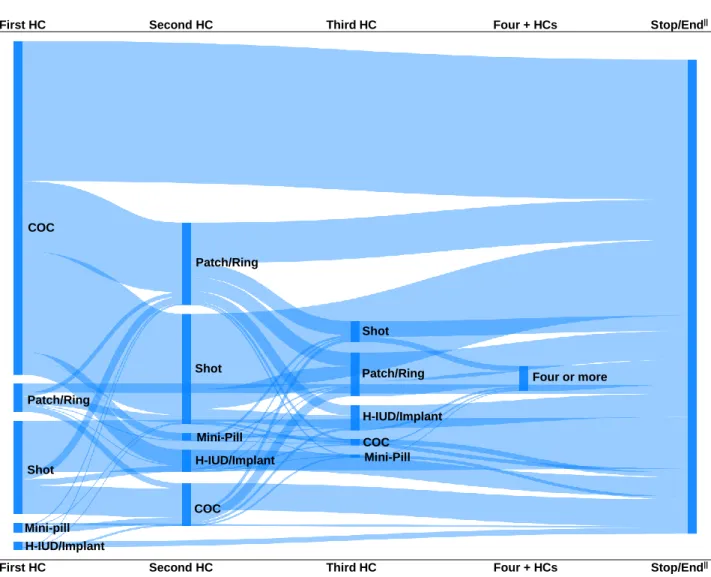
OCs. Switching contraceptive methods is common.9,23,24 However, no data are published on lifetime patterns of hormonal contraceptive use among U.S. black women 24 Contraceptive biographies24 were constructed for each participant. We described the distribution of HC utilization by HC type for HCs ever used and currently in use at enrollment. We also report number of HC types ever used, first HC type used, age of first HC use and total duration of HC use in years. For each HC type (e.g., COC, patch, ring, shot, H-IUD, mini-pill, and implant) we report age at first use, years since menarche of first use, total months used, and reasons for using (e.g., birth control, menstrual problems). Annual initiation rates were plotted, and compared to regulatory approval timelines. We constructed Sankey diagrams to depict HC sequences of use, and plotted cumulative incidence curves for menarche and HC initiation. Knowledge of these patterns provided meaningful context to the findings from the following aim.
Aim 2: Examine the associations between different levels of combined oral contraceptive
(COC) use and the 40-month cumulative risk of uterine fibroids, and baseline fibroid prevalence.
Women were counted as having uterine fibroids if they had one or more lesions of 0.5 cm maximum diameter or larger that could be visualized in all three planes.25 Ten percent of SELF participants without fibroids at baseline had fibroids detected at the 20-month follow-up.2 Ever use and age at first use of COCs were analyzed as dichotomous variables. Age at first use was dichotomized as less than 17 years and 17 years or older, based on findings from prior literature.12,13,26 Cumulative lifetime exposure (duration of use) and time since last use were analyzed as ordinal variables, to allow for comparison to findings of previous studies. Pregnancy and hormonal contraceptive use during follow-up were taken into account in sensitivity analyses. Risk and prevalence ratios were calculated comparing each level of COC to the lowest level of use.
growth. Temporality was established and common sources of bias in the study of COCs and fibroid risk were addressed.2,27
CHAPTER TWO: INTRODUCTION
Uterine Fibroids
Uterine fibroids are prevalent, costly, and affect black women disproportionately. Uterine fibroids are found in 70 to 80% of reproductive-age women in the U.S.3 Clinically relevant leiomyomas (i.e., fibroids requiring treatment) are found in 10-50% of women, depending on race and age (Figure 2.1).3 Incidence of symptomatic fibroids generally increases with age and declines after menopause.6
Black women are three times as likely as white women to develop fibroids over a 4 year time-period, even after adjustment for many other factors.28 Fibroids in black women tend to occur earlier in life than in white women, and are often more severe.29,30 As a result, black women are 6.8 times as likely as white women to undergo uterine fibroid removal surgery (myomectomy).31
Fibroid symptoms include pelvic pressure, pain, and heavy menstrual bleeding leading to iron deficiency anemia.4
Fibroids can cause infertility and obstetric complications, and are strongly associated with preterm delivery.4,5
Between 10% and 30% of women with uterine fibroids will experience complications during pregnancy.5 Fibroids can grow to be so large that they mimic the uterine volume and pressure of pregnancy. Clinicians often refer to fibroid size as if they were discussing a gravid uterus (i.e., “18-week myomatous
Figure 2.1. Race and age specific prevalence of symptomatic uterine fibroids among randomly selected members of an urban health plan (Baird, 2003).3
uterus”). A 20-week size uterus is not uncommon among non-pregnant women with fibroids.32 The pelvic pressure associated with these fibroids can cause bladder and bowel dysfunction.4
Fibroid symptoms cause substantial impairment in health-related quality of life and create fear, anxiety, and depression for women with the disease.33,34 Patients also report that their symptoms are a source of financial burden.33 Women with fibroids incur higher healthcare costs than patients without fibroids.35
More than $1 billion U.S. dollars are spent each year to treat uterine fibroids.1 Fibroid treatment can be quite costly. In the 2003-2010 MarketScan Commercial Claims and Encounters database, the average cost for a myomectomy was $15,459, while mean cost for magnetic resonance guided focused ultrasound (MRgFUS) was $15,249, and the mean cost for uterine artery embolization (UAE) was $18,653.36 Fibroid treatments that reverse infertility must often be repeated, for the fibroids often return, adding to the financial burden of this disease.37,38 These costs do not incorporate loss of income during procedure and recovery time.
The financial burden of uterine fibroids (which are more common among black women) is a source of unjust financial burden on black families. Among women with symptomatic fibroids, black women disproportionately report having inadequate health insurance coverage or no coverage at all to treat their fibroids.39 Even with health insurance that offers to cover 80% of the cost of care, fibroid removal procedures can be out of reach financially; 20% of the aforementioned cost for a myomectomy amounts to just over $3,000. Thus the coinsurance for a single treatment amounts to more than 8% of the annual median household income of a black family living in the U.S.36,40
Unfortunately, there is currently no known way to prevent or permanently cure uterine fibroids while leaving the uterus and fertility intact. If oral contraceptives decrease the risk of uterine fibroids or shrink existing fibroids, it could help address the unjust emotional, physical, and financial burdens of this disease.
Oral Contraceptives
Oral contraceptives are the most widely used reversible contraception in the United
continues to rise.10,41 According to the 2006-2010 National Survey of Family Growth (NSFG), 62% of reproductive age women are using contraception, and hormonal contraception is the most common type used.41 Of women using a contraceptive method in the 2011-2013 NSFG, 45% were using a hormonal method as compared to up to 39% in 2002.10
Oral contraception is the most common type of contraceptive used, along with female
sterilization.10 Most women are
exposed to oral contraceptives at some point in their lives.9 Repeated
surveys reveal that 82% of sexually active women have ever used oral contraception, a figure that remained stable from 1995 through 2010. This is despite the introduction of other effective contraceptives over the same time period.9 Among black women specifically, 78% of sexually experienced women have used oral contraception (Figure 2.2).9 According to the 2006-2010 NSFG, 50% of women under age 25 are currently using oral contraception.9
A variety of hormonal contraceptive routes of administration are available in the U.S.: oral contraceptives, intrauterine devices (IUDs), transdermal patches, vaginal rings, implants, and injectables. The patch and the ring contain both estrogen and progestin.42 Hormonal implants, IUDs, and injectables contain only progestin.43 Oral contraceptives almost always contain both hormones, but are also available in progestin-only form.42,44
Switching contraceptive routes is common.9,23 According to the 2006-2010 NSFG, 78% of women aged 15-44 who have ever had sex have tried 3 or more different contraceptive methods, and 29% have
Figure 2.2. Percentage of sexually experienced women aged 15–44 who have ever used oral contraceptive pills versus other hormonal methods, by
race/ethnicity, in the United States, 2006–2010. Data are from the National Survey of Family Growth (NSFG). Figure adapted from Daniels, 2013.9
73 62 89 78 57 39 38 31 44 19 0 10 20 30 40 50 60 70 80 90 100 Hispanic, U.S. born Hispanic, foreign born Non-Hispanic white Non-Hispanic black Non-Hispanic Asian Perc en t
tried 5 or more methods. Black women had the highest proportion of those who had ever used a hormonal method other than oral contraception (44%; Figure 2.2).9
Many women use oral contraceptives for reasons other than pregnancy prevention. It is estimated that more than 1.5 million women (14% of pill users) use oral contraceptives for noncontraceptive
purposes only. In fact, nearly 1 in 10 women who have never had sex use oral contraception, most commonly for menstrual pain and regulation.11 Of all current pill users in the 2006-2008 NSFG, 58% of oral contraceptive users used oral contraceptives for at least one reason other than pregnancy
prevention. Cramps and menstrual pain, menstrual regulation, and acne were the most common noncontraceptive reasons for which women used oral contraception. About 50% of women who were currently using oral contraception used it for more than one reason.11 Menstrual pain and irregularity are common symptoms of uterine fibroids. It is possible that oral contraceptives are used by many women to alleviate symptoms of undiagnosed uterine fibroids.
There is evidence
that oral contraceptive
exposure reduces fibroid
tumor development. Uterine fibroids are influenced by steroid hormones, primarily estrogen and progesterone.6,7 Estrogen and progesterone have complex, interrelated roles in fibroid tumor
development. Progesterone is necessary for the development of fibroid cells, and estrogen increases the availability of progesterone receptors.7 There is no documented case of uterine fibroid(s) before puberty, and incidence declines (along with estrogen and progesterone) after menopause.7 Despite the elevation of estrogen and progesterone during pregnancy, parity is associated with a reduced risk of uterine fibroids.7,45 There is no firmly established reason for this paradox. A similar paradox has also been observed for hormonal contraceptives, and has yet to be confirmed or explained.7
Figure 2.3. “Diagrammatic representation of the roles of estrogen and progesterone in the pathogenesis of uterine fibroids.” ECM:
Overall, the exact mechanisms of uterine fibroid development remain unclear, and have been described as “enigmatic”.46 It is still unknown whether the cells from which fibroids arise are stem cells or differentiated myometrial cells.7 Estrogen and progesterone could influence the transformation of stem cells into fibroid cells, exert some effect on already differentiated myometrial cells, or both (Fig. 3).
Interestingly, current use of an estrogen-containing contraceptive is associated with an increase in serum vitamin D levels.21 Vitamin D is significantly lower in women with fibroids than in healthy
controls.47 There is a strong dose-response relationship between low serum vitamin D and uterine fibroid severity.47 Thus it is possible that some of the effect of OCs on fibroids might be related to their effect on vitamin D levels.
Oral contraceptives, with few exceptions, are composed of both estrogen and progestin (synthetic progestogen that binds to progesterone receptors).8 Compared to women who have never used oral contraception, women who have ever taken oral contraception appear to be less likely to develop uterine fibroids, even after advanced modeling to control for confounding by other factors.13,14,16,48 Additional evidence suggests that longer duration of oral contraceptive use may also be protective against fibroids.13–16,49 These studies enrolled exclusively15 or mostly13,16,19,20,26,48 non-black participants and examined only clinically diagnosed leiomyomas.
A recent cross-sectional analysis of SELF data found a strong, protective association between ever use of injectable progestin (widely known as Depo-Provera) and the presence of uterine fibroids at study baseline.50 This protective association was seen even among women who had not used injectable progestin for several years. Furthermore, the higher a woman’s cumulative lifetime exposure to injectable progestin, the lower her chance of having a fibroid.50 The finding that injectable progestin is protective against uterine fibroids is supported by previous findings.12,48 One study48 found a protective association for injectable progestin lasting for more than 10 years after the final dose.
Innovation
This study was able to capture a higher proportion of fibroid cases than previous studies
development were limited to clinical or surgical recognition of fibroids. In other words, results may have been biased by factors related to clinical or surgical detection, including perception of symptoms and access to medical treatment.2 For instance, oral contraceptives might mask fibroid symptoms, preventing women from seeking diagnosis. This would make oral contraceptives appear protective when they are not. SELF addresses this potential bias by performing ultrasounds in all women, not just women with symptoms.
The 1997-2001 Black Women’s Health Study (BWHS)12 assessed the association between self-reported hormonal contraceptive use and self-self-reported clinical or surgical diagnosis of uterine fibroids. About 10% of participants reported a diagnosis of fibroids during approximately 40-months of follow-up. In our cohort (SELF), the same incidence (10%) was found in 20-months of follow-up. Both cohorts are composed entirely of black women. The BWHS included an older cohort than SELF (median age of 34 years with an IQR of 29-40), as SELF only enrolled participants aged 23-34 years at recruitment. Given that fibroids tend to be diagnosed in older women, we would expect the BWHS cohort to have a higher rate of fibroid incidence, not lower.6,28 This finding could be due to the fact that SELF does not require women to seek medical treatment in order to be screened for fibroids. SELF performs fibroid screening for all participants at regular intervals regardless of the presence or absence of symptoms. Because of this, SELF data captures a higher proportion of fibroid cases than previous studies.
This study was able to verify that oral contraceptive exposure occurred prior to the
appearance of fibroids. The temporal relationship between oral contraceptive use and fibroid
clearly delineate the relationship between oral contraceptive use and fibroid development than prior studies could.
Contraceptive biographies24 for each study participant were constructed. Switching
contraceptive methods is common.9,23,24 Despite this fact, there have been no published reports of lifetime patterns of hormonal contraceptive use among black women living in the U.S.24 Aim 1 described the patterns of and reasons for hormonal contraceptive use in the SELF cohort. Knowledge of these patterns in our cohort was necessary for the completion of Aim 2, and offered meaningful context to those findings. Furthermore, the completion of this aim serves as an example for future studies of contraceptive
CHAPTER 3: CRITICAL REVIEW OF THE LITERATURE
Pathogenesis of Uterine Fibroids and the Potential Role of Hormonal Contraception
Fibroids consist of multiple, clonal (cells that share a common ancestry) cell types: smooth muscle cells, vascular smooth muscle cells, fibroblasts, and fibroid-associated fibroblasts.51 Fibroblasts are known to be important in wound healing, and are responsible for the wealth of extracellular matrix (ECM) found in fibroid tumors. Fibroblasts are most critical to the pathophysiology of fibroid disease. All four of these clonal cell types originate from fibroid progenitor cells.51
Hormonal contraceptives may influence fibroid development in at least three different places: (1) the transformation of myometrial stem cells into fibroid progenitor cells, (2) the differentiation of fibroid progenitor cells into preclinical fibroids, (3) the proliferation of fibroid cells into clinically relevant disease.51
Myometrial stem cells → Fibroid progenitor cells → Preclinical fibroids → Clinically relevant disease
First arrow: It is not well understood how or why myometrial stem cells transform into fibroid progenitor cells, but sex steroid hormones appear to play an important part.51 Myometrial stem cells require sex steroid hormones for their growth, and yet lack the receptors for these hormones.51 The mechanism for their growth and subsequent transformation is thought to involve paracrine (cell-to-cell) signaling mediated by the Wnt/β-catenin pathway, estrogen, and progesterone.51 If the steroid hormones from hormonal contraceptives reach the uterus via circulation, they may contribute to the paracrine signaling mechanism by which fibroid progenitor cells develop. If these cells persist, it may explain why exposure to oral contraceptives at an early age has been associated with later fibroid development.12,13
progesterone receptor genes.51 The heterogeneity of fibroid biology and clinical presentation are at least partially explained by these differences in gene profiles. The expression of these genes is influenced by the hormones involved in the menstrual cycle, mainly estrogen and progesterone.51 Thus, it is plausible that circulating sex steroid hormones from oral contraceptives could influence gene expression in a way that influences fibroid cell differentiation.
Third arrow: Fibroid cells contain both estrogen and progesterone receptors.7 Progesterone is thought to be the primary regulator* of fibroid growth, with estrogen supporting this function by increasing progesterone receptor expression in fibroid cells.7 Oral contraceptive use has been associated with potentially long-lasting or irreversible changes in estrogen receptor expression in macrophages (increased estrogen receptor α and decreased estrogen receptor β);52 hence, it is plausible that oral contraceptives induce similarly lasting changes in progesterone and/or estrogen receptor expression in the cells of the uterus, including preclinical fibroid cells.
*Concerning progesterone, while laboratory studies demonstrate that progesterone promotes fibroid growth, epidemiological studies of the effects of pregnancy and synthetic progesterone use suggest something entirely different.51 The role of progesterone is likely complex and interdependent with other pathways.51
Pharmacology of Oral Contraceptives
Oral contraceptive pills contain synthetic progesterone (progestin), and are available with and without estrogen. Estrogen-containing oral contraceptives are commonly referred to as “combined oral contraceptives” (COCs). Most oral contraceptives on the market are COCs. COCs may be monophasic, biphasic, or triphasic. Monophasic pills deliver a stable dose of progesterone and estrogen throughout the menstrual cycle. Biphasic or triphasic pills alter the dose of estrogen and/or progestin at specific time points in the menstrual cycle.
The most common form of estrogen in COCs is ethinyl estradiol . Estradiol valerate and
androgen, estrogen, and progesterone receptors). These varying affinities coupled with differences in dosage may produce varying effects on uterine fibroid development (see Aim 2 literature review).
Slightly estrogenic progestins include norethindrone, norenthindrone acetate, and ethynodiol diacetate.54 Androgenic progestins include medroxyprogesterone acetate (MPA), norethindrone, norenthindrone acetate, and ethynodiol diacetate.54 These four drugs also possess antiestrogenic properties.54 Norethindrone and norethindrone acetate are first-generation progestins with low
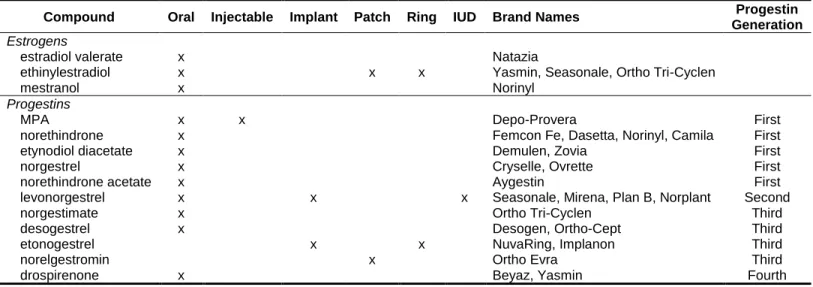
Table 3.1. Compounds used in commercially available hormonal contraceptives in the U.S.
Compound Oral Injectable Implant Patch Ring IUD Brand Names Progestin
Generation
Estrogens
estradiol valerate x Natazia
ethinylestradiol x x x Yasmin, Seasonale, Ortho Tri-Cyclen
mestranol x Norinyl
Progestins
MPA x x Depo-Provera First
norethindrone x Femcon Fe, Dasetta, Norinyl, Camila First
etynodiol diacetate x Demulen, Zovia First
norgestrel x Cryselle, Ovrette First
norethindrone acetate x Aygestin First
levonorgestrel x x x Seasonale, Mirena, Plan B, Norplant Second
norgestimate x Ortho Tri-Cyclen Third
desogestrel x Desogen, Ortho-Cept Third
etonogestrel x x NuvaRing, Implanon Third
norelgestromin x Ortho Evra Third
drospirenone x Beyaz, Yasmin Fourth
Abbreviations: MPA, Medroxyprogesterone acetate.
Aim 1: Women’s Reasons for and Patterns of Hormonal Contraceptive Use
Aim 1: Describe the patterns of and reasons for hormonal contraceptive use [prior to and at enrollment] among women enrolled in SELF, including the duration of and time since last use of OCs.
While there are many published works regarding women’s reasons for discontinuing hormonal contraceptives, studies of reasons for initiating use appear relatively scarce. A broad literature search revealed a single report, out of the Guttmacher Institute, using nationally representative data from the 2006-2008 National Survey of Family Growth (NSFG). The NSFG contains contraceptive history with dates of use for the four years prior to the interview date, and ever/never use for each type of
contraception.24 Data were not stratified by race or fibroid status, but do provide a national-level look into why women use hormonal contraceptives.
Birth control was the most commonly cited reason for using oral contraceptives in NSFG.11 Of women using oral contraception for non-contraceptive reasons (alone or in addition to birth control as a reason), menstrual pain and menstrual regulation were the leading causes for use, followed by acne. When data were stratified by age group, non-contraceptive reasons were the leading indication for oral contraceptive use in 15-19 year olds, with menstrual pain as the most common reason for use. While ~49% of U.S. women used oral contraception for more than one reason, fourteen percent of users (more than 1.5 million women) used the pill for noncontraceptive purposes only.
No published data were found regarding lifetime patterns of hormonal contraceptive use.
Aim 2: Oral Contraceptives and Fibroid Incidence
Aim 2: Examine the associations between different levels of combined oral contraceptive (COC) use and the 40-month cumulative risk of uterine fibroids, and baseline fibroid prevalence.
("contraceptive"[All Fields] AND "agents"[All Fields]) OR "contraceptive agents"[All Fields]) OR ("contraceptive agents"[Pharmacological Action] OR "contraceptive agents"[MeSH Terms] OR ("contraceptive"[All Fields] AND "agents"[All Fields]) OR "contraceptive agents"[All Fields] OR "contraceptives"[All Fields])).
Studies were considered eligible if they were non-experimental (i.e., observational) studies of the association between oral contraceptive use and fibroid risk. Twelve eligible studies12–20,26,48,49 were identified from 184 abstracts and are described in Table 3.2.
Overall, the literature on oral contraceptive use and fibroid status suffers from great heterogeneity in populations, methods, and comparisons, as well as several limitations described in Table 3.3.56 The most prevalent limitations were lack of baseline fibroid screening, and lack of outcome screening for all participants.12 Five studies12,13,19,20,26 relied on self-report for fibroid status. Sensitivity of fibroid self-report is low, and is highest (41%) in black women aged 35-45 years.57 Most studies (n=8)13,16,18–20,26,48,49did not describe which types of oral contraceptives were used by participants (e.g., combined or progesterone-only). All studies took place after progestin-only oral contraceptives were introduced (as early as 1973).58 Given that more recent literature suggests a protective association for progestin-only methods in African American women,12,50 perhaps conflicting results are due, in part, to differences in the proportion of women using estrogen-containing pills in each study, or differences in the distribution of formulations taken between studies.
Table 3.2. Characteristics of twelve observational studies of oral contraceptive use and fibroid risk
Study
(Country, period)
Exposure Outcome Comparator Design Analysis Effect
Measure
Key Findings 1: Histologic detection of uterine leiomyoma
Chiaffarino, 1999 (Italy, 1986-97)
COC Fibroids, Histologic
Never users Case-control Logistic regression OR Current use protective (OR 0.3, 95% CI: 0.2, 0.6) Lumbiganon, 1995
(Thailand, 1991-3)
COC † Fibroids, Histologic
Never users Case-control Logistic regression OR Ever use protective (OR 0.76, 95% CI: 0.66, 0.92) Parazzini, 1992
(Italy, 1986-90)
COC Fibroids, Histologic
Never users Case-control Logistic regression RR No association Parazzini, 1988
(Italy, 1986-7)
COC Fibroids, Histologic
Never users Case-control Logistic regression OR No association Ross, 1986
(UK, 1968-74)
COC Fibroids, Histologic
Diaphragm or IUD users
Case-control Logistic regression OR -> RR OCs protective. OR -> RR = 0.54 to 0.90 (varies by time since last use and duration of use)
2: Ultrasound detection of uterine leiomyoma Marino, 2004
(Italy, 1996-8)
COC † >= 1 yr. Fibroids, Ultrasound
COC † < 1 yr. Cross-sectional Fisher's exact test None Shorter duration of use associated with UF (p < 0.01)
Faerstein, 2001 (USA, 1990-93)
COC † Fibroids, Ultrasound or histologic
Never use Case-control Logistic regression OR Current use protective (OR = 0.2, 95% CI: 0.1, 0.6) 3: Self-reported uterine leiomyoma
Martin, 2011 (USA, 2003-04)
COC † Fibroids, Self-reported
Non-users Cross-sectional Unadjusted OR Current users vs. non-users: 0.36 (0.12-1.04)
Wise, 2004 (USA, 1997-2001)
COC Fibroids, Self-reported
Never users Prospective* Age- and time- stratified Cox regression
IRR Early age of first OC use increased risk (IRR = 1.2) Chen, 2001
(USA, 1978-87)
COC † Fibroids, Self-reported or visualized during tubal sterilization No contraceptive use
Case-control Logistic regression OR No association (OR not reported)
Marshall, 1998 (USA, 1989-93)
COC † Fibroids, Self-reported
Never users Prospective* Logistic regression RR OCs harmful when first used at ages 13-16 years: RR= 1.39 (95% CI: 1.17–1.66) Samadi, 1996
(USA, 1980-82)
COC † >= 3 mo.
Fibroids, Self-reported
COC † < 3 mo. Case-control Logistic regression OR No association. OR = 1.0 (0.7-1.6) (overall) to 5.0 (infrequent pap smears group, significant)
*While the parent study was prospective, the contraception/fibroid relationship examined was usually cross-sectional or retrospective in nature. No baseline screening was performed. †Oral contraceptives not otherwise specified, i.e., the study exposure was oral contraceptives but the authors did not describe what types were used (e.g., progestin-only or combined). Since combined formulations are more commonly used, we assume that the exposure under study was combined oral contraceptives.
Abbreviations: BWHS=Black Women’s Health Study; CI=Confidence Interval; COC=combined oral contraceptive; HC=hormonal contraceptive; DMPA= depot medroxyprogesterone acetate ; IRR=Incidence Rate Ratio; IUD=intrauterine device; mo.=month(s); NHS=Nurse’s Health Study; OC=oral contraceptive; OR=Odds Ratio; PRR=Prevalence Risk Ratio; RR=Risk Ratio; SELF= Study of Environment, Lifestyle and Fibroids; SWHS=Seveso Women’s Health Study; UF=uterine fibroids; yr.=year(s).
Table 3.3. Key limitations of twelve observational studies of oral contraceptive use and fibroid risk
Author No baseline
screening
Not Everyone Assessed for
Outcome
OC NOS Surgical Cases Only
Other Major Limitation
Percent Black Women
Chen (2001) x x xc 22%
Chiaffarino (1999) x x x Not reported
Faerstein (2001) x x x 10% to 40%b
Lumbiganon (1995) x x x x < 1%
Marino (2004) x x xa Not reported
Marshall (1998) x x x Not reported
Martin (2011) x x x 22%
Parazzini (1988) x x xd x Not reported
Parazzini (1992) x x x Not reported
Ross (1986) x x x xe 0%
Samadi (1996) x x x 9%
Wise (2004) x x 100%
Abbreviations: OC NOS=oral contraceptives not otherwise specified, i.e., the study exposure was oral contraceptives but the authors did not describe what types were used (e.g., progestin-only or combined).
aAll women resided near Seveso, Italy in 1976 at the time of a chemical plant explosion which released high levels of dioxin. The study is intended to examine the reproductive health outcomes of these women. Current users were excluded, study includes former users only.
b10% of controls, 40% of cases
cConditioned on tubal sterilization. Mostly white, married, educated.
dParazinni (1988) uses the same population as Parazinni (1992) which states that combined oral contraceptives were the type studied and that combined oral contraceptives represent most of the oral contraceptive use in Italy.
eConditioned on positive marital status, and > 5 months of continuous use of oral contraceptives, diaphragm, or intrauterine device (IUD). All participants were Caucasian.
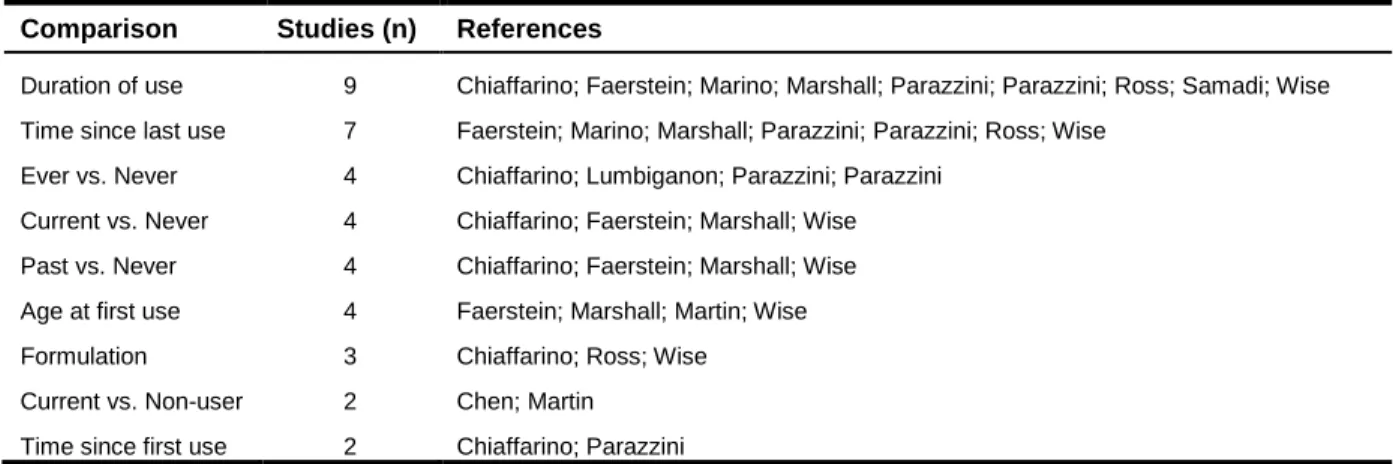
Table 3.4. Comparisons reported in twelve observational studies of oral contraceptive use and fibroid risk
Comparison Studies (n) References
Duration of use 9 Chiaffarino; Faerstein; Marino; Marshall; Parazzini; Parazzini; Ross; Samadi; Wise Time since last use 7 Faerstein; Marino; Marshall; Parazzini; Parazzini; Ross; Wise
Ever vs. Never 4 Chiaffarino; Lumbiganon; Parazzini; Parazzini Current vs. Never 4 Chiaffarino; Faerstein; Marshall; Wise Past vs. Never 4 Chiaffarino; Faerstein; Marshall; Wise Age at first use 4 Faerstein; Marshall; Martin; Wise Formulation 3 Chiaffarino; Ross; Wise Current vs. Non-user 2 Chen; Martin
Time since first use 2 Chiaffarino; Parazzini
Duration of use: Duration of use was never categorized the same way between any two studies. Three studies reported a protective association for longer duration of use: Chiaffarino et al. (1999) divided duration of use into 4 categories: 1 or fewer years, 2-3 years, 4-6 years, 7 or more years. Fibroid risk decreased with increasing duration of use (p-trend = 0.03) with ORs ranging from 1.4 (1 or fewer years) to 0.5 (7 or more years). Ross et al. (1986) observed a linear trend for duration of use; fibroid risk was reduced by 17% for every 5 years of oral contraceptive use. Marino et al. (2004) reported that shorter duration of oral contraceptive use (< 1 year versus > 1 year) was associated with uterine fibroid
prevalence (p < 0.01). The remaining six studies did not find any association between duration of use and fibroid status.
Time since last use: Seven studies reported associations for time since last oral contraceptive use and fibroid status. No two studies used the same categorization scheme for time since last use. Marino et al. (2004) reported that longer time since last oral contraceptive use (> 5 year versus < 5 years) was associated with uterine fibroid prevalence (p < 0.01). The remaining six studies observed no
association.
Ever vs. Never use: Four studies reported odds ratios comparing ever to never oral contraceptive users. Lumbiganon et al. (1995) reported a protective association of OR = 0.76 (95% CI: 0.66-0.92). Three studies reported null findings: Chiaffarino et al. (1999) OR = 1.1 (95% CI: 0.8-1.3); Parazzini et al. (1988) OR = 1.4 (95% CI: 0.9-2.1); Parazzini et al. (1992) OR = 1.1 (95% CI: 0.8-1.5).
Current vs. Never use: Two studies reported a protective association between current use of oral
0.3, 95% CI: 0.2-0.6], and Faerstein et al. (2001) [OR = 0.2, 95% CI: 0.1-0.6]. The remaining two studies reported no association.
Past use vs. Never use: Marshall et al. (1998) found a potentially harmful association (RR = 1.31, 95% CI: 1.03-1.66) between past oral contraceptive use and fibroid incidence when comparing former to never users. The remaining three studies found no association.
Age at first use: Two studies reported a potentially harmful effect of early onset oral contraceptive use. Marshall et al. (1998) divided age at first use into four categories: 13-16 years, 17-20, 21-24, 25 years or older. Women who started oral contraception between ages 13 and 16 years were 1.26 times as likely to develop uterine fibroids when compared to never users (RR = 1.26, 95% CI: 1.05-1.51). The RR was higher when counting only hysterectomy confirmed cases (RR = 1.90, 95% CI: 1.29-2.79). Overall, earlier age at first use was associated with positive fibroid status (p-trend 0.003) when only hysterectomy confirmed cases were counted. Wise et al. (2004) divided age at first use into four categories: < 17 years, 17-20 years, 21-24 years, 25 years or older. Initiating oral contraceptive use prior to age 20 was
associated with fibroid incidence when compared to never-use: IRR = 1.2 for both the < 17 and 17-20 years groups, 95% CIs: 1.0-1.4 and 1.0-1.3, respectively. Earlier onset of oral contraceptive use was associated with fibroid status (p-trend 0.005). The remaining two studies reported no association: Martin et al. (2011) found no association when comparing oral contraceptive initiation before and after age 17. Faerstein et al. (2001) found no association between age at first oral contraceptive use and fibroid status (OR and age categories not reported).
Formulation: To account for differences in oral contraceptive formulation over time, Chiaffarino et al. (1999) stratified their results by time period (high and lower estrogen eras). For oral contraceptive use prior to 1991, a null but potentially protective association was found between current versus never use of oral contraceptives and fibroid status (OR = 0.4, 95% CI: 0.1-1.8). For oral contraceptive use 1992 and later, a protective association was found (OR = 0.3, 95% CI: 0.2-0.7). Ross et al. (1986) reported that higher doses of progesterone in combined oral contraceptive pills yielded greater protection against fibroids. However, formulations containing ethynodiol diacetate (a form of progesterone) were not
contraceptive as comparator). Wise et al. (2004) found no relationship between fibroid risk and estrogenic potency, progestational potency, progestin classification, monophasic, biphasic or triphasic estrogen formulations.
Current vs. non-user: Martin et al. (2011) compared current users to non-users and found a protective association (OR = 0.36, 95% CI: 0.12, 1.04). Chen et al. (2001) found no association. Time since first use: Two studies reported a null association between time since first oral contraceptive use and fibroid status. Chiaffarino et al. (1999) divided time since first use into four categories: 5 or fewer years, 6-10 years, 11-15 years, 15 or more years, comparing each category to Never use. The OR for the “5 or fewer years” group was 0.6 (95% CI: 0.4-1.1). The remaining ORs were also null (1, 1.1, and 1). Parazzini et al. (1992) also reported no association between time since first oral contraceptive use and fibroid status, comparing time since first use less than 15 years, and time since first use 15 years or longer to never-use.
Black Women’s Health Study (BWHS): The most similar study to the one proposed was published in 2004. Lauren Wise et al. (2004)12 assessed the association between self-reported hormonal
CHAPTER 4: RESEARCH PLAN AND METHODS
Study Design
This cross-sectional (Aims 1-2) and prospective (Aims 2) cohort study investigated whether oral contraceptive use (including age at first use, duration of and time since last use) is associated with incidence and prevalence of uterine fibroids. To do this, we leveraged existing prospective data from the Study of Environment, Lifestyle & Fibroids (SELF), based on the follow-up of 1,696 young (23-34 years), black women living in the Detroit, Michigan area in 2010-2016.
Using SELF as a parent study for these aims allowed us to capitalize on a rich, existing database created specifically to examine fibroid development. SELF data are uniquely poised to discover factors operating early in the development of fibroid tumors.27 This is because SELF conducts routine
ultrasounds on black women in the relevant age-range for initial fibroid disease, and is therefore able to capture new fibroids soon after they form (and prior to the onset of symptoms). The SELF cohort was also created specifically to monitor growth of existing fibroids.2,25 There is no comparable existing database, to our knowledge, and no more efficient way to study the risk factors for this disease.
Study Population
SELF focuses on black women since this ethnic group experiences greater risk and earlier onset of fibroids.2 SELF enrolled 1,696 African American women aged 23-34, meeting the study
inclusion/exclusion criteria described below. Our study did not impose any additional eligibility criteria. Inclusion/Exclusion Criteria:
• Ages 23-34 years
• Self-identify as Black, African American, or part-African American • No prior clinical diagnosis of uterine fibroids
• Intact uterus (no prior hysterectomy)
• Residence in the United States
• Able to attend clinic visits in Detroit, MI • Committed to remain in study for five years
• No prior diagnosis of cancer that required radiation or chemotherapy
• No prior diagnosis of lupus, Grave's disease, Sjogren's scleroderma, or multiple sclerosis that required medication
Women were recruited from the entire Detroit area via local radio and television commercials, advertisements in newspapers and magazines, brochures at healthcare clinics, and information booths at community events. In addition, African American women aged 23-34 seen at the Henry Ford Health System (HFHS) were sent letters describing SELF and inviting them to participate.2
Participants received $150-200 for enrollment activities, $100-120 for follow-up activities every 15 months (4 follow-ups), and $100 bonus for completing all study activities. Enrollment required a telephone eligibility screening, a 30-60 minute orientation done in-person or over the phone, a self-administered pre-enrollment questionnaire, informed consent, a clinic visit, and three questionnaires before or during the clinic visit.
Retention rate was high at 87% for the 20-month follow-up.2 The 20-month follow-up produced useable ultrasounds for 1,421 participants. To ensure high retention at 40-months’ follow-up, three mailings per year were sent to study participants: two newsletters and a holiday card. Data collection for the 40-month follow-up is currently ongoing.
Similar to the Black Women’s Health Study, SELF participants are more educated than U.S. black women overall (78% versus 60% with more than a high school education at 25-34 years of age)2 We believe this to be a result of enrolling only women who could committ to participating for the full 5-year study period.2
Preliminary Data
Previous studies confirm the suitability of SELF data for the study of fibroid growth and related risk factors. The SELF data have been used in multiple, published studies of uterine fibroid
development.25,50,59,60 Most relevant is a cross-sectional study of the association between depot medroxyprogesterone acetate (DMPA; a progestin-only, injectable hormonal contraceptive) duration of and time since last use and uterine fibroid prevalence. A strong protective association was found between ever use of DMPA and the presence of uterine fibroids. Longer duration of DMPA use (i.e., greater cumulative lifetime exposure) was associated with a lower prevalence of uterine fibroids. This protective association was seen even among women who had not used DMPA for several years.50 This published study confirms the suitability of the SELF data for the investigation of duration and time since last use of a specific contraceptive type in relation to uterine fibroids. Our study combined this exposure data with prospective data on incident fibroids and prevalent fibroids, with a focus on oral contraceptives. An analogous, prospective study of DMPA use and fibroid incidence is currently being carried out by members of our team at NIEHS, specifically, Quaker Harmon, PhD and Donna Baird, PhD.
Exposure Assessment and Quality Assurance
HC Utilization
History of hormonal contraceptive use for SELF was collected via telephone interview as part of the enrollment questionnaire. Participants were asked if they had ever used each of the following types of contraception: birth control pills, a hormonal implant, a hormonal patch, a hormonal vaginal ring, a hormonal shot, an intrauterine device (IUD), and emergency contraception. Brief descriptions and examples of common brand names were provided for hormonal implants, shots, and emergency contraception.
Ever use of combined oral contraceptives (COCs)
COC users were identified based on their responses to items in the Contraceptive History questionnaire, as read by a telephone interviewer. Women were first asked, “Have you ever used birth
control pills,” and were later asked, “Have you ever used a progesterone-only birth control pill, or
“mini-pill”, such as Micronor, Nora-BE, or Ovrette?” If women answered affirmatively to both
questions, we used further data to determine whether or not they had used COCs, the mini-pill, or both. In order to do this, we assessed age at first use data (i.e., “How old were you when you started using
birth control pills, whether or not it was to prevent pregnancy?” and “How old were you when you
started taking a progesterone (pro-JES-ter-own)-only pill or “mini-pill” (such as Micronor
(MY-cro-nor), Nora-BE (NOR-ah-BEE), or Ovrette (oh-VRETT))?”), and data regarding timing of discontinuation.
For the non-specific “pill” questions, women were asked whether or not they were still currently using the pill and if not, how old they were when they stopped. For the mini-pill women were not asked how old they were when the stopped using, but were instead asked how many years and months in total that they used the mini-pill. If age at first mini-pill use was equal to age at first pill use, and age at last pill use minus age at first pill use was the same as the years of mini-pill use, then women were considered to have used the mini-pill only. If age at first mini-pill use was equal to age at first pill use, and age at last pill use minus age at first pill use plus one additional year was the same as the years of mini-pill use, then these women too were considered to have used only the mini-pill and not combined oral contraceptives. Additionally, for current pill users, if start age for pill and mini-pill were the same, and current age minus pill start age was the same as years of mini-pill use, then these women too were considered to have used only the mini-pill. Data were quality checked by examination of individual records as well as re-coding in SAS using
different logic to achieve the same results for verification. Additional code was written to take months of mini-pill use into consideration, as a quality assurance investigation.
Women who were not found to have used the mini-pill only based on these rules were considered to have used combined oral contraceptives in addition to or instead of the mini-pill. Women who
answered “Unsure” to “Have you ever used a progesterone-only birth control pill, or “mini-pill”,
such as Micronor, Nora-BE, or Ovrette?” were considered to have used combined oral contraceptives
HC Sequences of Use
For HC sequencing for our Aim 1 analyses, each participant’s list of HC types was sorted by age at first use. When two or more HCs of different types were initiated at the same age, additional steps were taken to determine which HC was used first. Note that while the data provided for each hormonal intrauterine device (H-IUD) to be listed separately, the age at first use for any H-IUD was used, and repeat use of the same HC type was not included in our final sequencing. Furthermore, due to data sparsity and interpretability of the resulting figures, use of emergency contraceptives was ultimately not included in our HC sequence analyses.
Duration of Use of COCs
Cumulative lifetime exposure to (duration of use of) combined oral contraceptives (COCs) was calculated by subtracting age at first OC use from age at last OC use (or current age, if the woman is a current user). For women who stopped using OCs for a month or longer, we multiplied the resulting difference in years by the proportion of time they spent using OCs. For women who reported a history of mini-pill use, we subtracted the total amount of time that they were using the mini-pill from the total amount of time that they had spent using OCs. For quality assurance, we tested two different orders of operation, one in which weighting preceded subtraction of mini-pill duration, and another in which subtraction of mini-pill duration preceded weighting. We then examined the resulting distributions for plausibility (e.g., negative durations of use), and compared individual durations of use to length of time using OCs for heavy menstrual bleeding among the subset of women who used OCs for relief from perceived menorrhagia. We found that the weighted last approach (i.e., subtracting mini-pill duration of use from OC duration of use prior to applying weights for proportion of time spent using OCs) yielded more plausible and reliable estimates. Women who reported the same stop and start age for OCs and had not used the mini-pill were assigned a value of 6 months for duration of COC use.
Duration of use could not be calculated using the above methods for n=2 women due to missing data. For our Aim 2 analyses, we hard-coded age at first pill use for one woman with missing data for that variable, based on determinations made during a careful record review of her individual data. This
determination was made using additional HC data that was available for the time period surrounding a particular pregnancy. Duration of use was hard-coded for an additional woman for whom information on pill discontinuation was missing. Adjudication for this case was also based upon pregnancy history.
Time since Last Use of COCs
since last use as calculated for OCs and mini-pill worked out to be at least 3 years apart, we could be relatively sure that the time since last "pill" use was referring to COCs and not the mini-pill (n=31).
Reliability of Self-Reported COC Data
Self-reported history of oral contraceptive use, as collected by telephone interview, has been found to be reliable compared to automated pharmacy dispensing data.61 A study of women aged 45-59 years found almost perfect (95%) agreement for use in the last 5 years, and substantial agreement (85%) for use in the last 15 to 20 years.61 SELF participants were much younger (23-34 years of age at
enrollment) and should have comparable, if not better, recall of their oral contraceptive history.
Outcome Assessment and Quality Assurance
Fibroid identification was performed with the iU22 ultrasound system (Philips Healthcare, Bothell, WA) or a LOGIQ9 system (GE Healthcare, Milwaukee, WI) of a similar age.2,25 A standardized data collection form was used by all sonographers, with a diagram of the uterus so that fibroids could be mapped for future reference. Fibroids were carefully mapped, measured, and numbered.2 Sonsographer, machine, and probe IDs were recorded for most exams.
SELF sonographers are registered diagnostic sonographers with at least 3 years of experience in gynecologic sonography. All sonographers were given additional, study specific training, and training to distinguish fibroids from other uterine pathologies.2
Quality control procedures were carried out. The head sonographer reviewed 8% of each sonographer’s examinations each month. It is estimated that 98.5% of women considered fibroid free at baseline were truly fibroid free, and 99.6% of women with fibroids at baseline truly had fibroids.2
At each SELF study visit (i.e., baseline and follow-up visits), each individual fibroid was measured 3 times in 3 perpendicular planes, resulting in 9 diameter measurements for each fibroid.25 Fibroid
To examine the associations between oral contraceptive use and risk or prevelance of uterine fibroids (Aim 2), women were counted as having uterine fibroids if they had one or more lesions of 0.5 cm maximum diameter or larger that could be visualized in all three planes.25
Transvaginal ultrasound (TVUS) is the current standard of care for uterine fibroid assessment.62 TVUS has 99% sensitivity and 91% specificity for detecting uterine fibroids.63 Furthermore, TVUS has high and equal accuracy to magnetic resonance imaging (MRI) at measuring fibroid diameter.63
Covariates
Covariate Assessment
The following covariate data were collected by telephone interview near the time of enrollment: current age, age at menarche, family history of uterine fibroids, smoking status (never, past, current), alcohol intake, parity, breastfeeding history, reason(s) for hormonal contraceptive use (including oral contraceptive use), history of using other types of hormonal contraceptives, and history of sexually transmitted diseases (gonorrhea, chlamydia, trichomonas, syphilis, bacterial vaginosis, mycoplasma genitalium, genital warts, human papillomavirus, and herpes). Body mass index (BMI) was calculated from height and weight as measured at the baseline clinic visit. Each of these covariates could be related to uterine fibroid development, as previously documented in the literature.6
Covariate Selection
Covariate Sets for Weight Calculations
The covariate set for calculating inverse probability of treatment and standardized mortality ratio weights included age in years (continuous), age at menarche (<11 years), Depo-Provera duration of and time since last use (never use, short/past, long/past, short/recent, long/recent), total implant and H-IUD duration of use (>24 months), time since last birth (<5 years, 5-9.99 years, >10 years and no birth), parity (nulliparous, 1-2 births, >3 births), BMI (>30, remaining values according to tertile), and education
(Bachelor’s degree or higher).
The covariate set for calculating inverse probability of censoring weights included the exposure relevant to the present model, the covariate set for the inverse probability of treatment weights as described above, as well as annual household income (<$20,000, $20,000-49,999, and >$50,000 ), baseline employment status (not employed, employed <30 hours per week, employed >30 hours per week), smoking history (never smoked, former smoker, current smoker of <10 years, current smoker of >10 years) and history of heavy “gushing” type menstrual bleeding (yes/no).
Because parity and Depo-Provera use have been shown to be highly protective against uterine fibroids45,48,50 and would likely be associated with COC use and levels of COC use, sensitivity analyses were carried out that took into account parity and Depo-Provera use during follow-up. For these analyses, parity during follow-up was dichotomized (yes/no), and Depo-Provera use during follow-up was
dichotomized as 9 months or less and greater than 9 months of use during follow-up.
Body Mass Index (BMI) Tertiles for Aim 2 Analyses
Data Analysis Plan
Aim 1. Describe the patterns of and reasons for hormonal contraceptive use prior to and at
enrollment among women enrolled in SELF, including the duration of and time since last use of
oral contraceptives.
For Aim 1, we constructed hormonal contraceptive biographies24 for each study participant. A woman’s contraceptive biography consisted of a timeline of her hormonal contraceptive use, including the types of hormones and routes of administration used, in order of initiation. We also examined participants’ primary reasons for using each type of hormonal contraceptive (e.g., to prevent pregnancy, control menstrual bleeding, treat acne).
We described the distribution of HC utilization by HC type for HCs ever used and currently in use at enrollment. We also report number of HC types ever used, first HC type used, age of first HC use and total duration of HC use in years. For each HC type (e.g., COC, patch, ring, shot, H-IUD, mini-pill, and implant) we report age at first use, years since menarche of first use, total months used, and reasons for using (e.g., birth control, menstrual problems). Annual initiation rates were plotted, and compared to regulatory approval timelines. We constructed Sankey diagrams to depict HC sequences of use, and plotted cumulative incidence curves for menarche and HC initiation. Knowledge of these patterns provided meaningful context to the findings from the following aim.
These descriptive findings characterized hormonal contraceptive use sequences and characteristics among a cohort of black women living in the Detroit, Michigan area in 2010-2016. Knowledge of these patterns gave meaningful context to findings for the subsequent study aim.
Aim 2. Examine the associations between different levels of combined oral contraceptive
(COC) use and the 40-month cumulative risk of uterine fibroids, and baseline fibroid prevalence.
of and time since last COC use was also examined. For this variable, duration of use was characterized as short (< 2 years) or long (> 2 years), and time since last use was characterized as recent (< 5 years) or past (> 5 years). Selection of all cut points was informed by a variety of factors including prior literature, clinical utility, and ability to achieve covariate balance in the propensity score analyses (i.e., strata sample size).
Ever use and age at first use of COCs were analyzed as dichotomous variables in the entire cohort. The following comparisons were restricted to ever COC users. Age at first use was dichotomized as less than 17 years and 17 years or older, based on findings from prior literature.12,13,26 The lowest age at first use category (i.e., <17 years) served as the referent. Cumulative lifetime exposure (duration of use) and time since last use were analyzed as ordinal variables, to allow for comparison to findings of previous studies. The lowest amount of cumulative lifetime exposure and the shortest time since last use (i.e., current users) served as referents.
First, we examined the association between ever COC use and prevalent fibroids at baseline. This cross-sectional analysis included all women enrolled in SELF. Subsequently, we examined the associations between prevalent fibroids and each of four exposures: age at first COC use, duration of COC use, time since last COC use, and joint duration of and time since last COC use. These analyses were restricted to COC users, comparing each category of use to the lowest level. Second, we carried out incidence analyses analogous to the prevalence analyses just described. This allowed us to examine the associations between incident fibroids and different levels of COC use. To establish temporality, women were included in our incidence analyses if their baseline ultrasound showed no fibroids. Further details regarding follow-up and censoring are presented in Chapter 6.
use during follow-up were taken into account in sensitivity analyses (see Chapter 6 for further description of sensitivity analyses).
Study Power
With data from the SELF cohort, we were well powered to rule out strong protective or harmful associations. A priori power analyses were carried out using PROC POWER in SAS 9.4 to determine which magnitude associations could be “ruled out” by our data.
Initially we had planned to perform survival analysis and to calculate risk differences. For Aim 2, comparing ever oral contraceptive users to never users, we determined that we had >80% power to detect a protective risk difference of -0.068 percentage-points and lower. Furthermore, we had >80% power to detect a harmful risk difference of 0.080 and higher. For the Cox proportional hazards model, treating competing risks as censored events, and comparing ever to never oral contraceptive users, we determined that we would have >80% power to detect a protective hazard ratio of 0.645 and lower. Thus we determined that we had excellent power to detect associations of clinical and public health relevance.
Our a priori calculations assumed that 20% of women in the never-users group would develop fibroids by 40-months’ follow-up. This was a reasonable assumption given the 10% incidence observed for the 20-month follow-up, and based on the fact that SELF consists of a race and age groups known for elevated fibroid incidence. These calculations were restricted to women without fibroids at baseline for whom 20-month follow-up ultrasounds were available (n=1,119).
Using the exposure and outcome distributions of the final analytic cohort, further power analyses were conducted. In actuality, 17% of women who were fibroid-free at baseline (n=1,308) developed uterine fibroids by 40-months’ follow-up. We went further to calculate power for COC levels of use comparisons and for risk ratios rather than hazard ratios as originally planned for.
For our Aim 2 incidence analysis, comparing ever combined oral contraceptive users to never users (among those not censored), we had >80% power to detect a protective risk ratio of 0.689 and lower. Furthermore, we had >80% power to detect a harmful risk ratio of 1.356 and higher. For our smallest number comparisons among those not censored (time since last use 3-4 years ago versus current users), we had >80% power to detect a protective risk ratio of 0.345 and lower and a harmful risk ratio of 1.835 and higher.
Thus we had excellent power to detect associations of high clinical and public health relevance. We were extremely well powered to rule out two-fold harmful associations, with power ranging