CHILD PROTECTION TEAM
Florida Department of Health Children’s Medical Services Child Protection Team Program
2585 Merchants Row Tallahassee, Florida 32399
Child Protection Team Program Handbook
Table of Contents
CHAPTER 1: PURPOSE AND ROLE ... 1
1.1 PURPOSE ... 1
1.2 SCOPE ... 1
1.3 AUTHORITY ... 1
1.4 MISSION AND PROGRAM ORGANIZATION ... 1
1.5 DEPARTMENT OF HEALTH MISSION,VISION AND VALUES ... 2
1.6 CHILD PROTECTION TEAM PROGRAM OBJECTIVES ... 2
1.7 BACKGROUND ... 3
1.8 ELIGIBILITY AND TARGET GROUP ... 3
1.9 FUNDING ... 4
1.10 TEAM AVAILABILITY AND ACCESS ... 4
1.11 DEFINITIONS ... 5
1.12 CPTHANDBOOK REVISIONS ... 5
CHAPTER 2: PROGRAM ORGANIZATION ... 6
2.1 CMSPROGRAM OFFICE ... 6
2.2 STATEWIDE CHILD PROTECTION TEAM MEDICAL OVERSIGHT ... 6
2.3 TEAM COMPOSITION ... 6
2.4 PERSONNEL QUALIFICATIONS AND RESPONSIBILITIES ... 7
2.5 ABUSE REPORTING AND PROTECTIVE INVESTIGATION RESPONSIBILITIES ... 8
CHAPTER 3: CASE MANAGEMENT ACTIVITIES ... 9
3.1 MANDATORY REFERRALS ... 9
3.2 ABUSE REPORT REVIEW PROCESS ... 10
3.3 CHILD PROTECTION TEAM REFERRAL ... 13
3.4 CHILD PROTECTION TEAM CASE ... 14
3.5 OPENING A CASE ... 16
3.6 CASE PROGRESS NOTES ... 17
3.7 ASSESSMENT ACTIVITY REPORTS ... 18
3.8 SUPERVISORY CASE REVIEW ... 21
3.9 CASE CLOSURE ... 22
3.10 CROSS TEAM CASES ... 22
3.11 DOCUMENTATION OF PHOTOGRAPHS AND TAPES ... 24
3.12 RECORD MANAGEMENT AND REPORT CONFIDENTIALITY ... 24
3.13 RETENTION OF RECORDS ... 25
3.14 TEAM LOGS ... 26
CHAPTER 4: CHILD PROTECTION TEAM SERVICES ... 27
4.1 ASSESSMENT PROCESS ... 27
4.2 ASSESSMENT ACTIVITIES ... 30
4.3 STAFFINGS ... 41
4.4 COURT ACTIVITY –TESTIMONY OR DEPOSITION ... 42
4.5 OTHER CHILD PROTECTION TEAM ACTIVITIES ... 43
CHAPTER 5: PROGRAM STANDARDS AND QUALITY ASSURANCE ... 44
5.1 STANDARDS AUTHORITY ... 44
5.2 PERFORMANCE STANDARDS ... 44
1. Scope of Review ... 45
CHAPTER 6: CHILD PROTECTION TEAM INFORMATION SYSTEM ... 47
6.1 CHILD PROTECTION TEAM INFORMATION SYSTEM (CPTIS) ... 47
6.2 SYSTEM SECURITY ... 47
6.3 SYSTEM SCREENS ... 47
6.4 CPTISMANAGEMENT REPORTS ... 48
APPENDIX A: ... 50
PERSONNELQUALIFICATIONSANDRESPONSIBILITIES ... 50
APPENDIX B: ... 57
ADMINISTRATION ... 57
APPENDIX C: ... 76
GLOSSARY ... 76
APPENDIX D ... 80
EARLYSTEPS(ES)CHECKLIST ... 80
APPENDIX E: ... 83
INTERAGENCY AGREEMENT ... 83
APPENDIX F ... 86
STDPROTOCOLS ... 86
APPENDIX G: ... 106
MEDICAL NEGLECT AND MEDICALLY COMPLEX ... 106
APPENDIX H: ... 108
CPTFORENSIC INTERVIEW PROCEDURE ... 108
APPENDIX I ... 111
SUBCONTRACT(S) AND SUBCONTRACT AGREEMENT ... 111
APPENDIX J ... 112
CHAPTER 1: PURPOSE AND ROLE
1.1 Purpose
This handbook establishes policies, guidelines, and practice for the Department of Health, Children’s Medical Services, Child Protection Team (CPT) program’s response to reports of child abuse and neglect, and the coordination with child protection staff of the Department of Children and Families (DCF) and designated local sheriff’s offices (SO) responsible for child abuse investigations, community-based care (CBC) providers, and law enforcement (LE). These policies, and the program-specific definitions and procedures for program operation, establish consistent standards and expectations for all Child Protection Teams and for community providers who render services purchased by the Child Protection Teams.
1.2 Scope
The Child Protection Team Handbook is applicable to all Child Protection Teams in Florida. It should be utilized in conjunction with the contracts negotiated between the department and individual providers. Specific areas addressed in this handbook include program objectives, roles and responsibilities, service delivery, practice, quality standards, information systems and program administration.
This handbook supersedes all previous policy memoranda and operating procedures distributed to the teams by the Department of Health, Children’s Medical Services Program Office.
1.3 Authority
Section 39.303, Florida Statutes, provides for the establishment and maintenance of one or more Child Protection Teams in each of the DCF Regions. Chapter 64C-8, Florida Administrative Code, establishes specific definitions, standards, policies, and procedures for the operation of the Child Protection Team program.
1.4 Mission and Program Organization
The mission of the Department of Health (DOH) is to protect, promote & improve the health of all people in Florida through integrated state, county, & community efforts. The Children’s Medical Services (CMS) Program in the Department of Health consists of Network and Related Programs which provides a statewide managed care service system for children with special health care needs, and the Bureau of Child Protection and Special Technology, which is the bureau responsible for the statutorily mandated Child Protection Team Program. The following mission statement focuses the activities of the bureau on the delivery of healthcare services for abused, abandoned, and neglected children.
“To promote the safety and well-being of Florida’s children by providing medically led multidisciplinary assessment
1.5 Department of Health Mission, Vision and Values Mission:
To protect, promote and improve the health of all people in Florida through integrated state, county and community efforts.
Vision:
To be the Healthiest State in the Nation Values:
I nnovation: We search for creative solutions and manage resources wisely.
C ollaboration: We use teamwork to achieve common goals and solve problems.
A ccountability: We perform with integrity and respect.
R esponsiveness: We achieve our mission by serving our customers and engaging our
partners.
E xcellence: We promote quality outcomes through learning and continuous performance
improvement.
1.6 Child Protection Team Program Objectives
The Child Protection Team Program operates on the premise that child abuse, abandonment, and neglect is a multifaceted problem requiring a multidisciplinary response to child protective investigations. The purpose of the program is to supplement the child protective investigation activities of DCF or designated sheriff’s offices by providing multidisciplinary assessment services to children and families involved in child abuse and neglect investigations. Child Protection Teams may also provide assessments to Community Based Care providers to assist in case planning activities, when resources are available.
The teams’ comprehensive multidisciplinary assessment activities are critical in identifying and evaluating child abuse, abandonment, and neglect, in recommending effective interventions and treatments, and in securing successful long-term outcomes for children and families. Consistent with the legislative intent of the program and with the Department of Health’s mission, the objectives of the Child Protection Team Program include:
Prevention of child abuse and neglect is promoted through consultation with other agencies, training of professionals, and educating the public;
Identification of child abuse and neglect is promoted through assessment activities that focus on child maltreatment and safety and risk factors; and
Intervention in child abuse and neglect is promoted through multidisciplinary staffings, expert court testimony, direct service referrals and recommendations that support child safety.
1.7 Background
In 1971, s. 827.07, F.S., mandated reporting of suspected child abuse and neglect. This resulted in a large increase in abuse reports to be investigated by the state. The statute required that child abuse investigators “include a determination of harm or threatened harm to each child, the nature and extent of present or prior injuries, abuse, or neglect, and evidence thereof.”
The Department of Health and Rehabilitative Services recognized the need for a specialized medical resource and made a commitment to provide this under the auspices of the Children’s Medical Services Program. This plan culminated in a legislative appropriation in 1978 to fund a pilot project using a medically led, multidisciplinary team approach.
The success of the first Child Protection Team established in Jacksonville in 1978 led to the establishment of four additional teams in 1979, and between 1981 and 2010, 20 additional teams were added throughout the state. Pediatric medical direction was added in 1983 to coordinate the activities of the Child Protection Team Program. By the fall of 1995, a network of teams throughout the state provided each HRS district with this resource. In addition to the evaluation of physical abuse and neglect, the teams became the focal point for expertise in the medical examination of sexually abused children and the evaluation of sexual abuse allegations. Legislation in 1997 required that the Department of Children and Families and Department of Health develop an interagency agreement specifying the roles of each department. Section 415.5055, Florida Statutes, (now s 39.303 F.S., first paragraph) was further amended in 1998 to provide that the continuing interagency agreement specify how coordination of services was to occur, joint oversight by the two departments, and how joint oversight was to be implemented. In 1999, as a result of concerns regarding several serious child abuse deaths, the legislature established mandatory criteria for the referral of cases from child protection staff to the Child Protection Teams and expanded the role of the teams to include the review and assessment of all child abuse, abandonment and neglect reports made to the Abuse Hotline to identify those reports meeting the mandatory criteria. Section 39.303, Florida Statutes, provided that child abuse, abandonment, and neglect reports must be referred to the Child Protection Teams for medical evaluation and available support services if the reports involved met the criteria. Additionally, the legislation specified that all abuse, abandonment and neglect reports transmitted for investigation to the local service area by the Florida Abuse Hotline must be simultaneously transmitted to the Department of Health, Child Protection Team for review. All reports must be reviewed by the Team Coordinator (or designee) and by the Medical Director (or medical designee). A designee is someone who meets the position requirements and is able to perform the functions in the absence of the individual identified.
1.8 Eligibility and Target Group
The existence or suspicion of child abuse, abandonment, or neglect by an adult caretaker that has been reported to the Florida Abuse Hotline and accepted for investigation provides automatic eligibility for Child Protection Team assessment activities. Specific Child on Child sexual abuse reports to the hotline are also eligible for referral to Child Protection Teams. There are no financial criteria for determining eligibility for team services.
The target groups for whom Child Protection Team assessment activities are appropriate include physically abused children (particularly those 0-5 years of age), sexually abused children, and children who lack health care (such as medically neglected children). Section 39.303(2), Florida Statutes, identifies specific children and maltreatments mandated for referral to the teams; however, the law does not limit referrals to those specifically mandated.
Caregiver/parents are also eligible for CPT services whether or not they are the alleged perpetrator. Interviews with caregivers/parents are essential to ascertain the events, family dynamics and functioning in order to better identify child safety and risk. This enables teams to better develop impressions and recommendations to assist the CPI in their investigation and case planning. Provider agencies are required to accommodate this requirement.
1.9 Funding
The Child Protection Team Program is funded by the legislature through the Department of Health, Children’s Medical Services office. The department, through the CMS program office, contracts with local providers for team services. Providers currently under contract with the department include non-profit agencies, hospitals, universities, and county government.
A. Funding for Initial Medical Exams.
Section 39.304(5), Florida Statutes, provides that counties “in which the child is a resident shall bear the initial costs of the examination of the allegedly abused, abandoned, or neglected child; however, the parents or legal custodian of the child shall be required to reimburse the county for the costs of such examination, other than an initial forensic physical examination, and to reimburse the department for the cost of the photographs taken.”
B. Third Party and Other Funding Sources.
Child Protection Teams are required to bill Medicaid or other third party sources for eligible services and are encouraged to seek other third party revenue resources. Program revenue from all sources is to be utilized for the CPT program budget. Child Protection Teams may not bill for expert medical, psychological, and related professional testimony in dependency cases, as this is a service identified in Section 39.303 (1)(e), Florida Statute.
1.10 Team Availability and Access
A. Availability of Services.
Child Protection Teams provide assessment services to supplement the child protective investigation activities of DCF and designated sheriff’s offices. They also provide assessments for case planning and service activities to investigators and Community Based Care agencies. These activities are provided in each DCF region. Teams serving large geographical areas have established satellite locations for better accessibility of services or have designated days where they work at remote sites. Team services must be available 24 hours a day, seven days a week, for consultation by phone, or immediate medical diagnosis and evaluation or other appropriate assessment services, when indicated.
A listing of the main Child Protection Team offices, the counties they serve, the names of the team’s Medical Director and Team Coordinator, and a map that shows where the teams are located, can be found on the CPT website: www.cms-kids.org.
B. Access to Team Services.
Initial contact comes primarily from Child Protective Investigators (CPIs) employed by either DCF or the local sheriff’s office (SO). However, a team may initially be contacted by another source such as law enforcement, a hospital, or a Community Based Care provider. Regardless, the team must verify that an abuse report has been made and then work in tandem with the designated CPI throughout the investigative phase. If a report has not been made to the Hotline, and the team has reasonable cause to suspect that a child has been abused or neglected, the team member is mandated to make a report to the Hotline at 1-800-96-ABUSE.
C. Telemedicine
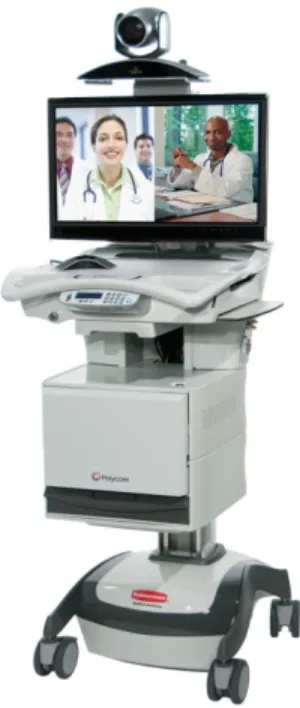
In 1998 the Child Protection Team Program implemented a telemedicine project, linking “hub” Child Protection Teams with “remote” or satellite CPT offices, or local facilities such as hospital emergency rooms, county health departments or child advocacy centers.
The Telemedicine Service program facilitates child abuse, abandonment, and neglect assessments via advanced telecommunications technology between hub sites and remote sites. Each hub site is responsible for electronically providing expert levels of medical child abuse assessments to specific remote sites. The equipment has a minimum of two cameras that allow professional medical staff remotely viewing the interaction to see magnified dermatological examinations as well as observing interactions occurring in the examination room. The camera is able to provide quality views of loop marks, bruises, abrasions, as well as genitalia examinations. Colposcopic exams are also performed by attaching the colposcope’s camera to the telemedicine unit. A personal computer integrated into the unit allows storage of images, short audio, video clips, and other assessment data, which can be retrieved at a later time.
The Telemedicine Services Guide is located, as Appendix J, to this handbook. 1.11 Definitions
Definitions of terms used in this handbook can be found in the Glossary (Appendix C).
1.12 CPT Handbook Revisions
The CPT Program Handbook will be reviewed and any required revisions made once a year. The updated handbook will be posted on the CPT Website. Additionally, any programmatic revisions or updates will be distributed to the CPT providers and posted on the website. These revisions will be incorporated into the handbook during the next revision.
CHAPTER 2: PROGRAM ORGANIZATION
2.1 CMS Program Office
The Department of Health, Children’s Medical Services Program Office has oversight and contract management responsibility for the Child Protection Team Program. Specific responsibilities include:
Ensuring that the Child Protection Team Program is implemented according to legislative intent and as provided in state law, rules, and regulations
Establishing program standards and performance objectives
Managing contracts for the Statewide CPT Medical Director and individual Child Protection Teams
Reviewing, monitoring, and ensuring compliance with statewide standards and performance measures
Maintaining an automated information system to provide an electronic case file and management data needs
Statewide supervision of the administration of the Child Protection Team program, including but not limited to:
o Identifying statewide program needs and recommending solutions and priorities o Technical assistance for the Medical Directors, Team Coordinators, and staff of the
Child Protection Teams
o Monitoring individual teams to ensure uniform program quality o Developing workload and productivity standards
o Developing resource allocation methodologies
o Compiling reports, analyses, and assessments of individual and statewide team data
2.2 Statewide Child Protection Team Medical Oversight
Department of Health/Children’s Medical Services employs a statewide Medical Director who is a Florida licensed Physician and a board-certified pediatrician with a subspecialty certification in child abuse from the American Board of Pediatrics, to provide medical oversight for the teams’ Medical Directors throughout the state. The Statewide CPT Medical Director provides these oversight functions in coordination with the Bureau of Child Protection and Special Technology and under the direction of the Children’s Medical Services Deputy Secretary.
2.3 Team Composition
A. Composition
Each Child Protection Team functions under the oversight of a Medical Director who is a Children’s Medical Services (CMS) approved physician. s. 39.303(2)(b), F.S. requires that, as of July 1, 2015, each Medical Director must be a Florida licensed physician under Chapters 458 or 459, F.S., who is a board-certified pediatrician and requires that within four (4) years after the date of employment must obtain a subspecialty certification in child abuse from the American Board of Pediatrics or meet minimum requirements established by a third-party credentialing entity recognizing a demonstrated specialized competence in child abuse pediatrics. The daily coordination of CPT activities is the responsibility of the Team Coordinator. Case Coordinators, varying in number
depending on the size of the team, arrange and provide the direct, individual case assessment activities.
All teams have available (on a consultant basis or as paid staff) a Florida licensed Team Psychologist with experience in the evaluation and treatment of child abuse and neglect and a Team Attorney who is a member of the Florida Bar, to provide legal services and consultation to the team on a part-time basis. Other CMS physicians, advanced registered nurse practitioners (ARNPs), physician assistants (PAs), attorneys, psychologists, or psychiatrists are available as needed or appropriate for consultation and diagnosis and evaluation. All CPT medical providers must be approved by the local CPT Medical Director and the Statewide CPT Medical Director. Additionally, they must be a CMS approved physician or physician extender. Team psychologists also must be CMS approved providers. Subcontracts for all CPT services, that involve DOH funds, must be approved by the CMS Division Director or their designee.
B. Staffing Changes
The Child Protection Teams must notify the contract manager in writing immediately of staff vacancies, funded in full or part by the DOH contract. The contract manager must be immediately notified if the position of Team Coordinator is vacated. Changes to the Team Coordinator or Case Coordinator positions must be coordinated with the team’s Child Protection Team Medical Director. Staffing updates that include all staff changes must be provided to the contract manager in the quarterly performance measures report and conference calls. Resumes of Case Coordinators must be submitted to the program office contract manager at the time of hire or prior to if there are questions regarding qualifications. Team Coordinators who have questions regarding hiring procedures should contact their contract manager for guidance and assistance.
Prior to filling the vacant Team Coordinator position, the provider is to send the applicant’s resume to the program office for review and concurrence that the individual meets the requirements of the position.
2.4 Personnel Qualifications and Responsibilities
Chapter 64C-8, Florida Administrative Code, addresses the staffing requirements and waiver process for Child Protection Teams. Beyond those professionals required by rule, the teams determine the number and types of positions necessary to the performance of the annual contract. Staff in any additional position, such as Program Manager or Clinical Supervisor, that is delegated responsibilities of a required position, must meet the qualifications of that position or have an approved waiver.
The required qualifications, duties and responsibilities associated with each position employed or contracted for the Child Protection Team are listed in Appendix A. Depending on specialized needs in their area, additional duties or responsibilities may be identified by each team.
A. Background Screening
Providers will not be able to employ applicants for positions of special trust or responsibility, as defined in F.S. 110.1127(3)(a), until the applicant is cleared by Level 2 background screening, per F.S. 435.04 (1), the fingerprint based search of criminal
records in Florida and nationally. Additionally, volunteers working with the program 10 hours or more a month will require Level 2 background screenings. These requirements are not retroactive for current staff, subcontractors or volunteers; however, will apply once they are required to be rescreened by existing law. Pursuant to Section 408.809 F.S., a background rescreening will be completed for individuals who fall under the Section 435 requirements.
Section 435.04 (2) identifies charges and circumstances where an individual would be exempt from employment.
If an individual, who is being considered for hire has been employed with DOH and a background screening was completed in the last five years, the individual will obtain a copy of the background screening results and provide to the hiring agency.
Individuals who work for DOH and are being hired/subcontracted to perform CPT services, must complete the DOH “Outside Employment” form and send to the DOH contract manager. The form will be forwarded to personnel for review and approval. This must occur prior to employment with the provider agency.
2.5 Abuse Reporting and Protective Investigation Responsibilities
A. Mandatory Reporting Requirements.
Section 39.201, Florida Statutes, requires that any person who knows, or has reasonable cause to suspect, that a child is abused, abandoned, or neglected by a parent, legal custodian, caregiver, or other person responsible for the child’s welfare, shall report such knowledge or suspicion to the Florida Abuse Hotline. Reports may be made by calling the toll free number (800-96-ABUSE) or by faxing a written report to 1-800-914-0004 with all necessary information, including reporter’s name and contact telephone number or Fax number.
The Hotline determines the initial level of response (immediate or 24 hour) needed, based on the nature of the allegations and age of child. Cases of suspected child abuse, abandonment, or neglect by an adult caretaker accepted as a report for investigation by the Hotline are electronically transmitted to the appropriate DCF circuit/region or designated sheriff’s office responsible for the child protection investigations.
B. DCF and Sheriff’s Offices’ Roles and Responsibilities
Upon receipt of a report alleging child abuse, abandonment or neglect, child protection staff is responsible for identifying and referring all appropriate children to the Child Protection Team for assessment services. Additionally, each DCF circuit administrator is responsible for appointing a liaison from the circuit/region to work with the local Child Protection Team to ensure that issues and problems are identified and resolved quickly. Community-based providers of child protection services and sheriff’s offices responsible for child protective investigations should be encouraged to appoint a liaison to work with the local Child Protection Team.
CHAPTER 3: CASE MANAGEMENT ACTIVITIES
3.1 Mandatory Referrals
A. Mandatory Criteria
Subsection 39.303 (2), Florida Statutes, specifies the types of cases that must be referred by CPIs to the Child Protection Teams for assessment and other appropriate available support services. Mandatory referral cases include those involving:
Injuries to the head, bruises to the neck or head, burns, or fractures in a child of any age
Bruises anywhere on a child five years of age or younger Any report alleging sexual abuse of a child
Sexual Abuse Threatened Harm is not mandatory. Victims of child on child sexual abuse may be accepted for team services but are not mandatory referrals Any sexually transmitted disease in a prepubescent child
Reported malnutrition of a child and failure of a child to thrive Reported medical neglect of a child
Any family in which one or more children have been pronounced dead on arrival at a hospital or other health care facility, or have been injured and later died, as a result of suspected abuse, abandonment, or neglect, when any sibling or other child remains in the home
Symptoms of serious emotional problems in a child when emotional or other abuse, abandonment, or neglect is suspected
Human trafficking cases are also eligible for CPT assessment services, though not mandatory.
B. Exceptions to the Mandatory Medical Evaluation Criteria
1. CPT board certified pediatrician can do medical exceptions for medical evaluations. A child meeting the mandatory criteria for Child Protection Team referral may be exempt from a face to face medical evaluation, as defined in subsection 39.303 (4) Florida Statute, under the following circumstances:
The child was examined for the alleged abuse or neglect by a physician who is not a member of the Child Protection Team, and a consultation between the Child Protection Team medical professional and the examining physician concluded that further medical evaluation was unnecessary.
Guidelines:
Emphasis should be placed on the requirement that the CPT medical professional has consulted with the examining physician and concluded that further medical evaluation was unnecessary. The CPT Case Coordinator should still determine if other CPT assessment activities are appropriate.
The CPI, with supervisory approval, determined after conducting a child safety assessment that there were no indications of injuries meeting the criteria in Section 3.1, paragraph A.
Guidelines:
The DCF or the designated sheriff’s office can only request an exception to a medical evaluation when a child has no injury (physical abuse) meeting mandatory criteria, but this exception cannot be used when alleged abuse or neglect would not result in a visible injury. Notwithstanding the above, the CPT Medical Director can still require a child be referred if they think a medical evaluation is needed. Under no circumstances should any child with injuries meeting mandatory criteria be identified as a DCF or SO exemption from a face to face medical evaluation.
The Child Protection Team board-certified pediatrician determined that a medical evaluation was not required.
Guidelines:
This should not be used to exempt a case from a medical evaluation solely because a child’s injuries are believed to be adequately explained by the CPI. It should be used judiciously, only in cases when the CPT Physician is certain that the child could not benefit from a medical evaluation. At a minimum, the CPT should consider prior reports, and determine if substance abuse, domestic violence or other high risk factors are indicated before granting this medical evaluation exception. The CPTIS Intake/Referral screen will record what information was considered and generate a report to be sent to the CPI documenting the rationale for the exception. The CPT Case Coordinator should still determine if other CPT assessment activities are appropriate before closing case after intake.
All cases involving mandatory criteria must be referred. An exception to the criteria for mandatory medical evaluation does not preclude the acceptance of a referral, if other assessment services offered by the team are appropriate. If an exception to a face to face medical exam is granted the team can complete the Intake/Referral Screen in CPTIS and provide the Intake report to the CPI. The Intake/Referral is closed after intake if no other team assessments are needed. Team Coordinators and supervisors must review all Intake/Referral reports that are closed with no assessment services in CPTIS to ensure that data is in compliance with Florida Statute and the CPT Handbook. A CPT pediatrician may determine that a face-to-face medical evaluation would benefit a child with allegations not meeting the mandatory criteria. In these cases, the abuse review screen should indicate that a medical is needed; however, the case should not be coded as a mandatory referral. Teams should accept referrals on non-mandatory cases when the child would benefit from team assessments.
3.2 Abuse Report Review Process
A. Medical Director and Team Coordinator Responsibilities
Section 39.303(3), Florida Statutes, states that all abuse and neglect cases transmitted for investigation to a district by the Hotline must be simultaneously transmitted to Child Protection Teams for review. Medical Director and Team Coordinator responsibilities for the abuse report review process include:
Working with local child protection staff to establish protocols that ensure all reports to the Hotline are received by the team for review.
Ensuring the review of all received abuse reports to determine if they meet the mandatory referral criteria as outlined in s. 39.303 (2), F.S. The Medical Director (or medical designee) and the Team Coordinator (or designee) must complete this review.
Ensuring the review of all reports to the Child Protection Team to determine if assessment services or other appropriate available support services are necessary. Ensuring that abuse report review data is entered in the Child Protection Team
Information System, (CPTIS).
The flow-chart on the following page shows the abuse report review and referral process.
B. Medical Review
The Child Protection Team Medical Director (or appropriate medical designee) must timely review all reports to determine whether a face-to-face medical evaluation by the Child Protection Team is needed. Cases must be reviewed by:
As of July 1, 2015, a Florida licensed physician under Chapters 458 or 459, F.S., who is a board-certified pediatrician with a subspecialty certification in child abuse from the American Board of Pediatrics.
As of July 1, 2015, a Florida licensed physician under Chapters 458 or 459, F.S., who is a board-certified pediatrician and requires that within four (4) years after the date of employment must obtain a subspecialty certification in child abuse from the American Board of Pediatrics or meet minimum requirements established by a third-party credentialing entity recognizing a demonstrated specialized competence in child abuse pediatrics.
An Advanced Registered Nurse Practitioner (ARNP) licensed under Section 464, F.S., who has a specialty in pediatrics or family medicine and is a member of a Child Protection Team;
A Physician Assistant (PA) licensed under Section 458, F.S., or Section 459, F.S., who may complete the review only when working under the supervision of a physician licensed under Section 458, F.S., or Section 459, F.S., who holds board certification in pediatrics and is a member of a Child Protection Team; or
A Registered Nurse (RN) licensed under Section 464, F.S., who may complete the review only when working under the direct supervision of a physician licensed under Section 458, F.S., or Section 459, F.S., who holds certification in pediatrics and is a member of a Child Protection Team.
The Medical Director should periodically review the entire process with all medical providers to ensure that the same criteria are used in reaching such determinations.
CPT AND CPI ABUSE REPORT REVIEW AND REFERRAL FLOW CHART - NEW
Report received at Florida Abuse Hotline.
Reports transmitted to local DCF or Sheriff’s office (SO) for assignment to child protective
investigator (CPI).
Reports transmitted to CPT for review
CPT determines if report meets mandatory criteria for
referral
Intake Referral from CPI CPT notifies DCF or local SO of non-referral for review and follow-up. CPT Medical Director or Team
Coordinator
determines child needs to be seen No
No
Team Provides all appropriate services and submits reports and
recommendations to CPI handling case.
Referral Closed at Intake after
review/concurrence by Med. Dir. Intake Report available to CPI.
CPT notifies CPI
CPI assigned case determines need for
CPT services
CPI handles case without CPT involvement. (Could include cases that met statutory requirement for referral but were not reviewed by CPT)
Yes
No
CPI determines outcome of investigation and
Service needs Yes
C. Time Frame for Abuse Report Review
Reports of abuse, neglect or abandonment must be reviewed by the Team Coordinator (or their designee) and the Medical Director (or medical designee) within four working days of report receipt or notification. While four working days is the maximum, reports should be reviewed as soon as possible upon receipt.
Teams should send a list of all cases that met the mandatory referral criteria but have not been referred (an Intake/Referral completed by child protection team staff) no less frequently than every four working days. A list of mandated cases not referred is one of the reports available through CPTIS. If the DCF or Sheriff’s Office (SO) have direct access to CPTIS, an agreement to amend this requirement can be arranged. Any such agreement must be signed by both parties and a copy provided to the CPT contract manager.
D. Restricted Case
A restricted case is one in which a CPT or Family Safety (FS) program employee, family member, household member, Sheriff’s office staff responsible for child abuse investigations, or provider agency employee is the subject of a FSFN report of abuse, neglect, abandonment or exploitation and the referral is made to CPT, whether services are ultimately provided or not. For the purpose of this section, they shall be called “sensitive” cases. Each provider will immediately notify their CPT contract manager upon learning that a report or referral received meets the “sensitive” guidelines. Steps will be immediately taken to restrict access in CPTIS.
To maintain confidentiality and ensure objectivity (or no conflict of interest occurs), the Team Coordinator will contact a neighboring CPT and request that the team handle any referral from the child protective investigator for assessment services. The FSFN report and any documented information will be immediately forwarded to the neighboring CPT. In cases where the CPT or FS employee is the alleged perpetrator of the maltreatment, the individual employee’s access to CPTIS and FSFN must be removed by close of business the next working day.
Each Team Coordinator will be identified, as having the authorization to restrict access to sensitive cases. Team Coordinators will be responsible for ensuring that all security and confidentiality measures have been completed. Any violations of confidentiality and security will require notification to the program office and completion of the DOH-1152, Incident Report, which will be forwarded to the contract manager immediately.
3.3 Child Protection Team Referral
A referral is defined as a discussion between the Child Protective Investigator (CPI) and Case Coordinator where the allegations, CPI information and prior reports are discussed to determine if CPT assessment services are appropriate. The Case Coordinator is responsible for the completion of the Intake/Referral Screen for all mandatory reports referred. The Intake/Referral Screen may also be completed for non-mandatory referrals as well. The Medical Director (or
designee) must review and concur with the decision to not provide medical services in all mandatory reports. For more on the Intake/Referral process, see Chapter 4.2, Assessment Activities.
3.4 Child Protection Team Case
A. Case Requirements
To be accepted as a Child Protection Team case, all referrals to the Child Protection Team must have been reported to the Hotline. If a report has not been made in a case where there is reasonable cause to suspect that the child has been abused or neglected, the Child Protection Team must notify the referring person of his legal responsibilities to make a report to the Hotline and, if enough information is provided, follow-up to ensure that a report is made. If no report is called to the Hotline, the CPT staff person must report it. (See paragraph 2.6 A for an explanation of mandatory abuse reporting requirements)
The referral must include a discussion with the referral source and meet the following criteria for the referral to be considered for CPT services and entered as such in CPTIS: All cases referred to and accepted by the CPT must have an abuse report number
and involve or have involved a protective investigation.
Referrals may be accepted for assessment services by Community Based Care (CBC) case managers (providers contracted by DCF) to assist in the identification of family strengths and needs for case planning purposes. These referrals MUST occur within 90 days of receipt of the abuse report to the Hotline and cannot be for the purposes of assessing new maltreatments. As in the case of a referral from a CPI, the CBC case manager referral will be screened for appropriateness of services requested.
The child must be a subject in the abuse report, or the Case Coordinator or CPT medical provider must document that the referring CPI has stated that the child will be added to the abuse report.
Specific assessment activities must have been agreed upon by the CPT and the referral source and documented in the Intake/Referral Report however, the CPT is not limited to assessments identified by the referral source.
CPT assessment activities and reportsmust be entered into CPTIS and the reports, upon completion, provided to the referral source within the contracted required timeframes. The case progress notes in CPTIS must have documentation of when each report was sent. Interim or Final Case Summary reports that include the information from individual assessments do not substitute for individual assessment reports. Combining assessments into one written report does not negate the individual report content ortime frame requirements.
Once all the assessments are completed and the case is closed in CPTIS, a copy of the data system generated Final Case Summary must be provided to the referral source. The case progress notes in CPTIS must have documentation of when the final case summary report was provided.
The Department of Health and the Department of Children and Families have entered into an agreement that provides for designated child protective investigators and
supervisors to have access to specific screens for the purpose of viewing and printing CPT reports (Client History, Intake/Referral, Finalized Assessment Reports and Final Case Summary) in CPTIS. For these areas, notification (via email or phone call) will be made that the report is ready to be printed. This notification will serve as the “date report sent”. Providers throughout the state will need to work with their local child protective investigations offices to ensure clear and timely communication occurs.
The system generated Final Case Summary (FCS) Addendum report must be completed and sent to the referral source for cases that were initially referred by the CPI and closed after CPT assessment were provided and subsequent contact with the CPI or a CBC case manager resulted in additional assessment activities being provided.
Child Protection Team review of the abuse report for the purposes of complying with Section 39.303(2), F.S., does not constitute a referral to the Child Protection Team.
B. Referral Source
CPIs are the primary referral source for Child Protection Team assessment services. Occasionally, the initial referral may come from other involved professionals (e.g., law enforcement, hospitals, and physicians) in situations where an abuse report has been made and an investigation is in progress. As soon as a referral is received from a source other than the CPI during an investigation, the Child Protection Team must contact the assigned CPI to coordinate appropriate team assessment activities.
Additionally, Community Based Care case managers may refer cases to the team that were either referred and closed to CPT, or were not referred during the investigation. The cases are not considered mandatory, even if the original allegations met the mandatory criteria, but can be accepted for assessment services to assist in case planning.
C. Referral Timeliness.
1. Timely Referrals. Timely referrals to the CPT are necessary to ensure an adequate
assessment of the alleged injuries to the child. Immediately upon determining that a report meets the mandatory criteria for a face to face medical evaluation, or if other appropriate assessment services are needed, the CPI should contact the local CPT office and discuss the referral with a Case Coordinator so that appropriate assessment services are identified. Some referrals may require immediate team assessments to identify immediate safety factors and document medical findings of abuse or neglect.
2. Late Referrals. Unless there are extenuating circumstances which justify a CPI late
referral to CPT, referrals involving reports open over 60 days or on old allegations, may be considered inappropriate referrals and declined by teams when no team services would benefit the child. The request for a medical examination may be declined if the CPT pediatrician or nurse practitioner has assessed the request and determined that the child would not benefit from a medical evaluation. Declined referrals must be
3.5 Opening a Case
To open a case, assessment activities for the child must be identified and diligent attempts to be made to complete the assessment activities. Opening a case involves completing the Intake and then Registration Screens in CPTIS. Detailed instructions for the CPTIS data entry are included in the CPTIS User Guide.
A. Case Record Documentation
Each child referred to the Child Protection Team for team assessment activities must have an electronic case record that includes documentation necessary to provide a comprehensive record of CPT involvement with the child. When more than one case record is generated as a result of an abuse report in which more than one related child/victim is accepted for assessment services, Case Coordinators shall ensure that any recommendations made should be child/victim specific in each child’s file.
Clear and accurate documentation of assessment and case coordination activities is essential. Such documentation provides a comprehensive record of CPT involvement with the case and is necessary in order to accurately record:
Referral information Requests for services
Activities conducted on behalf of the child/victim (e.g., interviews, staffings, medical exams, psychological evaluations, and psychosocial assessments)
24 hour notification of positive findings and risk
When reports were provided to the CPI or CBC case manager
All case activities must be documented in the CPTIS electronic case record.
B. Case Information
The Intake/Referral Screen must be completed for all reports referred to the team. This screen is required for all abuse reports (mandatory or non-mandatory) accepted for CPT assessment services in order to open a case in CPTIS. If an abuse report is not referred for CPT services, the Intake/Referral Screen in CPTIS will serve as documentation of the referral. Information gathered during the intake/referral process shall be documented on the CPTIS Intake/Referral Screen. The discussion between the Case Coordinator and CPI shall be thoroughly documented and provide appropriate justification for the decision to provide services or not.
The team must ensure that CPTIS and any other records kept by the Child Protection Team are searched to determine if the child has had prior involvement with CPT. If so, the Case Coordinator should review the Client History Report and available CPT closed files to ensure they have an accurate picture prior Child Protection Team involvement with the child and family.
The Case Coordinator should verify the accuracy of the information in the abuse report with the CPI or CBC case manager and, if necessary, update the information to reflect any additional maltreatments, social security numbers, additional household members, addresses, and correct spelling of names. Providing the CPI with additional
maltreatments or victims does not excuse Case Coordinators from their statutorily mandated duty to notify the Hotline, unless they verify that the additional maltreatments or victims were added by the CPI and this is documented in the intake/referral. Additional maltreatments cannot be reported to CBC case managers. If the case is beyond the investigation stage a new report must be called to the hotline.
The Case Coordinator should document the summary of the investigator’s interviews with the subjects, including the identification of who was interviewed, the name of the interviewer, and a statement summarizing theinterview information. This information will assist the Case Coordinator and investigator in identifying needed assessment services.
3.6 Case Progress Notes
The case progress record provides documentation of all case activities/events. This includes summaries of contacts and activities completed by the Case Coordinator, or other team members involved in the case. The case progress notes must present a concise history of all activities related to the case. The case progress notes must be entered in to CPTIS at the time of the event or within 48 hours of the case activity (this does not exclude weekends or holidays). Child Protection Team physicians, ARNPs, Physician Assistants and nurses must assure their critical case specific contacts and reports are documented and input in the electronic case record.
Case progress notes should be entered into CPTIS at the time of the event or contact. They should indicate objective observations, record events, and make note of actions. Documentation must be thorough, timely and grammatically correct. At a minimum, the electronic case
progress
notes should: Identify the person contacted followed by their role in the case or their relationship to the child/victim, if not previously identified.
Document all contacts (including attempts to contact) made on behalf of the child and any pertinent information shared.
Clearly document the information provided or shared and the source of the information.
Document all assessment activities specific to the subject child, including who was present and brief description of the results/findings with reference to written formal reports for additional information. (When there is more than one subject/child receiving CPT services, there may be common contacts which can be shared for all children, i.e. CPT staffing or interview with parent/guardian). Case Coordinators should use discretion when documenting case progress notes for each child, to ensure that confidential information concerning one child is not documented in another child’s electronic case file.
Include the dates of request for or receipt of pertinent documents as well as the transmittal of reports and other documents.
Include documentation of supervisory review and consultation, and non-medical peer review. The Case Coordinator’s follow-up to any recommendations resulting from the supervisor review or an explanation as to why Case Coordinator was unable to complete the supervisor recommendations (e.g. “Supervisor review indicated need for staffing, however, PI had closed the case.”) should also be included. Explanations should be provided for planned activities that did not occur.
3.7 Assessment Activity Reports
A. General Guidelines
Child Protection Teams provide several types of assessments, including CPT and forensic interviews, family social assessments, case staffings, medical exams, and psychological evaluations. Once the assessment activities are completed the Case Coordinator will generate the individual assessment reports in CPTIS. These reports should accurately record the purpose and nature of the assessment, the date(s) involved, the participants, the provided history, the child safety/risk, and the impressions/conclusions and recommendations. Each CPTIS report screen has fields that will auto populate information pertinent to that assessment activity. These are followed by narrative fields which need to be completed.
Adults mentioned in the report should be initially referenced by their full names or titles and last names (e.g., Mrs. Mary Smith). Subsequently, adults should be identified by title and last name. If more than one person has the same title and last name, use the first name initial to differentiate.
Reports should include documentation of CPI or case manager’s specific requests. For reports that include an assessment of child/family safety and risk factors,
(CPT
interview and social) the assessment of risk should be comprehensive and family/victim specific.
Recommendations should be realistic and clear, and, when appropriate, responsible parties and specific time frames identified.
Reports should be sent only to agencies legally entitled to receive them, and should only be sent on a case specific “need to know” basis.
All Child Protection Team staff should exercise caution when preparing reports. For example, instead of saying a client was drunk, record that the client smelled of alcohol, had slurred speech, or was unable to walk straight, etc. The same can be said for a client who appears to be under the influence of drugs. Observations of their speech, walk, and actions are more appropriate.
Avoid using loaded terminology, such as “the child failed to disclose abuse.” This implies that the child failed at something that he or she could have succeeded at, and also implies that the goal was to get a disclosure, rather than to determine what, if anything, happened.
B. Time Frames – Required Reports
Because the primary purpose of the Child Protection Team Program is to supplement the child protective investigation activities of Department of Children and Families or designated sheriff’s offices by providing multidisciplinary assessment services to children and families involved in child abuse and neglect investigations, it is essential that CPT staff be aware of, and make every effort to function within, the legal requirements that govern the work of CPIs. Additionally, since CPT will also be accepting referrals from CBC case managers for case planning purposes, meeting those time frames are also essential. The time frames for completion of required CPT reports are consistent with the following time frames in Section 39, F.S., that were established to guide child protection staff and court involvement in the child safety and permanency process:
Shelter hearing Within 24 hours after removal of the child from the home
(39.402, F.S.)
Petition filed seeking adjudication that a child is dependent
Within 21 days after shelter hearing or within 7 days after any party files a demand for early filing – whichever comes first
(39.501,F.S.)
Arraignment hearing Within 7 days after dependency petition filed (if a demand for early filing) and no later than 28 days after shelter hearing
(39.506, F.S.)
Shelter Review Hearing No later than 30 days from removal in conjunction with arraignment or as otherwise provided by law or determined by the court (39.402, F.S.)
Adjudicatory hearing No later than 30 days after arraignment (39.507, F.S.)
Case plan completed Within 60 days after the removal of the child (39.6011, F.S.)
Case plan filed with court No less than 3 business days prior to the disposition hearing (39.6011, F.S.) Disposition hearing and case plan
acceptance Within 15 days of arraignment if there was a “consent” or “admit,” or within 30 days after conclusion of adjudicatory hearing if there was a “deny” (39.506, F.S.)
The concept that should drive report completion is that information must reach CPIs in time to be useful in assisting with decisions to protect the child, and CBS case managers in time to assist them in case planning. In cases where there are issues of child safety (whether this is the conclusion of a medical exam, an interview, or other assessment activity which identified safety issues) the CPI or CBC case manager should be notified immediately. A report is essential to document the information, but information sharing should not be delayed until the report is completed when child safety is an issue. If the safety issue is the result of suspected new maltreatment or threat of harm, a report should be immediately made to the Abuse Hotline in addition to contacting the CPI or CBC case manager.
Although the case progress notes should provide documentation of the ongoing communication with the appropriate information provided, CPT contracts require that the following reports be submitted to the CPI or, when appropriate, the CBC case manager within the following time frames:
Verbal notification of positive findings from any assessment activity within 24 hours. Written medical reports and nursing assessments within 10 working days following
completion of examination or assessment.
Interview reports within 10 working days following completion of the interview. Staffing reports within 10 working days following completion of the staffing.
Social Assessment reports within 20 working days following the completion of the assessment (last scheduled interview).
Psychological reports within 20 working days following the completion of the evaluation (last interview completed).
Final Case Summary (CPTIS generated) for all cases at the time of closure.
If assessment reports are combined (Specialized Interviews), they must meet the timeframe of the initial assessment activity report. The date each of the reports was provided to the CPI or CBC case manager must be documented on the case progress notes. Compliance with CPT assessment reports is tracked in CPTIS, so staff must ensure that data is entered in a timely manner.
Most timeframes start the day following the assessment activity. An assessment provided on January 20th would begin with day one being January 21st. When the word “following” is used, the day after the referral’s receipt is counted as the first day.
C. Timely Assessments – Reason for Delay
Team assessment activities should be completed within 20 calendar days following the initiation date, which is the Referral Date on the CPTIS registration screen, (the day after receipt of the referral counts as the first day). Performance on the timely provision of assessments will be tracked through CPTIS. Occasionally, there may be extenuating circumstances which make it impossible to meet the 20 day timeframe. These cases will be exempted from the management reports which document compliance with this performance measure. Reasons for delay that qualify for exemption in compliance measure monitoring are limited to those cases where assessments were delayed because:
Additional CPT Referral or Information/Assessment – The team has received a request for additional assessment services based on CPI staff or community based provider receiving new information or additional allegations. This does not require a new hotline report.
Assessment No-Show – The assessment service was scheduled, however, the subject failed to show for the appointment and another appointment has been made. Medical No-Show – The medical exam was scheduled, however, the child failed to
show for the appointment and another one has been scheduled.
Waiting for Medical Records: The assessment service required that copies of the child’s medical records be received and reviewed.
Post Termination: The team had closed their case and additional assessment services were requested.
Delay – Family Not Responsive – The family has failed to respond to CPI or CPT requests to schedule assessment activities within a timely manner.
Reasons for assessment delay must be documented in the case progress notes in CPTIS. If the delay does not meet one of the compliance exemptions, the selection “Late No Exception” should be selected. Since there was not an acceptable reason for delay, the assessment activity will show as not compliant with the required time frames in CPTIS.
When the team accepts a referral from a CBC case manager and the CPI had already referred the case, and assessment services were completed and the case terminated in CPTIS, the Case Coordinator will complete the Addendum to the Intake/Referral Screen and document the referral discussion and decision to provide CPT services. Any additional services completed will be added as assessments to the terminated registration. The Case Coordinator will prepare the electronic assessment report and complete the Addendum to the Final Case Summary report and send to the CBC case manager. If the case was not previously referred by the CPI and is accepted for CPT services, it will be entered into CPTIS as a new case and handled with the same required timeframes for applicable assessment reports. Please note that certain CPTIS fields will be disabled when a registration is created from the referral source of CBC case manager. This is due to assessment activities being limited to providing services for case planning, not to supplement the CPI investigation. For additional information please refer to the CPTIS Guide.
For medical consultation cases, an additional exception for “awaiting medical records” is included. The request for records, however, must occur within the 20 day timeframe.
D. Time Frames – Other Reports
Time frames for the provision of assessment activities and reports that are completed by subcontracted providers of the teams must be included in the subcontract or written agreement with the provider. Except for unusual circumstances, subcontracted assessment activities should be received within the time frame necessary to meet performance standards.
3.8 Supervisory Case Review
Supervisory case review is a formalized internal team process for reviewing the content, status, and progress of completing team assessment activities. This review should be done by the Team Coordinator or clinical supervisor (but may be done by a designated individual on the team who meets the qualifications for Team Coordinator). While every case requires at least one supervisory review, the frequency of supervisory review should be driven by the complexity of the case and the experience level of the Case Coordinator. While a more experienced Case Coordinator may need far less guidance than a less experienced peer, all Case Coordinators must be provided with an appropriate level of supervision. It is the Team Coordinator’s responsibility to determine the frequency of case reviews. All cases remaining open over 45 days shall be reviewed on a more frequent basis, regardless of the experience level of the Case Coordinator.
Supervisory case reviews will be documented in CPTIS in the case progress notes and include: Date of review
Name of the Team Coordinator or clinical supervisor completing the review
Concurrence with ongoing case activities, recommendations for additional case activities, or agreement that all case assessment activities have been completed and the case file is ready to close.
Case work concerns that require follow up by the Case Coordinator should be clearly documented on the supervisory review section of the CPTIS case progress notes.
3.9 Case Closure
A. Guidelines
The case is ready for closure after all team assessment activities have been completed, all reports of assessments have been provided to the investigator or CBC case manager, all documentation in the electronic case file has been reviewed and approved by the Team Coordinator or, clinical supervisor, and all pertinent information has been entered into CPTIS. The date the final case summary report is provided to the CPI or CBC case manager is the date of closure (termination) and must be entered on the case progress notes in CPTIS.
In some Child Protection Team cases, closure may occur with no completed assessment activities. These situations may include cases in which the family refuses to cooperate and failed to show for scheduled appointments, such as medical appointments or interviews; or the family left the area. CPIs should be notified immediately when a family fails to show so they can determine the level of intervention needed. In instances where no assessment activities were completed, the team may do one of two things. The first is complete the Final Case Summary which documents the diligent efforts to provide services and contacts attempted regarding the case. There should be documentation in the CPTIS case progress notes that the supervisor reviewed the reasons for closure and concurred. The second is for referrals that were accepted for services and subsequently withdrawn and not entered as a registration. The Intake/Referral Screen should document the date of the original referral and the reason for closing with no assessment services. If the case meets the mandatory referral criteria, it should be reviewed by the team Physician and supervisor for concurrence/approval prior to closing. If a Registration Screen is not created in CPTIS, the Case Coordinator will not have access to the case progress notes. In this case, all efforts will need to be documented on the Intake screen prior to closure.
B. Time Frame for Closure
All case activities should be completed and cases closed in CPTIS within 60 days following the date of referral. Team Coordinators should use the CPTIS caseload report and complete a review of the electronic case records to monitor the number of cases open over 45 days in order to determine the reason and avoid closure backlogs. Cases open over 45 or 60 days should be reviewed and the reason still open documented.
3.10 Cross Team Cases
Typically this is related to children who need specialized medical care which is not available in their local community. The child may or may not be seen, prior to transfer, by the local CPT personnel. Cases like this usually involve assessment services being provided by two different CPT’s. For purposes of identification, the CPT Service area where a child lives is referred to as the “local CPT” and the place to which the child was transferred as the “secondary CPT”. Teams must communicate with each other to ensure continuity of service to the child and family.
A. The local CPT has primary responsibility:
1. For creating the Registration, ensuring all case progress notes, assessments and assessment reports are documented in CPTIS. Also responsible for preparing the Final Case Summary (FCS).
2. To provide on-going expertise to the Department of Children and Families (DCF), Community Based Care (CBC), law enforcement (LE), and the State’s Attorney Office (SAO) in general, and for questions about the case.
3. To interpret the medical and case findings from the secondary CPT to DCF, LE, and the SAO.
4. To testify on such cases in their local court, and to document court testimony in CPTIS.
5. Coordinating with the secondary team to ensure all report time frames are met and provided to the child protective investigator, law enforcement or state attorney.
The local team may only provide a medical consult on the case if the results of the medical evaluation by the secondary CPT indicate that review of additional medical records are needed to augment the secondary CPT’s medical opinion regarding the allegations of abuse or neglect.
B. The secondary CPT assists as needed and is responsible for:
1) Providing on-site medical and/or other team assessments as needed
2) Providing completed assessment reports in CPTIS to the local CPT within specified time frames that allows the local CPT to meet reporting requirements to the protective investigator.
3) Being available by phone to the local team as needed or providing court testimony. 4) Documenting all contacts on the case progress notes, assessment activities and
assessment reports in CPTIS.
C Travel and Billing
If the physical presence of a secondary team expert is needed in the local CPT district, the travel and testimony expenses for this are borne by the local CPT. Payment for this testimony must be negotiated and agreed upon by both teams. Medical testimony may not be billed to the court or DCF on dependency cases; however, medical providers may bill reasonable and customary fees for any testimony in criminal cases.
D. Dispute Resolution
In the event there is a dispute between the two CPT providers that cannot be resolved between the respective Team Coordinators and Medical Directors, the matter should be referred to Children’s Medical Services for mediation. Under no circumstances should a dispute interfere with the delivery of Child Protection Team services to a child or their family. The Deputy Secretary for Children’s Medical Services is the final authority for resolution of disputes that cannot be successfully mediated.
3.11 Documentation of Photographs and Tapes
When photographs are used to record physical injuries or when child interviews are taped, the photographs and tapes must be clearly labeled and maintained. Labeling is important as it identifies when the activity occurred, who it involved and who completed the activity. Teams should ensure that all photos and medical documents saved electronically are appropriately labeled.
Photographs
Pursuant to Section 39.304(1)(a) F.S., any CPT that examines a child who is the subject of a report must take, or cause to be taken, photographs of any areas of visible trauma on the child. The CPT will provide the photographs or duplicates of the photographs of physical abuse to the Child Protective Investigator (CPI) upon request or case closure. Sexual abuse examination photographs are not covered under Section 39.304(1)(a) F.S. - Photographs of sexual abuse trauma shall be made part of the CPT electronic medical record and not released to the CPI, law enforcement, or the state attorney. Upon request by a CPI, law enforcement or state attorney, the CPT examiner will be available to meet with the requesting party and will make available for review the original sexual abuse examination photographs, as well as provide interpretation of the exam photos, and when necessary provide expert testimony. Copies of sexual abuse photographs should be provided only when a court order is issued. Photographs must have the client identifier, date photograph was taken and name of individual who took photographs.
Storage/Child Image Management
All photographs taken of a child are considered confidential and fall under the same policies regarding the medical records storage indicated below. When situations arise which cause for the documentation of injuries (physical or sexual), photographs will be taken with appropriate digital cameras and images labeled and stored in a secure DOH drive. At no time will images be taken, stored or sent on non DOH approved equipment or non DOH Network. Providers will insure that they follow HIPPA guidelines at all time. Recordings (Audio, Video, DVD)
Any Child Protection Team that utilizes audio, video, or DVD recording of an interview of a child who is the subject of a report must ensure that proper identification is provided on the audio, videotape, or DVD. Proper identification consists of date of recording, child/victim name and who completed the interview (name, title and agency).
Drawings
Drawings completing by child/victims will be scanned and then uploaded in to CPTIS.
3.12 Record Management and Report Confidentiality
Pursuant to s. 39.202 (6), F.S., all records and reports of the Child Protection Teams are confidential and exempt from the provisions of s. 119.07(1), F.S., the Florida Public Records