UCL
THE EFFECT OF PROCESS VARIABLES ON LIPID
UTILISATION IN THE FERMENTATION OF
STREPTOMYCES CLA VULIGER US
KATHERINE LARGE
Thesis submitted for the degree of Doctor of Philosophy from the
University of London
Supervisor - Dr A. Ison
Advisor - Prof. M. D. Lilly
Industrial Supervisor - Dr D. Williams
The Advanced Centre for Biochemical Engineering Department of Biochemical Engineering
University College London Torrington Place
Many industrial fermentations use complex medium containing both carbohydrate and
oils as their carbon sources. Oil supplements have been shown to increase the antibiotic
titre and are a cheaper alternative carbon source, in terms of carbon per unit volume,
when compared to carbohydrates. Oil supplements are also preferred on an energy
supply basis and have natural antifoam properties. The major disadvantage to the use of
oils in process media is the level of oil remaining at the end of the fermentation.
Research has been undertaken to examine the effects of process variables on lipid
utilisation and residual oil levels in 5 litre batch fermentations of Strepiomyces
clavuligerus. The project illustrates the way in which both the chemical environment,
media composition and method of pH control, and the physical environment, such as
agitation rate and particle size, may influence growth, lipase activity, lipid utilisation
and secondary metabolite production.
Changes in carbon source influenced growth and productivity. Addition of rapeseed oil
increased final product titres by approximately 900%. The type and concentration of the
nitrogen source was found to influence maximum lipase activity and initial oil
utilisation rates. Media composition and pH control experiments had little effect on residual oil levels.
A gas chromatography method was developed in order to analyse the changes in the
composition of oil during fermentation. Derivatisation of the fatty acids by methylation
was successful and revealed that the composition of residual oil was similar to that of
the initial rapeseed oil added. There was no indicated specificity in the utilisation of any individual fatty acids of rapeseed oil.
Increasing tip speed in the fermentation process from 1 .88m s to 2.83 m s' increased
maximum biomass levels, decreased lipase activity and did not affect clavulanic acid
production. A tip speed of 3.77m s 1 was detrimental to growth, increasing hyphal
fragmentation, and decreased lipase activity. Increasing constant tip speed did not
breakage and hence increase oil utilisation, was investigated. Addition of the surfactant
decreased residual oil levels with an observed increase in final clavulanic acid titres.
This research has shown the effect of some chemical and physical parameters on lipid utilisation and clavulanic acid production in the 5 litre batch fermentation of S.
clavuligerus. Lipid utilisation could not be enhanced by increasing lipase activity or
varying media composition and agitation rates. Addition of surfactant to the process
media significantly reduced residual oil levels. This approach may have potential as a
generic method of reducing residual oil levels and enhancing secondary metabolite titres
I would like to thank my supervisor, Dr. A. Ison, for his continued support and
perseverance, without which I would not have been able to complete the project.
Fermentations would not have been completed without the support of the pilot plant
technical team, especially Mr Stuart Pope. Many thanks to all those in the Department
of Biochemical Engineering for their help throughout my time at U.C.L. especially Dr
Noushin Mirjalili for her assistance and friendship throughout her time at U.C.L. I
would also like to thank Scott for his firm support, encouragent and constant belief in me.
I am particularly grateful to SmithKline Beecham Pharmaceuticals and my industrial
supervisor, Dr. Dave Williams, for support and advice. I would like to thank Ruby and
Sarah for their technical advice and support.
I would also like to acknowledge the support of the Biotechnology and Biological Sciences Research Council.
I would like to give special thanks to my advisor, Professor Malcolm Lilly, for his
Page no.
Abstract 1
Acknowledgements 111
Table of contents iv
List of tables vii
List of figures viii
Nomenclature xi
1. INTRODUCTION 1
1.1. Project introduction 1
1.2. Research aims and objectives 2
2. LITERATURE REVIEW 3
2.1. Actinomycetes 3
2.1.1. Importance and morphology 3
2.1.2. Streptomycetes 5
2.1.3. Streptomyces clavuligerus 6
2.2. Clavulanic acid 7
2.2.1. Clavulanic acid and biosynthesis 7
2.2.2. The function of clavulanic acid 10
2.2.3. The fermentation process 11
2.3 Lipase 12
2.3.1. Functions of a lipase 12
2.3.2. Microbial lipase 13
2.3.3. Lipase from streptomyces 14
2.3.4. Effect offermenter environment on lipase activity 14
2.4 Lipids 17
2.4.1. introduction to fats and oils 17
2.4.2. Commercial oils 18
2.4.3. Oil as a substrate 20
2.5 Rheology 26
2.5.1. Nature offermentation broth 26
2.5.2. Rheological models 27
2.5.3. Rheological affects on mass transfer 28
2.5.4. Effect of oil on rheology and mass transfer 29
2.6. Effect of process variables on fermentation 33
2.6.1. Mixing and shear 33
2.6.2. Dissolved oxygen tension 37
2.6.3. Carbon dioxide 42
2.7. Summary 46
3. MATERIALS AND METHODS 47
3.1. S. clavuligerus fermentation 47
3.1.1. Organism 47
3.1.2. Media suppliers 47
3.1.3. Fermentation equipment 47
3.1.7. Seed preparation 52
3.1.8. Inoculum preparation 52
3.1.9. Process medium 52
3.1.10. Process conditions 53
3.2. Biomass measurements 54
3.2.1. Viscosity 54
3.2.2. Biomass Monitor 56
3.3. Analytical methods 57
3.3.1. Lipase assay 57
3.3.2. Total lipid assay 59
3.3.3. Hplc analysis of clavulanic acid 60
3.3.4. Ammonium assay 61
3.3.5. Phosphate assay 62
3.4. Analysis of fatty acids - Method development 63
3.4.1. Equipment 64
3.4.2. Free fatty acid analysis 64
3.4.3. Derivatisation offree fatty acids 65
3.4.4. Method development 66
3.5. Particle size analysis 67
3.5.1. Continuous and dispersed phase 67
3.5.2. Sample analysis equipment 67
3.5.3. Operation of Malvern laser equipment 67
3.5.4. Sample analysis procedure 68
3.6. Image analysis 69
3.6.1. Sample preparation 69
3.6.2. Image analysis equipment 69
3.6.3. Morphological measurements 70
4. EFFECT OF MEDIA COMPOSTION ON LIPID UTILISATION 72
4.1. pH control 73
4.1.1. The effect ofpH control on growth 73
4.1.2. Lipase activity 78
4.1.3. Lipid utilisation 81
4.1.4. Discussion 83
4.2. The effect of carbon source 85
4.2.1. The effect of carbon source on growth 86
4.2.2. Lipase activity 90
4.2.3. Lipid utilisation 91
4.2.4. Clavulanic acid 92
4.2.5. Discussion 94
4.3. The effect of soyaflour concentration and type 98
4.3.1. Particle size analysis 98
4.3.2. Growth 99
4.3.3. Lipase activity 101
4.3.4. Lipid utilisation 103
4.3.5. Discussion 104
4.4. The effect of lipid source on growth and lipase activity 106
4.4.1. The effect of lipid source on growth 107
4.4.2. Lipase activity 109
4.4.3. Discussion 113
5. THE EFFECT OF AGITATION RATE ON LIPID UTILSATION 118
5.1. The effect of tip speed on growth and morphology 119
5.1.1. Inoculum preparation 119
5.1.2. Dissolved oxygen tension 119
5.1.3. Viscosity 122
5.1.4. Capacitance 125
5.1.5. Exit gas 128
5.1.6. Hyphal morphology 131
5.2. The effect of tip speed on lipase activity 136
5.3. The effect of tip speed on lipid utilisation 140
5.4. The effect of tip speed on productivity 144
5.5. Discussion 146
5.6. Summary 153
6. THE EFFECT OF SDS ADDITION ON LIPID UTILISATION 154
6.1. Medium preparation 155
6.2. The effect of surfactant addition on growth 156
6.2.1. Dissolved oxygen tension 156
6.2.2. Viscosity 158
6.2.3. Capacitance 158
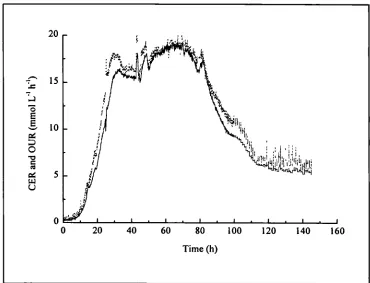
6.2.4. Exit gas analysis 163
6.3. The effect of surfactant addition on lipase activity 165
6.4. The effect of surfactant addition on lipid utilisation 167
6.5. The effect of surfactant addition on clavulanic acid 170
6.6. Discussion 172
6.7. Sunmiary 177
7. CONCLUSIONS AND RECOMMENDATIONS FOR FUTURE WORK 178
7.1. Conclusions 178
7.2. Recommendations 179
8. APPENDIX 182
APPENDIX I 182
APPENDIX II 183
Page no.
22
48
51
52
53
53
55
58
70
85
106
118
150 2.1. Lipid supplements which enhance antibiotic production
3.1. Suppliers and grades of media components
3.2. Composition of spore preparation medium
3.3. Composition of seed medium
3.4. Composition of process medium
3.5. Process parameter set points
3.6. Range values to calculate viscosity
3.7. Composition of reagents for lipase assay
3.8. Description of morphological parameters used in image analysis
4.1. Ratio of modified starch and rapeseed oil used in process media
4.2. Composition of rapeseed oil
5.1. Power per unit volume for agitation rates used
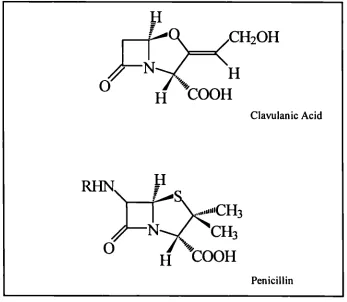
Page no. 7 9 13 19 28 30 49 50 66 68 2.1. Clavularnc acid molecule and general penicillin structure
2.2. Clavulanic acid biosynthesis pathway 2.3. Lipase reaction
2.4. n-oxidation cycle
2.5. Correlation of rheological parameters
2.6. Possible ways of oxygen transfer from bubble to cell
3.1. Fermenter dimensions 3.2. RT-DAS control model
3.3. Schematic diagram of methylation procedure for a lipid sample 3.4. The principle of laser diffraction
4. l.a. DOT and pH profiles for fermentation containing 3:1 soyaflour 75
4.1 .b. DOT and pH profiles for fermentation containing 2:1 soyaflour 75
4.1 .c. DOT and pH profiles for fermentation containing 1:1 soyaflour 76
4.2. Exit gas analysis for fermentation containing 3:1 soyaflour 77
4.3. Ammonia profiles for fermentations containing 3:1, 2:1 and 1:1 soyaflour 78
4.4.a. Lipase activity in fermentations containing 3:1 soyaflour. 80
4.4.b. Lipase activity in fermentations containing 2:1 soyaflour. 80
4.5.a. Lipid utilisation in fermentations containing 3:1 soyaflour. 82
4.5.b. Lipid utilisation in fermentations containing 2:1 soyaflour. 82 4.6.a. Comparison of DOT measurements in fermentations containing a
carbohydrate only and combined carbohydrate and oil carbon sources 87 4.6.b. DOT profiles for fermentations containing 2.3:1.0 and 2.0:2.0 rapeseed
oil:modified starch 87
4.7.a. Exit gas analysis for a fermentation containing only carbohydrate
carbon source 89
4.7.b. Exit gas analysis for a fermentation containing combined oil and
carbohydrate carbon source 89
4.8. Lipase activity measured throughout fermentations containing
2.3:1.0 and 2.0:2.0 rapeseed oil:modified starch 90
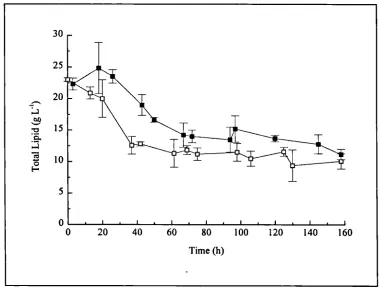
4.9. Total lipid analysis in 5 L batch fermentations containing
2.3:1.0 and 2.0:2.0 rapeseed oil:modified starch 91
4.10.a. Comparison of clavulanic acid titres in fermentations
containing a carbohydrate and carbohydrate and oil carbon source 93 4.1 0.b. Clavulanic acid titres throughout fermentations containing
2.3:1.0 and 2.0:2.0 lipid:modified starch 93
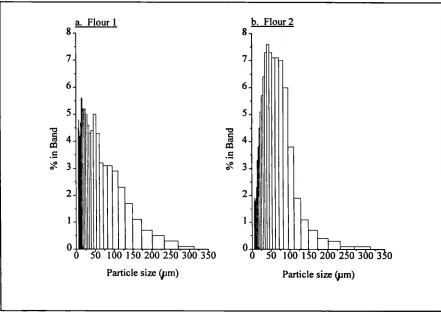
4.11. Particle size distribution of flour 1 and flour 2 98
4.12.a. DOT profile for fermentations containing 2:1 and 3:1 flour 1 100
4.12.b. DOT profile for fermentations containing 2:1 and 3:1 flour 2 100
4.13 .a. Lipase activity in fermentations containing 2:1 and 3:1 flour 1 102 4.13 .b. Lipase activity in fermentations containing 2:1 and 3:1 flour 2 102 4.14. Total lipid utilisation in fermentations containing 2:1 and 3:1 flour 103 4.15.a. Viscosity for shake flask containing rapeseed oil and triglycerides 107
4.15.b. Viscosity for shake flask experiments containing rapeseed oil,
tristearin and methyl stearate 108
110 110 111 111 112 112 115 121 121 122 124 124 126 126 127 128 129 129 130 130 131 132 134 134 135 135 136 138 138 139 139 141 141 142 142 143 143 144 145 145 triolein, tristearin and tripalmitin
4.1 6.b. Lipase activity in shake flask fermentations containing rapeseed oil, tristearin, and methyl stearate
4.16.c. Lipase activity in shake flask fermentations containing rapeseed oil, triolein and methyl oleate
4.1 7.a. Specific lipase activity in shake flask fermentations containing rapeseed oil, triolein, tristearin and tripalmitin
4.1 7.b. Specific lipase activity in shake flask fermentations containing rapeseed oil, tristearin and methyl stearate
4.17.c. Specific lipase activity in shake flask fermentations containing rapeseed oil, triolein and methyl oleate
4.18. Gas chromatography data showing the utilisation of fatty acids throughout 5 L batch fermentation of S. clavuligerus
5.1 .a. DOT measurements during fermentations at tip speeds of 1.88 m and2.36ms'
5.1 .b. DOT measurements during fermentations at tip speeds of 2.83 m s and3.77ms'
5.1 .c. DOT measurements during a fermentation where tip speed increased from 2.83 m s 1 to 3.77 m sat 48 h
5 .2.a. Viscosity measurements for a batch cultivation at all tip speeds 5.2.b. Viscosity measurements for a fermentation with stepped tip speed 5.3.a. On-line capacitance at tip speeds of 1.88 m s and 2.36 m s 5.3.b. On-line icapacitance at tip speeds of 2.83 m s 1 and 3.77 m s 5.3 .c. On-line i\capacitance measurements at stepped tip speed 5.4. Correlation of on-line capacitance and off-line broth viscosity 5.5.a. Exit gas analysis for fermentation held at 1.88 m s
5.5.b. Exit gas analysis for fermentation held at 2.36 m
s1
5.5.c. Exit gas analysis for fermentation held at 2.83 m s 5.5.d. Exit gas analysis for fermentation held at 3.77 ms1
5.6.a. Hyphal development after 72 h fermentation at 2.83 m 5.6.b. Hyphal development after 72 h fermentation at 3.77 ms1
5.7.a. Percentage distribution of main hyphal length5.7.b. Percentage distribution of branch length 5.7.c. Percentage distribution of total hyphal length 5.7.d. Percentage distribution of total filament area 5.7.e. Percentage distribution of clump area
5.8.a. Volumetric lipase activity during batch cultivation at all tip speeds 5.8.b. Actual lipase activity during batch cultivation at stepped tip speed 5.9.a. Specific lipase activity during batch cultivation at all tip speeds 5.9.b. Specific lipase activity during batch cultivation at stepped tip speed 5.10. Residual oil levels in batch cultivation at all tip speeds
5.11. Specific lipid utilisation in fermentation at all tip speeds
5.12.a. Fatty acid utilisation in a fermentation at a tip speed of 1.88 m s 5.12.b. Fatty acid utilisation in a fermentation at a tip speed of 2.36 m s 5.12.c. Fatty acid utilisation in a fermentation at a tip speed of 2.83 m s 5.12.d. Fatty acid utilisation in a fermentation at a tip speed of 3.77 m s 5.13.a. Volumetric clavulanic acid production at all tip speeds
5.13 .b. Specific clavulanic acid production at all tip speeds
5.1 3.d. Specific clavulanic acid production at stepped tip speed 146 5.14. Microscale of turbulence throughout the process at all tip speeds 150
6.1. Schematic diagram for microemulsion structures 154
6.2. Effect of 0.0%, 0.1% ,0.2%, 0.3% and 0.5% SDS on growth 156
6.3.a. DOT profile for fermentations containing 0% and 0.05% SDS 157
6.3.b. DOT profile for fermentations containing 0.075% and 0.1% SDS 157
6.4. Viscosity throughout fermentations containing SDS 158
6.5.a. Difference in capacitance of oil based media with addition of SDS 160
6.5.b. Difference in capacitance of media minus oil with addition of SDS 160
6.6.a. On-line capacitance measurements at 0.0% and 0.05% SDS 162
6.6.b. On-line Ecapacitance measurements at 0.075% and 0.1% SDS 162
6.7.a. Exit gas analysis for control experiment 164
6.7.b. Exit gas analysis for fermentation containing 0.05% SDS 164
6.8. Volumetric lipase activity in fermentations containing SDS 166
6.9. Specific lipase activity in fermentations containing SDS 166
6.10. Total lipid analysis for fermentations containing SDS 168
6.11 .a. Fatty acid utilisation in a fermentation containing 0.1% SDS 168
6.11 .b. Fatty acid utilisation in a fermentation containing 0.075% SDS 169
6.11 .c. Fatty acid utilisation in a fermentation containing 0.05% SDS 169
6.12. Volumetric clavulanic acid titres for fermentations containing SDS 171
6.13. Specific clavulanic acid titres for fermentations containing SDS 171
A a C Cs Cb CG CL D di De K KL Kr m N n P Pd Pg Pug Re Re Sp tc V VL vs a E 7 PApp V V p wg og t to Constant (-)
Area per unit volume m2
Capacitance pF
Oxygen concentration at gas/liquid interface Kg m3
Constant (-)
Oxygen concentration in gas phase Kg m3
Oxygen concentration in liquid phase Kg m3
Impeller diameter m
Impeller diameter m
Effective oxygen diffusion coefficient (-)
Constant (-)
Liquid phase mass transfer coefficient (-)
Constant (-)
Consistency index (-)
Constant (-)
Rate of impeller rotation s-I
Flow behaviour index for power law fluids (-)
Power consumption w
Power dissipation w
Gassed power w
Ungassed power w
Reynolds number (-)
Critical Reynolds number (-)
Spreading coefficient (-)
Circulation time s-I
Volume m3
Liquid volume m3
Superficial gas velocity m s
Constant (-)
Constant (-)
Constant (-)
Rate of turbulent energy disserpation per unit mass Wkg'
Shear rate s-i
Viscosity Pa s
Kolmogorov m
Viscosity Pa s
Apparent viscosity Pa s
Fluid linear velocity
Kinematic viscosity m2 s
Fluid density Kg m3
Interfacial tension between water and gas phase Nm
Interfacial tension between oil and gas phase Nm
Interfacial tension between oil and water phase Nm
Shear stress Pa
1. INTRODUCTION
1.1. Pro j ect introduction
This research was carried out in order to investigate the effects of both physical and
chemical pilot plant scale process parameters on lipid utilisation in a complex process
media containing a partial lipid carbon source. A literature review was initially
undertaken to investigate the importance of actinomycetes and streptomyces in terms of
classification and morphology, secondary metabolite production and their economic
significance. Streptomyces clavuligerus produces many classes of antibiotics including
the commercially important clavulanic acid which was discovered through screening for
-lactamase inhibiting compounds. The review of present literature contains
information regarding the background behind clavulanic acid discovery and
biosynthesis, information regarding the patented fermentation process and the present
market for clavulanic acid.
Many antibiotic processes use mixed substrate carbon sources, including lipids, in order
to increase product titres. A review of present research involved in the use of mixed
carbon substrates within Streptomycete fermentations concluded many advantages to the
use of lipids including a notable increase in antibiotic titre and the additional advantage
of natural antifoam properties of oils. However, it was discovered that there are many
economic disadvantages to the use of a lipid substrate in a batch process. It was
reported that over a third of the initial substrate remained unused at the end of
fermentation. Metabolism of a lipid substrate also requires a higher oxygen demand.
The residual oil problem has obvious economic significance when considering the cost
of raw materials, downstream product isolation and antibiotic purification.
Most microorganisms produce a lipase enzyme to metabolise the triglycerides present in
the oil carbon source to their constituent fatty acids and glycerol. Increasing the activity
of the lipase, and investigating any specificity to certain components of the initial oil
feed, may be the key to reducing the residual oil levels. The research review therefore
includes an investigation into the effect of the physical and chemical environment on
The effect of process variables within a fermentation vessel includes a wide variety of
physical and chemical parameters. Current research is presented in which methods of
reducing the residual oil problem in both batch and fed-batch fermentation have been
investigated. The rheology of antibiotic producing fermentations was considered to be
significant due to the effect of oil addition on rheology and the mixing environment in
relation to Streptomycete fermentation and lipid utilisation. A review on present
research into the effects of mixing and shear on oil uptake and organism morphology
and productivity was also investigated. The concentration of dissolved oxygen and
carbon dioxide within the fermenter environment was also studied in order to obtain
information on the effects on morphology, productivity and oxygen transfer in a variety of filamentous fermentations and applying what is already known to investigate lipid
utilisation and the link with clavulanic acid production in S. clavuligerus.
1.2. Research aims and objectives
Despite the amount of literature reviewed indicating a link between lipid utilisation and
increased product titres, details on the environment within a fermentation vessel, with
respect to enhancing lipid utilisation, remain unclear. If a more strategic approach is to
be taken in the improvement of yields, through increased lipid metabolism, then both
physical and chemical parameters must be studied. The aim of this research was to
investigate the effects of fermentation parameters on lipid utilisation in Streptomyces
clavuligerus on a 5 L pilot plant scale. Lipid metabolism, lipase activity and clavulanic
acid production were monitored from a complex production media. A detailed
investigation of the process parameters will yield information that will generate a greater
understanding of the processes involved in lipid metabolism. Increased understanding
may lead to developments of methods to increase product titres and decrease
downstream processing costs through reduction in residual oil levels. The knowledge
gained will have global applicability to the many antibiotic producing processes that use
2. LITERATURE REVIEW
2.1. Actinomycetes
2.1.1. Importance and morphology
Existence of actinomycetes as a distinct group, actinomyceales, has been recognised for
many years (Buchman, 1917). Actinomycetes are Gram positive, sporulating,
saprophytic bacteria (Goodfellow et a!., 1988) with elongated cells or filaments that
usually show some degree of branching. Despite the diverse morphology of the
actinomycetes they can be placed into two groups: nocardioform or sporoactinomycetes.
Nocardioform actinomycetes form hyphae, which will fragment into rod-like or coccoid
shaped elements to generate new mycelia. Greater extremes of morphology are seen
within the sporoactinomycetes, but all have the ability to form spores. Asexual, thin
walled spores, called conidia or conidiospores, develop from septal formation in or on
defined parts of the hyphae. Most spores are not particularly heat resistant but can
withstand considerable desiccation. The organism germinates from these spores to form
germ tubes which in turn give rise to a network of hyphae. Mycelial growth is related to
their ability to break down insoluble organic materials for intake by the organism.
All organisms within this complex group are defined as chemoorganotrophs, requiring
some form of organic carbon source, inorganic nitrogen source, mineral salts and an
approximate neutral pH in order to grow (Gusek and Kinsella, 1992). Most
actinomycetes are not motile; when motility is present it is confined to flagellated
spores. Although the actinomycetes have been the subject of extensive literature, many
aspects of their physiology and roles within the natural environment have still to be
understood.
Morphology of the actinomycete plays a crucial role in achieving a successful antibiotic
production process, to be referred to as fermentation herein. Many factors influence the
morphology of actinomycetes such as species, strain, growth media or their physical
environment. Therefore actinomycetes exhibit structures which range from simple rods
and cocci to complex mycelial organisation (Goodfellow et a!., 1983). Structures within
It is assumed that filamentous actinomycetes elongate through apical extension by
deposition of wall polymers only at the very tip of the hyphae (Kretschmer, 1982).
However, autoradiographic studies seemed to indicate wall synthesis was not restricted
to hyphal tip as preferential incorporation of N-acetyl-D-[1- 3H] glucosamine label, a
precursor of peptidoglycan, took place over a broad segment of the hyphae and not only
at the tip (Gray et al., 1990). Labelling in regions away from the hyphal tip may be due
to wall synthesis, turnover and thickening.
Actinomycetes also change morphologically during a process, due to changes within
their environment, from cell growth and maintenance, primary metabolism, to secondary
metabolism, which results in the production of bioactive metabolites. It is these
compounds that are of great industrial significance, although their function within the
organism remains unclear (Doull and Vining, 1991).
The outstanding property of actinomycetes is their ability to produce a variety of
bioactive compounds including antibiotics, vitamins, enzymes, immuno-suppressors and
immuno-modifiers (Piret and Demain, 1983), herbicides, insecticides and antiparasitic
compounds (Berdy, 1988). Thousands of secondary metabolite producing
actinomycetes have been isolated and have found practical application in human and
veterinary medicine reinforcing their economic and industrial importance (Bushell,
1983). For this reason actinomycetes attract a great deal of scientific attention.
The second world war brought intensive antibiotic research with one of the most
important discoveries being the production of antibiotics by the actinomycetes. The first
purified antibiotic was actinomycin, isolated by Waksman and Woodruff in 1940 from
Streptomyces antibioticus. This antibiotic was found to inhibit the activity of both
Gram positive and Gram negative organisms. Actinomycin was later superseded by the
first antituberculatic antibiotic, streptomycin, discovered by Schatz (1944), which
proved to be more effective against a wider range of pathogens. These events, and the
earlier discovery of penicillin from Penicillium notatum by Fleming in 1928, marked the
2.1.2. Streptomycetes
Streptomycetes are members of the family Streptomycetaceaes and are considered to be
the most common members of the order actinomycetales (Buchman, 1917).
Streptomycetes are soil dwelling sporoactinomycetes that are highly aerobic. During
growth on solid media their morphology is complex, forming two types of mycelia,
aerial and substrate mycelia, which are morphologically and physiologically different
(Kalakoutskii and Agre, 1976). The aerial hyphae, which are the less highly branched,
bear chains of spores enclosed in a thin sheath which are their reproductive units
(Williams and Wellington, 1983; Dietz, 1983). The form of aerial mycelium is
influenced by factors such as media composition, incubation temperature and nutrient
depletion. The sporulation process is also influenced by growth conditions which may
result in variation in morphology and physiology of the organism. Sporulation is rarely
observed in submerged culture although it has been shown that exhaustion of media
components, such as phosphates, may induce sporulation (Kalakoutski and Agre, 1976).
The highly branched substrate mycelia develop through apical extension at the hyphal
tip in order to penetrate and solubilise organic debris by the secretion of extracellular
enzymes. Branching of the hyphae may result from a localised depletion in nutrients in
or around the branch point. Hyphae contain cross walls which are important when
considering age and morphology of the organism since they should reduce
fragmentation and decrease the loss of cell contents during submerged fermentation.
This growth pattern of Streptomycetes is similar to the growth and differentiation of a
fungal fermentation.
The classification of Streptomycetes is being continuously revised due to the application
and development of isolation techniques. The presence of LL-diaminopimelic acid,
(LL-DAP), has been used as the main characteristic between Streptomycetes and other
Actinomycetes. Within the group Streptomycetes, pigment production, spore formation
patterns and the presence of volatile compounds producing distinctive smells, such as
geosmin, are used in identification procedures. There is a problem of over classification
within the Streptomycete group due to the intense screening of thousands of species for novel bioactive compounds by the pharmaceutical industry. Therefore, in the early
1960's the International Streptomycetes Project, (ISP), began in order to standardise
Streptomycetes are now considered the most successful source of antibiotics and other
secondary metabolites. The most productive of the Streptomycetes is Streptomyces spp.
which account for approximately 93% of actinomycete bioactive substances, (Bushel!,
1988). Closely related Streptomycetes often produce variants on the same class of
antibiotic. Examples include two structurally and functionally similar compounds,
chiortetracyline and oxytetracycline, which are produced by Streptomyces aureofaciens
and S. rimosus respectively. However, condicidin, streptomycin and cyclohexamide,
which differ structurally but share similar biosynthetic pathways, are all produced by S.
griseus. Other Streptomycetes produce related compounds such as S. clavuligerus
which secretes f3-lactam compounds such as penicillin N, clavams including clavulanic
acid, and also produces a group of cephalosporins.
2.1.3. Streptomyces clavuligerus
S. clavuligerus was first discovered by Waksman and Henrici in 1943 but not named as
a new species until 1971 by Higgins and Kastner when its main bioactive compounds
were discovered. S. clavuligerus is an aerobic Gram positive sporoactinomycete with
aerial mycelium bearing spores at some time in its life cycle. The organism tends to
grow slowly as branching filaments which segment during growth and produce club
shaped cells. S. clavuligerus shows mainly mycelial growth and rarely exhibits the
more compact pellet form in submerged cultures. Among actinomycetes, S.
clavuligerus is unusual in its ability to assimilate only a narrow range of carbon sources
such as starch, and other simple sugars, i.e. glycerol, yet lacks the ability to assimilate
glucose (Aharonowitz and Demain, 1978). This is thought to be due to an inadequate
mechanism for the uptake and conversion of the glucose to a glycolytic intermediate
(Vining eta!., 1987).
S. clavuligerus produces structurally related antibiotics with the same mode of action,
i.e. inhibiting cell wall synthesis. It is reported that the organism produces five -lactam
type antibiotics in total, clavulanic acid, deaceloxycephalosporin, penicillin N,
cephalosporin C and the 0-carbonyl derivative of deacetylcephalosporin (Hu et a!.,
j
'CH
H tooH
2.2. Clavulanic acid
In order to counter growing resistance to 3-1actam antibiotics two main approaches are
available. One approach is to discover a -lactam antibiotic inherently stable towards
f3-lactamase enzymes and the other is to find an inhibitor of the -f3-lactamase activity. In
1967 a programme of research began at SmithKline Beecham in which soil organisms
were screened for the possible production of naturally occurring -lactamase inhibitors.
A family of -lactamase inhibitors, olivanic acids, were first discovered in
Streptomycetes, and further work lead to the discovery of clavulanic acid first detected
in Streptomyces clavuligerus (Brown et al., 1976).
2.2.1. Clavulanic acid structure and biosynthesis
Clavulanic acid is a fused bicyclic -lactam (Howarth et a!., 1976), structurally different
from penicillins and cephalosporins with an oxygen replacing the usual sulphur within
the -lactam ring at the carbon in position 4, Figure 2.1. The origins of clavulanic acid
have been extensively reviewed by Romero et al. (1988) and Reading and Cole (1977).
0
-#4H COOH
Clavulanic Acid
Penicillin
Streptomyces clavuligerus is an unusual organism in that it produces two major groups
of -lactam antibiotics. The first group includes the bicyclic rings containing sulphur,
the penicillins, cephalosporins and cephamycins and the second group the
oxygen-containing ring systems of clavulanic acid. Quite distinct biochemical pathways exist in
Streptomyces clavuligerus for the principle 3-lactam antibiotic families (Jensen and
Westlake, 1988). The genes for clavulanic acid biosynthesis are located downstream of
the relatively well distinguished cephamycin cluster in S. clavuligerus (Ward and
Hodgson, 1993) but there is still limited information about the clavulanic acid cluster
(Aidoo et al., 1994; Hodgson eta!., 1995).
Studies on the origins of clavulanic acid over the last couple of decades have revealed
an interesting biosynthetic pathway. Pioneering studies carried out by Elson (Elson and
Oliver, 1978; Stirling and Elson, 1979; Elson, 1981; Elson et a!., 1982) on the
incorporation of radiolabelled precursors concluded that acetate enters the clavulanic
acid molecule via the tricarboxylic acid (TCA) cycle from which 2-oxaglutarate
provides the 5 carbon skeleton. Research has shown that both arginine and omithine are
the precursors for clavulanic acid biosynthesis. Through amino acid labelled studies and
the presence of an arginase enzyme which converts arginine to omithine (Romero Ct aL,
1986) it was thought that arginine is converted to ornithine and that this C5 amino acid
is the direct precursor of clavulanic acid. Evidence that arginine and not ornithine is the
amino acid taken into the clavulanic acid biosynthetic pathway was obtained by the
SmithKline Beecham group (Valentine et a!., 1993) by blocking enzymes in the urea
cycle of S. clavuligerus through UV irradiation.
Research by Townsend and Ho (1985) and Pitlik and Townsend (1997) showed that
glycerol provides the 3 carbon skeleton of the -lactam ring. A scheme of biosynthesis
of clavulanic acid is shown in Figure 2.2. Feeding experiments using labelled
precursors have demonstrated that glycerol and pyruvate (Pitlik and Townsend, 1997),
propionate (Elson and Oliver, 1978), and D- and L-glycerates (Townsend and Ho, 1985)
are specifically incorporated into the -lactam ring. The most recent report using
optically active ' 3C and 2H labelled lactates and glycerates implies that pyruvate and not
glycerate is the primary metabolic precursor of the three -lactam carbons (Thirkettle et
Hexose
I Propionate I
I
Glycerol 'ITriose 'ate ...
f4
____
Propionyl CoA
Acetate Phosphoenolpyruvate
Methylmalonyl CoA
AcelCoA
co2 _____ Oxaloacetate
Succinyl CoA Citrate
Oxoglutarate
I
Glutamic acid
[3-lactam carbons
a-amino-hydroxyvaleric acid
L-Ornithine L-Arginine
Proclavaminic acid
Fe2*, 02, a-KG Clavaminate synthase
Clavaminic acid
'Jr
Clavulanic acid
Almost all knowledge of the biosynthetic pathway up to this point had been deduced by
feeding radio labelled precursors which had to undergo an unknown number of enzymic
reactions to yield clavulanic acid. In order to obtain information regarding the
biosynthetic intermediates between the proposed primary metabolic precursors and
clavulanic acid cell free studies have been carried out (Elson et al., 1988). It was
proposed that the CS and C3 precursors form proclavaminic acid. The reaction
involving the transformation of proclavaminic acid to clavaminic acid requires the
enzyme clavaminate synthase, (CS), an a-ketoglutarate dependent oxygenase central to
the biosynthesis of clavulanic acid. It has been reported that iron dependent enzymes
play a central role in the construction of the bicyclic structure of these molecules and are
also essential to their antibiotic activities (Marsh et al., 1992). Baggaley et a!. (1997)
have recently published a comprehensive review of the chemistry and research leading
to the discovery of the biosynthetic pathway of clavulanic acid and other clavams.
2.2.2. The function of clavulanic acid
Clavulanic acid is a potent progressive inhibitor of certain -lactamases (Baily, 1984)
and especially the clinically important group of plasmid-mediated -lactamases
produced by Enterobacteriaceae, Haemophilus influenzae and Nisseria gonorrhoeae
and the chromosomally-mediated -lactamases from Klebsiella pneumoniae, Proteus
mirablis, Proteus vulgaris, and Bacteroidesfragilis (Baggaley et al., 1997). Clavulanic
acid itself has only weak, though broad-spectrum antimicrobial activity against most
bacteria, with a minimum inhibitory concentration of 25-125 pg mU' (Reading and
Cole, 1977). Its antibacterial mode of action is via inhibition of the penicillin binding
protein. -lactamase inactivate penicillins, cephalosporins and related antibiotics and
was first recognised by Abraham and Chain (1940) in a strain of Escherichia coli. It
was later established as the mechanism of resistance in penicillin resistant strains of
Staphylococcus aureus (Kirby, 1944). Resistance to -lactam antibiotics increased until
in the early 1960's a frequency of 70-80% resistance was not uncommon in hospitals in
many countries of the world (Rolinson, 1994). j-1actam inhibition has also been
reported in Haemophilus infiuenzae, Enterococcus faecalis, Moraxella catarrhalis, Neisseria meningitidis (Rolinson, 1994).
The discovery of clavulanic acid has dramatically opened the way for clinically valuable
(Franldin and Snow, 1985). An example of which is Augmentin, manufactured by
SmithKline Beecham Pharmaceuticals, first introduced into the U.K. in 1981 (Rolinson,
1994). The microbiology of amoxycillin! clavulanate has been extensively reviewed
over the fifteen period, 1978-1993, by Rolinson (1994). Clavulanic acid has recently
attained generic status and is, therefore, of widespread interest.
2.2.3 The fermentation process
Due to the economic significance of clavulanic acid the full details of the process
involved in the fermentation of S. clavuligerus are not fully disclosed. Pilot plant scale
procedures for clavulanic acid production from S. clavuligerus have been described in
British patent No. 1,563,103, and other producing Streptomycetes in Japanese patents
53,104,796 and 55,162,993. All patents show that the most important nutrients with
respect to clavulanic acid production are soyabean protein, a high carbon sugar source
and addition of rapeseed oil.
The complex nature of carbon metabolism in S. clavuligerus is not well understood.
The use of glucose as a sole carbon source will decrease antibiotic production when
compared to starch or dextrins (Romero et a!., 1984). This may be due to rapid
metabolism as carbon catabolites have been reported to inhibit penicillin biosynthesis (Revilla eta!., 1984) and cephalosporin production (Aharonowitz and Demain, 1978) by
Penicillium chrysogenum and S. clavuligerus respectively. Salowe et a!. (1990)
reported that yields of clavulanic acid were quite variable and concluded that a complex
soybean and starch medium was generally superior to a defined
glycerol/sucrose/proline/glutamate media described by Romero et a!. (1984). The
addition of a lipid as an alternative carbon source is important as a means of avoiding
carbon catabolite repression due to its low solubility in the fermentation media
(Butterworth, 1984) and has been shown to increase many antibiotic titres, Section
2.4.3.
Clavulanic acid has been reported to be one of several -1actam compounds produced by
S. clavuligerus in response to changes in available nutrients (Romero et a!., 1984). The
level of phosphate in the fermentation media has also been shown to be important in
of phosphate on clavulanic acid synthesis showed that at the level of 10-100mM the
phosphate dramatically reduced clavulanic acid titres (Romero et a!., 1984). Lebrihi et
a!., (1987) reported that phosphate levels control clavulanic acid by repression of the
clavulanic acid synthetase enzymes.
From pilot plant scale information that is available, the process involves the use of
stirred, aerated vessels as described in British patent number 1,571,888. The inoculum
source is usually a mycelial or spore suspension, the mycelial being preferred. A
temperature range of 26-30°C and a pH of between 6.0 and 7.5 are the identified culture
conditions. pH is a major economic concern in an industrial process in terms of
optimising productivity as clavulanic acid itself is only stable between a pH of 6.5 and
7.2 (Tarbuck et al., 1985). Media contains 0.1-1.0% complex organic or chemically
defined sources of nitrogen, 0.1-5.0% carbon source, mineral salts and trace elements (Cole et a!., 1978).
2.3. Lipase
2.3.1. Functions of a lipase
A lipase is an enzyme that catalyses the hydrolysis of fats and oils to their constituent
glycerols and free fatty acids at a rate dependent on the specificity of the lipase involved.
Figure 2.3. shows the reaction involving the lipase enzyme. Lipases are characterised by
their ability to catalyse the hydrolysis of ester bonds at the interface between the
insoluble substrate and the aqueous phase in which the enzyme is soluble, (Marangoni,
1994). Thus lipases catalyse the hydrolysis of a wide range of insoluble fatty acid esters
although triglycerides are normally the preferred substrates. Hydrolysis of water soluble
carboxylic acid esters by true lipases is very slow.
Specificity of lipase is controlled by the molecular properties of the enzyme, the
structure of the substrate and factors affecting binding of the enzyme to the substrate (Jensen et al., 1983). Specificity is a comparative difference in rates of catalysis of
certain reactions and there are many different types of lipase specificity. These have
been identified as specific to the substrate, to the position of the fatty acid, specific to
the type of fatty acid, or they may be stereospecific. Lipase may also be specific to any
Antonian, 1988) and microorganisms. Among the latter, moulds are widely recognised
as the best lipase source (Hatzinikolaou et aL, 1996).
Triacyiglycerol
HO
Diacyiglycerol + Free Fatty Acid
4- H20
Monoacyiglycerol + Free Fatty Acid
4- HO
Glycerol + Free Fatty Acid
Figure 2.3. Lipase reaction
2.3.2. Microbial lipase
Screening and isolation of microorganisms for lipase activity from soil samples or other
biological materials is relatively easy and most frequently carried out employing agar
plates containing triglycerides. Lipase catalysed hydrolysis gives rise to clear zoning or
precipitation of fatty acid salts. A comprehensive account of the sources from which lipase can be isolated is given by Shelly et a!. (1987).
One of the first observations of microbial lipolytic activity was made by Alford et a!.
(1964). Since, there has been widespread discoveiy of microorganisms producing
lipase. Literature contains information on the lipolytic activity of a wide range of
microorganisms ranging from yeast (Montesinos et a!., 1996) to fungi, such as
Aspergillus niger (Hatzinkolaou et a!., 1996), Penicillium citrinum (Szatzer and
Maliszewka, 1989) and Rhizopus oligosporus (Nahas 1988) and many bacteria such as
Pseudomonas aeruginosa (Khor et a!., 1986) and some Streptomyces spp.(Borman et a!., 1993) such as Streptomyces lactis (Lukoseva et a!., 1982) and S. cinnamomeus
(Sommer et a!., 1997). The majority of the known microbial lipases tend to be acidic
proteins with a molecular weight of 20 - 60,000 Daltons and have been characterised
with respect to their pH activity profiles, stability and activity at elevated temperatures,
positional specificity of tn-glyceride hydrolysis and fatty acid specificity (Godtfredsen,
Commercially microbial lipases are very important and depending on the enzymes'
specificity have found various applications in the dairy industry (Stead, 1986), the
manufacture of detergents (Fujii et al., 1986), oleochemistry, cosmetics,
pharmaceuticals and in the treatment of domestic wastes. This has led to lipase
becoming a valuable biotechnological tool and industry now has the ability to produce
the enzyme on a large scale. Their significance has lead to a greater understanding of
the catalytic activity of lipase and the enzyme kinetics required in order to improve
process economics. The industrial applications of lipase have been reviewed by Macrae
(1983).
The majority of microorganisms secrete extracellular lipase, some microorganisms
contain the lipase inside the cell and in other organisms the enzyme may be surface
associated or cell bound. Extracellular lipase is the most commonly studied due to its
industrial significance and many examples are given in the literature: Aspergillus niger
(Hatzinikolaou et a!., 1996), Penicillium cyclopum (Iwai et aL, 1975), Geotrichum
candidum (Jacobsen et al., 1989) Rhizopus oligosporus (Nahas 1988) and Candida rugosa (Veeraragan, 1989). A review of the production of exogenous lipases by
bacteria, fungi and actinomycetes is reported by Sztajer et a!. (1988). Fewer examples
of intracellular and membrane bound lipase enzymes are reported (Novotny and
Dolezalova, 1993; Gobbetti eta!., 1996; Misset eta!., 1994; Jacobsen eta!., 1989).
2.3.3. Lipase from Streptomyces
Lipase activity must be present in order to utilise the oil in streptomyces fermentations
in which a lipid co-substrate is used to increase secondary metabolites. Lipase activity has been detected in a small number of streptomyces. Sztajer et a!. (1988) found
lipolytic activity in Streptomyces spp. PCM27 and PCM33 and S. fradiae using olive oil
and tributyrin substrate reagents. Rapp and Backhaus (1992) showed that S. cae!estis, S.
!avendulae and S. !ipmani exhibited extracellular lipase activity towards a triolein
substrate. Borman et a!., (1993) tested 243 strains of Streptomyces for lipase activity
2.3.4. Effect of the fermenter environment on lipase activity
Extracellular lipase and membrane bound or cell associated enzymes are in constant
contact with the surrounding media. Therefore the effect of the chemical and physical
environment surrounding the cell such as pH, metal ion concentration, shear forces,
oxygen tension, surfactants and other media components affect lipase activity,
production and stability. Growth conditions may influence the properties of the enzyme
produced as well as a ratio of extracellular to intracellular enzyme (Taipia eta!., 1992).
2.3.4.1 Media components
Lipase activity has been shown to be affected by the physical state of the media. Rivera-Munoz et a!. (1991) found that, using Penicillium candidum, lipase activity was higher
in submerged culture than on solid media but the actual production of the lipase
occurred earlier and tended to be more stable on the solid medium. The concentration
and form of nitrogen source present in the media has been found to affect lipase activity.
The use of peptone in the growth media has been reported to increase the lipolytic
activity in Pseudomonas aeruginosa and Ps. fluorescens (Cutchins et a!., 1952).
Results indicated that the activity of the enzyme increased as the complexity of the
nitrogen source decreased. Cordenons et a!. (1996) concluded that lipase expression
improved 2-3 fold by applying changes in the nitrogen source in the fermentation
medium. Minimal levels of lipid such as butter oil, lard oil, olive oil and certain fatty
acids have been reported to be required for both extracellular (Suzuki, 1988), and cell
bound (Novotny and Doletalova, 1993) lipase activity. The addition of carbon sources
such as starch and sucrose in combination with certain nitrogen and phosphorous
sources have been shown to increase lipase activity in Aspergillus niger (Pokorny et a!.,
1994) and Penicillium citrinum (Sztajer and Maliszewska, 1989). Recent research by
Hatzinkolaou et a!. (1996) reported that it was possible to substantially enhance the
lipase activity of A. niger by optimising the interaction between carbon and nitrogen
sources. Four carbon sources, glucose, sucrose, corn oil and olive oil, and three nitrogen
sources, ammonium phosphate, ammonium sulphate and peptone were applied to a 4x3
experimental design. The results concluded that the combination of peptone and corn oil yield highest lipase activity.
that by adding olive oil or Tween 80 to a basic media extracellular and cell bound lipase
yields and activity could be enhanced in cultures of Geotrichum candidum. Maximum
yields were found with the addition of Tween 80 alone, which resulted in a six-fold
increase in extracellular lipase activity when compared to the basic media. During the
earlier stages of growth in medium containing olive oil the proportion of cell-bound
activity was higher than that of extracellular activity, and a delay in the secretion of
extracellular lipase was found.
High concentrations of oils have been shown to have an inhibitory effect on detected
lipase activity (Gilbert et a!., 1991). This may be due to the toxicity of the fatty acids
released from lipase activity. Lipase formation has been reported to be suppressed by
the presence of mono and disaccharides or glycerol within a media (Macrae, 1983).
lion, magnesium and calcium are also reported to have some inhibitory effects on
enzyme activity. SDS and copper ions have been shown to completely inhibit lipase
activity (Maliszewka and Mastalerz, 1992).
2.3.4.2 Physical environment
The influence of the physical environment within a fermentation also affects the
production and activity of a lipase enzyme. It is well known that the rate of hydrolysis
of oil by a non-oil soluble lipase is a direct function of the surface area of the oil-water
interface (Marangoni, 1994). Good mixing is therefore important in lipase catalysed
reactions and this is usually achieved by mixing the molten or solvent dissolved oil with
lipase in the aqueous phase in a stirred tank reactor, (Lee and Choo, 1989). Lee and
Choo (1989) investigated the effects of shear on inactivation of extracellular lipase
production by Candida cylindracae. They concluded that free lipase is sensitive to
Ci AC'
denaturation by an increase in shear rate but not shear stress and that lipase activity is
affected by the length of time the enzyme is exposed to the shear forces.
Jacobsen et a!. (1989) found that increased lipolytic activity of extracellular and
cell-bound lipase from G. candidum was observed in a 1 L fermenter when compared with a
300 mL shake flask. Results of work carried out by Tahoun et al. (1982), on G.
candidum concluded that shaking or aeration in shake flask experiments resulted in
lower concentrations of lipase in the culture liquid. Marek and Bednarski (1996)
contained within a fermenter. It seems that aeration of the culture in shake flasks and
dissolved oxygen tension within a fermentation are critical to lipase production and
activity.
Research by Cavanagh (1996) concluded that the lipase enzyme produced by S.
clavuligerus used to hydrolyse the rapeseed oil in the fermentation media appears not be
extracellular but associated with the cell membrane. It was also concluded that the
activity of this particular lipase was affected by changes in the pH and the temperature at
which the culture was held, by phosphate and nitrogen levels, as well as the presence or
absence of oil in the media. At higher oil levels there was greater lipase activity which
suggested that, for the lipase associated with S. clavuligerus, a critical oil level was
necessary for expression. No lipase activity was detected in the absence of an oil carbon
substrate.
From all the studies and reports noted above it is clear that careful manipulation of the
physical and chemical parameters within a process are extremely important for
maximum lipase activity.
2.4. Lipids
2.4.1. Introduction to fats and oils
The terms fats and oils are essentially interchangeable, those which are liquid at ambient
temperature are called oils and those that are solid or semi-solid are fats. The physical
and chemical characteristics of individual fats and oils are determined mainly by their
fatty acid composition. A fatty acid is a compound synthesised in nature via
condensation of malonyl coenzyme A units by a fatty acid synthase complex. The fatty
acid usually contains an even number of carbon atoms, although odd numbers do occur,
and branched chains may be produced from an appropriate precursor. The fatty acid
may be saturated, containing only carbon-carbon single bonds, unsaturated, contain
double bonds or may contain substituent groups, incorporated through the appropriate
enzymes. There are universal symbols which may be used to describe the structure of a
fatty acid. The symbol 18:0 denotes a fatty acid containing 18 carbon atoms and no
The simplest, most abundant lipids are the triacyiglycerols, triglycerides, which are
condensation products of 1 molecule of glycerol with 3 molecules of fatty acid. Nearly
all industrially important fats and oils of animal and plant origin consist almost
exclusively of triglycerides. Di-glycerides and mono-glycerides contain 2 and 1 mole of
fatty acid per mole of glycerol respectively and are usually found in trace amounts
unless the oil or fat has undergone partial hydrolysis. These are important molecules
found as intermediates in the biosynthesis of lipids, as intracellular messengers and in
the regulation of vital processes in mammals. Commercially, monoglycerides and
diglycerides are an important class of food emulsifiers and are used in the manufacture
of many foodstuffs.
The ability to utilise fatty acids, and the oils and fats which contain them, is found
widely amongst bacteria, yeast and moulds. The ester link between the glycerol
backbone and the fatty acid is hydrolysed by a lipase enzyme, Section 2.3. The glycerol
then enters the Embden-Meyerhof pathway and is converted to a glycolytic intermediate
later in the oxidation cycle. The fatty acids released are extremely toxic to the cell and
therefore must be utilised efficiently into their coenzymeA thioesters. The thioester is
activated for degradation of the fatty acyl chain by the n-oxidation cycle, Figure 2.4.
The fatty acyl-CoA ester continues the oxidative cycle and the cycle is repeated until the
fatty acid molecule is completely broken down to two carbon unit molecules. At each
turn of the cycle a molecule containing two carbon units, acetyl-CoA, is released. If the
fatty acid entering the oxidative cycle has an odd number of carbon units then the final
product from the cycle is a propionyl-CoA molecule. It is the acetyl-CoA that may itself
be a starter unit for the precursors in the formation of many antibiotics. Alternatively, as
the acetyl-CoA is being produced from n-oxidation, the pyruvate, which will normally
produce acetyl-CoA if fatty acids are not present, may be used for the synthesis of
precursors to the antibiotic biosynthesis.
2.4.2. Commercial oils
A wide variety of different oils and fats are used on an industrial scale. The majority of
the fats and oils used are plant derived although some animal fats, such as lard, may be
favoured due to quicker metabolism as they are u*saturated (Stowell, 1987). The most
widely produced oil is soyabean oil, whose plant seeds have a 19-20% oil content.
CH3-CO-S.CoA (ACETYL C0A)
RCH2CO-CH2CO-S.CoA
CoA-SH Ketoacyl Co-A
Thiolysis
a NAD+
NADH 5-18%, which causes poor flavour stability and unpleasant odours. Palm oil is also of
high commercial value on a large scale although the seed has an oil content below 20%.
FATS/OILS!
,Lipase
FATTY ACID
CoA.ATP Acyl Co-A synthetase
ADP ACYL-COENZYME A
R-(CH2)3-CO-S-00A
I FAD
Oxidation
FAD H2 H20
RCH2CH=CH-CO-S.CoA /
Enoyl-Co-A Hydrat:on
RCH2-CO-S.CoA Acyl Co-A RCH2CH(OH)-CH2CO-S.00A
(shortened by 2 carbon atoms) L-Hydroxyacyl Co-A
Figure 2.4. n-oxidation cycle. (Stryer, 1988).
For the purpose of this project the most important oil is rapeseed oil (RSO) also known
as calza or canbra oil. The oil is obtained from the seeds of the rape and turnip rape
plants and is a major oil-seed crop of Canada, Europe and other northern climates
(Florkowski and Purcell, 1989). In general, there are three types of RSO produced
which vary in their fatty acid composition each type being used for either edible or
industrial purposes dependent on the percentage of erucic acid content. The three types
are high erucic acid (HEAR) low erucic acid (LEAR) and zero erucic acid which contain
55-25%, 5-0%, and 0% erucic acid respectively. RSO also contains high levels of
and plants have now been manipulated via selection and breeding programs to reduce
the harmful erucic acid and sulphur content. Currently planted rapeseed cultivars are
free of erucic acid. The improvement in propagation techniques means that new
cultivars are expected to result in higher yields with increased resistance to disease. As
the adoption of these new techniques spread the price of rapeseed oil is expected to
decrease therefore encouraging wider use (Florkowski and Purcell, 1989).
2.4.3. Oil as a substrate
The choice of a carbon substrate for a fermentation process is highly complex requiring
both technical and economic input. Glucose is the usual carbon and energy source for
antibiotic-producing microorganisms. However, glucose is rapidly catabolised and this
may decrease the rate of biosynthesis due to catabolite repression of the biosynthetic
enzymes involved in production. This problem may be alleviated by the control-rate
feeding of glucose which is a technique employed in the commercial production of
penicillin. Other methods to reduce catabolite repression include the use of complex
sugars, such as starch, or alternative carbon sources with low solubility in process media
such as oils (Pan eta!., 1959).
2.4.3.1. Advantages of an oil based carbon source
Bader et a!. (1984) describes some of the technical points favouring the use of oil
compared to carbohydrate as a carbon source. Energetically a typical oil contains
approximately 2.4 times the energy of glucose on a weight basis (Stowell, 1987). This
is an important consideration when looking at conmiodity prices for a large scale
process. Oil is also preferred on a volume basis when compared to carbohydrate
(Stowell, 1987). For example, it takes 1.24 litres of soyabean oil to add 10 kcal of
energy to a fermentation process, whereas, it takes greater than 5 litres of glucose or
sucrose to add the same amount of energy, assuming the sugars are added as 50% w/w
solutions.
Addition of oils to a fermentation medium will reduce surface tension at the liquid-gas interface in the fermenter. Therefore oils were first used in an antibiotic process as
carriers for antifoams. The antifoam property of oils is another advantage when
involves methods such as ultrafiltration as many proprietary antifoams may cause
problems with membrane fouling.
The main advantage to the use of oil co-substrates within a process media is the increase
in secondary metabolite titre noted by much research, Table 2.1. Initial studies by
Stefanick et aL (1946) report that the increase in titre was brought about by the oil being
used as an antifoam agent. This was disproved as the addition of any non-oil based
antifoam should bring about the same result under this theory. Hattman (1945) reported
an increase in antibiotic titre when Penicillium not atum was grown on solid state
medium containing corn oil as the major carbon source. This also disproves the theory
of Stefanick in that the use of an antifoam is not necessary in solid state medium. Pan et
a!. (1959) supported the theory that the use of fatty oils in a corn steep-CaCO 3 medium
accelerate penicillin production in Penicillium chrysogenum. With the correct ratio of
mineral oil to fatty oil, such as corn oil, the fermentation could proceed at a rate 50%
higher and last I -2days longer than a lactose control.
Tan and Gill (1984, 1985a, 1985b, 1987) used olive oil, lard and mutton tallow supplemented media for batch fermentations of Saccharomyces lipolytica and
Pseudomonas fluorescens. The presence of lipid enhanced growth of the organisms
when compared to growth on a carbohydrate providing that they were mechanically
dispersed as evenly as possible throughout the fermentation media. Rezanka et al.
(1984) reported that the addition of 2-4% oils to synthetic media used for the cultivation of Streptomyces cinnamonesin increased the production of monesin. Tan and Ho (1991)
found that, when using palm oil and its fractions as the main carbon source, the growth
and production of penicillin by Penicillium chrysogenum appeared to be strain
dependent. They concluded that this may be due to poor transport of the fatty acid
inside the cells which, in turn, may lead to poor induction of lipase production and
therefore a decrease in the formation of the precursor acetyl-00A. They also found that
2% crude palm oil could replace 5% lactose as the main carbon source for good growth
and penicillin production and could also help produce a stable pH.
Park (1994) investigated vegetable oils to act as the sole carbon source for production
as a sole carbon source. The product yield from the soybean oil was 4.7 times higher
than that of starch media.
Table 2.1. Lipid supplements which enhance antibiotic production.
Antibiotic Producing Organism Lipid supplement Reference
enhancing
_________________ _______________________ production _________________
Fungichromin Streptomyces Oleic acid McCarthy et a!.
_________________ cinnamomeus _________________ (1955)
Sistomycosin Streptomyces viridosporus Soybean meal Ehrlich et a!.
__________________ ________________________ __________________ (1955)
Filipin Streptomycesfihipensis Palmitic acid Brock, (1956)
Lagosin Streptomyces Palm oil Bessel et a!.
_________________ cinnamomeus _________________ (1961)
Aureofungin Streptomyces Soybean meal Thirumalacher et
________________ cinnamomeus var.terricola ________________ al. (1964)
DJ 400 series Streptomyces surinam Olive oil, Coconut Siewert and
DJ400B1 oil Kieslich (1971)
DJ400B2_______________________ _________________ _________________
Neomycin Streptomycesfradiae Oleic acid, Okazaki et aL
___________________ _________________________ Palmitic acid (1974)
Monesin Streptomyces Rape seed oil Rezanka et a!.
________________ cinnamonensis ________________ ( 19840
Cephamycin C Streptomyces sp. 6221 Soyabean oil Park et a!. (1994)
Neomycin Streptomycesfradiae Soyabean oil Ohta et a!. (1995)
Rapamycin Streptomyces Soyabean oil Box eta!. (1995)
___________________ hydroscopicus ___________________ ___________________
Tylosin Streptomycesfradiae Rapeseed oil, Choi eta!. (1996)
Tylosin Streptomycesfradiae Palm oil, Lee et a!. (1997)
___________________ _________________________ Palmitic_acid ___________________
Avermectin Streptomyces avermiti!!is Lard oil British patent
_________________ ________________________ _________________ 572056
Clavulanic acid Streptomyces clavuligerus Rape seed oil British patent
__________________ _________________________ __________________ 1563103
More recent evidence includes investigations into efficient tylosin production from
Streptomycesfradiae using rapeseed oil (Choi et a!., 1996) and palm oil supplemented
media (Lee et a!., 1997). Vegetable oils were compared to starch and glucose as
alternative carbon sources. Rapeseed oil and palm oil enhancedtylosin production.
Palm oil and its fractions have been found to enhance both clavulanic acid and