The Everyday Lives of Men: An Ethnographic Investigation of Young Adult Male Identity
Peter Gill Victoria University
Abstract
There has been increasing social debate in recent times surrounding men’s identities, men’s health and wellbeing, and men’s place within contemporary western society. The purpose of this thesis was to contribute to new knowledge of these issues through an ethnographic exploration of two small sub-cultures of young adults. Utilising participant observation the researcher described in detail the ways in which
masculinities were constructed in everyday life. The researcher spent over 2 years as a participant observer of a small group of men from a gymnasium in Melbourne, which followed a briefer but still illuminating period spent with a group of men from a small community in Australia. An ethnographic approach and a clinical and
non-deviant sample were used to build in-depth knowledge from a neutral lens that did not assume an existing male deficit or crisis.
The major findings revolved around the complexity of the male social networks, including the men’s need for belonging and in particular same sex friendships, the implicit and explicit rules of engagement, rational reflective discussion, and male engagement in their social worlds. In addition this thesis illuminated the salient masculine discourses for constructing and negotiating
identities, which included heterosexual attraction, competition and social comparison, and biological predispositions and simplicity.
This thesis also presents a dynamic psychosocial theory of male identity, and illustrates the relevance of this theory to the everyday lives of men. The men were shown to both collectively and individually negotiate and construct their identities by utilising the key processes of identification, sublimation, and reflection. By combining both phenomenological and discursive research methods the researcher was able to illustrate in everyday life the dialectic between the social and subjective elements of identity.
Acknowledgements
Thankyou to my supervisor Marion Kostanski for her support, guidance, and hard work over the last 5 or so years. Marion’s supervision has helped me to critically evaluate and push the boundaries of known theory and practice, develop my writing and reporting techniques, and develop an academic career.
I’d like to thank my associate supervisor Chris Sonn for his continued guidance and support over the last 5 last years. Chris was particularly helpful in developing, analysing, and understanding this project.
I’d like to thank the participants of this study for their friendship and invaluable contributions.
I’d also like to thank Lutfiye Ali, Joe Losinno, Andrew Jago, Romana Morda, and Kerry Gill who all made significant contributions.
Declarations
I, Peter Gill, declare that the PhD thesis entitled ‘The Everyday Lives of Men: An Ethnographic Investigation of Young Adult Male Identity’ is no more that 100,000 words in length including quotes and exclusive of tables, figures, appendices,
bibliography, references and footnotes. This thesis contains no material that has been submitted previously, in whole or in part, for the award of any other academic degree or diploma. Except when otherwise indicated, this thesis is my own work.
Table of Contents
Abstract ...ii
Acknowledgements...iii
Declarations ...iv
Table of Contents... v
List of Tables ...viii
List of Figures ...ix
Preface ...ix
Glossary of Australian Slang ... x
Chapter 1... 11
Introduction...11
Epidemiological Data...11
Gender Role Theory...12
Developmental Theory...13
Social Constructionist Theory...14
Dynamic Psychosocial Identity Theory ...14
Aims ...15
Design ...16
Contribution to Knowledge...16
Thesis Overview ...17
Chapter 2... 19
Revisiting the World of Men ...19
Crisis of Masculinity? ...22
Men’s Physical Health and Well-Being...23
Men’s Psychological Health and Well-being ...27
Consistencies...28
Changes...28
Male Emotions ...30
Male Friendship ...34
Summarising Men’s Health Statistics ...35
Young Men ...36
The Rural Setting ...37
Summary ...39
Chapter 3... 41
A Dynamic Psychosocial Theory of Identity and Well-being ...41
Cornelius Castoriadis ...42
The Psychoanalytic ...43
Relational/Interpersonal Aspects ...44
The Developmental ...45
Social Learning Aspects ...45
Overall...46
Reflectivity...47
Identity ...49
Identity and Psychosocial Well-being ...52
Summary ...59
Chapter 4... 61
Psychosocial Identity Development in Early Childhood ...61
Birth ...63
Oedipal Phase...66
Sublimation Phase...72
Summary ...74
Chapter 5... 77
Reflecting on Practice: Negotiating the Competing Needs of Participants, Researcher, and Institution...77
Connecting the Social and the Psychological through Fieldwork ...78
Critique of the ‘known’ Process ...81
Chapter 6... 92
Methodology ...92
Ethnographic Description ...92
Summary ...93
Context and Participants ...93
Data Collection ...95
Participant Observation and Focus Groups...95
Participant Observation and Individual Interviews...97
Analysis...98
Participant Observation and Focus Groups...98
Participant Observation and Individual Interviews...101
Participant Validation ...102
Researcher’s Positioning...103
Chapter 7... 104
Contextualising the Subcultures of Men...104
Study 1: Men in the Rural Village ...104
Study 2: Beyond the Grunt, the Men of the Gym ...108
Study 2: Ethnographic Participant Observations and Description...112
Chapter 8... 114
The Characters ...114
Stan the Wedding Leper...114
Profanity Aaron...117
The Golden Greeks ...118
My Brush with Celebrity ...121
The Computer Technician...122
The Mighty Hawks ...124
Grumpy Old Men ...127
Reflections on the Group ‘Fit’ ...129
Positioning the Data ...131
Chapter 9... 133
Men Talk ...133
Conversational Style and Language...134
Motivations and Behaviours ...140
Shared Values ...149
Defining Man (Masculine Discourses) ...158
Summary ...165
Chapter 10... 169
Discussion ...169
Dynamic Psychosocial Male Identity ...171
Overview...176
Skills and Competencies ...177
Intimate Relationships ...183
Independence and Autonomy ...186
Reflectivity...188
Chapter 11... 191
Conclusion ...191
Approach...191
Findings...192
Limitations and Future research...196
Implications...196
List of Tables
Table 1. Early childhood developmental transformation from primary
imagination to social imagination 62
Table 2. Methodological Summary 94
Table 3. Summary of Findings: Conversational styles, motivations and
behaviours, and discourses 134
Table 4. The three major lenses for conceiving of men’s well-being
List of Figures
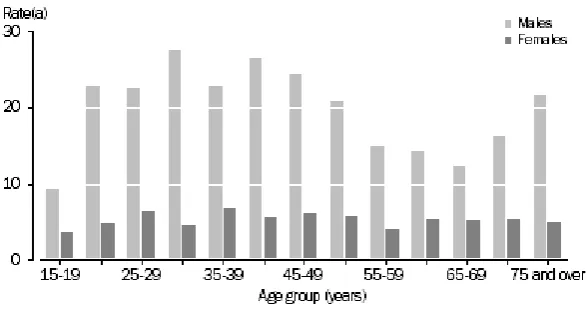
Figure 1 Age specific suicide rates per 100,000 population 2005 36
Preface
Glossary of Australian Slang
Slang Word/Phrase Meaning
bowl bronzer someone who makes a mess on the toilet
butch masculine female
cause because
chip on their shoulder someone who is defensive
cunt derogatory term e.g. worse than Asshole
dingo type of Australian dog
doona blanket, quilt, duvet
em them
for’em for them
geez jesus
get’em get them
gotta got to
gunna going to
muck around mess around
nuts testicles
old man father
on tap to have unlimited access to
pea heart mentally week in competitive situations
putting on size gaining muscle density
sayin saying
snubbed to ignore
soft/week as piss mentally and/or physically week
sorta sort of
sucked in taken advantage of
tall poppy person with high social standing
ute type of car with a rear tray for storage
wanna want to
ya you
Chapter 1 Introduction
The psychosocial health and well-being of men has been the topic of much empirical research in recent times. Within this body of research some researchers have claimed there is a ‘crisis of masculinity’ within the Western world (White, 2006). Reports of increased male suicide rates, violent behaviour, and psychological
disturbances such as neurotic anxiety, depression, and narcissistic disturbance have all fuelled debates surrounding the health status of men (Francis, 2002; Jagodzinski, 2001; Willott & Griffin, 2004). Within psychology, research has linked male
psychosocial well-being to identity development and identity negotiation (Castellini, Nelson III, Barrett, Nagy, & Quatman, 2005; Clare, 2000). In particular, research has posited restrictive male identity roles as a source of emotional and relational
impoverishment (Fischer, Rodriguez Mosquera, van Vianen, & Manstead, 2004). However, there is insufficient evidence to definitively support these claims. In particular there is a lack of in-depth qualitative investigations of the health status and identities of men. To contribute to the development of new knowledge, this study investigated the ways two groups of young men constructed and negotiated their identities. To do so, the beginning point was an inquisitive position that did not assume or deny the existence of emotional and relational problems. Instead, an understanding of young adult male identities was derived from engaging with and learning with the men themselves. This was achieved through a qualitative,
ethnographic methodology. The researcher immersed himself in the group dynamics of two small groups of men, one from a small fishing community, and one from a gymnasium in a metropolitan city in Australia. Along with describing the men’s lives, qualitative data also highlighted aspects of the men’s friendships and group
belonging, especially in relation to conceptions of masculinity. Epidemiological Data
psychological disturbances such as neurotic anxiety, depression, and narcissistic disturbance (Francis, 2002; Jagodzinski, 2001; Willott & Griffin, 2004). While there is some evidence suggesting that men’s health is in decline, a review of Australian Health statistics (ABS, 2003, 2006) suggested that reports of a health crisis are exaggerated. This data suggested instead that it is some sub-groups of the Australian male population in particular that significantly contribute to the overall reported health problems. Of concern it is reported that young adult men (18-35 years old), and men from rural communities, are two such problem groups (McLaren & Hope, 2002; Tolbert, Irwin, Lyson, & Nucci, 2002; D. Wilkinson & Gunnell, 2000).
Gender Role Theory
Indeed, within psychology it is commonly argued that ‘feminine’ characteristics such as emotional expressiveness are more conducive to psychosocial well-being (Clare, 2000; Spain, 1992).
Others have argued that masculine emotional and relational styles may not be detrimental to psychosocial well-being, and further, that female emotional well-being is itself in decline and hence feminine styles are not the functional comparative benchmark that some have suggested (Wong, Pituch, & Rochlen, 2006; Wong & Rochlen, 2005). These authors argued that, as yet, little is known of the emotional lives of men, as existing research has been conducted predominantly from a gendered perspective that assumes feminine emotional styles as a point of comparison
(Fitzpatrick, 2006; Gard & Kring, 2007). This thesis supports this proposition and further suggests that psychological research on men often assumes that verbal communication and verbal emotional expression are representative of mental health. As such the ways men themselves construct their emotional and relational lives are under-represented in empirical literature. Furthermore, some authors have argued that most research on working class men has focused on the negative influences these men have on society, and has ignored men’s positive contributions (Hodgetts & Rua, 2006, 2007). One of the ways to address this is to study men from clinical and non-deviant populations, that is, ‘ordinary’ men, and to report their everyday lives and hence contribute to a broader understanding of men (Hodgetts & Chamberlain, 2002). This void in our understanding can be addressed through active engagement with, and documentation of, a range of male sub-groups.
Developmental Theory
(Durrheim, 1997; Mac an ghaill, 1999). Rather, these authors have argued that the concept of masculinity is socio-historically situated and constructed. As such there are multiple developmental paths and multiple masculinities.
Social Constructionist Theory
A significant proportion of recent research into men’s health and well-being has also emphasised the process of social construction in understanding male
identities and masculine discourses. In this conception, identity is fluid, multi-layered, and used as a social tool according to context (Phinney, 2005). Within this paradigm, it is argued that it is men themselves, within their everyday social activities, who carry, negotiate, and construct meanings and behaviours related to being male. As these meanings are constantly changing, and vary from group to group and from man to man, there is a call within social psychology (Edley, 2001; Frosh, Phoenix, & Pattman, 2000; Howard, 2000; Phinney, 2005; Rattansi & Phoenix, 2005) for research to continually document these ways of being men. In this conception men are not passive recipients of culture, and their identities are not destined from early childhood.
The primary limitation of this social psychological and social constructionist perspective that has been recognised by Berzonsky (2005) is that it fails to recognise and deal with individual consistencies. It has also been proposed that the tendency for people to strive for unity and consistency in their identities, that is to perceive
themselves and have themselves mirrored as whole and coherent, has often been ignored by social constructionist inspired research (Frosh, Phoenix, & Pattman, 2003). Hence it was an aim of this thesis to begin to bring together our understandings of men as both socio-historically situated and autonomous. That is to begin to synthesise these understandings in theory, and in research practice.
Dynamic Psychosocial Identity Theory
What is needed then is a theory of male identity that combines social constructionist understandings, with an acknowledgement and explanation of individual consistency. This thesis proposes that such a theory would be dynamic in that it emphasises the active construction of identity, and incorporates both social and psychological perspectives. This thesis develops a dynamic psychosocial theory of male identity, by adapting Castoriadis developmental identity theory, and by incorporating other key perspectives (Elias, 2000/1939; Erikson, 1980; Freud,
of dynamic psychosocial identity theory is that the core element of identity is imagination and the ability to identify, sublimate, and reflect. From a dynamic psychosocial perspective, early development is important for beginning the reflective process of identity making as members of a collective/s. As such, early development is the process of becoming a social being, and becoming a carrier and creator of the socio-historical network of symbols. It is argued in this thesis that men are socialised so that they can belong to and engage in social networks that define themselves and others. In addition they develop a repertoire of social understandings and identity characteristics that are not only performed according to context, but are performed in the service of representing a consistent identity. This consistency in identity is based on the primary ability to imagine oneself as whole. As imagination is the central characteristic of identity, predicting and prescribing broad trends in masculinity and in men’s collective understandings is problematic. Instead we must engage in a continual process of documentation and evaluation.
Therefore, apart from some autistic and psychotic states, the individual and the social are intrinsically connected and inseparable. Further, it is argued that current conceptions of causal links between the individual and society are of limited value and a shift is required in our understanding of human subjectivity. This dynamic psychosocial theory of subjectivity highlights the dynamic nature of the self, of identity, and of identity making, and will be developed as one way this shift can occur. In addition, this thesis argues that a new direction is needed to understand male issues, one that acknowledges the breadth and diversity of male experiences, and one that encourages active engagement with men.
Aims
The primary aim of this research was to address these limitations in the literature by investigating in detail the everyday lives of men. Ethnographic data was used to explore the ways masculine identities are lived within two small sub-groups of men, including men’s friendships and belonging. The aim was to describe in detail for purposes of theory development, and to gain knowledge of current male issues and practices. In particular this research addresses the following questions in relation to men and male identity:
1. How do men construct and negotiate their friendships?
3. How do we best operationalise and conduct research to understand the current status of men?
Design
At the commencement of this thesis, dynamic psychosocial male identity theory had not been illustrated in real life and in the everyday experiences of men. To illustrate and explore dynamic psychosocial identity construction in context, and in order to better understand the current status of men, this thesis utilised a qualitative ethnographic methodology in the study of two sub-groups of men (Griffin, 2000). One was a group of men from a small fishing village in southern Australia, and the other was a group of men from a gymnasium in Melbourne. The researcher documented the processes of engaging with and becoming a member of these groups of men, along with collecting ethnographic data for description and analysis.
It is the primary contention of this research that current empiricist approaches to research in this area have severely limited our ability to gain an informed
understanding of men and male identity, as distinct from a masculine gender role perspective. Therefore, this study focused on developing an understanding of male identity as a dynamic relationship between core elements of identity in relation to one’s socio-historical environment (both particular and generic: Castoriadis,
1997b/1975). The thesis incorporated two Studies: In study 1 the researcher collected ethnographic data via participant observation within the rural setting. In study 2 participant observation, focus group, and individual interview data was collected from the gymnasium setting to gain an understanding of the men, and some of the socio-cultural variables of each context (i.e. dominant masculine ideologies and
stereotypes). It is proposed that improved understanding of the identities and lives of these men is best achieved through the detailed testimonies of individuals in context. Contribution to Knowledge
The outcomes of this study contributed towards the development of a theoretical understanding of men and male identity. It also contributed to the knowledge of how friendships are constructed within groups of men.
Specifically the outcomes of this study contributed towards:
1. The development of an understanding of the socio-cultural discourses relating to young adult male identity.
3. Further development of a qualitative ethnographic methodology that addresses issues of both theory and practice.
4. Illustration of dynamic psychosocial identity theory in context, and further developed that theory.
Thesis Overview
In Chapter two I critically review the existing literature relating to men’s identities, and men’s psychosocial well-being. I address the major arguments within men’s studies such as the proposition that men’s health is in crisis due to restrictive gendered identities, and restricted emotionality and connectedness. I also address the particular issues relating to young adult men, and men from rural areas in Australia.
In Chapter three I critically review subjectivity and identity theory, and put forward the central arguments of this thesis regarding the definition of, and
implications of, dynamic psychosocial identity theory. I also critically address current conceptions of male identity and wellbeing including the concept of self-esteem.
In Chapter four I discuss in detail the ways in which dynamic psychosocial identity is developed in early childhood. In particular, I highlight the importance of the development of the processes of identification, sublimation, and reflection to identity development and maintenance.
In Chapter five I critically discuss the methodology of this thesis, and offer reflections and practical information for future ethnographic research. In particular, I document my tensions and struggles in attempting to gain an ethnographic
understanding of the everyday lives of two groups of men.
In Chapter six I lay down exactly how this study was conducted. As such I offer a straight forward methodological summary of this ethnographic study. I
document the data collection techniques used, as well as the types of data analysis and reporting techniques used.
In Chapter seven I introduce the participants of this thesis. Firstly, I discuss my ethnographic experiences with a group of men from a rural location, and secondly I discuss my experiences with a group of men from a gymnasium in metropolitan Australia.
In Chapter nine I present the focus group and interview findings of this study in the form of a series of excerpts. These excerpts are analysed in terms of the men’s conversational styles, motivations and behaviours, and social discourses including those related to hegemonic masculinity, and as they relate to the men’s everyday lives.
In Chapter ten I bring together all of the findings of this study, and discuss their meaning in relation to known theory and understanding of men’s lives. In particular I position the findings of this study within a socio-historical context, and discuss the importance of dynamic psychosocial identity.
In Chapter eleven I conclude the thesis and review the findings and
Chapter 2
Revisiting the World of Men
Within current clinical and research practice, when a sub-population within our society appears to be disadvantaged, in danger, or in poor health, we look for a solution by separating them out from the broader population. For example, the group in question within the current research study are young, male, and live in both rural and urban contexts. They are therefore assigned certain characteristics associated with men and not with women (Clare, 2000), with being young adults as apposed to being a child or middle aged (Erikson, 1980), with being rural as apposed to urban and vice versa (Judd & Humphreys, 2001), and finally with being young males in contrast to any other classificatory group (Watts Jr & Borders, 2005).
The need for identification as such has been based on the alleged and widely publicised poor psychosocial health of young men in comparison to other sub-populations. Social research on men and masculinities has most commonly arisen within a deficit framework in regards to men’s health and well-being. For example the higher occurrences of risk taking behaviours in men (compared to women) have been highlighted and explanations and interventions sought (Courtenay, 2000). It is then the task of those concerned, be it politicians, health professionals, or researchers, to construct causal theories of and solutions for the groups alleged ill health. This is achieved by comparing the group against the broader social, and in the case of investigations into the health and well-being of men, this strategy has had limited success. Research on men has increased rapidly over the last twenty years, but despite this there has been little change in the health status of young men (ABS, 2003, 2006).
The difficulty with this process of didactic comparison between young men and broader society is that it fails to go beyond the recognition of difference. It is commonly assumed that the unique characteristics of young men represent a dysfunction and require intervention (Clare, 2000). As such, little effort is made to develop an in-depth understanding of such phenomena within the contexts of men’s lives. For example young men’s risk taking behaviours have been identified as antecedents to ill-health, but as yet little is known of the social construction of such behaviours within male sub-groups (Gutmann, 1996). There is some evidence that risk taking behaviours are often conducive to acceptance, and part of the identity
2001). However, in some instances this risk taking may be seen as preparation for future life tasks and roles. As such there is a need for research that goes beyond the recognition of specific gendered difference as problematic per se, and searches for more detailed understandings of the functionality of identified behaviours.
The concept of masculinity evolved out of the socio-political viewpoint of the feminine and from major changes to western cultural gendered knowledge, which emanated from the feminist movement of the 1960’s and 1970’s (Connell, 1995, 2000). Prior to this period the male perspective was rarely reflected upon, as it was the dominant voice (Gilligan, 1982). The male perspective was dominant within all major institutions, including academia, and hence was implicitly adhered to (Francis, 2002). Historically taken for granted, post the feminist movement masculinity has been portrayed as embodying the characteristics related to success, power and privilege in a patriarchal Western society (Boon, 2005). Masculinity has also been associated with stinted emotionality, short sightedness, violence, and war. In addition, masculinity has come to represent the apparatus of oppression for many sup-populations within
western societies, most notably women. As such the construct of masculinity is despised as well as envied. On one hand masculine behaviours such as courage, strength, rationality, and drive are elevated as ideals, and on the other hand, aggression, violence, and masculine emotional and interpersonal styles are problematised.
Recently there have been indications of a change towards a men’s socio-political movement (Hodgetts & Chamberlain, 2002; Pheonix, 2004; Wong et al., 2006). This movement is arguing for improved men’s health, well-being, and gender relations by extending beyond a deterministic understanding. In order to do this we need to construct a new lens, one that is not tied to the chains of the past. Many of the discourses surrounding masculine characteristics and behaviours are imbued with meanings that require updating. For example, within psychological discourses the feminine emotional aspect has become the central baseline for psychosocial well-being (Cohen, 1992; Gard & Kring, 2007; Reid & Fine, 1992; Wong et al., 2006; Wong & Rochlen, 2005). From this perspective male well-being is problematised for its difference in emotionality in comparison to the feminine.
emotionality is then assumed to be at the core of male psychological problems. Further, there is both an academic and public discourse that proposes the
encouragement of male emotional expression as the key for both prevention and counselling of male psychosocial problems. For instance, Tremblay and Heureux developed a tailored approach to counselling men. Importantly, they considered the biasing effects of the social image of the toxic male within the therapeutic
relationship, and addressed the difficulty men have in seeking help. However, the approach itself was nothing new. The argument given by these authors was that men take longer than women to open up in the therapeutic context, and hence the
counsellor must be patient and non-confronting. They argued that in doing this the counsellor would be able to unlock the doors to emotion. Hence, this approach still assumes that emotional divulgence is an effective intervention with men, and that men simply take longer to open up. As yet there is little known of the emotional lives of men outside of comparisons to female emotionality (Wong et al., 2006; Wong & Rochlen, 2005). As noted by Addis and Cohane (2005), “focusing on difference as an organizing framework is severely limiting when it comes to understanding men’s (or women’s) experiences of problems in living” (p.635). Currently, masculine traits such as stoicism and emotional restraint are often conceived as obstacles to good health. However, to date little reference is given to the requisite adoption of these traits within life roles and tasks. The current thesis argues that the key to understanding men’s issues lies in stepping outside the comparative ‘gendered’ paradigm to build an informed functional understanding of the social construction of men and their groups.
In order to re-address men’s emotional lives, psychosocial health and well-being, we require a more balanced perspective on two levels. Firstly, there is the need to build an empirical understanding of men from masculine as well as feminine perspectives. Second, the socio-historical outcomes and influences of the gender movement need to be understood and addressed in their relationship to our current conceptualisation of men and masculinity.
position, which includes all the varied cultural manifestations of maleness and their inherent complexities (Fitzpatrick, 2006). The focus of such research needs to be shifted to the here and now, where contemporary male issues can be discussed and addressed.
Crisis of Masculinity?
High crime, suicide and mortality rates, as well as increasing drug and alcohol abuse among young men have lead many researchers and health professionals to proclaim men as suffering from a crisis of masculinity (Clare, 2000). The notion of a crisis involving all men in western societies is extreme, however it has become a prevailing discourse, with substantive evidence indicating that particular groups of men, that is, Indigenous men (Oxfam, 2007), immigrant men (Lopez, Haigh, & Burney, 2004), young rural men (Judd et al., 2002) may be at greater risk. Subsequently, recent research has suggested that while hegemonic masculine stereotypes such as stoicism, aggression, and emotional inexpressiveness are risk factors leading to poor psychosocial health, socio-historical, geographical, and economic factors are believed to compound these issues (Frosh et al., 2000).
Given this complexity in profiling men, I argue it is not only difficult but highly problematic to isolate one, or even a handful of factors, such as notions of masculinity, as being protagonistic factors in identified poor health outcomes for men. As argued by Nardi (1992), the differences between (and within) groups of men and between men in general are extensive and hence generalisation to all is problematic. Howard (2000) proposed that rather than being passive receivers of masculine stereotypes men are often active producers of this frame of reference. From this perspective men are not necessarily vulnerable and dependent on external factors, but can choose to replicate or be in opposition to dominant male stereotypes and
behaviours. Indeed, the position taken by any male is often variable and is dependent on their sense of psychosocial identity. More recently, others (Hodgetts &
communities. I would argue that rather than beginning with the premise that men are in trouble or are in some way emotionally or behaviourally deficient, future research would be better placed within a neutral and inquisitive context. The aim of such research would be to build a well-rounded or balanced view of men from a holistic viewpoint. That is, by incorporating consideration of potentially healthy and pro-active aspects of male cultural groups, researchers can offer a less pathologised perspective of the concept of masculinity and offset the sense of deficit within the group as a whole. Indeed, we need to broaden our understanding of the concept and construct of male and masculine to incorporate differences and include non-clinical and non-deviant samples.
Men’s Physical Health and Well-Being
Research has shown that in western countries men die on average up to 8 years younger than women. In addition men have higher death rates in the majority of the 15 main causes of death (Courtenay, 2000, 2003). In the United Kingdom more men than women die in every age category below 75 years of age (White, 2006).
Courtenay (2003) identified four key categories of health determination; biological, socio-economic, cultural, and environmental factors; health related beliefs and emotional expression; health care; and behaviour. Courtenay (2000) proposed that only the behavioural category could explain these gender differences. Men were found to be less health conscious than women in regards to smoking, drinking and driving, getting health screenings, awareness of medical conditions, taking vitamins, and dietary practices. Hence, it was argued that men’s poorer health behaviours predominantly accounted for men’s alleged ill health in comparison to women.
White (2006) argued that we should not assume women’s health to be the benchmark for men to strive towards. Rather, he suggested that the biological and gendered differences of men and women prevent direct comparisons of health in relation to age and behaviour. As such future research is needed to focus on making improvements in relation to specific aspects of men’s health within a holistic
their lack of engagement with an identified health problem, the use of a variety of ‘respected’ male voices was found to provide an effective approach to engaging men in new behaviours.
According to the current debate within the literature, those who wish to make a positive contribution to men’s health need to address men’s health behaviours as the site of improvement (Courtenay, 2000). However, before going on to discuss the antecedents of men’s health behaviour it is necessary to ask the question as to whether we need to address men’s health at all. Lumb (2003) suggested that in Australia the media discourse surrounding men’s health began gaining momentum from about 1994 and epidemiological data has been discussed in academic circles since the 1980’s. It would appear that the emphasis and pathologisation of men’s health during this period has not been a reaction to an evidenced or perceived decline in health for men, but rather, the result of a gendered comparison, which emphasises women’s bodies as a site of health intervention (Monro & Huon, 2005). Over the last 40 or 50 years women have learnt to perceive many life events, stages, and problems in medical terms (e.g. menopause, maternity, menses, body shape and size). If we do not wish to use women’s health or non-health as a site of comparison then it is important to establish sound independent reasons and hence sound strategies for men. We also need to monitor any possible side effects that come from emphasising the body as a site of intervention. The side effects of the objectification of women’s bodies are now widely discussed within the literature (Heldman, 2008; Muehlenkamp, Swanson, & Brausch, 2005; Sheffield, Voigt, & Wilcox-Constantine, 2007).
considered to be performed in interaction with others; hence there are many ways of being a man and being masculine.
What is generally agreed upon is that masculine characteristics such as stoicism, control, hard work, and creative intensity are rewarded in Western societies in terms of power, status, and wealth. The behavioural manifestations of these
characteristics are also believed to be detrimental to long-term health. These
behaviours include working long hours, having limited recreational and family time, eating convenience foods, skipping meals, and taking stimulants such as coffee and cigarettes to increase work out put. Coutnenay (2000) argued that in some ways the predominantly characterised behavioural aspects of masculinity are incongruent with health promoting behaviours.
Masculinity is also conceived of as hierarchical, with Anglo Celtic masculinity at the top and minority variations lower down. Hegemonic masculinity is associated with success and power and it is often minority groups or the poor who are denied access to this power (Frosh et al., 2000). For minority groups of men lower down the hierarchy, hegemonic masculinity can be perceived as restrictive, unjust, and
disadvantageous. In some cases there is the perception of a lack of control over ones life. This is often tied in with restricted access to social resources. These men can be at risk of undertaking hyper masculine risk taking behaviours as a means of deriving a sense of control over their bodies and their manhood. In addition these men are often employed in manual labour industries and perform physically demanding duties, which can have both short-term and long-term health consequences.
can be acted against in opposition. In the case of minority ethnic groups, available elements of hegemonic masculinity can be emphasised and even exaggerated for establishing a sense of masculine identity (Edley, 2001; Frosh et al., 2000; Phinney, 2005; Rezende & Lima, 2004).
It is argued in this thesis that the majority of men share an understanding or at least recognition of the dominant ideologies and behaviours surrounding being a man. However, there is great variation in the ways these knowledges are utilised,
performed, identified with, and felt by different men. One of the aims of this thesis is to explore some of the ways masculine discourses are negotiated within sub-groups of men. Of particular interest is the degree of both collective and personal investment in hegemonic masculinity. It may be that those most advantaged by using hegemonic masculinity, and who use it successfully as a social tool, are also less personally invested. That is they stake less of their sense of identity and self-worth in conforming to masculine norms, and see them more as a tool rather than a benchmark to live up to. As such all men will have different investments in hegemonic masculinity in terms of their identity and psychosocial well-being. The behavioural manifestations of these investments may range from overt ‘bloke’ to a chameleon like ‘smooth operator’.
Men’s Psychological Health and Well-being
There is an abundance of mental health statistics relating to deviance from normative behaviour that societies measure and monitor. When sex differences are observed in relation to these behavioural deviations, issues of masculinity and
femininity are raised and contested in search for explanation and change. In Australia, mental health statistics have revealed some interesting differences between men and women in terms of illness and disease.
According to Australian Bureau of Statistics (ABS, 2003):
• The most commonly reported mental or behavioural problems in 2001 were mood (affective) problems (45%) and anxiety problems (45%).
• Females were more likely than males to report a long-term mental or
behavioural problem in 2001 (10.6% of females compared to 8.5% of males). • In 2001 females reported the highest rate of mental or behavioural problems
overall in each five-year age group, with the exception of those aged under 18 years.
• Females reported the highest rates of anxiety and affective disorders while men reported the highest number of substance abuse disorders.
• The 18-24 age group reported the highest rates of mental or behavioural problems. This rate reduced at each subsequent age group.
These statistics indicated that women reported a marginally higher overall rate of mental illness. Interestingly this was due to high rates of anxiety disorders
(includes panic disorder, agoraphobia, social phobia, generalised anxiety disorder (GAD), obsessive-compulsive disorder (OCD) and post-traumatic stress disorder (PTSD), and affective disorders (includes depression, dysthymia, mania, hypomania and bipolar affective disorder). Men reduced the overall statistical difference with higher rates of substance abuse disorders (harmful use and dependence).
psychiatrist, and 6.5% a psychologist. Women were more likely than men to use services for a mental health problem (46% compared to 29%). The likelihood of using health services for a mental health problem was closely related to the type of mental disorder. For example, health services were used by 56% of those with an affective disorder only; such services were used by just 14% of those with a substance use disorder only. In 2001, 9.6% of the population (1.8 million people) reported having a long-term mental or behavioural problem that lasted, or was expected to last, for six months or more. Of those with a mental or behavioural disorder who used services for mental health problems, 60% received counselling; 60% were given medication; and 32% were provided with information about mental illness and treatments.
In 2004-05 we can observe some consistencies as well as some changes in these statistics (ABS, 2006). The consistencies and changes are as follow:
Consistencies
• The most commonly reported mental or behavioural problems in 2004-05 were mood (affective) problems (50%) and anxiety problems (46%). • Females were more likely than males to report a long-term mental or
behavioural problem in 2004-05 (11.4% of females compared to 10% of males).
• In 2004-05 females reported the highest rate of mental or behavioural
problems overall in each five-year age group, with the exception of those aged under 18 years.
• Females reported the highest rates of anxiety and affective disorders while men reported the highest number of substance abuse disorders.
Changes
• In 2004-05 females reported higher rates than males for mental or behavioural problems overall in each five-year age group, with the exception of those aged under 18 years and those aged over 75 years.
• The 35–44 age group reported the highest rates of mental or behavioural problems.
it increased by 1.5%. This might suggest that mental illness in men has increased at a higher rate than in women. However, it may also be due in part to increased reporting rates in men. It may be that men’s reluctance to report mental illness has lessoned and resulted in an evening up of gendered statistics. The noted general rise in reported psychological and behavioural problems between the two censuses could be attributed to recent social problems such as rising job insecurity and severe drought. It might also represent an increase in reporting mental illness due to a lessoning of social stigma around mental illness.
Overall, mood disorders increased while anxiety disorders stayed around the same mark. Most striking was that the 18-24 age group was no longer the most problematic age group (now 4th), while the 35-44 group is now the most problematic.
Interestingly when marital status was investigated it was found that those people separated or divorced had the highest rates of mental or behavioural problems. The lowest percentage rate for men was found in the widowed group followed by those who were married.
Those who were most socio-economically disadvantaged had higher rates of mental and behavioural problems than those least socio-economically disadvantaged (16%-9%). They also had higher comparative percentage rates of psychological distress (20%-8%).
The current focus on collecting and analysing psychological census data and the lessoning of social stigmas regarding mental health issues diverts attention away from broader social problems. The strain people may be feeling due to
socio-economic, socio-political, or environmental issues can be deflected onto psychology as an outcome and as a potential solution. This thesis argues that we are witnessing the appropriation of psychological theory and practice into many aspects of social life. The result is an increasing discussion of, and reliance on, psychological intervention. The mental health figures then reflect an increasing social awareness of psychological states and psychological terminology, and a decreased awareness of the social
antecedents of such states (Foucault, 1976).
end up with is social pathologising of aspects of male psychological experience. For instance, researched masculine commonalities such as stoicism and emotional control become stubbornness and emotional restrictiveness when reported in light of a
perceived mental health crisis. The result can be the objectification of men, and male feelings of individual fault and deficiency. Consequently, the normative idea of men as emotionally restricted is contributing to men viewing their emotional lives as potentially problematic.
Male Emotions
Similarly, while few people are suggesting that men’s psychological well-being is impoverished, there is a common theme within the literature that men suffer from a restricted emotionality (Castellini et al., 2005; Cohen, 1992; Fink & Wild, 1995; Fischer et al., 2004; Markiewicz, Devine, & Kausilas, 2000; Reid & Fine, 1992; Seidler, 1992; Smith & Winchester, 1998; Spain, 1992; Wellman, 1992; Williams, 1992). This psychological feature of men’s lived experiences has been linked to men’s overall psycho-physiological health and well-being. Researchers have argued that gender role socialisation results in men fearing being feminine, and hence fearing the expression of felt emotions. The supposed dysfunction associated with fulfilling these conflicting roles has been labelled gender role conflict. Indeed, within empirical research gender role conflict is the most commonly reported cause of men’s
psychological and physiological problems (Schwartz, Waldo, & Higgins, 2004; Watts Jr & Borders, 2005). According to Watts Jr and Borders, conflict occurs when rigid gender roles result in personal restriction, devaluation, self harm, or harm to others. Gender role conflict has been found to occur across all major areas of life;
success/power/competition; emotionality life; interpersonal relationships and
affection; and in balancing work and family life. The common element in gender role conflict theory is the need for men to restrict and monitor their emotions and
behaviours in line with hegemonic masculine scripts. However, one could argue that social boundaries and restrictions are a necessary part of life for men and women and not necessarily problematic. It is the restriction on expressing sadness that has been identified by psychologists such as Tremblay and L’Heureux (2005) as the
According to Rokach and Brock (1997), and others (e.g, Seidler, 1992), men are believed to lack a depth of vocabulary, and are naturally reluctant to express feelings of closeness, sadness, need, or loneliness. Hence, they are often portrayed as emotionally impoverished and at greater psychological risk than women. Seidler (1992) suggested that men hide their negative fantasies for fear of rejection. For a man to be reliant on friends was viewed as a failure or a lack of individualism. Seidler suggested that “our denial of our own needs is reinforced within a vision of masculinity that says that men do not have needs” (p.29). Hence male identity is perceived as being highly individualistic rather than collectivistic. Reid and Fine (1992) described male friendships as more side by side rather than face to face. In this conception male friendships are largely the products of and are maintained by shared goals or activities. Male friendships then are rarely nurtured in their own right.
Wong, Pituch and Rochlen (2006) examined the relationship between
emotional restriction, repressed negative feelings, and anxiety in men. Unexpectedly they found that restricted emotionality in men, did not predict negative feelings or anxiety, suggesting that men are more unwilling, rather than unable, to express emotions. They concluded that the degree to which individuals value emotional expression is the most salient predictor of emotional expression. Hence, they argued that the psycho-social functionality of emotional expression may be determined by the degree to which a person values such expression (Wong & Rochlen, 2005). Hence, the assumption that men’s psychological well-being is jeopardised by restricted emotional expression must be questioned. It is most likely the case that qualitative differences exist between men and women’s emotional lives and the supposed
cathartic qualities of emotional talk for women may not be transferable to men. Wong et al. (2006) found that for men the inability to identify emotions was the best
predictor of anxiety. Hence it was reflective emotional intelligence rather than expressivity that predicted psychological well-being. Could it be possible that as a group, men differ to women in the ways in which they experience, negotiate, and express emotion? In particular it may be that psychological research that centres on male verbal emotional expression neglects the complexities of men’s emotional lives.
movement’ by suggesting that the cultivation of a ‘new man’ who is more feminine, cautious, passive, and introspective will not result in better health. Rather, the objectification of men’s bodies in terms of medical and psychological diagnosis will encourage men to redefine everyday experiences as illness labels. Fitzpatrick further suggested that the “danger of the men’s health project is that, in disparaging
masculinity, it risks endorsing a wider diminution of human subjectivity” (p.262). This view puts into question the socio-historical relationship between psychology as a discipline and men’s health and well-being. In particular, psychology has emphasised emotional talk and hence a more typically feminine emotional experience as a
therapeutic tool. It follows that men’s emotional difference has been offered as the first site of intervention for men’s perceived health deficits.
Instead, psychology needs to be sensitive and malleable to the particular circumstances of men. Saliently, many cultural theorists within psychology are arguing for a need for cultural groups to negotiate and produce their own versions of psychological theory and practice (Gergen, 1993; Sinha & Kao, 1997; Sonn & Fisher, 2005). Rather than promote a singular vision for psychology, these authors are
promoting the development and recognition of multiple ‘indigenous’ psychologies on a global scale. In particular, it is argued that psychology as it currently stands,
represents a mono-cultural Western values set, and is of limited usefulness when dealing with a variety of cultural groups. It is imaginable then that multiple
psychologies of men can be developed within this vision of an eclectic psychology. As yet there has been little discussion of this possibility within the psychological literature. Qualitative differences between men and women in the psychological experience of emotion however, are beginning to be discussed.
Conversely, masculine emotion was an intense creative and motivating force, was controllable, and socially and publicly useful. As such, the masculine trait of holding in and harnessing emotion is publicly beneficial while the feminine trait of
extravagant expression is domestically beneficial. Shields (2007) argued that the development of psychology as the scientific study of emotion legitimised and
naturalised popular gendered conceptions of emotion. Emotion allowed men to excel in the public sphere while feminine emotion was its complementary domestic
opposite. In this conception masculine emotion is not inexpressive but controlled, channelled, and directed expression. As such qualitative differences in men and women’s emotional lives are socio-historically situated.
It has been argued that while men and women are expected to use both types of emotion according to context, men struggle with extravagant emotional expression within interpersonal relationships (Shields, 2005). Wood and Inman (1993) argued that feminine interpersonal styles have been legitimised and are equated with intimacy. From a socio-cultural perspective there may be good reason for men’s supposed inexpressiveness. Boon (2005) suggested that masculine emotion is interrelated with the mythic male hero narrative and is culturally beneficial. The author noted that in times of greater perceived mortality such as war or after terrorist attacks, the superhero leader myth is socially invoked. Collectively people look to a leader or leaders such as politicians or fire fighters who are perceived to be protective in their personification of the masculine emotion ideal of grace under pressure. As noted by Boon and much earlier by Freud (1991c/1921) when the cultural group in question hold more rigid black and white, good and evil views, the desire and need to create heroes is greater. These heroes or leaders have a social function by reducing group anxiety and facilitating group cohesion and co-operation. Freud argued that within powerfully lead social groups, individual egos become more and more humble, and the object or leader more and more larger than life, until most of the groups’ individual narcissistic instincts disappear entirely. Under this condition the ego is capable of much self-sacrifice and obedience. As Boon noted “tenacity and faith are the heroic figure’s allies; complexity and reason are its adversaries” (p.305). It is argued that the hero helps define masculinity but at the same time sets an unattainable ideal.
expressiveness would break the illusion and hence men in general prefer to maintain an emotional distance. To some this creates a double bind where men can only escape the unreachable hero demands by abdicating their masculinity. Whitehead (2005) even suggested that violence between men is generally attributable to disputed claims over hero status. He argued that “the continuity of violence by men suggests that men may be bound, as a gender category, across social divisions, by a commonality that is not readily visible, and not changed by apparent shifts in gendered role boundaries” (p.412). This commonality would be adherence to and desire for the hero status. One questions however whether this bind is necessarily problematic as men are able to call on the hero myth according to context, rather than being enslaved by it. Moreover, men’s emotional expression can be at times carefully controlled and self-monitored in order to reap the benefits of leadership and of hero status, without it being an intrinsic component of their identity.
Male Friendship
According to the literature, men’s lack of verbal emotionality and their rivalry over leadership and hero status, is related to and makes difficult the formation and maintenance of satisfying friendships with other men (Town, 2004). Women and women’s friendships are the point of comparison for this problem in men, wherein the reported female form of extensive and continual verbal emotive engagement with each other is seen to be more conducive to psychosocial well-being and mutual support. However, given the difficulties inherent in making gendered comparisons, one cannot be completely convinced that this is necessarily an appropriate or balanced comparative stance (Fischer et al., 2004; Gard & Kring, 2007).
The limited number of published studies on male friendships that I have been able to find have revealed mixed results. Most salient are descriptions of male
friendships as being located within the boundary of convenience and based on shared interests and shared societal positions (age, race, location etc) rather than being based on shared emotional understanding and rapport (Seidler, 1992; Spain, 1992; Wellman, 1992). The rationale for reliance on convenience has been justified by multiple
Conversely, Fink and Wild (1995) reported that the simple act of having similar economic or social interests was not a significant indicator of male friendship choice. Although they did not offer an alternative their results suggested that male friendship choice was more complex and multifaceted than formerly thought.
Similarly, Markiewicz, Devine and Kausilas (2000) found that male friendships were not reported as less emotionally satisfying than female friendships. Their research suggested that men derived a sense of belonging and support from their same sex friendships. Mankowski and Silvergleid (2000) estimated that in the United States several hundred thousand men have been part of mutual support groups, and that these groups have been effective in addressing men’s social and health problems. Further research has also indicated that there has been a resurgence of men’s groups within communities (Castellini et al, 2005; Smith & Winchester, 1998) further emphasising the importance of friendship and belonging in men’s lives. However, to date, the understanding of the value or need for same sex friendships amongst men remains equivocal and requires further research. In order to address this deficit, the intent of the current study was to investigate male friendships and their relation to health and well-being. In particular, the current study aimed to examine the structure of male friendships, and the importance and format of emotional expression in the
development and maintenance of a male social system. Summarising Men’s Health Statistics
In summarising the current health statistics, it would appear that while some differences exist between the health of men and women, most notably a shorter life expectancy for men, more substance abuse problems, and less help seeking
behaviours, there are generally more similarities than differences (ABS, 2003, 2006). It must also be remembered that when viewing health statistics, it is often large discrepancies in the health of minority groups such as indigenous groups or remote groups, which result in across the board differences (Oxfam, 2007). In terms of men’s health one size does not fit all and it appears claims of a masculine crisis are
exaggerated. As noted by Judd (2002), within the current health data it was the subcategory known as young rural men that disproportionately contributed to overall high rates of health risk behaviours. This report has prompted researchers to
Young Men
Health statistics presented earlier suggest that young men aged 18-34 have high levels of health risk behaviours such as drug and alcohol misuse, poor dietary practices, dangerous work practices, and unsafe automobile practices. Males had higher suicide rates than women in all age groups in Australia in 2005 (refer Figure 1). While in 1997 males in the 18-24 age group had the highest suicide rates, in 2005 the age differences have reduced, and it is men in the 20-49 age grouping as well as the 75 plus group that have the highest rates. Overall however there were minimal age differences, but significant gender differences.
Figure 1 Age specific suicide rates per 100,000 population 2005
In relation to the relative poor health of young men some authors have argued that masculine prescriptions and prohibitions are particularly difficult to incorporate for young male identities (Schwartz et al., 2004; Watts Jr & Borders, 2005).
Developmental challenges such as adjustment to full time work or tertiary education, the pressure to establish and maintain intimate relationships, and establishing financial independence necessitate identity development (Szajnberg & Massie, 2003). They also encompass new masculine prescriptions and prohibitions such as those found in an office work environment. Compounding the health risk of stress created by new challenges are masculine risk taking behaviours such as drugs, speeding, and aggressive sports and hobbies.
emotion is an important developmental task for men in preparing them for public endeavours (Shields, 2007). It is therefore important that research investigates the lived experiences of young men in order to understand the psychosocial complexities involved in this stage of life.
Judd and Humphreys (2001) argued that a sense of hope for the future and a feeling of being valued by one’s community promotes resilience in young men. Within some rural communities, however, promoting resilience in young men has been difficult due to the challenges presented by environmental and economic factors. Gaining a sense of pride through contribution to one’s community is made difficult by unemployment, poverty, and limited recreational resources. Research has also shown that rural life can have positive health promoting qualities such as clean air, and friendly interpersonal networks (Glendinning, Nuttall, Hendry, Kloep, & Wood, 2003). Hence the range of experiences for men in rural communities is vast and negates the value of generalised assumptions surrounding their health and well-being. While research in this area has identified the heterogeneity of rural communities, it has the tendency to still assume homogeneity in the experiences of men living in rural communities.
The Rural Setting
Rural communities are not homogonous and there are multiple definitions within the literature. According to the Vic Health Organisation, rural communities vary in many dimensions including demography, economic variables, employment patterns, provision of services, as well as more subjective measures such as
community wellbeing and connectedness. However, it is generally agreed that rural communities are geographically distant from a major urban centre, have a smaller and less concentrated population, and hold more traditional values and beliefs than urban communities. The advantages of living in a rural area have been listed as cleaner air and water, being closer to nature, a stronger sense of community, traditional values and beliefs, and less psychological pressure. Conversely, disadvantages of rural life may include feelings of isolation, restricted services, transport limitations,
in health statistics (ABS, 2004). It is possible that this widespread deficit perspective influences the way rural people themselves view their lives and thus perpetuates a cycle of perceived rural deficit.
Australian health statistics (ABS, 2004) have suggested that people living in rural communities have poorer health outcomes than metropolitan citizens. This includes an array of physical diseases such as cardiovascular disease, cancer, neurological and sense disorders, chronic respiratory disease, musculoskeletal diseases, and physical injury. In terms of psychosocial well-being, rural/urban comparisons of mental well-being are made difficult by a lack of mental health services in rural Australia and an alleged attitudinal reluctance of rural communities to seek out mental health care professionals. It has been argued that this apparent stoicism combined with a lack of services contributes to more extreme cases of mental illness such as bipolar disorders, personality disorders, and suicidal ideation.
According to the Victorian Suicide Prevention Task Force Report (1995), rural Australia had one of the highest suicide rates in the world. Populations of less than 25,000 have the highest suicide rates overall. Young adult males (20-34) were at most risk followed by young adult females. While suicide attempts were more common in females, male attempts are generally more violent and thus more successful (30-50 attempts per suicide compared to 150-300 attempts per suicide for women). Young male suicides tripled between 1960 and 1995. The most common method of suicide for males and females was hanging, while firearm and explosives were more
infrequently used. Rural male suicides however were much more likely to involve the use of firearms and explosives. This may be due to greater access to these more lethal weapons.
and Chesters (2000) and Letvak (2002) suggested that psychological resilience and mental health depended on a sense of hope, a connection with the community, autonomy, human values, valuing diversity, physical involvement, and a feeling of safety. The authors argued that the major obstacle to mental health and well-being were traditional masculine attitudes of hardness, individualism, stoicism, and
homophobia. They described young rural males as having drug and alcohol problems and an unhealthy reliance on female emotional support. Many young rural adults immigrate to cities leaving those behind lacking in companionship and support.
Research and statistics regarding the health and well-being of rural men parallels that which has been reported for men in general. In comparison to women, men’s behaviour appears to be less conducive to leading long and healthy lives, and contributes to health differences. As evidenced by examples of work accidents and suicides, particularly in rural areas, men’s occupations often facilitate health risks. In addition some degree of risk taking appears to be part of young male identity
development and of gaining acceptance within male circles. As such, the masculine discourses surrounding such behaviours are, as Shields (2005, 2007) suggested, very much tied to institutional networks, power, and privilege. If we are to try to change these behaviours we need to go beyond simply blaming hegemonic discourses, and instead investigate these discourses within men’s socio-cultural contexts. In terms of rural settings we must assume that men and sub-groups of men are as heterogeneous as the rural settings themselves.
As noted by Fraser et el., (2002) it is also not the socio-cultural factors either, such as social class and locality, that have explanatory power. It is the mechanisms and processes by which men interact with them that are significant. Similarly, Judd and Humphreys (2001) emphasised the need for in-depth research on the nature and extent of health problems in different communities.
Summary
these studies is that hegemonic masculinity is emotionally restrictive, promotes poor health related behaviours, and even violence. While this is true in some contexts, this argument underestimates the diversity of male experiences, and men’s role as
constructors and negotiators of masculine discourses. Moreover, in some contexts (i.e. rural areas) hegemonic masculine characteristics and behaviours can often be useful in working through hardships in challenging contexts. Moreover these masculine
characteristics are tied to institutional power and privilege.
Chapter 3
A Dynamic Psychosocial Theory of Identity and Well-being As noted previously, one of the obstacles to developing a substantive
theoretical understanding of men is the predominate assumption that men’s identities are limited to hegemonic definitions of manhood (Clare, 2000; Fischer et al., 2004). This assumption assumes that hegemonic masculinity is static, and underestimates the volition of men to reflect or negotiate their identities within context. In addition there is an assumption that Western cultural definitions of hegemonic masculinity are relevant to all men, and processed similarly by all men. This denies the existence of cultural variations of masculinity and promotes instead the conception of an
essentialised masculinity that is endangered and embattled (Laubscher, 2005).
While some theorists have discussed the functionality of masculine discourses in relation to men’s health and well-being (Bourgois, 1996), others emphasise the importance of the early development of resilient characteristics that promote well-being (Kohut, 1977; Winnicott, 1989). Within developmental perspectives it is proposed that a good start in life is central to long-term good health and well-being. This theoretical emphasis on early family life often fails to recognise and incorporate broader socio-cultural considerations. Moreover, as noted by Laubscher (2005), it has the tendency to assume that men’s problems arise from family structures that differ from the heterosexual nuclear family norm. Others such as Castoriadis (1997b/1975) have argued that we need a theory of identity that addresses both the importance of early development, and incorporates an understanding of socio-cultural factors, within a dynamic intra/interpersonal process. To this end this thesis offers a dynamic
psychosocial theory of identity.
will be shown to be circular as well as linear, where a primary narcissistic reality is creatively transformed into a cultural reality that also reinstates its primary
functioning. In this context, the infant begins life as a self-contained psychical unit, and is then encouraged to develop a connection with his social world, resulting in a sense of identity as both an individual, and as a member of a social group.
A dynamic psychosocial theory borrows from many theoretical paradigms, none more important than psychoanalysis. The emphasis is placed on early
developmental processes that result in the construction of a social individual. Whereas Freud (1991a/1920; 1991b/1923) viewed biological drives or libido as the energy of life, a more dynamic theory emphasises the creative and imaginative abilities of the psyche as the fundamental bases of human development. While dynamic theory does trace development back to a central core element, this element is radical and opens up endless possibilities in terms of the types of societies humans can create. In contrast, the nature of Freud’s sexual libido was prescriptive in terms of human social
arrangements. The theorist most influential in guiding this proposed current dynamic psychosocial theory is Cornelius Castoriadis (1997a/1990; 1997d/1989).
Cornelius Castoriadis
Castoriadis began his academic and political career as a socialist in the 1950s and 60s (Curtis, 1992). After campaigning and working as a Marxist for more than 20 years, Castoriadis became critical of this social movement, and indeed with all social movements, for attempting to predict future events and for prescribing a social future. Castoriadis came to the conclusion that the radical element of human subjectivity prevented us from knowing what lies ahead (Castoriadis, 1997f/1990). From this perspective limiting the future to that which is foreseeable from the past
underestimates the creative capacity of our collective conscious. Rather than painting a pessimistic picture or giving up on political action, Castoriadis was optimistic of the types of social worlds we could create despite not being able to completely conceive of them ahead of time.