Original Article
NEIL3 variant rs12645561 is in association with the
prognosis of glioma in Chinese Han population of Xi’an
Bo Yang1, Wandong Li2, Dong Jiang3, Xiyang Zhang4, Jingjie Li4, Zhengshuai Chen4, Gang Li1, Tianbo Jin4,
Shanqu Li1
1Department of Outpatient, Tangdu Hospital, The Fourth Military Medical University, Xi’an, Shaanxi, P. R. China; 2Department of Stomatology, Xian XD Group Hospital, Xi’an, Shaanxi, P. R. China; 3Inner Mongolia Medical
Uni-versity, Hohhot, Inner Mongolia, P. R. China; 4School of Life Sciences, Northwest University, Xi’an, Shaanxi, P. R.
China
Received August 14, 2016; Accepted August 24, 2016; Epub November 1, 2016; Published November 15, 2016
Abstract: NEIL3 may affect the development of glioma. However, few previous studies evaluated the function of NEIL3 in the prognosis of patients with glioma. The characteristics of age (≥40) had a significantly increased risk of death (HR: 1.302, 95% CI: 1.010-1.678, P=0.041), by contrast, the surgical operation (subtotal tumour resection, GTR) and chemotherapy were the protective factors which decreased risk of death (HR: 0.645, 95% CI: 0.492-0.845, P<0.05; HR: 0.755, 95% CI: 0.580-0.984, P<0.05). The genotype (T/T) of rs12645561 had a significantly increased risk of death (HR: 2.123, 95% CI: 1.099-4.104, P=0.043). After HR was adjusted with chemotherapy and surgi-cal operation, the T/T genotype of rs12645561 increased risk of glioma death (HR: 1.808, 95% CI: 1.071-3.051, P=0.027). If HR was adjusted with chemotherapy, surgical operation, the minor allele T/T significantly increased risk of astrocytoma death (HR: 2.528, 95% CI: 1.292-4.947, P=0.007). Our results suggest that the polymorphisms of rs12645561 in NEIL3 may predict overall survival of glioma.
Keywords: Glioma, prognosis, NEIL3, survival
Introduction
Glioma (astrocytoma, gliacytoma, oligodendro-glioma, etc.) is the primary human brain tumor, which accounts for about 40% of all intracranial neural tumor [1, 2]. There was more than 0.39 million patients with brain glioma around the world, and the median survival time is only 12-18 months [3]. Glioma is the primary malig-nant tumor which is the fatal disease caused by the innate genetic factors and the environmen-tal carcinogenic factors [4, 5]. For a long time, pathologist, immunologist and clinician were always trying to look for an optimal treatment on which can improve the glioma prognosis which increase the survival rate mortality decreased and median survival time extended [6-8]. The characteristic of glioma is to infiltrate and pinch the normal parenchyma and symp-toms of patients may not appear for several years, not only diagnosis can be difficult but also the tumor can achieve massive size before
medical treatment. Although the intensive tr- eatment is given, most cases die of their extr- emely aggressive glioma [9]. The safe resection of elderly patients (≥40) are performed before receiving chemotherapy and radiotherapy and the survival outcomes are poorer compared with younger patients [10, 11], but the life sur-vival of elderly is more than the younger. The reason is that the elderly patients may be cour-age therapeutic interventions and appropriate treatment [12-14].
-Table 1. Clinical data of patients with gliomas and astrocytoma
Characteristics Gliomas Astrocytoma
Frequency Percent (%) P-valuea Frequency Percent (%) P-valuea
Gender 0.522 0.769
Male 145 53.9 88 55.0
Female 124 46.1 72 45.0
Total 269 100.0 160 100.0
Age 0.025* 0.184
<40 116 43.1 66 41.3
≥40 153 56.9 94 58.8
Total 269 100.0 160 100.0
WHO grading 0.127 0.612
I 18 6.7 18 11.3
II 129 48 78 48.8
III 72 26.8 64 40.0
IV 50 18.6 0 0.0
Total 269 100.0 160 100.0
Surgical operation P<0.001* 0.003*
STR or NTR 85 31.6 49 30.6
GTR 184 68.4 111 69.4
Total 269 100.0 160 100.0
Radiotherapy 0.681 0.334
Gamma Knife 176 65.4 106 66.3
Conformal therapy 69 25.7 41 25.6
ND 24 8.9 13 8.1
Total 269 100.0 160 100.0
Chemotherapy 0.001* 0.029*
No 165 61.3 102 63.8
Yes 104 38.7 58 36.3
Total 269 100.0 160 100.0
NEIL3 (rs12645561) 0.289 0.043*
C/C 144 53.5 92 57.5
T/C 107 39.8 58 36.3
T/T 18 6.7 10 6.3
Total 269 100.0 160 100.0
Survival status -
Survival 11 4.1 6 3.8
Loss to follow-up 9 3.3 7 4.4
Death 249 92.6 147 91.9
Total 269 100.0 160 100.0
Infiltration condition -
No 10 3.7 6 3.8
Yes 255 94.8 152 95.0
Total 265 98.5 158 98.8
Missing 4 1.5 2 1.3
Total 269 100.0 160 100.0
STR, sub-total resection; NTR, near-total resection; GTR, gross-total resection. aP was calculated by Chi-square test. *P<0.05
[image:2.612.92.522.86.692.2]some [16]. Previous studies have reported that the SNPs of NEIL3 play an important role in increasing glioma risk, what’s more, the “C/T-T/T” genotype of rs12645561 in NEIL3 sig- nificantly increase risk of glioma in dominant model [17]. Furthermore, NEIL3 is highly ex- pressed in certain areas of the brain, in addi-tion, the expression of NEIL3 is higher in tumor tissue compared with normal tissue [18], All in all, the highly expressed may relate to high pro-liferative potential and even lead the unlimited proliferation.
However, the association analysis between NEIL3 and glioma risk has been reported, few geneticists and clinicians assess the associa-tion between NEIL3 and the prognosis of glio-ma. In this study the association between vari-ous factors and prognosis of patients with glioma (especially Chinese) was investigated. 288 patients performed different treatment methods were recruited to analyze the statisti-cal results of preoperative and postoperative promote glioma precise treatment, and asso-
ciation between retrospective survival and glioma.
Methods and materials
Patient selection and follow-up characteristics
[image:3.612.91.522.86.391.2]We retrospectively reviewed 288 patients with signing the informed consent form that was confirmed glioma by histopathological analysis after surgery at neurosurgery of Shaanxi Province Tangdu Hospital of the Fourth Military Medical University between 2010 and 2014. We gleaned patient characteristic information (age, sex, race, residential region, and family history of cancer) were recorded using a stan-dard epidemiologic questionnaire. December 1, 2010 was chose as the closing date of eligi-bility in order to have enough follow-up of patients with glioma. Not all cases were treated at Tangdu Hospital, so the information of cases treated at other hospital may be sparse, and the standard treatments were strictly per-formed. The data of follow-up were logged in
Table 2. Univariate analysis of glioma overall survival
Characteristics Dead cases/total cases Median survival time (months) 1 year survival rate (%) 3 years survival rate (%) P HR (95% CI)
Gender
Male 135/145 11 25.5 5.3 1
Female 114/124 11 35.5 7.9 0.559 0.928 (0.723-1.192)
Age
<40 103/116 12 36.2 9.5 1
≥40 146/153 10 25.5 4.2 0.041* 1.302 (1.010-1.678)
WHO grading
I-II 133/147 12 32.0 8.6 1
III-IV 116/122 10 27.9 4.6 0.164 1.194 (0.930-1.532)
Surgical operation
STR or NTR 84/85 10 17.6 1.2 1
GTR 165/184 11 35.9 8.9 <0.05* 0.645 (0.492-0.845)
Radiotherapy
ND 22/24 8 33.3 8.3 1
Conformal therapy 60/69 9 20.3 11.8 0.856 (0.523-1.402)
Gamma Knife 167/176 11 33.5 5.2 0.728 0.834 (0.534-1.303)
Chemotherapy
No 158/165 9 24.1 2.7 1
Yes 91/104 12 39.4 12.7 <0.05* 0.755 (0.580-0.984)
NEIL3 (rs12645561)
C/C 134/144 11 31.9 5.7 1
T/C 98/107 10 28.0 7.2 1.042 (0.803-1.352)
T/T 17/18 8 27.8 — 0.357 1.448 (0.873-2.400)
HR, Hazard Ratio; 95% CI, 95% confidence interval; STR, sub-total resection; NTR, near-total resection; GTR, gross-total resection. P<0.05 indi
EpiData 3.02 software. The blood samples wi- th collected from each participant’s venous blood about 5 ml were collected after signing the informed consent form and stored in acc- ordance with our unified standards (-60°C). Because the survival of patients with neuroas-trocytoma is longer compared with the others, 160 participants from all the patients were identified a subset. When the patient breathed one’s last, the dates were recorded using at the following methods: in/out-patient records, Tangdu Hospital tumor registry and confirma -tion with family. The study was approved by the Clinical Research Ethics of Northwestern University.
SNP selection and genotyping
The rs12645561 located in NEIL3 were select-ed to analyze in this study basselect-ed on data for Asian subjects from the International HapMap Project (http://hapmap.ncbi.nlm.nih.gov/index. html.en). Minor allele frequencies of the SNP was >5% in the HapMap of the Chinese Han population. DNA from whole blood was extract-ed by using GoldMag-Mini Whole Blood Ge- nomic DNA Purification Kits (GoldMag Co., Ltd., Hainan City, China), and quantified with a spec -trophotometer (NanoDrop 2000; Thermo Fisher Scientific, Waltham, MA, United States). The SNPs were genotyped using the MassARRAY RS1000 system (Sequenom). Data
manage-tional logistic regression analysis with adjust-ments for age and sex which to estimate the association between polymorphic site and patients with glioma.
Results
The characteristics of patient with glioma were shown in Table 1. The cases totally achieves 269 that males accounted for 53.9% and the greater than or equal to 40 years old accounted for 56.9%, According to the 2007 WHO central nervous system tumor classification standard, to do pathological grading of gliomas, grade-I (18 cases), grade-II (129 cases), grade-III (72 cases), grade-IV (50 cases). WHO I-III was diag-nosed with astrocytoma (160 cases) and don’t contain glioblastoma. The C/C, T/C and T/T of rs12645561 accounted for 53.5%, 39.8% and 6.7%.
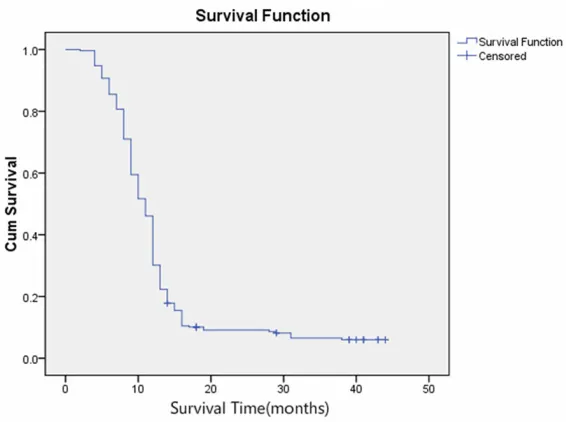
[image:4.612.92.375.71.282.2]Univariate analysis of glioma overall survival was shown in Table 2 and Figure 1. No signifi -cant associations were displayed between the prognosis of gliomas and gender, WHO grading, radiotherapy and NEIL3 (rs12645561). The rs12645561 statistical results of prognostic showed in Table 3. However, the characteristics of age (≥40) had a significantly increased risk of death (HR: 1.302, 95% CI: 1.010-1.678, P= 0.041), by contrast, the GTR and chemotherapy were the protective factors which decreased risk of death (HR: 0.645, 95% CI: 0.492-0.845, Figure 1. Kaplan-Meier curves of glioma overall. The graphs present 3 years
of follow-up. The log-rank test was based on the full data.
ment and analysis were per-formed using Sequenom Ty- per 4.0 Software.
Statistical analysis
uncondi-P<0.05;HR: 0.755, 95% CI: 0.580-0.984, P<
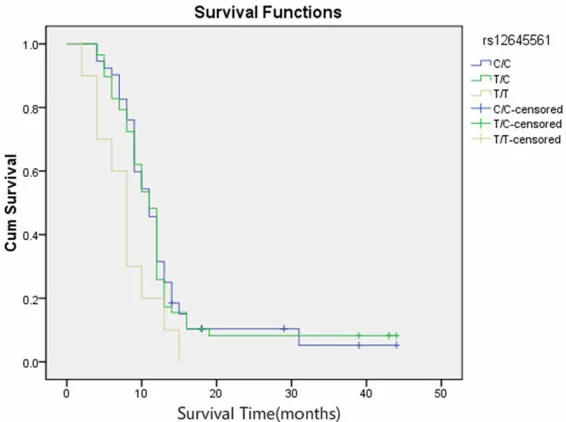
[image:5.612.91.524.87.391.2]0.05). As shown in Table 3 and Figure 2 (astro- increased risk of glioma death (HR: 1.808, 95% CI: 1.071-3.051, P=0.027). If HR was adjusted
Table 3. Univariate analysis of astrocytoma overall survival
Characteristics Dead cases/total cases Median survival time (months) 1 year survival rate (%) 3 years survival rate (%) P HR (95% CI)
Gender
Male 80/88 11 26.1 6.8 1
Female 67/72 11 31.9 6.3 0.789 1.045 (0.755-1.447)
Age
<40 58/66 11 31.8 8.6 1
≥40 89/94 10 26.6 - 0.227 1.227 (0.880-1.711)
WHO grading WHO grading
I-II 86/96 11 28.1 - 1
III-IV 61/64 11 29.7 3.9 0.612 1.081 (0.778-1.501)
Surgical operation Surgical operation
STR or NTR 49/49 9 16.3 - 1
GTR 98/111 11 34.2 9.6 0.007* 0.614 (0.431-0.875)
Radiotherapy Radiotherapy
ND 11/13 12 46.2 - 1
Conformal therapy 37/41 9 14.6 8.8 1.475 (0.749-2.905)
Gamma Knife 99/106 11 32.1 - 0.407 1.183 (0.634-2.209)
Chemotherapy Chemotherapy
No 96/102 9 23.5 - 1
Yes 51/58 12 37.9 11.4 0.048* 0.705 (0.498-0.997)
NEIL3 (rs12645561)
C/C* 84/92 11 31.5 5.2 1
T/C* 53/58 11 25.9 - 1.028 (0.728-1.450)
T/T* 10/10 8 20 - 0.043* 2.123 (1,099-4.104)
HR, Hazard Ratio; 95% CI, 95% confidence interval; STR, sub-total resection; NTR, near-total resection; GTR, gross-total resection. *P<0.05
indicates statistical significance.
Figure 2. Kaplan-Meier curves of astrocytoma overall. The graphs present 3 years of follow-up. The log-rank test was based on the full data.
[image:5.612.92.373.435.644.2]with chemotherapy, surgical operation, the minor allele significantly increased risk of astro -cytoma death (HR: 2.528, 95% CI: 1.292-4.947, P=0.007).
Discussion
In clinical practice, surgeons are willing to offer surgical treatment to patients with glioma because it can attenuate the tumor oppression of important tissue and diminish the burden of body, but there are a lot of concerns about tol-erance relating to age and underlying complica-tions. Resection has been confirmed that it is more effective than other treatments. Our experimental study showed that the 1 and 3 year(s) survival rate of patient with GTR (35.92% and 8.9%) were well above the subtotal tumor
Treatment Group (NCCTG) study, postoperative survival time of patients with glioma was nega-tively correlated with age of onset. Therefore, age is a crucial factor for the prognosis evalua-tion of patients with glioma.
[image:6.612.91.374.74.285.2]According to our experimental results deduced that the chemotherapy may grow the survival time of patients with glioma. Stewart and co-workers collected 12 Case control studies per -formed in 304 patients after chemotherapy to analyze by fixed effects model, meta-analysis of evidence-based medicine (EBM). The results showed that the 1 year survival rate of patients receiving chemotherapy grows from 40% to 46% and the 2 years survival rate grows from 9% to 13% [22]. Because of drug resistance of glioma cell, blood-brain barrier (BBB) and arrest Figure 3. Kaplan-Meier curves of NEIL3 rs12645561 genotypes by stage.
(P=0.043, rank test); The graphs present 3 years of follow-up. The log-rank test was based on the full data.
Table 4. Multivariate analysis between gene polymorphism and the overall survival and free survival
Gene SNP Genotype P HR (95% CI)a
Glioma NEIL3 rs12645561 C/C 0.081 1
T/C 0.389 1.123 (0.863-1.460) T/T 0.027 1.808 (1.071-3.051)
Astrocytoma NEIL3 rs12645561 C/C 0.026 1
T/C 0.594 1.099 (0.776-1.556) T/T 0.007 2.528 (1.292-4.947) HR, Hazard Ratio; 95% CI, 95% confidence interval. P≤0.05 indicates statistical significance. a: HR was adjusted with chemotherapy and surgical operation.
resection (STR) or no tumor resection (NTR) (17.6% and 1.2%). Stummer et al report-ed that the gross total resec-tion of malignant tumor has higher survival than the STR or no tumor resection related to the size of residual tumor [19]. Hence, the size of residu-al tumor is smresidu-aller, the prog-nosis of patients with glioma is richer.
[image:6.612.90.376.375.468.2]of bone marrow, patients received chemothera-py has a poorer survival compared with the rest. With the development of precision medi-cine, individualized glioma chemotherapy will play a role in prognosis of glioma.
The NEIL3 with 10 exons and 12 introns locat-ed on Chromosome 4q34.3 covers 53.25 kb from 178230990 to 178284237, and encoded by the direct strand according to Entrez Gene (http://www.ncbi.nlm.nih.gov/IEB/Research/ Acembly/av.cgi). The Expression of NEIL3 gene being a cell cycle-regulated dependent was confirmed that the NEIL3 is induced by mitogen stimulation in early S phase with the highest expression in the G2 phase under the control of the Ras dependent ERK-MAP kinase pathway [23]. In 2002, a DNA glycosylase (NEIL3) from colibacillary protein was discovered, which can repair DNA damaged by damaging agents and replicate errors that it also is capable of endo-nuclease. The role of the enzymes is excise and repair base which is to protect proliferating cells. However oxidative base lesions contrib-ute to DNA damage, repaired by DNA glycosyl-ases from the endonuclease III. NEIL3 might be involved in the process of replicating genomes and provide a defense against oxidative base lesions from the S phase to the G2 phase. Reis’ results suggested that RNA knockdown of the OGG1 and NEIL3 decreased proliferation of neural stem cells (NSCs) but was secondary to an decreased death rate [24]. Similarly, in pre-vious study, Perillo and co-workers demonstrat -ed that DNA glycosylases has been shown to participate in the prothetic process of base lesions damaged by senses oxidative stress and exo-/endo-genous agents, then recruit transcription factors, which results in promot-ing survival cell specialization [25]. These results suggest that NEIL3 might be involved in cell signaling pathways and play a role in the proliferative process of NSCs.
Human NEIL3 is expressed in various cell lines with high proliferative, including unfertilised oocyte, marrow cells and keratinocytes [18]. Highest expression of human and mouse NEIL3 has been demonstrated in liver, cerebrum and spleen [18, 26, 27]. Association between NEIL3 expression and multiple human cancers has been also examined such as hepatocellular car-cinoma, prostate cancer and colon cancer [26, 28, 29]. The developing mouse brain highly
expressed NEIL3 in various regions that are rich in progenitor cells [18]. Regnell demon-strated that proliferative capacity of NSCs from aged NEIL3-/- mouse was diminished and DNA
repair activity is impaired [30]. Herein, the be- havioral tests confirmed that the NSCs derived from adult NEIL3-/- mouse were deficient on
learning and memory and reduced anxiety-like behavior. Our previous researches indicate th- at the “C/T-T/T” genotype of rs12645561 in NEIL3 was associated with differential odds of developing glioma in the Chinese population [17], which might predict overall survival of glioma.
In conclusion, our result, combined with previ-ous studies, showed that rs1264556 in NEIL3 may be potentially valuable prognostic markers for glioma patients. The goal of our study is to generate the clinical data to move toward a brand period in which comprehensive therapy is individualized. Ultimately, through study in this field, we can inform a clearer understand -ing of various therapies.
Acknowledgements
This work was supported by the National 863 High-Technology Research and Development Program (No. 2012AA02A519).
Disclosure of conflict of interest
None.
Address correspondence to: Dr. Tianbo Jin, School of Life Sciences, Northwest University, Mailbox 386, 229 North Taibai Road, Xi’an 710069, Shaanxi, P. R. China. Tel: +86-29-88305769-802; E-mail: [email protected]; Dr. Shanqu Li, Department of Out- patient, Tangdu Hospital, The Fourth Military Me- dical University, 569 Xinsi Road, Xi’an 710038, Shaanxi, P. R. China. Tel: +86-29-88305769-802;
E-mail: [email protected]
References
[1] Furnari FB, Fenton T, Bachoo RM, Mukasa A, Stommel JM, Stegh A, Hahn WC, Ligon KL, Lou-is DN, Brennan C, Chin L, DePinho RA and Cavenee WK. Malignant astrocytic glioma: ge-netics, biology, and paths to treatment. Genes Dev 2007; 21: 2683-2710.
[3] Das P, Puri T, Jha P, Pathak P, Joshi N, Suri V, Sharma MC, Sharma BS, Mahapatra AK, Suri A and Sarkar C. A clinicopathological and mo -lecular analysis of glioblastoma multiforme with long-term survival. J Clin Neurosci 2011; 18: 66-70.
[4] Pereboeva L, Harkins L, Wong S and Lamb LS. The safety of allogeneic innate lymphocyte therapy for glioma patients with prior cranial irradiation. Cancer Immunol Immunother 2015; 64: 551-562.
[5] Amirian ES, Armstrong GN, Zhou R, Lau CC, Claus EB, Barnholtz-Sloan JS, Il’yasova D, Schildkraut J, Ali-Osman F, Sadetzki S, Johan -sen C, Houlston RS, Jenkins RB, Lachance D, Olson SH, Bernstein JL, Merrell RT, Wrensch MR, Davis FG, Lai R, Shete S, Amos CI, Scheu-rer ME, Aldape K, Alafuzoff I, Brannstrom T, Broholm H, Collins P, Giannini C, Rosenblum M, Tihan T, Melin BS and Bondy ML. The Glio-ma International Case-Control Study: A Report From the Genetic Epidemiology of Glioma In-ternational Consortium. Am J Epidemiol 2016; 183: 85-91.
[6] Chen JR, Yao Y, Xu HZ and Qin ZY. Isocitrate Dehydrogenase (IDH)1/2 Mutations as Prog-nostic Markers in Patients With Glioblastomas. Medicine (Baltimore) 2016; 95: e2583. [7] Sun X, Li Z and Chen Y. The Potential
Prognos-tic Value of MicroRNA-429 for Human Gliomas. Ann Clin Lab Sci 2016; 46: 44-48.
[8] Li MY, Yang P, Liu YW, Zhang CB, Wang KY, Wang YY, Yao K, Zhang W, Qiu XG, Li WB, Peng XX, Wang YZ and Jiang T. Low c-Met expression levels are prognostic for and predict the bene-fits of temozolomide chemotherapy in malig -nant gliomas. Sci Rep 2016; 6: 21141. [9] Chaichana KL, Halthore AN, Parker SL, Olivi A,
Weingart JD, Brem H and Quinones-Hinojosa A. Factors involved in maintaining prolonged functional independence following supratento-rial glioblastoma resection. Clinical article. J Neurosurg 2011; 114: 604-612.
[10] McGirt MJ, Chaichana KL, Gathinji M, Attenello FJ, Than K, Olivi A, Weingart JD, Brem H and Quinones-Hinojosa AR. Independent associa-tion of extent of resecassocia-tion with survival in pa-tients with malignant brain astrocytoma. J Neurosurg 2009; 110: 156-162.
[11] Alvarez de Eulate-Beramendi S, Alvarez-Vega MA, Balbin M, Sanchez-Pitiot A, Vallina-Alvarez A and Martino-Gonzalez J. Prognostic factors and survival study in high-grade glioma in the elderly. Br J Neurosurg 2016; 1-7.
[12] Marijnen CA, van den Berg SM, van Duinen SG, Voormolen JH and Noordijk EM. Radiotherapy is effective in patients with glioblastoma multi-forme with a limited prognosis and in patients above 70 years of age: a retrospective single
institution analysis. Radiother Oncol 2005; 75: 210-216.
[13] Bauman GS, Gaspar LE, Fisher BJ, Halperin EC, Macdonald DR and Cairncross JG. A pro-spective study of short-course radiotherapy in poor prognosis glioblastoma multiforme. Int J Radiat Oncol Biol Phys 1994; 29: 835-839. [14] Laigle-Donadey F and Delattre JY. Glioma in
the elderly. Curr Opin Oncol 2006; 18: 644-647.
[15] Negrini S, Gorgoulis VG and Halazonetis TD. Genomic instability--an evolving hallmark of cancer. Nat Rev Mol Cell Biol 2010; 11: 220-228.
[16] Mangerich A, Knutson CG, Parry NM, Muthu-palani S, Ye W, Prestwich E, Cui L, McFaline JL, Mobley M, Ge Z, Taghizadeh K, Wishnok JS, Wogan GN, Fox JG, Tannenbaum SR and De-don PC. Infection-induced colitis in mice causes dynamic and tissue-specific changes in stress response and DNA damage leading to colon cancer. Proc Natl Acad Sci U S A 2012; 109: E1820-1829.
[17] Jin TB, Li XL, Yang H, Jiri M, Shi XG, Yuan DY, Kang LL and Li SQ. Association of polymor-phisms in FLT3, EGFR, ALOX5, and NEIL3 with glioblastoma in the Han Chinese population. Med Oncol 2013; 30: 718.
[18] Hildrestrand GA, Neurauter CG, Diep DB, Cas-tellanos CG, Krauss S, Bjoras M and Luna L. Expression patterns of Neil3 during embryonic brain development and neoplasia. BMC Neuro-sci 2009; 10: 45.
[19] Stummer W, Meinel T, Ewelt C, Martus P, Jako -bs O, Felsberg J and Reifenberger G. Prospec-tive cohort study of radiotherapy with concomi-tant and adjuvant temozolomide chemotherapy for glioblastoma patients with no or minimal residual enhancing tumor load after surgery. J Neurooncol 2012; 108: 89-97.
[20] Konglund A, Helseth R, Lund-Johansen M, Helseth E and Meling TR. Surgery for high-grade gliomas in the aging. Acta Neurol Scand 2013; 128: 185-193.
[21] Gorlia T, Wu W, Wang M, Baumert BG, Mehta M, Buckner JC, Shaw E, Brown P, Stupp R, Galanis E, Lacombe D and van den Bent MJ. New validated prognostic models and prognos-tic calculators in patients with low-grade glio-mas diagnosed by central pathology review: a pooled analysis of EORTC/RTOG/NCCTG phase III clinical trials. Neuro Oncol 2013; 15: 1568-1579.
[22] Stewart LA. Chemotherapy in adult high-grade glioma: a systematic review and meta-analysis of individual patient data from 12 randomised trials. Lancet 2002; 359: 1011-1018.
human NEIL3 under the control of the Ras de-pendent ERK-MAP kinase pathway. DNA Re -pair (Amst) 2012; 11: 401-409.
[24] Reis A and Hermanson O. The DNA glycosyl-ases OGG1 and NEIL3 influence differentiation potential, proliferation, and senescence-asso-ciated signs in neural stem cells. Biochem Bio-phys Res Commun 2012; 423: 621-626. [25] Perillo B, Ombra MN, Bertoni A, Cuozzo C,
Sac-chetti S, Sasso A, Chiariotti L, Malorni A, Ab-bondanza C and Avvedimento EV. DNA oxida-tion as triggered by H3K9me2 demethylaoxida-tion drives estrogen-induced gene expression. Sci-ence 2008; 319: 202-206.
[26] Zhang H, Ma H, Wang Q, Chen M, Weng D, Wang H, Zhou J, Li Y, Sun J, Chen Y, Liang X, Zhao J, Pan K, Wang H and Xia J. Analysis of loss of heterozygosity on chromosome 4q in hepatocellular carcinoma using high-through-put SNP array. Oncol Rep 2010; 23: 445-455. [27] Takao M, Kanno S, Kobayashi K, Zhang QM,
Yonei S, van der Horst GT and Yasui A. A back-up glycosylase in Nth1 knock-out mice is a functional Nei (endonuclease VIII) homologue. J Biol Chem 2002; 277: 42205-42213.
[28] Barry KH, Koutros S, Berndt SI, Andreotti G, Hoppin JA, Sandler DP, Burdette LA, Yeager M, Freeman LE, Lubin JH, Ma X, Zheng T and Ala-vanja MC. Genetic variation in base excision repair pathway genes, pesticide exposure, and prostate cancer risk. Environ Health Perspect 2011; 119: 1726-1732.
[29] Farkas SA, Vymetalkova V, Vodickova L, Vodic -ka P and Nilsson TK. DNA methylation changes in genes frequently mutated in sporadic colorectal cancer and in the DNA repair and Wnt/beta-catenin signaling pathway genes. Epigenomics 2014; 6: 179-191.