COMPETITION AND THE EVOLUTION OF NOVEL RESOURCE USE: AN EXPERIMENTAL TEST OF A VIRUS
Lisa Mullen Bono
A dissertation submitted to the faculty at the University of North Carolina at Chapel Hill in partial fulfillment of the requirements for the degree of Doctor of Philosophy in the Department
of Biology in the College of Arts and Sciences.
Chapel Hill 2015
ABSTRACT
Lisa Mullen Bono: Competition and the evolution of novel resource use: an experimental test in a virus
(Under the direction of Christina Burch and David Pfennig)
Competition for resources has long been hypothesized to be a key agent of
diversification: individuals utilizing a novel resource have an advantage when competition for a preferred resource is strong. Over time, competition could drive the evolution of alternative resource-use phenotypes and potentially new species. Here, we use an experimental evolution approach to establish a direct link between competition and evolution and maintenance of diversity in the bacteriophage (bacteria-infecting virus) φ6. First, we demonstrated that reducing the availability of a standard host (a vital resource) drives the origin of novel host use by
However, sympatric generalists adapted to the standard host while allopatric generalists declined on the standard host. Sympatric generalists evolved to take advantage of both hosts and
minimized antagonistic pleiotropy, while allopatric generalists evolved in the absence of such selection and thereby decreased in standard host adsorption. Overall, direct costs to expanded host range remained difficult or elusive to detect, despite previous studies documenting
ACKNOWLEDGEMENTS
I would like to begin by acknowledging my wonderful co-advisors, Christina Burch and David Pfennig. Very early on, David directed me to the phage project that eventually became this dissertation. He quickly perceived something about myself that I had not yet identified, and I appreciate his intuition into my strengths and interests. It has truly been a pleasure to work with Christina. In particular, I appreciate both her generosity of spirit, willingness to accept my mistakes as part of the learning process, patient guidance and encouragement, and imparting upon me the ways of thinking carefully and critically.
I would like to thank my committee, Maria Servedio, Chris Willett and Cliff Zeyl, for their time, support, and their productive, thoughtful feedback. Several other members of the department have listened carefully and critically to my ideas, particularly Corbin Jones, Karin Pfennig, and James Umbanhowar. Importantly, I would like to acknowledge my co-author, Katie Gensel, who patiently helped teach me the ropes of microbiology.
perspective on life while helping preserve my mental sanity through a physical activity I never thought I would enjoy.
From naming trees in Latin to sending me to ecology camp as a child, my parents, Jim and Pat Bono, identified my love of the natural world and scientific tendencies and supported them from very early in life through my advanced degrees. My brother, Anthony, keen of mind and eye, has helped edit many documents and create some of the figures in this dissertation as well as imparting his interesting perspective on the world. More importantly, he has been a very dear person to me, providing me encouragement based on a deep understanding of my psyche.
TABLE OF CONTENTS
LIST OF FIGURES ... ix
LIST OF TABLES ...x
CHAPTER 1: INTRODUCTION ...1
References ...8
CHAPTER 2: COMPETITION AND THE ORIGINS OF NOVELTY: EXPERIMENTAL EVOLUTION OF NICHE-WIDTH EXPANSION IN A VIRUS ...12
Summary ...12
Introduction ...12
Experimental Design. ...14
Materials and Methods ...15
Results ...16
Discussion...18
References ...24
CHAPTER 3: REDUCED COMPETITION FACILITATES COEXISTENCE OF ALTERNATIVE RESOURCE-USE PHENOTYPES: AN EXPERIMENTAL TEST ...25
Summary ...25
Introduction ...25
Methods ...28
References ...46
CHAPTER 4: ADAPTATION TO A NOVEL RESOURCE IN SYMPATRY WITH A COMPETITOR VERSUS ALLOPATRY: AN EXPERIMENTAL TEST IN A VIRUS...49
Summary ...49
Introduction ...50
Methods ...52
Results ...54
Discussion...56
References ...65
CHAPTER 5: CONCLUSIONS ...68
APPENDIX A: SUPPLEMENTARY DATA FOR CHAPTER 2 ...73
Culture Conditions...73
Competition Assays. ...73
Growth Rate Assays. ...73
Attachment Rate Assays. ...74
LIST OF FIGURES
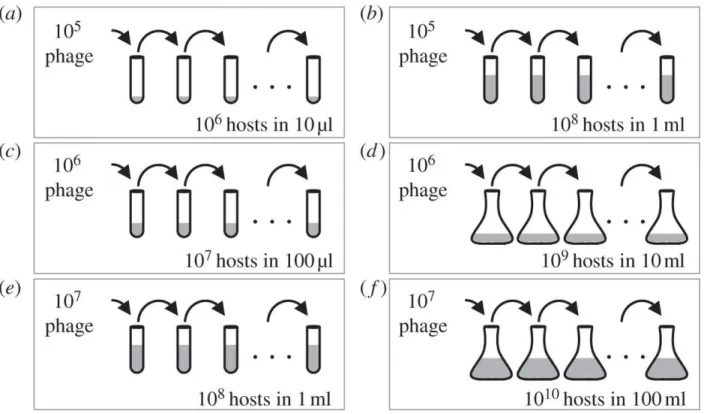
Figure 1. Experimental design. ... 20
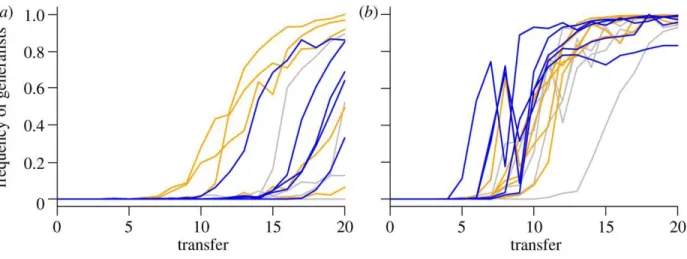
Figure 2. Effects of competition and novel host treatments on host range expansion. ... 21
Figure 3. Effects of population size. ... 22
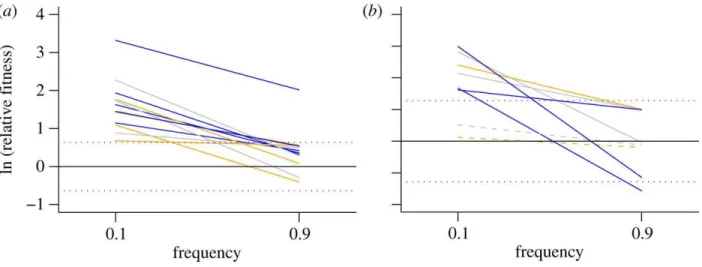
Figure 4. Frequency-dependent selection. ... 23
Figure 5. Experimental design. ... 40
Figure 6. Generalist frequency over time and coexistence. ... 41
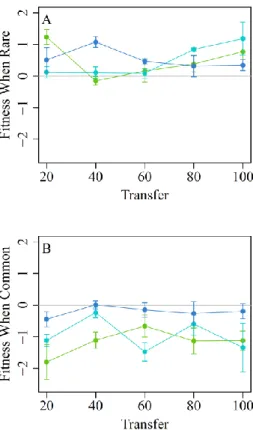
Figure 7. Frequency-dependent selection over time. ... 42
Figure 8. Relative fitness of evolved generalist in alternative competitive environments. ... 43
Figure 9. Adsorption rates of evolved generalists. ... 44
Figure 10. Adaptation to the standard host. ... 45
Figure 11. Experimental design. ... 62
Figure 12. Evolution of the bull's-eye generalists. ... 63
Figure 13. Adsorption rates of the evolved generalists. ... 64
Figure 14. Effect of competition on intrinsic growth rate. ... 80
Figure 15. Predicted growth dynamics under strong and weak competition. ... 81
Figure 16. The rate of amphimixy increases with MOI on the standard host. ... 82
LIST OF TABLES
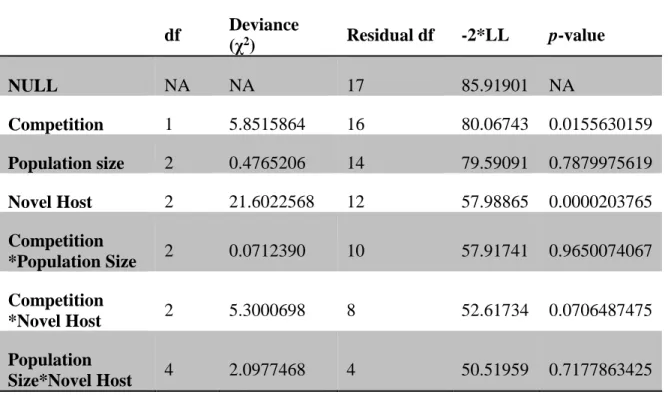
Table 1. Analysis of deviance from a survival analysis of the 18 lineages. ... 76
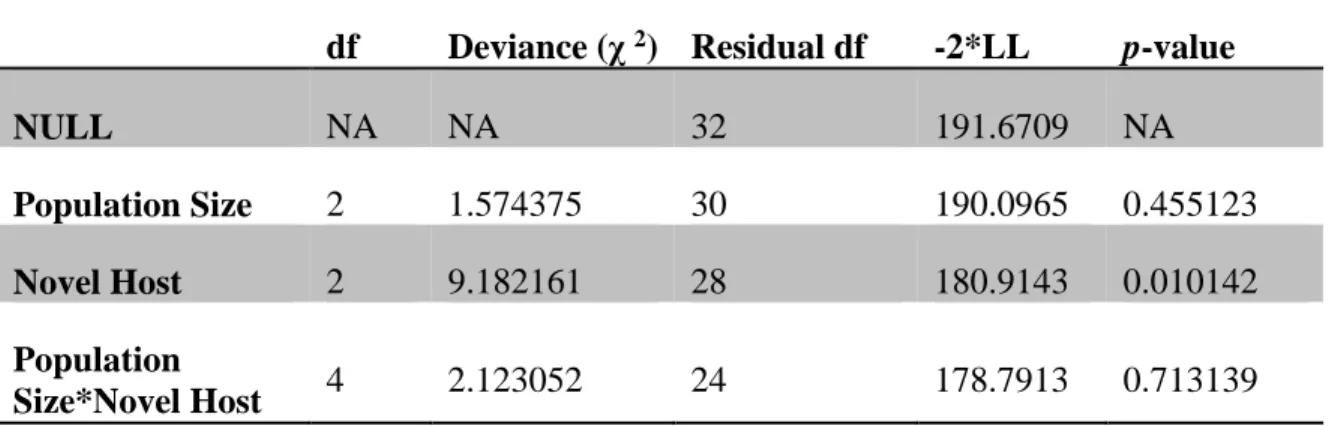
Table 2. Analsysis of deviance table from a survival analysis of the 30 lineages. ... 77
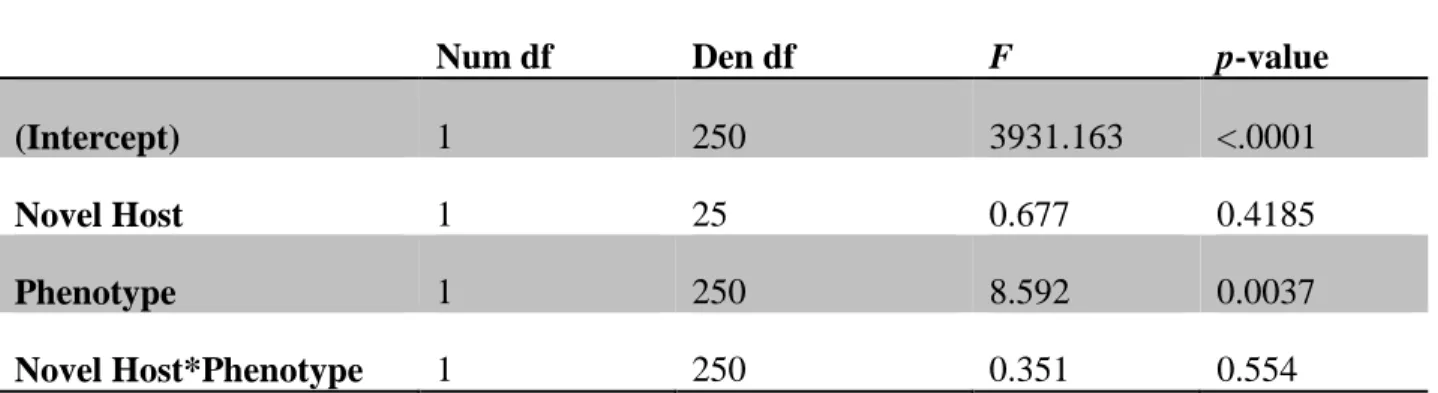
Table 3. Linear mixed effects model model of growth rate... 78
CHAPTER 1: INTRODUCTION
“The truth of the principle, that the greatest amount of life can be supported by great diversification of structure, is seen under many natural circumstances. In an extremely small area…and where the contest between individual and individual must be severe, we always find great diversity in its inhabitants.”
--Charles Darwin (1859)
“The observations I refer to were made with a view to discovering whether it was possible by change of environment, in minute life-forms, whose life-cycle was relatively soon completed, to superinduce changes of an adaptive character, if the observations extended over a sufficiently long period.“
--William Dallinger (1887)
Unraveling the mystery of the tremendous diversity of living things requires an understanding of both the origin of novelty as well as how that novelty is maintained after it evolves. Competition for resources has long been hypothesized to be a key agent of diversification: individuals
utilizing a novel resource have an advantage when competition for a preferred resource is strong. Darwin (1859) was the first to attribute competition as being a key agent of diversification, selecting for individuals least like their competitors and then acting as a wedge to drive
Although competitive exclusion was demonstrated by Gause (1934) early on, it is clear that competing species and alternative phenotypes coexist in nature. Coexistence can arise via niche partitioning by subdividing resources in a way that reduces competition. This idea was suggested by Darwin (1859) when he said, “…more living beings can be supported on the same area the more they diverge in structure, habits, and constitution.” Niche partitioning can occur by temporally, spatially or phenotypically segregating resource acquisition. In this last case,
phenotypic partitioning may lead to the evolution of different ecomorphs that specialize on different resources, e.g. Anolis lizards form ecomorphs that utilize different microhabitats to minimize competition on the Greater Antilles (Losos 2009). An alternative, non-mutually exclusive but non-adaptive explanation for resource partitioning is species sorting, which occurs when species that already display differences in resource acquisition invade or when species that are too similar to coexist go extinct (Pfennig and Pfennig 2012).
The conditions under which coexistence is possible have been shown using a variety of approaches. Differences in resource use promote coexistence when intraspecific competition is stronger than interspecific competition, because intraspecific competition can regulate a species population size, preventing it from becoming so numerous that it excludes the other species. This concept was elegantly demonstrated by Lotka (Lotka 1932) and Volterra (Volterra 1926)
competitive exclusion increasing with increasing similarity between traits (Levine and HilleRisLambers 2009).
Theory predicts that populations facing intense intraspecific competition tend to undergo niche width expansion, evolving to utilize a wider range of resources (Valen 1965; MacArthur et al. 1967; Roughgarden 2009). By evolving to consume an underutilized resource—even a
resource that is novel, poor or toxic—individuals can escape the intense competition for the shared or preferred resource. Niche-width expansion comprises scenarios where phenotypes within a population specialize on different resources or generalize to consume a range of resources (Roughgarden 2009). Few direct studies provide direct empirical evidence of this process. In one notable exception Drosophila melanogaster was provided with food laced with differing levels of cadmium, which is toxic to flies. Despite being initially tolerant of cadmium, flies still oviposited on food laced with high levels of cadmium due to the low egg density, despite reduced performance. Mutations allowing cadmium-tolerance soon arose and increased in frequency. Furthermore, populations experiencing high levels of intraspecific competition evolved cadmium-tolerance faster than those experiencing lower levels of competition (Bolnick 2001).
frequency-dependent disruptive selection. Competition can act as a wedge, driving phenotypes farther apart in niche space with disruptive selection acting on resource use traits (Calsbeek and Smith 2003; Bolnick 2004; Pfennig and Rice 2007; Pfennig and Martin 2009). With negative frequency-dependent selection, fitness is dynamic in relation to frequency with phenotypes having an advantage when rare but not common, e.g. handedness in a scale-eating cichlid (Perissodus microlepis, Hori, 1993), handedness in crossbills (Loxia spp., Benkman, 1996), and cannibalism in tiger salamander larvae (Ambystoma tigrinum, Maret & Collins, 1997). Notably, the alternative phenotypes may vary in terms of niche width with generalists and specialists coexisting, e.g. snail specialist molariform versus generalist papilliform in the cichlid Herichthys minckleyi (Robinson and Wilson 1998) and generalist omnivore versus specialist carnivore in
Spea (Pfennig 2000; Ledón-Rettig and Pfennig 2011).
A resource polymorphism may represent a critical, early step in speciation
(West-Eberhard 2005; Mallet 2008; Hendry 2009). One piece of indirect evidence for this is that clades in which resource-use polymorphisms have evolved have higher species diversity than their sister clades that did not (Pfennig and McGee 2010). Specifically, as alternative resource-use phenotypes come to occupy separate niches, selection should favor traits that improve each phenotype’s ability to survive and reproduce in its particular niche. As alternative morphs in a resource polymorphism become more distinct––ecologically, phenotypically and genetically–– they may eventually become reproductively isolated from each other. Importantly, the evolution of reproductive isolation via divergent natural selection has been hypothesized to occur both with and without gene flow between the alternative phenotypes (West-Eberhard 2005; Mallet 2008; Hendry 2009; Pfennig and Pfennig 2012).
Most of the evidence that I have described so far has been indirect with relatively few studies directly linking competition and niche width expansion (see Bolnick (2001) for a notable exception). For my doctoral dissertation, I have sought to help fill this gap using a microbial experimental evolution approach, because it is a powerful method for studying fundamental questions in evolution and ecology by allowing for simple yet elegant experiments with a high degree of control and replication not possible in the field (Jessup et al. 2004; Kawecki et al. 2012). Additionally, microbes can be archived and revived at a later date, creating a frozen fossil record, so that an ancestor can be directly compared to its descendants using phenotypic assays and sequencing (Barrick and Lenski 2013). Within just a couple decades of the publication of the Origin of Species (Darwin 1859), William Dallinger began using microbes to study how
insight into the evolution of novel resource-use polymorphisms (Turner et al. 1996; Blount et al. 2008) and character displacement (Tyerman et al. 2008) in Escherichia coli, adaptive radiation in heterogeneous environments in Pseudomonas fluorescens (Rainey and Travisano 1998), and costs of niche width expansion in vesicular stomatitis virus (VSV, Turner and Elena 2000) and the bacteriophage φ6 (Duffy et al. 2006; Ferris et al. 2007).
Studying the evolution of novel resource use in microbes is particularly pertinent when considering pathogens. When a pathogen evolves to utilize a novel resource, it is evolving to infect or “jump into” a new species. RNA viruses in particular are highly likely to emerge into humans from zoonotic origins (Cleaveland et al. 2001; Woolhouse and Gaunt 2007), because they can take advantage of all known genetic mechanisms, including high mutation rate, high yields and short generation time, to evolve and adapt to new host species rapidly (Domingo and Holland 1997). Examples of zoonotic RNA viruses that have recently emerged into humans with serious implications to human health include Human Immunodeficiency Virus (HIV), Influenza A H1N1 in 1918 and 2009 (Cohen 2010; Xu et al. 2010), Ebola, Middle East Respiratory Syndrome (MERS), among many others. As viruses can evolve rapidly in response to host ecology, integrating evolutionary ecology can enhance predictions made over using traditional epidemiological approach alone (Galvani 2003).
In my dissertation, I used the bacteriophage φ6 to test experimentally the role of competition on the evolution of novel resource-use. φ6 is an RNA bacteriophage
First, previous studies have shown that it can rapidly evolve to expand its host range, infecting a variety of pseudomonad strains and species (Cuppels et al. 1980) and therefore has been
productive for studying the nature of host range mutations (Duffy et al. 2006; Ferris et al. 2007). Second, as a segmented virus, gene flow occurs via reassortment and has been a powerful system to study the evolution of sex (Chao 1990; Chao et al. 1992, 1997; Turner and Chao 1998).
REFERENCES
Barrick, J. E., and R. E. Lenski. 2013. Genome dynamics during experimental evolution. Nat. Rev. Genet. 14:827–39.
Benkman, C. W. 1996. Are the ratios of bill crossing morphs in crossbills the result of frequency-dependent selection? Evol. Ecol. 10:119–126.
Blount, Z. D., C. Z. Borland, and R. E. Lenski. 2008. Historical contingency and the evolution of a key innovation in an experimental population of Escherichia coli. Proc. Natl. Acad. Sci. U. S. A. 105:7899–906.
Bolnick, D. I. 2004. Can intraspecific competition drive disruptive selection ? An experimental test in natural populations of sticklebacks. Evolution. 58:608–618.
Bolnick, D. I. 2001. Intraspecific competition favours niche width expansion in Drosophila melanogaster. Nature 410:463–6.
Burch, C. L., and L. Chao. 2004. Epistasis and its relationship to canalization in the RNA virus phi 6. Genetics 167:559–67.
Burch, C. L., and L. Chao. 1999. Evolution by small steps and rugged landscapes in the RNA virus φ6. Genetics 151:921–7.
Burch, C. L., and L. Chao. 2000. Evolvability of an RNA virus is determined by its mutational neighbourhood. Nature 406:625–8.
Calsbeek, R., and T. B. Smith. 2003. Ocean currents mediate evolution in island lizards. Nature. 426:4–7.
Chao, L. 1990. Fitness of RNA virus decreased by Muller’s ratchet. Nature 348:454–455.
Chao, L., T. Tran, and C. Matthews. 1992. Muller’s ratchet and the advantage of sex in the RNA virus φ6. Evolution. 46:289–299.
Chao, L., T. T. Tran, and T. T. Tran. 1997. The advantage of sex in the RNA virus. Evolution. 147:953–959.
Cleaveland, S., M. K. Laurenson, and L. H. Taylor. 2001. Diseases of humans and their domestic mammals: pathogen characteristics, host range and the risk of emergence. Philos. Trans. R. Soc. Lond. B. Biol. Sci. 356:991–999.
Cuppels, D. a, J. L. Van Etten, D. E. Burbank, L. C. Lane, and a K. Vidaver. 1980. In vitro translation of the three bacteriophage φ6 RNAs. J. Virol. 35:249–51.
Dallinger, W. H. 1887. The President’s Address. J. R. Microsc. Soc. 7:185–199.
Darwin, C. 1859. On the origin of species by Charles Darwin: A facsimile of the first edition with an introduction by Ernst Mayr. Harvard University Press.
Domingo, E., and J. J. Holland. 1997. RNA virus mutations and fitness for survival. Annu. Rev. Microbiol. 51:151–78.
Duffy, S., C. L. Burch, and P. E. Turner. 2007. Evolution of host specificity drives reproductive isolation among RNA viruses. Evolution 61:2614–22.
Duffy, S., P. E. Turner, and C. L. Burch. 2006. Pleiotropic costs of niche expansion in the RNA bacteriophage φ6. Genetics 172:751–7.
Ferris, M. T., P. Joyce, and C. L. Burch. 2007. High frequency of mutations that expand the host range of an RNA virus. Genetics 176:1013–22.
Galvani, A. P. 2003. Epidemiology meets evolutionary ecology. Trends Ecol. Evol. 18:132–139. Gause, G. F. 1934. Experimental analysis of Vito Volterra’s mathematical theory of the struggle for existence. Science 79:16–17.
Hendry, A. P. 2009. Ecological speciation! Or the lack thereof? Can. J. Fish. Aquat. Sci. 66:1383–1398.
Hori, M. 1993. Frequency-dependent natural selection in the handedness of scale-eating cichlid fish. Science 260:216–219.
Hutchinson, G. E. 1961. The paradox of the plankton. Am. Nat. 95:137–145.
Jessup, C. M., R. Kassen, S. E. Forde, B. Kerr, A. Buckling, P. B. Rainey, and B. J. M.
Bohannan. 2004. Big questions, small worlds: microbial model systems in ecology. Trends Ecol. Evol. 19:189–97.
Kawecki, T. J., R. E. Lenski, D. Ebert, B. Hollis, I. Olivieri, and M. C. Whitlock. 2012. Experimental evolution. Trends Ecol. Evol. 27:547–60.
Ledón-Rettig, C. C., and D. W. Pfennig. 2011. Emerging model systems in eco-evo-devo: The environmentally responsive spadefoot toad. Evol. Dev. 13:391–400.
Losos, J. 2009. Lizards in an Evolutionary Tree. University of California Press, Berkeley, CA. Lotka, A. J. 1932. The growth of mixed populations: two species competing for a common food supply. J. Washingt. Acad. Sci. 22:461–469.
Lubchenco, J. 1978. Plant species diversity in a marine intertidal community: importance of herbivore food preference and algal competitive abilities. Am. Nat. 112:23–39.
Macarthur, B. Y. R., and R. Levins. 1964. Competition, habitat selection, and character displacement in a patchy environment. Proc. Natl. Acad. Sci. U. S. A. 51:1207–1210.
MacArthur, R. H., E. O. Wilson, and W. MacArthur. 1967. The theory of island biogeography. Princeton University Press.
Mallet, J. 2008. Hybridization, ecological races and the nature of species: empirical evidence for the ease of speciation. Philos. Trans. R. Soc. Lond. B. Biol. Sci. 363:2971–2986.
Maret, T. T., and J. P. Collins. 1997. Ecological Origin of Morphological Diversity: A Study of Alternative Trophic Phenotypes in Larval Salamanders. Evolution. 51:898–905.
Paine, R. T. 1979. Disaster, Catastrophe, and Local Persistence of the Sea Palm Postelsia palmaeformis. Science 205:685–7.
Paine, R. T. 1966. Food Web Complexity and Species Diversity. Am. Nat. 100:65–75.
Pfennig, D. W. 2000. Effect of predator‐prey phylogenetic similarity on the fitness consequences of predation: a trade‐off between nutrition and disease? Am. Nat 155:345–355
Pfennig, D. W. 1992. Polyphenism in spadefoot toad tadpoles as a logically adjusted evolutionarily stable strategy. Evolution 46:1408–1420.
Pfennig, D. W., and R. A. Martin. 2009. A maternal effect mediates rapid population divergence and character displacement in spadefoot toads. Evolution 63:898–909.
Pfennig, D. W., and M. McGee. 2010. Resource polyphenism increases species richness: a test of the hypothesis. Philos. Trans. R. Soc. London, Ser. B 365:577–591.
Pfennig, D. W., and K. S. Pfennig. 2012. Evolution’s Wedge: Competition and the Origins of Diversity. University of California Press, Berkeley, CA.
Pfennig, D. W., and A. M. Rice. 2007. An experimental test of character displacement’s role in promoting postmating isolation between conspecific populations in contrasting competitive environments. Evolution. 61:2433–43.
Robinson, B. W., and D. S. Wilson. 1998. Optimal foraging, specialization, and a solution to Liem’s paradox. Am. Nat. 151:223–35.
Roughgarden, J. 2009. Evolution of niche width. Am. Nat. 106:683–718.
Smith, T. B., and S. Skulason. 1996. Evolutionary significance of resource polymorphisms in fishes, amphibians, and birds. Annu. Rev. Ecol. Syst. 27:111–133.
Turner, P. E., and L. Chao. 1998. Sex and the evolution of intrahost competition in RNA virus φ6. Genetics 150:523–32.
Turner, P. E., and S. F. Elena. 2000. Cost of host radiation in an RNA virus. Genetics 156:1465– 70.
Turner, P. E., V. Souza, and R. E. Lenski. 1996. Tests of ecological mechanisms promoting the stable coexistence of two bacterial genotypes. Ecology 77:2119–2129.
Tyerman, J. G., M. Bertrand, C. C. Spencer, and M. Doebeli. 2008. Experimental demonstration of ecological character displacement. BMC Evol. Biol. 8:34.
Valen, L. Van. 1965. Morphological variation and width of ecological niche. Am. Nat 99:377– 399
Vermeij, G. J. 1993. Evolution and Escalation: An Ecological History of Life. Princeton University Press.
Via, S., A. C. Bouck, and S. Skillman. 2000. Reproductive isolation between divergent races of pea aphids on two hosts. II. Selection against migrants and hybrids in the parental environments. Evolution. 54:1626–1637.
Volterra, V. 1926. Fluctuations in the abundance of a species considered mathematically. Nature 118:558–560.
West-Eberhard, M. J. 2005. Developmental plasticity and the origin of species differences. Proc. Natl. Acad. Sci. 102:6543–6549.
Woolhouse, M., and E. Gaunt. 2007. Ecological origins of novel human pathogens. Crit. Rev. Microbiol. 33:231–242.
CHAPTER 2: COMPETITION AND THE ORIGINS OF NOVELTY: EXPERIMENTAL
EVOLUTION OF NICHE-WIDTH EXPANSION IN A VIRUS
Summary
Competition for resources has long been viewed as a key agent of divergent selection. Theory holds that populations facing severe intraspecific competition will tend to utilize a wider range of resources, possibly even utilizing entirely novel resources that are less in demand. Yet, there have been few experimental tests of these ideas. Using the bacterial virus (bacteriophage) 6 as a model system, we examined whether competition for host resources promotes the
evolution of novel resource use. In the lab, 6 exhibits a narrow host range, but readily produces mutants capable of infecting novel bacterial hosts. Here, we show that when 6 were subjected to intense intraspecific competition for their standard laboratory host, they rapidly evolved new generalist morphs that infect novel hosts. Our results therefore suggest that competition for host resources may drive the evolution of host range expansion in viruses. More generally, our
findings demonstrate that intraspecific resource competition can indeed promote the evolution of novel resource-use phenotypes.
Introduction
The appearance of novel resource-use phenotypes characterizes most adaptive radiations, and intraspecific competition is thought to play a key role in this process (Simpson 1953;
frequency-dependent selection will favor individuals that can exploit an underutilized resource–– even if this resource is novel and of lower quality––because these individuals will experience decreased competition (Rosenzweig 1978; Wilson and Turelli 1986). Such selection has long been viewed as crucial in promoting niche-width expansion (Bolnick 2001), resource
polymorphism (Smith and Skúlason 1996) and even speciation and adaptive radiation (Schluter 2000; Pfennig and McGee 2010). Yet, much of the empirical support for this theory is indirect (Schluter 2000; Pfennig and McGee 2010). Indeed, relatively few experimental studies have established a causal link between resource competition and niche-width expansion (Bolnick 2001).
Experimental Design.
Phage populations were evolved using serial transfer into fresh bacterial cultures containing a 1:1 mixture of the standard laboratory host and a novel (non-permissive) host at a total density of 108 cells/mL (diagrammed in Figure 1). Individual lineages were subjected to either strong (Figure 1A-1C) or weak (Figure 1D-1F) intraspecific competition by initiating each transfer at a ratio of phage to hosts (multiplicity of infection or MOI), of 10-3 or 10-1,
respectively. This increase in MOI reduces the intrinsic growth rate of 6 (ln(P6/P0); see
methods) from 12.7 to 8.4 per transfer (Appendix A). Individual lineages were propagated using transfer population sizes of N = 105, 106 or 107 phage (determined by plating at the end of each transfer). Total culture volume was adjusted between 10 µL (Figure 1A) to 100 mL (Figure 1F) to achieve a constant host density across treatments despite differences in MOI and phage
population size. Cultures were incubated shaking at 25°C for 6 hours and filtered to remove host cells, and a sample of 105, 106 or 107 of the resulting phage was used to initiate the next transfer cycle. This protocol was repeated for 20 transfers.
We monitored evolution in independent microcosms containing one of 3 novel hosts – P. syringae pathovar glycinea, P. syringae pathovar atrofaciens, or P. pseudoalcaligenes pathovar
ERA. These hosts were chosen because 6 requires only a single point mutation to infect them (Duffy et al. 2006, Ferris 2007). In laboratory culture, their growth rates differ (doublings/hour = 0.19 on Ps glycinea, 0.26 on Ps atrofaciens, and 0.45 on Pp ERA, compared to 0.35 on the standard host Ps phaseolicola), and generalist mutant phage exhibit different growth rates on three hosts. The median (± s.d.) intrinsic growth rate of three independent generalist mutants ranged from 7.80 ± 0.59 on Ps glycinea to 5.78 ± 4.46 on Pp ERA to 3.93 ± 1.27 on Ps
Materials and Methods
(a) Strains and Culture Conditions. The RNA bacteriophage6 used in this study is a
laboratory strain descended from the original isolate (Vidaver et al. 1973). The bacterium Pseudomonas syringae pathovar phaseolicola strain HB10Y (Mindich et al. 1976) served as the
standard host. Novel host strains included P. syringae pathovar atrofaciens 2231, P. syringae pathovar glycinea 171 (obtained from Greg Martin, Cornell University) and P.
pseudoalcaligenes pathovar ERA (Mindich et al. 1976). Culture conditions are described in the
electronic supplementary material.
(b) Competition and Growth Rate Assays. We measured the growth rates of evolved generalist and specialist phage both when grown together in direct competition on mixtures of the standard and novel hosts and when grown in isolation on the standard host only. Relative fitness was calculated from competition assays as ln(R6/R0), where Rt is the ratio of generalist to specialist
phage at t hours. Intrinsic growth rate was calculated from cultures containing only specialists or only generalists as ln(P6/P0), where Pt is the concentration of phage at t hours. The assay
conditions mimicked the evolution experiments described in Figure 1 (see Appendix A).
(d) Statistical Analysis. All statistical analyses were performed in R v. 2.13.0. In addition to standard linear models and t-tests, we used a survival analysis (function survreg) to compare the time at which generalists arose across treatments (see Appendix A).
(e) Data archive. All data are archived at datadryad.org.
Results
As predicted, when 6 were subjected to intense intraspecific competition for their standard laboratory host, they rapidly evolved a new generalist morph that infected novel hosts (Figure 2). The rate at which generalists evolved depended on the novel host (2 = 21.60, df = 2, p < 0.0002; full analysis in Table 1) with generalists arising fastest on Ps glycinea and slowest
on Ps atrofaciens. In every case, generalists arose more often and earlier when competition was strong than when it was weak (2 = 5.85, df = 1, p = 0.0156). However, we did not find an effect of population size in this initial set of lineages.
We expected population size to affect the timing of generalist evolution through its impact on mutation supply. Therefore, we provided a more powerful test of the effect of population size by evolving four additional replicate lineages under strong competition for each population size in microcosms containing Ps atrofaciens or Pp ERA (the hosts that showed the strongest difference between the strong and weak competition treatments). We again detected no effect of population size on the time at which generalists first appeared (Figure 3; Table 1; 2 = 1.57, df = 2, p = 0.4551).
generalists relative to evolved specialists taken from each lineage in which the generalist had not competitively excluded the ancestral specialist by the 20th transfer. We found that fitness was frequency-dependent, with generalists exhibiting a higher mean relative fitness when rare than when common (Welch two sample t-test t121.208=7.457 p = 7.31x10⁻¹²; Figure 4). However, the high fitness of generalists when common (ln(W) ≥ 0 using Fisher’s Least Significant Difference) indicates that generalists would eventually exclude the specialist in all but one lineage.
Generalists had higher fitness than specialists because expanded host range was only rarely associated with reduced growth on the standard host. When we measured intrinsic growth rate on the standard host, we found that generalists tended to have lower growth rates than specialists overall (p = 0.0037, F1,250 = 8.592; Table 3), but this overall difference was due to a large fitness cost paid by generalists in only a few lineages (2/13 on Ps atrofaciens and 4/14 on Pp ERA, Appendix A).
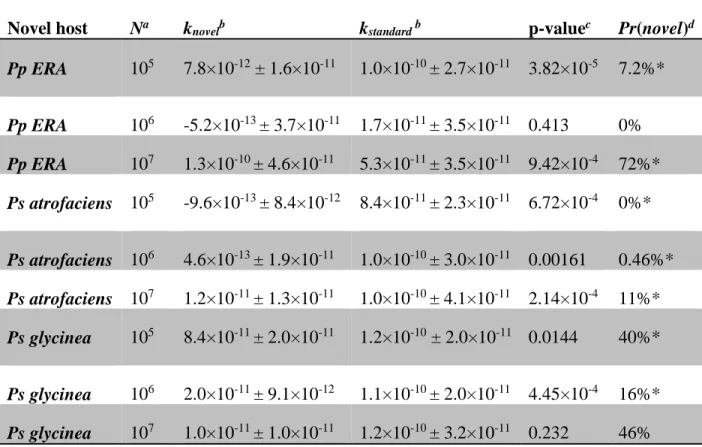
To further explore the reasons that generalists tended to competitively exclude specialists, we also tested whether the evolved generalists attached to (and infected) the novel host only rarely. We measured attachment rates (k) of generalist phage sampled from three independent populations evolved on each of the three novel host treatments. Based on these measures we estimate that seven of these nine generalists were significantly (p<0.05) less likely to infect the novel host than the standard host (mean probability of infecting the novel host Pr =
knovel/(kstandard+knovel) = 0.26 for Pp ERA, 0.04 for Ps atrofaciens, and 0.34 for Ps glycinea, see
Discussion
Intraspecific competition for resources has long been regarded as a key agent of divergent selection (Schluter 2000). In some cases, competition may even promote the evolution of novel resource-use phenotypes, although few experiments have demonstrated this (Bolnick 2001). We sought to fill this gap by using a rapidly evolving bacteriophage, 6. We predicted that novel host use would be more likely to evolve, and evolve more rapidly, when populations experienced greater competition for hosts.
As predicted, when 6 were subjected to strong intraspecific competition for their standard host, they rapidly evolved a new generalist morph capable of infecting a novel host Figure 2. Generalists arose earliest on the highest quality novel host Ps glycinea and latest on the lowest quality novel host Ps atrofaciens. Under weak competition, however, generalists evolved only on Ps glycinea. Even then, generalists evolved much later than in the strong competition treatment for this host. The rate at which generalists arose did not depend on
population size (Figure 3), indicating that genetic variation (i.e. mutation supply) was not limited even in our small populations of size N=105. Experimental design constraints prevented us from examining smaller populations.
We also anticipated that generalists would possess higher mean relative fitness when rare than when common. Such negative frequency-dependent fitness is a hallmark of competitive mediated selection (Friesen et al. 2004). Although fitness was indeed frequency-dependent (Figure 3), we saw little evidence that frequency-dependent selection was strong enough to enable generalists and specialists to coexist. Instead, in most populations, generalists
and, therefore, rarely infected it when standard hosts were present in the microcosm. Future research will identify both the phenotypic and genetic bases of adaptations in these lineages to determine mechanistically why coexistence of generalists and specialists was rare.
The tendency of evolved generalists to competitively displace specialists in our experiments may be a consequence of the serial transfer regime used to propagate the phage populations. Serial transfers impose temporal variation of resource availability, which causes the intensity of competition to vary, thereby restricting the conditions for maintaining a stable
Figure 2. Effects of competition and novel host treatments on host range expansion.
Figure 3. Effects of population size.
Effect of population size on host range expansion in microcosms containing novel hosts Ps atrofaciens (A) and Pp ERA (B). Lines show the frequency of generalists over time in lineages
Figure 4. Frequency-dependent selection.
Lines correspond to independent lineages evolved in microcosms containing Ps atrofaciens (A) and Pp ERA (B) in which the specialists were still present after 20 transfers. We show the fitness of generalists relative to specialists measured in competition assays initiated at generalist
REFERENCES
Barrett, R. D. H., and D. Schluter. 2008. Adaptation from standing genetic variation. Trends Ecol. Evol. 23:38–44.
Bolnick, D. I. 2001. Intraspecific competition favours niche width expansion in Drosophila melanogaster. Nature 410:463–6.
Doebeli, M. 2011. Adaptive diversification. Princeton University Press, Princeton, NJ.
Duffy, S., P. E. Turner, and C. L. Burch. 2006. Pleiotropic costs of niche expansion in the RNA bacteriophage φ6. Genetics 172:751–7.
Ferris, M. T. 2007. Evolution of the host range of the bacteriophage φ6. University of North Carolina at Chapel Hill.
Friesen, M. L., G. Saxer, M. Travisano, and M. Doebeli. 2004. Experimental evidence for
sympatric ecological diversification due to frequency-dependent competition in Escherichia coli. Evolution. 58:245–60.
Mindich, L., J. F. Sinclair, D. Levine, and J. Cohen. 1976. Genetic studies of temperature-sensitive bacteriophage and nonsense mutants of φ6. Virology 223:218–223.
Pfennig, D. W., and M. McGee. 2010. Resource polyphenism increases species richness: a test of the hypothesis. Philos. Trans. R. Soc. London, Ser. B 365:577–591.
Rainey, P., A. Buckling, R. Kassen, and M. Travisano. 2000. The emergence and maintenance of diversity: insights from experimental bacterial populations. Trends Ecol. Evol. 15:243–247. Rosenzweig, M. L. 1978. Competitive speciation. Biol. J. Linn. Soc. 10:275–289.
Schluter, D. 2000. The Ecology of Adaptive Radiation. Oxford University Press, Oxford, U. K. Simpson, G. G. 1953. The Major Features of Evolution. Columbia University Press, New York. Smith, T. B., and S. Skúlason. 1996. Evolutionary significance of resource polymorphisms in fishes, amphibians, and birds. Annu. Rev. Ecol. Syst. 27:111–133.
Vidaver, a K., R. K. Koski, and J. L. Van Etten. 1973. Bacteriophage φ6: a lipid-containing virus of Pseudomonas phaseolicola. J. Virol. 11:799–805.
CHAPTER 3: REDUCED COMPETITION FACILITATES COEXISTENCE OF ALTERNATIVE RESOURCE-USE PHENOTYPES: AN EXPERIMENTAL TEST
Summary
Competition for resources is regarded as a key driver of adaptive diversification, but its role in the maintenance of diversity is less clear. Previously, we confirmed that competition among bacteriophage for bacterial hosts in microcosms containing both a standard laboratory host and a novel host triggered the evolution of a novel host-generalist phenotype. However, these new generalists tended to competitively exclude the ancestral host specialist. Coexistence between the two forms was rare, in part because generalists did not exhibit a fitness trade-off on the standard host. Here, we show that reducing the relative abundance of the novel host slowed the increase in frequency of the generalist phenotype, resulting in the emergence of trade-offs and of sustained coexistence. The slower ecological dynamics ensured the long-term stability of the coexistence by allowing sufficient time for adaptation of the specialists to generate a trade-off in host performance. Our results suggest that competition can indeed promote the origin and maintenance of resource use polymorphisms, even in the absence of antagonistic pleiotropy, as long as the ecological (inter-phenotype) dynamics are on a similar timescale to the evolutionary (intra-phenotype) dynamics.
Introduction
exploit underutilized resources, even if these resources are novel, poor, or toxic (Bolnick, 2001). As a result, divergent selection drives phenotypes apart in niche space, thereby decreasing competition between them and allowing these phenotypes to coexist via negative frequency-dependent selection (Smith, 1962, Rosenzweig, 1978). Such resource polymorphisms (Smith and Skulason, 1996) have long fascinated evolutionary biologists, primarily because their evolution might represent a critical early stage in the origin of both novel resource-use traits and new species (Smith and Skulason, 1996, West-Eberhard, 2003, Pfennig and Pfennig, 2012). Thus, identifying the conditions under which resource polymorphism evolves is critical for
understanding the origins and maintenance of biodiversity.
Competition does not always lead to diversification, and not all resource-use polymorphisms are evolutionarily stable. Competition must be sufficiently strong to give
individuals that utilize relatively poor novel resources a selective advantage (Bailey et al., 2013), but not so strong that these individuals will competitively exclude the alternative resource-use phenotype(s). Coexistence typically results either from trade-offs, especially in systems at equilibrium, or niche partitioning, in systems with spatial (Rainey and Travisano, 1998) or temporal variation (Pfeiffer and Bonhoeffer, 2004, Helling et al., 1987, Rosenzweig et al., 1994, Turner et al., 1996, Treves et al., 1998, Rozen and Lenski, 2000). While some studies have directly shown that competition drives novel resource use, these studies often either end before examining the stability of the polymorphism (Bolnick, 2001) or end with no net increase in diversity (Bono et al., 2013). The conditions for coexistence are stringent (Rainey et al., 2000, Kassen, 2002), and only a few studies have shown that competition can promote both the origins and maintenance of resource polymorphism, even in relatively simple microbial microcosms
Previously, we demonstrated that competition can favor the evolution of a novel resource-use morph in experimental populations of the bacteriophage φ6, but coexistence in these experiments was rare (Bono et al., 2013). Specifically, competition among these
bacteriophage for bacterial hosts (a vital resource) in environments containing a 1:1 ratio of the standard laboratory host and a novel (non-permissive) host favored the evolution of a generalist that could utilize both the standard and novel hosts. However, these new generalist phage tended to competitively exclude the ancestral specialist phage. Therefore, coexistence between the two resource-use phenotypes was rare. These observations raise an important question: what
ecological conditions promote the coexistence of alternative resource-use phenotypes in the same population; i.e., what conditions favor the maintenance of a resource polymorphism?
Methods
Strains
The RNA bacteriophage φ6 used in this study is a laboratory strain descended from the original isolate (Vidaver et al., 1973). The bacterium Pseudomonas syringae pathovar
phaseolicola strain HB10Y (Ferris et al., 2006, Duffy, 2005) served as the standard host and P. pseudoalcaligenes pathovar ERA (Ferris et al., 2006) as the novel host.
Culture Conditions
Details of diluting, filtering, culture and storage of phage and bacteria appear in (Ferris et al., 2006, Duffy, 2005). All phage and bacteria were grown in LC medium (5 g/liter yeast extract, 10 g/liter bactotryptone, 5 g/liter NaCl) at 25∘C. Prior to the start of each serial transfer or assay, fresh hosts were grown to an OD600 corresponding to a density of 2×10⁸ cells/mL (Ps
phaseolicola OD600=0.33 and Pp ERA OD600=0.12).
We monitored the evolution of generalist phenotypes by plating phage population samples on lawns of 200 μL taken from a mixture of 1 mL of the standard host Ps phaseolicola and 10 μL of the novel host Pp ERA. Generalist phage that gained the ability to use the novel host produced clear plaques, whereas the specialist ancestor produced turbid plaques.
Competition Assays
specialist (turbid plaque). Generalist and specialist clones were then mixed in ratios that varied from 10%, 50%, or 90% generalists, depending on the experiment. These mixtures were
incubated with either the standard host only or both hosts under conditions that exactly mimicked the evolution experiments. In particular, initial total host density was held at 2×10⁸ cells/mL, initial total phage density at 108 phage/mL, and the resulting culture was incubated shaking for 6 hours at 25∘C. The frequency of the generalist and specialist phage was determined by plating on mixed lawns at the beginning and end of each incubation. The fitness of the generalist relative to the specialist phage was calculated as W=R6/R0 where Rt is the ratio of generalists to specialists at time t hours.
Estimating Fitness Using Logistic Regression
In populations where generalists fixed (achieved a frequency fgen=1.0), we used logistic regression to estimate fitness when common from the counts of generalists and specialists we obtained by sampling the evolving population at transfers in which 0.8<fgen<0.97. Logistic regression models are of the form:
logit(t)=ln( fgen
(t)
1−fgen(t))=β0+β1t (1)
Adsorption Rate Assays
2000 phage were mixed with 1 mL of approximately 2×10⁸ exponentially growing host cells and incubated shaking at 25∘C. Initially, and after 40 minutes, 500 μL of this mixture was centrifuged for >1 minute at 6600 RPM to pellet the cells, and 200 μL of supernatant were plated on a lawn of the standard host Ps phaseolicola to obtain a count of the free phage. The
adsorption rate constant was calculated as k=−ln(P40/P0)/(N) where N = number of host cells,
and Pt is the number of free phage at time t, determined by colony and plaque assays, respectively.
Statistical Analysis
Statistical analyses were conducted in R version 3.1.0. Linear mixed models were estimated using the lme function from the nlme package. Experimental lineage was treated as a random effect in all models. Competition treatment, population size, transfer, and initial
generalist frequency were treated as fixed effects.
Experimental Design
Phage populations were evolved using serial transfer into fresh bacterial cultures
ecological opportunity represented by the novel host (ecological opportunity refers to “a wealth of evolutionarily accessible resources little used by competing taxa” (Schluter, 2000, p. 69). Replicate populations were founded by a single phage clone, i.e. phage harvested from a single isolated plaque. Individual populations were propagated by initiating each transfer at a
multiplicity of infection (MOI or ratio of phage to hosts) of 0.1 and phage population sizes of N=105, 106 or 107 phage. Total culture volume was adjusted between 10 μL to 1 mL to achieve
a constant host density and MOI across differences in phage population size. We varied population size in accordance with the methods described in Bono et al. (2013), although
population size had no effect on the results and therefore population sizes were pooled there and here. Cultures were incubated shaking at 25°C for 6 hours and filtered to remove host cells, and a sample of 105, 106 or 107 of the resulting phage was used to initiate the next transfer cycle. We measured the total number of phage and the frequency of generalists at the end of every transfer.
Results
Evolution Experiment
Just as with the 1:1 host ratio (Figure 6A, warm colors, populations from (Bono et al., 2013)), φ6 populations under the 9:1 host ratio rapidly evolved new generalist morphs capable of infecting the novel host (Figure 6A, cool colors). However, the ultimate outcome of evolution depended on the ratio of standard to novel hosts. Under the 1:1 host ratio, generalists reached high frequencies in all population size treatments by transfer 20 (mean frequency ± s.e.m. for N=105: 0.968±0.014, N=106: 0.981±0.009, N=107: 0.949±0.030). Competitive exclusion was a
frequency ± s.e.m. for N=105: 0.257±0.062, N=106: 0.431±0.037, N=107: 0.561±0.070), and coexisted with specialists for the duration of our experiment in all replicate lineages. Under the 9:1 host ratio, generalists never exceeded a frequency above 0.80 in any transfer.
To determine the role of host ratio (i.e., of ecology) in the observed coexistence, we examined the stability of the coexistence after only 20 transfers, a time point sufficiently early that we do not expect significant evolutionary differences to have accumulated between
populations evolved in different host ratios. We examined stability of coexistence by measuring the relative fitness of generalist phage when the generalist is common (Figure 6B). The stability of the observed coexistence is confirmed only if generalists exhibit a disadvantage (lnW<0) when common. As expected from the difference in their frequency trajectories, generalists in
populations evolved under the 9:1 host ratio exhibited significantly lower relative fitness when common than generalists in populations evolved under 1:1 host ratio (t=2.879, df=17.732, p=0.0101 by a 2-sided t-test). Furthermore, generalists evolved in the 1:1 host ratio exhibited
significant advantages when common (mean lnW=−0.467, t=−2.958, df=5, p=0.0158 by a 1-sided t-test), whereas generalists evolved in the 9:1 host ratio did not (mean lnW=0.269, t=1.338, df=14, p=0.899). These data confirm that the coexistence of generalists and specialists was stable
Mechanistic Explanations of the Difference in Competitive Outcome.
Explanation 1. Ecology.
We investigated the proximate mechanisms responsible for the coexistence of generalist and specialist phage in the 9:1 host ratio. Starting with an ecology-only mechanism, we assessed whether the difference in host ratio, by itself, could explain the observed differences in
coexistence between host ratio treatments. As above, we assayed generalist fitness when common in populations evolved for 20 and for 100 transfers in the 9:1 host ratio, this time altering the host ratio to 1:1 for a single transfer. Recall that populations evolved in the 1:1 host ratio did not tend to exhibit a disadvantage when common in the 1:1 host ratio environment. By contrast, populations evolved in the 9:1 host ratio tended to exhibit a disadvantage when
common both in the 9:1 host ratio that they experienced and in the 1:1 host ratio that they did not experience (Figure 8, transfer 20: grand mean lnW=−0.361,t=−2.34,df=5,p=0.0333; transfer 100: grand mean lnW−0.58,t=−1.84,df=2,p=0.104 by 1-tailed t-tests conducted on the population means). In fact, the average lnW of populations evolved in the 9:1 host ratio did not depend significantly on the host ratio used to assay fitness (Figure 8, transfer 20: F1,52 = 0.490, p = 0.487; transfer 100: F1,26 = 0.142, p = 0.710, statistical comparisons from mixed-effects linear models). These data indicate that host ratio (i.e., “ecology”), alone, could not explain the difference in competitive outcomes between our host ratio treatments.
Explanation 2. Genetic Basis of Adaptation.
host range expansion (Ferris et al., 2006, Bono et al., 2013)) of generalists evolved under both host ratios (Figure 9). We measured adsorption rates of generalist clones isolated randomly from all 6 transfer-20 9:1 host ratio populations, from 6 randomly chosen transfer-20 1:1 host ratio populations, and from all 3 transfer-100 9:1 host ratio populations. In Figure 9A we compare adsorption rates of the transfer-20 generalists between the host ratio treatments. Comparing the 1:1 and 9:1 host ratio treatments at transfer 20, we observed no significant difference in
adsorption rates to either the standard host (F1,10=0.276 , p=0.6108) or the novel host (F1,10=1.864 , p=0.2021), suggesting similar initial genetic bases of host-range expansion regardless of host ratio. Comparing the transfer-20 and transfer-100 phage from the 9:1 host ratio treatment (Figure 9B), we observed an increase in adsorption to the standard host (F1,7=9.726 ,
p=0.0169) but not to the novel host (F1,7=2.97326 , p=0.1283). This higher adsorption rate of
the evolved generalists to the standard host is unlikely to have contributed to coexistence with the specialist, because it made the generalist a stronger competitor for the sole host resource of the specialist. Thus, these data indicate that “evolution”, alone, could not explain the difference in competitive outcomes between our host ratio treatments.
Explanation 3. Ecology Enabled Evolution.
Finally, we turned to an explanation for the differences in coexistence that required both differences in ecology and evolution between treatments. One such explanation is suggested by the frequency dynamics shown in Figure 6. As can be seen, the reduction in the ratio of
adapt. The initial increase in generalist frequency is followed by a decline between around transfers 30 to 50, suggestive of an adaptive sweep (Helling et al., 1987) within the specialists.
To confirm adaptation of the specialists over the course of the 9:1 host ratio experiment, we compared the relative fitness of evolved and ancestral specialist phage when grown on the standard host only, using an evolved generalist as a common competitor. We repeated this comparison for evolved phages isolated from transfer 20 and transfer 100. Three important observations can be made from these data (Figure 6). First, evolved specialists exhibited higher fitness than the ancestral specialist at transfer 100 (mean fitness gain ± s.e.m.=0.454±0.125, t=3.628, df=26, p=0.0012), confirming adaptation by the specialists over the course of the
experiment. None of this adaptation was apparent at transfer 20 (mean fitness gain
±s.e.m.=−0.159±0.155, t=−1.025, df=26, p=0.3147). Second, evolved specialists exhibited a fitness advantage (lnW > 0) over evolved generalists at both transfers 20 and 100 (Figure 10), confirming the presence of a host-use trade-off at both early and late transfers. Third, the
ancestral specialist exhibited a fitness advantage over evolved generalists in all 3 populations at
transfer 20 (Figure 10A), indicating that antagonistic pleiotropy in the generalists created the trade-off at this early time point. By transfer 100, the advantage of the ancestral specialist over the evolved generalists disappeared from 2 of the 3 populations (Figure 10B), suggesting that antagonistic pleiotropy was ameliorated in these populations by the end of the experiment. Thus, these data suggest that differences between treatments in both ecology and evolution were required to explain the difference in competitive outcomes between our host ratio treatments.
Discussion
that a skewed (9:1) ratio of standard:novel hosts enabled coexistence of alternative host-use phenotypes more often than a 1:1 host ratio. Skewing the host ratio slowed down the ecological dynamics between the two phenotypes (i.e., “inter-phenotype” dynamics), providing sufficient time for the specialists to adapt before the generalists swept through the experimental
populations. This adaptation by the specialists (i.e., “intra-phenotype” dynamics) appeared to be essential for coexistence, explaining both the difference in coexistence between 9:1 and 1:1 host ratio experiments and the ability of populations evolved in the 9:1 host ratio to sustain
coexistence even when shifted into the 1:1 host ratio environment. This last observation indicates that, although the host ratio required for the origin of a stable resource polymorphism was
stringent, once the stable polymorphism was established, coexistence was maintained across a wide range of host ratios. This relaxation in the stringency of ecological requirements for coexistence over time seems likely to characterize any population in which both alternative resource-use morphs are adapting to their changing environment.
Resource-ratio theory predicts that the outcome of competition––i.e., competitive
ratio or the strength of performance trade-offs. When generalists were common, they no longer experienced a period when novel hosts were abundant but standard hosts were scarce. In this scenario, the major advantage of being a generalist was a reduction in the time spent adsorbing to (i.e., searching for) a host, and the strength of this advantage depended on host ratio. The
disadvantage of being a generalist arose from performance trade-offs. Our combined results suggest that generalists experienced a net disadvantage when common in the 9:1 host ratio experiments both because their search time advantage was weaker and because adaptation by the specialist ensured that performance trade-offs were stronger than in the 1:1 host ratio
experiments.
We found that host-use polymorphisms evolved in a 9:1 host ratio were stable in a 1:1 host ratio as early as transfer 20, even though polymorphisms evolved in the 1:1 host ratio were not. Conceptually, this difference in coexistence stability in the 1:1 host ratio environment could have resulted from differences in search time or in the strength of performance trade-offs
between populations evolved in the 9:1 and 1:1 host ratio treatments. We observed no difference between the treatments in adsorption rate to either the standard or novel hosts, ruling out
1:1 host ratio (Bono et al., 2013). A possible explanation for these differences is that the
mutations responsible for the initial host range expansions in the 9:1 host ratio were more often characterized by antagonistic pleiotropy than in the 1:1 host ratio. We found that in both
environments the initial host range expansions were characterized by antagonistic pleiotropy, but this antagonistic pleiotropy was ameliorated by subsequent adaptation of the generalists. The slower dynamics in the 9:1 host ratio allowed us to observe both the existence of antagonistic pleiotropy at transfer 20 and its amelioration by transfer 100. We posit that the faster dynamics in the 1:1 host ratio ensured that the initial antagonistic pleiotropy had already been ameliorated by transfer 20. This explanation is the only one consistent with all of our data. If generalists did have a greater opportunity for adaptation in the 1:1 host ratio environment during the first 20 transfers, it strengthens the argument that ecological (inter-phenotype) dynamics affect the outcome of competition via their influence on the evolutionary (intra-phenotype) dynamics.
Our data therefore suggest that resource polymorphism can arise, and be maintained stably, even in systems in which antagonistic pleiotropy is not universal. One of the major challenges we had in designing our experiments and interpreting our experimental outcomes was that our conceptual expectations were derived from models in which antagonistic pleiotropy is guaranteed (e.g. mutations affecting beak size in finches faced with small and large seeds universally exhibit antagonistic pleiotropy (Dieckmann and Doebeli, 1999)). Our data
demonstrate that competition can drive the origin and maintenance of resource polymorphism, even in the absence of antagonistic pleiotropy, as long as the ecological (inter-phenotype) dynamics are on a similar timescale to the evolutionary (intra-phenotype) dynamics. The
Figure 5. Experimental design.
Figure 6. Generalist frequency over time and coexistence.
In both panels color distinguishes populations evolved under 9:1 host ratio (cool colors; transfer population sizes N=105: green, 106: light blue, 107: blue) or 1:1 host ratio (warm colors; transfer population sizes N=105: yellow, 106: orange, 107: red). (A) Frequency of generalists over time, averaged across replicate populations for each host ratio by population size treatment
Figure 7. Frequency-dependent selection over time.
(A) The fitness of the generalists relative to the specialists when the generalists are initially rare (fgen ~ 0.1), measured at transfers 20, 40, 60, 80, and 100. (B) The relative fitness measured
repeated when the generalists are initially common (fgen ~ 0.9). Colors are the same as in Figure
6.
Figure 8. Relative fitness of evolved generalist in alternative competitive environments.
Pairs of generalist and specialist phage clones were randomly isolated from each transfer-20 and transfer-100 population and subjected to competition assays in both the 9:1 host ratio to which they were adapted and the 1:1 host ratio. Data are means ± s.e.m. of the ln(fitness) of the
generalist relative to specialist in assays initiated at generalist frequencies around 0.9. Colors are the same as in Figure 6.
Figure 9. Adsorption rates of evolved generalists.
Points ± 95% CI show phage adsorption rates on the standard and novel hosts; color corresponds to the representation in Figure 6. (A) compares evolved generalist phage isolated after 20
Figure 10. Adaptation to the standard host.
REFERENCES
Bailey, S. F., J. R. Dettman, P. B. Rainey, and R. Kassen. 2013. Competition both drives and impedes diversification in a model adaptive radiation. Proceedings of the Royal Society B: Biological Sciences, 280(1766):20131253–20131253.
Bolnick, D. I. 2001. Nature, 410(6827):463–466.
Bono, L. M., C. L. Gensel, D. W. Pfennig, and C. L. Burch. 2013. Competition and the origins of novelty: experimental evolution of niche-width expansion in a virus. Biology Letters,
9(1):20120616–20120616.
Carlson, S. M., C. J. Cunningham, and P. A. Westley. 2014. Evolutionary rescue in a changing world. Trends in Ecology & Evolution, 29(9):521–530.
Dieckmann, U. and M. Doebeli. 1999. Nature, 400(6742):354–357.
Duffy, S. 2005. Pleiotropic Costs of Niche Expansion in the RNA Bacteriophage 6. Genetics, 172(2):751–757.
Elena, S. F. and R. E. Lenski. 2003. Microbial genetics: Evolution experiments with
microorganisms: the dynamics and genetic bases of adaptation. Nat Rev Genet, 4(6):457–469. Ferris, M. T., P. Joyce, and C. L. Burch. 2006. High Frequency of Mutations That Expand the Host Range of an RNA Virus. Genetics, 176(2):1013–1022.
Helling, R., C. Vargas, and J. Adams. 1987. Evolution of Escherichia coli during growth in a constant environment. Genetics, 116:349–58.
Kassen, R. 2002. The experimental evolution of specialists generalists, and the maintenance of diversity. Journal of Evolutionary Biology, 15(2):173–190.
Levins, R. 1968. Ecological Engineering: Theory and Technology:Ecology and Resource Management: A Quantitative Approach. Kenneth E. F. Watt. The Quarterly Review of Biology, 43(3):301.
Lynch, M. and W. Gabriel. 1987. Environmental Tolerance. The American Naturalist, 129(2):283.
Miller, T. E., J. H. Burns, P. Munguia, E. L. Walters, J. M. Kneitel, P. M. Richards, N. Mouquet, and H. L. Buckley. 2005. A Critical Review of Twenty Years’ Use of the Resource-Ratio
Theory. The American Naturalist, 165(4):439–448.
Pfeiffer, T. and S. Bonhoeffer. 2004. Evolution of Cross-Feeding in Microbial Populations. Am Nat, 163(6):E126–E135.
Pfennig, D. W. and K. S. Pfennig. 2012. Evolution’s wedge: competition and the origins of diversity, number 12. Univ of California Press.
Rainey, P. B., A. Buckling, R. Kassen, and M. Travisano. 2000. The emergence and maintenance of diversity: insights from experimental bacterial populations. Trends in Ecology & Evolution, 15(6):243–247.
Rainey, P. B. and M. Travisano. 1998. Nature, 394(6688):69–72.
Rausher, M. D. 1984. Tradeoffs in performance on different hosts: evidence from within- and between-site variation in the beetle Deloyala guttata. Evolution, 38(3):582.
Rosenzweig, M. L. 1978. Competitive speciation. Biological Journal of the Linnean Society, 10(3):275–289.
Rosenzweig, R. F., R. Sharp, D. S. Treves, and J. Adams. 1994. Microbial evolution in a simple unstructured environment: genetic differentiation in Escherichia coli. Genetics, 137(4):903–917. Rozen, D. E. and R. E. Lenski. 2000. Long-term experimental evolution in Escherichia coli. VIII. Dynamics of a balanced polymorphism. Am Nat, 155(1):24–35.
Schluter, D. 1994. Experimental evidence that competition promotes divergence in adaptive radiation. Science, 266(5186):798–801.
Schluter, D. 2000. The ecology of adaptive radiation. Oxford University Press.
Smith, J. M. 1962. Disruptive selection polymorphism and sympatric speciation. Nature, 195(4836):60–62.
Smith, T. B. and S. Skulason. 1996. Evolutionary significance of resource polymorphisms in fishes, amphibians, and birds. Annu. Rev. Ecol. Syst., 27(1):111–133.
Tilman, D. 1980. Resources: A graphical-mechanistic approach to competition and predation. The American Naturalist, 116(3):362.
Tilman, D. 1982. Resource competition and community structure. Monogr Popul Biol, 17:1–296. Treves, D. S., S. Manning, and J. Adams. 1998. Repeated evolution of an acetate-crossfeeding polymorphism in long-term populations of Escherichia coli. Molecular Biology and Evolution, 15(7):789–797.
Tyerman, J. G., M. Bertrand, C. C. Spencer, and M. Doebeli. 2008. Experimental demonstration of ecological character displacement. BMC Evol Biol, 8(1):34.
Vidaver, A., R. Koski, and E. J. Van. 1973. Bacteriophage phi6: a lipid-containing virus of Pseudomonas phaseolicola. J Virol, 11:799–805.
CHAPTER 4: ADAPTATION TO A NOVEL RESOURCE IN SYMPATRY WITH A COMPETITOR VERSUS ALLOPATRY: AN EXPERIMENTAL TEST IN A VIRUS
Summary
Competition for resources has long been thought to be a key driver of diversification. In a previous study, we found that competition alone promoted resource (host) range expansion in the bacteriophage φ6. Generalists, able to use both the original, standard host and a novel host, rapidly increased when the supply of host cells were restricted. These generalists expanded their host range without diminishing their fitness on the standard host. Using a pair generalists and specialists that coexist via niche partitioning, we initiated a new evolution experiment to test if the presence of a competitor acts a wedge between the phenotypes, driving the generalists towards specialization on the novel host. Specifically, we evolved the generalist with a
competitor (specialist) in sympatry with both hosts and alone in allopatry with only a novel host as a control. Generalists evolved in both treatments maintained the same host range, but
performance on the standard host, because selection favored rare host range mutations that exhibit positive pleiotropy where both hosts were present. Although the conceptual focus in the field has been on the role of gene flow in slowing divergence in sympatry, these results suggest that divergence can be also be prevented when phenotypes adapt in the absence antagonistic pleiotropy.
Introduction
Ecology has long been viewed to play a significant role in promoting biological diversity, and Darwin (1859) proposed that natural selection promotes divergence and potentially the formation of new species. Theory holds that in a population experiencing intense competition, frequency-dependent selection will favor individuals that can exploit an underutilized resource–– even if this resource is novel, of lower quality, or toxic––because these individuals should benefit from decreased competition (Rosenzweig, 1978; Wilson and Turelli, 1986). Such novel resource use can lead to a shift or expansion of a species’ niche (Bolnick, 2001). Such novel resource use is posited to be accompanied by a trade-off, notably antagonistic pleiotropy, on the standard host. Eventually, this could possibly lead to the evolution of a resource-use
polymorphism in which alternative phenotypes with different resource use occur in a single population (Smith and Skulason, 1996; Pfennig and Pfennig, 2012; Pfennig and Murphy, 2003; Bono et al., 2013).
they may eventually become reproductively isolated from each other through ecological
speciation (Rundle and Nosil, 2005). However, there are a few major obstacles, particularly gene flow, that could prevent competition from acting as a wedge to separate alternative phenotypes apart in niche space.
Whether a phenotype adapts alone in allopatry or in the presence of another phenotype in sympatry is thought to have a major effect on divergence under the scenario described above, because divergence in sympatry is theoretically difficult. While gene flow has been hypothesized to disrupt the process of divergence via hybridization of the alternative phenotypes (Mayr, 1963; Coyne et al., 2004), competition has hypothesized to act as a wedge to separate the phenotypes apart in niche space, reducing gene flow between them (Dieckmann and Doebeli, 1999; Mallet, 2008; Nosil 2012, 2008; Flaxman et al., 2013; Via, 2001; Pfennig and Pfennig, 2012). Despite the conceptual focus on the role of gene flow in slowing divergence in sympatry, our previous results (Bono et al., 2013 and Chapter 3) suggest that another property of sympatric speciation– the presence of multiple resources—may also be sufficient to slow divergence even in the absence of antagonistic pleiotropy.
host specialization, we test if generalists diverged in host use more when evolved alone in allopatry (the null hypothesis) or if competition acts as wedge to drive the phenotypes apart in niche space with generalists evolving toward standard host specialization.
Methods
Strains
The RNA bacteriophage φ6 used in this study is a laboratory strain descended from the original isolate (Vidaver et al., 1973). The bacterium Pseudomonas syringae pathovar
phaseolicola strain HB10Y (Ferris et al., 2006; Duffy et al., 2006) served as the standard host and P. pseudoalcaligenes pathovar ERA (Ferris et al., 2006) as the novel host. φ6 is an
appropriate model system for studying the consequences of gene flow, because it can exchange genomic segments via reassortment during coinfection (Chao, 1988, 1990, 1992; Turner and Chao, 1999).
Culture Conditions
Details of diluting, filtering, culture and storage of phage and bacteria appear in Ferris et al., (2006) and Duffy et al. (2006). All phage and bacteria were grown in LC medium (5 g/liter yeast extract, 10 g/liter bactotryptone, 5 g/liter NaCl) at 25°C. Prior to the start of each serial transfer or assay, hosts were grown to an OD600 corresponding to a density of 2×10⁸ cells/mL (Ps phaseolicola OD600=0.33 and Pp ERA OD600=0.12).