INFLUENCE OF SYMPTOMS OF ATTENTION-DEFICIT/HYPERACTIVITY DISORDER AND OPPOSITIONAL DEFIANT DISORDER ON SOCIAL PROBLEM-SOLVING SKILLS
IN EARLY ELEMENTARY STUDENTS
Katie Leelynn Biggers
A dissertation submitted to the faculty at the University of North Carolina at Chapel Hill in partial fulfillment of the requirements for the degree of Doctor of Philosophy in the School
Psychology program in the School of Education.
Chapel Hill 2020
Approved by:
Desiree W. Murray
Sandra Evarrs Steven Knotek Rune Simeonsson
© 2020
ABSTRACT
Katie Leelynn Biggers: Influence of Symptoms of Attention-Deficit/Hyperactivity Disorder and Oppositional Defiant Disorder on Social Problem-Solving Skills in Early Elementary Students
(Under the direction of Desiree W. Murray)
ACKNOWLEDGEMENTS
Many people helped to support the completion of this dissertation study, to whom I am extremely grateful. To Dr. Desiree Murray, thank you for your unwavering support, guidance, and expertise throughout the entire dissertation process. Thank you for being such an excellent example of a researcher in this field and for welcoming in your research team. I truly learned so much from you, not just about the topics in this dissertation, but also about your modeled
professionalism and working in research. To Dr. Sandra Evarrs, thank you for your kindness, leadership, and all the information you taught me about assessments, which helped to foster my development in administering and understanding assessments. This assessment knowledge is not only helpful for my future career, but also helped me understand and feel more confident with the administration of the measures used in this dissertation study. To Dr. Rune Simeonsson, thank you for your guidance and for being a model of advocacy for children, as well as sharing your knowledge of interventions in courses. To Dr. Steven Knotek, thank you for your
TABLE OF CONTENTS
LIST OF TABLES………...xi
LIST OF FIGURES………...xii
CHAPTER 1: INTRODUCTION…………...……….1
CHAPTER 2: REVIEW OF LITERATURE……….………..…5
Social Competence………...5
Social Problem-Solving………...6
Defining social problem-solving………...6
Models of social problem-solving……….…..8
Measures of social problem-solving………..12
Social Problem-Solving Solutions……….14
Prosocial or negative solutions………..15
Aggressive solutions………..15
Unique solutions………16
Hostile attribution of intent………17
Social Problem-Solving and Symptom Presentation……….18
Social problem-solving and ODD………..19
Social problem-solving in children with ADHD and ODD symptoms………….20
Social problem-solving in children with ADHD symptoms………..22
Child Sex and Social Problem-Solving………...………...25
Summary of Gaps in the Literature and Rationale for this Study………..26
Research Questions and Hypotheses……….27
Research Question One………..27
Research Question Two……….28
Research Question Three………...……29
CHAPTER 3: METHODOLOGY………...30
Participants……….30
Student demographics………31
Participant identification………31
Procedure………...32
Parent background form………32
Teacher measures………..33
Direct child measures………33
Measures………33
Strength and Difficulties Questionnaire (SDQ)……….34
Strengths and Weaknesses of ADHD Symptoms and Normal Behavior (SWAN)………35
Adapted Wally Problem-Solving Test………...36
Wally codes………37
Training and reliability………..40
The Assessment of Children’s Emotion Skills (ACES)………41
Descriptive statistics and correlations………44
Research question one………44
Research question two………...45
Defining symptom risk groups………...45
Analysis plan with symptom risk groups………...48
Research question three (exploratory)..……….49
CHAPTER 4: RESULTS………..………...50
Descriptive statistics ……….50
Research question one results: Regression analysis of ADHD and ODD symptoms and social problem-solving……….55
Research question two results: ANOVA results comparing social problem-solving among symptom groups...……….57
Exploratory analyses related to number of solutions..………...60
Research question three results: Exploratory correlations between symptoms and types of solutions………61
CHAPTER 5: DISCUSSION…..………...63
Symptoms of ADHD and social problem-solving……….64
Oppositional defiant symptoms and social problem-solving……….66
Accounting for total number of solutions………..68
Inclusion of females in social problem-solving research………...68
Recommendations for future research and practice………...70
Study limitations………72
Conclusion……….…74
LIST OF TABLES
Table 1 – Measures………34
Table 2 – Correlations between Wally Scores………...40
Table 3 – Inclusion Criteria for Group Assignments: SWAN Symptom Count.………..46
Table 4 – Means (and Standard Deviations) of Groups on Social Emotional Measures……...47
Table 5 – Group Demographics……….48
Table 6 – Descriptive Statistics for Predictor Symptom Scores for Total Sample (SWAN, N=136)………..……….…..50
Table 7 – Dependent Variables Descriptive Statistics for Total Sample (N=136)…….………...52
Table 8 – Correlation Matrix with Predictor and Outcome Variables……….………….……….54
Table 9 – Regression coefficients for two different models………..……….………...56
Table 10 – Group Means (SD) for Outcome Variables……...………..……….…..….58
LIST OF FIGURES
Figure 1 – A model of social problem-solving………..12
Figure 2 – Number of prosocial solutions by group………..59
CHAPTER 1: INTRODUCTION
Social competence includes effective social interactions, social skills, building and
maintaining relationships, and social problem-solving (Rose-Krasnor, 1997), which is defined as
a person’s ability to navigate difficulties and interactions with others while striving to reach a resolution (Spivak & Shure, 1974). Social competence is important, as children who have
difficulty making friends and maintaining relationships tend to have negative perceptions about
school, school avoidance, and academic problems (Ladd, 1990). Social competence has been
linked to fewer conduct problems (Webster-Stratton & Lindsay, 1999), less aggression
(Smokowski, Fraser, Day, Galinsky, & Bacallao, 2004), better adjustment (Dubow, Tisak,
Causey, Hryshko, & Reid, 1991; Fischler & Kendall, 1988), and academic achievement
(Wentzel, 1991). Further, social competence in early childhood tends to predict outcomes later
in life including educational attainment, reliance on public assistance, crime, substance abuse,
and employment (Jones, Greenberg, & Crowley, 2015). Overall, problems with social
competence predict concerns in childhood and as an adult, suggesting that resources and
intervention efforts should be focused on building children’s social competency.
Regarding school functioning specifically, several studies demonstrate a link between
social skills and academic performance. For example, Wentzel (1991) found that children who
were socially responsible and solved interpersonal conflicts earned higher grades than those who
had less social competence in these areas. More recently, Ziv (2013) found that preschoolers
language. Additionally, Walker and Henderson (2012) found a relationship between academic
performance and preschool children’s shyness, social interactions, and social problem-solving. Also, growth in social-problem-solving skills was related to behavior and academic adjustment
in a two-year longitudinal study (Dubow et al., 1991). Thus, for young children in particular,
social competence appears critical for school success.
A number of social competency interventions exist on both universal and targeted levels,
and there is considerable evidence of their efficacy. In a comprehensive meta-analysis of
universal social skill interventions, significant and meaningful improvements were found in
behavior, attitude, academic achievement, social skills, and emotion skills (Durlak, Weissberg,
Dymnicki, Taylor, & Schellinger, 2011). Social skill interventions have also been found
effective for certain groups of children, such as those with emotional or behavioral disorders
(Quinn, Kavale, Mathur, Rutherford, & Forness, 1999). In general, social skills interventions
that teach more specific skills like social problem-solving tend to have greater impact than those
that are more general in their approach (Quinn et al., 1999).
Despite the general benefits of social skill interventions, they may not be effective with
all children, such as those with inattention or hyperactive or impulsive behaviors, who may be
diagnosed with attention-deficit/hyperactivity disorder (ADHD). In fact, a recent meta-analysis
did not find that traditional social skills interventions are effective for children with ADHD
(Evans, Owens, & Bunford, 2014). One explanation for this lack of efficacy is ADHD students’ difficulties generalizing skills instruction. Traditional social skills training is conducted in a
small group setting with a clinician or school mental health staff, and children may have
difficulty applying skills learned in a smaller controlled setting to their everyday interactions at
knowledge about social skills, but have difficulty actually performing the skills, which could be
due to cognitive deficits or behaviors (de Boo & Prins, 2007). This performance difficulty could
also be related to the symptoms of ADHD (Mikami, Smit & Khalis, 2017), although decreasing
symptoms alone (i.e., with medication) does not necessarily translate to improved social
competence (Whalen & Henker, 1991). Finally, it is possible that social skills training for
children with ADHD is less effective because it has not typically been tailored specifically to the
nature of their variable ADHD symptom presentation, particularly for children with and without
hyperactivity-impulsivity.
Although there are limitations in the effectiveness of social competency interventions for
children with ADHD, there continues to be a need for these services. Symptoms of ADHD have
been clearly linked to problematic peer interactions, fewer friendships, and peer rejection
(Barkley, 2002; de Boo & Prins, 2007; Hoza et al., 2005; Kofler, Larsen, Sarver, & Tolan, 2015;
Wehmeier, Schacht, & Barkley, 2010). Children with ADHD symptoms may also be inattentive
to others’ needs and perspectives, which can interfere with establishing and sustaining
relationships with others (Wehmeier et al., 2010). There is also evidence that the type of ADHD
symptoms (i.e., inattentive vs. hyperactive-impulsive) may influence the nature of these social
difficulties. For example, children with inattentive symptoms appear more socially passive,
while children with both inattentive and hyperactive/impulsive symptoms may have more
difficulties with emotion regulation (Maedgen & Carlson, 2009) and may engage in more
disruptive behaviors (Wheeler & Carlson, 1994) that create peer conflict. Thus, symptom
presentation may be an important factor in understanding and intervening with social skills
Problems with social competence for children with symptoms of ADHD are also
exacerbated by frequently co-occurring symptoms associated with Oppositional Defiant Disorder
(ODD) and Conduct Disorder (CD). Symptoms of ODD and CD include aggression, which is a
strong predictor of social rejection (Dodge & Coie, 1987). Children who are more aggressive
have deficits in social-cognitive processes including social problem-solving, as compared to
nonaggressive peers (Lochman & Dodge, 1994). Given that ODD is comorbid with ADHD in
about half of children diagnosed with ADHD, combined presentation, and one fourth of those
with predominately inattentive ADHD (American Psychiatric Association, 2013), oppositional
and aggressive behaviors also occur often in children with ADHD (Kofler et al., 2015), and may
further limit effectiveness of social skill interventions (Antshel & Remer, 2003). However, little
research has examined how ADHD and ODD symptoms independently contribute to social
competence or how inattentive and hyperactive-impulsive symptoms may differentially predict
key aspects of social competence such as social problem-solving.
This study investigated how symptoms of ADHD and ODD influence the social
problem-solving of early elementary students with self-regulation difficulties, and how children with
different symptom profiles (ADHD risk, both ADHD and ODD risk, and a comparison) differ in
their problem-solving. This knowledge has potential to help tailor social skill interventions that
schools provide and enhance long-term outcomes for children. The present study sought to
investigate the relationship between social problem-solving and symptoms of ADHD and ODD
through secondary analysis of data from an Institute of Education Science-funded study
(R305A150169). Although this study focused on symptoms, the following literature base
CHAPTER 2: REVIEW OF LITERATURE
This study focused on social problem-solving as one specific and critical aspect of social
competence, however, it is important to understand social competence from a broader
perspective, and as such, this literature will be reviewed first. Then models of social
problem-solving will be described to increase understanding of this process and how it is typically
measured. Given specific research questions about symptoms of ADHD and ODD, research
examining associations with social problem-solving as well as social competence more generally
will be discussed. Finally, the relationship between social problem-solving and child sex will be
examined.
Social Competence
Definitions of social competence often include reference to effectiveness in human
interaction (Rose-Krasnor, 1997). Children are described as socially competent when they can
appropriately engage in peer groups and group activities, maintain reciprocal peer relationships,
and meet their own goals while considering the goals of their peers and groups (Rubin,
Bukowski, & Parker, 2006). Several different researchers have defined social competence in
different ways. For example, Waters and Sroufe (1983) consider the individual’s use of
environmental and personal resources to meet social goals. Other definitions emphasize a
person’s capacity to form prosocial relationships, and others focus on how an individual functions in different contexts with goals and tasks (Rose-Krasnor, 1997). Most definitions
Considering multiple perspectives, Rubin and Rose-Krasnor (1992) define social
competence as “the ability to achieve personal goals in social interaction while simultaneously maintaining positive relationships with others over time and across situations” (p. 285).
Rose-Krasnor’s early theoretical work has been utilized in more recent research, which has found that social competence relates to emotional competence (Denham, 2006). Additionally,
Semrud-Clikeman (2007) defines social competence as “an ability to take another’s perspective concerning a situation and to learn from past experience and apply that learning to the
ever-changing social landscape” (p. 1). Semrud-Clikeman (2007) also indicates that social competence involves social skills, social communication, and interpersonal communication.
Overall, social competence is a very broad and complex construct with multiple components that
support positive relationships as well as individual needs and goals and is responsive to the
social context.
Social Problem-Solving
Social problem-solving is a critical component of social competence because it enables
children to respond effectively to difficult situations with their peers, teachers, parents, and other
people with whom they interact (Rose-Krasnor, 1997). The following sections define social
solving, describe conceptual models of this construct, and discuss social
problem-solving measurement.
Defining social problem-solving. Social problem-solving is aligned with the functional definition of social competency in that it involves applying skills to social interactions. Heppner
and Krauskopf (1987) defined problem-solving as “a goal-directed sequence of cognitive and
affective operations as well as behavioral responses for the purpose of adapting to internal or
problem-solving, social problem-solving is different from other types of problem-solving, as it
specifically involves human interactions. Seminal work defining social problem-solving
occurred during the 1970s, which continues to influence more recent research (Nezu, 2004).
Spivak and Shure (1974) suggested that problem-solving is “the ability to think through ways to
solve real-life problems” (p. 1) and problem-solving skills inform “how a person views and
handles personal needs or interpersonal situations which require resolution” (p.3). Similarly, in early research, D’Zurrilla and Goldfried (1971) defined problem-solving as “a behavioral process, whether overt or cognitive in nature, which (a) makes available a variety of potentially
effective response alternatives for dealing with the problematic situation and (b) increases the
probability of selecting the most effective response from among these various alternatives” (p.
108). In later work, D’Zurilla, Nezu, and Maydeu-Olivares (2004) more simply defined social
problem-solving as the process of identifying solutions for problems that occur in the real-life
social environment.
These definitions of social problem-solving include two important constructs: problems
and solutions. D’Zurilla and Goldfried (1971) defined a social problem as “a specific situation or
set of related situations to which a person must respond in order to function effectively in his
environment” (p. 107). The situation becomes problematic when the person does not have an effective automatic response (D’Zurrilla & Goldfried, 1971). They then have to engage in the problem-solving process to decide on an effective solution. Social problems could include
impersonal problems, intrapersonal problems, interpersonal problems, and community or societal
problems (D’Zurilla et al., 2004). D’Zurilla and colleagues (2004) suggest that impersonal problems could include lack of money or a stolen item, intrapersonal problems are those that are
problems involve relationships, such as marriage or family issues, and community problems may
include discrimination or crime. The problematic part of a situation could be internal, such as
having difficulty meeting an internal need or goal, it could be between two individuals, or it
could be in the environment (Nezu, 2004).
A solution to a social problem is an outcome of the problem-solving process for the
specific social problem response that changes the situation to make it no longer a problem for the
individual (D’Zurilla & Goldfried, 1971; D’Zurrilla et al., 2004). D’Zurrilla and colleagues
(2004) wrote that effective solutions are those that maximize positive and minimize negative
consequences for all parties involved. Spivak and Shure (1974) suggested that effective
problem-solving also involves thinking through multiple different possible solutions and
considering their consequences to determine the most effective solution, however, the most
prosocial or effective response may not be achievable due to the environment, needs within the
person, or other obstacles (D’Zurilla et al., 2004). If the solution is effective, all parties involved in an interpersonal problem would find the outcome acceptable (D’Zurilla et al., 2004).
Models of social problem-solving. The social problem-solving process has been explained in different models. Some models propose that certain skills are necessary for
effective social problem-solving (Spivak & Shure, 1974), while others focus on more cognitive
processes (Crick & Dodge, 1994; D’Zurilla et al., 2004; Rubin & Rose-Krasnor, 1992). Across models, goal orientation, strategies, and outcomes are typically included (Rubin &
Rose-Krasnor, 1992). In reality, people sometimes engage in multiple social problems and in different
steps explained in the social problem-solving models at the same time (Crick & Dodge, 1994).
The social problem-solving process can be very quick, sometimes even nearly automatic,
problems, the child’s response to failed attempts, and other cognitive factors (Rubin & Rose-Krasnor, 1992). The following sections will provide an overview of several models of social
problem-solving. Then, an integrated model is proposed combining aspects of the described
models. Though some of these models were formulated decades ago, the models, particularly
that proposed by Crick and Dodge (1994), continue to be influential and are referenced in recent
work (Matthys & Lochman, 2016).
Spivak and Shure (1974) focused their social problem-solving research on children.
They proposed that effective problem-solving involves a distinct set of skills: a) recognizing the
problem, b) generating alternative solutions, c) means-end thinking, d) causal thinking, and e)
understanding the perspectives of others. Means-end thinking is described as the cognitive
process of carefully planning steps to reach a goal (Spivak & Shure, 1974). Causal thinking is
described as understanding consequences from social actions (Spivak & Shure, 1974).
Similarly, D’Zurilla and colleagues (2004) suggest that rational problem-solving is composed of four skills including “(a) problem definition and formulation, (b) generation of alternative solutions, (c) decision making, and (d) solution implementation and verification” (p.
15-16). During problem definition and formulation, this model proposes that individuals gather
necessary information about the problem in order to best understand it (D’Zurilla et al., 2004). They then identify different possible solutions, ultimately deciding on the best solution. The
person implements the solution and then evaluates the outcome (D’Zurilla et al., 2004). One of the issues other researchers have found with earlier iterations of this model is that its developers
did not consider developmental stages (Rubin & Krasnor, 1986). This model is also more
general and does not focus on childhood alone, and may thus be less applicable to early
Crick and Dodge (1994) developed the Social Information Processing Model that has
been influential in the field. This cyclical model suggests that children 1) encode social cues, 2)
interpret and mentally represent the cues, 3) clarify and create a goal, 4) look at different
responses, 5) choose a response, and 6) finally enact the behavior. Crick and Dodge (1994) note
that the child’s ‘data base’ including memories, learned rules, schemas about social behavior and social knowledge influence the social information-process.
Rubin and Rose-Krasnor (1992) proposed a model called the Interpersonal Problem
Solving Model. This model includes 1) selecting a social goal, 2) examining the task
environment, 3) accessing and choosing strategies, 4) implementing the strategy, and 5)
evaluating the strategy outcome. When a child is accessing and selecting strategies, strategy
retrieval may be automatic, stored in long-term memory, or it may be more deliberate if the child
has had limited experience with the problem. The child may also generate different responses
and test them out. After the child implements the strategy, he or she may evaluate it for
effectiveness in this model. If their strategy was not effective, the child may leave the social
problem unsolved and their goal unattained, he or she may repeat their strategy, or he or she may
alter their strategy (Rubin & Rose-Krasnor, 1992).
These models have several common themes. They all have an initial step or skill of
either defining the problem (D’Zurilla et al., 2004; Spivak & Shure, 1974) or gaining
information about the problem (Crick & Dodge, 1994; Rubin & Rose-Krasnor, 1992). Some of
the models also suggest that the person identifies a goal (Crick & Dodge, 1994; Rubin &
Rose-Krasnor, 1992). They all recognize the importance of considering several different ways to
an evaluation step, where the individual may reflect on what happened after they acted on their
chosen response (D’Zurilla et al., 2004; Rubin & Rose-Krasnor, 1992). Other cognitive processes were mentioned in some of the models but not the others, including Spivak and
Shure’s (1974) causal thinking and means-end thinking, and Crick and Dodge’s (1994) encoding and mentally representing. Additionally, Rubin and Rose-Krasnor’s (1992) model includes
examining the environment, which could be included in the encoding process in Crick and
Dodge’s (1994) model and in the means-end thinking and causal-thinking components of Spivak and Shure’s (1974) model. Overall, these models capture similar concepts of social problem-solving. A model depicting a compilation of the described models, to be used in the present
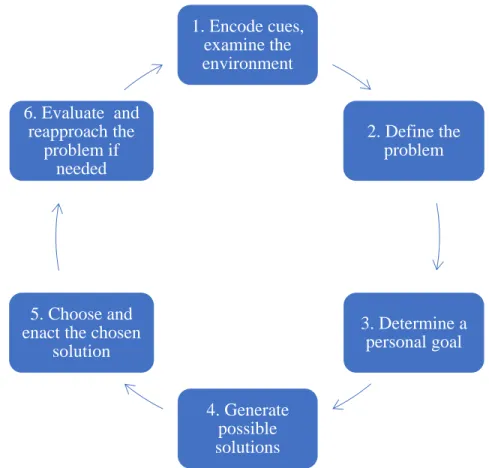
Figure 1. A model of social problem-solving.
Figure 1. This model was influenced by previous models by Crick & Dodge (1994), D’Zurilla and colleagues (2004), Rubin & Rose-Krasnor (1992), and Spivak and Shure (1974).
This model serves as a compilation of the models discussed in this section. It includes
major features of social solving which are relevant for consideration in social
problem-solving research. This study primarily evaluated step one (encoding cues and examining the
environment) and step four (generating possible solutions). Step two (define the problem) and
step three (determine a personal goal) were already provided for the children in this study when
they were presented with the social problem in hypothetical scenarios.
Measures of social problem-solving. Numerous measures exist for assessing children’s social problem-solving, with the most common approach being to ask children to generate
solutions to hypothetical social problems. These types of measures focus on step four in the 1. Encode cues,
examine the environment
2. Define the problem
3. Determine a personal goal
4. Generate possible solutions 5. Choose and
enact the chosen solution 6. Evaluate and
reapproach the problem if
integrated social problem-solving model, as children are typically asked to generate as many
solutions to the presented hypothetical social problem as they can. An early measure by Shure,
Spivak, and Jaeger (1971) called the Preschool Interpersonal Problem Solving (PIPS) test
assessed the quantity of solutions children generated for two problem scenarios. One scenario
involved the child trying to get a toy from a peer, and the other involved an angry mother.
Researchers have since developed other problem-solving measures to study different aspects of
children’s social competence from preschool through adolescence (Evans & Short, 1991; Richard & Dodge, 1982; Sibley, Evans & Serpell, 2010; Walker & Henderson, 2012;
Waschbusch, Walsh, Andrade, King, & Carrey, 2007; Webster-Stratton, 1990). These social
problem-solving measures have similar features and typically ask children to identify the
problem in the scenario and then provide solutions.
Across studies, summary variables, namely proportion of prosocial (or aggressive)
solutions, from these hypothetical problem measures have consistently shown to be associated
with social difficulties. For example, children who gave alternative social problem solutions
high in prosocial content in Fischler and Kendall’s (1988) study were rated as better adjusted on
parent and teacher rating scales. Kofler and colleagues (2015) found that middle school children
who gave more aggressive solutions to hypothetical scenarios also engaged in fewer prosocial
behaviors and more overt aggressive behaviors as measured by a student self-report and teacher
rating scales. In another study, aggressive problem solutions on a hypothetical problem-solving
measure were correlated with parent report of behavior problems as measured by the Child
Behavior Checklist (Coy, Speltz, DeKlyen, & Jones, 2001). Performance on a similar task
impairment (Sibley et al., 2010). Further, Richard and Dodge (1982) found that young boys with
maladjustment provided fewer ideas about how to respond to social problems.
One specific measure of social problem-solving using hypothetical vignettes with young
children is the Wally Problem-Solving Test (Wally; Webster-Stratton, 1990). This measure was
designed considering early research on Spivak and Shure and colleagues’ model and another measure of problem-solving ability by Rubin and Krasnor (1986). Similar to Rubin and
Krasnor’s (1986) measure, the Wally asks children to list multiple solutions to the problem presented. Summary scores for the Wally typically include the number of positive solutions and
the number of different types of positive solutions (Webster-Stratton, Reid, & Hammond, 2001).
Previous research shows positive correlations between proportion of prosocial solutions to
hypothetical vignettes and more reciprocal play as well as positive affect during the child’s interactions with his or her mother (Webster-Stratton & Lindsay, 1999). This measure and data
appears valid, as similar scores on two separate measures were correlated; when compared to
Rubin and Krasnor’s (1986) measure, the Wally total prosocial score correlated with the total positive strategies score (Webster-Stratton et al., 2001). Webster-Stratton and Lindsay (1999)
also found that this measure was more reliable for assessing social competence than child
self-reports about loneliness and acceptance. Given its grounding in the literature, the Wally measure
was used in this study described with young children with self-regulation difficulties.
Social Problem-Solving Solutions
The next section will discuss four ways in which problem-solving solutions have typically
been examined, including prosocial or negative solutions, aggressive solutions, unique solutions,
Prosocial or negative solutions. In the social problem-solving literature, particularly intervention research, a summary score depicting the ratio of positive or prosocial to negative
solutions has been calculated (Webster-Stratton & Hammond, 1997; Webster-Stratton &
Lindsay, 1999; Webster-Stratton et al., 2001; Webster-Stratton, Reid, & Beauchaine, 2013).
Different types of prosocial or positive solutions have also been examined, including emotion
regulation solutions, adaptive or flexible solutions, and verbal assertion. As might be expected,
some of these positive solutions seem to be inversely associated with aggression. For example,
Orobio de Castro, Merk, Koops, Veerman, and Bosch (2005) found that aggressive boys
proposed fewer emotion-regulation and adaptive solutions when responding to video-taped
vignettes. Lochman and Lampron (1986) reported that aggressive boys offered significantly
fewer verbal assertion responses for a peer conflict scenario than did nonaggressive boys. In
another study, children with symptoms of ODD or CD gave less relevant and less flexible
solutions to hypothetical social problems (Waschbusch, et al., 2007). Sometimes solutions are
simply coded as negative (i.e., intrusive or antagonistic). For example, Neel, Jenkins, and
Meadows (1990) reported that aggressive preschoolers used more intrusive and antagonistic
strategies than nonaggressive peers. Further information about aggressive responses (Coy et al.,
2001; Gouze, 1987; Matthys, Cuperus, & Van Engeland, 1999, Orobio de Castro et al., 2005)
will be discussed in more detail in the next section.
Aggressive solutions. The number of aggressive solutions provided to social problems also seems to be an important indicator of children’s behavior and social competence. Much of the existing research utilizing this indicator has been conducted with children with aggressive
behaviors. In a study with hypothetical scenarios involving peer conflict, 7- to 13-year-old boys
Castro et al., 2005), but did not perceive these responses as less negative than did their
nonaggressive peers. In this study, responses were assigned different point values to create an
aggressive response generation variable, with physically or destructively aggressive solutions
receiving two points, verbal aggression or coercion receiving one point, and nonaggressive
solutions receiving zero points (Orobio de Castro et al., 2005). Other studies have reported a
percentage or proportion of aggressive responses out of the total solutions. For example,
Matthys and colleagues (1999) reported that 7- to 12-year-old boys with ODD alone and boys
with both ODD and ADHD selected a higher percentage of aggressive solutions and were more
confident about carrying out these solutions. This method of reporting the percentage of
aggressive solutions has also been used in younger populations. For example, Coy and
colleagues (2001) reported percentage of stories or hypothetical scenarios for which preschool
boys with ODD gave aggressive solutions and found that they were twice as likely as
non-disruptive boys to give aggressive solutions to hypothetical dilemmas. In another study with
preschool boys, this indicator seemed to be directly related to classroom behavior as those who
were more aggressive in the classroom were more likely to give an aggressive solution first for a
hypothetical social problem (Gouze, 1987).
Unique Solutions. Children with aggressive behaviors have also been shown to provide fewer unique solutions to social problems, suggesting possible weaknesses in cognitive
flexibility. In early work, Richard and Dodge (1982) compared elementary school boys in
second to fifth grades who exhibited aggressive behaviors to those who were more isolated and
those who were popular amongst their peers. The aggressive group and the isolated group both
generated significantly fewer solutions to hypothetical social problems than the popular group.
scenarios when compared with normal controls (Matthys et al., 1999). Webster-Stratton and
Lindsay (1999) reported that 4- to 7-year-old children with ODD or conduct problems gave a
significantly smaller number of positive solutions to hypothetical social problem scenarios.
Thus, a number of unique solutions also appears to be a meaningful indicator of problem-solving
skills.
Hostile attribution of intent. Attributions of intent occur before a child determines a solution to a problem, which may influence the solutions they choose. Encoding cues is the first
step in the integrated social problem-solving model previously discussed, which is another area
where children with oppositional or conduct problems have difficulties. For example, Matthys
and colleagues (1999) reported that boys with ODD encoded fewer social cues when presented
with a social problem. Similarly, Webster-Stratton and Lindsay (1999) reported that children
between 4 and 7 years old with ODD or conduct problems had difficulty interpreting social cues
and misinterpreted intent of others in social problems when presented with hypothetical
scenarios.
Early research with aggressive boys in second, fourth, and sixth grades found that, when
presented with an ambiguous situation, they tended to attribute hostile intentions to peers,
assuming that the peer’s behavior was intentional rather than accidental and that they were acting with hostility (Dodge, 1980). This misinterpretation of encoded cues is referred to as hostile
attribution of intent (Orobio de Castro, Veerman, Koops, Bosch, & Monshouwer, 2002). Other
studies also report that aggressive children tend to attribute hostile intent. Dodge and Coie
(1987) found that first and third grade African American males who displayed more reactive
aggression (e.g., striking back when teased, blaming others, and overreacting angrily to events
more aggressive responses to ambiguous social stimuli when compared with proactive
aggressive peers, rejected nonaggressive peers, and average peers. In another study, Lochman
and Dodge (1994) found that preadolescent and adolescent boys with violent behaviors
misinterpret social cues, assigning hostile attribution and having difficulty determining
appropriate solutions to social problems. In a more recent study, Orobio de Castro and
colleagues (2005) reported that aggressive 7- to 13-year-old boys attributed more hostile intent to
peers involved in social problem scenarios. This association is highlighted in a meta-analysis of
41 studies reporting a significant relationship between hostile attribution of intent and aggressive
behavior (Orobio de Castro et al., 2002). Thus, hostile attributional bias is the fourth indicator of
problem-solving skills that was examined in this study.
Social Problem-Solving and Symptom Presentation
As indicated in the literature reviewed so far, most social problem-solving research has
focused on children with aggressive behaviors. Also, the majority of research examining
symptoms of ODD and aggression and social problem-solving was conducted in the 1980s and
1990s (Dodge & Coie, 1987; Lochman & Dodge, 1994). It is still relevant to review, however,
as it has influenced more recent work focusing on specific age or symptom groups (Kofler et al.,
2015) and intervention effects (Webster-Stratton et al., 2013).
This next section will summarize what is known about social problem-solving in children
with ODD, both ADHD and ODD, and ADHD alone, which is important in understanding how
child behavior symptoms beyond aggression per sé may be related to social problem-solving.
First, research regarding aggression and symptoms of Oppositional Defiant Disorder (ODD) is
presented, followed by an overview of research involving children with symptoms of both ODD
and social problem-solving research focused on children with symptoms of ADHD is presented.
While this study focused on symptoms, much of the relevant literature presented in the following
sections researched disorders, including children with diagnosed ODD and ADHD in their
samples.
Social problem-solving and ODD. ODD is characterized by defiance, negativism, disobedience, and hostile behaviors that are inappropriate for the child’s developmental level (Hamilton & Armando, 2008). The Diagnostic and Statistical Manual of Mental Disorders,
Fifth Edition (DSM-5) details diagnostic criteria for ODD as four symptoms from a list associated with either angry/irritable mood, argumentative/defiant behavior, or vindictiveness
over at least a six month period (American Psychiatric Association, 2013). Diagnostic
requirements for Conduct Disorder (CD) include presence of at least three of a set of fifteen
criteria that are presented in four groups of symptoms: aggression to people and animals,
destruction of property, deceitfulness or theft, and serious violations of rules (American
Psychiatric Association, 2013). The DSM-5 requires that these symptoms occurred over the past
12 months, with at least one symptom present within the most recent six months to meet
diagnostic criteria, and requires that the symptoms are present during interactions with at least
one person besides siblings. Some children with ODD go on to be diagnosed with CD later in
life (Hamilton & Armando, 2008).
Research with young children has shown early impact of these symptoms on social
problem-solving, as preschool boys with ODD were twice as likely as non-disruptive peers to
give aggressive solutions to social problems (Coy et al., 2001). Research with children between
4 and 7 years old with ODD or conduct problems has also shown a lower ratio of positive versus
attributions of intent than for a control group of peers (Webster-Stratton & Lindsay, 1999). In
another study, boys between 7 and 12 years old with ODD or CD generated fewer responses and
more frequently selected aggressive responses to social problems than same age peers in a
control group (Matthys et al., 1999). Studies of boys with aggressive behaviors have also
reported that they generated fewer responses than “popular” peers (Richard & Dodge, 1982),
attribute more hostile intentions (Dodge, 1980; Orobio de Castro et al., 2002), give more
aggressive solutions (Orobio de Castro et al., 2005), and have a smaller proportion of prosocial
solutions to social problems (Neel et al., 1990; Orobio de Castro et al., 2005).
Research has also explored social problem-solving differences among children with
varying levels of aggression. For example, although both moderately aggressive and severely
violent boys showed deficits in social problem-solving, severely violent boys showed more
difficulties with attributional bias and self-worth (Lochman & Dodge, 1994). This finding
emphasizes the importance of supporting students with more severe problems. As such, this
study included a sample of young children who were identified as displaying significant
social-emotional difficulties including conduct problems.
Social Problem-Solving in Children with ADHD and ODD Symptoms. ODD is comorbid in an estimated half of children with ADHD-combined type (American Psychiatric
Association, 2013), making it important to examine symptoms of these disorders together when
investigating social problem-solving. In particular, ADHD is also associated with peer rejection
(Pope, Bierman & Mumma, 1991) and may exacerbate social problem-solving. Children with
comorbid ADHD and ODD often do not have close friends (Wehmeier et al., 2010). A study
with third graders found that children with both ADHD symptoms and conduct problems were
and externalizing problems and those in a control group (Gresham, MacMillan, Bocian, Ward,
& Forness, 1998). In another study, preschoolers were rated as less socially competent when
they exhibited symptoms of both ODD and ADHD rather than just ADHD alone (Pollack,
Hojnoski, DuPaul, & Kern, 2016). With regard to social problem-solving, ODD symptoms seem
to significantly contribute to impairment in children experiencing both ODD and ADHD.
Matthys and colleagues (1999) found that boys with ODD or CD only and those with ADHD and
ODD/CD both chose more aggressive responses and selected fewer prosocial responses when
compared to a control group. However, boys with both ADHD and ODD or CD encoded fewer
social cues, generated fewer solutions, and showed more confidence about acting out an
aggressive solution relative to children with ADHD alone and controls (Matthys et al., 1999).
Coy and colleagues (2001) also studied boys with ODD, looking at differences in those who had
comorbid ADHD. They reported that social cognitive processes, including encoding, attributions,
problem-solving, and evaluation of responses, was not impacted by comorbid ADHD in boys
with ODD (Coy et al., 2001).
Similarly, in earlier work, Milich and Dodge (1984) found that boys with hyperactive and
aggressive behaviors were deficient in paying attention to and recalling social cues relative to
boys with other psychiatric diagnoses and normal controls. The boys with both hyperactive and
aggressive behaviors, reflecting symptoms of both ADHD and ODD, were more likely to
attribute hostile intent to their peers, and anticipated that this hostility would continue in the
future. They also responded to ambiguous hypothetical situations with aggressive retaliation
against a peer (Milich & Dodge, 1984). Overall, these studies indicate that children with ODD
alone and those with comorbid ADHD and ODD have similar social problem-solving deficits,
Social problem-solving in children with ADHD symptoms. ADHD includes symptoms of inattention and/or hyperactivity/impulsivity. ADHD-combined presentation involves both
types of symptoms and predominately inattentive presentation and predominantly
hyperactive/impulsive involves elevations with those specific symptoms (American Psychiatric
Association, 2013). The Diagnostic and Statistical Manual of Mental Disorders, Fifth Edition
(DSM-5) requires at least six inattentive symptoms and/or at least six hyperactive/impulsive symptoms present in different settings for at least six months at a developmentally atypical level,
impairing functioning in at least two areas such as social activities and academics, with onset
before the age of 12 (American Psychiatric Association, 2013). Inattentive symptoms include
failure to attend closely to details, difficulty sustaining attention during tasks or play, not
seeming to listen to others, difficulty following instructions and completing tasks, problems with
organization, avoiding tasks which require sustaining attention, losing necessary items,
becoming distracted easily, and being forgetful. Hyperactive or impulsive symptoms include
fidgeting, tapping, or squirming, leaving his or her seat at unexpected times, running or climbing
when inappropriate, having difficulty quietly engaging in leisure activities, seeming restless,
excessively talking, blurting out, interrupting or intruding, and having difficulty waiting
(American Psychiatric Association, 2013).
The unique impact of ADHD symptoms on problem-solving has been rarely studied,
probably because it is difficult to determine whether social difficulties are related to ADHD
specifically or to aggressive behaviors, which frequently co-occur. This is particularly true for
children with ADHD-combined type who often display aggressive behavior in social situations
as well as emotion regulation challenges such as appearing more “intense” (Maedgen and
2002; de Boo & Prins, 2007; Hoza et al., 2005; Maedgen & Carlson, 2000), limited research has
focused on their social problem-solving specifically (Matthys et al., 1999). Given these
limitations, the next section reviews existing research on social difficulties in children with
ADHD symptoms more broadly to assist in generating hypotheses about how ADHD symptoms
may independently contribute to social problem-solving.
Social difficulties. Children with ADHD have difficulty in social encounters with peers, which could impact their ability to solve social problems. Inattention, performance deficits, and
problem behaviors have been found to interfere with social interactions (de Boo & Prins, 2007).
Children with ADHD also have difficulty sharing, cooperating, self-regulating, and taking turns
with their peers. They may interact in a way that is more commanding, intrusive, and hostile
compared to their peers, and they may appear more focused on themselves (Barkley, 2002). Not
surprisingly, these difficulties contribute to problems with friendships. Maegden and Carlson
(2000) found that those with ADHD-combined type were less liked by their peers and received
lower social preference scores than their peers. Teachers in this study also rated children
between 8 and 11 years old with ADHD-combined type as less liked than other students, and
peers viewed them as less popular. Similarly, Hoza and colleagues (2005) found that 7- to
9-year-old children with ADHD were less socially preferred, with more than half in their study
lacking any dyadic friends. Further, 53% of children with ADHD were rejected by their peers,
while just 14% of the comparison group experienced peer rejection. Overall, children with
ADHD exhibit significant social impairment which continues into adolescence (Sibley et al.,
2010) and adulthood (McMurran, Blair & Egan, 2002) and predicts important outcomes like
delinquency, impairment, anxiety, and cigarette use (Mrug et al., 2012). Thus, understanding
Limited research has examined social competence in children with different ADHD
subtypes. Maedgen and Carlson (2000) looked at differences in children with ADHD-combined
type, ADHD-inattentive type, and controls. They found that those with ADHD-combined type
were more aggressive and had more difficulty with emotional dysregulation while those with
ADHD-inattentive type were more socially passive and exhibited social knowledge deficits.
Another study found that children with hyperactive symptoms were rated as less desirable work
partners in school by their peers (Grenell, Glass, & Katz, 1987). So, while research
differentiating social problems for specific symptoms is limited, there do seem to be some
differences between children with inattentive symptoms and those with more
hyperactive/impulsive symptoms, which could also affect their social problem-solving.
Social problem-solving and ADHD. As noted, limited research has specifically examined social problem-solving in children with ADHD, however, there is indication that problems
focusing attention and weaknesses in working memory affect interpretation of social cues
(Kofler et al., 2011). Based on Crick and Dodge (1994) noting the importance of encoding
social cues for effective problem-solving, it is reasonable to think that inattention could
negatively impact social problem-solving independently of hyperactivity or aggression.
The few studies in this area suggest that children with ADHD have difficulties solving
social problems. Matthys and fellow researchers (1999) found that 7- to 12-year-old boys with
ADHD (and without ODD) encoded fewer social cues for problem scenarios when presented
with video-taped social problem stimuli when compared with a control group. They also
generated fewer unique solutions to two of the three problems that involved scenarios of being
disadvantaged and coping with competition. In another study comparing social cognitive skills
disorders had significantly worse performance on a social problem-solving task when compared
to a normative group (Demopoulos, Hopkins, & Davis, 2013). Although limited, these data
suggest some social problem-solving deficits related to ADHD alone, particularly with regard to
encoding social cues and generating unique solutions.
There are also important gaps in this research. These studies do not consider differences
in ADHD subtypes, particularly ADHD-inattentive type, which could present different
challenges for social problems. Further, the study evaluating problem-solving in children with
ADHD versus controls (Matthys et al., 1999) did not consider other potentially important
differences such as attributional bias. Matthys and colleagues (1999) also studied only boys,
another important limitation addressed in the present study. Gender is an important factor to
consider and is discussed in more detail next.
Child Sex and Social Problem-Solving
Many of the studies on social problem only included boys (Coy et al., 2001; Gouze,
1987; Matthys et al., 1999; Orobio de Castro et al., 2005). This could be due to differences in
the prevalence rates of ODD (1.4 males:1 female) and ADHD (2 males:1 female; American
Psychiatric Association, 2013), however, it is valuable to include children of both sexes in social
problem-solving research to better represent the population and to determine if there are any
differences that may be related to sex.
Some research has shown differences in social problem-solving between sexes, although
data are limited and not consistent. One study found that young men had a more positive and
less negative orientation to solving social problems than did young women (D’Zurilla,
Maydeu-Olivares, & Kant, 1998). Young women also appeared to be less impulsive or careless in their
tended to give more socially competent responses to hypothetical social situations than did
preschool boys (Walker, Irving, & Berthelsen, 2002). Preschool girls were also less likely to
react with retaliation and aggression, both verbal and physical (Walker et al., 2002). Based on
the limited literature, it is unclear if girls may have less impaired social problem-solving, and if
so, on what indicators. Thus, this study explored whether child sex affects the relationship
between social problem-solving and inattentive, hyperactive/impulsive, and oppositional defiant
symptoms.
Summary of Gaps in the Literature and Rationale for this Study
Some of the research presented in this literature review was conducted in the 1980s and
1990s, when social skills interventions were also developed, however, as noted, additional
knowledge about social problem-solving is needed to tailor interventions to meet the needs of
children with specific symptom profiles. Knowing more about social problem-solving deficits
and symptom presentation is important as it may suggest ways to enhance social skill
interventions for children with ADHD in particular, which have not been found to be effective to
date (Evans et al., 2014).
This review of literature revealed that while numerous studies have examined social
problem-solving and aggression or ODD, few have examined ADHD symptoms in a manner that
allows their unique influence to be determined apart from ODD symptoms or aggressive
behavior. Research has also minimally evaluated the impact of inattentive symptoms and
hyperactive/impulsive symptoms, despite reasons to believe there could be differences in social
problem-solving (Maegden & Carlson, 2000; Neijmeijer et al., 2008). Thus, this proposal will
contribute to knowledge about the influence of different symptom profiles (ADHD vs. ADHD +
Further, existing research examining both ADHD symptoms and aggression or ODD
symptoms has exclusively involved boys (Matthys et al., 1999; Milich & Dodge, 1984). Girls
may also experience inattention, hyperactivity/impulsivity and aggression, so it is important to
consider their social problem-solving performance as well. Girls may approach problems
differently, using more covert aggression such as verbal aggression, rumors, or exclusion of a
peer than physical aggression (Hamilton & Armando, 2008). Including both boys and girls in
this study will gather data that prior studies did not include.
To address these gaps in the literature, this study further investigated the relationship
between social problem-solving and inattention, hyperactivity-impulsivity, and
oppositional/defiant symptoms. It examined proportion and number of prosocial solutions,
proportion and number of aggressive solutions, number of unique solutions, and hostile
attribution of intent, along with the types of solutions.
Research Questions and Hypotheses
The study investigated how children with symptoms of inattention,
hyperactivity-impulsivity, and opposition/defiance solve social problems. The following research questions
were be analyzed:
Research Question One. To what extent do inattentive, hyperactive-impulsive, and oppositional/defiant symptoms predict social problem-solving skills as measured by the
following indicators: (a) proportion and number of prosocial solutions, (b) proportion and
number of aggressive solutions (verbal and/or physical aggression), (c) number of unique
solutions, and (d) hostile attribution of intent, and does accounting for child sex impact the
Given that symptoms of ODD contribute to worse social problem-solving in children with
ADHD (Coy et al., 2001; Kofler et al., 2015), it was hypothesized that ODD symptoms would be
the strongest predictor of each of the six outcomes based on the existent literature (Coy et al.,
2001; Dodge, 1984; Matthys et al., 1999; & Milich & Dodge, 1984). It was expected that
hyperactive-impulsive symptoms would be the next strongest predictor for proportion and
number of prosocial solutions, proportion and number of aggressive solutions, and hostile
attribution of intent, as the literature suggests that children with ADHD-combined type encode
fewer social cues (Matthys et al., 1999) and exhibit more aggression and emotion dysregulation
than children with ADHD-inattentive type (Maedgen & Carlson, 2000). Although research is
limited detailing the impact of inattentive symptoms alone, it was also hypothesized that
inattentive symptoms would be a stronger predictor for number of unique solutions than
hyperactive-impulsive symptoms, as the literature suggests that children with predominately
inattentive symptoms are more socially passive and often lack social knowledge (Maedgen &
Carlson, 2000). This question will analyze symptoms as continuous variables.
Research Question Two. Do students at risk for ADHD-combined type and those at risk for both ADHD-combined type and ODD differ from at-risk students without significant ADHD and
ODD symptoms in: (a) proportion and number of prosocial solutions, (b) proportion and number
of aggressive solutions (verbal and/or physical aggression), (c) number of unique solutions, and
(d) hostile attribution of intent?
While the first research question looks at symptoms as continuous variables, this second
research question studies symptoms categorically, creating distinct symptom groups. The groups
included those at risk for both ADHD and ODD, those at risk for ADHD alone, and a
risk for both ADHD and ODD would have fewer prosocial solutions, more aggressive solutions,
fewer unique solutions and more hostile attribution of intent than the other two groups. The
presented literature suggests that symptoms of ODD, including aggression, impact these areas
(Coy et al., 2001; Gouze, 1987; Lochman & Lampron, 1986; Matthys et al., 1999; Neel et al.,
1990; Orobio de Castro et al., 2002; Orobio de Castro et al., 2005; Webster-Stratton & Lindsay
1999). It was also hypothesized that children at risk for ADHD would have fewer prosocial
solutions, more aggressive solutions, fewer unique solutions, and greater hostile attribution of
intent than children without these specific difficulties, based upon the findings of Maedgen &
Carlson (2000) and Wheeler & Carlson (1994).
Research Question Three (Exploratory): To what extent are inattentive, hyperactive-impulsive, and oppositional/defiant symptoms related to types of hypothetical solutions
generated [e.g. direct action, passive acceptance, verbal assertion, etc.]?
Given lack of data relevant to this question, no specific hypotheses will be made. Rather,
CHAPTER 3: METHODOLOGY
This study used multivariate regression analysis to determine the impact of symptoms of
inattention, hyperactivity-impulsivity, and opposition/defiance on social problem-solving in a
sample of first and second grade students with self-regulation difficulties. This study also used
analysis of variance (ANOVA) to determine the difference between children at risk for
ADHD-combined presentation, those at risk for both ADHD and ODD, and those with other social
emotional difficulties. Tis study used data from an established social problem-solving measure
and an emotion attribution measure administered directly to participating children, a parent
background form, and two measures completed by each child’s teacher. An overview of the participants, procedures, measures, and analysis is detailed in the following sections. The larger
study from which these data were obtained has The University of North Carolina Institutional
Review Board (IRB) approval (15-0810), but an additional IRB application was submitted
specifically for the analyses utilizing baseline data only. The IRB application was reviewed and
the current study (19-1194) was exempted.
Participants
Participants for this study provided baseline data for a federally funded randomized
control trial of the Incredible Years Dina Dinosaur Treatment Program for children with
self-regulation difficulties (R305A150169). Only children in the second and third cohorts (n = 138)
were examined for this study, for whom measures of interest were collected. This study also
analytic sample was 136 children. Based upon measures described below, 17 of the participants
were categorized at being at risk for ADHD only and 42 as at-risk for ADHD and ODD.
Participants attended nine elementary schools in three school districts in the southeastern United
States. Schools were identified for the study based the school principal’s interest in participating
and by recommendation from the school district.
Student demographics. Of the 136 children who will be included in this study, 68.4% (n = 93) were identified as male by their parents. Age of participants ranged from 6.00 years (72
months) to 9.33 years (112 months) with a mean age of 7.12 (86.39 months). At the time of the
baseline data collection, 61 (44.9%) of the participants were in first grade and 75 (55.1%) were
in second grade. Based on parent or guardian report, 61% identified as non-Hispanic African
American, 22.8% as non-Hispanic Caucasian, 8.8% as Hispanic, and 7.4% as non-Hispanic
multi-race. Parents report also indicated that 75% of the children in this study received free or
reduced-price lunch at school.
Participant identification. The screening process used to identify participants for the parent study included teacher nomination as well as a screening measure. Teachers nominated
students for the intervention in the parent study for whom they were concerned about disruptive
behaviors, emotion regulation, and social skills. Teacher concerns were reported using a
nomination form during the spring preceding the larger study’s intervention. The school
counselor at each of the schools distributed parent permission forms and called students’ parents
about participating in the study.
For those students whose parents provided written consent, teachers completed the
the screening process. Those students who met the “at-risk” criteria (≥12) on the Total
Difficulties Scale of the SDQ were invited to participate in the study. Due to the nature of the
intervention involved in the parent study, some students were excluded from the study, including
those with autism spectrum disorder, significant intellectual difficulties, and limited English
proficiency, along with students who were in full-time special education classrooms.
Procedure
Data for this study were derived from several types of measures. These measures
included a parent background form, two teacher measures, and two measures administered
directly to children including a social problem-solving measure and an emotional attribution
measure. Baseline assessments, which included the data analyzed in this study, took place in
September and October 2016 and 2017. The following sections describe the procedure for each
of these types of data collection in more detail.
Parent background form. Parents or guardians of each child participant completed a background form, and returned it in a sealed envelope to the school. They submitted this form
when they submitted written consent for the study. The background form asked about the child’s
age, sex, race/ethnicity, parent education, and whether or not the child qualified for free or
reduced price lunch. If the forms were missing any information, the data collection team made
phone calls to the parents to collect the missing information. Parents received a $5 gift card for
returning the study’s consent form, regardless of whether or not they chose to participate. Teacher measures. Teachers completed several measures via an online survey, including two that were used in this study. At the baseline assessment, from which the present
start of the academic year with a data collection period of approximately one month. The
teachers were compensated $25 for each child for whom they completed the measures.
Direct child measures. Trained data collectors worked with students individually to complete both the social problem-solving measure and the emotion attribution measure. Data
collectors included graduate students and temporary research assistants with an appropriate child
development and testing background. All data collectors completed a manualized training
covering all direct child measures (including three measures not involved in this study) which
took approximately 30 hours to complete. At the completion of the training, each data collector
was required to pass a certification, which included administering the assessment measures with
a child who was not in the study. To ensure that administration was as standardized during data
collection as possible, periodic video reviews of the direct child assessments were conducted and
feedback and coaching was provided as needed.
During the direct child assessments, children were presented with a chart on which they
could place one star after they completed each task. Once they completed all five tasks, each
representing completion of one of the direct child measures, earning all five stars, they were
permitted to select a small prize. Each session with all of the direct child assessment measures
took approximately 45 minutes. The sessions were completed in a quiet and private room at the
child’s school, often a conference room or the school counselor’s office, and were video-recorded for data coding purposes.
Measures
The measures included in this study are presented in the table below and discussed in
Table 1
Measures
Domain Assessed Type of Measure
Strength and Difficulties
Questionnaire (SDQ; Goodman, 1997)
Screening measure used determine inclusion in the
study.
25 Items, 5 Scales, Rated 0 to 2, completed by Teacher
Strengths and Weaknesses of ADHD Symptoms and Normal Behavior (SWAN; Swanson et al., 2012)
Symptoms:
hyperactivity/impulsivity, inattention, and opposition/defiance.
Ratings on a 7-point scale -3 to +3, completed by teacher
Adapted Wally Problem-Solving
Test (Webster-Stratton, 1990). Child responses to social problems. Structured interview directly with child. Child is presented with
6 problem scenarios and asked to give up to
six solutions for each scenario.
The Assessment of Children’s Emotion Skills (ACES; Schultz, Izard, & Bear, 2004)
Child estimation of others’ emotions and hostile
attribution of intent.
26 faces items (photos), 6 behavior items and 6 situation items (read aloud) conducted directly with
child.
Strength and Difficulties Questionnaire (SDQ). Teachers completed the Strengths and Difficulties Questionnaire (SDQ; Goodman, 1997), which is widely used to screen for
psychiatric disorders (Goodman, Ford, Simmons, Gatward, Meltzer, 2000). The measure has 25
items and five scales, each with five items, including the hyperactivity scale, emotional