
Journal of Chemical and Pharmaceutical Research
__________________________________________________
ISSN No: 0975-7384 CODEN(USA): JCPRC5
J. Chem. Pharm. Res., 2011, 3(4):951-958
Transition metal complexes and their application in drugs and
cosmetics – A Review
Warra, A.A.*
Department of Biochemistry, Kebbi State University of Science and Technology, Aliero, Nigeria
______________________________________________________________________________
ABSTRACT
Inorganic compounds particularly transition metals have played an important role in the development of new metal based drugs and in some cosmetic formulations. In this review a cursory look at the application of these metal complexes in the areas of pharmacy, microbiology and cosmetology has been expatiated to provide an insight of the contribution of inorganic chemistry towards drugs and cosmetic delivery.
Keywords: Metal complexes, pharmaceuticals, cosmetics.
______________________________________________________________________________
INTRODUCTION
diversity in their action; they do not only have anti-cancer properties but have also been used as anti-inflammatory, anti-infective and anti diabetic compounds. Development of transition metal complexes as drugs is not an easy task; considerable effort is required to get a compound of interest. Beside all these limitations and side effects transition metal complexes are still the most widely used chemotherapeutic agents and make a large contribution to medicinal therapeutics in a way that is, unimaginable in few years back. (Rafique et al., 2010). Transition metal complexes are important in catalysis, materials synthesis, photochemistry, and biological systems. They display diverse chemical, optical and magnetic properties. This review is aim at having an insight on the modern application of transition metal complexes in the production of drugs and cosmetics, with a critical overview of the present advancement in these areas.
Antibiotics as inhibitors of some metal complexes.
Antibiotics are substances which, even at low concentrations, inhibit the growth and reproduction of bacteria and fungi. The treatment of infectious diseases would be inconceivable today without antibiotics. (Koolman and Roehm, 2005)
Most of the antibiotics were originally derived from micro-organisms while the chemotherapeutic agents are from plants.( Chhetri et al., 2010 )
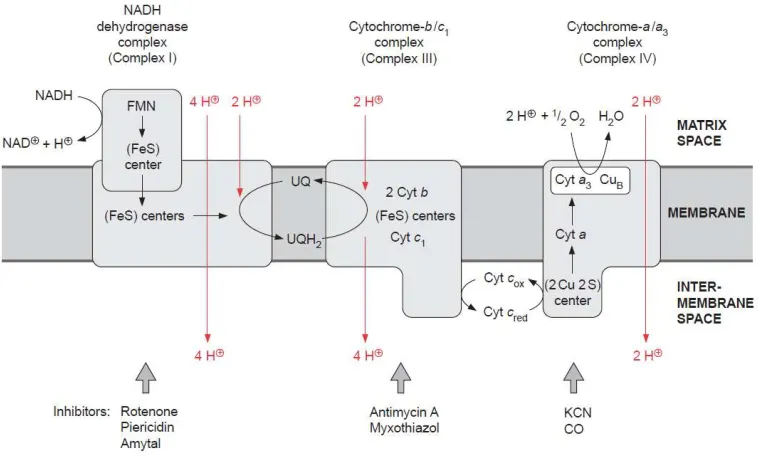
[image:2.595.111.491.453.681.2]Recently the three-dimensional structure of the cyt-a/a3 complex has been resolved by X-ray structure analysis of these complexes from beef heart mitochondria and from Paracoccus
denitrificans. The complex has a large hydrophilic region that protrudes into the intermembrane
space and contains the binding site for cyt-c. In the oxidation of cyt-c, the electrons are transferred to a copper sulfur cluster containing two Cu atoms called CuA. These two Cu atoms are linked by two S-atoms of cysteine side chains (Fig. 2). This copper-sulfur cluster probably takes up one electron and transfers it via cyt-a to a binuclear center, consisting of cyt-a3 and a Cu atom (CuB), bound to histidine. This binuclear center functions as a redox unit in which the Fe-atom of the cyt-a3, together with CuB, take up two electrons. [Fe+++.CuB++]+ 2e- →
[Fe++.Cu+B]
Fig.2.Copper sulfur cluster of the cytochrome-a/a3 complex, termed CuA, a Cu2+-and a Cu+-ion (Heldt and Heldt, 2005).
Anti-microbial assay
Table-1: Anti-microbial Activities of Ligand and Metal Complexes ( Jayaseelan et al., 2010)
Antibacterial activity of metal complexes
Air stable Ag(I), Co(II) and Cu(II) complexes of pyrimethamine have been synthesized and characterized by Idemudia and Ajibade (2010) Based on their electronic spectral results, a linear geometry has been suggested for the Ag(I) complexes, tetrahedral geometry and an octahedral geometry for Co(II) and Cu(II) complexes. The antimicrobial screening of the complexes showed that the Ag(I) complexes have enhanced activity, with {[Ag2(pyrm)2].0.7CH3OH} showing a stronger antimicrobial potential at an MIC value of 0.03125 mg/ml.( Idemudia and Ajibade ,2010)
Antimicrobial test
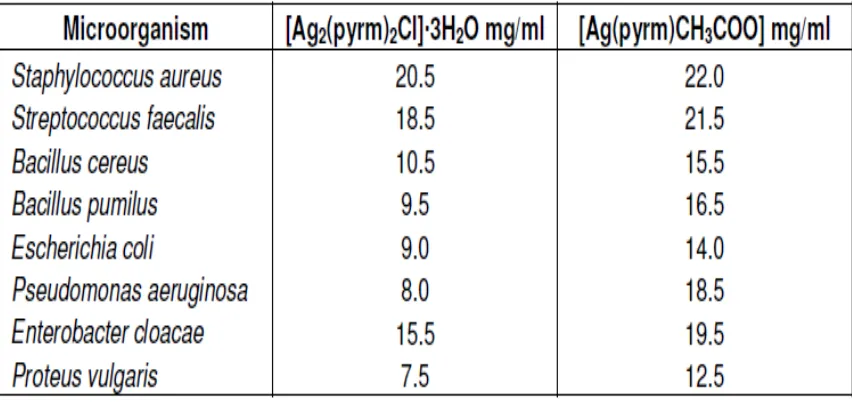
the bacteria isolates as shown in Table 3. This result along with MIC results further reveals that [Ag(pyrm)2Cl]_3H2O has a stronger antimicrobial activity. ( Idemudia and Ajibade, 2010)
Table 2. Sensitive patters of zones of inhibition exhibited by complexes on some pathogens. ( Idemudia and Ajibade, 2010)
Table 3. The minimum inhibitory concentrations (MIC) exhibited by the complexes against the bacteria isolates. ( Idemudia and Ajibade, 2010)
[image:5.595.82.532.469.680.2]
Antibiotic activity of cefotaxime metal complexes
Cefotaxime (Hcefotax) interacts with transition metal ions to give [M(cefotax)Cl] complexes (M = Mn(II), Fe(III), Co(II), Ni(II), Cu(II) and Cd(II)) which were characterized by physicochemical and spectroscopic methods and a tetrahedral geometry is suggested for their structure. The IR and the 1H-NMR spectra of the complexes suggest that the cefotaxime behaves as monoanionic tridentate ligand . The complexes have been screened for antibacterial activity against several bacteria, and the results are compared with the activity of cefotaxime. (Anacona and Silva2005 ). The antibiotic cefotaxime belongs to the third generation cephalosporins and resistance to it may be related to the inability of the antibiotic to reach its sites of action, to alterations in the penicillin-binding proteins that are targets of the cephalosporins, or to bacterial enzymes (beta-lactamases) that can inactivate the cephalosporin. The cephalosporins however, have variable susceptibility to beta-lactamase. For example, third generation cephalosporins are more resistant to hydrolysis by the beta-lactamases produced by gram-negative bacteria than first generation cephalosporins. (Anacona and Silva 2005 )
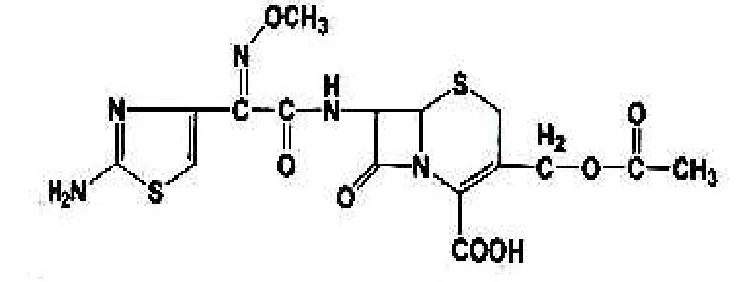
[image:6.595.128.496.335.476.2]Anacona and Silva (2005) reported the synthesis and characterization of cefotaxime metal complexes. The structure of cefotaxime is shown in Figure 3
Fig 3. The structure of cefotaxime (Anacona and Silva 2005)
The new suggested structure of cefotaxime
Fig. 4. Tentative structure of the cefotaxime metal complexes [M(cefotax)Cl], ( M = Mn(II), Co(II), Ni(II), Cu(II) and Cd(II)). (Anacona and Silva , 2005)
Metal Complexes in Cancer treatment and Research
Previous and recent researches have shown a tremendous success in the use of metal complexes particularly the transition metal complexes in the treatment of cancer.
The therapeutic use of metal complexes in cancer and leukemia are reported from the sixteenth century. In 1960 an inorganic complex cisplatin was discovered, today more than 50 years, it is still one of the world’s best selling anticancer drug. Metal complexes formed with other metals like copper, gold, gallium, germanium, tin, ruthenium, iridium was shown significant antitumor activity in animals. (Hariprasath et al., 2010). Transition metals (Ti, V, Cr, Mo, Mn, Fe, Cu and others) have been reported to have antitumour activity, many of which have been modelled on the square planar coordination of cisplatin but a number with octahedral coordination have also been found to be active( Thomas, 2007). Some other transition metals also used as anticancer drugs. Titanium complexes, gold complexes also show significant antitumor activity. In the treatment of ovarian cancer ruthenium compounds containing arylazopyridine ligands show cytotoxic activity. ( Loo et al., 2004 ). At the current time, cis- [Pt(NH3)2Cl2] is one of the most widely used anticancer agents and is the only anticancer agent known that can cure a malignancy. This result has been achieved for testicular cancer when the disease is discovered in its early stages. Because cis-[Pt(NH3)2Cl2] exhibits severe renal toxicity and has narrow applicability to few tumor types, the search has continued for less toxic and wider spectrum platinum-containing anticancer agents. A second drug, [Pt(NH3)2 (CBDCA)] (CBDCA = the cyclobutane-1,1-dicarboxylate ligand), carboplatin has been brought into clinical usage.
Transition metals in Cosmetics
(Mn), magnesium (Mg) copper (Cu), chromium (Cr) and zinc (Zn), the last in a fairly high concentration of 22 mg per 100g of hair.( Butler, 2000 ).
Nickel as one of the transition metals is used in cosmetics as skin sentisizer. To behave as a skin sensitizer a substance must first penetrate the stratum corneum, partition into the epidermis, and react with endogenous proteins to form a hapten–carrier conjugate.
Such substances according to ( Leyden and Rawlings,2002 )will therefore normally be of low molecular weight (normally<400 D), e.g., metals (nickel).
CONCLUSION
Potential metal-antibiotic drugs and some cosmetics were focused in line with application of biocoordination chemistry which appears to be crucial for improving the design of compounds to reduce toxic side effects and understand their mechanisms of action. This serves as a light cast for chemist interested in developing greener design of drugs and cosmetics.
REFERENCES
[1] Anacona JR. and Silva GD. J. Chilean Chem Soc. 2010, 50( 2): 447-450
[2] Butler H. Poucher’s Perfumes, Cosmetics and Soaps. 10th Edition . Kluwer Academic Publishers, Dordrecht, The Netherlands. 2000 ;259
[3] Chhetri, HP.,Yogol, NS. Sherchan, J and Anupa KC., Mansoor, S and Panna Thapa,P.
Kathmandu Univ.J. Sci., Engineering Tech.2010, 6(1): 102-107
[4] Cox, PA. Instant Notes Inorganic Chemistry. 2nd Edition. BIOS Scientific Publishers
New York, NY 10001–2299, USA. 2005 ; 237
[5] Hariprasath,K., Deepthi,B., Sudheer,I. Babu, P. Venkatesh, P., Sharfudeen,S.,Soumya,V
J. Chem. Pharm. Res .2010, 2(4):496-499
[6] Heldt HW and Heldt F. Plant Biochemistry . 3rd Edition. Elsevier Academic Press San Diego, California 92101-4495, USA.2005, 150-152
[7] Idemudia OG. and Ajibade PA. African J. Biotechnol. 2010, 9(31): 4885-4889,
[8] Jayaseelan P. Prasad S., Vedanayaki S and Rajavel R. Int. J. Chem. Environ. Pharm. Res.
2010, 1(2): 80-88
[9] Koolman J and Roehm K. Color Atlas of Biochemistry. 2nd Edition. Georg Thieme Verlag Rüdigerstrasse 14, 70469 Stuttgart, Germany. 2005, 254
[10]Loo C, Lin A, Hirsch L, Lee MH, Borton J, Halas N, West J, Drezek R, Tech. Cancer Res.
Treat. 2004, 3(1):33-40.
[11]Leyden,J.J. and Rawlings, A.V. Skin Moisturization. Marcel Dekker, Inc. 270 Madison Avenue, New York. 2002, 378
[12]Pieter C., Bruijnincx A and Sadler PJ. Curr. Opin. Biol. 2008, 12(2):197-206
![Fig. 4. Tentative structure of the cefotaxime metal complexes [M(cefotax)Cl], ( M = Mn(II), Co(II), Ni(II), Cu(II) and Cd(II))](https://thumb-us.123doks.com/thumbv2/123dok_us/8782648.905092/7.595.133.417.102.299/fig-tentative-structure-cefotaxime-metal-complexes-cefotax-ii.webp)
