Full Length Research Article
VEGETATIVE PERFORMANCES, CHEMICAL COMPOSITION AND FEEDING VALUE OF SOYBEAN
UNDER IMPACT OF WATER DEFICIT AND SPIDER MITES
*Natalia Georgieva, Ivelina Nikolova and Yordanka Naydenova
Technology and Ecology of Forage Crops, Institute of Forage Crops, Pleven-5800, Bulgaria
ARTICLE INFO ABSTRACT
A pot experiment was conducted to investigate the vegetative performances, chemical composition and feeding value of soybean under impact of water deficit and spider mites as well as the possibility to their overcome through imidacloprid treatment. The development of aboveground mass, root mass and biochemical composition of soybeans were influenced by the water deficit and mites, but the sensitivity of these parameters to the action and interaction of these stress factors was different. The aboveground mass showed a greater sensitivity to mite attack while the root biomass – to water stress. The interaction water deficit × mites reduced the plant height, leaf weight, aboveground biomass and nodulation (respectively by 24.7, 45.7, 41.9 and 48.8%) and increased the root length and root weight (1.4 and 1.9 times). The crude protein and mineral content of soybean leaves was reduced under water stress × mites. The soybean
leaves had also a higher content of plant cell walls and a lower in vitro digestibility as the
negative consequences of mite feeding on these parameters were stronger pronounced than these of water stress. Positive and significant effect of the treatment with imidacloprid after the imposed stress in soybeans was established in terms of the parameters plant height and aboveground biomass.
Copyright©2016, Natalia Georgieva et al.This is an open access article distributed under the Creative Commons Attribution License, which permits unrestricted use, distribution, and reproduction in any medium, provided the original work is properly cited.
INTRODUCTION
Because of its potential for large-scale production, soybean
(Glycine max (L.) Merrill) has excelled in the world
agricultural economy as a major oilseed crop. At present, soybeans are grown primarily for oil extraction and for use as a high protein meal for animal feed (Singh and Shivakumar, 2010). According to Li-Juan and Ru-Zhen (2010), it has a protein content of approximately 40% and an oil content of approximately 20%. In 2014, the area harvested with soybeans worldwide was 117.7 million hectares, with a total production of 308.4 million tons in the same year (Faostat, 2014). This crop is currently being grown around the world, including in much of North America, South America and Asia (Kumudini, 2010).) Soybean is very sensitive to environmental conditions (Mundstock and Thomas, 2005). Although the effects of various environmental factors interfere with the performance of crops, water restriction is the main limiting environmental factor that contributes to the failure to obtain maximum
soybean yields (Casagrande et al., 2001). Lisar et al. (2012)
report that the impacts of water stress in crop plants can reduce productivity by 50% in various parts of the world.
*Corresponding author: Natalia Georgieva,
Technology and ecology of forage crops, Institute of Forage Crops, Pleven-5800, Bulgaria.
Under stress conditions, the plants present a series of changes in their morphology, physiology and biochemistry, negatively affecting their growth and productivity. According to Gerten and Rost (2010), two-thirds of world food production through cultivation occurs under water stress. In this context and because of the prospect of global climate change, more and more crops will be exposed to negative impacts caused by drought. The need for water in soybean increases with plant development, peaking during the flowering-grain filling stages and decreasing thereafter. The decreased productivity under water deficit conditions depends on the soybean phenological stage, duration and intensity of water shortages (Doss and Thurlow, 1974). Rosolem (2005) notes that the water demand of soybean is highest at the initiation of flowering, but a water deficit from pod initiation (R3) until 50% yellow leaves (R7)
is the most critical stage for productivity. Desclaux et al.
(2000) and Nogueira and Nagai (1988) confirm also the greater susceptibility of the soybean to water stress during grain filling, although the highest water demand in the crop occurred at the beginning of flowering. The periods of water deficiency in soybean are often accompanied by the emergence and development of other factor limiting productivity – mites (Ostlie and Potter, 2009). Spider mites are ones of the most important agricultural pests, not only because of the damages they cause, but also because they have a wide
ISSN: 2230-9926
International Journal of Development Research
Vol. 06, Issue, 12, pp.10485-10494, December,2016
DEVELOPMENT RESEARCH
Article History:
Received 27th September, 2016
Received in revised form 22nd October, 2016
Accepted 19th November, 2016
Published online 30th December, 2016
Key Words:
host range and infest many commercial crops such as cotton,
beans, soybeans and others (Suekane et al., 2012). Spider
mites have a life cycle, progressing through three stages between egg and adult. Depending on temperature, the development takes 5 to 19 days. Higher temperatures (>90 oF) accelerate reproduction, as the females producing up 100 eggs each. Spider mites injure leaves by piercing cells and sucking out the cell contents. This injury produces white or yellow spots or “stippling” that is heavier on the underside of the leaves. Leaves lose photosynthetic surface and the loss of water from the damaged surface becomes uncontrolled. Spider mite feeding strengthens drought stress (Ostlie and Potter, 2009). Even though mite attacks and water stress have been investigated as isolated factors limiting development and productivity in soybean, little have been studied their possible
interactions (Sandras et al., 1998, Gillman et al., 1999).
Protective effect in different crops in conditions of abiotic and biotic stress after using imidacloprid (a compound belonging to a group of chloronicotinyl insecticides) is observed by Thielert (2006). The conducted field experiments show that in addition to its insecticidal properties imidacloprid improves the survival, growth and productivity of plants subjected to water stress. According to data of Krohn and Hellpointner (2002), the substance is unstable in water environment and under the sun influence quickly breaks - properties that determine its environmental characteristic. This experiment aimed to investigate the vegetative performances, chemical composition and feeding value of soybean under impact of water deficit and spider mites as well as the possibility to their overcome through imidacloprid treatment.
MATERIALS AND METHODS
The pot experiment was carried out in greenhouse conditions during the period 2011-2012, at the Institute of Forage Crops (Pleven, Bulgaria). Pots type Wagner were used as in each one were grown 4 plants. The vegetative performances, chemical composition and feeding value of soybean (variety Richy) were studied under influence of the following factors: factor A –irrigation regime (water deficit and irrigation), factor B – mites (mite infestation and absence of mites) and factor C - imidacloprid (imidacloprid treatment and without imidacloprid treatment). All plants received an equal amount of water to maintain optimum soil moisture to the end of stage R5 (Fehr and Cavinesi, 1977) when water stress was imposed by reducing to ½ of irrigation rate. After 10-day water deficit, the soil moisture was recovered as half of the variants were treated with Confidor WG (700 g/kg imidacloprid) – 150 g/ha. The
population density of spider mite (Tetranychus atlanticus Mc
Gregor) was observed in natural background of infestation. The mites appeared at stage R1 as their population density was averagely 1.0 mobile forms/leaflet. To the end of stage R4 their number was low (4.0 mobile forms/leaflet), after which to the end of stage R5 the mite density increased and reached to 69 forms/leaflet. From the imposition of water deficit (the end of stage R5) to its discontinuance the population density in
mite-infested variants was respectively 124 mobile
forms/leaflet in conditions of water deficit and 65 mobile forms/leaflet in irrigation. The coefficient of stress intensity (D) (Fischer and Maurer, 1978) calculated on the basis of the imposed water deficit and the mite attack in the present experiment had a mean value (D = 0.55).
Under interaction of the three factors were obtained 8 variants
+ WD + М + I: water deficit, mites, imidacloprid treatment + WD – М + I: water deficit, without mites, imidacloprid treatment
+ WD + M – I: water deficit, mites, without imidacloprid treatment
+ WD – M – I: water deficit, without mites, without imidacloprid treatment
- WD + М + I: irrigation regime, mites, imidacloprid treatment - WD – М + I: irrigation regime, without mites, imidacloprid treatment
- WD + M – I: irrigation regime, mites, without imidacloprid treatment
- WD – M – I: irrigation regime, without mites, without imidacloprid treatment
Vegetative performances (plant height, leaf biomass, aboveground biomass, root length, nodulation, root biomass) were recorded at the end of stage R6. The chemical composition of different plant parts (root, stem, leaves, pods)
of soybean was determined as follows: crude protein (CP) –
by Keldahl method, crude fiber (CF) by Weende method,
phoshorus (P) –colorimetrically, by the hydroquinone method
and calcium (Са) – complexometrically (Sandev, 1979). In
addition, the plant cell wall components content of the soybean leaves was determined as Neutral detergent fiber (NDF), and Acid detergent fiber (ADF) in percent of dry matter by systematic detergent analysis of Goering and Van Soest (1970). Cellulose as cell wall component, contained in fiber fraction was presented empirically: Cellulose=ADF - ADL.
Enzymatic in vitro digestibility of dry matter (IVDMD, %)
was performed by two stage pepsin-cellulase method of
Aufrere (Todorov et al., 2010). The protein feeding value was
estimated by French system (INRA, 1988) through following parameters: TDP/PBD – Total Digestible Protein/Protein Brute Digestible and a really digestible protein in ruminant small intestine – PDIN (Protein digestible in intestine depending on nitrogen) PDIN=PDIA+PDIMN and PDIE (Protein digestible in intestine depending on energy) PDIE=PDIA+PDIMN in g
kg-1 dry matter. The statistical processing of experimental data
was conducted using the Statgraphics Plus software program and ANOVA for statistical analysis.
RESULTS
The conditions of stress were associated with changes in the parameters of aboveground and root mass of soybeans as the impact of water deficit and spider mites was expressed in different extent. Plant height ranged from 60.94 cm (+ WD + M - I) to 83.44 cm (- WD - M + I) as the growth of soybeans in terms only of water deficit was suppressed significantly by 10.1% (variants + WD - M - I, - WD - M - I) (Table 1). The negative effect of mites feeding on studied parameter was 3.3 times stronger under water deficit than in irrigation (a decrease respectively by 16.2 and 4.9%). Albeit to a lesser extent (8%) imidacloprid significantly weakened the adverse effects of the complex action of mites and water deficit on the height. Besides growth inhibition, the stress led to considerable loss of leaf biomass. The impact of water deficit and mites resulted in
reduction of the amount (number of leaves plant-1, an average
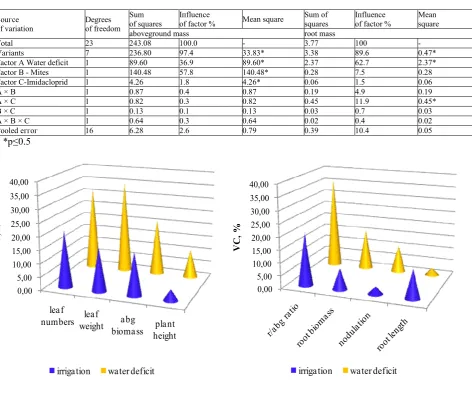
Fig.1a Variability coefficients in parameters of aboveground biomass
Fig.1b Variability coefficients in parameters of root biomass
Table 1. Parameters of soybean aboveground biomass under conditions of water stress and mite infestation (2011-2012)
Variants Plant height cm Leaf biomass Aboveground biomass g plant-1
leaf numbers plant-1 leaf weight plant-1 g
+ WD + М + I 65.81 b 9.25 a 1.844 a 13.284 b
+ WD - М + I 77.40 d 18.06 df 3.848 df 18.963 d
+ WD + M - I 60.94 a 10.19 ab 2.269 b 12.018 a
+ WD - M - I 72.75 c 14.94 cd 3.773 df 17.259 c
- WD + М + I 76.56 d 13.75 c 3.679 cd 17.497 c
- WD - М + I 83.44 f 20.50 f 4.849 g 23.310 f
- WD + M - I 76.94 d 13.56 bc 3.346 c 16.338 c
- WD - M - I 80.88 f 19.13 f 4.182 f 20.673 e
LSD0.05% 3.41 3.42 0.42 1.192
*Values within a column followed by the same letters are not significantly different
Table 2. Parameters of soybean root biomass under conditions of water stress and mite infestation (2011-2012)
Variants Root length cm Root biomass g plant-1 Nodulation number of nodules plant-1 Root/above ground biomass ratio
+ WD + М + I 36.56 d 2.373 c 14.97 a 0.18
+ WD - М + I 34.71 c 2.035 b 26.01 b 0.11
+ WD + M - I 36.44 d 2.968 d 15.81 a 0.23
+ WD - M - I 34.81 c 2.344 c 26.88 bc 0.12
- WD + М + I 34.50 c 1.787 ab 31.94 d 0.10
- WD - М + I 31.13 b 1.752 ab 30.19 cd 0.07
- WD + M - I 28.00 b 1.585 a 29.81 cd 0.09
- WD - M - I 26.88 a 1.519 a 30.88 d 0.07
[image:3.595.61.534.357.751.2]LSD0.05% 1.20 0.290 3.36
Table 3. Analysis of variance for aboveground and root biomass of soybean
Souгce of variation
Degrees of freedom
Sum of squares
Iпfluеnсе
of factor % Меаn square
Sum of squares
Iпfluеnсе of factor %
Меаn square
aboveground mass root mass
Тоtаl 23 243.08 100.0 - 3.77 100 -
Vагiаnts 7 236.80 97.4 33.83* 3.38 89.6 0.47*
Factor А Water deficit 1 89.60 36.9 89.60* 2.37 62.7 2.37*
Factor В - Мites 1 140.48 57.8 140.48* 0.28 7.5 0.28
Factor С-Imidacloprid 1 4.26 1.8 4.26* 0.06 1.5 0.06
А × В 1 0.87 0.4 0.87 0.19 4.9 0.19
А × С 1 0.82 0.3 0.82 0.45 11.9 0.45*
В × С 1 0.13 0.1 0.13 0.03 0.7 0.03
А × В × С 1 0.64 0.3 0.64 0.02 0.4 0.02
Рооlеd еггог 16 6.28 2.6 0.79 0.39 10.4 0.05
*p≤0.5
0,00 5,00 10,00 15,00 20,00 25,00 30,00 35,00 40,00
leaf
numbers weightleaf abg
bioma ss heightplant
V
C
, %
irrigation water deficit
0,00 5,00 10,00 15,00 20,00 25,00 30,00 35,00 40,00
V
C,
%
[image:3.595.282.524.365.722.2]The tendency of the higher negative effect of mites on the leaf biomass in plants under water deficit compared to those grown in the conditions of irrigation was retained as in previous parameter: the established reduction in leaf weight under water deficit (+WD +M -I, +WD -M -I) was double compared to the weight in irrigation (-WD +M -I, -WD –M -I).
The reduction in leaf biomass and height of soybeans under stress conditions led to a reduction in the weight of aboveground mass. Plants that grew in conditions of mite attack formed aboveground mass with an average weight of
16.338 g plant-1 (-WD +M -I), which was 21.0% lower than
[image:4.595.66.525.52.491.2]the formed mass in mite-uninfected plants (-WD -M -I).
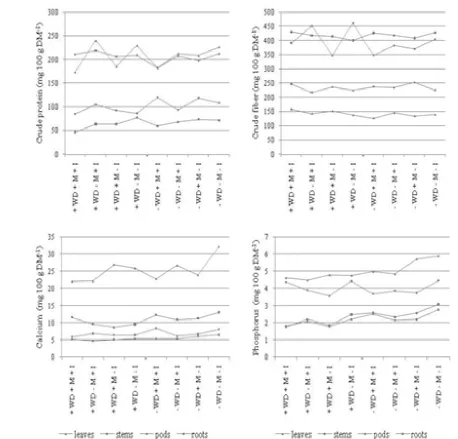
Figure 2. Biochemical composition of soybean in conditions of water deficit and mite attack (2011-2012), mg 100 g dry matter-1
Table 4. Chemical composition (g kg-1 DM), in vitro enzyme digestibility (%) and protein feeding value (g kg-1 DM) of soybean leaves
Variants NDF ADF C IVDMD IVOMD PBD PDIN PDIE
+ WD + М + I 303.8 301.0 237.3 63.47 72.73 122.74 102.61 97.92 + WD - М + I 244.6 207.0 153.4 63.02 65.03 121.37 101.98 96.82 + WD + M - I 298.7 240.3 157.1 68.79 69.89 104.79 91.56 90.68 + WD - M - I 274.0 221.1 160.7 69.15 71.58 121.08 101.98 98.35 - WD + М + I 278.7 276.8 227.3 63.42 71.06 136.64 111.65 98.54 - WD - М + I 243.5 216.3 150.3 66.69 68.18 125.38 104.50 100.31 - WD + M - I 255.1 233.1 193.6 69.42 67.22 129.57 107.38 96.50 - WD - M - I 232.2 227.6 150.9 72.67 76.20 135.25 111.78 100.10 Min 232.2 207.0 150.3 63.02 65.03 104.79 91.56 90.68 Max 303.8 301.0 237.3 72.67 76.20 136.64 111.78 100.10 Mean 26.63 24.04 17.88 67.08 70.24 124.60 104.18 97.40
SD 2.66 3.22 3.59 3.52 3.48 10.02 6.49 3.04
CV 10.0 13.4 20.1 5.3 5.0 8.0 6.2 3.1
[image:4.595.126.493.559.699.2]The decrease in the dry above ground biomass under the influence of mites was largely determined by the irrigation regime and ranged from 21.0 (in irrigation) to 30.4% (in water deficit). The interaction of the two factors water deficit × mites resulted in a drastic reduction of all parameters for the aboveground biomass as the most affected was leaf weight (by an average of 46.3%). Imidacloprid treatment compensated to some extent the negative consequences of the action of the relevant factors by increasing significantly the weight of aboveground biomass by 10.5% (variants + WD + M + I and + WD + M - I).
The effect of abiotic and biotic stress was particularly strong pronounced in terms of the development of the root system (Table 2). All plants under conditions of water deficit (+ WD + M + I, + WD - M + I, + WD + M -I, + WD - M - I) formed root system, whose length and weight were 1.3 and 1.5 times larger than those of the plants in the irrigation regime (- WD + M + I, - WD - M + I, - WD + M - I, - WD - M - I). The indicated parameters were elevated to the greatest extent in variants + WD + M - I and + WD + M + I. The result of the activity of the mites was also an increase of the weight of the root mass, which was stronger expressed in the plants under water deficit. The root/aboveground biomass ratio calculated on the dry matter weight basis was substantially affected by the imposed stress. The highest ratio (0.23) was in soybean with the combination of two stress factors (+WD +M –I), which was more than 3 times higher than the ratio in the respective control variant (0.07) (-WD -M -I). Values, derived from the single action of stress factors, were considerably lower: water deficit (0.12) and mites (0.09). Nodulation, one of the most important processes in the soybean, ensuring the nitrogen feeding of the crop, was also affected by water stress. In the specific conditions of the study, the imposed water deficit significantly reduced the number of nodules averagely by 13.0%, and the interaction water deficit × mites – by 48.8%. The single impact of the second factor had a weak and insignificant effect on the nodulation. Analysis of variance regarding the aboveground and root mass of soybeans showed a significant influence of all three studied factors on the weight of the aboveground biomass and only of water deficit on the root biomass (Table 3). Mites had the strongest influence on the aboveground mass, and water deficit - on the root mass. The interaction between the factors (A × B, A × C, B × C, A × B × C) had a non-significant effect on the analysed parameters (with the exception of interaction A × C for the root mass). The variation of the parameters of the vegetative mass under the effect of the investigated factors (Figure 1) was weak (VC = 2.82%) to strong (VC = 35.97%). The greatest plasticity in both modes of irrigation showed the number of the leaves and the least plasticity - nodulation. The conditions of water deficit were related to higher values of the variability coefficient in all parameters except for the root length.
The content of the main components of the biochemical composition in vegetative and generative organs of soybeans is presented in Figure 2. The content of CP in the leaves was reduced under the influence of mites and water stress × mites (by 8.0 and 18.0%) and remained unchanged in irrigation mode. Manifestations of mites, however, were different in the conditions of the two levels of irrigation regime: they led to a considerably more essential decrease in the protein content of the leaves under water deficit (19.3%) than in irrigation (7.9%). The protein content in the stems, roots and pods under the interaction of two stress factors as a whole was also
reduced, but to a varying degree, with values respectively 11.0, 14.6 and 1.0%. The single action of water deficit, however, resulted in a slight increase in the protein content of stems and pods with 8.1 and 3.3%. In spite of the comparatively small difference of 3.3% between variants + WD - M - I and - WD - M - I, pods of plants of all variants under water deficit conditions were distinguished by 7.0% higher protein content. Regarding crude fiber, the results showed a trend of a slight increase in the leaves and pods and decrease in pods and roots under the influence of WD × mites. Mineral content (phosphorus and calcium) of soybean plants was most strongly influenced by the imposed stress. The synthesis of calcium and phosphorus was the most affected by the complex effect of water deficit and mites: in the stems (a decrease by 33.9 and 40.1%) and roots (21.3 and 35.5%), followed by those in pods (20.8 and 20.2 %) and leaves (16.4 and 18.8%). In general, the metabolism of phosphorus was more strongly affected by the metabolism of calcium. Comparison between the effect of the two stress factors led to the conclusion that there was a higher negative effect of water deficit than of mites (except for the content of phosphorus in pods). Imidacloprid treatment in plants subjected to the action of the two stress factors showed a tendency of a slight increase in fiber content of various plant fractions and a decrease in the content of protein, calcium and phosphorus (except for calcium content in the stems and phosphorus in pods).
The content of plant cell wall components and in vitro
digestibility of dry and organic matter are important parameters determining the feed quality. The soybean leaves, exposed to stress factors water deficit × mites (+ WD + M - I), showed a higher content of plant cell walls, measured as NDF and ADF - by 28.6 and 5.6% compared to the control variant (- WD - M - I) (Table 4). The factor mites favoured the accumulation of NDF and ADF to a greater extent than the shortage of moisture. The average increase in the content of NDF and ADF in all mite-infested plants (+ WD + M + I, + WD + M - I, - WD + M + I, - WD + M - I) was 14.3 and 20.6% compared to mite-uninfested plants, while in plants under water deficit (+ WD + M + I, + WD - M + I, + WD + M - I, + WD - M - I) - respectively 11.1% and 1.6% compared to well-watered plants. Lack of significant difference was established regarding the cellulose content between the variations under water deficit and irrigation, but very well marked difference (from 32.5%) was presented between mite-infested and mite -unmite-infested leaves. Changes in the chemical composition of the leaves under the influence of the studied factors led to changes in the digestibility of dry and organic matter. The variation in both parameters was from 63.02 to 72.67 and from 65.03 to 76.20%, respectively. As with the previous parameters, the negative effects of mite feeding reduced the digestibility of dry matter to a greater extent (11.8%) compared to the water deficit (6.1%). The protein feeding value also marked downward trend with an average value in stress conditions of 22.5, 18.1 and 9.4% for PBD, PDIN and PDIE. Fiber components of the cell walls and the digestibility of the organic matter of the soybean leaves (variants + WD + M - I; + WD + M + I) showed minor changes after imidacloprid treatment.
DISCUSSION
Water participates in nearly all physiological and biochemical processes in plants, comprising approximately 90% of their
It is responsible for the thermal regulation of the plant, acting both to maintain the cooling and heat distribution and to promote mechanical support of the plant (Taiz and Zeiger, 2009). It also functions as a solvent, through which gases, minerals and other solutes enter cells and move within plants
(Nepomuceno et al., 1994). Losses in water content in
magnitude 10-15% have been found to cause large changes in plant growth and metabolism (Mullet and Whitstitt, 1996). Adaptation to water deficit conditions involves different morphological characteristics, the relative importance of which may vary with plant species and growth stage. Stem height, number and weight of leaves are considered to be the parameters most sensitive to moderate drought conditions (Deblonde and Ledent, 2001). Reduction in plant height associated with water stress is discussed by many authors
(Desclaux et al., 2000; Emam et al., 2010; Akinci and Lösel,
2012). It is due to decrease in relative turgidity and dehydration of protoplasm, which is associated with a loss of turgor and reduced expansion of cell and cell division (Arnon, 1972). Water loss during drought conditions can be reduced by
abscission of leaves (Frank and Berdahl, 2001; Xu et al.,
2006). According to Santos and Carlesso (1998), the most prominent response of plants to water deficits in terms of morphological processes is an acceleration of the senescence
and abscission of leaves. Pinheiro et al. (2001) determined the
leaf senescence as a typical stress avoidance mechanism. As a
consequence of water deficit in Lupinus albus authors
observed a massive loss of leaf biomass (up to 50%) 13 days
after the imposition of water deficit. De Souza et al. (1997,
2013) and Brevedan and Egli (2003) reported about accelerated leaf senescence of soybean under water deficit
conditions and Bethlenfalvay et al. (1987) observed a
significant decrease in the leaf fresh weight (45%) and leaf dry weight (55%) in water-stressed plants compared to non-stressed plants.
Plants produce their maximum biomass under adequate water supply, whereas moisture stress causes a marked decrease in
plant biomass production (Clarke et al., 1991). The decrease is
due to disturbed nutrient uptake efficiency (Saleem, 2003) as well as to limitation of basic physiological processes of plants
(Hnilička et al., 2005). Cornic and Briantais (1991) indicate
that the photosynthetic apparatus is stable under conditions of developing water stress but the rate of the growth of leaf area
and the rate of CO2 uptake is strongly declined (Cornic et al.,
1992). The 10-day water deficit in soybean, variety Richi, led to a 16.5% reduction in weight of aboveground biomass. Many researchers examine changes in the accumulation of aboveground biomass in different species due to water deficit by indicating the respective values of decrease: 26.2% in
wheat (Hnilička et al., 2005), 44.3% in spring pea (Radeva and
Ilieva, 1998), 39.1% in Vigna radiata (Ayub, 2000).Specific
responses of the plant to water deficit is determined by the
biological characteristics of plant species (Hnilička et al.,
2005), the intensity and duration of water stress, and the development stage of the crop (Bray, 1997). In a comparative study among 13 legume crops in regard of their adaptability to drought Daryanto (2015) established that soybean is among the species with ability to maintain high productivity during periods of water stress. Pená and Bullock (1994) reported a reduction in the height, vegetative growth and a drastic
reduction in the number of leaves in Phaseolus vulgaris 4
weeks after mite infestation. The reduction is a result of the
process of mite feeding. According to Fadini et al. (2004), the
injury, caused by the spider mite results from perforation of
the lower epidermis cells and feeding through sucking the cell contents: the chloroplasts of the affected cells disappear and the remaining material coagulates, forming a dead white mass in one end of the cells, causing a circular injury to the surrounding cells, which appears as a chlorotic spot. Typically, spider mite feeding damage begins in the lower leaves and progresses upwards as plants could defoliate completely (Ostlie and Potter, 2009). The results of this experiment showed that the reduction in plant height, leaf mass and aboveground weight due to mite infestation was more prominent when plants were subjected to water stress compared to non-stressed ones. These plants were obviously more preferred by mites because of which the density and damage of mites on them were higher. The studies of Scheirs and Bruyn (2005) support this, stating that stress makes plants a more suitable food for insect species. The fact that stressed plants are more preferred is due to a number of changes in the biochemical composition of leaves - increased content of
sucrose, glucose, fructose, amino acids, protein (Pinheiro et
al., 2001) which favor the feeding of pests. Gillman et al.
(1999) also report about a higher degree of damage of spider mites on water-stressed plants as compared to non-stressed plants.
Irrigation system has a significant impact on the root system growth (Filipović and Jevdjović, 2006). There are similarities and differences in the findings of previous research on this topic that can be attributed to various plant species and environmental conditions. Some authors (Taylor and Klepp, 1974; Akinci and Lösel, 2012) reported that the root length stops increasing in water deficit. In the opinion of other
authors (Hnilika et al., 2005; Karcher et al., 2008), the
increased water absorption in water stress helps for increasing the size of the root system and the depth to which it penetrates.
According to Karcher et al. (2008) the enhanced water uptake
through increased root size and depth is one of drought tolerance mechanisms, as this allows to fully utilize available soil water resources. Our results are consistent with those of Vasileva (2004), who also found a significantly higher weight
of root mass (113.0%) in Medicago sativa after 10-day water
deficit. Spider mites also influenced the root growth. Cullen and Briese (2001) observed a suppressed root growth in mite-infested plants while according to Vacante (2015) the damaged plant tissues and anomalies in physiological processes in mite-infested plants cause changes in growth which are not always towards reduction. A low mite population density and a short feeding time may conversely stimulate growth according to their effects on the level of growth regulators and the compensatory capacity of the plants. In support to this are the
studies of Kirkova et al. (2005), according to which under the
influence of certain stress factors some plants modulate their activity with a variety of protective responses, including the development of the root system to a greater depth in the soil. The root/aboveground mass ratio, a character which is related to the regulation of the water balance of a plant is changed
under water deficit (Ohashi et al., 1999). The authors observed
a decrease in the value of the ratio by 38 and 56% respectively
at Macroptilium atropurpureum and Desmodium intortum and
increase by 40% in soybean. Some researchers (Novak et al.,
1988; Luo et al., 1994; Marek, 2000; Hnilika et al., 2005)
Symbiotic nitrogen fixation is negatively influenced by low
moisture (Purcell et al., 2004; Purcell and Specht, 2004).
Water stress reduces nitrogen fixation by direct action on the nodules, and its effect can also be enhanced by the inability of the stressed leaves to supply photosynthates to the nodules
(Ohashi et al., 1999). Substantial reduction in biomass and
number of nodules in a water deficit is established by number
of researchers: Smith et al. (1988) and Sinclair et al. (1988) in
common bean and soybeans, Sangakkara et al. (1996) in broad
bean, Ohashi et al. (1999) in siratro (Macroptilium
atropurpureum) and desmodium (Desmodium intortum).
Water stress has a profound effect on plant metabolism (Akinci and Lösel, 2012). Changes of protein synthesis have been mentioned in many reports which have stated that water stress causes different responses depending on the level of stress and plant type (Akinci and Lösel, 2012). Barnett and Naylor (1966) found no significant differences in the protein
metabolism of Cynodon spp. Brevedan and Egli (2003)
reported for a fast decrease in nitrogen content of soybean
leaves under water deficit while Pinheiro et al. (2001)
observed the reverse – an increment in nitrogen and protein
content in the leaves of Lupinus albus. Spider mite infestation
represents potential biotic stress to its host plant and adversely
affects many biochemical processes (Sivritepe et al., 2009).
Puncturing of cells by mite stylets and injection of saliva causes mechanical damage, changes in cell cytology and biochemical processes of punctured as well as non-punctured adjacent cells (Tomczyk and Kropczynska, 1985). According to Sadras and Wilson (1997a), the mites accelerate leaf senescence and thus triggered the rapid loss of foliar nitrogen. The nitrogen relocation from senescing leaves increases the nitrogen concentration of stems and reproductive organs of mite-infested plants. The accelerated loss of leaf nitrogen and the nitrogen “enrichment” in stems and reproductive organs of mite-infested plants can further affect mites and other insects (Sadras and Wilson, 1997b). Crude fibres consist almost entirely of cellulose and lignin together with some resistant hemicellulose. The moisture stress exhibits a slight effect on the crude fibre content (Rahman, 1973). The author observed a tendency towards an increase in crude fibre content in different plant species under water stress, which was also observed in present study conditions. Besides, mite-infested leaves were also characterized with raised content of crude fibers which further worsen the quality (Abd-El Rahman, 1973; Willson and Clifford, 2012).
It is rather difficult to identify the effects of water stress on mineral uptake and accumulation in plant organs (Akinci and Lösel, 2012). Many workers have reported different effects of water stress on nutrient concentrations in different plant species and genotypes, and most studies have reported that mineral uptake can decrease when water stress intensity is
increased (Viets, 1972; Tanguilig et al., 1987; Kirnak et al.,
2003; Singh and Singh, 2004). It is due to reduced root-absorbing power or capacity to absorb water and nutrients generally accompanied with a decrease in transpiration rates and impaired active transport and membrane permeability of crop plants (Alam, 1999). Levitt (1980) pointed out that dry soil conditions mostly cause a reduction in uptake of nutrients, for instance, phosphorus, potassium, magnesium, calcium (Foy, 1983; Abdalla and El-Khoshiban, 2007). Our results are confirming the results obtained of Dogan and Akinci (2011) who have found a decreased content of calcium and potassium
in moderate and severe stressed leaves of Phaseolus vulgaris
L. in comparison with control plants. To date, the data on the relationship between mite feeding and changes in the plant
mineral composition are scarce (Tehri et al., 2014). Sivritepe
et al. (2009) found a fall in calcium, potassium and
magnesium contents of grapevine leaves in response to
Tetranychus urticae infestation. Similar results were obtained
for phosphorus content in cucumber leaves of Cucumis sativus
L. (Tehri et al., 2014). Farouk and Osman (2011) suggested
that mite infestation results in increased production of reactive oxygen species (ROS) which destroys membrane permeability thus leading to decreased content of minerals. This reduction may also be due to less drain of phloem sap by mite population.
By altering the chemical composition of tissues, water deficits also modify various aspects of plant quality (Akinci and Lösel, 2012). It has been proven that forages with the lower NDF have the better quality and are more attractive for livestock. In accordance with our results, many studies showed that water deficit conditions are related with increased NDF and ADF (Corbett, 2003; Shahrabian and Soleymani, 2011; Maleki Farahani and Chaichi, 2013) and a decreased digestibility of
dry matter (Pitman et al., 1981; Essafi et al., 2006). Data
regarding mite influence on feeding value of forages are insufficient. Some researchers reported for a decreased
digestibility (Lindquist et al., 1996) and increased content of
NDF and ADF in plants (Frate and Godfrey, 2013), but
according the others (Bynum et al., 2015) the damages in
different mite-infested levels (high, medium, low) did not adversely affect the feeding value. Positive and significant effect of the treatment with imidacloprid after the imposed stress in soybeans was established in terms of the parameters plant height and weight of the aboveground mass. These data corresponds to the results of Thielert (2006), who observed improved growth and increased aboveground mass in different crops (cotton, barley) after treatment with imidacloprid in drought conditions. It is assumed that the reason for this is 6-chloronicotinic acid (6-CAN) - a major metabolite of imidacloprid. 6-CAN is a known inducer of systemic plant resistance and a possible key for physiological changes that protect the plant under stress. Our opinion is that the results of one-fold leaf application of imidacloprid at the end of the 10-day water deficit in soybeans are encouraging. A presumably better effect of its implementation will be achieved by increasing the number of treatments and their implementation at the beginning of the period of drought, which requires further researches. According to other authors (Syvertsen and Dunlop, 2009) imidacloprid has little effect on plant growth: in the absence of pest pressure and water deficit, it increases the root growth and the leaf dry weight in citrus seedlings, but this has not led to any changes in the total plant growth.
In soybean plants imidacloprid also showed a positive effect and increases the root length (by 15.3%) and the leaf weight (15.9%), but only in the absence of the stress factors mites and water deficit (- WD - M + I). Literature data on changes in
chemical composition and digestibility after using
while the root biomass – to water stress. The interaction water deficit × mites reduced the plant height, leaf weight, aboveground biomass and nodulation (respectively by 24.7, 45.7, 41.9 and 48.8%) and increased the root length and root weight (1.4 and 1.9 times). The crude protein and mineral content (phosphorus and calcium) of soybean leaves was reduced under water stress × mites. The soybean leaves had also a higher content of plant cell walls, measured as NDF and ADF, and a lower in vitro digestibility as the negative consequences of mite feeding on these parameters were stronger pronounced than these of water stress. Positive and significant effect of the treatment with imidacloprid after the imposed stress in soybeans was established in terms of the parameters plant height and aboveground biomass. A presumably better effect of its implementation will be achieved by increasing the number of treatments and their implementation at the beginning of the period of drought, which requires further researches.
REFERENCES
Abdalla, M.M., El-Khoshiban, N.H. 2007. The influence of
water stress on growth, relative water content,
photosynthetic pigments, some metabolic and hormonal
contents of two Triticum aestivum cultivars. J. Appl. Sci.
Res., 3:2062-2074.
Abd-El Rahman, A. 1973. Effect of moisture stress on plants.
Phyton. 15:67-86.
Akinci Ş,. Lösel, D.M. 2012. Plant water-stress response mechanisms. In: Rahman IMM and Hasegawa H (eds) Water Stress, Intech Publisher, Croatia, pp 15-42.
Alam, S.M. 1999. Nutrient uptake by plants under stress conditions. In: Pessarakli M (ed) Handbook of plant and crop stress, New York, USA, pp 285-313.
AOAC 2010. Official methods of analysis. Association of Analytical Chemists, Maryland, USA.
Arnon, I. 1972. Crop Production in Dry Regions. London, UK: Leonard Hill Book.
Ayub, N., Bano, A., Ramzan, S., Usman, M. 2000. Effect of VAM on drought tolerance and growth of plant in
comparison with the effect of growth regulators. Pak. J.
Biol. Sci., 3:957-959.
Barnett, N.M., Naylor, A.W. 1966. Amino acid protein
metabolism in Bermuda grass during water stress. Plant
Physiol., 41:1222-1230.
Bethlenfalvay, G.J., Brown, M.S., Mihara, K.L., Stafford, A.E. 1987. Effect of mycorrhiza on nodule activity and
transpiration in soybeans under drought stress. Plant
Physiol. 85: 115-119.
Bray, E.A. 1997. Plant responses to water deficit. Trends Plant
Sci. 2:48-54.
Brevedan, R.E., Egli, D.B. 2003. Short periods of water stress during seed filling, leaf senescence and yield of soybean.
Crop Science Society of America 43:2083-2088.
Bynum, E.D.J., Michels, J., MacDonald, C.J., Bible, J.B. 2015.
Impact of banks grass mite. damage to yield and quality of
maize silage. Southwestern Entomol. 40:251-262.
Casagrande, E.C., Farias, J.R.B., Neumaier, N., Oya, T., Pedroso, J., Martins, P.K., Breton, M.C., Nepomuceno, A.L. 2001. Expressão gênica diferencial durante déficit
hídrico em soja. R. Bras. Fisiol. Veg.13:168-184.
Clarke, J.M., Richards, R.A., Condon, A.L. 1991\). Effect of drought stress on residual transpiration and its relationship
with water use of wheat. Can. J. Plant Sci., 71:695-699.
Corbett, R. 2003. Effects of environment on forage quality. Western Dairy Science.
Cornic, G. 1992. Leaf photosynthesis is resistant to a mild drought stress. Photosynthetica 27: 295-309.
Cornic, G., Briantais, J.M. 1991. Partitioning of photosynthetic
electron flow between CO2 and 02 reduction in a C3 leaf
(Phaseolus vulgaris L.) at different CO2 concentrations and
during drought stress. Planta 183:178-184.
Cullen, J.M., Briese, D.T. 2001. Host plant susceptibility to eriophyid mites used for weed biological control. Csiro Publishing, Melbourne, Australia.
Daryanto, S., Wang, L., Jacinthe, P.A. 2015. Global synthesis of drought effects on food legume production. PLoS ONE 10: e0127401.
De Souza, G.M., Catuchi, T.A., Bertolli,S.C., Soratto, R.P.
2013. Soybean under water deficit: physiological and yield responses. In: Board JE (ed) A Comprehensive Survey of International Soybean Research - Genetics, Physiology,
Agronomy and Nitrogen Relationships, In. Tech Press, Sao
Paolo.
De Souza, P.I., Egli, D.B., Bruening, W.P. 1997. Water stress
during seed filling and leaf senescence in soybean. Agron.
J. 89:807-812.
Deblonde, P.M.K., Ledent, J.F. 2001. Effects of moderate drought conditions on green leaf number, stem height, leaf
length and tuber yield of potato cultivars. Eur. J. Agron.
14:31-41.
Desclaux, D., Huynh, T., Roumet, P. 2000. Identification of soybean plant characteristics that indicate the timing of drought stress. Crop Sci. 40:716-722.
Dogan, N., Akinci, S. 2011. Effects of water stress on the
uptake of nutrients by bean seedlings (Phaseolus vulgaris
L.) Fresen. Environ. Bull. 20:2163-2173.
Doss, B.D., Thulow, D.L. 1974. Irrigation, row width and plant population in relation to growth characteristics of two
soybean varieties. Agron. J.,65:620-623.
Emam, Y., Shekoofa, A., Salehi, F., Jalali, A.H. 2010. Water stress effects on two common bean cultivars with
contrasting growth habits. Am. Eurasian J. Agric. Environ.
Sci., 9:495-499.
Essafi, N.E., Mounsif, M., Abousalim, A., Bendaou, M., Rachidai, A., Gaboune, F. 2006 Impact of water stress on
the fodder value of Atriplex halimus L. New Zeal. J. Agr.
Res., 49:321-329.
Fadini, M.A.M., Lemos, W.P., Pallini, A., Venzon, M.,
Mourão, S.A. 2004. Herbivoria de Tetranychus urticae
Koch (Acari: Tetranychidae) induz defesa direta em morangueiro? Neotrop. Entomol. 33:293-297.
FAOSTAT, 2014. Available: http://faostat3.fao.org/
browse/Q/QC/E.
Farias, J.R.B., Nepomuceno, A.L., Neumaier, N. 2007.
Ecofisiologia da soja.Londrina: EMBRAPA-CNPSo.
Farouk, S., Osman, M.A. 2011. The effect of plant defence
elicitors on common bean (Phaseolus vulgaris L.) growth
and yield in absence or presence of spider mite
(Tetranychus urticae Koch) infestation. J. Stress Physiol.
Biochem. 7:6-22.
Febr, W.P., Cavinesi, C.E. 1977. Stages of soybean development. Ames, IA: Agriculture and Home Economics Experiment, Station and Cooperative Extension Service, Iowa State University. Special Report 80. II p.
Filipović, V., Jevdjović, R. 2006. Influence of agroecological
conditions on root yield of cereriac. J. Agr. Sci., 51:25-29.
Frank, A.B., Berdahl, J.D. 2001. Gas exchange and water relations in diploid and tetraploid Russian wildrye. Crop Sci. 41:87-92.
Frate, C., Godfrey, L. 2013. Spider mites in silage corn: damade and management. In: Proceedings of the Western States Alfalfa and Forage Symposium, 11-13 December 2013; Reno, Nevada: Csiro Publishing, pp 11-13.
Gerten, D., Rost, S. 2010. Development and Climate Change: Climate change impacts on agricultural water stress and
impact mitigation potential. Potsdam Institute for Climate
Impact Research (PIK), Germany.
Gillman, J.H., Rieger, M.W., Dirr, M.A., Braman, S.K. 1999. Drought stress increases densities but not populations of two-spotted spider mite on Buddleia davidii “Pink Delight”. HortScience 34:280-282.
Goering, H.K., Van Soest, P.J. 1970. Forage fiber analysis (Apparatus, reagents, procedures and some applications), ARS-USDA, Washington, DC, USA.
Hnilička, F., Petr, J., Hniličková, H., Bláha, L. 2005. The effect of abiotic stresses on rate of photosynthesis and
formation of dry matter in winter wheat plants. Sci. Agric.
Bohem. 36:1-9.
INRA 1988. Alimemtation des bovins, ovins et caprins. Publ. Versailles, France.
Karcher, D., Richardson, M., Hignight, K., Rush, D. 2008. Drought tolerance of tall fescue populations selected for high root/shoot ratios and summer survival. Crop Sci. 48:771-777.
Kirkova, Y., Stoimenov, G., Chachev, K., Mehandjiev, A., Todorova, R. 2005. Researches on drought tolerance in soybeans in order to determining genotypes tolerant to abiotic stress for sustainable soybean production. In: Georgiev G (ed) Proceedings of the Jubilee Conference Breeding and Technological Aspects in the Production and Processing of Soybeans and Other Legumes, Pavlikeni, Bulgaria, pp 107-116.
Kirnak, H., Kaya, C., Higgs, D., Tas, I. 2003. Responses of drip irrigated bell pepper to water stress and different
nitrogen levels with or without mulch cover. J. Plant Nutr.,
26:263-277.
Krohn, J., Hellpointner, E. 2002. Environmental fate of
imidacloprid. Bayer Crop Sci., 55: 3-25.
Kumudini, S. 2010. Soybean Growth & Development. In: Singh B (ed) The Soybean: Botany, Production and Uses, Oxfordshire, UK, pp 48-73.
Levitt, J. 1980. Responses of plants to environmental stresses. New York: Academic Press.
Li-Juan, Q., Ru-Zhen, C. 2010. The origin and history of soybean. In: Singh B (ed), The Soybean: Botany, Production and Uses, Oxfordshire, UK, pp 1-23.
Lindquist, E.E., Bruin, J., Sabelis, M.W. 1996. Eriophyoid Mites:Their Biology, Natural Enemies and Control, Elsevier.
Lisar, S.Y.S., Motafakkerazad, R., Hossain, M.M., Rahman, I.M.M. 2012. Water stress in plants: causes, effects and responses In: Rahman IMM and Hasegawa H (eds) Water Stress. Intech Publisher, Croatia, pp 1-14.
Luo, Y., Field, C.B., Mooney, H.A. 1994. Predicting responses of photosynthesis and root fraction to elevated CO2:
interactions among carbon, nitrogen and growth. Plant Cell
Environ. 17:1195-1204.
Maleki, F.S., Chaichi, M.R. 2013. Whole forage barley crop quality as affected by different deficit irrigation and
fertilizing systems. Comm. Soil Sci. Plant Anal.
44:2961-2973.
Marek, M.V. 2000. Existence of stands of forest wood species - the manifestation of materialisation of physiological processes on thegiven site. In: Vecchi R (ed) Proceedings of Abstracts Forest Ecosystems under Changing Growth Conditions, Ostravice, Czech Respublic.
Mullet, J.E., Whitstitt, M.S. 1996. Plant cellular responses to water deficit. Plant Growth Regul. 20:119-124.
Mundstock, C.M., Thomas, A.L. 2005. Soja: fatores que
afetam o crescimento e rendimento de grãos. Porto Alegre:
Universidade Federal do Rio Grande do Sul.
Nepomuceno, A.L., Farias, J.R.B., Neumaier, N. 1994. Efeitos da disponibilidade hídrica no solo sobre a cultura da soja. Londrina 15:42-43.
Nogueira, S.S.S., Nagai, V. 1988. Deficiência hídrica simulada nos diferentes estádios de desenvolvimento de uma cultura precoce de soja. Bragantia 47:9-14.
Novák, V., Fojtík, L., Roudiná, L. 1988. The effect of different level ol nitrogen nutrition in nutritive solutions on intensity of photosynthesis and growth characteristics of young plants of spring barley. Krmivářstvi a Služby 24:173-77. Ohashi, Y., Saneoka, H., Matsumoto, K., Ogata, S.,
Premachandra, G.S., Fujita, K. 1999. Comparison of water Stress effects on growth, leaf water status, and nitrogen fixation activity in tropical pasture legumes siratro and
desmodium with soybean.Soil Sci. Plant Nutr. 45:795-802.
Ostlie,K.,Potter, B. 2009. Managing two-spotted spider mites
on soybeans in Minnesota. University of Minnesota Extension. http://www.soybeans.umn.edu.
Pená, J.E., Bullock, R.C. 1994. Effects of feeding of broad mite (Acari: Tarsonemidae) on vegetative plant growth. Florida Entomol. 77:180-184.
Pinheiro, C., Chaves, M.M., Ricardo, C.P. 2001. Alterations in carbon and nitrogen metabolism induced by water deficit in
the stems and leaves of Lupina albus L. J. Exp. Bot.
52:1063-1070.
Pitman, W.D., Vietor, D.M., Holt, E.C. 1981. Digestibility of kleingrass forage grown under moisture stress. Crop Sci. 21:951-953.
Purcell, L.C., Serraj, R., Sinclair, T.R., De, A. 2004. Soybean N2 fixation estimates, ureide concentration, and yield
responses to drought. Crop Sci. 44: 484-492.
Purcell, L.C., Specht, J.E. 2004. Physiological traits for ameliorating drought stress. In: Boerma HR, Specht JE, editors. Soybeans: improvement, production, and uses. Madison, WI: American Society of Agronomy, pp 569-620.
Radeva, V., Ilieva, A. 1998. Relationship between proline content and productivity of spring forage pea cultivars
under drought conditions. Plant Sci. 35:528-532.
Rosolem, C.A. 2005. Papel do Brasil no combate a fome no mundo. In: Suzuki S, Yuyama MM, Camacho SA. Boletim de pesquisa da soja. Mato Grosso, Brazil: Fundação MT 9, pp 95-102.
Saleem, M. 2003. Response of durum and bread wheat genotypes to drought stress: biomass and yield
components. Asian J. Plant Sci. 2:2090-293.
Sandev, S. 1979. Chemical methods for forage analysis. Sofia, Bulgaria: Zemizdat.
Sandras, V.O., Wilson, L.J. 1997b. Nitrogen accumulation and partitioning in shoots of cotton plants infested with
two-spotted spider mites. Aust. J. Agric. Res., 48:525-533.
Sandras, V.O., Wilson, L.J. 1997а. Growth analysis of cotton crops infested with spider-mites. I. Light interception and
Sandras, V.O., Wilson, L.J., Lally, D.A. 1998. Dryland cotton tolerated mites better than irrigated cotton. In Proceedings of the Ninth Australian Cotton Conference, Broadbeach, Australia.
Sangakkara, U.R., Hartwig, U.A., Nösberger, J. 1996. Soil moisture and potassium affect the performance of symbiotic nitrogen fixation in faba bean and common bean.
Plant Soil., 184:123-130.
Santos, R.F., Carlesso, R. 1988. Déficit hídrico e os processos
morfológicos e fisiológicos das plantas. R. Bras. Eng.
Agríc. Ambiental. 2:287-294.
Scheirs, J., Bruyn, L. 2005. Plant-mediated effects of drought stress on host preference and performance of a grass miner. Oikos 108:371-385.
Shahrabian, E., Soleymani, A. 2011. Influence of silage maize (Zea mays L.) cultivars and different water level on nutritive value. J. Food Agric. Environ. 9:336-339. Sinclair, T.R., Zimet, A.R., Muchow, R.C. 1988. Changes in
soybean nodule number and dry weight in response to drought. Field Crop Res. 18:197-202.
Singh, B., Singh, G. 2004. Influence of soil water regime on
nutrient mobility and uptake by Dalbergia sissoo seedlings.
Trop. Ecol. 45:337-340.
Singh, G., Shivakumar, B.G. 2010 The role of soybean in agriculture. In: Singh B (ed) The Soybean: Botany,
Production and Uses, Oxfordshire, UK: CAB International,
pp 24-47.
Sivritepe, N., Kumral, N.A., Erturk, U., Yerlikaya, C., Kumral, A. 2009. Responses of grapevines to two-spotted spider
mite mediated biotic stress. J. Biol. Sci. 9:311-318.
Smith, D.L., Dijak, M., Hume, D.J. 1988. The effect of water
deficit on N2(C2H2) fixation by white bean and soybean.
Can. J. Plant. Sci., 68:957-967.
Suekane, R., Eduardo, D.P., Pontes de Melo, E., Bertoncello, T.F., De Lima, J.I.S., Kodama, C. 2012. Damage level of
the two-spotted spider mite Tetranychus urticae Koch
(Acari: Tetranychidae) in soybeans. Rev. Ceres. Viçosa
59:77-81.
Syvertsen, J.P., Dunlop, J.M. 2009. Imidacloprid has little effect on growth or drought tolerance of citrus rootstock seedlings. In: Etxeberria E (ed) Proceedings of the Florida State Horticular Society, Jacksonville, Florida, pp 81-84.
Taiz, L., Zeiger, E. 2009. Fisiologia vegetal. Porto Alegre,
Brazil: Artmed.
Tanguilign,V.C., Yambao, E.B., O'Toole, J.C., De Datta, S.K. 1987. Water stress effects on leaf elongation, leaf water potential transpiration and nutrient uptake of rice, maize
and soybean. Plant Soil., 103:155-168.
Taylor, H.M., Klepper, B. 1974. Water relations of cotton. I. Root growth and water use as related to top growth and soil
water content. Agron. J. 66:584-588.
Tehri, K., Gulati, R., Geroh, M., Madan, S. 2014. Biochemical responses of cucumber to Tetranychus Urticae Koch
(Acari: Tetranychidae) mediated biotic stress. J. Appl. Nat.
Sci., 6:687-692.
Thielert, W. 2006. A unique product: The story of the
imidacloprid stress shield. Bayer Crop Sci. 59:73-86.
Todorov, N., Atanassov, A., Ilchev, A., Gantchev, G., Mihailova, G., Girginov, D., Penkov, D., Shindarska, Z., Naydenova, Y., Nedjalkov, K., Tchobanova, S. 2010. Practicum in animal nutrition, Sofia, Bulgaria: East-West Edition.
Tomczyk, A., Kropczynska, D. 1985. Effects on the host plant. In: Helle W and Sabelis MW (ed) Spider Mites - Their Biology, Natural Enemies and Control, Amsterdam: Elsevier, pp 317-329.
Vacante, V. 2015. The Handbook of Mites of Economic
Plants: Identification, Bio-Ecology and Control.
Wallington, UK: CABI.
Vasileva, V. 2004. Effect of nitrogen fertilization on growth,
nodulation and productivity of lucerne (Medicago sativa
L.) at optimal and water deficit conditions. PhD dissertation, Institute of Forage Crops, Pleven, Bulgaria. Viets, J.F.G. 1972. Water deficits and nutrient availability. In:
Kozlowsky TT (ed) Water deficits and plant growth. New York, USA: Academic Press, pp 217-239.
Willson, K.C., Clifford, M.N. 2012. Tea: Cultivation to consumption. New York, US: Springer Science & Business Media.
Xu, B., Li, F., Shan, L., Ma, Y., Ichizen, N., Huang, J. 2006. Gas exchange, biomas partition, and water relationships of
three grass seedlings under water stress. Weed Bio.
Manage. 6:79-88.