
Our Place, or Mine?
Sense of Place, Social Impact Assessment
and Coal Mining in Gloucester, NSW.
by
Warrick Jordan BA.
(University of Tasmania)
Figure 0.1: Anti-mining signage on a cattle farm subject to a coal exploration lease, Gloucester, New South Wales
Declaration
This thesis contains no material which has been accepted for the award of any other degree or diploma in any tertiary institution, and to the best of my knowledge and belief, contains no material previously published or written by another person, except where due reference is made in the text of the thesis.
Signed
Warrick Jordan Date
Abstract
This study examines the impact of coal mining and coal seam methane (CSM) extraction on the ‘sense of place’ of the people of the Gloucester Shire, New South Wales. The findings derived from Gloucester inform an analysis of the potential for recognising loss of ‘place’ as a social impact within social impact assessment (SIA). This potential was considered within the geographic context of the Hunter Valley, Gunnedah Basin, and Gloucester Valley, which constitute contiguous and related regions subject to coal development. Previous research in similar contexts indicated that a felt loss of place was likely. A methodology was adopted that combined survey-based quantitative analysis, key informant interviews, and extensive
consideration of the literature of place and SIA. Results indicate that loss of place is being felt strongly by the Gloucester community, although considerable divergence exists in both felt loss of place and support for coal-related development.
Widespread dissatisfaction with the prevailing levels of community input into development processes also emerged as a significant issue with particular
ramifications for the maintenance of place. While a substantial loss of place was in evidence in Gloucester, the recognition of this loss as a social impact is suggested as being hampered by mensuration difficulties, the diversity of ‘place attachments’, and the nature of impact assessment decision-making. The establishment of place-conscious, participatory SIA processes is suggested as an alternative mechanism for mitigating place loss in the coal mining areas of the Hunter, Gunnedah, and
Gloucester regions.
Keywords: sense of place, social impact assessment, loss of place, Gloucester, Hunter Valley, Gunnedah Basin.
Acknowledgments
This thesis would not have occurred were it not for the inspiration and
encouragement provided by Dr. Pete Hay. Pete’s direction has allowed me to (I hope) make some sense of people’s feelings for place, and his written and spoken words have given me a strong appreciation of the power and wisdom inherent in a story that is both uniquely experienced and quietly told. Ula Majewski’s
demonstration that it is possible to simultaneously conduct good research, look after your friends, and care about those things that are important to you was also of great assistance.
A number of people have provided invaluable advice and help at crucial junctures, including Professor Frank Vanclay, Associate Prof. Nick Higginbotham (Newcastle), Dr. Michael Lockwood, Dr. Lou Conway (UNE), Millie Rooney, and Dr. Kate Booth. I owe a great debt to the people of Gloucester, many of whom have showed a strong interest in this research. Similarly, whilst scoping the project I met a number of people in parts of the Hunter and Gunnedah regions, particularly those in Jerry’s Plains, who strongly influenced my desire to pursue this project. I wish those communities the best of luck in their efforts to develop and maintain a workable relationship with the coal industry.
Table of Contents
Declaration. ... iii
Abstract……. ... iv
Acknowledgments... v
Table of Contents ... vi
List of Figures ... x
List of Tables ... xii
List of Acronyms... xiii
Chapter 1 – Introduction ... 1
1.1 Coal and Place Change in the Northern New South Wales Coalfields ...1
1.2 Research Questions ...4
1.3 Scope of Research...5
1.4 Thesis Overview ...7
Chapter 2 – The Geographical Context of the Hunter, Gunnedah, and Gloucester Coalfield…... ... 9
2.1 Coal in the Hunter, Gunnedah, and Gloucester Regions ...9
2.2 Gloucester...12
2.2.1 The Gloucester Valley... 12
2.2.2 Coal and Coal Seam Methane in Gloucester... 15
2.2.3 Suitability as a Regionally-representative Case Study ... 19
Chapter 3 – Establishing Place ... 21
3.1.1 What is ‘Place’, and Why Does it Matter? ... 21
3.1.2 The Phenomenological Place Tradition... 23
3.1.3 The View from Environmental Psychology ... 24
3.2 The Foundations of Place ...25
3.2.1 Understanding Places... 25
3.2.2 How are Places Created?... 26
3.3 Loss of Place ...29
3.3.1 The Significance of Loss to Understanding Place. ... 29
3.3.2 What Drives the Loss of Places?... 30
3.3.3 The Impacts of Place Obliteration... 35
Chapter 4 – Integrating Place into Social Impact Assessment ... 39
4.1 Making Place Count in Institutional Settings ...39
4.1.1 Searching for Praxis ... 39
4.1.2 The Recognition of Place in Natural Resource Management ... 39
4.2 Social Impact Assessment and Mining ...42
4.2.1 Social Impact Assessment: Definitions, Foundations, and Legislative Status 42 4.2.2 SIA Objectives and Practice ... 45
4.2.3 SIA and Coal Mining... 48
4.3 Social Impact Assessment and Sense of Place...51
4.3.1 Social Impact Assessment and Sense of Place: Natural Affinities and Unexplored Potential ... 51
Chapter 5 – Data Collection and Analysis Techniques... 57
5.1 Striking a Balance: Place, SIA, and Technocratic Decision-Making...57
5.1.1 Research Design ... 57
5.1.2 ‘Measuring’ Place ... 58
5.1.3 Mixed Methods Research... 61
5.1.4 Case Study Research... 63
5.2 Quantitative Methods ...64
5.2.1 Using Surveys... 64
5.2.2 Sampling Frame and Design ... 65
5.2.3 Survey and Question Design ... 66
5.2.4 Data Analysis Techniques ... 69
5.3 Qualitative Methods... 70
5.3.1 Employing Adaptive Theory for Qualitative Analysis ... 70
5.3.2 Participant Selection ... 72
5.3.3 Interview Techniques ... 73
Chapter 6 – Results of Data Analysis ... 76
6.1 Quantitative Results ...76
6.1.1 Survey Return, Representativeness, and Reliability Statistics ... 76
6.1.2 Loss of Place in Comparison to Other Impacts... 79
6.1.3 Loss of Place Scale Items ... 81
6.1.4 Differences Within the Community ... 85
6.2.1 Place Related Issues in Gloucester ... 91
6.2.2 Resident’s Attachment to Place ... 92
6.2.3 Felt Loss of Place ... 93
6.2.4 Varying Senses of Place and Views on Mining ... 97
6.2.5 Concern Regarding Future Change ... 100
6.2.6 Community Perceptions of Industry and Government... 102
Chapter 7 – Discussion ... 106
7.1 Introduction ...106
7.2 Is Loss of Place Occurring in Gloucester? ...107
7.3 Efficacy of Research Methodology ...109
7.4 Considering Loss of Place as a Social Impact...110
7.4.1 Barriers to Recognition... 110
7.4.2 Intra-place Diversity ... 110
7.4.3 Measurement Issues ... 112
7.4.4 The Ascription of Significance ... 113
7.4.5 Impact Assessment Decision-making ... 114
7.5 Alternative Paths to Place-conscious SIA ...115
Chapter 8 – Conclusion... 118
References.. ... 121
List of Figures
Figure 0.1: Anti-mining signage on a cattle farm subject to a coal exploration lease,
Gloucester, New South Wales... ii
Figure 1.1: Map of the New South Wales Coalfields...4
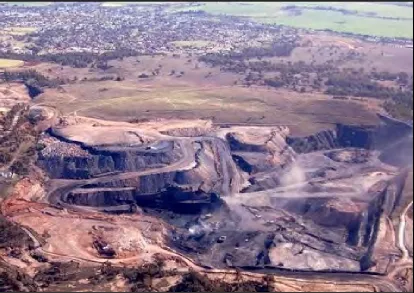
Figure 2.1: Upper Hunter coal mine adjacent to rural and residential land uses...12
Figure 2.2: Research Area – LGAs in the Hunter Valley, Gunnedah Basin, and Gloucester areas of New South Wales...13
Figure 2.3: The main street of Gloucester...14
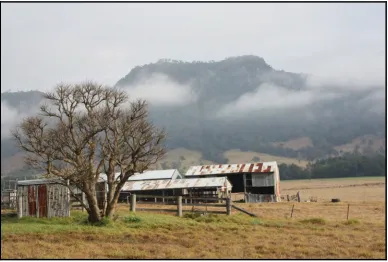
Figure 2.4: View to ‘The Bucketts’, Gloucester ...15
Figure 2.5: Location of original Stratford mine and exploration leases...16
Figure 2.6: Gloucester Coal operations...17
Figure 2.7: Proposed AGL Gloucester coal seam methane project ...18
Figure 2.8: Stratford Coal Operations ...20
Figure 6.1: Mean Level of Concern for Various Potential Impacts of Coal and CSM development in Gloucester ...79
Figure 6.2: Level of concern regarding loss of place in comparison with other impacts ...81
Figure 6.3: Comparisons of raw summated mean scale scores of temporal loss of place dimensions...85
Figure 6.4: Loss of place vs. years in Gloucester ...88
Figure 6.6: Loss of place vs. distance lived from existing coal mine ...89
Figure 6.7: Loss of place vs. distance lived from exploration lease ...89
Figure 6.8: Loss of place vs. opinion regarding mining ...90
List of Tables
Table 5.1 Number of interviewees with particular characteristics...75 Table 6.1: Sample demographics vs. 2006 Census data for the Gloucester Shire...77 Table 6.2: Item-total statistics for ‘Current’ and ‘Future’ loss of place scales...78 Table 6.3: Mean level of concern for potential impacts of coal and CSM
development in Gloucester ...80 Table 6.4: Loss of place scale items, percentage Agree/Disagree ...83 Table 6.5. Correlation coefficients for loss of place scale dimensions ...84 Table 6.6: Answers to Survey Item 6 - ‘Is coal and gas development a good thing for
List of Acronyms
AACo Australian Agricultural Company
ABS Australian Bureau of Statistics
CSM Coal seam methane
EA Environmental Assessment
EDS Environmental Distress Scale
EPBC Environmental Protection and
Biodiversity Conservation Act
EIA Environmental Impact Assessment
EL Exploration Lease
EP&A Act Environmental Planning and Assessment
Act
GRL Gloucester Resources Limited
LGA Local Government Area
PCA Principle Components Analysis
Chapter 1
– Introduction
1.1
Coal and Place Change in the Northern New South Wales
Coalfields
The European history of the Hunter Valley region is inextricably bound to that of coal. In 1797, Lieutenant John Shortland, whilst in pursuit of convicts absconding from the fledgling Sydney Cove settlement to the south, noted coal in the headland guarding the entrance to the Hunter River (Cushing, 1998). Like a shingle reading “coal, this way”, hung for King and Empire, this deposit drew the colony’s gaze to the rich seams underlying the floor of the Hunter Valley. These seams, and the wide harbour located at the river’s mouth, have in large measure defined the region’s past. They also look set to be the primary shapers of its future.
punctuated by the displacement of Nations1, violent class conflict2, and the
lumbering of machines across rolling hills, fertile flats, and mountain ranges, and it has occurred above all else in the pursuit of dull black fragments of ancient swamp. As ‘Coal River’ became ‘Coal Harbour’, then Newcastle, and in flights of colonial loquacity, ‘Coalopolis’, numerous identities were manufactured, tried, imposed, and adopted (Cushing, 1998). The frangible black rock that first drew Europeans has, however, continued through to contemporary times as a talisman, and a foundation stone of the region’s prosperity and identity.
Newcastle, now a city of 290,000 people, is the largest coal export terminal on earth (Port Waratah Coal Services, n.d.; Australian Bureau of Statistics, 2007a). The
coalfields of the Hunter Valley and the neighbouring Gunnedah Basin form the northern section of the Sydney-Gunnedah coalfield. These areas, with the addition of the separate Gloucester Basin (Figs. 1.1, 2.1), comprise the supply exported from Newcastle and used in the region’s power stations.
While many areas in the region have been subject to coal extraction historically, and have seen some form of industrial mining in recent decades, the current rapid expansion of the industry has witnessed an intensification of negative impacts and significant changes to the landscapes, ecologies, communities, and economies of the region (Evans, 2008; Higginbotham et al., 2010).
1For a brief history of the displacement of the indigenous nations of the Hunter region, see Roberts
et al. (2002). 2
A period of tumultuous conflict between colliery owners and trade unions culminated in the
‘Rothbury Riot’ of 1929. Norman Brownwas shot and killed and 45 other miners injured by police as
they violently broke up a miner’s march on a pit in Rothbury (Dixson 1969). In 1949 Labor Prime
Minister Ben Chifley also sent in troops as mine-workers to break a strike in the South Maitland
fields, with this the first time the military had been used to break a union strike in Australia (Deery
One impact that appears emergent from the increasing changes being wrought on the Hunter and Gunnedah regions, but is as yet unrecognised institutionally, is the degradation or loss of individual and community ‘sense of place’ (Connor et al., 2004; Albrecht et al., 2007; Higginbotham et al., 2007b; Brereton et al., 2008). ‘Sense of place’ is comprised of the “meanings, beliefs, symbols, values, and feelings that individuals or groups associate with a particular locality” (Williams and Stewart, 1998:19), with attachment to ‘place’ being posited by the seminal place geographer Edward Relph (1976:141) as a human need, and a basis for emotional wellbeing.
As the expansion of coal mining continues throughout the Hunter Valley, and the coal ‘chain’ unrolls itself along the railway lines, through the mountain passes and up the valleys that conjoin it to the surrounding regions, the conflicts between new conceptions of place and those already being experienced will spread. It has been suggested that an outcome of such contests, more often than not, is the
replacement of the unique identities of place with new, universalised, bland and imposed “non-places” (Relph, 1976:33; Harvey, 1996).
What then does this mean for the individuals and communities who have created those places − for the already damaged places of the Awabakal, the Worimi, the Biripi and the Wanarua; for the settler families of the Liverpool Plains; the
thoroughbred breeders of Scone; the ‘tree-changers’ and ‘old-timers’ of Gloucester; and the struggling cattle farmers of Jerry’s Plains? How can the latent values
invested in places and the suppressed fears of people on shifting ground be
Figure 1.1: Map of the New South Wales Coalfields [Source (New South Wales Department of Primary Industries, 2005)]
1.2
Research Questions
The literature regarding sense of place and resource and land management also suggests that sense of place deserves stronger consideration in management practice (Williams et al., 1992; Williams, 1996; Kaltenborn, 1998; Williams and Stewart, 1998; Manzo and Perkins, 2006), and that social and environmental impact assessment should consider the loss of sense of place (Kaltenborn, 1998; Vorkinn and Riese, 2001; van Schooten, 2003:87; Burdge and Johnson, 2004:25; Smaldone et al., 2005; Albrecht et al., 2007; Brereton et al., 2008).
The Gloucester Shire, located 120 kilometres north of Newcastle, contains a number of attributes which render it favourable to explorations regarding coal and sense of place. These include an active and strong community, a defined political if not communal boundary, relatively recent and expanding coal and coal seam methane (CSM) development, cultural and geographic ties with the broader Hunter/Gunnedah region, and a biophysical and cultural context that engenders a considerable likelihood of strong senses of place. Gloucester was thus adopted as a case study which facilitates examination of the impacts of coal development on sense of place, with identified regional affinities allowing the findings particular to Gloucester to be inducted to a broader regional context. The following research questions are thus posed:
1. Is the Gloucester community concerned about loss of sense of place as an impact of coal and coal seam methane development and expansion? and
2. If so, does this warrant the explicit inclusion (or more effective articulation) of sense of place as a social impact in Social Impact Assessment (SIA), as the primary mechanism for predicting and managing the social impacts of coal mining developments in the context of the Hunter/Gunnedah/Gloucester region?
1.3
Scope of Research
pre-existing research in the area, allows easier induction of findings than for broader spatial groupings, with this especially important given the particularistic nature of sense of place. As Barrow (2010:299) suggests: “SIA … [is] often best pursued at a manageable project, community, sector, or regional level where there is some sense of ‘context of place’”. This is not to preclude however, the possibility, given positive findings, that there are implications for other regions within the
institutional boundaries of New South Wales, or in other areas subject to similar processes, such as Queensland’s Bowen, Surat, and Galilee Basins.
The case study area is confined to the political boundaries of the Gloucester Shire. Although coal and CSM operations extend to adjoining areas in the Gloucester Valley, this demarcation has been adopted in order to restrict the study area to a defined and self-recognised community, and for sampling purposes.
The study does not seek to conduct a social impact assessment. The complex and interrelated processes of SIA, such as profiling, scoping, and consideration of higher-order effects, are beyond the scope of the research, and beyond the time and resource constraints of the study. Similarly, the primary determinant of the
community’s tolerance of social change, and thus whether an impact has occurred, is the concept of ‘significance’, with this determined primarily by the professional judgement of SIA practitioners and decision-making authorities (Joyce and
Macfarlane, 2001). No claim is made with regards to determining the ‘significance’ of loss of sense of place as an impact in the specific case of Gloucester; the aim is to assess whether the community is concerned about loss of place, and thus whether this loss should be considered in social impact assessment processes.
The study does, however, employ social science techniques to answer the research questions, whilst giving reference to the relevant SIA concepts of impact
adopts a case study approach, with the aim of inducting findings from the
Gloucester Shire to the surrounding region. A mixed methods approach has been undertaken which seeks to triangulate reviews of sense of place and SIA literature with survey-based quantitative techniques grounded in the place literature (such as Albrecht et al., 2007; and Higginbotham et al., 2007a; b), and qualitative interview-based analysis using the methodological framework of Layder’s (1998) adaptive theory.
1.4
Thesis Overview
Chapter 2 (The Geographical Context of the Hunter, Gunnedah, and Gloucester Coalfields)grounds the study in the geographical context of the Gloucester area, and describes the affinities between Gloucester and the broader Hunter/Gunnedah region, with this discussion contextualised in relation to the coal industry.
Chapter 3 (Establishing Place) focuses on the theoretical bases of sense of place, and discusses how loss of place can occur. The major disciplines of place research are discussed and the processes and outcomes of place formation and degradation broadly described.
Chapter 4 (Integrating Place into Social Impact Assessment) reviews the extensive literature of place research as applied to natural resource and land management contexts. It subsequently discusses the relationship between place and SIA, including the foundations of social impact assessment; SIA in relation to the coal mining industry; and the possibility of identifying loss of place as a social impact in the context of coal development in the study area.
Chapter 5 (Data Collection and Analysis Techniques) describes the quantitative and qualitative methods applied to answering the research questions, with reference given to mixed methods integration. The use of case studies is discussed, as are the respective merits of particular place research methodologies, with reasons provided for the adoption or otherwise of specific methods.
employed. Chapter 7 (Discussion), informed by the literature and the results of the primary data gathered, addresses the question of whether coal mining and CSM extraction have caused a loss of place in Gloucester, and, thus, whether loss of place should be considered to be a social impact in SIA in the broader
Chapter 2
– The Geographical Context of the Hunter,
Gunnedah, and Gloucester Coalfield
2.1
Coal in the Hunter, Gunnedah, and Gloucester Regions
The Port of Newcastle is currently the world’s largest coal export terminal, handling most of what is New South Wales’ largest export commodity (New South Wales Minerals Council, n.d.-a; Port Waratah Coal Services, n.d.). Exports from Newcastle grew by 32 percent in the decade to 2010, with output projected to increase from 91 million tonnes (Mt) per annum in 2009 to 180 Mt in 2016 (Port Waratah Coal Services, n.d.; Wilson, 2009). Significant volumes of coal (24 Mt in 2007-08) are consumed in the six power stations that are located in the Hunter Valley and Lake Macquarie areas (New South Wales Department of Primary Industries, 2009b:257). The establishing coal seam methane industry is also emerging as significant,
particularly in the Gunnedah and Gloucester Basins.
There are a number of geographically and historically linked regions which supply coal to both the Port of Newcastle for export, and for local consumption (Figs. 1.2, 2.2). Within the Hunter Valley, the Gloucester Valley, and the Gunnedah Basin, there are currently 42 coal mines and four CSM projects operating or under development (New South Wales Department of Primary Industries, 2009a; Geoscience Australia, 2010).
The Hunter Valley, consisting of the catchment of the Hunter River and a number of tributaries, is New South Wales’ primary coal producing region (New South Wales Department of Primary Industries, 2009b:35). Extraction is focused on the Upper Hunter (23 mines, 112.5 Mt of raw coal in 2007-08), with substantial mining also occurring in the Newcastle Coalfield, which encompasses Lake Macquarie and the Cessnock local government area (LGA) (seven and four mines respectively, 21.6 Mt in 2007-08). Ulan-Bylong, on the western boundary of the Hunter, has three mines (New South Wales Department of Primary Industries, 2009b:35; Geoscience
area (AGL, 2010). The Upper Hunter, where mining is primarily concentrated, is historically an agriculturally-based region, although large parts of the Upper Hunter landscape have become industrialised. The Lake Macquarie region is significantly urbanised. The expansion of the Newcastle export terminal and the significant number of pending mine development and expansion applications portends the continued growth of the industry (New South Wales Department of Primary Industries, 2009b:20) and the subsequent alteration of existing land uses.
The Gunnedah Basin is separated from the Hunter Valley by the Liverpool Ranges section of the Great Dividing Range. The basin is located approximately 300 kilometres north west of Newcastle and has an area of 15,000 square kilometres (New South Wales Minerals Council, n.d.-b). Coal mining has occurred continuously in the area since 1877, although at a small scale relative to the Hunter region (New South Wales Minerals Council, n.d.-b). There currently exist five mines (producing 4.3 Mt in 2007-08) and two CSM operations in the Basin, with further expansion of both industries underway (New South Wales Department of Primary Industries, 2009a; b:22; Geoscience Australia, 2010). It is estimated that the Basin may contain 30 billion tonnes of recoverable coal, or 40 percent of the NSW total (New South Wales Minerals Council, n.d.-b). Although relatively large underground mining operations have existed for several decades, new operations are encountering significant resistance as conflicts emerge with well-established high value cropping and grazing industries3.
The Gloucester Basin consists of a separate, smaller seam located in the Gloucester Valley, adjacent to the Hunter Valley. No large-scale exploitation of the Gloucester seam had occurred until the development of two open-cut operations over the past fifteen years (McCalden, 2010). The Basin is currently subject to the expansion of
3
An example of such conflicts is that occurring on the Liverpool Plains, where multi-national miners
BHP Billiton, Shenhua, and Santos are seeking to establish operations on highly fertile farm land. This
particular situation is well-described in the ABC Four Corners television documentary ‘The Good
existing operations, the likely establishment of further mines, and well-advanced plans for CSM extraction. The geographical orientation of the coal resource puts the industry in direct competition with other land uses, such as grazing, tourism, and urban/rural residential.
Coal mining in the Hunter, Gunnedah and Gloucester regions has been recognised as having a broad array of impacts and a number of these have dominated
regulatory processes and public discourse. These include damage to people’s health, landscape change, water issues, changes to local economies, the
disproportionate flow of benefits out of local areas, the loss of prime agricultural land, and climate change (Connor et al., 2004; , 2008; Albrecht et al., 2007; Brereton
Figure 2.1: Upper Hunter coal mine adjacent to rural and residential land uses [Source (Rhiannon, n.d.-a)]
2.2
Gloucester
2.2.1 The Gloucester Valley
Figure 2.2: Research Area – LGAs in the Hunter Valley, Gunnedah Basin, and Gloucester areas of New South Wales. The township of Gloucester is marked within the Gloucester Shire [Source – adapted from Raue (2008)]
recent years, coal mining. Gloucester Shire has a mixed, though largely aged demographic of multi-generational residents and more recent lifestyle-focused ‘tree-changers’ (McCalden, 2010).
Figure 2.3: The main street of Gloucester
Figure 2.4: View to ‘The Bucketts’, Gloucester
2.2.2 Coal and Coal Seam Methane in Gloucester
In the early 1970s exploration for coal was carried out in a number of areas of the Gloucester Valley, with plans for open cut mining in the early 1980s failing to eventuate (McCalden, 2010). The first large-scale mine to be opened in the area was the Stratford mine at Craven, ten kilometres south of Gloucester, in 1995 (Figs. 2.5, 2.6, 2.8) (McCalden, 2010). The mine, owned by Gloucester Coal, was initially intended to operate until 2000, however expansions at Bowen’s Road North and Roseville West have seen mining continue (New South Wales Government
Figure 2.6: Gloucester Coal operations – image on right shows existing operations (yellow) and exploration leases (pink) [Source (Gloucester Coal, 2010c)]
A second Gloucester Coal-owned open-cut mine, Duralie, outside the Gloucester Shire but in the geographically and culturally-linked Stroud area, around 30
kilometres south of Gloucester, opened in 2003 (Fig. 2.6) (Gloucester Coal, 2010a). In the financial year 2009-10, the combined output of the Duralie and Stratford operations was 3.1 million tonnes of run-of-mine coal, with a planned increase to five Mt per annum by 2013 (Gloucester Coal, 2010e).
is under coal and/or CSM exploration leases (Figs. 2.5, 2.6, 2.7).
There are current plans for expansion of both existing mines, and well-advanced plans for CSM extraction (Gloucester Coal, 2010e; Gloucester Shire Council, 2009b; Manusu, 2010; Resource Strategies, 2010). Continuing intensive exploration by Gloucester Coal, GRL, and AGL indicates that coal mining and CSM extraction will also expand in the longer term within the Gloucester Valley, with Gloucester Coal’s known reserves facilitating mining until 2030 (Gloucester Coal, 2010d; e).
The imposition of coal developments on landscapes previously composed solely of agricultural, forestry, residential, and protected area uses has engendered
significant community opposition (Gloucester Shire Council, 2009b). A number of residents’ groups have been formed to oppose coal and gas mining in the
Gloucester Valley and surrounding areas, although many in the community do perceive coal as beneficial (Gloucester Advocate, 2009; Manusu, 2010).
2.2.3 Suitability as a Regionally-representative Case Study
Gloucester is linked to the other coal-producing regions of Northern New South Wales in a number of ways. There are significant historical links through the AACo (the dominant exploiter of coal in the region through the nineteenth and early twentieth centuries) and through agricultural pursuits, such as stock routes. Historical patterns of settlement, limited cultural change and continuing transport and economic relationships have resulted in similar, if not shared, rural cultural identities.
Gunnedah Basin (Gloucester Shire Council, 2009b).
Figure 2.8: Stratford Coal Operations [Source (Gloucester Coal, 2010b)]
Chapter 3
– Establishing Place
3.1
Constructing Place
3.1.1 What is ‘Place’, and Why Does it Matter?
This chapter seeks to explain the foundations of sense of place as identified in both humanistic geography and environmental psychology, with a focus on how
attachments to place are recognised and created. These discussions provide the background necessary to explain how and why places are lost, and what the repercussions of that loss are.
'Sense of place' is a concept that encompasses a variety of theoretical perspectives from disciplines as diverse as philosophy, humanistic geography, architecture, sociology, environmental psychology, and planning (Stedman, 2003b). “Places,” writes Edward Relph (1976:141), are “important sources of individual and
communal identity, and are often profound centres of human existence to which people have deep emotional and psychological ties.” Yi-Fu Tuan (1977:4) defines places similarly, if a little more prosaically, as “centers of felt value where biological needs, such as those for food, water, rest and procreation are satisfied.” Low and Altman (1992:4) describe place as “space that has been given meaning through personal, group, or cultural processes,” while Williams and Stewart (1998:19) identify place “as the collection of meanings, beliefs, symbols, values, and feelings that individuals or groups associate with a particular locality.”
The variety of vernacular usages of the word 'place', and the situation of places as part of the everyday milieu of existence may suggest that its meanings are self-evident, and that the widespread interest in further articulation is arcane and unnecessary. It is precisely this relevance to the world of the everyday, however, that sees place emerge from the minds of philosophers, social scientists, architects, farmers, miners, loggers, and poets (amongst others), and coalesce into an
confirms its relevance; place is not “a particular idiosyncrasy to be found in works of literature, nor a leftover from pre-modern societies.” As Lukerman (in Cresswell, 2004:23) elucidates:
The study of place is the subject matter of geography because consciousness of place is an immediately apparent part of reality, not a sophisticated thesis; knowledge of place is a simple fact of experience.
Edward Relph (1976:141), in his ground-breaking work Place and Placelessness, confirms this relevance:
Places are not abstractions or concepts, but are directly experienced phenomena of the lived-world and hence are full with meanings, with real objects, and with ongoing activities.
Relph (1976) and Proshansky et al. (1983) argue that places are crucial for the generation of individual and community identity. Relph (1976:38,41) also suggests that “to have roots in a place is perhaps a necessary pre-condition for the other 'needs of the soul’”; that without deep relationships with place “human existence, while possible, is bereft of much of its significance”; and that, following Simone Wiel, attachment to place “is an important human need...at least equivalent to the need for order, liberty, responsibility, equality, and security.”
The existence of a sense of place has also been recognised as a basis for achieving particular ends. Amongst these aims are the maintenance of a responsibility
towards nature (Harvey, 1996; Hay, 2002a); the positive re-situation of humankind’s place within nature (Williams and Stewart, 1998); the continuation or establishment of desirable social, environmental, and economic relations between communities and the wider world (Relph, 1976; Harvey, 1996; Hay, 2002a); the amelioration of internal conflicts engendered by rapid or externally-imposed change (Yung et al., 2003; Davenport and Anderson, 2005; Manzo and Perkins, 2006); and the
3.1.2 The Phenomenological Place Tradition
The development of conceptions of 'sense of place' has leaned heavily on the phenomenological tradition, with key theorists such as Martin Heidegger, Edward Relph, Yi-Fu Tuan, and Christian Norberg-Schulz formalising and stimulating place knowledge4. This approach conceptualises place around the experiential
relationships established between people, physical environments, and
communities, and the values thus generated (Williams and Stewart, 1998; Stedman, 2003b; Jorgenson and Stedman, 2006).
Those felt values and meanings are derived as functions of experienced history, external forces, physical environments, psychological and emotional needs, and the essential nature of places (Proshansky et al., 1983; Cresswell, 2004). Relph
(1976:141) argues for the primacy of experience in forming places; they “are defined less by our unique locations, landscapes, and communities than by the focusing of experiences and intentions onto particular settings,” while Tuan
(1977:6) similarly grounds place formation: “what begins as undifferentiated space becomes place as we get to know it better and endow it with value.”
The individual senses of place thus derived are combined through processes of agreement and conflict from which communal place identities emerge (Relph, 1976; Harvey, 1996). Additionally, while places are constituted by the humans that exist in them, they are also possessed of an emergent, temporally-persistent, and
environmentally-grounded uniqueness that extends beyond the relationships occurring in a physical space at a particular point in time (Seamon, 1984).
4 For histories of the development of phenomenological place understandings, see Hay (2002a) and
3.1.3 The View from Environmental Psychology
The humanistic geographer’s phenomenological approach is theoretically rich, and is epistemologically-grounded in the understanding that truly-lived place is
unselfconscious and unknowable (Seamon, 1984). It has been suggested, however, that this richness and ontological inflexibility obscures a lack of clarity and potential for application (Stedman, 2003b). The phenomenological perspective “implies that place-identity in its full meaning cannot be communicated,” except when this latency is reversed in response to threatening processes (Proshansky et al., 1983:61).
The place-focused stream of environmental psychology provides a remedy for this restriction by examining the internal human construction of places. It attempts to understand how particular psychological needs, cognitive structures, individual experiences and behavioural processes create individual in-place identities, dependencies and attachments (Proshansky et al., 1983). The concept of place attachment, being “a positive emotional bond that develops between people and their environment,” is at the core of this approach (Stedman, 2003a:672).
Stedman (2003b:823) asserts the contribution of cognitive influences on place, writing that "sense of place is based on thoughts as well as meanings: it involves the interplay of cognition and emotion." Stedman (2003a) also emphasises, however, that the psychological aspect of place is not privileged over other components, with the relationship between human behaviours, the physical environment and the socio-psychological aspects of place constituting the woven framework of places. Proshansky et al. (1983) also recognise that formed place identities are not inflexible, but dynamic and influenced by many external factors.
and ‘place attachment’ (environmental psychology), with the latter being treated as an explicative and constitutive synonym of the former (Williams and Stewart, 1998). This convergence of meanings has allowed ready extrapolation across disciplines, contributing significantly to the development of place knowledge (Manzo and Perkins, 2006), although it should be noted that a lack of conceptual and cross-disciplinary clarity has been suggested as an impediment to place research
(Stedman, 2003b). Criticisms have also been levelled at the empiricism associated with some psychological approaches to place (Seamon, 1984; Gunderson and Watson, 2007), while significant epistemological conflicts remain, particularly regarding methodological approaches to explicating place (Patterson and Williams, 2005)5.
3.2
The Foundations of Place
3.2.1 Understanding Places
The formative elements and processes of place are widely discussed and contested. Such contestations include the possibilities of integrating individual experiences into strongly-forged, coherent, yet non-exclusive social identities; the role of external forces and flows in place construction; the necessity of internalised histories and of an anchoring in the physical landscape; and the existence or otherwise of an essential nature, 'permanence', or 'genius loci’ (Massey, 1994; Harvey, 1996; Hay, 2002a)6.
5
See section 5.2.3 –‘Measuring’ Place, for further discussion on these methodological issues. 6
The concept of a ‘genius loci’ or similar essence or ‘permanence’ has been a significant object of
discussion and debate in place theory. There has been much discussion as to whether places have an
essence irrespective of human projection, or indeed whether they have an essential nature at all.
Dianne Massey pre-eminently disputes this. For further discussions see Norberg-Schulz (1980),
There are numerous ways of understanding senses of place. At larger scales exists Massey’s (1994) entreaty for the generation of a ‘global sense of place’; the global ‘time-space compression’ and ‘placelessness’ that Harvey (1996) and Relph (1976) identify as threatening places; and the linked local resistances to those threats that characterise Harvey’s (1995, 1996) ‘militant particularism’. While these processes contribute to the creation and dissolution of places, the foundations of place arise from the relationships that occur in places, as cognitive and experiential processes in individuals, and as interactions between those individuals, the environment, and the socio-cultural context (Proshansky et al., 1983). The numerous and varied attempts to characterise and elicit these processes and their outcomes, from
Relph’s (1976) semi-systemised categorisation of places, to the current proclivity for psychometric analysis, provide an expansive yet uneven theoretical platform from which the variegated topography of place can be viewed.
3.2.2 How are Places Created?
Low and Altman’s (1992:4) statement that “place attachment has many inseparable, integral, and mutually defining features, qualities, or properties; it is not composed of separate or independent parts, components, dimensions or factors” illustrates the difficulties in recognising how attachment to places are generated. Equally difficult to determine are the ways in which individual place attachments can combine to form shared senses of place.
Stedman (2003a:671) reviews the many extant place definitions and finds them in common recognition of a tripartite formative structure “that weaves together the physical environment, human behaviours, and social and/or psychological
processes.” Low and Altman (1992:8) identify “four processes associated with the formation and/or maintenance of place attachments: (1) biological, (2)
environmental, (3) psychological, and (4) sociocultural” which interact in complex ways. Others have identified variations in the formation of attachments based on intensity, length of association, motivation, and variable combinations of
and Stewart, 1998; Beckley, 2003; Williams and Vaske, 2003; Jorgenson and Stedman, 2006; Brown and Raymond, 2007).
The physical environment is widely recognised as a key factor in place-making (Relph, 1976; Harvey, 1996; Williams and Stewart, 1998; Stedman, 2003a). Relph (1976:31,33) determines that landscapes, as physical or meaning-laden expressions of place construction, are “an important feature of all places”, while recognising that the landscape is also “an expression of communally held beliefs and values and of interpersonal movements.” Others, such as Massey (1994), in counterpoint to many foundational understandings of place, reject the necessity of a physical basis for place. The inimicality of this conception to experientially-constructed place is noted by Stedman (2003a:671), however, who observes that “although social constructions are important, they hardly arise out of thin air: The local environment sets bounds and gives form to these constructions.”
The psychological component of place attachment is also broadly recognised. Place identity is described by Proshansky et al. (1983:59) as consisting of values,
meanings, personal histories, and “cognitions about the physical world in which the individual lives.” Place identity is conceived as an integral component of a person’s cognitively-constructed self-identity. This identity is constructed in relation to the physical world on the basis of psychological and emotional needs, in the same way that a child establishes its sense of self in relation to the human beings around it (Proshansky et al., 1983).
the “lowest common denominator”, can often involve internal repressions and exclusions, and that place construction often involves strong internal contestations (Cresswell, 2004:62).
A coherent internalised history has also been commonly recognised as a foundation of a strong sense of place (Relph, 1976; Tuan, 1977; Harvey, 1996; Cresswell, 2004). Relph (1976:33) emphasises the role of tradition and history as anchoring cultures through time, and that without such a base places become “non-places” (Cresswell, 2004:22).
Perhaps the dominant discussion regarding place formation is the relationship between external processes and the maintenance of coherent, internal histories, cultures and places. The threats to places posed by ‘time-space compression’ and externally-imposed development, investment and culture are widely recognised (Relph, 1976; Harvey, 1996; Williams and Stewart, 1998). Harvey (1995, 1996) identifies such threats as re-energising places, as attachments to place are made explicit and communities resist imposed change. Against this, Massey (1994)
attempts to dramatically re-map the epistemological boundaries of place away from the rooted, essentialist conceptions that she sees as reinforcing relationships of domination, and to re-situate a ‘global sense of place’, not in physical and social contexts, but at the meeting points of global cultural, investment and information flows7.
Tuan (1977) and Relph (1976), in counterpoint to Massey's (1994) charge of stasis being endemic to phenomenologically-imagined place, are cognisant of the change
7
The relationship between external change, and place maintenance, alteration and loss is a complex
one. For example, coal mining has been identified as generating strong place identities in some
places, such as the United Kingdom (Massey, 1994), while the same industry has been cited as a
inherent in place construction. They recognise, however, a threshold beyond which “processes and forms of movement [are]... quite antithetical to the construction of places” (Cresswell, 2004:74)8. As Tuan (1977:195) notes, “when… a people perceive that changes are occurring too rapidly, spinning out of control, nostalgia for an idyllic past waxes strong.”
3.3
Loss of Place
3.3.1 The Significance of Loss to Understanding Place.
The loss of individual and communal sense of place has been one of the primary motivators of place scholarship. Proshansky et al. (1983) suggest that threats to place are the primary way in which phenomenological place theorists explicate the otherwise latent constituents of place. Further, this process not only allows the articulation of place, but also serves to confirm its relevance, as people rally in defence of their places, strengthening community bonds and attachments to place (Relph, 1976; Harvey, 1996; Williams and Stewart, 1998; Hay, 2002a).
Innumerable conflicts exist between communities seeking maintenance of place and those external forces which seek to impose change. It is in these conflicts, in a world subject to increasing time-space compression and placelessness, that loss of place is most manifestly relevant (Relph, 1976; Harvey, 1996). Hay (2002a)
recognises the place-centrism of many conservation campaigns, while Harvey (1996:302) situates “the search for an authentic sense of community and of an
8
The point at which this threshold is defined is difficult, if not impossible to grasp, although the level
of community control over the nature and velocity of change appears a key factor. A number of
studies have identified that a measure of influence over planned place-altering interventions may
authentic relation to nature” as foundational to many environmental and social movements.
Despite the intellectual support, broad adoption, and on-ground utility of such positive action, Harvey (1996) recognises that even coherent responses to threats have engendered a very limited capacity to slow the loss of places. Thus, more commonly, the outcome of the greatly mis-matched forces of place and external change is the end of places and the installation of imposed and universalised “non-places” (Relph, 1976:33). These ‘non-places’ are deemed to remove the possibility of the spiritually, emotionally and historically-grounded, ecologically-respectful, and fully-lived existences which are posited as requiring solid roots in place (Relph, 1976; Williams and Stewart, 1998; Arefi, 1999).
3.3.2 What Drives the Loss of Places?
Relph (1976) and Harvey (1996) ascribe loss of place to rapidly increasing global investment, information, and cultural flows. They describe an epidemic of almost unbrakeable momentum, with place subsumed to economic interests, and unique identities subducted under cultural pavements laid down to facilitate economic growth. Articulating the rise of 'placelessness', Relph (1976:79) recognises that:
Cultural and geographic uniformity is not... an entirely new
phenomenon... What is new appears to be the grand scale and virtual absence of adaptation to local conditions of the present placelessness, and everywhere the shallowness of experience which it engenders and with which it is associated.
Harvey (1996), Relph (1976) and others detail the ubiquitous loss of places as global investment flows facilitate “the destruction, invasion, and restructuring of socially constituted places on an unprecedented scale”, without heed to the “political, social, or ecological consequences” (Harvey, 1996:323). Indeed, the maintenance of places is often cited as inimical to the effective expansion of industry and
alternative to those of developers and industry can be anchored. The efficiencies of scale required to attain and sustain modern methods of production and extraction are also posited as being unachievable at the scales at which places exist (Relph, 1976; Harvey, 1996; Williams and Stewart, 1998). As Relph (1976:117) writes: “sense of place and attachment to place are not merely unimportant, but their very absence is an economic virtue.” Additionally, the sheer scale of modern economic developments, and their footprint on the physical landscape, is seen as a virtual guarantor of the loss of place (Relph, 1976).
Accompanying the economic necessity of the destruction of authentically, locally-constructed places, is the replacement of unique and valuable place identities with meaningless mass identities:
Mass identity is indeed little more than a superficial cloak of arbitrarily fabricated and merely acceptable signs. It provides no roots, no sense of belonging to a place. It is in marked contrast to those place-identities which have developed through profound individual and social experiences (Relph, 1976:61).
Whilst it is apparent that altered place identities often occur as new industries are introduced (Massey, 1994; Harner, 2001), it is recognised that if those industries are imposed, if they have unseen social or environmental outcomes, or if the rate of change is unacceptable to communities, then loss of place is likely to occur (Relph, 1976; Harvey, 1996; Albrecht et al., 2007).
The movement of global investment, the compression of time and space, and the reproduction of mass identities thus provide both mechanisms and motivations for the continuous obliteration of places. In seeking to understand the mechanisms of loss of place, it is critical, however, to examine how these are processes are functionally actualised at the scale of places9.
Harvey (1996:295) writes that imposed changes “affect internalised processes of place construction, sustenance, and dissolution”. Loss of place has been attributed to a number of in-place processes, including environmental and landscape
degradation (Relph, 1976; Brown and Perkins, 1992; Harvey, 1996; Read, 1996; Williams , 1992; Hay, 2002; Hay, 2008), uninvited development (Harvey, 1996; Yung
et al., 2003), displacement (Brown and Perkins, 1992; Fullilove, 1996; Read, 1996), rapid social change (Yung et al., 2003), and unconsulted regulation (Yung et al., 2003; Davenport and Anderson, 2005).
The physical environment is a fundamental component of sense of place (Relph, 1976; Stedman, 2003a)10. Degradation of that environment, then, is a key process in the destruction of place11. Loss of place can be caused by the degradation of
9
It should also be recognised that loss of place can be caused by other macro-scale processes or
events, such as war or natural disaster (Brown and Perkins, 1992; Fullilove, 1996; Read, 1996; Manzo
and Perkins, 2006).
10 See section 3.2.2 − How are Places Created? 11
Environmental damage is not, however, in itself a guarantor of loss of place. It is broadly
recognised that strong place attachments engender strong environmental ethics and a desire to
maintain environments as they are, and can facilitate preservation and sustainable environmental
management (Harvey, 1996; Williams and Stewart, 1998; Hay, 2002; Cheng et al., 2003; Yung et al., 2003; Davenport and Anderson, 2005; Hay, 2008). Some attachments to place, however, are
predicated on the continuation of environmental damage. Examples include the coal-mining centred
sense of place that existed in the coal towns of northern England in the first half of the twentieth
physical ecosystems, urban spaces, rural landscapes, or any other manifestation of human habitat. Environmental philosopher Glenn Albrecht, after observing the psychological impacts of the coal-related industrialisation of the Upper Hunter, created the concept of ‘solastalgia’. Solastalgia refers to the emotional and psychological distress that occurs “when there is the lived experience of the physical desolation of home” (Albrecht et al., 2007:S96)12. Although the directly-experienced aspects of landscape degradation are often recognised as causing loss of place, knowledge of damage to ecosystem processes and non-human life can also cause an individual’s attachment to a place to be damaged13.
Additional to environmental damage itself is the imposition of environmental change from outside. Those existing in place seldom have the same desire or capacity to cause the magnitude of environmental change that external forces are capable of (Relph, 1976). The vigorous and widespread opposition to
Tasmania (Hay, 2002b), while other attachments to place may tolerate or consider environmental
damage inconsequential (such as rural existences based on intensive grazing).
12The concept of solastalgia is posited as being of global relevance in an era of unprecedented and
accelerating changes to physical and hence cultural environments (Albrecht et al., 2007). Solastalgia has provided a structure for consideration of the loss place attachment and related mental health
issues, and has been considered in number of studies, including those related to rural decline,
drought, land degradation, and hardship (Higginbotham et al., 2007; Jardine et al., 2007; Stain et al., 2008; Speldewinde et al., 2009); climate change (Berry et al., 2008; Horton et al., 2010; Hunter, 2009), indigenous loss of place (Parlee et al., 2007; Hunter, 2009) and coal extraction (Connor et al., 2004; Albrecht et al., 2007; Higginbotham et al., 2007b). Further discussion of solastalgia is provided in section 4.3.3 – Loss of Place in the Coalfields.
13
Peter Read (1996) describes the loss of place attachments that occurred as a result of the flooding,
for a hydroelectric dam, of Lake Pedder, in south west Tasmania, despite the fact that many had not
imposed change (Harvey, 1996; Hay, 2002a), the commonly perceived lack of understanding with which outside developers, governments, individuals or social groups seek to implement change (Hay, 2008), and the posited benefits of
developing place-based consultation processes which can mediate natural resource management conflicts (Williams and Stewart, 1998; Cheng et al., 2003; Yung et al., 2003; Davenport and Anderson, 2005; Manzo and Perkins, 2006) all suggest that a lack of control over change is at the core of loss of place. Albrecht et al. (2007) make this idea explicit, suggesting that the loss of place engendered by
environmental change can be magnified by a lack of community control over change-inducing processes.
While large, externally-imposed developments are commonly recognised as obliterating place, uninvited regulation may also damage places by restricting access or changing a place’s symbolic or practical function. This can occur in cases where regulation may appear to be otherwise concordant with the environmental ethic often associated with place. For example, Davenport and Anderson (2005) and Yung et al. (2003) provide evidence suggesting that government designation of protected areas in the U.S. has served to degrade the place attachment of some local residents. Read (1996) found similar issues afflicting indigenous people and highland graziers in the Australian Alps, while Cocklin and Wall (1997) identified New Zealand government incentives for erosion-controlling plantation forestry as creating place conflicts.
place disruption.
Displacement, as caused, for example, by conflict, famine, urban renewal, forced resettlement, or natural disaster, is also a significant generator of loss of place (Brown and Perkins, 1992; Fullilove, 1996; Read, 1996). Read, in his impressive documentation of the relationship between people and lost Australian places,
Returning to Nothing – The Meaning of Lost Places (1996), records the impacts of displacement on place attachment resulting from such events as Darwin’s Cyclone Tracy, the planned inundation of the town of Adaminaby, the demolition of the coal town of Yallourn, and bushfire events in Victoria.
Loss of place is felt both individually and collectively, and is subjective, highly
variable, and complex. Despite the difficulties thus engendered in clearly identifying how these losses are felt, it is nonetheless apparent that there are a number of significant repercussions which result from the degradation and loss of attachments to place.
3.3.3 The Impacts of Place Obliteration.
Edward Relph (1976:141), positing a sense of place as a fundamental human need, perceives that, in its absence, “human existence, while possible, is bereft of much of its significance”. Jeff Malpas (1999:15), in Place and Experience: A Philosophical Topography, writes that “there is no possibility of understanding human
experience… other than through an understanding of place.”
Examining the causational processes of place alteration and dissolution, Relph (1976) and Harvey (1996) posit an epidemic of placelessness, with severe consequences for the spiritual lives of the human species:
This broader concern for the richness of human lives is foundational to the characterisation of ‘lost’ places, and to the identification of place maintenance as desirable (Relph, 1976; Read, 1996). In more specific terms, however, a number of impacts that result from the loss of place have been identified, both in individuals and in communities. These include psychological damage as a result of
displacement (Fullilove, 1996), ‘solastalgia’ (Albrecht et al., 2007; Higginbotham et al., 2007b), the fragmentation of previously strong communities (Yung et al., 2003), the loss of existing and potential frameworks for place-based environmental
stewardship (Hay, 2008), the loss of unique cultures (Hay, 2008), damage to both indigenous and non-indigenous place-grounded spirituality (Read, 1996; Windsor and McVey, 2005), and the imposition of repressive economic, political and social structures (Harvey, 1996).
Fullilove (1996:1516, 1517), in examining the psychological impacts of
displacement, assumes that psychological well-being “depends on strong, well developed relationships with nurturing places”, with places setting “the conditions for human consciousness”, and argues that displacement is generating a potentially unrecognised epidemic of mental health issues. Albrecht et al. (2007) posit the psychological impacts of displacement as capable of occurring in place, as environmental degradation and community change fundamentally alter attachments to place.
industrial logging practices, provides an example of the loss of a place-dependent culture in a western context. As Relph (1976:139) writes:
Places with settings which are not only distinctively local and reflect a continuity of style and tradition, but also constitute profound centres of care and existence, are indeed part of an old cultural order; and although we may look back to them nostalgically they have no active part to play in the new landscape.
Such degradation extends acutely into those cultures with defined spiritual and religious place dependencies. Windsor and McVey (2005) examine the loss of place of the Cheslatta T'En Canadian First Nation as a consequence of a hydroelectric dam development. They argue that loss of place is more devastating to indigenous groups as they have stronger spiritual connections, whereas (Canadian) Europeans have lost much of their place identity. Alternatively, Read (1996) suggests that it is futile to attempt to compare the magnitude and repercussions of place loss
between indigenous and non-indigenous, as loss of authentic place attachments has severe impacts no matter what cultural context they are felt within.
Chapter 4
– Integrating Place into Social Impact Assessment
4.1
Making Place Count in Institutional Settings
4.1.1 Searching for Praxis
The study of place has often been grounded in issues related to the management of land and natural resources14. Recent decades have witnessed significant efforts in defining, recognising, and refining the understanding of place values in ways which allows their syncretisation into planning and management frameworks.
This chapter briefly reviews the literature regarding the integration of place into resource management, before examining the discipline of SIA as an appropriate legislative and technical framework within which to achieve this integration. The institutional SIA structures relevant to the study area are described, as is the application of SIA to the coal industry. Finally, the recognition of loss of place as an impact of coal development in the Hunter/Gunnedah/Gloucester region is
discussed.
4.1.2 The Recognition of Place in Natural Resource Management
Gunderson and Watson (2007:706) observe that “the connectivity
between people and places is often described as powerfully emotional sentiments that influence how people perceive, experience, and value the environment”, and posit this as a key reason for recognising sense of place in environmental
management frameworks. Williams and Stewart (1998:18) suggest that sense of place provides a way in which people, usually viewed as overwhelmingly negative influences on the natural world, can be recognised as rightfully existing within ecosystems:
By initiating a discussion about sense of place, managers can build a
working relationship with citizens that reflects the complex web of lifestyles, meanings, and social relations endemic to a place or resources. Sense of place can be the shared language that eases discussions of salient issues and problems and that affirms the principles underlying ecosystem management. The project identified by Williams and Stewart (1998) is also “motivated
by a desire to replace mechanistic, reductionist, commodity-oriented social science with more holistic, integrated social assessments” (Yung et al., 2003:856). Beckley (2003:107) recognises that an understanding of the human values inherent in place “may have tremendous consequences for policy issues” whilst validating the
importance of place, and several other studies posit recognition of place as potentially ameliorating resource conflict (Cheng et al., 2003; Yung et al., 2003; Wester-Herber, 2004; Davenport and Anderson, 2005; Manzo and Perkins, 2006).
The relationship between place and resource management and planning has thus become a significant field of study. Environmental psychologists in particular have expended significant effort in understanding how change to and management of physical landscapes affects conceptions of place, and how and why people respond to change. Such research has focused on a number of resource management and planning issues, primarily forestry (Williams and Stewart, 1998; Kruger and Jakes, 2003; Stedman, 2003b), protected area management (Williams and Vaske, 2003; Yung et al., 2003; Davenport and Anderson, 2005; Brown and Raymond, 2007; Gunderson and Watson, 2007), tourism and recreation (Williams et al., 1992; Kyle
et al., 2003; Kyle et al., 2004; Farnum et al., 2005; Gua and Ryan, 2008), and the utility of place as a unifying principle for managing resource management conflict (Cheng et al., 2003; Yung et al., 2003; Wester-Herber, 2004; Davenport and Anderson, 2005; Manzo and Perkins, 2006).
development on Queensland’s Sunshine Coast (Carter et al., 2007) and the
conservation behaviour of farmers (Gosling and Williams, 2010). A significant focus of applied place-orientated research has fallen on the consequences for place of large-scale coal mining and coal-fired electricity generation in the Upper Hunter Valley, New South Wales (Connor et al., 2004; Albrecht et al., 2007; Higginbotham
et al., 2007b).
A significant amount of place and resource management scholarship examines the nature and magnitude of place attachments in determining responsive behaviours to particular management actions, or the potentiality of place in facilitating
improved community participation in resource management. Much of this research accentuates the positive benefits of understanding places for environmental
planning and management, while the causes and outcomes of loss of place appear less examined.
Research which focuses explicitly on loss of place as a direct impact of a particular activity or development has been carried out in fields such as psychology (Fullilove, 1996), geography (Windsor and McVey, 2005), history (Read, 1996), resource management (Cocklin and Wall, 1997) and impact assessment (Kaltenborn, 1998). Other studies, such as Hay (2008), and those addressing solastalgia (Connor et al., 2004; Albrecht et al., 2007; Higginbotham et al., 2007b), have taken a multi-disciplinary approach, combining such fields as psychology, geography, anthropology, sociology, and history.
Despite considerable research relating place to resource management, and the recommendation of methods through which this relationship could be applied (such as by Williams and Stewart, 1998; Beckley, 2003; Cheng et al., 2003; Davenport and Anderson, 2005; and Farnum et al., 2005), there is virtually no reported uptake by planning and environmental management agencies, the posited benefits
which to integrate that knowledge into management and planning frameworks is thus suggested.
Social Impact Assessment provides a ready-made institutional framework for such an integration. SIA is the primary process for assessing the social impacts of projects and plans, and is an applied discipline that recognises that “the entire matrix of community beliefs, values, attitudes, norms and practices will be affected” by such planned interventions (Burdge and Johnson, 2004:16). This recognition is implicitly, and occasionally explicitly (van Schooten, 2003:87; Burdge and Johnson, 2004:25), inclusive of place meanings and values, and there exists some limited discussion regarding the desirability of such a praxis (Kaltenborn, 1998; Vorkinn and Riese, 2001; Smaldone et al., 2005; Albrecht et al., 2007).
4.2
Social Impact Assessment and Mining
4.2.1 Social Impact Assessment: Definitions, Foundations, and Legislative
Status
A widely used definition of Social Impact Assessment is that developed by the International Association for Impact Assessment (Vanclay, 2003:5):
Social Impact Assessment includes the processes of analysing, monitoring and managing the intended and unintended social consequences, both positive and negative, of planned interventions (policies, programs, plans, projects) and any social change processes invoked by those interventions. Its primary purpose is to bring about a more sustainable and equitable biophysical and human environment.
broad definition of SIA interprets it as the “systematic, iterative, ideally ex-ante assessment of such changes.”
SIA is multi-disciplinary, utilising the social sciences to identify the impacts of a project and potential alternatives in advance of implementation (Howitt, 2001; Burdge, 2004). It is often considered a sub-field of the Environmental Impact Assessment (EIA) process15, with considerable methodological and legislative affinities existing. There are also are significant differences, however, in disciplinary lineage, some aspects of technique, and legislative and financial support, SIA being commonly neglected in comparison to consideration of biophysical impacts
(Barrow, 2000; Burdge, 2002).
In Australia, impact assessment was first legislated for by the Whitlam Government in 1974, responding to the example of the U.S. National Environmental Protection Act. The current federal impact assessment legislation, the Environmental
15Assessment of the way in which major projects and plans alter existing environmental conditions
has become a permanent and legislated fixture in many jurisdictions (Howitt, 2001). EIA was
institutionalised with the passage of the National Environmental Protection Act (NEPA), in the United States, in 1969 (Burdge, 1995; Howitt, 2001).The initial focus of the seminal NEPA legislation was solely on biophysical impacts. It became rapidly apparent, however, that this focus neglected
impacts on social and cultural environments, a situation which was crystallised by the approval of a
Trans-Alaskan pipeline which, after considerable analysis of environmental impacts, completely
ignored the immense changes imposed on local indigenous and non-indigenous people (Howitt,
2001; Burdge, 2004:4,5). SIA moved to centre stage during the inquiry investigating the approval of
the Mackenzie Valley gas and oil pipeline in Canada in the mid-1970s. This was the first formal
consideration of social impacts to be undertaken anywhere, and resulted in a recommendation that
the project be postponed for ten years to settle indigenous land claims and build social

![Figure 1.1: Map of the New South Wales Coalfields [Source (New South Wales Department of Primary Industries, 2005)]](https://thumb-us.123doks.com/thumbv2/123dok_us/8431485.332056/18.595.128.507.68.589/figure-south-wales-coalfields-source-department-primary-industries.webp)


![Figure 2.5: Location of original Stratford mine and exploration leases [Source (Ryan and Ellis, 1994)]](https://thumb-us.123doks.com/thumbv2/123dok_us/8431485.332056/30.595.126.492.71.609/figure-location-original-stratford-exploration-leases-source-ellis.webp)
![Figure 2.6: Gloucester Coal operations – image on right shows existing operations (yellow) and exploration leases (pink) [Source (Gloucester Coal, 2010c)]](https://thumb-us.123doks.com/thumbv2/123dok_us/8431485.332056/31.595.131.516.77.397/figure-gloucester-operations-existing-operations-exploration-source-gloucester.webp)
![Figure 2.7: Proposed AGL Gloucester coal seam methane project [Source (Gloucester Coal Seam Gas Project, n.d.)]](https://thumb-us.123doks.com/thumbv2/123dok_us/8431485.332056/32.595.127.421.98.694/figure-proposed-gloucester-methane-project-source-gloucester-project.webp)
![Figure 2.8: Stratford Coal Operations [Source (Gloucester Coal, 2010b)]](https://thumb-us.123doks.com/thumbv2/123dok_us/8431485.332056/34.595.128.523.107.399/figure-stratford-coal-operations-source-gloucester-coal-b.webp)
