FUNCTIONAL DYSPEPSIA
Dissertation Submitted to
The Tamil Nadu Dr. M.G.R. Medical university,
Chennai-600032
in partial fulfilment for the requirement of the Degree of
MASTER OF PHARMACY
In
PHARMACY PRACTICE
OCTOBER 2018
DEPARTMENT OF PHARMACY PRACTICE
KMCH COLLEGE OF PHARMACY
KOVAI ESTATE, KALAPATTI ROAD,
A PROSPECTIVE STUDY ON THE MANAGEMENT OF
FUNCTIONAL DYSPEPSIA
Dissertation Submitted to
The Tamil Nadu Dr. M.G.R. Medical university,
Chennai-600032
in partial fulfilment for the requirement of the Degree of
MASTER OF PHARMACY
in
OCTOBER 2018
Submitted by
Reg. No.261640605
Under the guidance of
Dr.(Mrs) SUCHANDRA SEN,PROFESSOR
DEPARTMENT OF PHARMACY PRACTICE
KMCH COLLEGE OF PHARMACY
KOVAI ESTATE, KALAPATTI ROAD,
Principal,
KMCH College of Pharmacy,
Kovai Estate, Kalappatti Road,
Coimbatore- 641 048 (TN)
CERTIFICATE
This is to certify that the research work entitled
“
A PROSPECTIVE STUDY ON
THE MANAGEMENT OF FUNCTIONAL DYSPEPSIA
”
submitted by
Reg. No.261640605
is a bonafide work carried out by the candidate at
Gastroenterology Department, Kovai Medical Center and Hospital, Coimbatore,
under the guidance of Dr.(Mrs) SUCHANDRA SEN,
Professor, Department of
pharmacy practice and submitted to the Tamil Nadu Dr. M.G.R. Medical
University, Chennai, in partial fulfilment for the Degree of
MASTER OF
PHARMACY during the academic year 2017-2018.
Prof. Dr. A.RAJASEKARAN, M.Pharm., Ph.D.,
PRINCIPAL
DATE:
GUIDE,
Dr.(Mrs.)SUCHANDRA SEN
Professor
Department of Pharmacy Practice,
Coimbatore-641 048
Tamil Nadu
CERTIFICATE
This is to certify that the dissertation work entitled
“
A PROSPECTIVE
STUDY ON THE MANAGEMENT OF FUNCTIONAL DYSPEPSIA
”
submitted
by Reg.No 261640605 is a bonafide work carried out by the candidate under my direct
supervision and guidance at KMCH ,Department of Pharmacy Practice, Coimbatore
and submitted to The Tamil Nadu Dr. M.G.R. Medical University, Chennai, in partial
fulfilment for the Degree of MASTER OF PHARMACY
during the academic year
2017-2018.
DATE: Signature of the Guide
DECLARATION CERTIFICATE
I do hereby declare that the dissertation work entitled
“
A PROSPECTIVE
STUDY ON THE MANGEMENT OF FUNCTIONAL DYSPEPSIA
”
was carried
out at Gastroenterology Department, Kovai Medical Center and Hospital, Coimbatore
and submitted to The Tamil Nadu Dr. M.G.R. Medical University, Chennai, in partial
fulfilment for the Degree of
MASTER OF PHARMACY,
was done under direct
supervision and guidance of
Dr.(Mrs).SUCHANDRA SEN., during the academic
year 2017-2018.
Date :
Place: Coimbatore
EVALUATION CERTIFICATE
This is to certify that the dissertation work entitled
“
A PROSPECTIVE
STUDY ON THE MANGEMENT OF FUNCTIONAL DYSPEPSIA submitted by
Reg. No: 261640605,
to The Tamil Nadu Dr. M.G.R. Medical University, Chennai,
in partial fulfilment for the Degree of MASTER OF PHARMACY in PHARMACY
PRACTICE
is a bonafide work carried out by the candidate at the Department of
Pharmacy Practice, KMCH College of Pharmacy, Coimbatore, Tamil Nadu and was
evaluated by us during the university examination held on October 2018.
Examination Centre: Department of Pharmacy Practice, Coimbatore
Date:
Internal Examiner:
External Examiner:
First and foremost I pay obeisance to the
almighty for blessing me with all the
confidence, courage, inspiration and curiosity to complete this project.
I am extremely beholden to my
parents for their invaluable affection, concern,
encouragement and for the prayers they have offered for me for the completion of this project
work in a fruitful manner.
I would like to express my special thanks of gratitude and respectful regard to my
beloved guide
Dr.(Mrs). Suchandra Sen., Professor, Department of pharmacy practice,
KMCH College of pharmacy. Coimbatore for providing such a nice support and guidance,
constant encouragement and inspiration, till the completion of our dissertation work by
providing all the necessary informations.
I express my special thanks to Dr. S. Aravindh M.D.,DM.,(Gastro)Department of
Gastroenterology, Kovai medical center and hospital, for his valuable suggestion ,support
and guidance towards my research work.
I extend my sincere thanks and gratitude to our principal
Prof. A. Rajasekaran,
M.Pharm., PhD KMCH College of Pharmacy
for providing me with cooperative and
creative environment which enabled me to work excellently.
I extend my sincere thanks to our beloved
Chairman,Dr.Nalla .G.Palanisamy
MD.,AB (USA) and Madam Trustee Dr.Thavamani .D.Palanisamy,MD., of Kovai
Medical Center Research and Educational Trust, Coimbatore for providing me with all
the necessary facilities to carry out a work of this kind in the corporate hospital.
I extend my special thanks for help and support offered by
Mrs. G. Sathyaprabha
M.pharm., Assistant Professor., Department of pharmacy practice, KMCH College of
Pharmacy.
I take this opportunity to acknowledge the help extended to me
all the nursing staffs
in the Gastroenterology Unit, Physician assistants, staffs of endoscopy Unit and Day
Care without their timely assistance, the data collection would not have been possible.
It
’
s a privilege to express my deep sense of gratitude towards
Mrs. J .Vennila, Msc
M.Phil. Statistics
for her expert managerial skill, assertiveness, motivation, valuable
suggestions and support towards my study.
Last but not the least, I thank all my classmates and friends Jithin Chacko, Kukku
Hanna Philip, Priyanka Elizebeth Kurian, Shahanas A and Elvy John.
I express my sincere thanks to all my juniors from Pharm D for their memorable
company, involvement and sincere support.
SL.NO
CONTENTS
PAGE NO.
1
INTRODUCTION
1 – 72
REVIEW OF LITERATURE
8 – 17
3
AIM AND OBJECTIVE
18
4
METHODOLOGY
19 – 21
5
TABLES AND FIGURES
22 - 36
6
RESULTS
37 - 41
7
DISCUSSION
42
–
45
8
CONCLUSION
46
9
BIBLIOGRAPHY
47 - 52
10
ANNEXURES
Annexure I
Letter of Approval from Hospital Ethics Committee.
Annexure II
Patient Data Collection Form
Annexure III
Visual Analogue Scale
Annexure IV
Naranjo Adverse Drug Reaction Probability scale
Annexure V
Abbreviations
Department of Pharmacy Practice
ABBREVIATIONS
FD -
Functional Dyspepsia
PDS -
Postprandial Distress Syndrome
EPS -
Epigastric Pain Syndrome
GERD -
Gastro Esophageal Reflux Disorder
CCK -
Cholecystokinin
GDNF -
Glial cell line
–
Derived Neurotrophic Factor
NGF -
Nerve Growth Factor
H.pylori -
Helicobacter pylori
PPI -
Proton Pump Inhibitor
GI -
Gastro Intestinal
GABA -
Gamma Amino Butyric Acid
SF-NDI -
Short Form Nepean Dyspepsia Index
VAS -
Visual Analogue Scale
UD -
Uninvestigated Dyspepsia
IBS -
Irritable Bowel Syndrome
OTE -
Overall Treatment Efficacy
LDQ -
Leeds Dyspepsia Questionnaire
QOL -
Quality of Life
ACTH -
Adrenocorticotrophic Hormone
ABSTRACT
BACKGROUND:
Functional dyspepsia (FD) is defined by as the presence of
symptoms thought to originate from the gastroduodenal region. According to Rome III
criteria the main symptoms of functional dyspepsia include postprandial fullness, early
satiation, epigastralgia and epigastric burning .In spite of several therapeutic options
for the treatment of
FD, It can be still confusing to healthcare providers because
there is no definite treatment for functional dyspepsia. It is necessary to identify the
better therapeutic options for functional dyspepsia. This study assessed the therapeutic
outcome and quality of life of patients with functional dyspepsia by treating with
proton pump inhibitor, domperidone and acotiamide, and also the efficacy of
acotiamide against the other therapeutic options .
METHOD:
It was a prospective study conducted on KMCH Hospital,Coimbatore in
which a total 60 patients, were divided into three groups. Patients were divided into
three groups.(GroupI-Acotiamide+PPI,Group II-Domperidone+PPI,Group III-PPI).
Patients details were collected from data collection form and symptom analysis carried
out using Visual Analogue Scale.Quality of life of patients was assessed by using
Nepean Dyspepsia Index(SF-NDI) questionnaire. The paired student
‘
t
’
test was
conducted to analyze the difference in score after each group of treatment and also to
assess the efficacy of acotiamide were studies using SPSSv20.0.
RESULTS:
By this study it was found that the overall symptom score was reduced in
acotiamide and domperidone therapy.(p<0.001 and p= 0.042).While in PPI the overall
symptom was not significantly reduced. Overall SF-NDI score showed a significant
greater improvement from baseline (p=0.000), Similarly all the five SF-NDI subscale
scores showed improvement than other two groups. There is significant improvement
in the abdominal bloating, postprandial fullness, abdominal pain, excessive belching,
heart burn, upper abdominal discomfort.
Introduction
Department of Pharmacy Practice
11. INTRODUCTION
Dyspepsia is a term derived from a Greek word
“
dys
”
(bad),
“
pepsis
”
(Digestion) which means bad digestion
1. Functional dyspepsia is a disorder
thought to originate from upper part of gastrointestinal tract. It occurs in general
population and is a highly prevalent condition with major socioeconomic and health
care impact
2. There are two types of dyspepsia. Investigated and uninvestigated
dyspepsia. Investigated dyspepsia or organic dyspepsia is with organic or metabolic
cause and involves peptic ulcer disease, Gastroesophageal reflux disease (GERD)
with or without esophagitis, malignancy, pancreaticobiliary disease, uses of certain
types of drug and H. pylori gastritis. Uninvestigated dyspepsia or functional dyspepsia
develops in the absence of systemic, organic and metabolic disease.
3COMMON SIGN AND SYMPTOMS
4, 5
Postprandial fullness
Early satiation
Epigastric pain
Abdominal bloating
Abdominal belching
Nausea
Vomiting
Heart burn.
RISK FACTORS
Various risk factors have been found to have associated with dyspepsia, they
are.
Helicobacter pylori (H-pylori) infection.
Psychiatric disorders
The Rome III criteria distinguishes functional dyspepsia from other
structural disorders. Based on Rome III consensus, FD is subdivided into two
categories postprandial distress syndrome (PDS) and epigastric pain syndrome (EPS),
characterised by postprandial fullness and early satiation. It is also referred as meal
related FD. Epigastric pain syndrome shows symptoms of epigastric pain and burning
sensation.
6 [image:13.595.102.537.423.764.2]Approximately 20-30% patients are affected with FD in general population.
The pathophysiology of functional dyspepsia is unknown, because of its
heterogeneous nature. Different management approaches are needed for different
patients with distinct underlying pathophysiologies. Genetic factors is one of the
reason for individuals to develop functional gastro intestinal disorders, environment
factors and patient attitude and behavior also play a important role in developing
functional disorder, psychological disorders like patients stress also leads to
functional dyspepsia.
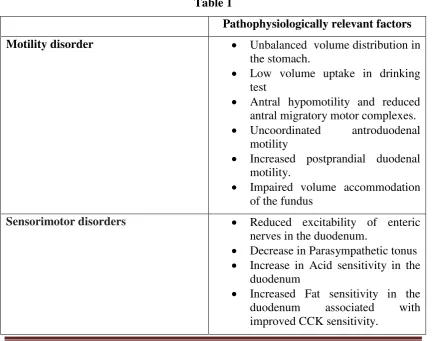
1,4Table 1
Pathophysiologically relevant factors
Motility disorder
Unbalanced volume distribution in
the stomach.
Low volume uptake in drinking
test
Antral hypomotility and reduced
antral migratory motor complexes.
Uncoordinated
antroduodenal
motility
Increased postprandial duodenal
motility.
Impaired volume accommodation
of the fundus
Sensorimotor disorders
Reduced excitability of enteric
nerves in the duodenum.
Decrease in Parasympathetic tonus
Increase in Acid sensitivity in the
duodenum
Introduction
Department of Pharmacy Practice
3Visceral hypersensitivity
Increased Sensitivity after stomach
expansion (on an empty stomach
and after a meal)
Increased
Sensitivity
after
duodenal,
jejunal,
and
rectal
expansion
Immune activation
Increased
GDNF,
eosinophilic
granulocytes and macrophages in
duodenal mucosal biopsy samples
Increased degranulation of the
eosinophilic granulocytes in the
duodenum
TH2-mediated response in the
duodenum
Increased
GDNF
and
NGF
expression in the H. pylori-positive
gastric mucosa
Dysfunctional intestinal barrier
Increased Permeability in the
proximal small intestine
Genetic predisposition
Increase in
GNβ3
-TT genotype
(increased
signal
transduction
between
receptor
and
target
protein)
Decrease in CCK-A receptor CC
genotype
Biopsychosocial factors
Anxiety,
depression.
Increased
Experience of abuse, stressful life
events
Decrease
in
Functional
connectivity of brain regions
Altered microbiota
Increase Prevotella
DIGNOSTIC INVESTIGATIONS OF DYSPEPSIA
Patients with dyspepsia who undergo upper GI investigation and have
pathological finding may be responsible for the symptoms, such as peptic ulcer, are
categorized as having organic dyspepsia
5. Upper GI endoscopy is essential to
investigate the FD patients and there by to excluding other structural diseases, before
diagnosis of FD upper endoscopy with biopsies and laboratory tests were performed
in order to exclude the infections, peptic ulceration, celiac disease and neoplasia
7.
Uncontrolled functional dyspepsia affects very weakly the quality of life of
patients and social expenses.
5The quality of life (QOL) in FD patients is known to be
impaired due to symptoms causing emotional distress, problems with food and drink,
and impaired vitality
8.
TREATMENT
The treatment of FD is confusing to health care providers, currently there is no
definite treatment for FD. Wide range of therapies are available for the management
of functional dyspepsia. H pylori is the main cause of peptic ulcer disease but its role
in non-ulcer dyspepsia is not well known. It is important that physicians be able to
recognize dyspepsia, investigations and diagnostic tests and recommend effective
treatment in order to avoid possible adverse drug reactions and to improve the quality
of life of patients.
9, 10
Acid suppressive drugs
Helicobacter pylori eradication treatment
Antidepressant
Psycotherapy.
Prokinetics
Acid Suppressive Drugs
In patients major symptoms of gastrointestinal disorders, acid suppressive
therapy is mainly used. Proton Pump inhibitors showing 10-15 % improving
Introduction
Department of Pharmacy Practice
5Proton Pump Inhibitors (PPIs)
Patients with FD, mainly those with epigastric pain syndrome proton pump
inhibitors (PPIs) or histamine type 2-receptor antagonists (H
2blockers) seems to be
suppress the gastric acid secretion and relieves the epigastric pain or burning. The
initial gastric acid emptying play a pathogenetic role on symptom generation through
early onset of duodenal brake, so acid suppression might be successful. Proton pump
inhibitor (PPI) are the strongest drug for gastric acid suppression .PPI will block
gastric acid secretion by blocking H
+ion secretion from the parietal cells. They have
few adverse effect and are well tolerated by for long term- use. Inhibitors of acid
secretion are therefore prescribed for world wide. Although treatment with acid
suppression produces symptom relief in a proportion of patients with FD. Retention of
PPIs in the stomach for longer time may results in an impaired suppression.
Omeprazole is a highly effective PPI which inhibit gastric acid secretion by blocking
H
+/K+-adenosine triphosphatase in parietal cells.
11-13H.
pylori
Eradication Therapy
Helicobacter pylori
infection is the main cause of gastritis, gastroduodenal
ulcers and other gastrointestinal disorders. The first line of treatment for
H pylori
eradication consists of proton pump inhibitor (PPI) or ranitidine bismuth citrate, with
any two antibiotics among amoxicilline, clarithromycin and metronidazole given for
7-14 days.
H. pylori is the
most common cause of chronic bacterial infection in
humans. 20 to 90%, of population include this infection depending on conditions of
development and hygiene. The prevalence of H.
pylori infection in patients with FD
varies from 30 to 70%. It is known that H.
pylori can cause dyspeptic symptoms,
inducing motor disorders, causing visceral hypersensitivity, acid secretion alterations,
active and persistent inflammation.
14,15Antideppressant
gastrointestinal disorders, although there is some evidence that the drugs affect gastric
sensitivity. Serotonin/noradrenalin reuptake inhibitor such as venlafaxine failed to
show any beneficial effect in FD. While Paroxetine, a selective serotonin reuptake
inhibitor (SSRI), enhanced gastric accommodation .
16Psychotherapy
Interpersonal psychotherapy may be effective in FD patients. The prevalence of
psychiatric symptom is high among FD patients. So improvement of these symptoms
following psychotherapy in functional gastrointestinal disorders appears to be related
with reduced psychological distress and improved health condition.
17Prokinetics
Prokinetics are the medications used for enhancing gastric motility acting
through receptor. It acts by increasing esophageal sphincter pressure, enhancing
esophageal peristalsis, gastric emptying and bowel movement
16.
Domperidone
Domperidone, is peripheral dopamine D
2antagonist ,blocking dopamine in the
enteric nervous system, It acts centrally in the chemoreceptor trigger zone, thus by
reducing the nausea and ,It also effects motor function and thus improves the gastric
emptying and peristaltic movement of intestine. So domperidone acts as an antiemetic
and prokinetic agent. Domperidone had a good safety profile and is treated for FD. It
is also used as a therapeutic option for variety of GI motility disorders such as
gastroparesis and gastrooesophagal reflux disorder. But domperidone shown several
adverse effect such as increase plasma prolactin level on long term treatment .It does
not cross the blood
–
brain barrier and a lower cardiovascular risk while having good
clinical efficacy.
Omeprazole and domperidone given in combination did not have any
Introduction
Department of Pharmacy Practice
7prokinetics increases symptomatic relief from FD than PPI monotherapy. It may
improve patient quality of life.
18,12Acotiamide
Acotiamide is a novel prokinetic agent, it has various pharmacological effects
on the gastrointestinal tract. which inhibits acetyl choline esterase and exerts its
gastroprokinetic activity by enhancement of acetylcholine release. Acotiamide is a
muscarinic receptor antagonist in the enteric nervous system. It blocks M
1and M
2receptor that alter acetylcholine release. Acotiamide was shown to improve dyspepsia
symptoms by increasing both gastric accommodation and delayed gastric emptying. It
relieves both symptoms of epigastric pain syndrome and postprandial distress
syndrome. Acotiamide also inhibit stress related hormones. Acotiamide modulates
upper gastrointestinal movement to improve abdominal symptoms resulting from
hypomotility.
19, 20This drug was first launched in Japan in June 2013 as a therapeutic agent for
FD. A phase III trial was done in Europe, and a phase II trial was finished in USA.
Acotiamide have ability to alter the expression of stress related genes such as GABA
and neuromedin U in medulla oblongata or hypothalamus. So there by acotiamide has
an important role in the regulation of stress through the
hypothalamic-pituitary-adrenocortical activity. The dose of acotiamide 100mg three times a day shown a
overall improvement in the symptoms without any significant adverse events.
21Prokinetic therapy has been found to have a positive effect on functional
dyspepsia but is still not conclusive. The present study will also assess the efficacy of
acotiamide against the other therapeutic options for FD
.
This study will assess the therapeutic outcome and quality of life of patients
with functional dyspepsia who are on any one of the following treatment options ---
proton pump inhibitor, domperidone and the prokinetic agent acotiamide, and thereby
compare the three to predict efficacy.
Department of Pharmacy Practice 8
2. REVIEW OF LITERATURE
Ibnu Fajariyadi Hantoro et al (2018); Conducted a study to determine the contribution of clinical, psychosocial, and demographic factors in affected functional
dyspepsia patients in Indonesia. 124 patients were enrolled in the study, HRQoL
was measured using the Medical Outcomes Study Short-Form 36 (SF-36) physical
component summary (PCS) and mental component summary (MCS) . The factors
investigated were age, gender, symptom severity, education level, employment status,
anxiety, depression, and ethnicity. The Results supported that all domains of HRQoL
except vitality were impaired in patients with functional dyspepsia. From this study it
was concluded that there was significant HRQoL impairment in patients with
functional dyspepsia in Indonesia.[22]
Varsha Narayanan et al (2018); carried out a study on 314 FD patients with meal-related-symptoms, received acotiamide 100 mg thrice daily for 4 weeks. Improvement of the symptoms were evaluated by a questionnaire, as well as tolerance to treatment. The results supported that complete relief or significant improvement from postprandial fullness, upper abdominal bloating and early satiety was achieved. Mild adverse events were reported by 6% patients; mainly headache, nausea, vomiting, vertigo, burning sensation, palpitation, and epigastric pain. From this study it was concluded that acotiamide improved the meal related FD symptoms with good safety profile.[23]
Review of Literature
Department of Pharmacy Practice 9
.
Agneta Uusijarvi et al (2018); Performed a study to validate Rome III criteria and alarm symptom and their ability to distinguish between organic and functional dyspepsia. 258 children’s aged 4-17 years with gastrointestinal complaints, and who consulted for secondary or tertiary care in Stockholm were enrolled in the study. Data’s were collected by using questionnaire on pediatric gastrointestinal symptom Rome III. The results supported that 16% having organic disorders 54% having pain predominant functional gastrointestinal disorder and 30% having other functional diseases .From this study it was concluded that combining the Rome III criteria and absence of alarm symptoms from patient questionnaire had high specificity
but low sensitivity.[25]
Satoshi schinozaki et al (2017); Carried out a study based on adherence to an acotiamide improves long term outcomes in patients with functional dyspepsia. 79 patients with functional dyspepsia were enrolled in the study who underwent esophagogastroduodenoscopy. Symptoms and followed for more than one year. Symptom severity assessed by using the lzmo scale and analysed by using Kaplan-Meier method. The studyconcluded that recurrence of functional dyspepsia for long term is in higher rate. While adherence towards acotiamide decreases the rate of reappearance of dyspeptic symptoms.[26]
J. Tack etal (2017); Conducted an open-label safety trial to evaluate the long-term safety and efficacy of acotiamide on PDS symptoms. Patients (defined by ROME III
criteria) aged ≥18 years with active PDS symptoms were enrolled to receive 100 mg
acotiamide three times daily for 1 year .Patients safety and efficacy of acotiamide was monitored by using the validated LPDS, quality of life using SF-36 and SF-NDI questionnaires, and work productivity using WPAI. The study concluded that acotiamide has the long-term safety in treatment of FD, and also a remarkable change for PDS symptoms, QOL, and work productivity was suggested [8].
Department of Pharmacy Practice 10
selected for the study. Patients were divided into 2 groups. Group A received 100mg acotiamide TDS before meal for 8wks.Group B received levosulpiride 25 mg TDS for 8 wks. Treatment outcome categorized as excellent: Complete relief of symptoms, Good: improvement with only occasional symptoms, nil: no improvement. Theresult supported that the Patients treated with Acotiamide showed more improvement in symptoms of FD and better tolerated in comparison to Levosulpiride. This study concluded that theAcotiamide found to be quiet safe and effective drug in patients of Functional Dyspepsia in comparison to Levosulpiride.[27]
KY Marakhouski et al (2017); Done randomized controlled, phase 4 study, to compare the efficacy and safety of omeprazole-domperidone combination with omeprazole monotherapy in gastroesophageal reflux disease (GERD).60 patients were enrolled in this study they received group 1 (omeprazole20 mg+domperidone 30 mg) or group 2 (omeprazole 20 mg) in an equal ratio; 2 capsules daily in the morning were administered for 8 weeks. Symptom severity was assessed by visual analogue scale (VAS) and GERD-Q questionnaire. The study concluded that Omeprazole-domperidone combination was more effective than omeprazole alone. [12]
Review of Literature
Department of Pharmacy Practice 11
Young Joo Yang etal (2017) ; Performed a randamised controlled trials (RCTs) of
prokinetics for treatment of FD. In total 25 RCTs 4473 patients were included who were treated with 6 different prokinetics. Symptoms score was analysed by odds ratio. Beysian net work analysis was performed for this study. Study suggests that metoclopromide, trimebutein, mosapride, and domperidone showed better efficacy for FD treatment than acotiamide and or itopride [28]
Tareq Al Saadi et al (2016): Performed a study to estimate the epidemiologic characteristicsand possible risk factors for UD, IBS, and GERD among students at Damascus University, Damascus, Syria. 302 valid participants were enrolled in the study. The results supported that prevalence for UD, IBS, and GERD was 25%, 17%, and 16%, respectively. Symptom overlap was present in 46 students (15%), with UD+ IBS in 28 (9.3%), UD + GERD in 26 (8.6%), and IBS + GERD in 14 (4.6%) students. Eleven (3.6%) students had symptoms of UD +IBS+GERD. From this study it was concluded that risk factors for these disorders remain poorly characterized and need further investigations.[29]
Hiroyuki Osawa et al (2016); Conducted a study to assess effect of acotiamide in patients with functional dyspepsia.51 patients were enrolled in study who treated with acotiamide and followed them for more than one year. Patients quality of life and symptom severity was assessed by using the Izumo scale.The results supported that acotiamide showed a greater improvement on epigastric syndrome (EPS) and postprandial distress syndrome(PDS).From this study it was concluded that acotiamide treatment improves and resolves EPS symptoms and PDS symptom take more longer to resolve than EPS symptoms.[30]
Department of Pharmacy Practice 12
subdomain of the SF-NDI had more effects. This study suggested that the prevalence of dyspepsia among HCWs in Rwanda is a high and associated with lowered quality of life.[31]
Hiroshi yamawaki et al (2014); Conducted a study on Twenty-five functional dyspepsia (FD) patients were treated with acotiamide (300mg/day) for 4 weeks. Anxiety was evaluated using STAI-state/-trait. ACTH and cortisol levels measured in FD patients. Acotiamide treatment significantly improved postprandial fullness and early satiety in 4 weeks treatment in FD patients compared to those in pretreatment. Acotiamide did not affect anxiety using STAI-state/-trait as well as ACTH and cortisol levels in FD patients. This study suggested that further studies is needed for more clarification of improvement of FD symptoms in acotiamide therapy.[32]
Shuhei mayanagi etal(2014); Done a study to evaluate the efficacy of an initial PPI followed by a combination therapy and PPI and acotiamide.105 patients were enrolled
who started an initial PPI. 23 patients with residual symptoms receives 100mg
acotiamide three times a day with esomeprazole as a combination therapy for 2
weeks. The symptoms were evaluated using the modified frequency scale (mFSSG)
almost all FD related symptoms improved after combination therapy with an
improvement in the mFSSG Score. The findings suggest that the combination therapy of acotiamide and PPI may be effective in selected FD patients as compared with an initial PPI therapy.[33]
Review of Literature
Department of Pharmacy Practice 13
Chatchai Kriengkirakul etal (2012); Conducted a study to evaluate the efficiency of
proton pump inhibitor (PPI) treatment on patients with overlapping non-erosive gastroesophageal reflux disease (NERD) and functional dyspepsia (FD).60 patients were enrolled in the study who were underwent treatment of rabeprazole 20 mg b.i.d. for 2 weeks. The symptoms were evaluated using a symptom questionnaire with 4-point Likert scales before and after treatment. The result supported after the PPI treatment, epigastric burning, acid regurgitation, heartburn, nausea, vomiting and chest discomfort scores were significantly improved compared to pretreatment values, whereas postprandial abdominal fullness, early satiation, belching and food regurgitation were not. From this study it was concluded that the two-week high dose PPI treatment was not effective for early satiation, postprandial abdominal fullness, regurgitation or belching symptoms [35].
Ford, AC et al (2011); conducted a study about the Rome III criteria .For in this study 1452 adult patients with GI symptoms enrolled . Individuals with normal upper GI endoscopy and histopathology findings from analyses of biopsy specimens were classified as having no organic GI disease. This study Concluded thatIn a validation study of 1452 patients with GI symptoms, the Rome III criteria performed for identifying and diagnosing functional disorders from other gastrointestinal disorder[36].
Department of Pharmacy Practice 14
K. Matsueda etal (2011) ; Performed a multicenter, open-label, single-arm, long-term phase III study in which patients with FD were given acotiamide, 100 mg t.i.d, for 48 weeks long-term study of acotiamide. The study was carried out to investigate the efficacy, safety and administration pattern of acotiamide in patients with functional dyspepsia (FD). 405 patents were enrolled in this study and the efficacy was analyzed by OTE improvement rate, the symptom elimination rate increased. This study supported that FD symptoms were controlled by intermittent administration of acotiamide even in patients with relapsing FD.[2]
Suzanna Ndraha et al (2011); Carried out a study on 60 dyspeptic patients with heartburn and/or regurgitation were enrolled to evaluate the efficacy of combination of PPI with prokinetic drug compared to PPI mono therapy in GERD patients with high frequency scale for the symptoms of GERD (FSSG) score. They were divided into two groups. Group A was given omeprazole 2x20 mg and domperidone 3x10 mg for 2 weeks, while another group was only given omeprazole 2x20 mg. The FSSG score was performed before treatment and after 2 weeks of treatment. The study reveals that combination of omeprazole with domperidone in GERD patients with high FSSG score is better than compared to omeprazole monotherapy.[13].
Yasuhiro Fujiwara et al (2011); Conducted a study on Japanese workers to identify
association of cigarette smoking with functional dyspepsia ,GERD or irritable bowel syndrome.2680 eligible subjects were enrolled in the study. The results suggest that cigarette smoking was a common factor associated with overlaps of FD,GERD or
irritable bowel syndrome, The association is stronger in smokers who smoked ≥1
pack per day as compared to those who smoked less than 1 pack per day. This study concluded that cigarette smoking was significantly associated with overlaps of GERD, FD and IBS among Japanese adults [37].
Review of Literature
Department of Pharmacy Practice 15
Activity Impairment questionnaire. Subjects underwent upper gastrointestinal endoscopy and were classified as having functional or organic dyspepsia. The results supported 387 (45.5%) were active workers and 78% reported a reduction of the work productivity (presenteeism). The affect on work productivity was similar between patients with functional or organic dyspepsia. This study showed an important influence of dyspepsia on work productivity [38].
Jauregui Lobera et al (2011); conducted a study Impact of functional dyspepsia on
Quality of life in eating disordered patients. 78 patients were enrolled in the study the Symptoms of dyspepsia, the related quality of life, anxiety, depression were evaluated. The results supported that early satiation and bloating were significantly higher in FD Patients. The study concluded that FD constitute a general bias common to all eating patients with specific effect on the characteristic symptoms of FD .[39]
Sheng-Liang Chenloss et al (2010); conducted a study with Eighty-five consecutive
Chinese patients with FD. This study was to investigate the incidence of nocturnal dyspeptic symptoms in patients with functional dyspepsia (FD) and whether prokinetic drugs can alleviate them. Baseline nocturnal intragastric pH, bile reflux and nocturnal dyspeptic symptoms of eligible patients, including epigastric pain or discomfort, abdominal distention and belching, were investigated with questionnaires after one year. The result supported that domperidone can alleviate nocturnal dyspeptic symptoms, which may be interrelated with the excessive nocturnal duodenogastric bile reflux.[18].
Department of Pharmacy Practice 16
both languages were 72.5 and 60.0 respectively. In both languages, SF-NDI sub-scales and total score demonstrated lower values in patients with more severe symptoms and in patients with functional vs organic dyspepsia. This study demonstrates that both English and Malay versions of the SF-NDI are reliable and probably valid instruments for measuring HRQoL in Malaysian patients with dyspepsia [40].
Anjiang Wang etal (2008); conducted a study to investigate the prevalence and risk factors for overlap of FD and IBS based on Rome III criteria.3014 patients were enrolled in study and they were requested to complete the questionnaires. Results supported that patients with IBS and FD shows higher severity scores than those with FD alone. This study reveals that the common risk factor for clinical overlap of IBS and FD is postprandial fullness.[41]
M.Pajala etal (2006); Performed a study on 400 patients with dyspepsia to evaluate assurance of primary care of FD and organic dyspepsia patients and influence of GI symptoms and psychological factors by using a completed questionnaire ,and monitored their symptom for one year . The study concluded that the gastrointestinal symptoms for FD is long lasting and investigations shows that patients have lower mental distress and fear illness, psychological factors are related to symptoms severity changes.[42]
Review of Literature
Department of Pharmacy Practice 17
undergone treatment and only a small number undergone endoscopy or ultrasonography.[43]
A L Blum et al (2000);conducted a study to evaluate the treatment of functional dyspepsia with acid inhibitors. 792 patients were enrolled in the study. Antacid treatment ranitidine 150 mg, omeprazole 10 mg, or omeprazole 20 mg daily. Individual dyspeptic and other abdominal symptoms were evaluated before and after treatment according to H pylori status. The results supported that there was no significant therapeutic gain from active treatment over placebo in H pylori negative patients. complete improvement of symptoms and quality of life also occurred most frequently with omeprazole 20 mg and was significant in both H pylori positive and H pylori negative groups. This study concluded that Omeprazole 20 mg had ability to disappear most of the symptoms in H pylori positive patients.[44]
N.J Talley et al (1998); Performed a study to evaluate the efficacy of proton pump inhibitor therapy in functional dyspepsia.1262 patients with a functional dyspepsia (persistent or recurrent epigastric pain or discomfort for at least 1 month and a normal upper gastrointestinal endoscopy) were enrolled and subjected to receive omeprazole 20 mg, 10 mg or identical placebo, for 4 weeks. Symptoms were assessed using validated measures. Results supported that complete symptom relief was observed in 38% on omeprazole 20 mg, compared with 36% on omeprazole 10 mg and 28% on placebo(P= 0.002 and 0.02, respectively). There was no significant benefit of omeprazole over placebo. Symptom relief was similar in H. pylori-positive and negative cases. From this study it was concluded that Omeprazole is modestly superior to placebo in functional dyspepsia at standard (20 mg) and low doses (10 mg) but not in patients with dysmotility-like dyspepsia. [45]
3. AIM AND OBJECTIVE
AIM
To assess the therapeutic outcome and quality of life of patients with functional
dyspepsia by treating with proton pump inhibitors, Domperidone and a novel Prokinetic agent
Acotiamide.
OBJECTIVES
To study the prevalence, aetiological factors and characteristics of the functional
dyspepsia.
To identify the treatment options for functional dyspepsia.
To measure the outcome of the management.
To assess the quality of life.
To check adverse drug reaction, if any.
Methodology
Department of Pharmacy Practice
194. METHODOLOGY
STUDY SITE
This study was performed in the Department of Gastroenterology, Kovai Medical
Center and Hospital (KMCH), Coimbatore, Tamil Nadu, India. The proposed protocol for the
study was presented and approved by the Hospital Ethical committee.
STUDY TYPE
The study was a Prospective observational study on the management of functional
dyspepsia, to be undertaken at the Department of Gastroenterology, Kovai Medical Centre
and Hospital (KMCH).
STUDY DURATION
The study period was six month. Feb 2018-July.2018.
STUDY CRITERIA
Inclusion criteria:
Patients with functional dyspepsia without any metabolic or systemic disease were
included in the study.
Patients having two or more of the following symptoms were included in the study:
upper abdominal pain, upper abdominal discomfort, postprandial fullness, upper, abdominal
bloating, early satiation, nausea, vomiting, excessive belching.
Exclusion criteria
Patients with organic causes of gastroparesis (Eg. Diabetes mellitus) and other
serious disease (like alcoholism and drug dependence).
Pregnant and lactating women
.
Predominant ulcer like dyspepsia (pain) and symptoms suggestive of irritable bowel
syndrome.
Department of Pharmacy Practice
20SOURCES OF DATA
Data were collected from Patients case reports and treatment details and direct
patient interview. Details recorded included patients demographics, social habits,
co-morbidities, medical history, treatment details and outcomes will be noted in a structured
manner in a data collection form.
STUDY TOOLS
Data collection form
Visual Analogue Scale
Short-form Nepean Dyspepsia Index
SPSS version 20
STUDY PROCEDURE
Patients were divided into three groups. In one group patients were treated with
PPI a combination of PPI and acotiamide, In the second group patients were treated with
combination of PPI and domperidone, and in third group patients were treated with PPI alone.
STUDY POPULATION
A total of 70 patients who fulfill the inclusion criteria included in my study, 10
patients were excluded by the reason of non complaints. All the 60 patients were enrolled and
divided into three groups. The patients demographic information, symptoms, treatment
required for the study were collected using a structured questionnaire and also from different
data sources available and were recorded in the patient data sheet. Patients characteristics like
age, gender, smoking status and alcohol intake, food habits, past medical history, treatment
characteristics were noted.
Methodology
Department of Pharmacy Practice
21Quality of Life
Nepean dyspepsia index questionnaire is a questionnaire comprising ten item,
making up five subscales of two items each that examine the impact of dyspepsia on various
domains of quality of life of patients, including tension/anxiety, disruption of regular eating/
drinking. Knowledge and control over disease symptoms and interference with work/study. It
was used to assess the quality of life of patients with functional dyspepsia with 10 short term
questionnaire during the enrollment and review after 28 days for quality of life analysis then
compared.
STATISTICAL ANALYSIS
:
5. TABLES AND GRAPHS
[image:33.595.112.496.479.714.2]TABLE.1 AGE WISE DISTRIBUTION AMONG THE STUDY POPULATION (n=60)
Fig.1 AGE WISE DISTRIBUTION AMONG THE STUDY POPULATION (n=60
)
AGE
NUMBER OF
PATIENTS(n=60)
PERCENT (%)
25-34
5
8.3
35-44
9
15.0
45-54
24
40.0
55-64
9
15.0
65-74
8
13.3
75-84
5
8.3
Tables & Graphs
[image:34.595.71.417.152.301.2]Department of Pharmacy Practice
23TABLE.2 GENDER WISE DISTRIBUTION AMONG THE STUDY POPULATION
[image:34.595.126.485.444.691.2](n=60)
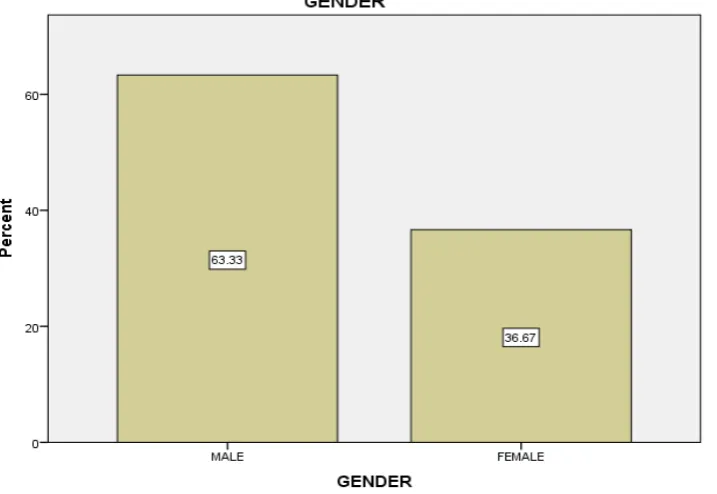
Fig.2 GENDER WISE DISTRIBUTION AMONG THE STUDY POPULATION (n=60)
GENDER
NUMBER OF
PATIENTS(n=60)
PERCENT (%)
Male
38
63.3
Female
22
36.7
TABLE 3.DISTRIBUTION OF SMOKING STATUS AMONG THE STUDY
POPULATION (n=60)
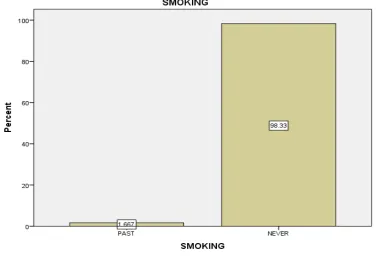
Fig.3.DISTRIBUTION OF SMOKING STATUS AMONG THE STUDY
POPULATION (n=60)
SMOKING
NUMBER OF
PATIENTS (n=60)
PERCENT (%)
Past
1
1.7
Never
59
98.3
Tables & Graphs
[image:36.595.130.464.152.329.2]Department of Pharmacy Practice
25TABLE.4 DISTRIBUTION OF ALCOHOL INTAKE AMONG THE STUDY
POPULATION (n=60)
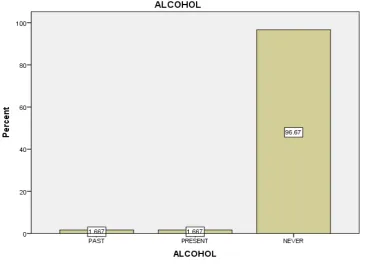
ALCOHOL
NUMBER OF
PATIENTS
(
n=60)
PERCENT (%)
Past
1
1.7
Present
1
1.7
Never
58
96.7
[image:36.595.119.487.463.727.2]Total
60
100.0
Fig.4 DISTRIBUTION OF ALCOHOL INTAKE AMONG THE STUDY
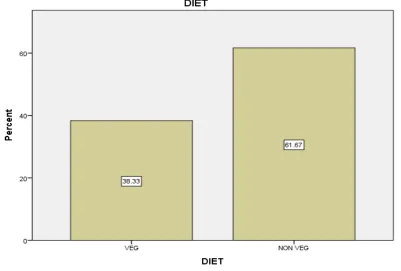
TABLE.5 DISTRIBUTION OF FOOD HABITS AMONG THE STUDY
POPULATION (n=60)
FOOD HABIT
NUMBER OF
PATIENTS (n=60)
PERCENT (%)
Vegetarians
23
38.3
Non vegetarians
37
61.7
[image:37.595.101.503.439.710.2]Total
60
100.0
Tables & Graphs
[image:38.595.107.489.183.336.2]Department of Pharmacy Practice
27TABLE.6 DISTRIBUTION OF BODY WEIGHT AMONG THE STUDY
POPULATION (n=60)
WEIGHT(kg)
NUMBER OF
PATIENTS (n=60)
PERCENT (%)
30-60
28
46.7
60-80
30
50.0
80-100
2
3.3
[image:38.595.84.518.463.715.2]Total
60
100.0
Fig.6 DISTRIBUTION OF BODY WEIGHT AMONG THE STUDY POPULATION
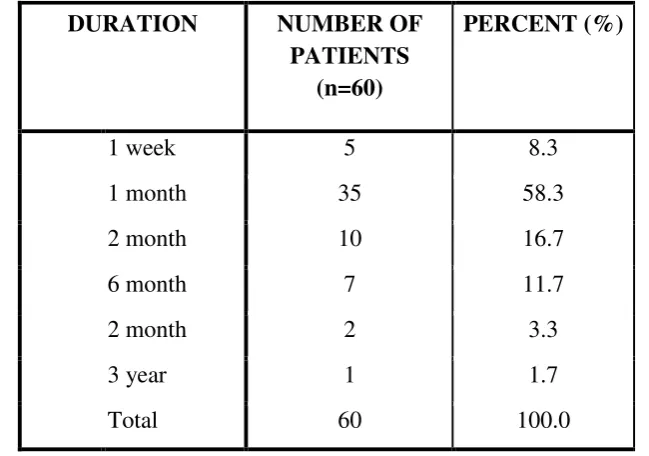
TABLE 7.DISTRIBUTION OF DURATION OF SYMPTOMS AMONG THE STUDY
POPULATION (n=60)
DURATION
NUMBER OF
PATIENTS
(n=60)
PERCENT (%)
1 week
5
8.3
1 month
35
58.3
2 month
10
16.7
6 month
7
11.7
2 month
2
3.3
3 year
1
1.7
[image:39.595.98.509.453.708.2]Total
60
100.0
Fig.7.DISTRIBUTION OF DURATION OF SYMPTOMS AMONG THE STUDY
Tables & Graphs
[image:40.595.96.500.125.335.2]Department of Pharmacy Practice
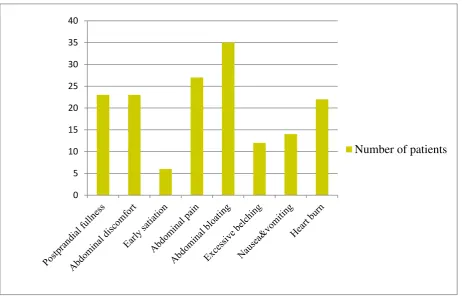
29TABLE 8. DISTRIBUTION OF SYMPTOMS AMONG STUDY POPULATION (n=60)
[image:40.595.72.535.415.711.2]Fig.8 DISTRIBUTION OF SYMPTOMS AMONG STUDY POPULATION (n=60)
0 5 10 15 20 25 30 35 40
Number of patients
SYMPTOMS
NUMBER OF
PATIENTS (n=60)
PERCENT (%)
Postprandial fullness
23
38.3
Abdominal Discomfort
23
38.3
Early Satiation
6
10
Abdominal pain
27
45
Abdominal Bloating
35
58.3
Excessive Belching
12
20
Nausea& Vomiting
14
23.3
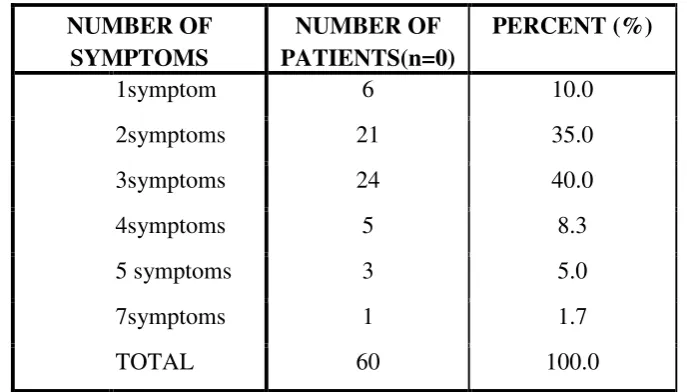
TABLE 9.DISTRIBUTION OF NUMBER OF SYMPTOMS AMONG THE STUDY
POPULATION (n=60)
[image:41.595.126.480.410.642.2]
FIG.9.DISTRIBUTION OF NUMBER OF SYMPTOMS AMONG STUDY
POPULATION (n=60)
NUMBER OF
SYMPTOMS
NUMBER OF
PATIENTS(n=0)
PERCENT (%)
1symptom
6
10.0
2symptoms
21
35.0
3symptoms
24
40.0
4symptoms
5
8.3
5 symptoms
3
5.0
7symptoms
1
1.7
Tables & Graphs
[image:42.595.79.519.154.639.2]Department of Pharmacy Practice
31TABLE 10.VISUAL ANALOGUE SCALE SCORE OUTCOMES OF
ACOTIAMIDE+PPI THERAPY BEFORE AND AFTER TREATMENT
Symptoms
Acotiamide + PPI therapy(n=20)
Before treatment
After treatment
p- value
Mean ±S.D
Mean ±S.D
Postprandial fullness
1.20±1.281
0.20±0.410
0.002
Upper abdominal
discomfort
0.75±1.333
0.10±.308
0.024
Early satiation
0.25±0.786
0.00±0.000
0.171
Upper abdominal pain
0.90±1.165
0.30±0.470
0.024
Upper abdominal
bloating
1.75±1.251
0.35±.489
0.000
Excessive belching
1.35±1.424
0.30±.470
0.001
Nausea& vomiting
0.35±.875
0.05±.224
0.163
Heart burn
0.90±1.410
0.30±0.470
0.042
TABLE 11.
SUMMARY OF OVERALL AND SUBSCALE SYMPTOM SCORES ON
THE SHORT FORM-NEPEAN DYSPEPSIA INDEX(SF-NDI) QUESTIONNAIRE OF
ACOTIAMIDE THERAPY BEFORE AND AFTER TREATMENT
Variables
Acotiamide +PPI Therapy(n=20)
P value
Before
After
Mean ±S.D
Mean ±S.D
Tension
2.00±0.649
1.35±0.489
0.001
Interference with daily
activities
1.60±0.503
1.20±0.410
0.008
Eating/drinking
1.95±0.224
1.20±0.410
0.000
Knowledge
1.80±0.523
1.25±0.444
0.001
Work/study
2.30±0.470
1.15±0.366
0.000
Tables & Graphs
[image:44.595.80.517.131.631.2]Department of Pharmacy Practice
33TABLE 12. VISUAL ANALOGUE SCALE SCORE OUTCOME OF
PPI+DOMPERIDONE THERAPY BEFORE AND AFTER TREATMENT
Symptoms
PPI + Domperidone Therapy(n=60)
Before
After
P value
Mean ±S.D
Mean ±S.D
Postprandial fullness
1.10±1.294
0.45±0.686
0.033
Upper abdominal
discomfort
1.15±1.348
0.40±0.754
0.005
Early satiation
0.25±0.786
0.05±0.224
0.297
Upper abdominal
pain
0.90±1.210
0.25±0.550
0.039
Upper abdominal
bloating
1.80±1.322
1.25±1.209
0.086
Excessive belching
0.25±0.786
0.15±0.489
0.606
Nausea& vomiting
0.75±1.209
0.65±0.813
0.733
Heart burn
1.20±1.281
0.70±0.865
0.021
TABLE 13. SUMMARY OF OVERALL AND SUBSCALE SYMPTOM SCORES ON
THE SHORT FORM- NEPEAN DYSPEPSIA INDEX (SF-NDI) QUESTIONNAIRE
OF PPI+ DOMPERIDONE BEFORE AND AFTER TREATMENT.
Variables
PPI+ domperidone therapy(n=20)
P- value
Before
After
Mean ±S.D
Mean ±S.D
Tension
1.70±0.657
1.75±0.444
0.772
Interference with
daily activities
1.65±0.489
1.95±0.224
0.010
Eating/drinking
1.85±0.366
1.95±0.224
0.163
Knowledge
1.65±0.489
1.85±0.336
0.042
Work/study
1.45±0.686
1.80±0.523
0.031
Total score
Tables & Graphs
[image:46.595.81.517.158.671.2]Department of Pharmacy Practice
35TABLE 14.VISUAL ANALOGUE SCALE OUTCOMES SCORE OF PPI
MONOTHERAPY BEFORE AND AFTER TREATMENT
Symptoms
Proton Pump Inhibitor Monotherapy (n=20)
Before
After
P value
Mean± S.D
Mean ±S.D
Postprandial fullness
0.65±1.182
0.25±0.786
0.057
Upper abdominal
discomfort
1.10±1.410
0.60±1.095
0.047
Early satiation
0.20±0.616
0.20±.616
0.163
Upper abdominal pain
1.40±1.465
0.90±1.165
0.014
Upper abdominal
bloating
0.90±1.294
0.55±0.999
0.286
Excessive belching
0.50±1.051
0.55±1.146
0.748
Nausea& vomiting
0.50±1.051
0.40±.995
0.577
Heart burn
1.05±1.356
0.85±1.226
0.104
TABLE 15. SUMMARY OF OVERALL AND SUBSCALE SYMPTOM SCORES ON
THE SHORT FORM-NEPEAN DYSPEPSIA INDEX (SF-NDI) QUESTIONNAIRE OF
PPI MONOTHERAPY BEFORE AND AFTER TREATMENT
Variables
Proton Pump Inhibitor
Monotherapy(n=20)
P- value
Before
After
Mean ± S.D
Mean ± S.D
Tension
1.35±0.671
1.30±0.733
0.804
Interference with daily
activities
1.25±0.099
1.15±0.366
0.163
Eating/drinking
1.45±0.686
1.10±0.069
0.005
Knowledge
1.15±0..366
1.15±0.366
0.000
Work/study
1.40±.681
1.25±0.681
0.419
Results
Department of Pharmacy Practice
376. RESULTS
In this prospective study the management of functional dyspepsia is studied. This
study is to assess the therapeutic outcome and quality of life of patients with functional
dyspepsia by treating with Proton Pump Inhibitors, Domperidone and a novel prokinetic
agent Acotiamide. A total of 70 patients were selected in this study 10 patients were excluded
since they were non compliant to the treatment. There by 60 patients with functional
dyspepsia were enrolled, who were attending the Gastroenterology Department of Kovai
Medical Centre and Hospital during the period of February 2018 to July 2018. Patients were
divided into three groups. In each group 20 patients were included. In the first group, patients
who received proton pump inhibitors (PPI) alone were included. In the second group patients
who undergone PPI and domperidone combination therapy were included. In the third group
patients who received combination of acotiamide and PPI were included.
The study population was categorized into 6 groups on the basis of age (Table1).24
patients (40.0%) came under the category of 45 to 54 age group. This indicates that
incidence of functional dyspepsia is higher in this population.
Patients were categorized into 2 groups based on gender. 38 (63.3%) patients were
coming under the category of male and 22 (36.7%) patients were coming under female
category. The results show a male predominance for the disease (Table 2).
Social habits such as alcohol intake, smoking and food habits also related to
development of functional dyspepsia. Among the study population (n=60) 96.7 % of patients
were not alcoholic (Table.4). 98.3% patients not having smoking habits (Table 3). 37 (61.7%)
patients consumed non vegetarian foods. Only 28 (38.3%) patients consumed vegetarian
foods. This proves that the people who are consuming non vegetarian foods are more prone to
functional dyspepsia.(Table 5).
In this study 30 (50.0%) of patients came under the category of body weight 60-80
which indicates more predominance in development of functional dyspepsia.28 (46.7%) of
patients came under 30-80 and only 2 (3.3) of patients came under 80-100 who are less prone
Results
Duration of symptoms occurring as a result of dyspepsia differ in individuals while 35
(58.3%) had symptom for 1 month 10 (16.7%) patients had symptoms for 2 months,7
(11.7%) of patients had symptoms for 6 months.5 (8.3%) patients had symptoms for 1 week.
Only 3.3% and 1.7% of patients had the symptoms for 1 and 2 years. The duration of
symptoms persist about one month for most of the patients (Table 7).
In this study , 35 (58.3%) of patients had upper abdominal bloating,27 (45%) of
patients had upper abdominal pain,23 (38.3%) of patients had postprandial fullness and
upper abdominal discomfort, 22 (36.6%) of patients had heartburn, only 6(10%) of patients
had early satiation and 12(20%) of patients had excessive belching,14 (23.3%) of patient had
nausea and vomiting. Abdominal bloating was showed by most of the patients in this study
population. (Table 8)
The number of symptoms occurring in each individuals were categorized, 24 (40.0%)
patients had three symptoms, 21 (35%) had two symptoms, 5 (8.3%) patients had four
symptoms 3 (5%)patients had five symptoms, 6 (10%) patients had one symptom and only
1(1.7%) patients had 7 symptoms. Most of the patients had three symptoms.(Table 9)
Patients were evaluated for the occurance of adverse events caused by treatment
found among the study population, almost all patient would not had any serious adverse drug
reaction by the treatments. The adverse drug events were analysed with Naranjo adverse drug
reaction probability scale (Annexure IV))
By using visual analogue scale (Annexure III), the symptoms of the patients were
compared before and after the treatment for each group (Group1- PPI, Group2-PPI +
domperidone, Group3- PPI + acotiamide). The symptoms studied were Postprandial fullness,
Upper abdominal discomfort, Early satiation, upper abdominal bloating, Upper abdominal
pain, Excessive belching, Nausea and Vomiting and Heartburn.
The individual symptoms were studied for each groups. They were evaluated once
before the initiation of the therapy and after completion and are shown in (Table 9, 11&13).
After acotiamide therapy there was significant decrease in postprandial fullness (p=0.002),
Results
Department of Pharmacy Practice
39(p=0.024), heart burn (p=0.042), excessive belching (p=0.001). There is significant decrease
in the total VAS score (p<0.001).
In the case of postprandial fullness there is a decrease in the symptom score in each
group after treatment. Mean score before acotiamide therapy was 1.20±1.281 and after
treatment it was 0.20 ± 0.410. There is significant decrease in the symptom (p=0.002), The
mean score of symptom before domperidone+PPI therapy was 1.10±1.294 and after treatment
it is reduced to 0.45 ± 0.686 (p =0.033). In PPI therapy before treatment the mean score was
0.65 ± 1.182 and after treatment 0.25 ± 0.786 , there is decrease in symptom mean score (p>
0.05).
For upper abdominal discomfort the mean score before and after therapy was
0.75±1.333 and 0.10±.308 respectively, there is significant reduction of symptom after
acotiamide treatment (p=0.024). while the mean score before and after domperidone+PPI
therapy was 1.15±1.348 and 0.40±0.754 respectively (p=0.005). The mean score of
symptoms before and after PPI treatment was 1.10±1.410 and 0.60±1.095 respectively
(p=0.047). Upper abdominal discomfort was reduced significantly after treatment for the
three treatment.
For early satiation the mean score of symptom before acotiamide treatment was
0.25±0.786 and after it was decreased to 0.00±0.000 respectively (p=0.171), For
domperidone +PPI therapy before treatment and after treatment mean score 0.25±0.786 and
0.05±0.224 respectively (p=0.297), For PPI treatment before and after symptom score was
0.05±0.224 and 0.20±0.616 respectively (p=0.163). There is no significant decrease in
symptom score before and after therapy in three groups.
In the case of abdominal pain mean score before acotiamide therapy was 0.30±0.470
and after therapy it was reduced to 0.90±1.165 (p=0.024) similarly in domperidone therapy
mean score before and after treatment was 0.25±0.550 and 0.90±1.210 ( p=0.0390)
respectively. In PPI therapy before symptom mean score was 0.90±1.165 and it was reduced
to 1.40±1.465 (p=0.014) respectively. There is a significant decrease in the abdominal pain
Results
For abdominal bloating mean score before acotiamide therapy was 1.75±1.251
and after treatment it was reduced to 0.35±.489 (p<0.001).There is significant reduction in
the symptom score. But there is no significant reduction in the symptom score in other
groups. ((Domperidone p = 0.086, PPI p= 0.286).
For excessive belching the mean score before and after treatment of acotiamide
was 1.35±1.424 and 0.30±.470 respectively. (p=0.001) The improvement of symptom scores
did not differ significantly for other groups. (p= 0.606 for domperidone, p =0.748 for PPI).
Also there was no any significant improvement of the symptom score for vomiting in three
groups.
The patient who treated with acotiamide and domperidone shows a significant
reduction in the symptom heart burn shows (p =0.042 ,p=0.021) difference between before
and after treatment scores .In PPI therapy there is no significant difference in symptom
score.( p =0.104).
In overall the total score of the symptom was reduced in acotiamide and
domperidone therapy. (p<0.001 and 0.042). While in PPI the overall symptom was not
significantly reduced.
By using Nepean dyspepsia index questionnaire, the quality of life of
functional dyspepsia patients were compared before and after the therapy between each
groups (Table 11,13 &15) .Overall SF-NDI score showed a significant greater improvement
from baseline (p=0.000), the mean score of overall SF-NDI score before treatment was
2.5500±0.60481 and after treatment was 1.0000±0.00000. Combination of domperidone and
PPI and PPI monotherapy did not differ significantly the score between before and after
therapy ( p=0.428,p=0.110)
Similarly all the five SF-NDI subscale scores showed improvement from the
base line in the acotiamide group compared to other groups.(Tension p= 0.001,interference
with daily activities p=0.008,eating/drinking p<0.001,knowledge p=0.001,work/study
Results
Department of Pharmacy Practice
41In group II domperidone therapy there is no significant difference in scores of
tension, eating/drinking subscale (p=0.772, p=0.163).There is significant improvement in
knowledge, interference and work/study subscale scores after treatment.
In group1 PPI monotherapy there is significant improvement in the scores of
knowledge and eating/drinking subscale after therapy (p<0.001, p=0.005).There is no any