This is a repository copy of Tropical moist forests.
White Rose Research Online URL for this paper:
http://eprints.whiterose.ac.uk/75081/
Version: Accepted Version
Book Section:
Lovett, Jon C., Marchant, Robert orcid.org/0000-0001-5013-4056, Marshall, Andrew
Robert orcid.org/0000-0003-4877-1018 et al. (1 more author) (2007) Tropical moist forests.
In: Hesler, R. E. and Harrison, R. M., (eds.) Biodiversity Under Threat. Issues in
Environmental Science and Technology . Royal Society of Chemistry , pp. 161-192.
https://doi.org/10.1039/9781847557650-00161
[email protected] https://eprints.whiterose.ac.uk/ Reuse
Items deposited in White Rose Research Online are protected by copyright, with all rights reserved unless indicated otherwise. They may be downloaded and/or printed for private study, or other acts as permitted by national copyright laws. The publisher or other rights holders may allow further reproduction and re-use of the full text version. This is indicated by the licence information on the White Rose Research Online record for the item.
Takedown
If you consider content in White Rose Research Online to be in breach of UK law, please notify us by
Tropical Moist Forests
JON C. LOVETT, ROB MARCHANT, ANDREW R. MARSHALL AND JANET BARBER
1
Introduction
About 50% of the Earth’s surface lies in the tropics between latitudes 301N and 301S. This land is in the South American and African continental landmasses and a scatter of peninsulas and islands in the south Asian and Australian tropics. More than a third of the world’s population inhabit tropical lands and population growth rates are high. An increasingly high proportion of these people live in cities, but much of the tropical population relies on subsistence agriculture. Forest clearance is an important source of land, both through traditional slash and burn rotations and ‘‘frontier’’ agriculture, where migrat-ing people are allocated forest land for conversion. Cash crops also play a significant role in deforestation. Increasingly, tropical agriculture is supplying markets in industrialised countries. This is resulting in massive transformation of native tropical forests, usually starting with logging and ultimately leading to replacement by agriculture. Habitat degradation and loss are the greatest threats to terrestrial species.1Estimates of annual loss of tropical forest range from 8.7 to 12.5 M ha.2 An area of between half and equal size to this is degraded by selective logging each year.3,4 Loss and degradation of tropical forests are of global concern as more than half of the world’s species are found in tropical forests, despite covering only 7% of the world’s surface.5 Conse-quently, the number of species threatened with extinction in tropical forests is predicted to increase.6Tropical forest loss and degradation also have implica-tions for climate change, hydrology, nutrient cycling and natural resource availability.7Restoring degraded forests may therefore be one of the greatest challenges for ecologists this century.8
Conversion and degradation of tropical forest illustrates the fundamental conflict between conservation and economic development. People in tropical countries need land for both subsistence livelihoods and cash crops. Govern-ments need to develop export agriculture to generate national wealth and this is a central plank for escaping poverty. On the other hand, tropical forest biodiversity is a ‘‘common concern of humankind’’ as defined by the Conven-tion on Biological Diversity and we are obligated to conserve it both for
sustainable management for present generations and to meet the needs of future generations. Whilst changes in land cover represent directly observable loss of tropical forests, anthropogenic release of greenhouse gases and conse-quent shift to a warmer climate change will result in major alteration to the distribution of many species. Global warming highlights the impact of present generations on the future, and it is one of the greatest man-made threats to tropical forest biodiversity.
This chapter first briefly reviews tropical forest ecology and continental-scale patterns of diversity. We then discuss some possible reasons for these broad-scale patterns by looking at plate tectonics, mountain uplift, rainfall and historical climate change. Climate fluctuations over the last 2.2 Myr during the Pleistocene are covered in some detail. This is for two reasons. First, the dramatic climate fluctuations over the last 2 million years, and the last 20 000 years in particular, have left a strong signature in present-day ecology. Second, we need to look to the past to understand what might happen under future conditions of climate change. We also focus on Africa, because this is the continent predicted to be most affected by global warming, so its forests are most under threat. There is also a great deal of local-scale variation in biodiversity. This can be attributed to differences in climate, topography, the biology of individual species and disturbance regime. We then look at past and present anthropogenic impacts on tropical forests, followed by examination of a case study in the mountains of the Eastern Arc tropical forest biodiversity hotspot where cash-crop agriculture is being successfully combined with forest conservation. In conclusion, we review the potential future impacts of global warming and emphasise the need for tropical countries to develop their own research expertise.
2
Tropical Forest Ecology
If ecology was simple, then patterns of biodiversity would be relatively easy to predict and accordingly straightforward to manage. Theoretical ecologists hypothesise that biodiversity is a function of physical parameters such as soil fertility, rainfall and temperature. So, in a simple world we would expect high-rainfall tropical latitudes to be more biodiverse, with species numbers declining as latitude increases to cooler, more seasonal temperate and boreal lands. To a large extent, this is what we observe. There are more species in the hotter, wetter tropics compared to higher latitudes, but a closer examination of the patterns reveals a bewildering complexity. At a continental scale there are huge differences in tropical forest diversity between South America, Africa and Asia, with Africa being the ‘‘odd man out’’ in that it has much lower species richness. At a regional scale, one range of mountains can host many more species than its neighbours; and at a local scale a diverse forest can be right next to one that is dominated by a few species. It is this complexity that makes the study of tropical forest biodiversity so fascinating. For managers it offers both con-straints and opportunities.
Constraints arise because the factors dictating the distribution of tropical species are still largely unknown and often shrouded in historical mystery. It is therefore unlikely that we will ever be sure why species occur where they do. This means that it is very difficult for managers to predict the effects of management practice. For example, will disturbance of a topical forest by logging have limited long-lasting effects because the ecological determinants of diversity are fixed by temperature and mean annual rainfall? Or will distur-bance increase diversity by opening new niches for colonisation by a new set of species? Or will disturbance cause a catastrophic loss of species and transfor-mation of the complex web of life that makes up a mature tropical forest to a simplified ecosystem prone to dramatic changes such as those caused by fire or pest pressure?
3
Continental Scale Variation due to Plate Tectonics
There is a great deal of difference in species diversity between the continents. For example, if we look at distribution in the numbers of species and genera of palms and ferns12 (Tables 1 and 2) it is clear that continental Africa has comparatively far fewer species of these types of plant than the other tropical areas. Remarkably, even Madagascar, a large island lying off the south-eastern coast of Africa, has more palms and nearly as many ferns as the rest of the continent.
[image:5.442.54.388.426.487.2]Plate tectonics provides one possible explanation for these patterns, though there are other explanations which we will discuss in later sections. Africa was once at the centre of the super-continent Gondwana, about 180 million years ago, and lay 18 degrees south of its present position so that the equator traversed what is now the Sahara desert.12To the north lay the super-continent of Laurasia. In its central position, Africa would have been drier than the western and eastern parts of Gondwana, which were to become South America and Indo-Malaysia, respectively, so it is possible that the extent of wet tropical forest was always less than in the other tropical areas. As Gondwana and Laurasia broke up, North and South America moved westwards from Africa, creating the Atlantic Ocean, joining up via the isthmus of Panama.13The huge South American Andean range running along the entire western margin of South America is formed by a tectonic subduction zone, which is still actively uplifting the mountains and creating waves through the Amazon Basin.14India broke away from eastern Africa to cross what is now the Indian Ocean, crashing into Laurasia to create the Himalayas. Antarctica moved south and Australia and New Guinea moved eastwards to join up with an arc of Laurasian islands that today include Indonesia, Borneo and the Philippines.
Table 1 Distribution of numbers of species and genera of palms.12
Location Species Genera
Africa 65 14
South America 550 67
Madagascar 175 16
Indo-Malaysia 1400 100
Table 2 Distribution of numbers of species of ferns.
Location Species
Africa 650
South America 3500
Madagascar 500
High species diversity in Indo-Malaysian forests is thus increased on a regional scale by the area being the meeting point of the Laurasian and Gondwana plates.15 Two completely different biota have been brought into proximity, effectively doubling the numbers of species. The biological discon-tinuity in the complex pattern of islands was first noticed by Alfred Russell Wallace and is named Wallace’s Line in his honour. A second tectonic reason for high diversity in Indo-Malaysia is the creation of landforms that stimulate the evolutionary process. These include mountain uplift and formation of islands. Both mountains and islands provide new habitats for colonisation and cause genetic isolation, a point noted by Wallace in his early papers. A third reason for the rich biota is high rainfall and humid climate: a topic discussed later.
Following the break up of Gondwana, South America joined with Laurasia causing a wave of plant and faunal immigration from North America, with some South American species also travelling north.16 The massive Andean uplift created new habitats, stimulating speciation and sending tectonic waves through the Amazon basin to cause fluctuations in river flow and associated ecological dynamics. As with Indo-Malaysia, much of this tectonic activity was in high-rainfall tropical zones.
In contrast, Africa lay in the centre of Gondwana and so was not subject to the major tectonic mountain building activity of Indo-Malaysia and South America. Africa also had a prolonged period of contact with Laurasia and shares many faunal and floral elements. Where mountain building did occur in Africa, through rifting and uplift of the central African plateau, it tended to occur in areas of relatively low rainfall. Where mountains occur under high rainfall, such as the Eastern Arc mountains of Tanzania, the Albertine Rift mountains and mountains in Cameroon and Gabon, they are also rich in species. Indications are that parts of Africa were wetter in the past than at present; for example, Africa was rich in palms in the Cretaceous, though the numbers of species declined about 34 Mya.17 Plant families such as the Win-teraceae and Sarcolaenaceae were present in southern Africa in the Miocene, and are still present on Madagascar, but are now absent from the mainland,18 though areas of central topical Africa that are currently dry appear to have been that way for a long period.19
threat, these areas are prime places for conversion of forest to agriculture as they have recently developed fertile soils and good rainfall.
4
Regional Scale Variation due to Pleistocene Climate
Fluctuations
4.1
Tropical Climate Change
The tendency for climates to change relatively suddenly, even over the past millennia, has been one of the most surprising outcomes of the study of earth history.21The current geological period (the Quaternary) is characterised by a series of relatively cool, arid (glacial) phases and relatively warm, humid (interglacial) phases. There have been at least twenty major glacial phases over the course of the Quaternary22 during which the extent of ice globally was greater than during the intervening interglacials.23,24 Glacials were also char-acterised by lower sea levels, differences in the amount of solar radiation reflected by the Earth’s surface and changes in atmospheric composition (e.g. lower CO2 content) relative to interglacials. Superimposed upon this major, largely orbitally driven cycle of climate change were numerous lower-magni-tude, higher-frequency events. The impacts of these events are recorded over the range of spatial scales, from local to global, while their drivers were often complex feedback mechanisms, such as the interplay between ice sheets and ocean circulation.25 The only constant regarding climate in the past is that climate has constantly changed, such changes being unevenly felt over the Earth’s surface, with certain areas experiencing greater changes in temperature, precipitation and seasonality than others. The maximum extent of ice for the last glacial in other parts of the world may not have coincided with the last glacial maximum (LGM) about 20 000 years ago. For example, there is evidence that the extent of ice on several mountains in eastern Africa reached its maximum in the late glacial, following the LGM, owing to a combination of relatively cool and humid climate conditions.26However, the massive ice sheets in the Northern Hemisphere at the LGM will have had a major impact on environmental conditions globally, with world-wide sea levels and monsoon-associated precipitation probably at their lowest.
the future as ice sheets undergo accelerated contraction. As more long-term ecological data and studies into predicting impacts of climate change on species distribution become available,33 it is clear that future ecosystem composition, structure and functioning will be different. These parameters respond rapidly to current environmental change and are projected to do so more dramatically in the near future.34
4.2
Direct Evidence for Change
One of the foundations for reconstructing past ecosystems is pollen analysis: past vegetation composition and distribution, and changes in this, can be determined by fossil pollen preserved within accumulating sediments whose provenance can be identified back to the parent plant. Assuming that the remains have not been transported far and have been accurately and precisely dated, this type of evidence can be used to gain an insight into the nature of vegetation at a particular time in the past. When these ‘‘snap-shot’’ recon-structions are placed within a time-frame provided by radiocarbon dating, how the vegetation has changed at a single site over time can be reconstructed. Pollen analysis is a remote-sensing tool to enable investigation of long-term ecosystem dynamics;35like all remote-sensing tools, there is a need to under-stand constraints on the spatial resolution attainable. One of the perennial problems for interpreting palaeoecological records is the provenance of the pollen taxa;36how reflective of the surrounding vegetation is the pollen accu-mulating within sediments? This problem of provenance is particularly acute in the tropics where the discipline is relatively new compared to the more-inten-sively studied temperate latitudes. To identify and quantify provenance a newly established ‘‘global’’ pollen monitoring network37will aid in the interpretation of fossil pollen and feed directly into a modelling tool to explore pollen deposition in a landscape scenario. Within the model, floristic elements, land-scape characteristics and factors influencing pollen emission, fall speed and climatic factors influencing the pollen deposition can be changed.38
past time-periods was exactly the same as the present, even in those areas where a forest cover may have persisted since the LGM.
It is clear from the range of palaeoecological archives that the biota in certain locations were more responsive to the climatic vicissitudes of the Late Quater-nary than others. Indeed recent interpretations from central Africa40and Latin America41 show that forest ecosystems respond to climate change as a com-bined individual response of species, resulting in the formation of novel assemblages of taxa. Therefore it is logical that forest cover was present at certain locations at the LGM as intact communities but without modern analogue. In a few cases, however, local edaphic and topographic conditions may have mitigated climate impacts to the extent that forests were able to survive in situ, perhaps with relatively minor changes in composition and structure relative to similar forest types today. It is thus difficult to predict the future effect of climate change on tropical forests, as species will respond individualistically and it is likely that individual responses will vary as a function of soil type and ground moisture.
4.3
Inferential Evidence for Change
The nature of past environments, and changes in them, can be determined from indirect sources of evidence. Indirect evidence is mainly in the form of patterns of present-day distributions of species and genetic diversity of forest taxa and associated fauna. It is assumed that the distribution patterns of extant species reflect both past and present-day environmental conditions. Two main patterns of species distributions are commonly referred to as sources of information on past environments. These are levels of diversity, or differences in the number of organisms between areas, and levels of endemism, or differences in the degree of biological uniqueness between areas. Loci of high species diversity and ende-mism have been used as surrogates for forest refuges42under the assumption that high diversity and endemism are facilitated by relative environmental stability through long- and short-term climate changes in isolated habitats.43 Levels of diversity can be used to indicate the nature of past environments, high levels of diversity and endemism often being thought to have been facilitated by relative environmental stability,44the corollary being that intervening areas of relatively low species diversity and endemism have been impacted much more severely by past environmental change. However, one of the problems with this kind of evidence, assuming present-day distribution patterns do carry an imprint of past conditions, is determining when in the past environmental change actually took place. A second problem concerns the assumption that environmental stability in isolated habitats leads to high diversity and ende-mism, as some biologists are convinced that the opposite is the case.45
drier climates. Frog, snake, mammal, tree,Begoniaceaeand Impatiens distri-bution records held by the Centre for Tropical Biodiversity (Denmark) show congruent concentrations of high diversity and endemism centred on Mount Cameroon, the Albertine Rift Lakes and the East African mountains.50A study ofBegoniaceaedistribution identified three refuge areas in Upper Guinea and a further four smaller forest refuges within Lower Guinea.51 Tropical moist forest refuges existed in Gabon and the Mayombe region in the Peoples Democratic Republic of Congo (PDRC).
At the LGM the majority of the areas presently supporting tropical moist forest supported dry forest.52Bengo and Maley53point to differences between Zambezian and Sudanean dry forest; these indicate past isolation across the equator by a band of moist forest, possibly located along the Zaire river system.54 This is further supported by evidence for a ‘‘migratory trackway’’ between East and West Africa along the Zambezi–Zaire watershed55and by the occurrence of distinct sub-species of primates in Central Africa,56which were isolated within a ‘‘major fluvial refuge’’.57 Additional support for Gabon, Cameroon and Central African moist forest refuges comes from the distribu-tion of birds,58 forest mammals59 and ethnographic evidence from pygmy populations.60
A study of passerine birds showed that centres of species diversity, endemism and disjunction coincide spatially in Ethiopian montane forest, Cameroon/ Gabon, east PDRC, and the eastern Tanzanian mountains, the latter extending to the coast.61Relatively high diversity within the Albertine Refuge is indicated by a study of forest mammal distribution,62 flightless insects63 and molluscs from Kakamega Forest.64 Similar post-LGM migratory routes out of core areas have been identified for forest tree species throughout Uganda and into neighbouring Tanzania and Kenya.65 Indeed, within East Africa, many re-stricted-range tree and shrub species show distinct concentrations.66An assess-ment of ecoclimatic stability based on species distribution indicates that the most stable areas are in the upper Zaire River catchment and on the east-facing escarpments of the East African mountains.67 Farther to the east, Tropical moist forest persisted in parts of coastal East Africa throughout glacial periods due to the moist climate resulting from a relatively constant temperature of the Indian Ocean.68A similar importance for forest persistence, attributed to local topography, is indicated for South Africa.69
4.4
African Late Glacial Climates
extent, of some 2500 m.73 The southern extent of this ice sheet was relatively homogeneous as a result of lack of highland areas about the southern extent to allow for farther extension of the ice. Farther south from this major ice sheet, areas in excess of 2000 m (Alps and Pyrenees) supported ice caps,74measuring 500 by 300 km and 300 by 100 km, respectively.75 Outside of these two main areas of ice cover, a series of valley glaciers were associated with the highland areas of the Balkans, Corsica, Italy and Spain.76 Although the region was largely ice-free south of the Scandinavian ice sheet, much of the ground was frozen.77Thus, the only areas that remained viable for the survival of temperate flora were the three southern peninsulas: Iberian, Italian and Balkan.
Palaeoclimatic estimates for Africa indicate a decrease of 421C relative to the present day.78,79,80A wider range of temperature decrease of between 3 and 81C is suggested for western equatorial Africa.81 Temperatures in the Nile Delta are estimated to have been between 6 and 71C below modern levels,82whereas winter temperatures in the Saharan Mountains were between 10 and 141C colder than today.83In contrast to these changes, the climate along the Tanzanian/Kenyan coast may have been permanently warm throughout the LGM.84 Northern African temperatures were about 51C cooler than the present day.85 In Central Africa, reductions in precipitation are thought to have been approximately 40% relative to present-day levels.86 Precipitation levels in coastal Tanzania are thought to have been little changed at the LGM compared to the present day.87Indeed, some areas may have been wetter than present at the LGM.88A further indication of LGM aridity is indicated by lake levels records at, or about, the LGM; in general these were much lower than the present day.89This LGM aridity resulted in the southern extent of the Sahara lying some 51farther south than present.90
4.5
Changing Climate Changing Forests
As a result of the relatively long history of fossil pollen studies in Africa there are more data available on forest history in Africa than on other tropical areas. Changes in the composition and distribution of vegetation inferred from pollen analysis have been well documented in reviews for West Africa,91 East Africa92,93,94,95and for central and southern Africa.96
indicates that tropical dry forest was much more extensive along the rim of the Congo valley at the LGM.102Pollen off the Niger Delta is thought to record a savannah corridor between the western (Guinean) and eastern (Congolian) tropical moist forest at the LGM.103Thus, tropical dry forest, which presently characterises the Dahomey Gap, was much more extensive at the LGM.
Following an analysis of pollen from six sites along the Western Rift of central Africa, it was found that tropical moist forest was not present at the LGM as discrete forest patches.104However, an interesting feature from all the sedimentary records that cover this period is the continued occurrence of tropical moist forest taxa, albeit at reduced levels. This suggests four possible scenarios: 1. tropical moist forest taxa were either present near to, but not within, the catchments so far studied; 2. tropical moist forest taxa were present at relatively low densities within all the catchments; 3. tropical moist forest taxa were present in discrete core areas that have yet to be delimited; or 4. pollen was transported long distances into sedimentary basins from tropical moist forest at lower altitudes. Sites at lower altitude do not support the last suggestion: studies from Lake Mobutu Sese Seko105and Lake Tanganyika106indicate open grassland with isolated forest patches at the LGM. Within the relatively low-lying areas of the eastern Rift Valley of Kenya the vegetation was dominated by tropical dry forest, although elements of forest taxa were present close to the lake margins.107
Areas where forests are believed to have persisted at the LGM under maximum climate change are now known as forest refuges. The theory of forest refuges was developed largely from results of investigations in South America,100 which have since been added to, following further studies in the neotropics and in other parts of the world.109 Although there is evidence in support of the existence of forest refuges in some areas,110 the evidence is largely circumstantial and based mainly on present-day distributions of plants and animals, the output of coarsely resolved biome response models or isolated fossil-based studies. Indeed, direct evidence in support of the theory, in the form of well-dated fossil remainsin situ, remains lacking for most parts of the world and hence the controversy continues. Thus, although there is general acceptance that what are now forest taxa must have survived the LGM somewhere, exactly where this survival took place and the nature of vegetation within those refuge areas remain subjects for debate.
4.6
Past Climate Change as a Predictor of Diversity
refugia has been used as an explanation of species richness through an ‘‘evo-lutionary pump’’ of isolation and coalescence.111,112,113 This is in contrast to Africa, where the same process of forest reduction has been used to explain species poverty rather than richness. The tide of scientific opinion has now swung away from Pleistocene climate-change being a key determinate of South American forest diversity,114,115 with the evidence pointing more towards a straightforward ecological, rather than historical, explanation with the highest diversities correlated with high rainfall, short dry season and younger fertile sediments.116 In Indo-Malaysia the evidence also suggests that Quaternary climate changes have had little impact on lowland tropical forests as the region is buffered by the close proximity of the ocean almost everywhere, though there is high inter-annual variability in rainfall due to climatic fluctuations caused by sea surface temperature changes of the El Nin˜o Southern Oscillation.117
change which is regarded as one of the major future threats to biodiver-sity.123,124
5
Reasons for Local-scale Variation due to Present-day Ecology
The shifting of continents and global changes in climate associated with the ice ages are responsible for the basic patterns of tropical forest diversity that we see today. However, in addition to these large-scale processes, there is a great deal of local-scale variation. Rainfall is a key determinate of the level of diversity both in overall annual levels of precipitation and seasonality. Biodiversity is greatest in forests with high rainfall and no marked dry season.125 This relationship helps to explain the difference in levels of diversity between the main continental areas of tropical forests. Much of tropical South America and the Indo-Malayan archipelago have a per-humid climate with greater than 100 mm of rain in every month of the year. In contrast, few places in Africa have a per-humid climate, with even high rainfall areas experiencing marked dry seasons. For example, the peak of Mt Cameroon is one of the wettest places in the world with an annual rainfall of about 10 000 mm, but there is still a dry season in December and January. Exceptions to this are found in the biodi-versity hotspots; for example, the Usambara and Uluguru Mountains in the Eastern Arc hotspot.
Mountains are also associated with high diversity. There are a number of reasons for this. First, mountains are often associated with high rainfall caused by warm moist air cooling as it rises. Second, temperature and moisture gradients on mountains create a wide range of different habitats and on most wet tropical mountains there is almost a complete turnover of species from low to high elevations. Third, under conditions of climate change, plants and animals can migrate along the environmental gradients and so avoid local extinction. Fourth, clearance of forests for agriculture is likely to be greatest in flat, easily accessible areas, resulting in high-diversity forest on the steep-sloped mountains, among a sea of agriculture (see below). If continuity of forest cover over mountains is disrupted by human activities such as agriculture, then the environmental gradients are disrupted and the potential is lost for mountains to act as buffers to climate change.
Other reasons for local-scale maintenance of diversity include heterogeneity in soils and groundwater; pest pressure under which seedlings fail to regenerate near their parents because of the pest load carried by adults; and intermediate-level disturbance that is large enough to create new habitats for species to enter a community, but not so great as to cause major changes. Remarkably, although tropical forests are rightly famed for their high diversity, some forests are characterised by mono-dominant stands of a single species such as
adults casting deep shade and forming a deep leaf litter layer and so preventing seedling regeneration. Alternatively, the species may have poorly dispersed seeds or be a mast fruiter, producing huge quantities of seed and so causing pulses of seedling establishment.126But perhaps the most interesting possibility is that the species forming mono-dominant stands also tend to be those with ectomycorrhiza. This is a fungal association with the tree roots, helping the plant gain soil nutrients by forming a ‘‘Hartig’’ net around the stunted root tips and penetrating into the root cortex. The ectomycorrhizal habit is found in particular taxonomic groups of plants such as the Caesalpiniaceae and Dip-terocarpaceae (Pinus, Fagaceae in temperate regions). If the main cause of mono-dominance is a major disturbance then this has important implications for management of tropical forests as the effect of the disturbance is a long-lasting reduction of diversity.127In the case of the IturiGilbertiodendronforests charcoal over 2000 years old was recovered from pits dug in the forest floor suggesting a different tree species composition and that fire might have been the trigger to initiate mono-dominance.
6
Past Anthropogenic Impact on Tropical Forests
There is a long history of human impact on tropical forests, particularly through the use of fire to transform closed forest formations into grasslands and woodlands that are more suitable for large mammals and domestic stock, and more recently for clearance for agriculture. Some human societies live inside tropical forests, perhaps most famously the central African forests peoples known as ‘‘pygmies’’. However, wild food resources are limited, so population densities are low and people are usually associated with rivers and clearings rather than the deep shaded forest. Their impact on the natural forest ecosystem is therefore low. In marked contrast, people who live outside the forest have historically used fire to literally ‘‘terraform’’ the landscape to make it more economically productive.128
burning starting around 45 000 years ago and are not correlated with climate shifts and there is no evidence for sustained changes before this time in a record that goes back 220 000 years.137 This suggests human-induced burning was responsible for a major change in vegetation in the area from rainforest to sclerophyll woodland. Elsewhere in tropical Australia, burning increased in the Kimberleys 130 000 years ago with major changes about 46 000 years ago.138In the high-altitude forests of the South American Andes near Lake Titicaca there is evidence for human disturbance of vegetation dating from about 3100 years ago139and it is thought that the sharp demarcation between Andean forest and grassland is due to millennia of human-induced burning.140
In Africa, the first indications of settled agriculture are from about 8000 years ago. These include settlements near the Nile and linguistic evidence, including agricultural terms elsewhere in tropical Africa.141Agriculture spread into tropical Indo-Malaysia around 5000 years ago, with evidence for rice-growing in Sumatra and taro root crops in New Guinea uplands.142 South American agriculture is at least 7000 years old, emerging in the highlands and spreading to the lowlands.143Intensification of agriculture about 3–4000 years ago is associated with deforestation on all tropical continents. However, a major expansion of extent of the oil palm Elaeis guineensis in west Africa around 2000 years ago, formerly thought to be due to agriculture, is now considered to be the result of climate change.144Today, burning and replace-ment of forest by agriculture are major threats to tropical forests.
7
Present Anthropogenic Impact and Management of Tropical
Forests
Although, historically, humans have had a major impact on forests, technical innovations in logging and mechanised capital-intensive methods, requiring fast returns on investment, have meant that forest conversion and degradation have increased in recent decades. The rise in threats to tropical forests and increasing public concern over the effects on biodiversity during the 1980s was a contributing factor to formulation of the Convention on Biological Diversity at its launch at the Rio de Janeiro Earth Summit in 1992. However, this did not halt logging, which not only degraded forests but also made them more susceptible to fire.145 Controversially, some studies reported that, although logging reduced the density of trees, the number of stems of trees of different species did not decline following logging,146suggesting that logging might not have the devastating effect predicted by conservationists if post-logging man-agement can help the forests recover. The difficulty here is the ability of forest managers to apply suitable post-logging treatments. Whilst the science of forest restoration is well established for temperate and boreal regions,147management of tropical forests following logging has been problematic with few, if any, success stories.148
price below the cost of subsequent effective post-logging management.149The potentially renewable forest resource is thus ‘‘mined’’ for its old-growth values rather than managed for its ability to regenerate. Distortions in the economics of tropical land-use also lead to deforestation and replacement of species-rich forests with agriculture.150Some efforts to correct the market failures that led policy makers to undervalue tropical forests included estimation of the mon-etary value of non-timber forest products (NTFPs), such as edible fruits, oils, latex, fibre and medicines. The values of NTFPs were compared with those of major forest products, including saw-logs and pulp-wood. One of the early studies showed that in one hectare of species-rich Amazonian forest, the total net revenues generated by sustainable exploitation of minor forest products were substantially higher than those resulting from forest conversion.151The NTFPs generated a net present value (i.e.discounted future returns) of $6330 ha 1compared to $490 for timber.
Although this and subsequent studies suggest that one of the major threats to tropical forest is the failure of policy makers to adequately take into account the real values of NTFPs, there are some problems with this type of economic approach. First, the high values of minor forest products assume a strong social and economic linkage between people living near the forest and the forest’s ecology. In fact, what tends to happen is that as societies advance economically they rely less on multiple NTFPs, preferring instead to obtain household goods, medicines and food from external sources. This means that NTFPs are ‘‘sus-tainable as long as underdevelopment, economic stagnation, unemployment and low wages persist’’.152Second, NTFPs with high values and commercial potential tend to be ‘‘captured to culture’’ and introduced into agriculture. When this happens, wild sources of the crop lose their value, as the costs of gathering from native forests are higher than harvesting from cultivation. Third, not all tropical forests have high NTFP values.153 Many forests are not used extensively for extraction of NTFPs and the only way to increase their values to justify prevention of replacement by agriculture is by including existence values. Existence values are the values that people put on the simple existence of something such as a ‘‘grand scenic wonder’’,154 but are highly controversial as it is not clear whether they can actually be converted into monetary values.
understorey maintains relatively even temperatures and a high humidity. In addition, a high percentage of rain returns to the atmosphere through direct evaporation from canopy surfaces and via transpiration of groundwater up through the trees to the leaves (Table 3).
After a rain storm the forest canopy is shrouded in mist and cloud as water evaporates, helping to retain a locally humid climate. Condensation of cloud on vegetation surfaces can be an important source of precipitation, supplementing that arriving through rain. This is particularly true in montane forests with heavy epiphyte loads as epiphytic plants growing on the trees in the canopy substantially increase the surface area available for condensation. Called ‘‘horizontal’’ or ‘‘occult’’ precipitation, the volume of this source of water is difficult to estimate. Annual totals of horizontal precipitation estimated with fog-catchers range from 70 mm at 3100 m elevation in Venezuela to 940 mm at 1300 m elevation in eastern Mexico.156
[image:18.442.55.388.114.196.2]Hydrological services provided by forests are adversely affected by logging and forest clearance, most obviously by removal of vegetation and alteration of the structural characteristics of the forest. This then affects the impact of rain on the soil, infiltration, humidity and horizontal precipitation. Timber extrac-tion also leads to soil compacextrac-tion on log landings and skidding trails, which results in a decline in soil pore space and infiltration rates, and an increase in runoff and likelihood of land slips on steep slopes.157Another of the threats to tropical forests is the difficulty of linking the hydrological values of forested catchments with the downstream benefits. Loss of forest or extensive logging leads to higher runoff rates, changes in flooding patterns and therefore loss in agricultural production. The problem is that catchment protection leads to economic losses to hill-farmers and forest owners, whereas hill-farming and logging lead to economic losses to downstream paddy-farmers.158As yet there have not been any effective ways of dealing with this equity issue and it remains one of the major challenges of tropical forest management.
Table 3 Rainfall and evapotranspiration (ET) in millimetres a year from a range of tropical forests. Evapotranspiration is from: evaporation of precipitation intercepted by the vegetation; transpiration and evap-oration from the ground layer.
Location Elevation Rainfall mm yr 1 ET mm yr 1
Colombia 1150 1985 1265
Costa Rica 2400 2695 365
Indonesia 1750 3305 1170
Malaysia 870 2500 695
Philippines 2350 3380 390
8
Case Study: Management of the Mufindi Forests
A large proportion of biodiversity is maintained in economically productive landscapes. Biodiversity conservation thus needs to be compatible with land use that leads to positive financial gains. Developing countries are rich in biodiversity, but are not wealthy enough to provide conservation compensation payments such as those used in developed countries. Therefore, an important research area is to find practical ways of implementing sustainable and equi-table biodiversity conservation at low cost to the businesses that support it. The need for business to engage in biodiversity conservation is recognised by the Convention on Biological Diversity (CBD) through its Business and the 2010 Biodiversity Challenge meetings. These recommend that companies need to define and implement clear strategies for biodiversity conservation. Sector-specific good practise guidelines aligned with the CBD are seen as an important way forward, including guidance on how industry should co-operate with local communities. Maintaining biodiversity in economically productive landscapes is also a highly effective way of meeting the Millennium Development Goal of environmental sustainability.
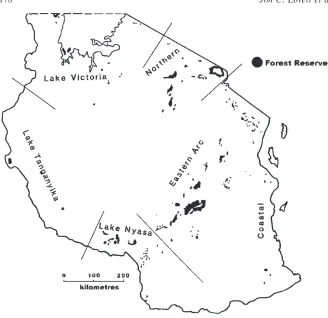
Despite the many threats and unsolved problems in tropical forest manage-ment, there are some success stories. Here we describe management of the tropical montane forests on the Unilever tea estate at Mufindi in the Udzungwa Mountains of Tanzania, which are part of the Eastern Arc range. The Eastern Arc is an ancient crystalline chain of mountains of the Mozambique belt under the tropical Indian Ocean climatic system. The forests range in elevation from sea level to 2400 m with a seasonal to perhumid climate and rainfall up to 4000 mm year 1. They are highly fragmented due to topography and distur-bance (Figure 1). Together with the Coastal forests on sedimentary rocks of the coastal plain, they form a centre of biological endemism recognised as one of the top 25 biodiversity hotspots.159
The plant species endemism is around 30% of the flora, with endemic species being biogeographic relicts, phylogenetic relicts and neo-endemics. The pres-ence of relictual species suggests that the Eastern Arc forests have been in existence for tens of millions of years under a long-term stable geology and climate.160A stable ecosystem over an evolutionary time-period would result in Eastern Arc plants being adapted to lack of disturbance, a suggestion that is given some credence by the loss of restricted range species following distur-bance (Table 4).
develop compliance with the new forest policy and law, Unilever Tea Tanzania Limited (UTTL) have developed a management strategy for their long-term leasehold of nearly 20 000 ha of land, owned by the Government of Tanzania, in the Mufindi area of the Udzungwa Mountains, to the southern end of the Eastern Arc.
Figure 1 Extent of the forests in Tanzania as indicated by presence of forest reserves with the areas of forest divided by geology and climatic influence.162
Table 4 Numbers of tree species in samples of 60 trees of Z20 cm diameter at breast height from a range of montane forests in the Eastern Arc. The southern Udzungwa forests are structurally similar to the other forests, but are growing on a site of ancient cultivation and have much lower species diversity and no endemics.163
Location Species Endemics
West Usambara 26 5
Southern Nguru 21 4
Northern Udzungwa 20 6
[image:20.442.51.389.473.535.2]Many of the Eastern Arc endemic plants occur on the Mufindi estate. In addition, rare birds, amphibians, reptiles and butterflies with restricted ranges are known also to occur. In Mufindi, 15% of the land is used for tea produc-tion, 20% represents land converted to other uses, including timber for con-struction on the estate, fuel wood, residential and other infrastructure and facilities. Approximately 65% of the estate is covered by relatively undisturbed forests, wetlands and grasslands. Six main habitats can be identified in Mufindi, from east to west: 1. Escarpment forests, along the Luisenga Stream which contain the globally threatened flycatcher, the Iringa Akalat (Sheppardia lowei); and very rare shrubs, including members of the bamboo, myrtle and witchhazel families – respectivelyHickelia africana,Eugenia mufindiensisandTrichocladus goeztei. In addition, a rich terrestrial and epiphytic orchid flora is found here. At least 67 tree and shrub species, including endemics, are utilised. 2. Plateau forests; endemic animals and plants including the Iringa Akalat. 3. Plateau grasslands, with large populations of many terrestrial orchid species, many of which, including Disa sp. Satyrium sp. and Habenaria sp., are under threat from high-volume trade for food between Tanzania and Zambia. 4. Plateau forest patches; these are important ‘‘stepping-stone habitats’’, providing corri-dors between forests, and are habitat islands in the grasslands providing a food source and nesting habitat for birds. 5. Plateau woodlands, where the small spiny succulentEuphorbia calodermais found and which is not known from any other locality. 6. Plateau wetlands, with a rich orchid flora. Also of importance are the converted habitats, including tea, eucalyptus, black-wattle (Acacia mearnsii) and road edges. These may provide valuable feeding, passage and shelter sites for birds and other species.
Human pressure is mounting on the Mufindi forest. Approximately 15 villages within 6 legislative wards of Mufindi with a total human population of 100 000 are located within 10 km of the estate’s boundaries. Thirteen primary and two secondary schools with a total of 8000 students are also located within 10 km of the Mufindi estate. In addition, 7000 people are employed by UTTL. They live both within (the majority) and outside the estate’s boundaries. While the practical evidence is that plant resources, particularly trees and shrubs, are collected from the forest in increasing quantities for a wide variety of uses, it is not well known what impact this is having on target and non-target species. The extent to which households are dependent on these natural resources either for cash income or for subsistence is also unclear.
Nearly one decade ago, Unilever developed sustainability guidelines for the sourcing, on a global basis, of many of the raw materials it uses in its food and home and personal care products. These are now being increasingly applied by producers, for example, of vining peas (UK); spinach (Italy, Austria, Ger-many); tomatoes (Brazil, Australia, Greece, California); palm oil (Malaysia, Ghana, Indonesia); tea (Kenya, Tanzania, India, Sri Lanka); olive oil (Greece and other Mediterranean suppliers); and in the future sunflower and rapeseed oil. The ten sustainability indicators being implemented by producers are (with specific reference to tea): 1. Soil fertility (addressing organic matter, soil compaction, soil pH and salinity); 2. Soil loss (addressing soil erosion, ground cover and top soil use for nursery); 3. Nutrients (ratio of exports to inputs; nitrogen input from biological fixation, loss of nitrate and phosphate by surface runoff, sediment erosion and to ground water); 4. Pest management (arthropod pests and fungal diseases, pesticide use, weed control); 5. Biodiversity (crop genetic diversity, biodiversity without and around the estate); 6. Product value (profitability, product quality); 7. Energy (efficiency and the use of renewable resources, reducing GHG emissions); 8. Water (irrigation, factory process water, water harvesting and the sustainability of water supply); 9. Social and human capital (relationships, human capital); 10. Local economy (use of local management and worker capacity; use of local suppliers etc.). Unilever has therefore completed nearly a decade of work on sustainability indicators for the production of an increasingly wide range of crops which has influenced the practice of thousands of suppliers. In Kenya, the company is now working with over 300 000 small-holder suppliers of tea on long-term use of sustainability practices.
UTTL has introduced its staff, employed in the field and in other sections of the company, as well as its small-holder suppliers, to the importance of the estate for unique animal and plant life and ecological services, including water supply and soil structure, and has trained some staff in research techniques, particularly in the application of the species and habitat monitoring protocols. A fundamental aspect of this work is to identify more clearly the following, and in the light of the answers to the analysis, develop and begin to implement a practical programme to alleviate user pressure on the most sensitive species in the Mufindi estate:
Which human communities have most impact on Mufindi’s six habitats and individual herbaceous or woody plants?
What plants are most used; how widespread are they and what are their populations; are the most used species also the most threatened?
What are they used for? Are there opportunities to (a) reduce pressure on wild populations by domestic propagation of the same or similar species and (b) introduce more sustainable ways of using the forest resource?
Is there scope for planting schemes to provide corridors and feeding areas for species?
To secure protection long-term for animal and plant ‘‘species of concern’’ in the Mufindi forest ‘‘hot-spot’’, by:
– continuing research on ‘‘species of concern’’ on the Mufindi Estate; their status, range,etc.
– providing alternative sources of forest products for human use, by agro-forestry and other activities involving plantings of desired shrubs, trees and herbaceous plants
– determining whether sustainable use of naturally growing forest resources is feasible and whether community-developed management plans are a practical option; and to begin implementing these if the conclusion is positive
– encouraging an understanding by all stakeholders of their dependence on forest resources and ecosystem services, and therefore their co-operation in long-term sustainable management
To apply Unilever’s ten sustainability indicators for agriculture (which include protection of biodiversity) to the production of tea by holders and others, and achieve integration of these practices with small-holder commitment to undertake resource-use practices which relieve pressure on the forest, either by planting required species or by sustainable use of the natural forest.
To use the results of this project to strengthen Unilever’s sustainability practices in relation to ecosystem management in other areas of the company’s operations.
To use the results of this project to influence other companies in terms of their sustainability practices, in the food and other sectors; for example, through the Sustainable Agriculture Initiative, begun by Unilever and now involvingc.20 global companies.
The expected results of implementation of the management plan are:
1. Reduction of impacts on key forest areas and identified ‘‘species of concern’’ therein, with neither short- nor long-term negative cultural or economic consequences for the livelihoods of local people.
2. Local communities committed to contributing to the company’s efforts to reduce pressure on the biodiversity ‘‘hot-spot’’ areas of the estate and to managing their use of natural resources in a sustainable manner, thereby contributing long-term to their own economic welfare.
The management plan deliverables will be:
Reduced impact on the most important ‘‘hot-spot’’ species, in collabora-tion with user-communities, by developing alternative sources of needed products
The Mufindi management plan has been developed with the intention of offering a model for future application by other tropical conservation man-agement projects. If successful, the Mufindi case study will illustrate that protection of forest biodiversity is compatible with economic production and that, with adequate planning and commitment, a commercial firm operating under conservation-minded government policy and legislation can work with local communities to reduce threats to biodiversity.
9
The Future
Threats to tropical forest biodiversity are many-fold: fire, causing a shift to grassland, conversion to agriculture, logging and forest policies that do not recognise the value of non-timber forest products. However, it is now recog-nised that climate change induced by human activity is the major future threat to tropical forest biodiversity and will be compounded by the other threats described in this chapter. A recent model of the change in patterns of African plant diversity showed a massive loss of suitable climate for forest species in the area currently occupied by tropical forest in west and central Africa.161If the model is correct, then global warming will bring massive deforestation to this region. But should we be worried? We have already described the massive changes that occurred to tropical forests following climate shifts in the last glacial maximum. For example, the changes predicted for the African forests may have happened in the past, caused by a major southern shift in the dry Sahara climate.
Future climatic change is likely to be different from the past events discussed earlier for two reasons. First, the rate of predicted climatic change exceeds that of past climatic change and, second, many natural habitats have become fragmented by human populations, producing isolated habitat islands that are unable to migrate. There is little dispute that global climates are changing, and the nature of this change is projected to continue even if the most extreme abatement scenarios are implemented.162The process of forest conservation, through the formation of protected areas, is based on the principle of preserv-ing habitats for future generations. For this principle to be successful it is necessary to investigate a plethora of issues surrounding areas that are now foci for protected area status. Although the primary agent of change over the past few hundred years has been direct human activity, there is little doubt that future climate change will impact on forest composition and distribution. Although the specifics of past climate change are very different from those suggested for the future,163the threat to biodiversity posed by global climate change is recognised.
dynamic management systems that account for climate-induced migration of species is needed, but this must take into account the ecosystem history and causes of species richness. Knowledge of potential impacts will enable policy-makers to prepare appropriate strategy in advance of climate-change events, and so minimise and manage adverse effects. Only through a more complete understanding of impacts and interactions of climate change on ecosystem functioning can the likelihood of potential future scenarios be estimated and so appropriate policy prepared. This can be driven by understanding our need for services that ecosystems provide.
With increasing recognition of the impacts of climate change on ecological, social and economic levels, there is a need to develop a science-led policy framework. To develop such a laudable aim, there is a need to develop research capacity for communities to contribute to and benefit from this process. Indeed, the lack of research capacity in tropical forest countries can be counted as a major threat to tropical forest biodiversity because indigenous expertise is needed to guide local policy-makers. For example, European researchers have had a long-term focus on African ecosystems and there are a number of well-developed and respected research groups with an African focus within most European member states. However, these have largely been a result of ‘‘pio-neering’’ research collaborations and often lack integration both at methodo-logical and spatial levels.
Uncited References
30; 108; 165; 166; 167
References
1. J. E. M. Baillie, C. Hilton-Taylor and S. N. Stuart, ‘‘The IUCN Red List of Threatened Species’’, IUCN, Gland, 2004.
2. P. Mayaux, P. Holmgren, F. Achard, H. Eva, H. -J. Stibig and A. Branthomme,Phil. Trans. Biol. Sci., 2005,360, 373.
3. F. Achard, H. D. Eva, H. -J. Stibig, P. Mayaux, J. Gallego, T. Richards and J. -P. Malingreau,Science, 2002,297, 999.
4. G. P. Asner, D. E. Knapp, E. N. Broadbent, P. J. C. Oliveira, M. Keller and J. N. Silva,Science, 2005,310, 480.
5. World Resources Institute, ‘‘World Resources 1992–1993’’, Oxford Uni-versity Press, New York and Oxford, 1992.
6. T. C. Whitmore and J. A. Sayer, ‘‘Tropical Deforestation and Species Extinction’’, Chapman and Hall, London, 1992.
7. T. C. Whitmore, ‘‘An Introduction to Tropical Rain Forests: Second Edition’’, Oxford University Press, Oxford, 1998.
8. R. S. Duncan and C. A. Chapman,Restor. Ecol., 2003,11, 198.
9. N. Myers, R. A. Mittermeier, C. G. Mittermeier, G. A. B. da Fonseca and J. Kent,Nature, 2000,403, 853.
10. R. Good, ‘‘The Geography of Flowering Plants’’, Longmans Green and Co., New York, 1947.
11. J. C. Morrison, D. M. Olson, C. J. Loucks, E. Dinerstein, T. F. Allnutt, E. D. Wikramanayake, T. H. Ricketts, N. D. Burgess, Y. Kura, G. V. N. Powell, J. F. Lamoreux, E. C. Underwood, W. W. Wettengel, J. A. D’Amico, P. Hedao, I. Itoua, K. R. Kassem and H. E. Strand,BioScience, 2001,51, 933.
12.
AQ6 .
13. P. H. Raven and D. I. Axelrod,Ann. MO Bot. Gard., 1974,61, 539. 14. W. C. Pitman III, S. Cande, J. Labrecque and J. Pindell in ‘‘Biological
relationships between Africa and South America’’, P. Goldblatt (ed.), Yale University Press, New Haven and London, 1993, 15.
15. M. E. Rasanen, J. S. Salo and R. J. Kalliola,Science, 1987,238, 1398. 16. T. C. Whitmore, ‘‘Wallace’s Line and Plate Tectonics’’, Clarendon Press,
Oxford, 1981.
17. E. S. Vrba in ‘‘Biological Relationships between Africa and South Ameri-ca’’, P. Goldblatt (ed.), Yale University Press, New Haven and London, 1993, 393.
18. A. D. Pan, B. F. Jacobs, J. Dransfield and W. J. Baker,Bot. J. Linn. Soc., 2006,151, 69.
20. B. F. Jacobs and P. S. Herendeen, Palaeogeography, Palaeoclimatology, Palaeoecology, 2004,213, 115.
21. M. R. Silman in ‘‘Tropical Rainforest Responses to Climatic Change’’, M. B. Bush and J. R. Flenley (eds), Springer, Berlin, 2006, 269.
22. R. A. Marchant and H. Hooghiemstra,Earth Sci. Rev., 2004,66, 217. 23. K. J. Willis,Endeavour, 1996,20, 110.
24. W. R. Peltier,Science, 1994,265, 195.
25. L. G. Thompson, T. Yao, M. E. Davis, K. A. Henderson, E. Mosley-Thompson, P. -N. Lin, J. Beer, H. -A. Synai, J. Cole-Dai and J. F. Bolzan,
Science, 1997,276, 1821.
26. W. S. Broecker,Proc. Natl. Acad. Sci. USA, 2000,97, 1339.
27. H. A. Osmaston in ‘‘Quaternary and Environmental Research on East African Mountains’’, W. C. Mahaney (ed.), A. A. Balkema, Rotterdam, 1989, 7.
28. T. F. Stocker and O. Marchal,Proc. Natl. Acad. Sci. USA, 2000,97, 1362. 29. K. J. Willis, L. Gillson and T. M. Brncic,Science, 2004,304, 402. 30. J. C. Stager, P. A. Mayewski and D. L. Meeker, Palaeogeography,
Palaeoclimatology, Palaeoecology, 2002,183, 169. 31. R. B. Dunbar,Nature, 2003,421, 121.
32. R. A. Keer, Science, 2003,299, 183.
33. T. C. Johnson, E. T. Brown, J. McManus, S. Barry, P. Barker and F. Gasse,Science, 2002,296, 113.
34. S. L. Lewis, Y. Malhi and O. Phillips,Phil. Trans. Biol. Sci., 2004,359, 437.
35. C. D. Thomas, A. Cameron, R. E. Green, M. Bakkenes, L. J. Beaumont, Y. C. Collingham, B. F. N. Erasmus, M. F. De Siqueira, A. Grainger, L. Hannah, L. Hughes, B. Huntley, A. S. Van Jaarsveld, G. F. Midgley, L. Miles, M. A. Ortega-Huerta, A. Townsend Peterson, O. L. Phillips and S. E. Williams,Nature, 2004,427, 145.
36. I. C. Prentice,Quaternary Res., 1985,23, 76.
37. R. A. Marchant and D. M. Taylor,New Phytologist, 2000,146, 505. 38. S. Hicks, H. Tinsley, A. Huusko, C. Jensen, M. Ha¨ttestrand, A.
Gerasimedes and E. Kvavadze,Review of Palaeobotany and Palynology, 2001,117, 186.
39. M. J. Bunting and D. Middleton,Quaternary Res., in press.
40. S. T. Jackson, R. S. Webb, K. H. Anderson, J. T. Overpeck, T. Webb III, J. W. Williams and B. C. S. Hansen,Quaternary Sci. Rev., 2000,19, 489. 41. D. Jolly, D. M. Taylor, R. A. Marchant, A. C. Hamilton, R. Bonnefille,
G. Buchet and G. Riolett,J. Biogeogr., 1997,24, 495.
42. D. H. Urrego, M. R. Silman and M. B. Bush,J. Quaternary Sci., 2005,20, 693.
43. Brown and K. S. Jnr,Publ. Lab. Zool. E´cole Norm. Sup., 1976,9, 118. 44. J. Fjeldsa˚ and J. C. Lovett,Biodiv and Cons., 1997,6, 315.
46. M. B. Bush,Biol. Conservat., 1996,76, 219.
47. J. Kingdon, ‘‘Island Africa’’, Collins, London, 1990.
48. M. Colyn, A. Gautier-Hion and W. Verheyen,J. Biogeogr., 1991,18, 403. 49. M. Rietkerk, P. Hetner and J. J. F. E. de Wilde,Bulletin Museum Natural
History Paris Section B Adansonia, 1995,17, 95.
50. M. Sosef in ‘‘The Biodiversity of African Plants’’, L. J. G. van der Maesen, X. M. van der Burgt and J. M. van Medenbach de Rooy (eds), Kluwer Academic Publishers, Dordrecht, 1996, 602.
51. J. C. Lovett, S. Rudd, J. R. D. Taplin and C. Frimodt-Møller,Biodiversity and Conservation, 2000,9, 33.
52. M. Sosef in ‘‘The Biodiversity of African Plants’’, L. J. G. van der Maesen, X. M. van der Burgt and J. M. van Medenbach de Rooy (eds), Kluwer Academic Publishers, Dordrecht, 1996, 602.
53. M. Sosef, ‘‘Glacial rain forest refuges and begonias’’, Wageningen Agri-cultural University Papers, 1994, 94–1.
54. M. D. Bengo and J. Maley,Compt. Rendus Acad. Sci. II, 1991,313, 843. 55. J. Maley in ‘‘The Biodiversity of African Plants’’, L. J. G. van der Maesen, X. M. van der Burgt and J. M. van Medenbach de Rooy (eds), Kluwer Academic Publishers, Dordrecht, 1996, 519.
56. F. White, ‘‘The Vegetation of Africa’’, UNESCO, Paris, 1983. 57. M. Colyn,Revue Zoologique du Afrique, 1987,101, 183.
58. M. Colyn, A. Gautier-Hion and W. Verheyen,J. Biogeogr., 1991,18, 403. 59. A. Prigogine, Aix-en-Provence XIX Congress of Ornithology, 1988, 2537. 60. J. Kingdon, ‘‘East African Mammals: an Atlas of Evolution in Africa’’,
Academic Press, London, 1971.
61. S. Bahuchet in ‘‘L’alimentation en Foˆret Tropicale: Interactions Biocul-turelles et Applications au Development’’, C. M. Hladik, A. Hladik, O. F. Linares, H. Pagezy, A. Semple and M. Hadley (eds), Paris Parthenon/ UNESCO, 1993, 37.
62. A. W. Diamond and A. C. Hamilton,J. Zool., 1980,191, 379.
63. W. A. Rodgers, C. F. Owens and K. M. Homewood,J. Biogeogr., 1982,9, 41.
64. C. A. Bru¨hl,J. Biogeogr., 1997,24, 233. 65. P. Tattersfield,Malacologia, 1996,38, 161. 66. A. C. Hamilton,Boissiera, 1975,24, 29.
67. J. C. Lovett and I. Friis in ‘‘The Biodiversity of African Plants’’, L. J. G. van der Maesen, X. M. van der Burgt and J. M. van Medenbach de Rooy (eds), Kluwer Academic Publishers, Dordrecht, 1996, 582.
68. M. S. Roy,Proc. Roy. Soc. Lond. B Biol. Sci., 1997,108, 1.
69. N. Burgess, C. FitzGibbon and P. Clarke in ‘‘East African Ecosystems and Their Conservation’’, T. R. McClanahan and T. P. Young (eds), Oxford University Press, Oxford, 1996, 329.
70. H. A. C. Eeley, M. J. Lawes and S. E. Piper,J. Biogeogr., 1999,26, 595. 71. R. Harmsen, J. R. Spence and W. C. Mahaney,J. Afr. Earth Sci., 1991,
72. H. A. Osmaston in ‘‘Quaternary and Environmental Research on East African Mountains’’, W. C. Mahaney (ed.), A. A. Balkema, Rotterdam, 1989, 7.
73. W. R. Peltier,Science, 1994,265, 195.
74. G. H. Denton and T. J. Hughes, ‘‘The Last Great Ice Sheets’’, Wiley, Chichester, 1981.
75. B. Huntley,J. Biogeogr., 1993,20, 163.
76. K. D. Bennet, P. C. Tzedakis and K. J. Willis,J. Biogeogr., 1991,18, 103. 77. G. H. Denton and T. J. Hughes, ‘‘The Last Great Ice Shee
AQ1 ts’’, Wiley,
Chichester, 1981.
78. K. J. Willis,Endeavour, 1996,20, 110.
79. J. C. Roeland, J. Guiot and R. Bonnefille,Comptes Renous de l’Academie des Sciences Paris. Serie IIMecanique Physique, 1988,307, 1735.
80. R. Bonnefille, J. C. Roeland and J. Guiot,Nature, 1990,346, 347. 81. A. M. Aucour, C. Hillaire-Marcel and R. Bonnefille,Geophysical
Mono-graphs, 1993,78, 343.
82. J. Maley in ‘‘Paleoclimatology and Paleometeorology: Modern and Past Patterns of Global Atmospheric Transport’’, M. Leinen and M. Sarnthein (eds), Kluwer Academic Publishers, Dordrecht, 1989, 585.
83. R. W. Fairbridge in ‘‘Problems in Palaeoclimatology’’, A. E. M. Nairn (ed.), Wiley-Interscience, London, 1964, 356.
84. H. A. El-Nahhal, Palaeogeography, Palaeoclimatology, Palaeoecology, 1994,100, 303.
85. L. Dinesen, T. Lehmberg, J. O. Svendsen, L. A. Hansen and J. Fjeldsa,
Ibis, 1994,136, 2.
86. B. Messerli and M. Winiger,Mt. Res. Dev., 1992,12, 315. 87. R. Bonnefille and F. Chalie´,Global Planet. Change, 2000,26, 25. 88. J. C. Lovett,J. Trop. Ecol., 1996,12, 629.
89. D. S. Wilki and M. C. Trexler, ‘‘Central Africa-Global Climate Change and Development’’, Technical report 1-29 Biodiversity Support Program, 1993.
90. F. Gasse,Quaternary Sci. Rev., 2002,21, 737.
91. J. M. Adams, ‘‘Global land environments since the last interglacial’’, Oak Ridge National Laboratory, TN, USA, http://www.esd.ornl.gov/ern/qen/ nerc.html., 1997.
92. A. Vincens, D. Schwartz, H. Elenga, I. Ferrera, A. Alexandre, J. Bertaux, A. Mariotti, L. Martin, J. D. Meunier, N. Nguetsop, M. Servant, S. Servant-Vildary and D. Wirrman,J. Biogeogr., 1999,26, 879.
93. J. A. Coetzee, Palaeoecology of Africa, 1967,3, 5.
94. A. C. Hamilton, ‘‘Environmental History of East Africa: a Study of the Quaternary’’, London, Academic Press, 1982.
96. D. Jolly, D. M. Taylor, R. A. Marchant, A. C. Hamilton, R. Bonnefille, G. Buchet and G. Riolett,J. Biogeogr., 1997,24, 495.
97. E. M. van Zindderen-Bakker and J. A. Coetzee,Review of Palaeobotany and Palynology, 1988,55, 155.
98. J. Maley in ‘‘Paleoclimatology and Paleometeorology: Modern and Past Patterns of Global Atmospheric Transport’’, M. Leinen and M. Sarnthein (eds), Kluwer Academic Publishers, Dordrecht, 1989, 585.
99. J. Maley and P. Brenac,Review of Palaeobotany and Palynology, 1998,99, 157.
100. H. Elenga, D. Schwartz and A. Vincens,Palaeogeography, Palaeoclima-tology, Palaeoecology, 1994,91, 345.
101. J. Runge, ‘‘New Results of the Late Quaternary Landscape and Vegeta-tion Dynamics in Eastern Zaire (Central Africa)’’, Gebruder Borntraeger, Berlin, 1995.
102. S. Ning and L. M. Dupont,Vegetation History and Archaeobotany, 1997,
6, 117.
103. F. Marret, J. Scourse, J. H. Jansen and R. Schneider, Acad. Sci. Paris, 1999,329, 721.
104. S. Ning and L. M. Dupont,Vegetation History and Archaeobotany
AQ2 , 1997,
6, 117.
105. D. Jolly, D. M. Taylor, R. A. Marchant, A. C. Hamilton, R. Bonnefille, G. Buchet and G. Riolett,J. Biogeogr., 1997,24, 495.
106. N. A. Sowunmi,Palaeoecology of Africa, 1991,22, 213.
107. A. Vincens,Review of Palaeobotany and Palynology, 1993,78, 381. 108. J. M. Maitima,Quaternary Res., 1991,35, 234.
109. J. Haffer,Science, 1969,165, 131.
110. J. Haffer,Biodiversity and Conservation, 1997,6, 451.
111. P. A. Colinvaux in ‘‘Evolution and Environment in Tropical America’’, B. C. Jackson, A. F. Budd and A. G. Coates (eds), The University of Chicago Press, Chicago, 1996, 359.
112. J. Haffer,Science
AQ3 , 1969,165, 131.
113. G. T. Prance, ‘‘Biological Diversification in the Tropics’’, Columbia University Press, New York, 1982.
114. J. Haffer,Biodiversity and Conservation
AQ4 , 1997,6, 451.
115. M. B. Bush, W. D. Gosling and P. A. Colinvaux in ‘‘Tropical Rainforest Responses to Climatic Change’’, M. B. Bush and J. R. Flenley (eds), Springer, Berlin, 2006, 55.
116. R. J. Morley in ‘‘Tropical Rainforest Responses to Climatic Change’’, M. B. Bush and J. R. Flenley (eds), Springer, Berlin, 2006, 1.
117. M. R. Silman in ‘‘Tropical Rainforest Responses to Climatic Change’’, M. B. Bush and J. R. Flenley (eds), Springer, Berlin, 2006, 269.
119. K. S. Jr. Brown in ‘‘Biogeography and Quaternary History in Tropical America’’, T. C. Whitmore and G. T. Prance (eds), Clarendon Press, Oxford, 1987, 175.
120. J. C. Lovett and I. Friis in ‘‘The Biodiversity of African Plants’’, L. J. G. van der Maesen, X. M. van der Burgt and J. M. van Medenbach de Rooy (eds), Kluwer Academic Publishers, Dordrecht, 1996, 582.
121. J. Fjeldsa˚ and J. C. Lovett,Biodiversity and Conservation, 1997,6, 325. 122. J. C. Lovett, R. Marchant, J. Taplin and W. Ku¨per in ‘‘Phylogeny and
Conservation’’, A. Purvis, J. L. Gittleman and T. M. Brooks (eds), Cambridge University Press, Cambridge, 2005, 198.
123. R. Marchant, S. Behera, T. Yamagata, C. Mumbi, African Journal of Ecology, 2007,45, in press.
124. C. D. Thomas, A. Cameron, R. E. Green, M. Bakkenes, L. J. Beaumont, Y. C. Collingham, B. F. N. Erasmus, M. F. De Siqueira, A. Grainger, L. Hannah, L. Hughes, B. Huntley, A. S. Van Jaarsveld, G. F. Midgley, L. Miles, M. A. Ortega-Huerta, A. Townsend Peterson, O. L. Phillips and S. E. Williams,Nature, 2004,427, 145.
125. C. J. McClean, J. C. Lovett, W. Ku¨per, L. Hannah, J. H. Sommer, W. Barthlott, M. Termansen, G. F. Smith, S. Tokumine and J. R. D. Taplin,
Ann. MO Bot. Gard., 2005,92, 139.
126. M. R. Silman in ‘‘Tropical Rainforest Responses to Climatic Change’’, M. B. Bush and J. R. Flenley (eds), Springer, Berlin, 2006, 269.
127. S. D. Torti, P. D. Coley and T. A. Kursar,Am. Nat., 2001,157, 141. 128. D. M. Newbery, X. M. van der Burgt and D. M. Newbery,J. Trop. Ecol.,
2004,20, 131.
129. J. C. Lovett and M. Poudyal,African Journal of Ecology, 2006,44, 302. 130. W. J. Bond, F. I. Woodward and G. F. Midgley,New Phytol., 2005,165,
525.
131. M. Sankaran, N. P. Hanan, R. J. Scholes, J. Ratnam, D. J. Augustine, B. S. Cade, J. Gignoux, S. I. Higgins, X. Le Roux, F. Ludwig, F. Ardo, F. Banyikwa, A. Bronn, G. Bucini, K. K. Caylor, M. B. Coughenour, A. Diouf, W. Ekaya, C. J. Feral, E. C. February, P. G. H. Frost, P. Hiernaux, H. Hrabar, K. L. Metzger, H. H. T. Prins, S. Ringrose, W. Sea, J. Tews, J. Worden and N. Zambatis,Nature, 2005,438, 846.
132. S. R. James,Curr. Anthropol., 1989,30, 1.
133. C. K. Brain and A. Sillent,Nature, 1988,336, 464. 134. M. I. Bird and J. A. Cali,Nature, 1998,394, 767.
135. N. Goren-Inbar, N. Alperson, E. K. Mordechai, O. Simchoni, Y. Melamed, A. Ben-Nun and E. Werker,Science, 2004,304, 725.
136. S. Weiner, Q. Xu, P. Goldberg, J. Liu and B. Ofer,Science, 1998,281, 251. 137. A. P. Kershaw, S. van der Kaars and J. R. Flenley in ‘‘Tropical Rainforest
Responses to Climatic C
AQ5 hange’’, M. B. Bush and J. R. Flenley (eds),
Springer, Berlin, 2006, 77.