In pursuit of culturally relevant
indicators of Indigenous
wellbeing
Operationalising the ‘recognition space’
A thesis submitted for the degree of
Doctor of Philosophy of the Australian National University
Mandy Li-Ming Yap
January 2017
Declaration
I, Mandy Yap, declare that, this thesis contains only my original work except where reference is made to the work of others; acknowledgement has been made in the text. This thesis contains extracts from jointly authored papers arising from this thesis in which I made an equal contribution to and is used here with the permission of the other authors. This thesis does not exceed 100,000 words in length, exclusive of footnotes, tables, figures and appendices.
Signature:………
Acknowledgements
I would first and foremost like to acknowledge that the fieldwork presented in this thesis was undertaken on Yawuru country. I would like to thank all the Yawuru women and men who so generously shared their knowledge and time from inception to completion.
This thesis is the product of a long journey both personally and professionally. I would like to take this opportunity to offer my deepest gratitude and
acknowledgement to the many individuals and organisations that have been instrumental in getting me to this point.
The first part of the PhD Program at the ANU within the field of study Economics was one of the most difficult educational experiences that I have persevered through. The coursework enriched my PhD experience. It also allowed me to develop long-lasting friendships. The days and nights spent completing the coursework was made bearable with the support of my fellow students and friends. Thank you to Beau, Raya, Manoj, Tom, Wen Jie, Jagath, Agi, Yessi and Rajan.
To Associate Professor Nicholas Biddle, my primary supervisor, I would like to express my gratitude for taking the chance on me as your first PhD student. I am grateful for your continued support, guidance and patience and for allowing me to adapt and shape the research as my thinking evolved. A very special thank you goes to my panel of supervisors who have guided me through conceptualising, designing and implementing the research. I am forever indebted to Associate Professor. Janet Hunt, Professor Tahu Kukutai, Professor Anne Daly and Professor Robert Breunig for your individual and collective insights, wisdom and teachings as I navigated unchartered territories pushing disciplinary boundaries. Thank you for allowing me the space to grow and learn.
should go. To my CAEPR friends and colleagues, current and former, my sincerest gratitude for all your sound advice and thought-provoking conversations. I would also like to extend my heartfelt gratitude to Dr. Jerry Schwab, Professor Matthew Gray, Professor John Taylor and Professor Jon Altman for their generous support and encouragement both as fellow colleagues and as CAEPR Directors.
Denise, Tracy and Nadia – You are all the face, heart and soul of CAEPR. Thanks for your constant and steady care and help in and out of work. I am so very grateful for your friendship and pep talks. Denise, I always leave your office feeling comforted, fist in the air ready to take on the next challenge. Julie, you have been an amazing HDR Convenor and colleague. Thank you for always going out of your way to support us in practical, intellectual and emotional ways.
To my fellow CAEPR PhD comrades, I want to thank you for always finding the time to check on how things are going at my end and offering a listening ear when things don’t go to plan. I have also benefited immensely from all the important contributions that you are all making in your respective research. Thanks also go to NCIS staff and students for valuable feedback and comments.
Some of the most significant learning and challenges from the PhD was preparing and undertaking fieldwork. Thank you to Annick Thomassin, John Hughes, Helen Alexiou, Gavin Hinten, Pip Hughes, Frances Morphy, Kirrily Jordan, Inge Kral, Geoff Buchanan, Emilie Ens and Sarah Prout for your tireless encouragement and patience, insights and lessons in common sense. In particular, thanks Helen, Gavin, John, Pip and Annick for the many hours of assistance with printing and collating fieldwork materials.
Words cannot express my heartfelt gratitude to all those whom I have cross paths with in Broome both personally and professionally. Eunice Yu, my mentor and teacher. You have been a pillar of support, source of strength and my family away from home. Thank you for your wisdom, quiet strength, your big open heart and patience. The research has benefitted immensely from the support of Paul Lane at the Kimberley Institute. Your guidance, local knowledge, sense of humour and many shared ‘stories’ injected much needed reprieve when things didn’t go according to plan.
There was such an outpouring of hospitality and generosity from everyone I met and befriended. I would like to especially thank Kim Isaacs and Paul Hope, Lyn Yu-Mackay, John and Stella Puertollano, Dianne Appleby, Melanie Howard, Jimmy Edgar, Vicki McKenna, Rowena Puertollano, Aunty Madge, Uncle Phil and Howard Pedersen for opening their homes to me, for all the hard work that you put in to make Yawuru, the strong community that it is, and for your beautiful friendships.
Peter Yu, your vision for the Yawuru Wellbeing Index provided the opportunity for a PhD student in Canberra to work with the Yawuru. Thank you for always finding time to impart your wisdom and experience and share some good food.
I would like to acknowledge the invaluable support and guidance of the Yawuru Reference and Guidance Committee. They include Kim Isaacs, Ninielia Mills, Dean Mathews, John Puertollano, Dianne Appleby, Lyn Yu-Mackay, Patrick Dodson, Melanie Howard, Vicki McKenna and Jimmy Edgar.
The conduct of the Yawuru Wellbeing Survey would not have been possible without the tireless effort of the Yawuru Wellbeing Survey Team. I would personally like to extend my deepest gratitude to Lyn Yu-Mackay, Siobhan Ryan, Maria Parriman, Athenia Manolis, Kerstin Roe, Sheridan Jaffrey, Janice Dean, Talissa Kinley, Alana Slockee and Tina Shadforth.
I would also like to acknowledge a range of organisations that provided in –kind support for the research to be undertaken. They include Yawuru Native Title Holder Aboriginal Corporation RNTBC, Nulungu Research Institute (University of Notre Dame, Broome Campus) and Bottles of Australia.
I am also grateful to Sandy, Maddie, Andrea, Kate and Donna for making my time at the Notre Dame campus enjoyable and memorable.
There is much that happens behind the scenes in the production of the thesis. Annick Thomassin, your unwavering support, perseverance, passion for your research and sense of humour during the many late nights writing together made those blank pages seem less daunting. John Hughes, words are simply not enough to express my gratitude for your attention to detail, your professionalism and patience in laying out the thesis. I am eternally grateful for the many painstaking days that you expended to bring the thesis to life. Thank you to Pip Hughes for keeping us fed and hydrated while we were drowning in Microsoft Word and for sacrificing some precious weekends with John.
Various friends and colleagues reviewed versions of chapters and provided excellent comments and constructive ways forward. They include Frances Morphy, Julie Lahn, Sophie Pennec, Rebecca Cassells, Annie Abello, Sean Kerins, Vicky Saunders, and Linc Thurecht. I would also like to acknowledge technical guidance from Dr. Terry Flynn and Professor Jordan Louviere.
Krushil Watene, you are one of the most generous people I know. Thank you for always making the time to answer questions, trivial or big, at all hours of the day. My intellectual journey has been shaped by our many conversations.
I would like to acknowledge Justine McNamara of Next Version Editing (member of the Canberra Society of Editors) for editing the thesis, working to my deadlines with considerable speed and with professionalism. Editorial intervention was restricted to copyediting and proofreading only as covered by the Australian standards for editing practice.
To my friendmily—Elaine Ee, Rei Fern Seah and Sarang Kim. I would not be here
without your enduring love and support. From day one, you have all been there to cheer me on, keep my grounded and picked me up when things felt impossible. Most importantly, you have kept the rest of my non-PhD life going so that I could concentrate on finishing or be away for weeks at a time for fieldwork. I am eternally grateful for the many things that you have done and still continue to do for me without me having to ask. At any one time, you have all occupied the roles of pet sitter, gardener, cook, counselor, cleaner, shopper and chauffeur.
I am indebted to my ‘cheer squad’, without whom I would not have lasted the distance. Every one of them, at different times have provided me with care packages, with cups of coffee and tea, with hugs, words of encouragement and enforced breaks when it was needed. They reminded me there is a life outside the PhD. They include Jeannie McClellan, Justine McNamara, Sophie Pennec, Aunty Siew, Kirrily Jordan, Susie Russell, Maino Mosby, Gillian Cosgrove, Rebecca Cassells, Jennifer Voelker, Gary Evans, Tony and Rosemary Pemmer, Annie Abello, Mira Miranti, Rim Kadi, Flavia Hanlen, Anna Sutiyono, Sumathi Renganathan, Gowri Krunathan, Cynthia Piscitelli, Vicky Saunders, Leona Yip, Maria Haenga-Collins, Francis Markham, Ayeli de Marillac, Aunty Aurelia, Melisa Sim, Hazel Lim, Sharyn Lymer, Audrey Guy, and Rachel Yap.
reminder that I am not alone in this. You are the best family anyone can ever hope to have. To my beautiful extended family, the Yap and Lee family—my grandparents, my aunties and uncles and cousins near and far, I am eternally grateful for your love, support and presence in my life.
Two months after I submitted my thesis, my maternal grandfather sadly passed away. The way the family near and far came together to celebrate his life, grief his passing and comfort each other is a poignant reminder of what living well means to me— to always make time to connect with family and friends, to achieve balance within yourself and tune in to your surroundings, to give generously and to treat others with kindness, an open heart and respect. This thesis is a tribute to him.
Abstract
Wellbeing as a measure for evidence-based policy has gained prominence
internationally and nationally. There is now widespread recognition that wellbeing is multidimensional and contextually and culturally constructed. Despite this, the tendency has been to establish universal criteria and indicators for the measurement of wellbeing. One problem with such universal applications is that the different meanings and understandings of what constitutes wellbeing that are held by
different peoples can be overlooked. This is particularly true for Indigenous peoples around the world where parameters of their wellbeing tend to be defined on their behalf. While this in part reflects the power imbalance between Indigenous peoples and nation-states, it is also simply the lack of adequately nuanced data on what constitutes ‘wellbeing’ for Indigenous peoples. This situation can be attributed to the difficulty of creating measures that can be both ‘relevant’ and ‘usable’. ‘Relevance’ involves giving priority to Indigenous worldviews concerning wellbeing while concerns for ‘usability’ can steer researchers and policy makers toward a reliance on existing normative datasets and methodologies. As a result, a disconnection persists between Indigenous peoples’ aspirations for wellbeing and the policies and reporting frameworks aimed at improving Indigenous wellbeing.
In the second part of the thesis, an alternative approach starting from Indigenous perspectives is explored, working with the Yawuru community in Broome, Western Australia. The Yawuru case study employed a participatory mixed-methods
approach whereby narratives and expressions of wellbeing by Yawuru women and men informed the development of measures and indicators used to represent and evaluate their wellbeing. There are two innovative contributions of this case study.
Firstly, conceptualisation of Yawuru wellbeing starting with mabu liyan, Yawuru’s
Glossary
Acronyms
AATSIHS Australian Aboriginal and Torres Strait Islander Health Survey
ABS Australian Bureau of Statistics
ACLD Australian Census Longitudinal Dataset
AIAN American Indian Alaska Native
AIATSIS Australian Institute of Aboriginal and Torres Strait Islander
Studies
AIGC Australian Indigenous Geographical Classification
AIHW Australian Institute of Health and Welfare
ANU Australian National University
ANZSCO Australian and New Zealand Standard Classification of
Occupation
ASGS Australian Statistical Geographic Standard
ATSIC Aboriginal and Torres Strait Islander Commission
BCEC Bankwest Curtin Economics Centre
BIBD Balanced Incomplete Block Design
BWS Best-Worst Scaling
CA Capability Approach
CDEP Community Development Employment Program
CHU9D Child Health Utility–9D
DCE Discrete Choice Experiment
FIFO Fly in Fly out
GDI Gender Development Index
GDP Gross Domestic Product
GIS Geospatial Information Systems
GPI Genuine Progress Indicator
GRIFA Gender-Related Index for Indigenous Australians
HDI Human Development Index
HILDA Household, Income and Labour Dynamics in Australia
HWI Human Wellbeing Index
IARE Indigenous area
ICECAP ICEPOP Capability Index
ILO International Labour Organization
IMD Index of Multiple Deprivation
IREG Indigenous region
K5 Kessler 5
KI Kimberley Institute
KMO Kaiser-Meyer-Olkin
KOCS Knowing our Community Survey
MDG Millennium Development Goals
MSPSS Multidimensional Scale of Perceived Social Support
NAHSWP National Aboriginal Health Strategic Working Party
NATSIHMS National Aboriginal and Torres Strait Islander Health
Measures Survey
NATSISPAS National Aboriginal and Torres Strait Islander Nutrition and Physical Activity Survey
NATSISS National Aboriginal and Torres Strait Islander Social Survey
NBY Nyamba Buru Yawuru
NHMRC National Health and Medical Research Council
OATSIH Office of Aboriginal and Torres Strait Islander Health
OECD Organisation of Economic Cooperation and Development
PCA Principal Component Analysis
RUT Random Utility Theory
SDG Sustainable Development Goals
SEWB Social and emotional wellbeing
SF-36 Short Form 36
SWB Subjective wellbeing
UN United Nations
UNDP United Nations Development Programme
UNDRIP United Nations Declaration on the Rights of Indigenous
Peoples
UNPFII United Nations Permanent Forum on Indigenous Issues
WA Western Australia
WHO World Health Organisation
Words in languages other than English
Arrente First Peoples of the land occupied by the township
of Alice Springs, the land to the east as far as Wallace Rock Hole and, to the west to Watarrka (Kings Canyon) and as far as Uluru—Kata Tjuta National Park (Central Australia)
Bardi First Peoples, north of Broome and parts of the
Dampier Peninsular in the Kimberley region of Western Australia
Buen vivir Spanish word for ‘good living’ or ‘living well’
Bugarrigarra Yawuru creation time
Fa’asamoa Ways of Samoa; The Samoan way
Hapu Māori sub-tribe
Iwi Māori tribe
Jabirr Jabirr First Peoples, north of Broome in the Kimberley
region of Western Australia
Karajarri First Peoples of the West Kimberley, South of
Broome in Western Australia
Kaupapa Māori Māori Framework by Māori for Māori
Mabu buru Yawuru word for strong country
Mabu liyan Yawuru word for good feelings
Mabu ngarrungunil Yawuru word for strong community
Māori First Peoples of New Zealand
Marāe Māori meeting place
Nayri kati Indigenous quantitative methodology developed by Professor Maggie Walter
Ngarlu Karrajarri word for inner spirit
Ngāti Whātua Ōrākei A Māori hapu
Ngunnawal First Peoples of the ACT
Noongar First Peoples of south-west of Western Australia
Nurlu Yawuru word for traditional dance and performance
Nyamba Buru Yawuru Home of the Yawuru, Yawuru country
Nyul Nyul First Peoples of the Dampier Peninsula in the
Kimberley region of Western Australia.
Nywaigi First Peoples of lands north of Townsville, in the
tropical north of Queensland
Rai/rayi Birth spirit
Rubibi Town of Broome
Sumak kawsay Quechua word for ‘collective living’ or ‘to live
altogether in harmony’
Tangata whenua original people belonging to a place, land
Te kupenga The first Māori Social Survey developed by Statistics
New Zealand
Te reo Māori Māori language
Te Taha Hinengaro Mental health
Te Taha Tinana Physical health
Te Taha wairua Spiritual health
Te Taha Whānau Relationships
Tikanga customs and practices
Tino rangatiratanga self determination
Torres Strait Islanders First inhabitants of the Torres Strait Islands in
Queensland, Australia
Turangawaewae Ancestral marae
Whakatōhea A Maori iwi located in the Eastern Bay of Plenty
Region in New Zealand
Whānau Family
Whenua Land, homeland, country
Yawuru First Peoples of Broome, Western Australia
Yawuru Jarndu Yawuru women
Yawuru Ngan-ga Yawuru language centre
Yorta Yorta First Peoples of both sides of the Murray River
Publications arising from this thesis
Journal Articles, Reports and Monograph Chapters
Watene, K., and Yap, M. (2015), “Culture and sustainable development: Indigenous
contributions”, Journal of Global Ethics, 11(1), 51-55.
Yap, M., and Yu, E. (2016), Community Wellbeing from the Ground-Up: A Yawuru
Example, BCEC Report 3/2016, Bankwest Curtin Economics Centre.
Yap, M., and Yu, E. (2016), “Data sovereignty for the Yawuru in Western Australia”,
in T. Kukutai and J. Taylor, (eds.), Indigenous Data Sovereignty: Towards an Agenda,
ANU Press, pp. 233-252.
Yap, M., and Yu, E. (2016), “Operationalising the capability approach: developing culturally relevant indicators of indigenous wellbeing—an Australian example”, Oxford Development Studies, 44(3), 315-331.
Conference abstracts
Yap, M. (2016) In pursuit of culturally relevant indicators of wellbeing: Operationalising the recognition space, Human Development and Capability Association Conference, Tokyo.
Yap, M. (2012) Whose Development? Eliciting Indigenous preferences through Discrete
Choice Models, Human Development and Capability Association Conference, Jakarta.
Yap, M. (2013) Developing culturally relevant indicators of Wellbeing, Presentation at the Australian Consortium of Social and Political Research Incorporated
(ACSPRI) Conference, 7 -10 December.
Table of Contents
Declaration ...i
Acknowledgements ...iii
Abstract ... ix
Glossary ... xi
Acronyms ... xi
Words in languages other than English ...xiv
Publications arising from this thesis ...xvii
Journal Articles, Reports and Monograph Chapters ...xvii
Conference abstracts ...xvii
P
a rtI
Chapter 1 Introduction ...3The growing importance of wellbeing ...3
Challenges in measuring wellbeing ...6
Indigenous peoples and wellbeing indicators...7
Rationale for the study ...9
Indicators ...12
Relevance ...13
Culture ...14
Indigenous ...16
Community ...17
Wellbeing ...18
Structure of the Thesis ...21
Part I: Setting the scene ...21
Part II: A space for reflection—Building on current tools and approaches ...23
Part III: Experimentation—An alternative approach from the ground up ...24
Chapter 2
Wellbeing—Indigenous conceptions and correlates ...27
Beyond GDP to wellbeing ...27
Indigenous peoples—challenging the wellbeing discourse ...29
Indicators as a representation of wellbeing concepts and a tool for evaluating
wellbeing ...31
A proposed framework for navigating the wellbeing literature ...33
Substantive wellbeing—Concepts of wellbeing ...35
Wellbeing as basic needs fulfilment ...36
Wellbeing as utility ...36
Wellbeing as holistic health ...38
Wellbeing as capabilities expansion ...39
The measurement of wellbeing—Current approaches ...40
Basic needs approach ...40
Utility and subjective wellbeing ...41
Health and wellbeing ...42
Capabilities ...42
Evaluating wellbeing ...43
Composite indices of wellbeing ...43
Determinants of wellbeing ...44
Life satisfaction (evaluative subjective wellbeing) ...45
Happiness ...47
Context, culture and wellbeing ...48
Conceptualising and translating—How culture and context matters ...49
Framing and interpreting—How culture and context matters ...51
Methods—How culture and context matters ...52
Indigenous peoples and wellbeing ...55
Indigenising wellbeing: Concepts and measurements ...56
Indigenous context ...56
Self-determination and autonomy ...58
Collective wellbeing ...59
Coexisting and completeness ...60
Approaches to understanding indigenous wellbeing ...61
Conceptions of indigenous wellbeing ...61
What factors support Indigenous wellbeing ...63
Indigenous subjective wellbeing ...63
Indigenous social and emotional wellbeing (SEWB) ...65
Gap and contribution—Policy, data and approaches ...66
Closing the Gap and Indigenous wellbeing ...68
Chapter 3
Operationalising the recognition space: The proposed framework ...71
Introduction ...71
Indigenous wellbeing and the politics of recognition in Australia ...72
The politics of recognition—Data, policy and methods ...72
The space where two systems and worlds come into contact ...73
The recognition space for Indigenous wellbeing ...75
Why does recognition matter? ...76
The process of recognition ...77
Foundation of the recognition space: Why should researchers engage in this
space? ...78
Motivation and standpoint: Responding to the UNDRIP ...80
Motivations ...81
Standpoint ...82
Navigating the unknown ...84
Towards operationalising the recognition space ...87
A theoretical framework ...87
Creating and informing the recognition space...89
Capabilities, functionings and agency ...89
Indigenous research paradigms ...96
Making the recognition space visible: Recognition principles ...98
Participatory research methodologies ...101
A space for reflection and experimentation ...103
Chapter 4
Operationalising the recognition space: Proposed analysis of
Indigenous wellbeing ...105
Aims and proposed analysis ...105
Broad research plan ...106
Data: Requirements, availability and functionality ...107
How are Indigenous Australians identified in official statistics and data? ...108
Data availability ...112
Data Functionality ...118
Proposed analysis ...120
Reflecting and extending current approaches to measuring Indigenous wellbeing ...120
Composite measures of Indigenous wellbeing ...120
Selecting dimensions of wellbeing: What objects are of value? ...120
Applying weights: What is the importance attached to objects of value? ...122
How can composite measure of Indigenous wellbeing be better
operationalised? ...123
Factors associated with Indigenous subjective wellbeing (SWB) ...125
Factors associated with Indigenous social and emotional wellbeing (SEWB) ...125
How can the framing of Indigenous SWB and Indigenous SEWB be better
operationalised? ...126
An alternative approach to measuring Indigenous wellbeing from the ground up
through co-production of knowledge ...127
P
a rtII
Chapter 5
Reflecting and extending current approaches: Empirical analysis
of existing data ...133
Extending current approaches ...133
The Gender Related Index for Indigenous Australians (GRIFIA): a composite
measure ...133
Methods ...136
Analysis/Findings ...139
Selection of dimensions – A broader evaluative space? ...140
Does weighting matter? ...144
Implications and discussion ...148
Enablers of Indigenous subjective wellbeing and Indigenous social and emotional wellbeing ...149
Methods ...150
Findings ...159
Indigenous subjective wellbeing ...159
Indigenous social and emotional wellbeing ...164
Implications and discussion ...175
P
a rtIII
Chapter 6
From conception to operation: A co-production approach ...181
Introduction ...181
The challenge of assessing Indigenous wellbeing using existing tools and datasets ..182
Data functionality for Indigenous communities ...182
Indigenous wellbeing – From conceptions to measures ...183
An alternative approach to understanding and measuring Indigenous wellbeing
Mixed-methods approach ...185
Mixed methods and wellbeing ...186
Different approaches to mixed methods in Indigenous research ...187
Who and what counts: Participatory approaches ...188
Conceptualising Yawuru wellbeing ...190
Yawuru – the First Peoples of Broome ...190
Yawuru and the native title process ...192
Yawuru Knowledge and Wellbeing Project ...193
Mabu liyan – Yawuru’s philosophy of wellbeing ...194
From conception to operation – Yawuru wellbeing ...195
Yawuru’s participation – a necessary and critical element ...197
Co-production of knowledge – the recognition principles in practice ...197
Consultation to collaboration ...197
Collaboration to co-production ...198
Indigenous decision making ...198
Recognising diversity – cultural and geographical ...199
Mutual capacity building ...200
Recognising – different ways of knowing ...201
Chapter 7
From concept to measures - Yawuru case study ...203
Introduction ...203
Qualitative phase ...205
Sampling and recruitment ...206
Stage 1: Data collection – interviews ...206
Stage 2: Data analysis ...207
Results ...208
Conceptions of liyan and wellbeing ...208
Family, identity and relatedness ...209
Country, culture, identity and language ...212
Rights, control and recognition ...219
Safety and respect ...221
The collective community ...223
Health and wellbeing ...225
Feeling well and values to guide living well ...226
Discussions from Stage 1 ...227
Socio-historical context for achieving mabu liyan ...227
A bottom-up and iterative process of co-creating knowledge ...232
From Yawuru stories to potential indicators...232
Stage 3: Focus group exercises and validation ...232
Moving to the quantitative phase: Mapping of indicators to survey instrument ...239
Chapter 8
Whose priorities? Best-worst scaling as a way to elicit priorities
and determine weights ...241
Introduction ...241
Discrete Choice Experiment and Best-Worst Scaling ...242
The Random Utility Theory ...243
Types of BWS ...245
BWS in the Indigenous context...247
Conducting a BWS experiment ...248
Stage 4: Survey and instrument development ...249
Attributes selection ...249
Survey instrument – design and development ...252
Determining sample size ...259
Pre-testing ...261
Stage 5: Data collection ...262
Survey conduct ...262
Stage 6: Data analysis ...263
Descriptive statistics ...266
Implications ...279
P
a rtIV
Chapter 9
Learnings from Reflection and Experimentation ...285
Revisiting the key issues in the literature ...285
From extending current approaches to an alternative approach ...285
Reflecting on and extending current approaches ...287
What are the objects of value? ...287
What is the importance attached to the objects? ...287
An alternative bottom-up approach: Yawuru case study ...289
The importance of context and culture in conceptualising wellbeing ...289
Happiness and psychological distress: Objects of value for Indigenous
wellbeing? ...292
Whose priorities: Informing the weights with Indigenous people’s voices ...293
The importance of context and culture in evaluating wellbeing ...296
Chapter 10
Conclusion - Towards culturally relevant indicators of Indigenous wellbeing ...301
Introduction ...301
Conceptual issues ...303
The Research Process ...305
Implications of the research for Indigenous communities ...307
Implications from the research for research process, policy development
and practice ...308
Reflections from Eunice Yu ...309
Self-reflections ...314
Limitations and avenues for future research...315
Data functionality and fit for purpose ...315
Data reliability and comparability ...316
The individual or the collective? ...317
An Indigenous measure of subjective wellbeing? ...318
Concluding remarks ...318
References ...321
Appendix 1: Correlation Matrices for Variables used in GRIFIA (Basic) and GRIFIA (Expanded) ...375
Appendix 2: Testing 1 Versus 3 Component Solutions ...377
Appendix 3: Equal vs PCA Rating, GRIFIA (Expanded) ...379
Appendix 4: Project Information Sheet
(In-Depth Interviews) ...381
Project Information Sheet (In-depth Interviews) ...381
A note on this form ...381
Background ...381
What is this research about? ...381
What does the research project involve? ...382
What will be done with the information collected?...382
What might be some of the benefits for the people involved in this research? ...382
Some things you need to know: ...382
Who is paying for this research? ...383
What if I have some concerns about this research? ...383
The Human Research Ethics Committee ...384
Appendix 5: Informed Consent Sheet
(In-depth interviews) ...385
Appendix 6: Basic Demographic Survey ...387
Appendix 7: Project Information Sheet (Focus Group Workshops) ...389
Project Information Sheet (Focus Group Workshops) ...389
A note on this form ...389
Background ...389
What is this research about? ...389
What does the research project involve? ...390
What will be done with the information collected?...390
What might be some of the benefits for the people involved in this research? ...390
Some things you need to know ...390
Who is paying for this research? ...391
What if I have some concerns about this research? ...391
Appendix 8: Informed Consent Sheet (Focus Group Interviews) ...393
Appendix 9: Draft Yawuru Wellbeing Framework (Women and Men) ...395
Appendix 10: Yawuru Wellbeing Survey 2015 Final ...401
Appendix 11: Participant Information Sheet ...431
Researcher ...431
Project Title ...431
What this research is about ...431
Description and Methodology ...432
Participants ...432
Use of Data and Feedback ...433
Project Funding ...433
Voluntary Participation & Withdrawal ...433
What does participation in the research request of you? ...434
Risks ...435
Confidentiality and security of the data ...435
Benefits ...435
Queries and Concerns ...436
Appendix 12: Information Sheet (basic) ...439
Have Your Say about Yawuru Wellbeing ...439
How you can help? ...439
How will the survey be done? ...439
How long will it take? ...440
Do I have to participate? ...440
What will you do with my information? ...440
Will I get paid for participating? ...440
More Information ...440
Contact Details ...441
Appendix 13: Informed consent ...443
Appendix 14: Long file conversion ...445
Tables
Table 4.1. Estimated Resident Population and Persons by Usual Residence ...111
Table 4.2. Indigenous sample contained within the various surveys ...113
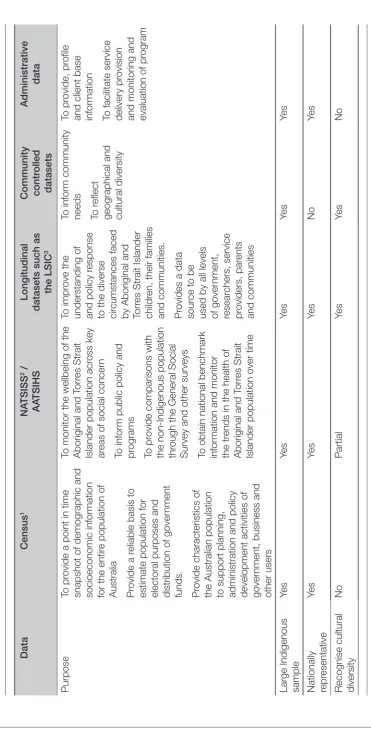
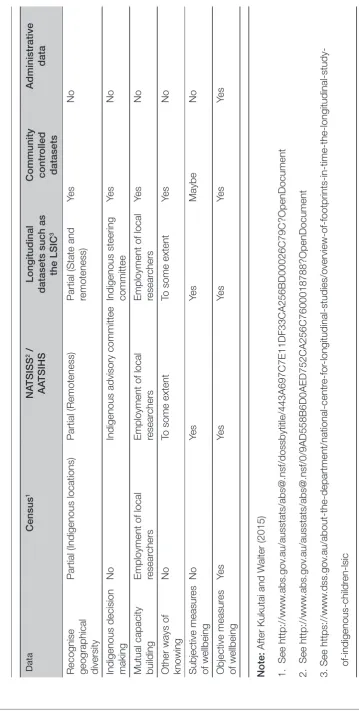
Table 4.3. Existing datasets on Indigenous Australians by the recognition
principles of statistical functionality ...116
Table 5.1. HDI compared to the GRIFIA (Basic) and GRIFIA (Expanded) ...134
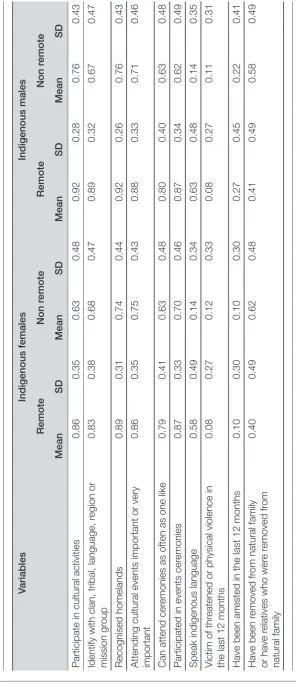
Table 5.2. Variables used to construct the GRIFIA (Basic) and GRIFIA
(Expanded) for Indigenous males and females 2011 (Age 18 years and over) ...138
Table 5.3. Factors and eigenvalues for GRIFIA (Basic) and GRIFIA
(Expanded) ...141
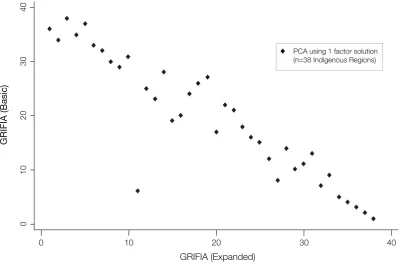
Fig. 5.2. Comparing GRIFIA (Basic) and GRIFIA (Expanded) Indigenous
males ...143
Fig. 5.3. Comparing GRIFIA (Basic) and GRIFIA (Expanded) Indigenous
females ...143
Table 5.4. Differences in ranking Indigenous females using PCA (% of total) ...145
Table 5.5. Differences in ranking Indigenous males using PCA (% of total) ) ...145
Table 5.6. Different weighting schemes for GRIFIA (Expanded) ...146
Table 5.7. Estimation Models ...150
Table 5.8. Variables of interest from the NATSISS 2008 ...151
Table 5.9. Descriptive analysis – Selected characteristics by gender ...154
Table 5.10. Descriptive statistics by gender and remoteness ...156
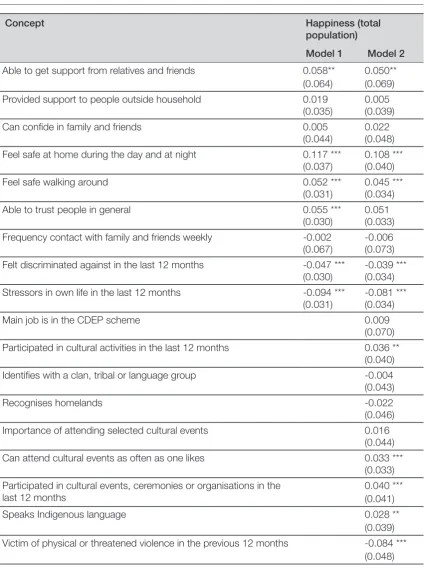
Table 5.11. Marginal effects associated with self-reported happiness–
Indigenous Australians 15 years and over, 2008 ...160
Table 5.12. Marginal effects associated with self-reported happiness
using broader evaluative space by gender and remoteness ...165
Table 5.13. OLS regression parameters associated with psychological distress
Table 5.14. OLS regression parameters associated with psychological distress (Kessler score) - using Broader evaluative space by gender and remoteness ...171
Table 7.1. Social and demographic characteristic of participants in interviews ...205
Table 7.2. Bottom-up approach of deriving sample valuable indicators
or functionings ...230
Table 7.3. Examples of valuable functionings (indicators) for Yawuru women
and men ...231
Table 7.4. Example of bottom-up process of deriving valuable functionings
or indicators ...233
Table 7.5. Indicators by the domains selected by Yawuru female focus group
participants ...234
Table 7.6. Indicators by the domains selected by Yawuru male focus group
participants ...235
Table 7.7. Grounded and community-driven approach to deriving measures
of wellbeing ...238
Table 8.1. Shortlisted objects used in the BWS Case 1 ...253
Table 8.2. BIBD design blocked in two (A and B) ...255
Table 8.3. Number of times the object/attribute was shown, Block A and B ...256
Table 8.4. Proposed sample of population ...261
Table 8.5. Comparing the planned and final Yawuru Wellbeing Survey population ...264
Table 8.6. Sampling response ...266
Table 8.7. Distribution of missing responses by most and least ...266
Table 8.8. Descriptive statistics of sample ...267
Table 8.9. Descriptive statistics of sample by Block A and B (n=123) ...270
Table 8.10. Most and least analysis and score for Block A (n=54) ...272
Table 8.11. Most and least analysis and score for Block B (n=69) ...273
Table 9.1. The social and cultural dimensions of fishing and hunting for Yawuru
Table 9.2. GRIFIA dimensions, NATSISS correlates of self-reported happiness
and ranking of Yawuru priorities
Table A.3. Differences in ranking Indigenous females using equal weighting and PCA weighting for GRIFIA (Expand) (% of total) ...379
Table A.4. Differences in ranking Indigenous females using equal weighting and PCA weighting for GRIFIA (Expand) (% of total) ...379
Table A.5. One respondent’s answer to the BIBD for 25 objects ... 445
Figures
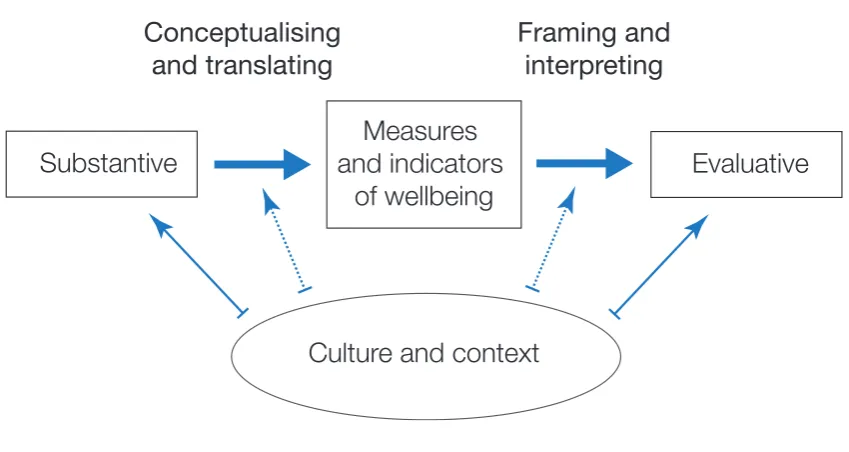
Fig. 2.1. Wellbeing Framework ...34
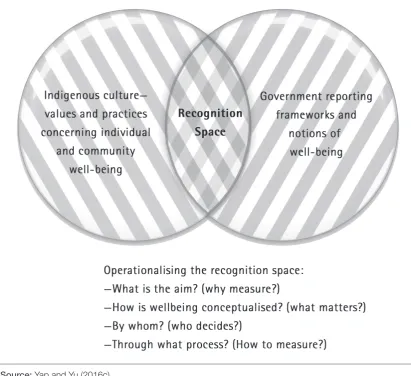
Fig. 3.1. Taylor’s recognition space (Adapted from Taylor 2008) ...77
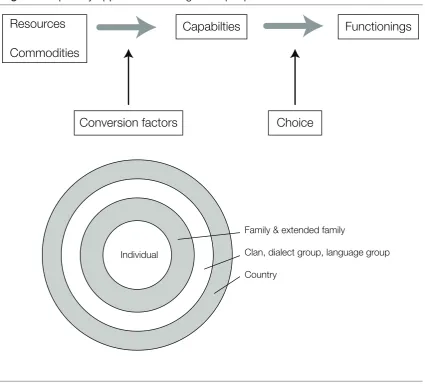
Fig. 3.2. Capability approach and Indigenous peoples ...97
Fig. 5.1. Names and Locations of Australian Indigenous regions ...137
Fig. 5.2. Comparing GRIFIA (Basic) and GRIFIA (Expanded) Indigenous males ...145
Fig. 5.3. Comparing GRIFIA (Basic) and GRIFIA (Expanded) Indigenous females ...145
Fig. 5.4. Equal weighting and PCA weighting, GRIFIA (Expanded) Indigenous
Males ...149
Fig. 5.5. Equal weighting and PCA weighting, GRIFIA (Expanded) Indigenous
Females ...149
Fig. 6.1. Map of Broome and surrounding settlements ...191
Fig. 6.2. Sequential mixed methods ...197
Fig. 7.1. Stages in sequential mixed methods ...206
Fig. 8.1. Example of choice set ...260
Fig. 8.2. Relationship between most important and least important choices ...276
Fig. 8.3. Relationship between M - L Responses and natural log (square root of
best-worst ratio) ...276
Fig. 8.4. Relative ranking of aspects of Yawuru wellbeing by Block A and B ...277
Fig. 8.5. Relative ranking of aspects of Yawuru wellbeing by gender - Ranking by
order of importance for Yawuru males (Block A) ...278
Fig. 8.6. Relative ranking of aspects of Yawuru Wellbeing by gender – Ranking by
order of importance for Yawuru males (Block B) ...278
Fig. 8.7. Attribute importance and standard deviation by Block ...279
Fig. 8.8. Attribute importance and standard deviation by gender ...279
Fig. 9.1. Sense of belonging, purpose, identity and connectedness for Yawuru
women and men ...293
Fig. A.1. Testing a one versus three component solution to GRIFIA (Basic) and
Chapter 1
Introduction
Our statistics and accounts reflect our aspirations, the values that we assign things. They are inseparable from our vision of the world and the economy, of society, and our conception of human beings and our inter-relations. Treating these as objective data, as if they are external to us, beyond question of dispute, is undoubtedly reassuring and comfortable but it’s dangerous. It is dangerous because we get to the point where we stop asking ourselves about the purpose of what we are doing, what we are actually measuring, and what lessons we need to draw.
—Foreword by President Nicolas Sarkozy in Stiglitz et al. (2009, p vii).
The growing importance of wellbeing
Wellbeing as a measure for evidence-based policy making has gained prominence internationally and nationally since 1970s. In the international domain, the Organisation of Economic Cooperation and Development (OECD) has been leading much of the effort towards instilling measurement of wellbeing as an important policy instrument. Following the Second OECD World Forum in
Turkey in 2007, the Istanbul Declaration was ratified between the OECD, the
European Commission, the Organisation of the Islamic Conference, the United Nations, the UN Development Programme and the World Bank. The Declaration affirmed a commitment to measuring and fostering the progress of societies in all dimensions with the ultimate goal of improving policy making, democracy and
citizens’ wellbeing.1 At the national level, countries such as the United Kingdom,
the Netherlands, New Zealand and Canada have made wellbeing part of their policy lexicon.
At the same time, there is a growing body of literature focused on developing alternative measures of standard of living in data collection frameworks and national social surveys (Stiglitz et al. 2009; Pink et al. 2014; Bache and Reardon 2016). The pivotal report by Stiglitz et al. (2009) elevated the need to reflect on the ways in which societal progress is currently measured and the choice of statistical indicators used to inform policy making on improving standards of living. The report is part of the second wave of movements critiquing GDP per capita as the dominant indicator of progress, which is occurring not only in developed countries but also in developing countries (Boarini et al (2014) as cited
in Bache and Reardon 2016, p2).2
The growing importance of wellbeing as a focus of policy agenda has led to a proliferation of research efforts towards new measurements of wellbeing, as well as improvements in existing measures of wellbeing. To meaningfully embed wellbeing in policy requires an understanding of wellbeing concepts, measures and evaluation
tools. The fundamental tasks include deciding ‘what objects are of value’ and the
‘importance attached to the object or objects’ (Sen 1987). These two questions are deceptively straightforward but are critically dependent on how wellbeing is conceptualised and what theories of wellbeing one subscribes to.
Indigenous peoples and wellbeing—understanding the
recognition space
There is now widespread recognition that wellbeing is multidimensional, with both subjective and objective aspects, and that it is also context- and population-specific. Despite this, the tendency in international development discourse has been to establish universal criteria and indicators for the measurement of progress towards wellbeing (OECD 2015). One problem with such universal application is that different peoples hold different meanings and understandings of what constitutes wellbeing, and these differences can sometimes be subsumed by the dominant,
universalist paradigm (White 2016). This is particularly true for indigenous peoples around the world where parameters of their wellbeing tend to be defined on their
behalf (COAG 2009; Jordan et al. 2010).3
While this in part reflects the power imbalance between indigenous peoples and nation-states, it is also due to simply the lack of informed data on precisely what constitutes wellbeing for indigenous peoples. This stems from two things. The first is the difference in worldviews and priorities of indigenous peoples and government reporting frameworks around conceptions of wellbeing. Second, there is a lack of effort towards developing culturally appropriate methodologies to elicit indigenous indicators of wellbeing. In particular, there is a need for methodologies which are emancipatory, which potentially transform current research paradigms so that those on the ground meaningfully participate in the research process.
For many indigenous peoples, wellbeing starts from a relational perspective and centres around the wellbeing of the collective, not just the individual (McCubbin et al. 2013). It is also tied to their spiritual, physical and emotional connection to the land and surrounds (Greiner et al. 2005; Grieves 2007; Ganesharajah 2009; Dockery 2010; Biddle and Swee 2012; Merino 2016; Watene 2016b). In the Australian context, a critical overarching element of Indigenous wellbeing is the desire for self-determination in setting their wellbeing agenda (Gooda 2010). Yet, for the most part, efforts aimed at measuring and reporting wellbeing for Indigenous peoples tend to be premised upon theories of wellbeing which stem from non-Indigenous values. Furthermore, policies designed to improve the living standards of Indigenous peoples are implemented top down, within a narrow conceptualisation of wellbeing that has very little input from Indigenous peoples, and does not go far enough to represent their worldviews, aspirations and agency (Office of the Northern Territory Coordinator-General for Remote Services 2012, p4; Walter 2013).
Bache and Reardon (2016, p6) argue that wellbeing metrics are important for shaping policy, emphasising that ‘the decision by government to give attention to indicators is generally followed by policy action.’ More importantly, policy and measurement of wellbeing pertaining to Indigenous peoples have largely occurred
in isolation from Indigenous peoples’ own understandings of wellbeing. The major aim of this thesis is to address the current tension between ‘top-down’, universalist metrics and ‘bottom-up’ local understandings in the context of indigenous measures of wellbeing. It will be argued that better indicators can result from an alignment rather than opposition between the two. This in turn will better inform policy settings and outcomes.
Challenges in measuring wellbeing
Alkire (2015, p1) asserts that the ‘task of improving well-being measures is too important to settle hastily—a space for reflection and experimentation is apt’ drawing on Sen’s (1987) writing. Nobel Prize winning economist Amartya Sen’s
1986 Stanner Lecture, Standard of Living is an important reference point for
navigating through the commonalities and divergence in understandings of wellbeing. In the lecture, Sen made several notable points which are pertinent to unpacking the disconnectedness between indigenous worldviews and measures to improve indigenous wellbeing in this thesis. There are two excerpts from his lecture that are important to highlight in the context of this thesis. Firstly, Sen (1987, p3) described the complexities of understanding and measuring standard of living when he stated:
You could be well off, without being well. You could be well, without
being able to lead the life you wanted. You could have got the life you
wanted, without being happy. You could be happy, without having
much freedom. You could have a good deal of freedom without achieving
much. We can go on... [emphasis in original].
In Sen’s eloquent articulation, the complexity of wellbeing concepts is highlighted. Wellbeing measures have been developed from a variety of indicators that
reflect different approaches to the concept, ranging from basic needs fulfilment to the importance of freedom and choice. The inherent subjectivity and
above brings us to the next important aspect of the lecture, where Sen describes the challenges of evaluating standard of living as largely navigating the opposing pulls of ‘relevance’ and ‘usability’. Sen (1987, p27) proposed that:
These two considerations—relevance and usability—pull us, to some extent in different directions. Relevance may demand that we take on inherent complexities of the idea of wellbeing as fully as possible whereas usability may suggest that we try to shun complexities if we reasonably can. Relevance wants us to be ambitious; usability urges restraint.
The challenge which Sen so astutely articulates applies to the measurement of wellbeing and continues to hold true some twenty years later. Whilst relevance calls to us to do justice to the richness and complexities of wellbeing measurement, usability nudges us to be pragmatic so that the available measures of wellbeing can be used comparatively (Sen 1987; Alkire 2015).
On the one hand, there is an established body of wellbeing literature questioning the relevance of indicators that purport to represent the underlying phenomenon and the applicability of a universal framework in representing wellbeing across different countries and population subgroups. On the other hand, to ensure usability in policy making and monitoring, the default is to defer to proxy measures derived from existing indicators using secondary datasets. The negotiation and balancing between ‘relevance’ and ‘usability’ or ‘conceptual’ and ‘practical’ is a difficult one, further complicated by a fundamental question: ‘relevance’ and ‘usability’ for whom?
Indigenous peoples and wellbeing indicators
the strengthened linkages between target setting and counting is that quantification brings with it a sense of accountability, associated with an aura of objectivity and neutrality, and is value free (Fukuda-Parr and McNeill 2015).
Indigenous peoples have not been immune to the representation and monitoring of their lives using indicators. Across many standard metrics of development, they consistently underperform. As a result, resources and programs globally and nationally are often targeted at improving these standard metrics of indigenous populations to those of the national or international average (Cooke et al. 2007; Humpage 2008; Tebtebba 2008; UN 2009; Mitrou et al. 2014). Monitoring of these standard metrics continues to hold agencies accountable for the resources that are devoted to improving these measures.
Although some of the standard metrics are important to indigenous peoples, taken up as a whole, they only provide a partial view of indigenous conceptualisations of wellbeing. Furthermore, the concentration on indicators that show
underperformance, normally framed as the ‘gap’, lends itself to the deficit discourse that frames and represents Indigenous identity and cultures as a problem (Kowal 2008; Altman 2009; Pholi et al. 2009; Fforde et al. 2013). This discourse in turn influences the type of policies and programs that get put in place. Much as the inclusion of environmental impacts into the measurement of growth provides a more complete view of the trade-offs and choices involved in improving quality of life, the exclusion of aspects of wellbeing important to indigenous peoples means that policies may sometimes be misguided or ineffective.
Merry (2011, pS88) argues that:
Indicators are inevitably political, rooted in particular conceptions of problems and theories of responsibility. They represent the perspective and frameworks of those who produce them as well as their underlying political and financial power. What gets counted depends on which groups and organisations can afford to count.
From the perspective of governments, indicator production is a political process. It aids decisions on where to best allocate resources and be accountable for public monies. However, for indigenous peoples and groups, the primary concern is whether these indicators capture their lived realities and worldviews and support their agenda to be self-determining over their own lives (PUMC-UNAM 2008).
Much of the disjunction between indigenous peoples’ aspirations for wellbeing and policies and reporting frameworks can be usefully understood in terms of Taylor’s (2008) ‘recognition space’ which is a framework for examining the different positioning, worldviews and intentions of Indigenous peoples on the one side, and national and international targets set by governments and international bodies on the other. It is the intersection between the two spaces where meaningful and substantive engagement and measurement is required so that indigenous worldviews and aspirations form the platform for developing appropriate goals, targets and indicators (Watene and Yap 2015).
The recognition space is partly about casting a spotlight on the shadow, the margins, and bringing those aspects to the fore of data collection and policy making. In order to operationalise the recognition space, there is a need to be cognisant of who develops these wellbeing indicators and for what purpose, how the indicators are developed, and who the beneficiaries or targets of the indicators are, that is the ‘who’ and ‘what’ that the indicators are measuring.
Rationale for the study
and complex, is appropriate. That question is not the focus of this thesis. Instead, the focus is on developing methodologies that reflect the lived experiences of particular Australian Indigenous communities and individuals so that measures which
represent wellbeing are meaningful for them, accurate and functional. In aligning the issues of ‘relevance’ and ‘usability’, it interrogates the objects to be valued and their relative importance for adequately capturing the wellbeing of Indigenous Australians, as they themselves would see it.
This thesis embraces the challenge of improving wellbeing measures for Indigenous Australians, thereby operationalising the recognition space in two ways, echoing the need for reflection and experimentation proposed by Alkire (2015). First, the thesis ‘reflects’ on existing established approaches and proposes a way of building on these by incorporating Indigenous worldviews using existing secondary data. Next, the challenge of experimentation is taken up through an alternative approach employing primary data collection. This approach starts from a different worldview, from the ground-up, through a co-production of knowledge with Australian Indigenous communities to understand and measure Indigenous wellbeing. In order to do this, a transformation of the way research is undertaken will be necessary, driven by an awareness of the different worldviews and culture which permeate the broader research question and the methodologies employed.
As many have observed, in a time where there is such a volume and range of data on the Indigenous ‘population’, there remains a dearth of information about indigenous peoples as socio-cultural entities. Such groups have collective rights that transcend the individual including a right to their own aspirations for development as a group (Morphy 2007; Taylor 2009; Yu 2011; Kukutai and Taylor 2012; Rowse 2012; Yu 2012; Morphy and Morphy 2013; Kukutai and Walter 2015). While official statistical agencies and their like collect and report on wellbeing indicators for individuals understood collectively as ‘populations’, we lack understanding about what living well actually means for indigenous peoples as peoples. We have to consider whether we are collecting the right information to aid us in understanding indigenous wellbeing at this level. More importantly, we have to consider whether we are asking the right questions to elicit a more nuanced understanding of indigenous wellbeing?
Much of the established literature on wellbeing can be considered under the
umbrella of its substantive and evaluative domains of wellbeing (White 2016). While the proponents of substantive wellbeing aim to capture the complexity and diversity of wellbeing experiences and conceptions, those engaged in the evaluative space start from the premise of practicality and usability of concepts using existing datasets. Furthermore, for the most part, the substantive wellbeing studies predominantly utilise qualitative approaches such as in-depth interviews and ethnography to gain a more nuanced understanding of wellbeing particularities, whereas evaluative studies employ empirical quantitative techniques, drawing on large surveys and census information to describe associations between different aspects of life and wellbeing.
Thus far, there has been little conversation between proponents of evaluative and
substantive approaches to wellbeing in the Indigenous Australian context.4 As a
result, studies have tended to fall at one end of the potential continuum or the other: relevance at the expense of usability or vice versa. Researchers with an interest in improving the usability of measures focus on pushing the limits of existing datasets
using innovative techniques, while researchers concerned with relevance highlight the diversity across different population groups and contexts, urging caution in applying universal approaches. The gap between the two is essentially a conceptual chasm.
This thesis sets out to bridge the gap through bringing the conceptual and evaluative aspects of wellbeing into closer alignment, to ensure that ‘relevance’ and ‘usability’ are no longer mutually exclusive aims. It provides an opportunity to address the question from an alternative ground-up approach by conceptualising, measuring and understanding priorities of wellbeing from the perspective of, and according to the Yawuru community in Broome, Western Australia. This research serves to inform both substantive and evaluative aspects of Indigenous wellbeing. The contribution here is not purely results based, process is of equal importance. Much of the thesis is concerned with developing emancipatory methodologies through which those who are the ‘experts’ on their own lives inform the measures from the bottom up, through their own voices.
This thesis traverses a number of key concepts and definitions in the course of operationalising the recognition space. The next section is devoted to discussing and clarifying these terms: ‘indicators’, ‘relevance’, ‘culture’, ‘indigenous’, ‘community’ and ‘wellbeing’.
Indicators
There are many types of indicators. They may be defined in terms of process or outcome and they may be grouped in various ways, in terms of ‘dashboard’ sets or in a composite form. They are used to describe, rank, measure or represent a specific dimension or a range of information. The distinctive aspects of and challenges associated with indicators are captured by Davis et al. (2012, p73-74
emphasis added), who define indicators as a ‘named collection of rank ordered data
that is generated to present information or data on a complex social phenomenon in a
The increasing use of indicators which ensues from global goals and target setting has been heavily critiqued (Saith 2006; Merry 2011; Fukuda-Parr 2014). In particular, these scholars have argued that in the pursuit of indicator production, the fundamental concept behind these measures and the subjective process by which these indicators are included and excluded in the reporting process have largely been left unquestioned. This creates the unintended consequence of reframing knowledge as the knowledge that the observer has, otherwise known as the ‘knowledge effect’ (Saith 2006; Merry 2011; Uribe 2012; Fukuda-parr 2013; Fukuda-Parr 2014).
There is also a ‘governance effect’ associated with the quantification of indicators. In the rank ordering of the indicators across individuals, communities and countries, there is an assumed stage or progression from one point to another. The ordering of these indicators sets a benchmark of high performers against which other groups are monitored or compared, while holding governments and countries accountable to their performance according to these set of indicators.
Relevance
Earlier in this chapter, the term ‘relevance’ was introduced in the context of Sen’s discussion of the importance of capturing the richness of wellbeing experiences in the process of evaluating wellbeing, in particular ‘relevance’ for whom. Relevance, from a government’s perspective, tends to be assessed in terms of whether an indicator is useful in informing government needs and reporting frameworks for accountability. From the perspective of statistical agencies, relevance may mean that these indicators are reliable, replicable, and generalisable to other groups. However, an issue of relevance that is often overlooked is the relevance for indigenous peoples and their needs. As the following chapters will demonstrate, much of what is
available to date is not necessarily useful or statistically functional for indigenous community purposes and needs.
significance of collective rights. This goes beyond disaggregating existing indicators with ethnic markers to include indicators which serve as information tools for indigenous peoples, not just policy makers (Tebtebba 2008).
This discrepancy highlights the growing decoupling between what Dutta (2010) refers to as indicator generators versus indicator targets (those whom indicators measure). Indicator generators often consist of a panel of experts chosen for their content and perhaps technical expertise on the subject matter; therefore they use a set of criteria informed by their expertise and background to determine which indicators to include. There appears to be a lack of communication between indicator producers and users and a consequent lack of synergy between what the former consider to be indicators of wellbeing and what the targets (indigenous peoples in this case) might consider to be indicators that represent what living well means for them.
Culture
It is not the intention here to unpack numerous theoretical complexities of culture and indigenous peoples, but the concept of culture is important to this thesis and requires a few initial observations. Firstly, scholars have found the term culture very difficult to define (Spencer-Oatey 2012). Notwithstanding, there has been numerous efforts towards conceptualising and defining what is meant by ‘culture’. In an early critical review of concepts and definitions of culture, (Kroeber and Kluckhohn 1952, p181) compiled a list of 164 different definitions appearing in just a single discipline, that is anthropology. As a way forward, they came up with the following definition which remains in use today:
systems may, on the one hand, be considered as products of action, on the other as conditioning elements of further action (Kroeber and Kluckhohn 1952)
Culture as described above point to its encompassing nature but also to the multiplicity and complex ways that culture is learned, expressed and reproduced. Cultural expressions have its traditional points of reference, but these are also non-unitary, dynamic, evolving over time and space, and a product of interaction with the surroundings including other forms of cultural groups.
The role of culture in development has been debated extensively, with discussions oscillating between culture as being irrelevant, to culture being a barrier to
development and culture as an important phenomenon in explaining the growth and wealth trajectories of countries and population groups (Escobar 1995; Harrison and Huntington 2000; Rao and Walton 2004; Woolcock 2014). Escobar (1995) argued that viewing culture as a barrier or a problem is attributable to the power relations that exist in framing the development discourse and the groupings of countries based on a set of characteristics. He goes on to state that the system which creates and perpetuates these observed inequalities is labelled ‘culture’ and brings with it a set of assumptions (Escobar 1995).
In relation to development and wellbeing, Sen (2004b, p37-38) argued that ‘there is no dispute that culture matters for wellbeing. The real question is how does culture matter’. There is a body of work which advocates for the importance of culture in the conceptualisation of wellbeing, that sees wellbeing as primarily a socially and culturally constructed process and experience (White 2016). For indigenous peoples around the world, culture is not only expressed through the conception of wellbeing but it is a constituent of wellbeing (Watene 2016b). Therefore, definitions and conceptions of wellbeing for indigenous peoples must be understood as culturally constructed.
worldview. Chapter 2 explores this general point further when considering the importance of culture both in constructions of wellbeing conceptions and embedded within methodologies of conceptualising and evaluating wellbeing.
Indigenous
A main focus of this thesis is a more nuanced understanding of indigenous wellbeing as a concept for evaluation. Fundamentally this entails clarifying what is meant by ‘indigenous peoples’ and what is understood and described as wellbeing. There is no one official definition of ‘indigenous’, reflecting the difficulty in capturing the cultural, geographical and historical diversity and experience that exists within countries and across the world (Corntassel 2003; Axelsson et al. 2011). Indigenous peoples can be found in practically every region of the world, and living on ancestral homelands in a wide variety of contexts from major cities to remote, rainforests, mountain regions, desert plains, the arctic and small Pacific islands. Their territories cover approximately 24 per cent of the land worldwide and host 80 per cent of the world’s biodiversity (UN 2009). Australia’s First Peoples are usually divided into two distinct ethnic groups, Aboriginal Australians and Torres Strait Islanders. In official statistics, a person is considered Indigenous if she or he self-identifies as Aboriginal and/or Torres Strait Islander and is accepted by an Aboriginal and/or Torres Strait Islander community (Department of Aboriginal Affairs 1981). The Indigenous status of individuals taken as an aggregate, comprises the Indigenous ‘population’.
However, the production and representation of the lives of indigenous peoples through the binary of indigenous and non-indigenous populations reduces
indigenous peoples, their unique history, affiliation to country, and cultural identity to a statistical creation based on aggregated individual level data (Rowse 2012; Walter and Andersen 2013). The distinction between ‘peoples’ and ‘population’ is a significant one. As Rowse (2012, p4-5) notes, when we refer to Aboriginal and Torres Strait Islanders as a ‘peoples’, we are thinking about them as collectives with self-governing capabilities and rights as opposed to referring them as a ‘population’.
This ‘people’ versus ‘population’ distinction may seem subtle but is critically
While land rights and native title point to the recognition of the collectives of self-governing rights-holding peoples, policies such as closing the statistical gap suggest a focus on the Indigenous population.
Community
In the previous section, the definition of Indigenous in Australia comprised of three criteria including acceptance by an Aboriginal and/or Torres Strait Islander community. This raises the question of what is an Aboriginal community and how does one define the composition and boundaries of that community (Peters-Little 2000).
Definitions and usage of what is considered ‘community’ largely falls under two categories—locality based or membership/people based. Communities defined on localities are identified using physical boundaries such as suburb, region or town. From a relational perspective, the identification is through shared interest, beliefs and culture which may instil a sense of belonging (Gusfield 1975).
Notions of community membership in the Indigenous context are complex,
consisting of both physical and relational aspects which themselves are intertwined. This is further complicated by socio-historical and contemporary challenges
in identifying and determining what one’s community is (Peters-Little 2000). Historical policies which led to the displacement of Indigenous peoples from their traditional country, the removal of children by the state and the increasing urbanisation of the Indigenous people are some examples of this complexity. Much of the statistical analysis of Indigenous communities tends to occur in relation to locality. In Australia, discrete Indigenous communities are defined as ‘a geographic location, bounded by physical boundaries, and inhabited or intended to be
inhabited predominantly by Indigenous peoples’ (ABS 2001). More often, these physical locations imply that people living there have a shared language, culture, history and kinship, but this does not always follow and the situation is often much more complex (Holcombe 2000).
country and the Bugarrigarra5, yet it is also locational as the connection is tied to
the physical locality of Broome in Western Australia. Composition of community also includes Yawuru individuals who may not be living in Broome but are still part of the Yawuru community through their relational, historical and cultural ties to Broome and to Yawuru families. Lastly, the definition of the Yawuru community also recognises Yawuru as a corporate group of native title holders, with rights, interest and responsibilities over Broome and the surroundings.
Wellbeing
This brings us to the final, and perhaps most pertinent area of the thesis: the concept of wellbeing. In Chapter 2, a comprehensive literature review of wellbeing will be presented and synthesised. In this section, the key developments that have occurred in the wellbeing literature across the conceptual, methodological and policy realms will be briefly outlined.
C o n c e p t s
People and societies have been concerned with ‘progress’ and living standards for hundreds of years (Giovannini et al. 2011, p95). Ideas about progress have changed over time, shaping how societies and nations understand, represent and monitor themselves (Pink et al. 2014). The work of economist Simon Kuznets in the 1930s cemented the preoccupation with Gross Domestic Product (GDP) as a measure of national progress. For the next four decades following the Great Depression and the Second World War, improving and sustaining economic growth became the focus of many government and international agencies around the world (Costanza et al. 2009; Fleurbaey 2009). A few key factors, however, led to a shift in focus from economic production to wellbeing.
Firstly, seminal work by (Easterlin 1974) demonstrated the lack of association between GDP per capita and the living standards of individuals, prompting enquiry into the creation of wellbeing indicators to complement national production