A transcriptomics approach to understanding polymorphic
and transcript level differences linked to isoquinoline
alkaloid production in triploid varieties of
Narcissus
pseudonarcissus
Jane Pulman
The University of Liverpool
September 2014
Acknowledgements
I would like to make the following acknowledgements;
I would first and foremost like to thank my supervisors, Dr M Jones for her unwavering support and critical evaluation of my thesis and Prof. A Hall for helping me on the road to bioinformatics discovery.
I would like to thank Travis Banks for the opportunity to study with him, without his patience and tutorage I would not have been able to complete my thesis. I am eternally grateful for not only the skill he has taught me but also his guidance and evaluation of my thesis.
Vineland Research and Innovation Centre in particular Dr D Somers and Dr D Liscombe for not only the opportunity to spend time working in such a wonderful research centre but also for their continued support and guidance.
Dr X Chang and Prof. T Walker for their support, samples, data and guidance. The OSVH Trust for the PhD sponsorship and funding.
A special thank you to Dr C Lofthouse and (soon to be) Dr Jade Waller without your support, guidance and coffee breaks I don't think I would of made it.
To everyone in lab G, past and present for putting up with a chemist trying to make it in a biology lab, especially Jean Wood for putting up with my mess.
To friends and family, thank you for your continued belief in me and putting up with my thesis induced mood swings. In particular I’d like to thank my Mam, Dad, Dave and Kat for your support and willingness to tell me
to get a grip and just do it. You always said I’d be a Doctor Mam and no Dad I still don't work on dandelions.
Grandma (both of you), thank you for your kind words of encouragement, and Grandma Ella thanks for making me laugh and the never-ending supply of marshmallows.
Jonathan thanks for coming on all my “little” adventures with me, can’t wait for the next one.
Beatrice, Katy, Louise, Jen, Laura, Nick, Gwen, Phil, Jim, Justin, Jules, Jo, Rosie, Ellen, Kathy, team EVO-fit (tough mudder) and anyone I’ve forgotten thanks for making my time in Vineland and Liverpool amazing.
I would finally like to thank Rob for looking after me and making me nice teas while I was writing up. Your support has really got me through.
Emma and Alex last but not least thanks for all the texts, postcards, songs, and good times that made my stresses just disappear.
Table of contents
LIST OF FIGURES ... IX
LIST OF TABLES ... XI
ABSTRACT ... XII
Abbreviations ... xiii
1 CHAPTER ONE: THE USE OF SECOND-GENERATION SEQUENCING TECHNOLOGIES FOR THE STUDY OF MEDICINALLY IMPORTANT ALKALOIDS - A CASE STUDY IN GALANTHAMINE PRODUCTION IN DAFFODILS ... 1
1.1 Introduction ... 1
1.2 Daffodil- Narcissus pseudonarcissus... 4
1.3 Amaryllidaceae alkaloids – History of their medicinal properties ... 5
1.3.1 Galanthamine – as a folk medicine ... 7
1.3.2 Other Amaryllidaceae alkaloids with potential medical uses: Narciclasine and Lycorine ... 7
1.4 Galanthamine ... 8
1.4.1 As a proven drug in Alzheimer’s disease ... 8
1.4.2 Chemical synthesis ... 10
1.4.3 Biosynthesis ... 11
1.5 The use of functional genomics in plant science ... 13
1.5.1 The development of Second-generation sequencing technologies ... 13
1.5.1.1 454 pyrosequencing ... 14
1.5.1.2 Illumina sequencing ... 15
1.5.1.3 Ion Torrent ... 15
1.5.2 From genome to transcriptome ... 16
1.5.3 The use of second-generation sequencing in plant science ... 17
1.5.4 Transcriptomic studies on non-model plants ... 18
1.5.5 The future of sequencing technologies... 19
1.5.6 Transcriptomics in the study of the biosynthesis of plant alkaloids and other high value compounds ... 20
1.5.7 Transcript expression analysis in the search for agronomically and medicinally important compounds ... 22
1.5.8 SNP analysis in the search for high value compounds ... 23
1.6 Conclusion and Hypothesis ... 25
1.6.1 Conclusion ... 25
1.6.2 Hypothesis ... 25
2 CHAPTER TWO - CONSTRUCTION OF A REFERENCE TRANSCRIPTOME ... 26
2.1 Introduction ... 26
2.1.1 The use of Second-generation sequencing for de-novo assembly of transcriptomes in plants that produce medicinally important metabolites ... 26
2.1.5 Analysing transcriptome de novo assemblies ... 27
2.1.6 Annotation of de novo assemblies – The use of BLAST searches against known databases ... 28
2.1.7 RNA extraction from plants with high phenol, sugar and secondary metabolite levels ... 29
2.1.8 cDNA library preparation ... 29
2.2 Aims and Objectives ... 31
2.2.1 Overview of aims and objectives ... 31
2.2.2 Data assembly and annotation ... 31
2.3 Methods ... 32
2.3.1 Plant material for reference transcriptome ... 32
2.3.2 Basal plate extraction ... 32
2.3.3 Production of cDNA library ... 32
2.3.3.1 Total RNA extraction – CTAB method ... 32
2.3.3.2 mRNA isolation ... 33
2.3.3.3 rRNA depletion ... 33
2.3.3.4 mRNA selection ... 33
2.3.3.5 cDNA Library preparation ... 34
2.3.4 Creation of a reference transcriptome ... 34
2.3.4.1 454 Pyrosequencing ... 34
2.3.4.2 Assembly of reads from sequencing of barcoded libraries... 34
2.3.4.3 Re-sequencing of sample 2 and full assembly from all GS FLX data ... 34
2.3.4.4 Manual annotation and the creation of an automated annotation pipeline for the joint and full assemblies using “full_annotation.pl” ... 35
2.4 Results ... 37
2.4.1 Creation of a cDNA library ... 37
2.4.1.1 RNA extraction – CTAB Method ... 37
2.4.1.2 mRNA isolation ... 38
2.4.1.2.1 rRNA depletion of sample 1 ... 38
2.4.1.2.2 mRNA selection of sample 2 ... 39
2.4.1.3 cDNA library preparation ... 40
2.4.1.3.1 Sample 1 ... 40
2.4.1.3.2 Sample 2 ... 40
2.4.2 Production of a reference transcriptome ... 41
2.4.2.1 Assembly of reads from sequencing of the barcoded libraries ... 41
2.4.2.2 Mapping of barcoded libraries to the joint assembly ... 41
2.4.2.3 Re-sequencing of the sample 2 ... 43
2.4.2.4 Assembly of the re-sequenced data with the initial barcoded data (full assembly) ... 43
2.4.2.5 Mapping of thee sequencing samples to full assembly ... 43
2.4.3 Annotation and creation of an automated annotation pipeline for the joint and full assemblies ... 44
2.4.3.1 Joint assembly ... 44
2.4.3.2 Full assembly ... 45
2.5 Discussion ... 46
3 CHAPTER THREE: IMPLEMENTING SECOND-GENERATION SEQUENCING DATA FOR DISCOVERING POLYMORPHIC AND TRANSCRIPT LEVEL DIFFERENCES BETWEEN TWO VARIETIES OF NARCISSUS PSEUDONARCISSUS WITH DISTINCT DIFFERENCES IN GALANTHAMINE LEVELS. ... 49
3.1 Introduction ... 49
3.1.1 Illumina Sequencing ... 49
3.1.2 Assembly of Illumina reads ... 50
3.1.2.1 Assemblers that use de Bruijn graphs... 50
3.1.2.3 Trinity ... 52
3.1.2.4 SOAPdenovo-Trans ... 53
3.1.3 Aligning short reads back to reference transcriptomes – comparison of available tools... 54
3.1.4 Hash Tables ... 56
3.1.5 Burrows Wheeler Transformation (BWT) aligners ... 56
3.1.6 Comparison of available aligners ... 57
3.1.6.1 Bowtie or BWA ... 58
3.1.7 Analysis of polymorphic differences ... 58
3.1.7.1 Identification of SNPs in polyploids ... 59
3.1.7.2 VarScan ... 61
3.1.7.3 Pileup_parser.pl perl script for determining all possible allele variation ... 62
3.1.7.4 The use of pileup_parser.pl to predict ploidy levels at the nucleotide level ... 64
3.1.8 Analysis of transcript level differences between individuals from two varieties of Narcissus pseudonarcissus 65 3.1.8.1 BitSeq ... 65
3.1.9 Transposon element variation within plants ... 66
3.1.9.1 TransposonPSI ... 67
3.1.9.2 TREP ... 67
3.1.9.3 BMTagger ... 68
3.2 Aims and Objectives ... 69
3.3 Methodology ... 70
3.3.1 Illumina library preparation, sequencing, assembly and annotation ... 70
3.3.1.1 Extraction of RNA from N. pseudonarcissus var Andrew’s Choice ... 70
3.3.1.2 Illumina cDNA library preparation for N. pseudonarcissus var. Carlton and N. pseudonarcissus var. Andrew's Choice ... 71
3.3.1.3 Analysis of Sequence data ... 73
3.3.1.4 Basic script and program running ... 74
3.3.1.5 Trimming and Filtering of raw reads ... 74
3.3.1.6 Comparison of de novo assembly using Trinity and SOAPdenovo-Trans ... 75
3.3.1.7 Mapping of trimmed Illumina reads to the Trinity assembly, SOAPdenovo-Trans and the 454 references 75 3.3.2 SNP calling using custom SNP caller for polyploid samples and the prediction of ploidy level ... 76
3.3.3 Transcript level differences determined using BitSeq ... 77
3.3.4 Annotation of Trinity assembly ... 77
3.3.5 Removal of transposon elements from raw reads – comparison of three methods ... 78
3.3.5.1 BMTagger ... 78
3.3.5.2 TransposonPSI ... 78
3.3.5.3 BLAST against TREP ... 78
3.3.6 Re-assembly of reads post TE removal ... 78
3.3.7 Annotation of the re-assembled data ... 79
3.3.8 SNP and transcript level differences re-evaluated post transposon removal ... 79
3.4 Results ... 80
3.4.1 Extraction of RNA ... 80
3.4.1.1 Andrew’s Choice ... 80
3.4.1.2 Carlton ... 80
3.4.2 RNA-Seq library preparation ... 80
3.4.2.1 Total RNA analysis ... 80
3.4.2.2 cDNA library preparation ... 83
3.4.2.3 Trimming and Filtering of raw reads ... 85
3.4.2.4 Comparison of de novo assembly using Trinity and SOAPdenovo-Trans ... 89
3.4.2.5 Mapping of trimmed Illumina reads to the Trinity, SOAPdenovo-Trans and 454 assemblies ... 89
3.4.2.6 SNP calling using custom SNP caller and VarScan ... 90
3.4.2.10 Removal of transposon elements from raw reads – comparison of three methods ... 92
3.4.2.11 Assembly comparison of the three TE removal methods ... 94
3.4.2.12 Mapping of TE removed reads to both the 454 reference and the TE removed Trinity assembly ... 95
3.4.2.13 SNP calling in both the Original and Post-TE removal assembly ... 96
3.4.2.14 Transcript level differences ... 96
3.4.2.15 Annotation post TE removal ... 97
3.5 Discussion ... 98
3.5.1 Production of cDNA libraries and read quality control ... 98
3.5.2 Assembly of Illumina reads ... 99
3.5.3 Removal of TEs ... 101
3.5.4 Annotation of Transcripts ... 102
3.5.5 SNP and transcript level difference analysis ... 103
3.5.6 Bioinformatics approach to predicting ploidy level of Carlton and Andrew’s Choice ... 105
4 CHAPTER FOUR: ANALYSIS OF TRANSCRIPTOME DATA TO DETERMINE PUTATIVE TRANSCRIPTS LINKED TO AMARYLLIDACEAE ALKALOID BIOSYNTHESIS ... 106
4.1 Introduction ... 106
4.1.1 Methods of annotation for gene function prediction in non-model de novo transcriptomes ... 106
4.1.1.1 Gene Ontology (GO) ... 107
4.1.1.2 Kyoto Encyclopedia of Genes and Genomes (KEGG) ... 108
4.1.1.3 The Enzyme Commission (EC number) ... 109
4.1.1.4 Enrichment analysis ... 109
4.1.2 DAVID enrichment analysis ... 110
4.1.3 Alkaloid biosynthesis studies ... 112
4.1.3.1 P450 subfamilies linked to secondary metabolism ... 113
4.1.3.2 Methylenedeoxy-bridge formation... 114
4.1.3.3 Phenol coupling ... 114
4.1.3.4 PSRs role in secondary metabolism ... 115
4.1.4 Well-studied alkaloid biosynthetic pathways in plants ... 117
4.1.4.1 Benzylisoquinoline alkaloids in Papaver somniferum ... 117
4.1.4.2 Capsaicinoids in Capsicum annuum ... 119
4.1.4.3 Rosmarinic acid (RA) in Lamiaceae herbs ... 121
4.1.5 Investigating the galanthamine pathway ... 123
4.2 Methodology ... 125
4.2.1 GO annotation ... 125
4.2.2 Creation of the GOI (gene of interest) database from genes involved in secondary metabolite production in selected medicinally important plants to search for orthologs in daffodils ... 127
4.2.3 BLASTx search against GOI database for the 454 and post TE removal Trinity assemblies for putative transcripts involved in alkaloid production ... 131
4.2.4 GO enrichment studies for the GOI predicted transcripts ... 131
4.2.4.1 DAVID prediction of enrichment, EC and KEGG annotation ... 131
4.2.5 The determination of synonymous SNPS within the putative transcripts- Prediction of ORF and non-synonymous SNPs ... 132
4.2.6 The determination of putative transcripts with significant differences in transcript levels between daffodil varieties ... 133
4.2.6.1 BitSeq ... 133
4.2.6.2 Confirmation of transcripts via RT-PCR and transcript level differences via RT-qPCR ... 133
4.2.6.3 Confirmation of predicted transcripts ... 133
4.2.6.4 Sanger sequencing to confirm SNPs ... 134
4.2.6.5 Real time qPCR of those transcripts predicted to have significant transcript level differences ... 134
4.3 Results ... 136
4.3.1 Whole transcriptome functional annotation ... 136
4.3.1.2 Functional categorization of the Original Trinity assembly ... 136
4.3.1.3 Functional categorization of the Post-TE removal Trinity assembly ... 136
4.3.1.4 The assignment of GO terms to transcripts ... 141
4.3.2 BLASTx search against the GOI database for the 454 and pre/Post-TE removal Trinity assembled transcripts for putative transcripts involved in alkaloid production ... 143
4.3.3 Pathway analysis: the use of DAVID to predict enrichment from EC and KEGG annotation... 143
4.3.3.1 DAVID analysis for gene enrichment ... 143
4.3.3.2 KEGG pathway annotation of GOI daffodil transcripts ... 147
4.3.3.3 EC annotation of GOI daffodil transcripts ... 152
4.3.4 The determination of non-synonymous SNPs within the putative GOI transcripts - Prediction of ORFs and non-synonymous SNPs, confirmation of transcripts via PCR and Sanger sequencing confirmation of SNPs. ... 153
4.3.4.1 4.4.5.1 HDA57HA01AOVJD... 154
4.3.4.2 4.4.5.2 Daff88927 ... 156
4.3.4.3 Non-synonymous SNP verification ... 159
4.3.5 The determination of significant differences in transcript levels for transcripts selected from the GOI database ... 159
4.3.5.1 BitSeq ... 159
4.3.5.2 Confirmation of levels via comparative qPCR ... 161
4.4 Discussion ... 165
4.4.1 GO annotation and categorization of the whole transcriptome ... 165
4.4.2 BLASTx results ... 166
4.4.3 DAVID analysis, EC and KEGG annotation ... 166
4.4.4 Transcript level and SNP analysis ... 169
4.4.5 Transcripts linked to alkaloid biosynthesis ... 169
4.4.5.1 PAL and TYDC ... 169
4.4.5.2 CYP450s ... 171
4.4.5.3 HDA57HA0AK3FX ... 171
4.4.5.4 Daff88927 ... 171
4.4.5.5 Comp75950_c0_s1 ... 172
4.4.5.6 Comp97312_c0_s1 and Comp99544_c0_s1 ... 172
4.4.5.7 Other transcripts of interest ... 172
5 CHAPTER 5 – OVERALL CONCLUSIONS AND FUTURE WORK ... 173
5.1 Transcriptomic reference for the daffodil ... 173
5.2 The uses of currently available Ontologies and Functional Annotations –bias towards model organisms 173 5.3 Determination of ploidy level of Carlton and Andrew’s choice ... 174
5.4 The effect of polyploidism on gene expression studies ... 175
5.5 Prediction of genes involved in galanthamine production ... 176
5.5.1 PAL and TYDC ... 176
5.5.2 Comp75950_c0_s1 a homolog of C4H in vanillin biosynthesis as a putative transcript involved in the biosynthesis of protocatechuic acid in galanthamine biosynthesis ... 176
5.5.3 Contig01404 as a homolog for NCS in the biosynthesis of norbelladine ... 176
5.5.4 Daff106212 as a homolog for OMTs could be involved in the O-methyltransferase catalysed step of norbelladine to 4-O-methylnorbelladine ... 177
5.5.5 HDA57HA0AK3FX and Daff88927 as possible transcripts involved in C-C intermolecular phenol coupling in the final step of galanthamine biosynthesis ... 177
5.7.1 Expression of candidate genes and subsequent functional analysis on the protein ... 180
5.7.2 Microbial engineering to create a galanthamine cell factory ... 181
5.7.3 Sequencing of genomic DNA to identify regulatory DNA motifs... 181
5.7.4 Further investigation into the biological system in daffodil ... 182
5.7.5 The development of bioinformatics tools to further evaluate ploidy level in plants ... 182
5.7.6 The use of SNPs as biomarkers for daffodil breeding linked to alkaloid production ... 182
5.8 Conclusion ... 183
6 APPENDIX ... 185
6.1 List of perl scripts on appendix disc ... 185
6.2 List of data files available on appendix disc ... 186
6.3 Galanthamine level data ... 187
6.3.1 Introduction ... 187
6.3.1.1 Experiment 1: Comparison of Andrew’s choice and Carlton from three different sites ... 187
6.3.1.2 Experiment 2: Comparison of the two varieties in the flowering stage of development ... 187
6.3.2 Methodology... 188
6.3.2.1 Galanthamine extraction for Experiment 1 ... 188
6.3.2.2 Galanthamine extraction for Experiment 2 ... 188
6.3.2.3 Chromatographic techniques ... 188
6.3.3 Results ... 189
6.3.3.1 Experiment 1 ... 189
6.3.3.2 Experiment 2 ... 189
6.3.4 Discussion ... 189
6.4 Chromosome counting for Carlton and Andrew’s choice varieties of daffodil ... 190
6.4.1 Introduction ... 190
6.4.2 Method ... 190
6.4.2.1 Reagents ... 190
6.4.2.2 Pretreatment ... 190
6.4.2.3 Fixation ... 191
6.4.2.4 Hydrolysis ... 191
6.4.2.5 Slide preparation ... 191
6.4.3 Results and discussion ... 191
6.4.3.1 Carlton: ... 191
6.4.3.2 Andrew’s choice: ... 191
6.5 Andrew’s Choice RNA extraction trial results and discussion ... 193
6.6 List of Plants and Genes in GOI database ... 196
6.7 Primers for RT-PCR, Sanger sequencing and qPCR ... 199
6.8 qPCR Plate set up ... 200
6.9 ClustalO Alignment from UniProt Alignment program ... 201
6.10 Command line prompts ... 203
6.10.1 Trinity assembly and Soapdenovo-Trans assembly –(Section 3.3.1.6 ) ... 203
6.10.2 Mapping Analysis –( Section 3.3.1.7) ... 204
6.10.3 VarScan and pileup_parser.pl –( Section 3.3.2) ... 205
6.10.4 BitSeq Analysis – (section 3.3.2)... 206
6.10.5 BMtagger –( Section 3.3.2) ... 207
6.10.7 BLAST against TREP- (Section 3.3.5.3) ... 207
6.10.8 Trinity re-assembly- (Section 3.3.6) ... 208
6.10.9 BLAST against genes of interest database- (Section 4.2.3) ... 208
List of Figures
FIGURE 1-1DAFFODIL VARIETY CARLTON. ... 4
FIGURE 1-2THE NINE DISTINCT TYPES OF AMARYLLIDACEAE ALKALOIDS ... 6
FIGURE 1-3GUILLOU ET AL SYNTHETIC PATHWAY OF GALANTHAMINE (ADAPTED FROM GUILLOU ET AL.,2001). ... 10
FIGURE 1-4ENZYMATIC SYNTHESIS OF NORBELLADINE DERIVATIVES AS SHOWN BY EICHHORN IN LEUCOJUM VERNUM (ADAPTED FROM EICHHORN.,1998). ... 12
FIGURE 1-5INTRAMOLECULAR PARA-ORTHO COUPLING REACTION CATALYSED BY A MICROSOMAL CYTOCHROME P450 ENZYME.66. ... 12
FIGURE 1-6CHEMICAL STRUCTURE OF WIDELY USED ALKALOIDS (ADAPTED FROM TAKOS ET AL.,2013). ... 21
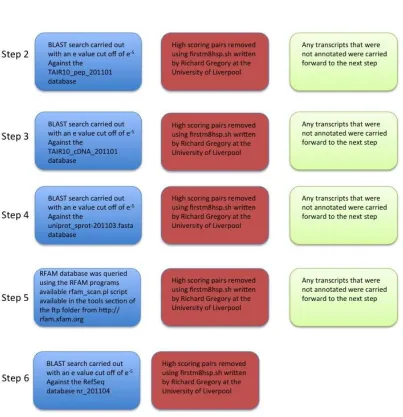
FIGURE 2-1ANNOTATION PIPELINE USING "FULL_ANNOTATION.PL". ... 36
FIGURE 2-2TOTAL RNA ELECTROPHEROGRAM FOR SAMPLE 1 ... 37
FIGURE 2-3TOTAL RNA ELECTROPHEROGRAM FOR SAMPLE 2 ... 37
FIGURE 2-4DEPLETED SAMPLE 1 ELECTROPHEROGRAM ... 38
FIGURE 2-5FRAGMENTED SAMPLE 1 ELECTROPHEROGRAM ... 39
FIGURE 2-6FRAGMENTED SAMPLE 2 ELECTROPHEROGRAM ... 39
FIGURE 2-7HIGH SENSITIVITY DNA ASSAY ELECTROPHEROGRAM FOR CDNA LIBRARY FROM SAMPLE 1... 40
FIGURE 2-8HIGH SENSITIVITY DNA ASSAY ELECTROPHEROGRAM FOR CDNA LIBRARY FROM SAMPLE 2... 41
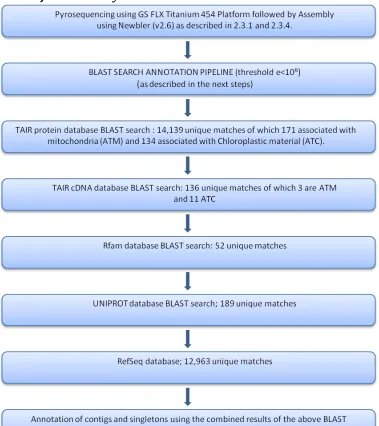
FIGURE 2-9PIPELINE TO SHOW THE STEPS OF THE ANNOTATION OF THE JOINT ASSEMBLY. ... 44
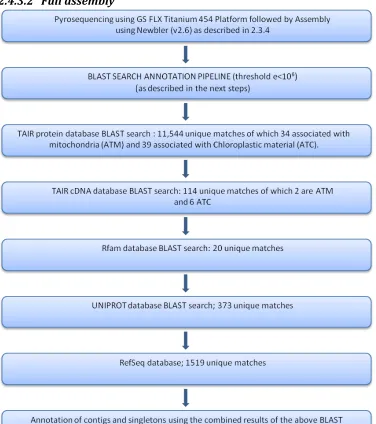
FIGURE 2-10PIPELINE TO SHOW THE STEPS INVOLVED IN THE ANNOTATION OF THE FULL ASSEMBLY. ... 45
FIGURE 3-1SCHEMATIC OF A BWT. ... 57
FIGURE 3-2 DIFFERENCES BETWEEN POLYPLOIDS AND DIPLOIDS THAT ALTERS COPY NUMBER PREDICTION. ... 60
FIGURE 3-3EXAMPLE OF SAMTOOLS PILEUP OUTPUT FORMAT. ... 63
FIGURE 3-4EXAMPLE OF OUTPUT FROM PILEUP_PARSER.PL SCRIPT. ... 64
FIGURE 3-5SCHEMATIC OF ILLUMINA DATA ANALYSIS. ... 73
FIGURE 3-6TOTAL RNA ELECTROPHEROGRAM FROM ANDREW'S CHOICE SAMPLE 1 ... 81
FIGURE 3-7TOTAL RNA ELECTROPHEROGRAM FROM ANDREW'S CHOICE SAMPLE 2 ... 82
FIGURE 3-8TOTAL RNA ELECTROPHEROGRAM FROM CARLTON SAMPLE 1. ... 82
FIGURE 3-9TOTAL RNA ELECTROPHEROGRAM FROM CARLTON SAMPLE 2 ... 83
FIGURE 3-10 CDNA LIBRARY ELECTROPHEROGRAM FOR ANDREW'S CHOICE SAMPLE 1. ... 84
FIGURE 3-11 CDNA LIBRARY ELECTROPHEROGRAM FOR ANDREW'S CHOICE SAMPLE 2. ... 84
FIGURE 3-12 CDNA LIBRARY ELECTROPHEROGRAM FOR CARLTON SAMPLE 1. ... 85
FIGURE 3-13 CDNA LIBRARY ELECTROPHEROGRAM FOR CARLTON SAMPLE 2. ... 85
FIGURE 3-14VENN DIAGRAM SHOWING SNP CROSS OVER BETWEEN VARIETIES ... 96
FIGURE 4-1A SIMPLIFIED METHYLENEDEOXY-BRIDGE FORMATION. ... 114
FIGURE 4-2STR CATALYZING A PSR REACTION.(ADAPTED FROM STOCKIGT ET AL.,2011)201. ... 116
FIGURE 4-3BIOSYNTHESIS OF SEVERAL BIA SUBTYPES (MODIFIED FROM DESGAGNE 2012). ... 117
FIGURE 4-4BIOSYNTHESIS OF CAPSAICIN (MODIFIED FROM AZA GONZALEZ ET AL.,2010) ... 119
FIGURE 4-5CHEMICAL STRUCTURE OF PROTOCATECHUIC ACID AND VANILLIN INTERMEDIATES IN THE PRODUCTION OF GALANTHAMINE AND CAPSAICIN. ... 120
FIGURE 4-6POSSIBLE PATHWAY FOR THE PRODUCTION OF PROTOCATECHUIC ACID IN GALANTHAMINE BIOSYNTHESIS. ... 121
FIGURE 4-7BIOSYNTHESIS OF ROSMARINIC ACID IN LAMIACEAE SPECIES (MODIFIED FROM XIAO 2011)20. ... 122
FIGURE 4-8PROPOSED BIOSYNTHETIC PATHWAY OF GALANTHAMINE. ... 123
FIGURE 4-9WORKFLOW OF DATA ANALYSIS. ... 125
FIGURE 4-10SCREEN SHOT OF UNIPROT WEB INTERFACE FOR THE RETRIEVAL PROGRAM. ... 126
FIGURE 4-11THE INITIAL RESULTS PAGE FROM THE UNIPROT RETRIEVAL PROGRAM... 126
FIGURE 4-12THE FINAL OUTPUT NEEDED TO ASSIGN GO TERMS TO THE TRANSCRIPTS. ... 127
FIGURE 4-13A SCREEN SHOT OF THE DAVID WEB INTERFACE FOR THE FUNCTIONAL ANNOTATION TOOL. ... 132
FIGURE 4-14MOLECULAR FUNCTION ASSIGNMENT FOR THE UNIPROT GO ANALYSIS OF THE 454 ASSEMBLY. ... 138
FIGURE 4-15MOLECULAR FUNCTION ASSIGNMENT FOR THE UNIPROT GO ANALYSIS FOR THE ORIGINAL TRINITY ASSEMBLY. ... 138
FIGURE 4-16MOLECULAR FUNCTION ASSIGNMENT FOR THE UNIPROT GO ANALYSIS OF THE POST-TE REMOVAL TRINITY ASSEMBLY. .. 138
FIGURE 4-17CELLULAR COMPONENT ASSIGNMENT FROM THE UNIPROT GO CATEGORIZATION FOR THE 454 ASSEMBLY. ... 139
FIGURE 4-18CELLULAR COMPONENT ASSIGNMENT FROM THE UNIPROT GO ANALYSIS FOR THE ORIGINAL TRINITY ASSEMBLY. ... 139
FIGURE 4-19CELLULAR COMPONENT ASSIGNMENT FOR THE UNIPROT GO ANALYSIS OF THE POST-TE REMOVAL TRINITY ASSEMBLY. 139 FIGURE 4-20BIOLOGICAL PROCESS ASSIGNMENT FROM THE UNIPROT GO ANALYSIS FOR THE 454 ASSEMBLY. ... 140
FIGURE 4-21BIOLOGICAL PROCESS ASSIGNMENT FOR THE UNIPROT GO ANALYSIS FOR THE ORIGINAL TRINITY ASSEMBLY. ... 140
FIGURE 4-22BIOLOGICAL PROCESS ASSIGNMENT FOR THE UNIPROT GO ANALYSIS OF THE POST-TE REMOVAL ASSEMBLY. ... 140
FIGURE 4-23GRAPH TO SHOW FOLD CHANGE IN TRANSCRIPT LEVEL SEEN IN ANDREW'S CHOICE COMPARED TO CARLTON ... 162
List of Tables
TABLE 1-1THE STATE OF SECOND-GENERATION SEQUENCING IN 2009. ... 17
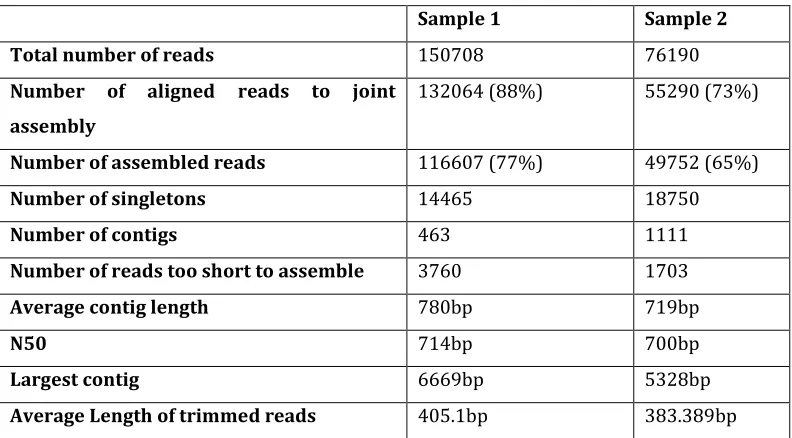
TABLE 2-1ASSEMBLY COMPARISONS OF THE TWO SAMPLES ... 42
TABLE 2-2COMPARISON OF THE TWO SAMPLES MAPPING TO JOINT ASSEMBLY ... 42
TABLE 2-3MAPPING OF THE THREE SEPARATE SEQUENCING SAMPLES TO THE FULL ASSEMBLY... 43
TABLE 3-1METHODS USED IN RNA EXTRACTION TRIAL FOR ANDREW'S CHOICE. ... 71
TABLE 3-2SCRIPTSEQ INDEX PCR PRIMERS USED IN LIBRARY PREPARATION. ... 72
TABLE 3-3TOTAL RNANANO CHIP RESULTS FOR THE FOUR TOTAL RNA SAMPLES FOR CONSIDERATION FOR LIBRARY PREPARATION. ... 80
TABLE 3-4 CDNA LIBRARY FINAL ANALYSIS. ... 83
TABLE 3-5COMPARISON OF CARLTON ILLUMINA READS AFTER ADAPTOR TRIMMING, QUALITY FILTERING AND QUALITY TRIMMING. ... 87
TABLE 3-6COMPARISON OF ANDREW'S CHOICE ILLUMINA READS AFTER ADAPTOR TRIMMING, QUALITY FILTERING AND QUALITY TRIMMING. ... 88
TABLE 3-7COMPARISON OF DE NOVO ASSEMBLERS. ... 89
TABLE 3-8COMPARISON OF MAPPING TO THE 454,TRINITY AND SOAPDENOVO-TRANS ASSEMBLIES. ... 90
TABLE 3-13COMPARISON OF TRINITY ASSEMBLIES OF THE THREE TE REMOVAL METHODS. ... 94
TABLE 3-14COMPARISON OF RAW READS MAPPED BACK TO THE 454 REFERENCE AND THE TRINITY ILLUMINA DE NOVO ASSEMBLY. ... 95
TABLE 3-16COMPARISON OF ASSEMBLY ANNOTATION OF ORIGINAL AND POST-TE REMOVAL ASSEMBLIES. ... 97
TABLE 4-1THE ENZYMES INVOLVED IN THE BIOSYNTHESIS OF CODEINE, MORPHINE AND SANGUINARINE THAT HAVE BEEN ISOLATED OR CHARACTERIZED. ... 118
TABLE 4-2THE ENZYMES INVOLVED IN THE BIOSYNTHESIS OF CAPSAICIN. ... 120
TABLE 4-3THE ENZYMES INVOLVED IN ROSMARINIC ACID BIOSYNTHESIS. ... 122
TABLE 4-4THE FOURTEEN ENZYMES OF INTEREST USED IN THE GOI DATABASE. ... 129
TABLE 4-5GO ANNOTATION RESULTS FOR THE 454 ASSEMBLY. ... 142
TABLE 4-6THE GO ANNOTATION RESULTS FOR THE ORIGINAL TRINITY ASSEMBLY. ... 142
TABLE 4-7THE GO ANNOTATION FOR THE POST-TE REMOVAL TRINITY ASSEMBLY. ... 142
TABLE 4-14SUMMARY OF KEGG RESULTS FOR THE 454 DATA. ... 148
TABLE 4-15KEGG SUMMARY FOR THE ORIGINAL TRINITY ASSEMBLY. ... 149
TABLE 4-16KEGG SUMMARY FOR THE POST-TE REMOVAL ASSEMBLY. ... 151
TABLE 4-17SUMMARY OF SNP MINING OF GOI TRANSCRIPTS. ... 159
TABLE 4-18TRANSCRIPT LEVEL RESULT SUMMARY. ... 164
TABLE 4-19COMBINED RESULTS FROM THE CLUSTALO ALIGNMENT IN UNIPROT WITH THE BLASTX RESULTS AGAINST THE GOI FOR DAFFODIL TRANSCRIPTS. ... 170
TABLE 6-1PERL SCRIPTS. ... 185
TABLE 6-2DATA FILES ON APPENDIX DISC. ... 186
TABLE 6-3.COMPARISON OF LEVELS OF GALANTHAMINE FOR EXPERIMENT 6.3.2.1APRIL SAMPLES. ... 189
TABLE 6-4COMPARISON OF LEVELS OF GALANTHAMINE FOR EXPERIMENT 6.3.2.1MAY SAMPLES. ... 189
TABLE 6-5COMPARISON OF LEVELS OF GALANTHAMINE FROM EXPERIMENT 6.3.2.2. ... 189
TABLE 6-6RNA EXTRACTION TRIAL RESULTS. ... 194
TABLE 6-7PLANTS AND GENES INCLUDED IN GOI DATABASE. ... 196
TABLE 6-8PRIMERS FOR RT-PCR,SANGER SEQUENCING AND QPCR. ... 199
Abstract
The Amaryllidaceae have characteristic isoquinoline alkaloids including galanthamine that is
approved for treatment of Alzheimer’s disease. The daffodil (Narcissus pseudonarcissus) is an
industrial source of this alkaloid. This project undertook analysis of the daffodil transcriptome as
an approach to understanding this alkaloid biosynthetic pathway.
Material from the basal plate of var. Carlton was analysed using the Roche 454 GS FLX Titanium
and Illumina HiSeq platforms to assemble reference transcripts (45324 transcripts from 454,
165065 from Illumina). Annotation was via a bespoke BLAST pipeline utilizing UniProt, TAIR,
Rfam and RefSeq. Further functional annotation and enrichment studies were carried out using
the DAVID platform encompassing KEGG, GO and EC annotations. Illumina HiSeq sequencing of a
second variety, Andrew’s Choice, was used alongside the reference transcripts to identify SNPs
and transcript level differences. A bioinformatics method to determine ploidy indicated both
varieties were triploid, in agreement with microscopy results. The level of selected transcripts was
also assessed using qPCR.
Several transcripts putatively involved in alkaloid biosynthesis were identified. Comp75950_c0_s1
showed homology to a C4H gene from peppers and could be involve in protocatechuic acid
biosynthesis in daffodils. Two transcripts, Daff106212 and Contig1404, were predicted to catalyse
the synthesis of norbelladine from protocatechuic acid and tyramine, and its subsequence
conversion to 4’-O-methylnorbelladine. Finally, transcripts HDA57HA0AK3FX and Daff88927 were
suggested for the final step in galanthamine biosynthesis, an intermolecular phenol coupling.
This is the first transcriptomic comparison of two daffodil varieties and is an important resource
Abbreviations
% Percentage
°C Degree Centigrade
4CL 4-coumaroyl-CoA ligase
AChe Acetyl-choline esterase
ACL Acyl carrier protein
ACS Acyl-CoA synthetase
AFLPs Amplified Fragment Length Polymorphisms
AGI Arabidopsis Genome Initiative
ATC Chloroplast material
ATM Mitochondrial material
ATP Adenosine triphosphate
BCAT Branched-chain amino acid transferase
BIA Benzylisoquinoline alkaloids
BitSeq Bayesian Inference of Transcripts from Sequencing Data
BLAST Basic Local Alignment Search Tool
BMTagger Best Match Tagger
bp Base pair
BWA Burrows-Wheeler Aligner
BWT Burrows-Wheeler Transformation
C3H Coumaroyl shikimate/quinate 3-hydroxylase
C4H Cinnamate 4-hydroxylase
CCoAOMT Caffeoyl-CoA 3-O-methyltransferase
cDNA Complementary DNA
CGR Centre for Genomic Research, University of Liverpool
CheSyn Cheilanthifoline synthase
ChIP-Seq Chromatin immunoprecipitation sequencing
cm Centimetre
CMBR Contigs mapped back to reference
CODM Codeine O-demethylase
COR Codeinone reductase
CPU Central Processing Unit
CS Capsaicin or capsaicinoid synthase
CT Threshold cycle
CTAB Cetyltrimethylammonium bromide
DAVID Database for Annotation, Visualization and Integrated Discovery
DE Differential expression
DNA Deoxyribonucleic acid
dNTPS Deoxynucleotide triphosphate
EASE Expression Analysis Systematic Explorer
EC Enzyme Commission
EDTA Ethylenediaminetetraacetic acid
FAT Acyl-ACP thioesterase
Fe Iron
FM-index Ferragina Manzini index
FU Fluorescence Unit
g Gram
g Gravitational force
g l-1 Gram per litre
GB Giga bytes
Gbp Giga base pairs
GO Gene Ontology
GOI Genes of Interest
GSEA Gene set enrichment analysis
HCHL Hydroxycinnamoyl-CoA hydratase/lyase
HCT Hydroxycinnamoyl transferase
HPPR Hydroxyphenylpyruvate reductase
ID Identity
Indels Insertions and Deletions
ITMI International Triticeae Mapping Initiative
KAS Ketoacyl-ACP synthase
KEGG Kyoto Encyclopaedia of Genes and Genomes
LiCl Lithium chloride
LTR Long Terminal Repeat
M Molar
Mbp Mega base pairs
MCMC Markov chain Monte Carlo
MEA Modular Enrichment Analysis
MIA Monoterpene indole alkaloids
MID Multiplex Identifier
min Minute
MGI Mouse Genome Informatics
ml Millilitre
mm Millimetre
mM Millimolar
mRNA Messenger RNA
NaCl Sodium chloride
NADH Nicotinamide adenine dinucleotide
NADPH Nicotinamide adenine dinucleotide phosphate
NCBI National Centre for Biotechnology Information
NCS Norcoclaurine synthase
NICE The National Institute for Health and Care Excellence
ng Nanograms
NMT N-methyltransferase
OD Optical Density
OMT O-methyltransferase
ORF Open Reading Frame
P6H Protopine 6-hydroxylase
PAL Phenylalanine ammonia-lyase
PCR Polymerase Chain Reaction
pg Pico grams
PPLR Probability of Positive Log Ratio
PSR Pictet Spenglerase
PVP40 Polyvinylpyrrolidone
qPCR Quantitative PCR
RAPDs Random Amplified Polymorphic DNA
RAS Rosmarinic acid synthase
RDMs Random markers
RefSeq NCBI Reference Sequence database
Rfam RNA family database
RFLPs Restriction fragment length polymorphism
RIN RNA Integrity Number
RL Rapid Library
RMBT Reads mapped back to transcripts
RNA Ribonucleic acid
rRNA Ribosomal RNA
RT-PCR Real Time PCR
SalAT Salutaridinol 7-O-acetyltransferase
SalR Salutaridine reductase
SalSyn Salutaridine synthase
SEA Singular Enrichment Analysis
SGD Saccharomyces Genome Database
SMRT Single molecule real time
SNP Single Nucleotide Polymorphism
SSRs Simple sequence repeats
STR Strictosidine synthase
T6ODM Thebaine 6-O-demethylase
TAIR The Arabidopsis Information Resource
TB Terabyte
TE Transposable element
TNMT Tetrahydroprotoberberine N-methyltransferase
TREP Triticeae Repeat Sequence Database
Tris-HCl Tris-hydrochloride
TYDC Tyrosine decarboxylase
TyrAT Tyramine aminotransferase
µg Microgram
1
Chapter one: The use of Second-generation
sequencing technologies for the study of medicinally
important alkaloids - a case study in galanthamine
production in daffodils
1.1
Introduction
Galanthamine is a specialized plant secondary metabolite currently extracted
from snowdrops and daffodils for use in the pharmaceutical industry as the
active ingredient in a drug that slows the progression of Alzheimer’s disease 1.
Plant secondary metabolites such as this have been exploited throughout
history as flavours, pigments, medicines and as industrial raw materials 2. The
compounds themselves are often species-specific and are thought to be involved
in plant defense and in the attraction of pollinators 2. Galanthamine is a member
of a group of metabolites known as alkaloids that also includes other
compounds with potent biological activity such as codeine and morphine 3. The
plants often remain the main source of these compounds as the chemical
synthesis is difficult due to the chiral nature of the compounds 4. The direct
extraction from plants, however still produces low yields as the levels of
alkaloids in plants vary greatly between species and individuals as well as in
response to environmental conditions and therefore they are considered trace
compounds 5. Although methods of metabolic engineering and biosynthesis via
microbial systems have been successful for compounds of this type, these
methods rely heavily on knowledge on the biosynthesis of the compounds
within the source species 6.
As secondary metabolite biosynthesis often involves diversions from primary
metabolism and complex non-linear pathways it is difficult to predict the
enzymes involved 7. Although studies have shown that the enzymes involved
of function within them and it is often not possible to predict function using
sequence analysis alone 8.
One method of investigating the biosynthesis of alkaloids is functional
genomics. Major advances in DNA sequencing technology have made genomic
sequencing a relatively cheap and quick way of obtaining vast quantities of data,
even from non-model plants 9-11. With the rapid development and
corresponding reduction in cost of second-generation sequencing technologies,
transcriptomics has become the go-to method of functional genomic studies in
previously unexploited non-model plants 12,13. In particular the massively
parallel sequencing of RNA, “RNA-Seq”, has revolutionized plant research, from
the initial uses of transcriptomics for EST library production, mapping of short
reads to reference genomes to the development of de novo assembly of the
improved read lengths of second-generation techniques, transcriptomics has led
the way to the discovery of genes involved in alkaloid biosynthesis in several
plants 5,14,15.
Two key transcriptomic analyses in the discovery of putative alkaloid
biosynthetic genes are similarity searches and functional annotation of the
transcriptome. Functional annotation via BLAST searches against public
databases of Gene Ontology, KEGG and EC classification have been used to
predict genes involved in other alkaloid producing pathways 2,5,16. Also, with the
enzymes involved in alkaloid production predicted to be from a small number of
large gene families, homology studies into specific gene types has been
successful in predicting alkaloid biosynthetic genes in some plants 17,18. These
predicted genes can then be used in further downstream analysis to aid in the
discovery of plants and systems with higher alkaloid producing properties.
One valuable tool in the analysis of these predicted genes is transcript level
differences or differential expression (DE) 13,16,19,20. By combining DE studies
with transcriptome sequencing it is possible to assess key steps in alkaloid
regions) at a given time point, comparisons of daffodil individuals with differing
levels of galanthamine from the same time point in growth may predict genes
that are up or down regulated within the galanthamine pathway.
The rapid development of functional genomics has also lead to the revolution of
DNA markers used in plant research and breeding programs 22. The first and
second generation of markers such as RFLPs, RAPDs, SSRs and AFLPS rely on
costly gel based assays and are time consuming 22. The development of SNPs, a
third generation marker system, not only avoids the gel-based methods but
SNPs are also considered functional markers, linking traits with alleles23. They
are the most abundant marker system and have the potential to lead to
agronomically important alleles 24. SNPs have been used in agriculturally and
medicinally important plants as cost effective marker-associated selection in
fingerprinting, association studies and population analysis 25. In this project it is
hoped that by discovering SNPs between two varieties of daffodil with known
differences in galanthamine levels (see appendix section 6.3) it will be possible
to predict SNP markers linked to galanthamine production.
This project aims to produce a reference transcriptome of a high galanthamine
producing variety of daffodil, Carlton, at a time point known to correlate with
high galanthamine levels. By comparing this reference to short reads from both
Carlton and a low producing variety, Andrew’s Choice, it is hoped that both
non-synonymous SNPs and differences in transcript levels can be determined in
1.2
Daffodil- Narcissus pseudonarcissus
Figure 1-1 Daffodil variety Carlton.
The Narcissus genus is among the 80 genera of the monocotyledon
Amaryllidaceae family, and includes all daffodils 26. They originate from the
Mediterranean area, from lowland pastures to rocky hillsides 27,28. The plants
undergo hybridization easily in both the wild and cultivation, resulting in over
25,000 distinct cultivars 26. All species are summer-dormant bulbs that grow
throughout the autumn/winter with most flowering in the spring, and are insect
pollinated 28.
The taxonomy of the family is highly contested with Narcissus pseudonarcissus
being one of the most controversial groups due to the ease of hybridization and
varying DNA content and polyploidism 29. The genus has been shown through
several cytogenetic and flow cytometry studies to have diverse DNA content and
ploidy levels, with genome size and ploidy differing within seven of the most
studied species, (N. asturiensis, N. bulbocodium, N. broussonetii, N. cantabricus,
N. poeticus, N. pseudonarcissus and N. tazetta) 30. One of the most extensive
cytometry studies is the 2008 study of 355 accessions by Zonneveld. He
identified highly variable DNA content within varieties with the same ploidy
level. For example, in diploids the somatic nuclear DNA content (2C) varied
from 14 to 38 pg 30. As for polyploids the largest polyploid reported was the
nonoploid N. dubius, which had a DNA content of 96.3 pg.
pseudonarcissus cv Andrew’s Choice. In his study Zonneveld did not look at
either of these varieties, although he did measure the DNA content of 46
Narcissus pseudonarcissus samples with DNA content ranging from a diploid
(2n=14) ssp pseudonarcissus L with 22.7pg to a tetraploid (2n=28) ssp nobilis
with a DNA content of 45.9pg 30. The majority of the samples were diploid apart
from N nobilis and two triploid samples of ssp major (Curtis) Baker also known
as N. hispanicus that had DNA contents of 36.5 and 36.1pg respectively 30.
Carlton was investigated in 1993 in a study looking at only 16 varieties of
Narcissus and was found to be a tetraploid; Andrews Choice has not been
investigated for DNA content or ploidy level 31. This diversity within the genus
has been exploited in the ornamental industry to produce a wide variety of
interesting phenotypes 32. As well as interest from the ornamental breeders
daffodils have become an important medicinal plant due to their production of
biologically active alkaloids such a galanthamine 33.
1.3
Amaryllidaceae alkaloids – History of their
medicinal properties
There are 500 structurally diverse Amaryllidaceae alkaloids which have been
identified by progressive chemical analysis since the 1950s 34. Within the
Narcissus genus alone there are over 100 known alkaloids with varying
bioactivity 35. The earliest record of the use of galanthamine, the most widely
studied Amaryllidaceae alkaloid, is possibly from ancient Greece. It has been
suggested that symptoms matching that of acetylcholine syndrome are
described by Homer in the Odyssey and were alleviated by a plant extract
known as “moly” thought to be from the snowdrop (Galanthus spp.) which was
known to grow in Greece 36. Snowdrops have been used in Russia and Eastern
Europe for centuries in traditional medicine. Although their endogenous role is
relatively unknown, extracts of Narcissus have been used for centuries to treat a
wide variety of ailments 36. Through second hand accounts and unconfirmed
reports extracts have been linked to the treatment of post-polio paralysis and
of nerve pain and other neuromuscular or central nervous system disturbances
1.
Galanthamine is a member of one of the nine distinct groups of Amaryllidaceae
alkaloids 37. These are grouped based on their skeletal characterization, as
shown in Figure 1.2. The bioactivities of these alkaloids are varied but include
analgesic properties, acetylcholine esterase inhibition, hypotensive properties,
anticonvulsive properties, anti-inflammatory properties, cytotoxic properties
[image:22.595.137.522.278.652.2]and antimalarial properties 37.
Figure 1-2 The nine distinct types of amaryllidaceae alkaloids
1.3.1 Galanthamine – as a folk medicine
Galanthamine is the most widely studied Amaryllidaceae alkaloid and is
currently approved for use in the treatment of Alzheimer’s disease and is the
main focus of this thesis 38. In the 1950s the active ingredient galanthamine was
first characterized after a Bulgarian pharmacologist witnessed snowdrop
extracts being used to alleviate headaches 1. The structure was determined in
1953 and its acetylcholine esterase inhibiting properties discovered shortly
thereafter 39,40. It was also implicated as a treatment for poliomyelitis in
Eastern Europe in the 1960s when extracts from Caucasian snowdrop bulbs
were effective on two children showing early symptoms 1. It is however
because of its acetylcholine esterase (AChE) inhibiting properties that
galanthamine is of pharmacological interest.
1.3.2 Other Amaryllidaceae alkaloids with potential medical uses: Narciclasine and Lycorine
Most of the work on amaryllidaceae alkaloids has focused on the chemical
structure of the pharmacophores and functional groups to look for possible new
lead compounds for structural based drug design. Lycorine has shown activity
against several cancer lines as it is shown to induce apoptosis via the
mitochondria of cancerous cells 41,42. This is of particular interest as lycorine
shows cytostatic activity in those cells resistant to apoptosis, since 90% of
cancer patients die from metastases, which are intrinsically resistant to
apoptosis 43. Derivatives of lycorine have shown anti-plasmodial action against
sleeping sickness, malaria, and also against the viral diseases poliomyelitis and
SARS 44-46. Derivatives of this alkaloid are also currently being explored for
anti-dengue virus activity and as a broad spectrum anti pathogenic fungi agent with
a study looking at 24 crop pathogenic fungi 47,48.
Narciclasine has also shown anti-cancerous properties against those cells
resistant to apoptosis stimuli. It is thought to target cEFIA elongation factor
causing cyto-skeletal disorganization 49. More recently it has been shown to
1.4
Galanthamine
1.4.1 As a proven drug in Alzheimer’s disease
Galanthamine is a centrally acting competitive and reversible ACHE inhibitor
approved by the National Institute for Health and Clinical Excellence (NICE) for
the treatment of mild to moderately severe cases of Alzheimer’s disease 38,51. It
is currently extracted for this purpose from snowdrops (Galanthus spp), red
spider lily (Lycorus radiate) and daffodils (Narcissus spp) with varying intra and
inter-species yields 52.
Alzheimer’s disease is the main cause of dementia in the elderly with over 20
million sufferers worldwide; in 2009 there were 500,000 sufferers in the UK
alone, reaching almost 800,000 by 2012 38,51,53. There is no known cure for the
disease and due to prolonged life expectancy the worldwide cost is predicted to
double every five years with the worldwide cost in 2005 alone estimated at
US$315 billion. Within the UK, in 2012 it was predicted to cost £23 billion a year
with a predicted increase to £27 billion by 2018 53,54. Alzheimer’s disease is a
progressive neurodegenerative disease resulting in serious cognitive
dysfunction with symptoms including memory loss, language deficits,
depression, behavioral issues, psychosis and can lead to motor dysfunction and
Parkinson-like symptoms 52,55. The pathology of the disease is relatively
unknown but the major causative factors are known to be deficiency of
acetylcholine (Ach), a neurotransmitter linked to cognitive function, along with
plaque build-up and inflammation in the brain 55. Therefore it is very important
that drugs used to treat the disease, like galanthamine, can pass through the
blood brain barrier.
Galanthamine has a dual mechanism against Alzheimer’s disease. Firstly it has
been shown to inhibit the enzymatic activity of AChE in the brain resulting in
increased levels of ACh and secondly it allosterically modulates nicotinic ACh
receptors, increasing the stimulatory effect of ACh 1. This second mode of action
nicotinic receptors at a different site to ACh allowing the response to be
increased as both bind simultaneously 56,57. This dual action makes
galanthamine a more attractive treatment than other currently available drugs
such as donepezil and rivastigmine as they do not affect the nicotinic receptors
35. Due to the complex structure of galanthamine the main source of the
compound remains plants as chemical synthesis produces very low yields at
1.4.2 Chemical synthesis
Figure 1-3 Guillou et al synthetic pathway of galanthamine (adapted from Guillou et al., 2001).
Synthesis was achieved via oxonarwedine (H) in an eight-step Heck reaction leading to a 12% yield of galanthamine 58.
Total synthesis of galanthamine is possible but it is not commercially viable due
unfavorable intramolecular oxidative para-ortho coupling of the phenolic ring
4,59. Barton and Kirby carried out the initial chemical synthetic work on
galanthamine and in 1962 they successfully synthesized galanthamine. This was
achieved at a 1% yield via biomimetic and intramolecular phenol coupling to
simultaneously give the quaternary carbon centre and tetracyclic framework 60.
In more recent years the yield has been improved to levels of about 12% by
Guillou et al in 2001 and Tanimoto et al in 2007. Guillou based the synthesis on
that of +- oxonarwedine using an eight-step process (see Fig 1.3) involving a
Heck reaction resulting in a 12% yield 58. Tanimoto et al utilized an 11-step
process starting from D glucose to give a yield of 12.8%. The stereo specific
quaternary carbon is created using a Claisen rearrangement on the chiral
cyclohexanol derived from the D-glucose 61. The low yields and complicated
synthesis of galanthamine results in the continued use of the plant for
commercial production.
1.4.3 Biosynthesis
As is proven with other alkaloids, studying the biosynthetic pathway can lead to
valuable information that can be used to increase biotechnological production
62. It could eventually lead to the cloning and expression of the rate limiting
enzymes responsible for phenol oxidative coupling reaction 4. Limited work has
been carried out to try and elude the biosynthetic pathway of galanthamine.
Barton and Cohen in 1957 suggested that all amaryllidaceae alkaloids are
derivatives of norbelladine via intra-molecular oxidative phenol coupling after a
radiolabelling experiment using α 14C-labelled norbelladine derivatives as
precursors in N. pseudonarcissus cv. King Alfred. 63. It was predicted that a
dienone was the first intermediate but the ether bridge formation mechanism
was unknown. In 1969 work by Fuganti suggested the precursor was
4’-O-methylnorbelladine (R = CH3 in figure 1.4) via the incorporation of this
compound into galanthamine while studying the biosynthesis of
haemanthamine 64. In 1970 Bhandark and Kirby suggested it was narwedine
theories as the previous experiments had poor incorporation rates. He used
carrier free radioactive labeled precursors to achieve up to 27% incorporation
rate, proving 4’-O-methylnorbelladine to be the primary universal precursor 4.
Figure 1-4 Enzymatic synthesis of norbelladine derivatives as shown by Eichhorn in Leucojum vernum (adapted from Eichhorn., 1998).
The experiments showed that N-methylnorbelladine was the primary precursor 4.
The key step in galanthamine production is the phenol oxidative para-ortho’
coupling of 4’-O-methylnorbelladine to yield a hypothetical dienone. These
reactions involve the oxidation of phenols by one-electron transfers, producing
radicals that pair to form new C-C or C-O bonds 66. From other studies on similar
pathways it can be predicted that this step is carried out via a highly specific
P450 dependent oxidase without introducing oxygen in the final product 4,67,68.
P450s are a class of haem protein-dependent mixed function oxidase that use
NADPH or NADH to produce an organic compound and a molecule of water 69.
In BIA (Benzylisoquinoline alkaloids) production a very similar step involving
intra-molecular para-ortho’ coupling of (R)-reticuline to the dienone
salutaridine (Fig 1.5) is catalyzed via a P450 linked NADPH and O2 dependent
microsomal bound plant specific enzyme 70.
The role of P450 enzymes in phenol coupling reactions in alkaloid biosynthesis
and other enzymes characterized in similar pathways is further discussed in
chapter four.
1.5
The use of functional genomics in plant science
As discussed the rapid development of this area has lead to a cheap and efficient
method of data collection on non-model plants such as daffodils. The main
turning point came with the release of second-generation sequencing
technologies.
1.5.1 The development of Second-generation sequencing technologies
Sanger sequencing was the most widely used DNA sequencing method from its
widespread introduction in the 1980s until the early 21st century71. Within the
plant community reference genomes were sequenced using this method,
starting with the landmark Arabidopsis genome in 2000, providing the first
plant genome sequence, followed by important crop plants such as rice,
sorghum and soybean 71-75. Sanger sequencing is time consuming, costly and
requires detailed sample preparation. It often requires DNA cloning in bacteria
which can result in host bias 72. Due to the high cost and amount of time taken to
produce the data, large and complex genomes of important plants such as wheat
(~16GB genome size) could not be determined using this method. Furthermore,
most plants with specialized metabolites of medicinal interest such as daffodils
are of interest to small communities of researchers and therefore are likely to
have few genomic resources 2. New technologies that could produce more data
at a lower cost were required for larger genomes and non-model organisms,
resulting in development of a new generation of sequencing techniques known
as “second-generation sequencing”.
Prior to the development of second-generation sequencing technologies the
sequencing 73. Second-generation methods set out to confront the intrinsic
problems associated with Sanger sequencing, by using a “sequencing by
synthesis” approach as a quicker and cheaper process 74 that resulted in 3-4 times the magnitude of DNA sequence compared to Sanger, making it a viable
method for understanding complex genomes and non-model organisms 71.
The key characteristics of second-generation technologies that made them
fundamentally different were the introduction of in vitro cloning and in situ
amplification as well as the use of chain extension chemistry as opposed to
chain termination. The three main commercial products, 454-pyrosequencing,
Illumina and Ion Torrent all share similar methodologies, with individual clonal
DNA templates being sequenced in parallel via cycles of base additions and
imaging 76. They differ in their methods for detecting incorporation. Each
platform is briefly described below.
1.5.1.1 454 pyrosequencing
Roche’s 454 pyrosequencing is a “sequence by synthesis” method and is centred
around pyrophosphate chemistry using beads containing sulfurylase and
luciferase 77. A single-stranded template DNA library is created via shearing the
DNA into fragments that are ligated to two adaptors that allow the
immobilization of the strands onto the beads 78. The DNA fragments are
amplified independently via emulsion-based amplification and sequencing
occurs with one nucleotide being used per cycle 79. The incorporation of this
nucleotide results in the release of pyrophosphate that is converted via the
sulfurylase to ATP. It is the hydrolysis of this ATP by luciferase, releasing
oxyluciferin and light, that is measured followed by a wash and the next cycle 77.
The 454 chemistry results in indel sequencing errors, in part due to the lack of
terminating moieties resulting in multiple incorporations in any one cycle 77.
This is particularly evident in sequences with regions of homopolymers as it is
As instead of 5 As.
1.5.1.2 Illumina sequencing
Illumina sequencing technology (Illumina Inc.) is also a “sequencing by
synthesis” method. The DNA in this case is also amplified in situ via bridge PCR
to result in clusters of around 1000 copies 77. Unlike other methods Illumina
uses nucleotides labeled both with a fluorescent dye and a terminating moiety
allowing for the use of all four nucleotides at once 80. After a nucleotide is
incorporated it is detected and identified according to its dye, the dye and
termination group is removed and the next cycle occurs 77. Due to the use of all
four nucleotides at once and the termination group preventing numerous
incorporations per cycle Illumina does not suffer the same indel sequencing
errors as seen in 454 and Ion torrent. The main error in Illumina sequencing is
substitution, that is identification of the wrong nucleotide caused by incomplete
or missing blocking groups or residual interference from incomplete cleavage of
the fluorescent label in previous cycles 81. Illumina sequencing and its
comparison to 454 are further explained in chapters two and three.
1.5.1.3 Ion Torrent
Ion Torrent (Life Technologies Corporation) was first implemented in 2010, and
is a semiconductor sequencing technology. Unlike the 454 and Illumina
methods it does not rely on enzymatic reactions, fluorescence or chemical
luminescence 82. It exploits the biochemical reactions that occur during
nucleotide incorporation leading to the release of hydrogen ions that in turn
cause a change in pH 82. The technology involves the use of a micro-array chip
which is flooded with one nucleotide at a time. If the nucleotide is incorporated
a change in pH is recorded via an ion-sensitive layer under the wells 10. This
method was intended to be high speed and relative low cost with a run time of
around two hours and a capacity for >1GB of data in 2012 82. However, as of
2011 its read length capabilities were only around 200bp and so it was
Torrent was its poor ability to handle homopolymers. The error associated with
Ion Torrent was predominately indel based (error rate of 1% per base) 81.
However, unlike the other methods, its use of native nucleotides avoided the
noise seen in both 454 and Illumina from the use of fluorescence or blocking
groups.
The second-generation technologies of Roche 454 (e.g. GS FLX Titanium) and
the Illumina platforms (such as HiSeq) were therefore considered
high-throughput techniques 75,76 appropriate for non-model plant genomic studies
and from 2010 to 2013 were the most widely adopted methods. The Roche 454
produced over a million reads at lengths of up to 700 bp in a 10 hour run with
total amounts of 400-600 megabases of sequencing. Illumina HiSeq 2000 had a
raw base accuracy of over 99.5%, producing on average over 1 billion high
quality reads during an 11 day run, resulting in gigabites of data 71.
1.5.2 From genome to transcriptome
One of the most discussed and studied areas surrounding second-generation
sequencing is its use in transcriptomics, otherwise known as “RNA-Seq” 11,83,84.
RNA-Seq involves the sequencing of the transcribed regions of DNA (mRNA that
is converted to cDNA). Through focused studies on the coding regions the
amount of repetitive regions sampled within the sequence data is reduced,
increasing the informative content and easing assembly. It is possible using this
method to look at the complete repertoire of transcribed events occurring in a
specific tissue at any one time and is therefore of particular use in non-model
large genome plants with limited genomic data. This method can be used to
characterize genes, look for novel transcripts, compare mutations and gene
expression between individuals and produce de-novo assemblies of reference
1.5.3 The use of second-generation sequencing in plant science
Since the introduction of second-generation sequencing techniques in 2005,
research into non-model plants with large genomes has developed rapidly.
Transcriptomic projects are becoming the norm for research into non-model
plant species. The first commercially available platform, Roche’s 454
pyro-sequencing was in 2010/2011 the system of choice for de novo assembly of
transcriptomes due to its longer read lengths as can be seen in Table 1.1 11.
Table 1-1 The state of second-generation sequencing in 2009.
The three commercially available technologies vary greatly in run time, read length and number. (All data
taken from Deschamps and Campbell, 2009) 25
When these platforms first emerged de novo assembly was thought to be
impossible due to the short read lengths first achieved by these technologies (in
2008 454 reached read lengths approaching 300bp whereas Illumina and SOLiD
were close to 35bp) 85-88. The data from the sequencers of this new generation
were therefore originally used for sequence consensus applications, gene
expression analysis, genome annotation, EST library production, discovery of
small RNA molecules and SNP profiling 77,89. As of the end of February 2010,
four of the seven hundred and forty eukaryotic genome projects involved
second-generation sequencing 77. Other second-generation projects looking at
plants included 454 EST library constructions for Arabidopsis thaliana,
Medicago truncatula (a model legume) and Zea mays (maize). However,
following the first fully second-generation de novo genome assembly of the giant
panda in 2010, the use of second-generation sequencing for de novo projects has
rapidly increased 90.
Sequencing platform Run time Read length (bp) Reads per run (million) Roche 454 FLX 10 hours 400-500 ~1
Illumina GAIIx 5.5 days 100 160
De novo transcript assembly has become a rapid and viable approach for plants
with large genomes and 454 rapidly became the technique of choice for de novo
assembly, with Illumina’s short reads being used alongside these reference
transcriptomes for SNP discovery and transcript differences to investigate
numerous biological pathways 77. This was in part due to the increased coverage
seen with Illumina over 454, due to its capacity to produce 100 fold more reads
with a 5 fold increased read depth on assembled contigs 2. With the introduction
of the Illumina HiSeq2000 in mid 2010 with a 2-5 fold rate increase in data
acquisition over the GA series, Illumina sequencing became the choice for short
read mapping back to references 91. The increased coverage seen with Illumina
compared to 454 allows for investigation into rare transcripts.
1.5.4 Transcriptomic studies on non-model plants
Between 2007, with the proof of concept transcriptome study of Arabidopsis
thaliana seedlings, and 2012, there were over 50 plant transcriptomic studies
involving RNA-Seq via either 454 or Illumina 13,83,92. As read lengths improved
(454 in 2005 100bp to 700bp in 2014, Illumina 25bp in 2006 to 300 in 2013)
the second-generation technologies overtook traditional sequencing methods
for a variety of studies including EST library creation, de novo transcriptome,
genome annotation, discovery of markers (SNPs and SSRs) and a wide variety of
studies looking as specific traits and relationships 13,83. De novo transcriptome
assembly has been carried out on non-model plants including certain species of
fern and eucalyptus as well as garlic, pea, chestnut and chickpea 93-98, as well as
being used in larger collaborative efforts such as the 1KP project, aiming to
sequence over 1000 plants. To date this latter project has generated data on
over 1300 samples of which 111 are monocots and 6 from the Amaryllidaceae
family 99. So far the project has not released its main publication but a list of
companion papers can be found at:
https://pods.iplantcollaborative.org/wiki/display/iptol/OneKP+companion+pa
pers 99.
analyse primary and secondary metabolism, traits such as C4 photosynthesis
and response to biotic and abiotic stress 15,96,97,100-103. Even with the rapidly
growing number of transcriptomic projects on plant species only a fraction of
the plant world has so far been explored.
1.5.5 The future of sequencing technologies
Study of transcriptomics in plants is continuing to grow with the ever-changing
state of sequencing technologies. A new era of third-generation technologies has
now been ushered in. Second-generation technologies such as 454 that were at
the forefront of non-model transcriptome studies only a few years ago are now
giving way to the newer technologies with the growing desire for longer reads,
reduced computational requirements and cheaper sequencing driving the
technology forward. In fact Roche has decided to no longer support the 454
platform and it is set for full decommission by mid 2016 104. The development of
the new generation of sequencers is, as in the past with the second generation
platforms, being pushed forward by human genetics with the aim of producing a
whole genome sequence for less than $1000 9.
The third-generation sequencers include the commercially available SMRT
(single molecule real time) sequencer by Pacific Biosciences and Oxford’s
nanopore sequencers 105,106. Both methods allow for the removal of PCR in the
preparation steps, not only rapidly decreasing DNA preparation time but also
removing the risk of bias and error introduced via PCR (LIN 2012). Although the
two methods differ on the signal used to detect nucleotide incorporation (SMRT
uses fluorescence whereas nanopore use electric current), both methods collect
the signals in real-time 10. The average read length produced by SMRT is
1300bp and the potential is there for nanopore technologies to reach lengths of
>5kbp and speeds of 1bp/ns 107.
There are also fourth-generation sequencing techniques, which are still in the
experimental stage but are aimed at producing contextual sequencing, zooming
in on individual transcripts within a cell or specific tissue 9. These ideas are very