UNIVERSITY OF SOUTHERN QUEENSLAND
THE POTENTIAL OF PUBLIC
E-PROCUREMENT TECHNOLOGY TO
REDUCE CORRUPTION IN PUBLIC
PROCUREMENT
A Dissertation submitted by
Arjun Neupane
Master of Business Research (Transfer to PhD)-USQ MIT (Master of Information Technology)-USQ
BCA (Bachelor of Computer Application) - Pokhara University
For the award of
Doctor of Philosophy
School of Management and Enterprise
Faculty of Business, Education, Law and Arts
University of Southern Queensland
Toowoomba, Queensland 4350, Australia
i
ABSTRACT
Public procurement, which accounts for almost 10 to 15 percent of Gross Domestic Product (GDP) in developed countries and almost 20 percent or more of GDP in developing countries, can be a mean for any governments to encourage broader reforms in terms of economic, technological, and social infrastructure improvements. Further, it can be a central instrument to assist in the efficient management of public resources. Corruption has hindered the desired efficiency in procurement process.
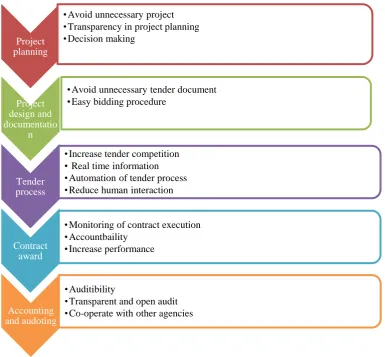
Corruption in public procurement is an international issue that is recognised by many government institutions and international organisations including the World Bank, United Nations (UN), Asian Development Bank (ADB), Organization for Economic Co-operation and Development (OECD), Transparency International (TI). It is a threat to economic and human development in all countries and is believed to be increasing at alarming rates, especially in developing countries. Public procurement processes go through different stages including project planning, product design and documentation, tender process, contract award, and accounting and auditing and each stage has a risk of corruption. Several governments have adopted Information and Communication Technologies (ICTs) as a tool to enhance transparency and accountability in the procurement process. The public e-procurement technology, one of the ICT tools, is seen as an essential tool for a sincere attempt to reform the government public procurement processes as well as to reduce the chances of corruption. In addition, it has other numerous perceived benefits that include increasing transparency and accountability, standardising and monitoring, enhancing fair competition amongst bidders, avoiding human interference, reducing human errors and personal discretion in purchasing decision, and maximising value for money.
ii
In this regard, the government of Nepal introduced a public e-procurement to enhance transparency and accountability in public procurement.
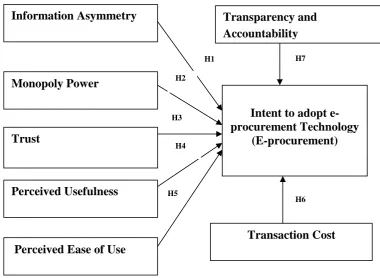
In this backdrop, the main objective of this study is to explore perceptions on the potential of e-procurement to reduce corruption in public procurement, which is followed by the main research question, “which factors are associated with the intent to adopt e-procurement technology as an anti-corruption technology?
This study employed the positivist paradigm to examine the intent to adopt e-procurement technology in government and to explore the potential of the technology to reduce corruption in government procurement. The population was drawn from the government departments and its registered bidders in Nepal. A field questionnaire survey was conducted to collect the quantitative data and the study used a convenience sampling approach as determined by the level of interest shown by the participants to respond to the survey. In the end, 46 government officers from seven government departments, and 220 government registered bidders responded by completing a questionnaire. The hypotheses were tested and results were analysed using the Partial Least Squares Path Modelling (PLS-PM) approach for government officer sample data and Structural Equation Modeling (SEM) approach for bidders sample data.
iii
The statistical results confirmed that the study model was valid and the results suggested that seven anti-corruptions construct were antecedents towards intent to adopt public e-procurement in terms of the perceptions of government officers. The results from the PLS-PM model for government sample data showed that the model explained 89% of the variations of intent to adopt e-procurement. The seven variables significantly influencing intent to adopt e-procurement were ‘information asymmetry’, ‘monopoly power’, ‘trust’, ‘perceived usefulness’, ‘perceived ease of use’, ‘transaction cost’, ‘transparency and accountability’. Conversely, five variables were significant to the intent to adopt e-procurement on the perceptions of government registered bidders ‘information asymmetry’, ‘monopoly power’,
‘perceived ease of use’, ‘transaction cost’, ‘transparency, and accountability’. Analysis of the results from the structural equation modeling (SEM) for bidder’s sample data indicated that the model explained 57 % of variation of intent to adopt e-procurement. The overall results supported the proposed research model to evaluate the perceptions of the potential of e-procurement to reduce corruption in public procurement.
iv
CERTIFICATION OF DISSERTATION
I certify that the ideas, research works, results, analyses and conclusions reported in this dissertation are entirely my own effort, except where otherwise acknowledged. I also certify that the work is original and has not been previously submitted for another award, except where otherwise acknowledged.
Signature of Candidate Date
Arjun Neupane
Endorsement
Signature of Principal Supervisor Date
Professor Jeffrey Soar
Signature of Associate Supervisor Date
Associate Professor Jianming Yong
Signature of Associate Supervisor Date
v
ACKNOWLEDGEMENTS
I would like to express my gratitude, respect, and admiration to my supervisors Professor Jeffrey Soar, Associate Professor Jianming Yong, and Adjunct Associate Professor Kishor Vaidya for their excellent guidance, supervision, encouragement, and conscientious reading numerous drafts of the dissertation. Their valuable support, patience, meticulous comments, and insights have been a source to complete this project. I do not have any words to express my appreciation for their understanding and support in shaping my development.
I am very grateful to the University of Southern Queensland (USQ), Faculty of Management and Enterprises previously School of Information Systems for providing a postgraduate scholarship grant for this research work. Many thanks goes to the staff members at the former School of Information Systems, Professor Raj Gururajan, Professor Aileen Cater-Steel, Professor Mark Toleman, Dr Abdul Hafeez-Baig, Dr Michael Lane, Mrs. Angela Howard, Mr Srecko Howard, Dr Dave Roberts, Ms Shelly Grist, Mr Rohan Genrich, and Mrs Rae Jones for their kind support.
I would also like to thank Mr. Ajay Kumar Mull, Senior Divisional Engineer, Foreign Cooperation Branch, Department of Roads Nepal, and other organisations (Public Monitoring Office, Nepal Electricity Authority, Roads Board of Nepal, Department of Water Induced Disaster etc.) government officers who have provided their time to complete questionnaire. Further, I would like to thank government registered bidder’s participants who provided me with their time and knowledge to fill in the questionnaire. Without their input, it would not have been possible to complete this research.
I would also like to thank Mr. Kishor Bogati, Director of Study Point Pty Ltd Australia and Mr. Rajesh KC, Director of Unisearch Pvt Ltd Nepal who have supported and encouraged me in this academic journey.
vi
Pandey, Anup Shrestha, Suman Aryal, Sanjib Tiwari, Hemang Sharma, Arjun KC, and Rohini Prasad Devkota for their best suggestions help and moral support throughout my PhD journey. I would also like to thank Libby Collett for editing and proofreading this thesis.
I wish to sincerely thank my parents (Mr Bishnu Prasad Neupane and Mrs Chija Neupane), my brother (Mr Ananta Neupane) and his spouse (Mrs Amrita Neupane), my niece Ms Amani Neupane, my sisters (Mrs Apsara Neupane and her spouse Surya Bhakta Adhikari, nephew Aayush Adhikari and Mrs Amrita Neupane and her spouse Bipin Ghimire, nephew Umanga Ghimire), for their love and encouragement. I would also like to thank my father-in-law Mr Kumud Adhikari and mother-in-law Mrs Nirmala Adhikari, Ms Siju Adhikari (sister-in-law), and Mr Awhan Adhikari (Brother-in-Law) for their love and care. My deepest appreciation goes to my lovely wife Mrs Neelam Adhikari Neupane for providing me with endless love, patience, slow steady financial support and motivation, and my lovely son Mr Avi Neupane for his love and smiles.
vii
TABLE OF CONTENTS
ABSTRACT ... i
CERTIFICATION OF DISSERTATION ... iv
ACKNOWLEDGEMENTS ... v
TABLE OF CONTENTS ...vii
LIST OF FIGURES ...xii
LIST OF TABLES ... xiv
APPENDICES ... xvi
ABBREVIATIONS ... xvii
TAENTENTS
1. INTRODUCTION ... 11.1. Chapter Overview ... 2
1.2. Introduction ... 4
1.3. Research Problem ... 5
1.4. Research Objectives and Questions ... 7
1.5. Significance of the Research ... 8
1.6. Terms and Their Uses ... 9
1.7. Overview of Research Methodology ... 10
1.8. Contribution of the Research ... 10
1.9. Outlines of the Thesis ... 10
1.10. Conclusions ... 11
2. LITERATURE REVIEW ... 13
2.1. Chapter Overview ... 14
2.2. Introduction ... 16
2.3. Public Procurement ... 16
2.4. Corruption in Public Procurement Processes ... 17
2.5. Public E-procurement ... 18
2.5.1. Background of Public E-procurement ...18
2.5.2. Types of E-procurement Systems ...19
2.6. Case Example of e-procurement ... 21
2.6.1. Example from South Korea ...21
2.6.2. Example from Singapore ...21
2.6.3. Example from Denmark ...22
viii
2.6.5. Example from Other Countries ...22
2.7. Perceived Benefits of Public e-procurement ... 23
2.8. Role of Public e-procurement in Public Procurement Processes ... 24
2.9. E-procurement in the Nepalese Public Sector ... 28
2.10. Conclusions ... 32
3. REVIEW OF ANTI- CORRUPTION THEORIES ... 33
3.1. Chapter Overview ... 34
3.2. Introduction ... 35
3.3. Overview of Anti-corruption Theories ... 35
3.3.1. Principal-Agent Theory ...36
3.3.2. Transaction Cost Theory ...37
3.3.3. Technology Acceptance Model ...38
3.3.4. Fraud Triangle Theory ...38
3.3.5. Diffusion of Innovation Theory ...38
3.3.6. Task-Technology Fit Theory ...39
3.3.7. DeLone and McLean IS Success Model ...39
3.4. Theoretical Framework ... 42
3.5. Conclusions ... 42
4. DEVELOPMENT OF RESEARCH MODEL AND HYPOTHESIS ... 43
4.1. Chapter Overview ... 44
4.2. Introduction ... 44
4.3. Factors of Anti-corruption Capability of Public e- Procurement ... 45
4.3.1. Information Asymmetry ...45
4.3.2. Monopoly Power...45
4.3.3. Trust ...46
4.3.4. Perceived Usefulness and Perceived Ease of Use ...47
4.3.5. Transaction Cost ...48
4.3.6. Transparency and Accountability ...48
4.4. Conclusions ... 50
5. RESEARCH METHODOLOGY ... 53
5.1. Chapter Overview ... 54
5.2. Introduction ... 56
5.3. Research Philosophy ... 56
5.4. Research Method ... 58
5.5. Survey Method ... 59
ix
5.5.2. Research Sampling ...60
5.5.3. Pilot Study ...62
5.5.4. Final Survey Instrument ...63
5.5.5. Operationalisation of Constructs ...64
5.6. Data Analysis Strategy ... 69
5.6.1. Partial Least Squares Path Modeling (PLS-PM) ...69
5.6.2. Structural Equations Modeling (SEM) ...70
5.7. Ethical Considerations ... 73
5.8. Conclusions ... 73
6. DATA ANALYSIS FOR GOVERNMENT OFFICERS ... 75
6.1. Chapter Overview ... 76
6.2. Introduction ... 76
6.3. Descriptive Statistics ... 77
6.3.1. Information Asymmetry ...78
6.3.2. Monopoly Power...78
6.3.3. Increasing Trust ...78
6.3.4. Perceived Usefulness ...78
6.3.5. Perceived Ease of Use ...78
6.3.6. Transaction Cost ...79
6.3.7. Transparency and Accountability ...79
6.3.8. Intent to Adopt E-procurement ...79
6.4. Initial Stage Measurement Model ... 79
6.5. Final Stage Measurement Model ... 82
6.6. Predictive Power of PLS-PM Model ... 85
6.7. Hypothesis Testing... 86
6.8. Conclusions ... 89
7. DATA ANALYIS FOR BIDDERS ... 91
7.1. Chapter Overview ... 92
7.2. Introduction ... 93
7.3. Descriptive Statistics ... 93
7.3.1. Information Asymmetry ...94
7.3.2. Monopoly Power...95
7.3.3. Increasing Trust ...95
7.3.4. Perceived Usefulness ...95
7.3.5. Perceived Ease of Use ...95
7.3.6. Transaction Cost ...95
7.3.7. Transparency and Accountability ...95
7.3.8. Intent to Adopt E-procurement ...96
x
7.4.1. Information Asymmetry ...97
7.4.2. Monopoly Power...97
7.4.3. Perceived Usefulness ...98
7.4.4. Perceived Ease of Use ...98
7.4.5. Increasing Trust ...99
7.4.6. Transaction Cost ...99
7.4.7. Transparency and Accountability ...100
7.4.8. Intent to Adopt E-procurement ...101
7.5. Measurement Model ... 102
7.6. Structural Model (Path Model) ... 104
7.7. Hypothesis Testing... 107
7.8. Conclusions ... 110
8. DISCUSSION OF FINDINGS ... 111
8.1. Chapter Overview ... 112
8.2. Introduction ... 112
8.3. Research Hypothesis ... 113
8.3.1. Information Asymmetry and Intent to Adopt E-procurement ...113
8.3.2. Reduction of Monopoly Power and Intent to Adopt e-Procurement ...114
8.3.3. Increasing Trust and Intent to Adopt E-procurement ...115
8.3.4. Perceived Ease of Use and Intent to Adopt E-procurement ...116
8.3.5. Perceived Usefulness and Intent to Adopt E-procurement ...117
8.3.6. Reduction of Transaction Cost and Intent to Adopt e-Procurement ...118
8.3.7. Transparency and Accountability, and Intent to Adopt E-procurement ...119
8.4. Summary of Findings ... 123
8.4.1. Summary of Theories Linking Anti-corruption Technologies ...123
8.4.2. Summary of Research Methodology ...124
8.4.3. Impact of Public E-procurement on Reducing Corruption ...124
8.5. Conclusions ... 125
9. CONTRIBUTIONS AND FUTURE RESEARCH ... 127
9.1. Chapter Overview ... 128
9.2. Summary of the Research ... 128
9.3. Research Contributions ... 130
9.4. Research Implications ... 132
9.4.1. Policy Reform ...132
9.4.2. Implications for Practitioners ...133
9.4.3. Recommendations ...134
9.5. Limitation and Future Research ... 136
9.5.1. Limitations ...136
xi
9.6. Final Remarks ... 137
References ... 139
xii
LIST OF FIGURES
Figure 1.1 Chapter 1 overview ... 3
Figure 2.1 Chapter 2 overview ... 15
Figure 2.2 Public procurement processes ... 17
Figure 2.3 Anti-corruption factors of public e-procurement in public procurement processes ... 25
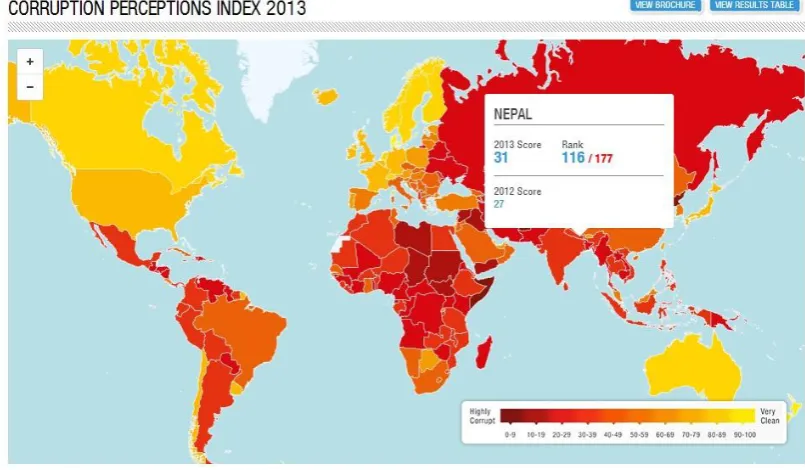
Figure 2.4 Corruption perceptions index 2013 ... 29
Figure 2.5 Corruption index 2013 very clean to highly corrupt ... 30
Figure 2.6 Corruption perceptions index 2013 Nepal ... 30
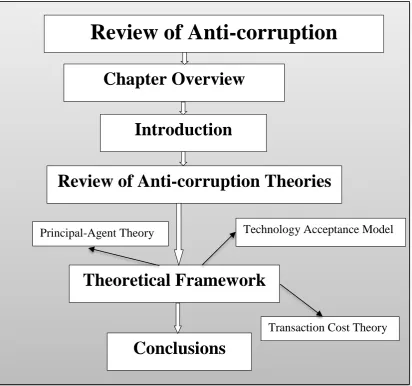
Figure 3.1 Chapter 3 overview ... 34
Figure 3.2 Theoretical Model ... 42
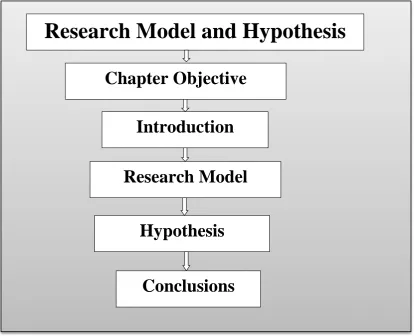
Figure 4.1 Chapter 4 overview ... 44
Figure 4.2 Research model of this study ... 50
Figure 5.1 Chapter 5 overview ... 55
Figure 6.1 Chapter 6 overview ... 76
Figure 6.2 Total years served by government officers in an organisation ... 78
Figure 6.3 Initial stage measurement model of government officer sample ... 80
Figure 6.4 PLS-PM structural equation model ... 86
Figure 6.5 Test the study model of government officer sample ... 87
Figure 7.1 Chapter 7 overview ... 92
Figure 7.2 Types of internet services in an organisation ... 94
Figure 7.3 Total numbers of working experience in an organisation ... 94
Figure 7.4 One-factor congeneric measurement model of Information asymmetry (IA) (First iteration, final iteration) ... 97
Figure 7.5 One-factor congeneric measurement model of monopoly power (MP) (First and final iteration) ... 98
Figure 7.6 One-factor congeneric measurement model of perceived usefulness (PU) (Final iteration) ... 98
xiii
Figure 7.8 One-factor congeneric measurement model of increasing trust (IT)
(Final iteration) ... 99
Figure 7.9 One-factor congeneric measurement model of transaction cost (TC) (Final iteration) ... 100
Figure 7.10 One-factor congeneric measurement model of transparency and accountability (TA) (First iteration and final iteration) ... 100
Figure 7.11 Onfactor congeneric measurement model of Intent to adopt e-procurement (First and final iteration ... 101
Figure 7.12 Measurement model of bidder’s sample ... 103
Figure 7.13 Structural model of bidder’s sample ... 106
Figure 7.14 Final Structural model of bidder’s sample ... 108
Figure 8.1 Chapter 8 overview ... 112
xiv
LIST OF TABLES
Table 2.1 Types of e-procurement system ... 19
Table 2.2 Benefits from ICT enabled connected government (e-procurement) ... 24
Table 2.3 Summary of ICT helps to fight against corruption ... 26
Table 2.4 Transparency international corruption perception index (CPI) Nepal 2004 to 2013 ... 31
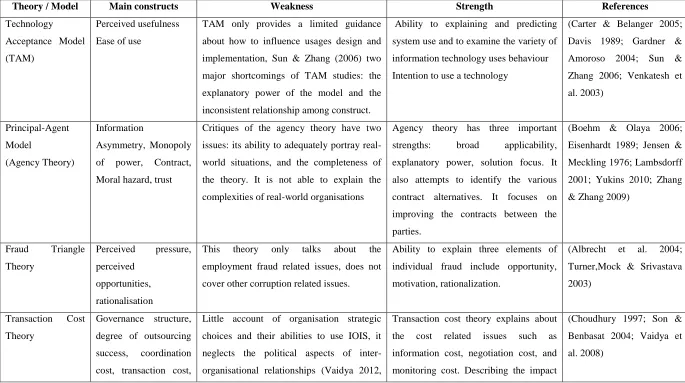
Table 3.1 Use of various theories by researchers ... 40
Table 5.1 Implication of positivist philosophy ... 57
Table 5.2 Elements of quantitative research... 58
Table 5.3 Summary of total questionnaire and items ... 63
Table 5.4 Support in the literature for measuring intent to adopt e-procurement construct ... 65
Table 5.5 Key literature supports for independent variables ... 66
Table 5.6 Perceived benefits of PLS-SEM ... 69
Table 5.7 Fit indices for measurement model and structural model ... 72
Table 6.1 Cross loading value of the construct of the government officer sample 80 Table 6.2 Initial stage measuring reliability of constructs ... 82
Table 6.3 Measuring reliability of constructs ... 82
Table 6.4 Latent construct correlation table with squared of AVE values ... 83
Table 6.5 Factor loading of all the items ... 83
Table 6.6 PLS-PM model evaluation results ... 85
Table 6.7 The results of regression analysis of testing of government officer samples ... 87
Table 7.1 Goodness of fit indicators... 96
Table 7.2 Results of the on-factor congeneric measurement model (final iteration) ... 101
Table 7.3 Goodness of fit indices of the measurement model ... 102
Table 7.4 Reliability and validity of the measurement model... 104
Table 7.5 Latent construct correlation table with squared of AVE values ... 104
Table 7.6 Goodness of fit indices of the structural model ... 105
xv
xvi
APPENDICES
Appendix A: Ethics clearance of USQ ... 165
Appendix B: Questionnaire for government officers ... 166
Appendix C: Questionnaire for bidders ... 178
Appendix D: Descriptive statistics of government sample ... 190
Appendix E: Descriptive statistics of bidders sample ... 192
Appendix F: Structural model notes of bidders sample ... 193
Appendix G: Structural model goodness to fit index summary of bidder’s sample ... 193
Appendix H: Regression weights of structural model of bidder's sample ... 195
Appendix I: Standardized regression weights of the structural model of bidders sample ... 196
xvii
ABBREVIATIONS
ADB Asian Development Bank
AGFI Adjusted Goodness of Fit Index
ASV Average Shared Variance
AVE Average Variance Extracted
B2B Business to Business
B2C Business to Customer
CFA Confirmatory Factor Analysis
CPI Corruption Perception Index
CR Composite Reliability
DOI Diffusion of Innovation
DOR Department of Road
e-Contract Management Electronic Contract Management
EDS Emerging and Developing Economics
e-government Electronic Government
e-Informing Electronic Informing
e-Intelligent Electronic Intelligent
e-Markets Electronic Markets
e-MRO Electronic Maintenance Resource Planning
e-Ordering Electronic Ordering
e-Procurement Electronic Procurement e-Reverse Auctioning Electronic Reverse Auctioning
e-Sourcing Electronic Sourcing
e-Submission Electronic Submission
e-Tendering Electronic Tendering
FCAN Federation of Contractors Association of Nepal
G2C Government to Customer
G2G Government to Government
GDP Gross Domestic Product
GEPSON Government Electronic Procurement System of
Nepal
GFI Goodness of Fit Index
xviii
IA Information Asymmetry
ICT Information and Communication Technology
IS Information Systems
IT Information Technology
LCD Least Developed Countries
MP Monopoly Power
MSV Maximum Shared Variance
NFI Normed Fit Index
OECD Organisation for Economic Co-operation and
Development
PCLOSE Closeness of Fit
PEU Perceived Ease of Use
PLS-PM Partial Least Squares Path Modelling
PLS-SEM Partial Least Squares Structural Equation Modeling
PPMO Public Procurement Monitoring Office
PPP Public Procurement Processes
PU Perceived Usefulness
R2 Coefficient of Determination
RMR Root Mean Square Residual
RMSEA Root Mean Square Error of Approximation
SEM Structural Equation Modelling
TA Transparency and Accountability
TAM Technology Acceptance Model
TC Transaction Cost
UN United Nations
UNDP United Nations Development Programme
UNODC United Nations Office on Drugs and Crime
UNOPS United Nations Office for Project Services
WB World Bank
χ2
Chi-square
xix
LIST OF PUBLICATIONS ARISING FROM THE
RESEARCH
List of Refereed Book Chapters:
1. Neupane, A. Soar, J. and Vaidya K. 2014, Anti-corruption capabilities of public e-procurement technologies: Principal-agent theory, In Joseph Kelvin Bwalya, (ed.) Technology Development and Platform Enhancements for Successful Global E-Government Design, IGI Publishing (IGI Global), Hershey, PA. United States.
2. Neupane, A. Soar, J., Vaidya K. and Aryal, S. 2014, The potential of ICT tools in to promote public participation in fighting corruption, In Akrivopoulou M. and Garipidis N., (ed.) Human Rights and the Impact of ICT in Public Sphere: Participation, Democracy, and Political Autonomy, IGI Publishing (IGI Global), Hershey, PA. United States.
List of Refereed International Journal Papers:
3. Neupane, A., Soar J., and Vaidya K. 2014, ‘An empirical evaluation of the potential of e-procurement to reduce corruption’, Australasian Journal of Information Systems (AJIS), vol. 18, no. 2, pp. 21-44.
4. Neupane, A., Soar, J. and Vaidya K. 2012,'Perceived benefits related to anti-corruption from e-tendering system in Nepal', Asian Journal of Information Technology, vol. 11, no.1, pp. 22-29.
5. Neupane, A., Soar J., and Vaidya K. 2012, 'The potential of e-procurement technology for reducing corruption', International Journal of Information Technology and Management, vol. 11, no. 4, pp. 273-287.
6. Neupane, A., Soar J., and Vaidya K. 2012, ‘Evaluating the anti-corruption capabilities of public e-procurement in developing country’, The Electronic Journal of Information Systems in Developing Countries, vol. 55, no. 2, p. 1-17.
7. Neupane, A. Soar J., Vaidya K. and Yong, J. 2014, ‘Willingness to adopt e-procurement to reduce corruption: Results of the PLS path modeling’,
Transforming Government: People, Process and Policy, vol. 8, no. 4.
List of Refereed International Conference / Seminar Papers:
8. Neupane, A., Soar, J., Vaidya, K. and Yong, J. 2013, ‘Public e-procurement technology’s role in reducing corruption”, International Seminar on Performance and Governance of Transport Administration, 24-26 September 2013, Tanzania.
xx
procurement’.In: 5th International Public Procurement Conference (IPPC5), 17-19 August 2012, Seattle, United States.
10.Vaidya K., Neupane A. 2011, ‘The potential of electronic procurement and other tools to combat corruption in public procurement in Nepal’, NRN Australia 51-61 South Street Granville NSW 2142, 16th July 2011.
11.Neupane, A., Vaidya, K. & Soar, J. 2011, ‘The potential of public e-procurement technology to combat corruption: (An experience from developing and developed countries)’, 5th International conference on “Information and Communication Technology (ICT) for Development and Education, Kathmandu, Nepal, November 16-17.
International Presentation Delivered:
1. Keynote Speaker: International Seminar on Performance and Governance of Transport Administration, 24-26 September 2013, Tanzania (Title: Public e-procurement technology’s role in reducing corruption)
2. 5th International Public Procurement Conference, Seattle, United States 17-19 August 2012
Chapter 1: Introduction
1
CHAPTER ONE
1.
INTRODUCTION
Chapter 1: Introduction
2
1.1.
Chapter Overview
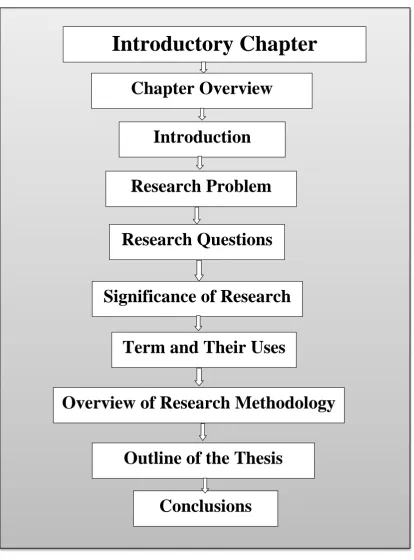
This Chapter provides the foundation of the dissertation. It begins with an overview of three important key terms which include public procurement, corruption in public procurement, and public e-procurement. The research problem is stated and research questions are provided. The significance of the research is discussed and justified. Research key terms and their uses are provided and an overview of research methodology is discussed. Finally, the contribution of the research is stated and the structure of dissertation is outlined.
Chapter 1: Introduction
[image:24.595.113.528.85.646.2]3
Figure 1.1 Chapter 1 overview
Introduction
Research Problem
Research Questions
Significance of Research
Term and Their Uses
Overview of Research Methodology
Chapter Overview
Outline of the Thesis
Conclusions
Chapter 1: Introduction
4
1.2.
Introduction
Public procurement is the process of acquiring of goods, services, works, and other supplies on the behalf of public institutions. Vaidya, Callender & Sajeev (2009, p. 474) stated “governments aspire to use public procurement as a lever of economic, technological or social reform”. Burton (2005) argued that public procurement is a
central instrument to assist in the efficient management of public resources. It supports the work of government and can cover acquisition of items ranging from stationery, temporary office staff, furniture, to complex and high cost areas such as construction, private finance initiative projects, aircraft carriers, and other private financial initiative projects. The United Nations (UN) (1999) report demonstrates that public procurement is a government business system which is concerned about the government procurement process such as preparing project specifications, requesting, receiving and evaluating bids, awarding contacts, and payments. Procurement covers strategy, storage, distribution, contract monitoring, and supplier management. According to Ban Ki-moon (2010) the Secretary General of the United Nations: “By providing business opportunities to a wider ranges of companies in all countries, procurement can help build strong economies and well-functioning communities” (UNOPS 2010).
Every year, governments spend trillions of dollars on goods and services, information and communication technology, and construction according to their budgeting processes. Public procurement accounts for almost 10 to 15% of Gross Domestic Product (GDP) in developed countries and almost 20% of GDP in developing countries (GTN 2003). Public procurement of goods and services accounts for a considerable proportion of a country’s expenditure, and in some developing nations, may be as much as 70% (UNDP 2006). Thus, it is a powerful driver of the development of the country (UNOPS 2012).
The term ‘corruption’ is defined by the World Bank (2000) and Transparency International (2006) as “the misuse of public office for private gain”. The United
Nations Development Programme (2008) defined corruption as the misuse of entrusted power for private gain. The act of corruption can take many forms, including bribery, embezzlement, theft, extortion, abuse of discretion, favouritism, exploiting conflict, interests, and improper political contributions (UNODC 2004). Corruption distorts resource allocation and government performance. It is widely recognised that corruption can severely impede development by weakening national institutions, raising business costs, discouraging domestic investments, eroding trust, and generating a perverse incentive system (Lio,Liu & Ou 2011). Corruption increases operation costs and reduces competition in procurement processes (Amaral,Saussier & Yvrande-Billon 2009).
Chapter 1: Introduction
5
countries (LDC) and emerging and developing economies (EDS), is considered to be very serious and at an alarming stage (Iqbal & Seo 2008; Kumar et al. 2007). The annual value of bribes paid worldwide is US $1 trillion (WB 2004). The cost of corruption equals more than 5% GDP (US $2.6 trillion) with over US$1 trillion paid in bribes each year (WEF 2010). This is considered a conservative estimate of actual bribes paid worldwide in both developed and developing countries (WBI 2004). Electronic procurement can be defined as the use of Information and Communication Technology (ICT) such as the Internet or web-based systems designed to facilitate the acquisition of goods and services by the government or by private institutions (Davila,Gupta & Palmer 2003). It has played a significant role in the successful management of public resources (Mahmood 2010), and most importantly to better enhance the transparency and accountability of government procurement (Croom & Brandon-Jones 2005; Panda,Sahu & Gupta 2010; Vaidya,Sajeev & Callender 2006). For the purpose of this study public e-procurement has been defined as “the use of any Internet based inter-organizational information systems which automates and integrate any parts of procurement process in order to improve efficiency, transparency, and accountability in the wider public sector” (Vaidya 2007). The Internet is typically used for providing comprehensive information about bidding at a single web portal that can be accessed by the government and all the registered potential bidders. Reducing corruption in government procurement process is a key component of the agenda for the governments around the world (Henriksen & Andersen 2003). In recent years, the countries of Asia and the Pacific have increasingly adopted ICT systems in order to enhance government services and business transaction (Wescott 2001). Vaidya and Hyde (2011) suggested that e-procurement has been popular in advanced countries like Australia, United Kingdom, and United States as well as in emerging economies including China, India, Mexico, South Korea, and Brazil which are implementing e-procurement initiatives. It is seen as an effective way to better support transparency and accountability (Joongi 2006).
1.3.
Research Problem
Corruption is an international issue that is recognised by many government institutions and other international organisations including the World Bank, UN, ADB, Organisation for Economic Co-operation and Development (OECD) and is a threat to economic and human development for all countries. It is important to note that public procurement is a major function of the government and corruption is the most common problem in the public procurement process (Thai 2001). In public procurement process, different actors are involving who take decision based on their own interests rather than a public benefits. Some of key actors involved in procurement process include public officials (who are responsible for procurement and public contract management), politicians (who are influence the decisions at planning, policy, and contracting stages), bidders (who are involved in competing for and delivering on contracts), and others parties such as financial institutions that facilitate corruption by processing the illicitly acquired funds (TI 2010).
Chapter 1: Introduction
6
country by weakening national institutions, increasing business costs, eroding trust, and discouraging external investment.
The basic principle of public procurement is to acquire the right item at the right time, and at the right price. Developing countries are more vulnerable to fraud and corruption during this process and therefore, there is a need for a procurement process that is more transparent and accountable. There are many related aspects of corruption such as unjustified or hidden procurement planning, lack of assessment, political pressure, lack of monitoring capacity, inconsistent cost estimates, and weak professionalisation of the bureaucracy of the country (Del Monte & Papagni 2007; Kolstad & Wiig 2009; Neupane, Soar, et al. 2012; Pellegrini & Gerlagh 2008; Subedi 2006; Ware et al. 2012).
Chapter 1: Introduction
7
promoting good governance, enhancing relationships between government employee and citizens tracking of activities, monitoring and controlling the government employee and reducing potential aspects of corrupt behaviours (Bertot,Jaeger & Grimes 2010b) .
ICT enabled technology such as public e-procurement can be an important tool to help reduce corruption in public procurement process (OECD 2008). According to the Asian Development Bank/OECD (2008, p. 129) “public e-procurement plays an important role for minimising corruption in public procurement”. E-procurement has
other numerous benefits include standardising and monitoring the public procurement, increasing transparency, reducing personal discretion in purchasing decisions, enhancing fair competition amongst bidders, avoiding human interference, and maximising value for money. Further study is necessary to address the corruption issues in developing countries and intent to adopt public e-procurement is the best way of reducing corruption rate that leads to increase in transparency and accountability.
1.4.
Research Objectives and Questions
The main objective of this study is to explore perceptions of the potential of e-procurement to reduce corruption in public procurement. Specific objectives are as follows:
To evaluate the bidder’s willingness to participate in public e-procurement system
To evaluate the government officer’s willingness to participate in public e-procurement system
To achieve above objectives, the following research questions are identified for this research.
Main research question (RQ):
Which factors are associated with the intent to adopt e-procurement technology as an anti-corruption technology? In particular:
Is a higher level of perceived ease of use positively related to the willingness to adopt e-procurement as an anti-corruption technology?
Is a higher level of perceived usefulness positively related to the willingness to adopt e-procurement as an anti-corruption technology?
Is a higher level of perceived trust positively related to the willingness to adopt e-procurement as an anti-corruption technology?
Is a lower level of perceived monopoly of power related to the willingness to adopt e-procurement as a form of anti-corruption technology?
Is a lower level of perceived information asymmetry related to the willingness to adopt e-procurement as a form of anti-corruption technology?
Is a lower level of perceived transaction cost related to the willingness to adopt e-procurement as a form of anti-corruption technology?
Chapter 1: Introduction
8
1.5.
Significance of the Research
There is a plethora of studies on e-procurement system performance benefits (Brun et al. 2010; Chang,Wang & Chiu 2008; Croom & Brandon-Jones 2007; Gunasekaran & Ngai 2008; Ho et al. 2008; Vaidyanathan & Devaraj 2008) that help to identify different key factors of better performance of public or private organisations including perceived direct benefits of e-procurement (Brandon-Jones & Carey 2011; Mitchell 2000; Panayiotou,Gayialis & Tatsiopoulos 2004), perceived indirect benefits of e-procurement (Gunasekaran et al. 2009), perceived cost, firm size, top management support, information sharing culture, business partner influences (Teo,Lin & Lai 2009). Eei, Husain and Mustaffa (2012) pointed out e-procurement’s tangible and intangible benefits and they highlighted paybacks such as enhanced efficiency and effectiveness in an organisation through reductions in costs and procurement process cycle times, increased transparency in contracts and overall competitiveness.
E-procurement has been recognised as a core application in e-commerce/e-government (Ronchi et al. 2010). Research on combating corruption or anti-corruption includes: E-government as an anti-anti-corruption tool (Andersen 2008), e-government for improved public sector service delivery in India, Ethiopia and Fiji (Singh et al. 2010), applying E-government Information System for Anti-corruption strategies (Zhang & Zhang 2009), e-government, Transparency and Anti-corruption (Fan,Zhang & Yue 2009), anticorruption effects of information communication and technology and social capital (Shim & Eom 2009), using ICT to combat corruption tools, methods and results (Gronlund et al. 2010), and an institutional analysis of an e-government system for anti-corruption: the case of Online Procedures Enhancement for civil application (OPEN) (Kim,Kim & Lee 2009). According to Kin et al. (2009) study results indicate that the OPEN system made a positive impact in terms of a reduction of corruption within the Seoul Metropolitan Government. Studies regarding public procurement and corruption (Auriol 2006; Lindskog,Brege & Brehmer 2010; Mahmood 2010) indicate that the quality of public administration must be improved and made accountable.
E-procurement may be a more powerful tool than more conventional methods for the minimisation of corruption. It can improve the transparency and integrity of public service processes such as tendering, sourcing, ordering, and auctioning. E-procurement has been recognised internationally as an important instrument for checking corruption and misuse of power (Sohail & Cavill 2008). E-procurement systems implemented in Korea and Mexico are good examples that demonstrate how the innovative use of information technology can prevent and control corruption in public procurement (OECD 2005). Intent to adopt e-procurement systems may help all countries improve transparency, efficiency, and decision-making, reduce cost, monitor supplier performance, and also improve service quality and so on.
Chapter 1: Introduction
9
the finding of this research will be of a great interest and use for government departments that provide public services and for international organisations such as the United Nations, Transparency International, World Bank, Asian Development Bank, Organisation for Economic Co-operation and Development. This research may offer a model for developing countries to assist in reducing corruption through ICT tools.
1.6.
Terms and Their Uses
Information Systems: Information Systems (IS) is defined as any organised combination of people, hardware, software, communications networks, data resources, policies, and procedures that store, retrieves, and disseminate information in an organisation (O'Brien & Marakas 2010).
Public Procurement: Public procurement is the process of acquiring of goods, services, works, and other supplies on the behalf of public institutions.
Procurement Processes: Procurement processes is the process of procurement project planning, project design and implementation, tender processes, contract award, and accounting and auditing (Szymanski 2007).
Public e-procurement: Public e-procurement has been defining as inter-organisational information systems, which automates any part of procurement processes in order to improve efficiency, quality, and transparency in government procurement (Vaidya 2007) .
Electronic Government Procurement (e-GP): Electronic government procurement is defined as the use of information technology systems (Internet or any Internet networks), used by governments in order to obtain works, goods and services and consulting services and also manage their relationship with suppliers or contractors (Schapper,Rivolta & Leipold 2005).
E-commerce: E-commerce is defined as very broadly as the online exchange of goods, services, and money among firms, between firms and their customers, and between customers (Valacich,Schneider & Jessup 2010).
Trust: Trust is an important key facilitator of e-commerce (Kartiwi 2006). It builds a good atmosphere between government and bidders in the contracting processes.
Perceived Usefulness and Ease of Use: Perceived usefulness and perceived ease of use is to determine the use behaviour, attitudes, and intensions as it relates to the adoption of any applications or technology (Davis 1989).
Monopoly Power: Monopoly power is one of the important terms in public procurement and it identifies the power of government officers in the provision of goods and services.
Chapter 1: Introduction
10
Intent to adopt: Intent to adopt is influenced by three factors: perceived benefits of e-procurement, external pressure, and technological readiness. In the developing countries, adoption of e-procurement is in preliminary stage and some of the government already implements and others are in wait and see condition (Vaidya et al. 2006).
1.7.
Overview of Research Methodology
A field survey questionnaire was used to collect data. The target sample population of this study were from Nepalese government departments and their registered bidders. The selecting government departments were the Department of Road (DOR), Nepal Electric Authority, Department of Urban Development and Building Construction, Department of Local Infrastructure Development of Agricultural Road, Roads Board Nepal, Public Procurement Monitoring Office, and Department of Water Induced Disaster Prevention. Study was selected 20 government officers and 25 registered bidders for pilot study. Based on the first phase responses, all the questionnaire items were tested for validity and reliability. The final revised questionnaires were used to collect data from 46 government officers and 220 from government registered bidders. The collected data were analysed quantitatively using Partial Least Squares Structural Model (PLS-SEM) SmartPLS 2.0, Structural Equation Modeling (SEM) AMOS 21.0, and SPSS version19.0. PLS-SEM approach was used to analyse government officers sample data and SEM was used to analyse the bidders sample data. SPSS was used for statistical analysis including descriptive statistics, t-statistics, and Cronbach’s alpha for both sample.
1.8.
Contribution of the Research
This research will provide new knowledge field of research. The adoption of public e-procurement in government is expected to help both developed and developing countries in enhancing accountability, effectiveness, transparency in public procurement, improving civil servants knowledge, and in reducing time and cost of the procurement. The literature has identified major risks of corruption in public procurement processes.
This study examined the risk of corruption between the principal (government), agents (bidders) based on Principal-Agent Theory, Technology Acceptance Model, and Transaction Cost Theory. The anti-corruption capabilities of public e-procurement technology in principal-agent relation and study developed a conceptual model. This model was validated based on government officers and bidders perceptions on practice and uses of public e-procurement through the field survey questionnaires. The findings of this study helped the public procurement practitioners and government level in better understanding the potential of public e-procurement for minimising the risk of corruption.
1.9.
Outlines of the Thesis
Chapter 1: Introduction
11
research, term and their uses, overview of research methodology and the contributions of the research.
Chapter Two reviews a systematic literature on three key terms used in this study: public procurement, corruption, and e-procurement. This Chapter also discusses the different types of public e-procurement technology. Most importantly, it identifies the risk factors within public e-procurement process where the corruption is more likely to take place vulnerable points. This Chapter also provides the additional background on information of public e-procurement in the Nepalese public sector. It also reviews and discussed the corruption issues of Nepal and discusses the impact of public e-procurement in reducing corruption.
Chapter Three reviews of information systems theories linking to anti-corruption to technologies and justified why these theories are important to this research. The Chapter also lays out the theoretical framework of the study. Three theories: Principal-Agent Theory (Eisenhardt 1989; Jensen & Meckling 1976), Technology Acceptance Model (Davis 1989), and Transaction Cost Theory (Williamson 1981) are the theoretical foundation of the study.
Chapter Four identifies and discusses the anti-corruption factors of e-procurement based on the theories. This chapter also presents the study, research model and research hypothesis based on the relationship between the constructs.
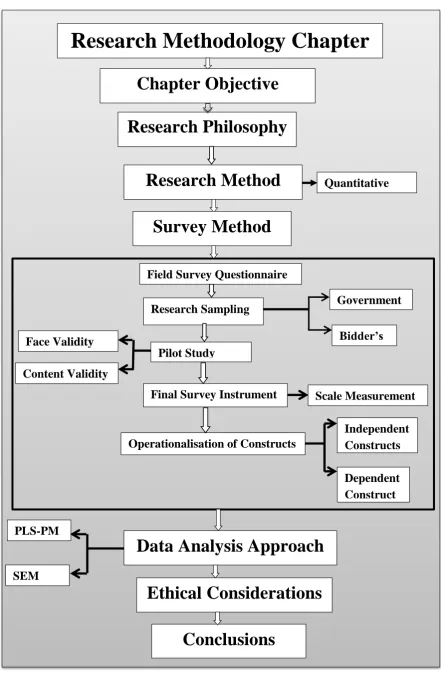
Chapter Five discusses the details of research methodology of the study. It describes research philosophy, research method, research sampling, pilot study, final survey instrument, operationalisation of constructs, data analysis approach, and ethical considerations.
Chapter Six covers the various statistical techniques and tools used to analyse the government officer’s sample using Partial Least Squares (PLS) SmartPLS 2.0, and SPSS.
Chapter Seven covers analysis of government registered bidder’s sample data that is also covers the various statistical techniques and tools using SEM, and SPSS.
Chapter Eight discusses the results of two stakeholders groups: government and bidders perceptions that are demonstrated in Chapter Six and Chapter Seven. This chapter provides the context and justification of the study by comparing both results with similar studies.
Chapter Nine summaries the research contributions, implication of theoretical knowledge, research limitations, and future opportunities of public procurement and e-procurement for reducing corruption.
1.10.
Conclusions
Chapter 1: Introduction
12
Chapter 2: Literature Review
13
CHAPTER TWO
2.
LITERATURE
REVIEW
Chapter 2: Literature Review
14
2.1.
Chapter Overview
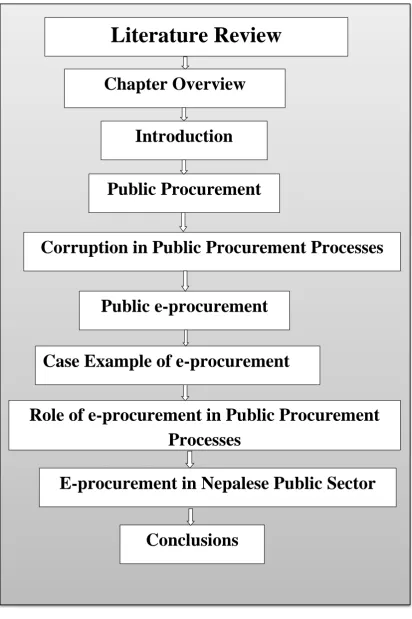
This Chapter reviews the literature on public procurement, corruption in public procurement, public procurement processes, public e-procurement, different countries case examples, and its perceived benefits that influence the intent to adopt public e-procurement decision for government institutions, and other organisations. It presents the literature contributions for both the academic researcher and public procurement practitioner. It includes the risk factors identified in public procurement processes where the corruption is most likely to take place and the vulnerable points. This Chapter also provides additional background of on the intent to adopt public e-procurement in Nepalese public sector organisations.
Chapter 2: Literature Review
[image:36.595.114.527.69.689.2]15
Figure 2.1 Chapter 2 overview
Literature Review
Introduction
Public Procurement
Corruption in Public Procurement Processes
Public e-procurement
Role of e-procurement in Public Procurement
Processes
E-procurement in Nepalese Public Sector
Chapter Overview
Conclusions
Chapter 2: Literature Review
16
2.2.
Introduction
Scholars and leaders in many countries around the world have come to the realisation that the implementation of information and communication technology (ICT) tools such as electronic procurement is an essential to any sincere attempts to reform the government procurement system. Thai (2001) considered that public procurement is a major function of the government, and he argued that government agencies and policy makers, and public procurement professionals, have a great interest in public procurement reforms. Public e-procurement has been a common agenda of many organisations for the promotion of transparency and good governance in procurement processes for many developed and developing nations. Many nations have already implemented and practice public e-procurement for conducting their all the works and services. E-procurement systems have been identified and proven a good system within various government organisations as an effective and prominent tool for institutions’ procurement management reforms and establishing a fully transparent and open procurement environment (UN 2011).
2.3.
Public Procurement
Public procurement refers to the process whereby public sector organisations acquire goods and services, work and other activities from third parties. Lloyd and McCue (2004, p. 5) defined public procurement as “buying, purchasing, renting, leasing, or acquiring any supplies, services or construction and also includes all the functions that pertain to obtaining any material, services, constructions or construction services including description of requirements, selection and solicitation of sources, preparation and award of contract, and all phases of contract administration”.
Therefore, public procurement is covers all goods, services, and work of the government. Government spends much of their budget on works, goods, and services and can cover acquisition of items example ranging from stationery, temporary office staff, furniture, in complex and high cost areas such as construction, private finance initiative projects, aircraft carriers or support for major change initiatives. In advance procurement covers also strategy, storage, distribution, contract monitoring, and supplier management of the government.
Chapter 2: Literature Review
17
2.4.
Corruption in Public Procurement Processes
Corruption in public procurement process is believed to be rapidly increasing and widespread around the world and is more in developing countries (ADB 2007 ; Iqbal & Seo 2008; Kumar et al. 2007). Poverty and low service salaries can motivate public officials to earn extra income via corruption (Bannon 1999). Other important factors that have driven corruption in public procurement include political instability, lack of transparency and accountability, monitoring and auditing of government works and services, low level of professionalism of the bureaucracy, and a weak separation between the civil society and politics (Del Monte & Papagni 2007; Kolstad & Wiig 2009; Subedi 2006).
Public procurement processes have different phases and each phase has a potential risk for corruption. The three main phases of the public procurement processes were proposed by Matechak (2002): procurement planning and budgeting, procurement solicitation, and contract award and performance. Szymanski (2007) offered five stages for setting up structures to fight corruption in public procurement, these were: procurement planning and needs assessment, product/project design and documentation, tender process, contract award and implementation, and accounting and audit as shown in figure 2.2. Similarly, Ware et al. (2012) viewed procurement as the four stages of project identification and design: advertising, prequalification, bid document preparation, and submission of bids; bid evaluation, post-qualification and award of contract; and contract performance, administration and supervision.
(Source: Szymanski (2007)
Figure 2.2 Public procurement processes
Procurement planning is the first phase of the procurement process used by the government or private companies, which relates to the plan of purchasing activity for specific periods. It is the process of reviewing the existing procurement process, identifying the present and future needs, and an effective way of procuring goods and services (Basheka 2009). Governments want processes that are more transparent and accountable. Different issues such as unjustified or hidden procurement planning, lack of need assessments, political pressure, lack of monitoring capacity of government, inconsistent cost estimates (Ware et al. 2012) have the potential for allowing for corruption in developing countries. In developing countries, there are more opportunities for corruption in the planning phase rather than developed countries. For instance, sometimes the minister, government policy maker, or the
Procurement Planning
Project / product design and documentation
Tender Process
Contract Award and
Implementation
Chapter 2: Literature Review
18
senior officer may plan the unwanted project for their private benefit. They may disclose confidential information; or add extra requirements for the project.
Product design and documentation is the second phase of the public procurement process, which is related to technical specification to the product or project. Sometimes, government officers design the project and technical specification in a favour of a particular supplier. In some cases, they design an unnecessarily complicated tender to hide the corruption.
Tendering and contract awarding is one of the most vulnerable stages of public procurement process where most corruption occurs in developing countries (Mc Pheraon & Mac Searraigh 2007). It is a serious problem in developing countries: in Nepal for example, most of the government contracting processes use paper-based systems, which offer greater potential for corrupt behaviour (Bhattarai 2011). The tendency is that the potential contractors, who use their coercive power, to get the contract. In some situations, other contractors simply are not able to submit tender document because of perceived coercive threatening from other influential contractors. Government officers can be involved indirectly and abuse their official power for their private benefits. This eventually leads to institutional corruption in public procurement where parties with vested interests have opportunities to ‘play’ their roles in public procurement for their own benefits. The accounting and auditing phase is also a vulnerable area for corruption.
Audits are not regularly and systematically performed which makes it harder to detect corruption. Government audit reporting mechanisms are not clear, are dependent, and lack co-operation with other relevant agencies and institution to ensure transparent and effective flow of information for the audit.
2.5.
Public E-procurement
2.5.1.
Background of Public E-procurement
E-government is quickly becoming one of the important topics among for discussion government officials (Chen 2002) . It can be defined broadly as the use of ICTs in the public sector to improve its operations and delivery of services (Kumar et al. 2007). E-government is about governments interacting, conducting business, and delivering services to their citizens and other organisations electronically through the use of Information and Communication Technology (Pictet & Bollinger 2008). ICT is an enabler in the realisation of e-Government applications that involve Government to Government (G2G), Government to Customer (G2C), Government to Business (G2B), and Business to Customer (B2C) transactions amongst others. These ICT technologies help better delivery of government services to citizens, improved interaction with business and industry, citizen empowerment through access to information, or more efficient government management.
Online procurement (e-procurement) has been identified as the “most important element of e-business operational excellence for large corporation” (Barua et al.
Chapter 2: Literature Review
19
quality, and transparency in government procurement (Vaidya,Sajeev & Gao 2005). Vaidya (2007) defines public e-procurement as follows: “Public electronic procurement is the use of any Internet-based Inter-organisational Information System, which automates and integrates any parts of the procurement process in order to improve efficiency and quality in procurement, and promote transparency and accountability in the wider public sector”. Similarly, Agrawal(2007) stated that e-procurement is the value-added application of Internet and e-commerce solutions to facilitate integrate and streamline the entire procurement process, from buyer to supplier and back. Therefore, e-procurement is the part of the ICT revolution that is transforming the way businesses and people conduct their day-to-day activities. According to Davila, Gupta & Palmer (2003) define E-procurement technologies as including the e-procurement software, B2B (Business-to-Business) auctions, B2B market exchange, and purchasing consortia-are focus on automating workflows, consolidating and leveraging organisational spending power, and identifying sourcing opportunities through Internet.
2.5.2.
Types of E-procurement Systems
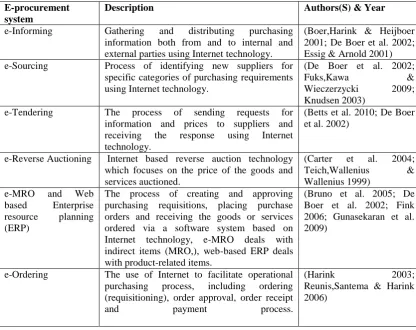
[image:40.595.109.526.443.773.2]Currently there are different types of e-procurement systems available in the market such as Market, MRO, Sourcing, Tendering, Ordering, Exchange, e-Intelligent, and e-Contract (Chang et al. 2008; Croom 2000; De Boer et al. 2002; Walker & Brammer 2012). Each type of system is built for special purposes and has its own specific functionality and characteristics. Table 2.1 demonstrated the most common types of e-procurement and their explanation.
Table 2.1 Types of e-procurement system
E-procurement system
Description Authors(S) & Year
e-Informing Gathering and distributing purchasing information both from and to internal and external parties using Internet technology.
(Boer,Harink & Heijboer 2001; De Boer et al. 2002; Essig & Arnold 2001) e-Sourcing Process of identifying new suppliers for
specific categories of purchasing requirements using Internet technology.
(De Boer et al. 2002;
Fuks,Kawa &
Wieczerzycki 2009; Knudsen 2003)
e-Tendering The process of sending requests for information and prices to suppliers and receiving the response using Internet technology.
(Betts et al. 2010; De Boer et al. 2002)
e-Reverse Auctioning Internet based reverse auction technology which focuses on the price of the goods and services auctioned.
(Carter et al. 2004; Teich,Wallenius & Wallenius 1999)
e-MRO and Web based Enterprise resource planning (ERP)
The process of creating and approving purchasing requisitions, placing purchase orders and receiving the goods or services ordered via a software system based on Internet technology, e-MRO deals with indirect items (MRO,), web-based ERP deals with product-related items.
(Bruno et al. 2005; De Boer et al. 2002; Fink 2006; Gunasekaran et al. 2009)
e-Ordering The use of Internet to facilitate operational purchasing process, including ordering (requisitioning), order approval, order receipt
and payment process.
(Harink 2003;
Chapter 2: Literature Review
20 E-procurement
system
Description Authors(S) & Year
e-Markets E-markets are meeting venues for component suppliers and purchasers, who use exchange mechanism to electronically support the procurement process.
(Block & Neumann 2008; Fuks et al. 2009)
e-Intelligence Management information system with spend analysis tools
(Eakin 2003; Harink 2003)
e-Contract Management
The use of information technology for improving the efficiency and effectiveness of contracting processes of companies.
(Angelov & Grefen 2008; Yang & Zhang 2009)
E-Submission It is the process of online submission of electronic document like tender document that is specially designed to facilitate the bidders’ submissions of their bids through e-submission.
(Neupane,Soar & Vaidya 2012c; Salin & Abidin 2011)
Electronic tendering is popular e-procurement tool which is being used in many nations for the process of sending requests for information and prices to suppliers and receiving the response using Internet technology (Betts et al. 2010; De Boer et al. 2002). It is one of the e-procurement tools which has been defined as “the electronic publishing, communicating, accessing, receiving and submitting of all tender related information and documentation via the Internet, thereby replacing the traditional paper-based tender processes, and achieving a more efficient and effective business process all parties involved” (Christenses & Duncan 2006).
Therefore, it is a powerful technology among the government agencies for ensuring the transparency (Doyle 2010), enhancing efficiency, increasing accountability, and economic performance of the country.
The e-tendering system publishes the tendering opportunities publicly on the government websites and as a result it can eliminate the probability of risk in government procurement process mainly in project planning, product designing and documentation, tender process, contract awards, accounting and auditing (Szymanski 2007). Similarly, from supplier perspective, it increases sales productivity, accuracy orders, fast receipt of orders, reduces time for receiving payment, real time order status information. These benefits can be linked to different factors such as real time order status link to transparency, effective monitoring linked to lack of control, improved contract compliance linked to lack of accountability, increase information on suppliers to limit access to information. Some of public e-tendering benefits are as follows:
E-tendering can centralise data in order to improve audit and analysis (Gupta,Jha & Gupta 2009).
E-tendering eliminates the direct human interaction on bidding and other work and services, corruption is decreased significantly, and internal efficiency increases in government department (Kajewski et al. 2001).
With an e-tendering system, government can monitor all the works and services easily and efficiently.
E-tendering system provides better status in monitoring and tracking of application.
Chapter 2: Literature Review
21
Online bidding system automatically reduces the cartel, collusion, and riggings among the bidders.
Make a government tender process faster and easier and services available to citizens 24/ 7 and promotes overall e-commerce imitative (Kajewski et al. 2001).
2.6.
Case Example of e-procurement
Different countries have already implemented and practiced public e-procurement in public and private levels with different names. The section describes the different countries case example of practicing of e-procurement in public sector.
2.6.1.
Example from South Korea
The South Korea began to run the government-procurement system (GePS) in October 2002. The GePS has turned all paper-based procurement activities to Internet-based e-commerce. It provides an integrated information portal where all the public and government organisations are obliged to list their bidding information in clear and transparent way with all the details including project specification, volume, award, criteria of contracts etc.(Joongi 2006; Kim 2003). From the supplier side, it provides a single point of registration to participate in multiple public organisations’ bid. It also acts as e-shopping mall, which simplifies the entire process of procurement of public organisations. It also acts as e-shopping mall, which simplifies the entire process of procurement of public organisations. It offers about 23,000 products including office supplies and 97% of office supplies in public and government organisations are purchased from the GePS e-shopping mall (Anthopoulos,Siozos & Tsoukalas 2007). GePS makes the lengthy complex public procurement process very efficient and extremely simple. More importantly, GePS ensures transparency in the entire process of public procurement from the request for purchase, to the invitation of bids, then the awarding of contracts and, finally, payment. Currently, 92% of public bidding processes are done electronically in South Korea (Iqbal & Seo 2008).
2.6.2.
Example from Singapore
Chapter 2: Literature Review
22
2.6.3.
Example from Denmark
Denmark established the public procurement portal (DOIP) in 2002 by Gatetrade.net and it is an electronic market place accessible to all buyers and suppliers in Denmark. It is one of the first public portals in the world with public market place on the Internet and thereby making the public sector a market leader with the area of e-business in Denmark (DOIP 2011). This portal increased efficiency in public purchase of goods and services amount around 100 billion DKK in total annually. In summary, through implementing this system Danish government handles all the procuring goods and services and administrative works automatically, thus making procurement process more transparent and more efficient, resulting in less chance of corruption than other system.
2.6.4.
Example from State Government, Andhra Pradesh, India
In India, Government of Andhra Pradesh (GoAP) has implemented e-procurement system since year 2000 for procures goods, services, works and turnkey contracts worth$2.0 billion every year (Bikshapathi et al. 2006). The procurement system is conducted through centrally from a single unit, as well through individual Government agencies. The government provides different procurement activities such as tenders (