and the Effect of Visual Feedback
Janine Martin BA (Hons)
Submitted in fulfilment of the requirements for the Degree of Doctor of Philosophy (Clinical Psychology)
School of Psychology University of Tasmania
This thesis contains no material, which has been accepted for a degree or diploma by the University or any other institution. To the best of my knowledge and belief this thesis contains no material previously published or written by another person except where due acknowledgement is made in the text of the thesis, nor does the thesis contain any material that infringes copyright.
Date: cao • /(- Janine Martin
This thesis may be made available for loan and limited copying in accordance with the Copyright Act 1968.
I would like to express my thanks to friends and colleagues whose support and encouragement have made this thesis possible. Mostly, I would like to thank my supervisor, Dr Clive Skilbeck, for his invaluable advice, guidance, encouragement, and accessibility. The brainstorming sessions we had during the conceptual stages of the project never failed to stimulate and motivate me. Throughout my candidature you provided me with many opportunities to develop my knowledge and understanding of
neuropsychology for which I am eternally grateful. I could not have asked for a better supervisor and mentor.
Table of Contents
Abstract 1
Chapter 1. Overview of the Thesis 4
Chapter 2. Executive Functions and the Prefrontal Cortex 8
2.1 Neuroanatomy of executive functions 9 2.2 Theories of frontal lobe function 13
2.3 Neuropsychological view of executive functions 18
Chapter 3. Wisconsin Card Sorting Test Performance 21
3.1 Alternative card sorting tests 23
3.2 WCST as a marker of frontal lobe function 27
3.3 Functions and processes underlying card sorting test performance 30
Chapter 4. Models of Working Memory 40
4.1 Structure of the working memory model 40
4.2 Experimental methods of investigating working memory 43 4.3 Phonological loop 45
4.4 Visuospatial sketchpad 46
4.5 Fractionation of the visuospatial sketchpad 48 4.6 Role of the central executive 57
4.7 Logic's model of working memory 62
4.8 Link between working memory and executive functions 65
Chapter 5. Working Memory and the Wisconsin 69 Card Sorting Test
5.1 Neuroimaging studies 69
5.2 Research in nonclinical populations 70 5.3 Schizophrenia research 77
5.3.1 Working memory- WCST performance in patients with schizophrenia 78 5.3.2 Working memory- WCST performance in a schizotypic population 86
Chapter 6. Experiment 1A: Card Sorting, Working Memory, 92 and Schizotypy
Method 97 Results 99 Discussion 109
Method 115 Results 116 Discussion 127
Chapter 8. Experiment 2: Dual-Task Pilot Studies 132
Pilot study one: A visual interference task 135
Pilot study two: A central executive interference task 140
Chapter 9. Experiment 3: Card Sorting and Dual-Tasking 145 in a Nonclinical Population
Method 149 Results 152 Discussion 160
Chapter 10. Experiment 4: Card Sorting Test Performance 170 in a Closed Head-Injured Population
Method 173 Results 177 Discussion 192
Chapter 11. General Discussion 202
11.1 Overview of the findings 203 11.2 WCST-working memory link 205 11.3 Clinical implications 214
11.4 Future Research 217
References 220
Appendix A 246
Appendix B 277
Appendix C 311
Appendix D 316
Appendix E 339
List of Tables
Chapter 6— Experiment 1A:
Table 6.1
Correlations between schizotypic scores, card sorting test indices, and working memory tasks.
Table 6.2
Number of participants in the top (high) and bottom (low) 15% for each working memory task
Table 6.3
Mean percent of total errors (standard deviations) on the WCST and MCST for each working memory task using logarithm transformed variables
Table 6.4
Mean percent of total errors (standard deviations) on card sorting tests for high and low scorers on each working memory task using logarithm
transformed variables Table 6.5
Mean percent of total errors (standard deviations) on WCST for high and low scorers on each working memory task using logarithm transformed variables Table 6.6
Mean percent of total errors (standard deviations) on MCST for high and low scorers on each working memory task using logarithm transformed variables
Mean number of perseverative and nonperseverative errors (standard deviations) on WCST for each working memory task using logarithm transformed variables
Table 6.8
Mean number of perseverative and nonperseverative errors (standard deviations) on MCST for each working memory task using logarithm transformed variables
Table 6.9
Mean number of errors (perseverative and nonperseverative) and standard deviations on WCST for high and low scorers on each working memory task using logarithm transformed variables
Table 6.10
Mean number of errors (perseverative and nonperseverative) and standard deviations on MCST for high and low scorers on each working memory task using logarithm transformed variables
Chapter 7— Experiment 1B: Table 7.1
Mean percent total errors (standard deviations) on the rWCST and MCST for each working memory task using logarithm transformed variables
Table 7.2
Mean percent of total errors (standard deviations) for high and low scorers on each working memory task using logarithm transformed variables
Table 7.3
Mean percent total errors (standard deviations) excluding efficient errors on the rWCST and MCST for each working memory task using logarithm transformed variables
Table 7.4
Mean percent of total errors (standard deviations) excluding efficient errors for high and low scorers on each working memory task using logarithm
transformed variables Table 7.5
Mean percent of efficient errors (standard deviations) on rWCST and MCST for each working memory task
Table 7.6
Mean percent of efficient errors (rWCST + MCST) and standard deviations for high and low scorers on each working memory task
Table 7.7
Mean percent of random errors (standard deviations) on rWCST and MCST for each working memory task using logarithm transformed variables
Table 7.8
Mean percent of random errors (rWCST + MCST) and standard deviations for high and low scorers on each working memory task using logarithm
transformed variables Table 7.9
Mean percent of perseverative errors (standard deviations) on rWCST and MCST for each working memory task using logarithm transformed variables
Mean percent of perseverative errors (rWCST + MCST) and standard deviations for high and low scorers on each working memory task using logarithm transformed variables
Table 7.11
Mean percent of random and perseverative errors (standard deviations) on rWCST for each working memory task using logarithm transformed variables Table 7.12
Mean percent of random and perseverative errors (standard deviations) on MCST for each working memory task using logarithm transformed variables Table 7.13
Mean percent on errors (random and perseverative) and standard deviations on rWCST for high and low scorers for each working memory task using logarithm transformed variables
Table 7.14
Mean percent on errors (random and perseverative) and standard deviations on MCST for high and low scorers for each working memory task using logarithm transformed variables
Chapter 8 — Experiment 2: Table 8.1
Means and standard deviations for the correct number of equations and dot locations with and without interference.
Chapter 9— Experiment 3: Table 9.1
Mean score (standard deviation) on each dependent variable with and without an interference task and with and without visual feedback for each group
Chapter 10— Experiment 4: Table 10.1
Number of males and females in each group Table 10.2
Means (standard deviations) for demographic variables Table 10.3
Means (standard deviations) for the cognitive tests for each group and the F-and p-values for one-way ANOVAs for each cognitive test
Table 10.4
Means (standard deviations) for the card sorting test variables for each group with and without visual feedback
Table 10.5
Correlations between the cognitive tasks and card sorting test variables with (VF) and without (NVF) visual feedback
Table 10.6
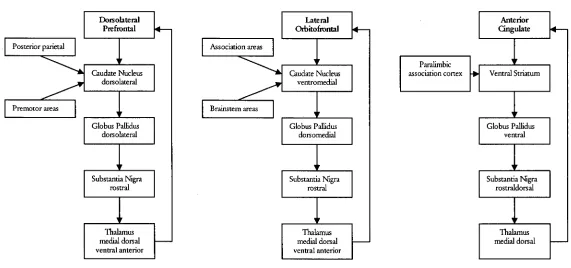
Chapter 2— Executive Functions and the Prefrontal Cortex Figure 2.1. The three frontal-subcortical circuits originating in the prefrontal
cortex that are relevant to executive functioning
Chapter 4— Working Memory Models
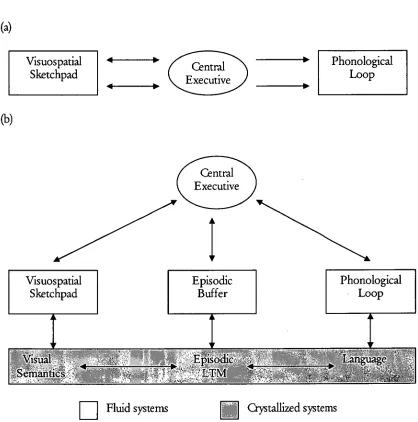
Figure 4.1. (a) The original Baddeley and Hitch three-component working
memory model. (b) The revised and current working memory model incorporating the episodic buffer and links to long-term memory (LTM) (Baddeley, 2001)
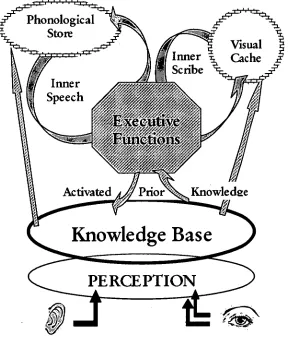
Figure 4.2. Logie's multiple component model of working memory (Logie,
2003)
Chapter 6 — Experiment 1A:
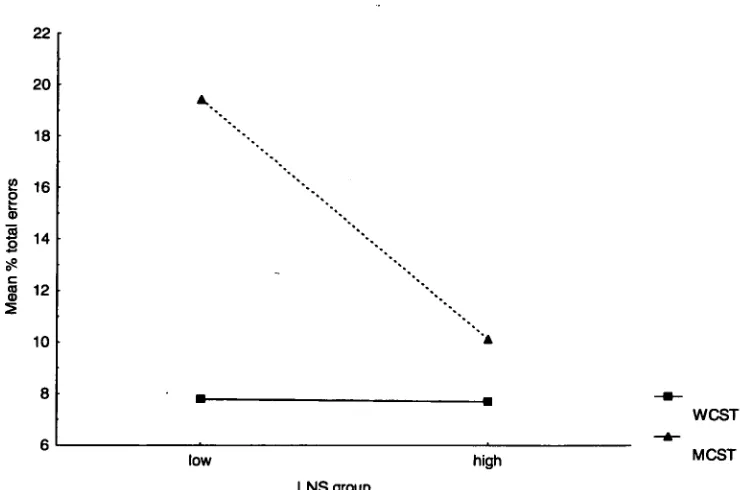
Figure 6.1. Mean percent of total errors on WCST and MCST for high and
low scorers on Letter Number Span (LNS)
Chapter 7 — Experiment 1B:
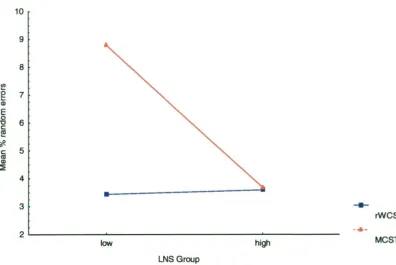
Figure 7.1. Mean percent random errors on MCST and rWCST for high and
low scorers on Letter Number Span (LNS)
Chapter 8 — Experiment 2: Dual-task Pilot Studies Figure 8.1. A 10-celled matrix from the Visual Patterns Test Figure 8.2. Dot Matrix Task
Chapter 9— Experiment 3:
Figure 9.1. Mean number of categories achieved, with and without
interference in the visual (VF) and no visual (NVF) feedback conditions, for the Articulatory Suppression (AS), Visual Interference (VI), Spatial Tapping (ST), and Verbal Trails (VTs) groups.
Figure 9.2. Mean number of total errors, with and without interference in the visual (VF) and no visual (NVF) feedback conditions, for the Articulatory Suppression (AS), Visual Interference (VI), Spatial Tapping (ST), and Verbal Trails (VTs) groups.
Figure 9.3. Mean number of random errors, with and without interference in the visual (VF) and no visual (NVF) feedback conditions, for the Articulatory Suppression (AS), Visual Interference (VI), Spatial Tapping (ST), and Verbal Trails (VTs) groups.
Figure 9.4. Mean percentage of perseverative errors, with and without interference in the visual (VF) and no visual (NVF) feedback conditions, for the Articulatory Suppression (AS), Visual Interference (VI), Spatial Tapping (ST), and Verbal Trails (VTs) groups.
Chapter 10— Experiment 4
Figure 10.1. Mean number of categories achieved, with and without visual feedback, for the head-injured control (HC), executive dysfunction (Ed), and visual dysfunction (Vd) groups.
for the head-injured control (HC), executive dysfunction (Ed), and visual dysfunction (Vd) groups.
Figure 10.3. Mean number of random errors, with and without visual
feedback, for the head-injured control (HC), executive dysfunction (Ed), and visual dysfunction (Vd) groups.
Figure 10.4. Mean percentage of perseverative errors, with and without visual feedback, for the head-injured control (HC), executive dysfunction (Ed), and visual dysfunction (Vd) groups.
Figure 10.5. Mean number of loss of set, with and without visual feedback, for the head-injured control (HC), executive dysfunction (Ed), and visual dysfunction (Vd) groups.
Figure 10.6. Mean number of failure to establish set scores, with and without visual feedback, for the head-injured control (HC), executive dysfunction (Ed), and visual dysfunction (Vd) groups.
1
Abstract
Poor performance on the Wisconsin Card Sorting Test (WCST: Heaton, Chelune, Talley, Kay, & Curtis, 1993), a test of executive function, has been attributed to deficits in information processing, cognitive flexibility, inhibitory control, and working memory. Previous WCST studies, involving student participants, have indicated a primary role for the phonological loop and/or central executive components of working memory, whereas studies involving individuals with schizophrenia or schizotypic traits have indicated spatial working memory involvement. So far, no study has investigated the role of the visual and spatial subcomponents of the visuospatial sketchpad or has included all components of working memory within the one study. The visual aspects of the WCST have also been overlooked in many studies, although Cinan and Tanor's (2002) findings suggested that the presence or absence of visual feedback from previous response cards might differentially affect performance.
Therefore, the aim of this thesis was to clarify the role of working memory in performance of the WCST, using Baddeley and Hitch's (1974) working memory model as a conceptual framework. The series of experiments examined the contribution to WCST performance by the phonological loop, the central executive, and the visual and spatial subcomponents of the
Experiments IA and 1B explored the relationship between schizotypy, working memory, and card sorting test performance using computerised versions of the WCST and the Madrid Card Sorting Test (MCST: BarcelO & Knight, 2002). No significant differences were found between high and low schizotypic scorers on any dependent measure. However, low scorers on working memory tasks performed significantly worse than high scorers on all card sorting test variables. Additionally, performance was differentially affected by the presence (WCST) or absence (MCST) of visual feedback.
After piloting the appropriate secondary tasks in Experiment 2, a dual-task paradigm was used with a nonclinical population in Experiment 3. Results indicated significant involvement of the visual subcomponent when visual feedback is absent and greater involvement of the phonological loop when visual feedback is present. Experiment 4 further explored this
dissociation in a group of head-injured patients with differential impairments in executive functioning, auditory working memory, and visual working memory. The results showed card sorting test performance was significantly worse for patients with visual working memory impairment than for any other group.
Overall, the results from this thesis suggest that the visual subcomponent of the visuospatial sketchpad, which has previously been
the WCST procedure is proposed to enable the clinician to differentiate between poor performance due to perseveration and that due to distractibility.
CHAPTER 1 Overview of the Thesis
Interest in frontal lobe functioning began when, on 13th September 1848, an accidental explosion at a railroad construction site in Cavendish, Vermont resulted in a tamping iron, 3 cm thick and 109 cm long, penetrating the face, skull, and brain of Phineas Gage before exiting through the top of the skull (Damasio, Grabowski, Frank, Galaburda, & Damasio, 1994; Mesulam, 2002). Gage regained full consciousness almost immediately after the accident and was able to converse with astonished co-workers. Subsequent to an
infection, he appeared to make a full recovery with no impairment of
movement, speech, memory, or intelligence. However, there was an extreme change in personality. Prior to the injury he had been considered a
5
associated with a complexity of higher cognitive abilities that have been collectively termed executive functions. Throughout the twentieth century to the present day the enigma of the frontal lobes and executive functions has been investigated from a neuroanatomical and neuropsychological
perspective, with the addition of functional neuroimaging techniques in the latter half of the century.
Our understanding of the structural organization of the prefrontal cortex has been advanced by concurrent ablation studies in monkeys, functional studies in humans, and by the development of comparative cytoarchitectonic maps of the two species (Petrides & Pandya, 1994). Additional studies using comparable tests of cognition for non-human primates and humans, such as the self-ordered pointing task (Petrides & Milner, 1982) and the Wisconsin Card Sorting Test (Roberts, Robbins, & Everett, 1988), have also provided invaluable information about the neural bases of memory, visuospatial attention, and a variety of neurodegenerative and neuropsychiatric disorders (Roberts, Robbins, & Weiskranz, 1998). Whilst neuroanatomical studies have clarified the structure of the prefrontal cortex, functional neuroimaging techniques have extended our knowledge of its functional organization. These techniques have also provided an insight into the interactions between different brain regions, as well as the potentially different processing components of the prefrontal cortex (Roberts et al., 1998).
directed and have more recently been found to involve both cortical and subcortical areas of the brain. The majority of tests of executive function are multifactorial involving many, and sometimes different, cognitive processes which may account for the lack of correlation between several executive function tasks (Lehto, 1996). Nevertheless, tests of executive function have been an integral part of neuroanatomical and neuroimaging studies in
providing a greater understanding of the relationship between brain structure, neural activity, and goal-directed behaviour. What is less understood are the cognitive processes underlying executive functions and the relationship between these cognitive processes and the clinical presentation of impaired performance on these tests. A better understanding of this relationship would provide the opportunity for the development of more appropriate and specific strategies for rehabilitation and/or may provide more accurate information regarding functional outcome.
The present thesis attempts to clarify the role of one cognitive process, working memory, in performance of what some researchers consider is the gold standard of executive function tests (Royall et al., 2002), that is, the Wisconsin Card Sorting Test (WCST). As described in Chapter 3 the WCST is one of the most extensively used tests of executive function in clinical and experimental neuropsychology. Whilst its multifactorial structure has made it sensitive to executive impairment, its lack of specificity as a marker of frontal lobe functioning has been confirmed by neuroimaging studies that found neural activity in prefrontal and nonfrontal regions of the brain during
7
tasks such as the Tower of Hanoi or Goal Search Task (Lehto, 1996). Although there are several theories of executive function and working
memory, which are reviewed in Chapter 2, Baddeley's (1986, 2000, 2001) and Logie's (1995, 2003) working memory models, which are described in more detail in Chapter 4, are the most well researched and well supported. These models of executive functioning are used as the basis for the series of experiments described in this thesis.
Previous studies investigating the cognitive underpinnings of WCST performance or the relationship between working memory and the WCST are reviewed in Chapter 5. Although studies have been conducted in normally functioning populations and with patients with frontal lobe lesions,
CHAPTER 2
Executive Functions and the Prefrontal Cortex
Executive functions encompass a range of abilities that enable a person to formulate and achieve a goal; therefore they include abilities such as
planning, organization, initiation, self-monitoring, and the ability to maintain all relevant information 'on-line' in order to direct behaviour toward the completion of that goal. Attention, working memory, cognitive flexibility, hypothesis generation, and response inhibition are some of the cognitive processes purported to underlie these executive abilities. However, the
investigation of executive functions and their underlying processes has proved difficult.
In the first half of the twentieth century researchers debated on
whether the frontal lobes were even associated with executive function due to the inconsistencies in presentation of patients with frontal lobe lesions
9
were once described as 'frontal lobe syndromes'. However, similar
behavioural changes were also observed in patients with lesions to other brain regions. Subsequently, five frontal-subcortical circuits have been described to provide an understanding for these changes, which include disorders of executive function, personality changes, and mood disturbances (Cummings,
1993).
2.1 Neuroanatomy of executive functions
The five circuits are a motor circuit originating in the supplementary motor area, an oculomotor circuit originating in the frontal eye fields, and the dorsolateral prefrontal circuit, lateral orbitofrontal circuit, and anterior
cingulate circuit, all three of which originate in the prefrontal cortex and are credited with mediating executive functions.
According to Royall et al., (2002) the role of the prefrontal cortex in executive function is due to its unique structure and pattern of connectivity. The prefrontal cortex is connected to more brain regions than any other cortical region, its position allows for the integration of information that is processed at lower levels, including input from the limbic circuits, and it is the major target of the basal ganglia-thalamocortical circuits. The three frontal circuits relevant to executive functioning share the common structures of the frontal lobe, striatum, globus pallidus, substantia nigra, and the thalamus. Although nonoverlapping, behavioural changes associated with each circuit can be distinct or mixed depending on the location of the lesion. At the cortical level the circuits are widely separated so behaviours associated with one circuit can be distinguished from those of another. Subcortically,
is more likely to involve multiple circuits (Cummings, 1993; Royall et al., 2002; Royall & Mahurin, 1996).
The dorsolateral prefrontal circuit (Figure 2.1.) originates in Brodmann's areas 8-12, 46 and 47. It projects to the dorsolateral caudate nucleus which receives input from the posterior parietal cortex and premotor areas, then connects to the dorsolateral part of the globus pallidus and rostral sub stantia nigra reticulata, and continues to the parvocellular area of the medial dorsal and ventral anterior portions of the thalamus. Projections from the thalamus back to the dorsolateral prefrontal cortex close the circuit. Higher cognitive functions such as goal selection, planning, sequencing, concept formation, set shifting, working memory, self-monitoring and self-awareness have been found to be impaired with lesions of the dorsolateral prefrontal circuit (Cumming, 1993; Royall et al., 2002).
Caudate Nucleus dorsolateral
•
Paralimbic•
association cortex Ventral Striatum Association areas
Brainstem areas Posterior parietal
Premotor areas
•
Caudate Nucleus ventromedial
•
Dors°lateral Lateral Anterior
Prefionul 4— Orbitofiontal 4— Cingulate
Globus Pallidus Globus Pallidus Globus Pallidus
dorsolateral dorsomedial ventral
•
•
Substantia Nigra Substantia Nigra Substantia Nigra
rostral rostral rostraldorsal
•
•
VThalamus Thalamus Thalamus
medial dorsal medial dorsal medial dorsal
ventral anterior ventral anterior
[image:24.832.158.729.135.403.2]The anterior cingulate circuit (Figure 2.1.) involves medially located areas of the frontal lobe; Brodmann's areas 9-13, 24 and 32. Projections connect to the ventral striatum (nucleus accumbens and olfactory tubercle), which receives input from the paralimbic association cortex, including the anterior temporal pole, amygdala, inferior hippocampus, and entorhinal cortex. It continues to the ventral part of the globus pallidus and rostrodorsal substantia nigra reticulata, then to the medial dorsal thalamic nucleus. The anterior cingulate circuit appears to involve response inhibition and
motivational factors, as lesions to this circuit can result in apathy and lack of initiative with the extreme case of akinetic mutism being associated with bilateral lesions (Cummings, 1993; Royall et al., 2002).
The identification of these adjacent yet nonoverlapping circuits has provided an explanation to account for the similarity of behavioural changes related to lesions in different brain regions. Whilst focal lesions to the respective areas of the prefrontal cortex have led to distinct 'frontal lobe syndromes' the involvement of multiple circuits in sub cortical lesions and degenerative processes has resulted in syndromes with mixed behavioural manifestations (Cummings, 1993). For example, patients with Huntington's disease, a disorder that mainly affects the caudate nuclei, have exhibited personality alterations (including apathy), mood changes, and obsessive-compulsive behaviours, as well as cognitive abnormalities similar to those manifested by patients with dorsolateral prefrontal lesions. Similarly, studies of lesions to the globus pallidus (Laplane, Baulac, Widlocher, & Dubois,
13
affecting memory and executive functions, but with normal intelligence and language ability.
Executive dysfunction can, therefore, occur with lesions to any part of the circuits. Direct and indirect effects can also occur due to the finely
balanced metabolic interaction between neurotransmitters; an increase in glutamatergic excitation or a reduction in dopaminergic inhibition in
subcortical areas can lead to increased cell activity within the prefrontal cortex and a loss of executive control (Royall et al., 2002).
Whilst neuropsychological evaluations were used in the past to determine the approximate location of lesions, the development of neuroimaging techniques such as positron emission tomography (PET), single-photon emission computed tomography (SPECT), and functional magnetic resonance imaging (fMRI) has led to greater sensitivity and specificity in detecting structural brain lesions (Stern & Prohaska, 1996). Nevertheless, the localisation of executive functions has remained
problematic, leading to a number of theories about the role of the frontal lobes in executive function.
2.2 Theories offrontal lobe function
Norman and Shallice (1986) proposed a two level system to account for the regulation of behaviour. At the lower level is Contention Scheduling, an automatic process in which action-thought schemas are stored and
activated by environmental or conceptual thought stimuli. The higher-level system, the Supervisory Attention System, reflects conscious awareness, which focuses attention on and controls the activation level of the schemata so as to bias which schema is selected. This system is only active when the routine schemata do not exist, are not sufficient to achieve a goal, or when the situation requires automatic responses to be overcome (Grafrnan, 1995;
Shallice, 2002; Shallice & Burgess, 1991).
Similarly, Stuss and Benson proposed an automatic-control process theory but with a three-tiered hierarchical structure (Stuss et al., 2002). In their model the lowest level reflects the automatic processing of sensory and basic information that is stored in posterior regions of the brain. The
supervisory system provides conscious control of multiple interacting processes and the highest level is involved in abstract thinking, self-monitoring, and metacognition.
Although the dynamic filtering theory (Shimamura, 2000, 2002) involves the executive control of semantic and episodic memory retrieval by different regions of the prefrontal cortex, its basic premise appears to be similar to a supervisory system. It proposes four aspects of executive control (selecting, maintaining, updating, rerouting) that act as filters, which maintain and inhibit activations between the prefrontal cortex and regions in the
15
demanding. When a memory requires retrieval, first it needs to be selected by attention being focussed on perceptual information or memory representations stored in posterior cortices. The memory then needs to be actively maintained so that any updating of the information can occur. Finally rerouting, which could also be considered task switching, occurs if memory activations become irrelevant and a shift from one process or response to another is required.
Duncan and Miller's (2002) automatic-control processing approach is quite different from those described above. In their Adaptive Coding Model they propose a global attention system in which neurons are adaptable to constantly changing information. They suggest that the neurons selectively focus only on relevant information and that this selectivity acts as a control mechanism to direct the contribution of other brain systems.
Likewise, Fuster (2002) addresses the issue of executive functions from a representational aspect and also suggests a hierarchical structure in which representations increase in generality and abstraction from the bottom up. However, rather than the storage of events in memory as proposed by Grafman, Fuster's model of a perception-action cycle posits that schemas of sequential action are maintained in neuronal networks within the prefrontal cortex and that the representation and execution of sequences of action relies on the temporal integration of information from perception, action, and cognition. Temporal integration is purportedly served by at least four prefrontal functions — attention, working memory, preparatory set, and monitoring.
17
Logie's (1995, 2003) model of working memory is similar to that of Baddeley and Hitch (1974) and is also discussed in more detail in Chapter 4. It comprises two subcomponents for the storage (phonological store) and rehearsal (inner speech) of aurally presented information, two subcomponents for the storage (visual cache) and rehearsal (inner scribe) of visuospatial information and a component labelled 'executive functions' which is analogous to Baddeley's central executive. Unlike the Baddeley and Hitch model, however, Logie proposes that information only gains access to the working memory system via long-term memory and that there is no direct link between working memory and the processes of perception.
An alternative model, which views storage and control functions as intertwined rather than separate entities as in Baddeley's or Logie's model, is that of Braver, Cohen, and Barch (2002). They propose a single mechanism, context representation, which might collectively aid working memory,
attention, and inhibitory functions. Context representation, they define as "any task-relevant information that is internally represented" (p.430) and can include, for example, goal representations, specific previous stimuli, task instructions, or intended actions. The active on-line maintenance of these representations biases attention and subsequently influences response processing.
2.3 Neuropsychological view of executive functions
Whilst neuropsychological tests play an important role in the scientific study of executive functioning, their primary use is in providing information about a patient's functional ability (Stern & Prohaska, 1996). In the clinical setting tests of executive function are part of a neuropsychological evaluation in which memory, mood, attention, language, and motor, perceptual, and visuospatial abilities are also assessed. According to Stern and Prohaska it is the relationship between performance on executive function tests and
performance on tests in other domains that provides the most useful
information for differential diagnosis. Whilst deficits in executive functioning can be gleaned from behavioural observation, formal tests are often required to identify more subtle deficits particularly in high functioning individuals. Tests also enable the clinician to clarify specific aspects of functioning. For example, whether a person's memory problems are due to difficulties in the encoding, maintenance, or retrieval of information, or whether the problem is more related to impaired attentional processes.
19
complete the test, which incorporates the correction of errors made by the participant.
The Brixton Spatial Anticipation Test measures conceptual formation and consists of 56 pages each printed with 10 circles (two rows of five) in which one circle is coloured. The position of the coloured circle on each page is determined by one of nine rules. The participant is told that the coloured circle "moves around according to various patterns that come and go without warning" and that their "job is to pick up on the pattern". They are then asked to state the expected position of the coloured circle on the next page.
The Controlled Oral Word Association Test is a test of verbal fluency and consists of three word-naming trials. The most extensively used set of letters are F-A-S. The participant is required to say as many words as they can think of in one minute beginning with the specified letter, excluding proper nouns, numbers, and the same word with a different suffix.
Some of the other more common tests used to assess executive functions are the Tower of Hanoi and Tower of London tests (Shallice, 1982) (planning & response inhibition); Gorham Proverb Test (Gorham, 1956) and the Category Test (Reitan & Wolfson, 1985) (abstraction & concept
A single test considered to be the most sensitive measure of executive function is the Wisconsin Card Sorting Test (WCST) (Grant & Berg, 1948; Royall et al., 2002; Stern & Prohaska, 1996). This test uses concept formation, sustained attention, verbal and nonverbal working memory, cognitive
flexibility, and response inhibition, and has been found to activate widespread frontal regions in neuroimaging studies. Alternative card sorting test versions have also been developed in response to the distress experienced with the original test, particularly by frontal lobe patients (Nelson, 1976) or in an attempt to isolate specific components of problem-solving ability assessed by the WCST (Barcelo, 2001; Delis, Squire, Bihrle, & Massman, 1992).
21
CHAPTER 3
Wisconsin Card Sorting Test Performance
The Wisconsin Card Sorting Test (WCST) was originally developed by Grant and Berg (1948) to measure abstract reasoning ability and to ascertain the relationship between response feedback and an individual's ability to shift from one response to another. Milner (1963) subsequently established it as a test of prefrontal lobe functioning following her study, in which patients with dorsolateral frontal lobe lesions achieved significantly fewer categories and more perseverative errors than either patients with orbitofrontal or posterior lesions. Heaton (1981) later published the WCST as a clinical instrument after standardising the test instructions and scoring procedure (Spreen & Strauss, 1991). He also developed a computerised version of the WCST (Heaton, 1990) that has become popular in clinical settings, as it has been shown to yield similar results to the manual version whilst eliminating the onerous task of scoring for the clinician (Artiola i Fortuny & Heaton, 1996).
changed which occurs after ten consecutive correct responses. The test is considered as completed with the attainment of six categories or when all 128 response cards have been used. Whilst many scores can be derived from the data (trials to first category, numbers of categories achieved, total errors, perseverative errors, perseverative responses, nonperseverative errors, failure to maintain set, learning to learn, % conceptual level responses), the most informative with regard to frontal lobe or executive function are considered to be the number of categories achieved and number of perseverative errors (Heaton et al., 1993; Lezak, Howieson, & Loring, 2004; Nelson, 1976; Spreen & Strauss, 1991). Perseverative errors are defined as an incorrect response to a new category, which would have been a correct response for the immediately preceding category. The index scores are highly interrelated and appear to measure primarily problem-solving/ cognitive flexibility (see Lezak et al., 2004). However, its reliability as a measure of problem solving ability is considered poor for participants who have already solved it once. Although retest scores for nonclinical samples and traumatic brain injured (TBI) patients have reflected improvement, retest correlations even with an alternate form have been found to be .63 or less.
23
response to these criticisms, shortened or alternative versions have been devised.
3.1 Alternative card sorting tests
One logical and practical alternative is the single pack 64-card WCST (Greve, 2001). Comparability between this shortened version and the full 128- WCST has been found in studies with TBI patients (Sherer et al., 2003) and patients with neurological and psychiatric disorders (Vayalaldcara, Devaraju-Backaus, Bradley, Simco, & Golden, 2000). Overall, good reliability and validity for the 64-WCST standardised with the 128-WCST normative data has been found (Purdon & Waldie, 2001) but with some exceptions; poor reliability (r=.52) and validity for the total number of correct responses, relatively poor reliability (r=.70) for number of failure to maintain set, and poor validity for the number of categories achieved. When Axelrod (2002) used the standard scores derived from the 64-WCST norms, published by Psychological Assessment Resources (Greve, 2001), he found that once the 64-WCST scores were adjusted for demographic information they were not comparable to the 128-card WCST and thus cautioned clinicians in their use of data from the 64-WCST.
to attempt the test and to provide a less ambiguous research tool for discriminating between patient groups.
The California Card Sorting Test (Delis et al., 1992) consists of three sets of six cards with a single word printed on each card. For each set of cards there are three conditions; (1) participants are asked to sort the cards into two groups according to as many different rules as possible with a maximum number of eight and to state the rule after each sort; (2) the examiner sorts the cards into two groups and the participant is required to report the rule used; (3) the participant is asked to sort the cards according to the abstract cues or explicit rules provided by the examiner. These conditions are repeated with each set of cards. As this format is a significant departure from that of the WCST, which is the topic of this thesis, further discussion of the California Card Sorting Test will not be undertaken.
25
perseverative errors, failure to maintain set, and the total error score. Unlike Milner (1963), Nelson's definition of a perseverative error is a response that is the same as the previously incorrect response not a response that is the same as the immediately preceding category. A failure to maintain set is scored when an incorrect response occurs after three rather than six correct responses, and the total error score is the percentage of perseverative errors made.
Few comparative studies between the WCST and the modified WCST have been conducted. Shoqeirat, Mayes, MacDonald, Meudell, and Pickering (1990) compared the performance of patients with amnesia of various
aetiologies and normal controls on both tests. Their results indicated that both tests were able to discriminate between patients and controls but that the WCST was more sensitive in discriminating between the amnesic groups. However, the tests were not directly comparable as performances on the WCST were compared to the manual norms whereas patient's performances on the modified WCST were compared to those of the controls. Order of presentation was also not counterbalanced, with the WCST administered first followed by the modified WCST two days later, therefore practice effects may have reduced the modified WCST's sensitivity.
however, both patient groups obtained higher scores on the WCST. Still, there
were many methodological limitations that were recognised by the authors; a
between-subjects design was used for both patient groups, there was no
equivalence on measures of cognitive impairment or IQ between test groups,
and the limited sample size did not provide sufficient power. The test groups
were also highly unequal with twice as many dementia patients administered
the modified WCST than the WCST and four times as many HIV patients
administered the WCST than the modified WCST. Therefore, the findings
require cautious interpretation.
Although methodological problems have limited the value of studies
of comparability, the modified WCST has been found to adequately
discriminate between patients with frontal lobe lesions and normal controls
(see de Zubricaray & Ashton, 1996 for a review), to be sensitive to the early
detection of dementia of the Alzheimer's type (Bondi, Monsch, Butters,
Salmon, & Paulsen, 1993), and to be effective in detecting changes over time
in the progression of degenerative illnesses or in monitoring the recovery of
function from neurological insult (Lineweaver, Bondi, Thomas, & Salmon,
1999). Inasmuch as de Zubricaray and Ashton have suggested that the
modified WCST should be considered a different test from the WCST because
of the modifications, the modified WCST still requires participants to
maintain information and to generate hypotheses about the sorting criteria, to
compare feedback information to the current hypothesis on each trial, and to
27
3.2 WCST as a marker offrontal lobe function
Following Miler's (1963) study, the WCST became widely used in neuropsychology as a measure of frontal lobe dysfunction and was considered specifically sensitive to dorsolateral frontal lobe pathology. In a review of studies in which the WCST had been administered to individuals with and without focal frontal pathology, Mountain and Snow (1993) proposed several conditions which they deemed as a requirement for the WCST to be
considered a valid measure of frontal lobe dysfunction:
• performance on the test should be significantly poorer for frontal lobe patients than for nonfrontal patients or normal controls
• performance should be poorer for patients with dorsolateral lesions than for lesions in other frontal areas
• the test should be able to classify frontal patients, nonfrontal patients, and controls with a reasonable degree of accuracy
Their review compared studies of frontal lobe patients and controls, patients with frontal and nonfrontal damage, and patients with dorsolateral versus other frontal lesions. It revealed inconsistent findings with little evidence to indicate that the test's classification rate was superior to base-rate
classification. Thus, the authors concluded that there was no strong evidence in support of the WCST as a sensitive or specific measure of frontal lobe dysfunction.
multiple sclerosis and found that those with frontal white matter lesions achieved fewer categories and made more perseverative responses than those patients with minimal frontal lesions or controls. In a study investigating cognitive set shifting difficulties for 18 patients with obsessive-compulsive disorder Sanz, Molina, Calcedo, Martin-Loeches, and Rubia (2001) found a significant reduction in electrical changes in the prefrontal cortex. As previous neuroimaging studies had demonstrated activation of the frontal regions with WCST stimulation (see Volz et al., 1997) they interpreted the reduction as reflecting a dysfunction in the inhibitory pathway during WCST performance. Similarly, findings from a study in which functional magnetic resonance imaging (fMRI) was used to assess the cerebral activation of 13 patients with schizophrenia, indicated a lack of activation in the right prefrontal cortex during administration of the WCST compared with healthy controls (Volz et al., 1997).
29
impairment on almost every measure for three of the four frontal groups (superior medial, and right and left dorsolateral). Perseverative errors and set loss accounted for the frontal effects, with the right dorsolateral group being the only group to maintain a high set loss across all three conditions.
Lombardi et al.'s (1999) study of eight closed head injured patients analysed not only the relationship between structural lesions on magnetic resonance imaging (MRI) and perseverative responses, but also the functional activation of frontal lobe and basal ganglia regions with positron emission tomography (PET) during perseveration. Their results showed that whilst a higher proportion of nonfrontal than frontal lesion patients committed an abnormally high number of perseverative responses, metabolic activation of the right dorsolateral prefrontal cortex and the right caudate nucleus
significantly predicted the number of perseverative responses on the test. A hierarchical regression analysis also indicated a high degree of overlap in the proportions of variance accounted for by the two regions. Even though the sample size was small, the authors concluded that these results support the view that frontal and subcortical areas form part of an interconnected circuit, (Cummings, 1993; Royall et al., 2002). These and similar studies offer an explanation for the lack of specificity of the WCST as a marker of frontal lobe dysfunction and suggest that future studies investigating the localisation of cognitive processes should consider both the structural and functional
integrity of brain regions rather than focussing on anatomical structures alone. In summary, numerous studies involving a variety of clinical
dorsolateral prefrontal region. Whereas its specificity has been debated for decades, a more recent understanding of the neural circuitry linking frontal and subcortical regions, as described in section 2.1, has provided an
explanation for impaired WCST performance in patients with nonfrontal lesions. Advances in neuroimaging techniques have resulted in greater accuracy in localising brain lesions. Consequently, the focus of investigation into WCST performance, including the focus of the present thesis, has shifted from an anatomical to a functional perspective with efforts directed towards identifying cognitive processes underlying WCST performance, the
relationship between index scores and cognitive processes, and the implications for rehabilitation.
3.3 Functions and processes underlying card sorting test performance
Owing to the multifactorial nature of the WCST many researchers have introduced modifications to the original test in order to explore the relationship between card sorting test performance, underlying cognitive processes, and associated neural networks. Modifications to both manual and computerised versions have included administering a set number of trials (Barce16, 1999, 2001; Barcelo & Knight, 2002; Cinan & Tailor, 2002; Greve et al., 2002; Miyake et al., 2000; Nagahama et al., 2003; Stuss et al., 2000), eliminating all ambiguous cards (Barcelo, 1999, 2001; BarcelO & Knight, 2002; Miyake et al., 2000; Nagahama et al., 2003), disclosing the sorting criteria prior to commencement (Barcelo & Knight, 2002;
31
2002), varying the number of trials per category (Barcelo, 1999, 2001;
Barcelo & Knight, 2002), and providing a visual aid with feedback (Hartman, Steketee, Silva, Lanning, & Andersson, 2003; Monchi, Petrides, Petre, Worsley, & Dagher, 2001). Another modification, which appears to be incidental in most studies, is whether the previous response cards remain in view (Cinan & Tanor, 2002; Fristoe, Salthouse, & Woodard, 1997; Heaton, 1999) or are absent with each trial (Barcelo & Knight, 2002; Cinan & Tanor, 2002; Gonzalez-Hernandez et al., 2002; Monchi et al., 2001), that is, whether visual feedback is or is not provided throughout the test. Cinan and Tanor's findings, in which a significantly higher number of errors occurred when visual feedback from previous response cards was present, would suggest that the presence or absence of visual feedback may be an important variable in WCST performance. The effect of visual feedback is further investigated in the current series of experiments.
Whilst some researchers have taken a behavioural approach to exploring the cognitive processes underlying WCST performance (Cinan & Tanor, 2002; Dunbar & Sussman, 1995; Glahn, Cannon, Gur, Ragland, & Our, 2000; Stratta et al., 1997), others have used neuroimaging techniques (Gonzalez-Hernandez et al., 2002; Monchi et al., 2001), event-related potentials (BarcelO, 1999), or statistical methods such as factor analysis (Fristoe et al., 1997; Greve et al., 2002; Paolo, Troster, Axelrod, & Koller,
patients with focal or diffuse intracranial lesions (Barcelo & Knight, 2002; Wiegner & Donders, 1999), schizophrenia (Gold, Carpenter, Randolph, Goldberg, & Weinberger, 1997; Gran, 1998; Hartman et al., 2003; Stratta et al., 1997), schizotypy (Park, Holzman, & Lenzenweger, 1995; Tallent & Gooding, 1999), obsessive-compulsive disorder (Sanz et al., 2001), and dementia (Nagahama et al., 2003; Paolo et al., 1995).
33
3 in all studies. In a more recent confirmatory factor analytic study (Greve, Stickle, Love, Bianchini, & Stanford, 2005) involving 1221 neurological (n=620), psychiatric (n=228) and nonclinical control (n=373) participants, the three-factor model for the standard WCST was generally supported but the fit (CFI=.97; x2=59, p<.001) was not considered close enough to be a 'true'
model. However, a one-factor model containing total correct, % conceptual level responses, perseverative errors, and categories achieved scores,
representing a general measure of executive function, produced an excellent fit (CFI=1.0; x2=1.67, p=.20). From these and previous results the authors proposed a hierarchical structure in which successful performance on the WCST requires that the three relatively independent factors/processes are intact. That is, response maintenance (failure to maintain set) depends on an intact ability to problem-solve (factor 1 indices plus nonperseverative errors = factor 2), which in turn depends on the ability to shift set (factor 1). Therefore, the authors argued that the presence of a higher than average number of nonperseverative errors or failure to maintain set scores may indicate specific cognitive deficits whereas an absence of such scores may be less clinically meaningful in that the deficits are widespread.
nonperseverative errors and a general inability to establish set (cluster 4) as reflecting gross cognitive impairment, and average or above scores on all indices (cluster 3) as reflecting relatively intact cognition. In contrast, Wiegner and Donders' analysis resulted in only two clusters in which the performance of participants in cluster 1 on all marker variables for each factor (% conceptual level responses, learning to learn, failure to maintain set) was worse than those in cluster 2. Further analyses indicated significant cluster effects (p<.01) for age at the time of injury, education, and length of coma whereas in the Greve et al. study there was only a significant effect for age at the time of injury (p<.01) and time of testing (p<.05). However, the
participants in the Greve et al. study were survivors of severe TBI with a mean length of coma of 41.65 days whilst 44% of Wiegner and Donders' participants had mild TBI and the median length of coma for the severe TBI group was only two days. The differences in findings, therefore, maybe due to injury severity or to the variables used to represent each factor.
Wiegner and Donders' (1999) three-factor model was a replication of that found in a study investigating the construct validity of the WCST in normal elderly (n=187) and individuals with Parkinson's Disease (n=181: Paolo et al., 1995), although for the Parkinson's group nonperseverative errors and failure to maintain set scores loaded on the same factor. In the Paolo et al. study, when scores for the WCST and additional measures of memory (logical memory subtest of Wechsler Memory Scale, California Verbal Learning Test, Continuous Visual Memory Test) and attention (digits forwards and
35
attention factor. As the WCST scores did not significantly load with either memory or attention for either group, the authors concluded that the WCST scores provide information on problem solving that is unrelated to memory and attention. Although there are no obvious methodological problems with this study, the conclusion is contrary to that of many other studies (Cinan & Tanor, 2002; Dunbar & Sussman, 1995; Gold et al., 1997; Konishi et al.,
1999; Lehto, 1996; Monchi et al., 2001; Tallent & Gooding, 1999) that have argued for working memory and attentional processes as critical to successful WCST performance. Research investigating the relationship between working memory and WCST performance will be discussed in Chapter 5.
In another study, the contribution of three executive functions (shifting, updating and inhibition) to the performance on five complex executive tasks, including the WCST, was conducted at the level of latent variables (i.e., what is shared among the tasks for each executive function) rather than at the individual task level (Miyake et al., 2000). University students (N=134) completed nine tasks hypothesised to tap the executive functions of shifting (plus-minus task, number-letter task, local-global task), updating (keep track task, tone monitoring task, letter memory task), and inhibition (antisaccade task, stop-signal task, Stroop task) and five complex executive tasks including the WCST. Confirmatory factor analysis indicated a good fit for the two-path model (shifting and inhibition) for the WCST
engagement of a relevant task set" (p.55), is a crucial component of WCST perseverative errors. The three executive functions represented in this study are also discussed in Chapter 4 as functions of the central executive of working memory. As the representative tasks chosen all required the maintenance of goal-related information, Miyake et al. suggested that the commonality between shifting, updating, and inhibition might be the ability to actively maintain the information in working memory.
Some researchers, whilst acknowledging the role of working memory, have suggested that information-processing speed is the primary mediator in WCST performance. Fristoe et al. (1997) investigated the possible factors contributing to age-related differences in performance by administering computerised versions of the WCST, working memory tasks, sensorimotor speed and perceptual-comparison speed tasks to young (n=48, M=26.7 years) and older (n=49, M=70.1 years) adults. As well as the standard WCST, participants also completed an hypothesis generation procedure that required them to indicate the basis for their subsequent response. This enabled the researchers to quantify feedback usage. The results from hierarchical regression analyses and path analysis indicated that speed of processing accounted for age-related variance in card sorting performance (categories achieved, perseverative errors), the feedback usage index, and working memory measures.
Hartman et al. (2003) also examined the role of working memory and speed of processing in a sample of participants with schizophrenia (n=28) and age and education matched controls (n=28). Their results showed a
37
significant relationship between WCST performance and working memory load. Nevertheless, when speed of encoding was controlled for group differences on categories achieved and number of nonperseverative errors were eliminated. The researchers suggested that working memory deficits impacting on card sorting test performance might involve a generalised inefficiency of information processing in individuals with schizophrenia.
Impaired performance on the WCST is determined by scores on one or more indices. One of the main aims in investigating the underlying cognitive processes of WCST performance is to develop a better understanding of which cognitive processes contribute to which index scores. Barcelo (1999, 2001) argued that the use of the categories achieved and perseverative error indices as equivalent indicators of frontal dysfunction may have weakened the specificity of the WCST because nonperseverative errors, which represent an inability to maintain attention and inhibit interference from distracting stimuli, also result in a decrease in the number of categories achieved. He also
Card Sorting Test (MCST). In a sample of university students (n=32) who had committed at least one perseverative or random error Barcelo found separate, though complementary, patterns of activation, which suggests that the two types of errors result from disruptions in two different prefrontal neural
networks. Whereas perseverative errors were associated with a reduction in P2 activity over the right frontal region and an absence of the extrastriate Ni component, random errors were associated with increased P2 activity over frontal-central regions. Barcelo attributed the latter to "an untimely reset of the contents of working memory due to an inadequate inhibitory control of interfering stimuli" (p.4).
Barcelo and Knight (2002) further investigated differences in perseverative, efficient, and random errors in patients with left lateral
prefrontal focal lesions (n=6) and age and education matched controls (n=8). Although the prefrontal patients made significantly more random errors and significantly less efficient errors than controls, when these errors were combined and analysed as nonperseverative errors the group differences disappeared. Whilst prefrontal patients also made significantly more
perseverative errors than controls, overall they produced more random than perseverative errors in 52% of the categories. These findings highlight the importance of random nonperseverative errors, postulated as reflecting working memory, attention, and inhibitory control processes, in determining successful performance on card sorting tests.
39
Factor analytic studies have produced one- and three-factor models with index scores loading on either a general factor or factors of cognitive flexibility, problem-solving, and response maintenance. Event-related potential studies have indicated that different neural networks contribute to perseverative and random nonperseverative errors which both influence the number of
CHAPTER 4
Models of Working Memory
The term 'working memory' has been used by many cognitive psychologists to describe a system or systems whereby information is temporarily stored and processed during the performance of a range of complex cognitive activities (Andrade, 2001; Baddeley, 1986; Baddeley, Chincotta, & Adlam, 2001). In the past the term, 'working memory', was applied as a function of short-term memory (Atkinson & Shiffrin, 1968) but in
1974 Baddeley and Hitch proposed a multicomponent, limited-capacity system that enables information from different codes and different modalities to be maintained, integrated, and manipulated across a range of tasks
(Baddeley, 1986). Although other models have since been proposed, the Baddeley and Hitch working memory model has been the most extensively researched and supported model to date (Andrade, 2001). Many studies investigating the cognitive processes underlying executive function tasks have suggested that working memory per se, or specific components of working memory, contribute to WCST performance. A detailed review of the WCST-working memory research, which is central to the present thesis, is presented in Chapter 5. But first, this chapter examines the evidence in support of the multicomponent model of working memory.
4.1 Structure of the working memory model
(a)
Visuospatial Sketchpad
Phonological Loop
(b)
41
Episodic Buffer Visuospatial
Sketchpad
Phonological Loop
Episodic Larbs.,-_,uage
LT NI Semantics
Fluid systems Crystallized systems
[image:54.560.95.513.157.579.2]phonological loop and the visuospatial sketchpad (Baddeley, 2000, 2001). The phonological loop is assumed to be responsible for the temporary storage and rehearsal of auditory and speech-based information. The visuospatial sketchpad is assumed to be capable of holding and manipulating visuospatial information. The third component, the central executive, was originally conceived as a limited-capacity attentional control system based on the supervisory attentional system model proposed by Norman and Shallice (1986). Although the central executive initially functioned as a homunculus subsequent research has provided evidence suggesting that it can be
fractionated into multiple subsystems (see Baddeley, 2001). More recently Baddeley (2000) reformulated the original model with the addition of a fourth component, the episodic buffer (Figure 4.1b). The episodic buffer is assumed to be a limited-capacity temporary storage system, which is controlled by the central executive and provides for the integration of information from the slave systems and long-term memory. In this model the central executive is considered to be purely a processing system with the capacity to influence the content of the buffer by attending to a variety of sources (perceptual, working memory subcomponents, long-term memory) and with the ability to retrieve information from it "in the form of conscious awareness, of reflecting on that information and, where necessary, manipulating and modifying it" (p.421).
43
ability for information from the two slave systems to be combined as evidenced by patients with impaired short-term phonological memory who recall more digits when they are presented visually; the role of conscious awareness, and the contribution of long-term memory in storing complex images (Baddeley, 2000, 2001). Unlike the array of research findings in support of the original three components of the working memory model, the concept of the episodic buffer is still in its infancy and has yet to be fully developed. No further review will be undertaken of this component as it is beyond the scope of the present thesis.
4.2 Experimental methods of investigating working memory
Before reviewing the different components of working memory it helps to understand the methods that have been employed in investigating the strength of the model. The main strategy used in studies of both clinical and nonclinical populations, including within the present series of experiments, has been the dual-task paradigm. As the concept of working memory is that of a limited capacity system analogous to short-term or primary memory
subvocal rehearsal of either auditory or visually presented stimuli (Baddeley, Lewis, & Vallar, 1984). Spatial movement, such as sequentially touching an array of keys or pegs (spatial tapping), has been found to consistently disrupt performance on a visuospatial task (Baddeley & Lieberman, 1980; Della Sala, Gray, Baddeley, Allamano, & Wilson, 1999; Logie & Marchetti, 1991) and secondary tasks that incur a greater memory load or require greater attentional input, such as randomly generating numbers or repeating a sequence of alternating numbers and letters (verbal trails), have been used to explore the central executive (Baddeley, 1996; Baddeley, Emslie, Kolodny, & Duncan,
1998). Irrelevant and/or unattended pictures, speech, and noise have also been used as secondary tasks in studies investigating the nature of stored
representations (Logie & Marchetti, 1991; Salame & Baddeley, 1982; Zimmer & Speiser, 2002).
Statistical methods, such as correlational and regression analyses, have been used in studies of individual differences in working memory (Daneman & Carpenter, 1980) and those exploring the development of working memory in children (Gathercole & Baddeley, 1989; Swanson, 1999). Other
45
working memory (Awh & Jonides, 2001; Cabeza, Dolcos, Graham, & Nyberg, 2002; Collette & van der Linden, 2002).
4.3 Phonological loop
Of the components of working memory the phonological loop has received the most attention from researchers and is the best substantiated. It purportedly comprises two subcomponents; the phonological store which holds memory traces of auditory and speech-based material that fade within approximately two seconds unless refreshed and the articulatory rehearsal system which maintains the memory trace by subvocal rehearsal (Baddeley,
Thomson, & Buchanan, 1975) and in comparative studies of foreign
languages where words with the same meaning vary in their spoken duration (see Baddeley, 1992). The phonological similarity and irrelevant speech effects suggest that the phonological store relies on a phonological code with the provision for direct access whereas the word length effect provides
support for the notion of a subvocal rehearsal system in maintaining material within the store.
Baddeley and Lewis (1984) further investigated these effects in a series of five experiments using articulatory suppression. Their results
indicated that the phonological similarity effect was unaffected by articulatory suppression whereas the word length effect was abolished by it, thereby providing support for the concept of the phonological loop as comprising two subcomponents, a phonological store and an articulatory rehearsal system.
As visually presented material has been shown to engage the
articulatory rehearsal system, it is not unreasonable to assume that subvocal rehearsal could be used to maintain information regarding the sorting criteria and previous responses during WCST performance. If so, then concurrent use of articulatory suppression during the completion of the task, which is used in Experiment 3, should result in poorer performance (i.e., fewer categories achieved, more errors).
4.4 Visuospatial sketchpad
47
task but had no effect on a verbal reasoning task whereas the reverse occurred with articulatory suppression. Spatial tapping but not articulatory suppression has also been shown to interfere with performance on the Corsi Blocks (Smyth, Pearson, & Pendleton, 1988), and on the construction phase but not the verbal recall phase in a creative synthesis task (Pearson, Logie, & Gilhooly, 1999). In a series of experiments using positron emission
tomography Smith, Jonides, and Koeppe (1996) showed a double dissociation in which verbal activities primarily activated the left hemisphere regions whereas spatial tasks only activated right hemisphere regions. A dissociation between working memory components was also found in a single case study of a 54-year-old female who had suffered a right hemisphere aneurysm
(Hanley, Young, & Pearson, 1991). Although her performance on spatial tasks such as the Corsi Blocks and Brooks Matrix were significantly impaired, her immediate recall of letters presented in either the visual or verbal modality was unaffected. Additionally she showed effects of phonological similarity and articulatory suppression, which suggests an impairment of the
visuospatial but not phonological component of working memory.
Empirical studies designed to investigate the visuospatial sketchpad have proved to be more difficult than for the phonological loop. Baddeley initially concluded that the visuospatial sketchpad was primarily spatial following his and Lieberman's (1980) study in which concurrent spatial activity (blindfolded tracking of a pendulum using auditory feedback)
visuospatial primary tasks used (for a review see Zimmer & Speiser, 2002). For example, Logie and Marchetti (1991) investigated the effects of a spatial tapping task and presentation of irrelevant line drawings during the retention interval in a recognition memory study. The primary task involved the
sequential presentation of coloured squares. After the retention interval in the spatial condition participants were to decide if the location of the squares had changed whereas in the visual condition they were to decide if the shade of one of the coloured squares had changed. The results indicated a double dissociation with the spatial memory task being disrupted by the spatial tapping task but unaffected by the line drawings, whilst performance on the visual memory task was disrupted by the line drawings and unaffected by the tapping task. The visuospatial sketchpad has also been shown to be
susceptible to a visual similarity effect if the verbal recoding of visually presented material is prevented (Hitch, Woodin, & Baker, 1991) or the material cannot be verbalised (Hue & Ericsson, 1988). Such results suggest that the visuospatial sketchpad maybe analogous to the phonological loop and comprise two subcomponents. However, unlike investigations of the
phonological loop the functions of these subcomponents have proven more difficult to define.
4.5 Fractionation of the visuospatial sketchpad